
Straightening retainers have become an increasingly popular solution for individuals looking to improve minor tooth misalignment without committing to full orthodontic treatments. Whether you’ve recently finished braces or noticed your teeth shifting over time, straightening retainers offer a practical, discreet, and effective way to restore alignment. In this comprehensive guide, we will explore how straightening retainers work, who they are best suited for, and what you can realistically expect from using them. 🦷
At their core, straightening retainers are orthodontic devices designed not only to maintain the position of teeth but also to apply gentle pressure to gradually move them into a better alignment. Unlike traditional retainers that simply hold teeth in place after treatment, straightening retainers actively contribute to minor corrections. This makes them especially appealing for adults who want to improve their smile without undergoing extensive orthodontic procedures.
One of the biggest advantages of straightening retainers is their subtlety. Most modern options, such as clear retainers, are nearly invisible when worn. This allows users to continue their daily routines without feeling self-conscious. Additionally, straightening retainers are typically removable, making it easier to eat, brush, and floss compared to fixed appliances.
Understanding how straightening retainers function is key to setting realistic expectations. These devices work by exerting controlled pressure on specific teeth. Over time, this pressure encourages teeth to shift into the desired position. However, it is important to note that straightening retainers are best suited for mild to moderate alignment issues. Severe crowding or bite problems usually require more advanced treatments such as braces or clear aligners.
Many patients turn to straightening retainers after noticing relapse following orthodontic treatment. Teeth naturally tend to move back toward their original positions, especially if retainers are not worn consistently. In such cases, straightening retainers can help correct these minor shifts and restore the results achieved previously. This makes them an essential tool in long-term dental care.
Another important aspect of straightening retainers is consistency. For optimal results, they must be worn as prescribed by a dental professional. Typically, this means wearing them for several hours a day or overnight. Skipping usage can delay progress and reduce effectiveness. Therefore, discipline plays a crucial role in achieving successful outcomes with straightening retainers.
From a clinical perspective, straightening retainers are often custom-made to fit the patient’s dental structure. This ensures maximum comfort and effectiveness. Dentists take impressions or digital scans of the teeth to create a retainer that precisely matches the individual’s needs. This personalized approach enhances the overall experience and increases the likelihood of success.
In terms of safety, straightening retainers are considered a low-risk option when used under professional guidance. However, improper use or self-directed treatment without consultation can lead to complications such as uneven tooth movement or discomfort. That is why it is always recommended to consult a qualified dental professional before starting any treatment involving straightening retainers.
If you are considering straightening retainers, it is also beneficial to seek expert advice from trusted organizations like the American Dental Association, which provides valuable information on oral health and orthodontic treatments. Additionally, if you are looking for personalized consultation or professional evaluation, you can visit the Redent Klinik Contact Page to get started.
In summary, straightening retainers offer a convenient and effective solution for individuals seeking to improve minor dental alignment issues. They combine functionality, comfort, and aesthetics, making them a preferred choice for many patients worldwide. By understanding how straightening retainers work and using them consistently, you can achieve noticeable improvements in your smile without the need for complex orthodontic procedures. 😊
What Are Straightening Retainers and How Do They Work?
Straightening retainers are specialized orthodontic devices designed to both maintain and improve the alignment of your teeth. Unlike traditional retainers that simply hold teeth in place after braces, straightening retainers apply gentle, controlled pressure to gradually move teeth into a more desirable position. This dual functionality makes straightening retainers an ideal option for individuals dealing with minor tooth shifting or relapse after previous orthodontic treatment. 🦷
Understanding the Purpose of Straightening Retainers
The primary purpose of straightening retainers is to correct small alignment issues while preventing further movement. Teeth are not fixed permanently in place; they can shift due to aging, habits, or inconsistent retainer use. Straightening retainers are specifically designed to counteract these changes by guiding teeth back into alignment. This makes them a valuable tool for maintaining a confident and healthy smile over time.
In many cases, straightening retainers are recommended for patients who have completed orthodontic treatments such as braces or clear aligners but have experienced slight relapse. Instead of undergoing a full treatment again, straightening retainers can address these minor issues efficiently.
How Straightening Retainers Apply Pressure
Straightening retainers work by applying consistent, gentle pressure to specific teeth. This pressure stimulates the bone around the teeth to remodel, allowing the teeth to move gradually. The process is similar to how braces or aligners work, but on a smaller and more targeted scale.
Gradual Tooth Movement Explained
When you wear straightening retainers, the force they exert is carefully calibrated. This ensures that the movement is safe and controlled. Over time, the bone supporting the teeth adapts, allowing the teeth to shift into the desired position. This biological process is what makes straightening retainers effective for mild corrections.
Consistency Is Key
For straightening retainers to work effectively, they must be worn consistently. Most dental professionals recommend wearing them for several hours a day or overnight. Irregular use can disrupt the movement process and reduce the effectiveness of straightening retainers. Therefore, commitment to the treatment plan is essential.
Types of Straightening Retainers
There are different types of straightening retainers available, each designed to meet specific needs. The most common types include clear plastic retainers and modified Hawley retainers. Clear retainers are popular because they are nearly invisible and comfortable to wear, while Hawley retainers offer durability and adjustability.
Each type of straightening retainers has its advantages. Clear retainers are ideal for aesthetic concerns, while traditional retainers may provide more precise adjustments. Your dentist will recommend the most suitable option based on your dental condition.
Who Can Benefit from Straightening Retainers?
Straightening retainers are best suited for individuals with mild to moderate alignment issues. They are particularly effective for:
- Patients experiencing slight relapse after braces
- Individuals with minor crowding or spacing
- Adults seeking discreet orthodontic solutions
However, it is important to understand that straightening retainers are not a replacement for comprehensive orthodontic treatment. Severe cases involving bite issues or significant misalignment may require braces or clear aligners instead.
Advantages of Straightening Retainers
One of the main reasons people choose straightening retainers is their convenience. They are easy to use, removable, and require minimal lifestyle changes. Additionally, straightening retainers are generally more affordable compared to full orthodontic treatments.
Another key advantage is comfort. Since straightening retainers are custom-made, they fit snugly and do not cause excessive irritation. This makes them suitable for long-term use.
Professional Guidance Is Essential
While straightening retainers are effective, they should always be used under professional supervision. A dentist will assess your teeth, determine whether straightening retainers are appropriate, and monitor your progress. Attempting to use straightening retainers without proper guidance can lead to uneven results or discomfort.
If you are considering straightening retainers, consulting a qualified dental clinic is crucial. You can reach out through the Redent Klinik Contact Page to receive personalized advice and treatment options.
Additionally, reliable information about orthodontic care can be found on the American Dental Association website, which provides expert guidance on maintaining oral health.
Final Thoughts on How Straightening Retainers Work
In conclusion, straightening retainers offer a practical and effective solution for correcting minor dental alignment issues. By applying gentle pressure and promoting gradual tooth movement, straightening retainers help restore and maintain a well-aligned smile. When used consistently and under professional supervision, straightening retainers can deliver noticeable improvements without the need for extensive orthodontic procedures. 😊
Types of Straightening Retainers Explained: Which One Is Right?
When considering straightening retainers, one of the most important decisions is choosing the right type for your specific dental needs. Not all straightening retainers are the same, and each type offers unique advantages depending on your alignment goals, lifestyle, and level of correction required. Understanding the differences between these options will help you make a more informed decision and achieve the best possible results. 😊
Clear Plastic Straightening Retainers
Clear plastic straightening retainers are among the most popular options today. These retainers are made from transparent, medical-grade plastic and are custom-fitted to your teeth using digital scans or impressions. Because of their nearly invisible appearance, clear straightening retainers are especially appealing to adults and professionals who prefer a discreet solution.
Advantages of Clear Retainers
One of the biggest benefits of clear straightening retainers is aesthetics. They are barely noticeable when worn, making them ideal for social and professional settings. Additionally, they are comfortable due to their smooth surface and precise fit. Many patients also appreciate that clear straightening retainers are removable, allowing for easier eating and oral hygiene.
Limitations to Consider
Despite their advantages, clear straightening retainers may not be as durable as other types. They can wear out over time and may need replacement if they become cracked or lose their shape. Also, they are best suited for minor corrections and may not be effective for more complex alignment issues.
Hawley Straightening Retainers
Hawley retainers are a more traditional type of straightening retainers, consisting of a metal wire attached to an acrylic base. While they are more visible than clear options, they offer durability and adjustability that can be beneficial in certain cases.
Why Choose Hawley Retainers?
Hawley straightening retainers are known for their strength and longevity. Unlike clear retainers, they are less likely to break and can be adjusted by a dentist to continue guiding teeth into better alignment. This makes them a versatile option for ongoing minor corrections.
Things to Keep in Mind
Although effective, Hawley straightening retainers are more noticeable due to the metal wire. Some users may also find them slightly less comfortable initially. However, many patients adapt quickly and benefit from their durability.
Fixed (Bonded) Straightening Retainers
Fixed straightening retainers, also known as bonded retainers, are attached to the back of the teeth and remain in place permanently or for an extended period. While they are primarily used to maintain alignment, in some cases they can assist with minor adjustments.
Benefits of Fixed Retainers
The main advantage of fixed straightening retainers is that they require no effort from the patient. Since they are bonded to the teeth, there is no risk of forgetting to wear them. This ensures continuous support for maintaining alignment.
Potential Drawbacks
Cleaning around fixed straightening retainers can be more challenging, requiring extra attention to oral hygiene. Additionally, they are not removable, which may be inconvenient for some individuals.
Essix Retainers for Minor Adjustments
Essix retainers are a specific type of clear straightening retainers designed for both retention and slight alignment improvements. They function similarly to clear aligners but are typically used for less intensive corrections.
These straightening retainers are particularly effective for closing small gaps or correcting slight crowding. Because they are custom-made, they provide a snug fit and consistent pressure where needed.
Choosing the Right Straightening Retainers
Selecting the right straightening retainers depends on several factors, including the severity of misalignment, your daily routine, and your aesthetic preferences. A dental professional will evaluate your teeth and recommend the most suitable option based on your specific case.
For example, if you prioritize discretion, clear straightening retainers may be the best choice. If durability and adjustability are more important, Hawley retainers might be more suitable. In some cases, a combination of different straightening retainers may be used throughout the treatment process.
Professional Evaluation Matters
Before deciding on any type of straightening retainers, it is essential to consult with a qualified dentist. They will assess your dental structure and determine whether straightening retainers can effectively address your concerns. You can easily schedule a consultation through the Redent Klinik Contact Page for personalized guidance.
For additional trusted information on orthodontic devices and oral health, you can visit the American Dental Association, which offers reliable and up-to-date resources.
Final Thoughts on Types of Straightening Retainers
In conclusion, understanding the different types of straightening retainers is crucial for achieving the best results. Each option—whether clear, Hawley, fixed, or Essix—has its own strengths and limitations. By choosing the right straightening retainers and following professional advice, you can effectively improve your smile and maintain long-term dental health. 😁
Can Straightening Retainers Really Move Teeth Effectively?
One of the most common questions patients ask is whether straightening retainers can genuinely move teeth or if they are only meant for maintenance. The answer is nuanced: straightening retainers can move teeth, but their effectiveness depends on the severity of the alignment issue, consistency of use, and proper professional guidance. When used correctly, straightening retainers can deliver noticeable improvements, especially in cases involving minor shifts or relapse after orthodontic treatment. 🦷
How Straightening Retainers Achieve Tooth Movement
Straightening retainers function by applying gentle, controlled pressure on specific teeth. This pressure triggers a biological response in the surrounding bone and periodontal ligament, allowing teeth to gradually shift into a more aligned position. Unlike braces or clear aligners, which are designed for comprehensive orthodontic correction, straightening retainers are optimized for subtle and targeted adjustments.
The Science Behind Tooth Movement
To understand how straightening retainers work, it is important to consider the biology of tooth movement. Teeth are anchored in bone but are not immovable. When consistent pressure is applied, the bone on one side of the tooth breaks down while new bone forms on the other side. This process, known as bone remodeling, is what allows straightening retainers to shift teeth safely over time.
Controlled and Gradual Adjustments
Straightening retainers are specifically designed to exert minimal force compared to braces. This ensures that the movement is gradual and reduces the risk of discomfort or damage. However, this also means that straightening retainers are not suitable for rapid or major corrections.
What Kind of Tooth Movement Is Possible?
Straightening retainers are most effective for mild to moderate alignment issues. These may include slight crowding, small gaps, or minor rotations. For individuals who have previously worn braces, straightening retainers are particularly useful for correcting relapse and maintaining results.
- Closing small gaps between teeth
- Correcting minor crowding
- Adjusting slight rotations
- Fixing post-braces shifting
However, it is important to recognize that straightening retainers have limitations. Severe misalignment, bite problems, or complex orthodontic cases typically require more advanced treatments such as braces or clear aligners.
Factors That Affect Effectiveness
The success of straightening retainers depends on several key factors. Understanding these factors can help set realistic expectations and improve treatment outcomes.
Consistency of Wear
One of the most critical factors is how consistently straightening retainers are worn. Patients who follow their dentist’s instructions—usually wearing the retainers overnight or for a specified number of hours daily—are far more likely to see positive results. Inconsistent use can slow down progress or even reverse it.
Customization and Fit
Custom-made straightening retainers provide better results than generic options. A precise fit ensures that the correct amount of pressure is applied to the right areas. This is why professional dental evaluation is essential before starting treatment.
Patient’s Age and Bone Response
Age can also influence how effectively straightening retainers work. Younger patients tend to experience faster tooth movement due to more responsive bone structures. However, adults can still achieve excellent results with patience and consistency.
Comparing Straightening Retainers to Other Options
While straightening retainers can move teeth, they are not as powerful as braces or clear aligners. Braces use brackets and wires to apply stronger, more precise forces, while aligners use a series of trays to guide teeth through multiple stages of movement. Straightening retainers, on the other hand, are designed for simpler adjustments.
This makes straightening retainers an excellent choice for maintenance and minor corrections but not a replacement for full orthodontic treatment when significant changes are needed.
Realistic Expectations for Patients
Patients considering straightening retainers should have realistic expectations. While improvements can be noticeable, the changes are typically subtle and gradual. It may take several weeks or months to see visible results, depending on the case.
It is also important to attend regular dental check-ups during the process. A dentist can monitor progress and make adjustments if necessary, ensuring that straightening retainers are working effectively.
Professional Guidance Is Crucial
Using straightening retainers without professional supervision can lead to uneven tooth movement or discomfort. A qualified dentist will evaluate your teeth, create a customized treatment plan, and guide you through the process safely.
If you are unsure whether straightening retainers are suitable for your needs, you can seek expert advice through the Redent Klinik Contact Page. Professional consultation ensures that you receive the most appropriate treatment for your situation.
Additionally, for reliable information about orthodontic care and safe practices, you can visit the American Dental Association, which provides trusted guidance on dental treatments.
Final Verdict: Do Straightening Retainers Work?
In conclusion, straightening retainers can indeed move teeth effectively when used in the right circumstances. They are a practical solution for minor corrections and maintaining alignment after orthodontic treatment. While they may not replace braces or aligners for complex cases, straightening retainers offer a convenient, comfortable, and discreet way to improve your smile over time. With proper use and professional guidance, they can deliver satisfying and long-lasting results. 😁
Benefits of Using Straightening Retainers for Minor Alignment
Straightening retainers offer a wide range of benefits for individuals dealing with minor dental misalignment. While they are not designed to replace full orthodontic treatments like braces or clear aligners, straightening retainers provide a practical, comfortable, and highly effective solution for subtle corrections. For patients seeking a low-commitment way to enhance their smile, straightening retainers can be an excellent choice. 😊
Discreet and Aesthetic Appearance
One of the most appealing advantages of straightening retainers is their discreet design. Most modern straightening retainers, especially clear plastic options, are nearly invisible when worn. This makes them ideal for adults and professionals who want to improve their teeth alignment without drawing attention to their treatment.
Confidence in Social Situations
Because straightening retainers are so subtle, users can speak, smile, and interact confidently in both personal and professional environments. Unlike traditional braces, there is no noticeable metal or bulky appearance, which significantly improves user comfort and self-esteem.
Perfect for Everyday Use
Straightening retainers fit seamlessly into daily life. Whether you are at work, attending social events, or traveling, these devices allow you to maintain your routine without disruption.
Comfort and Ease of Use
Another key benefit of straightening retainers is the level of comfort they provide. Since they are custom-made to fit your teeth precisely, straightening retainers minimize irritation and pressure compared to other orthodontic devices.
Smooth and Custom Fit
Clear straightening retainers are crafted using digital scans or impressions, ensuring a snug and comfortable fit. This reduces the risk of sore spots or gum irritation, which can sometimes occur with traditional orthodontic appliances.
Removable Convenience
Unlike fixed braces, straightening retainers are removable. This means you can take them out while eating, brushing, and flossing. This flexibility makes maintaining oral hygiene much easier and helps prevent plaque buildup and gum issues.
Effective for Minor Corrections
Straightening retainers are particularly effective for addressing minor alignment problems. These include slight crowding, small gaps, and minor tooth rotations. For patients who have experienced slight relapse after braces, straightening retainers can restore alignment without requiring extensive treatment.
Because straightening retainers apply gentle and consistent pressure, they gradually guide teeth into better positions. This makes them a reliable option for maintaining and enhancing previous orthodontic results.
Cost-Effective Solution
Compared to full orthodontic treatments, straightening retainers are generally more affordable. This makes them accessible to a wider range of patients who may not want to invest in braces or aligners for minor issues.
Lower Initial Investment
The cost of straightening retainers is typically lower because the treatment is less complex and requires fewer adjustments. This makes them an attractive option for budget-conscious patients.
Reduced Long-Term Costs
By addressing minor alignment issues early, straightening retainers can help prevent more serious dental problems in the future. This proactive approach can save money on more extensive treatments later on.
Improved Oral Health
Straightening retainers do more than enhance aesthetics—they also contribute to better oral health. Properly aligned teeth are easier to clean, reducing the risk of cavities, gum disease, and plaque buildup.
Easier Cleaning and Maintenance
When teeth are properly aligned with the help of straightening retainers, brushing and flossing become more effective. This helps maintain healthy gums and prevents long-term dental issues.
Prevention of Further Misalignment
Straightening retainers not only correct minor issues but also prevent further shifting. This is especially important for individuals who have completed orthodontic treatment and want to preserve their results.
Flexibility and Adaptability
Straightening retainers are versatile and can be used in various stages of dental care. Whether you are maintaining results after braces or making small adjustments, these devices can be tailored to your needs.
In some cases, dentists may recommend a series of straightening retainers to gradually improve alignment. This step-by-step approach ensures controlled and predictable results.
Professional Support and Guidance
To maximize the benefits of straightening retainers, professional guidance is essential. A dentist will evaluate your teeth, design a customized retainer, and monitor your progress throughout the treatment.
If you are considering straightening retainers, you can seek expert advice through the Redent Klinik Contact Page. Personalized consultation ensures that you receive the most effective treatment for your needs.
For additional trusted information about maintaining oral health and orthodontic care, you can visit the American Dental Association, which provides comprehensive and reliable resources.
Final Thoughts on the Benefits of Straightening Retainers
In conclusion, straightening retainers offer numerous advantages for individuals seeking minor alignment improvements. From their discreet appearance and comfort to their cost-effectiveness and health benefits, straightening retainers are a practical and efficient solution. When used consistently and under professional supervision, they can significantly enhance both the appearance and health of your smile. 😁
Limitations of Straightening Retainers You Should Know
While straightening retainers offer many advantages for improving minor dental alignment, it is equally important to understand their limitations. Knowing what straightening retainers can and cannot do will help you set realistic expectations and avoid disappointment during treatment. Although straightening retainers are effective for subtle corrections, they are not a universal solution for all orthodontic issues. 🦷
Not Suitable for Severe Misalignment
One of the most significant limitations of straightening retainers is their inability to handle complex dental problems. Straightening retainers are designed to apply light pressure, which is sufficient for minor adjustments but not for major structural changes.
Cases That Require Advanced Treatment
Severe crowding, large gaps, and bite issues such as overbite, underbite, or crossbite typically require braces or clear aligners. In these cases, straightening retainers simply do not provide enough force or control to achieve the desired results.
Risk of Ineffective Results
Using straightening retainers for conditions beyond their capability can lead to ineffective or incomplete treatment. This is why a professional dental assessment is crucial before starting with straightening retainers.
Limited Range of Tooth Movement
Straightening retainers are ideal for small shifts, but their range of movement is restricted. They cannot rotate teeth significantly or move them over long distances.
For example, if a tooth is significantly out of alignment, straightening retainers may only improve its position slightly rather than fully correcting it. Patients should understand that straightening retainers are best viewed as a refinement tool rather than a comprehensive solution.
Requires Consistent Wear
Another important limitation of straightening retainers is the need for strict compliance. Unlike fixed orthodontic devices, straightening retainers are often removable, which means their effectiveness depends heavily on the user’s discipline.
Impact of Inconsistent Use
If straightening retainers are not worn as recommended, the pressure required for tooth movement is interrupted. This can slow down progress or even cause teeth to revert to their previous positions.
Daily Commitment Is Essential
Most patients are advised to wear straightening retainers for several hours daily or overnight. Skipping usage frequently can significantly reduce the effectiveness of the treatment.
Durability and Wear Over Time
Some types of straightening retainers, particularly clear plastic ones, may not be as durable as other orthodontic devices. Over time, they can become worn, lose their shape, or even crack.
Replacement May Be Necessary
Because of wear and tear, straightening retainers may need to be replaced periodically. This adds to the long-term cost and requires regular monitoring by a dentist.
Sensitivity to Heat and Damage
Clear straightening retainers can be affected by heat, such as hot water or leaving them in a warm environment. This can cause them to warp and lose effectiveness.
Potential Discomfort and Adjustment Period
Although straightening retainers are generally comfortable, some users may experience mild discomfort when starting treatment. This is a natural response as teeth begin to shift.
The pressure applied by straightening retainers may cause temporary soreness, especially during the first few days of use. However, this usually subsides as the mouth adjusts.
Oral Hygiene Challenges
Maintaining proper hygiene is essential when using straightening retainers. Since they are worn for extended periods, they can trap bacteria if not cleaned properly.
Cleaning Routine Is Crucial
Straightening retainers should be cleaned regularly using appropriate solutions or gentle brushing. Failure to do so can lead to bad breath, plaque buildup, and even infections.
Impact on Gum Health
Poor hygiene while using straightening retainers can negatively affect gum health. This highlights the importance of maintaining a strict oral care routine throughout the treatment.
Dependence on Professional Supervision
Straightening retainers should never be used without professional guidance. Self-directed use can result in uneven tooth movement or unintended consequences.
A dentist will monitor progress, make necessary adjustments, and ensure that straightening retainers are working effectively. If you are considering this option, you can consult professionals through the Redent Klinik Contact Page for personalized advice.
Additionally, trusted resources like the American Dental Association provide valuable information on safe and effective orthodontic practices.
Psychological Expectations vs Reality
Some patients expect dramatic results from straightening retainers, similar to what braces can achieve. This mismatch between expectations and reality can lead to dissatisfaction.
It is important to understand that straightening retainers are designed for subtle improvements. While they can enhance your smile, they are not intended for complete transformations.
Final Thoughts on Limitations of Straightening Retainers
In conclusion, straightening retainers are a valuable tool for minor dental corrections, but they come with clear limitations. They are not suitable for severe cases, require consistent use, and depend on proper care and professional supervision. By understanding these limitations, you can make an informed decision and use straightening retainers effectively as part of your overall dental care plan. 😊
How Long Do Straightening Retainers Take to Show Results?
One of the most important questions patients ask before starting treatment is how long straightening retainers take to show visible results. The timeline can vary depending on several factors, including the severity of the alignment issue, consistency of use, and individual biological response. While straightening retainers are not designed for rapid transformation like braces, they can deliver noticeable improvements over time when used correctly and consistently. ⏳🦷
Typical Timeline for Straightening Retainers
In most cases, patients begin to notice subtle changes within a few weeks of using straightening retainers. However, visible improvements typically become more apparent after 4 to 8 weeks. For optimal results, treatment may continue for several months, depending on the complexity of the alignment issue.
Early Stage: First 1–3 Weeks
During the initial stage, straightening retainers begin applying gentle pressure to the teeth. At this point, changes are happening beneath the surface, even if they are not yet visible. Patients may feel slight pressure or tightness, which is a sign that the straightening retainers are working.
Mid Stage: 1–3 Months
By the one to three-month mark, many users start noticing visible improvements. Teeth may appear slightly more aligned, and minor gaps or crowding may begin to correct. Consistent use of straightening retainers during this phase is critical to maintaining progress.
Advanced Stage: 3–6 Months and Beyond
For more persistent minor issues, straightening retainers may need to be worn for several months or longer. At this stage, the alignment becomes more refined, and results are stabilized. Dentists may adjust or replace straightening retainers to continue guiding the teeth effectively.
Factors That Influence Treatment Duration
The time required for straightening retainers to show results is not the same for everyone. Several factors can significantly impact the speed and effectiveness of treatment.
Severity of Misalignment
Mild alignment issues typically respond faster to straightening retainers, while slightly more complex cases may take longer. Straightening retainers are most effective for small corrections, so the extent of movement required plays a major role in determining the timeline.
Consistency of Wear
One of the most critical factors is how consistently straightening retainers are worn. Patients who follow their dentist’s recommendations—usually wearing them daily or overnight—tend to see faster and more reliable results. Irregular use can delay progress and even reverse improvements.
Individual Biological Response
Each person’s body responds differently to orthodontic pressure. Factors such as age, bone density, and overall oral health can influence how quickly teeth move. Younger patients often experience faster results, but adults can still achieve excellent outcomes with patience.
How to Speed Up Results Safely
While it is important not to rush the process, there are ways to optimize the effectiveness of straightening retainers and potentially achieve results more efficiently.
Follow Professional Instructions
Always adhere to your dentist’s recommendations regarding how long to wear your straightening retainers each day. Skipping hours or days can significantly slow down progress.
Maintain Excellent Oral Hygiene
Healthy gums and teeth respond better to movement. Brushing and flossing regularly ensures that straightening retainers can work effectively without complications.
Attend Regular Check-Ups
Routine dental visits allow your dentist to monitor progress and make necessary adjustments. This ensures that straightening retainers continue to apply the correct pressure over time.
Realistic Expectations for Patients
It is important to have realistic expectations when using straightening retainers. Unlike braces or aligners, which are designed for comprehensive correction, straightening retainers focus on gradual and subtle improvements. Patients should expect steady progress rather than dramatic overnight changes.
In many cases, the goal of straightening retainers is not perfection but noticeable enhancement. Even small improvements can significantly impact the appearance of your smile and boost confidence.
When Results May Take Longer
There are situations where straightening retainers may take longer to produce results. These include inconsistent use, more complex alignment issues, or biological factors that slow down tooth movement.
If progress seems slower than expected, it is important to consult your dentist rather than attempting to adjust the retainers yourself. Professional guidance ensures safe and effective treatment.
Professional Support for Better Outcomes
Working with a qualified dental professional is essential for achieving the best results with straightening retainers. A dentist can evaluate your progress, make adjustments, and ensure that the treatment is on track.
If you are considering straightening retainers or want to evaluate your progress, you can contact experts through the Redent Klinik Contact Page for personalized consultation.
Additionally, for trusted information on orthodontic timelines and oral health, you can visit the American Dental Association, which provides reliable guidance for patients.
Final Thoughts on Treatment Duration
In conclusion, straightening retainers typically show results within a few weeks to a few months, depending on various factors. While they may not offer instant transformation, straightening retainers provide a steady and effective way to improve minor alignment issues. With consistent use, proper care, and professional supervision, you can achieve noticeable and lasting improvements in your smile. 😁
Cost of Straightening Retainers: What to Expect in 2026
Understanding the cost of straightening retainers is an essential step for anyone considering this treatment. While straightening retainers are generally more affordable than full orthodontic solutions like braces or clear aligners, prices can still vary depending on several important factors. In 2026, the demand for discreet and effective dental solutions continues to rise, making straightening retainers a popular and accessible option for many patients. 💰🦷
Average Cost of Straightening Retainers
The cost of straightening retainers can differ significantly based on location, clinic reputation, and the type of retainer used. On average, patients can expect the following price ranges:
Clear Straightening Retainers:      $150 – $500 per set
Hawley Straightening Retainers:     $200 – $600
Fixed (Bonded) Retainers:           $250 – $800
Replacement Retainers:              $100 – $300 per unit
These figures represent general estimates and may vary depending on the complexity of your case. Straightening retainers used for minor corrections are typically less expensive than those requiring customization or multiple adjustments.
Factors That Influence the Cost
Several variables determine how much you will pay for straightening retainers. Understanding these factors can help you plan your budget more effectively.
Type of Straightening Retainers
The material and design of straightening retainers play a major role in pricing. Clear plastic retainers are often less expensive initially but may require more frequent replacement. Hawley retainers, while slightly more costly, are durable and adjustable, which can provide better long-term value.
Customization and Technology
Modern straightening retainers are often created using advanced digital scanning and 3D printing technology. While this ensures a precise fit and improved comfort, it can also increase the overall cost. However, the enhanced effectiveness of custom straightening retainers often justifies the investment.
Geographic Location
The cost of straightening retainers can vary depending on where you receive treatment. Clinics in major cities or high-demand areas may charge more than those in smaller towns. International clinics, such as those in Turkey, often provide high-quality treatment at more competitive prices.
Cost Comparison: Retainers vs Other Treatments
When comparing straightening retainers to other orthodontic options, the cost difference becomes clear. Straightening retainers are significantly more affordable than braces or clear aligners.
Traditional Braces:        $3,000 – $7,000
Clear Aligners:            $2,500 – $6,000
Straightening Retainers:   $150 – $800
This affordability makes straightening retainers an attractive option for patients who only need minor corrections or want to maintain previous orthodontic results without a large financial commitment.
Are Straightening Retainers Covered by Insurance?
Insurance coverage for straightening retainers depends on your dental plan. Some insurance providers may cover part of the cost if the retainers are deemed medically necessary, especially after orthodontic treatment.
Partial Coverage Scenarios
In some cases, insurance may cover replacement straightening retainers or part of the initial cost. However, purely cosmetic use is less likely to be covered.
Flexible Payment Options
Many dental clinics offer payment plans or financing options to make straightening retainers more accessible. This allows patients to spread the cost over several months.
Long-Term Value of Straightening Retainers
Although there is an upfront cost, straightening retainers can provide long-term value by preventing more serious dental issues. Addressing minor misalignment early can reduce the need for expensive treatments in the future.
Additionally, maintaining proper alignment with straightening retainers helps protect your oral health, reducing the risk of cavities, gum disease, and uneven wear on teeth.
Hidden Costs to Consider
While straightening retainers are generally affordable, there are some additional costs to keep in mind.
Replacement Costs
Clear straightening retainers may need to be replaced periodically due to wear and tear. This adds to the long-term expense.
Follow-Up Visits
Regular dental check-ups are necessary to monitor progress and ensure that straightening retainers are working effectively. These visits may involve additional fees depending on the clinic.
Getting the Best Value for Your Investment
To maximize the value of straightening retainers, it is important to choose a reputable dental clinic. Professional evaluation ensures that you receive the right type of retainer and avoid unnecessary expenses.
If you are considering treatment, you can explore personalized options through the Redent Klinik Contact Page. Expert consultation helps you understand the exact cost and benefits based on your specific needs.
For further reliable information about dental care and treatment costs, you can visit the American Dental Association, which provides trusted guidance for patients worldwide.
Final Thoughts on Cost of Straightening Retainers
In conclusion, straightening retainers offer a cost-effective solution for minor dental alignment issues. With prices ranging from affordable to moderate depending on the type and customization, straightening retainers provide excellent value compared to other orthodontic treatments. By understanding the factors that influence cost and planning accordingly, you can make an informed decision and achieve a healthier, more confident smile without overspending. 😊
Care and Maintenance Tips for Straightening Retainers
Proper care and maintenance of straightening retainers are essential to ensure their effectiveness, durability, and hygiene. Since straightening retainers are worn for extended periods, they are constantly exposed to bacteria, saliva, and food particles. Without the right cleaning routine and handling habits, straightening retainers can quickly become unhygienic or lose their shape. In this section, you will learn exactly how to care for straightening retainers to maximize their lifespan and performance. 🦷✨
Daily Cleaning Routine for Straightening Retainers
Maintaining a consistent cleaning routine is the foundation of keeping straightening retainers in good condition. Daily cleaning prevents the buildup of plaque, bacteria, and unpleasant odors.
Brushing Your Retainers Properly
Straightening retainers should be gently brushed using a soft toothbrush and lukewarm water. Avoid using toothpaste with abrasive particles, as it can scratch the surface of clear straightening retainers and make them more prone to bacterial accumulation.
Using Cleaning Solutions
In addition to brushing, you can use specialized retainer cleaning tablets or mild antibacterial solutions. These products help disinfect straightening retainers and remove deep-seated stains or odors. Regular soaking can significantly improve hygiene.
Avoiding Common Mistakes
Many users unintentionally damage their straightening retainers by following incorrect cleaning or storage practices. Being aware of these mistakes can save you from unnecessary replacements.
Never Use Hot Water
Hot water can warp straightening retainers, especially clear plastic types. Always use lukewarm or cold water to clean them. Warped straightening retainers will not fit properly and may lose their effectiveness.
Do Not Wrap in Tissue
Wrapping straightening retainers in tissue or napkins is a common mistake. This often leads to accidental disposal. Instead, always store straightening retainers in their protective case.
Proper Storage of Straightening Retainers
When not in use, straightening retainers should be stored safely to prevent damage or contamination. Proper storage habits can significantly extend the life of your retainers.
Use a Protective Case
A ventilated retainer case is ideal for storing straightening retainers. It protects them from dust, bacteria, and physical damage. Always carry your case with you to avoid placing straightening retainers in unsafe locations.
Keep Away from Pets
Pets are often attracted to the scent of retainers and may chew on them if left unattended. Keeping straightening retainers out of reach is essential to avoid costly replacements.
Maintaining Oral Hygiene While Using Straightening Retainers
Your oral hygiene routine directly affects the cleanliness and effectiveness of straightening retainers. Dirty teeth can transfer bacteria to the retainers, leading to oral health issues.
Brush and Floss Before Wearing
Always brush and floss your teeth before putting in straightening retainers. This prevents trapping food particles and bacteria between your teeth and the retainer.
Regular Dental Check-Ups
Routine visits to your dentist ensure that both your teeth and straightening retainers are in good condition. Professional cleaning and monitoring help maintain optimal oral health.
How Often Should You Replace Straightening Retainers?
Even with proper care, straightening retainers do not last forever. Over time, they can wear out, lose their shape, or become less effective.
Signs You Need a Replacement
If your straightening retainers feel loose, show visible cracks, or develop persistent odors despite cleaning, it may be time for a replacement. Using damaged retainers can compromise your results.
Typical Replacement Timeline
Clear straightening retainers may need replacement every 6 to 12 months, while more durable types like Hawley retainers can last several years with proper care.
Travel Tips for Straightening Retainers
Traveling with straightening retainers requires extra attention to hygiene and storage. Maintaining your routine while away from home is crucial for consistent results.
Carry a Travel Kit
A small kit with a toothbrush, cleaning tablets, and a retainer case ensures that you can care for your straightening retainers wherever you go.
Stick to Your Routine
Even during travel, it is important to wear and clean your straightening retainers as prescribed. Skipping routines can delay progress.
Professional Support for Retainer Care
If you are unsure about the proper care of straightening retainers, consulting a dental professional is always the best option. They can provide personalized advice based on your specific type of retainer.
You can reach out for expert guidance through the Redent Klinik Contact Page, where professionals can help you maintain your straightening retainers effectively.
Additionally, the American Dental Association offers reliable information on oral hygiene and dental care practices.
Final Thoughts on Retainer Care
In conclusion, proper care and maintenance of straightening retainers are essential for achieving and preserving optimal results. By following a consistent cleaning routine, avoiding common mistakes, and seeking professional guidance, you can ensure that your straightening retainers remain effective and hygienic. Taking care of your retainers is not just about protecting the device—it is about protecting your smile. 😁
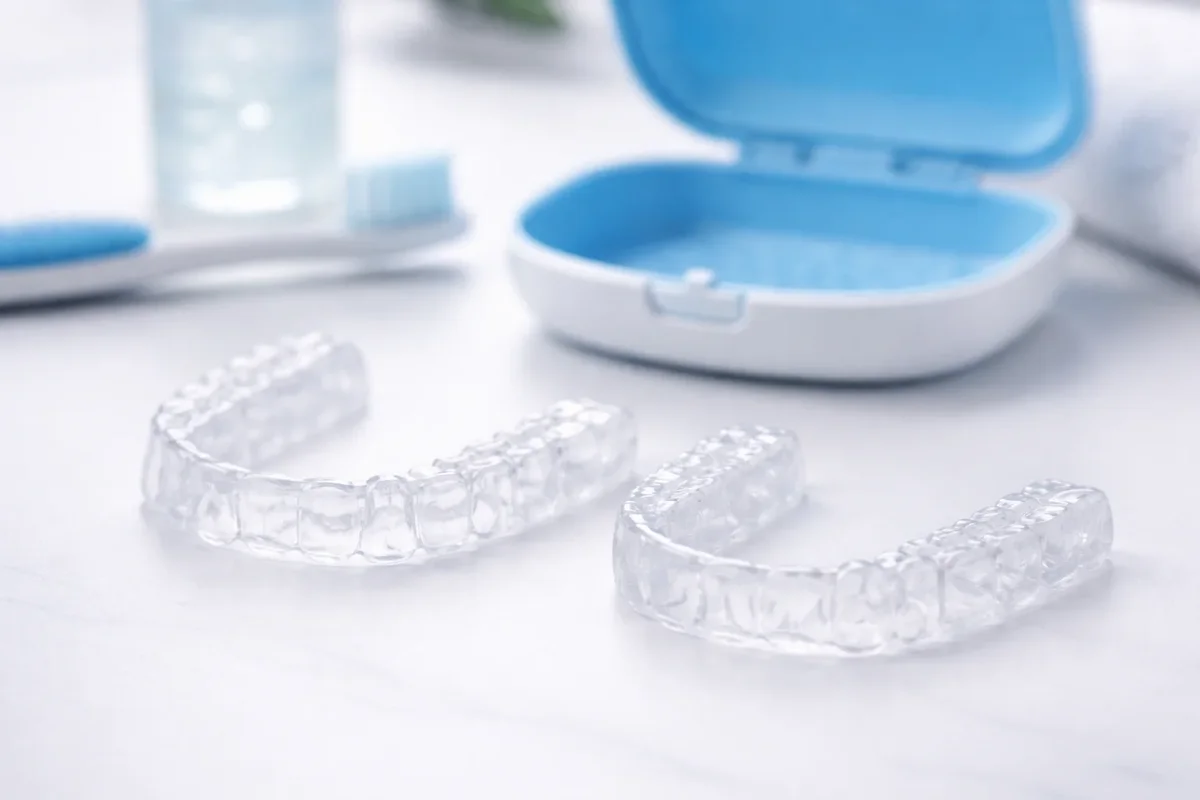
When to Choose Straightening Retainers vs Braces or Aligners
Choosing between straightening retainers, braces, or clear aligners is one of the most important decisions in your orthodontic journey. Each option has its own strengths, limitations, and ideal use cases. While straightening retainers are highly effective for minor corrections, they are not always the best solution for every patient. Understanding when to choose straightening retainers instead of other treatments will help you achieve the best results for your smile. 🦷
Understanding the Purpose of Each Option
Before deciding, it is important to understand the role of each treatment. Straightening retainers are primarily used for maintaining alignment and correcting small shifts. Braces and clear aligners, on the other hand, are designed for more comprehensive orthodontic changes.
Straightening Retainers for Minor Adjustments
Straightening retainers are ideal for subtle improvements. They work best when the alignment issue is minimal, such as slight crowding, small gaps, or relapse after previous orthodontic treatment.
Braces for Complex Cases
Traditional braces are the most powerful option for correcting severe misalignment. They can address complex issues like significant crowding, bite problems, and major tooth rotations.
Clear Aligners for Moderate Corrections
Clear aligners offer a middle ground between braces and straightening retainers. They are effective for moderate alignment issues and provide a more discreet alternative to braces.
When Straightening Retainers Are the Best Choice
There are specific situations where straightening retainers are the most appropriate option. These scenarios typically involve minor corrections or maintenance of previous results.
Post-Orthodontic Maintenance
After completing braces or aligner treatment, teeth can shift back over time. Straightening retainers are excellent for maintaining alignment and correcting small relapses.
Mild Crowding or Spacing
If you have slight crowding or small gaps, straightening retainers can provide an effective and less invasive solution compared to full orthodontic treatment.
Patients Seeking a Low-Commitment Option
Straightening retainers are ideal for individuals who want a simple, affordable, and less time-intensive way to improve their smile.
When Braces or Aligners Are More Suitable
While straightening retainers are useful, there are cases where they are not sufficient. Understanding these situations can help you avoid ineffective treatment.
Severe Misalignment
If your teeth are significantly crowded or misaligned, straightening retainers will not provide the necessary force to correct them. Braces or aligners are required for such cases.
Bite Issues
Problems like overbite, underbite, or crossbite cannot be corrected with straightening retainers. These conditions require comprehensive orthodontic intervention.
Complex Tooth Movement
Rotations, vertical movements, and large positional changes are beyond the capabilities of straightening retainers. Braces or aligners are better suited for these adjustments.
Comparing Comfort and Lifestyle Impact
Another important factor when choosing between straightening retainers, braces, or aligners is how each option fits into your daily life.
Comfort and Convenience
Straightening retainers are generally more comfortable and less intrusive. They are removable, making eating and cleaning easier compared to braces.
Aesthetic Considerations
For patients concerned about appearance, straightening retainers and clear aligners are both discreet options. Braces, while effective, are more visible.
Cost Considerations
Cost is often a deciding factor when choosing orthodontic treatment. Straightening retainers are typically the most affordable option, while braces and aligners require a larger investment.
However, choosing straightening retainers solely based on cost without considering your dental needs may lead to unsatisfactory results. It is important to balance affordability with effectiveness.
Importance of Professional Evaluation
The best way to determine whether straightening retainers are right for you is through a professional dental evaluation. A dentist will assess your teeth, identify your needs, and recommend the most suitable treatment option.
If you are unsure which option to choose, you can consult experts through the Redent Klinik Contact Page. Personalized advice ensures that you receive the most effective treatment plan.
For additional guidance on orthodontic treatments and oral health, the American Dental Association provides reliable and up-to-date information.
Making the Right Decision
Choosing between straightening retainers, braces, or aligners ultimately depends on your specific dental condition, lifestyle, and goals. While straightening retainers are an excellent solution for minor adjustments and maintenance, they are not a one-size-fits-all option.
By understanding the strengths and limitations of straightening retainers, you can make an informed decision that aligns with your needs and expectations.
Final Thoughts on Choosing the Right Treatment
In conclusion, straightening retainers are a practical and effective choice for minor alignment issues and post-treatment maintenance. However, for more complex cases, braces or aligners may be necessary. Consulting a dental professional ensures that you select the right option and achieve the best possible results for your smile. 😁