
Dental implants have become one of the most reliable and advanced methods for replacing missing teeth, offering both aesthetic appeal and long-term functionality. Understanding the success rate of dental implants is crucial for anyone considering this life-changing procedure. Patients often want to know how long implants last, what factors affect their success, and how they compare to other dental treatments. In this guide, we’ll dive deep into the numbers, science, and care practices that determine how successful dental implants really are. 🦷
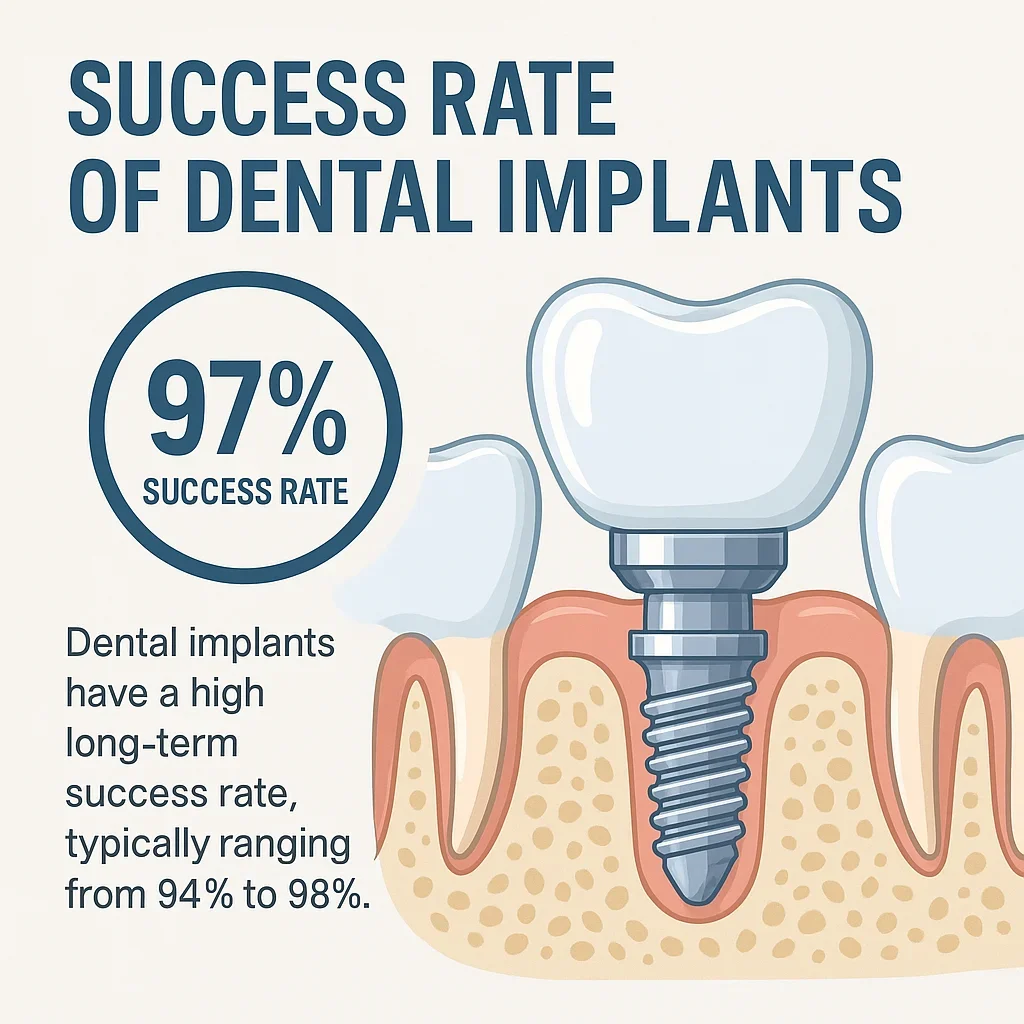
Generally, studies show that the success rate of dental implants ranges between 94% and 98%, depending on the patient’s overall health, bone quality, and the skill of the dental surgeon. These numbers indicate that dental implants are one of the most predictable and effective restorative dental treatments available today. The implants, which consist of titanium posts inserted into the jawbone, act as artificial tooth roots that support crowns, bridges, or dentures. Once healed, they provide a foundation almost identical in strength and function to natural teeth. 💪
But what does a “successful” implant really mean? A successful dental implant is one that integrates firmly with the jawbone (a process called osseointegration), remains stable without pain or infection, and functions properly for at least 10 years—though most last decades when properly maintained. When we talk about the success rate of dental implants, we’re essentially measuring how many implants remain healthy and functional over time. Long-term clinical studies have found that after 10 years, over 90% of implants still perform perfectly, which makes them a superior option compared to bridges or removable dentures.
Interestingly, the success rate isn’t the same for every individual. Some patients may experience complications due to smoking, diabetes, or insufficient bone density. However, with modern technology such as 3D imaging, bone grafting, and guided implant surgery, dentists can now customize treatment plans to enhance outcomes even in challenging cases. In advanced dental clinics such as Redent Klinik Contact Page, personalized implant treatment protocols significantly improve these statistics, ensuring that each patient receives optimal care suited to their unique anatomy and oral health status.
To further understand why the success rate of dental implants is so high, we should consider how the human body responds to titanium. Titanium is biocompatible, meaning it can fuse naturally with bone tissue without being rejected. This unique property ensures stability and longevity. Once integrated, implants support the jawbone and prevent bone resorption—a common problem with tooth loss. Without implants, patients can lose up to 25% of jawbone mass within the first year after tooth extraction, which can distort facial structure. Therefore, dental implants not only restore a smile but also protect long-term oral health and facial aesthetics. 🌟
Maintenance plays a major role in preserving the success rate of dental implants. Patients who practice consistent oral hygiene—brushing twice daily, flossing, and visiting their dentist regularly—have significantly higher chances of keeping their implants healthy. Poor hygiene, on the other hand, can lead to peri-implantitis (gum infection around the implant), which is one of the leading causes of implant failure. Dentists often emphasize that proper aftercare is just as important as the surgery itself.
Comparatively, the success of dental implants far exceeds that of traditional dental bridges or dentures. While bridges typically last 10 to 15 years before requiring replacement, implants can last 25 years or longer with minimal maintenance. This makes them not only a medically advanced solution but also a cost-effective one in the long term. When considering the success rate of dental implants, this longevity factor is a key reason why more patients and dental professionals worldwide prefer implant-based restorations.
According to data published by the American Dental Association, continuous improvements in materials, design, and surgical techniques have contributed to the consistently high success rates observed globally. Innovations such as surface-treated implants, computer-guided placement, and immediate-load techniques have made the process faster, safer, and more predictable. Today, even patients with medical conditions or bone loss can often undergo successful implant placement with proper planning and professional supervision.
Ultimately, the impressive success rate of dental implants reflects decades of dental research, improved technology, and patient education. However, every individual’s results depend on personalized factors such as oral health, lifestyle habits, and post-operative care. If you’re considering dental implants, consult with a reputable clinic that offers thorough evaluation, advanced imaging, and follow-up care. The more informed and prepared you are, the higher your chances of enjoying a permanent, confident smile that lasts a lifetime. 😁
What Is the Real Success Rate of Dental Implants? 📊
The success rate of dental implants is one of the most discussed topics among patients and dental professionals alike. When people consider replacing missing teeth with implants, they often ask the same question: “How successful are they really?” Understanding this question requires analyzing both scientific data and real-world outcomes. Let’s explore what global research, clinical studies, and professional organizations have revealed about the long-term success of dental implants and what those numbers actually mean for patients seeking lasting oral health. 🦷
Understanding the Concept of Success in Dental Implants
Before analyzing the success rate of dental implants, it’s essential to understand what dentists define as “success.” A successful implant is one that achieves osseointegration—the process where the titanium post fully bonds with the jawbone—and continues to function pain-free without infection, inflammation, or bone loss over the years. Clinical stability, aesthetic integration, and patient satisfaction are also key metrics in measuring success.
Globally, the average success rate of dental implants has been reported between 94% and 98%. These numbers come from long-term studies conducted over 10 to 20 years. For example, research published in the American Dental Association database shows that dental implants, when placed under optimal conditions, outperform all other restorative solutions in terms of longevity and function. This high rate of success is a result of decades of innovation in surgical techniques, materials, and post-operative care guidelines.
Why Titanium Matters: The Biological Compatibility Factor
One of the key reasons for the high success rate of dental implants is the use of titanium and its alloys. Titanium is biocompatible, meaning it naturally integrates with bone tissue without triggering rejection. This process creates a strong and durable foundation that mimics the natural root structure of teeth. Furthermore, modern implants often have surface treatments—like sandblasting and acid-etching—that increase surface area and enhance bone bonding. These innovations reduce healing time and minimize implant movement during the osseointegration period. 🧬
Another contributing factor is the precision of implant placement. Digital imaging and guided surgery allow dentists to insert implants with micrometer accuracy, reducing trauma and improving long-term stability. The combination of biological compatibility and surgical precision explains why implants maintain such a consistently high success rate across millions of cases worldwide.
Success Rates by Location in the Mouth
Interestingly, the success rate of dental implants can vary slightly depending on their location within the mouth. Studies indicate that implants placed in the lower jaw (mandible) generally have a higher success rate—up to 98%—compared to those in the upper jaw (maxilla), which average around 94–96%. This difference is mainly due to variations in bone density; the lower jaw has denser bone, offering stronger support for osseointegration.
In cases where bone quality in the upper jaw is insufficient, dentists often perform bone grafting or sinus lift procedures to improve the chances of success. Such pre-treatment measures can bring the success rate back up to near-identical levels as mandibular implants.
Success Over Time: Longevity and Maintenance
Longevity is one of the most impressive aspects of the success rate of dental implants. Research shows that implants can remain fully functional for 20 years or more with proper care. Many patients retain their original implants for a lifetime. However, these results depend heavily on patient habits and oral hygiene. Smokers, for example, are statistically more likely to experience implant failure due to reduced blood flow and delayed healing.
Average Success Rates Over Different Time Periods
- 1–5 years: 98% success rate with minimal complications
- 6–10 years: 95–97% depending on maintenance and bone quality
- 10–20 years: 90–95% success, proving implants’ long-term durability
These percentages illustrate that most failures—though rare—occur within the first year, typically due to improper healing, poor surgical technique, or infection. After successful osseointegration, the chances of implant failure drop dramatically.
Comparative Analysis: Dental Implants vs. Other Restorative Methods
When compared to other restorative methods, the success rate of dental implants is unmatched. Dental bridges and removable dentures, though less invasive, often require replacements or adjustments within 10–15 years. Bridges also involve altering adjacent teeth, which can compromise their integrity. Implants, on the other hand, preserve natural tooth structure and prevent bone loss—a unique advantage.
Statistical data shows that bridges typically have an 80–85% success rate after 10 years, while removable dentures drop below 70% satisfaction due to fit and comfort issues. This stark contrast underscores why dental implants are now the global standard in tooth replacement solutions.
What Global Research Reveals
Multiple meta-analyses and systematic reviews from universities and dental associations around the world confirm the consistent success rate of dental implants. For instance, a 2023 review involving over 15,000 implants concluded that 95.4% of implants were still functional after 15 years. Even patients with controlled diabetes or mild periodontal issues experienced only slightly lower rates (around 92%), demonstrating how robust and adaptable modern implantology has become.
As dental technology continues to evolve, innovations like immediate-loading implants, zirconia alternatives, and AI-assisted planning are likely to push success rates even higher. Clinics that adopt these modern techniques, such as Redent Klinik Contact Page, can offer patients greater predictability, shorter healing times, and more comfortable treatment experiences.
In summary, the success rate of dental implants remains exceptionally high due to a combination of advanced materials, refined surgical methods, and improved patient aftercare. For individuals considering implants, this reliability translates into peace of mind—knowing that their investment in oral health is supported by decades of clinical evidence and innovation. 🌟
Factors That Influence the Success Rate of Dental Implants
The success rate of dental implants is influenced by a complex interaction of biological, medical, and lifestyle factors. While modern implantology achieves exceptionally high success rates worldwide—often between 94% and 98%—these numbers can vary slightly from patient to patient. Understanding the main determinants behind implant longevity helps individuals make informed decisions, follow proper care routines, and reduce risks associated with failure. In this section, we’ll explore the major factors that influence implant outcomes, from bone density and oral hygiene to systemic health and surgical precision. 🦷
1. Bone Quality and Quantity
Bone quality is one of the most crucial elements affecting the success rate of dental implants. Dental implants rely on the process of osseointegration, where the titanium post fuses directly with the surrounding bone. If the jawbone lacks sufficient density or volume, the implant may not integrate properly, leading to instability or early failure. Patients who have been missing teeth for several years often experience bone resorption (bone shrinkage), which makes implant placement more challenging.
To overcome this, dentists may recommend procedures such as bone grafting or sinus lifts to rebuild the bone before implant surgery. These preparatory treatments significantly improve outcomes. In fact, studies show that with proper bone augmentation, the success rate of dental implants can reach nearly identical levels to those in patients with naturally dense bone—typically around 97–98%.
Bone Health Maintenance Tips
- Maintain a calcium-rich diet to support bone density.
- Avoid smoking, as it restricts blood flow and slows healing.
- Schedule regular dental checkups to monitor bone stability around implants.
2. Oral Hygiene and Daily Maintenance
Good oral hygiene is essential for maintaining the success rate of dental implants. Even the most expertly placed implant can fail without proper cleaning and maintenance. After implantation, plaque and bacteria can accumulate around the gum line, leading to peri-implantitis—a serious infection that damages surrounding bone and gum tissue.
Brushing at least twice a day, flossing with implant-safe floss or interdental brushes, and using an antibacterial mouthwash can dramatically reduce the risk of infection. Patients who maintain consistent hygiene routines enjoy significantly higher implant survival rates compared to those who neglect post-operative care. 🪥
Professional Cleaning and Follow-Ups
Regular professional dental cleanings—at least twice per year—are highly recommended. Dentists can detect early signs of gum inflammation or implant mobility before they escalate into serious complications. Long-term data suggests that patients who attend annual follow-up visits maintain a success rate of dental implants exceeding 95% even after 15 years.
3. Surgeon’s Experience and Technique
The expertise and precision of the dental surgeon play a decisive role in determining the success rate of dental implants. Implant placement requires accurate positioning, depth control, and angulation to ensure long-term stability. A skilled dentist uses 3D imaging technologies, such as CBCT (Cone Beam Computed Tomography), to visualize bone structure and nerves before surgery, minimizing risks of nerve injury or sinus perforation.
Modern techniques like computer-guided surgery and digital planning allow implants to be placed with millimeter-level accuracy. According to research from the American Dental Association, clinics that employ digital implant planning systems report up to a 2% higher success rate compared to conventional freehand techniques. This seemingly small difference can translate into thousands of additional successful cases globally. 🌍
4. Systemic Health and Medical Conditions
General health conditions, especially those affecting metabolism and immunity, can significantly influence the success rate of dental implants. For example, uncontrolled diabetes slows wound healing and increases infection risks. Similarly, osteoporosis and autoimmune disorders can weaken bone density and compromise implant stability.
However, patients with such conditions are not automatically excluded from receiving implants. With proper medical management and close coordination between physicians and dental surgeons, many achieve successful outcomes. The key lies in maintaining well-controlled blood sugar levels, balanced nutrition, and regular health check-ups before and after surgery.
Medications That Affect Implant Healing
- Bisphosphonates (used for osteoporosis) can interfere with bone healing.
- Immunosuppressants may reduce the body’s ability to fight infection.
- Anticoagulants can increase bleeding risk during surgery, requiring special precautions.
5. Smoking, Alcohol, and Lifestyle Habits
Smoking is one of the most documented risk factors for implant failure. Nicotine constricts blood vessels and reduces oxygen supply, slowing healing and increasing the risk of infection. Smokers have an average implant success rate 10% lower than non-smokers, particularly in the upper jaw where bone density is lower. Likewise, excessive alcohol consumption can impair the immune system and interfere with tissue regeneration.
Patients who quit smoking at least four weeks before surgery and avoid it afterward show a dramatic improvement in implant outcomes. This simple lifestyle change can elevate the success rate of dental implants close to that of non-smokers—proving that patient behavior plays a critical role in treatment success. 🚭
6. The Role of Technology and Materials
Advances in implant technology have revolutionized the success rate of dental implants. Modern implants are designed with textured surfaces that encourage faster bone growth and integration. Additionally, improvements in prosthetic design—such as zirconia abutments and CAD/CAM precision crowns—ensure better distribution of chewing forces, reducing the likelihood of mechanical complications.
Digital planning software now allows clinics like Redent Klinik Contact Page to simulate implant placement virtually before the actual surgery. This pre-visualization reduces surgical time, improves accuracy, and minimizes patient discomfort—all of which contribute to higher long-term success rates and satisfaction.
7. Patient Cooperation and Follow-Up Care
Finally, one of the most overlooked factors influencing the success rate of dental implants is patient cooperation. Following the dentist’s post-operative guidelines—such as avoiding hard foods during healing, taking prescribed antibiotics, and attending follow-up visits—is essential. Neglecting these steps increases the risk of infection or mechanical failure.
Ultimately, the combination of a skilled dental team, advanced materials, and responsible patient behavior leads to exceptional results. When all these factors align, dental implants can last for decades, offering comfort, confidence, and natural-looking smiles that stand the test of time. 🌟
In conclusion, the success rate of dental implants depends not just on the surgery itself but on the holistic care approach taken before and after the procedure. Every factor—from bone quality to lifestyle habits—plays a role in ensuring lasting stability and function. By understanding and addressing these variables, patients can maximize their implant’s success and enjoy a lifetime of healthy smiles.
How Bone Quality Affects Implant Longevity 🦴
The success rate of dental implants is highly dependent on the quality and quantity of the jawbone that supports the implant. The bone serves as the foundation for the implant post, and its ability to fuse with the titanium root determines the stability, strength, and long-term performance of the restoration. In simple terms, healthy bone equals lasting implants. Conversely, poor bone quality can compromise osseointegration—the critical biological process that ensures the implant becomes a permanent part of the jaw. Understanding the role of bone quality provides valuable insight into why some implants last a lifetime while others may fail prematurely.
1. The Science of Bone Density and Osseointegration
Bone density is a measure of how compact and mineralized the bone tissue is. In implant dentistry, high bone density means better support for the implant screw, allowing for stable osseointegration. During this process, the titanium surface of the implant interacts with bone cells (osteoblasts), gradually bonding the two structures together. When the bone is dense and healthy, osseointegration occurs more quickly and securely, directly increasing the success rate of dental implants.
There are four recognized types of jawbone density, classified by the Lekholm and Zarb system:
- D1: Very dense cortical bone – often found in the front lower jaw. Provides excellent stability.
- D2: Dense bone with some spongy inner layer – ideal condition for implants.
- D3: Softer bone with more porous structure – common in the upper jaw, requires cautious approach.
- D4: Very soft, spongy bone – least favorable, often needs grafting to improve density.
Research shows that implants placed in D1 or D2 bone types have a 98% survival rate, while those in D3 or D4 bone drop slightly to 90–94%. This variation highlights why bone assessment is one of the first diagnostic steps before implant surgery. 🧬
2. Bone Loss and Its Impact on Implant Success
Bone loss, also known as alveolar resorption, is a natural consequence of tooth loss. When a tooth is extracted or lost due to trauma, the jawbone around that site gradually deteriorates because it no longer receives stimulation from chewing forces. This can lead to a 25% reduction in bone width within just one year after tooth loss, dramatically reducing the chances of implant success.
Without sufficient bone volume, an implant may lack the stability needed for proper osseointegration. This makes bone grafting an essential preparatory procedure for many patients. With bone regeneration techniques, surgeons can restore the lost structure and raise the success rate of dental implants even in complex cases. Clinics like Redent Klinik Contact Page often use advanced bone augmentation methods to ensure long-term implant stability, even in patients who have experienced significant bone resorption.
3. Bone Grafting: A Solution for Weak Bone Structure
Bone grafting is a surgical technique designed to rebuild or reinforce the bone before implant placement. It involves transplanting bone material—either from the patient’s own body, a donor, or a synthetic source—to the deficient area. Over time, this grafted material fuses with the natural bone, increasing density and volume.
Types of Bone Grafts Used in Implant Dentistry
- Autograft: Bone taken from the patient’s own body (usually the chin or hip).
- Allograft: Bone sourced from a donor, thoroughly sterilized and processed.
- Xenograft: Bone derived from animal sources, typically bovine.
- Alloplast: Synthetic bone substitutes made from biocompatible materials like hydroxyapatite.
Studies have demonstrated that bone grafting procedures significantly enhance the success rate of dental implants, bringing results in low-density areas closer to those seen in ideal bone conditions. Patients undergoing bone augmentation typically experience a 95–97% implant survival rate—only slightly below the 98% achieved in optimal cases.
4. Sinus Lifts and Advanced Bone Regeneration Techniques
For implants in the upper jaw, particularly near the molars, dentists may perform a sinus lift when the bone height is insufficient. This procedure involves lifting the sinus membrane and placing bone graft material beneath it to create a stronger base. It’s one of the most successful augmentation techniques, with an average success rate exceeding 96% when performed correctly. 🏗️
In recent years, advancements such as platelet-rich plasma (PRP) therapy and stem-cell-enhanced grafts have accelerated healing times and further improved outcomes. PRP, derived from the patient’s blood, is rich in growth factors that stimulate new bone formation. These modern techniques ensure a stronger and faster fusion between the implant and bone, raising the overall success rate of dental implants even in patients who previously had poor bone health.
5. Role of Imaging and Digital Planning in Bone Assessment
Accurate diagnosis is the cornerstone of high implant success. Modern dental technology uses 3D Cone Beam Computed Tomography (CBCT) to create detailed images of the jawbone. This allows dentists to evaluate bone height, width, and density before surgery. With computer-guided planning, implant placement can be customized precisely to the bone’s structure, avoiding weak spots and optimizing load distribution.
Such digital planning has revolutionized implant dentistry. According to data from the American Dental Association, clinics that integrate CBCT-based planning systems achieve a statistically higher success rate of dental implants compared to those using conventional two-dimensional imaging. The technology also minimizes post-surgical complications and ensures predictable results. 🖥️
6. Nutrition and Bone Health Maintenance
Bone quality doesn’t depend only on surgical technique—it’s also influenced by general nutrition and lifestyle. Nutrients such as calcium, vitamin D, magnesium, and phosphorus are critical for bone formation and maintenance. A deficiency in these elements can lead to poor bone mineralization and, consequently, lower implant stability. Maintaining a balanced diet and getting adequate sunlight exposure for vitamin D synthesis can enhance bone metabolism and contribute to better implant integration.
Tips for Maintaining Healthy Bone After Implant Surgery
- Consume foods rich in calcium and vitamin D (e.g., dairy, salmon, leafy greens).
- Engage in regular weight-bearing exercises to strengthen bone tissue.
- Avoid smoking and excessive alcohol, both of which weaken bone health.
When patients maintain healthy nutrition habits and follow post-operative guidelines, their implants are far more likely to last for decades. In fact, long-term follow-up studies show that bone-supported implants maintain over a 95% survival rate even after 20 years.
7. The Connection Between Bone Quality and Aesthetics
Besides functionality, bone quality also affects the aesthetic outcome of dental implants. When bone volume is adequate, the gums can form naturally around the crown, resulting in a lifelike smile. Poor bone quality, however, can cause gum recession and dark shadows under the crown. That’s why many cosmetic dentists emphasize the importance of bone regeneration as part of the overall treatment plan.
In conclusion, bone health is one of the most decisive factors in determining the success rate of dental implants. With advanced diagnostic tools, regenerative techniques, and personalized care, even patients with bone deficiencies can achieve long-lasting and beautiful results. Proper bone management not only ensures structural integrity but also enhances comfort, appearance, and confidence—making dental implants a true investment in lifelong oral health. 🌟
The Role of Oral Hygiene in Implant Success
One of the most significant factors influencing the success rate of dental implants is proper oral hygiene. While advanced technology and surgical precision lay the foundation for implant success, long-term maintenance depends primarily on how well patients care for their oral environment. Dental implants, though resistant to decay, are still vulnerable to gum diseases and infections if plaque and bacteria accumulate around them. Understanding how oral hygiene affects implant longevity helps patients protect their investment and enjoy a healthy, confident smile for decades. 🦷
1. Why Oral Hygiene Is Critical for Implant Longevity
Unlike natural teeth, dental implants lack a periodontal ligament—the fibrous tissue that cushions natural tooth roots. This means that once plaque builds up around the implant, it can cause inflammation much faster, leading to a condition called peri-implant mucositis or, in more severe cases, peri-implantitis. These infections destroy the soft tissue and bone that support the implant, directly lowering the success rate of dental implants.
According to research from the American Dental Association, peri-implantitis affects approximately 10–20% of implant patients within five years when oral hygiene is neglected. However, patients who adhere to strict cleaning routines—brushing, flossing, and professional maintenance—maintain over a 95% success rate, proving that daily care plays a crucial preventive role.
2. Daily Cleaning Practices for Implant Health
Maintaining good oral hygiene doesn’t require complex procedures, but consistency and proper technique are key. Here’s what dental experts recommend to ensure long-term implant health and a high success rate of dental implants:
Essential Daily Routine
- Brushing: Use a soft-bristled toothbrush or an electric brush to clean the implant area twice a day. Brush at a 45-degree angle around the gum line to remove hidden plaque.
- Flossing: Use implant-specific floss or interdental brushes to clean the spaces between implants and natural teeth. Avoid snapping the floss against the gum to prevent irritation.
- Mouthwash: Antimicrobial rinses like chlorhexidine or alcohol-free antiseptic solutions help reduce bacterial growth and inflammation.
These daily practices might seem simple, but consistent implementation can dramatically increase the long-term success rate of dental implants. 🪥
3. Professional Maintenance and Regular Checkups
Routine dental visits are not optional—they are a cornerstone of implant care. Even if implants feel normal, small issues like gum inflammation or micro-movements can go unnoticed without professional monitoring. Dentists use special tools, such as plastic or titanium instruments, to remove plaque without scratching the implant surface. These visits also include X-rays to assess bone levels and confirm that the implant remains fully integrated.
Experts recommend professional cleanings every six months, though patients with a history of gum disease may need visits every three to four months. Long-term studies show that patients who maintain regular dental hygiene appointments preserve a success rate of dental implants exceeding 96%, compared to 85–88% for those who skip regular cleanings. Regular follow-ups are, therefore, an insurance policy for lasting oral health.
4. The Role of Bacteria in Implant Failure
Bacteria are microscopic but powerful enough to jeopardize the entire implant structure. When plaque forms and is not removed, it hardens into calculus (tartar), which creates a rough surface that encourages further bacterial attachment. The bacteria release toxins that inflame gum tissues, leading to bone destruction. This progression mirrors gum disease around natural teeth but develops faster around implants due to the lack of natural defense fibers.
If not addressed early, this can lead to peri-implantitis—a severe infection that often results in implant failure. Clinical data indicates that peri-implantitis accounts for nearly 70% of all late implant failures. By contrast, patients who maintain excellent oral hygiene routines rarely experience such complications, thereby protecting the overall success rate of dental implants across large populations.
5. Tools and Techniques for Optimal Oral Hygiene
Technological advancements in dental care have introduced tools designed specifically for implant maintenance. Sonic and ultrasonic toothbrushes, for instance, use vibration to dislodge plaque from difficult-to-reach areas without damaging soft tissues. Water flossers (oral irrigators) are another effective option, using pressurized water streams to flush out debris from between implants.
Recommended Cleaning Devices
- Electric Toothbrushes: Provide consistent cleaning motion and reduce manual brushing errors.
- Interdental Brushes: Ideal for cleaning under implant bridges or around abutments.
- Water Flossers: Great for patients with limited dexterity or multiple implants.
- Antibacterial Gels: Useful for controlling bacteria around implant margins.
Using these devices daily ensures that the implant environment remains plaque-free and helps sustain the long-term success rate of dental implants.
6. The Influence of Diet and Lifestyle on Oral Hygiene
Dietary choices and habits also play a major role in maintaining implant health. Sugary and acidic foods feed bacteria and weaken gum tissue, increasing the risk of infection. In contrast, a diet rich in vitamins C and D, calcium, and omega-3 fatty acids supports gum healing and bone strength. Limiting smoking and alcohol consumption is equally vital, as both hinder circulation and reduce the immune response around the implant area.
For example, studies show that non-smokers who maintain good oral hygiene have a success rate of dental implants around 98%, whereas heavy smokers may experience rates as low as 80–85%. This significant gap illustrates how lifestyle factors and daily habits can make or break implant longevity.
7. Recognizing Early Warning Signs of Implant Problems
Detecting early symptoms of oral health issues can prevent full implant failure. Redness, swelling, bleeding during brushing, or mild discomfort are early warning signs of gum inflammation. Patients should never ignore these indicators; prompt professional evaluation can reverse the problem before bone damage occurs.
At clinics such as Redent Klinik Contact Page, personalized aftercare programs teach patients to recognize and respond to these early symptoms. Early intervention, combined with proper hygiene, ensures implants remain functional and aesthetically perfect for decades. 🦷
8. The Psychological Benefits of Maintaining Oral Hygiene
Beyond physical health, maintaining a clean and healthy mouth also enhances self-confidence and psychological well-being. Knowing that your implants are secure and your breath is fresh fosters social comfort and emotional satisfaction. This reinforces the patient’s motivation to continue healthy habits, indirectly supporting the high success rate of dental implants through consistent self-care.
9. Conclusion: Oral Hygiene as the Foundation of Implant Success
In summary, oral hygiene is the cornerstone of maintaining the success rate of dental implants. While surgical expertise and materials are essential, the long-term outcome ultimately lies in the patient’s daily care habits. Brushing, flossing, regular professional maintenance, and healthy lifestyle choices all work together to prevent infection and bone loss. With dedication to proper hygiene, patients can expect their dental implants to last a lifetime—strong, beautiful, and fully functional. 🌟
Age, Health, and Lifestyle: Key Elements That Determine Outcomes
The success rate of dental implants is not determined solely by surgical skill or implant quality—it is also profoundly influenced by the patient’s age, general health, and lifestyle choices. These personal factors affect how well the body heals, how stable the bone structure remains, and how effectively the implant integrates into the jaw over time. Although modern implantology allows successful procedures for patients of almost any age, understanding these underlying influences helps ensure long-term success and satisfaction. 🌿
1. How Age Impacts Dental Implant Success
Age alone is not a limiting factor for implant surgery. Studies have shown that both younger and older adults can achieve a high success rate of dental implants when proper health conditions are met. However, age-related biological changes can slightly influence healing speed and bone density. For example, younger patients tend to have denser bone tissue and faster regenerative capacity, while elderly patients may experience slower osseointegration and reduced bone volume due to natural resorption over time.
Despite these differences, research demonstrates that patients over 70 years old can still achieve a 94–96% implant survival rate—very close to that of younger individuals. The determining factor is not chronological age but biological health. Therefore, pre-surgical evaluation focuses on bone density, gum condition, and systemic health rather than age itself. 👴👵
Why Age Matters Less Than Overall Health
- Bone remodeling potential: Older adults may require bone grafts or sinus lifts to improve bone support.
- Healing time: Recovery may take longer due to reduced cellular activity, but success remains high with proper aftercare.
- Gum elasticity: Thinner or less elastic gum tissue in older patients may require soft-tissue grafting for aesthetic balance.
In short, while age-related changes exist, they are no longer major barriers to achieving a strong success rate of dental implants thanks to advances in bone regeneration and surgical planning.
2. The Role of Overall Health in Implant Longevity
Systemic health plays a critical role in the long-term stability of implants. Conditions that affect blood flow, bone metabolism, or immune response can influence healing and osseointegration. Chronic diseases such as diabetes, osteoporosis, and cardiovascular disorders are among the most common concerns during implant assessment.
How Specific Conditions Affect Implant Outcomes
- Diabetes: Poorly controlled diabetes delays wound healing and increases infection risks. However, well-managed diabetic patients often maintain success rates of 95% or higher.
- Osteoporosis: This condition can reduce bone density, but with careful surgical planning and medication management, the success rate of dental implants remains excellent.
- Cardiovascular diseases: High blood pressure or heart conditions typically do not directly impact implant success, though they may require medical clearance and anesthetic adjustments.
Medical collaboration between dentists and physicians ensures that patients with chronic conditions receive safe, tailored treatment plans. Clinics such as Redent Klinik Contact Page often perform comprehensive medical screenings before surgery to optimize conditions for implant integration.
3. Smoking and Its Effects on Implant Success
Among all lifestyle habits, smoking has the most detrimental impact on the success rate of dental implants. Nicotine restricts blood flow, reduces oxygen delivery, and compromises gum healing. It also promotes bacterial growth, increasing the risk of peri-implantitis. Clinical research consistently shows that smokers experience a 10–15% lower implant survival rate compared to non-smokers.
Interestingly, patients who quit smoking before surgery can significantly improve their prognosis. When smoking cessation occurs at least four weeks before implantation, the success rate rises dramatically, reaching up to 96%, nearly identical to non-smokers. This demonstrates that lifestyle changes before and after surgery can make a measurable difference. 🚭
4. The Influence of Nutrition on Implant Healing
Nutrition is another key factor that impacts tissue regeneration and immune strength. A balanced diet rich in vitamins, minerals, and proteins enhances healing, while deficiencies can delay osseointegration. Calcium and vitamin D are particularly vital for maintaining bone density around the implant site. Likewise, vitamin C and zinc strengthen connective tissue and support immune response.
Recommended Nutrients for Implant Health
- Vitamin D: Improves calcium absorption and bone mineralization.
- Calcium: Essential for bone regeneration and density maintenance.
- Vitamin C: Promotes collagen formation and wound healing.
- Protein: Provides amino acids for tissue repair after surgery.
Patients who maintain balanced nutrition before and after surgery show significantly improved healing rates, contributing to a higher overall success rate of dental implants. 💪
5. The Impact of Stress, Sleep, and Lifestyle Choices
Beyond physical health, psychological and lifestyle factors also influence recovery. Chronic stress can suppress the immune system and slow healing, while inadequate sleep reduces tissue regeneration. Patients under prolonged stress may also neglect oral hygiene routines, indirectly increasing the risk of implant complications.
Incorporating stress-reduction techniques, maintaining proper sleep schedules, and engaging in light physical activity can help the body heal faster and support healthy bone integration. These seemingly simple habits collectively enhance the long-term success rate of dental implants.
6. Alcohol Consumption and Healing Process
Excessive alcohol intake negatively affects bone formation and collagen synthesis, both crucial to implant integration. It also interferes with the absorption of essential nutrients like calcium and magnesium. Moderate consumption, however, has minimal impact if patients maintain proper hydration and nutrition. Dentists typically recommend avoiding alcohol for at least two weeks post-surgery to ensure proper healing.
7. Hormonal and Gender-Related Factors
Hormonal fluctuations, particularly in women, can affect bone metabolism and gum health. Post-menopausal women often experience reduced estrogen levels, which can weaken bone density. In such cases, dentists may prescribe calcium and vitamin D supplements or recommend bone grafting to enhance the success rate of dental implants. Similarly, pregnancy is not an ideal time for implant surgery, as hormonal changes and medication restrictions may complicate healing.
8. How Modern Medicine Overcomes Health Challenges
Thanks to modern medical advancements, even patients with complex health conditions can enjoy the benefits of dental implants. Technologies like guided surgery, biocompatible materials, and regenerative medicine have made it possible to achieve success rates of 95–98% across nearly all demographics. Furthermore, custom-tailored treatment plans consider each patient’s age, health history, and lifestyle habits to optimize results. Clinics that employ these methods, such as American Dental Association-accredited centers, continue to push the limits of what’s achievable in implant dentistry.
9. Conclusion: The Holistic Approach to Implant Success
The success rate of dental implants is the result of a holistic equation involving age, health, and lifestyle. No single factor determines the outcome; rather, the synergy of biological readiness, healthy habits, and professional expertise ensures long-term implant stability. Whether a patient is 30 or 75 years old, maintaining good general health, balanced nutrition, and responsible habits dramatically improves results. With proper guidance and care, dental implants can truly last a lifetime, restoring both confidence and function with remarkable reliability. 🌟
How Dental Implant Technology Has Improved Success Rates
The success rate of dental implants has dramatically improved over the past few decades, thanks to continuous advancements in materials, surgical techniques, and digital technologies. What was once a complex and risky procedure is now one of the most reliable treatments in modern dentistry, achieving long-term success rates exceeding 95%. Innovations in imaging, biomaterials, and digital workflows have not only made implants more predictable but also more comfortable and accessible to patients worldwide. Let’s explore how these technological breakthroughs have revolutionized implant dentistry. ⚙️
1. Evolution of Implant Materials
One of the most crucial factors influencing the success rate of dental implants is the material used to construct the implant itself. Early dental implants were made of stainless steel or other metals that were prone to corrosion or rejection by the body. The introduction of titanium in the 1960s marked a turning point. Titanium’s biocompatibility allows it to fuse naturally with bone through a process called osseointegration, forming a stable foundation that can last a lifetime.
Today, manufacturers have enhanced titanium implants with surface treatments—such as sandblasting, acid etching, and plasma spraying—to improve bone cell attachment and healing. Additionally, zirconia implants have emerged as a metal-free alternative for patients with metal sensitivities or aesthetic concerns. These materials not only reduce inflammation risks but also maintain high durability and color harmony with natural teeth, supporting the long-term success rate of dental implants.
Material Advancements That Improved Outcomes
- Titanium Alloy (Ti-6Al-4V): Lighter, stronger, and promotes faster osseointegration.
- Zirconia Implants: Highly aesthetic and ideal for metal-free restorations.
- Nanostructured Surfaces: Enhance cellular response and shorten healing time.
2. Digital Imaging and 3D Planning
Digital imaging technologies have revolutionized the precision of implant placement. With the advent of CBCT (Cone Beam Computed Tomography), dentists can obtain three-dimensional scans of the patient’s jawbone, allowing them to visualize bone quality, density, and nerve locations in detail. This technology has significantly reduced complications and improved surgical accuracy, directly enhancing the success rate of dental implants.
Furthermore, digital implant planning software allows clinicians to simulate the surgery virtually before performing it. This ensures optimal implant positioning, angulation, and load distribution. As a result, post-operative discomfort is minimized, and healing times are reduced. Clinics such as Redent Klinik Contact Page use advanced 3D planning systems to deliver consistent, predictable outcomes for every patient. 🖥️
3. Guided Implant Surgery
Guided surgery is another milestone innovation that has elevated the success rate of dental implants. Using digital models and surgical templates, dentists can perform minimally invasive procedures with micrometer precision. These guides are created based on a patient’s CBCT scan and digital impressions, ensuring that implants are placed exactly where planned.
Benefits of guided surgery include reduced surgical trauma, shorter operation times, and faster recovery. It also minimizes the risk of implant misalignment or nerve damage. The technique is particularly valuable for complex cases involving limited bone volume or multiple implants. Research shows that guided implant placement can improve accuracy by up to 30%, reducing postoperative complications and significantly boosting long-term success rates.
4. Immediate Load and One-Day Implant Systems
In the past, patients had to wait several months for osseointegration before receiving a permanent crown. Today, technological innovations have made immediate-load implants—also known as “teeth in a day”—a viable option. These systems allow the placement of a temporary or permanent prosthesis immediately after surgery, reducing treatment time and improving patient satisfaction.
Clinical trials have demonstrated that immediate-load implants can achieve a success rate of dental implants comparable to traditional methods—around 94–97%—when performed under proper conditions. The combination of digital planning and high-quality biomaterials ensures that immediate restorations are both functional and aesthetically pleasing right from day one. 🌟
5. Advances in Surface Technology
Surface modification has been one of the most transformative developments in implantology. Earlier implants had smooth surfaces that took longer to integrate with bone. Modern implants, however, feature micro-rough or nano-textured surfaces that accelerate bone attachment and healing. Some implants are coated with bioactive substances like calcium phosphate, which mimic natural bone mineral composition and enhance osseointegration.
Popular Surface Treatments in Modern Implants
- SLActive Surface: Enhances early bone formation and reduces healing time to as little as 3–4 weeks.
- Hydrophilic Coatings: Promote better blood interaction and cell adhesion during healing.
- Laser-Modified Surfaces: Provide uniform texture for faster tissue integration.
These innovations contribute directly to the exceptional success rate of dental implants observed in modern clinical practice, as faster healing reduces infection risks and improves early-stage stability.
6. Regenerative and Biological Enhancements
Biological sciences have also played a significant role in improving outcomes. Platelet-Rich Plasma (PRP) and Platelet-Rich Fibrin (PRF) are now widely used to accelerate healing and bone regeneration. These materials, derived from the patient’s own blood, are rich in growth factors that stimulate bone and soft tissue repair around the implant. By using regenerative techniques, clinicians can achieve higher implant stability and long-term functionality, further improving the success rate of dental implants.
7. Artificial Intelligence and Robotics in Implant Dentistry
In the digital era, artificial intelligence (AI) and robotic-assisted systems have become game changers in dentistry. AI-driven software can predict the best implant position based on bone density data, while robotic guidance ensures ultra-precise placement. These systems reduce human error and provide unparalleled consistency. Robotic-assisted surgeries have shown nearly 99% accuracy in implant positioning, leading to fewer complications and improved long-term outcomes.
The integration of AI-based diagnostics and robotic precision represents the next generation of implant dentistry, promising to elevate the global success rate of dental implants even further in the coming years. 🤖
8. Advanced Prosthetic Design and CAD/CAM Technology
Digital dentistry has also transformed the way prosthetics—crowns, bridges, and dentures—are designed. CAD/CAM (Computer-Aided Design and Manufacturing) systems create perfectly fitting restorations that align seamlessly with the patient’s bite and jaw structure. This precision minimizes micro-movements and uneven force distribution, two factors that can otherwise lead to implant loosening over time.
By ensuring exact fit and superior aesthetics, CAD/CAM restorations contribute to both functional and psychological satisfaction, reinforcing the already impressive success rate of dental implants. Patients enjoy faster treatment times, fewer adjustments, and natural-looking results that last for decades.
9. Conclusion: The Future of Implant Technology
The dental industry continues to innovate, with ongoing research into biomimetic materials, smart implants with embedded sensors, and bioengineered bone integration. Each new advancement pushes the boundaries of predictability and safety. The success rate of dental implants has already reached record highs due to these cumulative technological improvements, and future developments promise even greater comfort, precision, and longevity for patients worldwide.
Modern implantology stands as a testament to how science and technology can transform healthcare. From digital planning to robotic surgery, every innovation brings us closer to the goal of flawless, lifelong dental restoration. 🌍
Comparing Dental Implants vs. Other Tooth Replacement Options
When patients evaluate tooth replacement treatments, one question inevitably arises: how does the success rate of dental implants compare with other methods like bridges or dentures? The answer is clear—implants consistently outperform alternative restorations in durability, function, and overall satisfaction. They are the closest replacement to natural teeth, both in strength and appearance. This section explores a detailed comparison between dental implants and other common options to help patients understand why implants have become the gold standard in restorative dentistry. 🦷
1. Dental Implants: The Gold Standard in Modern Dentistry
Dental implants are titanium or zirconia posts surgically inserted into the jawbone, where they fuse through osseointegration and act as artificial roots. Once healed, they support crowns, bridges, or dentures that look and function like real teeth. The success rate of dental implants is consistently between 94% and 98% in long-term studies—making them one of the most successful medical procedures in existence.
Beyond aesthetics, implants preserve bone structure and prevent jaw atrophy—a major issue with other tooth replacement options. Their permanence, stability, and natural feel make them a long-term solution for anyone seeking to restore both function and confidence. Clinics like Redent Klinik Contact Page specialize in advanced implant systems that maintain these exceptional success levels for decades. 🌟
2. Dental Bridges: Traditional but Limited Longevity
Before implants became widespread, dental bridges were the most common fixed solution for missing teeth. A bridge involves attaching an artificial tooth (pontic) between two crowns placed on the adjacent natural teeth. While bridges can restore appearance and chewing function, they have several drawbacks when compared to implants.
Key Drawbacks of Dental Bridges
- They require grinding down healthy adjacent teeth to support the crowns.
- They do not prevent bone loss beneath the missing tooth area.
- They typically last only 10–15 years before needing replacement.
Although dental bridges have a reasonable success rate—around 85–90%—their longevity and stability fall short of the success rate of dental implants. Furthermore, because bridges depend on neighboring teeth for support, they can compromise the long-term health of those teeth, increasing the risk of decay and structural weakness.
3. Removable Dentures: Affordable but Functionally Inferior
Removable dentures remain popular among patients seeking an economical solution, particularly when replacing multiple teeth. However, dentures rest on the gums rather than being anchored into bone, leading to significant functional and aesthetic limitations.
Challenges with Dentures
- They can slip or move while eating and speaking, causing discomfort or embarrassment.
- They accelerate bone loss by failing to stimulate the jawbone.
- They often require frequent adjustments or relining due to bone resorption.
- They may impair taste and reduce bite force by as much as 70% compared to natural teeth.
The average success rate for dentures is subjective because they are not permanent fixtures. However, user satisfaction rates are significantly lower than for implants. Clinical surveys reveal that patients who switch from dentures to implants report a 90% improvement in chewing efficiency and comfort. These numbers reinforce the superior success rate of dental implants when it comes to both physical and psychological outcomes. 😁
4. Implant-Supported Dentures: A Hybrid Solution
For patients missing most or all teeth, implant-supported dentures combine the stability of implants with the affordability of traditional dentures. Typically, four to six implants are strategically placed in the jaw to anchor a full denture arch—a system known as All-on-4 or All-on-6.
Unlike removable dentures, these fixed or snap-on systems prevent bone resorption and provide superior stability. Their long-term success rates average around 96%, nearly matching single-tooth implants. These hybrid systems allow patients to speak, eat, and smile naturally without worrying about slippage or discomfort. As a result, implant-supported dentures significantly elevate the overall success rate of dental implants as a complete restorative concept.
5. Partial Dentures vs. Implants: The Comfort Factor
Partial dentures are often used when only a few teeth are missing. While they offer an affordable, non-surgical solution, they tend to cause pressure on adjacent teeth and gums. Over time, this can lead to irritation and bone resorption. Implants, on the other hand, distribute bite forces evenly across the jawbone, preserving natural bone and preventing discomfort. The success rate of dental implants in partial replacements is therefore substantially higher than that of removable partial dentures.
6. Cost Comparison and Long-Term Value
At first glance, implants may appear more expensive than bridges or dentures. However, when evaluating long-term value, implants are often more cost-effective. Bridges and dentures require regular maintenance, replacements, and adjustments every 10–15 years. In contrast, implants—if properly maintained—can last 25 years or longer, often for a lifetime.
Average Global Cost Comparison (Estimated)
| Treatment Type | Average Longevity | Estimated Success Rate |
|---|---|---|
| Single Dental Implant | 25+ years | 94–98% |
| Dental Bridge | 10–15 years | 85–90% |
| Removable Denture | 5–8 years | Subjective |
| Implant-Supported Denture | 20+ years | 95–97% |
From an economic standpoint, implants deliver greater lifetime value. When factoring in replacements, maintenance, and comfort, implants become the most practical and cost-efficient solution in the long run. The success rate of dental implants reflects not just their survival statistics but also the long-term satisfaction and stability they offer.
7. Functional and Aesthetic Differences
Functionally, implants restore full chewing efficiency, allowing patients to eat confidently without dietary restrictions. Aesthetically, they mimic natural teeth in color, translucency, and alignment, making them indistinguishable from real teeth. Bridges and dentures, however, often lose their fit and color over time, requiring periodic replacements or aesthetic adjustments. This combination of beauty and performance explains why the success rate of dental implants far surpasses competing solutions in patient-reported satisfaction surveys.
8. Psychological and Lifestyle Impact
Beyond functional performance, dental implants profoundly affect emotional well-being. Patients who receive implants often report improved self-confidence, better speech, and enhanced social comfort. Dentures, on the other hand, can cause self-consciousness due to movement or instability. The security and natural feel of implants empower individuals to smile, laugh, and communicate freely, contributing to an overall sense of well-being. 🌼
9. Conclusion: Why Implants Stand Out
After decades of research and clinical evidence, it is clear that dental implants represent the most advanced and reliable tooth replacement option available today. With superior aesthetics, comfort, and functionality, they deliver unmatched longevity and patient satisfaction. The consistently high success rate of dental implants—backed by technological innovation and meticulous care—makes them the preferred choice for millions seeking to restore their smiles permanently. For anyone considering tooth replacement, implants offer the most natural, durable, and confidence-boosting solution modern dentistry can provide. 🌟
Long-Term Maintenance and Aftercare to Preserve Implant Success
The success rate of dental implants does not end at the moment of surgery—it depends heavily on long-term maintenance and patient aftercare. Even though implants are designed to be permanent, they require consistent hygiene practices, professional monitoring, and lifestyle awareness to ensure they remain stable for decades. This section explores all critical aspects of aftercare, from cleaning techniques to professional follow-ups and early warning signs of complications. 🦷
1. The Importance of Long-Term Maintenance
Once the implant has integrated with the jawbone through osseointegration, it functions like a natural tooth root. However, unlike natural teeth, implants cannot develop cavities—but they can still suffer from gum infections such as peri-implantitis. Proper maintenance prevents bacterial accumulation that could otherwise threaten bone support and reduce the overall success rate of dental implants. Consistent oral hygiene and regular checkups are therefore essential for preserving longevity and function.
According to the American Dental Association, patients who adhere to regular professional cleaning and follow-up visits maintain a higher implant survival rate, with 97% success recorded even after 15 years. This proves that good aftercare habits directly correlate with implant performance over time.
2. Daily Cleaning Routine for Dental Implants
Just like natural teeth, implants require daily cleaning to remove food debris and plaque. Neglecting this routine can lead to gum inflammation and bacterial infection, which compromise the success rate of dental implants. Patients should brush twice daily with a soft-bristled toothbrush and use non-abrasive toothpaste to avoid damaging the implant surface or gum tissue.
Effective Home Care Techniques
- Electric toothbrushes: Offer consistent motion and are highly effective in removing plaque from implant surfaces.
- Interdental brushes: Clean the tight spaces between implants and adjacent teeth more effectively than traditional floss.
- Water flossers: Help remove bacteria and food particles without irritating sensitive gum areas.
- Antibacterial mouthwash: Reduces inflammation and protects against peri-implant diseases.
Incorporating these practices into a daily routine ensures that the success rate of dental implants remains consistently high, even decades after placement. 💧
3. Professional Dental Checkups and Cleanings
Routine professional visits play an essential role in preserving implant health. Dentists recommend checkups every 6 months—or more frequently for patients with medical conditions such as diabetes or periodontal disease. During these appointments, specialists use special tools designed for implants (usually titanium or resin-tipped instruments) to clean the area without scratching the implant surface.
Regular dental X-rays may also be performed to monitor bone stability and detect early signs of bone loss. Clinics like Redent Klinik Contact Page employ digital radiography and 3D imaging for precise, non-invasive monitoring. These advanced diagnostic tools help ensure the highest success rate of dental implants through early detection and preventive care.
4. Recognizing and Preventing Peri-Implant Diseases
Peri-implant mucositis and peri-implantitis are two of the most common complications that can threaten the longevity of implants. Mucositis is reversible gum inflammation around the implant, while peri-implantitis involves bone loss and can lead to implant failure if untreated. The earliest signs include swelling, redness, bleeding during brushing, or mild discomfort.
Prevention Strategies
- Maintain impeccable oral hygiene habits.
- Quit smoking and limit alcohol consumption.
- Attend professional checkups every 3–6 months for plaque removal.
- Address gum inflammation promptly before it escalates.
When treated early, these conditions can be reversed, allowing the success rate of dental implants to remain consistently high. Ignoring symptoms, however, can lead to irreversible bone damage and implant loss.
5. Diet and Nutrition for Implant Longevity
A balanced diet rich in nutrients supports tissue healing and bone density. Vitamins D, C, and calcium are particularly important for maintaining healthy bone structure around the implant. Patients are encouraged to consume dairy, leafy greens, fish, and nuts to ensure proper mineralization.
Foods to Avoid After Implant Surgery
- Sticky or hard foods (e.g., caramel, nuts, or ice) that may stress the implant.
- Sugary beverages that increase bacterial growth.
- Excessive caffeine or alcohol, which can slow healing.
Good nutrition directly contributes to the long-term success rate of dental implants, promoting strong bone support and resistance against infection.
6. Lifestyle Habits That Affect Implant Health
Smoking, excessive alcohol consumption, and teeth grinding (bruxism) are three habits that can significantly reduce implant survival rates. Nicotine limits blood flow to the gums, slowing healing and increasing infection risk. Meanwhile, grinding exerts excessive pressure on implants, potentially causing microfractures or loosening over time. Using a nightguard and stress-management techniques can help prevent damage and maintain the exceptional success rate of dental implants.
7. The Role of Regular X-Rays and Monitoring
Dental professionals recommend taking baseline radiographs after implant placement, followed by periodic scans to evaluate bone levels. Modern clinics employ 3D CBCT technology for precise assessment. This enables early detection of any marginal bone loss or peri-implant inflammation before symptoms arise. Early intervention significantly improves the long-term success rate of dental implants and prevents costly or invasive treatments later on.
8. Managing Implants in Patients with Medical Conditions
Patients with systemic conditions such as diabetes or osteoporosis require special care and more frequent follow-up. Controlled medical conditions do not drastically affect the success rate of dental implants if managed properly. However, consistent monitoring and communication between dentists and physicians ensure the best outcomes. Patients should always inform their dental providers about medication changes or new diagnoses that may affect healing or bone metabolism.
9. The Psychological and Quality-of-Life Benefits of Maintenance
Maintaining implant health isn’t just about physical stability—it also enhances emotional well-being. A well-maintained implant provides comfort, confidence, and a lasting smile. Patients who invest in long-term maintenance report significantly higher satisfaction and reduced dental anxiety. 🌼 Regular aftercare allows them to enjoy the full benefits of their investment while preserving the extraordinary success rate of dental implants across their lifetime.
10. Conclusion: Sustaining a Lifetime of Confidence
Long-term aftercare is the foundation of enduring implant success. By combining meticulous home hygiene, professional maintenance, and healthy habits, patients can ensure their implants last a lifetime. The success rate of dental implants ultimately reflects a shared responsibility between patient and dentist—where daily care, periodic monitoring, and proactive treatment together guarantee decades of healthy, confident smiles. 🌟
Future Trends and Research Shaping the Success Rate of Dental Implants
The success rate of dental implants has already reached impressive heights in modern dentistry, but continuous scientific research and technological innovation are pushing these boundaries even further. As materials, digital tools, and regenerative medicine advance, implants are becoming more precise, biologically compatible, and long-lasting. In this section, we’ll explore the most promising future trends in implantology—covering topics such as biomimetic materials, smart implants, AI-driven diagnostics, and tissue engineering—that are set to redefine implant success over the coming decades. 🧬
1. Smart Dental Implants with Embedded Sensors
One of the most revolutionary concepts in modern dentistry is the development of smart implants—devices equipped with tiny sensors that monitor bone healing, temperature, and infection levels in real time. These sensors transmit data wirelessly to dental professionals, allowing early detection of potential issues before symptoms appear. Such technologies could dramatically improve the long-term success rate of dental implants by enabling proactive interventions rather than reactive treatments.
For example, a sensor might detect minor bone loss or inflammation near the implant base. The dentist would be immediately alerted and could adjust treatment or hygiene recommendations before the problem worsens. As this technology becomes more affordable and accessible, it is expected to increase implant longevity well beyond current averages of 25–30 years.
Potential Benefits of Smart Implants
- Continuous monitoring of bone health and tissue integration.
- Early detection of infection or mechanical stress.
- Enhanced communication between patients and dentists.
- Improved patient reassurance and long-term care outcomes.
By integrating diagnostics and connectivity, smart implants could raise the success rate of dental implants close to 99%, transforming preventive dentistry as we know it. 📡
2. 3D Bioprinting and Regenerative Implantology
Another groundbreaking field shaping the future is 3D bioprinting. Researchers are exploring ways to print living tissues that can merge seamlessly with the patient’s bone and gums. In the near future, it may be possible to create fully customized implants infused with stem cells, allowing true biological integration rather than mechanical attachment. This innovation could virtually eliminate the risk of implant rejection and significantly elevate the success rate of dental implants for patients with bone deficiencies.
Additionally, tissue engineering techniques such as growth factor–enriched scaffolds are helping regenerate bone faster and more predictably. Instead of synthetic grafts, natural biological materials could soon stimulate the body to rebuild itself—accelerating healing while reducing surgical invasiveness.
Current Developments in Regenerative Research
- Platelet-Rich Fibrin (PRF): A natural biomaterial that speeds healing and bone regeneration.
- Stem Cell Integration: Studies show stem cell–based grafts enhance bone density around implants.
- Bioprinted Scaffolds: Customized to match jawbone geometry for better load distribution.
These innovations will likely play a major role in maintaining an ultra-high success rate of dental implants in patients with previously limited bone or gum support. 🌱
3. Artificial Intelligence and Predictive Implant Planning
Artificial Intelligence (AI) is revolutionizing dental diagnostics, and its influence on implant planning is profound. AI systems analyze patient data—such as CBCT scans, medical history, and bite dynamics—to predict potential complications and suggest optimal implant placement angles. This not only shortens surgical time but also increases precision, ensuring better osseointegration and improved outcomes.
AI-assisted tools are also being trained on massive datasets to identify patterns associated with implant success or failure. As algorithms evolve, dentists will be able to receive predictive “risk scores” for each patient, allowing for completely personalized treatment strategies. Clinics using AI-driven systems are already reporting a measurable increase in the success rate of dental implants due to enhanced planning and precision. 🤖
4. Nanotechnology and Surface Innovation
Nanotechnology continues to play a critical role in improving implant surfaces and enhancing bone integration. Researchers are developing nano-textured titanium surfaces that mimic the structure of natural bone tissue. These surfaces encourage bone-forming cells (osteoblasts) to attach more quickly and securely, speeding up osseointegration and reducing healing time by up to 40%.
In addition, coatings made from nanoparticles of calcium phosphate or bioactive glass can release ions that promote bone regeneration and inhibit bacterial growth. These nanostructures improve both biological compatibility and infection resistance, ensuring a higher long-term success rate of dental implants.
Examples of Nanotech-Enhanced Innovations
- Hydrophilic Nanocoatings: Attract proteins and growth factors essential for bone attachment.
- Antibacterial Surfaces: Reduce peri-implant infections without antibiotics.
- Nanoporous Titanium: Enhances mechanical stability and integration.
With nanotechnology, implants are evolving from passive mechanical devices into active bioengineered systems capable of interacting with the human body at the cellular level. ⚙️
5. Digital Dentistry and Virtual Reality Training
The digital transformation of dentistry is accelerating. Advanced CAD/CAM design, intraoral scanning, and virtual reality (VR) simulation allow dentists to plan, practice, and execute procedures with unprecedented precision. These tools not only reduce human error but also shorten learning curves for professionals. As more clinicians adopt these technologies, the overall success rate of dental implants is expected to increase globally.
Virtual Reality also plays an educational role, allowing dental students and surgeons to practice implant placement in simulated environments before performing real surgeries. This innovation ensures uniform standards of skill and safety across clinics worldwide.
6. Customized and Patient-Specific Implants
In the future, mass-produced implants will likely be replaced by personalized designs tailored to each patient’s anatomy. Using digital scanning and 3D printing, dentists can already fabricate implants that perfectly match jawbone curvature, improving both function and aesthetics. Custom implants reduce the risk of bone stress and misalignment—two key causes of implant failure—thus improving the overall success rate of dental implants.
Additionally, patient-specific abutments (the connectors between implant and crown) improve load distribution and reduce micro-movement, minimizing wear and maximizing comfort over decades of use.
7. Sustainability and Biocompatibility in Implant Manufacturing
With growing environmental awareness, the dental industry is shifting toward eco-friendly and biocompatible materials. Future implants may be made from sustainable biomaterials derived from natural sources, offering excellent tissue integration without harming the environment. Research into biodegradable coatings and recyclable packaging also aligns with global sustainability goals while maintaining the same high success rate of dental implants.
8. Long-Term Data and Predictive Analytics
Modern implantology benefits greatly from big data analytics. By collecting and analyzing millions of case studies, researchers can identify patterns related to age, health, and bone quality. These insights help refine implant design and treatment protocols, enhancing success predictions and reducing complications. Predictive analytics will continue to strengthen the already robust success rate of dental implants through evidence-based personalization.
9. Conclusion: A Future of Precision and Permanence
The next generation of dental implant technology will merge biology, robotics, and data science into a seamless system of precision care. From AI-guided surgeries to regenerative biomaterials and sensor-enabled implants, the goal is simple—to ensure every patient enjoys a lifetime of comfort, confidence, and stability. 🌍
With innovations like smart diagnostics, 3D bioprinting, and nanotechnology on the horizon, the success rate of dental implants is set to exceed 99% within the next few decades. This marks not just an evolution in dental care but a true transformation in how humanity restores and preserves oral health for generations to come. 🌟