
Losing a tooth can affect far more than just your appearance. It can influence how you eat, speak, and feel about your smile every day. Fortunately, modern dentistry offers highly advanced solutions to restore missing teeth. Among the most trusted solutions in the world today are swiss dental implants. Known for their exceptional quality, precision engineering, and outstanding success rates, swiss dental implants have become a gold standard in implant dentistry.
Dental implants in general are artificial tooth roots designed to replace missing teeth permanently. However, swiss dental implants are widely recognized for their superior craftsmanship and innovative design. Developed using cutting-edge Swiss medical technology, these implants provide a stable and long-lasting foundation for crowns, bridges, or full-mouth restorations. 🦷
Switzerland has long been known for precision manufacturing, from luxury watches to high-performance medical devices. The same engineering excellence applies to swiss dental implants. These implants are typically produced using medical-grade titanium or advanced ceramic materials that are carefully engineered to integrate naturally with the human jawbone. This process, called osseointegration, allows the implant to fuse securely with the bone, creating a stable base for artificial teeth.
One of the main reasons patients and dentists prefer swiss dental implants is their outstanding reliability. Many implant systems manufactured in Switzerland undergo rigorous testing and research before reaching dental clinics. This results in extremely high success rates that often exceed 95% when performed by experienced professionals.
Another major advantage of swiss dental implants is their advanced surface technology. The surface of the implant is specially treated to accelerate bone integration and improve stability. This technology helps reduce healing time while ensuring the implant becomes firmly anchored in the jaw. As a result, patients often experience faster recovery and better long-term outcomes.
Patients also choose swiss dental implants because they offer excellent aesthetics. Once the implant integrates with the jawbone, a custom-made dental crown is placed on top. This crown is designed to match the shape, size, and color of your natural teeth. The result is a restoration that looks and functions like a real tooth. Many people find it almost impossible to distinguish a natural tooth from one supported by swiss dental implants.
Beyond aesthetics, swiss dental implants also play a critical role in preserving oral health. When a tooth is lost, the surrounding jawbone may begin to shrink over time due to lack of stimulation. Dental implants help prevent this bone loss by providing the same stimulation that natural tooth roots provide. This helps maintain facial structure and prevents the sunken appearance that can occur after tooth loss.
Patients considering swiss dental implants often ask about safety and clinical standards. Leading implant systems are developed in compliance with strict international medical regulations and guidelines. Organizations such as the American Dental Association emphasize the importance of evidence-based implant dentistry to ensure patient safety and long-term success.
Another important factor contributing to the popularity of swiss dental implants is their versatility. They can be used to replace a single missing tooth, several missing teeth, or even support full-mouth restorations such as implant-supported dentures. Because of their strong and stable design, swiss dental implants provide a reliable solution for many different dental situations.
Modern dental clinics around the world offer swiss dental implants as part of advanced restorative treatments. The procedure typically involves placing the implant into the jawbone, allowing it to heal and integrate, and then attaching a customized crown or prosthetic tooth. Although the process may take several months, the final result is often a permanent and natural-looking solution.
If you are considering restoring your smile with swiss dental implants, it is essential to consult with an experienced dental professional who specializes in implant dentistry. An expert evaluation can determine whether your jawbone density, oral health, and overall medical condition make you a suitable candidate for this treatment.
Patients who wish to explore professional consultation and personalized treatment planning can reach out through the Redent Klinik Contact Page. A comprehensive dental evaluation will help determine the best approach for achieving a strong, healthy, and beautiful smile.
Ultimately, swiss dental implants represent the perfect combination of precision engineering, advanced medical science, and aesthetic dentistry. By offering durability, stability, and natural appearance, these implants have become one of the most trusted solutions for replacing missing teeth worldwide. For patients seeking a long-lasting and reliable tooth replacement option, swiss dental implants continue to set the benchmark for modern implant dentistry. ✨
What Are Swiss Dental Implants and Why Are They So Popular?
Modern dentistry has evolved dramatically over the past few decades, offering patients highly reliable solutions for replacing missing teeth. One of the most advanced and trusted options available today is swiss dental implants. These implants are widely recognized around the world for their exceptional precision, innovative engineering, and long-term durability. Many dentists and patients consider swiss dental implants among the most reliable tooth replacement systems available in contemporary implant dentistry.
In simple terms, swiss dental implants are artificial tooth roots designed to replace missing teeth permanently. They are typically manufactured in Switzerland using advanced medical-grade materials and precision engineering techniques. These implants are surgically inserted into the jawbone, where they gradually fuse with the bone through a biological process known as osseointegration. Once healing is complete, the implant serves as a stable foundation for a dental crown, bridge, or even a full arch prosthesis.
The Engineering Excellence Behind Swiss Dental Implants
The global popularity of swiss dental implants is largely due to the engineering precision associated with Swiss medical technology. Switzerland has a long-standing reputation for producing high-quality medical devices. Dental implant systems developed in this country benefit from strict manufacturing standards, extensive research, and rigorous clinical testing.
Each component of swiss dental implants is carefully designed to ensure optimal performance inside the human body. The implants are typically made from high-grade titanium or advanced ceramic materials. Titanium is especially popular because it is biocompatible, meaning the human body accepts it naturally without rejection. This compatibility allows swiss dental implants to integrate securely with the jawbone and function similarly to natural tooth roots.
Another remarkable feature of swiss dental implants is their specially treated surface technology. Many implant systems incorporate micro-textured or sandblasted surfaces that encourage faster bone attachment. This enhances stability and helps reduce the healing time required after implant placement.
Why Dentists Around the World Trust Swiss Dental Implants
Dentists often recommend swiss dental implants because they are supported by decades of scientific research and clinical success. Implant manufacturers in Switzerland invest heavily in research and development to improve implant performance, safety, and longevity.
One of the main reasons professionals prefer swiss dental implants is their extremely high success rate. Studies consistently show implant success rates above 95% when proper treatment planning and surgical techniques are used. These high success rates make swiss dental implants one of the most predictable solutions for replacing missing teeth.
Professional organizations such as the American Dental Association highlight the importance of evidence-based dental implant systems that have proven long-term performance. Many swiss dental implants meet these rigorous clinical standards, which further strengthens their reputation in modern dentistry.
Natural Appearance and Functional Benefits
Another major reason why patients choose swiss dental implants is their ability to restore both aesthetics and function. Unlike removable dentures, dental implants provide a permanent and stable solution. Once the implant integrates with the jawbone, a custom crown is attached that looks and feels like a natural tooth.
With swiss dental implants, patients can chew, speak, and smile confidently without worrying about their restoration moving or slipping. The implant acts just like a natural tooth root, allowing the crown to function normally during everyday activities.
In addition to improving appearance, swiss dental implants also help maintain facial structure. When teeth are lost, the surrounding bone can begin to shrink over time. Because implants stimulate the jawbone during chewing, they help prevent bone loss and maintain the natural shape of the face.
Advanced Implant Design for Long-Term Stability
The structural design of swiss dental implants is another key factor behind their success. Many systems feature specialized threads that improve primary stability during placement. This design allows the implant to anchor firmly into the jawbone while the healing process occurs.
Additionally, swiss dental implants often include innovative implant-abutment connections that reduce mechanical stress and prevent bacterial infiltration. These design improvements help protect surrounding tissues and extend the lifespan of the implant restoration.
Who Typically Chooses Swiss Dental Implants?
Patients who value long-term quality and reliability often choose swiss dental implants. They are suitable for individuals who have lost one or more teeth and want a permanent alternative to traditional dentures or bridges. People who want the most advanced implant technology available frequently ask their dentist about swiss dental implants.
Dental clinics specializing in implant dentistry commonly recommend swiss dental implants for cases requiring high precision, durability, and aesthetic results. Whether replacing a single tooth or restoring a full arch, swiss dental implants can provide an excellent solution when carefully planned and executed.
Patients interested in learning more about their treatment options can consult an experienced dental team through the Redent Klinik Contact Page. A personalized consultation helps determine whether swiss dental implants are the best choice for achieving a strong, healthy, and natural-looking smile.
Ultimately, the global reputation of swiss dental implants is built on precision engineering, scientific research, and consistent clinical results. Their ability to combine durability, stability, and aesthetics has made swiss dental implants one of the most respected solutions in modern restorative dentistry. As implant technology continues to evolve, swiss dental implants remain a benchmark for quality and innovation in the field of dental implantology. 🦷
Top Advantages of Choosing Swiss Dental Implants for Tooth Replacement
When patients begin researching modern solutions for replacing missing teeth, one treatment option consistently stands out: swiss dental implants. Known for their advanced technology, long-term durability, and exceptional success rates, swiss dental implants have earned a reputation as one of the most reliable dental implant systems available today. Patients and dentists alike appreciate the combination of precision engineering, medical innovation, and aesthetic excellence that swiss dental implants provide.
Choosing the right implant system is critical because dental implants are designed to function as permanent tooth replacements. The quality of the implant affects not only the longevity of the restoration but also the patient’s comfort, chewing ability, and overall oral health. This is why many dental professionals recommend swiss dental implants for individuals seeking a stable and long-lasting solution for missing teeth.
Exceptional Precision and Engineering
One of the primary advantages of swiss dental implants is the exceptional level of precision used in their design and manufacturing. Switzerland is internationally known for producing high-quality medical devices and precision instruments. The same expertise that goes into Swiss watchmaking and medical technology is also applied to dental implant systems.
Manufacturers of swiss dental implants follow extremely strict quality control standards. Each implant component is carefully engineered using advanced manufacturing techniques and high-grade materials such as medical titanium or zirconia ceramics. These materials are specifically chosen because they are biocompatible, meaning they integrate safely with the human body.
As a result, swiss dental implants offer exceptional structural integrity and durability. Patients can rely on them to withstand daily chewing forces for many years while maintaining stability and function.
High Success Rates and Long-Term Reliability
Another important benefit of swiss dental implants is their consistently high clinical success rate. Studies in implant dentistry often show success rates exceeding 95% when the procedure is performed by an experienced dental professional.
The success of swiss dental implants is largely attributed to their advanced surface technology. Many implant systems use specially treated surfaces that promote faster and stronger bone integration. This process, known as osseointegration, allows the implant to fuse securely with the jawbone.
Because of this strong biological connection, swiss dental implants can function almost exactly like natural tooth roots. Once healing is complete, patients can chew comfortably and confidently without worrying about implant movement or instability.
Organizations such as the American Dental Association emphasize the importance of evidence-based implant systems that have demonstrated long-term success. Many swiss dental implants are supported by decades of clinical research and documented performance, which further reinforces their reliability.
Natural Appearance and Improved Confidence
Beyond their structural benefits, swiss dental implants are also known for producing highly natural-looking results. After the implant integrates with the jawbone, a custom dental crown is placed on top. This crown is carefully designed to match the color, shape, and size of the patient’s natural teeth.
The final result achieved with swiss dental implants is often indistinguishable from natural teeth. Patients can smile, speak, and eat with confidence, knowing that their dental restoration looks completely natural.
Unlike removable dentures, which may slip or cause discomfort, swiss dental implants remain securely anchored in the jawbone. This stability allows patients to enjoy their favorite foods and maintain normal speech patterns without inconvenience.
Preservation of Jawbone Health
A critical advantage of swiss dental implants is their ability to help preserve jawbone health. When a tooth is lost, the bone that once supported that tooth begins to shrink due to lack of stimulation. Over time, this bone loss can lead to changes in facial structure and premature aging.
Because swiss dental implants act like natural tooth roots, they stimulate the jawbone during chewing and biting. This stimulation helps maintain bone density and prevents the bone from deteriorating. As a result, patients who receive swiss dental implants often maintain better facial structure and oral health over the long term.
Comfort and Function Similar to Natural Teeth
Another major benefit of swiss dental implants is the comfort they provide. Unlike traditional dentures that rest on the gums, implants are anchored directly into the jawbone. This secure placement allows them to function almost exactly like natural teeth.
Patients with swiss dental implants can eat a wide variety of foods without worrying about their teeth shifting or causing irritation. Everyday activities such as speaking, chewing, and smiling feel natural and comfortable.
This improved functionality significantly enhances a patient’s quality of life. Many individuals who switch from dentures to swiss dental implants report feeling more confident in social and professional situations.
Versatile Treatment Options
Another reason dentists frequently recommend swiss dental implants is their versatility. These implants can be used in a wide range of restorative treatments. For example, they can support:
- Single tooth replacements
- Multiple tooth bridges
- Full arch implant restorations
- Implant-supported dentures
This flexibility allows dentists to customize treatment plans according to each patient’s specific dental needs.
Patients interested in learning whether swiss dental implants are the right solution for them can consult experienced implant specialists through the Redent Klinik Contact Page. A comprehensive consultation will evaluate oral health, bone density, and overall treatment goals.
Ultimately, swiss dental implants provide a combination of durability, aesthetics, and long-term reliability that few other dental treatments can match. With their advanced engineering, strong clinical success rates, and natural appearance, swiss dental implants remain one of the most trusted solutions for restoring missing teeth in modern dentistry. 🦷
How Swiss Dental Implants Are Designed for Superior Stability
The long-term success of dental implant treatment depends heavily on one crucial factor: stability. For an implant to function like a natural tooth root, it must integrate securely with the jawbone and withstand everyday chewing forces. This is where swiss dental implants truly stand out. Known worldwide for their precision engineering and advanced design features, swiss dental implants are specifically developed to provide exceptional stability and long-lasting performance.
Dental implant manufacturers in Switzerland invest heavily in research, material science, and clinical studies to improve implant stability and patient outcomes. As a result, swiss dental implants incorporate innovative structural elements, surface technologies, and connection systems that enhance both immediate stability and long-term integration with the jawbone.
Understanding how swiss dental implants achieve this superior stability can help patients appreciate why these implants are widely regarded as one of the most reliable solutions in modern implant dentistry.
Precision Implant Geometry and Thread Design
The shape and structure of a dental implant play a critical role in how well it anchors into the jawbone. One of the key innovations behind swiss dental implants is their carefully engineered implant geometry. Many implant systems developed in Switzerland feature specialized thread patterns designed to maximize contact between the implant surface and surrounding bone.
These advanced thread designs allow swiss dental implants to achieve strong primary stability immediately after placement. Primary stability refers to the mechanical stability of the implant during the early stages of healing before the bone has fully integrated with the implant.
Because of their optimized thread structure, swiss dental implants distribute chewing forces evenly across the jawbone. This reduces pressure on any single area of bone and improves the long-term durability of the implant restoration.
In addition, many implant systems use tapered designs that mimic the natural shape of tooth roots. This design allows swiss dental implants to fit securely within the jawbone and minimize surgical trauma during placement.
Advanced Surface Technology for Faster Osseointegration
Another major factor contributing to the stability of swiss dental implants is their advanced surface treatment technology. Implant surfaces are specially treated using processes such as sandblasting, acid etching, or micro-texturing. These techniques create microscopic roughness on the implant surface.
This micro-structured surface encourages bone cells to attach more easily to the implant. As the bone grows and integrates with the implant surface, the implant becomes firmly anchored within the jaw.
This biological process, known as osseointegration, is essential for the long-term success of swiss dental implants. Because Swiss manufacturers continuously refine their surface technologies, many modern implants promote faster and stronger bone integration compared to earlier implant systems.
The enhanced bone attachment provided by swiss dental implants allows patients to achieve reliable results with reduced healing complications.
Micro-Level Surface Engineering
At a microscopic level, the surface of swiss dental implants is carefully engineered to stimulate bone growth. The micro-rough texture increases the surface area available for bone contact, improving the implant’s biological stability.
Because of this design, swiss dental implants create a stronger bond with the surrounding bone tissue. This helps prevent implant movement and supports long-term structural integrity.
High-Quality Implant Materials
The materials used in implant manufacturing are another reason why swiss dental implants provide such remarkable stability. Most implants are made from medical-grade titanium, a material widely used in orthopedic and dental procedures because of its strength and biocompatibility.
Titanium integrates naturally with human bone, allowing swiss dental implants to fuse securely with the jaw over time. This natural compatibility reduces the risk of rejection and ensures that the implant remains stable for many years.
Some systems also offer zirconia-based swiss dental implants, which provide a metal-free alternative for patients seeking ceramic implant solutions. Zirconia implants offer excellent strength and aesthetic benefits, especially in patients with thin gum tissue.
Secure Implant–Abutment Connections
The connection between the implant and the prosthetic crown is another critical component of stability. Modern swiss dental implants often feature advanced implant–abutment connection systems designed to reduce mechanical stress and improve structural strength.
Many Swiss implant systems utilize conical or internal connection designs. These designs allow the abutment to fit tightly within the implant body, creating a stable and secure interface.
This precise connection reduces the risk of micro-movements and prevents bacteria from entering the implant interface. As a result, swiss dental implants help protect surrounding gum tissue and maintain long-term implant health.
Organizations such as the American Dental Association emphasize the importance of clinically tested implant systems that demonstrate predictable mechanical stability and biological integration. Many swiss dental implants meet these strict clinical standards.
Enhanced Load Distribution During Chewing
Every time we chew food, significant pressure is applied to our teeth and jawbone. If an implant system cannot distribute these forces properly, complications may occur over time.
Fortunately, swiss dental implants are engineered to distribute chewing forces evenly throughout the jawbone. Their carefully designed structure reduces stress concentrations and helps maintain bone stability around the implant.
This efficient load distribution allows swiss dental implants to function comfortably during everyday activities such as eating, speaking, and smiling.
Professional Planning and Precision Placement
While the engineering of swiss dental implants plays a major role in stability, successful outcomes also depend on proper treatment planning and surgical placement. Experienced implant specialists carefully evaluate bone density, gum health, and bite alignment before placing the implant.
Modern imaging technologies such as 3D cone-beam CT scans allow dentists to plan the exact placement of swiss dental implants with exceptional accuracy. This precise planning helps ensure optimal positioning, which further improves implant stability and longevity.
Patients who want to explore advanced implant treatments can schedule a professional consultation through the Redent Klinik Contact Page. A personalized evaluation allows specialists to determine whether swiss dental implants are the most suitable solution for restoring missing teeth.
Ultimately, the superior stability of swiss dental implants results from a combination of innovative engineering, advanced materials, and precise surgical techniques. Their carefully designed geometry, specialized surface technology, and secure connection systems work together to create a stable and long-lasting foundation for dental restorations.
Because of these advantages, swiss dental implants continue to set the benchmark for quality and performance in modern implant dentistry, providing patients with reliable, comfortable, and natural-looking tooth replacement solutions for many years to come. 🦷
The Step-by-Step Procedure of Getting Swiss Dental Implants
For many patients considering tooth replacement, understanding the full treatment process is essential before committing to a procedure. The treatment journey for swiss dental implants is carefully planned and carried out in several stages to ensure long-term success, comfort, and natural aesthetics. While the overall process may take several months from start to finish, the result is often a stable, permanent solution that closely mimics natural teeth.
Dentists who specialize in implantology follow a structured protocol when placing swiss dental implants. This protocol includes detailed diagnostics, surgical placement, healing, and final restoration. Each stage plays a critical role in ensuring that swiss dental implants integrate successfully with the jawbone and provide long-lasting functionality.
Initial Consultation and Comprehensive Evaluation
The first step in receiving swiss dental implants begins with a comprehensive consultation with an implant specialist. During this visit, the dentist evaluates the patient’s oral health, medical history, and treatment goals. This stage is extremely important because successful implant placement depends on factors such as bone density, gum health, and overall oral hygiene.
Modern dental clinics often use advanced imaging technologies such as 3D cone-beam CT scans to evaluate the jawbone structure. These scans allow dentists to determine whether there is sufficient bone to support swiss dental implants. If bone loss has occurred due to missing teeth, additional procedures such as bone grafting may be recommended before implant placement.
At this stage, the dentist also discusses treatment timelines, expected outcomes, and any alternative treatment options. Patients who want to schedule a personalized implant consultation can contact specialists through the Redent Klinik Contact Page.
Digital Treatment Planning and Implant Positioning
Once the patient is confirmed as a suitable candidate, the next step involves detailed digital treatment planning. Dentists use specialized software to plan the exact position, angle, and depth of the swiss dental implants.
This precise planning ensures that the implants are placed in the optimal position for both functional stability and aesthetic appearance. Proper placement of swiss dental implants allows the final crown to align naturally with the patient’s bite and surrounding teeth.
Because swiss dental implants are manufactured with extremely precise dimensions, digital planning helps maximize the implant’s stability and long-term success.
Surgical Placement of Swiss Dental Implants
The next stage of the procedure involves surgically placing the swiss dental implants into the jawbone. The surgery is typically performed under local anesthesia, and many patients report minimal discomfort during the procedure.
During surgery, the dentist carefully creates a small opening in the jawbone where the implant will be inserted. The titanium implant is then placed securely within the bone. Because of their specialized thread design, swiss dental implants achieve strong initial stability during placement.
After the implant is inserted, the gum tissue is usually closed over the implant or a healing cap is attached. This allows the implant to remain protected while the healing process begins.
Duration of Implant Surgery
The surgical placement of swiss dental implants is typically a relatively quick procedure. In many cases, placing a single implant can take between 30 and 60 minutes. More complex treatments, such as full-mouth restorations, may require additional time depending on the number of implants being placed.
Thanks to advanced surgical techniques and modern implant designs, most patients experience minimal swelling or discomfort after receiving swiss dental implants.
The Healing Phase and Osseointegration
After implant placement, the most critical phase of treatment begins: osseointegration. This biological process allows the jawbone to grow and attach directly to the surface of the implant. During this period, the implant gradually becomes fused with the surrounding bone tissue.
The healing process for swiss dental implants typically takes between three and six months. During this time, the implant becomes firmly anchored in the jawbone, creating a stable foundation for the final restoration.
The advanced surface technology used in swiss dental implants helps accelerate bone integration and improve long-term stability. Patients are usually advised to follow specific oral hygiene instructions and attend follow-up visits to ensure proper healing.
Organizations such as the American Dental Association emphasize the importance of proper healing and monitoring during implant treatment to achieve the best possible results.
Placement of the Abutment and Final Crown
Once the implant has fully integrated with the jawbone, the next stage involves placing the abutment. The abutment is a small connector that attaches to the top of the swiss dental implants and supports the final dental crown.
After the abutment is secured, the dentist takes digital impressions of the patient’s teeth. These impressions are used to create a custom crown that matches the color, shape, and size of the natural teeth.
The final crown is then attached to the swiss dental implants, completing the restoration. The result is a fully functional tooth replacement that looks and feels natural.
Enjoying Long-Term Results
Once treatment is complete, patients can enjoy the full benefits of swiss dental implants. The implant functions like a natural tooth root, allowing patients to eat, speak, and smile confidently.
With proper oral hygiene and regular dental check-ups, swiss dental implants can last for decades. Many patients report that their implants feel so natural that they eventually forget which tooth was replaced.
Because of their precision engineering, biocompatible materials, and proven success rates, swiss dental implants continue to be one of the most trusted solutions for restoring missing teeth.
Ultimately, the step-by-step treatment process ensures that swiss dental implants provide not only aesthetic improvements but also long-term oral health benefits. Patients who choose this advanced implant solution can expect a durable, comfortable, and highly natural-looking restoration that enhances their quality of life. 🦷
Swiss Dental Implants vs Traditional Dental Implants: Key Differences
When patients explore dental implant treatment, one of the most common questions they ask is how swiss dental implants compare to traditional dental implant systems. While all dental implants are designed to replace missing teeth, there are important differences in engineering quality, material technology, clinical research, and long-term reliability. Understanding these distinctions helps patients make informed decisions about which implant system may be best for their needs.
Both traditional implants and swiss dental implants follow the same biological principle: an artificial tooth root is inserted into the jawbone where it integrates with bone tissue through a process called osseointegration. Once healing is complete, a crown or prosthetic tooth is attached to restore appearance and chewing ability. However, the quality of the implant system itself can significantly influence the predictability and longevity of the final result.
Manufacturing Standards and Precision Engineering
One of the most significant differences between conventional implant systems and swiss dental implants lies in the level of manufacturing precision. Switzerland is internationally known for its strict engineering standards and medical device quality control. Swiss implant manufacturers invest heavily in research, innovation, and advanced production technologies.
As a result, swiss dental implants are typically produced using extremely precise machining processes that ensure consistent implant dimensions and perfect component compatibility. This precision allows dentists to place implants with greater confidence and accuracy.
Traditional implant systems may vary widely depending on the manufacturer. While many are reliable, some may not undergo the same rigorous testing and quality assurance procedures that characterize swiss dental implants. This difference in production standards can influence implant stability and long-term performance.
Material Quality and Biocompatibility
The materials used to manufacture implants also play a major role in treatment outcomes. Most swiss dental implants are made from medical-grade titanium alloys that are specifically engineered for optimal biocompatibility and strength. Titanium has been widely used in implant dentistry because it integrates naturally with bone tissue and resists corrosion within the body.
Some modern swiss dental implants also offer zirconia ceramic alternatives. Zirconia implants provide a metal-free option for patients who prefer ceramic restorations or have metal sensitivities. These implants also offer excellent aesthetics, particularly in areas where gum tissue is thin.
Traditional dental implants also often use titanium, but the exact alloy composition, surface treatment, and manufacturing processes may vary depending on the manufacturer. This variation means that the consistency seen in swiss dental implants is not always guaranteed in other implant systems.
Surface Technology and Osseointegration
The implant surface plays a critical role in how quickly and effectively the implant integrates with the jawbone. Many swiss dental implants incorporate advanced surface technologies that enhance bone attachment and accelerate the healing process.
Surface treatments such as sandblasting, acid etching, or laser micro-texturing create microscopic structures on the implant surface. These microstructures encourage bone cells to grow directly onto the implant, improving the stability of swiss dental implants.
While many traditional implant systems also use surface treatments, the proprietary technologies developed by Swiss manufacturers often provide enhanced biological integration. This improved osseointegration contributes to the high success rates associated with swiss dental implants.
Enhanced Bone Integration
One advantage of modern swiss dental implants is their ability to achieve strong bone integration even in challenging cases. Patients with reduced bone density may still benefit from advanced implant designs that promote improved bone contact and faster healing.
This enhanced integration capability allows swiss dental implants to perform reliably across a wide range of clinical situations.
Clinical Research and Long-Term Evidence
Another major factor distinguishing swiss dental implants from many traditional implant systems is the extensive clinical research supporting their use. Swiss implant manufacturers typically conduct long-term studies to evaluate implant performance, durability, and patient satisfaction.
Many of these studies demonstrate success rates exceeding 95% over many years. The reliability of swiss dental implants is supported by decades of documented clinical outcomes.
Professional organizations such as the American Dental Association encourage dentists to use implant systems backed by strong scientific evidence. Many swiss dental implants meet these evidence-based standards.
Aesthetic Performance and Patient Satisfaction
Beyond functionality, aesthetics are an important consideration in implant dentistry. Patients want their dental restorations to look natural and blend seamlessly with their existing teeth.
Swiss dental implants are often designed with advanced implant–abutment connections that support highly aesthetic restorations. These systems allow dental technicians to create crowns that mimic natural tooth contours and gum line appearance.
Because of their precision design, swiss dental implants often provide excellent aesthetic results, especially in visible areas of the mouth such as the front teeth.
Treatment Planning and Customization
Dentists who use swiss dental implants often benefit from sophisticated treatment planning systems that allow highly customized implant placement. Digital planning software, guided surgery tools, and precision implant components work together to optimize treatment outcomes.
This level of customization allows swiss dental implants to be used in a wide variety of treatment scenarios, including single-tooth replacement, implant-supported bridges, and full-mouth restorations.
Patients interested in exploring implant treatment options can consult experienced specialists through the Redent Klinik Contact Page. A personalized consultation will help determine whether swiss dental implants are the most suitable solution for restoring missing teeth.
Overall Value and Long-Term Investment
Although the initial cost of swiss dental implants may sometimes be higher than some traditional implant systems, many patients consider them a valuable long-term investment. Their high success rates, strong engineering, and predictable outcomes often reduce the risk of complications or replacement procedures in the future.
When evaluating implant options, it is important to consider not only the immediate cost but also the long-term durability and reliability of the treatment. In many cases, swiss dental implants provide excellent value because they are designed to last for decades with proper care.
Ultimately, both traditional dental implants and swiss dental implants can successfully restore missing teeth when placed by skilled professionals. However, the advanced technology, precision engineering, and extensive clinical research behind swiss dental implants continue to make them one of the most trusted choices in modern implant dentistry. 🦷
Who Is the Ideal Candidate for Swiss Dental Implants?
Dental implants have become one of the most advanced and reliable solutions for replacing missing teeth, but not every patient automatically qualifies for implant treatment. Determining whether a person is a suitable candidate for swiss dental implants requires a careful evaluation of several factors, including oral health, bone density, lifestyle habits, and overall medical condition. When these factors align, swiss dental implants can provide a long-lasting, stable, and natural-looking tooth replacement solution.
Modern implant dentistry focuses heavily on individualized treatment planning. Dentists assess each patient’s oral structure and health conditions before recommending swiss dental implants. Because these implants are designed to integrate with the jawbone and function like natural tooth roots, certain biological and structural conditions must be present for successful results.
Patients With Missing One or More Teeth
The most obvious candidates for swiss dental implants are individuals who have lost one or more teeth. Tooth loss can occur for many reasons, including decay, trauma, gum disease, or aging. Regardless of the cause, missing teeth can affect chewing ability, speech, facial structure, and overall confidence.
Swiss dental implants offer an excellent solution because they replace both the visible crown and the root of the missing tooth. This makes them significantly more stable than traditional dentures or removable prosthetics. Patients who want a fixed, permanent replacement rather than removable options often prefer swiss dental implants.
Additionally, individuals who have difficulty chewing or speaking due to missing teeth frequently benefit from the stability provided by swiss dental implants. Once fully healed, implants restore normal biting strength and allow patients to eat a wide range of foods comfortably.
Patients With Healthy Gums
Healthy gum tissue is essential for successful implant placement. Before placing swiss dental implants, dentists carefully examine the condition of the gums to ensure there is no active periodontal disease.
Gum disease can weaken the supporting tissues around teeth and implants. If untreated, it may interfere with the healing process and reduce the long-term success of swiss dental implants. Patients who have mild gum disease may still be candidates after receiving appropriate periodontal treatment.
Maintaining healthy gums also plays an important role after receiving swiss dental implants. Good oral hygiene habits, including brushing, flossing, and regular dental checkups, help protect both natural teeth and implant restorations.
Sufficient Jawbone Density
Another critical requirement for swiss dental implants is adequate jawbone density. Dental implants are placed directly into the jawbone, where they integrate through a biological process called osseointegration. For this process to succeed, the bone must be strong enough to support the implant.
Patients who have recently lost teeth often have sufficient bone to support swiss dental implants. However, individuals who have been missing teeth for many years may experience bone loss in the affected area.
Bone Grafting as a Preparatory Treatment
If the jawbone is not thick or strong enough to support swiss dental implants, dentists may recommend bone grafting. This procedure adds bone material to the affected area, helping rebuild the jaw structure.
After the graft heals, the patient can often proceed with implant placement. Thanks to modern surgical techniques, many patients who previously lacked sufficient bone can still receive swiss dental implants after bone augmentation procedures.
Patients in Good Overall Health
While swiss dental implants are considered a safe and routine dental procedure, candidates should generally be in good overall health. Certain medical conditions may affect the body’s ability to heal after surgery.
For example, uncontrolled diabetes, immune system disorders, or certain medications may impact healing and osseointegration. However, many patients with medical conditions can still receive swiss dental implants if their health is properly managed and monitored by healthcare professionals.
Organizations such as the American Dental Association emphasize the importance of comprehensive patient evaluation before implant treatment to ensure safety and long-term success.
Non-Smokers or Patients Willing to Reduce Smoking
Smoking is another factor dentists consider when evaluating candidates for swiss dental implants. Tobacco use can interfere with healing and increase the risk of implant failure.
Patients who smoke may still receive swiss dental implants, but they are often advised to reduce or stop smoking during the healing period. Quitting smoking not only improves implant success rates but also benefits overall oral health.
Patients Seeking Long-Term Tooth Replacement
Individuals who want a durable, long-term solution for missing teeth are often excellent candidates for swiss dental implants. Unlike removable dentures, implants are designed to remain permanently anchored in the jawbone.
Once integrated, swiss dental implants function much like natural tooth roots. This allows them to support crowns, bridges, or even full-arch restorations while maintaining stability and comfort.
Patients who want to restore both aesthetics and functionality frequently find that swiss dental implants provide one of the most reliable solutions in modern dentistry.
Consultation With an Implant Specialist
The best way to determine whether you are an ideal candidate for swiss dental implants is through a professional dental consultation. During this appointment, dentists evaluate oral health, bone structure, bite alignment, and treatment goals.
Advanced diagnostic tools such as digital X-rays and 3D imaging help dentists create a precise treatment plan for swiss dental implants. This detailed planning ensures optimal implant placement and long-term success.
Patients interested in exploring whether swiss dental implants are the right solution for their smile can schedule a consultation through the Redent Klinik Contact Page. Experienced dental professionals can provide personalized recommendations and explain every step of the treatment process.
Ultimately, many individuals are suitable candidates for swiss dental implants when their oral health, bone structure, and lifestyle factors are properly evaluated. With careful planning and expert care, swiss dental implants can provide a stable, natural-looking, and long-lasting solution for restoring missing teeth and improving overall quality of life. 🦷
Recovery Timeline and Healing Process After Swiss Dental Implants
Understanding the recovery process is one of the most important aspects for patients considering swiss dental implants. While the surgical placement of implants is a relatively straightforward dental procedure, the healing period that follows is critical for long-term success. The body must integrate the implant with the jawbone through a biological process known as osseointegration. This process ensures that swiss dental implants become a stable and permanent foundation for replacement teeth.
Every patient heals at a slightly different pace, but the general recovery timeline for swiss dental implants follows a predictable sequence of stages. With proper care and professional monitoring, most patients experience a smooth healing process and return to normal daily activities relatively quickly.
Immediate Recovery: The First 24–72 Hours
The first stage of healing begins immediately after the placement of swiss dental implants. During the first 24 to 72 hours, the body begins its natural healing response. Patients may experience mild swelling, slight bleeding, or minor discomfort around the surgical area. These symptoms are generally temporary and manageable with prescribed medication or over-the-counter pain relief.
Many patients are surprised to discover that the placement of swiss dental implants is less painful than they expected. Because the procedure is typically performed under local anesthesia, most individuals feel little to no discomfort during surgery.
Dentists usually recommend resting for the remainder of the day after receiving swiss dental implants. Patients are advised to avoid strenuous physical activity and follow post-operative care instructions carefully.
Important Aftercare During the First Days
Proper care during the first few days plays a key role in protecting the surgical site. Patients who receive swiss dental implants are usually advised to:
- Avoid chewing directly on the implant area
- Consume soft foods such as yogurt, soup, or mashed vegetables
- Apply cold compresses to reduce swelling
- Maintain gentle oral hygiene without disturbing the surgical site
Following these guidelines helps promote healthy healing and ensures that swiss dental implants remain stable during the early recovery phase.
The First Two Weeks: Tissue Healing
During the first two weeks after surgery, the gum tissue surrounding swiss dental implants begins to heal. Swelling and tenderness gradually subside, and the soft tissues close around the implant site.
Most patients feel comfortable returning to their normal routines within a few days of receiving swiss dental implants. However, dentists may recommend avoiding extremely hard or crunchy foods until the gums have fully recovered.
Maintaining excellent oral hygiene is especially important during this stage. Carefully cleaning around swiss dental implants helps prevent bacterial buildup and supports healthy healing.
The Osseointegration Phase: 3–6 Months
The most important stage of recovery for swiss dental implants occurs during the osseointegration phase. This biological process allows the jawbone to grow around the implant and firmly anchor it in place.
For most patients, osseointegration takes between three and six months. During this period, the implant gradually becomes integrated into the bone structure. Once this integration is complete, swiss dental implants function much like natural tooth roots.
The advanced surface technology used in swiss dental implants is specifically designed to enhance bone integration. Micro-textured surfaces encourage bone cells to attach to the implant more efficiently, improving stability and long-term durability.
Organizations such as the American Dental Association emphasize that proper healing and monitoring during the osseointegration phase are essential for achieving predictable implant success.
Placement of the Final Restoration
Once osseointegration is complete, the next step involves placing the final restoration. At this stage, an abutment is attached to the top of the swiss dental implants. The abutment acts as a connector between the implant and the dental crown.
A custom crown is then fabricated to match the color, size, and shape of the patient’s natural teeth. When the crown is attached, the swiss dental implants restoration is fully complete.
The final result allows patients to eat, speak, and smile naturally. Because swiss dental implants are securely anchored in the jawbone, they provide a level of stability that traditional dentures cannot match.
Long-Term Healing and Implant Stability
Even after the final restoration is placed, maintaining the health of swiss dental implants requires ongoing care. The surrounding bone and gum tissue must remain healthy in order to support the implant for many years.
Regular dental check-ups allow dentists to monitor the condition of swiss dental implants and detect any potential issues early. Professional cleanings also help maintain gum health around the implant.
Patients who follow good oral hygiene practices often enjoy decades of successful function from swiss dental implants. Brushing twice daily, flossing regularly, and attending routine dental visits are essential habits for protecting implant restorations.
When to Contact Your Dentist
Although complications after receiving swiss dental implants are uncommon, patients should be aware of symptoms that require professional evaluation. Persistent pain, swelling, or unusual movement around the implant area should always be examined by a dental professional.
Patients who have concerns about healing or implant care can reach experienced dental professionals through the Redent Klinik Contact Page. Early communication with your dental team ensures that swiss dental implants remain healthy and stable.
Overall, the recovery timeline for swiss dental implants is carefully designed to allow the body to heal naturally while building a strong bond between the implant and the jawbone. With proper care, regular monitoring, and professional guidance, swiss dental implants can provide a secure and natural tooth replacement solution that lasts for many years. 🦷
Cost of Swiss Dental Implants Around the World
One of the most common questions patients ask when considering dental implant treatment is about cost. While dental implants are known for their durability and long-term benefits, the price can vary depending on many factors such as location, clinic expertise, materials, and treatment complexity. When it comes to swiss dental implants, patients often associate them with premium quality and precision engineering, which may influence pricing compared to standard implant systems.
Although swiss dental implants are recognized for their advanced technology and reliability, the overall treatment cost is not determined by the implant alone. Several components contribute to the final price, including surgical placement, diagnostic imaging, implant components, abutments, crowns, and follow-up care. Understanding these factors helps patients evaluate the true value of swiss dental implants and why many dentists recommend them as a long-term investment in oral health.
Average Cost of Swiss Dental Implants by Country
The cost of swiss dental implants can vary significantly depending on the country where the treatment is performed. Differences in healthcare systems, laboratory fees, and clinical expertise all influence the final price.
Typical Global Price Ranges
Below is a general overview of estimated price ranges for swiss dental implants in different regions. These prices typically include the implant, abutment, and crown:
- United States: $3,500 – $6,000 per implant
- United Kingdom: $3,000 – $5,000 per implant
- Germany / Switzerland: $2,800 – $4,500 per implant
- Turkey: $900 – $2,000 per implant
- Eastern Europe: $1,200 – $2,500 per implant
Because of lower operational costs and strong dental tourism infrastructure, countries like Turkey have become popular destinations for patients seeking high-quality swiss dental implants at more affordable prices.
However, patients should always prioritize clinical expertise and implant quality rather than choosing treatment based solely on price. Proper placement and long-term follow-up care are essential for ensuring that swiss dental implants perform successfully for decades.
Factors That Influence the Cost of Swiss Dental Implants
The price of swiss dental implants depends on several important factors that affect treatment complexity and clinical requirements.
1. Number of Implants Needed
One of the most obvious factors influencing cost is the number of implants required. A single missing tooth requires one implant, while multiple missing teeth may require several swiss dental implants or implant-supported bridges.
Full-mouth restorations may require four to eight implants to support an entire arch of teeth. Even though the upfront cost increases with multiple swiss dental implants, this approach often provides superior stability compared to traditional dentures.
2. Bone Grafting or Additional Procedures
Some patients may need preparatory procedures before receiving swiss dental implants. If the jawbone has weakened due to long-term tooth loss, a bone graft may be required to rebuild the bone structure.
Bone grafting can increase the total cost of treatment but significantly improves the long-term success of swiss dental implants. In certain cases, sinus lift procedures may also be necessary when implants are placed in the upper jaw.
3. Diagnostic Imaging and Digital Planning
Modern implant dentistry relies on advanced diagnostic tools such as digital X-rays and 3D cone-beam CT scans. These technologies allow dentists to precisely plan the placement of swiss dental implants and avoid complications.
Although these diagnostic steps add to the initial cost, they greatly improve treatment accuracy and success rates.
4. Implant Brand and Technology
The brand of implant used also influences pricing. Premium systems such as swiss dental implants are known for their precision manufacturing, advanced surface technology, and extensive clinical research.
These high standards ensure predictable outcomes and long-term durability. Because swiss dental implants are manufactured under strict medical device regulations, they often provide greater reliability than lower-cost alternatives.
Professional organizations such as the American Dental Association emphasize that implant systems should be supported by scientific evidence and clinical studies, which many swiss dental implants provide.
Why Swiss Dental Implants Are Often Worth the Investment
Although the initial cost of swiss dental implants may be higher than some alternative treatments, many patients consider them a worthwhile long-term investment. Unlike removable dentures, implants are designed to last for decades when properly maintained.
Because swiss dental implants integrate directly with the jawbone, they help prevent bone loss and maintain facial structure. This long-term health benefit adds significant value beyond the immediate cosmetic improvement.
Patients also benefit from improved chewing ability, speech clarity, and overall comfort. Once fully healed, swiss dental implants function almost exactly like natural teeth.
Dental Tourism and Affordable Swiss Dental Implants
In recent years, dental tourism has become increasingly popular for patients seeking affordable swiss dental implants. Countries with advanced dental infrastructure but lower treatment costs have attracted patients from around the world.
Clinics specializing in international dental care often provide complete treatment packages, including consultation, implant surgery, prosthetic restoration, and follow-up care.
Patients interested in learning more about treatment options and personalized pricing for swiss dental implants can reach experienced professionals through the Redent Klinik Contact Page. A consultation allows dental specialists to evaluate each patient’s needs and create a customized treatment plan.
Balancing Cost and Quality
When evaluating treatment options, it is important to balance cost with quality and long-term reliability. Choosing experienced dentists, reputable implant systems, and modern technology ensures the best possible outcome.
Swiss dental implants are widely recognized for their engineering precision, strong clinical research, and high success rates. For patients seeking durable, natural-looking tooth replacements, swiss dental implants remain one of the most trusted solutions in modern dentistry.
Ultimately, the cost of swiss dental implants should be viewed as an investment in long-term oral health, improved functionality, and restored confidence. With proper planning and professional care, swiss dental implants can provide life-changing benefits that extend far beyond the initial treatment cost. 🦷
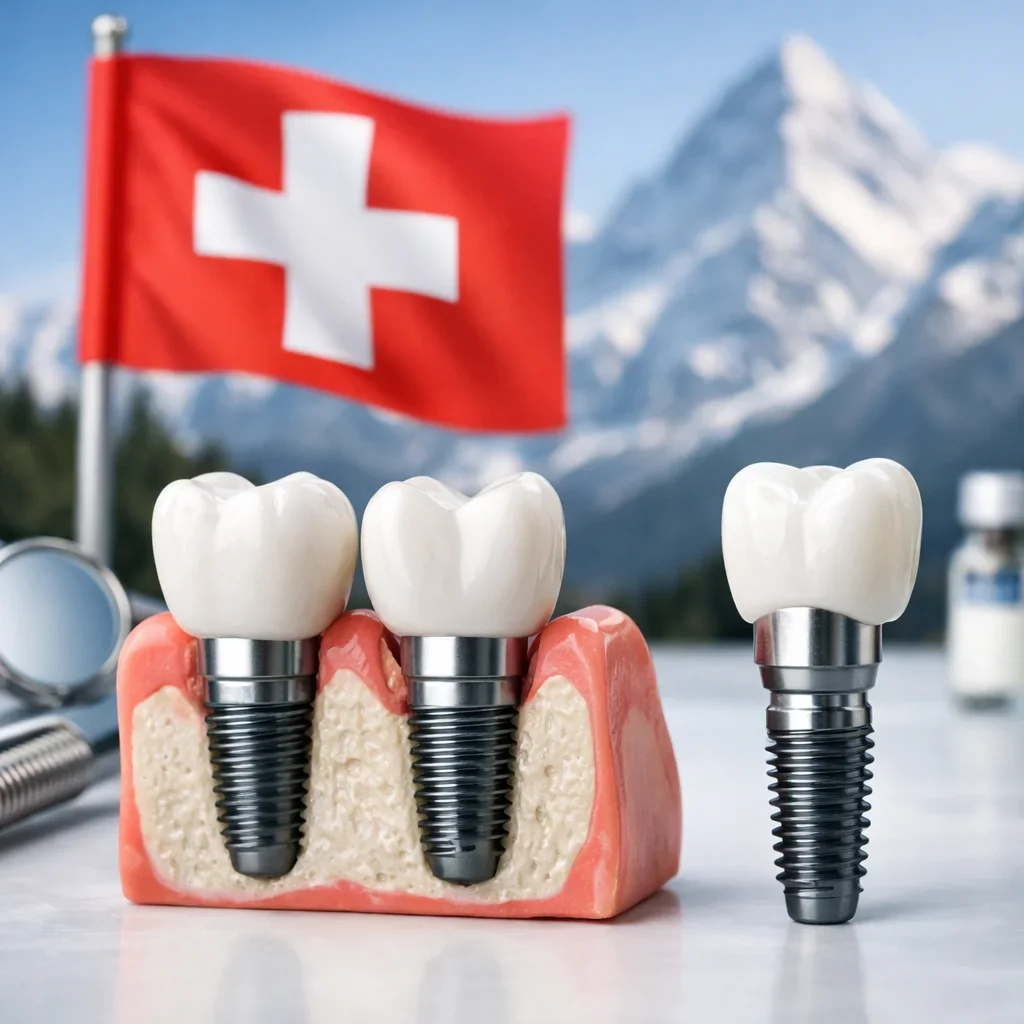
How to Maintain Swiss Dental Implants for a Lifetime
One of the biggest advantages of swiss dental implants is their ability to last for decades when properly cared for. Unlike removable dentures, which often require adjustments or replacement over time, swiss dental implants are designed to function as a permanent tooth replacement solution. However, their longevity depends greatly on how well patients maintain their oral hygiene and overall dental health.
Although swiss dental implants are made from highly durable materials such as medical-grade titanium or zirconia, the surrounding gum tissue and jawbone still require proper care. Maintaining healthy gums, preventing plaque buildup, and attending regular dental check-ups are essential for protecting swiss dental implants and ensuring they continue functioning normally for many years.
Patients who adopt good oral care habits and follow professional dental recommendations often enjoy the full benefits of swiss dental implants for decades, sometimes even for the rest of their lives.
Daily Oral Hygiene for Swiss Dental Implants
The foundation of maintaining swiss dental implants is consistent daily oral hygiene. Even though implants themselves cannot develop cavities like natural teeth, plaque and bacteria can still accumulate around the gum line.
If plaque buildup is not removed regularly, it may cause inflammation in the surrounding tissues. This condition, known as peri-implant mucositis, can eventually progress to peri-implantitis if untreated. Peri-implantitis may compromise the stability of swiss dental implants, making proper hygiene extremely important.
Dental professionals typically recommend brushing at least twice a day using a soft-bristled toothbrush and non-abrasive toothpaste. Gentle brushing helps remove food particles and plaque around swiss dental implants without irritating the gums.
Using Specialized Cleaning Tools
In addition to regular brushing, patients with swiss dental implants may benefit from specialized cleaning tools designed for implant maintenance. These tools include:
- Interdental brushes to clean between implants and natural teeth
- Water flossers that flush out bacteria around the implant area
- Implant-safe floss designed for cleaning under implant-supported crowns
Using these tools daily helps maintain healthy gum tissue around swiss dental implants and prevents bacterial buildup that could threaten implant stability.
Regular Dental Check-Ups and Professional Cleanings
Even with excellent home care, routine dental visits remain essential for preserving swiss dental implants. Dentists recommend professional examinations every six months, although some patients may require more frequent visits depending on their oral health.
During these appointments, the dentist evaluates the condition of the implants, surrounding gum tissue, and jawbone. Specialized instruments are used to gently clean around swiss dental implants without damaging the implant surface.
Professional monitoring helps identify early signs of inflammation or mechanical issues. Early intervention allows dentists to protect swiss dental implants before complications develop.
According to guidelines supported by organizations such as the American Dental Association, regular dental evaluations are critical for maintaining both natural teeth and implant restorations.
Protecting Swiss Dental Implants From Excessive Pressure
Another important aspect of maintaining swiss dental implants involves protecting them from excessive biting forces. Although implants are extremely strong, habits such as teeth grinding or clenching can place unnecessary stress on implant restorations.
Dentists may recommend a custom night guard for patients who grind their teeth during sleep. Wearing a protective night guard helps prevent excessive pressure on swiss dental implants and preserves the surrounding bone structure.
Avoiding extremely hard foods such as ice, hard candies, or non-food objects also helps protect swiss dental implants from unnecessary mechanical stress.
Healthy Lifestyle Choices for Implant Longevity
Lifestyle habits can also influence the long-term success of swiss dental implants. Patients who maintain healthy lifestyles typically experience better healing and long-term implant stability.
Smoking is one of the most significant risk factors affecting implant health. Tobacco use can interfere with blood flow in the gums and slow the healing process around swiss dental implants. For this reason, dentists often advise patients to quit or significantly reduce smoking after implant treatment.
Maintaining a balanced diet rich in vitamins and minerals also supports healthy bone and gum tissue around swiss dental implants. Adequate calcium, vitamin D, and protein intake helps strengthen the jawbone that supports the implant.
Monitoring Gum Health
Healthy gum tissue plays a vital role in protecting swiss dental implants. Patients should watch for warning signs such as redness, swelling, bleeding, or discomfort around the implant site.
If any unusual symptoms appear, it is important to consult a dentist promptly. Early treatment helps prevent complications and preserves the long-term stability of swiss dental implants.
Long-Term Durability of Swiss Dental Implants
When properly maintained, swiss dental implants can last for several decades. Their advanced design and high-quality materials make them extremely resistant to wear and corrosion.
Unlike traditional dentures that may require periodic replacement, swiss dental implants are designed to remain securely integrated with the jawbone. The prosthetic crown may occasionally require replacement due to normal wear, but the implant itself can remain stable for many years.
Patients who follow proper care routines often report that swiss dental implants feel just like natural teeth. They can eat comfortably, speak clearly, and smile confidently without worrying about their dental restoration.
Consultation and Ongoing Implant Care
Maintaining the health of swiss dental implants is a partnership between the patient and the dental team. Dentists provide professional monitoring and guidance, while patients maintain daily hygiene habits at home.
Individuals who want expert advice about implant maintenance or long-term oral health care can contact specialists through the Redent Klinik Contact Page. A professional evaluation ensures that swiss dental implants continue to function optimally.
Ultimately, proper care, regular dental visits, and healthy lifestyle choices are the keys to preserving swiss dental implants for a lifetime. By following these guidelines, patients can enjoy a strong, stable, and natural-looking smile for many years while benefiting from the advanced technology and reliability that swiss dental implants provide. 🦷