
When it comes to achieving a perfect, confident smile 😁, one of the most common questions people ask is about the teeth braces age limit. Is there an ideal age to start orthodontic treatment? Can adults get braces too, or is it only for children and teenagers? In truth, there is no absolute “cutoff age” for braces — rather, the success of the treatment depends on the condition of your teeth, gums, and jawbone health. However, understanding when and why braces are most effective can make a big difference in your smile journey.
Braces are not just about looks. They correct bite problems, align crooked teeth, and prevent long-term oral health issues such as uneven wear, speech difficulties, and jaw pain. The teeth braces age limit varies depending on individual needs, but orthodontists typically recommend early evaluation between ages 7 and 10. This allows early detection of jaw development problems, spacing issues, or bite misalignment that can be treated more easily during growth years.
However, adults increasingly choose braces or aligners to enhance their smiles. In fact, the American Association of Orthodontists reports that more than 25% of orthodontic patients are adults. This growing trend proves that it’s never too late to improve your dental health. Whether you are 15 or 50, orthodontic treatment can deliver excellent results when guided by a professional dentist.
Why Early Treatment Matters 👶
Children’s bones and teeth are still developing, which makes it easier to guide tooth movement and jaw alignment. During childhood and early teenage years, orthodontists can use growth spurts to their advantage. If an orthodontist detects crowding, crossbite, or spacing issues at a young age, they can start a “phase 1” treatment. This phase might include partial braces or other dental appliances that help prepare the mouth for full braces later on.
Addressing orthodontic problems early can prevent more serious issues in adulthood. For example, untreated bite problems may cause enamel erosion or temporomandibular joint (TMJ) disorders later in life. Therefore, understanding the teeth braces age limit helps families make timely, informed decisions about their children’s dental health.
Braces for Teenagers: The Most Common Stage
Most orthodontic patients get braces between ages 11 and 16. At this stage, all permanent teeth have erupted, and bone growth is still active — which makes tooth movement faster and more efficient. Teenagers also have the motivation to improve their smiles for social confidence, which plays a big role in successful treatment outcomes. Whether metal braces, ceramic braces, or clear aligners are chosen, teens typically see results within 18–24 months, depending on their case.
Adult Braces: Breaking the Age Barrier 🧑⚕️
Many adults worry that they are “too old” for braces. This is a common misconception. There is technically no age limit for teeth braces as long as the gums and bone structure are healthy. Modern orthodontic technologies like Invisalign, ceramic braces, and lingual braces make adult treatments discreet and comfortable. These options are especially popular among professionals who wish to correct their smiles without visible metal brackets.
Still, adults may face slightly longer treatment times due to denser bone tissue and slower biological response. That said, results can still be remarkable. Braces improve not only aesthetics but also oral function, making it easier to chew, speak, and maintain hygiene.
Health Benefits Beyond Aesthetics 🌿
Orthodontic correction helps prevent gum disease, tooth decay, and jaw discomfort. Misaligned teeth can trap food particles, making cleaning difficult and increasing the risk of cavities. Properly aligned teeth distribute biting forces evenly and preserve the structure of your teeth for decades. Hence, addressing dental misalignment, regardless of age, can significantly improve your quality of life.
During consultations at professional clinics like Redent Klinik Contact Page, orthodontists evaluate each patient’s specific situation, considering bone density, gum health, and the type of correction needed. Personalized planning ensures that even adults in their 40s or 50s can safely undergo orthodontic treatment with confidence.
Scientific Perspective and Expert Opinions
The American Dental Association emphasizes that orthodontic treatment effectiveness depends more on dental health than age. This means that a well-maintained adult mouth can achieve similar results to a teenager’s, although patience and consistent oral hygiene are key factors. Regular dental checkups, cleaning, and adherence to orthodontist advice ensure lasting results.
Conclusion: No Age Limit for a Confident Smile 😄
Ultimately, the teeth braces age limit does not exist in the strict sense. Whether you’re a parent planning for your child’s first orthodontic visit or an adult considering braces for the first time, it’s never too late to invest in a healthy, beautiful smile. What truly matters is your dental health status, motivation, and commitment to the treatment plan. With today’s advanced techniques and materials, people of all ages can experience the benefits of orthodontics — improved function, confidence, and lifelong oral wellness.
Remember: the best time to start your orthodontic journey is when you decide to take control of your smile. Whether you are 9 or 49, consulting a professional will give you clarity about your specific options and the most effective approach. Start today — because every smile deserves perfection! 🌟
What Is the Ideal Age to Get Braces? 🦷
Determining the teeth braces age limit and the ideal time to begin treatment is one of the most important steps in orthodontic care. While braces can be applied at almost any age, orthodontists agree that there are optimal windows when the teeth and jaw respond best to correction. These timeframes maximize results, reduce discomfort, and often shorten treatment duration. Understanding this concept helps parents and adults alike make informed decisions about when to start.
Why Timing Matters in Orthodontics
Braces work by gradually moving teeth through controlled pressure applied by wires and brackets. For this to happen efficiently, the surrounding bone tissue must adapt and remodel itself. During childhood and early adolescence, this bone tissue is softer and more responsive. This is why orthodontists typically recommend initial evaluation between the ages of 7 and 10 — before permanent teeth have fully emerged. At this age, orthodontists can detect crowding, jaw growth problems, or bite irregularities and intervene early.
However, it’s important to note that the teeth braces age limit is flexible. Even though children and teens tend to respond faster, adults can still achieve equally successful outcomes with modern braces or clear aligners. What differs is the pace of movement, which might be slightly slower in adults due to denser bone structure. Still, age should never discourage someone from pursuing orthodontic correction.
The Golden Period: Ages 10 to 14
The age range of 10 to 14 years old is often called the “golden period” for braces. By this stage, all permanent teeth have usually erupted, and the facial bones are still growing. Orthodontic treatment during this phase allows for precise tooth movement while guiding jaw development. As a result, this is when most orthodontic patients begin their treatment.
During these formative years, braces not only align teeth but also enhance overall facial balance. This helps ensure that the smile harmonizes with the rest of the face. Additionally, teens are typically motivated to improve their appearance, which positively affects treatment compliance. Following orthodontist instructions—like wearing elastics or aligners correctly—greatly impacts the final result.
Monitoring Growth and Development
Orthodontists use X-rays, panoramic scans, and digital impressions to analyze jaw growth and tooth alignment. These diagnostics help identify the best time to start. If a child is too young or not yet ready for braces, the orthodontist may recommend “growth monitoring.” This involves regular checkups every 6–12 months until the teeth and jaw reach the right developmental stage. This proactive approach minimizes future complications and ensures optimal timing for braces.
Early Evaluation: A Preventive Strategy
Many parents assume that braces should only be applied when all permanent teeth have erupted. However, the American Association of Orthodontists suggests that every child should have their first orthodontic consultation by age 7. This early screening helps prevent severe problems that could require surgery or tooth extraction later.
For example, if a child’s jaw is too narrow, a simple expander can widen it while the bones are still soft. Similarly, if teeth are erupting in the wrong direction, partial braces can guide them into place before the issue worsens. Addressing these concerns early can reduce overall treatment costs and time.
Braces in Late Teens and Young Adults
While the early teenage years are ideal, many people start orthodontic treatment later — in their late teens or early twenties. At this age, the jaw has fully developed, but teeth can still be realigned effectively. Many universities and workplaces now offer flexible schedules, allowing young adults to fit dental visits into their routines.
The teeth braces age limit in this category remains open-ended. What truly determines eligibility is gum health and bone density. As long as these are in good condition, even older patients can achieve excellent alignment results. Moreover, today’s orthodontic technologies—such as ceramic braces and clear aligners—offer discreet solutions for young adults who prefer a subtle appearance.
Does Age Affect Braces Efficiency?
Age influences the biological response of the body to tooth movement, but not necessarily the final outcome. Younger patients may complete their treatment in a shorter period because their bone tissues remodel faster. Adults, on the other hand, may require slightly longer timeframes—typically 24 to 36 months—but can still achieve flawless alignment with proper care and consistent follow-up.
It’s also important to recognize that braces treatment isn’t solely about aesthetics. Correcting bite alignment can prevent chronic issues such as jaw strain, uneven wear on teeth, and headaches caused by poor occlusion. Therefore, regardless of age, orthodontic care delivers both functional and aesthetic benefits.
Professional Recommendations and Expert Guidance
When you visit a certified orthodontist, such as at Redent Klinik Contact Page, you’ll undergo a thorough examination of teeth spacing, bite alignment, and jaw symmetry. Based on this, the orthodontist will determine whether immediate or delayed treatment is ideal. This personalized approach ensures that your treatment plan matches your unique biological development and lifestyle needs.
According to the American Dental Association, there is no strict upper age boundary for orthodontic treatment. The focus is always on dental health and periodontal stability. Even patients in their fifties and sixties have successfully completed braces or aligner treatment, showing that the teeth braces age limit is more of a guideline than a restriction.
Summary: It’s Never Too Late for a Healthy Smile 🌟
In conclusion, while the best time for braces often falls between ages 10 and 14, there’s no expiration date for improving your smile. Whether you’re a child, teenager, or adult, what matters most is maintaining healthy gums and bones. The teeth braces age limit should be viewed as a flexible concept that adapts to individual circumstances rather than a fixed rule. By consulting a qualified orthodontist and following professional guidance, anyone can achieve a well-aligned, radiant smile at any stage of life.
Age should never be an obstacle to confidence. With today’s advancements in dental science, the dream of a perfect smile is within reach for everyone, regardless of when they start their journey. 🦷💫
Can Adults Get Braces Too? Exploring the Age Myths
For decades, people believed that braces were only for kids and teenagers. However, modern dentistry has completely changed that perception. Today, adults of all ages are improving their smiles with orthodontic treatment — proving that there is no strict teeth braces age limit. The myths surrounding adult braces often discourage people from pursuing treatment, but the truth is that healthy teeth can be moved and aligned at nearly any age. Let’s explore how adult orthodontics works, what makes it different, and why age should never hold you back from getting the smile you deserve. 😄
Debunking the Myth: Braces Are Not Just for Teenagers
It’s a common misconception that braces only work effectively during adolescence. While it’s true that younger patients may experience faster results due to active bone growth, adults can still achieve equally beautiful and functional outcomes. The biological mechanism behind braces — gradual movement of teeth through bone remodeling — functions the same way at any age, as long as your gums and bone tissue are healthy.
The teeth braces age limit is therefore not a physical limitation but a matter of dental condition. Orthodontic treatments have evolved to accommodate adult lifestyles, offering discreet and efficient options such as ceramic braces, lingual braces, and clear aligners (like Invisalign). These solutions allow professionals, parents, and older adults to straighten their teeth without the noticeable appearance of traditional metal braces.
Why Adults Choose Braces Later in Life 🧑⚕️
Many adults decide to get braces for reasons beyond aesthetics. Misaligned teeth can lead to jaw pain, speech issues, gum recession, or even difficulty cleaning between teeth. By correcting alignment, adults can enhance their oral function and prevent long-term complications. Moreover, a straighter smile often boosts self-confidence in both social and professional settings.
There’s also a psychological element — adults who didn’t have access to orthodontic care as children often feel empowered when they finally invest in their smiles. The teeth braces age limit myth tends to hold many people back from taking this step, but dental professionals emphasize that age does not determine success. Commitment to good hygiene and regular dental visits is what truly ensures lasting results.
Common Motivations for Adult Orthodontic Treatment
- Correcting bite problems like overbite, underbite, or crossbite.
- Improving spacing or crowding for better cleaning and reduced decay risk.
- Enhancing facial harmony and smile aesthetics.
- Preparing teeth for restorative procedures like crowns or implants.
- Boosting self-confidence and professional appearance.
Unique Challenges of Adult Braces
While orthodontic treatment is effective at any age, adult patients may face some specific considerations. For example, bone density increases with age, meaning tooth movement might take a little longer than in adolescents. In addition, some adults may have existing dental restorations, gum disease, or bone loss that need to be addressed before starting treatment.
However, these challenges are not barriers — they simply require a customized treatment plan. Orthodontists use 3D imaging and digital modeling to create precise, personalized plans that account for each patient’s unique oral structure. Even with these adjustments, the final results can be just as impressive as those achieved during the teenage years.
Addressing Periodontal Health Before Braces
For adults, maintaining healthy gums is critical. Braces apply pressure to teeth, and if gum tissues are weak or inflamed, this can lead to complications. Therefore, orthodontists often collaborate with periodontists to ensure a stable foundation before braces are applied. Once periodontal health is established, tooth movement can proceed safely and effectively. This extra attention ensures that treatment outcomes are not only aesthetic but also long-lasting and healthy.
Modern Orthodontic Options for Adults
Today’s orthodontics offers several options designed specifically for adult patients who prioritize comfort and appearance:
- Clear Aligners: Virtually invisible trays that gently shift teeth without wires or brackets. Ideal for mild to moderate cases.
- Ceramic Braces: Tooth-colored brackets that blend seamlessly with natural enamel for a discreet look.
- Lingual Braces: Attached behind the teeth, hidden from view but offering the same strength as traditional braces.
- Self-Ligating Braces: Advanced brackets that reduce friction and shorten treatment time.
These innovative systems allow adults to undergo orthodontic correction without disrupting their professional image. The teeth braces age limit has become irrelevant thanks to such technological advances.
Expected Treatment Duration for Adults
On average, adult braces treatment lasts between 18 and 36 months, depending on the complexity of the case. While some adults may require longer than teenagers due to slower bone remodeling, this difference is minimal when using modern techniques. With consistent hygiene and regular checkups, adults can complete treatment efficiently while maintaining comfort throughout the process.
Psychological and Social Benefits 🌟
Braces can dramatically improve self-image, which often influences relationships and career opportunities. Many adult patients report feeling more confident during meetings, interviews, and social gatherings. Straight teeth also promote clearer speech and a more youthful facial appearance. These emotional benefits reinforce why it’s worth challenging the teeth braces age limit misconception once and for all.
Professional Recommendations
When seeking orthodontic treatment as an adult, it’s crucial to consult a certified professional. Clinics like Redent Klinik Contact Page provide expert assessments and tailor-made plans that suit your lifestyle and dental health. According to the American Dental Association, adults of all ages can achieve successful outcomes as long as oral health is well-maintained and follow-up appointments are respected.
Conclusion: It’s Never Too Late to Transform Your Smile 😁
Age should never stop you from pursuing dental perfection. The teeth braces age limit is more myth than fact — modern orthodontics empowers people of every generation to enjoy functional, healthy, and radiant smiles. With proper care, professional guidance, and today’s discreet options, adults can straighten their teeth and protect their oral health for decades to come. Whether you’re 20, 40, or even 60, remember: your best smile is still ahead of you. 🌈
How Early Can Kids Start Orthodontic Treatment?
Parents often wonder when is the right time for their child to get braces, and whether there’s a specific teeth braces age limit that determines when treatment can begin. In reality, there is no single age that applies to everyone — every child’s dental development is unique. However, most orthodontists agree that early evaluation is crucial for preventing future complications and achieving the best long-term results. 🦷
Understanding Early Orthodontic Intervention (Phase 1 Treatment)
Early orthodontic treatment, also known as “Phase 1,” typically begins between the ages of 6 and 10. During this period, a mix of baby teeth and permanent teeth are present, allowing orthodontists to guide proper jaw growth and prevent future misalignments. The goal is not to place full braces immediately but to create an environment where the permanent teeth can erupt in the correct positions.
At this stage, an orthodontist may recommend using simple devices like expanders, partial braces, or retainers to correct developing issues. This preventive approach minimizes the need for extractions or complex treatments later. Although it may seem early, addressing orthodontic problems while the jaw is still growing ensures easier and faster correction.
When to Schedule the First Orthodontic Visit
The American Dental Association and the American Association of Orthodontists recommend that children have their first orthodontic evaluation by age 7. This early check-up helps identify potential bite or alignment issues that might not yet be visible to parents. Early diagnosis allows the orthodontist to create a plan that aligns with the child’s natural growth pattern, maximizing treatment success while keeping discomfort to a minimum.
At this point, the orthodontist can determine whether your child might benefit from early treatment or if monitoring until more teeth come in is the best approach. The important takeaway is that there is no strict teeth braces age limit for children — only optimal timing based on individual growth and dental health.
Common Early Orthodontic Issues in Children
Many orthodontic problems are easier to correct when addressed at a young age. Some common conditions that benefit from early intervention include:
- Crowding: When the jaw is too small for the teeth, early expansion can create room for proper alignment.
- Crossbite: When upper and lower teeth don’t align properly, leading to uneven jaw growth.
- Open bite: When the front teeth don’t meet when the mouth is closed, often due to thumb-sucking or tongue thrusting.
- Overbite and underbite: When one jaw protrudes over the other, which can worsen with growth if left untreated.
- Spacing issues: When there are large gaps between teeth, often caused by missing or small teeth.
Identifying and addressing these issues early helps guide permanent teeth into better positions, reducing the need for extractions or surgical correction later in life.
Benefits of Early Orthodontic Treatment 👶
Starting treatment early offers several long-term benefits beyond just aesthetics:
- Improved jaw development: Guiding jaw growth during childhood ensures balanced facial structure.
- Shorter treatment duration later: Early intervention often reduces the time needed for full braces during adolescence.
- Reduced risk of trauma: Protruding front teeth are more likely to be injured; early alignment reduces this risk.
- Better oral habits: Treatment can help correct habits like thumb-sucking or mouth breathing that affect dental development.
- Increased self-confidence: Early improvement in appearance can have a positive impact on a child’s emotional development.
When parents understand that there is no rigid teeth braces age limit for children, they can focus on timely assessment and prevention instead of delay.
How to Prepare Your Child for Orthodontic Visits
Visiting the orthodontist can be intimidating for kids, but creating a positive experience is key to success. Explain the process in simple terms, emphasizing that braces help make teeth stronger and smiles prettier. Many clinics, like Redent Klinik Contact Page, provide child-friendly environments with gentle approaches to make young patients feel comfortable.
During early consultations, orthodontists usually take panoramic X-rays, impressions, and photos to assess the alignment of incoming permanent teeth. Based on these findings, they may suggest watchful waiting or a short-term intervention to guide development.
Parent’s Role in Supporting Treatment
Parents play a major role in ensuring the success of early orthodontic treatment. Encouraging good oral hygiene, proper brushing habits, and regular dental checkups all help keep progress on track. It’s also important to ensure the child follows the orthodontist’s instructions, such as wearing retainers or aligners as prescribed. Parental involvement ensures that any early correction is maintained effectively.
When Full Braces Are Needed After Early Treatment
Most children who receive early intervention will still need full braces later, typically around ages 11 to 14. However, thanks to early preparation, their treatment time will be significantly reduced and often less complex. The foundation laid by early treatment allows permanent teeth to align naturally, leading to more stable and lasting results.
Therefore, while the concept of a teeth braces age limit might sound restrictive, in practice, orthodontics is about finding the right window of opportunity for each individual child. The earlier issues are identified, the more options and flexibility orthodontists have to create optimal outcomes.
Scientific Insight and Professional Opinions
According to studies cited by the American Dental Association, children who receive orthodontic assessments by age 7 have a significantly lower risk of needing complex surgical corrections later. The adaptability of a growing jaw allows orthodontists to guide tooth eruption and alignment effectively. This proves that orthodontic intervention in childhood is not just cosmetic—it’s a preventive and functional measure for lifelong oral health.
Conclusion: The Earlier, the Better 🌟
In summary, while there is no fixed teeth braces age limit for beginning orthodontic care, early evaluation and treatment play a crucial role in preventing future complications. Every child’s dental development is unique, so consulting a specialist at the right time ensures smoother, faster, and more effective results. The key takeaway for parents is this: don’t wait for visible issues—proactive care in the early years can shape a lifetime of healthy smiles. 🦷💖
Braces Age Limit: What Dentists Really Recommend
When patients hear the phrase teeth braces age limit, they often assume that there is a strict cutoff age after which orthodontic treatment becomes ineffective. In reality, most dentists and orthodontists emphasize that age is just one of several factors that influence treatment — and not necessarily the most important one. Modern dentistry has proven that braces can effectively transform smiles for children, teens, and adults alike. What truly matters is oral health, bone density, and a patient’s commitment to maintaining proper hygiene throughout the process. 🦷
The Professional Consensus: No True Age Limit for Braces
According to the American Dental Association and leading orthodontic institutions worldwide, there is no absolute teeth braces age limit. The biological principles behind tooth movement — applying gentle pressure to shift teeth within the jawbone — work at any age, provided the bone and gums are healthy. What changes with age is the rate at which the teeth move and the body’s ability to adapt to these changes.
Dentists typically recommend braces for patients as young as 7 for early guidance and monitoring, and treatment can extend well into adulthood. Many successful orthodontic cases involve patients in their 40s, 50s, and even 60s. The determining factor isn’t your birth date, but the health of your supporting structures — gums, periodontal ligaments, and jawbone.
Key Factors That Influence Orthodontic Recommendations
When evaluating a patient, orthodontists consider several biological and lifestyle aspects before recommending treatment. These factors help determine how well the patient will respond to orthodontic correction, regardless of age.
- Gum and Bone Health: Strong, disease-free gums and stable bone density are essential for moving teeth safely and effectively.
- Tooth Condition: Teeth with large fillings, crowns, or previous trauma may need special adjustments during treatment.
- Growth Potential: Younger patients benefit from active bone growth, while adults rely on steady, controlled movement.
- Oral Hygiene: Consistent brushing, flossing, and professional cleanings ensure that braces don’t lead to decay or gum inflammation.
- Lifestyle and Motivation: Commitment to follow-up visits and wearing appliances (like retainers or elastics) affects the overall success rate.
These aspects prove that the teeth braces age limit is not fixed — each case is individually assessed based on health and cooperation, not years lived.
Why Dentists Recommend Early Assessments
Even though orthodontic treatment can be started at almost any age, most dentists emphasize early evaluation. Children should ideally have their first orthodontic check-up by age 7. This allows for early detection of potential bite problems and helps plan for intervention at the most effective time. Early consultations do not always mean immediate treatment — sometimes, orthodontists will simply monitor a child’s growth until the ideal time arrives.
Preventive vs. Corrective Treatment
There are two main types of orthodontic treatment approaches dentists recommend based on age and condition:
- Preventive (Interceptive) Treatment: Usually begins between ages 6–10 to correct early developmental issues, such as crossbites or jaw misalignment.
- Corrective Treatment: Typically starts after all permanent teeth have erupted, usually between ages 11–16, to fix crowding, spacing, or bite problems.
By addressing problems during the growth period, orthodontists can guide teeth into their proper positions naturally, reducing the need for extractions or surgical correction later in life. However, even adults benefit greatly from corrective treatment, as advanced tools and technology make the process more precise than ever.
Adult Treatment Recommendations 👨⚕️
For adults, orthodontic care focuses on both aesthetics and functional improvement. Many adults seek braces or aligners to correct long-standing alignment issues or to prepare for restorative dental work such as implants or veneers. The teeth braces age limit simply does not apply when the gums and bone are stable.
Modern orthodontics now offers comfortable, low-visibility options for adults, including ceramic braces and clear aligners. These alternatives provide discreet solutions for individuals in professional environments who want to maintain confidence while improving their smiles.
Medical and Dental Considerations Before Starting
Before beginning braces treatment, dentists assess a few critical health aspects:
- Periodontal Stability: Gum disease must be treated before braces to prevent bone loss.
- Bone Density Evaluation: Denser bone in adults requires gentler pressure and possibly longer treatment duration.
- Existing Dental Restorations: Crowns and bridges are factored into the design of orthodontic appliances.
- Systemic Health Conditions: Conditions such as diabetes or osteoporosis can affect treatment and require specialized monitoring.
Orthodontists often collaborate with general dentists and other specialists to ensure that the treatment plan supports overall oral and systemic health. This multidisciplinary approach helps achieve predictable, safe, and stable results.
The Role of Diagnostic Imaging
Advanced diagnostic tools like 3D imaging, CBCT scans, and digital impressions allow dentists to create precise treatment plans. These technologies help identify root positioning, bone thickness, and jaw alignment in great detail, ensuring that movement occurs within safe biological limits. Such precision minimizes risks and makes the teeth braces age limit practically obsolete, as dentists can tailor treatment to any age with accuracy.
Recommendations from Dental Experts and Clinics
Dental experts from institutions like the American Dental Association consistently emphasize that orthodontic treatment can be successful at any stage of life. Clinics such as Redent Klinik Contact Page follow this principle by offering personalized orthodontic care designed for every age group, from early childhood to mature adults. The focus is always on achieving balanced, healthy, and functional smiles — not just straight teeth.
Conclusion: A Lifelong Opportunity for Alignment 🌟
In conclusion, dentists and orthodontists worldwide agree that there is no definitive teeth braces age limit. Whether you are 9, 19, or 59, orthodontic treatment can help you achieve better alignment, improved oral function, and greater confidence. What truly matters is the condition of your teeth and gums, your overall health, and your commitment to the process. With today’s technology, orthodontic care is more accessible, comfortable, and efficient than ever before — proving that a perfect smile knows no age boundaries. 😁
How Age Affects Braces Results and Treatment Duration
Many patients ask whether age has a direct impact on how long braces treatment takes and how effective the results will be. The answer is both simple and nuanced: while there is no fixed teeth braces age limit, biological and physiological factors related to age can influence the treatment process. Understanding how age affects orthodontic outcomes helps patients set realistic expectations and make informed decisions about their dental journey. 🦷
Biological Differences Between Children, Teens, and Adults
The human mouth changes throughout life, and these changes determine how the teeth respond to orthodontic forces. Children and adolescents benefit from active bone growth, which allows their teeth to move more quickly and predictably. Their jawbones are softer and more flexible, making alignment smoother and faster.
Adults, on the other hand, have fully developed bones and denser tissues. Tooth movement still occurs but takes longer because bone remodeling — the process where bone tissue breaks down and reforms — happens at a slower rate. Despite this difference, the final results of orthodontic treatment in adults can be just as successful, provided they maintain proper oral hygiene and follow professional guidance.
This is why orthodontists emphasize that the teeth braces age limit is not a restriction but a consideration for how treatment is managed. Younger patients might complete treatment in 12–18 months, while adults could take 20–36 months, depending on case complexity.
How Bone Density and Metabolism Impact Treatment Speed
Bone density plays a vital role in tooth movement. Children’s bones contain a higher proportion of organic material, making them more malleable and responsive to orthodontic pressure. Adults, in contrast, have higher mineral content and less elasticity in their jawbones. As a result, orthodontists use lighter, more gradual forces to ensure safe and stable tooth movement.
Metabolic rate also declines with age, which means cellular repair and remodeling processes take longer. These biological realities explain why the same orthodontic method might yield faster results in a 14-year-old than in a 40-year-old. Nevertheless, advancements in orthodontic science, including self-ligating brackets and customized aligner systems, now minimize these differences significantly.
Customized Force Application for Different Age Groups
Orthodontists tailor treatment plans based on a patient’s age and bone characteristics. For younger patients, more dynamic appliances like expanders or elastics may be used to take advantage of growth potential. For adults, digital scanning and 3D imaging help apply precise, gentle forces that minimize discomfort while ensuring long-term stability.
At clinics such as Redent Klinik Contact Page, orthodontists assess bone density and tissue response carefully before recommending a treatment plan. This ensures the best balance between effectiveness and comfort, regardless of the patient’s age.
The Influence of Gum Health on Orthodontic Results
Healthy gums are essential for successful orthodontic treatment at any age. In younger individuals, gum tissue tends to be thicker and more resilient, while adults may experience recession or mild inflammation. Gum health directly affects how teeth move and stabilize in their new positions after treatment.
Before beginning braces, adults often undergo periodontal evaluations to ensure that gum tissue can withstand orthodontic pressure. Proper hygiene, professional cleanings, and adherence to dental instructions ensure that gum support remains strong throughout the treatment. If gum disease is left untreated, it can slow down or even reverse orthodontic progress.
Periodontal Care During Treatment
Throughout braces treatment, maintaining healthy gums requires consistent care. This includes brushing after every meal, using interdental brushes, and attending regular checkups. Orthodontists also monitor gum health closely during adjustments to prevent inflammation or infection. These steps are especially critical for adults, who may already have reduced gum elasticity due to age.
Treatment Duration Across Age Groups ⏱️
On average, treatment duration varies by age group and case complexity:
- Children (7–12 years): Early intervention or interceptive treatment can last 6–18 months, focusing on guiding jaw and tooth development.
- Teens (13–18 years): Full braces usually take 12–24 months, depending on bite and alignment needs.
- Adults (19+ years): Treatment may last 18–36 months, depending on bone density, tooth stability, and any restorative dental work.
These are averages — individual results vary based on cooperation, genetics, and appliance type. The teeth braces age limit doesn’t define when you can achieve a perfect smile; it merely influences how long your transformation might take.
Modern Techniques That Overcome Age-Related Limitations
Modern orthodontic systems are designed to optimize treatment efficiency for all ages. Innovations such as self-ligating brackets, clear aligners, and heat-activated archwires reduce friction and make tooth movement more predictable. Digital technology, including 3D scanning and AI-based treatment planning, allows orthodontists to simulate results and forecast timelines with remarkable precision.
Even patients in their 50s and 60s can now achieve significant transformations thanks to these advancements. Orthodontists often say that the success rate for adult braces today rivals that of teenage patients a few decades ago — further proving that the concept of a teeth braces age limit is outdated.
Psychological and Motivational Aspects 🌟
Another key factor that age influences is patient motivation. Adults who choose braces are often highly motivated, which leads to better compliance with orthodontic instructions. They tend to follow hygiene routines meticulously and attend all follow-up visits — both of which contribute to successful outcomes. Meanwhile, children and teens benefit from parental supervision that ensures consistency in care.
Regardless of age, commitment and mindset are powerful predictors of treatment success. Patients who embrace the process with patience and dedication typically achieve long-lasting, stunning results.
Expert Opinions and Clinical Recommendations
According to the American Dental Association, orthodontic success is achievable at any age, provided the biological foundations — gums and bone — are healthy. Age primarily affects the duration of treatment, not the quality of the outcome. Clinics that follow evidence-based methods, like Redent Klinik Contact Page, assess each patient individually to deliver results that are both functional and aesthetic.
Conclusion: Time Is Not a Barrier to a Perfect Smile 😁
In conclusion, while age can influence the pace of tooth movement and treatment duration, it does not determine success. There is no true teeth braces age limit — only variations in biological response. With modern technology, personalized treatment planning, and professional care, anyone from a growing child to a mature adult can achieve outstanding orthodontic results. Whether your goal is improved function, confidence, or aesthetics, the right time to start is whenever you decide to invest in your smile. 🌈
Differences Between Teen and Adult Braces Treatments
When discussing orthodontic care, one of the most common questions people ask is how treatments differ between teenagers and adults — and whether there’s any real teeth braces age limit that separates the two. The short answer: there isn’t a strict age limit, but there are significant biological and lifestyle factors that make each age group’s orthodontic experience unique. Understanding these differences helps patients set realistic expectations and choose the best approach for their specific needs. 🦷
Biological Differences Between Teen and Adult Orthodontics
Teenagers are still growing, which makes their teeth and jaws more adaptable to movement. The facial bones, jaw, and connective tissues are softer and more responsive to orthodontic pressure. This flexibility allows for faster and more predictable results when braces are applied. As a result, the average treatment duration for teens is often shorter — typically 12 to 24 months.
Adults, on the other hand, have fully developed skeletal structures. Their jawbones are denser and less pliable, meaning tooth movement requires more controlled and gradual force. This does not mean braces are less effective for adults, but rather that the treatment may take slightly longer to achieve the same level of correction. Nevertheless, advancements in orthodontic technology have made it possible for adults to enjoy nearly the same efficiency as teens when it comes to alignment and bite correction.
This key distinction proves that while biology may influence speed and comfort, the teeth braces age limit does not dictate eligibility for successful treatment.
Psychological and Lifestyle Differences 🧠
Orthodontic treatment is not just a physical process; it also involves emotional and psychological factors. Teenagers often undergo treatment during a stage of self-image development. Braces can affect confidence, especially in social situations like school or social gatherings. However, with the popularity of clear aligners and ceramic braces, many teens now feel more comfortable undergoing treatment without feeling self-conscious.
Adults approach orthodontic care from a different perspective. They usually seek treatment with a clear goal — whether it’s for aesthetics, function, or oral health improvement. Adults tend to be more disciplined and consistent with hygiene and follow-up visits, which contributes to excellent outcomes. They also prefer discreet treatment options, such as Invisalign, lingual braces, or ceramic brackets, which align with professional and personal preferences.
Motivation Levels Across Age Groups
Motivation plays a key role in orthodontic success. Teenagers rely heavily on parental support and reminders, whereas adults often take full responsibility for their progress. This difference in accountability impacts how strictly patients follow their orthodontist’s instructions. Regardless of age, dedication to proper care and consistent hygiene ensures optimal results.
Treatment Duration and Efficiency
The duration of braces treatment depends largely on the patient’s biological response and the severity of dental issues. Teenagers typically experience faster results because of ongoing bone growth and flexibility. Adults, with denser bone tissue, experience slower but stable tooth movement.
However, recent technological developments have narrowed this gap. Self-ligating braces, heat-activated archwires, and 3D treatment planning software now allow orthodontists to move adult teeth efficiently with minimal discomfort. This means that even though adults may experience longer treatment times, they still achieve excellent, permanent results.
The teeth braces age limit does not define who can wear braces but rather how orthodontists adapt the treatment to meet biological and lifestyle needs.
Common Orthodontic Issues by Age
Teens and adults often experience different orthodontic challenges due to varying stages of dental development. Understanding these differences helps determine which treatment options are best suited for each group:
- Teenagers: Crowding, spacing, overbites, and underbites are common during the growth phase. These can often be corrected quickly while the bones are still developing.
- Adults: Issues may include shifting teeth from missing teeth, gum recession, or relapse from previous orthodontic work. These require more customized and careful planning.
In both cases, success depends on thorough evaluation and consistent follow-up with a qualified orthodontist.
Aesthetic Preferences and Treatment Choices
Modern dentistry provides multiple aesthetic solutions for both age groups. Teenagers often choose colorful elastics or clear aligners for a fun, personalized touch. Adults prefer subtle, professional-looking options like ceramic braces or lingual systems hidden behind the teeth. These choices make orthodontic treatment more accessible and confidence-boosting than ever before.
For example, clinics such as Redent Klinik Contact Page offer flexible solutions tailored to patient preferences — ensuring every age group finds a comfortable, efficient, and stylish option for their orthodontic journey.
Clear Aligners vs. Traditional Braces
Clear aligners are especially popular among adults for their convenience and near invisibility. They can be removed while eating or brushing, which simplifies oral care routines. Teenagers also benefit from aligners, though compliance can be an issue if they forget to wear them consistently. Traditional braces remain the gold standard for complex cases, offering precise control over tooth movement — making them suitable for both teens and adults depending on the case.
Bone Health, Gum Support, and Stability
Healthy bone and gum tissues are critical for orthodontic success. Teens typically have strong, resilient gums that adapt easily to tooth movement. Adults must ensure that any existing gum disease or bone loss is treated before starting braces. Orthodontists may collaborate with periodontists to ensure treatment safety and stability for older patients.
Even though adults may have slightly higher biological limitations, careful monitoring and individualized treatment make successful outcomes possible at any age. This again reinforces the idea that the teeth braces age limit is a misconception rather than a clinical barrier.
Post-Treatment Retention and Results
After braces are removed, both teens and adults require retainers to maintain their new alignment. However, retention needs can differ slightly by age. Teens’ teeth are still stabilizing in a developing jaw, so they may wear retainers for a few years. Adults, on the other hand, often wear retainers indefinitely to prevent teeth from shifting back due to natural bone rigidity and muscle memory.
Consistency with retainer use is the final step in ensuring lasting results. Regardless of age, this maintenance phase is vital for preserving the time and investment put into orthodontic care.
Expert Insights from Orthodontic Professionals 👩⚕️
According to the American Dental Association, orthodontic outcomes depend primarily on gum health and patient compliance — not age. Teens and adults alike can achieve optimal results when they maintain good oral hygiene and attend all follow-up appointments. Modern techniques allow orthodontists to fully customize treatment according to biological maturity and aesthetic needs, eliminating traditional barriers related to the teeth braces age limit.
Conclusion: Age Is Just a Number for a Beautiful Smile 🌟
Ultimately, the difference between teen and adult braces treatments lies in biology, not eligibility. Teenagers may experience quicker results, but adults benefit from advanced, discreet, and personalized orthodontic options that deliver equally impressive outcomes. Whether you’re a parent seeking treatment for your teen or an adult ready to enhance your smile, remember that there’s no true teeth braces age limit — just a customized path toward confidence and lifelong oral health. 😁
Modern Braces Options for All Ages 👨👩👧
Thanks to advancements in dental technology, modern orthodontics now offers a wide range of treatment options suitable for patients of every age. Whether you’re a child, teen, or adult, the variety of available braces ensures comfort, effectiveness, and aesthetic appeal. Contrary to popular belief, there is no strict teeth braces age limit — the best option depends more on individual dental conditions than on age itself. From traditional metal braces to nearly invisible aligners, each system is designed to meet specific orthodontic goals, lifestyles, and budgets. Let’s explore how these modern braces options make perfect smiles achievable for everyone. 😁
Understanding Today’s Orthodontic Innovations
Modern braces are no longer the bulky, uncomfortable appliances they once were. Today’s systems use lighter materials, slimmer designs, and digital precision to enhance comfort and treatment speed. With 3D scanning, computer-aided design (CAD), and AI-based planning, orthodontists can visualize results before treatment even begins. This innovation ensures predictable outcomes, shorter treatment times, and better patient satisfaction.
These advancements also mean that the teeth braces age limit is practically irrelevant. Patients from ages 7 to 70 can now benefit from orthodontic correction safely and efficiently. Age no longer defines eligibility — dental health and compliance do.
Types of Braces for Different Age Groups
There are several types of braces available today, each offering unique advantages depending on the patient’s preferences and needs. Below are the most common systems and their suitability for different age groups.
1. Traditional Metal Braces
Metal braces are the most time-tested orthodontic option, suitable for children, teenagers, and adults alike. They consist of stainless-steel brackets and wires that apply steady pressure to align teeth gradually. Today’s metal braces are smaller, more comfortable, and more efficient than in the past.
For children and teens, these braces can be customized with colorful elastics, making the process fun and engaging. Adults often appreciate their affordability and reliability. Despite the visible appearance, metal braces remain one of the most effective solutions for complex dental corrections.
2. Ceramic (Clear) Braces
Ceramic braces work like traditional metal ones but feature clear or tooth-colored brackets that blend with natural enamel. They’re popular among adults and older teens who want a discreet treatment option. The only precaution is that ceramic materials can stain if not cleaned properly, so maintaining good oral hygiene is essential.
Even though they are more delicate, ceramic braces deliver powerful results comparable to metal braces. They’re an excellent choice for professionals who need to maintain confidence while undergoing treatment.
3. Lingual Braces (Hidden Braces)
Lingual braces are attached to the back surfaces of the teeth, making them virtually invisible. They are custom-made for each patient and require precision engineering. Because they sit behind the teeth, they can take a little time to adjust to, but they offer the ultimate aesthetic advantage — especially for adults in public-facing professions.
Lingual systems are an ideal example of how far modern orthodontics has come. They allow even the most image-conscious patients to achieve stunning results without compromising appearance. Once again, the teeth braces age limit doesn’t apply here, as this solution works well for both young adults and mature patients.
4. Clear Aligners (Invisalign and Alternatives)
Clear aligners represent the latest revolution in orthodontics. These transparent, removable trays gradually shift teeth into alignment without wires or brackets. Each aligner is custom-made using digital scans, ensuring a perfect fit and predictable tooth movement.
Clear aligners are especially popular among adults who value flexibility and aesthetics. They can be removed for eating, brushing, or special occasions, making them a lifestyle-friendly choice. For teens, aligners often come with compliance indicators to track wear time. Aligners are suitable for mild to moderate orthodontic cases and are a discreet alternative to braces for all ages.
Technology That Transformed Orthodontics
Digital technology has made orthodontic treatment faster, safer, and more precise than ever before. Using 3D imaging and computer simulations, orthodontists can forecast tooth movement and create personalized treatment plans. AI-assisted software also ensures optimal bracket placement and wire tension, reducing errors and discomfort.
This precision ensures that whether you are 13 or 53, your treatment will be customized exactly for your anatomy. Clinics such as Redent Klinik Contact Page use state-of-the-art imaging systems to ensure accuracy and comfort for patients of every age group.
Self-Ligating Braces: The Modern Upgrade
Self-ligating braces use a sliding mechanism instead of elastic ties to hold the wire in place. This allows teeth to move more freely, reduces friction, and often shortens treatment time. They are easier to clean, require fewer adjustments, and cause less discomfort — making them an excellent choice for busy teens and adults alike.
With innovations like this, the teeth braces age limit becomes obsolete. Even older patients who prefer minimal discomfort can now undergo treatment efficiently and comfortably.
Comparing Cost, Comfort, and Visibility
When choosing braces, patients often consider three key factors — cost, comfort, and aesthetics. Here’s a simplified comparison to illustrate the advantages of each type:
| Type | Visibility | Comfort | Average Cost (USD) |
|---|---|---|---|
| Metal Braces | Visible | Moderate | $3,000 – $6,000 |
| Ceramic Braces | Low | High | $4,000 – $7,000 |
| Lingual Braces | Invisible | Moderate | $7,000 – $10,000 |
| Clear Aligners | Invisible | Very High | $3,500 – $8,000 |
These estimates vary depending on geography, clinic expertise, and treatment complexity, but they highlight how modern orthodontics provides options for every need and budget.
Choosing the Right Option for You
Choosing the best orthodontic treatment depends on multiple factors — including your age, lifestyle, and the complexity of your dental misalignment. Younger patients may benefit from traditional braces for faster correction, while adults often prefer the discretion of aligners or lingual systems. Regardless of your choice, your orthodontist will recommend the most suitable option based on your clinical evaluation.
According to the American Dental Association, orthodontic success relies on professional customization, consistent follow-up, and good oral hygiene — not age. This reinforces that the teeth braces age limit is a misconception, not a medical rule.
Conclusion: Modern Braces for a Modern Smile 🌟
Modern orthodontics has made it possible for patients of all ages to achieve a confident, healthy smile. From invisible aligners to sleek ceramic braces, there’s a solution for every preference and lifestyle. The teeth braces age limit no longer defines who can benefit from orthodontic treatment — because everyone, regardless of age, deserves a beautiful and functional smile. With the right professional care, modern technology ensures that the journey to straight teeth is smoother, faster, and more comfortable than ever before. 💫
Is There an Upper Age Limit for Braces?
One of the most frequently asked questions in orthodontics is whether there is a maximum or teeth braces age limit beyond which treatment is no longer effective. Many adults — even those in their 40s, 50s, or 60s — worry that it may be “too late” to correct their smile. The truth is, there is no strict upper age limit for braces. Modern orthodontic techniques have advanced so much that age is no longer a major limiting factor. Instead, the condition of your teeth, gums, and bone structure determines eligibility for treatment. 🦷
Breaking the Myth: Braces Are Not Just for the Young
For decades, braces were primarily associated with teenagers, but this perception has changed dramatically. Today, a growing number of adults are choosing orthodontic treatment, not only for cosmetic reasons but also for functional benefits such as improved chewing, better speech, and healthier teeth alignment. According to the American Dental Association, nearly 1 in 4 orthodontic patients is an adult — proving that orthodontic care is a lifelong option.
The teeth braces age limit concept is outdated because adult patients can achieve the same high-quality results as teens, albeit sometimes over a slightly longer timeline. The focus is on dental health rather than chronological age.
What Determines Eligibility for Braces at Older Ages?
While age does not disqualify someone from braces, certain oral health conditions must be considered before beginning treatment. The success of braces depends on the ability of the bone and gum tissues to adapt to tooth movement. Here are key factors orthodontists evaluate:
- Gum Health: Healthy gums are crucial. If periodontal disease is present, it must be treated before starting braces.
- Bone Density: Adults have denser jawbones, meaning tooth movement is slower but still completely possible.
- Existing Restorations: Crowns, bridges, or implants may require special adjustments during treatment.
- General Health: Conditions such as diabetes, osteoporosis, or smoking habits can influence healing and movement speed.
In essence, an adult with strong gums, healthy bone structure, and good oral hygiene has no upper teeth braces age limit.
Advantages of Getting Braces as an Adult
Choosing braces later in life can have surprising benefits beyond aesthetics. Many adults report better oral function, improved self-esteem, and fewer dental complications after orthodontic correction. Let’s explore these advantages:
1. Improved Oral Function
Properly aligned teeth enhance chewing efficiency and reduce strain on the jaw joints. This helps prevent temporomandibular joint (TMJ) disorders and uneven tooth wear — problems that are more common with age.
2. Enhanced Oral Health
Misaligned teeth create hard-to-reach areas that trap food and bacteria, leading to plaque buildup and gum disease. Straightening teeth makes brushing and flossing easier, significantly improving long-term oral hygiene.
3. Boosted Confidence and Appearance
Adults often pursue braces to restore confidence in their smiles. With options like ceramic braces, lingual braces, and clear aligners, treatment can be discreet, comfortable, and professional-looking. Patients no longer have to worry about metal brackets being visible.
4. Better Longevity of Teeth
Correct alignment distributes bite pressure evenly across all teeth, preventing premature wear or damage. This not only preserves natural teeth but also enhances the longevity of dental restorations such as crowns or veneers.
Special Considerations for Older Adults
Although braces work effectively at any age, adult treatment requires careful planning. Orthodontists often coordinate with other specialists, such as periodontists or prosthodontists, to ensure all dental conditions are addressed. For example, if bone loss is detected, the orthodontist may use lighter forces and longer intervals between adjustments to protect the bone structure.
Moreover, adults may require additional time for bone remodeling — the process by which teeth shift through the jawbone. This natural slowdown means orthodontic treatment may take 24–36 months compared to 18–24 months for younger patients. However, results remain equally satisfying and stable when properly maintained.
Modern Treatment Options for Mature Patients 🌟
Older patients can choose from a variety of braces and aligners that combine efficiency with comfort and aesthetics. Some popular choices include:
- Clear Aligners: Virtually invisible and removable, perfect for busy professionals and retirees.
- Ceramic Braces: Tooth-colored brackets that blend naturally with enamel.
- Lingual Braces: Hidden behind the teeth for a completely invisible option.
- Self-Ligating Braces: Require fewer adjustments and are more comfortable for sensitive gums.
These innovations ensure that the teeth braces age limit does not exist in practical terms — anyone with healthy teeth and motivation can undergo orthodontic correction safely.
Personalized Treatment Planning
At professional clinics like Redent Klinik Contact Page, orthodontists use advanced diagnostic tools such as 3D imaging, CBCT scans, and digital impressions to design customized treatment plans for every patient. These technologies account for bone density, gum thickness, and tooth positioning, ensuring safe and effective tooth movement even in older adults.
Expected Results and Retention After Treatment
After braces are removed, all patients — regardless of age — must wear retainers to preserve their new alignment. Adults are often advised to wear retainers indefinitely at night, as natural bone remodeling slows with age. This retention phase is critical to maintaining the investment and effort put into achieving a perfect smile.
Patients who follow their orthodontist’s aftercare instructions enjoy stable, lasting results. Even those who undergo braces in their 50s or 60s can expect dramatic improvements in appearance and function that last a lifetime.
Expert Opinion: Age Is Just a Number
The American Dental Association confirms that there is no maximum age for orthodontic treatment. Success depends on oral health, not years lived. Thousands of older adults undergo braces or aligner treatment each year with outstanding results. Many report increased confidence, better bite function, and improved quality of life after completing their orthodontic journey.
Conclusion: The Upper Age Limit Is a Myth 😁
In summary, there is no true teeth braces age limit. Adults and even seniors can benefit from orthodontic care, provided their gums and bone structure are healthy. Age should never discourage anyone from pursuing the smile they’ve always wanted. With advanced technology, expert planning, and modern materials, braces are now a realistic and rewarding option for all generations. Whether you’re 25 or 65, it’s never too late to invest in your smile — because a confident smile has no expiration date. 🌈
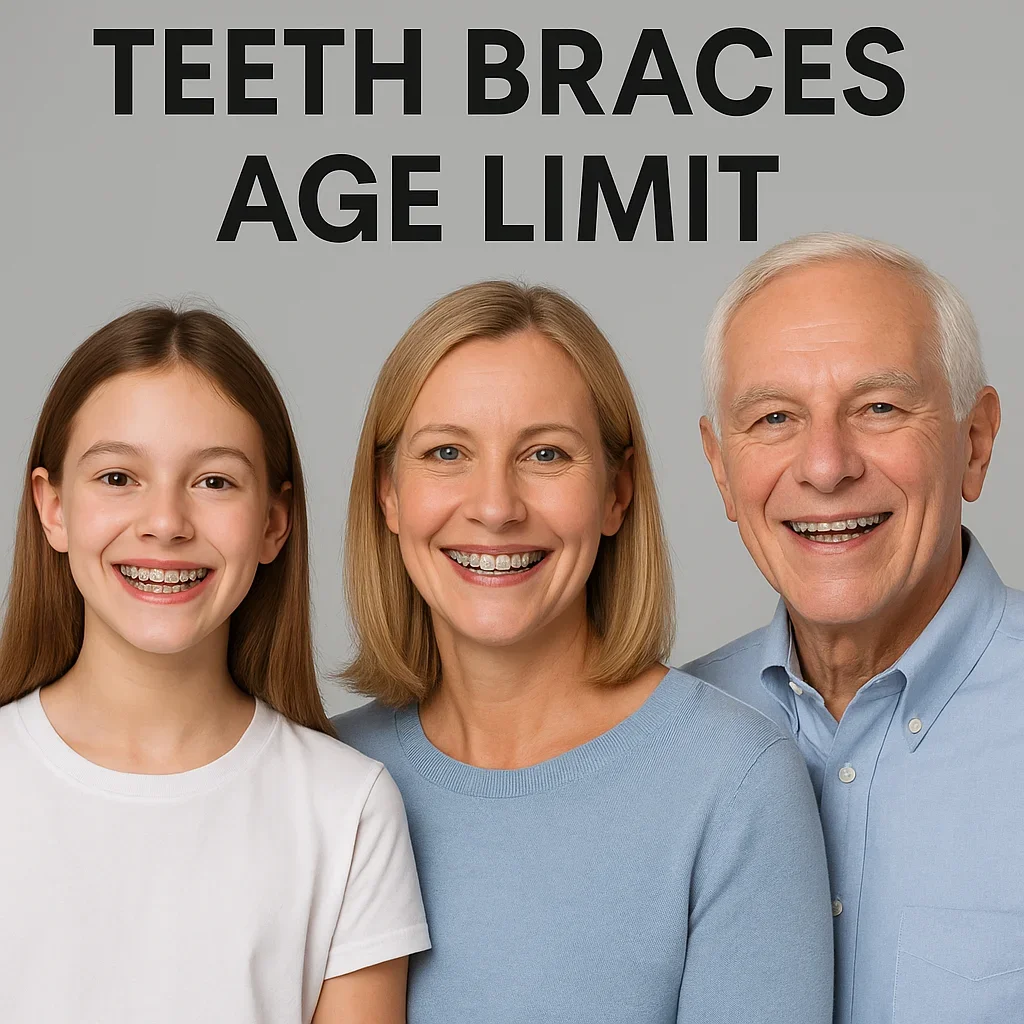
How to Decide the Right Time to Get Braces 🕒
Deciding when to begin orthodontic treatment is one of the most important steps in achieving a healthy, confident smile. Many people wonder if there’s an ideal time or teeth braces age limit to start, but the truth is — it depends entirely on individual dental conditions and goals. While orthodontic evaluations often begin in childhood, adults can also achieve equally successful results at any stage of life. Understanding the factors that determine the “right time” for braces ensures both effectiveness and comfort throughout the process.
Understanding the Ideal Timing for Braces
The American Association of Orthodontists recommends that children receive their first orthodontic evaluation around age 7. This doesn’t mean braces are immediately needed, but early assessment allows the orthodontist to monitor jaw growth, tooth eruption patterns, and spacing issues. If problems like crossbite, overbite, or crowding are detected, early intervention can prevent more complex treatments later.
However, this recommendation does not set a teeth braces age limit. It merely provides a window of opportunity for simpler and faster results. Many teenagers and adults begin braces treatment later in life and achieve excellent outcomes. The key is timing — not in terms of age, but in relation to dental development and personal readiness.
Signs That It’s the Right Time for Braces
Regardless of age, there are clear signs that you might benefit from orthodontic treatment. Recognizing these indicators early helps prevent future dental complications and boosts overall oral health. Here are some common signs:
- Teeth are noticeably crowded, crooked, or overlapping.
- Frequent biting of cheeks or tongue due to misalignment.
- Difficulty chewing or speaking properly.
- Uneven wear on teeth or jaw discomfort.
- Gaps between teeth or teeth that don’t meet correctly when biting.
If you identify with any of these, it may be the right time to consult a professional. A comprehensive evaluation will determine the most suitable orthodontic option, regardless of your age or stage in life.
Orthodontic Evaluation: What to Expect
The first consultation with an orthodontist typically includes dental imaging, bite analysis, and a full oral examination. Using 3D scans and photographs, the orthodontist creates a detailed plan tailored to your dental anatomy. This plan outlines how each tooth will move, how long the process will take, and what type of braces or aligners best suit your needs.
During this stage, your orthodontist will discuss any age-related considerations. For children, the focus may be on guiding growth. For adults, it may involve ensuring gum and bone health before starting treatment. Regardless of your biological age, the evaluation process ensures your plan is personalized and medically safe.
Role of Dental Growth and Development
Children and teens benefit from growth spurts that make orthodontic adjustments easier. Orthodontists can use this natural development to guide teeth into optimal positions. Adults, on the other hand, experience slower bone remodeling, which can extend treatment time slightly but doesn’t reduce effectiveness. This is why orthodontic success depends on timing relative to dental growth rather than a fixed teeth braces age limit.
Balancing Lifestyle and Timing
Age isn’t the only factor to consider when deciding when to get braces. Lifestyle, work commitments, and personal goals all influence the decision. Adults often choose clear aligners or ceramic braces to maintain a professional appearance during treatment. Teens might prioritize faster correction or colorful braces for self-expression.
Before beginning treatment, it’s essential to plan around major life events such as weddings, job changes, or travel. Braces require periodic checkups, so scheduling flexibility is key. Fortunately, modern orthodontic technology has simplified the process — fewer appointments, less discomfort, and faster progress than ever before.
How Long Should You Wait?
Waiting too long to correct misalignment can cause problems like gum disease, enamel wear, and jaw strain. However, rushing into treatment without addressing underlying dental issues — such as cavities or gum inflammation — can also lead to complications. Ideally, patients should begin orthodontic care when their mouth is healthy and ready for steady tooth movement.
For children, this may mean waiting until most permanent teeth have erupted (around age 11–13). For adults, the “right time” is when they are motivated and ready to commit to treatment and maintenance routines. In both cases, there is no expiration date or rigid teeth braces age limit that restricts eligibility.
Preparing for Treatment
Before getting braces, patients should undergo a full dental cleaning and address any cavities or gum problems. This ensures that the foundation is healthy and capable of supporting orthodontic movement. Orthodontists may also request X-rays to evaluate jaw symmetry, bone density, and tooth roots before designing the appliance system.
Psychological Readiness and Motivation 🌟
Orthodontic success relies not just on physical readiness but also on mental preparedness. Braces require patience and consistency, as results develop gradually over time. Adults often have higher motivation, understanding the long-term health and confidence benefits. Teenagers, meanwhile, benefit from parental encouragement and structured routines that support their progress.
Feeling emotionally prepared can make the orthodontic journey smoother and more enjoyable. Visualizing the final outcome — a confident, healthy smile — helps sustain motivation throughout treatment.
Consultation and Professional Advice
When in doubt, consulting an experienced orthodontist is the best way to determine timing. Clinics such as Redent Klinik Contact Page provide personalized assessments based on dental health, age, and personal goals. An expert can explain the pros and cons of starting treatment now versus waiting for a more favorable stage of dental development.
Orthodontists use objective indicators, not age-based limits, to guide decisions. Their goal is to achieve functional, aesthetic, and long-lasting results without unnecessary complications. This professional input removes uncertainty and replaces the outdated idea of a teeth braces age limit with a patient-centered approach.
Expert Opinions on Timing and Effectiveness
According to studies cited by the American Dental Association, orthodontic treatment is equally successful across all age groups when performed under proper supervision. The only difference is the rate of tooth movement, which may be slightly faster in adolescents. What truly matters is oral hygiene, cooperation, and commitment to the process.
With today’s advanced methods — including digital scans, self-ligating braces, and AI-driven aligners — age-based timing concerns have largely disappeared. Orthodontists now focus on biology and behavior rather than the calendar when recommending the ideal time to begin treatment.
Conclusion: The Best Time Is When You’re Ready 😁
Ultimately, there’s no universal “perfect age” or strict teeth braces age limit for orthodontic care. The best time to get braces is when your dental health, lifestyle, and motivation align. For children, early assessments help guide growth effectively. For adults, it’s about making the decision to invest in long-term health and confidence. Modern orthodontics ensures successful results at any age, proving that the right time for braces is simply the time you’re ready to smile with confidence. 🌈