
Teeth crowns, also known as dental crowns or tooth caps, are among the most common and effective restorative dental treatments available today 🦷. They are designed to completely cover a damaged, decayed, or weakened tooth, restoring its shape, size, strength, and appearance. Whether caused by cavities, fractures, or cosmetic concerns, teeth crowns offer a long-lasting solution that mimics the natural appearance of real teeth. In this comprehensive guide, you’ll discover everything you need to know about teeth crowns—from what they are and how they work to why millions of people worldwide rely on them to restore confident, healthy smiles.
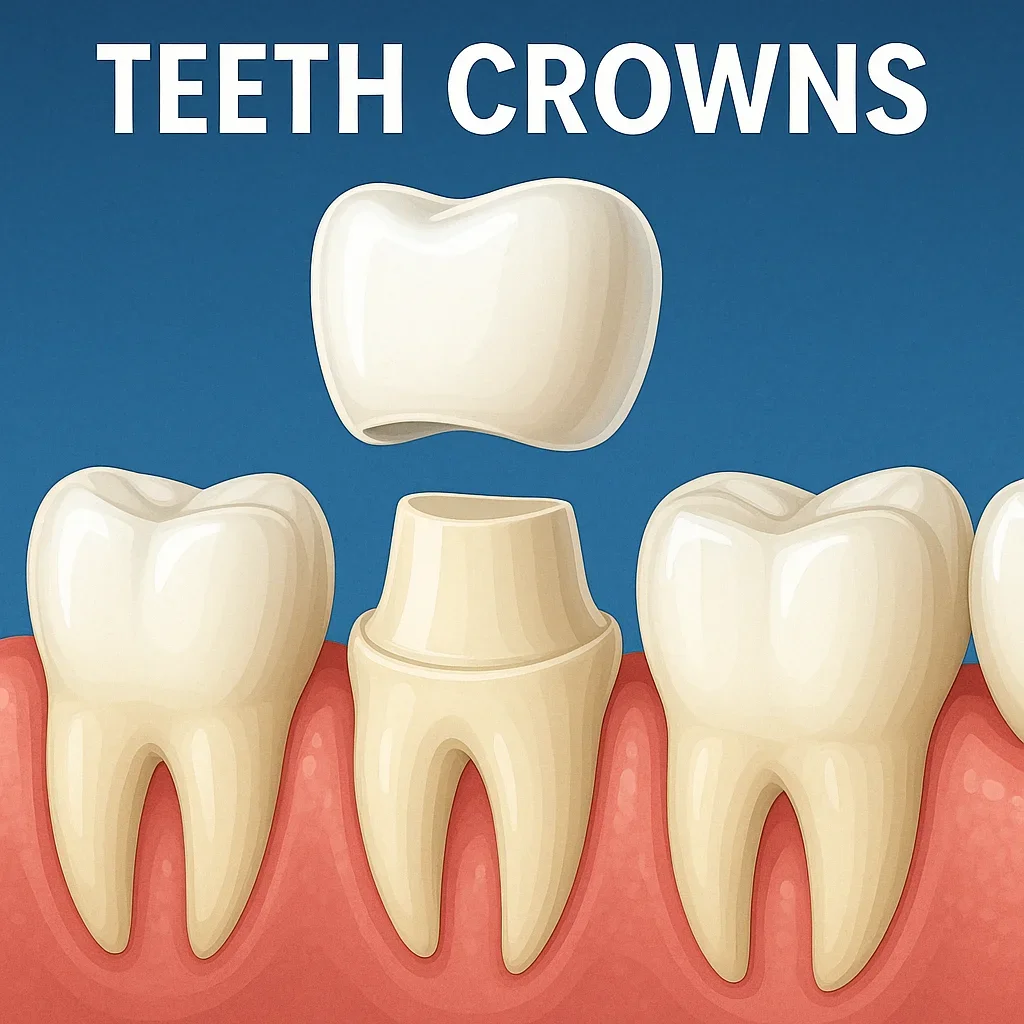
The main purpose of teeth crowns is to protect and strengthen teeth that cannot be restored with fillings or other types of dental restorations. A crown acts as a custom-made cover that fits perfectly over the prepared tooth, sealing and safeguarding it from further damage. Once cemented in place, the crown functions just like a natural tooth, allowing you to chew, smile, and speak comfortably. Thanks to modern dental technology, teeth crowns are now more durable, aesthetic, and precise than ever before.
When you visit a dentist for a crown, the process typically begins with an examination and an X-ray. This helps the dentist assess the condition of your tooth’s root and surrounding bone. If the tooth is still healthy enough to support a crown, the dentist will shape the tooth by removing a thin layer of enamel to make space for the crown. Then, an impression of the prepared tooth is taken to ensure that your new crown will fit perfectly. This impression is usually sent to a dental laboratory, where skilled technicians craft the crown from high-quality materials such as porcelain, zirconia, or metal alloys.
There are different types of teeth crowns depending on the material used and the purpose of the treatment. Porcelain and ceramic crowns are often chosen for front teeth because of their natural appearance, while metal or porcelain-fused-to-metal crowns are more durable and suitable for molars that endure heavy chewing forces. Zirconia crowns are gaining popularity due to their exceptional strength and lifelike translucency. The type of crown you choose can depend on factors such as aesthetics, cost, and functionality—topics we’ll explore in detail later in this article.
One of the major benefits of teeth crowns is their ability to restore not only the function but also the appearance of your smile 😁. They cover discolorations, reshape uneven teeth, and can even correct mild alignment issues. Many people also choose crowns as part of a full smile makeover to achieve a bright, harmonious dental appearance. Additionally, crowns play an essential role in other dental procedures like root canal therapy or dental implants, providing a strong and protective top structure.
Durability is another reason why teeth crowns are a preferred solution in modern dentistry. With proper care, a high-quality crown can last 10–15 years or longer. Regular brushing, flossing, and routine dental check-ups are essential to maintain the crown’s longevity. Avoiding habits like teeth grinding or chewing hard objects can further prevent damage. Modern adhesive techniques and materials ensure that crowns stay securely in place, offering stability and confidence to patients worldwide.
From a cosmetic perspective, teeth crowns can transform a smile instantly. They are color-matched to blend seamlessly with surrounding teeth, creating a natural and aesthetically pleasing look. With digital design systems such as CAD/CAM, many dental clinics can now produce same-day crowns, allowing patients to restore their smiles in a single visit—no temporary crowns or multiple appointments needed. This innovation has made the process more convenient, efficient, and comfortable than ever before.
Moreover, dental crowns aren’t just for individual teeth. They also serve as anchors in dental bridges, helping replace missing teeth. When paired with dental implants, crowns act as artificial tooth replacements, offering full functionality and aesthetic appeal. This versatility makes teeth crowns one of the most valuable tools in modern restorative and cosmetic dentistry. Their adaptability and success rate have earned them a permanent place in global dental care standards, as recognized by the American Dental Association.
Patients considering this treatment often have questions about comfort, cost, and recovery. Generally, placing a dental crown is a painless procedure performed under local anesthesia. Some mild sensitivity may occur afterward, but it typically subsides within a few days. Costs vary depending on material and country, but investing in quality crowns ensures long-term oral health and prevents future complications. If you’d like a personalized consultation or price estimate, you can contact us directly through the Redent Klinik Contact Page.
In summary, teeth crowns are a proven solution for restoring both function and beauty to damaged or weakened teeth. They combine art and science, offering a durable, natural-looking result that enhances confidence and quality of life. Whether you’re dealing with decay, fractures, or cosmetic concerns, a properly fitted crown can make your smile stronger, healthier, and more radiant. The next sections of this guide will help you understand the different types of crowns, the treatment process, and how to choose the best one for your specific dental needs.
Different Types of Teeth Crowns: Materials and Benefits
When it comes to restoring your smile with teeth crowns, one of the most important decisions is selecting the right material. The type of crown you choose can affect not only the appearance of your teeth but also their durability, comfort, and cost. Each material offers unique benefits and is suitable for specific dental needs. In this section, we will explore all major types of teeth crowns, their characteristics, and how to determine which option best suits your oral health and aesthetic goals 🦷.
1. Porcelain Crowns: The Most Natural-Looking Option
Porcelain crowns are among the most popular choices for patients seeking highly aesthetic results. They are made entirely from dental-grade porcelain—a material known for its translucency and ability to mimic the natural shine and color of real teeth. These crowns are especially suitable for front teeth where appearance is the main concern. Since porcelain can be precisely color-matched to your existing teeth, it ensures a harmonious and flawless smile.
Porcelain teeth crowns are biocompatible, meaning they cause no allergic reactions or irritation to the surrounding gum tissue. However, they are slightly more fragile compared to metal-based crowns, making them less ideal for back teeth that endure strong biting forces. With proper care, porcelain crowns can last up to 10–15 years, offering a beautiful and reliable solution for aesthetic restorations.
Advantages of Porcelain Crowns
- Exceptional aesthetics and natural appearance 😁
- Perfect color matching with adjacent teeth
- Non-metallic and safe for those with metal allergies
- Stain-resistant and easy to maintain
Disadvantages of Porcelain Crowns
- Less durable compared to zirconia or metal options
- May chip or crack under excessive biting pressure
- Higher cost than some alternatives
2. Zirconia Crowns: Strength Meets Aesthetics
Zirconia crowns are revolutionizing modern dentistry thanks to their exceptional strength and beauty. Made from zirconium dioxide, a highly durable ceramic material, these crowns can withstand heavy chewing forces while maintaining a natural, translucent look. They are a top choice for patients who want both aesthetics and durability in one package.
Zirconia teeth crowns are often preferred for molars and premolars, where biting pressure is strongest. They are also resistant to wear, corrosion, and temperature changes. Furthermore, zirconia crowns require less tooth reduction compared to traditional porcelain-fused crowns, preserving more of your natural tooth structure. With CAD/CAM technology, dentists can design and mill zirconia crowns in a single visit, providing convenience and precision.
Advantages of Zirconia Crowns
- Extremely strong and long-lasting (up to 20 years)
- Natural tooth-like translucency
- Biocompatible and hypoallergenic
- Minimal preparation and fast fabrication options
Disadvantages of Zirconia Crowns
- More expensive than metal or resin crowns
- May appear slightly opaque in some lighting conditions
- Can cause wear to opposing teeth if not properly polished
3. Porcelain-Fused-to-Metal (PFM) Crowns: The Classic Hybrid
Porcelain-fused-to-metal (PFM) crowns combine the strength of a metal base with the beauty of a porcelain coating. This hybrid design has been used successfully in dentistry for decades and remains a reliable choice for both front and back teeth. The metal structure underneath provides durability, while the porcelain outer layer delivers a natural appearance.
While PFM teeth crowns are versatile and cost-effective, they may show a thin metal line near the gum over time, especially if the gums recede. Despite this, many patients still prefer them for their balance between strength and aesthetics. They are often used in bridges or complex restorations due to their proven performance.
Advantages of PFM Crowns
- Strong and durable for long-term use
- Good balance between function and aesthetics
- Suitable for both front and back teeth
- Affordable compared to all-ceramic crowns
Disadvantages of PFM Crowns
- Possible gum line discoloration due to metal base
- Porcelain layer may chip over time
- Can cause mild allergic reactions in sensitive patients
4. Metal Crowns: The Strongest Option
Metal crowns, often made from gold, nickel, or chromium alloys, are known for their superior strength and longevity. They can withstand intense chewing and are almost impossible to break or wear down. Although they don’t match the natural color of teeth, they are still an excellent option for molars that are not visible when smiling.
These crowns require minimal tooth reduction, making them highly conservative and beneficial for tooth preservation. For patients prioritizing durability over aesthetics, metal teeth crowns are an outstanding choice that can last for decades with proper care.
Advantages of Metal Crowns
- Exceptional durability and resistance to fracture 💪
- Minimal enamel removal required
- Long lifespan—often over 20 years
- Ideal for back molars and heavy biters
Disadvantages of Metal Crowns
- Poor aesthetics due to metallic color
- Potential for allergic reactions to certain alloys
- Higher cost if made with gold
5. Resin and Temporary Crowns: Affordable and Practical Solutions
Resin crowns are usually made from composite materials and serve as temporary or budget-friendly options. While not as durable as porcelain or zirconia, they are cost-effective and easy to fabricate. Temporary crowns are typically placed while waiting for a permanent crown to be made, offering protection and maintaining appearance during the interim period.
Resin teeth crowns are more prone to wear and discoloration, making them less ideal for long-term use. However, they can be a suitable short-term solution for patients who need immediate restoration or are preparing for a more permanent treatment.
Advantages of Resin Crowns
- Affordable and easy to produce
- Quick placement and removal
- Useful as temporary restorations
Disadvantages of Resin Crowns
- Limited durability (2–5 years on average)
- Prone to staining and cracking
- Not recommended for back teeth under high pressure
Choosing the Right Crown Material for You
Selecting the best crown depends on several factors: the tooth’s location, aesthetic preferences, budget, and individual dental health. For example, front teeth often benefit from porcelain or zirconia crowns due to their lifelike appearance, while molars may require metal or PFM crowns for strength. Consulting with an experienced dentist is essential to find a material that balances beauty, durability, and comfort. If you are considering teeth crowns and would like professional guidance, contact our dental specialists through the Redent Klinik Contact Page.
In summary, each type of teeth crown offers unique benefits and applications. Modern materials and technologies allow dentists to create crowns that are stronger, lighter, and more aesthetic than ever before. Whether you choose porcelain for its beauty, zirconia for its durability, or metal for its strength, investing in the right crown ensures that your smile remains both functional and radiant for years to come 🌟.
When Do You Need a Dental Crown? Signs and Conditions
Knowing when to get teeth crowns can make the difference between saving a natural tooth and losing it altogether. Crowns aren’t just about aesthetics—they are essential for protecting, strengthening, and restoring the functionality of teeth that have suffered from damage, decay, or wear. In this section, we’ll explore the main conditions that require dental crowns, the symptoms to look for, and why timely treatment is crucial for maintaining your oral health 🦷.
1. Severe Tooth Decay and Large Fillings
One of the most common reasons for getting teeth crowns is extensive tooth decay. When cavities progress too deeply, they weaken the tooth structure, making it unable to hold a traditional filling. A dental crown serves as a protective cap that encases the entire tooth, preventing further deterioration and restoring strength. In cases where a tooth has undergone multiple fillings or has little natural enamel left, a crown becomes the best long-term solution to preserve the tooth.
If left untreated, severe decay can lead to infection or abscess formation, requiring a root canal or even extraction. Crowns not only prevent such outcomes but also restore full chewing function. The American Dental Association recommends early intervention with crowns when large portions of the tooth are missing or structurally compromised.
Key Symptoms Indicating a Need for a Crown
- Persistent pain when biting or chewing
- Visible cracks or holes in a tooth
- Sensitivity to hot or cold foods
- Discoloration or dark spots indicating internal decay
2. Cracked, Fractured, or Broken Teeth
Cracked or broken teeth are another major reason dentists recommend crowns. Even small fractures can expand over time due to chewing pressure or temperature fluctuations. A teeth crown stabilizes the damaged tooth, preventing further splitting and reducing discomfort. Unlike fillings or bonding, which only cover a portion of the tooth, crowns provide full coverage and protection.
Dental trauma from accidents or sports injuries often causes tooth fractures. Crowns offer an aesthetic and functional solution, allowing patients to smile confidently without visible imperfections. In cases of vertical cracks or large breaks, the crown reinforces the tooth and restores its original strength and appearance.
Why Crowns Are Better Than Fillings for Fractures
- They prevent cracks from deepening into the root
- They restore full bite strength and functionality
- They cover the entire tooth for 360° protection
3. After Root Canal Treatment
Following a root canal, the tooth becomes hollow and brittle because its internal pulp has been removed. Without reinforcement, it can easily fracture. For this reason, dentists almost always recommend placing teeth crowns on root canal-treated teeth. The crown seals and strengthens the tooth, allowing it to function normally for years.
Patients who skip the crown after root canal therapy often experience cracks or infections later, leading to more complex treatments or even extractions. A properly fitted crown restores both durability and natural appearance, ensuring long-term success for the treated tooth.
4. Worn Down Teeth from Grinding or Acid Erosion
Bruxism (teeth grinding) and acid erosion are common causes of enamel loss. Over time, they flatten the chewing surfaces, shorten teeth, and increase sensitivity. In these situations, teeth crowns help rebuild the original height, protect the remaining enamel, and relieve pressure on the jaw. Crowns also prevent further damage from grinding, particularly when combined with night guards.
Acid erosion, often caused by dietary acids or conditions like acid reflux, gradually dissolves the enamel layer. Once this protective layer is lost, the tooth becomes vulnerable to decay and breakage. Crowns provide a durable outer shell that resists acid attacks and restores the natural bite alignment.
Signs You May Have Enamel Erosion
- Teeth appearing shorter or thinner
- Sensitivity to cold beverages
- Yellowish discoloration from exposed dentin
- Rounded or cupped edges on chewing surfaces
5. Restoring Dental Implants and Bridges
Another important use of teeth crowns is in dental implant and bridge restorations. For implants, the crown is the visible portion that attaches to the metal post embedded in the jawbone. It acts as a permanent replacement for a missing tooth, offering full function and aesthetics. In bridges, crowns serve as anchors on either side of the missing tooth, supporting the artificial replacement in the middle.
These restorations are essential for patients who have lost one or more teeth due to injury, decay, or gum disease. They not only restore chewing ability but also prevent remaining teeth from shifting out of position. Crowns used in such restorations are typically made from high-strength materials like zirconia or porcelain-fused-to-metal to ensure long-term success.
6. Cosmetic Enhancement and Smile Makeovers
While teeth crowns are primarily restorative, they also serve cosmetic purposes. Patients seeking to correct discoloration, uneven shapes, or minor alignment issues can benefit from crowns as part of a smile makeover. Unlike veneers, which only cover the front surface, crowns encase the entire tooth, providing a more uniform and durable result.
For example, patients with teeth that are discolored due to trauma or medication use can achieve a brighter, more natural look with all-ceramic crowns. They reflect light similarly to natural enamel, making them ideal for front teeth. Many aesthetic dentistry treatments today combine whitening, crowns, and contouring for complete smile transformations 😁.
7. Following Dental Trauma or Accidents
Injuries from sports, falls, or vehicle accidents can cause chipped, fractured, or completely broken teeth. In such cases, dentists often use teeth crowns to rebuild the structure and protect the tooth root. This approach avoids the need for extraction and allows the patient to maintain their natural smile. When immediate care is provided, crowns can restore both function and aesthetics quickly, minimizing long-term damage.
Emergency Situations Requiring Crowns
- Broken or dislodged fillings after an impact
- Fractured front teeth with visible damage
- Severe pain or sensitivity following an accident
8. Following Large Restorations or Old Crowns
Old restorations, especially large fillings or worn-out crowns, eventually need replacement. Over time, materials degrade and gaps may form between the tooth and restoration, allowing bacteria to enter. Replacing these with new teeth crowns ensures continued protection and prevents reinfection. Modern crowns are stronger, more aesthetic, and more precisely fitted than older types, making replacement a wise preventive measure.
9. Preventive Crowns for High-Risk Teeth
In some cases, dentists recommend crowns as a preventive measure before major damage occurs. Patients with heavily restored teeth, weakened enamel, or large cracks can benefit from proactive crown placement. This approach prevents emergency treatments in the future and maintains optimal oral function. Preventive crowns are particularly common for molars under heavy chewing pressure or after orthodontic treatment.
To determine whether you need teeth crowns, it’s essential to consult an experienced dentist for a thorough evaluation. At Redent Klinik, our specialists use digital imaging and precise diagnostics to identify weak or compromised teeth before they become major problems. Early detection and crown placement can save time, money, and discomfort while preserving your natural smile.
In conclusion, teeth crowns are not only restorative but also preventive and cosmetic tools in modern dentistry. They protect weakened teeth, restore damaged ones, and enhance your overall smile health. Whether due to decay, fractures, or aesthetic concerns, crowns play a vital role in maintaining both functionality and beauty for a lifetime 🌟.
Step-by-Step Process of Getting a Teeth Crown
The process of getting teeth crowns is a detailed and precise dental procedure designed to restore your tooth’s shape, function, and aesthetics. While it might sound complex at first, modern dentistry has made it efficient, comfortable, and predictable. Whether you’re getting a single crown or multiple restorations, understanding each step of the journey helps reduce anxiety and ensures you know what to expect at every stage 🦷. Let’s explore the complete process from consultation to final placement.
1. Initial Dental Examination and Consultation
Before any treatment begins, your dentist will perform a comprehensive oral examination. This includes X-rays and, in some cases, 3D imaging to evaluate the tooth’s structure, root condition, and surrounding bone. The dentist will also review your dental history and discuss your concerns, expectations, and material preferences.
During this consultation, the dentist determines whether a teeth crown is the best option or if other treatments (like veneers or onlays) might be more suitable. If the tooth has extensive decay, infection, or has undergone root canal therapy, the dentist will recommend a full crown for maximum protection. This step ensures a personalized treatment plan tailored to your dental needs.
Key Evaluation Points Before a Crown
- Condition of tooth enamel and dentin
- Presence of decay or infection
- Gum health and bone support
- Overall bite alignment and occlusion
2. Tooth Preparation
Once the treatment plan is confirmed, the next step involves preparing the tooth to accommodate the crown. This preparation involves reshaping the tooth by removing a small portion of enamel—usually around 1–2 millimeters—from the top and sides. The goal is to create enough space for the crown to fit securely without altering your bite alignment.
In some cases, if the tooth has suffered extensive damage or has undergone a root canal, your dentist may first build up the tooth using a filling material to strengthen it before shaping. Local anesthesia is applied to ensure comfort during the process, so patients feel no pain or discomfort. After reshaping, the dentist smooths the surface to allow the crown to adhere seamlessly.
Why Proper Preparation Is Crucial
- Ensures perfect crown fit and stability
- Prevents uneven pressure during chewing
- Improves long-term bond between crown and tooth
3. Taking Impressions or Digital Scans
After tooth preparation, an impression (mold) or a 3D digital scan is taken to create an exact model of your tooth and surrounding structures. Traditional impressions involve using dental putty, while modern clinics often use digital intraoral scanners for enhanced precision. These digital scans capture every contour and are sent directly to a dental laboratory or used for same-day milling with CAD/CAM systems.
Digital scanning technology significantly improves the accuracy and comfort of the process. It eliminates gagging or discomfort often associated with traditional molds. Once the impression is complete, your dentist chooses a suitable shade for the crown to match your natural teeth, ensuring a perfect color blend for your smile.
Advantages of Digital Impressions
- Higher precision and fewer errors
- Faster turnaround time
- Enhanced patient comfort
- Immediate digital transfer to dental lab
4. Placement of a Temporary Crown
Since creating a permanent crown typically takes one to two weeks (unless using same-day systems), a temporary crown is placed to protect the prepared tooth. This temporary crown is made from acrylic or resin and helps maintain the tooth’s function and appearance while preventing sensitivity or shifting.
Temporary teeth crowns are cemented using temporary adhesive, allowing for easy removal during the final placement appointment. Patients should avoid sticky or hard foods during this phase to prevent the temporary crown from dislodging. Maintaining gentle oral hygiene—brushing softly and avoiding flossing too aggressively—is crucial during this interim period.
Tips for Managing a Temporary Crown
- Avoid chewing on the treated side
- Brush gently with a soft-bristled toothbrush
- If the crown becomes loose, contact your dentist immediately
5. Fabrication of the Permanent Crown
Once impressions or digital scans reach the dental laboratory, skilled technicians begin crafting your permanent teeth crown. Depending on the chosen material—porcelain, zirconia, metal, or a combination—the process may take a few days. Porcelain and zirconia crowns undergo multiple baking and polishing stages to achieve natural translucency and durability.
During fabrication, the dental technician ensures that the crown matches your tooth’s shape, size, and color perfectly. Advanced technologies like computer-aided design (CAD) and computer-aided manufacturing (CAM) ensure remarkable precision and accuracy. In clinics equipped with in-house milling machines, patients can receive same-day crowns—an excellent option for those seeking convenience and speed.
Quality Control in Crown Fabrication
- Multiple fit and bite checks using digital models
- Polishing and glazing for natural shine
- Strict inspection for size and contour accuracy
6. Fitting and Adjusting the Permanent Crown
When your permanent crown is ready, your dentist removes the temporary one and tests the new crown for fit, color, and bite alignment. This step is critical because even a small misfit can cause discomfort or bite imbalance. Once the fit is confirmed, the dentist will make any necessary minor adjustments to ensure smooth contact with adjacent teeth and proper occlusion.
The dentist then applies a dental adhesive (cement) to permanently secure the crown. Once placed, the crown is polished and checked for comfort and functionality. Patients can immediately bite, chew, and smile normally with their new teeth crowns.
Final Adjustment Steps
- Checking occlusion and bite pressure
- Ensuring natural contact with neighboring teeth
- Polishing for a smooth, lifelike finish
7. Aftercare and Post-Treatment Instructions
After your crown is fitted, it’s essential to follow post-treatment guidelines for optimal results. You may experience mild sensitivity to hot or cold for a few days, which usually subsides quickly. Maintaining excellent oral hygiene—brushing twice daily, flossing carefully, and visiting your dentist regularly—ensures the longevity of your crown. Avoid chewing on ice, biting nails, or grinding your teeth, as these habits can damage crowns over time.
Your dentist might recommend using a night guard if you have bruxism (teeth grinding). Routine checkups help detect early signs of wear or gum inflammation, ensuring your crown remains in top condition. With proper care, teeth crowns can last 10–20 years, maintaining both function and beauty.
Professional Care Recommendations
- Schedule professional cleaning every six months
- Use fluoride toothpaste for extra enamel protection
- Avoid biting hard foods or using teeth as tools
- Contact your dentist if the crown feels loose or painful
8. One-Visit Crowns with CAD/CAM Technology
Modern clinics now offer same-day crowns using advanced CAD/CAM technology. The dentist scans your tooth, designs the crown digitally, and mills it from a ceramic block within an hour. These crowns are just as durable and precise as lab-made ones, saving time and eliminating the need for temporary crowns. Many patients appreciate the efficiency and immediate results of this modern technique.
However, for complex cases or multi-unit bridges, traditional lab-made teeth crowns remain the preferred choice due to their custom craftsmanship and superior shade matching.
In conclusion, getting teeth crowns is a multi-step process that combines science, technology, and artistry. From consultation to final bonding, each stage plays a vital role in ensuring your crown looks natural, feels comfortable, and functions perfectly. Whether you opt for traditional or same-day crowns, investing in a high-quality restoration from a trusted clinic like Redent Klinik guarantees long-term oral health, durability, and a confident, radiant smile 😁.
How Much Do Teeth Crowns Cost? Price Guide by Country
The cost of teeth crowns varies significantly depending on the material, country, and dental clinic you choose. Understanding these price differences helps patients make informed decisions, balance quality with budget, and avoid unexpected expenses. Dental crowns are an investment in both oral health and aesthetics, and while prices may differ, the value they provide—durability, comfort, and confidence—is universal. In this section, we will explore detailed cost breakdowns, influencing factors, and international comparisons 🌍.
1. Average Global Prices for Teeth Crowns
On average, teeth crowns can cost anywhere between $100 to $2,500 per tooth depending on the region. The price difference mainly reflects labor costs, material choice, and dental technology standards. Below is an approximate guide to crown costs around the world based on recent 2025 dental market data:
| Country | Average Cost (Per Crown) | Notes |
|---|---|---|
| 🇹🇷 Turkey | $200 – $500 | High quality, affordable, and popular for dental tourism |
| 🇺🇸 United States | $1,000 – $2,500 | Varies by state, insurance coverage, and material |
| 🇬🇧 United Kingdom | £500 – £1,200 | NHS crowns are cheaper, private options more aesthetic |
| 🇩🇪 Germany | €600 – €1,000 | High-precision technology and advanced dental labs |
| 🇫🇷 France | €500 – €900 | Partial insurance coverage available for medical needs |
| 🇨🇦 Canada | $900 – $1,800 | Premium materials with moderate insurance reimbursement |
| 🇹🇭 Thailand | $250 – $600 | Popular dental tourism hub with skilled dentists |
| 🇮🇳 India | $100 – $350 | Very affordable with growing global reputation |
As evident from the table, countries like Turkey and Thailand attract many international patients due to their excellent balance between affordability and quality. Clinics such as Redent Klinik in Turkey are known for offering premium teeth crowns at competitive rates, making them a top choice for medical tourism.
2. Factors That Influence the Cost of Teeth Crowns
Several factors contribute to the overall cost of teeth crowns. Understanding these helps you estimate expenses more accurately:
a) Material Used
The type of material significantly affects the price. Metal crowns (gold or alloy) are durable but expensive, while resin crowns are cheaper yet less long-lasting. Porcelain and zirconia crowns balance beauty and strength but typically cost more due to their lifelike appearance and durability.
b) Dentist’s Expertise and Clinic Reputation
Highly qualified dentists or internationally accredited clinics charge higher fees due to advanced technology, experience, and patient care standards. However, the quality of workmanship ensures a longer-lasting result, reducing the need for costly replacements later.
c) Geographic Location
Dental services are more expensive in countries with higher labor and overhead costs. For example, a porcelain crown that costs $350 in Turkey might cost over $1,200 in the U.S. The same treatment’s quality, however, can be equivalent—especially in well-equipped clinics specializing in dental tourism.
d) Type of Procedure
Some crowns require additional treatments, such as root canals, build-ups, or gum reshaping, which increase the total cost. Same-day crowns made with CAD/CAM technology may also come with a premium due to their advanced precision and convenience.
e) Insurance Coverage
In many Western countries, dental insurance may cover part of the cost for medically necessary crowns but rarely for cosmetic reasons. Always verify coverage before treatment to avoid surprises. In countries like France or Germany, public insurance may reimburse a portion based on specific medical indications.
3. Cost Breakdown by Material
Let’s take a closer look at how the material impacts pricing:
| Material Type | Average Cost (USD) | Durability | Aesthetic Quality |
|---|---|---|---|
| Porcelain | $400 – $1,200 | 10–15 years | Excellent for front teeth |
| Zirconia | $500 – $1,500 | 15–20 years | Highly aesthetic and durable |
| Metal (Gold Alloy) | $800 – $2,000 | 20+ years | Low (metallic color) |
| PFM (Porcelain-Fused-to-Metal) | $350 – $1,000 | 10–15 years | Good, but may show metal edge |
| Resin | $100 – $400 | 2–5 years | Moderate; best for temporary use |
As technology evolves, new materials like lithium disilicate (E.max) offer even higher strength and translucency, often at mid-range prices. These modern materials make teeth crowns more durable and natural-looking than ever before.
4. Why Are Teeth Crowns Cheaper in Turkey?
Many patients travel to Turkey for dental treatments, especially crowns, due to its competitive pricing and high clinical standards. The lower cost of living, government incentives for medical tourism, and skilled dental professionals contribute to the affordability. Clinics like Redent Klinik provide international patients with comprehensive treatment packages including consultation, accommodation, and airport transfers.
While crowns in the U.S. might cost up to $2,000, the same zirconia teeth crowns in Turkey can be obtained for just $300–$500—with equal or even superior quality. This makes Turkey a leading destination for patients from Europe and the Middle East seeking high-quality, low-cost dental care 🌟.
5. Financing and Payment Options
Many dental clinics offer flexible payment plans or partnerships with financing companies, allowing patients to pay in installments. Insurance providers may reimburse a portion of medically required crowns, especially in cases involving tooth decay or damage. Always request a detailed treatment plan and invoice breakdown before committing to ensure transparency.
Tips for Budget Planning
- Compare prices and materials across at least three clinics
- Ask if the price includes X-rays, anesthesia, and follow-up visits
- Confirm warranty terms for your teeth crowns
- Consider long-term value over initial cost—cheaper isn’t always better
6. Realistic Cost Expectations and Value
When assessing costs, remember that teeth crowns are a long-term investment. A high-quality crown that lasts 15 years or more provides superior value compared to cheaper options that may require frequent replacements. Paying slightly more upfront for a durable and aesthetic restoration ensures comfort, confidence, and reduced maintenance costs over time.
Ultimately, the price of teeth crowns reflects the blend of artistry, technology, and professional skill behind every restoration. By choosing an experienced clinic that uses advanced materials and precision equipment, you ensure a result that looks natural, functions perfectly, and enhances your smile for years. If you want to receive a personalized quote or learn about affordable crown packages, reach out through the Redent Klinik Contact Page for expert guidance and cost-effective treatment options.
In summary, the cost of teeth crowns depends on where you receive treatment, the material used, and the expertise of your dentist. From affordable options in Turkey and India to high-end solutions in the U.S. and Europe, patients today have a wide range of choices that cater to every need and budget. Making an informed decision will help you achieve lasting dental health, restored function, and a confident, radiant smile 😁.
Teeth Crown Aftercare: Tips for Long-Lasting Results
Proper aftercare plays a vital role in maintaining the longevity, strength, and beauty of your teeth crowns. Although modern dental crowns are designed to be highly durable, they still require consistent care and attention—just like your natural teeth. Following the right maintenance routine ensures that your crowns remain functional and aesthetically pleasing for many years. In this section, we’ll cover everything you need to know about caring for your crowns, from daily hygiene practices to dietary recommendations and professional maintenance 🦷.
1. Immediate Aftercare: The First 48 Hours
After your dentist places your new crown, the first two days are especially important. During this time, the dental cement used to secure the crown continues to harden, and your gums may feel slightly tender. Mild sensitivity to temperature or pressure is normal, but following a few simple guidelines can speed up healing and protect your new restoration.
Post-Procedure Guidelines
- Avoid chewing on the side where the crown was placed for the first 24 hours.
- Stay away from sticky or hard foods (e.g., caramel, nuts, or chewing gum).
- Rinse gently with warm salt water to soothe gum irritation.
- Use a soft-bristled toothbrush to clean the area without applying pressure.
Following these steps helps the teeth crown settle securely while minimizing the risk of loosening or irritation. If your dentist used temporary cement, you’ll likely receive additional instructions for care until a follow-up appointment is scheduled.
2. Establishing a Proper Oral Hygiene Routine
Even though teeth crowns are resistant to decay, the underlying natural tooth and surrounding gums still require regular care. Bacteria can accumulate at the gum line, leading to inflammation or decay at the crown’s base. The key is to maintain a meticulous cleaning routine that protects both your crowns and natural teeth.
Daily Oral Care Tips
- Brush twice daily with a fluoride toothpaste to prevent plaque buildup.
- Floss carefully using a threader or interdental brush to clean between the crown and neighboring teeth.
- Use mouthwash with antibacterial properties to reduce oral bacteria.
- Avoid toothpaste containing abrasive particles that may scratch ceramic surfaces.
Consistency is the secret to preserving teeth crowns. By maintaining healthy gums, you protect the crown’s margins and ensure a secure, long-lasting fit.
3. Dietary Habits for Long-Term Crown Protection
What you eat has a significant impact on the lifespan of your teeth crowns. While crowns are designed to handle normal biting and chewing forces, certain foods and habits can cause unnecessary wear or damage. Adjusting your diet helps extend your crown’s lifespan and keeps your smile strong and radiant 😁.
Foods to Avoid
- Hard foods such as ice, hard candies, and unpopped popcorn kernels
- Sticky substances like caramel, taffy, and chewing gum
- Acidic foods (e.g., citrus fruits, sodas) that can weaken bonding agents
- Extremely hot or cold foods if you experience temperature sensitivity
Foods That Are Beneficial
- Soft fruits like bananas, berries, and melons
- Cooked vegetables and lean proteins for balanced nutrition
- Dairy products rich in calcium to strengthen enamel
- Plenty of water to rinse away food particles and maintain hydration
Maintaining a balanced diet and avoiding harmful habits ensures that your teeth crowns remain strong and functional for years. Remember, crowns can last up to 20 years or more with proper care and lifestyle choices.
4. Managing Sensitivity and Discomfort
It’s normal to experience mild sensitivity after getting a new crown, especially when consuming hot or cold foods. This usually subsides within a few days as your tooth adjusts. If the discomfort persists, it may indicate an issue with the bite alignment or cement. In such cases, consult your dentist immediately.
For temporary relief, use toothpaste for sensitive teeth and avoid extreme temperature changes in food and beverages. Avoid grinding or clenching your jaw, as it can cause unnecessary stress on the crown and underlying tooth.
When to Contact Your Dentist
- Persistent pain or throbbing after one week
- Loose or unstable crown
- Swelling or redness around the gums
- Unusual clicking sound while chewing
Addressing these issues early ensures the continued success and comfort of your teeth crowns. Dental clinics like Redent Klinik offer comprehensive aftercare evaluations to monitor crown performance and gum health.
5. Protecting Your Crown from Damage
While teeth crowns are extremely durable, they can still be damaged by excessive pressure or trauma. To protect your investment, adopt habits that safeguard your crowns and surrounding teeth.
Preventive Measures
- Wear a mouthguard if you grind your teeth at night (bruxism).
- Use a sports mouthguard when participating in contact sports.
- Do not use your teeth to open bottles, tear packages, or cut objects.
- Avoid smoking, which can discolor crowns and damage gum health.
Implementing these preventive practices ensures your teeth crowns remain in pristine condition and function flawlessly over the years.
6. Regular Dental Checkups and Professional Cleanings
Routine dental visits are essential for maintaining the health and appearance of your teeth crowns. Dentists can detect early signs of wear, gum inflammation, or bite imbalance before they become major problems. Professional cleanings also remove plaque and tartar that regular brushing might miss.
Most dentists recommend visiting every six months for checkups. During these visits, your dentist will examine the crown’s integrity, polish it to maintain its shine, and verify that your gums remain healthy. Early detection of issues prevents costly repairs and extends the life of your crowns.
Benefits of Regular Follow-Up Appointments
- Prevents gum disease and decay around crowns
- Ensures proper fit and bite balance
- Maintains aesthetic appearance and color consistency
- Provides professional advice for long-term maintenance
7. Longevity and Replacement Timeline
With excellent care, teeth crowns can last anywhere from 10 to 25 years. However, longevity depends on various factors such as material quality, oral hygiene, and lifestyle. Porcelain and zirconia crowns typically last longer than resin-based alternatives. Regular inspections help determine when replacement may be necessary—usually due to natural wear, gum recession, or accidental damage.
Replacing old crowns is a straightforward process that involves removing the previous one and re-cementing a new, updated restoration. Many patients choose this opportunity to upgrade to more aesthetic and durable materials.
8. Myths About Dental Crown Maintenance
There are several misconceptions about teeth crowns that can lead to poor aftercare. Some people believe crowns cannot decay or require no maintenance, which is false. The natural tooth underneath the crown remains vulnerable to bacteria if not cleaned properly. Others think whitening treatments will brighten crowns, but whitening agents only affect natural enamel, not ceramic materials. Always consult your dentist for professional cleaning instead.
Common Misconceptions
- “Crowns don’t need flossing” — False; plaque can build up at the gumline.
- “Crowns can be whitened like teeth” — False; polishing is the only safe method.
- “Crowns last forever” — False; replacement may be needed after years of use.
9. Professional Care at Redent Klinik
For optimal long-term results, professional aftercare is highly recommended. Clinics such as Redent Klinik offer personalized maintenance plans, professional polishing, and diagnostic imaging to monitor your crowns. Their specialists use cutting-edge technology to detect microscopic cracks or cement weaknesses before they escalate into costly problems.
In conclusion, taking care of your teeth crowns requires commitment, but the reward is a strong, healthy, and beautiful smile that lasts for decades. By following daily hygiene practices, attending regular checkups, and adopting a crown-friendly diet, you ensure that your investment remains both functional and visually stunning. Remember, prevention and consistency are the cornerstones of long-lasting dental success 🌟.
Common Problems and Complications with Teeth Crowns
While teeth crowns are highly effective and long-lasting dental restorations, they are not entirely immune to issues. Just like natural teeth, crowns can experience complications if not properly cared for or if underlying problems arise. Understanding these potential issues helps you identify symptoms early and take corrective measures before they worsen. In this detailed guide, we’ll explore the most common problems associated with dental crowns, their causes, prevention strategies, and professional solutions 🦷.
1. Tooth Sensitivity After Crown Placement
It’s quite common to experience sensitivity following crown placement, especially to hot or cold foods and drinks. This happens because, during tooth preparation, some enamel is removed, exposing the underlying dentin. If the crown doesn’t perfectly seal the tooth or if the cement layer is too thin, the sensitivity may persist longer than usual.
For most patients, this discomfort subsides within a few days as the tooth adapts. However, if the sensitivity remains beyond two weeks, it may indicate an issue such as exposed dentin, a high bite, or nerve irritation. In severe cases, the dentist may recommend adjusting or replacing the crown.
Tips to Manage Sensitivity
- Use desensitizing toothpaste specifically formulated for sensitive teeth.
- Avoid extremely hot or cold beverages during the initial healing period.
- Consult your dentist if pain persists beyond 14 days.
2. Crown Loosening or Falling Off
One of the more serious complications with teeth crowns is when a crown becomes loose or completely detaches. This can occur due to weak dental cement, decay underneath the crown, or heavy biting pressure. A loose crown allows bacteria to seep underneath, which can damage the remaining natural tooth structure.
If your crown falls off, it’s crucial not to panic. Save the crown and contact your dentist immediately. In some cases, the same crown can be reattached if the tooth and restoration are still in good condition. Avoid trying to glue it back on yourself using household adhesives—they are unsafe and can cause tissue irritation.
How to Prevent Crown Detachment
- Avoid sticky foods like caramel and chewing gum that can pull the crown loose.
- Do not bite hard objects such as ice or nutshells.
- Get your bite alignment checked regularly to reduce pressure on crowns.
3. Gum Irritation and Inflammation
Sometimes, after receiving teeth crowns, the surrounding gums may become irritated or inflamed. This can occur due to excess dental cement, improper crown contour, or poor oral hygiene. Symptoms include redness, swelling, bleeding when brushing, or tenderness near the crown margin.
Gum irritation is usually reversible with proper cleaning and professional dental care. Dentists can remove any residual cement and smoothen rough crown edges to eliminate irritation. Regular flossing and gentle brushing also play a key role in maintaining gum health around crowns.
Signs of Gum Problems Around a Crown
- Swollen or red gums near the crown
- Persistent bleeding during brushing
- Bad breath or unpleasant taste
- Discomfort when biting or touching the area
4. Chipped or Cracked Crowns
Although crowns are designed to be durable, accidents or excessive force can cause chips or cracks. Porcelain and resin crowns are more prone to this type of damage compared to zirconia or metal crowns. Biting hard foods, using teeth as tools, or grinding (bruxism) can accelerate wear and lead to fractures.
Minor chips can often be repaired with composite resin, while larger cracks typically require a full crown replacement. Wearing a night guard, especially if you grind your teeth, is one of the best preventive measures against this issue.
Common Causes of Cracks in Crowns
- Teeth grinding or clenching (bruxism)
- Chewing on hard objects like pens or ice
- Sudden trauma or impact during sports or accidents
- Improperly fitted crowns causing uneven stress
5. Dark Line at the Gum Line
Some patients notice a thin dark line appearing where the crown meets the gum. This is most common with porcelain-fused-to-metal (PFM) crowns. The dark line represents the underlying metal base showing through as gums recede slightly over time.
While this issue doesn’t affect the crown’s functionality, it can be aesthetically displeasing—especially for front teeth. The best solution is replacing the PFM crown with an all-ceramic or zirconia crown, which eliminates the dark shadow and provides a natural, seamless appearance.
Prevention Tips
- Choose all-ceramic or zirconia crowns for visible teeth.
- Maintain good gum health to reduce recession.
- Schedule routine checkups for professional polishing and cleaning.
6. Decay Under the Crown
Even though crowns are resistant to decay, the natural tooth beneath them can still develop cavities. Bacteria and plaque can sneak in through small gaps near the crown margin if proper hygiene isn’t maintained. Over time, this decay can weaken the underlying structure and cause pain or infection.
To prevent decay, maintain excellent oral hygiene and attend regular dental appointments for professional cleaning. If decay develops, the crown may need to be removed and replaced after treating the affected area. Using fluoride toothpaste and mouthwash further strengthens the remaining enamel around teeth crowns.
Warning Signs of Decay Beneath Crowns
- Persistent toothache or sensitivity
- Unpleasant taste or odor around the crowned tooth
- Visible dark spots near the gumline
7. Crown Misalignment or High Bite
After crown placement, some patients experience an uncomfortable or uneven bite. This usually occurs if the crown’s height or position isn’t perfectly aligned with neighboring teeth. Even a minor discrepancy can cause jaw discomfort, headaches, or chewing difficulties.
Your dentist can easily correct this by slightly adjusting the crown’s surface to achieve proper occlusion. Ignoring a high bite may lead to muscle strain, crown damage, or jaw joint pain. Therefore, always communicate any discomfort immediately after placement.
Symptoms of a Misaligned Crown
- Jaw soreness or pain when chewing
- Difficulty closing your mouth evenly
- Clicking or popping sounds in the jaw joint
8. Allergic Reactions to Crown Materials
Although rare, some patients may experience allergic reactions to certain metals used in dental crowns. Symptoms can include gum irritation, burning sensations, or metallic taste. Hypoallergenic options like zirconia and all-ceramic crowns are recommended for individuals with metal sensitivities.
Before placing teeth crowns, it’s always advisable to discuss any known allergies with your dentist. This ensures a safe and comfortable experience without adverse reactions.
9. Crown Loosening Due to Bone or Gum Recession
Over time, natural aging or gum disease can cause the gum line to recede and bone density to decrease. This may loosen the crown’s hold and expose the tooth margin. In such cases, the dentist may recommend replacing the crown or performing gum graft surgery to restore stability.
Regular periodontal maintenance and proper oral hygiene are key to preventing gum recession. Using antibacterial mouthwash and avoiding tobacco products can significantly improve gum health and extend the lifespan of teeth crowns.
10. Preventing and Managing Crown Problems
Most crown-related complications are preventable with proactive care. Brushing twice daily, flossing, and scheduling routine checkups can prevent decay, misalignment, and gum issues. Avoiding destructive habits like grinding or chewing on hard foods is equally important. Clinics such as Redent Klinik offer professional maintenance programs that include crown inspection, polishing, and adjustment for long-term comfort and aesthetics.
In summary, while teeth crowns are highly reliable, staying informed about possible complications helps you act quickly and protect your investment. Early detection, regular maintenance, and professional follow-up ensure your crowns remain strong, functional, and beautiful for years to come 🌟.
How to Choose the Best Dentist for Your Teeth Crown
Selecting the right dentist for your teeth crowns is just as important as choosing the crown material itself. A skilled and experienced dentist ensures that your crowns fit perfectly, function comfortably, and look completely natural. On the other hand, poor crown work can lead to pain, misalignment, or premature failure. Since teeth crowns are a long-term investment in your smile, it’s crucial to choose a professional who combines expertise, technology, and patient-centered care. This guide explains the key factors to consider when selecting the best dentist for your dental crown treatment 🦷.
1. Experience and Qualifications Matter
The first thing to check is the dentist’s qualifications, experience, and specialization. A general dentist can place crowns, but a prosthodontist—a specialist in restorative dentistry—has advanced training in crown design, occlusion (bite), and material science. Their expertise ensures a perfect balance of functionality and aesthetics.
What to Look For in a Qualified Dentist
- Education: Verify where the dentist obtained their degree and whether they have post-graduate training in restorative or cosmetic dentistry.
- Certifications: Look for memberships in reputable associations like the American Dental Association or European Academy of Esthetic Dentistry.
- Experience: Choose a dentist with at least 5–10 years of experience in placing teeth crowns using various materials.
- Patient Reviews: Check online testimonials and before-and-after photos to gauge real results.
Experience is a critical factor in achieving the ideal crown shape, bite balance, and shade match. An expert dentist will also minimize discomfort and ensure your teeth crowns integrate naturally with the rest of your smile.
2. Evaluate the Clinic’s Technology and Equipment
Modern dental technology plays a major role in the accuracy and efficiency of teeth crown procedures. Advanced tools allow for better impressions, faster turnaround times, and longer-lasting results.
Essential Technologies to Look For
- Digital Scanning: Replaces messy traditional impressions with precise 3D digital scans.
- CAD/CAM Systems: Enables same-day crown design and milling, ensuring perfect fit and color match.
- Intraoral Cameras: Help visualize and document tooth structure before and after treatment.
- Laser Dentistry: Provides minimally invasive gum contouring or reshaping around crown areas.
Clinics equipped with the latest dental technology not only enhance treatment precision but also reduce patient anxiety and overall treatment time. A technologically advanced clinic—like Redent Klinik—offers patients the advantage of world-class equipment and modern materials for their teeth crowns.
3. Communication and Patient-Centered Approach
Excellent communication is essential to successful dental care. The best dentists take time to explain every step of the process—from crown preparation to aftercare—so that patients feel informed and comfortable. They also listen carefully to your concerns, preferences, and expectations before starting treatment.
Key Qualities of a Good Communicator
- Clearly explains treatment options, costs, and outcomes
- Provides realistic expectations for aesthetic results
- Answers all questions patiently and thoroughly
- Encourages open dialogue about fears or past negative experiences
When choosing a provider for your teeth crowns, trust and transparency are essential. You should feel confident that your dentist prioritizes your health, comfort, and long-term satisfaction rather than upselling expensive procedures.
4. Before-and-After Photos and Case Studies
Visual proof is one of the best indicators of a dentist’s skill. Many reputable clinics display before-and-after images of previous patients who received teeth crowns. Reviewing these photos helps you assess the dentist’s ability to create natural-looking, symmetrical restorations that blend seamlessly with the patient’s overall smile.
How to Evaluate Results
- Check that the color and shape of the crowns look natural and consistent.
- Look for symmetrical alignment and healthy gum margins.
- Pay attention to the translucency of the crowns—high-quality materials mimic real enamel.
Before committing, ask your dentist for a portfolio or case study of similar treatments. This visual confirmation provides reassurance and helps you set realistic expectations for your own results.
5. Materials and Customization Options
A professional dentist should offer multiple materials for teeth crowns, such as zirconia, porcelain, gold alloy, and porcelain-fused-to-metal. The choice depends on your tooth’s location, budget, and cosmetic goals. A good dentist explains the pros and cons of each material in detail before proceeding.
Questions to Ask Your Dentist
- Which material will provide the most durability for my lifestyle?
- How do you ensure the color matches my natural teeth?
- Will my bite be adjusted after crown placement?
- Is the lab producing the crowns certified and high quality?
Customized crown solutions ensure not only perfect functionality but also an aesthetic harmony that complements your smile. Personalized shade matching and digital impressions make the crown look indistinguishable from your natural teeth.
6. Cost Transparency and Value
While pricing varies worldwide, the best dentists are always transparent about costs. They should provide a detailed breakdown of treatment fees, including X-rays, anesthesia, and follow-up visits. Beware of clinics that offer unusually low prices for teeth crowns, as they may compromise on materials or craftsmanship.
In reputable clinics like Redent Klinik, patients receive clear, itemized quotes before treatment begins. This transparency builds trust and helps you plan your dental investment wisely. Remember that paying slightly more for quality ensures durability and fewer complications down the road.
7. Hygiene Standards and Safety Protocols
Dental treatment requires absolute cleanliness and sterilization to prevent infections. Always ensure that your chosen clinic follows strict hygiene protocols, including the sterilization of instruments, use of disposable gloves and masks, and regular sanitation of workspaces. Cleanliness is a sign of professionalism and patient respect.
Checklist for a Safe Dental Clinic
- Autoclave sterilization for tools and instruments
- Disposable dental bibs and suction tips for each patient
- Proper waste management and disposal system
- Visible hygiene certification and regulatory compliance
8. Availability of Comprehensive Aftercare
Even after successful crown placement, follow-up visits are crucial to monitor the fit and gum health around the restoration. The best dentists provide comprehensive aftercare, including maintenance guidance, adjustments if needed, and annual checkups. Clinics with strong aftercare programs demonstrate genuine care for patients’ long-term wellbeing.
Ask if your clinic offers warranties on their teeth crowns and what kind of post-treatment support is available. High-quality practices stand behind their work and provide free corrections if any issues arise shortly after placement.
9. International Reputation and Dental Tourism
Many patients now travel abroad for affordable, high-quality teeth crowns. Turkey, for example, has become a global hub for dental tourism due to its world-class clinics, advanced technology, and competitive prices. Clinics like Redent Klinik offer international services that include consultation, airport transfers, and accommodation assistance.
When considering overseas treatment, ensure the clinic has English-speaking staff, internationally certified dentists, and verifiable reviews from foreign patients. A reputable dental tourism clinic prioritizes communication, comfort, and transparency to deliver exceptional results.
10. Trust Your Instincts
Finally, the best advice for choosing a dentist is to trust your instincts. During your consultation, evaluate how comfortable you feel with the dentist and staff. If the environment feels professional, welcoming, and transparent, you’re likely in good hands.
Choosing the right dentist for your teeth crowns means investing in your confidence, oral health, and overall appearance. Look for qualifications, technology, honest communication, and a strong reputation. Clinics that combine advanced technology with compassionate care—like Redent Klinik—are ideal for achieving long-lasting, natural-looking results. With the right choice, your smile can remain strong, functional, and radiant for decades 🌟.
Teeth Crowns vs. Veneers: Which Is Right for You?
When it comes to improving your smile, two popular dental options often come to mind: teeth crowns and veneers. Both treatments can dramatically enhance the appearance of your teeth, but they serve different purposes and involve distinct procedures. Understanding the difference between the two will help you make the right choice for your dental health, aesthetics, and long-term comfort. Let’s explore how teeth crowns compare to veneers in terms of purpose, materials, cost, and durability 🦷.
1. Overview: The Main Difference Between Crowns and Veneers
The primary difference between teeth crowns and veneers lies in the amount of tooth coverage. A dental crown (also known as a cap) covers the entire tooth surface—front, back, and sides—while a veneer only covers the front-facing portion. This makes crowns ideal for damaged or weakened teeth, whereas veneers are better suited for purely cosmetic improvements.
Comparison at a Glance
| Feature | Teeth Crowns | Veneers |
|---|---|---|
| Coverage | Entire tooth (360°) | Front surface only |
| Purpose | Restorative and aesthetic | Purely aesthetic |
| Material Options | Porcelain, zirconia, metal, resin, PFM | Porcelain or composite resin |
| Tooth Preparation | Significant enamel reduction | Minimal enamel removal |
| Durability | 10–25 years | 7–15 years |
| Typical Cost (per tooth) | $400 – $1,500 | $250 – $1,200 |
Both teeth crowns and veneers can achieve beautiful results when performed by an experienced dentist, but your specific needs will determine which is more suitable for you.
2. Purpose and Function: Restoration vs. Enhancement
Teeth crowns are primarily used to restore the shape, strength, and functionality of a damaged tooth. They are often recommended for patients with cracked, heavily decayed, or root canal–treated teeth. Crowns act as a protective shell, preventing further damage and allowing the tooth to function normally.
Veneers, on the other hand, are typically used for aesthetic improvements. They correct issues like minor misalignment, discoloration, gaps, or uneven tooth shapes. Since veneers only address the outer appearance, they are not suitable for severely damaged or weak teeth.
When to Choose Each Option
- Choose teeth crowns if your tooth is structurally compromised or requires reinforcement after a root canal.
- Choose veneers if your teeth are healthy but you want to enhance their color, shape, or alignment.
3. Procedure Comparison: What to Expect
The procedure for teeth crowns involves reshaping the entire tooth to make space for the crown, taking digital or physical impressions, and placing a temporary crown until the permanent one is ready. Once fabricated, the permanent crown is cemented securely in place.
Veneer placement, on the other hand, is less invasive. The dentist removes a very thin layer (about 0.3–0.7 mm) of enamel from the tooth’s front surface, takes an impression, and then bonds the veneer using strong dental adhesive. Some newer “no-prep” veneers require even less enamel removal.
Key Differences in the Treatment Process
- Teeth crowns: 2–3 visits; involves full reshaping and a temporary phase.
- Veneers: Usually 2 visits; minimal enamel removal, no temporary required in some cases.
4. Aesthetic Outcome
Both crowns and veneers can deliver stunning cosmetic results. However, veneers are typically preferred for visible front teeth because they require less tooth reduction and preserve natural translucency. Modern porcelain veneers mimic natural enamel exceptionally well, producing a bright and symmetrical smile.
For patients with discolored, damaged, or uneven teeth, teeth crowns provide both aesthetic and functional restoration. High-quality zirconia or E.max crowns can achieve lifelike results indistinguishable from natural teeth while adding superior strength and stability.
5. Durability and Lifespan
Durability is one of the key advantages of teeth crowns. They typically last 10–25 years with proper care, depending on the material and maintenance routine. Zirconia and porcelain-fused-to-metal crowns are especially durable, even under heavy chewing forces.
Veneers, while strong, are thinner and more susceptible to chipping or cracking if excessive pressure is applied. Their average lifespan ranges from 7 to 15 years. Good oral hygiene, avoiding hard foods, and wearing a nightguard if you grind your teeth can significantly extend their lifespan.
Pro Tip:
Patients who grind or clench their teeth (bruxism) should opt for crowns over veneers. Crowns provide full protection, while veneers might break under pressure.
6. Maintenance and Aftercare
Both crowns and veneers require good oral hygiene to prevent decay and gum disease. Although the materials themselves cannot decay, the underlying tooth and gum tissue can still be affected by bacteria if neglected. Proper brushing, flossing, and professional cleanings are essential.
With teeth crowns, pay special attention to the gum line where the crown meets the tooth—this area is prone to plaque buildup. Veneer wearers should avoid using teeth as tools or biting into hard objects like nuts or ice to prevent chipping.
7. Cost Comparison and Value
Costs vary depending on location, material, and the dentist’s expertise. On average, teeth crowns cost between $400 and $1,500 per tooth, while veneers range from $250 to $1,200 per tooth. Though veneers are slightly cheaper, crowns often offer better long-term value because of their superior durability and restorative benefits.
For those seeking affordable yet high-quality treatment, countries like Turkey offer competitive pricing with world-class dental standards. Clinics such as Redent Klinik provide advanced crown and veneer solutions using state-of-the-art technology and materials at a fraction of Western prices.
8. Pros and Cons Summary
| Aspect | Teeth Crowns | Veneers |
|---|---|---|
| Durability | Highly durable (10–25 years) | Moderately durable (7–15 years) |
| Tooth Preservation | Requires more enamel removal | Minimal enamel removal |
| Purpose | Restorative + cosmetic | Cosmetic only |
| Cost | Higher overall investment | Lower cost initially |
| Strength | Excellent for chewing pressure | Less resistant to force |
9. Ideal Candidates
The right treatment depends on your dental needs and the condition of your existing teeth. You might be an ideal candidate for teeth crowns if you have cracked, broken, or heavily filled teeth that need reinforcement. Crowns are also ideal after root canal treatment or when extensive discoloration cannot be corrected with veneers.
Veneers are ideal for patients who already have healthy teeth but desire cosmetic enhancement. They’re perfect for improving smile aesthetics with minimal tooth alteration.
Key Consideration:
If functionality and strength are your priority, choose crowns. If appearance and minimal invasiveness matter most, veneers may be the better option.
10. Final Thoughts: Which Should You Choose?
Ultimately, both teeth crowns and veneers can deliver outstanding results when performed by a skilled dentist. The best choice depends on your oral health, budget, and goals. For damaged teeth or after root canal treatments, crowns offer superior protection and longevity. For mild cosmetic enhancements, veneers provide a natural, luminous smile with minimal intervention.
Consult an experienced restorative dentist to determine which option fits your needs. Clinics like Redent Klinik provide personalized consultations, 3D imaging, and expert recommendations to help you make the right decision. Whether you choose teeth crowns or veneers, professional guidance ensures a beautiful, healthy smile that boosts your confidence for years to come 🌟.
Modern Innovations in Dental Crowns: The Future of Restorative Dentistry
The field of restorative dentistry has evolved dramatically over the past decade, and teeth crowns are at the forefront of this transformation. Today’s dental crowns are not only stronger and more natural-looking than ever but are also crafted using cutting-edge digital technologies that make the process faster, more precise, and highly customized. From 3D printing to biocompatible materials, modern innovations are revolutionizing how teeth crowns restore both function and aesthetics. In this comprehensive section, we’ll explore the latest advancements, their benefits, and what the future holds for dental crown technology 🦷.
1. The Evolution of Teeth Crown Technology
Traditional dental crowns required multiple appointments, messy impressions, and manual laboratory fabrication. The process could take weeks, and adjustments were common. Today, innovation has redefined this entire workflow. With computer-aided design and manufacturing (CAD/CAM) systems, dentists can now design, create, and place teeth crowns in a single visit.
This evolution not only enhances precision but also eliminates human error. The result is a crown that fits more accurately, looks more natural, and feels more comfortable. Modern technology also allows for greater control over color matching and bite alignment, ensuring that each crown harmonizes perfectly with the patient’s smile.
2. Digital Impressions and CAD/CAM Dentistry
One of the biggest breakthroughs in modern dentistry is the shift from traditional molds to digital impressions. Instead of biting into uncomfortable trays filled with putty, patients now undergo a quick, painless digital scan using an intraoral camera. This creates a precise 3D model of the tooth and surrounding structures within seconds.
Benefits of CAD/CAM Systems for Teeth Crowns
- Precision Fit: Digital modeling ensures millimeter-level accuracy for an ideal fit.
- Time Efficiency: Same-day crowns can be designed, milled, and placed in a single appointment.
- Enhanced Comfort: No need for messy impression materials or multiple visits.
- Durability: CAD/CAM materials, like zirconia, are exceptionally strong and long-lasting.
These technologies not only simplify the patient experience but also improve the long-term success rate of teeth crowns. Clinics such as Redent Klinik utilize state-of-the-art CAD/CAM systems to deliver premium-quality restorations with unmatched speed and precision.
3. 3D Printing in Crown Fabrication
The integration of 3D printing into dentistry is another game changer. Using biocompatible resins or ceramics, 3D printers can fabricate precise dental crowns directly from digital files. This process minimizes human error, speeds up production, and reduces material waste.
3D printing also allows for intricate customization. Each patient’s crown can be individually tailored based on tooth anatomy, shade, and bite pattern. In some advanced clinics, dentists use AI-assisted design software that automatically generates the optimal crown shape and contour based on digital scans.
Advantages of 3D-Printed Teeth Crowns
- Rapid production and delivery (often within hours)
- High level of accuracy and fit
- Eco-friendly and less wasteful manufacturing
- Enhanced affordability compared to traditional lab work
As 3D printing technology continues to advance, we can expect future teeth crowns to become even more accessible and sustainable for patients worldwide.
4. Advanced Crown Materials
The materials used in dental restorations have come a long way from metal alloys and porcelain-fused-to-metal options. Today’s teeth crowns are crafted using next-generation materials that mimic natural enamel in both strength and translucency.
Next-Generation Materials Used in Teeth Crowns
- Zirconia: Exceptionally strong, resistant to cracks, and suitable for back molars.
- Lithium Disilicate (E.max): Offers superior aesthetics and translucency ideal for front teeth.
- Hybrid Ceramics: Combines ceramic and resin for flexibility and natural appearance.
- Biocompatible Composites: Designed to integrate seamlessly with gum tissue and reduce allergic reactions.
Modern materials not only improve the longevity of teeth crowns but also enhance their aesthetic appeal. The use of color-matching software ensures that the crown’s shade perfectly matches the surrounding natural teeth, achieving a seamless smile.
5. AI and Predictive Smile Design
Artificial Intelligence (AI) has become an integral part of modern dentistry. AI-powered software now assists in designing and simulating smile makeovers before the treatment begins. By analyzing facial symmetry, lip line, and tooth proportion, AI systems help dentists create the most natural and attractive outcome for each patient.
Applications of AI in Teeth Crown Treatment
- Predictive modeling for natural tooth shape and color
- Automatic bite adjustment recommendations
- Virtual try-ins to preview the final look
- Improved accuracy in long-term treatment planning
AI-driven design ensures that teeth crowns not only fit flawlessly but also complement each patient’s unique facial structure. This combination of technology and artistry leads to more satisfying results for patients worldwide.
6. Biocompatibility and Sustainable Dentistry
As environmental awareness grows, the dental industry is embracing sustainability and biocompatibility. New-generation materials used in teeth crowns are non-toxic, metal-free, and recyclable. Moreover, dental labs are adopting green manufacturing processes, reducing waste and energy consumption.
Biocompatible crowns eliminate allergic reactions and ensure healthier interactions with surrounding gums and tissues. These eco-conscious developments not only improve patient safety but also contribute to the global shift toward sustainable healthcare.
7. The Rise of Same-Day Crowns (CEREC Technology)
Same-day crown systems, such as CEREC (Chairside Economical Restoration of Esthetic Ceramics), have revolutionized convenience in dentistry. Patients can now receive custom-designed teeth crowns in a single visit—no temporary crowns, no repeat appointments, and minimal discomfort.
How CEREC Works
- A digital scan is taken of your tooth.
- The design is created using CAD software.
- The crown is milled on-site from a solid block of ceramic.
- The dentist fits and cements it—all within hours.
This breakthrough saves patients time and reduces anxiety while maintaining the same quality and precision as lab-fabricated crowns. Clinics like Redent Klinik have adopted CEREC technology to provide top-tier, efficient restorative care for international patients.
8. Nanotechnology in Dentistry
Nanotechnology represents the cutting edge of material science in dentistry. By manipulating materials at the molecular level, scientists can enhance strength, resistance, and bioactivity. In the context of teeth crowns, nanoceramics and nanoparticle coatings are being developed to make crowns more resistant to bacteria, wear, and discoloration.
Some research laboratories are also exploring nano-engineered adhesives that create stronger bonds between the crown and tooth structure, reducing the risk of detachment over time. These microscopic innovations ensure long-term stability and hygiene.
9. Laser-Assisted Crown Procedures
Lasers are now being used to prepare teeth for crown placement, reshape gum tissue, and disinfect treated areas. Laser-assisted dentistry allows for more precision, minimal bleeding, and faster healing times. For patients receiving teeth crowns, laser technology ensures better margins and a more aesthetic final result.
Benefits of Laser-Assisted Dentistry
- Minimally invasive and pain-free procedures
- Enhanced accuracy in gum contouring
- Reduced swelling and faster recovery
- Improved aesthetics for crown placement
10. The Future of Teeth Crowns
The future of teeth crowns looks incredibly promising. Researchers are working on self-healing biomaterials that mimic the regenerative properties of natural enamel. AI-driven diagnostics, combined with genetic data, may soon predict how a crown will perform based on an individual’s bite pattern, lifestyle, and oral microbiome.
Imagine crowns that can monitor oral health in real time—detecting pH changes, bacterial activity, or early decay beneath the surface. This concept, known as “smart crowns,” is currently being developed and could redefine preventive dentistry in the coming years.
Furthermore, the integration of digital dentistry with telehealth means that consultations, follow-ups, and adjustments for teeth crowns can soon be managed remotely, enhancing accessibility and patient convenience worldwide.
Final Thoughts
Modern innovations are revolutionizing how teeth crowns are designed, fabricated, and maintained. From 3D printing and AI design to sustainable materials and same-day placement, the industry is moving toward faster, safer, and more personalized treatments. These advancements not only improve functionality and aesthetics but also empower patients to enjoy healthier, longer-lasting smiles 🌟.
For those seeking advanced restorative treatments, clinics like Redent Klinik embrace all these modern technologies to deliver superior results with comfort and precision. The future of dental crowns is brighter than ever—combining science, art, and technology to create smiles that are as strong as they are beautiful.