
What Is a Teeth Filling and Why Is It Necessary?
🦷 A teeth filling is one of the most common dental procedures designed to restore the function, shape, and integrity of a decayed or damaged tooth. When a tooth develops a cavity due to plaque and bacteria buildup, it creates a hollow space that compromises the tooth’s structure. A teeth filling is used to clean out that cavity and seal the space, preventing further decay and restoring the tooth’s normal function.
Modern teeth filling techniques allow dentists to treat cavities early and effectively, avoiding more extensive and costly procedures like root canals or crowns. The materials used in teeth filling vary depending on the location of the tooth, the extent of the damage, and aesthetic preferences.
How Does Tooth Decay Lead to a Teeth Filling?
Tooth decay typically begins when bacteria in the mouth produce acids that erode the enamel, the protective outer layer of the tooth. As this process progresses, it creates small holes or cavities in the enamel. If left untreated, these cavities can grow larger, reaching deeper into the tooth’s layers and causing pain, infection, or tooth loss. The application of a teeth filling halts this process and helps preserve your natural tooth structure.
🔍 Dentists typically detect cavities through visual examination, probing with dental tools, or X-ray imaging. Once identified, the decayed part of the tooth is removed and replaced with a filling material to restore function and aesthetics.
Why Is a Teeth Filling Important for Oral Health?
Without a teeth filling, small cavities can lead to severe dental problems, including:
- 🦠 Bacterial infection spreading to nearby teeth or gums
- ⚠️ Increased sensitivity to hot, cold, or sweet foods
- 🧠 Toothache and potential nerve damage
- 🦷 Tooth loss, requiring more complex dental treatments
Applying a teeth filling as soon as decay is detected is a proactive way to protect your smile and avoid further complications.
What Are the Benefits of Getting a Teeth Filling?
There are numerous advantages to undergoing a teeth filling procedure, including:
- ✅ Immediate relief from pain or sensitivity
- ✅ Restoration of normal chewing and speaking ability
- ✅ Prevention of cavity progression
- ✅ Cost-effective solution compared to advanced treatments
- ✅ Enhanced appearance when using tooth-colored filling materials
💡 Fun Fact: Thanks to advancements in dentistry, many teeth filling materials now mimic the natural appearance of teeth, making them virtually invisible!
When Is It Too Late for a Teeth Filling?
While teeth filling is effective for small to moderate cavities, extensive decay may require more advanced solutions like crowns or root canals. If you notice persistent pain, swelling, or a cracked tooth, it’s crucial to consult a dental professional immediately. Delaying treatment could lead to irreversible damage.
Who Should You Contact for a Teeth Filling?
It’s important to choose a qualified and experienced dental professional. At Redent Klinik, we offer modern, painless teeth filling treatments in a comfortable environment. Our specialists use advanced diagnostic tools and high-quality filling materials tailored to your individual needs.
To learn more about oral health and professional guidelines on cavity treatments, you can also refer to the American Dental Association.
In conclusion, a teeth filling is more than just a patch—it’s a crucial intervention that protects your teeth, supports long-term oral health, and restores your natural smile. Don’t wait until it’s too late—addressing cavities early with a proper teeth filling can save you from discomfort and high dental costs down the line.
What Is a Teeth Filling and Why Is It Necessary?
🦷 A teeth filling is one of the most common dental procedures designed to restore the function, shape, and integrity of a decayed or damaged tooth. When a tooth develops a cavity due to plaque and bacteria buildup, it creates a hollow space that compromises the tooth’s structure. A teeth filling is used to clean out that cavity and seal the space, preventing further decay and restoring the tooth’s normal function.
Modern teeth filling techniques allow dentists to treat cavities early and effectively, avoiding more extensive and costly procedures like root canals or crowns. The materials used in teeth filling vary depending on the location of the tooth, the extent of the damage, and aesthetic preferences.
How Does Tooth Decay Lead to a Teeth Filling?
Tooth decay typically begins when bacteria in the mouth produce acids that erode the enamel, the protective outer layer of the tooth. As this process progresses, it creates small holes or cavities in the enamel. If left untreated, these cavities can grow larger, reaching deeper into the tooth’s layers and causing pain, infection, or tooth loss. The application of a teeth filling halts this process and helps preserve your natural tooth structure.
🔍 Dentists typically detect cavities through visual examination, probing with dental tools, or X-ray imaging. Once identified, the decayed part of the tooth is removed and replaced with a filling material to restore function and aesthetics.
Why Is a Teeth Filling Important for Oral Health?
Without a teeth filling, small cavities can lead to severe dental problems, including:
- 🦠 Bacterial infection spreading to nearby teeth or gums
- ⚠️ Increased sensitivity to hot, cold, or sweet foods
- 🧠 Toothache and potential nerve damage
- 🦷 Tooth loss, requiring more complex dental treatments
Applying a teeth filling as soon as decay is detected is a proactive way to protect your smile and avoid further complications.
What Are the Benefits of Getting a Teeth Filling?
There are numerous advantages to undergoing a teeth filling procedure, including:
- ✅ Immediate relief from pain or sensitivity
- ✅ Restoration of normal chewing and speaking ability
- ✅ Prevention of cavity progression
- ✅ Cost-effective solution compared to advanced treatments
- ✅ Enhanced appearance when using tooth-colored filling materials
💡 Fun Fact: Thanks to advancements in dentistry, many teeth filling materials now mimic the natural appearance of teeth, making them virtually invisible!
When Is It Too Late for a Teeth Filling?
While teeth filling is effective for small to moderate cavities, extensive decay may require more advanced solutions like crowns or root canals. If you notice persistent pain, swelling, or a cracked tooth, it’s crucial to consult a dental professional immediately. Delaying treatment could lead to irreversible damage.
Who Should You Contact for a Teeth Filling?
It’s important to choose a qualified and experienced dental professional. At Redent Klinik, we offer modern, painless teeth filling treatments in a comfortable environment. Our specialists use advanced diagnostic tools and high-quality filling materials tailored to your individual needs.
To learn more about oral health and professional guidelines on cavity treatments, you can also refer to the American Dental Association.
In conclusion, a teeth filling is more than just a patch—it’s a crucial intervention that protects your teeth, supports long-term oral health, and restores your natural smile. Don’t wait until it’s too late—addressing cavities early with a proper teeth filling can save you from discomfort and high dental costs down the line.
Common Signs You May Need a Dental Filling
Knowing when you need a teeth filling can save you from more painful and expensive dental treatments down the road. Many people delay seeing a dentist because they don’t recognize the early warning signs of cavities or tooth damage. Catching these symptoms early makes the teeth filling process easier, less invasive, and more affordable.
🦷 Persistent Toothache or Sharp Pain
One of the most common symptoms indicating the need for a teeth filling is a persistent toothache. This pain might be constant or occur only when chewing. In some cases, you may feel a sudden, sharp jolt of pain when biting down on food. Such discomfort often means there’s decay or damage to the tooth’s surface, making a teeth filling necessary to stop further deterioration.
🍨 Sensitivity to Hot, Cold, or Sweet Foods
If you find yourself cringing when you drink a cold soda or enjoy a hot cup of coffee, your tooth enamel may be compromised. Sensitivity to temperature or sweets is a classic signal that the protective layer of your tooth has been breached. A teeth filling restores this lost barrier and reduces sensitivity by sealing the exposed dentin underneath.
👅 Visible Holes, Pits, or Dark Spots on Teeth
Sometimes, the damage is visible to the naked eye. Look in the mirror and inspect your teeth closely. Do you see any dark spots, small pits, or tiny holes? These may be early signs of a cavity. A quick visit to the dentist can determine whether a teeth filling is needed to repair the affected tooth and prevent further damage.
🪥 Floss Getting Stuck Between Teeth
Have you noticed that your dental floss keeps getting shredded or caught between the same teeth? This can happen when cavities form at the edges of teeth, changing the shape and texture of the enamel. A teeth filling will help smooth out those surfaces and make your flossing routine much easier.
🔎 Rough or Jagged Edges on a Tooth
If your tongue constantly feels a sharp edge or a rough patch on a tooth, it may be a sign that enamel has been worn away or that a previous filling has fallen out. A dentist will typically recommend a new teeth filling to rebuild and protect the affected area.
🧪 Changes in Tooth Color
Teeth that appear darker or stained in certain areas might be signaling internal decay. A discolored spot is often the first visual cue that a teeth filling is needed. In this case, it’s best to act quickly before the decay reaches deeper layers like the pulp or root.
🛑 Food Trapping in the Same Spot
If food regularly gets stuck in a particular space between your teeth, it might be due to a cavity forming there. This can lead to bad breath, increased plaque, and even gum disease. A simple teeth filling can correct the shape of the tooth and stop food from collecting in that area.
👄 Bad Taste or Odor That Won’t Go Away
Chronic bad breath or a foul taste in your mouth—even after brushing and rinsing—can be a sign of decaying food particles trapped in cavities. These areas become breeding grounds for bacteria. Sealing them with a teeth filling can eliminate the odor source and improve your oral hygiene.
⏳ A Past Filling Fell Out
If an old teeth filling has cracked, fallen out, or become loose, the exposed area is highly vulnerable to bacteria and decay. Don’t wait—visit your dentist to have it replaced before more damage occurs. Leaving it untreated can result in a root canal or even tooth loss.
🏥 When to See a Professional
If you experience any of these symptoms, it’s time to book a dental check-up. The experts at Redent Klinik can evaluate your teeth and determine if a teeth filling is needed. Early intervention is always the best strategy to maintain long-term oral health and avoid more complex procedures.
🧠 According to the American Dental Association, over 90% of adults have had a cavity at some point in their lives. This makes teeth filling one of the most common and essential dental treatments globally.
In summary, recognizing the early signs of decay can save your teeth and your wallet. Don’t ignore sensitivity, pain, or visible changes—acting early with a proper teeth filling can protect your smile for years to come. 😁
Types of Teeth Filling Materials: Pros and Cons
When it comes to choosing the right teeth filling, one size does not fit all. Modern dentistry offers several material options for teeth filling, each with unique benefits, drawbacks, and price points. The ideal material depends on the cavity’s location, your budget, aesthetic preferences, and how long you want the filling to last.
🪙 1. Amalgam Fillings (Silver Fillings)
Amalgam is one of the oldest and most durable teeth filling materials, composed of a mixture of metals like silver, mercury, tin, and copper. These fillings are known for their strength, especially in back teeth that undergo heavy chewing forces.
- ✅ Pros: Affordable, long-lasting (10–15 years), quick application
- ❌ Cons: Silver color is easily visible, contains mercury (controversial for some)
Amalgam is often recommended when aesthetics are not a concern and durability is the priority. However, many people today opt for tooth-colored options for visible areas of the mouth.
🦷 2. Composite Resin Fillings
Composite fillings are made from a mixture of plastic and fine glass particles. They are a popular choice for modern teeth filling procedures because they match the natural tooth color, offering excellent aesthetics.
- ✅ Pros: Aesthetic, bonds directly to tooth, versatile for various applications
- ❌ Cons: May stain over time, less durable than amalgam (5–7 years on average)
Composite is often used for front teeth or smaller cavities and is ideal when the teeth filling will be visible when smiling or talking.
💰 3. Gold Fillings
Gold is one of the most premium teeth filling materials and is custom-made in a dental lab. These fillings are highly durable and can last more than 20 years.
- ✅ Pros: Very durable, biocompatible, doesn’t corrode
- ❌ Cons: Expensive, requires multiple visits, visible metallic appearance
Gold teeth filling is rarely used nowadays due to its cost and visibility, but it remains an excellent long-term solution for those who don’t mind the look and want top-tier durability.
🌿 4. Glass Ionomer Fillings
Made from acrylic and a special glass component, glass ionomer is typically used for children’s teeth or non-load-bearing areas. It releases fluoride, which can help protect the tooth from future decay.
- ✅ Pros: Fluoride-releasing, easy to apply, great for pediatric dentistry
- ❌ Cons: Less durable, wears out faster, not suitable for biting surfaces
This type of teeth filling is best suited for baby teeth or as a temporary solution in adults.
🦴 5. Ceramic Fillings (Porcelain)
Ceramic fillings, usually made of porcelain, are durable and highly aesthetic. They are stain-resistant and mimic the translucency of natural teeth.
- ✅ Pros: Aesthetic, durable, stain-resistant
- ❌ Cons: Expensive, may be brittle if not properly bonded
If you’re looking for a long-lasting, visually appealing teeth filling, ceramic is an excellent—though pricey—option.
🔬 Comparing Teeth Filling Materials at a Glance
| Material | Appearance | Durability | Cost | Best Use |
|---|---|---|---|---|
| Amalgam | Silver | 10–15 years | $50–$150 | Back teeth |
| Composite | Tooth-colored | 5–7 years | $90–$250 | Front teeth |
| Gold | Gold/Metallic | 20+ years | $300–$1,000+ | Molars |
| Glass Ionomer | Tooth-colored | Up to 5 years | $80–$200 | Kids’ teeth |
| Ceramic | Tooth-colored | 10–15 years | $250–$1,500 | Visible areas |
👩⚕️ Which Teeth Filling Material Is Right for You?
Your dentist will evaluate the condition of your teeth, the size and location of the cavity, and your aesthetic preferences before recommending a teeth filling type. The choice is often a balance between function, cost, and appearance.
To explore your options in detail, you can contact Redent Klinik for a consultation. Their specialists will help you choose the most suitable teeth filling material for your dental health and lifestyle.
And for evidence-based information on dental materials, refer to the American Dental Association website.
In conclusion, the best teeth filling for you depends on your unique needs. Whether you choose strength, affordability, or aesthetics, modern dentistry provides a wide range of safe and effective materials to restore your smile. 😄
Step-by-Step Procedure of Getting a Teeth Filling
If you’ve been told you need a teeth filling, you might wonder what to expect during the procedure. Thankfully, the process is straightforward, safe, and typically completed in a single visit. Understanding each stage of the teeth filling procedure helps reduce anxiety and ensures you know how to prepare.
🔍 1. Initial Examination and Diagnosis
The journey toward a teeth filling begins with a thorough dental exam. Your dentist will examine the affected tooth visually and may use dental tools to probe for soft spots. X-rays are often taken to assess the extent of the decay, especially if it’s not visible on the surface. These images help determine how deep the cavity is and whether a teeth filling is the appropriate solution.
💉 2. Numbing the Area
Before starting the actual procedure, your dentist will apply a local anesthetic to numb the area around the affected tooth. This ensures that you feel no pain during the teeth filling process. The numbing typically takes a few minutes to take full effect. For anxious patients, some clinics may offer sedation dentistry options for additional comfort.
🦷 3. Removing Tooth Decay
Once the area is numb, the dentist will use a dental drill or laser to remove the decayed portion of the tooth. This step is essential to eliminate bacteria and prepare a clean space for the teeth filling. During this stage, you might feel slight pressure or vibrations, but it should not be painful due to the anesthesia.
🔬 4. Cleaning and Preparing the Tooth
After removing the decay, the cavity is thoroughly cleaned to remove any remaining debris or bacteria. The dentist may apply an antibacterial solution inside the cavity to reduce the risk of future infection. The shape of the cavity is also refined to ensure that the teeth filling fits perfectly and bonds securely with the tooth structure.
🧪 5. Applying the Filling Material
Now it’s time to place the teeth filling. Depending on the chosen material (composite resin, amalgam, ceramic, etc.), the dentist may apply it in layers. For composite fillings, each layer is hardened using a special blue curing light. This step-by-step buildup ensures strength and stability of the teeth filling.
For silver amalgam or gold fillings, the material may be packed into the cavity in a single step and adjusted before it sets. Ceramic or indirect fillings are usually prepared in a lab and cemented during a follow-up visit.
🎯 6. Shaping and Polishing
After the teeth filling material is fully placed, the dentist will shape it to match your natural tooth contours. This ensures proper bite alignment and comfortable chewing. The final step is polishing the surface to make it smooth, shiny, and resistant to plaque buildup.
🕒 7. Post-Filling Checks and Adjustments
Your dentist may ask you to bite down on carbon paper to test the new filling’s height. If it feels too high or causes discomfort, minor adjustments can be made immediately. A properly contoured teeth filling should feel completely natural within a few hours.
📋 8. Aftercare Instructions
Following your teeth filling, you’ll receive specific aftercare tips. These may include:
- 🧊 Avoiding hard or sticky foods for the first 24 hours (especially for amalgam fillings)
- 🪥 Brushing and flossing gently around the filled tooth
- 🚫 Watching for signs of pain or sensitivity
- 🦷 Scheduling a follow-up if discomfort persists beyond 48 hours
📍 Where to Get a Professional Teeth Filling
At Redent Klinik, we provide precise and pain-free teeth filling services using the latest techniques and high-quality materials. Our team ensures that your comfort and dental health are prioritized throughout the procedure.
For more clinical insights and guidelines on cavity treatments, you can also visit the American Dental Association website.
✅ In conclusion, a teeth filling is a quick, effective, and essential solution for restoring damaged teeth. By addressing cavities early and following proper aftercare, you can enjoy a healthy smile and avoid more invasive treatments in the future. 😁
How Much Does a Teeth Filling Cost in 2025?
One of the most common questions patients ask is: “How much does a teeth filling cost?” In 2025, the price of a teeth filling varies widely depending on several factors, including the material used, the location of the tooth, the country or region where you receive treatment, and whether you have dental insurance.
💳 Average Teeth Filling Costs by Material (2025)
Here is an overview of the average costs for each teeth filling material in 2025:
| Filling Type | Cost Range (USD) | Notes |
|---|---|---|
| Amalgam (Silver) | $75 – $175 | Durable, used in back teeth |
| Composite (White) | $150 – $300 | Matches tooth color, common in visible areas |
| Gold | $400 – $1,500+ | High durability, rarely used now |
| Ceramic (Porcelain) | $300 – $1,200 | Great aesthetics, stain-resistant |
| Glass Ionomer | $100 – $250 | Used mostly in children or non-chewing areas |
These prices reflect typical private clinic rates. If you’re receiving care through public health services or university dental programs, the teeth filling cost may be lower or even free in some cases.
📍 Regional Variations in Cost
The cost of a teeth filling can vary significantly from one country—or even city—to another. For example:
- United States: Composite fillings average around $200 per tooth without insurance.
- UK: NHS patients may pay as little as £70 under Band 2 treatment.
- Turkey: Private clinic prices start at $50–$100 for high-quality composite teeth filling options.
- Germany: Covered partly by insurance; co-payment ranges €40–€150.
At Redent Klinik, we offer transparent and competitive pricing for all teeth filling procedures. We also provide free consultations to help determine the best filling option for your dental needs and budget.
🦷 Insurance Coverage and Reimbursement
If you have dental insurance, the out-of-pocket cost of your teeth filling will likely be lower. Most insurance plans cover amalgam and composite fillings fully or partially. However, premium materials like gold or ceramic may require higher co-payments or be considered cosmetic and excluded from coverage.
To maximize your benefits:
- ✅ Check whether your provider has a preferred dentist network
- ✅ Confirm if composite teeth filling is covered for molars or just front teeth
- ✅ Get pre-authorization for more expensive materials like ceramic or inlays
🧾 Hidden Costs to Be Aware Of
Sometimes, the final price of a teeth filling includes more than just the material. You may also be charged for:
- 🦷 Initial examination and X-rays ($50–$150)
- 🛠️ Tooth preparation and anesthesia
- 🔄 Follow-up appointments or re-polishing
Always ask for a detailed quote before proceeding with your teeth filling. Transparency in pricing helps avoid surprises later on.
💡 Is a More Expensive Filling Worth It?
Many patients ask whether it’s worth paying more for a ceramic or gold teeth filling. While the upfront cost is higher, these materials last longer and provide superior durability and aesthetics. If you’re filling a visible tooth or want long-term results, investing in higher-end materials may be cost-effective in the long run.
🎯 Final Word on Costs
The cost of a teeth filling depends on what matters most to you—price, appearance, or longevity. At Redent Klinik, we believe in personalized care, helping patients find the ideal solution within their budget. Our team is happy to walk you through material options and provide an accurate estimate based on your specific condition.
For more information on dental pricing, insurance policies, and treatment guidelines, refer to the American Dental Association.
In summary, while the price of a teeth filling may vary, it’s a small investment in your long-term dental health. Don’t delay treatment—early fillings are always cheaper and simpler than root canals or crowns! 💡
Are Teeth Fillings Painful? Myths vs Reality
One of the biggest fears patients have before getting a teeth filling is pain. The idea of dental drills and numbing needles can be intimidating—but is it really painful, or are we just buying into outdated myths? In truth, modern dental techniques have made the teeth filling process virtually painless for most patients. Let’s explore the myths vs. the reality. 🦷
😱 Myth 1: “Getting a Teeth Filling Is Extremely Painful”
Reality: Thanks to local anesthesia, most people don’t feel any pain during a teeth filling. The numbing process is fast and effective, and discomfort is usually minimal. While some patients may feel pressure or vibrations during the procedure, there’s rarely any actual pain. For individuals with dental anxiety, sedation options like laughing gas or oral sedatives are also available in many clinics.
💉 What Does the Anesthetic Feel Like?
Before the teeth filling begins, your dentist will use a topical gel to numb the surface of your gums. Then, a small injection of local anesthetic is administered. You may feel a slight pinch, but it only lasts a few seconds. Within minutes, the entire area becomes numb, and you won’t feel the decay removal or filling placement.
🔊 Myth 2: “The Drill Is Loud and Scary”
Reality: Yes, dental drills do make a noise, but that doesn’t mean the teeth filling procedure is scary. Today’s dental tools are much quieter and more efficient than they used to be. Many patients listen to music or podcasts during treatment to stay relaxed and distracted. Some clinics even provide noise-canceling headphones to help reduce anxiety during the process.
🤕 Post-Filling Sensitivity: What’s Normal?
It’s normal to experience mild sensitivity or discomfort after a teeth filling, especially when eating or drinking hot or cold items. This typically lasts for a few hours to a couple of days. Composite fillings, in particular, may cause sensitivity to temperature changes. However, if the discomfort lasts more than a week, or if the tooth feels sore when biting, you should revisit your dentist. They may need to adjust the bite or check for complications.
🩹 Managing Pain After a Teeth Filling
Most post-procedure discomfort can be managed with over-the-counter pain relievers like ibuprofen or acetaminophen. Avoid chewing on the filled tooth for several hours and stick to soft foods. These small steps help your mouth adjust to the teeth filling more quickly and comfortably.
🧠 Myth 3: “Teeth Fillings Always Hurt More the Deeper They Are”
Reality: While deeper cavities may take longer to treat, the level of discomfort doesn’t necessarily increase. A good dentist will always ensure that the area is fully numb before starting. If the decay is close to the nerve, they may use a protective liner inside the cavity before applying the teeth filling to prevent sensitivity and pain.
💬 Real Patient Experiences
Most patients describe the teeth filling experience as surprisingly easy and quick. The entire procedure often takes less than 30 minutes for small cavities. Here are a few comments from actual dental patients:
- 🗣️ “It was way easier than I expected. I didn’t feel anything!”
- 🗣️ “Just a weird pressure feeling, but no pain at all.”
- 🗣️ “Honestly, the cleaning before the filling was more uncomfortable than the filling itself.”
🏥 Choose the Right Clinic for a Pain-Free Experience
If you’re still concerned about pain, choose a clinic that prioritizes patient comfort. At Redent Klinik, we use advanced numbing techniques and gentle tools to ensure your teeth filling is as smooth and stress-free as possible. We also offer sedation options for those with extreme dental anxiety.
📚 Trusted Information Sources
For more information about pain management and what to expect during restorative dental procedures, refer to the American Dental Association. Their resources help demystify the dental experience and provide professional advice on managing oral discomfort.
✅ In conclusion, the fear of pain should never stop you from getting a teeth filling. With today’s modern techniques and experienced dentists, the procedure is fast, easy, and nearly painless. Taking care of a cavity early with a teeth filling means less discomfort in the long run—and a much healthier smile. 😁
Teeth Filling Aftercare: What to Do and Avoid
Getting a teeth filling is a crucial step in restoring your dental health—but the care you take afterward plays a big role in how successful and long-lasting the filling will be. While most fillings settle in quickly and painlessly, proper aftercare ensures optimal healing, comfort, and durability. Here’s a complete guide on what to do and avoid after receiving a teeth filling. 🦷
🕒 What to Do Immediately After the Procedure
The first few hours after a teeth filling are important. Your mouth may still be numb from the anesthetic, so it’s essential to:
- 🛑 Avoid eating until the numbness wears off to prevent accidentally biting your tongue or cheek.
- 💧 Drink only lukewarm or cool liquids to avoid irritating the freshly filled area.
- 🍲 Stick to soft foods like yogurt, soup, mashed potatoes, or smoothies.
Composite resin fillings harden immediately under the curing light, so you can use them shortly after treatment. However, amalgam fillings take 24 hours to fully harden. Be extra cautious with chewing if you have a metal-based teeth filling.
🍬 What to Avoid After a Teeth Filling
To protect your new teeth filling and avoid complications, steer clear of the following for at least 24–48 hours:
- ❌ Chewing hard foods (nuts, ice, raw carrots)
- ❌ Sticky candies or chewing gum
- ❌ Smoking or consuming alcohol, which can irritate the treated area
- ❌ Brushing too aggressively around the filled tooth
If you’ve received a deep teeth filling, avoid extreme temperature foods like very hot coffee or cold ice cream for the first few days, as your tooth may be sensitive.
🪥 Oral Hygiene After a Teeth Filling
Good oral hygiene is key to making your teeth filling last as long as possible. Dentists recommend:
- ✅ Brushing twice a day with fluoride toothpaste
- ✅ Using a soft-bristled toothbrush to avoid damaging the restoration
- ✅ Flossing daily to prevent plaque buildup around the filling
- ✅ Rinsing with an antibacterial mouthwash for added protection
Be gentle around the filled area for the first couple of days, especially if the tooth is slightly tender.
🔄 How to Know If Something Is Wrong
While most teeth filling procedures go smoothly, be alert for the following symptoms that may indicate a problem:
- ⚠️ Sharp pain when biting down (may suggest a high filling)
- ⚠️ Sensitivity that lasts longer than a week
- ⚠️ Cracks or visible damage to the filling
- ⚠️ Persistent throbbing or swelling near the tooth
If you experience any of these issues, contact your dentist or schedule a visit at Redent Klinik to evaluate the teeth filling.
🧊 Tips to Reduce Post-Filling Sensitivity
It’s common to feel some sensitivity for a few days after a teeth filling. Here are ways to ease the discomfort:
- 🧊 Use a cold compress on the outside of your cheek for 10–15 minutes
- 💊 Take over-the-counter pain relievers like ibuprofen
- 😌 Avoid grinding or clenching your teeth
If you suffer from bruxism (tooth grinding), your dentist might recommend a night guard to protect your teeth filling and other teeth from damage.
📆 Long-Term Aftercare Tips
A well-maintained teeth filling can last many years. To ensure longevity:
- ✅ Visit your dentist every 6 months for checkups and cleanings
- ✅ Avoid biting hard objects like pens, fingernails, or ice
- ✅ Ask your dentist to monitor old fillings for wear or leakage
🌍 Learn from the Experts
For professional dental aftercare guidance, visit the American Dental Association website. Their resources cover care tips, warning signs, and filling longevity based on material type.
🦷 Your Smile, Protected
At Redent Klinik, we not only provide quality teeth filling procedures but also educate patients on how to care for their fillings long after treatment. Our team is available to answer questions and provide support if you notice any changes or concerns with your restoration.
✅ In conclusion, proper teeth filling aftercare is essential for maintaining dental health and avoiding complications. By following simple dos and don’ts, you can ensure that your filling lasts for years—keeping your smile strong, healthy, and cavity-free. 😁
Longevity and Durability: How Long Do Fillings Last?
When you invest in a teeth filling, you naturally want it to last. The good news is that modern teeth filling materials are designed to be durable and withstand daily chewing forces. But how long your filling actually lasts depends on several factors—including the material used, your oral hygiene habits, and the location of the filling.
📆 Average Lifespan of Different Teeth Filling Materials
Each teeth filling type comes with its own estimated lifespan:
- Amalgam fillings: 10 to 15 years (and often longer)
- Composite resin fillings: 5 to 10 years
- Gold fillings: 15 to 30 years
- Ceramic (porcelain) fillings: 10 to 20 years
- Glass ionomer fillings: Up to 5 years
While these are general estimates, some well-placed teeth filling restorations can last even longer—especially with excellent oral care and regular dental checkups.
🦷 Factors That Affect the Longevity of a Teeth Filling
The following variables play a significant role in how long your teeth filling will last:
- Location of the filling: Fillings in molars endure more pressure than those in front teeth, so they may wear out faster.
- Size of the cavity: Larger fillings are more prone to cracking or dislodgement than smaller ones.
- Material used: Gold and ceramic last longer but are more expensive; composite and glass ionomer are aesthetic but less durable.
- Oral hygiene: Brushing, flossing, and regular dental cleanings extend the life of any teeth filling.
- Eating habits: Chewing ice, grinding teeth, or eating hard foods can damage fillings prematurely.
🛠️ Signs That a Teeth Filling Needs Replacement
Even the best teeth filling won’t last forever. It’s essential to watch out for early warning signs that indicate your filling may be wearing down:
- ⚠️ Sharp pain when biting or chewing
- ⚠️ Sensitivity to temperature or sweets
- ⚠️ Visible cracks, chips, or roughness in the filling
- ⚠️ Discoloration or dark spots around the edge of the filling
- ⚠️ Food frequently getting trapped around the same tooth
If you notice any of these signs, consult your dentist. At Redent Klinik, we perform routine checks during cleanings to assess the condition of your teeth filling and recommend replacement only when necessary.
🛡️ How to Make Your Teeth Filling Last Longer
Want to get the most out of your teeth filling? Follow these simple tips:
- ✅ Brush twice a day with a fluoride toothpaste
- ✅ Floss daily to remove food particles and plaque
- ✅ Use a mouthguard if you grind your teeth at night
- ✅ Avoid biting nails or using teeth as tools
- ✅ Schedule dental checkups every 6 months
By taking care of your oral health, you help your teeth filling remain strong and effective for years to come.
🏥 Filling Repair vs. Replacement
Sometimes, a damaged teeth filling can be repaired rather than replaced entirely. Composite resin fillings, in particular, can be re-bonded or patched in certain cases. However, if the filling is cracked, leaking, or there’s recurrent decay underneath, replacement is usually the best option.
📖 Expert Opinions and Guidelines
According to the American Dental Association, maintaining fillings with regular professional evaluations is crucial. Ignoring a worn-out teeth filling can lead to bacterial leakage, root infection, or even tooth fracture.
🧠 Quick Tip:
When replacing an old filling, ask your dentist whether it’s a good time to upgrade your material. For example, switching from amalgam to a tooth-colored teeth filling can improve aesthetics without compromising durability.
💡 Bonus: Many modern clinics like Redent Klinik offer digital scans to precisely analyze the state of existing restorations, helping to prevent unnecessary replacements.
✅ In summary, while no teeth filling lasts forever, the right material combined with good habits and regular dental care can ensure a long-lasting, pain-free, and natural-looking restoration. Keep smiling—your fillings are working hard to protect your teeth! 😄
Alternatives to Teeth Fillings: Inlays, Onlays & More
While a teeth filling is the go-to solution for treating cavities and minor tooth decay, it’s not the only option available. In some cases, alternative restorative treatments may offer better results—especially for larger areas of damage or for patients seeking longer-lasting, high-strength restorations. Let’s explore the most common alternatives to a traditional teeth filling and when they might be recommended. 🦷
🧩 1. Inlays: A Middle Ground Between Fillings and Crowns
Inlays are custom-made restorations crafted in a dental lab and bonded into the grooves of a tooth. They’re ideal for repairing chewing surfaces that are too damaged for a simple teeth filling but don’t yet require a full crown.
- ✅ Pros: Very strong, custom fit, more durable than fillings
- ❌ Cons: More expensive, requires two dental visits
Inlays are often made of ceramic, porcelain, or gold. They’re considered a great alternative to a teeth filling when longevity is a priority and aesthetics matter.
🧱 2. Onlays: The “Partial Crown”
Onlays, sometimes called partial crowns, cover one or more cusps of the tooth and are used when damage extends beyond the center of the chewing surface. Like inlays, they are lab-made and offer a stronger, longer-lasting solution than a traditional teeth filling.
- ✅ Pros: Superior strength, preserves more tooth structure than crowns
- ❌ Cons: Costly, requires impression and waiting time
For patients with large cavities or worn-out teeth filling areas, onlays provide a durable and aesthetic alternative that bridges the gap between fillings and full crowns.
👑 3. Dental Crowns
When a tooth is severely decayed, cracked, or structurally compromised, a dental crown may be the best option. Unlike a teeth filling that repairs part of the tooth, a crown covers the entire visible surface, acting as a protective cap.
- ✅ Pros: Excellent strength, full coverage, long-lasting
- ❌ Cons: Requires more tooth reduction, expensive
Crowns are often used to restore teeth after root canals or to replace old, failed teeth filling restorations that no longer provide adequate support.
💎 4. Veneers (in specific cases)
Though typically cosmetic, dental veneers can sometimes serve as an alternative to a teeth filling—especially on front teeth with minor chips or superficial decay. Veneers are thin shells bonded to the front surface of teeth, offering both protection and aesthetic improvement.
- ✅ Pros: Natural-looking, improves shape and color
- ❌ Cons: Not suitable for large decay or back teeth
If your main concern is cosmetic appearance and your tooth structure is mostly intact, a veneer might be a more visually appealing alternative to a traditional teeth filling.
🦷 5. Indirect Fillings (Lab-Created Fillings)
Indirect fillings are similar to inlays and onlays but refer to any restoration that is fabricated outside the mouth before being placed in the cavity. These offer higher precision, especially for patients with large decay or damaged old teeth filling restorations.
📊 Teeth Filling vs. Alternatives: Quick Comparison
| Treatment | Best For | Longevity | Cost |
|---|---|---|---|
| Teeth Filling | Small to medium cavities | 5–15 years | Low to moderate |
| Inlay | Moderate cavities, chewing surfaces | 10–20 years | Moderate to high |
| Onlay | Large cavities, cusp repair | 10–30 years | High |
| Crown | Severe decay or cracks | 15–25 years | High |
| Veneer | Cosmetic chips or front teeth | 10–15 years | High |
🏥 Choosing the Right Option for You
The decision between a teeth filling and an alternative like an inlay or crown depends on multiple factors—damage extent, cost, durability, and aesthetics. At Redent Klinik, we provide a personalized treatment plan to guide you toward the most suitable and long-lasting option for your oral health.
📚 For More Information
The American Dental Association offers detailed comparisons between restorative options, including when a teeth filling is sufficient and when alternatives are medically advised.
✅ In conclusion, while a teeth filling remains the most common solution for cavities, there are advanced alternatives that may better suit certain clinical or cosmetic needs. Understanding your options helps you make informed choices that ensure a strong, confident smile for years to come. 😁
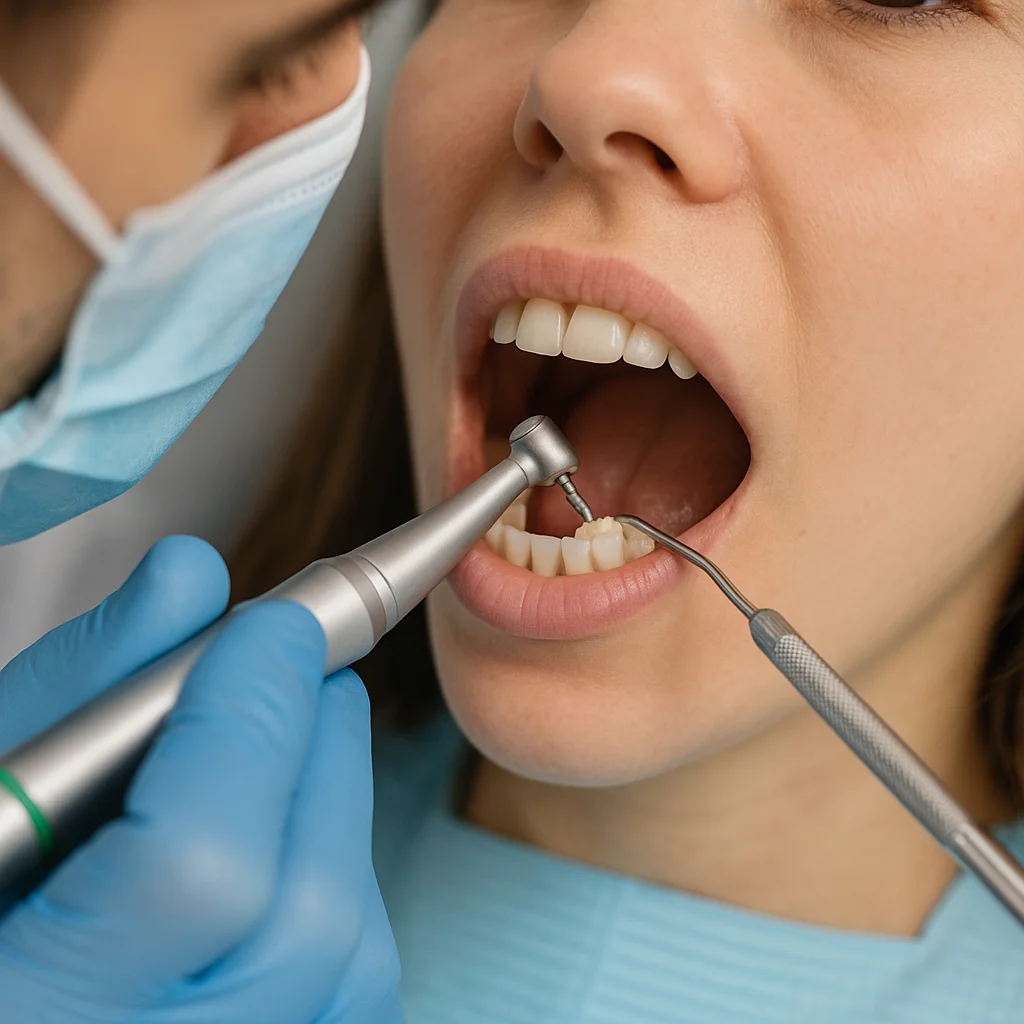
Frequently Asked Questions About Teeth Filling
Patients often have questions about the teeth filling process, especially if it’s their first time undergoing this type of dental treatment. To help you feel more confident and informed, we’ve compiled the most commonly asked questions about teeth filling—along with clear, expert answers. 🦷
❓ Is the teeth filling procedure safe?
Yes, the teeth filling procedure is very safe and widely performed by dentists around the world. Modern materials are designed to be biocompatible and non-toxic. Composite resin and glass ionomer are often preferred for their aesthetics and safety, especially for children and those concerned about metal exposure. If you have allergies or sensitivities, always inform your dentist beforehand.
🦷 How long does a teeth filling appointment take?
The duration of a teeth filling appointment depends on the number and complexity of the cavities. On average, one filling takes about 20 to 45 minutes. More time may be needed for deep cavities, multiple fillings, or for patients who require sedation.
🥶 Will I feel pain after a teeth filling?
Some mild sensitivity is normal for a few days following a teeth filling, especially to cold, heat, or pressure. However, severe or prolonged pain could indicate an issue such as a high bite or nerve involvement. If symptoms persist, it’s best to consult your dentist for a quick adjustment or reevaluation.
🍫 Can I eat after getting a teeth filling?
Yes—but it depends on the material used. Composite teeth filling hardens instantly with a curing light, so you can eat soon after the numbness wears off. However, if you’ve received an amalgam (metal) filling, it’s best to wait at least 24 hours before chewing on the filled side to allow the material to fully set.
📅 How often should I replace a teeth filling?
There is no set timeline for replacing a teeth filling. Some fillings last over 15 years, while others may need replacement sooner due to wear, recurrent decay, or cracks. Regular dental checkups help monitor your restorations and determine when a replacement is necessary.
🌐 Can a teeth filling fall out?
Yes, although uncommon, a teeth filling can loosen or fall out if it’s old, if you bite into hard objects, or if decay forms beneath it. Signs include sensitivity, sharp edges, or food getting trapped in the area. If this happens, visit your dentist promptly to avoid infection or further damage.
🦷 Can children get teeth fillings?
Absolutely. Teeth filling procedures are safe for both primary (baby) and permanent teeth. In fact, early treatment of cavities in children helps preserve tooth structure, prevent pain, and maintain proper spacing for adult teeth. Glass ionomer is often the material of choice in pediatric dentistry due to its fluoride-releasing properties.
💡 Can I upgrade my old metal filling to a tooth-colored one?
Yes, many patients opt to replace old amalgam teeth filling with composite or ceramic fillings for aesthetic reasons. This is especially popular for visible front teeth. However, your dentist will first evaluate the condition of the old filling and surrounding tooth to ensure replacement is viable and safe.
🧼 How do I take care of my filling at home?
Maintaining a teeth filling is simple with consistent oral hygiene. Here’s what to do:
- 🪥 Brush twice daily with fluoride toothpaste
- 🧵 Floss between teeth to prevent decay near fillings
- 🥤 Avoid excessive consumption of sugary snacks and drinks
- 🛑 Do not chew ice or use teeth to open packaging
Also, don’t skip your regular dental checkups—professional cleaning and evaluation are essential for preserving your teeth filling over time.
🏥 Where can I get more help or a consultation?
If you’re unsure whether you need a teeth filling or want to replace an old one, reach out to a trusted dental provider. At Redent Klinik, our specialists are ready to guide you through the process and recommend the best solution tailored to your smile.
📖 Trusted Sources for More Information
For additional answers and expert-backed insights into dental treatments, you can always refer to the American Dental Association. Their educational materials cover everything from basic procedures to advanced care standards.
✅ In summary, asking the right questions and knowing what to expect can turn a stressful dental visit into a smooth experience. A teeth filling is a fast, safe, and highly effective solution that restores your oral health—and now you’re fully equipped with the facts! 😄