
When people search for teeth full, they are often looking for reliable solutions that can restore their complete smile after severe tooth loss, decay, or long-term oral health issues. The concept of “teeth full” usually refers to treatments like full mouth dental implants, all-on-4 implant systems, or complete dentures that replace missing teeth with permanent, natural-looking alternatives. These options are designed to restore both the functionality of chewing and the confidence of smiling 😃. In this guide, we will explore the true meaning of teeth full restoration, why it has become one of the most popular dental treatments worldwide, and how it can dramatically transform oral health.
Teeth full restoration is not just about aesthetics. It goes deeper into improving nutrition, speech, and overall health. Missing teeth can cause bone loss in the jaw, shifting of the remaining teeth, gum infections, and even premature aging of the face due to loss of structure. By investing in a teeth full solution, patients regain their natural bite, prevent jawbone deterioration, and enjoy a healthier lifestyle. For many, it is life-changing because they can finally eat comfortably, laugh confidently, and interact socially without feeling self-conscious.
Modern dentistry has evolved far beyond traditional removable dentures. Today, teeth full implants are crafted to look identical to natural teeth, using advanced ceramic and titanium materials that are both strong and biocompatible. These dental prosthetics integrate with the jawbone, providing permanent stability. The key advantage is that patients no longer have to worry about dentures slipping or adhesives failing at inconvenient times. Instead, they benefit from a permanent solution that feels and functions like real teeth 🦷.
When discussing what teeth full means, it is important to understand that it can refer to different treatment approaches based on individual needs. For example, patients with significant bone loss may be candidates for zygomatic implants, while others might benefit from a straightforward all-on-4 solution. Some individuals still choose full dentures for financial reasons, but the long-term satisfaction rate with implants is generally much higher. This is why global demand for full mouth restoration procedures continues to grow year after year.
The journey toward a teeth full restoration typically begins with a consultation at a specialized dental clinic. A dentist will perform a 3D scan, X-rays, and a full oral examination to determine the best treatment plan. Depending on the patient’s bone density, gum health, and medical history, the clinic may recommend implants, bridges, or dentures. In modern clinics such as Redent Klinik Contact Page, patients can access advanced diagnostic tools and personalized treatment plans that make the process safer, faster, and more predictable.
It is also important to note that teeth full procedures are often carried out under sedation or local anesthesia to ensure patient comfort. For anxious patients, conscious sedation or sleep dentistry can be used. After the procedure, patients typically receive temporary prosthetics on the same day, allowing them to leave the clinic with a functional smile immediately. This instant transformation is one of the reasons teeth full solutions are so appealing, especially for those who have suffered from missing teeth for years.
From a financial perspective, teeth full implants are considered a long-term investment. While the initial cost may be higher than traditional dentures, the durability and stability of implants often make them more cost-effective in the long run. Patients no longer need to replace dentures every few years or deal with ongoing discomfort. In countries like Turkey, teeth full treatments are available at significantly lower prices than in the US or UK, making it a hub for dental tourism. Clinics abroad offer the same level of technology and expertise but at a fraction of the cost, attracting patients from all over the world 🌍.
Another key benefit of teeth full restoration is its psychological impact. Numerous studies have shown that patients experience a boost in self-esteem, improved social interactions, and even better career opportunities after restoring their smile. Humans naturally associate a bright, healthy smile with confidence and trustworthiness. Restoring the full set of teeth can therefore improve not just oral health but overall quality of life.
Of course, when discussing what teeth full means, we must also mention long-term maintenance. Patients need to commit to excellent oral hygiene, including daily brushing, flossing, and routine dental checkups. Even though implants do not decay, the surrounding gums and bone can still be affected by poor hygiene. This makes aftercare an essential part of keeping the restoration successful for decades.
According to the American Dental Association, restoring a full set of teeth with implants can prevent numerous health complications linked to tooth loss, including poor nutrition, speech problems, and bone atrophy. This aligns perfectly with the growing recognition that oral health is deeply connected to overall health. Choosing a teeth full solution is therefore not just about cosmetics—it is about investing in long-term well-being.
In summary, the term teeth full refers to the comprehensive process of replacing all missing teeth with either full mouth implants, dentures, or advanced hybrid solutions. It is a transformation that restores function, confidence, and health. Patients who undergo this journey often describe it as life-changing, because it gives them back something that many of us take for granted: the ability to smile, eat, and live fully without limitations. 😊
What Does Teeth Full Restoration Mean?
The term teeth full restoration is widely used in modern dentistry to describe the complete replacement of all missing teeth in one or both jaws. Unlike partial dental procedures that only target individual gaps, this approach focuses on restoring the entire dental arch, resulting in a fully functional and aesthetically pleasing smile 😁. Patients who undergo this transformation often experience improvements in eating, speaking, and overall facial appearance. But what exactly does it mean in practice, and why has it become such a cornerstone of cosmetic and restorative dentistry?
Understanding the Concept of Teeth Full Restoration
At its core, teeth full restoration refers to a dental treatment plan that replaces an entire set of teeth, whether through full dentures, implant-supported bridges, or advanced all-on-4 and all-on-6 implant techniques. These solutions are designed to mimic the natural look and function of real teeth, providing long-term stability and strength. While traditional dentures are still available, modern patients increasingly prefer implants because they integrate with the jawbone, preventing bone resorption and facial collapse. The goal is not only to restore lost teeth but also to rebuild oral health from the ground up.
Why the Phrase “Teeth Full” Matters
When people search for teeth full, they often want answers about full mouth dental implants, complete dentures, or hybrid solutions. This keyword reflects the growing demand for comprehensive dental solutions rather than isolated fixes. It signals a desire for long-lasting treatment that can restore confidence, chewing efficiency, and smile aesthetics all at once. In essence, the phrase captures the shift from temporary fixes to permanent, life-changing dental care 🦷.
Key Elements of a Teeth Full Restoration
A complete restoration involves several stages, each tailored to the patient’s unique needs:
- Diagnosis and Planning: A thorough oral exam, 3D scans, and X-rays help dentists determine bone density, gum health, and the best treatment approach.
- Surgical Placement: If implants are chosen, titanium posts are surgically placed in the jawbone to act as artificial roots.
- Prosthetic Design: Custom-made crowns, bridges, or dentures are designed to match the patient’s facial structure and desired aesthetics.
- Final Restoration: Once healing is complete, permanent teeth are attached, resulting in a strong, natural-looking smile.
This step-by-step process ensures that each patient’s teeth full restoration is both functional and visually appealing. It is a transformation that blends science, technology, and artistry.
Differences Between Teeth Full Implants and Dentures
One of the most common questions patients ask is whether they should choose dentures or implants. While both can be considered a form of teeth full restoration, the differences are significant:
- Dentures: Removable appliances that replace all teeth. They are more affordable but can slip, require adhesives, and may feel less natural.
- Implants: Surgically anchored in the jawbone, providing permanent stability and preventing bone loss. They are more costly but considered the gold standard of modern dentistry.
For patients seeking long-term satisfaction, implants are usually the recommended option. However, dentures remain a valid choice for individuals with budget constraints or certain medical conditions.
Hybrid Solutions for Teeth Full Patients
Not every patient falls neatly into the dentures versus implants category. Hybrid solutions, such as implant-supported overdentures, combine the affordability of dentures with the stability of implants. This makes them an increasingly popular choice for patients who want the benefits of teeth full restoration without the higher costs of full-arch implants.
Psychological and Social Impact of Teeth Full Restoration
Beyond the functional benefits, a teeth full restoration has profound effects on self-esteem and social confidence. Patients who previously avoided smiling or eating in public often describe a renewed sense of freedom. Being able to laugh openly, enjoy meals, and interact without embarrassment creates a ripple effect that touches every area of life 🌟. Numerous studies confirm that people with a complete, attractive smile are perceived as more confident and trustworthy, which can even improve career opportunities.
Global Accessibility of Teeth Full Treatments
Another important aspect of understanding teeth full restoration is its growing availability worldwide. Dental tourism has made advanced implant procedures more affordable, particularly in countries like Turkey, Hungary, and Mexico. Clinics in these regions offer state-of-the-art technology and internationally trained dentists at a fraction of the cost found in the US or UK. Patients seeking treatment can contact trusted centers such as Redent Klinik Contact Page to explore affordable options that do not compromise on quality.
Medical Considerations in Teeth Full Restoration
While most patients are suitable candidates, certain conditions must be evaluated before proceeding with a teeth full procedure. Gum health, bone density, diabetes management, and smoking habits all influence treatment success. Advanced imaging ensures that the dentist tailors the procedure to reduce risks and maximize outcomes. In some cases, bone grafting may be necessary to support implants, extending the overall treatment timeline but ensuring stability in the long run.
Expert Opinions and Guidelines
According to the American Dental Association, replacing all missing teeth with stable prosthetics is critical to maintaining oral and general health. Tooth loss is linked to poor nutrition, jawbone atrophy, and even cardiovascular risks. By opting for a teeth full restoration, patients not only regain their smile but also reduce the likelihood of related health issues. Professional associations consistently emphasize the importance of comprehensive dental care as part of holistic well-being.
In conclusion, teeth full restoration means much more than simply replacing lost teeth. It represents a comprehensive treatment philosophy that integrates medical science, modern technology, and patient-centered care. From implants to dentures and hybrid solutions, these treatments empower individuals to reclaim their smiles, their health, and their confidence. Choosing the right approach can be life-changing, ensuring that patients not only look better but also live better. 🌈
Benefits of Choosing Teeth Full Solutions
Opting for a teeth full solution provides life-changing advantages that go beyond simply restoring missing teeth. Patients who undergo this comprehensive treatment regain not only the ability to chew and speak effectively but also the confidence to smile without hesitation 😊. Unlike temporary fixes, teeth full restorations deliver lasting improvements in oral health, overall wellness, and quality of life. In this section, we will examine the multiple benefits of choosing a full-mouth restoration, supported by medical research and patient experiences.
Improved Oral Functionality
One of the biggest benefits of teeth full restorations is the return of full oral functionality. Patients can once again enjoy foods that were previously difficult to chew, such as meats, nuts, or raw vegetables. This leads to better digestion and improved nutritional intake. For many, the ability to eat comfortably for the first time in years is one of the most profound changes after treatment. Unlike dentures, which can slip or restrict bite force, implant-based full restorations provide stability and strength comparable to natural teeth 🦷.
Speech Enhancement
Missing teeth often cause speech difficulties, such as slurring or whistling sounds. A teeth full restoration corrects these issues by creating proper alignment and support for the tongue and lips. Patients report clearer, more confident speech almost immediately after receiving their new smile. This not only enhances daily communication but also reduces self-consciousness in professional and social settings.
Boost in Self-Confidence
Confidence is a major reason why people choose teeth full restorations. A healthy, attractive smile is often associated with youth, vitality, and trustworthiness. Patients who have struggled with tooth loss frequently avoid photos, social gatherings, or even conversations. By investing in a teeth full solution, they reclaim their self-image. The transformation is not just physical—it is deeply emotional. Many describe feeling like they “got their life back” after completing the procedure 🌟.
Long-Term Oral Health Protection
Another significant benefit is the prevention of further oral health complications. Tooth loss often triggers a chain reaction: bone resorption, gum shrinkage, and shifting of remaining teeth. A teeth full implant solution stops this progression by stimulating the jawbone, just like natural roots. This helps preserve facial structure and reduces the risk of premature aging. In contrast, traditional dentures can accelerate bone loss because they do not provide the necessary stimulation.
Reduced Risk of Systemic Health Issues
Studies have shown a strong link between oral health and overall health. Missing teeth and gum disease are connected to heart disease, diabetes, and even Alzheimer’s. By choosing a teeth full restoration, patients reduce these risks because they can maintain better oral hygiene and reduce chronic inflammation in the body. The American Dental Association highlights the importance of addressing tooth loss as a preventive measure for long-term health.
Cost-Effectiveness Over Time
At first glance, teeth full implants may seem more expensive than dentures. However, when considering long-term benefits, they often prove more cost-effective. Dentures typically need replacement every 5–7 years and require ongoing adjustments. Implants, on the other hand, can last decades with proper care. This means fewer replacement costs and fewer trips to the dentist. Patients traveling abroad to trusted clinics such as Redent Klinik Contact Page also benefit from affordable prices without compromising quality 🌍.
Enhanced Aesthetic Results
A smile restored through a teeth full solution looks natural and beautiful. Advanced dental technology allows for custom shaping, shading, and alignment of the prosthetic teeth to match the patient’s facial features. Unlike removable dentures, which can sometimes appear artificial, full implants are virtually indistinguishable from natural teeth. This aesthetic improvement contributes significantly to patient satisfaction and overall quality of life.
Facial Structure Preservation
Loss of teeth often causes the face to collapse inward, creating a sunken appearance. A teeth full restoration prevents this by maintaining the volume of the jawbone and supporting facial muscles. Patients often appear younger and more vibrant after the procedure, which is why many view it as both a medical and cosmetic investment.
Psychological and Social Benefits
Restoring all missing teeth has a profound psychological impact. Patients frequently report decreased anxiety, reduced feelings of embarrassment, and greater willingness to engage in social activities. The ability to smile openly improves social relationships, career prospects, and overall happiness. The transformation achieved through a teeth full procedure extends far beyond oral health—it reshapes daily life 💬.
Convenience and Maintenance
Maintaining a teeth full implant solution is far simpler than caring for dentures. There is no need for adhesives, soaking solutions, or complicated cleaning routines. Patients brush and floss as they would with natural teeth, and routine checkups ensure long-term success. This ease of maintenance is another major advantage, especially for older patients or those with busy lifestyles.
In conclusion, choosing a teeth full restoration is one of the most rewarding decisions a patient can make. From restoring function and confidence to preventing future health complications, the benefits are comprehensive and life-enhancing. This treatment is not merely about replacing teeth—it is about reclaiming quality of life, longevity, and well-being. Patients who invest in a teeth full solution experience a transformation that extends beyond their smile, empowering them to live fully and without limitations. 😃
Types of Teeth Full Treatments Available
When patients consider a teeth full solution, one of the most important steps is understanding the variety of treatments available. Dentistry today offers multiple approaches to restoring a complete set of teeth, ranging from removable dentures to advanced implant-supported restorations. Each method carries its own benefits, costs, and suitability depending on the patient’s oral health, bone density, and financial expectations. By exploring the different types of teeth full restorations, patients can make informed decisions about the best path forward for regaining their smile 😁.
Traditional Full Dentures
The most well-known method of teeth full restoration is the use of removable full dentures. These prosthetic devices sit on top of the gums and are custom-designed to fit the patient’s mouth. While dentures are the most affordable option, they do come with limitations. Patients often struggle with stability, slippage, and the need for adhesives. Additionally, dentures do not prevent bone loss in the jaw, which can cause facial changes over time.
Advantages of Dentures
- Lower upfront cost compared to implants
- Non-surgical and quick to produce
- Suitable for patients with significant bone loss
Disadvantages of Dentures
- Require periodic replacement (every 5–7 years)
- May affect taste and chewing efficiency
- Risk of gum irritation and sores
Despite these drawbacks, dentures remain a valid entry-level option for patients seeking a teeth full restoration on a budget.
All-on-4 Dental Implants
Among the most popular teeth full treatments is the all-on-4 system. This method uses four strategically placed dental implants to anchor a full arch of prosthetic teeth. The implants are positioned at angles that maximize contact with available bone, which often eliminates the need for bone grafting. This approach provides a stable, permanent solution that allows patients to walk away with a functional smile in as little as one day 🦷.
Key Benefits of All-on-4
- Immediate function—patients leave with fixed teeth the same day
- Cost-effective compared to individual implants for each tooth
- Preserves bone and prevents further deterioration
All-on-6 and All-on-8 Implant Systems
For patients who require additional support, the all-on-6 or all-on-8 systems are excellent choices. These methods use six or eight implants to anchor the full arch. The extra implants provide even greater stability and distribute chewing forces more evenly, which can be particularly beneficial for patients with high bite forces or compromised bone quality.
Why Choose All-on-6 or All-on-8?
- Greater stability and durability for long-term use
- Better support for patients with larger jaws
- Enhanced comfort and natural feel
Although more expensive than the all-on-4 method, these options often provide the most secure and natural-feeling teeth full restorations available.
Implant-Supported Overdentures
This treatment combines the affordability of dentures with the stability of implants. Implant-supported overdentures use two to four implants per arch to anchor a removable denture, making it more stable than traditional dentures. Patients benefit from reduced slippage, better chewing ability, and improved comfort, while still keeping costs relatively lower than full implant arches.
Advantages of Overdentures
- Affordable middle-ground between dentures and full implants
- More stable than traditional dentures
- Can be removed for easy cleaning
Zygomatic Implants
In cases where patients have severe bone loss in the upper jaw, zygomatic implants may be the best teeth full treatment. Instead of being placed in the jawbone, these implants are anchored in the cheekbone (zygoma), which provides exceptional stability. This advanced technique eliminates the need for bone grafting and offers a permanent solution for patients who otherwise might not qualify for traditional implants.
Who Benefits from Zygomatic Implants?
- Patients with severe bone loss in the upper jaw
- Individuals seeking a graft-free alternative
- Those requiring immediate, strong support for prosthetic teeth
Cost Comparison of Teeth Full Treatments
The cost of a teeth full restoration varies widely depending on the method chosen. Traditional dentures may cost between $1,000–$3,000 per arch in the United States, while all-on-4 implant systems can range from $15,000–$30,000 per arch. Advanced methods like zygomatic implants may exceed $30,000 per arch. However, in dental tourism destinations like Turkey, patients can access the same treatments at 50–70% lower prices without compromising quality. Clinics such as Redent Klinik Contact Page provide tailored packages for international patients 🌍.
Choosing the Right Option
Deciding which teeth full solution to pursue depends on several factors: budget, oral health, desired longevity, and personal comfort. Patients should undergo a detailed consultation, including 3D imaging and expert assessment, to determine suitability. While dentures may be suitable for some, others will benefit more from advanced
Types of Teeth Full Treatments Available
When patients consider a teeth full solution, one of the most important steps is understanding the variety of treatments available. Dentistry today offers multiple approaches to restoring a complete set of teeth, ranging from removable dentures to advanced implant-supported restorations. Each method carries its own benefits, costs, and suitability depending on the patient’s oral health, bone density, and financial expectations. By exploring the different types of teeth full restorations, patients can make informed decisions about the best path forward for regaining their smile 😁.
Traditional Full Dentures
The most well-known method of teeth full restoration is the use of removable full dentures. These prosthetic devices sit on top of the gums and are custom-designed to fit the patient’s mouth. While dentures are the most affordable option, they do come with limitations. Patients often struggle with stability, slippage, and the need for adhesives. Additionally, dentures do not prevent bone loss in the jaw, which can cause facial changes over time.
Advantages of Dentures
- Lower upfront cost compared to implants
- Non-surgical and quick to produce
- Suitable for patients with significant bone loss
Disadvantages of Dentures
- Require periodic replacement (every 5–7 years)
- May affect taste and chewing efficiency
- Risk of gum irritation and sores
Despite these drawbacks, dentures remain a valid entry-level option for patients seeking a teeth full restoration on a budget.
All-on-4 Dental Implants
Among the most popular teeth full treatments is the all-on-4 system. This method uses four strategically placed dental implants to anchor a full arch of prosthetic teeth. The implants are positioned at angles that maximize contact with available bone, which often eliminates the need for bone grafting. This approach provides a stable, permanent solution that allows patients to walk away with a functional smile in as little as one day 🦷.
Key Benefits of All-on-4
- Immediate function—patients leave with fixed teeth the same day
- Cost-effective compared to individual implants for each tooth
- Preserves bone and prevents further deterioration
All-on-6 and All-on-8 Implant Systems
For patients who require additional support, the all-on-6 or all-on-8 systems are excellent choices. These methods use six or eight implants to anchor the full arch. The extra implants provide even greater stability and distribute chewing forces more evenly, which can be particularly beneficial for patients with high bite forces or compromised bone quality.
Why Choose All-on-6 or All-on-8?
- Greater stability and durability for long-term use
- Better support for patients with larger jaws
- Enhanced comfort and natural feel
Although more expensive than the all-on-4 method, these options often provide the most secure and natural-feeling teeth full restorations available.
Implant-Supported Overdentures
This treatment combines the affordability of dentures with the stability of implants. Implant-supported overdentures use two to four implants per arch to anchor a removable denture, making it more stable than traditional dentures. Patients benefit from reduced slippage, better chewing ability, and improved comfort, while still keeping costs relatively lower than full implant arches.
Advantages of Overdentures
- Affordable middle-ground between dentures and full implants
- More stable than traditional dentures
- Can be removed for easy cleaning
Zygomatic Implants
In cases where patients have severe bone loss in the upper jaw, zygomatic implants may be the best teeth full treatment. Instead of being placed in the jawbone, these implants are anchored in the cheekbone (zygoma), which provides exceptional stability. This advanced technique eliminates the need for bone grafting and offers a permanent solution for patients who otherwise might not qualify for traditional implants.
Who Benefits from Zygomatic Implants?
- Patients with severe bone loss in the upper jaw
- Individuals seeking a graft-free alternative
- Those requiring immediate, strong support for prosthetic teeth
Cost Comparison of Teeth Full Treatments
The cost of a teeth full restoration varies widely depending on the method chosen. Traditional dentures may cost between $1,000–$3,000 per arch in the United States, while all-on-4 implant systems can range from $15,000–$30,000 per arch. Advanced methods like zygomatic implants may exceed $30,000 per arch. However, in dental tourism destinations like Turkey, patients can access the same treatments at 50–70% lower prices without compromising quality. Clinics such as Redent Klinik Contact Page provide tailored packages for international patients 🌍.
Choosing the Right Option
Deciding which teeth full solution to pursue depends on several factors: budget, oral health, desired longevity, and personal comfort. Patients should undergo a detailed consultation, including 3D imaging and expert assessment, to determine suitability. While dentures may be suitable for some, others will benefit more from advanced implant-supported solutions that deliver long-term stability and aesthetics.
In conclusion, the range of teeth full treatments available today ensures that every patient can find a solution that fits their needs. From traditional dentures to advanced implant systems, modern dentistry offers comprehensive options that restore smiles, improve health, and transform lives. Understanding these treatments empowers patients to make informed choices that lead to lasting satisfaction and confidence 😃.
Step-by-Step Teeth Full Procedure Explained
For patients considering a teeth full restoration, understanding the step-by-step process is essential. This comprehensive procedure typically involves several carefully coordinated stages, each designed to ensure a smooth transformation from tooth loss to a fully restored smile 😁. While the exact timeline may vary depending on the patient’s oral health and the chosen treatment type, most teeth full solutions follow a structured pathway. Below, we break down the process in detail so that patients know exactly what to expect.
Step 1: Initial Consultation
The journey begins with a comprehensive consultation. During this stage, the dentist examines the patient’s oral health, takes digital X-rays, and performs a 3D scan of the jaws. This allows for a precise assessment of bone density, gum condition, and overall oral health. The dentist also discusses treatment goals and presents the available teeth full options—ranging from dentures to implant-supported restorations. Patients may be referred to advanced clinics such as Redent Klinik Contact Page for a detailed treatment plan and pricing options.
Step 2: Treatment Planning
Once diagnostic results are complete, a customized plan is created. This stage includes selecting the best technique, estimating costs, and scheduling the procedure. Planning is crucial because each patient has unique oral structures and needs. For example, some may require extractions or bone grafting before implants can be placed, while others may qualify for immediate-load implants like the all-on-4 system.
Digital Smile Design
Many modern dental clinics use advanced software to create a visual preview of the expected outcome. Patients can see a digital model of how their teeth full restoration will look, ensuring transparency and satisfaction before treatment begins.
Step 3: Preparatory Procedures
If necessary, preparatory treatments are performed. These may include tooth extractions, bone grafting, or sinus lifts. Such procedures strengthen the jawbone, ensuring long-term success of implant placement. While this may extend the treatment timeline, it greatly increases the stability and longevity of the final teeth full solution.
Step 4: Implant Placement
For implant-based restorations, titanium posts are surgically inserted into the jawbone under local anesthesia or sedation. These implants act as artificial roots and are left to fuse with the bone in a process called osseointegration. Depending on the case, patients may receive temporary prosthetics immediately (same-day teeth) or wait several months for healing before final restorations are attached.
Healing Period
During osseointegration, which can take 3–6 months, patients are advised to follow a soft diet and attend follow-up appointments. This healing phase is critical for ensuring the implants bond securely with the bone.
Step 5: Temporary Prosthetics
To avoid leaving patients without teeth, temporary bridges or dentures are provided. These allow normal eating and speaking while the implants integrate. Though not as strong as the final set, they help patients adapt to the feel of their upcoming teeth full restoration.
Step 6: Final Prosthetic Attachment
Once healing is complete, custom-designed crowns or bridges are permanently attached to the implants. These prosthetics are color-matched and shaped to resemble natural teeth. At this point, the patient achieves a fully restored smile with all the benefits of stability, comfort, and aesthetics 🌟.
Step 7: Post-Treatment Care
The final step involves education on long-term maintenance. Patients are guided on brushing, flossing, and routine check-ups. Since even implant-supported teeth full solutions require ongoing care, follow-up visits ensure durability and longevity.
In summary, the teeth full procedure is a multi-stage process that blends science, technology, and artistry. From consultation to final placement, every step is designed to restore function, beauty, and confidence. By following this structured pathway, patients can enjoy a predictable and life-changing transformation 🦷.
Recovery and Aftercare for Teeth Full Patients
Completing a teeth full restoration is a significant milestone, but long-term success depends heavily on recovery and aftercare. Patients must follow specific guidelines to ensure that their new smile remains strong, functional, and healthy for years to come. Proper care not only protects the investment but also enhances overall oral and systemic health. This section covers essential recovery steps and aftercare practices that every teeth full patient should know.
Immediate Post-Surgery Recovery
After implant placement or full denture fitting, patients may experience mild swelling, discomfort, or bruising. These side effects are normal and usually subside within a few days. Dentists often prescribe pain relievers, antibiotics, or anti-inflammatory medication to ease recovery. During this time, patients should avoid strenuous activities and stick to a soft-food diet.
Recommended Foods During Recovery
- Soups and broths for hydration and nutrition
- Mashed potatoes, yogurt, and smoothies
- Scrambled eggs and soft pasta
By following dietary restrictions, patients protect the healing implants or gums from unnecessary strain, improving the overall success rate of their teeth full restoration.
Long-Term Maintenance Practices
Once healing is complete, patients must commit to a strict oral hygiene routine. This includes twice-daily brushing with a soft-bristled toothbrush, flossing with special tools for implants, and rinsing with an antibacterial mouthwash. Unlike dentures, which require soaking, implant-supported teeth full solutions can be cared for like natural teeth, making daily routines easier and more effective.
Professional Checkups
Regular dental checkups—ideally every six months—are vital for monitoring gum health, implant stability, and bite alignment. Clinics such as Redent Klinik Contact Page offer follow-up care to ensure long-lasting results. Skipping professional evaluations increases the risk of peri-implantitis (gum infection around implants), which could compromise the restoration.
Psychological and Social Adjustment
Adapting to a new teeth full solution can take time. Patients may initially feel different when eating or speaking. However, within weeks, most report that the restorations feel natural. The psychological benefits—such as boosted confidence and improved self-image—often outweigh any temporary challenges. Smiling, laughing, and socializing without hesitation dramatically enhances quality of life 🌈.
Common Complications and How to Avoid Them
While success rates for teeth full restorations are very high, complications can occur if aftercare is neglected. Common issues include gum inflammation, implant loosening, or prosthetic wear. To minimize risks:
- Follow the dentist’s hygiene instructions strictly
- Avoid smoking, as it impairs healing and increases implant failure rates
- Maintain a balanced diet rich in calcium and vitamins
Signs to Watch Out For
If patients notice persistent swelling, bleeding gums, or pain, they should seek immediate professional care. Early intervention prevents minor issues from escalating into serious complications.
Systemic Health Benefits of Aftercare
Proper care of a teeth full restoration does more than protect the implants—it also supports systemic health. Poor oral hygiene has been linked to heart disease, diabetes, and other chronic illnesses. By maintaining healthy gums and a strong bite, patients protect not only their smile but their overall well-being. The American Dental Association strongly emphasizes ongoing care as part of holistic health management.
Lifestyle Habits That Support Longevity
Patients who succeed with teeth full solutions typically adopt healthier lifestyles. Avoiding sugary foods, limiting alcohol, and quitting smoking all extend the life of the implants. Coupled with regular dental visits, these habits ensure that the restored smile can last decades or even a lifetime.
In conclusion, recovery and aftercare are crucial components of a successful teeth full restoration. From immediate post-surgery precautions to lifelong maintenance, patients who commit to proper care enjoy lasting stability, improved health, and a confident smile that transforms daily life. By following these guidelines, the investment in a teeth full solution continues to pay dividends for years to come 😃.
Common Questions About Teeth Full Implants
Patients considering a teeth full restoration often have many questions before making such an important investment in their oral health. Understanding the answers to these questions can ease anxiety, provide clarity, and help individuals make informed decisions. Below, we address the most frequently asked questions about teeth full implants, covering everything from the procedure and costs to longevity and maintenance 🦷.
Are Teeth Full Implants Painful?
One of the most common concerns is whether a teeth full implant procedure causes pain. The good news is that modern dentistry has advanced considerably, and most procedures are performed under local anesthesia or sedation. Patients typically feel little to no discomfort during surgery. Some mild soreness, swelling, or bruising may appear afterward, but these symptoms usually subside within a few days and can be managed with prescribed medication or over-the-counter pain relievers.
Pain Management After Surgery
Following implant placement, dentists often recommend cold compresses, rest, and a soft-food diet to minimize discomfort. Recovery is usually smooth, and patients are pleasantly surprised by how manageable the process feels compared to their expectations.
How Long Do Teeth Full Implants Last?
Another important question is about the durability of teeth full restorations. When placed and maintained properly, implants can last 20 years or longer. In fact, with good oral hygiene and regular dental checkups, many implants last a lifetime. The prosthetic teeth attached to the implants may require replacement after 10–15 years due to wear and tear, but the titanium posts themselves remain stable and secure in the jawbone for decades.
What Is the Success Rate of Teeth Full Procedures?
The success rate for teeth full implants is extremely high—typically above 95%. Success depends on factors such as the patient’s overall health, jawbone density, and commitment to aftercare. Smokers and patients with uncontrolled diabetes may face slightly lower success rates, but with proper preparation and medical management, most individuals can achieve outstanding results.
How Much Do Teeth Full Restorations Cost?
Costs vary significantly depending on the type of procedure, the number of implants required, and the country where treatment is performed. In the United States, a teeth full restoration with implants can cost between $15,000 and $30,000 per arch. However, patients who travel abroad—particularly to Turkey or Eastern Europe—can often save 50–70% while still receiving high-quality care. Clinics such as Redent Klinik Contact Page provide affordable packages that include consultation, treatment, and aftercare, making dental tourism an attractive option 🌍.
Are There Financing Options?
Yes, many clinics offer financing plans, allowing patients to spread the cost over several months or years. Insurance coverage varies, but some providers may cover part of the treatment if tooth loss is related to medical conditions or accidents.
Do Teeth Full Implants Look Natural?
Modern dental technology ensures that teeth full implants look remarkably natural. Prosthetic crowns are custom-designed to match the color, size, and shape of natural teeth. Dentists use advanced ceramic materials and digital imaging to ensure a perfect fit. The result is a smile that looks authentic and blends seamlessly with facial features, making it almost impossible to distinguish implants from real teeth 😃.
How Do Teeth Full Implants Compare to Dentures?
Patients often ask whether implants are truly superior to dentures. The answer depends on individual needs, but in general, implants provide superior comfort, stability, and long-term health benefits. Unlike dentures, which can slip and cause gum irritation, implants fuse with the jawbone, preventing bone loss and preserving facial structure. This makes them the gold standard in teeth full restoration.
Key Differences
- Implants: Permanent, stable, and bone-preserving.
- Dentures: Removable, less stable, and may accelerate bone loss.
What Is the Recovery Time for Teeth Full Procedures?
Recovery time varies depending on whether bone grafting or additional surgeries are needed. For same-day implant solutions such as all-on-4, patients often leave the clinic with a temporary prosthetic immediately. Full healing (osseointegration) can take 3–6 months, during which implants bond securely to the bone. During this period, patients follow a soft-food diet and attend follow-up visits to ensure progress.
Who Is Eligible for Teeth Full Implants?
Most adults who are missing multiple teeth are candidates for teeth full implants. However, eligibility depends on several factors:
- Overall health (conditions such as uncontrolled diabetes may complicate healing)
- Sufficient jawbone density for implant support
- Non-smokers or patients willing to quit smoking
For those with severe bone loss, advanced options such as zygomatic implants may be recommended. Consulting a trusted clinic ensures accurate evaluation and treatment planning.
What Are the Risks of Teeth Full Implants?
Although rare, risks include infection, implant loosening, or sinus complications in upper jaw procedures. These risks are minimized when patients choose an experienced dental team and follow aftercare instructions. According to the American Dental Association, long-term implant survival is very high, making this a safe and predictable treatment choice.
How Do I Care for My Teeth Full Restoration?
Caring for implants is similar to caring for natural teeth. Patients should brush twice daily, floss using implant-safe tools, and attend routine dental checkups. Avoiding smoking, limiting sugar intake, and maintaining a balanced diet further extend the life of the restoration. With consistent care, a teeth full solution can last for decades, providing patients with a confident smile and excellent oral health.
In conclusion, patients exploring teeth full implants often have similar questions about pain, cost, success rates, and longevity. By addressing these concerns, it becomes clear why this treatment is regarded as one of the most transformative solutions in dentistry. With proper planning and aftercare, a teeth full restoration is a safe, effective, and life-changing option for anyone seeking a complete smile transformation 🌟.
Comparing Teeth Full Costs Across Countries
One of the most frequently discussed aspects of a teeth full restoration is the cost. Because this treatment is a significant investment in both health and appearance, patients naturally want to know how much they will need to budget and whether traveling abroad might save them money. Costs can vary widely depending on the country, clinic reputation, type of procedure, and the technology used. In this section, we will explore how the price of teeth full solutions differs globally, why certain regions are more affordable, and what patients should consider before making a decision 🌍.
United States and Canada
In the United States, a teeth full restoration is one of the most expensive dental procedures. Prices typically range from $15,000 to $30,000 per arch, depending on whether an all-on-4, all-on-6, or zygomatic implant system is used. For both upper and lower arches combined, patients may pay between $30,000 and $60,000. These higher costs are influenced by labor expenses, malpractice insurance, and advanced technology standards. In Canada, prices are slightly lower but still range from CAD 20,000 to CAD 50,000 for a complete teeth full implant solution. While quality is consistently high, many patients struggle with affordability.
Financing Options in North America
Many clinics in North America offer financing plans, allowing patients to spread payments over several years. Dental insurance may cover part of the treatment if tooth loss results from an accident or medical condition, but most policies exclude cosmetic teeth full solutions.
United Kingdom and Western Europe
In the UK, the average cost of a teeth full restoration is between £12,000 and £25,000 per arch. Similarly, in countries such as Germany and France, costs can range from €15,000 to €28,000. These countries follow strict health regulations and offer excellent quality, but higher living costs and dental training expenses push prices upward. Patients in these regions often seek alternatives abroad to reduce costs while maintaining high standards of care.
Eastern Europe (Hungary, Poland, Croatia)
Eastern European countries have become global leaders in affordable dental tourism. In Hungary, Poland, and Croatia, patients can expect to pay between €7,000 and €12,000 per arch for a teeth full implant restoration. These clinics attract thousands of international patients every year because they combine high-quality treatment with significant savings. Many clinics partner with international accreditation bodies to maintain world-class standards while offering a more budget-friendly option.
Turkey
Turkey is one of the most popular destinations for patients seeking teeth full solutions. Costs in Turkey typically range between $5,000 and $10,000 per arch, making it up to 70% cheaper than the United States. Despite the lower cost, clinics in Turkey use advanced 3D imaging, CAD/CAM technology, and internationally recognized implant brands. Packages often include airport transfers, hotel stays, and aftercare services, making the experience convenient for international patients. Trusted clinics such as Redent Klinik Contact Page provide customized treatment plans that combine affordability with exceptional results.
Why Is Turkey More Affordable?
The lower costs are not due to reduced quality but rather to economic differences, lower labor expenses, and government-supported medical tourism initiatives. This makes Turkey a preferred destination for patients worldwide seeking teeth full restorations without financial strain.
Asia (India, Thailand, Philippines)
Asian countries also offer competitive prices. In India, a teeth full implant solution may cost between $4,000 and $8,000 per arch. Thailand and the Philippines range between $6,000 and $12,000. These regions have well-trained dentists and state-of-the-art facilities, although patients must carefully research clinic reputations to ensure safety and quality. The added benefit of these locations is the opportunity to combine treatment with tourism, making the trip both cost-effective and enjoyable 🌴.
Middle East and Gulf Countries
In countries such as the UAE and Saudi Arabia, teeth full restorations cost between $12,000 and $25,000 per arch. Prices are similar to those in Western Europe due to advanced technology, high living standards, and luxury healthcare settings. These regions attract local patients and expatriates who prefer to stay closer to home despite higher costs.
Africa and Latin America
In South Africa, costs for a teeth full restoration range from $7,000 to $15,000, depending on the clinic. In Latin American countries like Mexico, Costa Rica, and Colombia, patients typically pay between $5,000 and $10,000 per arch. Mexico, in particular, has become a leading hub for dental tourism among U.S. residents because of its proximity and significantly lower costs.
Cost vs. Value Considerations
While comparing prices is important, patients must also consider value. A cheaper option may end up costing more in the long term if the quality is subpar. Choosing an experienced clinic with internationally certified dentists, advanced equipment, and a solid reputation ensures that the teeth full solution will last decades. The American Dental Association advises patients to prioritize safety, sterilization standards, and implant quality when selecting a clinic abroad.
Summary of Global Prices
- United States/Canada: $15,000–$30,000 per arch
- UK/Germany/France: €15,000–€28,000 per arch
- Hungary/Poland/Croatia: €7,000–€12,000 per arch
- Turkey: $5,000–$10,000 per arch
- India/Thailand/Philippines: $4,000–$12,000 per arch
- Mexico/Costa Rica/Colombia: $5,000–$10,000 per arch
In conclusion, the cost of a teeth full restoration varies greatly across the world, but patients have more options than ever before. Whether seeking treatment locally or abroad, individuals can find a solution that balances affordability with quality. By researching carefully and choosing reputable clinics, patients can enjoy the transformative benefits of a teeth full implant solution at a price that fits their budget 💰.
Risks and Complications of Teeth Full Surgery
While a teeth full restoration offers life-changing results, it is important to recognize that every surgical procedure carries potential risks and complications. By understanding these challenges in advance, patients can make informed choices and follow proper aftercare to minimize issues. Fortunately, with advances in dental technology and skilled professionals, the risks of teeth full surgery are relatively low, and the majority of patients experience long-lasting success 🦷. Let’s explore the most common risks, why they occur, and how they can be prevented or managed.
Surgical Risks During Teeth Full Procedures
The first category of risks involves the surgical placement of implants. Although the procedure is safe, complications can arise in rare cases.
- Infection: Any surgical site can become infected if bacteria enter the wound. Good sterilization practices and post-operative antibiotics significantly reduce this risk.
- Nerve Injury: Improper implant placement in the lower jaw may affect nerves, causing numbness, tingling, or pain. With advanced imaging such as 3D CT scans, this complication is rare.
- Sinus Issues: In the upper jaw, implants may sometimes encroach on the sinus cavity. Techniques like sinus lifts help create enough bone space for a safe teeth full implant.
How Dentists Minimize Surgical Risks
Modern dental clinics rely on digital planning, 3D scans, and guided surgery tools to ensure precise placement. This level of accuracy dramatically reduces the likelihood of complications during teeth full surgery.
Post-Surgical Complications
After the procedure, patients may face temporary or long-term issues if aftercare instructions are not followed properly.
- Swelling and Bruising: Common in the first few days but generally subsides quickly with ice packs and medication.
- Bleeding: Minor bleeding is normal, but prolonged bleeding may indicate a complication and requires professional attention.
- Implant Failure: In rare cases, implants may fail to integrate with the jawbone (osseointegration). Smoking, poor oral hygiene, and uncontrolled medical conditions increase this risk.
Peri-Implantitis
One of the most notable complications of teeth full implants is peri-implantitis, an infection of the gums around the implants. It is similar to gum disease and can lead to bone loss if untreated. Good oral hygiene and regular professional cleanings are essential to preventing this issue.
Long-Term Risks of Teeth Full Restorations
Although teeth full solutions are designed for durability, some long-term risks exist:
- Bone Loss: Even with implants, gradual bone loss can occur if oral health is neglected.
- Wear and Tear: Prosthetic teeth may need replacement after 10–15 years due to daily chewing forces.
- Mechanical Failures: Screws or connectors may loosen over time, requiring adjustments.
Fortunately, these complications are manageable with routine checkups and timely interventions.
Medical Considerations and Risk Factors
Certain medical conditions may increase the risks associated with teeth full surgery. These include:
- Uncontrolled diabetes (slows healing)
- Osteoporosis (weakens bone density)
- Heavy smoking (reduces blood flow and bone integration)
- Autoimmune disorders (affect immune response)
Patients with these conditions can still undergo treatment but require special precautions and closer monitoring.
Psychological and Emotional Factors
Some patients experience temporary anxiety or stress about the procedure. Fear of surgery or implant failure is common but often relieved by thorough consultation and education. Clinics such as Redent Klinik Contact Page provide support and guidance to help patients feel confident and well-prepared for their teeth full restorations.
Managing Expectations
Another psychological risk is unrealistic expectations. Patients should understand that while teeth full implants restore function and aesthetics, they still require maintenance and are not completely immune to complications.
How to Reduce Risks of Teeth Full Surgery
Preventing complications involves both professional expertise and patient responsibility. The following strategies significantly reduce risks:
- Choosing an experienced and accredited dental surgeon
- Undergoing detailed pre-surgical assessments and imaging
- Following all post-operative instructions carefully
- Maintaining excellent oral hygiene habits
- Attending regular checkups every 6 months
Global Safety Standards
According to the American Dental Association, when performed by qualified professionals, dental implant surgery—including teeth full restorations—has one of the highest success rates of any surgical procedure. Advances in guided surgery, sterilization, and implant materials ensure that the majority of patients enjoy decades of stable results with minimal complications.
In conclusion, while risks such as infection, implant failure, or peri-implantitis exist, the overall safety and predictability of teeth full surgery make it one of the most trusted restorative dental treatments available today. With careful planning, expert care, and dedicated aftercare, patients can enjoy a fully restored smile that lasts for decades, along with the confidence and functionality they deserve 🌟.
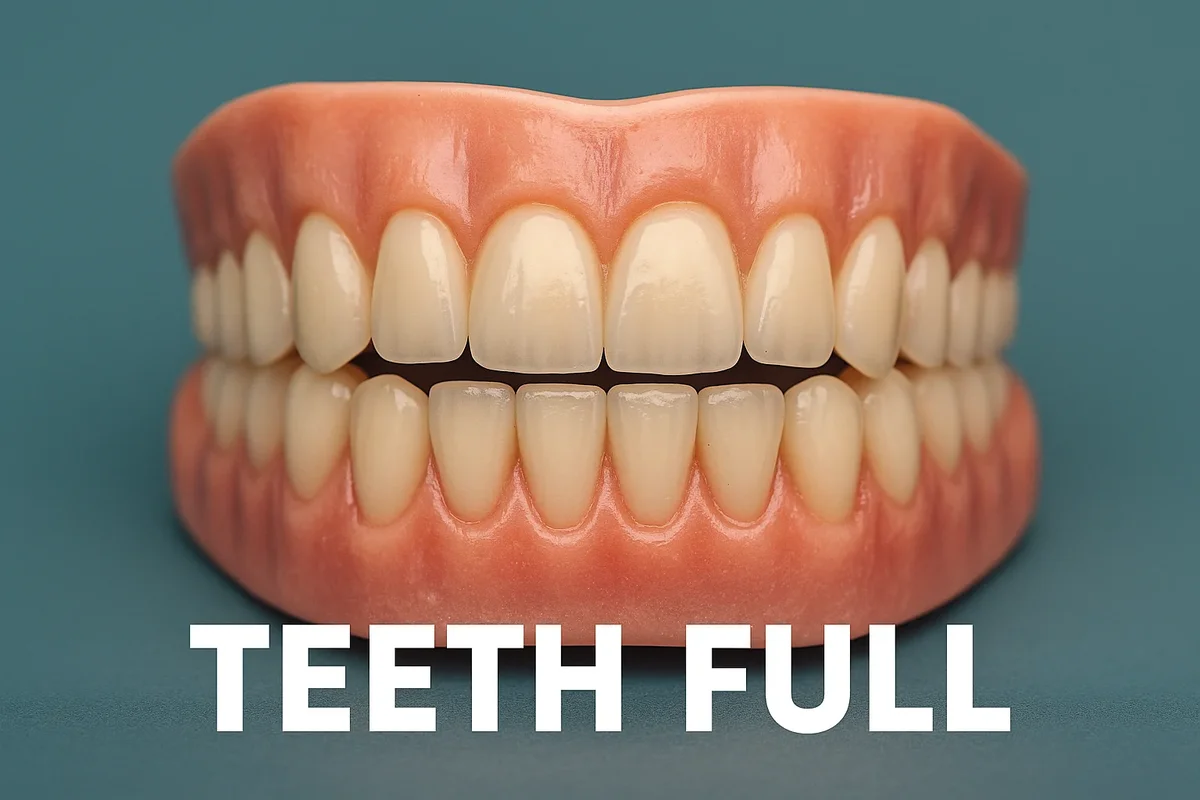
How to Maintain Your Teeth Full for Longevity
Investing in a teeth full restoration is a major step toward reclaiming oral health, function, and confidence. However, the long-term success of the treatment depends heavily on how well patients care for their new teeth. Even though teeth full implants are resistant to decay and provide unmatched stability, they still require consistent care to avoid complications like gum disease, peri-implantitis, or mechanical failure. In this section, we will provide detailed strategies and guidelines to help patients extend the life of their teeth full solution for decades 🦷.
Daily Oral Hygiene Habits
Good daily oral hygiene is the cornerstone of maintaining any dental restoration. Patients should treat their teeth full implants like natural teeth, following these steps:
- Brushing: Brush twice daily with a soft-bristled toothbrush and fluoride toothpaste.
- Flossing: Use floss designed for implants or water flossers to clean hard-to-reach areas.
- Mouthwash: Antibacterial rinses reduce harmful bacteria around implants and gums.
Consistency is critical. Neglecting oral hygiene may lead to inflammation around the implants, increasing the risk of long-term failure.
Special Tools for Implant Cleaning
While traditional tools are effective, additional aids such as interdental brushes, rubber-tipped stimulators, and water flossers can make cleaning easier. These tools help patients maintain healthy gums around their teeth full restorations, reducing the likelihood of infection.
Professional Dental Checkups
Regular visits to the dentist are essential to maintaining a teeth full solution. Dentists recommend checkups every 6 months, though patients with medical conditions like diabetes may require more frequent visits. During these appointments, professionals check implant stability, gum health, and bite alignment. Early detection of potential issues ensures timely intervention and prolongs implant life.
Professional Cleaning
Even with excellent home care, plaque and tartar can accumulate. Dental hygienists use special tools to clean around implants without damaging the surface. Routine professional cleanings ensure the teeth full implants remain healthy and strong.
Diet and Nutrition
What patients eat has a direct impact on the longevity of their teeth full restorations. A balanced diet rich in calcium, vitamin D, and protein supports strong bones and gums. Limiting sugary foods and acidic drinks reduces the risk of gum inflammation and bacterial buildup. Patients should also avoid chewing extremely hard items such as ice, pens, or hard candies, as these can damage the prosthetics.
Foods That Support Implant Health
- Dairy products for calcium and vitamin D
- Leafy greens for essential minerals
- Fish rich in omega-3 for anti-inflammatory benefits
- Fruits and vegetables for antioxidants and fiber
Lifestyle Choices for Longevity
Beyond hygiene and diet, lifestyle choices play a vital role in maintaining a teeth full restoration. Certain habits can significantly reduce the lifespan of implants:
- Quit Smoking: Smoking is a leading cause of implant failure as it restricts blood flow and slows healing.
- Limit Alcohol: Excessive alcohol can impair bone healing and weaken implant support.
- Manage Stress: Stress-related teeth grinding (bruxism) can put extra pressure on implants, requiring a night guard.
By adopting healthy habits, patients can extend the longevity of their teeth full solutions and maintain excellent oral health.
Recognizing Early Warning Signs
Early detection of problems ensures prompt treatment and prevents complications. Patients should watch out for:
- Persistent swelling or redness around gums
- Bleeding while brushing or flossing
- Pain or sensitivity near the implants
- Loosening of prosthetic teeth
If any of these symptoms occur, immediate consultation with a dentist is necessary to protect the teeth full restoration.
Mechanical Maintenance
Over time, the prosthetic elements of teeth full restorations may require adjustments. Screws can loosen, or the prosthetic bridge may show wear from daily chewing. Dentists can quickly fix these minor issues during regular checkups, preventing larger complications later. Ignoring small adjustments may lead to premature failure of the restoration.
Long-Term Value of Maintenance
Although daily care and regular checkups may seem like extra effort, they are far more cost-effective than replacing a failed implant system. By maintaining excellent hygiene and lifestyle habits, patients protect their financial investment and enjoy the long-term benefits of a healthy, radiant smile. Clinics such as Redent Klinik Contact Page emphasize the importance of maintenance as part of comprehensive treatment.
Scientific Support for Longevity
According to the American Dental Association, patients who follow strict oral hygiene and attend routine checkups can expect implant success rates of over 95%. This demonstrates that with proper care, a teeth full solution can truly last a lifetime, delivering both functional and psychological benefits.
In conclusion, maintaining a teeth full restoration requires dedication to hygiene, lifestyle improvements, and professional care. Patients who commit to these practices enjoy decades of stability, beauty, and health. By combining modern dental technology with patient responsibility, a teeth full solution becomes one of the most reliable and rewarding treatments in dentistry 🌟.