
A teeth orthodontist is a dental specialist who focuses on diagnosing, preventing, and correcting misaligned teeth and jaw irregularities. While many people believe orthodontic care is purely cosmetic, the role of a teeth orthodontist goes far beyond improving appearance. Properly aligned teeth contribute to better oral hygiene, balanced bite function, clearer speech, and even long-term jaw health. If you have ever wondered whether visiting a teeth orthodontist is truly necessary, this comprehensive guide will help you understand why this specialist plays a critical role in achieving both functional and aesthetic dental harmony.
Unlike a general dentist, a teeth orthodontist completes additional years of specialized education after dental school. This advanced training allows them to correct complex bite problems such as overbite, underbite, crossbite, open bite, crowding, and spacing issues. These conditions may not only affect the way your smile looks but also how your teeth function daily. When teeth are misaligned, they can wear unevenly, trap plaque more easily, and cause jaw strain. A qualified teeth orthodontist carefully evaluates your facial structure, dental alignment, and jaw positioning before recommending a personalized treatment plan. 😊
One of the most common reasons patients seek a teeth orthodontist is crooked teeth. However, the underlying issues are often more complex than they appear. Malocclusion (misaligned bite) can lead to difficulty chewing, speech challenges, chronic headaches, and temporomandibular joint (TMJ) discomfort. A teeth orthodontist uses advanced imaging technologies such as digital X-rays, 3D scans, and cephalometric analysis to understand the full picture of your oral health. These tools help ensure precise planning and predictable outcomes.
Another important function of a teeth orthodontist is preventive care. Early assessment—especially for children around age 7—can identify jaw growth concerns before they become severe. In many cases, early intervention by a teeth orthodontist reduces the need for tooth extractions or surgery later in life. Adults also benefit significantly from orthodontic evaluation. It is never too late to improve alignment, and modern treatment options are far more discreet than traditional methods used decades ago.
The expertise of a teeth orthodontist also improves long-term oral hygiene. When teeth are crowded or overlapping, brushing and flossing become more difficult. This increases the risk of cavities and gum disease. Straightening teeth under the supervision of a teeth orthodontist allows patients to clean more effectively, reducing plaque buildup and supporting healthier gums. According to the American Dental Association, maintaining proper alignment contributes to overall dental stability and reduces long-term complications.
Many patients worry about discomfort during orthodontic treatment. A modern teeth orthodontist uses advanced techniques designed to minimize pain and shorten treatment time. Technologies such as heat-activated archwires, self-ligating brackets, and custom clear aligners make the experience more comfortable than ever before. Your teeth orthodontist will also schedule regular follow-ups to monitor progress and make precise adjustments. These routine visits are essential to ensure optimal results and prevent delays.
Choosing the right teeth orthodontist is just as important as deciding to begin treatment. Experience, credentials, technology, and patient-centered care all matter. A reputable teeth orthodontist will provide a detailed consultation, explain every treatment stage clearly, and answer all questions transparently. If you are considering orthodontic care and would like professional guidance, you can reach out through the Redent Klinik Contact Page to schedule a personalized evaluation.
Ultimately, a teeth orthodontist does much more than straighten smiles. They improve bite balance, protect dental structures, enhance facial symmetry, and support long-term oral health. Whether you are a parent seeking early evaluation for your child or an adult looking to refine your smile, consulting a qualified teeth orthodontist is a proactive investment in both confidence and health. ✨
In summary, the role of a teeth orthodontist combines science, precision, and aesthetics. Through specialized training and advanced treatment planning, a teeth orthodontist transforms misaligned teeth into a stable, healthy smile that lasts for years. Understanding this foundation prepares you to explore the next steps in orthodontic care with clarity and confidence.
1. What Does a Teeth Orthodontist Actually Do?
A teeth orthodontist is a dental specialist dedicated to correcting misaligned teeth and jaw structures to improve both function and aesthetics. While many people associate a teeth orthodontist only with braces, their responsibilities are far more advanced and medically significant. This specialist evaluates how your upper and lower teeth come together, how your jaw grows and functions, and how alignment impacts your long-term oral health. A teeth orthodontist designs personalized treatment strategies that address not only crooked teeth but also bite disorders, jaw imbalances, and facial symmetry concerns. 😊
Comprehensive Diagnosis and Treatment Planning
The first and most critical role of a teeth orthodontist is accurate diagnosis. During an initial consultation, the teeth orthodontist conducts a detailed clinical examination, reviews dental and medical history, and uses digital imaging tools such as panoramic X-rays, intraoral scans, and 3D modeling. These technologies allow the teeth orthodontist to analyze tooth positioning, bone structure, and jaw alignment with high precision.
Unlike general dental evaluations, orthodontic diagnosis focuses heavily on occlusion—the way teeth meet when you bite. If the bite is misaligned, it can cause uneven tooth wear, speech difficulties, jaw strain, and even chronic headaches. A skilled teeth orthodontist identifies these underlying functional issues and creates a step-by-step treatment roadmap to correct them safely and efficiently.
Digital Imaging and 3D Planning
Modern orthodontics relies on digital technology. A teeth orthodontist often uses 3D scanning systems to simulate treatment outcomes before therapy even begins. This advanced planning ensures predictable results and allows patients to visualize their future smile. The ability to digitally map tooth movement is one of the key distinctions between a teeth orthodontist and a general dentist offering limited cosmetic alignment services.
Correcting Bite Problems and Jaw Misalignment
Another central responsibility of a teeth orthodontist is correcting bite irregularities such as overbite, underbite, crossbite, and open bite. These conditions are not merely cosmetic; they can lead to long-term oral health problems. For example, a deep overbite can cause excessive pressure on front teeth, while an underbite may create chewing difficulties and jaw tension.
A teeth orthodontist evaluates jaw growth patterns and may use orthodontic appliances such as expanders, elastics, or functional devices to guide proper development. In complex cases, the teeth orthodontist collaborates with oral surgeons to coordinate surgical orthodontic treatment for severe skeletal discrepancies. This interdisciplinary approach ensures that structural corrections are both safe and stable over time.
Straightening Teeth for Improved Oral Health
Crowded or overlapping teeth create areas that are difficult to clean, increasing the risk of plaque accumulation and gum disease. A teeth orthodontist straightens teeth not only to enhance appearance but also to promote better oral hygiene. When teeth are properly aligned, brushing and flossing become significantly more effective.
According to the American Dental Association, maintaining correct alignment supports healthier gums and reduces the likelihood of decay caused by hard-to-reach spaces. A teeth orthodontist therefore plays a preventive role, helping patients reduce long-term dental complications.
Customized Orthodontic Appliances
A teeth orthodontist offers multiple treatment options depending on the patient’s age, lifestyle, and clinical needs. These may include traditional metal braces, ceramic braces, lingual braces placed behind the teeth, or clear aligner systems. Each appliance is carefully selected by the teeth orthodontist to achieve controlled and gradual tooth movement.
During treatment, the teeth orthodontist schedules regular follow-up appointments to adjust wires, monitor progress, and ensure teeth move according to the digital plan. These consistent evaluations are crucial for maintaining treatment efficiency and preventing setbacks.
Monitoring Growth in Children and Teens
For younger patients, a teeth orthodontist also monitors jaw development. Early intervention can prevent more invasive procedures later in life. When detected at the right stage, growth modification techniques used by a teeth orthodontist can guide jaw expansion and alignment naturally.
Parents are often surprised to learn that orthodontic evaluation is recommended around age seven. At this stage, a teeth orthodontist can identify emerging problems even if all permanent teeth have not yet erupted. Early diagnosis allows strategic timing of treatment for optimal results.
Enhancing Facial Balance and Confidence
Beyond clinical function, a teeth orthodontist enhances facial harmony. Misaligned teeth and jaw discrepancies can influence lip posture and facial symmetry. By correcting structural imbalances, a teeth orthodontist contributes to improved profile aesthetics and overall confidence. ✨
Patients frequently report that after completing treatment with a teeth orthodontist, they experience not only a healthier bite but also improved self-esteem. Smiling comfortably in social and professional settings can significantly impact quality of life.
Long-Term Stability and Retention Planning
The work of a teeth orthodontist does not end once braces or aligners are removed. Retention planning is essential to maintain results. A teeth orthodontist designs customized retainers to prevent teeth from shifting back to their original positions. Without proper retention, orthodontic relapse can occur.
By carefully supervising post-treatment retention, the teeth orthodontist ensures that the newly aligned smile remains stable for years. This long-term follow-up highlights how a teeth orthodontist provides ongoing care rather than a temporary cosmetic service.
In summary, a teeth orthodontist diagnoses complex alignment issues, corrects bite irregularities, improves oral hygiene, enhances facial aesthetics, and ensures long-term stability. Their specialized expertise goes far beyond straightening teeth—it encompasses comprehensive oral health management designed to create functional, balanced, and confident smiles.
2. Signs You Should Visit a Teeth Orthodontist
Many people delay seeing a teeth orthodontist because they assume orthodontic treatment is only necessary for severe cosmetic concerns. However, there are clear warning signs that indicate you should schedule a professional evaluation. A teeth orthodontist does not simply straighten teeth for aesthetic reasons; this specialist identifies functional bite problems, jaw imbalances, and alignment issues that may worsen over time if left untreated. Recognizing the early symptoms can help you avoid complex procedures later and protect your long-term oral health. 😊
Crooked, Crowded, or Overlapping Teeth
The most obvious sign you need a teeth orthodontist is visibly crooked or crowded teeth. When teeth overlap or rotate out of position, they create tight spaces that trap plaque and bacteria. Over time, this increases the risk of cavities and gum inflammation. A teeth orthodontist evaluates how severe the crowding is and determines whether braces or aligners can gradually reposition the teeth for improved hygiene and function.
Crowding is not just cosmetic. When teeth are misaligned, chewing efficiency decreases, and uneven pressure may cause enamel wear. A teeth orthodontist ensures that each tooth is properly positioned to distribute bite forces evenly. This reduces stress on specific teeth and prevents premature damage.
Spacing and Gaps Between Teeth
While crowding is common, excessive spacing is another sign you should consult a teeth orthodontist. Gaps between teeth can occur due to missing teeth, jaw size discrepancies, or abnormal growth patterns. A teeth orthodontist carefully assesses whether the spacing is purely aesthetic or linked to structural imbalance.
Large gaps may cause food impaction and gum irritation. In some cases, a teeth orthodontist may recommend orthodontic closure of spaces before restorative procedures such as veneers or implants are performed. Proper alignment first ensures stable and predictable cosmetic outcomes.
Difficulty Biting or Chewing
If you experience discomfort while chewing or notice that your teeth do not meet evenly, it may be time to see a teeth orthodontist. Bite misalignment—also known as malocclusion—can lead to jaw strain, muscle fatigue, and headaches. Overbites, underbites, crossbites, and open bites all require evaluation by a teeth orthodontist.
For example, an overbite may cause excessive wear on the front teeth, while an underbite can place strain on the jaw joints. A teeth orthodontist uses digital imaging and bite analysis tools to determine the severity of the imbalance and create a personalized treatment plan to restore functional harmony.
Jaw Pain and Clicking Sounds
Frequent jaw discomfort, popping sounds, or stiffness when opening your mouth can indicate temporomandibular joint (TMJ) stress. A teeth orthodontist examines how your bite alignment may be contributing to joint dysfunction. By correcting tooth positioning, a teeth orthodontist can often reduce abnormal pressure on the jaw joints and alleviate discomfort.
While not every TMJ issue requires orthodontic treatment, a consultation with a teeth orthodontist ensures that structural factors are properly evaluated before symptoms worsen.
Speech Difficulties and Breathing Concerns
Misaligned teeth can influence speech clarity, particularly when the front teeth do not contact correctly. Lisping or difficulty pronouncing certain sounds may be related to dental alignment. A teeth orthodontist assesses how tooth and jaw positioning affect speech patterns and recommends corrective treatment when necessary.
In some cases, jaw development problems may also contribute to airway restrictions. A teeth orthodontist trained in growth guidance can identify whether orthodontic expansion or alignment improvements may support better oral posture and breathing.
Early or Late Loss of Baby Teeth in Children
Parents should consider visiting a teeth orthodontist if their child loses baby teeth too early or too late. The timing of tooth eruption affects how permanent teeth align. A teeth orthodontist monitors growth patterns and may recommend interceptive treatment to prevent severe crowding later.
The American Dental Association recommends early orthodontic evaluation for children around age seven. A teeth orthodontist can detect subtle developmental concerns even before they become visibly noticeable.
Teeth Grinding and Uneven Tooth Wear
Bruxism (teeth grinding) often results from bite imbalances. If you wake up with jaw soreness or notice flattened tooth surfaces, a teeth orthodontist should evaluate your bite alignment. Uneven tooth wear can weaken enamel and increase sensitivity over time.
By correcting the underlying structural issue, a teeth orthodontist helps distribute bite pressure evenly, reducing the risk of further damage. This preventive approach protects both tooth structure and jaw health.
Low Confidence Due to Smile Appearance
Although orthodontics is medically important, emotional well-being also matters. If you avoid smiling in photos or feel self-conscious about your teeth, consulting a teeth orthodontist can be life-changing. A properly aligned smile enhances facial balance and boosts self-esteem. ✨
If you are unsure whether your symptoms require professional attention, scheduling a consultation is the safest approach. You can connect with a qualified team through the Redent Klinik Contact Page to receive personalized guidance from an experienced teeth orthodontist.
In conclusion, warning signs such as crooked teeth, bite discomfort, jaw pain, spacing issues, and early developmental irregularities should not be ignored. A teeth orthodontist provides comprehensive evaluation and tailored treatment designed to protect long-term oral health while enhancing smile aesthetics. Identifying these signs early ensures more efficient treatment and better outcomes.
3. Types of Treatments Offered by a Teeth Orthodontist
A teeth orthodontist provides a wide range of treatment options designed to correct misaligned teeth, improper bites, and jaw irregularities. Modern orthodontics is no longer limited to traditional metal braces. Today, a teeth orthodontist customizes treatment based on age, lifestyle, severity of alignment issues, and aesthetic preferences. The goal is not only to create a straighter smile but also to ensure long-term bite stability and optimal oral health. Understanding the different treatments offered by a teeth orthodontist helps patients make informed decisions about their care. 😊
Traditional Metal Braces
Metal braces remain one of the most effective and reliable treatments provided by a teeth orthodontist. These braces consist of stainless-steel brackets bonded to each tooth and connected by archwires. The teeth orthodontist adjusts the wires periodically to apply controlled pressure, gradually moving teeth into their ideal position.
Although some patients worry about visibility, modern metal braces are smaller and more comfortable than older versions. A teeth orthodontist may recommend this option for complex cases involving severe crowding, significant bite discrepancies, or rotational corrections. Because of their strength and precision, metal braces often achieve predictable results in challenging situations.
Self-Ligating Braces
Many teeth orthodontist clinics now offer self-ligating braces, which use built-in clips instead of elastic bands to hold the archwire in place. This system reduces friction and can make adjustments more comfortable. A teeth orthodontist may suggest this option for patients seeking shorter appointment times and potentially faster tooth movement.
Ceramic (Tooth-Colored) Braces
Ceramic braces function similarly to traditional braces but use tooth-colored or clear brackets. A teeth orthodontist often recommends ceramic braces for teenagers and adults who want a more discreet appearance. While slightly more delicate than metal brackets, ceramic systems are still highly effective when managed by an experienced teeth orthodontist.
Patients choosing ceramic braces should maintain excellent oral hygiene, as the lighter materials may stain if not properly cleaned. A teeth orthodontist provides detailed hygiene instructions to ensure both aesthetic and functional success throughout treatment.
Clear Aligners
Clear aligner therapy has become increasingly popular among adults seeking subtle orthodontic correction. A teeth orthodontist designs a series of custom-made transparent trays that gradually reposition teeth. These aligners are removable, allowing patients to eat and brush normally.
The biggest advantage of aligners provided by a teeth orthodontist is aesthetics and convenience. However, aligners require strict compliance. Patients must wear them for 20–22 hours daily for optimal results. A teeth orthodontist monitors progress with digital scans and provides new aligner sets approximately every one to two weeks.
Digital Treatment Simulation
Before starting aligner therapy, a teeth orthodontist often creates a 3D simulation showing how teeth will move over time. This digital preview helps patients visualize expected results and understand each phase of treatment. Advanced planning enhances accuracy and patient confidence.
Lingual Braces
Lingual braces are placed on the inner surfaces of teeth, making them virtually invisible from the outside. A teeth orthodontist with specialized training fits these custom brackets behind the teeth. This treatment option appeals to professionals who prefer completely hidden orthodontic appliances.
Because lingual braces require technical precision, choosing a qualified teeth orthodontist is essential. Although adaptation may take slightly longer, many patients appreciate the discreet nature of this method.
Palatal Expanders and Growth Modification Devices
For children and adolescents, a teeth orthodontist may recommend growth-modifying appliances. Palatal expanders widen the upper jaw to correct crossbites and create space for permanent teeth. Early intervention allows the teeth orthodontist to guide natural growth patterns effectively.
Functional appliances can also reposition the lower jaw in cases of underbite or overbite. When used at the correct developmental stage, these devices reduce the need for surgical correction later in life.
Orthodontic Treatment Combined with Surgery
In severe skeletal cases, a teeth orthodontist collaborates with an oral surgeon to perform orthognathic (jaw) surgery. This approach is typically reserved for adults with significant jaw discrepancies that cannot be corrected with braces alone. The teeth orthodontist aligns teeth before and after surgery to ensure optimal functional results.
While surgical orthodontics may sound intimidating, it often dramatically improves chewing ability, speech, and facial symmetry. Careful coordination between specialists ensures safety and predictable outcomes.
Retention and Post-Treatment Care
After active treatment ends, a teeth orthodontist provides retainers to maintain alignment. Teeth naturally tend to shift back toward their original positions, so retention is critical. A teeth orthodontist customizes either removable or fixed retainers depending on patient needs.
According to the American Dental Association, maintaining alignment after orthodontic treatment is essential for long-term oral stability. Following your teeth orthodontist’s retention plan ensures that your investment lasts for years.
If you are considering orthodontic treatment and would like expert guidance, you can schedule a consultation through the Redent Klinik Contact Page. A qualified teeth orthodontist will evaluate your specific needs and recommend the most effective treatment option.
In summary, a teeth orthodontist offers a comprehensive range of solutions—from traditional braces to advanced clear aligners and surgical coordination. Each treatment is carefully selected to correct alignment, improve function, and enhance smile aesthetics. By understanding the available options, patients can confidently choose the approach that best fits their goals and lifestyle. ✨
4. Braces vs. Clear Aligners: Which Is Better?
One of the most common questions patients ask a teeth orthodontist is whether traditional braces or clear aligners are the better option. The answer depends on multiple factors, including the severity of misalignment, lifestyle preferences, treatment goals, and patient compliance. A qualified teeth orthodontist carefully evaluates your bite structure, jaw alignment, and aesthetic expectations before recommending the most appropriate solution. Both systems are effective when supervised by an experienced teeth orthodontist, but they differ in mechanics, visibility, comfort, and maintenance requirements. 😊
How Traditional Braces Work
Traditional braces use metal or ceramic brackets attached to each tooth and connected by archwires. A teeth orthodontist adjusts these wires periodically to apply steady pressure that gradually shifts teeth into proper alignment. Because braces remain fixed in place, they work continuously without relying on patient memory or discipline.
A teeth orthodontist often recommends braces for complex cases involving severe crowding, rotated teeth, large bite discrepancies, or significant vertical alignment issues. Braces provide precise control over tooth movement in multiple directions. For this reason, many teeth orthodontist specialists consider braces the gold standard for challenging orthodontic corrections.
Advantages of Braces
One major benefit of braces is reliability. Since they are not removable, treatment progresses consistently. A teeth orthodontist can make detailed adjustments at each visit, ensuring accurate results. Braces are also highly effective for correcting severe overbite, underbite, and crossbite conditions.
Additionally, braces are often more cost-effective in complex cases. A teeth orthodontist may find that braces shorten treatment time compared to aligners when extensive tooth movement is required.
Disadvantages of Braces
The most obvious drawback is visibility. Even though modern braces are smaller and more comfortable than older versions, they remain noticeable. Some patients also experience temporary irritation inside the cheeks or lips. A teeth orthodontist provides wax and care instructions to minimize discomfort during the adjustment period.
How Clear Aligners Work
Clear aligners consist of a series of custom-made transparent trays that fit snugly over the teeth. A teeth orthodontist designs each aligner set using digital 3D scans to gradually shift teeth step by step. Patients typically change aligners every one to two weeks under the supervision of their teeth orthodontist.
Aligners are removable, allowing patients to eat, brush, and floss without restriction. This convenience makes them a popular option among adults and professionals who prefer a discreet treatment approach. A teeth orthodontist ensures that aligners are worn 20–22 hours per day to maintain effectiveness.
Advantages of Clear Aligners
The primary advantage is aesthetics. Aligners are nearly invisible, making them appealing for patients concerned about appearance. A teeth orthodontist may also recommend aligners for individuals who value flexibility and comfort.
Oral hygiene is typically easier with aligners because they can be removed before brushing and flossing. A teeth orthodontist still emphasizes discipline, as neglecting proper wear time can delay results.
Disadvantages of Clear Aligners
Clear aligners require strong patient compliance. If aligners are not worn consistently, treatment progress slows. A teeth orthodontist may not recommend aligners for patients who struggle with routine or responsibility. Additionally, certain severe bite corrections may respond better to fixed appliances under direct control of a teeth orthodontist.
Treatment Duration Comparison
Treatment length varies depending on case complexity. In mild to moderate alignment issues, a teeth orthodontist may achieve similar timelines with either braces or aligners—often between 12 and 24 months. However, for advanced structural corrections, braces may offer more efficient tooth control.
A thorough consultation with a teeth orthodontist includes digital scans, bite analysis, and detailed discussion of expectations. This ensures that the chosen system aligns with both clinical needs and lifestyle preferences.
Cost Considerations
Cost differences between braces and aligners vary by region and case complexity. On average in the United States:
- Traditional metal braces: $3,000 – $7,000
- Ceramic braces: $4,000 – $8,000
- Clear aligners: $3,500 – $8,500
A teeth orthodontist provides a personalized cost estimate after examination. According to the American Dental Association, treatment costs depend on severity, duration, and geographic location. Many teeth orthodontist clinics offer flexible payment plans to make treatment more accessible.
If you would like a customized evaluation and transparent treatment planning, you can reach out through the Redent Klinik Contact Page to consult with an experienced teeth orthodontist.
Which Option Is Truly Better?
There is no universal “better” solution—only the right solution for your specific case. A skilled teeth orthodontist determines the best method by analyzing bite mechanics, alignment severity, jaw structure, and personal preferences. For complex corrections, braces may provide superior control. For mild to moderate adjustments and aesthetic discretion, aligners can be an excellent option.
Ultimately, the expertise of the teeth orthodontist plays a greater role in success than the appliance itself. With proper planning, monitoring, and patient cooperation, both braces and aligners can deliver outstanding results. ✨
Choosing between braces and aligners is a significant decision, but with guidance from a qualified teeth orthodontist, you can move forward confidently toward a healthier, more balanced smile.
5. How Long Does Orthodontic Treatment Take?
One of the most frequent concerns patients discuss with a teeth orthodontist is the duration of treatment. Understandably, people want to know how long they will need to wear braces or aligners before achieving their ideal smile. The honest answer from any experienced teeth orthodontist is that treatment time varies significantly depending on individual factors. These include the severity of misalignment, the type of orthodontic appliance used, the patient’s age, bone response, and how closely instructions are followed. 😊
On average, treatment supervised by a teeth orthodontist lasts between 12 and 24 months. However, some mild cases may be completed in as little as 6 months, while complex skeletal corrections can take up to 30 months or more. A personalized consultation with a teeth orthodontist is the only way to determine an accurate timeline for your specific situation.
Factors That Influence Treatment Duration
A teeth orthodontist evaluates multiple clinical factors before estimating treatment time. No two smiles are identical, and tooth movement depends on biological responses unique to each patient.
Severity of Misalignment
Minor spacing or slight crowding typically requires less time under the supervision of a teeth orthodontist. In contrast, severe crowding, rotated teeth, deep overbites, underbites, or jaw discrepancies may extend the treatment plan. A teeth orthodontist carefully analyzes how much movement each tooth requires and whether jaw correction is necessary.
Complex bite corrections require gradual adjustments to protect bone and gum health. A responsible teeth orthodontist prioritizes safety and long-term stability over rushing results.
Age of the Patient
Age plays a role in how quickly teeth respond to orthodontic forces. Younger patients often experience faster tooth movement because their bone structure is still developing. A teeth orthodontist may complete treatment more efficiently in teenagers compared to adults.
However, adults can achieve equally successful outcomes under the care of a skilled teeth orthodontist. The difference lies mainly in biological response speed, not in treatment effectiveness.
Type of Orthodontic Appliance
The choice between braces and clear aligners can influence treatment time. In some cases, a teeth orthodontist may recommend braces for faster correction of severe alignment issues. Braces allow continuous force application and precise control.
Clear aligners, when worn consistently for 20–22 hours daily, can produce similar timelines in mild to moderate cases. A teeth orthodontist monitors compliance carefully, as inconsistent wear may prolong treatment.
Phases of Orthodontic Treatment
Orthodontic care under a teeth orthodontist generally follows several phases. Understanding these stages helps set realistic expectations.
Initial Alignment Phase
During the first few months, a teeth orthodontist focuses on leveling and aligning teeth. This stage often produces visible improvements relatively quickly, which motivates patients to continue treatment.
Bite Correction Phase
After initial alignment, the teeth orthodontist concentrates on refining the bite. This stage may involve elastics, special wires, or detailed aligner adjustments. Bite correction requires precision and patience to ensure that upper and lower teeth function harmoniously.
Finishing and Detailing Phase
In the final months, a teeth orthodontist fine-tunes tooth positioning for optimal aesthetics and function. Small adjustments make a significant difference in long-term stability and smile symmetry. This final detailing stage ensures that results meet professional standards.
Can Treatment Be Accelerated?
Some patients ask whether a teeth orthodontist can speed up the process. While minor acceleration techniques exist, safe orthodontic movement depends on biological limits. Moving teeth too quickly can damage roots or supporting bone. A responsible teeth orthodontist follows scientifically supported timelines to maintain oral health.
Compliance is the most effective way to avoid delays. Wearing aligners as directed, attending appointments regularly, and following hygiene instructions all contribute to staying on schedule. A teeth orthodontist may extend treatment if appointments are missed or appliances are not worn correctly.
Retention: The Often Overlooked Timeline
Many patients assume treatment ends when braces are removed. In reality, a teeth orthodontist emphasizes retention as a crucial long-term phase. After active movement is complete, retainers must be worn to prevent teeth from shifting back.
Retention typically involves full-time retainer wear for several months, followed by nighttime use for years. According to the American Dental Association, maintaining alignment after orthodontic correction is essential for preserving results. A teeth orthodontist provides a customized retention plan to ensure long-lasting stability.
Setting Realistic Expectations
The most important step in understanding treatment duration is scheduling a professional evaluation. During consultation, a teeth orthodontist uses digital imaging and bite analysis to create a detailed timeline estimate. This personalized roadmap outlines each stage and clarifies expected milestones.
If you would like a customized orthodontic timeline, you can request an evaluation through the Redent Klinik Contact Page. A qualified teeth orthodontist will assess your needs and explain the projected treatment length in detail.
In conclusion, orthodontic treatment duration depends on multiple biological and mechanical factors. A teeth orthodontist carefully balances efficiency with safety to achieve stable, long-term results. While the average timeline ranges from one to two years, the expertise of the teeth orthodontist and patient cooperation ultimately determine how smoothly and successfully treatment progresses. ✨
6. Cost of Seeing a Teeth Orthodontist
The cost of visiting a teeth orthodontist is one of the most common concerns for patients considering orthodontic treatment. While improving your smile is a valuable investment, understanding the financial aspect helps you plan confidently. A teeth orthodontist evaluates several factors before determining the total treatment cost, including the severity of misalignment, the type of appliance used, the expected duration of treatment, and the complexity of bite correction. Because every case is unique, the final fee provided by a teeth orthodontist is always personalized after a comprehensive examination. 😊
Average Orthodontic Treatment Costs
In the United States, treatment fees from a teeth orthodontist typically fall within a broad range depending on complexity. Below are general estimates:
- Traditional metal braces: $3,000 – $7,000
- Ceramic braces: $4,000 – $8,000
- Clear aligners: $3,500 – $8,500
- Lingual braces: $8,000 – $10,000
A teeth orthodontist determines the exact cost after reviewing digital scans, X-rays, and bite analysis. Mild alignment issues usually fall toward the lower end of the range, while complex jaw corrections supervised by a teeth orthodontist may require a higher investment.
According to the American Dental Association, orthodontic fees vary based on geographic location, provider expertise, and treatment duration. A qualified teeth orthodontist explains all costs transparently before treatment begins.
Factors That Influence the Final Cost
Severity of the Case
The more complex the dental and skeletal irregularities, the more time and adjustments a teeth orthodontist must dedicate to the case. Severe crowding, impacted teeth, or jaw discrepancies increase treatment duration and may require additional appliances. A teeth orthodontist carefully plans each movement to ensure long-term stability, which directly impacts overall cost.
Type of Appliance Chosen
The selected treatment method significantly influences pricing. Traditional braces supervised by a teeth orthodontist are often more cost-effective for extensive corrections. Clear aligners, while discreet and convenient, may involve advanced digital planning systems that increase fees. A teeth orthodontist discusses the pros and cons of each option in relation to your budget and clinical needs.
Treatment Duration
Longer treatment plans typically require more follow-up visits, wire changes, or aligner sets. A teeth orthodontist includes these scheduled appointments in the overall cost estimate. Consistent attendance and compliance help prevent unnecessary extensions that could raise expenses.
What Is Usually Included in the Fee?
When you receive a treatment quote from a teeth orthodontist, it often includes more than just braces or aligners. Comprehensive orthodontic care usually covers:
- Initial consultation and diagnostic records
- Digital X-rays and 3D scans
- Active orthodontic appliances
- Periodic adjustment appointments
- Removal of appliances
- Custom retainers for post-treatment stability
A reputable teeth orthodontist provides a clear breakdown of what is included, helping you avoid unexpected charges later.
Insurance and Payment Options
Many dental insurance plans partially cover treatment provided by a teeth orthodontist, especially for children and teenagers. Coverage limits vary widely, so it is important to review your policy details. A knowledgeable teeth orthodontist office can assist in verifying benefits and submitting insurance claims.
For patients without insurance, most teeth orthodontist clinics offer flexible payment plans. Monthly installment options allow families to spread the cost over the duration of treatment. Some clinics also provide interest-free financing arrangements to make orthodontic care more accessible.
Is Orthodontic Treatment Worth the Investment?
While the upfront cost may seem significant, treatment by a teeth orthodontist provides long-term benefits that extend beyond appearance. Proper alignment improves oral hygiene, reduces the risk of gum disease, prevents uneven enamel wear, and supports jaw health. Investing in care from a qualified teeth orthodontist may reduce the need for costly restorative procedures later in life.
Additionally, improved smile confidence can positively impact professional and social opportunities. Many patients report that treatment from a teeth orthodontist enhances both self-esteem and overall quality of life. ✨
Consultation and Personalized Cost Estimate
The only way to determine your exact orthodontic investment is through a detailed examination. During consultation, a teeth orthodontist evaluates alignment severity, discusses treatment options, and presents a transparent financial plan tailored to your needs.
If you would like a customized cost estimate and professional guidance, you can schedule an appointment through the Redent Klinik Contact Page. A qualified teeth orthodontist will assess your case and explain all financial details clearly.
In conclusion, the cost of seeing a teeth orthodontist varies depending on treatment complexity, appliance type, and duration. However, when considering the long-term health benefits and aesthetic improvements, orthodontic care represents a valuable investment in your overall well-being. With flexible payment options and personalized planning, a teeth orthodontist makes achieving a healthy, confident smile more attainable than ever.
7. Benefits of Early Orthodontic Evaluation for Children
Early assessment by a teeth orthodontist can make a significant difference in a child’s long-term oral health and facial development. Many parents assume orthodontic treatment should begin only when all permanent teeth have erupted. However, a qualified teeth orthodontist often recommends the first evaluation around the age of seven. At this stage, the teeth orthodontist can detect developing bite problems, jaw growth irregularities, and spacing concerns that may not yet be visible to parents. Early diagnosis does not always mean immediate braces, but it allows the teeth orthodontist to monitor development strategically and intervene at the ideal time. 😊
Why Age Seven Is Important
By age seven, children typically have a mix of baby teeth and permanent teeth. This transitional phase provides a valuable opportunity for a teeth orthodontist to evaluate how the jaw is growing and how permanent teeth are emerging. Even if alignment appears normal, subtle skeletal discrepancies may be forming beneath the surface.
A teeth orthodontist uses diagnostic tools such as panoramic X-rays, digital scans, and bite analysis to assess jaw relationships. Early identification of issues such as crossbite, severe crowding, or excessive overbite allows the teeth orthodontist to plan preventive or interceptive treatment before problems worsen.
Monitoring Jaw Growth Patterns
Jaw growth plays a crucial role in overall facial balance. If the upper or lower jaw develops too quickly or too slowly, it can lead to bite misalignment. A teeth orthodontist can guide jaw growth using specialized appliances during childhood, when bones are still flexible and responsive.
Without early supervision from a teeth orthodontist, skeletal discrepancies may become more severe and require surgical correction in adulthood. Timely intervention reduces complexity and improves long-term stability.
Preventing Severe Crowding
One of the most common concerns identified by a teeth orthodontist during early evaluation is lack of space for permanent teeth. When the jaw is too narrow, incoming teeth may erupt in crowded or rotated positions. A teeth orthodontist may recommend a palatal expander to gently widen the upper jaw and create sufficient space.
This early expansion can reduce or eliminate the need for tooth extractions later. A proactive teeth orthodontist carefully times this treatment phase to align with natural growth cycles for optimal results.
Correcting Harmful Oral Habits
Thumb sucking, prolonged pacifier use, and tongue thrusting can negatively impact dental alignment. During early evaluation, a teeth orthodontist identifies whether these habits are affecting bite development. If necessary, the teeth orthodontist provides habit-breaking appliances or guidance to minimize long-term damage.
Addressing these behaviors early prevents structural complications that could require extended orthodontic correction in adolescence.
Improving Self-Confidence in Children
Children with visibly misaligned teeth or bite problems may experience self-consciousness at school. Early guidance from a teeth orthodontist can improve dental appearance and enhance self-esteem during important developmental years. While the primary goal of a teeth orthodontist is functional health, the emotional benefits are equally valuable. ✨
Even when full braces are not immediately required, regular monitoring by a teeth orthodontist reassures both parents and children that their smile is developing properly.
Reducing Treatment Complexity in Teenage Years
When orthodontic issues are addressed early, comprehensive treatment during adolescence often becomes shorter and more efficient. A teeth orthodontist who has monitored growth patterns can initiate braces or aligners at the most strategic time. This reduces overall treatment duration and improves predictability.
According to the American Dental Association, early orthodontic assessment helps identify developing problems before they become severe. A teeth orthodontist uses this window of opportunity to guide healthy growth and minimize invasive procedures.
Two-Phase Orthodontic Treatment
In some cases, a teeth orthodontist recommends two-phase treatment. The first phase focuses on jaw development and space management during childhood. The second phase, typically in adolescence, aligns permanent teeth precisely. A skilled teeth orthodontist coordinates both phases to ensure long-term stability and aesthetic harmony.
When No Immediate Treatment Is Needed
Not every child requires early appliances. Sometimes, a teeth orthodontist simply monitors development through periodic check-ups. Growth observation ensures that intervention occurs only when necessary. This conservative approach demonstrates that a responsible teeth orthodontist prioritizes patient-specific needs rather than unnecessary procedures.
If you would like to schedule an early orthodontic evaluation for your child, you can request a consultation through the Redent Klinik Contact Page. An experienced teeth orthodontist will assess development and provide personalized recommendations.
In conclusion, early evaluation by a teeth orthodontist offers significant preventive advantages. By identifying jaw growth irregularities, preventing severe crowding, correcting harmful habits, and supporting emotional confidence, a teeth orthodontist lays the foundation for a healthier and more balanced smile. Early intervention not only simplifies future treatment but also protects long-term oral health and facial harmony.
8. How to Choose the Right Teeth Orthodontist
Selecting the right teeth orthodontist is one of the most important decisions you will make in your orthodontic journey. Since treatment often lasts months or even years, choosing a qualified and experienced teeth orthodontist directly affects your comfort, results, and overall satisfaction. Orthodontic care is not just about straightening teeth—it involves precise bite correction, jaw alignment, and long-term stability. Therefore, taking the time to evaluate your options carefully ensures you receive the highest standard of care. 😊
Check Credentials and Specialized Training
Not every dental professional offering braces is a certified teeth orthodontist. After completing dental school, a teeth orthodontist undergoes additional years of specialized training focused exclusively on tooth movement, facial growth, and bite correction. This advanced education equips the teeth orthodontist with expertise beyond general dentistry.
When researching providers, verify that the teeth orthodontist has completed an accredited orthodontic residency program. Professional memberships and continuous education courses also demonstrate commitment to staying updated with modern techniques and technology.
Board Certification and Professional Affiliations
Some teeth orthodontist professionals pursue board certification, which involves rigorous examinations and case evaluations. While not mandatory, certification reflects a higher level of dedication and clinical excellence. You may also check if the teeth orthodontist follows guidelines from reputable organizations such as the American Dental Association.
Evaluate Experience and Case Portfolio
Experience matters greatly when selecting a teeth orthodontist. Ask how long the teeth orthodontist has been practicing and whether they have treated cases similar to yours. Complex bite problems require advanced planning skills, and a seasoned teeth orthodontist can anticipate potential challenges before they arise.
Many clinics provide before-and-after photos of previous patients. Reviewing these results allows you to assess the quality of work performed by the teeth orthodontist. Consistent, natural-looking outcomes indicate both technical precision and aesthetic awareness.
Technology and Treatment Options
A modern teeth orthodontist should utilize advanced diagnostic tools such as digital X-rays, 3D scanning systems, and computerized treatment simulations. These technologies improve accuracy and reduce guesswork. A technologically equipped teeth orthodontist can also offer multiple treatment options, including metal braces, ceramic braces, lingual braces, and clear aligners.
Having access to diverse solutions ensures that the teeth orthodontist can customize treatment according to your lifestyle and clinical needs rather than applying a one-size-fits-all approach.
Personalized Treatment Planning
During your consultation, observe how the teeth orthodontist explains your diagnosis. A reputable teeth orthodontist will clearly outline the problem, proposed solution, estimated duration, and expected outcomes. Transparent communication builds trust and allows you to make informed decisions.
Patient Reviews and Reputation
Online reviews provide insight into the patient experience. While no practice is perfect, consistent positive feedback about professionalism, punctuality, and treatment outcomes suggests reliability. A well-regarded teeth orthodontist typically values patient satisfaction and maintains strong community relationships.
You may also ask friends or family members for recommendations. Personal referrals often highlight qualities that may not appear in online reviews, such as chairside manner and attentiveness.
Comfort and Communication Style
Orthodontic treatment requires regular appointments, so feeling comfortable with your teeth orthodontist is essential. During consultation, evaluate whether the teeth orthodontist listens carefully to your concerns and answers questions thoroughly. A supportive communication style helps reduce anxiety and builds long-term confidence in the treatment process.
A friendly and professional clinic environment also reflects the overall care philosophy of the teeth orthodontist. Clear instructions and patient education demonstrate commitment to successful outcomes.
Financial Transparency and Payment Options
Cost is another important factor when choosing a teeth orthodontist. A trustworthy teeth orthodontist provides a detailed written estimate that outlines all fees, including diagnostic records, appliances, adjustments, and retainers. Transparent pricing prevents unexpected financial surprises.
Many teeth orthodontist clinics offer flexible payment plans or financing options to make treatment more accessible. Discussing these details upfront allows you to plan comfortably within your budget.
Convenient Location and Scheduling
Because orthodontic care involves periodic visits, selecting a conveniently located teeth orthodontist reduces travel stress. Flexible appointment hours are especially helpful for working professionals and families with children.
If you are considering starting treatment, you can schedule a consultation through the Redent Klinik Contact Page. An experienced teeth orthodontist will evaluate your needs and guide you through the decision-making process.
Long-Term Follow-Up and Retention Care
Orthodontic success does not end when braces are removed. A reliable teeth orthodontist provides comprehensive retention planning and long-term monitoring. Proper follow-up ensures that teeth remain stable and aligned for years.
In conclusion, choosing the right teeth orthodontist requires careful evaluation of credentials, experience, technology, communication style, and financial transparency. By selecting a skilled and patient-focused teeth orthodontist, you increase the likelihood of achieving a healthy, balanced, and confident smile that lasts a lifetime. ✨
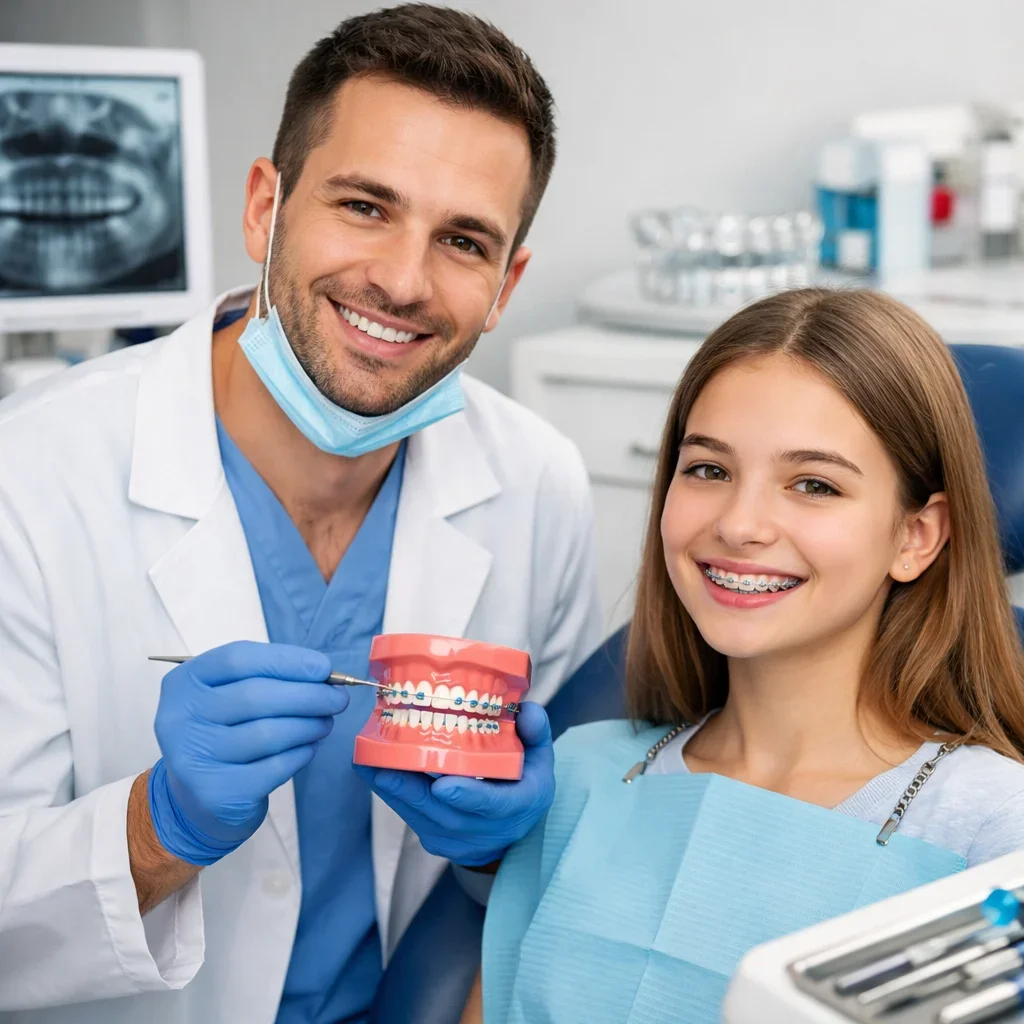
9. Life After Treatment: Retainers and Long-Term Care
Completing active treatment with a teeth orthodontist is an exciting milestone, but it is not the end of your orthodontic journey. In fact, life after braces or aligners requires commitment and proper follow-up care to preserve the results achieved by your teeth orthodontist. Teeth naturally have a tendency to shift back toward their original positions, a process known as relapse. Without a structured retention plan designed by a teeth orthodontist, months or years of progress can gradually diminish. 😊
A responsible teeth orthodontist emphasizes that retention is just as important as active treatment. Once braces are removed or the final aligner is completed, your teeth orthodontist provides a customized retainer to maintain alignment and protect the stability of your bite.
Why Teeth Shift After Orthodontic Treatment
After orthodontic movement, the surrounding bone and soft tissues need time to stabilize. A teeth orthodontist carefully repositions teeth during treatment, but the ligaments and bone structures must remodel and adapt to their new positions. This biological process takes time, which is why retention is critical.
Without guidance from a teeth orthodontist and proper retainer use, teeth may gradually drift. Even minor shifting can impact bite harmony and aesthetics. This is why every teeth orthodontist creates a long-term plan tailored to each patient.
Types of Retainers Prescribed by a Teeth Orthodontist
Removable Retainers
One common option provided by a teeth orthodontist is a removable retainer, often made from clear plastic or acrylic with a metal wire. These retainers are typically worn full-time for the first few months, then transitioned to nighttime use as directed by the teeth orthodontist.
The advantage of removable retainers is convenience. Patients can take them out for eating and cleaning. However, compliance is essential. A teeth orthodontist will stress the importance of consistent wear to maintain alignment.
Fixed (Bonded) Retainers
In some cases, a teeth orthodontist may recommend a fixed retainer, which is a thin wire bonded behind the front teeth. This option provides continuous support without relying on patient memory. A fixed retainer installed by a teeth orthodontist is especially beneficial for individuals with a high risk of relapse.
Although bonded retainers require careful cleaning, they offer long-term stability and peace of mind under the supervision of a qualified teeth orthodontist.
How Long Should Retainers Be Worn?
The duration of retainer use varies depending on the individual case. Most teeth orthodontist professionals recommend wearing retainers nightly for many years, and sometimes indefinitely. This does not mean continuous discomfort—modern retainers are lightweight and comfortable.
A teeth orthodontist schedules follow-up visits to monitor stability and ensure that the retainer fits correctly. Over time, retainers may need replacement due to normal wear. Regular check-ups with a teeth orthodontist help detect issues early.
Maintaining Oral Hygiene After Treatment
After braces or aligners are removed, maintaining oral hygiene becomes easier, but it remains essential. A teeth orthodontist advises thorough brushing and flossing to protect newly aligned teeth. Straight teeth are easier to clean, reducing the risk of plaque accumulation and gum disease.
According to the American Dental Association, consistent oral hygiene practices are crucial for preserving dental health after orthodontic treatment. Your teeth orthodontist may also recommend professional cleanings at regular intervals.
Monitoring Bite Stability and Jaw Health
Even after active treatment, periodic evaluation by a teeth orthodontist ensures that bite alignment remains balanced. Subtle changes can occur due to natural aging, tooth loss, or dental restorations. A teeth orthodontist can assess these changes and recommend adjustments if needed.
Long-term monitoring protects the functional improvements achieved during treatment. A proactive teeth orthodontist ensures that chewing efficiency, jaw comfort, and smile aesthetics remain stable for years.
Lifestyle Habits That Protect Your Smile
Maintaining results also involves healthy lifestyle habits. A teeth orthodontist may advise avoiding excessive nail biting, chewing hard objects, or grinding teeth without protection. In cases of bruxism, a night guard may be recommended alongside retainer use.
If you ever experience discomfort or notice shifting, contact your teeth orthodontist promptly. Early intervention prevents minor issues from becoming major concerns.
When to Schedule Follow-Up Appointments
Even years after treatment, occasional visits to your teeth orthodontist are beneficial. These appointments allow the teeth orthodontist to confirm that alignment remains stable and that retainers are functioning properly.
If you would like guidance on post-treatment care or need a retainer evaluation, you can schedule an appointment through the Redent Klinik Contact Page. An experienced teeth orthodontist will ensure your smile remains protected.
In conclusion, life after orthodontic treatment requires dedication and ongoing partnership with your teeth orthodontist. Retainers, proper hygiene, routine check-ups, and mindful habits all contribute to preserving your beautifully aligned smile. With consistent follow-up care guided by a qualified teeth orthodontist, you can enjoy long-term stability, functional balance, and renewed confidence for many years to come. ✨