
When people search for teeth plantation cost, they are often looking for a clear, trustworthy, and comprehensive breakdown of what this treatment involves, how much it can vary, and whether it is worth the investment. Dental implants, often referred to as “teeth plantation,” are a long-lasting solution for missing teeth. They provide both functional and aesthetic benefits, making them one of the most popular dental procedures in the world today. In this guide, we will explain what teeth plantation actually means, why patients choose it, and how the associated costs are calculated. By the end of this article, you’ll have a complete understanding of the value behind the investment, ensuring you can make an informed decision for your dental health. 🦷
First, let’s define the procedure. A teeth plantation involves surgically placing a titanium post into the jawbone, which acts as a root replacement for the missing tooth. This post fuses with the bone through a natural process called osseointegration, creating a stable base for a crown, bridge, or even a full set of artificial teeth. This level of stability is why implants are considered superior to removable dentures. Patients seeking implants usually want something that feels and looks natural, while also preventing the bone loss that typically occurs when a tooth is missing for a long time. Although the initial teeth plantation cost may appear high, the durability and long-term health benefits often outweigh the upfront expense.
Many patients worry about pricing, but it’s important to note that the teeth plantation cost is not a flat figure. It depends on several variables: the country where the treatment is performed, the dentist’s expertise, the type of implant materials used, and whether additional procedures like bone grafting or sinus lifting are necessary. For example, in the United States, the average price for a single tooth plantation ranges from $3,000 to $5,000. In contrast, countries like Turkey and Hungary often provide the same high-quality care at a significantly lower cost, sometimes as little as $800 to $1,200 per tooth. This price difference has led to a rise in dental tourism, where patients travel abroad specifically for affordable treatment. ✈️
Another key element in understanding teeth plantation cost is the breakdown of the procedure itself. It’s not just the titanium post and crown; the total involves consultations, diagnostic imaging such as X-rays or CT scans, the surgical procedure, anesthesia, and post-treatment care. Some clinics bundle these services into one comprehensive package, while others charge separately for each step. Patients should always request a detailed treatment plan in advance to avoid unexpected bills later on. A transparent clinic will explain exactly what is included in the cost, which helps patients make realistic financial preparations.
Long-term durability also justifies the expense. While bridges and dentures may need replacement every 5–10 years, implants can last 20 years or more with proper care. This makes the teeth plantation cost a long-term investment rather than a short-term fix. From a health perspective, implants support the surrounding teeth by preventing them from shifting, and they also stimulate the jawbone, reducing the risk of bone atrophy. A patient who chooses implants often experiences better oral functionality, improved speech, and the confidence of a natural smile. These benefits cannot easily be measured in money alone, but they strongly contribute to the value of the procedure.
Many people ask if insurance helps cover teeth plantation cost. Unfortunately, dental insurance often considers implants a cosmetic procedure, which means they may not fully reimburse the expense. Some plans provide partial coverage or at least cover certain components, like the crown. Patients should always check with their insurance provider before committing. For those paying out of pocket, financing options such as monthly installment plans are widely available at modern dental clinics. This flexibility allows patients to manage their budget without compromising their oral health.
Let’s also consider hidden or additional costs. For example, if a patient has insufficient jawbone density, they might require a bone graft. This can add anywhere from $500 to $2,000 to the overall teeth plantation cost. Similarly, if multiple implants are needed for a full mouth restoration, the total expense can climb into tens of thousands of dollars. Clinics often provide special package deals for full-mouth treatments, which can save patients money compared to paying per tooth. Always ask about these options to ensure you get the best value.
According to the American Dental Association, implants are one of the safest and most predictable dental procedures, provided they are done by qualified professionals. That’s why it’s critical to choose the right clinic. Patients are advised to research online reviews, ask for before-and-after photos, and confirm the dentist’s certifications. At reputable clinics like Redent Klinik Contact Page, transparency and patient education are central to the treatment experience. This ensures patients fully understand their options and can make confident choices regarding their dental health.
In summary, the teeth plantation cost may seem overwhelming at first, but when you factor in durability, health benefits, and the life-changing impact of a restored smile, it becomes clear why so many people see it as a worthwhile investment. Whether you’re considering a single implant or a complete mouth restoration, understanding the factors that affect pricing will help you plan realistically and avoid surprises. Remember, the cheapest option isn’t always the best; quality, expertise, and long-term results matter most. 🌟
Average Teeth Plantation Cost in 2025 Worldwide 🌍
When evaluating the teeth plantation cost across the globe, it quickly becomes apparent that prices can vary dramatically from one country to another. Factors such as local economic conditions, dentist training, clinic infrastructure, and government healthcare policies all play a role. For patients, understanding these international differences is essential—especially if you are considering traveling abroad for dental treatment. In 2025, the rise of dental tourism has made this comparison even more relevant, with thousands of people each year choosing to cross borders in search of affordable yet high-quality implant procedures. Let’s explore the average global costs and what influences them in detail. 🌐
United States and Canada: Premium Dental Market
In the United States, the teeth plantation cost remains among the highest in the world. On average, a single implant procedure ranges between $3,000 and $5,500, depending on the city and the complexity of the case. In major metropolitan areas like New York or Los Angeles, the price often leans toward the higher end. Additional procedures like bone grafts or sinus lifts can add $500 to $2,000 to the bill. Patients also need to pay separately for the crown, which may cost another $1,000. In Canada, prices are slightly lower but still considerable, with averages between $2,500 and $4,500 per tooth. These figures reflect not only the quality of materials used but also the higher labor costs in North America. 💵
Europe: Wide Range of Costs
Europe offers a diverse landscape for dental implants. In Western European countries like Germany, France, and the UK, the teeth plantation cost is relatively high, averaging €2,500 to €4,000 per implant. However, Central and Eastern European countries such as Hungary, Poland, and Romania have positioned themselves as leading hubs for dental tourism. There, patients can receive a single implant for as low as €800 to €1,200. Despite the lower cost, many clinics in these countries use globally recognized implant brands and adhere to strict EU medical standards. This balance of affordability and quality explains why many Western Europeans travel eastward for treatment. ✈️
Turkey: Affordable Quality and Dental Tourism Leader
Turkey has emerged as one of the most competitive destinations for dental care. The teeth plantation cost in Turkish clinics averages between $700 and $1,200 per implant. Patients are attracted not only by the lower prices but also by the country’s reputation for highly skilled dentists and modern facilities. Turkish clinics often package the treatment with accommodation and transport, making it even more cost-effective for international patients. Istanbul, Antalya, and Izmir are among the most popular cities for dental tourism, drawing thousands of patients annually. 🕌
Asia: Competitive Prices with Growing Reputation
In Asian countries, the costs are generally more budget-friendly compared to North America and Western Europe. In India, for example, the average teeth plantation cost per implant ranges between $500 and $900, while in Thailand, the range is slightly higher at $800 to $1,500. Both countries have become popular destinations for medical and dental tourism, with many clinics accredited by international organizations. Patients traveling to Asia often combine their procedures with vacation packages, further boosting the appeal of these regions. 🌴
Middle East: A Mixed Pricing Landscape
The Middle East offers both high-end and more affordable options. In wealthy nations like the United Arab Emirates or Qatar, the teeth plantation cost is comparable to North American prices, often between $3,000 and $5,000. However, in countries such as Jordan or Egypt, patients can find much more competitive pricing, with single implants starting from $600. This broad variation reflects both economic differences and the level of investment in healthcare infrastructure across the region.
South America: Growing Dental Tourism Potential
South America is quickly gaining attention as a destination for affordable dental care. In Brazil, the teeth plantation cost averages $800 to $1,500, while in Colombia and Mexico (technically part of Latin America but a key player), the cost ranges from $700 to $1,200. Mexico, in particular, attracts thousands of patients from the United States each year due to its proximity and significant cost savings. Border towns like Tijuana and Cancun have become well-known dental hubs. 🌞
Comparison Table: Average Teeth Plantation Cost in 2025
| Country/Region | Average Cost (Per Implant) |
|---|---|
| United States | $3,000 – $5,500 |
| Canada | $2,500 – $4,500 |
| Germany/France/UK | €2,500 – €4,000 |
| Hungary/Poland/Romania | €800 – €1,200 |
| Turkey | $700 – $1,200 |
| India | $500 – $900 |
| Thailand | $800 – $1,500 |
| UAE/Qatar | $3,000 – $5,000 |
| Jordan/Egypt | $600 – $1,200 |
| Brazil | $800 – $1,500 |
| Mexico | $700 – $1,200 |
This global snapshot shows how dramatically the teeth plantation cost can shift depending on where you choose to undergo the procedure. Patients need to weigh not only the financial savings but also the quality of care, travel expenses, and follow-up needs. While traveling abroad for treatment can save thousands of dollars, local follow-up appointments may be more convenient if you stay closer to home. The right choice ultimately depends on each patient’s priorities, budget, and trust in the clinic.
In conclusion, 2025 continues the trend of patients seeking affordable dental care beyond their borders. The teeth plantation cost may be a critical factor, but safety, expertise, and long-term value should always be part of the decision-making process. By comparing average costs worldwide, patients are empowered to make smarter, well-informed decisions about restoring their smiles. 🌟
Teeth Plantation Cost in Turkey vs. Other Countries ✈️
One of the most common questions asked by international patients is how the teeth plantation cost in Turkey compares to other countries. Turkey has become a global leader in dental tourism, offering high-quality care at significantly reduced prices compared to Western Europe and North America. This combination of affordability, expertise, and modern dental facilities has placed the country at the center of the global dental market. Let’s take a detailed look at why patients are flocking to Turkey, how costs differ from other destinations, and what patients can expect in terms of quality and value. 🕌
Why Turkey Stands Out in Dental Tourism
The appeal of Turkey lies in its ability to provide world-class dental care at a fraction of the price found in countries like the USA or the UK. Turkish dentists often train internationally, use globally recognized implant brands, and operate in clinics equipped with state-of-the-art technology. Yet, due to lower operating costs, favorable currency exchange rates, and government support for medical tourism, the teeth plantation cost is dramatically lower. For instance, while a single implant in the United States may range between $3,000 and $5,500, in Turkey it usually costs between $700 and $1,200.
Direct Cost Comparisons
To understand the differences more clearly, here is a comparison between Turkey and other popular dental destinations in 2025:
Turkey vs. United States
The U.S. represents one of the most expensive markets for dental implants. A single teeth plantation cost can exceed $5,000, not including possible bone grafts or sinus lifts. In contrast, Turkish clinics offer the same procedure for under $1,200, often with additional perks such as hotel stays and transportation included in treatment packages. This makes Turkey an appealing option for Americans seeking cost-effective yet safe dental care.
Turkey vs. United Kingdom
In the UK, the teeth plantation cost typically falls between £2,500 and £3,500 per implant. Dental tourism within the UK itself is limited due to high operating expenses. Patients who travel to Turkey, however, can expect to save more than 60% on treatment costs, even after accounting for flight and accommodation expenses. This significant gap has made Turkey one of the top destinations for British dental tourists.
Turkey vs. Germany and France
Germany and France are known for their precision and strict medical standards. While quality is undeniable, the teeth plantation cost is steep, averaging €2,500 to €4,000 per implant. In Turkey, where the cost averages just €600 to €1,100, patients often receive comparable treatment quality with modern technology and internationally approved implant materials. This cost gap has led many Western Europeans to travel to Istanbul or Antalya for care. ✈️
Turkey vs. India and Thailand
In Asia, countries like India and Thailand also offer competitive prices. In India, a single implant may cost $500 to $900, while in Thailand, the range is around $800 to $1,500. Compared to Turkey, the difference is minimal in terms of price, but Turkey’s geographic location makes it more accessible to European patients. Additionally, Turkey is often praised for its highly developed infrastructure for international patients, including English-speaking staff, all-inclusive packages, and shorter travel times from Europe. 🌍
Quality of Care in Turkey
One might assume that lower costs equal lower quality, but that is not the case in Turkey. The majority of clinics use internationally certified implant brands such as Straumann, Nobel Biocare, and Astra Tech. Turkish dentists often undergo specialized training in Europe or the United States, ensuring that treatment protocols match international standards. Additionally, the country’s dental tourism market is highly competitive, which motivates clinics to maintain excellent patient care, transparent pricing, and comprehensive aftercare services.
Hidden Value: Beyond the Numbers
When comparing the teeth plantation cost, it’s not just the upfront price that matters. Many Turkish clinics bundle services that would be extra charges elsewhere. For example, panoramic X-rays, digital scans, airport transfers, and even 5-star hotel stays may be included in the treatment package. This creates immense value for patients who might otherwise face surprise expenses in Western countries. Such benefits make Turkey’s offerings not just cheaper, but also more convenient and stress-free.
Testimonials and Patient Satisfaction
International reviews consistently highlight Turkey’s reliability in dental care. Patients often report that despite paying significantly less, the quality of treatment exceeded their expectations. Many testimonials emphasize the professionalism of Turkish dentists, the cleanliness of facilities, and the friendliness of staff. This reputation has played a major role in cementing Turkey’s position as a global hub for dental tourism. For patients seeking a balance between affordability and safety, the choice is increasingly obvious.
Comparison Table: Turkey vs. Other Countries (2025)
| Country | Average Cost (Per Implant) |
|---|---|
| United States | $3,000 – $5,500 |
| United Kingdom | £2,500 – £3,500 |
| Germany/France | €2,500 – €4,000 |
| Turkey | $700 – $1,200 |
| India | $500 – $900 |
| Thailand | $800 – $1,500 |
In summary, Turkey provides one of the best balances of affordability, quality, and accessibility in the global dental market. The teeth plantation cost is significantly lower than in Western nations while offering the same or even superior patient experience. By carefully weighing both cost and quality, patients can confidently choose Turkey as a destination for their dental implants, ensuring not just a healthier smile but also substantial financial savings. 🌟
Factors That Influence Teeth Plantation Cost ⚖️
When patients research teeth plantation cost, one of the most common questions is why prices vary so widely from one clinic, city, or country to another. The truth is that several key factors determine the final price of dental implants. These include the type of implant used, the expertise of the dentist, the clinic’s location, and whether additional procedures are required. Understanding these elements can help patients prepare realistic budgets and avoid surprises when they receive their treatment plan. Below, we’ll break down the most important factors that influence the overall cost in 2025. 🦷
1. Type and Brand of Implant
The implant itself is a major part of the overall teeth plantation cost. Well-known brands like Straumann, Nobel Biocare, and Astra Tech are often more expensive but come with a proven track record of durability and success rates exceeding 95%. Lesser-known or generic brands may reduce costs by a few hundred dollars per implant but might not offer the same long-term reliability. Patients should always inquire about the brand and model of the implant, as this directly impacts both the initial investment and future maintenance.
Titanium vs. Zirconia Implants
Most implants are made of titanium due to its strength and biocompatibility. However, zirconia implants are gaining popularity, especially among patients seeking metal-free solutions. Zirconia tends to cost more, raising the overall teeth plantation cost by 15–25%. Patients choosing zirconia usually do so for aesthetic or health-related reasons, as it offers a more natural gum appearance and reduces the risk of allergic reactions.
2. Dentist’s Experience and Qualifications
The expertise of the dentist performing the procedure plays a significant role in pricing. Highly experienced implantologists or oral surgeons often charge more, but their higher fees are justified by reduced risks and higher success rates. A less experienced dentist may offer cheaper rates, but patients risk complications or the need for revision surgeries, which ultimately increase the total teeth plantation cost. In countries with strong dental tourism, such as Turkey, many dentists have international training, ensuring high standards at competitive prices.
3. Geographic Location of the Clinic
Where you undergo treatment is perhaps the single most influential factor in determining the teeth plantation cost. For example, in the United States, average costs can exceed $4,000 per implant, while in Turkey, the same procedure may cost less than $1,000. This is largely due to differences in labor costs, insurance systems, and clinic overhead expenses. Patients willing to travel often save up to 70% on their total bill without compromising quality. 🌍
Urban vs. Rural Clinics
Even within the same country, costs may differ. Clinics in large metropolitan areas, such as London, New York, or Berlin, generally charge higher fees compared to smaller cities or rural clinics. This is due to higher rent, salaries, and operational costs. Patients living in major cities may choose to travel domestically or abroad to reduce their teeth plantation cost.
4. Number of Implants Required
The more implants needed, the higher the total bill. A single tooth implant is obviously more affordable than a full-mouth restoration. However, many clinics offer package deals that reduce the average per-tooth price when multiple implants are placed in a single procedure. For example, a full-arch restoration supported by four to six implants (often called “All-on-4” or “All-on-6”) may cost less per implant than replacing each tooth individually. This bundled pricing structure helps patients save on overall teeth plantation cost.
5. Additional Procedures
Many patients require preparatory treatments before implants can be placed. These additional procedures significantly influence the final cost:
- Bone grafting: Adds $500–$2,000 to the total cost if the jawbone lacks density.
- Sinus lift: Typically $1,000–$3,000 when the upper jaw requires more space for implant stability.
- Tooth extractions: Between $100 and $500 per tooth, depending on complexity.
These necessary steps ensure long-term implant success but can increase the final teeth plantation cost by thousands of dollars. Patients should always request a detailed treatment plan to anticipate these expenses.
6. Type of Restoration (Crown, Bridge, or Denture)
The restoration placed on top of the implant—whether a crown, bridge, or full denture—also affects pricing. A single crown may cost $800–$1,500, while implant-supported dentures can exceed $5,000. The material used (porcelain, zirconia, or composite) will further influence the final teeth plantation cost. High-quality zirconia crowns, for example, are more durable but also more expensive.
7. Clinic Facilities and Technology
Modern clinics equipped with advanced technology such as 3D CT scans, digital impressions, and laser surgery often charge more, as these innovations provide greater accuracy and patient comfort. While this increases the upfront teeth plantation cost, it reduces the likelihood of complications and ensures more predictable results.
8. Aftercare and Warranty
Post-treatment care, including follow-up visits, cleaning, and adjustments, can be included or charged separately depending on the clinic. Many reputable clinics also provide warranties, covering issues such as implant failure within the first few years. Although warranties may increase the quoted teeth plantation cost, they provide peace of mind and long-term savings if complications arise.
9. Currency Exchange and Economic Factors
Global economic conditions and currency fluctuations can also affect pricing for international patients. For example, favorable exchange rates make the teeth plantation cost in Turkey or Eastern Europe even more affordable for patients from Western Europe or North America. Conversely, inflation or rising material costs may increase local prices in certain regions.
In conclusion, the teeth plantation cost is shaped by a wide range of factors, from implant brand and dentist expertise to geographic location and additional treatments. Patients should always take the time to request a transparent, itemized estimate from their chosen clinic. By understanding these variables, you can make an informed decision, balancing affordability with the assurance of high-quality, long-lasting results. 🌟
Single Tooth vs. Full Mouth Teeth Plantation Cost 🦷➡️😁
When evaluating the teeth plantation cost, one of the biggest variables is whether you need to replace a single tooth or your entire set of teeth. The difference in price is significant, and so are the treatment approaches. While a single implant provides a solution for one missing tooth, a full-mouth restoration may involve multiple implants supporting bridges or implant-retained dentures. Understanding these distinctions helps patients plan effectively, whether they’re dealing with one gap in their smile or complete tooth loss. Let’s break down the details for both scenarios. ⚖️
Single Tooth Plantation: The Standard Option
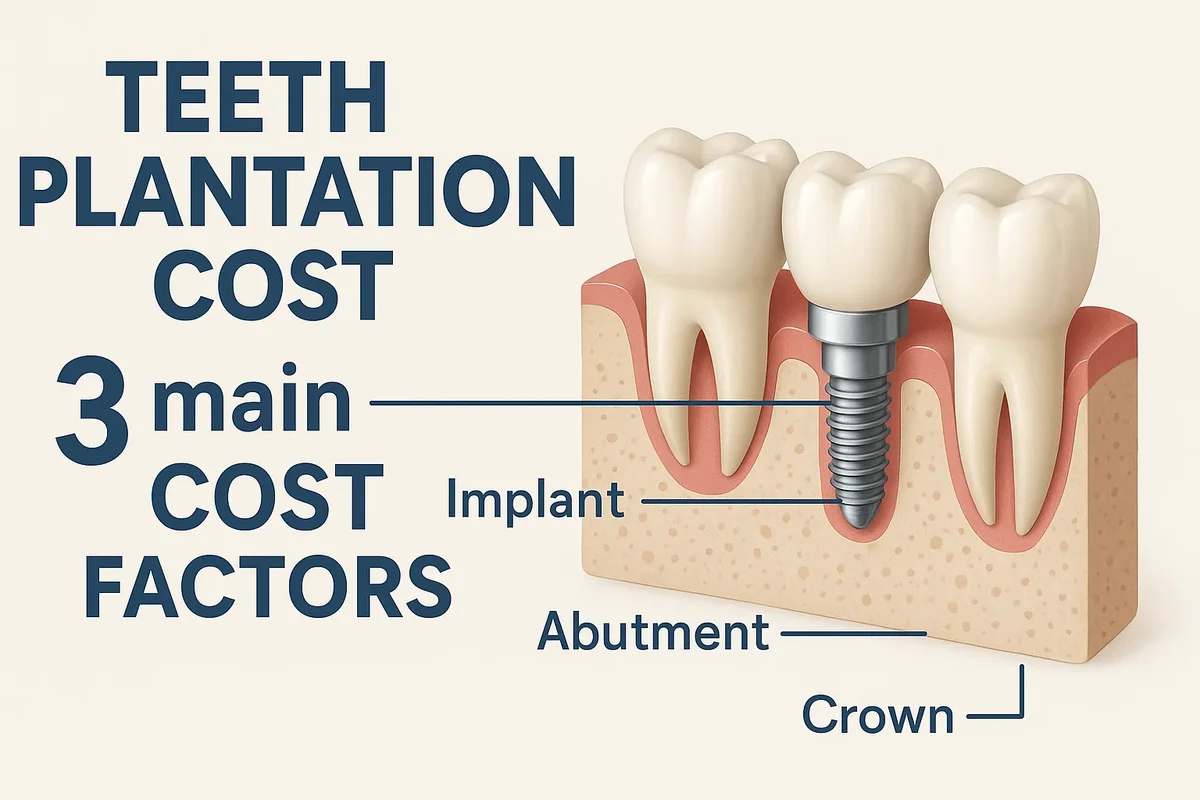
A single tooth implant is often recommended when a patient loses one tooth due to decay, injury, or periodontal disease. In this case, the implant replaces both the root and the crown, ensuring stability and natural function. The average teeth plantation cost for a single tooth in 2025 varies depending on the country but typically ranges from $700 to $5,000. This includes the titanium implant, abutment, and crown. Additional expenses may arise if extractions or bone grafting are required.
Cost Breakdown for Single Tooth
- Implant post: $600 – $2,000 depending on brand and clinic.
- Abutment: $200 – $500, connecting the implant to the crown.
- Crown: $800 – $1,500, with zirconia crowns costing more.
This brings the average teeth plantation cost for a single tooth to between $1,600 and $4,000 in most Western countries. In dental tourism hubs like Turkey or Hungary, the same procedure may be as low as $700–$1,200.
Multiple Teeth: Bridges Supported by Implants
When two or more adjacent teeth are missing, implants can be used to support a bridge. Instead of placing an implant for each tooth, dentists may place two implants to hold a three- or four-tooth bridge. This method reduces costs compared to individual implants for every missing tooth. The teeth plantation cost for such treatments often ranges from $3,000 to $8,000, depending on the number of implants and the material of the bridge.
Full Mouth Teeth Plantation: Comprehensive Restoration
Patients missing most or all of their teeth often opt for full-mouth implants. This is a complex but life-changing procedure, restoring function and aesthetics with remarkable results. Instead of placing 28 individual implants, modern dentistry uses fewer implants to support full arches.
All-on-4 and All-on-6 Solutions
The most common solutions for full-mouth restoration are the All-on-4 and All-on-6 systems. These involve placing 4 or 6 implants per jaw to support a full arch of prosthetic teeth. This approach dramatically reduces the teeth plantation cost while still providing a stable, long-term solution. Patients can expect prices between:
- All-on-4: $15,000 – $25,000 per jaw in the U.S.; $5,000 – $8,000 in Turkey or Eastern Europe.
- All-on-6: $20,000 – $30,000 per jaw in the U.S.; $7,000 – $10,000 in Turkey or Eastern Europe.
While these figures may seem high, they still represent significant savings compared to placing individual implants for every tooth.
Implant-Supported Dentures
Another alternative for full-mouth replacement is implant-supported dentures. Unlike traditional removable dentures, these are secured with implants, offering better stability and comfort. The teeth plantation cost for implant-supported dentures ranges from $7,000 to $15,000 per arch in North America, but in countries like Turkey or Mexico, the price often falls between $2,500 and $5,000 per arch.
Long-Term Value of Full Mouth vs. Single Tooth
Although full-mouth implants are a major financial commitment, they often provide greater value in the long run. Patients regain natural chewing ability, prevent bone loss, and avoid the discomfort associated with removable dentures. For single tooth implants, the investment is smaller but still highly valuable, as it prevents neighboring teeth from shifting and maintains overall dental health.
Comparison Table: Single vs. Full Mouth Costs
| Treatment Type | Average Cost (U.S.) | Average Cost (Turkey) |
|---|---|---|
| Single Tooth Implant | $3,000 – $5,000 | $700 – $1,200 |
| Implant-Supported Bridge (3 teeth) | $5,000 – $8,000 | $1,500 – $2,500 |
| All-on-4 (per jaw) | $15,000 – $25,000 | $5,000 – $8,000 |
| All-on-6 (per jaw) | $20,000 – $30,000 | $7,000 – $10,000 |
| Implant-Supported Dentures (per arch) | $7,000 – $15,000 | $2,500 – $5,000 |
Which Option Should You Choose?
The decision between a single implant and a full-mouth restoration depends on the extent of tooth loss, budget, and long-term goals. A single implant is ideal for patients missing one tooth, while full-mouth options are better for those with widespread tooth loss. Clinics such as Redent Klinik Contact Page provide detailed treatment plans to help patients compare their options. Patients should always balance affordability with quality, remembering that the cheapest option may not deliver the durability and satisfaction they expect.
In conclusion, the teeth plantation cost varies widely depending on whether you need to replace a single tooth or your entire mouth. While full-mouth restoration involves a higher initial expense, the long-term benefits—such as restored function, aesthetics, and confidence—make it a worthwhile investment. Whether it’s one implant or an entire arch, understanding these distinctions empowers patients to make informed decisions for their oral health. 🌟
Insurance and Financing Options for Teeth Plantation 💳
One of the most pressing concerns for patients is how to manage the teeth plantation cost. While implants are widely recognized as the gold standard for tooth replacement, the expense can feel overwhelming without proper financial planning. Fortunately, in 2025, patients have several options to make treatment more affordable, ranging from partial dental insurance coverage to flexible financing plans and third-party credit solutions. Understanding these options in detail can help reduce the financial burden and make implants accessible to a wider audience. Let’s break down the possibilities. 💰
Does Insurance Cover Teeth Plantation?
Traditional dental insurance often classifies implants as a cosmetic procedure, meaning full coverage is rare. However, as implants become more widely recognized for their functional and medical benefits, some insurance providers have started to include partial coverage. This can significantly reduce the overall teeth plantation cost, especially when paired with additional financing options. Coverage may apply to certain components of the procedure, such as the crown or diagnostic imaging, while excluding the actual implant post.
Typical Coverage Scenarios
- Partial coverage: Insurance may pay 30–50% of the crown, while leaving the implant post as an out-of-pocket expense.
- Alternative coverage: Some policies reimburse the equivalent cost of a bridge or denture, allowing patients to use that amount toward implants.
- Medical necessity: If tooth loss is related to an accident or trauma, medical insurance may contribute toward the teeth plantation cost.
Patients should always request a pre-authorization from their insurance company to confirm what is covered. This step prevents surprises and ensures realistic budgeting.
Employer-Sponsored Dental Plans
Some employers offer enhanced dental coverage that includes implants. These policies often cover a percentage of the total teeth plantation cost or provide a yearly maximum benefit (e.g., $1,500–$2,000). While this may not cover the entire procedure, it can still significantly offset costs, especially for single-tooth implants.
Flexible Spending Accounts (FSA) and Health Savings Accounts (HSA)
In countries like the United States, patients with access to FSAs or HSAs can use pre-tax dollars to pay for dental procedures. This effectively reduces the teeth plantation cost by lowering taxable income. For example, if a patient earns $70,000 annually and contributes $3,000 to an HSA for dental work, they could save hundreds in taxes, making implants more affordable without traditional insurance coverage.
Financing Options Through Clinics
Most modern dental clinics understand the financial challenges patients face and offer in-house or third-party financing options. This allows patients to spread the teeth plantation cost over several months or even years.
Common Financing Structures
- Zero-interest plans: Short-term financing (6–12 months) without interest if payments are made on time.
- Extended-term financing: Longer plans (24–60 months) with modest interest rates.
- Down payments: Clinics may require an initial down payment of 20–30% of the total teeth plantation cost, followed by manageable monthly installments.
This approach makes implants accessible to a broader group of patients who may otherwise delay treatment due to budget concerns.
Third-Party Credit and Medical Financing Companies
Beyond in-house financing, specialized medical credit providers such as CareCredit (in the U.S.) and similar companies worldwide offer dedicated healthcare financing solutions. These companies allow patients to pay for their implants over time, often with promotional no-interest periods. While interest may apply after the promotional phase, this option still helps ease the financial burden of the total teeth plantation cost.
Government Programs and Subsidies
In some countries, government-funded healthcare systems partially subsidize dental implants for medically necessary cases. For example, Scandinavian nations may cover part of the teeth plantation cost for patients with severe oral health issues. While full coverage is rare, partial subsidies make implants more affordable for low-income or high-risk groups.
International Patients and Dental Tourism Packages
For patients traveling abroad, many clinics in countries such as Turkey, Hungary, or Mexico offer all-inclusive packages that reduce overall expenses. These bundles may include not only the implants but also hotel stays, airport transfers, and follow-up care. While insurance from the patient’s home country may not apply abroad, the significantly reduced teeth plantation cost in these regions often makes traveling worthwhile.
Tips for Reducing Out-of-Pocket Costs
- Request an itemized treatment plan to understand exactly what you’re paying for.
- Combine insurance, HSA/FSA funds, and financing for maximum savings.
- Consider traveling to reputable international clinics if local prices are too high.
- Ask your clinic about seasonal promotions or package deals that can reduce the teeth plantation cost.
In conclusion, while dental implants are a significant investment, patients have many options to make the teeth plantation cost more manageable. From partial insurance coverage and employer benefits to flexible financing and international packages, affordability is within reach. Clinics such as Redent Klinik Contact Page are known for providing transparent pricing and guiding patients toward the best financial solutions. By exploring all available options, patients can move forward with confidence, knowing that restoring their smile is both possible and financially achievable. 🌟
Long-Term Benefits Compared to Teeth Plantation Cost ⏳
When patients first see the teeth plantation cost, it can seem like a large upfront expense. However, looking beyond the initial investment reveals that dental implants provide remarkable long-term benefits that outweigh the costs over time. From durability and oral health preservation to improved quality of life, implants are widely considered the most cost-effective tooth replacement solution in the long run. Let’s explore why dental implants are not just a purchase, but a valuable lifetime investment. 🌟
Durability and Longevity
Unlike dentures or bridges that may need replacement every 5–10 years, implants are designed to last decades. Many studies report success rates above 95% over 20 years. This durability means patients spend less money on replacements and repairs, ultimately reducing the lifetime teeth plantation cost. A well-placed and well-cared-for implant can even last a lifetime, making the initial expense worthwhile.
Cost Comparison Over Time
Consider the following scenario: a bridge may initially cost less than an implant, but it often needs replacement every decade. Over 30 years, patients might replace the bridge two or three times, ultimately spending more than they would on a single implant. By contrast, one implant procedure—although more expensive upfront—can save thousands of dollars in the long term. This demonstrates how the teeth plantation cost is best viewed as a long-term investment, not just a short-term outlay.
Preservation of Jawbone and Oral Health
One of the biggest long-term advantages of implants is the prevention of jawbone loss. When teeth are missing, the jawbone naturally deteriorates due to lack of stimulation. Bridges and dentures do little to stop this process. Implants, however, integrate with the bone, maintaining bone density and facial structure. By protecting oral health, implants help patients avoid additional treatments like bone grafts or facial reconstruction surgeries—both of which would further increase their future teeth plantation cost.
Stability and Functionality
Implants feel and function like natural teeth, providing unmatched stability. This allows patients to eat all types of food, from crunchy apples to steak, without the discomfort or shifting often associated with dentures. Improved chewing ability supports better digestion and nutrition, leading to long-term health benefits. Patients often report that the ability to eat comfortably again is priceless compared to the initial teeth plantation cost.
Speech and Confidence Benefits
Another overlooked aspect is how implants improve speech. Unlike dentures, which may slip and cause slurring, implants remain fixed and stable. Patients regain natural speech and confidence, which positively impacts both personal and professional life. The psychological and social benefits far outweigh the financial costs of treatment, making implants a life-enhancing investment.
Aesthetic Benefits That Last
Dental implants are designed to look like natural teeth. The crowns are customized to match the patient’s surrounding teeth in shape, size, and color. Unlike bridges, which may cause visible wear on neighboring teeth, implants preserve natural aesthetics for decades. This lasting cosmetic improvement ensures patients continue to enjoy a youthful smile well into the future, proving that the teeth plantation cost is about much more than money—it’s about self-esteem and quality of life. 😁
Reduced Maintenance Costs
While implants require regular brushing, flossing, and dental check-ups, their maintenance is relatively simple compared to alternatives. Dentures require adhesives, cleaning solutions, and frequent adjustments—all of which add ongoing costs. Bridges may require repairs or replacements due to wear and tear. By choosing implants, patients minimize recurring expenses, lowering the total lifetime teeth plantation cost.
Psychological and Emotional Value
The confidence gained from having a stable, natural-looking smile cannot be measured in dollars alone. Patients often describe feeling more social, professional, and attractive after receiving implants. They no longer worry about dentures slipping during meals or conversations. This psychological peace of mind is an invaluable return on the initial teeth plantation cost.
Improved Overall Health
By restoring proper chewing function, implants contribute to better overall nutrition and health. Patients can eat fiber-rich fruits and vegetables, improving digestion and reducing the risk of chronic diseases. Healthier diets supported by implants help patients save on medical expenses over time, further justifying the investment in teeth plantation cost. Research also suggests that poor oral health is linked to systemic conditions like heart disease and diabetes—risks that can be mitigated with stable, functional teeth.
Comparison Table: Long-Term Value of Implants vs. Alternatives
| Option | Initial Cost | Replacement Frequency | 30-Year Estimated Cost | Bone & Oral Health |
|---|---|---|---|---|
| Dentures | $1,000 – $3,000 | Every 5–7 years | $6,000 – $12,000 | Does not prevent bone loss |
| Bridges | $2,000 – $5,000 | Every 10 years | $6,000 – $15,000 | Can damage neighboring teeth |
| Implants | $3,000 – $5,500 | Potentially lifetime | $3,000 – $5,500 | Preserves bone & natural teeth |
In conclusion, while the teeth plantation cost may seem steep at first glance, the durability, health benefits, and overall quality of life improvements far surpass those of alternatives like dentures and bridges. Patients ultimately save money, enjoy better health, and gain priceless confidence over a lifetime. Choosing implants is not just about replacing teeth—it’s about investing in your future well-being. ⏳
Hidden Costs You Should Know Before Plantation 💡
When calculating the teeth plantation cost, many patients focus only on the implant, abutment, and crown. However, there are often additional expenses that are not immediately visible in the initial estimate. These hidden costs can significantly impact the final bill and should always be taken into account when budgeting for dental implants. By understanding these potential add-ons, patients can prepare realistically and avoid financial surprises later in the treatment process. Let’s examine the most common hidden costs that influence total implant pricing. 💡
Diagnostic and Imaging Expenses
Before any implant is placed, dentists must conduct thorough examinations, including X-rays or 3D CT scans. These imaging procedures ensure that the dentist has a detailed view of your bone structure and nerve pathways, which is critical for safe and accurate placement. However, these scans are rarely included in the initial quote. On average, patients may spend an additional $150 to $500 on diagnostics, depending on the clinic and region. If you’re comparing teeth plantation cost between clinics, always confirm whether these expenses are part of the package or charged separately.
Preparatory Treatments
Not all patients are immediately ready for implants. Some require additional procedures to make their jawbone suitable for implantation. These preparatory treatments can significantly add to the teeth plantation cost and include:
- Bone grafting: $500 – $2,000 per site, necessary when bone density is insufficient.
- Sinus lift: $1,000 – $3,000, often required for upper jaw implants.
- Tooth extractions: $100 – $500 per tooth, if damaged teeth need removal before implantation.
While these procedures ensure long-term implant success, patients should be aware that they are usually billed separately from the base implant price. This makes them one of the most common hidden contributors to total teeth plantation cost.
Anesthesia and Sedation
Another frequently overlooked cost is anesthesia. Basic local anesthesia is typically included in the implant fee, but patients who require sedation or general anesthesia may face extra charges ranging from $300 to $1,500. For patients who are nervous or undergoing complex multi-implant procedures, sedation may be recommended for comfort and safety. These additional anesthesia costs can significantly influence the final teeth plantation cost.
Temporary Restorations
During the healing phase after implant placement, patients often need temporary crowns, bridges, or dentures. These temporary solutions allow you to maintain function and appearance while waiting for the implant to integrate with the jawbone. However, they are often not included in the initial quote. Temporary restorations can add another $200 to $800 per tooth to the total teeth plantation cost.
Follow-Up Appointments and Aftercare
Aftercare is a critical part of successful implant treatment. Most clinics include a few follow-up visits, but extended aftercare—such as additional cleanings, adjustments, or post-surgical medications—may not be covered in the quoted price. Patients should expect to pay anywhere from $100 to $500 for follow-up care, depending on the clinic’s policies. Over time, these small expenses accumulate, increasing the overall teeth plantation cost.
Laboratory and Material Fees
Some clinics separate laboratory costs, such as the fabrication of crowns, bridges, or dentures, from their base implant fee. The materials chosen—whether porcelain, zirconia, or metal-ceramic—can also influence pricing. For example, zirconia crowns are more durable and aesthetic but can cost hundreds more than porcelain-fused-to-metal crowns. Patients should confirm in advance whether lab and material fees are fully included in the initial estimate or billed separately, as these differences can significantly affect the final teeth plantation cost.
Travel and Accommodation for Dental Tourism
For patients traveling abroad, hidden costs can extend beyond the clinic. Airfare, accommodation, and daily expenses add to the overall investment. While clinics in Turkey, Hungary, or Mexico may offer significantly lower implant prices, travel-related expenses can still impact the final teeth plantation cost. Many clinics attempt to offset this by offering package deals that include airport transfers and hotel stays, but patients should calculate these factors carefully before committing to overseas treatment.
Maintenance and Long-Term Care
While implants are designed to last decades, they still require maintenance. Professional cleanings, check-ups, and occasional crown replacements must be factored into the lifetime teeth plantation cost. Crowns may need replacement after 10–15 years, adding another $800–$1,500 per tooth. Patients who neglect proper care may face even higher costs if complications arise, such as peri-implantitis (gum disease around the implant).
Comparison Table: Common Hidden Costs
| Hidden Cost | Average Price Range | Impact on Final Cost |
|---|---|---|
| Diagnostic Imaging (X-rays/CT scans) | $150 – $500 | Moderate |
| Bone Graft | $500 – $2,000 | High |
| Sinus Lift | $1,000 – $3,000 | High |
| Tooth Extractions | $100 – $500 (per tooth) | Variable |
| Temporary Crowns/Bridges | $200 – $800 | Moderate |
| Anesthesia/Sedation | $300 – $1,500 | Moderate |
| Follow-Up Visits/Aftercare | $100 – $500 | Low–Moderate |
| Crown Replacement (10–15 years) | $800 – $1,500 | Long-Term |
In conclusion, the teeth plantation cost goes beyond the initial quote. Diagnostic tests, preparatory treatments, anesthesia, temporary restorations, and maintenance all add up. Patients considering dental implants should request a transparent, itemized estimate that includes every stage of treatment, from consultation to final crown. Clinics such as Redent Klinik Contact Page emphasize transparency by explaining hidden costs upfront, ensuring patients know exactly what to expect. By preparing for these additional expenses, patients can budget wisely and move forward with confidence, avoiding unpleasant financial surprises. 🌟
How to Find Affordable Teeth Plantation Without Sacrificing Quality 🔍
One of the most important questions patients ask is how to lower the teeth plantation cost without compromising the safety, quality, and long-term success of the procedure. Dental implants are a significant investment, but with careful planning, smart research, and the right choice of clinic, patients can save thousands while still receiving world-class treatment. In this section, we’ll explore strategies for making implants affordable without cutting corners on quality. 🦷
Research Clinics and Compare Prices
The first step in reducing the teeth plantation cost is to research multiple clinics. Request detailed quotes from at least three different providers to compare not just prices, but also the services included. Some clinics bundle consultations, imaging, and follow-up visits, while others charge separately for each step. By comparing these details, you’ll quickly identify the best value, rather than simply the lowest sticker price.
Look for Transparent Pricing
A reputable clinic will always provide a clear, itemized treatment plan. This ensures you know exactly what is included in the quoted teeth plantation cost—implant post, abutment, crown, anesthesia, and aftercare. Avoid clinics that offer vague or incomplete estimates, as hidden costs can later inflate your bill significantly.
Explore Dental Tourism Opportunities
One of the most effective ways to save is through dental tourism. Countries such as Turkey, Hungary, Mexico, and Thailand offer high-quality care at a fraction of the cost compared to the United States or Western Europe. For example, a single implant that may cost $4,000 in the U.S. can be as low as $800 in Turkey. Even when factoring in airfare and accommodation, patients often save 50–70% on their overall teeth plantation cost.
All-Inclusive Packages
Many dental tourism hubs provide all-inclusive packages covering not only the implant procedure but also hotel stays, airport transfers, and even local tours. These bundles make treatment both affordable and convenient, ensuring you know the exact total cost before you arrive. Clinics such as Redent Klinik Contact Page are known for transparent international packages tailored for dental tourists.
Consider Financing and Payment Plans
If traveling abroad is not an option, many local clinics still offer flexible payment solutions. Spreading the teeth plantation cost across manageable monthly installments can make implants far more accessible. Look for zero-interest or low-interest financing programs that allow you to balance affordability with top-quality treatment.
Evaluate the Implant Brand and Materials
The type of implant used can influence both quality and cost. Premium brands like Straumann or Nobel Biocare may raise the teeth plantation cost but offer excellent long-term reliability. Mid-range brands can provide good results at a lower price. Patients should always discuss implant brand options with their dentist to find the right balance between affordability and quality assurance.
Titanium vs. Zirconia
Titanium implants are the industry standard and usually more affordable. Zirconia implants, while more aesthetic and metal-free, tend to be more expensive. If cost is a concern, titanium implants provide excellent results without increasing expenses unnecessarily.
Choose Experienced but Accessible Dentists
Highly renowned specialists may charge premium fees for their services, driving up the teeth plantation cost. However, many experienced and well-trained dentists—especially in dental tourism destinations—offer exceptional care at more affordable rates. Patients should check qualifications, certifications, and patient reviews before making their decision, ensuring they balance expertise with budget considerations.
Utilize Insurance, HSAs, and FSAs
While insurance rarely covers the entire implant procedure, some policies contribute partial coverage. Patients can also use Health Savings Accounts (HSAs) or Flexible Spending Accounts (FSAs) to pay for part of the teeth plantation cost with pre-tax dollars, effectively lowering the overall expense. Always check with your insurance provider and financial advisor to maximize available benefits.
Plan Ahead and Avoid Emergency Procedures
Emergency dental treatments often come with higher costs due to urgency and limited clinic choice. Patients who plan ahead, research options, and book elective procedures can secure better deals. Proactively replacing missing teeth before complications arise may also reduce the need for costly preparatory treatments, helping control the overall teeth plantation cost.
Prevent Complications Through Proper Care
Another way to keep costs down is to protect your implants after surgery. Good oral hygiene, regular check-ups, and professional cleanings ensure implants last longer. By avoiding complications such as peri-implantitis, patients prevent expensive corrective treatments, safeguarding their initial teeth plantation cost as a lifetime investment.
Comparison Table: Strategies to Reduce Costs Without Sacrificing Quality
| Strategy | Potential Savings | Impact on Quality |
|---|---|---|
| Research and Compare Clinics | 10–20% | Ensures transparency |
| Dental Tourism (Turkey, Hungary, Mexico) | 50–70% | Equal or better quality if clinic is reputable |
| Flexible Financing Plans | Spreads cost | No impact if reputable clinic chosen |
| Choosing Mid-Range Implant Brands | 10–15% | Moderate impact but still reliable |
| Using HSAs/FSAs | 10–30% (tax savings) | No impact |
| Preventive Care Post-Treatment | Thousands over lifetime | Improves implant longevity |
In conclusion, reducing the teeth plantation cost is possible without lowering standards. By researching clinics, considering dental tourism, exploring financing, choosing implant brands wisely, and maintaining excellent oral hygiene, patients can enjoy both affordability and long-term results. With the right planning, implants remain a high-value investment that restores smiles and confidence without unnecessary financial strain. 🔍
Final Thoughts on Managing Teeth Plantation Cost ✅
By now, it’s clear that the teeth plantation cost is more than just a number—it represents an investment in long-term oral health, confidence, and quality of life. From understanding base prices to factoring in hidden expenses, patients need to approach this treatment with a clear financial and medical strategy. In this concluding section, we’ll summarize the most important points and provide a roadmap to help you make informed, cost-effective decisions while ensuring high-quality care. 🌟
Why Viewing Cost as an Investment Matters
When patients only look at the upfront teeth plantation cost, the treatment can feel overwhelming. However, implants provide a lifetime solution compared to temporary alternatives like dentures or bridges. Over the years, implants prevent bone loss, maintain natural aesthetics, and reduce the need for ongoing repairs and replacements. In this way, the higher initial price translates to savings and benefits that extend decades into the future.
Lifetime Value vs. Short-Term Savings
Bridges and dentures may appear less expensive initially, but when replaced multiple times over 20–30 years, they often exceed the total teeth plantation cost. Considering implants as a long-term value purchase ensures patients focus on overall benefits rather than short-term savings alone.
Key Factors That Shape Final Cost
Throughout this guide, we’ve explored how location, implant brand, dentist experience, and preparatory procedures influence final pricing. Patients should also remember that hidden costs like imaging, anesthesia, and follow-ups often add to the quoted fee. By requesting an itemized treatment plan from the start, you can accurately calculate your true financial commitment and avoid surprises.
Checklist for Patients
- Confirm whether diagnostic scans are included.
- Ask about potential bone grafts or sinus lifts.
- Review implant brand and crown material options.
- Clarify anesthesia and sedation fees.
- Understand long-term maintenance responsibilities.
This checklist ensures a transparent understanding of the teeth plantation cost and prevents unexpected charges down the line.
Financing and Insurance as Support Tools
For many patients, the financial burden of implants can be reduced with smart use of insurance, financing, or healthcare accounts. Even partial insurance contributions toward crowns, along with pre-tax HSA or FSA savings, can significantly ease the teeth plantation cost. Additionally, monthly payment plans offered by clinics provide flexibility for patients who cannot afford lump-sum payments.
Dental Tourism as a Game-Changer
As discussed earlier, dental tourism can dramatically reduce expenses. Patients traveling to reputable international destinations like Turkey, Hungary, or Mexico often save 50–70% compared to domestic procedures. Clinics such as Redent Klinik Contact Page specialize in transparent, all-inclusive packages that make treatment both affordable and reliable. For patients with the ability to travel, this is a highly attractive option to reduce overall teeth plantation cost.
Quality Assurance Abroad
Concerns about quality are valid when seeking treatment abroad. However, international clinics accredited by global organizations or recognized by bodies like the American Dental Association provide the same, if not better, quality standards compared to Western countries. This ensures that cost savings do not mean sacrificing safety or results.
Long-Term Maintenance to Protect Your Investment
Even after successful implantation, maintaining good oral hygiene is essential. Regular brushing, flossing, professional cleanings, and follow-ups protect implants from complications like peri-implantitis. By investing in preventive care, patients preserve their implants for decades, maximizing the return on their initial teeth plantation cost.
Simple Maintenance Tips
- Brush twice daily with a soft-bristled toothbrush.
- Use interdental brushes or floss designed for implants.
- Schedule dental check-ups at least twice a year.
- Avoid smoking, which can reduce implant success rates.
These small daily habits protect your investment and prevent costly corrective procedures in the future.
Psychological and Social Benefits
One cannot underestimate the confidence and emotional stability implants provide. Patients regain the ability to smile freely, eat comfortably, and speak naturally. These life-changing benefits, though not easily quantified, add immense value to the teeth plantation cost. Many patients report that the improved quality of life far outweighs the financial investment.
Final Recommendation
Ultimately, the decision comes down to balancing affordability with quality. Patients should prioritize reputable clinics, experienced dentists, and transparent pricing over simply choosing the cheapest option. Implants are meant to last a lifetime—making the right choice ensures safety, durability, and satisfaction.
Summary Table: Smart Approach to Teeth Plantation Cost
| Step | Action | Benefit |
|---|---|---|
| Research | Compare multiple clinics with itemized estimates | Transparency and fair pricing |
| Plan | Use insurance, HSAs, FSAs, or financing plans | Manageable payments |
| Travel | Consider reputable dental tourism destinations | 50–70% savings |
| Maintain | Commit to proper hygiene and regular check-ups | Implants last decades or a lifetime |
In conclusion, the teeth plantation cost should not be seen as an obstacle but as a doorway to a healthier, more confident future. By carefully evaluating all factors—hidden costs, insurance, financing, and long-term benefits—patients can make informed choices that maximize value. With proper planning, dental implants remain one of the most rewarding health investments you can make, ensuring a functional, beautiful smile for life. ✅