
🦷 Teeth retainer straightening is a topic that attracts significant attention among people who have previously completed orthodontic treatment and noticed that their teeth have started to move again. Many patients believe that once braces are removed, their smile will remain perfectly aligned forever. However, teeth naturally shift throughout life due to aging, chewing forces, wisdom teeth pressure, bone remodeling, and inconsistent retainer use. Fortunately, in certain cases, teeth retainer straightening may help correct minor tooth movement and restore alignment without requiring comprehensive orthodontic treatment.
Understanding how teeth retainer straightening works begins with understanding the role of retainers. A retainer is a custom-made orthodontic appliance designed to maintain tooth positions after braces or clear aligners. While retainers are primarily intended to prevent relapse, they can sometimes help guide teeth back into their original positions when minor shifting has occurred. This capability makes teeth retainer straightening an appealing option for patients who want to address slight alignment issues quickly and affordably.
When orthodontic treatment ends, the surrounding bone and gum tissues need time to stabilize around the newly positioned teeth. During this period, retainers play a critical role in maintaining results. If a patient stops wearing their retainer as instructed, even for a few weeks or months, teeth may begin to drift. In such situations, orthodontists often evaluate whether existing retainers can be used for teeth retainer straightening or whether a new retainer should be fabricated to encourage teeth back into place.
One important aspect of teeth retainer straightening is that it is generally effective only for mild orthodontic relapse. Small gaps, slight rotations, or minimal crowding may respond well to retainer therapy. However, significant bite changes, severe crowding, or major tooth movement usually require more advanced treatment options such as braces or clear aligners. This is why professional assessment is essential before beginning any form of teeth retainer straightening.
There are several types of retainers commonly used in dentistry. Removable clear retainers, often called Essix retainers, are popular because they are nearly invisible and comfortable to wear. Hawley retainers, which combine acrylic and wire components, have also been used successfully for decades. Depending on the patient’s condition, these appliances may contribute to teeth retainer straightening when slight adjustments are needed. In some cases, orthodontists may create a new retainer with minor modifications specifically designed to move teeth gradually.
Many patients ask how long teeth retainer straightening takes. The answer depends on the severity of the tooth movement. Minor relapse may improve within a few weeks or months when a properly fitting retainer is worn consistently. Patients who address shifting early typically achieve better outcomes than those who wait until significant movement has occurred. Early intervention often means simpler treatment, lower costs, and faster results.
Another advantage of teeth retainer straightening is convenience. Unlike traditional braces, retainers are usually removable, making eating, brushing, and flossing easier. They are also generally more discreet, which appeals to adults who prefer a less noticeable solution. For individuals with mild alignment concerns, teeth retainer straightening can provide a practical way to regain confidence in their smile without undergoing extensive orthodontic treatment.
Nevertheless, patients should not attempt self-treatment. Wearing an old retainer that feels excessively tight can potentially damage teeth, gums, or supporting structures. A retainer that no longer fits properly may indicate substantial tooth movement that requires professional evaluation. Safe and effective teeth retainer straightening should always be supervised by a qualified dental professional who can monitor progress and ensure healthy tooth movement.
During an orthodontic consultation, the dentist or orthodontist will examine tooth alignment, evaluate bite relationships, and assess whether teeth retainer straightening is an appropriate option. Digital scans, photographs, and X-rays may be used to determine the extent of relapse. Based on these findings, a customized treatment plan can be developed to achieve the best possible outcome.
Patients considering teeth retainer straightening should also understand the importance of long-term retention. Even after successful correction, retainers must usually be worn according to professional recommendations to prevent future relapse. Consistent retainer use remains one of the most effective ways to maintain a straight smile for years to come.
In addition to correcting minor tooth movement, teeth retainer straightening can contribute to improved oral health. Properly aligned teeth are generally easier to clean, reducing the risk of plaque accumulation, tooth decay, and gum disease. Straight teeth may also distribute biting forces more evenly, supporting overall dental function and comfort.
For patients seeking professional guidance regarding teeth retainer straightening, scheduling a consultation with an experienced dental team is the best first step. If you would like personalized advice about retainers, orthodontic relapse, or smile correction options, you can contact the specialists through the Redent Klinik Contact Page.
Patients are also encouraged to stay informed through trusted dental organizations such as the American Dental Association, which provides educational resources on oral health, orthodontic care, and preventive dentistry.
✅ Ultimately, teeth retainer straightening can be an effective solution for selected patients experiencing minor tooth relapse. By acting early, following professional guidance, and maintaining consistent retainer wear, many individuals can restore their smile alignment without needing extensive orthodontic treatment. Whether you use a clear retainer, Hawley retainer, or another retention device, understanding the principles behind teeth retainer straightening can help you make informed decisions and protect your investment in a healthy, attractive smile.
What Is Teeth Retainer Straightening and How Does It Work?
🦷 Teeth retainer straightening is a conservative orthodontic approach used to correct minor tooth movement that occurs after previous orthodontic treatment. Many people assume that once braces or clear aligners have straightened their teeth, the results are permanent. In reality, teeth naturally tend to shift throughout life. This movement can happen because of aging, chewing forces, genetics, gum changes, inconsistent retainer wear, or natural bone remodeling. When these changes are mild, teeth retainer straightening may help guide teeth back into a more desirable position without requiring full orthodontic treatment.
The primary goal of teeth retainer straightening is to address small alignment issues before they become larger problems. In many cases, patients notice slight crowding of the front teeth, small gaps reopening, or mild rotations. These changes may seem insignificant at first, but they can gradually worsen over time. Early intervention through teeth retainer straightening can often restore proper alignment more efficiently and comfortably than waiting until extensive correction is needed.
Understanding Why Teeth Move After Orthodontic Treatment
Even after successful orthodontic treatment, teeth remain biologically active structures. The tissues surrounding teeth continuously adapt throughout life. As a result, some degree of movement is completely normal.
Common reasons patients seek teeth retainer straightening include:
- Failure to wear retainers consistently
- Natural aging processes
- Pressure from surrounding muscles
- Changes in jawbone structure
- Grinding or clenching habits
- Periodontal (gum) disease
- Loss of neighboring teeth
- Minor orthodontic relapse
When these factors cause only limited movement, teeth retainer straightening may provide an effective solution. However, significant changes often require more advanced orthodontic treatment methods.
How Does Teeth Retainer Straightening Actually Work?
The concept behind teeth retainer straightening is relatively simple. A retainer applies gentle pressure to specific teeth, encouraging them to move toward a desired position. Since the amount of correction is generally small, only light orthodontic forces are needed.
Depending on the patient’s condition, an orthodontist may recommend:
- Using an existing retainer that still fits properly
- Fabricating a new clear retainer
- Adjusting a Hawley retainer
- Creating a series of modified retainers
- Combining retainer therapy with limited orthodontic treatment
During teeth retainer straightening, teeth move gradually. The surrounding bone responds to the gentle pressure by remodeling around the new tooth positions. This biological process is similar to what occurs during braces or clear aligner therapy, although usually on a smaller scale.
Role of Bone Remodeling
One of the most important concepts behind teeth retainer straightening is bone remodeling. Teeth are not permanently fixed in the jawbone. Instead, they are suspended by a specialized ligament called the periodontal ligament.
When gentle force is applied through a retainer:
- Bone is resorbed on the pressure side
- New bone forms on the tension side
- The tooth gradually shifts position
- Supporting tissues adapt to the movement
This process allows teeth retainer straightening to achieve mild corrections safely when properly supervised by a dental professional.
Types of Retainers Used for Teeth Retainer Straightening
Several retainer designs may be utilized during teeth retainer straightening. The ideal choice depends on the amount of movement required and the patient’s specific dental condition.
Clear Retainers
Clear retainers are among the most commonly used appliances for teeth retainer straightening. They are custom-made from transparent plastic and fit snugly over the teeth.
Advantages include:
- Virtually invisible appearance
- Comfortable fit
- Easy removal for eating and cleaning
- Good patient acceptance
Hawley Retainers
Traditional Hawley retainers contain an acrylic base and metal wire components. Orthodontists can sometimes adjust these wires to create minor tooth movement during teeth retainer straightening.
Benefits include:
- Excellent durability
- Adjustable design
- Long lifespan
- Effective retention capabilities
What Conditions Can Teeth Retainer Straightening Correct?
Although teeth retainer straightening offers several advantages, it has limitations. It is primarily intended for mild orthodontic relapse rather than complex orthodontic problems.
Common issues that may respond well include:
- Minor front tooth crowding
- Small gaps between teeth
- Slight tooth rotations
- Minor relapse after braces
- Small alignment changes following clear aligner treatment
In these situations, teeth retainer straightening may restore alignment without requiring extensive orthodontic intervention.
When Teeth Retainer Straightening May Not Be Enough
There are situations where teeth retainer straightening alone cannot provide the desired result. More advanced treatment may be necessary if patients have:
- Severe crowding
- Major bite discrepancies
- Significant tooth rotations
- Large spaces between teeth
- Jaw alignment problems
- Complex orthodontic relapse
In these cases, orthodontists may recommend braces, clear aligners, or other corrective procedures instead of relying solely on teeth retainer straightening.
Why Professional Supervision Matters
Some patients attempt to force old retainers onto shifted teeth without consulting a professional. This approach can be risky. Excessive pressure may damage teeth, irritate gums, or contribute to root problems.
Safe teeth retainer straightening should always begin with a clinical examination. Orthodontists evaluate:
- The degree of tooth movement
- Overall oral health
- Gum condition
- Bite relationships
- Retainer fit and effectiveness
By carefully monitoring progress, dental professionals can ensure that teeth retainer straightening remains both effective and safe.
Benefits of Early Intervention
One of the biggest advantages of teeth retainer straightening is that it encourages patients to address relapse early. Small orthodontic problems are typically easier and faster to correct than major ones.
Early treatment may offer:
- Shorter treatment times
- Lower treatment costs
- Improved smile aesthetics
- Better oral hygiene access
- Reduced need for braces later
- Greater long-term stability
✨ Ultimately, teeth retainer straightening works by applying gentle, controlled forces to reposition mildly shifted teeth. When used appropriately and under professional supervision, it can help restore alignment, improve appearance, and maintain the investment patients made in their original orthodontic treatment. Understanding how teeth retainer straightening functions allows patients to recognize early signs of relapse and seek timely care before more extensive orthodontic correction becomes necessary.
Can a Retainer Straighten Teeth Again After Shifting?
🦷 One of the most common questions orthodontists hear is: “Can my retainer straighten my teeth again after they have shifted?” The answer is often yes—but only under specific circumstances. Teeth retainer straightening can be an effective solution for mild orthodontic relapse, particularly when tooth movement is minimal and addressed early. However, the success of teeth retainer straightening depends on several factors, including how much the teeth have shifted, how long ago the movement occurred, the condition of the retainer, and the overall health of the patient’s teeth and gums.
Many people experience slight tooth movement after braces or clear aligner treatment. This is completely normal. Teeth naturally tend to return toward their original positions due to the elastic fibers surrounding them. Without proper retainer use, these forces can gradually lead to relapse. In mild cases, teeth retainer straightening may help reposition the teeth and restore the smile’s alignment without requiring a full course of orthodontic treatment.
Why Teeth Shift After Orthodontic Treatment
Understanding why teeth move helps explain how teeth retainer straightening works. Even after orthodontic treatment is completed, the tissues supporting the teeth continue to change throughout life.
Common causes of post-treatment tooth movement include:
- Not wearing retainers as instructed
- Natural aging of the facial structures
- Bone remodeling over time
- Grinding or clenching habits (bruxism)
- Changes in gum health
- Tongue pressure and muscle forces
- Loss of neighboring teeth
- Orthodontic relapse
When these changes are small, teeth retainer straightening can often help guide teeth back toward their previous positions.
When a Retainer Can Straighten Teeth Again
A retainer may be able to straighten teeth again if the movement is minor and relatively recent. Orthodontists frequently see patients who stopped wearing their retainers for several months and then noticed slight crowding or spacing. In these situations, teeth retainer straightening may successfully reverse the changes.
Signs That Teeth Retainer Straightening May Work
- Slight crowding of front teeth
- Small spaces reopening between teeth
- Minor tooth rotations
- Mild orthodontic relapse
- Retainer still fits with minimal tightness
- No major bite changes
If these conditions are present, an orthodontist may recommend teeth retainer straightening using an existing retainer or a newly fabricated appliance.
The earlier the problem is addressed, the higher the likelihood of success. Small movements are much easier to correct than long-standing orthodontic relapse.
When an Old Retainer May No Longer Be Suitable
Many patients try to use an old retainer after noticing tooth movement. While this occasionally works, it is not always safe. A retainer that feels slightly snug may indicate mild relapse. However, a retainer that no longer fits properly could signal significant tooth movement.
Attempting aggressive teeth retainer straightening with an ill-fitting retainer can create unnecessary risks, including:
- Tooth discomfort
- Gum irritation
- Excessive orthodontic force
- Damage to the retainer
- Unpredictable tooth movement
This is why professional evaluation is important before restarting any form of teeth retainer straightening.
How Orthodontists Evaluate Retainer Effectiveness
Before recommending teeth retainer straightening, orthodontists carefully assess the patient’s condition. This evaluation typically includes:
- Clinical examination
- Assessment of tooth alignment
- Bite analysis
- Digital scans or impressions
- Review of previous orthodontic records
- Evaluation of retainer fit
The purpose is to determine whether a retainer can safely produce the desired correction or whether another orthodontic solution would be more appropriate.
Digital Technology and Modern Assessments
Today’s orthodontic technology has improved the accuracy of teeth retainer straightening. Digital scans allow clinicians to compare current tooth positions with previous records. This makes it easier to identify subtle changes and create customized treatment plans.
Advanced imaging can help determine:
- How far teeth have shifted
- Whether the bite remains stable
- The likelihood of successful retainer correction
- Whether additional treatment is necessary
What Results Can Patients Expect?
When used appropriately, teeth retainer straightening can produce noticeable improvements in alignment. Patients often see gradual correction over several weeks or months, depending on the extent of relapse.
Common improvements may include:
- Reduced crowding
- Improved tooth alignment
- Closure of minor gaps
- Enhanced smile aesthetics
- Better retainer fit
However, expectations should remain realistic. Teeth retainer straightening is generally intended for minor corrections rather than major orthodontic transformations.
Situations Where Additional Treatment May Be Needed
There are limits to what teeth retainer straightening can achieve. If teeth have moved significantly, retainers alone may not provide sufficient correction.
Additional orthodontic treatment may be recommended when patients experience:
- Moderate to severe crowding
- Large gaps between teeth
- Significant bite problems
- Major tooth rotations
- Jaw alignment concerns
- Long-term untreated relapse
In these situations, orthodontists may recommend braces, clear aligners, or other corrective treatments before transitioning back to retainer wear.
How to Improve the Success of Teeth Retainer Straightening
Patients who want the best possible results from teeth retainer straightening should follow professional instructions carefully. Consistency is critical because tooth movement occurs gradually.
Helpful recommendations include:
- Wear retainers exactly as prescribed
- Attend follow-up appointments
- Maintain excellent oral hygiene
- Avoid delaying treatment after noticing movement
- Replace damaged retainers promptly
- Inform your dentist about discomfort or fit issues
These steps can significantly improve the effectiveness of teeth retainer straightening and help maintain long-term results.
The Importance of Acting Quickly
⏳ Timing plays a major role in treatment success. The sooner relapse is identified, the more likely teeth retainer straightening will be successful. Minor shifts are easier to reverse because the surrounding bone and tissues have not yet fully adapted to the new positions.
Patients who wait years before seeking treatment often require more comprehensive orthodontic correction. This is why routine dental visits and ongoing retainer use remain essential even years after braces have been removed.
✅ In summary, teeth retainer straightening can often straighten teeth again after minor shifting, especially when the relapse is detected early and treated under professional supervision. While retainers are primarily designed to maintain alignment, they may also help correct small orthodontic changes when used appropriately. Understanding the limitations and possibilities of teeth retainer straightening allows patients to make informed decisions and protect the long-term success of their orthodontic treatment.
Types of Retainers Used for Teeth Retainer Straightening
🦷 When discussing teeth retainer straightening, one of the most important factors to understand is the type of retainer being used. Not all retainers are designed the same way, and each appliance offers unique advantages, limitations, and applications. The effectiveness of teeth retainer straightening often depends on selecting the right retainer for the patient’s specific orthodontic needs.
Retainers are traditionally prescribed after braces or clear aligner treatment to maintain the new position of the teeth. However, in cases of mild orthodontic relapse, some retainers can do more than simply hold teeth in place. They may help guide slightly shifted teeth back toward their ideal alignment. This makes choosing the appropriate retainer a crucial part of successful teeth retainer straightening.
Orthodontists evaluate factors such as the amount of tooth movement, bite relationships, patient compliance, oral hygiene habits, and aesthetic preferences before recommending a specific retainer type. Understanding the different options available can help patients make informed decisions about their treatment.
Why Retainer Selection Matters
Every case of teeth retainer straightening is unique. Some patients experience only minor crowding, while others may have small gaps or slight rotations. Different retainer designs exert different levels of force and provide varying degrees of control over tooth movement.
The right appliance can:
- Improve treatment efficiency
- Increase comfort
- Enhance compliance
- Support long-term stability
- Reduce the risk of further relapse
Because of these factors, professional guidance is essential when planning teeth retainer straightening.
Clear Retainers (Essix Retainers)
Clear retainers are among the most commonly used appliances in modern orthodontics. They are fabricated from transparent plastic material and fit snugly over the teeth.
Many patients undergoing teeth retainer straightening prefer clear retainers because they are discreet, comfortable, and easy to wear. Their transparent appearance makes them especially popular among adults who want to maintain a professional appearance during treatment.
Advantages of Clear Retainers
- Nearly invisible appearance
- Comfortable fit
- Custom-made for precise adaptation
- Easy removal during meals
- Simple oral hygiene maintenance
- High patient acceptance
Because they completely cover the teeth, clear retainers can sometimes provide gentle corrective forces that assist with teeth retainer straightening when tooth movement is minimal.
Limitations of Clear Retainers
Although highly effective in certain cases, clear retainers have limitations.
- Less durable than some alternatives
- Can crack or wear over time
- May stain if not cleaned properly
- Limited effectiveness for significant relapse
For this reason, orthodontists carefully assess whether clear retainers are suitable for a patient’s teeth retainer straightening needs.
Hawley Retainers
The Hawley retainer is one of the oldest and most trusted orthodontic appliances. It consists of an acrylic base that rests against the palate or lower gums and a metal wire that crosses the front teeth.
Unlike clear retainers, Hawley retainers can be adjusted by orthodontists. This feature makes them particularly useful for certain forms of teeth retainer straightening.
Advantages of Hawley Retainers
- Highly durable design
- Long lifespan
- Adjustable wire components
- Easy repairs when damaged
- Allows natural tooth contact during biting
Because orthodontists can modify the wire components, Hawley retainers may offer greater flexibility during teeth retainer straightening compared to standard clear retainers.
Potential Drawbacks
- More visible than clear retainers
- May affect speech initially
- Requires proper cleaning and maintenance
- Some patients find them less aesthetic
Despite these disadvantages, Hawley retainers remain an excellent option for selected teeth retainer straightening cases.
Fixed (Bonded) Retainers
Fixed retainers, also called bonded retainers, consist of a thin wire permanently attached to the back surfaces of the teeth. They are commonly placed behind the lower front teeth after orthodontic treatment.
While bonded retainers are primarily designed for retention rather than active correction, they play an important role in preventing future relapse after teeth retainer straightening has been completed.
Benefits of Fixed Retainers
- Constant retention
- No reliance on patient compliance
- Invisible from the front
- Excellent long-term stability
Many orthodontists recommend fixed retainers following successful teeth retainer straightening to reduce the risk of teeth shifting again.
Limitations of Fixed Retainers
- More difficult cleaning around the wire
- Potential plaque accumulation
- Occasional wire breakage
- Cannot easily provide active tooth movement
Although fixed retainers are excellent for maintenance, they are generally not the primary appliance used for active teeth retainer straightening.
Modified Retainers for Minor Tooth Movement
In some situations, orthodontists create specially modified retainers designed specifically for teeth retainer straightening. These appliances may include small pressure points, springs, or adjustments that encourage controlled tooth movement.
Modified retainers can be useful when:
- Minor rotations need correction
- Small gaps have reopened
- Slight crowding has developed
- Orthodontic relapse is detected early
These customized appliances allow orthodontists to provide targeted correction without immediately resorting to braces or clear aligners.
How Orthodontists Choose the Best Retainer
Selecting the right appliance for teeth retainer straightening requires careful clinical evaluation. Several factors influence the decision-making process.
Severity of Tooth Movement
Mild relapse may respond well to a clear retainer, while more complex movement may require a modified Hawley retainer or another orthodontic solution.
Patient Compliance
Removable retainers only work when worn consistently. Patients who struggle with compliance may benefit from different treatment approaches.
Aesthetic Preferences
Adults often prefer clear retainers because they are virtually invisible, making them an attractive option for teeth retainer straightening.
Oral Health Status
Healthy gums and supporting bone structures are essential for safe and predictable tooth movement.
Maintaining Retainers During Treatment
Proper care is essential for successful teeth retainer straightening. Dirty or damaged retainers may not function properly and can negatively affect oral health.
Patients should:
- Clean retainers daily
- Avoid hot water exposure
- Store appliances safely
- Attend regular checkups
- Replace damaged retainers promptly
Good maintenance helps ensure that teeth retainer straightening remains effective throughout the treatment process.
Which Retainer Is Best for Teeth Retainer Straightening?
There is no universal answer because every patient presents unique orthodontic needs. Clear retainers are excellent for mild relapse and aesthetic concerns. Hawley retainers provide greater adjustability and durability. Fixed retainers offer exceptional long-term stability after treatment. Modified appliances can deliver targeted correction when necessary.
✅ Ultimately, the success of teeth retainer straightening depends not only on the appliance itself but also on proper diagnosis, professional supervision, and patient cooperation. By selecting the appropriate retainer and following orthodontic instructions carefully, patients can often correct minor tooth movement, maintain their smile, and avoid more extensive orthodontic treatment in the future.
Who Is a Good Candidate for Teeth Retainer Straightening?
🦷 While teeth retainer straightening can be an effective solution for correcting minor tooth movement, it is not suitable for every patient. The success of teeth retainer straightening depends on several factors, including the extent of tooth relapse, the patient’s oral health, the condition of existing retainers, and overall orthodontic needs. Understanding who qualifies as a good candidate can help patients determine whether this conservative treatment option may be appropriate for their situation.
Many individuals notice slight changes in their smile years after completing orthodontic treatment. Front teeth may become mildly crowded, small gaps can reopen, or teeth may begin to rotate slightly. In many of these cases, teeth retainer straightening offers a practical alternative to undergoing another full course of braces or clear aligner treatment.
However, not all orthodontic relapse can be corrected using retainers alone. A professional evaluation is necessary to determine whether teeth retainer straightening can safely and effectively achieve the desired result.
Ideal Candidates for Teeth Retainer Straightening
The best candidates for teeth retainer straightening typically have mild orthodontic relapse rather than significant alignment problems. Patients who seek treatment early often achieve the most predictable outcomes.
Characteristics of ideal candidates include:
- Minor tooth shifting after orthodontic treatment
- Small spaces between teeth
- Slight crowding of front teeth
- Minimal tooth rotation
- Healthy gums and supporting bone
- Good oral hygiene habits
- Commitment to wearing retainers consistently
When these conditions are present, teeth retainer straightening may successfully restore tooth alignment while avoiding more extensive orthodontic procedures.
Patients With Mild Orthodontic Relapse
The most common candidates for teeth retainer straightening are individuals who previously completed orthodontic treatment but experienced mild relapse due to inconsistent retainer use.
Orthodontic relapse occurs when teeth gradually drift away from their corrected positions. This process can begin surprisingly quickly if retainers are not worn according to professional recommendations.
Common Signs of Mild Relapse
- One or two teeth appearing slightly crooked
- Tightness when wearing an old retainer
- Small gaps reopening
- Minor overlap of front teeth
- Subtle changes in smile appearance
In these situations, teeth retainer straightening often provides a conservative and cost-effective correction option.
Patients Who Act Quickly After Noticing Changes
Timing is one of the most important factors influencing the success of teeth retainer straightening. The earlier a patient addresses tooth movement, the easier it is to reverse.
When minor shifting first occurs:
- The supporting tissues remain more adaptable
- Less correction is required
- Treatment is often faster
- Results tend to be more predictable
Patients who seek professional advice soon after noticing relapse often achieve better outcomes with teeth retainer straightening compared to those who delay treatment for several years.
Adults Seeking Minor Cosmetic Improvements
Many adults who completed orthodontic treatment during adolescence later notice subtle changes in their smile. These individuals often want to improve appearance without committing to braces again.
For suitable cases, teeth retainer straightening can offer:
- Improved smile aesthetics
- Minimal disruption to daily life
- Discreet treatment options
- Lower treatment costs
- Shorter treatment duration
Because retainers are often less noticeable than braces, adults frequently view teeth retainer straightening as an attractive option for mild cosmetic concerns.
Patients With Healthy Gums and Bone Support
Good periodontal health is essential for successful teeth retainer straightening. Teeth move through bone, and healthy supporting structures are necessary for safe orthodontic movement.
Why Gum Health Matters
If gum disease is present, tooth movement may become unpredictable and potentially harmful. Active periodontal disease can lead to:
- Bone loss
- Loose teeth
- Gum recession
- Reduced treatment stability
Before beginning teeth retainer straightening, dentists often assess gum health and may recommend periodontal treatment if necessary.
Patients Who Can Commit to Wearing Retainers
Patient compliance plays a major role in the success of teeth retainer straightening. Removable retainers only work when worn consistently according to professional instructions.
Successful candidates are generally willing to:
- Wear retainers for the recommended number of hours
- Attend follow-up appointments
- Maintain oral hygiene
- Clean retainers properly
- Follow treatment instructions carefully
Without consistent wear, even the most carefully planned teeth retainer straightening treatment may not achieve the desired results.
Who May Not Be a Good Candidate?
Although teeth retainer straightening is effective in many situations, it has limitations. Some patients require more comprehensive orthodontic treatment due to the complexity of their dental issues.
Severe Tooth Crowding
Patients with significant crowding often require braces or clear aligners rather than simple teeth retainer straightening. Retainers typically cannot generate enough controlled force to resolve major alignment problems.
Large Gaps Between Teeth
Extensive spacing problems may exceed the capabilities of standard retainer therapy. Orthodontists may recommend alternative treatment options when gaps are substantial.
Major Bite Problems
Issues involving overbites, underbites, crossbites, or other significant bite discrepancies usually require comprehensive orthodontic correction rather than teeth retainer straightening alone.
Untreated Gum Disease
Patients with active periodontal disease are generally not candidates for teeth retainer straightening until their gum condition has been stabilized.
How Orthodontists Determine Eligibility
Before recommending teeth retainer straightening, orthodontists perform a detailed assessment. This evaluation helps determine whether retainer-based correction is realistic and safe.
The assessment may include:
- Clinical examination
- Digital scans
- Photographs
- X-rays when necessary
- Bite analysis
- Retainer evaluation
These diagnostic tools allow orthodontists to develop a personalized treatment plan tailored to the patient’s needs.
Benefits for Suitable Candidates
When patients meet the criteria for teeth retainer straightening, they may experience numerous advantages.
- Non-invasive treatment
- Improved smile appearance
- Shorter treatment times
- Reduced costs compared to braces
- Enhanced confidence
- Preservation of previous orthodontic results
These benefits make teeth retainer straightening an appealing option for individuals experiencing mild orthodontic relapse.
LSI Keywords: Orthodontic Relapse Correction and Retainer-Based Alignment
Many patients researching teeth retainer straightening may also encounter related terms such as orthodontic relapse correction and retainer-based alignment. These concepts refer to the same general goal: restoring tooth position after minor movement has occurred following orthodontic treatment.
Understanding these related concepts can help patients better evaluate their treatment options and communicate effectively with dental professionals.
✅ In conclusion, the ideal candidate for teeth retainer straightening is someone with mild tooth movement, healthy gums, stable oral health, and a commitment to following professional instructions. While retainers cannot solve every orthodontic problem, they can often provide an effective and convenient solution for minor relapse. A thorough orthodontic evaluation remains the best way to determine whether teeth retainer straightening is the right choice for achieving a straighter, healthier, and more confident smile.
Benefits of Teeth Retainer Straightening Compared to Braces
🦷 For patients experiencing minor orthodontic relapse, one of the biggest questions is whether they truly need braces again or whether teeth retainer straightening can provide an effective alternative. While traditional braces remain one of the most powerful orthodontic tools available, they are not always necessary for small alignment corrections. In many cases, teeth retainer straightening offers a simpler, more comfortable, and more affordable solution for correcting minor tooth movement.
The primary advantage of teeth retainer straightening is that it focuses on mild corrections rather than comprehensive orthodontic treatment. Patients who have already completed braces or aligner therapy often require only limited adjustments to restore their smile. Instead of restarting a lengthy orthodontic process, retainers may help reposition slightly shifted teeth while preserving the results of previous treatment.
Understanding the benefits of teeth retainer straightening compared to braces can help patients make informed decisions about their oral health and aesthetic goals.
Less Noticeable Appearance
One of the most appealing advantages of teeth retainer straightening is aesthetics. Many adults feel reluctant to wear braces again because of their visible appearance. Although modern orthodontics offers more discreet options than ever before, retainers are often even less noticeable.
Clear Retainers Are Virtually Invisible
Many forms of teeth retainer straightening use transparent retainers that fit snugly over the teeth. These appliances are difficult to detect during normal conversation, making them highly attractive to working professionals, students, and adults concerned about appearance.
Compared to traditional metal braces, clear retainers provide:
- Greater confidence during social interactions
- Minimal visual impact
- Professional appearance at work
- Discreet orthodontic correction
For patients with mild relapse, teeth retainer straightening often delivers cosmetic improvements without the noticeable hardware associated with braces.
Improved Comfort During Treatment
Comfort is another major benefit of teeth retainer straightening. Traditional braces involve brackets, wires, and periodic adjustments that can sometimes cause irritation to the lips and cheeks.
Retainers generally apply lighter forces and have smoother surfaces, resulting in a more comfortable treatment experience.
Reduced Soft Tissue Irritation
Because most retainers do not contain sharp brackets or protruding wires, patients undergoing teeth retainer straightening often experience:
- Less cheek irritation
- Reduced lip discomfort
- Fewer mouth sores
- Minimal speech interference after adaptation
While some pressure is normal as teeth move, many patients find teeth retainer straightening significantly more comfortable than traditional braces.
Shorter Treatment Duration
One reason patients choose teeth retainer straightening is the potential for faster results. Since the treatment is typically designed for minor tooth movement, correction may occur much more quickly than comprehensive orthodontic treatment.
Braces are often worn for:
- 12 to 24 months
- Sometimes longer for complex cases
In contrast, suitable candidates for teeth retainer straightening may achieve desired improvements within a few weeks or months, depending on the severity of relapse.
Early Intervention Creates Faster Results
Patients who seek treatment immediately after noticing tooth movement often benefit from:
- Reduced correction requirements
- Simpler treatment plans
- Greater predictability
- Shorter overall treatment times
This makes teeth retainer straightening particularly attractive for patients looking for efficient solutions.
Easier Oral Hygiene Maintenance
Maintaining good oral hygiene is essential during any orthodontic treatment. One advantage of teeth retainer straightening is that removable retainers can be taken out while brushing and flossing.
With traditional braces, food particles can become trapped around brackets and wires, making cleaning more challenging.
Benefits for Oral Health
Patients undergoing teeth retainer straightening may find it easier to:
- Brush thoroughly
- Floss effectively
- Maintain healthy gums
- Reduce plaque accumulation
- Lower the risk of cavities
Good oral hygiene supports both successful tooth movement and long-term dental health.
Lower Treatment Costs
💰 Financial considerations often influence treatment decisions. In many cases, teeth retainer straightening costs less than restarting comprehensive orthodontic treatment.
Because retainers are generally simpler appliances and treatment duration is often shorter, overall expenses may be lower.
Potential Cost Advantages
- Fewer office visits
- Shorter treatment periods
- Less complex appliance fabrication
- Reduced need for extensive orthodontic adjustments
However, costs vary depending on individual circumstances, the type of retainer used, and the extent of correction required.
Greater Convenience for Daily Life
Many patients appreciate the convenience associated with teeth retainer straightening. Since most retainers are removable, they allow greater flexibility in everyday activities.
Eating Without Restrictions
Unlike braces, which often require dietary modifications, retainers can be removed during meals. Patients can continue enjoying foods that might otherwise damage orthodontic brackets or wires.
This flexibility contributes to a more comfortable lifestyle during teeth retainer straightening.
Special Occasions and Social Events
For important presentations, photographs, weddings, or social gatherings, removable retainers offer added convenience. While professional recommendations regarding wear time should always be followed, many patients appreciate the flexibility that teeth retainer straightening provides.
Psychological Benefits and Confidence
Orthodontic relapse can affect self-esteem. Patients who notice their teeth shifting may feel disappointed after investing significant time and money into orthodontic treatment.
Fortunately, teeth retainer straightening can often restore confidence by addressing minor changes before they become major concerns.
Benefits may include:
- Improved smile appearance
- Greater self-confidence
- Enhanced social comfort
- Positive professional interactions
- Reduced anxiety about tooth movement
Because treatment is typically less visible, patients may feel more comfortable throughout the correction process.
Preservation of Previous Orthodontic Results
One of the most important benefits of teeth retainer straightening is its ability to protect the investment patients made in previous orthodontic treatment.
Many individuals spend years wearing braces or aligners. Addressing minor relapse early through teeth retainer straightening can help preserve those results and prevent more extensive corrections later.
By intervening promptly, patients may avoid:
- Major orthodontic relapse
- Lengthy retreatment
- Additional costs
- Complex bite issues
LSI Keywords: Retainer-Based Alignment and Minor Orthodontic Correction
Individuals researching teeth retainer straightening may also encounter related terms such as retainer-based alignment and minor orthodontic correction. These terms describe conservative approaches that focus on small adjustments rather than comprehensive orthodontic treatment.
Understanding these related concepts can help patients recognize when retainer therapy may be an appropriate option.
When Braces May Still Be the Better Choice
Although teeth retainer straightening offers numerous advantages, it is important to recognize its limitations. Severe crowding, major bite discrepancies, extensive spacing, and complex orthodontic relapse often require braces or clear aligners.
A professional evaluation remains essential for determining the most appropriate treatment strategy.
✅ In summary, teeth retainer straightening offers many advantages compared to braces for patients with mild orthodontic relapse. Improved aesthetics, enhanced comfort, shorter treatment times, easier oral hygiene, lower costs, and greater convenience make it an appealing option for suitable candidates. While it cannot replace comprehensive orthodontic treatment in every situation, teeth retainer straightening can be an effective and efficient way to restore alignment and maintain a healthy, confident smile.
Risks and Limitations of Teeth Retainer Straightening
🦷 Although teeth retainer straightening can be a highly effective solution for correcting minor orthodontic relapse, it is important for patients to understand that no dental treatment is completely without limitations. While many people can successfully restore slight tooth movement using retainers, there are situations where teeth retainer straightening may not provide the desired outcome. Understanding the potential risks, limitations, and challenges helps patients make informed decisions and maintain realistic expectations about treatment.
One of the most common misconceptions is that retainers can solve every orthodontic problem. In reality, teeth retainer straightening is generally designed for minor corrections rather than comprehensive orthodontic treatment. The amount of tooth movement that can be achieved safely and predictably with a retainer is limited compared to braces or clear aligners.
For this reason, every patient considering teeth retainer straightening should undergo a professional evaluation before beginning treatment.
The Most Important Limitation: Severity of Tooth Movement
The primary limitation of teeth retainer straightening is the extent of tooth relapse. Retainers work best when the movement is small and relatively recent.
Examples of problems that may respond well include:
- Minor crowding of front teeth
- Small gaps between teeth
- Slight tooth rotations
- Mild orthodontic relapse
However, larger orthodontic problems often exceed the capabilities of teeth retainer straightening.
Cases That Typically Require More Than a Retainer
- Severe crowding
- Large spaces between teeth
- Major bite discrepancies
- Significant rotations
- Jaw alignment issues
- Long-term untreated relapse
When these conditions are present, orthodontists may recommend braces or clear aligners instead of relying solely on teeth retainer straightening.
Risk of Using an Old Retainer Without Professional Guidance
Many patients discover an old retainer after noticing that their teeth have shifted and immediately attempt to wear it again. While this may seem like a logical solution, it can sometimes create problems.
An old retainer that feels slightly tight may indicate minor relapse. However, if the appliance no longer fits properly, forcing it onto the teeth can introduce excessive pressure.
Potential Consequences of Improper Retainer Use
- Tooth discomfort
- Gum irritation
- Damage to dental restorations
- Cracked retainers
- Uncontrolled tooth movement
- Increased treatment complications
Safe and effective teeth retainer straightening should always begin with professional assessment rather than self-directed treatment.
Unpredictable Tooth Movement
Although orthodontic forces are carefully planned, biological responses vary between individuals. Every patient’s teeth, bone structure, and periodontal tissues respond differently.
As a result, teeth retainer straightening may not always produce perfectly predictable outcomes.
Factors affecting tooth movement include:
- Age
- Bone density
- Gum health
- Genetics
- Oral habits
- Previous orthodontic history
Because of these variables, some patients may experience slower progress during teeth retainer straightening than others.
Limited Control Compared to Braces
Traditional braces allow orthodontists to control tooth movement in multiple directions simultaneously. They can adjust tooth angulation, rotation, vertical position, and bite relationships with remarkable precision.
In contrast, teeth retainer straightening generally provides more limited control.
What Retainers Can Usually Correct
- Minor spacing
- Slight crowding
- Small rotational corrections
- Mild alignment improvements
What Retainers Often Cannot Correct
- Complex bite problems
- Significant tooth intrusion or extrusion
- Major rotational movements
- Substantial arch expansion
- Severe orthodontic relapse
Understanding these limitations helps patients set realistic expectations regarding teeth retainer straightening.
Risk of Relapse After Treatment
One of the most overlooked challenges associated with teeth retainer straightening is the possibility of future relapse. Teeth naturally tend to move throughout life, even after successful orthodontic treatment.
Without proper retention, newly corrected teeth may shift again.
Factors That Increase Relapse Risk
- Inconsistent retainer wear
- Grinding and clenching
- Tongue thrust habits
- Gum disease
- Aging-related changes
- Failure to attend follow-up appointments
This is why orthodontists emphasize long-term retention following successful teeth retainer straightening.
Potential Gum and Bone Concerns
Healthy periodontal tissues are essential for safe orthodontic movement. Patients with active gum disease may face increased risks during teeth retainer straightening.
Why Periodontal Health Matters
If gum disease is present, orthodontic forces may contribute to:
- Additional bone loss
- Gum recession
- Tooth mobility
- Compromised treatment stability
For this reason, dentists often evaluate periodontal health before recommending teeth retainer straightening.
Retainer Damage and Wear
Retainers are durable but not indestructible. Over time, appliances can wear out, crack, warp, or lose their effectiveness.
Damaged retainers may reduce the success of teeth retainer straightening and sometimes worsen alignment issues if not replaced promptly.
Common Causes of Retainer Damage
- Exposure to heat
- Improper cleaning methods
- Accidental dropping
- Chewing on the appliance
- Normal wear over time
Routine dental visits help ensure that retainers used for teeth retainer straightening remain in good condition.
Patient Compliance Challenges
Unlike fixed braces, most retainers are removable. This flexibility provides convenience but also introduces one of the biggest limitations of teeth retainer straightening: patient compliance.
If retainers are not worn consistently, treatment may fail to achieve the intended results.
Common Compliance Problems
- Forgetting to wear retainers
- Removing retainers too often
- Inconsistent nighttime wear
- Losing retainers
- Ignoring professional instructions
Successful teeth retainer straightening depends heavily on patient cooperation throughout the treatment process.
Treatment May Eventually Require Additional Orthodontics
Some patients begin teeth retainer straightening hoping to avoid braces entirely. While this is sometimes possible, there are situations where retainer therapy reveals that more comprehensive treatment is necessary.
If progress is limited or the desired correction cannot be achieved safely, orthodontists may recommend:
- Clear aligners
- Limited braces
- Comprehensive orthodontic treatment
- Additional retention strategies
This does not mean that teeth retainer straightening has failed. Instead, it reflects the need for a more appropriate treatment approach based on the patient’s specific condition.
LSI Keywords: Orthodontic Relapse and Minor Tooth Correction
When researching teeth retainer straightening, patients often encounter related concepts such as orthodontic relapse and minor tooth correction. These terms emphasize that retainer therapy is most effective when addressing small alignment issues rather than complex orthodontic problems.
Balancing Benefits and Limitations
Despite these risks and limitations, teeth retainer straightening remains a valuable treatment option for many patients. The key is proper case selection, professional supervision, and realistic expectations.
Patients who understand both the advantages and the limitations are better prepared to achieve successful outcomes and maintain their smile long-term.
✅ In conclusion, teeth retainer straightening can provide effective correction for mild orthodontic relapse, but it is not a universal solution for every alignment problem. Limitations related to treatment complexity, patient compliance, retainer condition, and periodontal health must all be considered. By working closely with an experienced dental professional, patients can determine whether teeth retainer straightening is appropriate for their needs and ensure the safest, most predictable path toward a straighter smile.
How Long Does Teeth Retainer Straightening Take?
🦷 One of the first questions patients ask before starting teeth retainer straightening is how long the process will take. While every case is unique, the treatment timeline is typically much shorter than traditional orthodontic treatment. Because teeth retainer straightening is usually intended to correct minor tooth movement rather than major orthodontic problems, many patients can achieve noticeable improvements within a relatively short period.
However, there is no single timeline that applies to everyone. The duration of teeth retainer straightening depends on several factors, including the severity of relapse, the type of retainer used, patient compliance, age, oral health, and how quickly treatment begins after teeth start shifting.
Understanding these factors can help patients set realistic expectations and better prepare for the treatment journey.
Average Timeline for Teeth Retainer Straightening
In most cases, teeth retainer straightening takes significantly less time than braces or comprehensive clear aligner therapy. While full orthodontic treatment often lasts 12 to 24 months or longer, retainer-based correction generally focuses on small adjustments.
Typical treatment durations may include:
- Minor relapse: 2–8 weeks
- Small gaps or crowding: 1–3 months
- Moderate minor corrections: 3–6 months
- More complex retainer-managed cases: up to 6 months or longer
These estimates vary considerably from one patient to another. The exact timeline for teeth retainer straightening can only be determined after a professional examination.
Factors That Influence Treatment Duration
Several important variables affect how quickly teeth respond during teeth retainer straightening.
Severity of Tooth Movement
The amount of relapse is one of the strongest predictors of treatment time. Slight tooth movement may be corrected rapidly, whereas more significant changes require additional time.
Examples include:
- One slightly rotated tooth may improve within weeks
- Several crowded front teeth may require months
- Larger orthodontic relapse may exceed the limits of retainer therapy
The smaller the correction needed, the faster teeth retainer straightening is likely to be.
How Long Teeth Have Been Shifted
Timing plays a critical role. Teeth that recently shifted are generally easier to reposition than teeth that have remained in their new positions for years.
Patients who address relapse early often benefit from:
- Faster movement
- Greater predictability
- Improved treatment efficiency
- Enhanced stability
This is why orthodontists encourage immediate evaluation when signs of relapse appear.
Patient Compliance and Wear Time
One of the biggest determinants of success during teeth retainer straightening is patient compliance. Retainers only work when they are worn according to professional recommendations.
If patients frequently remove their retainers or fail to wear them consistently, treatment may take significantly longer.
Recommended Wear Schedules
Depending on the treatment plan, patients may be instructed to wear retainers:
- Full-time (20–22 hours daily)
- Most of the day and night
- Nighttime only after initial correction
Following these instructions closely helps maximize the effectiveness of teeth retainer straightening.
The Role of Age in Treatment Speed
Age can influence the biological response to orthodontic movement. Younger patients often experience slightly faster tooth movement because their supporting tissues may be more adaptable.
However, adults can still achieve excellent results through teeth retainer straightening. The difference is usually measured in weeks rather than dramatic changes in overall treatment success.
Important factors such as oral health and compliance often play a larger role than age alone.
How Orthodontists Monitor Progress
Regular follow-up appointments help ensure that teeth retainer straightening is progressing as expected.
During these visits, orthodontists may evaluate:
- Changes in tooth position
- Retainer fit
- Patient comfort
- Gum health
- Treatment stability
If necessary, adjustments can be made to improve treatment efficiency and maintain safe tooth movement.
Digital Monitoring Technologies
Modern orthodontic technology has improved the ability to track progress during teeth retainer straightening.
Digital scans can:
- Measure small tooth movements
- Compare current and previous positions
- Improve treatment planning
- Identify relapse early
This technology helps clinicians predict treatment timelines more accurately.
Why Teeth Move Gradually
Patients often wonder why teeth retainer straightening cannot produce immediate results. The answer lies in the biology of tooth movement.
Teeth are surrounded by bone and periodontal ligaments. When gentle pressure is applied, the body gradually remodels these tissues.
This process involves:
- Bone resorption on one side of the tooth
- Bone formation on the opposite side
- Ligament adaptation
- Soft tissue remodeling
Because these biological changes require time, teeth retainer straightening progresses gradually rather than instantly.
Can Treatment Be Accelerated?
Patients frequently ask whether they can speed up teeth retainer straightening. While the desire for faster results is understandable, orthodontic movement should never be rushed.
Excessive force can increase the risk of:
- Tooth discomfort
- Root damage
- Gum problems
- Unpredictable movement
The safest approach is to follow professional recommendations and allow natural biological processes to occur at an appropriate pace.
What Happens After Correction Is Complete?
Many patients mistakenly assume that treatment ends once their teeth look straight again. In reality, retention remains essential after successful teeth retainer straightening.
Retention Phase
Following correction, retainers are used to stabilize the teeth while surrounding tissues adapt to their new positions.
This phase helps:
- Prevent relapse
- Maintain alignment
- Support long-term stability
- Protect treatment results
Without proper retention, the benefits of teeth retainer straightening may gradually diminish over time.
Signs That Progress Is Occurring
During teeth retainer straightening, patients may notice several positive indicators of improvement.
- Retainers fit more comfortably
- Crowding begins to decrease
- Small gaps start closing
- Smile symmetry improves
- Teeth appear more aligned
These changes often develop gradually, making patience an important part of the treatment process.
LSI Keywords: Minor Orthodontic Correction and Retainer-Based Alignment
Patients researching teeth retainer straightening frequently encounter related terms such as minor orthodontic correction and retainer-based alignment. These concepts emphasize that treatment timelines are generally shorter because the goal is correcting small amounts of tooth movement rather than performing comprehensive orthodontic realignment.
Realistic Expectations for Patients
⏳ Although many people hope for immediate results, successful teeth retainer straightening requires patience and consistency. The process works by applying gentle, controlled pressure over time, allowing teeth to move safely and predictably.
Patients who wear their retainers as instructed and attend follow-up appointments typically achieve the best outcomes.
✅ In conclusion, the duration of teeth retainer straightening varies depending on individual circumstances, but most cases are significantly shorter than traditional orthodontic treatment. Minor relapse may improve within a few weeks, while more involved corrections can require several months. Factors such as tooth movement severity, patient compliance, oral health, and timing all influence treatment length. By understanding the process and maintaining realistic expectations, patients can successfully navigate teeth retainer straightening and enjoy long-lasting improvements in their smile.
Cost of Teeth Retainer Straightening and Treatment Factors
💰 One of the most important considerations for patients exploring teeth retainer straightening is the cost of treatment. While many people focus primarily on effectiveness, understanding the financial aspects helps patients make informed decisions and plan their dental care appropriately. Compared with comprehensive orthodontic treatment, teeth retainer straightening is often a more affordable option because it is typically designed to address minor tooth movement rather than extensive orthodontic correction.
However, there is no single fixed price for teeth retainer straightening. The total cost depends on several factors, including the type of retainer used, the severity of tooth movement, geographic location, the complexity of the case, and whether additional orthodontic procedures are required.
Patients should view teeth retainer straightening as a personalized treatment rather than a one-size-fits-all service. A professional evaluation is necessary to determine the most appropriate treatment plan and associated costs.
Average Cost of Teeth Retainer Straightening
In many countries, the cost of teeth retainer straightening is generally lower than restarting a full orthodontic treatment program. Since only minor corrections are typically involved, treatment may require fewer appointments, fewer appliances, and less chair time.
Approximate cost ranges often include:
- New clear retainer: $150–$500 per arch
- Hawley retainer: $200–$600 per arch
- Replacement retainer sets: $300–$800
- Minor retainer-based correction: $300–$1,500+
- Limited orthodontic retreatment if required: $1,000–$4,000+
These figures are estimates and may vary significantly based on the dental provider, region, and individual treatment needs. Because every case of teeth retainer straightening is unique, patients should obtain a personalized consultation and treatment quote.
Why Prices Vary So Much
Some patients require only a replacement retainer, while others need customized appliances designed specifically for teeth retainer straightening. The amount of professional supervision required can also influence overall costs.
Factors That Affect the Cost of Teeth Retainer Straightening
Several variables contribute to the final cost of treatment.
Severity of Orthodontic Relapse
The degree of tooth movement is one of the most important cost factors. Mild crowding or small gaps may require minimal intervention, whereas more advanced relapse may need additional appliances or orthodontic procedures.
Patients with very minor relapse often experience lower treatment costs because teeth retainer straightening can be accomplished more efficiently.
Type of Retainer Used
Different retainer designs involve different manufacturing processes and materials.
Common options include:
- Clear retainers
- Hawley retainers
- Modified retainers
- Bonded retainers
Customized appliances created specifically for teeth retainer straightening may cost more than standard retention devices.
Digital Scans and Diagnostic Records
Modern orthodontic treatment often involves advanced digital technology. Before beginning teeth retainer straightening, clinicians may use:
- Digital impressions
- 3D scans
- Photographs
- X-rays when necessary
These diagnostic tools improve treatment planning but may influence overall treatment expenses.
Professional Experience and Expertise
The provider’s experience level can also affect the cost of teeth retainer straightening. Orthodontists and dentists with advanced training in tooth movement may charge higher fees due to their expertise.
Although patients sometimes focus solely on finding the lowest price, treatment quality should remain a priority.
The Value of Professional Supervision
Professional monitoring helps ensure:
- Safe tooth movement
- Accurate diagnosis
- Proper retainer fit
- Long-term stability
- Reduced risk of complications
Investing in expert care can improve the success of teeth retainer straightening and potentially prevent costly future treatment.
Cost Comparison: Teeth Retainer Straightening vs. Braces
Many patients pursue teeth retainer straightening specifically because they hope to avoid the higher expenses associated with braces.
Typical Cost Comparison
| Treatment Option | Approximate Cost Range |
|---|---|
| Teeth Retainer Straightening | $300–$1,500+ |
| Limited Orthodontic Treatment | $1,000–$4,000+ |
| Traditional Braces | $3,000–$8,000+ |
| Comprehensive Clear Aligners | $3,000–$8,500+ |
While these figures vary by location and provider, they illustrate why teeth retainer straightening is often viewed as a cost-effective solution for minor relapse.
Insurance Coverage Considerations
Dental insurance coverage for teeth retainer straightening varies considerably. Some insurance plans provide partial coverage for orthodontic retention appliances, while others may exclude orthodontic treatment entirely.
Patients should contact their insurance provider to verify:
- Orthodontic benefits
- Retainer replacement coverage
- Annual coverage limits
- Waiting periods
- Age-related restrictions
Understanding insurance benefits in advance can help reduce unexpected costs.
Why Delaying Treatment Can Increase Costs
One important financial consideration is the cost of postponing treatment. Minor relapse is often easier and less expensive to correct than major orthodontic movement.
When patients delay seeking care:
- Teeth may continue shifting
- Relapse may worsen
- More complex treatment may become necessary
- Additional costs may accumulate
Early intervention through teeth retainer straightening can often prevent larger expenses later.
Financial Benefits of Early Action
Addressing relapse promptly may help patients avoid:
- Braces retreatment
- Comprehensive aligner therapy
- Extended orthodontic treatment
- Additional diagnostic procedures
This is one reason why orthodontists encourage patients to seek evaluation as soon as they notice tooth movement.
Long-Term Value of Teeth Retainer Straightening
Although cost is important, patients should also consider long-term value. Teeth retainer straightening helps protect the investment previously made in orthodontic treatment.
Benefits may include:
- Maintaining smile aesthetics
- Preserving orthodontic results
- Improving confidence
- Reducing future treatment needs
- Supporting oral health
For many individuals, these long-term advantages justify the cost of teeth retainer straightening.
LSI Keywords: Orthodontic Retention Costs and Minor Relapse Correction
Patients researching teeth retainer straightening often encounter related terms such as orthodontic retention costs and minor relapse correction. These concepts are closely linked because retainer-based treatment is frequently used to address small orthodontic changes before they require more expensive interventions.
How to Get an Accurate Cost Estimate
The most reliable way to determine the cost of teeth retainer straightening is through a professional consultation. During the appointment, clinicians evaluate:
- The degree of tooth movement
- The condition of existing retainers
- Oral health status
- Treatment goals
- Necessary diagnostic records
This information allows the dental team to develop a customized treatment plan and provide an accurate estimate.
✅ In conclusion, the cost of teeth retainer straightening varies depending on individual needs, appliance type, and treatment complexity. While prices differ between providers and locations, retainer-based correction is often significantly more affordable than comprehensive orthodontic retreatment. By seeking care early, maintaining retainer use, and working with qualified professionals, patients can maximize the value of teeth retainer straightening while preserving the health and appearance of their smile.
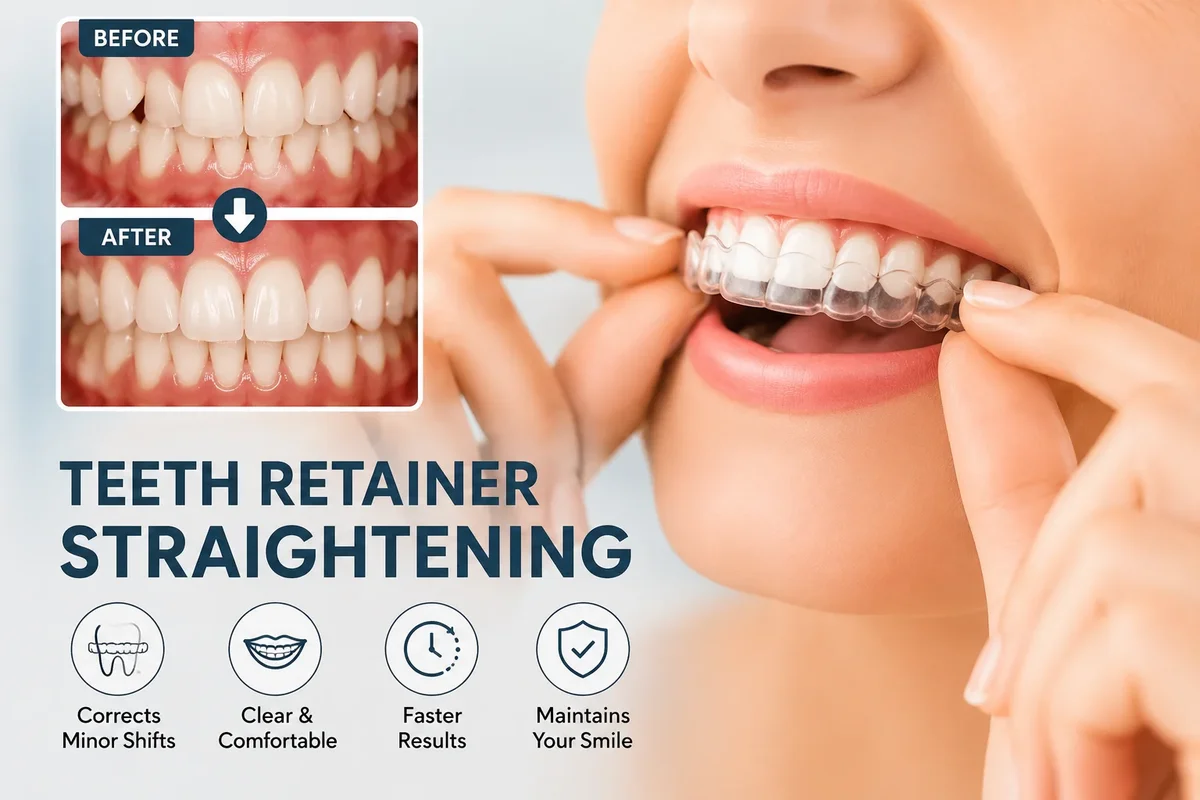
How to Maintain Results After Teeth Retainer Straightening
🦷 Successfully completing teeth retainer straightening is an important achievement, but maintaining the results is just as critical as the treatment itself. Many patients assume that once their teeth have been corrected, they will remain perfectly aligned forever. Unfortunately, teeth naturally continue to shift throughout life. Without proper retention and long-term care, even successful teeth retainer straightening can be followed by gradual relapse.
The good news is that maintaining results after teeth retainer straightening is usually straightforward when patients follow professional recommendations. Consistent retainer use, good oral hygiene, regular dental checkups, and awareness of factors that contribute to tooth movement can help preserve a straight smile for many years.
Understanding how to protect the outcome of teeth retainer straightening is essential for anyone who wants long-lasting orthodontic stability.
Why Teeth Continue to Move Throughout Life
Many people are surprised to learn that teeth are not permanently fixed in place. Even after orthodontic treatment, the tissues surrounding teeth remain biologically active.
Natural tooth movement may occur due to:
- Aging processes
- Bone remodeling
- Chewing forces
- Tongue pressure
- Grinding and clenching habits
- Changes in gum health
- Tooth loss
- Genetic influences
Because these factors continue throughout life, proper retention after teeth retainer straightening is crucial for maintaining alignment.
The Importance of Wearing Your Retainer
The single most important factor in preserving the results of teeth retainer straightening is consistent retainer use. Retainers help stabilize teeth while surrounding bone and soft tissues adapt to their corrected positions.
Without retention, teeth may gradually drift back toward their previous alignment.
Following Your Orthodontist’s Instructions
Each patient’s retention schedule is different. Depending on individual circumstances, an orthodontist may recommend:
- Full-time retainer wear initially
- Nighttime-only wear after stabilization
- Long-term maintenance wear
- Permanent bonded retention
Patients who consistently follow these instructions typically experience greater long-term success after teeth retainer straightening.
What Happens If You Stop Wearing Your Retainer?
One of the most common causes of orthodontic relapse is inconsistent retainer use.
When retainers are neglected:
- Teeth may begin shifting
- Crowding can reappear
- Gaps may reopen
- Smile symmetry may change
- Additional treatment may become necessary
For this reason, orthodontists often emphasize that retention is a lifelong commitment after teeth retainer straightening.
Keep Retainers Clean and Functional
Maintaining the appliance itself is equally important. A damaged or poorly fitting retainer may not adequately support the results of teeth retainer straightening.
Daily Cleaning Recommendations
Retainers should be cleaned regularly to prevent bacteria, plaque, and odor buildup.
Helpful maintenance tips include:
- Rinse retainers after removal
- Brush gently using a soft toothbrush
- Use approved cleaning solutions when recommended
- Avoid harsh chemicals
- Store retainers properly when not in use
Good retainer hygiene contributes to the long-term success of teeth retainer straightening while also supporting overall oral health.
Avoid Heat Damage
Many removable retainers are made from thermoplastic materials that can warp when exposed to heat.
Patients should avoid:
- Hot water cleaning
- Dishwashers
- Leaving retainers in hot vehicles
- Direct sunlight exposure for extended periods
A warped retainer may no longer fit correctly, potentially compromising the results of teeth retainer straightening.
Maintain Excellent Oral Hygiene
Healthy teeth and gums provide the foundation for stable orthodontic results. After teeth retainer straightening, patients should continue prioritizing oral hygiene.
Recommended Daily Habits
- Brush twice daily
- Floss every day
- Use fluoride toothpaste
- Attend professional cleanings
- Monitor gum health
Good oral hygiene helps reduce the risk of gum disease, which can contribute to unwanted tooth movement.
Protect Against Grinding and Clenching
Bruxism, or teeth grinding and clenching, can place excessive pressure on the teeth and surrounding structures.
In some cases, these forces may affect the stability achieved through teeth retainer straightening.
Signs of Bruxism
- Jaw soreness
- Headaches
- Tooth wear
- Cracked restorations
- Morning jaw stiffness
Patients who grind their teeth may benefit from custom night guards or additional protective measures recommended by their dentist.
Attend Regular Dental Checkups
Routine dental visits remain essential after teeth retainer straightening. Professional examinations allow clinicians to detect subtle changes before significant relapse develops.
Regular appointments may help identify:
- Retainer wear and damage
- Minor tooth movement
- Gum disease
- Bite changes
- Oral health concerns
Early intervention often prevents the need for more extensive treatment in the future.
How Often Should You Visit?
Most patients should continue seeing their dentist every six months unless otherwise advised. Orthodontic follow-up schedules may vary depending on individual needs.
Recognize Early Signs of Relapse
One of the best ways to preserve the results of teeth retainer straightening is to recognize relapse early.
Warning signs may include:
- Tightness when inserting retainers
- Small gaps appearing
- Minor crowding
- Changes in bite comfort
- Visible tooth movement
Addressing these issues promptly often allows for simpler corrections and better long-term outcomes.
Maintain a Healthy Lifestyle
Although many people do not associate lifestyle choices with orthodontic stability, overall health can influence dental health.
Helpful habits include:
- Balanced nutrition
- Adequate hydration
- Avoiding tobacco products
- Managing stress
- Supporting healthy gums
These factors contribute to maintaining the results of teeth retainer straightening and promoting overall oral wellness.
LSI Keywords: Orthodontic Retention and Smile Maintenance
Patients researching teeth retainer straightening often encounter related terms such as orthodontic retention and smile maintenance. These concepts highlight the long-term commitment required to preserve alignment after tooth correction.
Successful orthodontic outcomes depend not only on treatment itself but also on consistent retention and ongoing care.
Create a Long-Term Retention Plan
📅 The most effective way to maintain the benefits of teeth retainer straightening is to develop a long-term retention strategy with your dental professional.
A personalized plan may include:
- Retainer wear schedules
- Regular checkups
- Retainer replacement timelines
- Monitoring for relapse
- Preventive oral health measures
This proactive approach helps protect your smile for years to come.
Final Thoughts on Maintaining Results
✨ The success of teeth retainer straightening does not end when the teeth look straight again. Long-term retention, oral hygiene, regular professional care, and awareness of relapse risk all play essential roles in preserving treatment outcomes.
✅ In conclusion, maintaining the results of teeth retainer straightening requires consistency, commitment, and professional guidance. By wearing retainers as instructed, keeping them clean, protecting oral health, attending routine dental visits, and addressing problems early, patients can enjoy the benefits of a straighter smile for many years. With the right habits and ongoing care, the investment made in teeth retainer straightening can provide lasting confidence, improved oral health, and long-term orthodontic stability.
Disclosure: this page may contain affiliate links. We may earn a commission if you use them, at no extra cost to you.