
✨ A confident smile is one of the most powerful tools you have. It reflects your personality, boosts your self-esteem, and leaves a lasting impression. Yet, for many people, crooked or discolored teeth can make them feel self-conscious. That’s where teeth straightening and whitening come into play — two of the most effective cosmetic dentistry treatments for achieving a bright, aligned, and radiant smile. 🌟
In the modern world of dentistry, having perfectly aligned and sparkling white teeth is no longer just a dream. Thanks to advanced technologies and safe treatment options, patients can now experience dramatic smile makeovers that are both natural-looking and long-lasting. This comprehensive guide explores how teeth straightening and whitening work together to enhance your appearance and oral health — and why combining these two treatments often delivers the best results.
The Dual Importance of Alignment and Brightness
When it comes to a healthy and attractive smile, two factors play a key role: alignment and brightness. Straight teeth not only improve your appearance but also make oral hygiene much easier. Misaligned teeth can trap plaque, making it difficult to brush and floss effectively, which may lead to gum disease or cavities. Similarly, discolored teeth can affect your confidence and may indicate underlying issues like enamel erosion or staining from diet and lifestyle habits. By opting for teeth straightening and whitening, you address both the functional and aesthetic aspects of your smile at once. 😁
How Teeth Straightening Enhances Oral Health
While teeth straightening is often viewed as a cosmetic procedure, its benefits go far beyond appearance. Orthodontic treatments such as Invisalign, braces, or clear aligners reposition teeth gradually, allowing for a better bite and even distribution of chewing pressure. When teeth are properly aligned, brushing and flossing become much more effective — reducing the risk of plaque buildup, gum disease, and tooth decay. Additionally, well-aligned teeth reduce jaw strain and improve speech clarity. So, before you even think about whitening, it’s crucial to have your teeth properly aligned.
The Role of Whitening in Smile Perfection
Once your teeth are straight, whitening is the final step to achieve that glowing, camera-ready smile. Over time, coffee, tea, red wine, and tobacco can stain enamel, making your teeth appear dull or yellow. Professional whitening treatments use safe peroxide-based formulas to lift these stains and restore natural brilliance. The results are immediate and long-lasting when maintained with proper care. When combined with teeth straightening, whitening creates a balanced, uniform look that enhances both your confidence and overall facial harmony. ✨
Why Combination Treatments Are More Effective
Many dentists recommend undergoing teeth straightening and whitening as part of a combined smile design plan. Straightening first ensures that whitening agents are applied evenly to all surfaces, producing consistent results. Moreover, since alignment improves the health of the gums and teeth, whitening treatments can be performed more safely and with reduced sensitivity. This synergy creates not just a cosmetic enhancement but a total oral health improvement that patients can enjoy for years.
Psychological and Social Benefits of a Brighter Smile
Scientific studies have shown that people with well-aligned, white teeth are perceived as more confident, approachable, and successful. A radiant smile can open professional and personal doors, improving your first impressions and communication. Patients who complete teeth straightening and whitening treatments often report feeling happier and more satisfied with their appearance — a transformation that goes far beyond physical change. 😍
Professional Guidance and Safe Practices
Before undergoing any cosmetic dental procedure, it’s essential to consult with a certified dental professional. At Redent Klinik Contact Page, you can speak directly with expert dentists who specialize in modern smile design. They assess your dental condition, recommend the ideal combination of treatments, and guide you through the process step-by-step. For authoritative resources and verified dental information, you can also visit the American Dental Association, a globally recognized institution promoting safe and effective dental care.
Final Thoughts
In conclusion, teeth straightening and whitening represent two sides of the same coin when it comes to smile enhancement. Straight teeth provide a healthy foundation, while whitening gives the finishing touch of brilliance. When performed by professionals and maintained with good oral hygiene, these treatments deliver life-changing results. Whether you choose braces, clear aligners, or laser whitening, investing in your smile means investing in your confidence and well-being. 🌿
Ready to begin your journey toward a perfect smile? Start by scheduling a consultation with an experienced dentist today — because your smile deserves the care and precision that only expert hands can provide. 💎
Why Teeth Straightening and Whitening Go Hand in Hand
🦷 A beautiful smile is more than just an accessory — it’s a reflection of balance, health, and confidence. When your teeth are aligned and bright, your entire face lights up. That’s why teeth straightening and whitening are often recommended together by dental professionals. These two treatments complement each other perfectly, targeting both the structure and the color of your teeth to deliver a complete smile transformation. In this section, we’ll explore why these procedures work best in harmony and how they can dramatically elevate your overall appearance and oral well-being.
The Symmetry Connection: Alignment Enhances Whitening Results
When teeth are crooked or overlapping, certain areas may be more difficult to reach during brushing, flossing, or even professional whitening. These hidden spots accumulate plaque, bacteria, and stains over time. Straightening your teeth first ensures that every surface is evenly exposed, making the whitening process significantly more effective. Once alignment is corrected, whitening agents can penetrate uniformly, resulting in consistent brightness across all teeth. This is why many dentists emphasize that teeth straightening and whitening should be part of the same smile journey rather than treated separately.
Scientific Insight: Light Reflection and Tooth Surface Uniformity
The optical appearance of whiteness depends largely on how light reflects off the tooth surface. Unevenly aligned teeth cause irregular light reflection, creating shadows and dullness even after whitening. When teeth are aligned properly, the smooth, flat surfaces reflect light more evenly, making them appear naturally whiter. This scientific principle explains why individuals who undergo orthodontic correction before whitening often achieve superior, longer-lasting aesthetic results. 😁
Boosting Oral Hygiene Before Whitening
One of the most practical reasons to combine these treatments is the impact of alignment on oral hygiene. Misaligned teeth can trap food particles in tight spaces, making it hard to maintain cleanliness even with diligent brushing. Straight teeth are easier to clean, reducing plaque accumulation and discoloration. Once your teeth are aligned, whitening agents can act on a clean and healthy enamel surface, delivering brighter results that last longer. Therefore, completing teeth straightening and whitening together supports both cosmetic and health goals — a win-win situation. 🌿
Psychological Impact: The Confidence Cascade
Psychologists have long studied the relationship between self-image and dental aesthetics. People with straight and white teeth tend to smile more often, which in turn boosts mood and social engagement. This cycle of confidence, sometimes called the “confidence cascade,” illustrates how small aesthetic changes can lead to significant emotional benefits. Straightening your teeth builds the foundation for symmetry, while whitening adds the finishing brilliance that enhances your overall presence. Together, teeth straightening and whitening form the perfect recipe for self-assurance and positive social interaction. 🌟
Timing Matters: Why Straightening Should Come First
Many patients ask whether they should whiten their teeth before or after alignment treatment. The answer is clear: straighten first. Whitening agents are designed to work on stable tooth surfaces. If you whiten before alignment, the movement of teeth during orthodontic treatment can cause uneven coloration, making the results inconsistent. Once your teeth are properly aligned, whitening can be applied evenly and effectively. Think of it as painting a wall — you wouldn’t apply the final color before smoothing the surface. The same principle applies to teeth straightening and whitening for a flawless finish.
Professional Insight: Customized Treatment Sequencing
Every smile is unique, and so is every treatment plan. Some patients benefit from minor whitening sessions during orthodontic adjustments, while others prefer a full whitening session afterward. Consulting a dental expert at Redent Klinik Contact Page helps determine the ideal sequence and intensity of both treatments. A professional evaluation ensures that your gums remain healthy, your enamel stays protected, and your results look both natural and radiant.
Maintaining Harmony Between Treatments
Combining teeth straightening and whitening requires attention to detail and maintenance. After the initial treatments, maintaining results becomes essential. Using whitening toothpaste, avoiding stain-causing beverages like coffee or wine, and following your orthodontist’s guidance for retainer use all contribute to a long-lasting smile. Regular professional cleanings and touch-up whitening sessions help sustain brightness. Moreover, proper retainer hygiene prevents discoloration caused by trapped moisture or bacteria.
Natural vs. Artificial Brightness: Finding the Perfect Tone
Whitening doesn’t mean achieving unnaturally white teeth. The goal is harmony — your teeth should match the tone of your complexion, lips, and eyes. Over-whitening can sometimes lead to a chalky or artificial look, especially if the alignment isn’t perfect. By combining alignment and controlled whitening, dentists can fine-tune your smile for natural brilliance. Modern clinics often use digital smile design software to preview the results, ensuring that both teeth straightening and whitening complement your facial features perfectly. 🖥️
Expert Tips for Long-Term Results
Here are some proven ways to preserve your new smile:
- Limit consumption of staining foods and beverages like coffee, tea, and red wine.
- Brush twice daily using fluoride toothpaste and floss regularly.
- Use a straw when drinking colored liquids to minimize enamel exposure.
- Schedule routine dental cleanings every six months.
- Consider annual touch-up whitening treatments for enhanced radiance.
When done correctly, teeth straightening and whitening can last for many years, keeping your smile healthy and glowing. For scientifically backed information and safety guidelines, you can also explore resources from the American Dental Association, which provides trusted recommendations for cosmetic dental care. 🪥
Final Thoughts on the Perfect Combination
To sum up, teeth straightening and whitening are not isolated procedures but complementary steps toward a perfect smile. Straightening aligns your teeth for health and structure, while whitening enhances color and aesthetic appeal. The combination boosts confidence, improves oral hygiene, and delivers long-term satisfaction. Choosing professional guidance ensures safety, precision, and stunning results that truly transform your smile from the inside out. ✨
Popular Teeth Straightening Treatments You Should Know
🌟 When it comes to achieving the perfect smile, teeth straightening and whitening are the ultimate combination for both aesthetics and oral health. Straightening treatments not only create visual harmony but also set the foundation for effective whitening later on. With modern dentistry evolving rapidly, there are now more ways than ever to align your teeth comfortably, discreetly, and efficiently. This section explores the most popular teeth straightening methods — from traditional braces to cutting-edge aligners — helping you understand how each can transform your smile. 😁
1. Traditional Metal Braces: The Proven Classic
Metal braces have been the cornerstone of orthodontic treatment for decades, and for good reason. They are reliable, effective, and capable of correcting complex dental misalignments such as severe crowding, overbites, or underbites. These braces consist of metal brackets bonded to each tooth, connected by an archwire that gradually applies pressure to move teeth into alignment. Though not as discreet as newer options, modern designs have improved significantly — smaller brackets, more comfortable materials, and even colorful elastics for a fun twist.
Advantages of Metal Braces
- ✅ Ideal for all age groups and complex dental issues.
- ✅ Cost-effective compared to other orthodontic systems.
- ✅ Provides consistent and predictable results over time.
After completing treatment, patients can move on to whitening to achieve a radiant finish. This combination ensures that teeth straightening and whitening work together to reveal a bright and perfectly aligned smile. 🦷
2. Ceramic Braces: Discreet Yet Effective
For patients seeking the efficiency of metal braces but with a more aesthetic appearance, ceramic braces are an excellent choice. These braces use clear or tooth-colored brackets that blend seamlessly with your teeth, making them far less noticeable. Ceramic braces function similarly to metal braces but require extra care due to their more delicate materials. They are especially popular among adults who desire discreet orthodontic correction without compromising effectiveness.
Best Practices for Ceramic Braces
To maintain their aesthetic appeal, avoid foods and drinks that cause staining — such as coffee, tea, and wine — as the clear brackets can discolor over time. Combining ceramic braces with post-treatment whitening maximizes the visual results of your smile transformation, ensuring your teeth remain bright and uniform once the brackets are removed.
3. Lingual Braces: Hidden Orthodontics for Professionals
Lingual braces are one of the most discreet options available. Unlike traditional braces that attach to the front of your teeth, lingual braces are placed behind them — making them virtually invisible. They are custom-made to fit the unique contours of your teeth, ensuring comfort and effectiveness. This option is ideal for professionals, models, or public figures who wish to straighten their teeth without visible hardware. However, lingual braces require skilled orthodontists and meticulous cleaning routines to prevent plaque buildup and staining.
Once alignment is achieved, whitening becomes the natural next step. Since teeth surfaces are no longer obstructed by brackets, whitening agents can evenly brighten the enamel. This makes teeth straightening and whitening a sequential process that delivers professional-grade results. ✨
4. Invisalign and Clear Aligners: The Revolution in Modern Orthodontics
Perhaps the most popular contemporary solution is Invisalign — a clear aligner system designed for convenience, comfort, and invisibility. These custom-made, removable trays gradually shift teeth into the desired position while allowing you to maintain normal oral hygiene and diet. Invisalign aligners are nearly invisible, making them a preferred option for adults and teens who wish to avoid the look of traditional braces.
Why Patients Love Invisalign
- 🦷 Removable during meals and brushing, promoting hygiene and flexibility.
- 🦷 Shorter treatment durations for mild to moderate cases.
- 🦷 Compatible with professional whitening treatments afterward.
Once alignment is complete, many patients follow up with whitening sessions to eliminate any discoloration caused by prior misalignment. The clear aligner system pairs perfectly with whitening gels, making teeth straightening and whitening a seamless, modern process.
5. Self-Ligating Braces: A Modern Upgrade
Self-ligating braces look similar to traditional ones but use advanced clips instead of elastic bands to hold the wire in place. This innovation reduces friction and allows teeth to move more freely, often shortening overall treatment time. Fewer adjustments mean fewer dental visits and improved comfort. Since they accumulate less plaque, post-treatment whitening becomes more effective and uniform. 😎
6. Retainers: The Unsung Heroes of Smile Maintenance
After completing orthodontic treatment, retainers help maintain the newly achieved alignment. There are two types — fixed (bonded to the back of teeth) and removable (worn at night). Consistent retainer use prevents teeth from shifting back into their original position. Once your teeth are stabilized, professional whitening ensures lasting brightness. Retainers and whitening together extend the benefits of teeth straightening and whitening treatments for many years.
7. Choosing the Right Option for You
The ideal treatment depends on factors like age, budget, lifestyle, and the severity of misalignment. A consultation with a professional dentist or orthodontist is crucial for choosing the right plan. At Redent Klinik Contact Page, specialists assess your dental structure, discuss your goals, and recommend a tailored solution that can later be enhanced with whitening for optimal results.
8. Technological Innovations in Orthodontics
Advancements such as 3D scanning, digital modeling, and AI-assisted orthodontic mapping have revolutionized the process. These tools enable precise tooth movement predictions and faster, more comfortable treatments. Once alignment is digitally perfected, whitening systems can be customized for the best shade match and even coverage. Combining digital orthodontics with cosmetic whitening represents the future of teeth straightening and whitening — precise, efficient, and personalized. 🤖
9. Costs and Treatment Duration
The cost of teeth straightening treatments varies depending on the type and complexity. Traditional braces are typically more affordable, while Invisalign and lingual braces may be higher in cost due to customization. Treatment duration ranges from 6 months for mild cases to 2 years or more for complex corrections. Afterward, whitening can be performed within a single session or through take-home kits lasting one to two weeks. Always consult with a trusted clinic to receive a detailed estimate and personalized timeline.
Final Thoughts
Modern orthodontic technology offers countless opportunities for people seeking to improve their smiles. Whether you choose braces, aligners, or lingual options, each pathway leads to the same goal — a healthy, straight, and brilliant smile. When combined with whitening, the results are nothing short of transformative. For expert insights and safety information, consult resources from the American Dental Association. By investing in teeth straightening and whitening, you’re not only upgrading your appearance but also boosting confidence and ensuring long-term oral health. 🌿
Effective Teeth Whitening Options: From Home Kits to Clinics
✨ Once your smile has been aligned through orthodontic care, the next step toward perfection is achieving a luminous, white glow. Teeth straightening and whitening together represent the ultimate combination for a radiant smile — alignment builds the foundation, while whitening adds the brilliance. In today’s world, whitening treatments are more advanced, safer, and more diverse than ever before. From professional in-office procedures to convenient at-home kits, patients now have access to tailored solutions that match their preferences, budget, and lifestyle. Let’s explore the most effective whitening methods available and understand how each can complement a beautifully straightened smile. 😁
1. Professional In-Office Whitening: The Gold Standard
Professional whitening treatments, performed under the supervision of a licensed dentist, deliver the most dramatic and long-lasting results. Using high-concentration hydrogen peroxide or carbamide peroxide gels, this method safely removes deep stains caused by food, tobacco, and aging. During the procedure, gums are protected with a special barrier, and the whitening agent is activated using LED or laser light to accelerate results.
Benefits of Professional Whitening
- ✅ Immediate and visible results within 60–90 minutes.
- ✅ Custom application ensures even coverage and minimal sensitivity.
- ✅ Safe for enamel when conducted by qualified dental professionals.
For individuals who have recently completed orthodontic treatment, professional whitening enhances uniformity and brightness across newly aligned teeth. Combining teeth straightening and whitening under expert guidance creates a natural, radiant look that elevates your entire facial expression. 🌟
2. At-Home Whitening Kits: Convenient and Effective
Modern at-home whitening kits have evolved beyond simple strips or toothpaste. These systems now include LED mouthpieces, custom trays, and advanced peroxide formulas that deliver professional-like results in the comfort of your own home. Kits usually require daily application for 10–14 days, gradually brightening teeth by several shades. While results are slower than in-office treatments, consistency and proper use can yield stunning outcomes.
Tips for Safe Home Whitening
- 🪥 Follow the manufacturer’s instructions carefully to avoid gum irritation.
- 🧊 Store gels in a cool, dry place to preserve potency.
- 🚫 Avoid consuming staining foods and beverages during treatment.
Home whitening kits are especially effective for maintaining brightness after professional procedures or orthodontic correction. They are an excellent complement to teeth straightening and whitening plans, allowing patients to sustain their bright smiles year-round with minimal effort.
3. Whitening Toothpaste and Mouthwash: Daily Maintenance Solutions
Whitening toothpaste and mouthwash products are ideal for individuals seeking gradual enhancement or maintenance between treatments. These formulas contain mild abrasives and low concentrations of bleaching agents that help remove surface stains from coffee, tea, or tobacco. Although they won’t produce dramatic changes on their own, they help maintain the effects of professional whitening and orthodontic treatments by preventing new discoloration. 🧴
Choosing the Right Product
When selecting whitening toothpaste, look for ADA-approved options with fluoride to strengthen enamel. Avoid highly abrasive brands that may erode tooth surfaces over time. Combining these daily habits with regular dental checkups ensures that teeth straightening and whitening results remain long-lasting and naturally radiant.
4. LED and Laser Whitening: The Technology Boost
One of the most popular advancements in modern dentistry is LED and laser-assisted whitening. These technologies accelerate the chemical reaction of whitening agents, producing faster and deeper stain removal. The procedure typically takes 30–60 minutes and can lighten teeth by up to eight shades. The laser or LED energy activates the whitening gel while minimizing exposure time and sensitivity.
Laser Whitening Advantages
- ⚡ Rapid results in a single dental visit.
- 💎 Effective against deep intrinsic stains caused by aging or medication.
- 🧠 Performed by professionals, ensuring controlled and safe outcomes.
For patients who have recently completed orthodontic treatment, laser whitening provides the perfect finishing touch — enhancing color consistency and achieving brilliance that complements perfect alignment. Combining teeth straightening and whitening with laser technology often results in the most impressive before-and-after transformations.
5. Natural Whitening Remedies: Do They Work?
Some individuals prefer natural methods such as baking soda, activated charcoal, or oil pulling. While these may slightly improve surface stains, they cannot match the effectiveness or safety of professionally designed whitening systems. Overuse of abrasive materials can damage enamel and lead to tooth sensitivity. Therefore, natural approaches should be used sparingly and only as supplemental maintenance rather than a substitute for professional care.
6. Understanding Sensitivity and Safety
It’s common for patients to experience mild sensitivity after whitening, especially if they have undergone recent orthodontic treatments. This sensation is temporary and can be managed by using desensitizing toothpaste or fluoride rinses. Always consult with your dentist before starting any whitening regimen. They can evaluate enamel thickness, existing restorations, and overall oral health to create a personalized whitening plan that complements teeth straightening and whitening goals safely and effectively.
7. How Lifestyle Affects Whitening Results
Your daily habits play a huge role in maintaining whitening results. Consuming dark-colored foods and beverages such as coffee, wine, and berries can cause new stains. Smoking is another major contributor to discoloration. On the other hand, maintaining a balanced diet rich in calcium and fiber, drinking water frequently, and practicing good oral hygiene can help preserve brightness. By protecting the results of both straightening and whitening, you ensure that your smile remains radiant for years to come. 🌿
8. Combining Whitening with Straightening Treatments
Whitening after orthodontic treatment provides more even and consistent results since all teeth surfaces are exposed and free of brackets or aligners. For Invisalign or clear aligner users, whitening can even be integrated mid-treatment using special gels compatible with aligner trays. This dual-purpose approach makes teeth straightening and whitening more efficient, saving time while enhancing aesthetics throughout the journey.
9. Professional Guidance for Best Outcomes
Before choosing a whitening method, schedule a consultation with a reputable clinic such as Redent Klinik Contact Page. A dental professional can identify the safest approach based on your dental history and desired results. Whether you opt for in-office laser whitening or an at-home maintenance plan, expert supervision ensures both safety and effectiveness. For evidence-based guidelines, you can also explore resources from the American Dental Association, which outlines best practices for whitening and enamel protection.
Final Thoughts
From professional treatments to home-based maintenance, today’s whitening solutions cater to every lifestyle. The key is consistency, professional guidance, and proper follow-up care. By combining teeth straightening and whitening in a well-structured plan, patients can achieve a flawless smile that exudes both health and confidence. Whether you’re preparing for a special occasion or simply want to enhance your everyday look, modern dentistry offers a safe and proven path to a truly dazzling smile. 💎
How to Combine Teeth Straightening and Whitening Safely
🦷 When it comes to achieving the ultimate smile makeover, combining teeth straightening and whitening is one of the most powerful and transformative approaches available. Straightening aligns your teeth for functional and aesthetic harmony, while whitening adds brilliance and confidence. However, these two treatments must be carefully coordinated to ensure the best results without compromising enamel health or gum integrity. This section provides a detailed, step-by-step guide on how to combine both treatments safely — under professional supervision — for a balanced, radiant, and lasting smile. 🌟
1. The Importance of Treatment Order
Timing is everything. Dentists unanimously recommend straightening your teeth before starting whitening treatments. Why? Because orthodontic procedures — whether through braces or aligners — gradually move teeth into their ideal positions. Whitening before straightening can lead to uneven shades since tooth surfaces that are initially hidden behind brackets or overlaps won’t receive equal exposure to whitening agents. By waiting until your alignment is complete, you guarantee an even, consistent brightness across all teeth.
Sequential Smile Enhancement Strategy
- 🪄 Step 1: Complete orthodontic treatment with braces or aligners.
- 💧 Step 2: Allow a short stabilization period for the teeth to settle (usually 1–2 weeks).
- 💎 Step 3: Begin professional whitening treatments under dentist supervision.
- 🪥 Step 4: Follow up with regular cleanings and at-home maintenance.
This timeline ensures that teeth straightening and whitening work synergistically, minimizing the risk of tooth sensitivity and maximizing aesthetic outcomes. 😁
2. Understanding Tooth Sensitivity and Enamel Safety
When combining treatments, one of the biggest concerns is tooth sensitivity. Orthodontic movement and whitening agents both temporarily impact the enamel and dentin layers. Whitening immediately after alignment may intensify sensitivity if proper care isn’t taken. Dentists usually recommend waiting at least one to two weeks after removing braces or aligners before starting whitening sessions. During this period, fluoride treatments and remineralizing toothpaste help strengthen enamel, preparing it for whitening safely.
Pro Tip for Sensitivity Prevention
Use toothpaste containing potassium nitrate or stannous fluoride before and after whitening. These ingredients block pain signals from nerve endings, reducing discomfort. For Invisalign users, whitening gels can be used directly in the aligner trays, but always under guidance to avoid gum irritation. Proper monitoring ensures your teeth straightening and whitening process remains comfortable and risk-free. 🌿
3. Customized Plans by Dental Professionals
No two smiles are the same — and neither are their treatment plans. Professional dentists evaluate each patient’s dental condition, enamel health, and lifestyle habits before recommending a personalized approach. For example, patients with enamel erosion or gum recession may require gentler whitening solutions. Meanwhile, those with severe misalignment might benefit from partial whitening touch-ups during orthodontic treatment, followed by full whitening afterward.
At Redent Klinik Contact Page, specialists create customized smile design programs that combine modern orthodontic techniques with advanced whitening systems. Their approach ensures each stage complements the other, resulting in balanced, long-term results.
4. Using Aligners as Whitening Trays
One of the major advantages of clear aligners like Invisalign is that they can double as whitening trays. Dentists can provide specialized whitening gels formulated for use with aligners, allowing patients to whiten their teeth simultaneously while aligning them. This integrated method saves time, reduces the number of visits, and provides consistent color correction throughout treatment.
Safety Measures for Whitening with Aligners
- ✅ Always use dentist-approved whitening gels with a safe peroxide concentration.
- 🧴 Limit gel contact to tooth surfaces to prevent gum irritation.
- ⏰ Use whitening for short durations — 30 to 60 minutes daily, depending on concentration.
This approach provides convenience and uniform whitening coverage while maintaining safety. It’s a practical way to combine teeth straightening and whitening without extending treatment time. ⚡
5. Professional Supervision vs. DIY Approaches
Many online whitening products promise quick results, but using them during or immediately after orthodontic treatment can be risky. DIY whitening kits often contain high concentrations of peroxide, which may irritate gums or damage enamel if applied incorrectly. Furthermore, orthodontic adhesives used for braces can react with these chemicals, causing uneven results. Always consult your dentist before starting any whitening routine — especially if you’ve recently had orthodontic adjustments.
For medically approved and evidence-based practices, refer to the American Dental Association, which provides comprehensive guidelines for safe whitening after orthodontic treatments.
6. Optimal Timing Between Straightening and Whitening
Patience is key. Once braces or aligners are removed, your enamel and gums may still be adjusting to their new positions. Dentists recommend waiting 7–14 days before whitening to allow natural rehydration and stabilization. Rushing into whitening too soon can cause uneven coloration or heightened sensitivity. After this brief rest period, whitening treatments can be safely introduced, resulting in a more even tone and a stronger enamel foundation. 🧊
7. Post-Whitening Maintenance Tips
After completing both treatments, maintenance becomes the final but most crucial step. Avoid staining substances such as coffee, red wine, and tobacco for at least 48 hours post-whitening. Use fluoride mouthwash and whitening toothpaste to preserve brightness. Wearing retainers as instructed by your orthodontist also ensures your alignment stays perfect. Regular cleanings and touch-up whitening sessions every 6–12 months keep your smile dazzling for years. Combining these practices ensures your teeth straightening and whitening investment pays off in the long term. 🌞
8. The Psychological and Social Benefits
Combining these two treatments doesn’t just transform your smile — it transforms how you feel. People who undergo teeth straightening and whitening often experience improved self-image, enhanced social interactions, and greater confidence at work. A healthy, radiant smile encourages open communication, making you appear more approachable and trustworthy. This boost in self-esteem is one of the most valuable yet underrated outcomes of aesthetic dentistry. 💬
9. Realistic Expectations and Professional Guidance
It’s important to remember that whitening results vary from person to person depending on factors such as enamel thickness, genetics, and dietary habits. A realistic approach ensures satisfaction with your outcome. Always rely on professional consultation before, during, and after treatment to minimize risks. Experts can adjust treatment intensity, monitor progress, and make sure that both straightening and whitening remain in harmony for a natural, stunning finish. ✨
Final Thoughts
In summary, the safest and most effective way to achieve your dream smile is through a strategic and supervised combination of teeth straightening and whitening. Straighten first to establish structure, then whiten to enhance brilliance. With careful planning, patience, and the guidance of skilled professionals, you can enjoy a radiant, balanced smile that truly reflects your personality and health. Whether you opt for in-office whitening or clear aligner trays, the key to lasting results lies in professional care, consistency, and mindful maintenance. 🌿
Professional Treatments vs. DIY Methods: What Works Best?
🦷 In today’s world of aesthetic dentistry, the options for achieving a bright and perfectly aligned smile are vast. From advanced clinic-based technologies to at-home solutions, patients can now choose how to enhance their smiles based on convenience, cost, and comfort. However, when it comes to teeth straightening and whitening, understanding the difference between professional treatments and DIY methods is crucial. While DIY options may seem appealing due to lower costs and ease of access, they often lack the precision, safety, and long-term results of professional care. In this section, we will explore both approaches in depth — examining their pros, cons, and suitability for various needs. 😁
1. Professional Treatments: Science Meets Expertise
Professional dental treatments are designed, administered, and supervised by trained experts using advanced tools and clinically approved materials. Whether it’s orthodontic correction or cosmetic whitening, professional care ensures results that are predictable, safe, and long-lasting. The procedures are personalized based on your dental structure, enamel health, and aesthetic goals, offering a level of customization that DIY kits simply can’t match.
Advantages of Professional Teeth Straightening
- 🪄 Precision: Orthodontists use 3D imaging and digital modeling to create a tailored plan that moves each tooth accurately into position.
- 🧠 Supervision: Regular check-ups ensure the process is safe, effective, and adjusted as needed.
- 💎 Durability: Results from professional treatments, especially with braces or aligners, last for years when maintained properly.
These elements make professional care the gold standard for structural correction. When combined with whitening under dental supervision, teeth straightening and whitening treatments yield a balanced and healthy result that is both aesthetic and functional.
Advantages of Professional Whitening
- ✅ Immediate results after a single session.
- ✅ Even application, ensuring a uniform shade across all teeth.
- ✅ Reduced sensitivity due to protective gels and gum shields.
Professional whitening procedures use advanced LED or laser activation systems, allowing for deep stain removal without damaging enamel. The controlled environment and expert guidance make this method both safe and highly effective. 🌟
2. DIY Teeth Straightening: Risks and Limitations
In recent years, several companies have begun offering mail-order aligner kits promising professional results without dental visits. While these may seem convenient, they carry significant risks. Without an in-person examination or X-rays, underlying issues like gum disease, cavities, or bone loss may go undetected — making at-home aligners unsafe for many users. Improper movement of teeth can also lead to bite problems, enamel wear, and even tooth loss.
Common Problems with DIY Aligners
- ⚠️ Lack of professional monitoring can result in uneven alignment or root damage.
- ⚠️ Inaccurate impressions can cause discomfort and poor fit.
- ⚠️ No clinical support for mid-treatment adjustments or complications.
True orthodontic correction involves complex biomechanical planning that cannot be replicated by unsupervised mail-order kits. For this reason, professionals recommend avoiding DIY aligners for anything beyond minimal cosmetic adjustments. Properly executed teeth straightening and whitening should always involve a certified dentist to ensure health, safety, and success. 🏥
3. DIY Whitening Products: Quick Fix or Hidden Danger?
From whitening strips and pens to LED mouthpieces sold online, DIY whitening products are heavily marketed as easy, affordable solutions. While they can provide minor improvements for surface stains, these products often contain unregulated concentrations of hydrogen peroxide or abrasives. Excessive or improper use can lead to gum irritation, enamel erosion, and tooth sensitivity. Additionally, they lack professional customization, resulting in uneven whitening — especially after orthodontic treatment where teeth were previously covered or overlapped.
Potential Side Effects of Over-the-Counter Whitening
- 🚫 Gum inflammation and chemical burns.
- 🧊 Increased sensitivity to hot and cold foods.
- 🦷 Uneven shade distribution, making the smile look patchy.
In contrast, professional whitening treatments are carefully tailored to minimize these issues. The dentist evaluates your enamel health and adjusts gel strength accordingly. By combining teeth straightening and whitening professionally, you achieve both safety and aesthetic precision — something DIY methods cannot guarantee. 💎
4. Comparing Costs and Long-Term Value
While DIY methods may seem cheaper upfront, they can lead to higher long-term expenses if complications arise. Poorly fitted aligners or excessive whitening can cause damage that requires restorative treatments such as bonding, veneers, or crowns. Professional treatments, though more expensive initially, offer durable, predictable outcomes with minimal risk. They are an investment in both oral health and confidence — ensuring that your teeth straightening and whitening journey is safe, efficient, and sustainable.
Cost Breakdown Example
| Treatment Type | Estimated Cost Range | Expected Duration |
|---|---|---|
| Professional Braces or Aligners | $3,000 – $7,000 | 6–24 months |
| In-Office Whitening | $400 – $1,000 per session | 1–2 hours |
| DIY Whitening Kits | $30 – $150 | 10–14 days |
Professional treatments may require a higher initial investment, but the results last longer and maintain overall dental health. When you factor in safety, durability, and effectiveness, professional teeth straightening and whitening options clearly outweigh DIY methods in long-term value.
5. The Role of Supervision and Expertise
Dental supervision ensures that treatments are properly sequenced and monitored. For example, whitening too soon after braces removal can lead to inconsistent shades. A professional will evaluate your enamel recovery before initiating whitening. Similarly, orthodontic treatments require regular adjustments that DIY kits cannot provide. This level of personalized attention is what makes professional dentistry irreplaceable. For expert advice and appointments, visit Redent Klinik Contact Page to consult with skilled professionals who specialize in smile design. For science-backed insights, you can also refer to the American Dental Association.
6. The Verdict: Professional vs. DIY
While DIY products offer convenience, they lack the precision, safety, and holistic benefits of professional care. A dentist doesn’t just treat teeth — they manage your entire oral health ecosystem, ensuring that every aspect of your treatment complements the next. For those seeking predictable, lasting, and natural-looking results, professional teeth straightening and whitening remain the superior choice. The peace of mind that comes with professional supervision far outweighs the risks of shortcuts or unverified methods. 🌿
Final Thoughts
Combining professional treatments for alignment and whitening under expert care ensures not just a better smile, but also better dental health. While DIY kits may tempt you with lower prices, they often lack safety protocols and clinical precision. For a radiant, confident, and healthy smile that lasts, always choose professionally guided teeth straightening and whitening. Remember: your smile is not an experiment — it’s an investment. 💫
Maintenance Tips for Long-Lasting Results After Treatment
🌟 Achieving a flawless smile through teeth straightening and whitening is a remarkable milestone — but maintaining that brilliance requires continuous care and discipline. The months following orthodontic and whitening treatments are critical to preserving both alignment and color. Without proper maintenance, teeth can gradually shift, and stains can reappear, diminishing the results you worked so hard to achieve. This section provides a comprehensive, evidence-based guide to long-term care strategies that will keep your teeth straight, white, and healthy for years to come. 🦷
1. Consistent Oral Hygiene Routine
After completing teeth straightening and whitening treatments, your daily hygiene habits become your first line of defense against discoloration and misalignment. Brushing twice a day and flossing at least once daily are essential. Use a soft-bristled toothbrush and a fluoride toothpaste that helps strengthen enamel while maintaining the brightness achieved through whitening. It’s best to brush for at least two minutes per session, focusing on each surface of your teeth and along the gum line. 🪥
Choosing the Right Tools
- ✅ Electric toothbrushes are more effective at removing plaque and surface stains.
- ✅ Whitening toothpaste with mild abrasives helps maintain brightness without damaging enamel.
- ✅ Alcohol-free mouthwash prevents gum irritation and supports enamel remineralization.
Regular hygiene practices not only prevent new stains but also extend the results of professional whitening sessions, ensuring that teeth straightening and whitening treatments stay effective over time.
2. Retainer Care: The Key to Lasting Alignment
Once orthodontic treatment is complete, retainers are your best friend for keeping teeth in their new positions. Without them, teeth can gradually drift back toward their original alignment due to natural forces from chewing and jaw movement. Retainers should be worn as prescribed — usually nightly or part-time for several months, then periodically for life.
Best Practices for Retainer Maintenance
- 🧊 Clean retainers daily using a soft brush and mild, non-abrasive soap.
- 🚫 Avoid hot water, which can warp the shape of plastic retainers.
- 🧴 Soak in specialized retainer-cleaning solutions weekly to remove buildup.
For clear aligner users, using the same trays with mild whitening gel (approved by your dentist) can help maintain both alignment and brightness. This dual-purpose approach keeps teeth straightening and whitening results at their peak with minimal effort. 💎
3. Avoiding Staining Foods and Habits
Even after professional whitening, teeth remain porous for several days and more susceptible to discoloration. Limiting exposure to staining agents such as coffee, tea, red wine, and dark sauces is vital. Smoking is another major contributor to yellowing and enamel dullness. For those who can’t eliminate these habits entirely, using a straw for beverages and rinsing with water afterward can help minimize contact with enamel.
Foods and Drinks to Limit
- ☕ Coffee, black tea, and colored sodas
- 🍷 Red wine and balsamic vinegar
- 🍓 Dark berries and artificial coloring agents
By moderating your diet, you can keep your teeth sparkling much longer, making your teeth straightening and whitening investment worthwhile. 🌿
4. Scheduling Regular Professional Checkups
Post-treatment dental visits are essential for monitoring oral health and the longevity of your results. Dentists recommend professional cleanings every six months — or more frequently if you have a history of staining or plaque buildup. These appointments allow for plaque removal from areas that are difficult to clean at home and early detection of issues such as enamel wear or gum inflammation.
Additionally, most clinics offer touch-up whitening sessions that can restore brightness within 30 minutes. Visiting a trusted dental provider such as Redent Klinik Contact Page ensures that your results are regularly evaluated and preserved. Their professional maintenance programs are designed specifically for patients who have completed teeth straightening and whitening treatments. 🏥
5. Whitening Touch-Ups and At-Home Maintenance
Whitening is not permanent — but it can last years with proper touch-ups. Dentists recommend touch-up whitening every 6 to 12 months, depending on your lifestyle and enamel characteristics. At-home whitening gels, LED devices, and whitening toothpaste can be used between sessions to sustain brightness. Always consult your dentist before applying any at-home products to avoid over-whitening, which can lead to sensitivity or uneven coloration.
Recommended Whitening Frequency
| Whitening Type | Frequency | Effectiveness |
|---|---|---|
| Professional In-Office Whitening | Every 6–12 months | ⭐⭐⭐⭐⭐ |
| At-Home Whitening Gel | Every 2–3 months | ⭐⭐⭐ |
| Whitening Toothpaste | Daily use | ⭐⭐ |
This balance of professional and at-home care allows teeth straightening and whitening effects to last beautifully over time. 😍
6. Hydration and Diet for Oral Health
Proper hydration plays a critical role in maintaining a bright smile. Drinking water throughout the day helps rinse away food particles, bacteria, and acids that can cause discoloration. Foods rich in calcium, such as dairy products, leafy greens, and almonds, help strengthen enamel. Crunchy fruits and vegetables like apples and carrots act as natural scrubbers, gently cleaning the surface of teeth while stimulating saliva production. 🥕
Additionally, maintaining a diet high in vitamin C supports gum health, while avoiding excessive sugar prevents plaque buildup. A healthy diet is the foundation for sustaining the positive results of teeth straightening and whitening treatments.
7. Managing Sensitivity After Whitening
It’s common for patients to experience mild tooth sensitivity after whitening. This typically subsides within a few days. Using toothpaste formulated for sensitive teeth, avoiding acidic foods, and rinsing with fluoride mouthwash can ease discomfort. If sensitivity persists, a professional evaluation is necessary to ensure enamel integrity remains intact. Dentists can apply desensitizing agents or recommend remineralizing treatments to strengthen enamel for long-term protection. 💧
8. Lifestyle and Behavioral Adjustments
Stress and poor habits like teeth grinding (bruxism) can affect the alignment achieved through orthodontics. Wearing a night guard can prevent enamel wear and tooth shifting. Additionally, avoid using your teeth as tools — opening packages or biting nails can strain orthodontic corrections. By taking small but consistent precautions, you can preserve your teeth straightening and whitening outcomes for many years. 💤
9. Professional Monitoring and Long-Term Planning
Regular follow-ups with your dentist or orthodontist allow early detection of relapse or enamel discoloration. Advanced clinics now use digital tracking systems to compare before-and-after scans, ensuring that your alignment and whiteness remain optimal. Long-term maintenance plans often include annual whitening refreshers and retainer replacements. Partnering with an experienced clinic such as Redent Klinik ensures your smile remains vibrant and structurally sound. For evidence-based aftercare tips, visit the American Dental Association, which provides extensive resources on post-whitening and orthodontic care.
Final Thoughts
Maintaining the beauty of teeth straightening and whitening results requires consistency, awareness, and regular professional oversight. By combining daily hygiene, retainer use, mindful eating, and periodic whitening, you can enjoy your perfect smile for years to come. Remember, the longevity of your results depends as much on your habits as on your treatments — so treat your smile as a lifelong investment in confidence, health, and beauty. 💫
Common Mistakes to Avoid During Teeth Straightening and Whitening
🦷 Embarking on a journey toward a perfect smile with teeth straightening and whitening can be life-changing — but it also requires care, patience, and proper guidance. Many patients unknowingly make mistakes during or after treatment that compromise results, cause sensitivity, or even damage enamel. Understanding these common pitfalls is essential for protecting your investment and achieving lasting success. In this section, we’ll explore the most frequent errors people make when undergoing orthodontic and whitening treatments, along with professional strategies to avoid them. 🌟
1. Starting Whitening Before Straightening
One of the most common mistakes is whitening your teeth before completing orthodontic treatment. Whitening products are designed to work on exposed enamel surfaces. If you whiten your teeth while still wearing braces or before your teeth are properly aligned, the whitening gel cannot reach every part evenly. Once the braces are removed or teeth shift, you may notice uneven coloration or blotchy results.
Expert Recommendation
Always complete your alignment treatment first, then allow your teeth a short adjustment period before whitening. This ensures uniform application of whitening agents and helps avoid sensitivity. A professional dentist can assess enamel condition and recommend the safest time to begin whitening after straightening. By sequencing the two correctly, you’ll maximize the benefits of teeth straightening and whitening together. ✅
2. Using Over-the-Counter Products Excessively
Many people are tempted by whitening strips, gels, or toothpaste available online or in stores. While these can offer temporary results, overuse can harm enamel and gums. Some of these products contain unregulated peroxide concentrations or abrasive ingredients that can erode enamel, leading to dullness and increased sensitivity.
Safe Whitening Practices
- 🧴 Use only dentist-approved whitening agents or those with American Dental Association (ADA) approval.
- 💧 Limit whitening sessions to recommended durations and intervals.
- 🧊 Treat sensitivity promptly with desensitizing toothpaste or fluoride gel.
Overuse of whitening products can lead to “chalky” white patches or uneven coloration. Professional guidance ensures balanced, natural results and keeps your teeth straightening and whitening process both safe and effective. 🌿
3. Ignoring Retainer Use After Orthodontic Treatment
After months or even years of orthodontic correction, many patients neglect to wear their retainers regularly. Unfortunately, teeth naturally tend to shift back toward their original positions — a process called “relapse.” Skipping retainer wear not only affects alignment but also creates uneven spacing where plaque can accumulate, dulling the brightness of whitened teeth. 😬
Retention Rules
- 🦷 Wear your retainer as prescribed — often nightly for the first few months, then a few times per week.
- 🧽 Clean retainers daily with mild soap and lukewarm water to prevent bacterial buildup.
- 🚫 Avoid whitening gels inside retainers unless specifically approved by your dentist.
Consistent retainer use preserves both straightness and brightness, protecting your teeth straightening and whitening results for the long term. 💎
4. Whitening Immediately After Orthodontic Removal
Whitening right after braces or aligner removal might seem like a good idea, but it can lead to enamel sensitivity. After orthodontic treatment, the enamel may need time to rehydrate and remineralize. Whitening too soon can irritate nerves, cause discomfort, and produce uneven shades since the enamel’s surface is still adjusting to new exposure.
Professional Advice
Wait at least 7–14 days after braces or aligner removal before whitening. During this period, use fluoride rinses or remineralizing toothpaste to restore enamel strength. Then, a dentist-supervised whitening session can safely enhance your results. This careful timing ensures that teeth straightening and whitening complement each other for a healthy, luminous finish. ✨
5. Skipping Dental Checkups
Skipping follow-up appointments after orthodontic or whitening procedures is a major mistake. Regular checkups allow dentists to monitor alignment, remove plaque, and perform professional cleanings that maintain both structure and shade. Without these visits, small issues like minor misalignment, enamel erosion, or gum irritation can go unnoticed until they become serious. 🏥
Scheduling Smartly
- 📅 Visit your dentist every 6 months for professional cleaning and checkups.
- 🪥 Schedule touch-up whitening sessions annually for optimal brightness.
- 🦷 Discuss any sensitivity or shifting early for quick intervention.
Consistent care ensures that teeth straightening and whitening outcomes remain stable, healthy, and radiant. 🌞
6. Consuming Staining Foods Right After Whitening
Immediately after whitening, enamel pores remain slightly open, making teeth more prone to staining. Drinking coffee, tea, wine, or eating pigmented foods too soon can cause quick discoloration, negating whitening results. Even healthy foods like berries and tomato sauce can contribute to new stains if consumed within 48 hours of treatment.
Post-Whitening Diet Tips
- 🥛 Stick to a “white diet” for 48 hours — foods like yogurt, rice, chicken, and cauliflower.
- 🚫 Avoid colorful beverages and acidic drinks.
- 💧 Drink plenty of water to rinse away food particles.
These small adjustments protect the effects of teeth straightening and whitening, keeping your smile fresh and luminous. 🌸
7. Using Whitening Toothpaste Too Frequently
Whitening toothpaste is great for maintaining brightness, but excessive use can lead to enamel abrasion. Many formulas contain mild abrasives that polish away stains but also wear down enamel if used too aggressively. Once enamel thins, teeth appear yellowish as the dentin beneath becomes visible.
Best Practice
Alternate between regular fluoride toothpaste and whitening toothpaste to maintain both enamel strength and brightness. Use whitening toothpaste only once a day or every other day. For a long-lasting result, supplement with professional cleanings and touch-ups instead of relying solely on over-the-counter products. 💧
8. Ignoring Sensitivity or Pain
Some patients dismiss tooth or gum sensitivity as “normal,” but persistent pain after whitening or orthodontic treatment could signal deeper issues such as enamel erosion, exposed roots, or gum recession. Ignoring these symptoms may worsen the problem over time. Early intervention by a dentist prevents permanent damage and ensures your teeth straightening and whitening journey remains comfortable and safe.
9. Expecting Instant, Permanent Results
Perhaps the biggest misconception about teeth straightening and whitening is expecting perfection overnight. Teeth alignment can take months, and whitening may require several sessions for optimal brightness. Additionally, maintaining results requires ongoing care, diet management, and occasional touch-ups. A realistic mindset ensures satisfaction and motivates consistent maintenance, helping your results last for years. 🌿
10. Neglecting Professional Guidance
The most avoidable mistake is skipping expert consultation. Dentists and orthodontists not only design the safest treatment plan but also monitor progress, prevent complications, and adjust methods as needed. Always consult professionals before starting or modifying any whitening or alignment routine. You can contact dental experts via the Redent Klinik Contact Page to discuss personalized treatment strategies or follow-up care. Their expert guidance ensures your investment in a healthy, glowing smile remains protected.
Final Thoughts
In conclusion, the path to a radiant smile requires attention, patience, and professional supervision. Avoiding these common mistakes during teeth straightening and whitening guarantees lasting success without compromising dental health. By following expert advice, maintaining good oral hygiene, and respecting treatment timelines, you can enjoy a bright, aligned smile that reflects both beauty and well-being for years to come. 💫
The Long-Term Benefits of Teeth Straightening and Whitening
🌟 A beautiful smile isn’t just about looks — it’s a sign of health, confidence, and balance. When done correctly, teeth straightening and whitening bring far more than cosmetic appeal. They improve oral hygiene, prevent dental diseases, and even enhance emotional well-being. This section explores the long-term advantages of these treatments and how they contribute to both physical and psychological health. Understanding these benefits helps you see why investing in professional dental care today pays off for a lifetime. 🦷
1. Improved Oral Hygiene and Gum Health
One of the most immediate benefits of straightening teeth is better oral hygiene. Crooked or crowded teeth create tight spaces where food and plaque accumulate, making cleaning difficult. Once teeth are aligned properly, brushing and flossing become significantly easier. This leads to reduced plaque buildup, healthier gums, and a lower risk of gum disease or tooth decay. 🪥
Scientific Insight
According to dental research, patients with well-aligned teeth show up to 50% less plaque accumulation compared to those with misaligned bites. This is because the uniform structure allows saliva to wash away debris naturally, maintaining a balanced oral environment. When combined with whitening, which removes surface stains and bacteria, teeth straightening and whitening create a self-sustaining cycle of cleanliness and brightness.
2. Enhanced Self-Confidence and Emotional Well-Being
Confidence plays a crucial role in personal and professional interactions. A radiant, well-aligned smile often makes individuals appear more approachable, successful, and youthful. Studies show that people with bright smiles tend to smile more frequently, which triggers the release of dopamine and serotonin — the body’s natural “feel-good” chemicals. 😊
The Psychology of a Smile
A confident smile creates positive first impressions and fosters better relationships. When patients complete teeth straightening and whitening treatments, they often experience a noticeable boost in self-esteem. This newfound confidence extends to social situations, interviews, and even daily interactions, reinforcing mental well-being and happiness. 🌈
3. Better Bite Alignment and Chewing Efficiency
Misaligned teeth can cause uneven pressure during chewing, leading to premature wear, jaw discomfort, and even temporomandibular joint (TMJ) issues. Straightening corrects these problems by distributing force evenly across the bite. Proper alignment improves chewing efficiency, making it easier to digest food and maintain better overall health. 🍎
Long-Term Protection
When your bite is balanced, you reduce the likelihood of chipping, cracking, or enamel erosion. This not only protects the teeth structurally but also preserves the whitening effects by preventing uneven wear. Therefore, teeth straightening and whitening aren’t just aesthetic — they actively contribute to the long-term preservation of your dental structure. 💪
4. Anti-Aging and Aesthetic Enhancement
As we age, teeth naturally shift and discolor due to enamel thinning, dietary habits, and lifestyle factors. Straightening repositions the teeth to support the lips and facial muscles, subtly lifting the lower face and creating a more youthful appearance. Whitening adds brilliance to your smile, making you look healthier and more energetic.
Facial Symmetry and Youthful Appearance
Aligned teeth create harmony between facial features. This natural symmetry enhances your facial balance, improving both aesthetics and self-image. Combining these procedures restores not just your smile but also your overall facial vitality. 🌹
5. Long-Term Financial Savings
Although professional treatments may seem costly upfront, they save money in the long term. Misaligned teeth are prone to decay, wear, and periodontal issues that require expensive restorative work later. Whitening also helps prevent deeper discoloration that could necessitate veneers or crowns in the future. 💰
Investment Perspective
Think of teeth straightening and whitening as preventive care rather than luxury. Proper alignment reduces the need for fillings and root canals, while regular whitening minimizes the likelihood of cosmetic repairs. By maintaining a clean, healthy oral environment, you avoid recurring dental costs and enjoy sustainable results for decades.
6. Reduced Risk of Oral Diseases
Misaligned teeth often lead to plaque accumulation in hard-to-reach areas, fostering bacteria that cause gum disease, bad breath, and tooth decay. When teeth are straight, these risks drop dramatically. Whitening treatments further eliminate bacteria and surface stains, maintaining a hygienic environment. 💧
Preventing Periodontal Problems
Healthy gums are essential for stable teeth. After undergoing teeth straightening and whitening, patients tend to maintain better gum health due to improved brushing habits and confidence in their oral care. This combination minimizes inflammation and lowers the risk of chronic conditions like gingivitis or periodontitis. 🌿
7. Better Speech and Pronunciation
Teeth alignment affects not just aesthetics but also how you speak. Crooked or misaligned teeth can cause lisps or unclear pronunciation. Correcting alignment helps the tongue move freely and improves articulation. Whitening, while mainly cosmetic, complements this by boosting confidence when speaking publicly or socially. 🎤
Social Communication Benefits
With an aligned and white smile, people tend to express themselves more openly, leading to stronger interpersonal connections. A confident, healthy smile conveys trustworthiness and approachability — valuable traits in both personal and professional life. 🤝
8. Long-Lasting Aesthetic Stability
When properly maintained, results from professional teeth straightening and whitening can last many years. Consistent oral hygiene, regular dental visits, and occasional touch-ups ensure your teeth remain bright and aligned. The combination treatment offers an enduring aesthetic stability that at-home methods cannot replicate. 🌼
Maintenance Strategy
- 🪥 Brush twice daily with fluoride-based toothpaste.
- 🥗 Maintain a balanced diet rich in calcium and vitamin D.
- 🚫 Avoid smoking and staining beverages such as coffee or wine.
- 📅 Schedule dental checkups every six months for cleaning and evaluation.
Adhering to these steps keeps your smile in pristine condition while protecting the enamel and alignment achieved through your treatments.
9. Holistic Health and Confidence Boost
Modern research shows that dental health is closely connected to systemic health. Straight teeth reduce inflammation risk in gums, which has been linked to heart disease and diabetes. Whitening, on the other hand, motivates individuals to maintain cleaner habits, leading to overall better health outcomes. Together, teeth straightening and whitening contribute to a holistic improvement in both appearance and wellness. 🌍
10. Social and Professional Advantages
People with confident, bright smiles are perceived as more reliable, friendly, and successful. Whether in business meetings or social gatherings, a well-maintained smile enhances first impressions and fosters positive relationships. Employers and clients often associate a healthy smile with competence and attention to detail. Therefore, investing in teeth straightening and whitening is also an investment in your professional image. 💼
For personalized consultations and aftercare support, you can contact Redent Klinik Contact Page. Their dental professionals specialize in long-term smile design and maintenance. For additional research and guidelines, explore the American Dental Association, which provides science-backed insights on preventive and aesthetic dentistry.
Final Thoughts
In summary, teeth straightening and whitening are transformative treatments with benefits that extend far beyond appearance. They improve hygiene, confidence, health, and quality of life. With proper maintenance and professional guidance, these enhancements can last a lifetime — giving you not just a smile to be proud of, but one that supports your overall well-being every single day. 💫
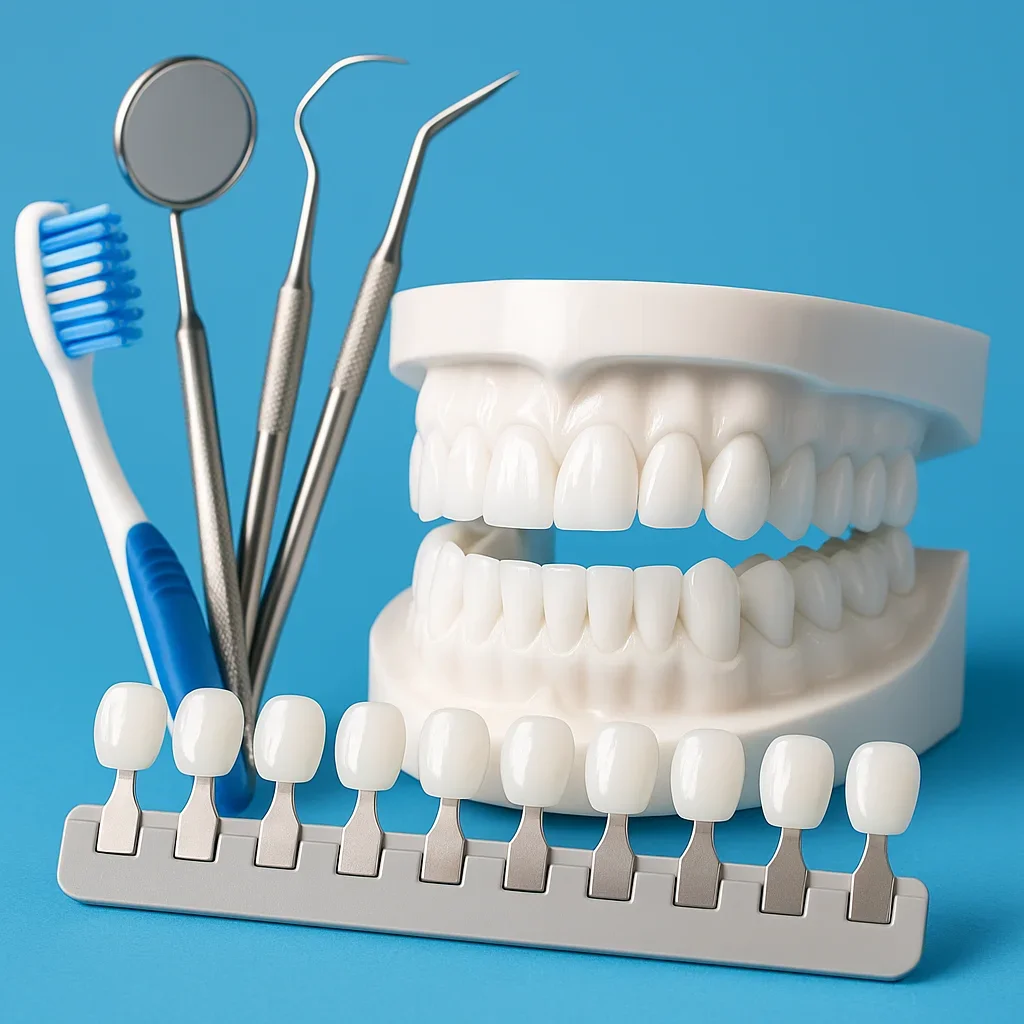
How to Choose the Right Clinic for Teeth Straightening and Whitening
💎 Selecting the right dental clinic is one of the most important decisions you’ll make when beginning your teeth straightening and whitening journey. The quality of your results, your comfort during treatment, and the long-term success of your smile depend greatly on the expertise and ethics of the dental professionals you choose. With so many clinics offering cosmetic services, it’s essential to know how to distinguish reputable, skilled providers from those that prioritize quick results over patient health. In this section, we’ll explore the most critical factors to consider when choosing a clinic that delivers safe, lasting, and natural-looking results. 🦷
1. Qualifications and Expertise of the Dental Team
When evaluating a clinic, start by researching the qualifications of the dentists and orthodontists on staff. Professionals who specialize in cosmetic and restorative dentistry should hold certifications from recognized dental associations and regularly participate in continuing education programs. Experience in performing both teeth straightening and whitening ensures that the practitioner understands how these two treatments interact and can design a customized plan that optimizes your results.
Credentials to Look For
- 🎓 Membership in reputable organizations like the American Dental Association.
- 📜 Specialized training in orthodontics, cosmetic dentistry, or aesthetic smile design.
- 🧠 Proven track record with before-and-after photos demonstrating successful cases.
Choosing a clinic led by experienced professionals guarantees precision, safety, and outcomes that enhance both the beauty and health of your smile.
2. Advanced Technology and Equipment
Modern dentistry relies on digital innovation to improve accuracy, comfort, and results. The best clinics use 3D imaging, intraoral scanners, and computer-guided aligner systems to plan and execute precise treatments. For whitening, professional-grade LED or laser systems ensure even, safe color correction. Clinics that invest in cutting-edge equipment can perform teeth straightening and whitening more effectively and with fewer complications. ⚙️
Technology Checklist
- 🖥️ Digital smile design software for visualizing expected outcomes.
- 📸 Intraoral cameras for detailed diagnostics.
- 💡 LED or laser whitening systems for fast, uniform results.
- 🦷 Clear aligner technology for comfortable, invisible straightening.
These tools not only enhance precision but also provide patients with a clear understanding of their treatment journey — a hallmark of a professional, trustworthy clinic.
3. Personalized Consultation and Treatment Planning
A reputable dental clinic always begins with a thorough consultation. During this visit, your dentist should assess your oral health, discuss your goals, and explain each treatment step in detail. Cookie-cutter solutions often lead to suboptimal results or unnecessary procedures. Personalized care ensures that teeth straightening and whitening are performed in the correct sequence, with techniques tailored to your individual needs and sensitivity levels.
What to Expect in a Consultation
- 📋 Comprehensive oral examination and digital X-rays.
- 🦷 Discussion of treatment options, timeframes, and costs.
- 🎯 Detailed plan aligning your aesthetic goals with oral health priorities.
This transparent and patient-centered approach is key to achieving safe, predictable, and satisfying outcomes. 🌿
4. Safety and Sterilization Standards
Safety should never be compromised. High-quality clinics follow strict sterilization protocols, using disposable instruments where possible and ensuring all tools are properly disinfected. Whitening gels and orthodontic materials should be clinically approved and sourced from reputable suppliers. 💉
Signs of a Safe Dental Environment
- 🧼 Clean, organized treatment rooms and sterilization areas.
- 🧴 Staff using gloves, masks, and protective eyewear.
- 🔬 Use of CE- or FDA-approved dental materials and products.
Safety and hygiene are non-negotiable when undergoing procedures like teeth straightening and whitening, which involve prolonged contact with enamel and gums. Clinics that prioritize sterilization reflect professionalism and genuine care for patient health.
5. Patient Reviews and Testimonials
Online reviews and testimonials offer valuable insight into patient experiences. Look for consistent feedback highlighting professionalism, comfort, and lasting results. Avoid clinics with overly generic or suspiciously perfect reviews — authenticity matters. 🗣️
How to Evaluate Reviews
- 🔎 Check independent platforms like Google or Trustpilot rather than just the clinic’s website.
- 📅 Prioritize recent reviews that reflect current standards and staff performance.
- 📸 Look for before-and-after images accompanied by verified patient stories.
Positive, detailed feedback from real patients is one of the most reliable indicators of a clinic’s quality and consistency in performing teeth straightening and whitening treatments. 💬
6. Transparency in Pricing and Packages
A trustworthy clinic provides clear information about pricing, including what’s covered in each treatment package. Be cautious of clinics that offer extremely low-cost deals or “instant” whitening sessions — these may use inferior materials or skip essential preparatory steps. Transparent pricing includes follow-up appointments, retainer fitting, and touch-up whitening, ensuring there are no hidden costs later on. 💰
Questions to Ask Before Committing
- Does the quoted price include all follow-up visits?
- Are maintenance retainers or whitening top-ups part of the plan?
- What payment plans or financing options are available?
Honest communication about pricing reflects integrity — a vital trait in clinics offering comprehensive teeth straightening and whitening services.
7. Aftercare and Support
The journey doesn’t end when treatment is complete. The best clinics provide long-term follow-up care, including retainer checks, whitening touch-ups, and routine oral health monitoring. This commitment ensures results remain stable and beautiful. Ongoing support also demonstrates that the clinic values patient relationships beyond the initial treatment. 🌼
For example, Redent Klinik Contact Page offers personalized aftercare programs designed to maintain both alignment and brightness, ensuring your smile continues to radiate confidence for years.
8. Ethical Practices and Communication
Beware of clinics that pressure you into unnecessary treatments or promise “miracle” results. Ethical dental professionals prioritize long-term health over short-term profit. They take the time to explain risks, set realistic expectations, and suggest only medically appropriate options. This honesty builds trust and guarantees sustainable, healthy teeth straightening and whitening results. 🏥
9. Location, Accessibility, and Comfort
Finally, consider convenience. The best results come from consistency, which requires regular visits. Choose a clinic that’s easily accessible and offers flexible appointment times. A welcoming environment also matters — comfortable waiting areas, friendly staff, and clear communication can make your experience stress-free and enjoyable. 🌺
10. Final Checklist Before Choosing
- ✅ Verify the dentist’s credentials and experience.
- ✅ Check before-and-after portfolios.
- ✅ Ask about technology, materials, and safety standards.
- ✅ Review feedback from real patients.
- ✅ Ensure transparent pricing and post-treatment support.
By following these steps, you’ll confidently select a clinic that offers genuine quality and care. Whether your goal is improved alignment, a brighter smile, or both, the right dental professionals can make all the difference. Teeth straightening and whitening are transformative when performed by experts who combine science, artistry, and compassion. For trustworthy, patient-focused care, Redent Klinik stands out as a top destination for achieving your dream smile. 🌟