
A bright smile is often associated with confidence, health, and attractiveness. This is one of the main reasons why millions of people search for the teeth whitening best solutions every year. Whether stains have developed from coffee, tea, red wine, tobacco, aging, or certain medications, modern dentistry offers multiple options that can significantly improve tooth color and appearance. Understanding what makes a teeth whitening best treatment can help patients choose a safe and effective solution that delivers lasting results.
The phrase teeth whitening best refers to whitening treatments that provide the ideal combination of safety, effectiveness, comfort, affordability, and long-term results. While many products promise dramatic whitening, not all treatments produce the same outcome. Some only remove surface discoloration, while others penetrate deep into the tooth structure to eliminate stubborn stains. Selecting the teeth whitening best option requires understanding the cause of discoloration and choosing a treatment that addresses individual needs.
Tooth discoloration generally falls into two categories: extrinsic stains and intrinsic stains. Extrinsic stains develop on the outer enamel surface and are commonly caused by dark-colored beverages, smoking, and certain foods. Intrinsic stains occur deeper within the tooth and may result from trauma, aging, medications, or developmental conditions. The teeth whitening best treatment for one person may differ from another because every smile is unique.
Professional dental whitening is widely regarded as the teeth whitening best option for individuals seeking noticeable improvements in a short period. In-office whitening procedures use highly concentrated whitening agents that can brighten teeth several shades during a single appointment. These treatments are carefully monitored by dental professionals, ensuring both effectiveness and safety. Many patients choose professional whitening before weddings, graduations, business events, or important social occasions.
Another popular teeth whitening best solution is dentist-supervised take-home whitening kits. These kits include custom-made trays designed specifically for the patient’s teeth. Because the trays fit precisely, the whitening gel remains evenly distributed throughout treatment. This personalized approach often produces more predictable results than generic whitening products available in stores.
Many consumers initially explore over-the-counter whitening strips, whitening toothpastes, whitening pens, and whitening mouthwashes. While these products may help remove mild surface stains, they are not always considered the teeth whitening best option for moderate or severe discoloration. Their lower concentrations of whitening ingredients typically require longer treatment periods and may produce less dramatic improvements.
One of the most important advantages of choosing a professional teeth whitening best treatment is the personalized evaluation provided by a dentist. Before beginning whitening, a dentist can assess enamel health, identify existing cavities, examine gum conditions, and determine whether whitening is appropriate. This evaluation helps reduce the risk of sensitivity and ensures optimal results.
Safety is a critical factor when selecting the teeth whitening best method. Whitening products contain active ingredients such as hydrogen peroxide or carbamide peroxide. These ingredients work by breaking apart stain molecules through oxidation. When used correctly under professional supervision, whitening treatments are considered safe for most patients. However, improper use or excessive whitening may lead to temporary tooth sensitivity or gum irritation.
Patients often ask how long the results of a teeth whitening best procedure will last. The answer depends largely on lifestyle habits. Individuals who regularly consume coffee, tea, red wine, cola beverages, or tobacco products may notice stains returning more quickly. Patients who maintain excellent oral hygiene and attend regular dental cleanings often enjoy longer-lasting whitening results.
Maintaining the effects of a teeth whitening best treatment requires consistent care. Dentists typically recommend brushing twice daily with fluoride toothpaste, flossing regularly, and limiting exposure to staining substances. Drinking water after consuming dark beverages can help reduce staining. Professional cleanings every six months also contribute to maintaining a brighter smile.
In recent years, social media, video conferencing, and digital photography have increased interest in cosmetic dentistry. Many individuals feel that a brighter smile improves self-confidence and creates a more positive first impression. As a result, demand for the teeth whitening best treatments continues to grow worldwide. Cosmetic dental procedures are no longer viewed as luxury services alone; they have become accessible options for many patients seeking aesthetic improvements.
Cost is another important consideration. The price of the teeth whitening best treatment varies depending on location, provider expertise, and treatment type. In-office professional whitening typically ranges from approximately $300 to $1,000. Dentist-supervised take-home whitening kits often cost between $150 and $600. While over-the-counter products may cost less initially, they frequently require repeated purchases and may not deliver comparable results.
Patients interested in smile enhancement often combine whitening with other cosmetic treatments such as veneers, dental bonding, or orthodontic procedures. In many cases, dentists recommend completing orthodontic treatment before selecting a teeth whitening best solution. This approach ensures that the final whitening result is applied evenly across properly aligned teeth.
For individuals seeking expert advice and personalized care, visiting the Redent Klinik Contact Page can be an excellent first step. Professional consultation allows patients to discuss their goals, assess treatment suitability, and receive recommendations tailored to their specific needs.
Patients can also learn more about oral health standards and evidence-based dental recommendations through the American Dental Association. Reliable information helps patients make informed decisions and avoid misleading marketing claims.
Ultimately, finding the teeth whitening best treatment involves balancing effectiveness, safety, convenience, and long-term maintenance. No single solution is ideal for every patient. The teeth whitening best approach is one that addresses the underlying cause of discoloration while preserving oral health. By working with qualified dental professionals and following recommended aftercare instructions, patients can enjoy a brighter, healthier, and more confident smile for years to come. Whether choosing professional in-office bleaching, custom whitening trays, or another dentist-approved option, investing in the teeth whitening best strategy can provide meaningful aesthetic and psychological benefits that extend far beyond appearance alone. A radiant smile often boosts confidence, enhances social interactions, and contributes to a positive self-image, making the search for the teeth whitening best solution a worthwhile investment in overall well-being. ✨😁
What Makes Teeth Whitening Best for Modern Patients?
In today’s appearance-conscious world, more people than ever are looking for the teeth whitening best solutions to enhance their smiles. A bright, white smile is often associated with confidence, health, professionalism, and personal care. As a result, cosmetic dentistry has experienced tremendous growth, and patients frequently ask dentists which treatment truly qualifies as the teeth whitening best option available. The answer depends on several important factors, including effectiveness, safety, longevity, comfort, affordability, and suitability for the patient’s specific dental condition.
Understanding what makes a teeth whitening best treatment requires more than simply comparing products. Every patient has unique needs, different types of staining, varying levels of sensitivity, and different aesthetic goals. The ideal whitening solution combines professional expertise, scientifically proven methods, and long-term oral health considerations.
Why White Teeth Matter More Than Ever
The demand for the teeth whitening best procedures has increased significantly over the last decade. Social media platforms, video meetings, high-definition photography, and personal branding have made smiles more visible than ever before. Many individuals feel that a brighter smile helps them appear younger, healthier, and more approachable.
Studies consistently show that attractive smiles positively influence first impressions. Whether attending a job interview, participating in a business presentation, going on a date, or creating online content, people often feel more confident when their teeth look clean and bright. This psychological benefit is one reason why finding the teeth whitening best treatment remains a priority for many patients.
Characteristics of a Teeth Whitening Best Treatment
Several factors separate an average whitening procedure from a true teeth whitening best solution.
1. Effective Stain Removal
The primary goal of any teeth whitening best treatment is the removal of discoloration. Effective whitening treatments target both surface stains and deeper discoloration within the tooth structure. Professional bleaching agents containing hydrogen peroxide or carbamide peroxide penetrate the enamel and break down stain molecules through oxidation.
Patients typically notice significant shade improvements when professional methods are used correctly. The ability to produce visible, measurable results is one hallmark of a teeth whitening best procedure.
2. Long-Lasting Results
Temporary whitening may look appealing initially, but longevity is a critical factor. The teeth whitening best options provide results that can last months or even years when supported by proper maintenance. Professional whitening systems generally outperform many over-the-counter products in terms of durability.
Patients who follow their dentist’s recommendations, avoid excessive staining foods, and maintain excellent oral hygiene often enjoy significantly extended whitening benefits.
3. Safety and Professional Oversight
Safety is one of the most important aspects of selecting the teeth whitening best treatment. Whitening should never compromise enamel integrity or gum health. Professional supervision allows dentists to identify conditions such as cavities, gum disease, enamel erosion, or exposed roots before treatment begins.
This evaluation reduces complications and ensures that the chosen teeth whitening best strategy is appropriate for the individual patient.
Understanding Different Types of Tooth Stains
Not all discoloration responds equally to whitening treatments. Determining the type of stain helps dentists recommend the teeth whitening best option.
Extrinsic Stains
Extrinsic stains occur on the outer enamel surface and are commonly caused by coffee, tea, wine, tobacco, berries, and certain sauces. These stains often respond very well to whitening procedures and professional cleanings.
Intrinsic Stains
Intrinsic discoloration develops inside the tooth. Causes may include aging, trauma, medications such as tetracycline, excessive fluoride exposure, or developmental conditions. Patients with intrinsic stains often require more advanced teeth whitening best treatments and may occasionally need cosmetic alternatives such as veneers.
Professional Whitening Versus Store-Bought Products
One of the most common questions patients ask is whether professional whitening is truly the teeth whitening best choice compared to products purchased from pharmacies or online retailers.
Professional whitening treatments generally provide several advantages:
- Higher concentrations of whitening agents.
- Customized treatment planning.
- Faster visible results.
- Better management of sensitivity.
- Improved safety monitoring.
- More predictable outcomes.
While whitening strips and whitening toothpaste can help reduce mild staining, they often cannot achieve the same level of brightness as a professionally supervised teeth whitening best treatment.
Modern Technologies Improving Whitening Results
Advancements in cosmetic dentistry continue to improve the effectiveness of the teeth whitening best procedures. Modern systems may incorporate specialized activation lights, enhanced whitening gels, digital shade analysis, and custom-fabricated trays.
These innovations help dentists deliver more precise and comfortable whitening experiences while reducing the likelihood of uneven results. Patients today benefit from technologies that were unavailable just a few years ago.
Who Is an Ideal Candidate?
Most healthy adults can benefit from a teeth whitening best treatment. Ideal candidates typically have healthy gums, minimal restorations on visible teeth, and realistic expectations regarding whitening outcomes.
However, whitening may not be recommended for everyone. Pregnant individuals, patients with untreated dental disease, or those with significant enamel damage may require alternative approaches before beginning whitening treatment.
Cost Considerations
Many patients wonder whether investing in the teeth whitening best option is worthwhile. Professional whitening typically ranges between $300 and $1,000 depending on location and treatment type. Custom take-home whitening kits generally cost between $150 and $600.
Although professional treatments require a larger initial investment, many patients find that the superior results and longer-lasting effects provide better overall value compared to repeatedly purchasing less effective products.
Maintaining Your Results
Even the teeth whitening best treatment requires proper maintenance. Dentists often recommend limiting coffee, tea, red wine, and tobacco use immediately after whitening. Daily brushing, flossing, routine dental cleanings, and occasional touch-up treatments help preserve brightness.
Patients seeking long-term smile enhancement can also explore additional cosmetic services through the Redent Klinik Contact Page. For trusted oral health information and evidence-based recommendations, patients may also consult the American Dental Association.
Ultimately, what makes a teeth whitening best treatment is not simply the degree of whiteness achieved. The true measure of success includes safety, comfort, durability, personalized care, and patient satisfaction. By understanding the available options and working with qualified dental professionals, patients can select the teeth whitening best solution for their specific needs and enjoy a brighter, healthier smile that enhances confidence and quality of life for years to come. ✨😁
Teeth Whitening Best Methods Compared: Professional vs At-Home Options
One of the most common questions patients ask before beginning cosmetic dental treatment is which whitening method delivers the most noticeable and lasting results. With so many products available online, in pharmacies, and in dental clinics, choosing the teeth whitening best option can feel overwhelming. Some individuals prefer the convenience of at-home whitening products, while others seek the dramatic improvements associated with professional dental procedures. Understanding the differences between these approaches is essential for selecting the teeth whitening best solution for your unique needs.
The ideal whitening method depends on several factors, including the severity of tooth discoloration, desired results, budget, sensitivity levels, and treatment timeline. While both professional and at-home methods can improve tooth color, they differ significantly in effectiveness, safety, speed, and long-term performance. Knowing these differences helps patients make informed decisions and maximize the benefits of their whitening investment.
Understanding How Whitening Treatments Work
Before comparing options, it is important to understand the science behind the teeth whitening best treatments. Most whitening systems use active ingredients such as hydrogen peroxide or carbamide peroxide. These compounds penetrate the enamel and dentin layers of the teeth, breaking apart stain molecules through a chemical process called oxidation.
As stain particles are broken down, the teeth appear brighter and whiter. The effectiveness of a teeth whitening best treatment largely depends on the concentration of whitening agents, application technique, treatment duration, and the nature of the stains being treated.
Professional In-Office Whitening
Professional dental whitening is often considered the teeth whitening best choice for patients seeking dramatic and immediate improvements. During an in-office whitening procedure, a dentist applies a highly concentrated whitening gel directly to the teeth while carefully protecting the gums and surrounding tissues.
Advantages of Professional Whitening
- Fast results, often within one appointment.
- Professional supervision improves safety.
- Higher-strength whitening agents.
- Customized treatment plans.
- More predictable outcomes.
- Effective for deeper stains.
Many patients experience a significant improvement of several shades after a single professional session. This immediate transformation is one reason why many dental experts regard professional treatment as the teeth whitening best option for busy individuals preparing for important events.
Potential Drawbacks
Although professional whitening offers impressive results, it typically comes with higher costs. Depending on the clinic, location, and treatment system used, professional whitening may range between $300 and $1,000 per session. However, many patients believe the investment is worthwhile because of the effectiveness and longevity associated with a teeth whitening best procedure.
Dentist-Supervised Take-Home Whitening Kits
Custom whitening trays prescribed by dentists are another highly effective teeth whitening best solution. These systems combine professional-strength whitening gels with trays specifically designed to fit the patient’s teeth.
Benefits of Custom Whitening Trays
Because the trays fit precisely, the whitening gel remains evenly distributed throughout treatment. This reduces leakage, minimizes gum irritation, and produces more consistent whitening results.
Many dentists recommend custom tray systems as a teeth whitening best option for patients who prefer gradual whitening while maintaining professional oversight. Results typically appear within one to three weeks, depending on treatment frequency and stain severity.
Cost Range
Most custom tray whitening systems cost between $150 and $600. Compared to repeated purchases of over-the-counter products, custom trays often provide superior long-term value and are frequently considered a highly effective teeth whitening best alternative.
Over-the-Counter Whitening Products
Pharmacies and online stores offer numerous whitening products, including strips, pens, gels, mouthwashes, and whitening toothpaste. These products are generally more affordable and convenient than professional treatments.
Whitening Strips
Whitening strips are among the most popular over-the-counter options. They contain peroxide-based whitening agents and are applied directly to the teeth for a specified period.
While strips can improve mild discoloration, they may not always qualify as the teeth whitening best choice for individuals with significant staining because they contain lower concentrations of whitening ingredients.
Whitening Toothpaste
Whitening toothpaste primarily removes surface stains through mild abrasives rather than true bleaching action. Although useful for maintenance, whitening toothpaste alone rarely delivers the dramatic improvements associated with a professional teeth whitening best treatment.
Whitening Pens and Gels
These products provide convenience but often require frequent application and extended use before noticeable results occur. Their effectiveness varies considerably between brands.
Comparing Results and Longevity
When evaluating the teeth whitening best methods, longevity is a major consideration. Professional whitening generally lasts longer because stronger whitening agents penetrate deeper into the tooth structure.
Typical longevity estimates include:
- Professional whitening: 1–3 years with proper maintenance.
- Custom tray whitening: 6–24 months.
- Whitening strips: Several months.
- Whitening toothpaste: Temporary surface stain management.
Patients who maintain excellent oral hygiene and limit exposure to staining substances often preserve their teeth whitening best results for extended periods.
Tooth Sensitivity Considerations
Sensitivity is one of the most frequently discussed concerns regarding whitening treatments. Some patients experience temporary discomfort after whitening due to increased tooth permeability during the bleaching process.
A major advantage of professional teeth whitening best treatments is the ability to customize protocols for sensitive patients. Dentists may adjust whitening concentrations, shorten treatment times, or recommend desensitizing products to improve comfort.
Who Should Choose Professional Whitening?
Professional whitening is often ideal for:
- Individuals seeking rapid results.
- Patients with moderate to severe discoloration.
- People preparing for important events.
- Those with intrinsic staining.
- Patients wanting maximum safety and supervision.
For these individuals, professional care frequently represents the teeth whitening best pathway to achieving desired aesthetic goals.
Who May Benefit from At-Home Whitening?
At-home whitening may be suitable for:
- Patients with mild staining.
- Individuals seeking budget-friendly options.
- People who prefer gradual whitening.
- Patients maintaining previous professional results.
However, even these individuals may achieve better outcomes when using dentist-supervised systems rather than generic products if they are searching for the teeth whitening best possible results.
Making the Right Choice
Selecting the teeth whitening best treatment requires balancing effectiveness, convenience, budget, and oral health considerations. While over-the-counter products may offer convenience, professional whitening and custom tray systems consistently produce the most predictable and dramatic improvements.
Patients interested in personalized whitening recommendations can contact experienced dental professionals through the Redent Klinik Contact Page. Additional evidence-based oral health information is also available from the American Dental Association.
Ultimately, there is no universal solution that works for everyone. The true teeth whitening best method is the one that safely addresses your specific type of discoloration while delivering the level of brightness you desire. By understanding the strengths and limitations of both professional and at-home whitening options, patients can confidently choose the teeth whitening best strategy and enjoy a healthier, brighter smile for years to come. ✨😁
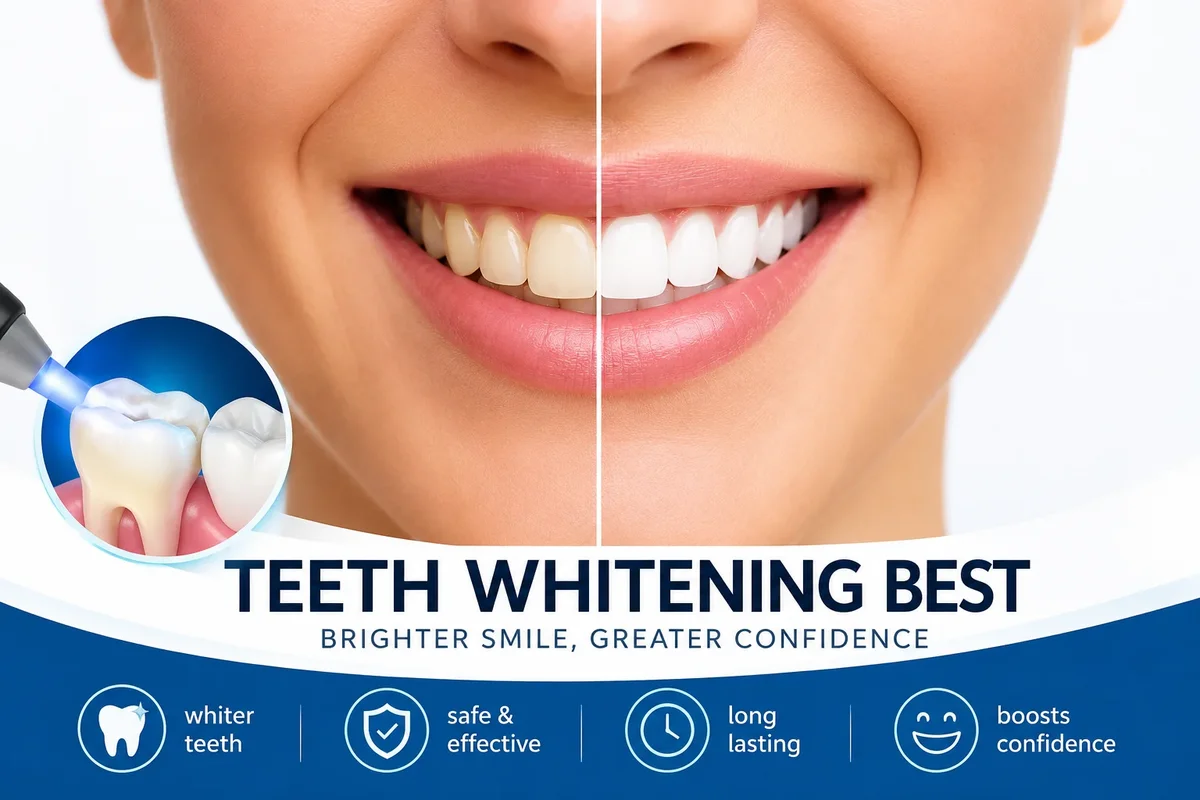
How Teeth Whitening Best Treatments Remove Stains Effectively
Many people wonder why some whitening procedures deliver dramatic results while others produce only minimal improvements. Understanding how the teeth whitening best treatments work helps patients make informed decisions and set realistic expectations. Tooth whitening is not simply a cosmetic trend; it is a scientifically developed process that targets discoloration at both the surface and internal levels of the teeth. The most effective whitening procedures rely on advanced chemistry, professional expertise, and customized treatment planning to create brighter and healthier-looking smiles.
The success of a teeth whitening best treatment depends largely on the type of stains present, the concentration of whitening agents used, the duration of treatment, and the overall health of the patient’s teeth. By understanding the whitening process in detail, patients can better appreciate why professional treatments often produce superior outcomes compared to many over-the-counter alternatives.
Understanding Tooth Discoloration
Before explaining how the teeth whitening best procedures remove stains, it is important to understand why teeth become discolored in the first place. Tooth staining develops gradually due to various lifestyle, dietary, environmental, and biological factors.
Extrinsic Stains
Extrinsic stains affect the outer enamel surface. These stains are commonly caused by:
- Coffee consumption.
- Black tea.
- Red wine.
- Smoking and tobacco use.
- Dark-colored sodas.
- Certain foods such as berries and curry.
Because extrinsic stains remain near the enamel surface, many teeth whitening best treatments can remove them relatively effectively.
Intrinsic Stains
Intrinsic discoloration develops deeper within the tooth structure. Common causes include:
- Natural aging.
- Dental trauma.
- Certain medications.
- Excessive fluoride exposure.
- Developmental conditions.
Intrinsic stains are more difficult to remove and often require stronger teeth whitening best treatments performed under professional supervision.
The Science Behind Whitening Agents
The effectiveness of any teeth whitening best procedure depends on active bleaching ingredients. Most whitening systems use either hydrogen peroxide or carbamide peroxide as their primary whitening compounds.
When applied to the teeth, these agents release oxygen molecules that penetrate microscopic pores within the enamel and dentin layers. These oxygen molecules break apart large stain molecules into smaller, less visible particles. As stains become fragmented, they reflect less light and the teeth appear noticeably brighter.
This chemical reaction is known as oxidation and serves as the foundation of virtually every modern teeth whitening best treatment available today.
Why Professional Whitening Works Faster
One reason professional procedures are frequently considered the teeth whitening best option is the higher concentration of whitening agents. Professional products contain significantly stronger peroxide levels than many over-the-counter alternatives.
Higher Whitening Strength
Professional whitening gels may contain peroxide concentrations several times stronger than products sold in stores. These higher concentrations accelerate oxidation and allow deeper stain penetration.
As a result, patients often experience dramatic shade improvements after just one appointment, making professional treatment a leading teeth whitening best solution for rapid smile enhancement.
Controlled Application
Dentists carefully isolate the gums and soft tissues before applying whitening agents. This controlled environment allows stronger products to be used safely while minimizing irritation.
Professional supervision is one reason why many patients view clinical whitening as the teeth whitening best balance of safety and effectiveness.
The Role of Enamel in Whitening
Enamel is the outer protective layer of the tooth. Although enamel appears solid, it contains microscopic channels that allow whitening agents to travel into deeper layers.
The teeth whitening best procedures take advantage of these microscopic pathways. Whitening gels move through enamel and reach the dentin beneath, where many stains originate. By targeting discoloration below the surface, professional whitening creates more dramatic and natural-looking results.
This ability to penetrate beyond superficial stains is one of the defining characteristics of a true teeth whitening best treatment.
How Whitening Lights May Assist Treatment
Some professional whitening systems utilize specialized activation lights or laser technology. These systems are designed to enhance the whitening process and accelerate stain breakdown.
Benefits of Light-Assisted Whitening
- May speed up treatment.
- Can enhance oxidation efficiency.
- Often provides faster visible results.
- Allows completion within a single visit.
Although not every whitening system requires light activation, many patients seeking the teeth whitening best experience appreciate the convenience and speed associated with modern whitening technologies.
Why Some Stains Respond Better Than Others
Not all discoloration responds equally to whitening. Yellow-toned stains generally respond very well to bleaching, while gray, brown, or medication-related discoloration may require more intensive treatment.
A thorough dental examination helps determine which teeth whitening best approach will be most effective for a particular patient. In some cases, veneers or bonding may be recommended when whitening alone cannot achieve desired aesthetic goals.
Factors That Influence Whitening Success
Several factors impact the effectiveness of a teeth whitening best treatment:
- Type of stain present.
- Age of the patient.
- Enamel thickness.
- Dietary habits.
- Smoking status.
- Treatment consistency.
- Overall oral health.
Patients who maintain healthy oral hygiene routines generally achieve better and longer-lasting results from teeth whitening best procedures.
Maintaining Stain-Free Results
After whitening, maintaining results becomes a priority. The first 24 to 48 hours following treatment are particularly important because teeth may temporarily absorb stains more easily.
Recommended Post-Whitening Habits
- Drink water frequently.
- Avoid coffee and red wine temporarily.
- Limit tobacco use.
- Brush and floss consistently.
- Attend regular dental cleanings.
Following these recommendations helps preserve the benefits of a teeth whitening best treatment for a longer period.
Professional Guidance Matters
While numerous whitening products are available, professional consultation remains valuable when selecting the teeth whitening best solution. Dentists can evaluate oral health conditions, identify underlying causes of discoloration, and recommend personalized treatment strategies.
Patients interested in customized whitening care can explore options through the Redent Klinik Contact Page. Additional evidence-based oral health information can be found through the American Dental Association.
Ultimately, the effectiveness of the teeth whitening best treatment comes from its ability to target stain molecules at multiple levels within the tooth structure. Through scientifically proven oxidation processes, professional-strength whitening agents, customized treatment planning, and proper aftercare, patients can achieve remarkable improvements in tooth color. Understanding how these treatments work empowers individuals to choose the teeth whitening best approach for their specific needs and enjoy a brighter, healthier, and more confident smile for years to come. ✨😁
Benefits of Choosing Teeth Whitening Best Solutions for Long-Term Results
A brighter smile is one of the most sought-after cosmetic dental improvements today. While many people focus primarily on immediate whitening results, the true value of a treatment lies in how long those results last. This is why patients increasingly search for the teeth whitening best solutions that provide not only noticeable whitening but also long-term benefits. Choosing the right whitening method can significantly impact appearance, confidence, oral health habits, and overall satisfaction for months or even years after treatment.
The most effective teeth whitening best treatments are designed to address both cosmetic concerns and long-term maintenance goals. Rather than delivering temporary brightness that fades quickly, high-quality whitening solutions help patients maintain a healthy, youthful-looking smile while minimizing the need for frequent retreatment.
Long-Term Aesthetic Improvements
One of the primary reasons patients invest in a teeth whitening best treatment is the desire for sustained aesthetic enhancement. Bright white teeth often create a healthier and more attractive appearance. Unlike short-term cosmetic fixes, professional whitening treatments can maintain visible improvements for extended periods when supported by proper oral care.
Many patients notice that their smiles appear cleaner, younger, and more vibrant after undergoing a teeth whitening best procedure. This enhanced appearance can positively influence both personal and professional interactions.
A More Youthful Smile
Natural aging causes gradual enamel thinning and increased visibility of the yellow dentin beneath the enamel. As a result, teeth often become darker over time. A professionally performed teeth whitening best treatment can reverse many of these visible aging effects, helping patients achieve a more youthful appearance without invasive procedures.
Enhanced Facial Aesthetics
Bright teeth often improve overall facial aesthetics by creating greater contrast with the lips and surrounding facial features. This subtle enhancement contributes to a fresher and more energetic appearance, which is one reason why many individuals prioritize finding the teeth whitening best option available.
Increased Self-Confidence
One of the most significant long-term benefits of a teeth whitening best treatment is improved self-confidence. Many people feel self-conscious about stained or discolored teeth and may avoid smiling in photographs, social situations, or professional environments.
After successful whitening, patients often report increased comfort when speaking, smiling, and interacting with others. This confidence boost can positively affect multiple aspects of life, including career opportunities, social engagement, and personal relationships.
Positive Psychological Impact
Numerous studies have shown that people tend to associate white teeth with health, cleanliness, and attractiveness. Achieving a brighter smile through a teeth whitening best treatment can therefore contribute to improved self-esteem and greater satisfaction with one’s appearance.
Encouragement of Better Oral Hygiene Habits
An often-overlooked advantage of choosing a teeth whitening best solution is its positive influence on oral hygiene behavior. Patients who invest in whitening frequently become more motivated to maintain their results.
After treatment, many individuals pay closer attention to brushing, flossing, professional cleanings, and dietary choices. This increased commitment to oral care can provide lasting benefits beyond cosmetic improvements alone.
Protecting the Investment
Patients naturally want to preserve the results of their teeth whitening best treatment. As a result, they often become more consistent with preventive dental care, reducing the risk of plaque accumulation and future staining.
Cost Efficiency Over Time
Although professional whitening may require a larger initial investment, selecting a teeth whitening best treatment often proves more cost-effective in the long run. Lower-quality products may require repeated purchases and frequent applications to maintain modest results.
Professional whitening systems typically provide longer-lasting improvements, reducing the need for constant touch-ups and replacement products. This makes the teeth whitening best option a valuable long-term investment for many patients.
Average Professional Whitening Costs
- Professional in-office whitening: approximately $300–$1,000.
- Custom take-home whitening trays: approximately $150–$600.
- Whitening strips and retail products: approximately $20–$100 per purchase.
While retail products appear less expensive initially, repeated purchases may eventually exceed the cost of a professionally supervised teeth whitening best treatment.
Improved Treatment Predictability
Another important benefit of choosing a teeth whitening best procedure is the consistency of results. Professional whitening systems are carefully planned according to each patient’s unique dental characteristics.
Factors such as enamel thickness, stain type, sensitivity levels, and existing restorations are considered before treatment begins. This personalized approach increases the likelihood of achieving predictable and satisfying outcomes.
Customized Care
The ability to tailor treatment plans is one reason why many dental professionals recommend customized whitening as the teeth whitening best solution for long-term success.
Reduced Risk of Misuse
One challenge associated with some over-the-counter products is improper use. Excessive whitening, incorrect application, or unrealistic expectations may lead to sensitivity and dissatisfaction.
Professional supervision helps ensure that the teeth whitening best treatment is performed safely and according to established clinical guidelines. This reduces the likelihood of complications while maximizing effectiveness.
Long-Term Maintenance Strategies
Maintaining whitening results is essential for maximizing the benefits of any teeth whitening best procedure. Fortunately, several simple habits can significantly extend the lifespan of whitening outcomes.
Recommended Maintenance Habits
- Brush twice daily using fluoride toothpaste.
- Floss consistently.
- Drink water after consuming staining beverages.
- Reduce tobacco exposure.
- Attend regular dental cleanings.
- Use dentist-recommended touch-up treatments when needed.
Patients who follow these recommendations often enjoy their teeth whitening best results for significantly longer periods.
Supporting Overall Smile Enhancement
A bright smile often serves as the foundation for broader cosmetic dental improvements. Patients who complete a teeth whitening best treatment frequently become interested in additional procedures such as veneers, bonding, orthodontics, or smile makeovers.
Whitening creates a cleaner and brighter baseline that enhances the appearance of future cosmetic work. As a result, many dentists incorporate whitening into comprehensive smile design plans.
Professional Guidance and Ongoing Care
Long-term whitening success often begins with professional consultation. Patients interested in personalized whitening recommendations can visit the Redent Klinik Contact Page to discuss their goals and treatment options. Additional trusted oral health information can be found through the American Dental Association.
Ultimately, choosing the teeth whitening best solution offers benefits that extend far beyond cosmetic enhancement. Long-lasting whitening can improve self-confidence, encourage healthier habits, provide better value over time, and contribute to a more youthful appearance. By selecting a professionally guided teeth whitening best treatment and maintaining results through proper oral care, patients can enjoy a brighter smile and greater satisfaction for years to come. The long-term advantages of investing in the teeth whitening best option often make it one of the most rewarding cosmetic dental procedures available today. ✨😁
Common Mistakes That Can Reduce Teeth Whitening Best Results
Many patients invest time and money searching for the teeth whitening best treatment available, expecting dramatic and long-lasting improvements. However, even the most advanced whitening procedure can produce disappointing outcomes when common mistakes are made before, during, or after treatment. Understanding these errors is essential for maximizing results and preserving a brighter smile for as long as possible.
The effectiveness of a teeth whitening best treatment depends not only on the product or procedure selected but also on patient habits, oral health conditions, and post-treatment care. Unfortunately, many individuals unknowingly engage in behaviors that reduce whitening effectiveness, increase staining recurrence, or contribute to unnecessary tooth sensitivity.
By identifying and avoiding these common mistakes, patients can protect their investment and enjoy the full benefits of a teeth whitening best solution.
Skipping a Professional Dental Examination
One of the most common mistakes people make is beginning whitening treatment without first consulting a dental professional. Many individuals assume that all tooth discoloration responds similarly to whitening products, but this is not always true.
Why Professional Evaluation Matters
Before recommending a teeth whitening best treatment, dentists evaluate several important factors:
- The cause of discoloration.
- The presence of cavities.
- Gum health.
- Enamel condition.
- Existing restorations.
- Tooth sensitivity history.
Without this assessment, patients may use whitening products that are ineffective for their specific type of staining. In some cases, untreated dental problems may worsen if whitening begins prematurely.
Expecting Instant and Unrealistic Results
Another mistake is expecting every teeth whitening best treatment to produce celebrity-level whiteness immediately. While professional procedures can significantly brighten teeth, the final result depends on multiple variables including genetics, enamel thickness, age, and stain severity.
Natural Whitening Limitations
Every person’s teeth have a natural shade range. Even the teeth whitening best procedure cannot permanently transform every smile into an ultra-bright white appearance. Unrealistic expectations often lead to disappointment despite excellent clinical outcomes.
Patients should understand that whitening enhances natural tooth color rather than creating an artificial appearance.
Ignoring Oral Hygiene Before Whitening
Poor oral hygiene can significantly reduce the effectiveness of a teeth whitening best treatment. Plaque, tartar, and food debris create barriers that prevent whitening agents from contacting tooth surfaces evenly.
The Importance of Professional Cleaning
Many dentists recommend a professional cleaning before beginning a teeth whitening best procedure. Removing plaque and calculus allows whitening products to work more effectively and helps produce more uniform results.
Patients who neglect routine dental cleanings may experience uneven whitening or reduced treatment effectiveness.
Overusing Whitening Products
Some individuals believe that using whitening products more frequently will accelerate results. This misconception often leads to excessive whitening attempts.
Why Overuse Can Be Harmful
Although a teeth whitening best treatment is generally safe when used correctly, excessive application may contribute to:
- Increased tooth sensitivity.
- Gum irritation.
- Temporary discomfort.
- Patient dissatisfaction.
Following professional instructions is essential for achieving optimal outcomes without unnecessary side effects.
Consuming Staining Foods Immediately After Treatment
One of the most common post-treatment mistakes involves dietary choices. Following a teeth whitening best procedure, teeth may temporarily become more susceptible to absorbing pigments.
Foods and Beverages to Avoid Temporarily
- Coffee.
- Tea.
- Red wine.
- Dark sodas.
- Soy sauce.
- Berries.
- Curry-based dishes.
Many dentists recommend following a “white diet” for at least 24 to 48 hours after a teeth whitening best treatment to minimize new stain absorption.
Continuing Tobacco Use
Tobacco remains one of the most powerful contributors to tooth discoloration. Smoking or using tobacco products shortly after whitening can quickly compromise results.
How Tobacco Affects Whitening
Tobacco contains pigments and chemicals that readily adhere to enamel surfaces. Even after undergoing a teeth whitening best procedure, continued tobacco use can significantly shorten the lifespan of whitening results.
Patients seeking long-term success should consider reducing or eliminating tobacco exposure whenever possible.
Choosing Products Based Only on Price
Many consumers assume that the least expensive product represents the best value. However, selecting whitening products solely based on cost may lead to disappointing outcomes.
The teeth whitening best treatment should be evaluated according to effectiveness, safety, ingredient quality, and professional support rather than price alone.
Quality Matters
Lower-cost products often contain weaker whitening agents and may require prolonged use before producing noticeable changes. In contrast, professionally supervised whitening frequently provides more predictable and durable improvements.
Neglecting Long-Term Maintenance
Some patients assume that whitening results are permanent and fail to adopt maintenance habits after treatment. Unfortunately, even the teeth whitening best procedure requires ongoing care.
Recommended Maintenance Strategies
- Brush twice daily.
- Floss consistently.
- Schedule regular dental cleanings.
- Use touch-up treatments when recommended.
- Drink water after consuming staining beverages.
These simple habits help preserve the benefits of a teeth whitening best treatment and delay future discoloration.
Ignoring Tooth Sensitivity Concerns
Some patients experience temporary sensitivity after whitening but fail to communicate concerns to their dentist. This can result in unnecessary discomfort.
Managing Sensitivity Properly
Professional providers can often modify a teeth whitening best treatment by adjusting whitening concentrations, shortening treatment duration, or recommending desensitizing products. Addressing sensitivity early helps maintain a positive whitening experience.
Using Non-Professional Online Products
The internet offers countless whitening products promising instant transformations. Unfortunately, not all products meet appropriate safety or quality standards.
Patients searching for the teeth whitening best option should prioritize evidence-based products recommended by qualified dental professionals rather than relying solely on marketing claims.
Failing to Seek Professional Guidance
Ultimately, one of the most costly mistakes is attempting to navigate whitening options without professional advice. Every smile is unique, and treatment recommendations should reflect individual oral health conditions and aesthetic goals.
Patients interested in personalized whitening care can learn more through the Redent Klinik Contact Page. Additional oral health guidance and educational resources are available from the American Dental Association.
Choosing a teeth whitening best treatment is only the first step toward achieving a brighter smile. Avoiding common mistakes before and after whitening is equally important for maximizing results. By maintaining realistic expectations, following professional recommendations, protecting oral health, and practicing proper maintenance, patients can fully enjoy the benefits of a teeth whitening best solution. A well-planned whitening strategy combined with consistent care often produces the most satisfying and longest-lasting results, helping individuals maintain a radiant smile and greater confidence for years to come. ✨😁
Foods and Drinks That Affect Teeth Whitening Best Outcomes
Achieving a brighter smile through a teeth whitening best treatment is an exciting step toward improved confidence and appearance. However, the success of any whitening procedure does not depend solely on the treatment itself. Daily dietary choices play a major role in determining how long whitening results last and how effectively the teeth maintain their brightness over time. Even after investing in a professional teeth whitening best solution, certain foods and beverages can gradually reduce the effectiveness of treatment if consumed frequently.
Understanding which foods support whitening results and which contribute to staining is essential for maximizing the longevity of a teeth whitening best procedure. By making informed nutritional choices, patients can preserve their brighter smiles while also supporting overall oral health.
Why Diet Matters After Whitening
After a teeth whitening best treatment, teeth may become temporarily more porous for a short period. During this time, pigments from foods and beverages can more easily penetrate the enamel surface and create new stains.
Although this increased susceptibility typically lasts only 24 to 48 hours, long-term dietary habits continue to influence the appearance of teeth throughout life. Even the most advanced teeth whitening best procedure cannot permanently prevent future staining if dietary choices consistently expose teeth to strong pigments and acids.
The Relationship Between Color and Staining
A useful guideline often recommended by dentists is this: if a food or beverage can stain a white shirt, it may also stain teeth. Dark pigments tend to adhere to enamel and gradually contribute to discoloration.
Patients seeking long-lasting teeth whitening best results should therefore pay attention not only to whitening treatments but also to daily consumption habits.
Coffee: One of the Most Common Staining Culprits
Coffee remains one of the leading causes of tooth discoloration worldwide. While many people rely on coffee for energy and productivity, its dark pigments and acidic properties make it a significant challenge for maintaining teeth whitening best outcomes.
How Coffee Stains Teeth
Coffee contains tannins, which are natural compounds that encourage color molecules to attach to enamel surfaces. Frequent coffee consumption gradually creates yellow or brown discoloration.
Patients who have completed a teeth whitening best treatment do not necessarily need to eliminate coffee entirely, but reducing intake and rinsing with water afterward can help minimize staining.
Tea and Its Impact on Whitening Results
Many individuals assume tea is less harmful than coffee when it comes to staining. However, black tea often contains even higher levels of tannins than coffee.
Regular consumption of black tea can significantly affect the longevity of a teeth whitening best procedure. Dark herbal teas may also contribute to staining over time.
Lower-Staining Alternatives
- White tea.
- Light herbal teas.
- Green tea in moderation.
These alternatives generally contain fewer staining compounds and may be better choices for preserving teeth whitening best results.
Red Wine and Deep Pigmentation
Red wine is frequently mentioned by dentists when discussing foods and beverages that threaten teeth whitening best outcomes. Its combination of dark pigments, acidity, and tannins creates ideal conditions for stain development.
Why Red Wine Is Problematic
The acidity of wine temporarily softens enamel surfaces while pigments simultaneously adhere to the teeth. This combination can accelerate discoloration, particularly among individuals who consume wine regularly.
Patients interested in maintaining their teeth whitening best results should moderate red wine consumption and rinse with water afterward whenever possible.
Dark-Colored Soft Drinks
Cola beverages contain both strong pigments and acids. This combination not only contributes to staining but may also increase enamel erosion over time.
Frequent soda consumption can undermine the benefits of a teeth whitening best treatment by making teeth more vulnerable to future discoloration.
Healthier Beverage Choices
- Water.
- Sparkling water without sugar.
- Milk.
- Clear electrolyte drinks.
These alternatives support oral health while helping preserve teeth whitening best outcomes.
Berries and Color-Rich Fruits
Many fruits offer valuable nutritional benefits, but some contain highly concentrated pigments that may contribute to staining.
Examples of Potentially Staining Fruits
- Blueberries.
- Blackberries.
- Cherries.
- Pomegranates.
- Cranberries.
These fruits should not necessarily be avoided, but patients pursuing long-lasting teeth whitening best results should consume them in moderation and rinse afterward.
Sauces and Condiments That Affect Tooth Color
Certain sauces contain intense pigments capable of staining enamel surfaces.
Common Staining Sauces
- Soy sauce.
- Balsamic vinegar.
- Tomato sauce.
- Curry sauces.
- Barbecue sauce.
Frequent exposure to these foods may gradually reduce the brightness achieved through a teeth whitening best treatment.
Foods That Help Maintain Whitening Results
Fortunately, some foods actively support oral cleanliness and contribute to maintaining teeth whitening best outcomes.
Crunchy Fruits and Vegetables
- Apples.
- Carrots.
- Celery.
- Cucumbers.
- Pears.
These foods stimulate saliva production and help mechanically remove surface debris from teeth.
Dairy Products
Milk, yogurt, and cheese contain calcium and phosphorus that support enamel health. Strong enamel helps protect the results of a teeth whitening best treatment by resisting stain penetration more effectively.
The Importance of Water
Water remains one of the most effective tools for preserving teeth whitening best results. Drinking water after meals helps remove food particles, dilute acids, and wash away pigments before they settle on enamel surfaces.
Many dentists recommend carrying a water bottle throughout the day, especially for individuals who regularly consume coffee, tea, or other staining beverages.
Creating a Whitening-Friendly Diet
Patients do not need to eliminate every potentially staining food to maintain a bright smile. Instead, the goal is balance and awareness. Combining a professional teeth whitening best treatment with smart dietary choices creates the greatest opportunity for long-lasting success.
Helpful habits include:
- Rinsing with water after dark beverages.
- Using a straw when appropriate.
- Limiting prolonged exposure to acidic drinks.
- Maintaining excellent oral hygiene.
- Scheduling regular dental cleanings.
Professional Guidance for Lasting Results
Patients interested in protecting their teeth whitening best investment can explore professional whitening and maintenance options through the Redent Klinik Contact Page. Additional evidence-based oral health information is available through the American Dental Association.
Ultimately, dietary choices significantly influence the longevity of any teeth whitening best treatment. While professional whitening can dramatically improve tooth color, long-term success depends on daily habits. By limiting exposure to highly pigmented foods and beverages, choosing enamel-friendly alternatives, and maintaining proper oral hygiene, patients can preserve the brightness achieved through a teeth whitening best procedure for many months or even years. A thoughtful approach to nutrition not only protects whitening results but also contributes to stronger teeth, healthier gums, and a more confident smile. ✨😁
How to Maintain Teeth Whitening Best Results After Treatment
Achieving a brighter smile through a professional teeth whitening best treatment is a significant accomplishment, but maintaining those results requires ongoing care and attention. Many patients focus heavily on the whitening procedure itself while overlooking the importance of post-treatment habits. In reality, long-term success depends largely on how well patients protect their newly whitened teeth after the procedure is complete.
The good news is that maintaining the results of a teeth whitening best treatment does not require complicated routines or expensive products. Consistent oral hygiene, smart dietary choices, regular dental visits, and a few simple lifestyle adjustments can significantly extend the longevity of whitening results. Understanding these maintenance strategies helps patients maximize their investment and enjoy a bright smile for as long as possible.
Why Maintenance Matters
Even the most advanced teeth whitening best procedure cannot permanently prevent future staining. Teeth are constantly exposed to foods, beverages, bacteria, acids, and environmental factors that may gradually affect color over time.
Whitening treatments remove existing stains, but they do not make teeth stain-proof. This is why maintaining the results of a teeth whitening best treatment requires ongoing preventive care.
The First 48 Hours Are Critical
The period immediately following whitening is particularly important. During the first 24 to 48 hours, teeth may temporarily become more vulnerable to absorbing pigments from foods and beverages.
Dentists often recommend following a “white diet” during this period to protect the effects of a teeth whitening best procedure.
Follow a Whitening-Friendly Diet
Dietary choices play a major role in preserving whitening results. Certain foods contain pigments that readily attach to enamel surfaces, while others help maintain a cleaner and brighter smile.
Foods and Drinks to Limit
- Coffee.
- Black tea.
- Red wine.
- Dark sodas.
- Soy sauce.
- Tomato-based sauces.
- Dark berries.
- Curry dishes.
Frequent exposure to these items may gradually diminish the benefits of a teeth whitening best treatment.
Better Choices for Whiter Teeth
- Water.
- Milk.
- Cheese.
- Cauliflower.
- Chicken.
- Turkey.
- White fish.
- Rice.
These foods are generally less likely to stain teeth and can help support long-lasting teeth whitening best outcomes.
Drink More Water Throughout the Day
One of the simplest yet most effective maintenance habits is regular water consumption. Water helps rinse away food particles, dilute acids, and reduce the amount of stain-producing substances that remain on tooth surfaces.
Many dentists recommend drinking water immediately after consuming coffee, tea, wine, or other staining beverages. This simple practice can significantly prolong the results of a teeth whitening best treatment.
Carry a Water Bottle
Keeping water readily available encourages more frequent rinsing and hydration. Consistent water consumption benefits both oral health and overall well-being while helping preserve teeth whitening best results.
Maintain Excellent Oral Hygiene
Strong oral hygiene habits remain essential for preserving the brightness achieved through a teeth whitening best procedure.
Brush Twice Daily
Brushing removes plaque, food debris, and surface stains before they become more deeply embedded in the enamel. Dentists generally recommend brushing at least twice per day using fluoride toothpaste.
Consistent brushing helps maintain the appearance achieved through a teeth whitening best treatment.
Floss Every Day
Flossing removes plaque and debris from areas that toothbrushes cannot reach. Healthy interdental spaces contribute to a cleaner, brighter smile and support long-term whitening success.
Choose the Right Toothpaste
After completing a teeth whitening best treatment, selecting an appropriate toothpaste becomes important. Whitening toothpastes can help maintain brightness by removing mild surface stains.
However, patients should avoid overly abrasive products that may contribute to enamel wear over time.
Ask Your Dentist for Recommendations
A dental professional can recommend products specifically suited to your oral health needs and whitening goals. Personalized guidance often improves the longevity of teeth whitening best outcomes.
Schedule Regular Professional Cleanings
Professional dental cleanings help remove plaque, tartar, and minor surface stains that accumulate over time. Even patients with excellent oral hygiene benefit from routine cleanings.
Recommended Frequency
Most individuals should visit their dentist every six months for professional cleaning and examination. These appointments help maintain the appearance achieved through a teeth whitening best procedure while supporting overall oral health.
Consider Touch-Up Treatments
Over time, some degree of discoloration may naturally return. Touch-up treatments can help restore brightness before significant staining develops.
Professional Touch-Ups
Dentists often provide maintenance whitening options for patients who have previously completed a teeth whitening best treatment. These touch-ups are typically faster and less intensive than the original procedure.
Custom Whitening Trays
Patients with custom whitening trays may occasionally use them according to professional instructions to maintain their desired shade.
Avoid Tobacco Products
Tobacco remains one of the most significant causes of tooth discoloration. Smoking and smokeless tobacco products introduce pigments that readily attach to enamel surfaces.
Patients seeking long-lasting teeth whitening best results should strongly consider reducing or eliminating tobacco use whenever possible.
Protect Your Enamel
Healthy enamel provides a stronger barrier against stain penetration. Protecting enamel is therefore essential for preserving whitening results.
Limit Acidic Exposure
Acidic foods and beverages may weaken enamel over time. Excessive consumption of soda, citrus drinks, and sports beverages can contribute to enamel erosion and increase susceptibility to staining.
Protecting enamel supports the durability of a teeth whitening best treatment.
Monitor Lifestyle Habits
Many daily habits influence whitening longevity. Frequent coffee consumption, excessive wine intake, poor oral hygiene, and tobacco use all increase the likelihood of stain recurrence.
Patients who actively manage these factors generally enjoy longer-lasting teeth whitening best results and reduced need for retreatment.
Professional Guidance for Long-Term Success
Maintaining whitening results becomes easier when patients work closely with dental professionals. Personalized recommendations help address individual risk factors and support long-term smile enhancement.
Patients interested in whitening maintenance programs can explore options through the Redent Klinik Contact Page. Additional oral health information and preventive care guidance are available through the American Dental Association.
Ultimately, preserving the benefits of a teeth whitening best treatment requires consistency rather than perfection. Small daily habits often have a greater impact than occasional intensive efforts. By practicing excellent oral hygiene, making smart dietary choices, attending regular dental appointments, protecting enamel health, and following professional recommendations, patients can extend the lifespan of their teeth whitening best results significantly. A commitment to maintenance not only protects cosmetic improvements but also supports stronger teeth, healthier gums, and a confident smile that remains bright for years to come. ✨😁
Understanding Safety and Risks of Teeth Whitening Best Procedures
For many patients, achieving a brighter smile is an exciting goal. However, before beginning any whitening treatment, it is important to understand both the benefits and the potential risks involved. While modern whitening procedures are generally safe when performed correctly, patients should educate themselves about possible side effects, treatment limitations, and safety considerations. Understanding these factors helps individuals choose a teeth whitening best solution that not only delivers impressive cosmetic results but also protects long-term oral health.
The good news is that professional whitening procedures have been extensively studied and are considered safe for most healthy adults. Nevertheless, like any dental treatment, the teeth whitening best approach requires proper planning, realistic expectations, and professional supervision to minimize risks and maximize results.
Why Safety Matters in Teeth Whitening
Many consumers are attracted to whitening products because they are widely available and heavily marketed. Unfortunately, not all whitening options are created equally. The safest teeth whitening best treatments are those that are customized to the patient’s specific oral health condition and administered according to established clinical guidelines.
Safety becomes particularly important because whitening agents interact directly with tooth structures and surrounding soft tissues. Using inappropriate products or applying whitening agents incorrectly can lead to discomfort and unsatisfactory outcomes.
Professional Evaluation Before Treatment
One reason dentists often recommend professional consultation before whitening is that certain dental conditions may require attention before treatment begins. A proper examination helps determine whether a teeth whitening best procedure is suitable and safe for the patient.
How Whitening Agents Work Safely
Most modern whitening systems rely on hydrogen peroxide or carbamide peroxide as their active ingredients. These compounds release oxygen molecules that penetrate the enamel and break apart stain molecules through oxidation.
When applied according to professional recommendations, these ingredients effectively remove discoloration without causing permanent damage to healthy teeth. This controlled application process is one reason professional treatments are often considered the teeth whitening best option from a safety perspective.
Scientifically Supported Whitening
Decades of clinical research support the safe use of peroxide-based whitening products when used correctly. The key factor is following professional instructions rather than exceeding recommended usage levels.
Temporary Tooth Sensitivity
The most common side effect associated with a teeth whitening best treatment is temporary tooth sensitivity. Some patients experience mild discomfort when consuming hot, cold, sweet, or acidic foods shortly after whitening.
Why Sensitivity Occurs
Whitening agents temporarily increase the permeability of enamel, allowing oxygen molecules to penetrate deeper into the tooth structure. This process can occasionally stimulate nerve endings within the tooth and create temporary sensitivity.
Fortunately, sensitivity associated with a teeth whitening best treatment is usually mild and resolves within a few days.
Reducing Sensitivity Risk
- Use dentist-recommended products.
- Follow treatment instructions carefully.
- Avoid excessive whitening sessions.
- Use desensitizing toothpaste if recommended.
- Inform your dentist about previous sensitivity issues.
Gum Irritation and Soft Tissue Exposure
Another potential side effect involves temporary irritation of the gums or surrounding oral tissues. This typically occurs when whitening gel comes into prolonged contact with soft tissue.
Professional Protection Measures
During professional teeth whitening best procedures, dentists use protective barriers to shield gums from whitening agents. This significantly reduces the likelihood of irritation and enhances patient comfort.
Patients using at-home whitening products should carefully follow instructions to avoid unnecessary soft tissue exposure.
Overuse of Whitening Products
One of the greatest risks associated with whitening is excessive use. Some individuals mistakenly believe that more frequent applications will produce faster or better results.
Potential Consequences of Overuse
- Increased sensitivity.
- Gum irritation.
- Patient frustration.
- Unnatural-looking results.
- Higher maintenance costs.
Following professional recommendations ensures that the teeth whitening best treatment remains both safe and effective.
Patients Who May Need Special Consideration
Although whitening is suitable for many adults, certain individuals may require additional evaluation before beginning a teeth whitening best procedure.
Examples Include:
- Patients with untreated cavities.
- Individuals with active gum disease.
- People with severe enamel erosion.
- Patients with exposed roots.
- Individuals with extensive dental restorations.
Addressing these issues beforehand helps improve both safety and whitening outcomes.
Limitations of Whitening Treatments
Understanding limitations is an important aspect of choosing a teeth whitening best solution. Whitening procedures do not work equally well for every type of discoloration.
Whitening Does Not Affect Certain Restorations
Dental crowns, veneers, bridges, and composite fillings generally do not respond to whitening agents. Patients with visible restorations may need additional cosmetic planning to achieve uniform results after a teeth whitening best treatment.
Some Intrinsic Stains Are Resistant
Deep intrinsic discoloration caused by medications, trauma, or developmental conditions may respond only partially to whitening. In such cases, dentists may recommend alternative cosmetic solutions.
The Importance of Professional Supervision
Professional supervision remains one of the strongest safety advantages associated with a teeth whitening best procedure. Dentists can identify potential complications before treatment begins and adjust whitening protocols according to individual needs.
This personalized approach reduces risks while improving treatment predictability and patient satisfaction.
Recognizing Unsafe Whitening Practices
Consumers should exercise caution when evaluating whitening products promoted through social media or unverified online sources.
Warning Signs
- Claims of instant permanent whitening.
- Lack of ingredient transparency.
- No professional oversight.
- Unrealistic before-and-after images.
- Absence of clinical evidence.
Patients seeking the teeth whitening best option should prioritize scientifically supported treatments and qualified dental providers.
Maintaining Safety After Treatment
Post-treatment care contributes significantly to long-term success. Patients should follow all recommendations provided by their dentist after completing a teeth whitening best procedure.
Helpful Safety Habits
- Maintain regular oral hygiene.
- Avoid excessive whitening frequency.
- Attend routine dental examinations.
- Report unusual sensitivity promptly.
- Follow professional maintenance schedules.
Professional Resources and Guidance
Individuals considering whitening can discuss personalized treatment options through the Redent Klinik Contact Page. Additional educational resources regarding oral health and whitening safety are available through the American Dental Association.
Ultimately, the safest teeth whitening best procedure is one that combines professional evaluation, evidence-based techniques, realistic expectations, and proper aftercare. While temporary sensitivity and minor irritation can occasionally occur, these effects are generally manageable and short-lived when treatment is performed correctly. By understanding both the benefits and limitations of whitening, patients can confidently pursue a teeth whitening best solution that enhances their smile while protecting their long-term oral health. With professional guidance and responsible maintenance, whitening remains one of the safest and most rewarding cosmetic dental procedures available today. ✨😁
How to Choose the Right Dental Clinic for Teeth Whitening Best Services
Selecting the right dental clinic is one of the most important decisions a patient can make when pursuing a brighter smile. Even the most advanced whitening technologies and products depend heavily on the expertise of the dental team providing the treatment. For individuals searching for the teeth whitening best experience, choosing a qualified and reputable clinic is often the difference between exceptional results and disappointing outcomes.
Modern dentistry offers numerous whitening solutions, but not every clinic provides the same level of expertise, customization, technology, and patient care. Understanding how to evaluate dental providers helps patients identify the teeth whitening best services available while protecting both their oral health and cosmetic investment.
Why Clinic Selection Matters
Many people focus exclusively on whitening products and treatment methods while overlooking the importance of the provider performing the procedure. However, the success of a teeth whitening best treatment depends not only on the whitening system itself but also on proper diagnosis, treatment planning, and aftercare.
A qualified dental clinic evaluates oral health conditions before whitening begins and ensures that patients receive individualized recommendations based on their unique needs.
The Value of Professional Assessment
Before recommending a teeth whitening best procedure, experienced dentists assess:
- Current tooth color.
- Type of discoloration.
- Enamel health.
- Gum condition.
- Existing restorations.
- Sensitivity concerns.
This comprehensive evaluation significantly improves both safety and treatment effectiveness.
Look for Qualified Dental Professionals
One of the first factors patients should consider is the qualifications and experience of the dental team. The teeth whitening best outcomes are often achieved by professionals who regularly perform cosmetic dental procedures and stay current with advances in whitening technology.
Questions to Consider
- How long has the clinic provided whitening services?
- Does the dentist have cosmetic dentistry experience?
- Are treatment options customized?
- Does the clinic offer follow-up care?
Clinics that prioritize continuing education and evidence-based treatment approaches are often better positioned to provide a teeth whitening best experience.
Evaluate the Available Whitening Options
Different patients require different whitening solutions. A clinic offering only one whitening method may not be able to accommodate every individual’s needs.
The teeth whitening best providers typically offer multiple treatment options, including:
- Professional in-office whitening.
- Custom take-home whitening trays.
- Maintenance touch-up programs.
- Sensitivity management solutions.
- Combination treatment plans.
This flexibility allows patients to select the teeth whitening best approach based on their goals, timeline, and budget.
Assess Technology and Equipment
Modern technology plays an important role in enhancing whitening accuracy, comfort, and efficiency. While advanced equipment alone does not guarantee superior outcomes, it often reflects a clinic’s commitment to providing high-quality care.
Helpful Technologies
- Digital shade analysis systems.
- Professional whitening activation systems.
- Custom tray fabrication technology.
- Digital treatment planning tools.
Clinics investing in modern technology frequently provide a more predictable teeth whitening best experience.
Review Before-and-After Cases
Before committing to treatment, patients should review examples of previous whitening cases whenever possible. Authentic before-and-after photographs provide valuable insight into the clinic’s cosmetic capabilities.
What to Look For
- Natural-looking results.
- Consistent whitening outcomes.
- Various stain types treated successfully.
- Real patient cases.
Strong case documentation often indicates a clinic’s ability to deliver reliable teeth whitening best results.
Consider Patient Reviews and Testimonials
Patient feedback can provide useful information about the overall treatment experience. Reviews often reveal details about communication, comfort, professionalism, and satisfaction.
When researching a clinic for teeth whitening best services, consider looking for recurring themes in patient comments rather than focusing on isolated reviews.
Positive Indicators
- Friendly staff.
- Clear treatment explanations.
- Comfortable procedures.
- Consistent results.
- Good follow-up support.
Transparency Regarding Costs
Cost transparency is another important characteristic of a trustworthy provider. Patients should understand exactly what is included in the treatment fee before proceeding.
Typical Professional Whitening Costs
- In-office whitening: approximately $300–$1,000.
- Custom whitening trays: approximately $150–$600.
- Maintenance touch-ups: varies by provider.
The teeth whitening best clinic will clearly explain costs, expected outcomes, and any additional services that may be required.
Personalized Treatment Planning
No two smiles are identical. The most effective teeth whitening best clinics recognize this and develop individualized treatment plans rather than using a one-size-fits-all approach.
Factors Included in Custom Planning
- Severity of staining.
- Patient age.
- Sensitivity history.
- Desired shade improvement.
- Lifestyle habits.
- Timeline expectations.
Personalized planning increases the likelihood of achieving optimal whitening results while minimizing side effects.
Importance of Aftercare Support
The whitening procedure itself is only one part of the process. Long-term success often depends on maintenance recommendations and ongoing professional guidance.
The teeth whitening best providers educate patients about:
- Post-treatment dietary restrictions.
- Oral hygiene strategies.
- Touch-up schedules.
- Sensitivity management.
- Long-term maintenance plans.
Comprehensive aftercare support helps patients preserve their whitening results for longer periods.
Prioritize Safety and Ethics
Patients should be cautious of clinics that make unrealistic promises or guarantee extreme whitening outcomes. Ethical providers focus on realistic expectations, patient education, and evidence-based care.
Warning Signs to Avoid
- Claims of permanent whitening.
- Lack of professional examination.
- Pressure sales tactics.
- Unverified whitening products.
- Unrealistic marketing claims.
The safest teeth whitening best treatment is always one supported by proper clinical evaluation and responsible patient care.
Questions to Ask During Consultation
Patients can gain valuable information by asking questions during an initial consultation.
- Which whitening method do you recommend?
- How many shades can I realistically expect?
- Will my restorations be affected?
- How long will results likely last?
- How should I maintain my results?
Open communication helps ensure that the selected teeth whitening best treatment aligns with patient expectations.
Finding the Right Provider
Patients interested in personalized whitening consultations can explore professional treatment options through the Redent Klinik Contact Page. Additional oral health education and whitening guidance are available through the American Dental Association.
Ultimately, finding the teeth whitening best dental clinic involves much more than comparing prices or promotional offers. The ideal provider combines clinical expertise, modern technology, personalized treatment planning, transparent communication, and ongoing patient support. By carefully evaluating qualifications, treatment options, safety protocols, and patient satisfaction, individuals can confidently select a clinic capable of delivering exceptional teeth whitening best results. A trusted dental team not only improves smile aesthetics but also helps patients maintain their brighter, healthier smiles for years to come through professional guidance and comprehensive care. ✨😁