
Everyone dreams of a radiant, confident smile 😁—but over time, coffee, tea, red wine, and certain foods can stain your teeth. Teeth whitening by dentist is the most reliable and effective solution to restore your natural brightness without risking enamel damage. Unlike over-the-counter whitening strips or toothpastes, professional treatments use medically approved whitening agents under expert supervision. This ensures that your teeth become several shades lighter safely and evenly.
In essence, teeth whitening by dentist involves the use of specialized bleaching agents such as hydrogen peroxide or carbamide peroxide. These compounds penetrate the enamel to break down deep stains and discoloration. The process is typically enhanced with LED or laser light technology that accelerates the whitening reaction, helping patients achieve visible results in as little as one visit. Depending on the level of discoloration and the chosen method, your smile can become 6–8 shades whiter after a single session 🌟.
Unlike at-home kits, which may contain low concentrations of bleaching gel, professional teeth whitening by dentist procedures are personalized to your dental needs. Your dentist evaluates your oral health, identifies stain types (intrinsic or extrinsic), and customizes the treatment plan accordingly. This individualized approach minimizes tooth sensitivity while maximizing brightness, making it an ideal solution for anyone seeking long-lasting results with minimal discomfort.
Many people are unaware that certain stains, such as those caused by tetracycline medication or fluorosis, cannot be completely removed by whitening toothpaste or generic whitening strips. Only teeth whitening by dentist can address such deep-seated discolorations because the treatment penetrates the enamel layer and lifts pigments that home remedies cannot reach. Dentists also use protective barriers and desensitizing agents to prevent irritation of the gums or enamel—something that over-the-counter kits simply don’t offer.
Moreover, teeth whitening by dentist is not just a cosmetic enhancement—it’s a confidence booster. Studies have shown that individuals with whiter smiles appear more youthful, trustworthy, and attractive. For professionals, this improvement can positively impact first impressions and even career opportunities. The psychological benefits of an improved smile often lead to better self-esteem and more frequent smiling, which is known to release serotonin and reduce stress 😊.
During the procedure, your dentist first conducts a comprehensive cleaning to remove plaque and tartar. This ensures that the whitening gel adheres evenly to the tooth surface. A protective gel or rubber shield is then applied to safeguard the gums. Next, the whitening agent is applied and activated using laser or LED light for 15–20 minutes. Depending on the initial shade and desired brightness, this step may be repeated two or three times in one session. The result? Instantly whiter teeth with minimal to no discomfort.
Some people fear that teeth whitening by dentist might damage their enamel. However, when performed correctly, it is one of the safest cosmetic dental procedures available. The American Dental Association (American Dental Association) recognizes professional whitening as a safe and effective treatment when conducted by licensed professionals. Dentists use controlled concentrations of whitening agents, ensuring that your enamel remains intact and strong throughout the process.
After the whitening procedure, your dentist provides guidance on how to maintain results. Avoiding pigmented foods such as berries, coffee, and soy sauce for the first 48 hours is crucial. It’s also recommended to brush with a fluoride-rich, non-abrasive toothpaste and rinse with water after consuming acidic beverages. For personalized aftercare and consultation, you can visit the Redent Klinik Contact Page to schedule an appointment or get advice from dental professionals who specialize in whitening treatments.
Over time, teeth naturally accumulate minor stains again due to diet and lifestyle habits. However, the longevity of your whitening results depends on your maintenance routine. With proper care and occasional touch-ups, teeth whitening by dentist can last from six months to two years. Regular dental checkups also help preserve your bright smile and detect potential discoloration before it becomes prominent.
To sum up, teeth whitening by dentist offers a blend of cosmetic brilliance, professional safety, and scientifically proven results. Whether you’re preparing for a special occasion, an interview, or simply want to boost your confidence, a professional whitening treatment is an investment in both your appearance and emotional well-being. Compared to home whitening products, in-office procedures deliver faster, safer, and longer-lasting results—leaving you with a dazzling smile that reflects your inner glow ✨.
What Is Teeth Whitening by Dentist and How Does It Work?
Teeth whitening by dentist is a professional cosmetic dental procedure designed to remove stains, discoloration, and yellowing from the surface of teeth. The goal is to restore or enhance the natural whiteness of your smile through medically approved techniques. Unlike store-bought whitening strips or home remedies, which often yield inconsistent results, dentist-supervised treatments ensure uniform whitening, safety, and durability. The procedure uses specialized bleaching agents—primarily hydrogen peroxide or carbamide peroxide—that break down pigmented molecules responsible for dullness and staining. This process leaves your teeth several shades lighter while maintaining the integrity of the enamel.
The Science Behind Professional Teeth Whitening
To understand how teeth whitening by dentist works, it’s essential to explore the underlying science 🔬. Tooth enamel, though hard, is slightly porous. Over time, it absorbs pigments from beverages like coffee, tea, and red wine, as well as from smoking and certain medications. Whitening gels contain oxidizing agents such as hydrogen peroxide, which penetrate these microscopic pores. Once inside, oxygen molecules interact with the stain compounds, breaking them down into smaller, less visible particles. This chemical reaction effectively lightens the shade of the teeth without damaging their structure. Dentists control the concentration of the peroxide and duration of exposure to ensure both safety and effectiveness.
Professional Equipment and Techniques
During teeth whitening by dentist, your dental professional may use one of two main techniques: in-office laser whitening or custom-made take-home trays. In-office whitening is performed under direct supervision, often utilizing LED or laser light to accelerate the oxidation process. The light activates the whitening gel, enhancing its efficiency and cutting down treatment time. In contrast, take-home trays involve custom-fitted mouthguards filled with professional-grade whitening gel that you wear for several hours daily over a prescribed period. Both methods are highly effective, but in-office whitening generally produces faster results—often within a single appointment.
Laser or LED-Assisted Whitening
Laser-assisted teeth whitening by dentist is one of the most popular modern techniques due to its speed and impressive results. After isolating your gums with a protective barrier, your dentist applies the whitening gel and exposes it to a focused LED or laser beam for several minutes. This energy activates the whitening agent, significantly accelerating the stain-removal process. The treatment can lighten your teeth by up to eight shades in less than an hour. Because the process is closely monitored, the risk of sensitivity or gum irritation is minimal, making it both safe and comfortable.
Custom Whitening Trays
For patients who prefer gradual results, dentists often recommend custom-fitted whitening trays. These trays are molded from impressions of your teeth, ensuring a snug fit that prevents the gel from leaking onto the gums. You’ll typically wear them for 30 minutes to two hours a day for one to two weeks. Since they use professional-strength peroxide, they provide far better results than generic over-the-counter kits. Regular follow-ups allow your dentist to monitor progress and adjust the formula’s strength if necessary.
Safety and Effectiveness Compared to DIY Kits
Many patients wonder whether professional teeth whitening by dentist is truly superior to over-the-counter alternatives. The answer is a resounding yes ✅. While store-bought whitening strips may remove minor surface stains, they lack the concentration, precision, and safety protocols of professional treatments. Overuse or misuse of such kits can lead to uneven whitening, gum burns, or enamel erosion. Dentists, however, tailor each treatment to your unique dental profile, ensuring a balance between effectiveness and safety. Furthermore, professional whitening gels contain stabilizers that minimize sensitivity and prolong results.
Clinical studies published by reputable organizations such as the American Dental Association confirm that when performed under proper guidance, teeth whitening by dentist is both safe and long-lasting. The results are not only visibly brighter but also more uniform and natural-looking. This is due to precise application and control over variables like gel concentration, exposure time, and light intensity—factors that home kits simply cannot replicate.
Pre-Whitening Evaluation and Preparation
Before beginning teeth whitening by dentist, your dental provider conducts a comprehensive oral examination. This step identifies any cavities, gum disease, or enamel cracks that could interfere with treatment. A professional cleaning is usually performed first to remove tartar and plaque, ensuring that the whitening gel can act evenly. Your dentist will also discuss your goals, expected results, and potential side effects, such as mild sensitivity. For personalized consultation or scheduling, you can reach out through the Redent Klinik Contact Page to get expert advice tailored to your smile.
Post-Treatment Expectations
Immediately after undergoing teeth whitening by dentist, you’ll notice an instant transformation. However, it’s common for teeth to appear slightly brighter than their final shade within the first 24 hours. This is due to temporary dehydration of the enamel. Once your teeth rehydrate, the shade stabilizes, revealing the true final result. Most patients experience no downtime, allowing them to resume normal activities right away. Your dentist will recommend avoiding staining foods such as coffee, soy sauce, and berries for the next 48 hours. They may also provide desensitizing gel or toothpaste to reduce mild sensitivity that sometimes follows treatment.
Longevity and Maintenance of Whitening Results
The results of teeth whitening by dentist can last anywhere from six months to two years, depending on lifestyle habits. Regular brushing, flossing, and biannual dental cleanings play a vital role in maintaining your results. Some patients opt for maintenance treatments every six months to keep their teeth at their whitest. Drinking through a straw, quitting smoking, and rinsing your mouth after pigmented foods also help preserve brightness. For sustained radiance, your dentist might suggest a mild at-home touch-up kit using low-strength peroxide gel customized to your needs.
In conclusion, teeth whitening by dentist is a scientifically backed, safe, and highly effective way to achieve a bright, healthy-looking smile. It offers immediate and visible results, enhanced confidence, and the peace of mind that comes from professional supervision. Whether you choose in-office laser whitening or custom trays, the outcome is a brilliant, long-lasting smile that reflects your health and personality 🌟.
Step-by-Step Process of Teeth Whitening by Dentist
The teeth whitening by dentist procedure follows a carefully controlled sequence to ensure maximum effectiveness, safety, and comfort for the patient. Every stage of the process is designed to achieve uniform whitening results without causing enamel erosion or gum irritation. By understanding each step, you can better appreciate the precision and professionalism involved in achieving that flawless, radiant smile 😁.
1. Comprehensive Dental Examination and Consultation
The first step in teeth whitening by dentist is a detailed consultation and oral examination. Your dentist assesses the overall health of your teeth and gums to ensure they are strong enough for whitening. If you have cavities, gum inflammation, or enamel cracks, those issues must be treated first. This evaluation helps determine the source of discoloration—whether it’s extrinsic (caused by external factors like coffee, wine, or smoking) or intrinsic (due to genetics, medication, or aging). Identifying the cause allows the dentist to choose the most suitable whitening technique for your individual needs. You may also discuss your desired shade of whiteness, as this will guide how intense the bleaching treatment should be.
2. Pre-Treatment Cleaning and Preparation
Before applying any whitening agent, your dentist performs a professional dental cleaning to remove plaque, tartar, and surface stains. This step is crucial because debris on the tooth surface can interfere with the whitening gel’s penetration. Once the teeth are cleaned, the dentist isolates your gums and soft tissues using a protective barrier such as a rubber dam or resin coating. This prevents irritation or chemical burns that can occur when whitening gel comes into contact with sensitive tissue. Proper isolation ensures the whitening product only targets the enamel where it’s needed most.
3. Application of the Whitening Gel
The heart of the teeth whitening by dentist procedure lies in the application of the bleaching agent. Most professional systems use a hydrogen peroxide gel with concentrations between 25% and 40%. The gel is carefully brushed or syringed onto the visible surfaces of your teeth, ensuring full coverage. Because the dentist controls the gel’s concentration and exposure time, there is no risk of over-bleaching or uneven results. Depending on the system, the gel is left on for 15–30 minutes during each application cycle. Some clinics also use specialized formulations containing potassium nitrate or fluoride to minimize tooth sensitivity during and after the procedure.
Use of Light Activation (Laser or LED)
To speed up the whitening process, many clinics employ LED or laser light technology 💡. The light interacts with the peroxide molecules in the whitening gel, releasing more oxygen ions that break down stain pigments faster. The dentist positions the light source directly in front of your teeth, maintaining a safe distance to prevent overheating. Each light activation lasts 10–20 minutes, and the process may be repeated two or three times during a single session. Studies have shown that light-activated whitening can lighten teeth by up to eight shades in one visit, making it one of the most efficient cosmetic treatments available today.
4. Rinsing and Post-Whitening Evaluation
Once the whitening phase is complete, your dentist will thoroughly rinse off the gel and remove the protective gum barrier. Your teeth will then be examined under proper lighting to assess shade improvement. A shade guide is used to compare your current tooth color with your original tone. In most cases, you’ll see an immediate and dramatic difference. Some patients may require a second session for deeper stains or intrinsic discolorations caused by antibiotics or genetics. After the procedure, a fluoride or desensitizing gel may be applied to reduce temporary sensitivity and strengthen the enamel.
5. Post-Whitening Care and Maintenance Advice
To preserve your results after teeth whitening by dentist, your dentist provides detailed aftercare instructions. You’ll be advised to avoid dark-colored foods and beverages—such as coffee, tea, soy sauce, and berries—for at least 48 hours. This period is crucial because the enamel remains slightly porous right after treatment and can easily absorb stains. Using a straw for drinks and brushing with a non-abrasive toothpaste will help maintain brightness. In addition, your dentist might suggest periodic touch-up sessions every 6–12 months to keep your smile consistently white. To book a professional whitening session or consultation, visit the Redent Klinik Contact Page for expert assistance and personalized care.
6. Custom Take-Home Whitening Kits (Optional Step)
Some dentists provide patients with take-home whitening kits as part of a combined treatment plan. These kits include custom-fitted trays and professional-strength whitening gel with a lower concentration for safe home use. You’ll typically wear the trays for 30–60 minutes a day for one or two weeks. This method allows you to maintain or enhance the results of your in-office teeth whitening by dentist session. Unlike generic store-bought products, custom trays fit perfectly over your teeth, ensuring even gel distribution and preventing leakage onto the gums.
Combination Treatments for Long-Lasting Results
In some cases, dentists recommend a hybrid approach that combines in-office laser whitening with at-home maintenance kits. This ensures that the initial brightening effect achieved during your clinic visit is maintained over several months. The dentist monitors your progress through follow-up appointments, adjusting gel concentration or exposure duration as needed. This tailored maintenance plan helps extend the lifespan of your whitening results, often keeping teeth several shades lighter for years.
7. Safety Precautions During the Whitening Process
Throughout the teeth whitening by dentist procedure, safety remains the top priority. Protective eyewear is often used to shield your eyes from the LED or laser light. Gums and lips are coated with protective gels to prevent soft tissue irritation. Dentists are trained to manage the exposure time precisely, ensuring that the enamel remains unharmed. Unlike over-the-counter whitening products, professional-grade gels contain stabilizers that minimize enamel dehydration—a common cause of post-treatment sensitivity. The procedure is so safe that even patients with mild enamel erosion or receding gums can undergo whitening after proper evaluation.
8. Expected Duration and Session Frequency
Typically, an in-office teeth whitening by dentist session lasts 60 to 90 minutes. Most patients achieve their desired results after just one visit, although some may need additional sessions depending on their level of discoloration. Deep or intrinsic stains may require multiple treatments spaced several weeks apart. Dentists document before-and-after photos and shade comparisons to monitor progress. This scientific, data-driven approach ensures consistency, accuracy, and patient satisfaction every time.
In conclusion, understanding the step-by-step process of teeth whitening by dentist reveals why it is considered the gold standard of smile enhancement. From the initial consultation to the final fluoride application, every phase is meticulously designed to achieve maximum whitening with minimal risk. Combining science, technology, and artistry, this procedure transforms not only your teeth but also your confidence and overall appearance 🌟.
Who Is the Right Candidate for Dental Whitening Treatments?
Not everyone is an ideal candidate for teeth whitening by dentist. Although it’s a safe and effective cosmetic procedure, your oral health, age, and type of discoloration play a crucial role in determining whether professional whitening will yield the best results. Understanding who qualifies—and who should avoid the procedure—helps ensure that your smile transformation is both safe and successful 🌟.
1. Individuals with Good Overall Oral Health
The first qualification for teeth whitening by dentist is having healthy teeth and gums. Patients without cavities, gum inflammation, or exposed tooth roots typically experience the best results. Whitening agents like hydrogen peroxide or carbamide peroxide penetrate the enamel to lift stains, so if the enamel is compromised by decay or erosion, the process can cause discomfort. Therefore, your dentist will always perform a thorough examination before recommending whitening. This pre-check ensures the treatment will not exacerbate any existing dental issues.
Patients who maintain a regular oral hygiene routine—brushing twice a day, flossing, and attending dental checkups every six months—are usually excellent candidates. This group already has minimal plaque buildup and healthy gum tissue, which enhances the evenness of whitening results. For anyone considering teeth whitening by dentist, addressing basic oral care habits beforehand is highly advised.
2. People with Extrinsic Stains (Surface Discoloration)
Teeth stains can be classified into two main categories: extrinsic and intrinsic. Extrinsic stains are surface-level discolorations caused by food, beverages, or tobacco use. These stains are the easiest to treat with teeth whitening by dentist. If your teeth have yellow or light brown hues from drinking coffee, tea, red wine, or smoking, professional whitening can make a dramatic difference in just one session ☕🍷.
Extrinsic discolorations typically sit on the outer enamel layer, which makes them highly responsive to bleaching gels. Your dentist will use concentrated whitening solutions, sometimes enhanced by laser or LED activation, to break down these pigments. Within an hour, you can achieve noticeably brighter teeth, making this one of the most rewarding dental cosmetic procedures available today.
Examples of Extrinsic Stains
- Coffee and tea consumption over long periods
- Red wine, dark chocolate, or colored sodas
- Tobacco products, including cigarettes and vaping
- Pigmented foods such as curry, tomato sauce, or soy sauce
If your stains fit into these categories, you’re a prime candidate for teeth whitening by dentist. Your dentist may even combine in-office whitening with professional take-home trays for lasting results.
3. Patients with Intrinsic Stains (Internal Discoloration)
Intrinsic stains, on the other hand, originate within the tooth structure and are more challenging to treat. These are often caused by genetics, aging, excessive fluoride exposure, or certain medications such as tetracycline. While teeth whitening by dentist can still help, the results may be less dramatic compared to those with surface-level stains. In some cases, dentists recommend complementary treatments like veneers or bonding for optimal aesthetic results.
Nevertheless, advances in dental technology have made it possible to lighten even deeply embedded stains with specialized whitening systems. Your dentist may use multiple sessions of lower-concentration gels combined with laser activation to minimize sensitivity while gradually brightening intrinsic discolorations.
4. Adults and Older Teens
Teeth whitening by dentist is generally recommended for adults and older teenagers, usually 16 years and above. Before this age, tooth enamel and nerve endings are still developing, and professional whitening may lead to sensitivity. Adults typically benefit more because their enamel is fully formed, allowing for consistent whitening outcomes. For younger patients seeking cosmetic improvement, dentists may suggest non-bleaching alternatives such as polishing or enamel microabrasion.
5. Non-Pregnant and Non-Nursing Patients
Although teeth whitening by dentist is considered safe, most dental professionals advise against performing it during pregnancy or breastfeeding. This precaution is not due to proven harm but rather the lack of extensive research on whitening agents’ effects during these stages. Expectant or nursing mothers are encouraged to postpone whitening until after this period for complete peace of mind.
Other Medical Considerations
Individuals undergoing chemotherapy or radiation treatment should also avoid whitening procedures until cleared by their physician. Similarly, patients with severe tooth sensitivity, enamel hypoplasia, or gum recession may require special treatment protocols. Your dentist can tailor a mild, low-concentration whitening plan if you have these sensitivities.
6. Those Seeking a Confidence and Lifestyle Boost
Beyond the clinical qualifications, teeth whitening by dentist is perfect for individuals who want to enhance their appearance for personal or professional reasons. Many patients schedule whitening sessions before major life events like weddings, job interviews, or photo shoots 📸. The psychological impact of a whiter smile is significant—patients often report feeling more outgoing and self-assured afterward. Because a brighter smile is linked with attractiveness and vitality, professional whitening can also positively affect social and career opportunities.
7. Patients with Realistic Expectations
An essential factor in determining suitability for teeth whitening by dentist is having realistic expectations. Whitening can significantly enhance the shade of your teeth—usually by 6 to 8 shades—but it cannot change the natural color of restorations like crowns, veneers, or fillings. Therefore, if you have visible restorations in your front teeth, your dentist may discuss the possibility of replacing them to match the new, lighter shade after whitening.
It’s also important to understand that results vary depending on lifestyle, diet, and genetics. Dentists provide shade comparisons before and after treatment to show measurable improvement. The best candidates are those who understand the process and commit to maintaining results through good oral hygiene and periodic touch-ups.
8. Initial Evaluation: The Key to Personalized Treatment
The only reliable way to know if you’re a good candidate for teeth whitening by dentist is through a professional consultation. During this visit, your dentist will evaluate your enamel condition, gum health, and stain type. They may use diagnostic tools like shade guides or digital imaging to design a personalized whitening plan. If whitening isn’t the best option, your dentist might suggest safer alternatives such as veneers, microabrasion, or composite bonding. You can schedule such an assessment via the Redent Klinik Contact Page for expert guidance tailored to your smile.
In conclusion, the right candidates for teeth whitening by dentist are those with healthy teeth and gums, extrinsic stains, and realistic expectations about the results. Whether you want a subtle refresh or a dramatic transformation, professional evaluation ensures that your whitening journey is safe, comfortable, and fully customized to your needs. With the right care and expert supervision, achieving a brilliantly white smile is not just possible—it’s an investment in your confidence and well-being ✨.
Possible Side Effects and How to Avoid Tooth Sensitivity
While teeth whitening by dentist is a safe and controlled cosmetic procedure, it’s common for patients to experience mild and temporary side effects. The most frequently reported issue is tooth sensitivity, but gum irritation, uneven whitening, or temporary enamel dehydration can also occur. Fortunately, these effects are minor, short-lived, and entirely preventable when managed by a skilled dental professional 🦷. Understanding why these reactions happen—and how to minimize them—helps ensure your whitening experience remains comfortable and satisfying.
1. Common Side Effects After Professional Whitening
The bleaching gels used during teeth whitening by dentist treatments typically contain active ingredients such as hydrogen peroxide or carbamide peroxide. These agents work by penetrating the porous enamel layer and releasing oxygen molecules that break down stains. While effective, this process can temporarily expose the microscopic dentinal tubules—the tiny channels that connect the enamel to the tooth’s inner nerve—leading to sensitivity. Other common side effects include minor gum irritation and increased response to temperature changes (hot or cold drinks).
Tooth Sensitivity Explained
Tooth sensitivity usually peaks within the first 24–48 hours after treatment. You may feel a brief “zing” or sharp sensation when eating cold foods, drinking ice water, or even breathing in cold air. This happens because the whitening process dehydrates the enamel slightly, making nerve endings more reactive. However, this reaction is temporary and typically subsides within a few days as your teeth rehydrate and remineralize naturally. Using fluoride-based or potassium nitrate toothpaste during this time helps reduce discomfort quickly.
Gum Irritation and Its Causes
Gum irritation can occur if whitening gel comes into contact with soft tissue. Professional isolation barriers are designed to prevent this, but minor leakage can still happen in rare cases. The result is usually mild redness or tingling around the gum line. Fortunately, the irritation resolves within hours once the tissue is rinsed and protected. Dentists apply desensitizing gels or vitamin E swabs to speed up healing and ensure comfort.
2. Factors That Influence Sensitivity Levels
Not everyone experiences side effects during teeth whitening by dentist. Several individual factors determine how your teeth react, including enamel thickness, existing dental conditions, and the concentration of the whitening agent. People who frequently consume acidic beverages like citrus juices or carbonated drinks may already have slightly weakened enamel, making them more prone to post-whitening sensitivity. Similarly, those who have recently undergone dental procedures such as scaling or cavity fillings might experience heightened reactions if whitening is performed too soon afterward.
Enamel Condition and Age
As we age, enamel naturally thins, exposing the yellowish dentin underneath. This makes older adults slightly more susceptible to sensitivity after teeth whitening by dentist. However, modern whitening systems often include calcium phosphate or fluoride additives to strengthen the enamel during treatment, making the procedure safe even for older patients. Your dentist can assess enamel density beforehand to determine the safest concentration of whitening gel for you.
Previous Dental Treatments
If you have fillings, crowns, or veneers, these materials don’t respond to bleaching agents in the same way as natural enamel. Sometimes, uneven coloration may appear temporarily after whitening. To address this, dentists often perform a mild polishing treatment after whitening to ensure uniform brightness. In cases of large restorations, your dentist may suggest replacing them after whitening to match your new shade perfectly.
3. How Dentists Prevent Sensitivity During Whitening
Modern teeth whitening by dentist techniques prioritize patient comfort. Before applying the whitening gel, dentists use desensitizing agents such as fluoride varnish or potassium nitrate to strengthen enamel and block nerve pathways. Protective rubber dams and liquid barriers are also used to isolate gums and soft tissues, ensuring the whitening agent only touches the teeth. Additionally, many professional-grade gels include rehydrating compounds that help maintain enamel moisture throughout the session.
Some whitening systems, such as laser or LED-assisted whitening, offer temperature control features that minimize thermal sensitivity. The light energy accelerates the whitening reaction without generating excessive heat, providing effective stain removal with reduced risk of irritation. Patients with known sensitivity issues may receive customized, lower-concentration gels applied over multiple shorter sessions instead of one high-intensity treatment.
4. Post-Whitening Care to Reduce Sensitivity
After teeth whitening by dentist, following a careful aftercare routine helps reduce discomfort and protect enamel integrity. Here are several dentist-recommended steps:
- Use desensitizing toothpaste: Choose one with active ingredients like potassium nitrate or stannous fluoride to block nerve signals and strengthen enamel.
- Avoid extreme temperatures: Steer clear of very hot or cold foods for 48 hours post-treatment to allow teeth to stabilize.
- Rehydrate your enamel: Drink plenty of water and use fluoride mouth rinses to promote remineralization.
- Maintain good oral hygiene: Brush gently with a soft-bristle toothbrush and avoid abrasive whitening toothpastes that can worsen sensitivity.
- Schedule follow-up visits: Routine dental monitoring ensures that your whitening results remain stable and your enamel stays strong.
5. Preventing Future Sensitivity and Maintaining Long-Term Results
To prevent recurrence, dentists often recommend spacing whitening treatments several months apart. Over-whitening can weaken enamel and increase the risk of chronic sensitivity. A balanced approach—whitening once or twice a year under professional supervision—keeps your smile bright without harming your teeth. For ongoing care, dentists may prescribe custom-made whitening trays with low-peroxide gels for home touch-ups, allowing you to maintain your results safely.
Patients who wish to maintain their radiant smile can also reduce lifestyle habits that cause staining. Limiting coffee, red wine, and tobacco use significantly decreases the frequency of touch-up sessions needed. For professional support and long-term care, visit the Redent Klinik Contact Page to schedule a consultation and receive personalized whitening advice.
6. When to Contact Your Dentist
If sensitivity persists for more than three days or you experience discomfort beyond mild irritation, contact your dentist immediately. Persistent symptoms may indicate underlying issues such as enamel microfractures or gum recession that need attention before continuing whitening treatments. Professional evaluation ensures you receive proper care and prevents further enamel stress.
7. Clinical Research and Safety Standards
According to studies published by the American Dental Association, teeth whitening by dentist is safe when performed under professional supervision. The association emphasizes that side effects are rare, mild, and reversible. Whitening gels used by licensed professionals must comply with strict clinical safety standards, ensuring consistent outcomes across patients. Dentists continuously monitor gel exposure times and pH levels to safeguard tooth integrity throughout the process.
In conclusion, while mild sensitivity or irritation can occur, professional teeth whitening by dentist remains a safe, predictable, and comfortable cosmetic procedure. With proper preparation, modern desensitizing technologies, and good post-treatment care, these side effects can be almost entirely avoided. The result is a brilliantly white, healthy smile—achieved without compromising comfort or enamel strength ✨.
How Long Does Teeth Whitening by Dentist Last?
The longevity of results from teeth whitening by dentist depends on several key factors, including your lifestyle, diet, oral hygiene habits, and the type of whitening method used. On average, professional whitening effects last between six months and two years. Some patients enjoy bright results even longer with proper maintenance and touch-up treatments. Understanding what influences the duration of whitening results—and how to preserve them—helps you maintain a radiant, healthy smile for the long term ✨.
1. Typical Duration of Whitening Results
Immediately after teeth whitening by dentist, your smile will appear noticeably brighter—often by 6 to 8 shades. However, this brilliance is not permanent, as enamel naturally reabsorbs pigments from food and drink over time. Most patients can expect the results to last around 12 months before gradual fading occurs. The actual duration varies based on personal habits and oral care routines. Patients who avoid staining foods and maintain good oral hygiene can retain their whitening results for up to two years or longer.
Comparison Between Whitening Methods
- In-office laser whitening: Offers the fastest and longest-lasting results, typically maintaining brightness for 12–24 months.
- Custom take-home trays: Provide results lasting 6–12 months, depending on how consistently they are used.
- Over-the-counter products: Usually fade within 1–3 months due to weaker bleaching agents.
When performed professionally, teeth whitening by dentist not only lasts longer but also provides more even and natural-looking results compared to drugstore alternatives.
2. Factors That Affect Whitening Longevity
The durability of your results is largely determined by what you eat, drink, and how you care for your teeth after the procedure. Below are the major factors influencing how long your newly whitened smile will last:
Dietary Habits
Foods and beverages that contain strong pigments can stain enamel over time. Coffee, tea, red wine, soy sauce, and tomato-based dishes are the most common culprits. Acidic foods can also erode enamel slightly, making it easier for stains to adhere. To extend the effects of teeth whitening by dentist, minimize your intake of these items or use a straw when drinking dark-colored beverages.
Lifestyle Factors
Smoking and vaping are among the biggest contributors to staining. Nicotine and tar create yellow or brown discoloration that can significantly shorten the lifespan of your whitening results. Regular smokers may notice fading as soon as 3–6 months after treatment. Quitting tobacco not only preserves whitening results but also improves overall oral health.
Oral Hygiene Routine
Daily brushing, flossing, and rinsing are essential for maintaining a bright smile after teeth whitening by dentist. Brushing twice a day with a fluoride-based whitening toothpaste removes surface stains before they accumulate. Using an electric toothbrush can enhance plaque removal efficiency. Additionally, flossing prevents pigment buildup between teeth where stains often reappear first.
3. Professional Maintenance and Touch-Ups
To keep your teeth at their whitest, dentists recommend periodic touch-up sessions. Depending on the whitening method and your habits, these maintenance treatments are typically scheduled every 6–12 months. A brief touch-up usually involves reapplying a lower-concentration whitening gel for 15–20 minutes. Some patients prefer to use custom-fitted take-home trays between appointments, filled with dentist-prescribed gel to maintain brightness.
Modern dental offices often combine teeth whitening by dentist with remineralizing treatments that strengthen enamel. These post-whitening applications help prolong results by sealing enamel pores and preventing rapid discoloration. Visiting your dentist regularly for cleanings also ensures plaque and tartar do not dull your teeth’s shine.
At-Home Whitening Maintenance Kits
Your dentist may recommend professional-grade whitening kits for home use. These kits usually contain custom-made trays and a mild peroxide gel. Using them once or twice a month can significantly extend the duration of your whitening results. Since the concentration is lower than in-office gels, they’re safe for regular use and effective at preserving your bright smile over time.
4. The Role of Enamel Health in Longevity
The condition of your enamel plays a vital role in how long the results of teeth whitening by dentist will last. Healthy, strong enamel resists staining better and holds whitening effects longer. If your enamel is weakened by acid erosion, bruxism (teeth grinding), or decay, the whitening effect may fade more quickly. Strengthening your enamel through fluoride treatments, calcium-rich diets, and avoiding acidic foods can enhance both the effectiveness and lifespan of whitening.
Natural Enamel Color and Genetics
Each person’s enamel has a natural underlying shade determined by genetics. While whitening can significantly brighten your teeth, it cannot alter your natural enamel tone permanently. Therefore, maintenance is key. Patients with darker natural enamel may need more frequent touch-ups to maintain optimal brightness. Your dentist will tailor a whitening maintenance plan suited to your enamel type and goals.
5. Preventing Discoloration After Whitening
Immediately after teeth whitening by dentist, your enamel is temporarily more porous and susceptible to staining. For the first 48 hours, avoid colored foods like berries, coffee, or soy sauce. Stick to a “white diet” that includes foods such as rice, milk, bananas, and chicken. This precaution allows enamel pores to close naturally, locking in the whitening results.
Long-term prevention includes adopting simple habits such as rinsing your mouth after meals, using a straw for beverages, and chewing sugar-free gum to stimulate saliva production. Saliva neutralizes acids and helps wash away pigment molecules, serving as your mouth’s natural defense system against discoloration.
6. Clinical Insights and Research Findings
According to clinical studies by the American Dental Association, patients who undergo teeth whitening by dentist maintain a significantly higher level of brightness over time compared to those using over-the-counter kits. The controlled environment, precise application, and post-treatment care protocols used by professionals contribute to longer-lasting results and lower relapse rates. The ADA also emphasizes the importance of professional monitoring to prevent overuse, which can cause enamel sensitivity or uneven color.
7. When to Schedule a Follow-Up Whitening Session
You should consider a touch-up or repeat whitening session when you notice visible dullness or yellowing returning despite good hygiene. Most patients benefit from an annual in-office refresh. However, if you frequently consume staining substances or smoke, you may require touch-ups every 6 months. To ensure the best timing and results, schedule an evaluation through the Redent Klinik Contact Page to receive expert advice and maintenance recommendations.
8. Realistic Expectations and Final Thoughts
Although the results of teeth whitening by dentist are impressive and long-lasting, they’re not permanent. The natural aging process, lifestyle choices, and environmental factors continuously affect tooth color. That’s why combining in-office whitening with consistent aftercare is the key to sustaining your glow. With a healthy diet, disciplined hygiene, and periodic touch-ups, your bright smile can remain vibrant and youthful for years to come 😁.
In summary, professional teeth whitening by dentist delivers superior, durable results that outlast any store-bought alternative. By following your dentist’s aftercare instructions and scheduling regular checkups, you can protect your investment and keep your teeth shining confidently. Longevity is not just about the procedure itself—it’s about maintaining a lifestyle that supports a brilliant, lasting smile.
Comparing In-Office Laser Whitening and Take-Home Trays
When it comes to teeth whitening by dentist, two professional options dominate the field: in-office laser whitening and custom take-home trays. Both methods offer outstanding results, but they differ in terms of speed, cost, convenience, and the level of control patients have over the process. Understanding the distinctions between these two techniques helps you choose the approach that best fits your lifestyle and whitening goals 😁.
1. Overview of Professional Whitening Options
Teeth whitening by dentist involves the use of high-grade bleaching agents that safely and effectively remove stains from the enamel. In-office laser whitening is performed under direct supervision, typically in a single visit. Take-home trays, on the other hand, are customized to fit your teeth and used with professional-strength gel over several days or weeks. Both techniques deliver visible whitening, but they do so through different time frames and intensities.
In-Office Laser Whitening
This advanced method utilizes hydrogen peroxide gel activated by LED or laser light. The energy from the light accelerates the breakdown of stain molecules, delivering immediate results. Patients often achieve teeth up to 8 shades whiter after just one session lasting 60–90 minutes. The process is completely supervised by a dental professional, ensuring even application, minimal sensitivity, and safe exposure levels.
Custom Take-Home Whitening Trays
With take-home trays, your dentist provides a set of clear, custom-fitted aligners and professional whitening gel. You wear the trays for a prescribed period each day—usually between 30 minutes to 2 hours—for one to two weeks. Because the peroxide concentration is lower than that used in-office, results appear gradually but remain natural and long-lasting. This option is ideal for those who prefer flexibility or wish to maintain results after an in-office treatment.
2. Speed of Results
One of the key differences between the two methods of teeth whitening by dentist is the speed at which results appear. In-office laser whitening offers almost instant transformation, making it perfect for individuals preparing for special events such as weddings, interviews, or public appearances. The LED or laser light enhances the whitening process, allowing you to leave the clinic with a visibly brighter smile in under two hours.
Take-home trays, in contrast, provide a slower, more progressive improvement. Because the gel concentration is lower, it may take 7–14 days to achieve optimal brightness. However, the gradual approach can be beneficial for patients with sensitive teeth, as it minimizes enamel dehydration and discomfort while still providing impressive results.
3. Strength and Safety of Whitening Agents
Professional teeth whitening by dentist relies on controlled use of hydrogen peroxide or carbamide peroxide in varying concentrations. In-office treatments typically use 25–40% hydrogen peroxide, which delivers rapid results under clinical supervision. Dentists protect your gums with barriers and monitor exposure carefully to prevent irritation.
Take-home trays use milder formulations—around 10–20% carbamide peroxide—making them safe for unsupervised use. The lower concentration allows the gel to act more gently, reducing the likelihood of sensitivity. Both methods comply with safety standards set by the American Dental Association, ensuring that patients receive consistent, clinically tested whitening outcomes.
Balancing Power and Protection
In-office laser whitening is ideal for those seeking fast, dramatic results, while take-home trays are suited for maintenance and gradual whitening. Dentists often recommend combining the two approaches—starting with an in-office session to achieve the desired shade, followed by take-home trays to sustain the brightness over time. This combination delivers the best of both worlds: professional precision and ongoing flexibility.
4. Cost Comparison and Value
Although teeth whitening by dentist provides premium results, cost varies between the two methods. In-office laser whitening generally ranges from $300 to $800 per session, depending on clinic location, brand of whitening system, and the extent of discoloration. Take-home trays are more affordable, typically costing between $150 and $400. While laser whitening involves a higher upfront investment, its immediate results and long-lasting effects often make it the preferred option for patients seeking quick transformations.
When comparing value, it’s essential to consider longevity. A single professional in-office session can last up to two years with proper care, whereas take-home tray results may need touch-ups every 6–12 months. Many patients find that combining both methods provides the most cost-effective, enduring outcome.
5. Comfort and Sensitivity Levels
Comfort is a major factor when choosing between these two professional methods of teeth whitening by dentist. Laser whitening delivers faster results but may cause temporary sensitivity for some patients, particularly those with thinner enamel. Dentists address this by applying desensitizing gels or fluoride varnish immediately after treatment. Conversely, take-home trays use a slower, lower-concentration process that reduces the risk of discomfort. The flexibility of home whitening also allows users to pause treatment if sensitivity arises and resume once it subsides.
Reducing Sensitivity During Treatment
Both techniques benefit from pre-treatment care, such as using desensitizing toothpaste and avoiding acidic foods before whitening. Dentists may also provide fluoride rinses or recommend short whitening intervals for patients with existing tooth sensitivity. Combining professional supervision with gentle home maintenance ensures safe, pain-free whitening experiences for all patients.
6. Duration of Results
Both in-office laser whitening and take-home trays can produce lasting results when maintained properly. The longevity of teeth whitening by dentist results depends on lifestyle habits like diet, smoking, and oral hygiene. In-office treatments, with their higher peroxide concentration, tend to sustain brightness for 12–24 months. Take-home trays, meanwhile, require periodic reapplication—often every 6–9 months—to preserve the same glow.
Patients who maintain a “white diet,” avoid staining beverages, and schedule regular dental cleanings typically enjoy brighter smiles for extended periods. Many dental professionals recommend alternating between professional laser sessions and home touch-ups to achieve maximum longevity and brilliance.
7. Patient Convenience and Lifestyle Considerations
Choosing between the two whitening approaches often depends on lifestyle. Busy professionals or individuals with time-sensitive needs benefit from in-office laser whitening, as it provides instant gratification. Those with flexible schedules may prefer take-home trays for their convenience and control over application frequency. Because both options are part of professional teeth whitening by dentist care, dentists can tailor them to match your schedule and comfort preferences.
8. Ideal Candidates for Each Whitening Method
Laser whitening is best suited for patients who want dramatic, immediate results with minimal visits to the clinic. It’s also ideal for those who have significant surface stains caused by coffee, wine, or tobacco. Take-home trays are better suited for patients with mild discoloration, sensitive teeth, or those who prefer gradual whitening at their own pace. For a fully customized recommendation, you can contact your dental expert via the Redent Klinik Contact Page to determine which method fits your specific needs and goals.
9. Combining Both Techniques for Optimal Whitening
Many dentists advocate for a hybrid approach that merges the advantages of both in-office laser whitening and take-home trays. This dual treatment strategy maximizes both speed and durability. The in-office session jumpstarts the whitening process by removing deep-set stains, while the take-home trays maintain the brightness over time. Patients who follow this approach often enjoy brighter results for longer periods, with reduced sensitivity and minimal maintenance.
10. Final Thoughts: Choosing the Right Whitening Path
Ultimately, the choice between laser whitening and custom trays comes down to your goals, sensitivity level, and desired timeline. Both methods of teeth whitening by dentist offer proven safety, efficiency, and satisfaction. In-office treatments provide instant radiance and a professional touch, while at-home trays give ongoing flexibility and affordability. No matter which path you choose, professional guidance ensures long-lasting brilliance, uniform results, and a smile that truly stands out 🌟.
Aftercare Tips to Maintain a Brighter Smile Longer
Once you’ve completed teeth whitening by dentist, the next crucial step is maintaining those dazzling results for as long as possible 🌟. Proper aftercare plays a vital role in prolonging brightness and preventing stains from returning. While professional whitening can make your teeth up to eight shades lighter, lifestyle habits and oral hygiene practices ultimately determine how long that radiance lasts. The good news? With the right post-treatment care, you can preserve your brilliant smile for years without frequent touch-ups.
1. The First 48 Hours: Protecting Your Freshly Whitened Teeth
The first two days after teeth whitening by dentist are the most critical for maintaining results. During this period, the enamel remains slightly porous as it rehydrates, making it more prone to absorbing pigments from food and drinks. To lock in the whitening effect, dentists recommend following a “white diet.” This involves consuming foods and beverages that are light in color and avoiding anything that can stain the enamel.
Foods and Drinks to Avoid
- Dark beverages such as coffee, tea, red wine, and colored sodas
- Foods rich in pigments, including berries, curry, tomato sauce, and soy sauce
- Acidic drinks like citrus juices, which can weaken enamel temporarily
- Colored mouthwashes that contain artificial dyes
Instead, choose stain-free options such as milk, rice, yogurt, bananas, white bread, and chicken. Drinking plenty of water during this period helps flush away residual whitening agents and rehydrates the enamel naturally. Rinsing after every meal also minimizes the risk of staining compounds settling on your teeth.
2. Brushing and Oral Hygiene Techniques
Good oral hygiene is essential to maintain the effects of teeth whitening by dentist. Brush your teeth at least twice a day using a soft-bristled toothbrush and fluoride-based toothpaste. Avoid abrasive whitening toothpastes immediately after treatment, as they can cause enamel micro-scratches that make teeth more susceptible to discoloration. Gentle circular brushing motions are best for preserving enamel and removing surface debris.
Using the Right Products
Choose a toothpaste that contains fluoride, calcium phosphate, or potassium nitrate—ingredients that help remineralize enamel and reduce sensitivity. You may also use a whitening mouth rinse once enamel has stabilized (after 72 hours). Mouthwash with hydrogen peroxide can gently maintain brightness while keeping bacteria under control. Remember to floss daily to remove plaque between teeth where stains often reappear first.
3. The Role of Hydration and Saliva in Whitening Longevity
Hydration plays an underrated but significant role in extending the results of teeth whitening by dentist. Saliva naturally protects your teeth by neutralizing acids and washing away food particles. Dehydration, on the other hand, reduces saliva production, increasing the risk of enamel staining and decay. To stay hydrated, drink plenty of water throughout the day, especially after consuming staining foods. Sugar-free chewing gum can also stimulate saliva production, keeping your mouth clean and bright.
4. Lifestyle Adjustments for Long-Term Results
Your lifestyle choices heavily influence how long your whitened smile lasts. Smokers and individuals who frequently consume dark beverages may notice fading within a few months, while those who maintain clean habits can enjoy results for over a year. Dentists often advise using a straw when drinking coffee or tea to minimize contact with the enamel. Quitting smoking not only prevents staining but also improves overall oral health and gum appearance.
Managing Stain Exposure in Daily Life
If you can’t completely avoid staining foods or beverages, rinse your mouth with water immediately afterward. Another effective trick is to brush lightly 30 minutes after consuming colored drinks. This helps remove pigments before they can bond to the enamel. Regular dental checkups and cleanings every six months ensure plaque and tartar don’t dull your smile over time.
5. Touch-Up Treatments and Professional Maintenance
Even with excellent aftercare, natural fading is inevitable over time. To maintain consistent brightness, schedule periodic touch-up sessions of teeth whitening by dentist every 6–12 months. These maintenance treatments use a milder version of the whitening gel for 15–30 minutes and restore the original radiance without over-bleaching. Between appointments, some dentists recommend professional take-home kits to preserve the effect safely and conveniently.
Professional whitening touch-ups are especially useful after events such as vacations, holidays, or special occasions where dietary habits may vary. For detailed maintenance plans or consultations, you can visit the Redent Klinik Contact Page to discuss your whitening schedule with experts.
6. Avoiding Over-Whitening and Enamel Damage
Although it’s tempting to maintain an ultra-white smile, excessive use of bleaching products can harm enamel over time. Teeth whitening by dentist should be done in moderation and under professional supervision. Over-whitening may cause translucent edges, increased sensitivity, and uneven color tones. Always follow your dentist’s advice regarding how often to repeat the treatment, and avoid unregulated online products that claim “instant whitening.” These often contain high peroxide levels or abrasives that can permanently damage your teeth.
7. Recommended Whitening-Friendly Diet
Adopting a whitening-friendly diet after teeth whitening by dentist is one of the most effective ways to preserve your results. Focus on foods that naturally promote oral health and help clean the enamel surface:
- Crisp fruits and vegetables like apples, carrots, and celery act as natural scrubbers, gently removing surface stains.
- Dairy products such as cheese and yogurt strengthen enamel with calcium and promote a balanced pH level in the mouth.
- Water and green tea help neutralize acids and support healthy gums.
On the other hand, limit acidic foods and sugar-rich snacks that erode enamel and promote bacterial growth. Even natural products like balsamic vinegar or blueberries can gradually discolor teeth if consumed frequently without proper rinsing.
8. Using Desensitizing and Remineralizing Products
After teeth whitening by dentist, some patients experience mild sensitivity for a short period. To manage this, dentists recommend using remineralizing products such as fluoride varnishes, calcium-based gels, or toothpaste with potassium nitrate. These help strengthen enamel, reduce nerve sensitivity, and prolong the life of whitening results. Applying these products regularly, especially during your nightly routine, can enhance enamel resilience and keep your smile vibrant for longer.
9. Scheduling Regular Professional Cleanings
Even the best home care cannot replace professional cleanings. Regular dental visits—at least twice a year—help remove plaque, tartar, and minor surface stains that daily brushing may miss. Your dentist can also assess whether a touch-up whitening session is necessary. Professional polishing smooths enamel surfaces, making them more resistant to new stains. Maintaining close collaboration with your dentist ensures that teeth whitening by dentist remains effective, safe, and enduring.
10. Long-Term Whitening Mindset
Maintaining a white smile is not a one-time effort—it’s an ongoing commitment. Think of teeth whitening by dentist as the start of a lifelong routine of healthy habits. Combine consistent oral hygiene, mindful eating, and routine dental care for the best results. Avoid shortcuts and unreliable home remedies that promise quick results but cause harm in the long run. By caring for your enamel and making conscious lifestyle choices, your bright smile will continue to shine confidently for years 😁.
In summary, proper aftercare following teeth whitening by dentist ensures that your results last as long as possible without compromising dental health. From choosing the right foods and hygiene products to scheduling professional maintenance, every step contributes to the longevity of your radiant smile. Protecting your investment today guarantees a confident, luminous smile tomorrow.
Frequently Asked Questions About Professional Teeth Whitening
Even though teeth whitening by dentist has become one of the most popular cosmetic dental treatments worldwide, many patients still have questions about how it works, how safe it is, and what kind of results to expect. Below, we’ll address the most common questions people ask before and after professional whitening—covering everything from sensitivity and safety to costs, effectiveness, and maintenance. These answers are based on real clinical insights and best practices recognized by the American Dental Association 🦷.
1. Is Teeth Whitening by Dentist Safe for My Enamel?
Yes, absolutely. When performed under professional supervision, teeth whitening by dentist is completely safe and does not harm your enamel. The whitening gel used in dental offices—usually hydrogen peroxide or carbamide peroxide—works by breaking down stain molecules without altering the tooth structure. Your dentist will carefully monitor exposure time and use protective barriers to safeguard your gums and soft tissues. Additionally, professional whitening gels often contain fluoride and calcium phosphate, which help strengthen enamel during and after treatment.
Key Safety Measures
- Application of gum protectants or rubber dams to prevent irritation
- Controlled use of high-concentration gels under expert supervision
- Use of desensitizing agents such as potassium nitrate post-treatment
In short, when administered by a licensed dental professional, the process is both effective and enamel-friendly.
2. How Often Should I Get Teeth Whitening by Dentist?
Most people benefit from professional whitening sessions once a year. However, the ideal frequency depends on your diet, lifestyle, and oral hygiene habits. Smokers or those who frequently drink coffee, tea, or red wine may require touch-ups every 6–9 months. Over-whitening, however, should be avoided since it can cause enamel dehydration and sensitivity. Always consult your dentist before scheduling another session to ensure your teeth remain healthy and balanced in color.
3. How Long Does a Whitening Session Take?
On average, a single in-office teeth whitening by dentist session lasts about 60 to 90 minutes. The exact duration depends on the type of whitening system used and the level of discoloration. The appointment typically includes pre-whitening cleaning, protective gum application, and three to four 15-minute rounds of gel application. Some patients may also receive post-treatment fluoride or desensitizing care for added comfort.
Procedure Duration Breakdown
- Consultation and preparation: 10–15 minutes
- Whitening gel applications: 45–60 minutes total
- Post-treatment evaluation: 10 minutes
By the end of the appointment, most patients leave with a visibly brighter, more confident smile 😁.
4. Will Teeth Whitening by Dentist Cause Tooth Sensitivity?
Some patients experience mild, temporary sensitivity after professional whitening, especially during the first 24 hours. This is completely normal and occurs when whitening agents temporarily dehydrate the enamel. To reduce discomfort, dentists apply desensitizing gels or fluoride varnish immediately after the procedure. Using sensitivity-reducing toothpaste at home can also help. Most patients report that any discomfort disappears within a day or two. If sensitivity persists longer, your dentist can tailor future whitening sessions to use lower peroxide concentrations or shorter exposure times.
5. Can Everyone Undergo Teeth Whitening by Dentist?
While most adults are eligible, not everyone is a perfect candidate. Teeth whitening by dentist works best for individuals with healthy teeth and gums and discoloration caused by foods, drinks, or aging. However, people with gum disease, cavities, or worn enamel should treat these conditions first. Pregnant or breastfeeding women are also advised to postpone whitening for safety reasons. If your discoloration is caused by trauma, medication (like tetracycline), or fluorosis, your dentist may suggest alternative options such as veneers or composite bonding for optimal results.
6. How White Will My Teeth Get?
The outcome varies from person to person. Typically, professional teeth whitening by dentist can lighten teeth by 6–8 shades. Factors like your natural enamel color, age, and the degree of staining all influence the final result. Your dentist will compare shades before and after the procedure to show measurable improvement. Keep in mind that restorations such as crowns, veneers, or fillings will not lighten and may require replacement afterward to match your new, brighter shade.
Factors Affecting Final Results
- Initial tooth color (darker shades may need multiple sessions)
- Type and depth of stains (extrinsic vs. intrinsic)
- Lifestyle and dietary habits post-treatment
7. Can I Combine Whitening with Other Dental Procedures?
Yes. In fact, dentists often recommend scheduling teeth whitening by dentist before cosmetic procedures like veneers, crowns, or bonding. This ensures the new restorations match your natural whitened tooth color perfectly. It’s also safe to combine whitening with routine cleanings, as professional scaling removes surface stains and prepares enamel for better whitening absorption. However, you should avoid undergoing whitening immediately after invasive dental work, such as fillings or extractions, to allow the tissues to heal properly.
8. How Can I Maintain My Whitening Results?
To prolong the results of teeth whitening by dentist, follow a few simple aftercare practices:
- Brush twice daily using a fluoride-based toothpaste.
- Limit consumption of dark-colored beverages and use a straw when possible.
- Rinse your mouth with water after meals to remove stain particles.
- Schedule dental cleanings every 6 months for plaque removal.
- Use custom take-home whitening trays provided by your dentist for touch-ups.
By maintaining consistent oral hygiene and visiting your dentist regularly, your bright smile can last for years without fading significantly.
9. What Is the Difference Between Professional and Over-the-Counter Whitening?
The main difference lies in safety, strength, and results. Over-the-counter products contain lower peroxide concentrations (3–10%) and lack custom-fit trays, often leading to uneven results and gum irritation. Teeth whitening by dentist, on the other hand, uses professional-grade gels (25–40% peroxide) applied under controlled conditions. Dentists also personalize the treatment to your enamel condition, ensuring long-lasting and uniform whitening. Additionally, professional whitening can remove deeper, intrinsic stains that store-bought kits simply cannot reach.
10. Where Can I Get Reliable Whitening Treatment?
Choosing the right clinic ensures both safety and outstanding results. Always select a licensed dental provider with experience in cosmetic procedures. Clinics that use modern whitening systems—such as laser or LED activation—typically deliver faster and more even outcomes. If you’re considering scheduling teeth whitening by dentist or need maintenance advice, contact an expert clinic through the Redent Klinik Contact Page to book a consultation with qualified professionals.
Final Thoughts
In summary, professional teeth whitening by dentist is a safe, effective, and scientifically proven way to brighten your smile. It offers faster results, longer-lasting effects, and better protection for your enamel than any at-home alternative. With proper care and regular follow-ups, your investment in a professionally whitened smile will continue to pay off for years, giving you the confidence to smile boldly in every situation 😄.
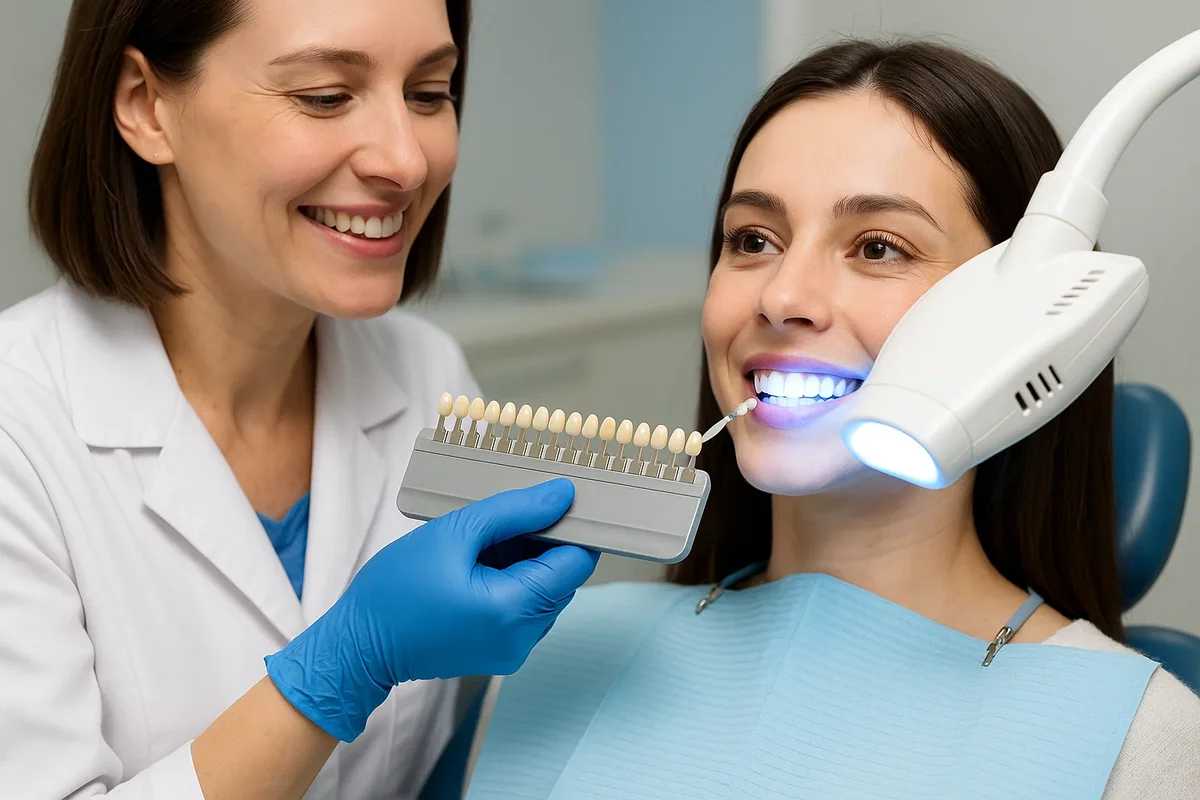
Where to Get Safe and Effective Teeth Whitening Treatments
When deciding where to undergo teeth whitening by dentist, choosing the right clinic is just as important as the treatment itself. The success and safety of the procedure depend heavily on the expertise of your dental professional, the quality of materials used, and the hygienic standards of the facility. In this section, we’ll explore how to identify reputable clinics, what qualifications to look for in a dentist, and how to ensure you’re receiving treatment that meets the highest medical and cosmetic standards 🦷.
1. Importance of Choosing a Qualified Dental Professional
Professional teeth whitening by dentist should always be performed by licensed dental experts who are trained in cosmetic procedures. Unlike over-the-counter whitening kits or beauty salon services, dental whitening involves the use of peroxide-based gels and specialized light systems that require precise application and supervision. A qualified dentist ensures your gums and enamel are protected, the concentration of the whitening agent is appropriate, and results are both safe and long-lasting.
What to Look for in a Professional Dentist
- Accreditation from national or international dental boards (e.g., the American Dental Association)
- Experience in cosmetic and restorative dentistry
- Use of advanced technology such as LED, laser, or plasma arc systems
- Positive patient reviews and before-and-after case photos
It’s also wise to consult with the dentist before booking your appointment. Ask questions about the whitening products they use, the expected results, and how they handle post-treatment sensitivity. A transparent, patient-centered approach is a good sign of professional integrity.
2. Choosing the Right Dental Clinic
Not all clinics that offer whitening services meet the same standards. When selecting where to get teeth whitening by dentist, prioritize clinics that focus on personalized care, safety protocols, and hygienic excellence. Reputable clinics perform a full oral health evaluation before beginning whitening to rule out gum disease, cavities, or enamel erosion that could affect the outcome.
Key Indicators of a Trusted Clinic
- Modern equipment and sterilized instruments
- Transparent pricing and detailed consultation process
- Professional certifications displayed visibly
- Comfortable, clean, and patient-friendly environment
Clinics that specialize in cosmetic dentistry are often better equipped to deliver consistent whitening results. They understand the aesthetic balance between tooth color, facial tone, and natural shading—ensuring your smile looks naturally beautiful, not artificially bright 😁.
3. The Consultation Process and Initial Evaluation
Before proceeding with teeth whitening by dentist, an initial consultation is essential. This evaluation allows your dentist to examine your oral health, identify stain types, and discuss your whitening goals. The consultation typically includes digital imaging or shade-matching tools that measure your current tooth color. Based on these results, the dentist designs a personalized whitening plan that suits your enamel sensitivity and desired brightness level.
In some cases, your dentist may recommend a professional cleaning session before whitening to remove plaque or tartar buildup. This ensures the whitening gel adheres evenly across all surfaces, producing consistent results. Patients with exposed roots, cavities, or gum inflammation may need to address these issues first to avoid sensitivity or uneven bleaching.
4. Types of Clinics Offering Professional Whitening
There are several types of dental facilities where you can receive teeth whitening by dentist, each with different benefits:
- Private Cosmetic Clinics: Offer high-end whitening systems, personalized aftercare, and advanced light-activated treatments for faster results.
- General Dental Practices: Provide professional whitening with standard hydrogen peroxide systems—safe, effective, and affordable for most patients.
- Specialized Aesthetic Centers: Combine whitening with other cosmetic procedures like veneers, bonding, and gum contouring for a full smile makeover.
When choosing among these options, consider your budget, time availability, and long-term goals. A quick laser whitening session may deliver immediate results, while take-home tray systems from a professional clinic offer gradual brightening with lower costs.
5. Comparing Local vs. International Dental Clinics
In recent years, dental tourism has gained popularity, with patients traveling abroad to receive affordable teeth whitening by dentist. Countries such as Turkey, Thailand, and Hungary have become renowned for their world-class dental care at competitive prices. These clinics often use the same whitening systems as Western practices, such as Philips Zoom or Opalescence, but at a fraction of the cost. However, when considering dental travel, ensure the clinic is certified, reviews are verified, and aftercare support is available even after you return home.
Benefits of International Whitening Treatments
- High-quality procedures at affordable prices
- Access to globally recognized dental technologies
- Opportunity to combine dental care with travel experiences
For patients seeking premium whitening options in Turkey, you can reach out to specialized professionals via the Redent Klinik Contact Page to book a consultation. Their team offers personalized whitening treatments using advanced laser systems and safe medical-grade gels designed to deliver lasting brilliance.
6. Cost Expectations and Transparency
Understanding pricing helps you make an informed decision. The cost of teeth whitening by dentist typically depends on the method, location, and technology used. In-office laser whitening usually ranges from $300 to $800 per session, while professional take-home kits may cost $150 to $400. Some clinics offer package deals that include consultation, cleaning, and whitening, providing excellent value for comprehensive care. Always ask for a written estimate to avoid hidden fees and confirm what is included in the procedure.
7. Ensuring Safe and Hygienic Practices
Hygiene and safety are non-negotiable in any dental procedure. Choose a clinic that maintains strict sterilization protocols, uses disposable applicators, and adheres to international infection control standards. A professional setting for teeth whitening by dentist should include high-grade suction systems to manage fumes, proper ventilation, and post-treatment monitoring. Patients should never experience burning, chemical odor, or gum irritation during whitening—these are warning signs of poor technique or low-quality materials.
Ask the Following Safety Questions Before Treatment:
- What type and concentration of whitening gel will be used?
- Are protective barriers applied to gums and soft tissues?
- What aftercare products or desensitizers are provided?
Reputable clinics will always provide clear, professional answers and ensure your comfort throughout the process.
8. Patient Experience and Aftercare Support
The best clinics offering teeth whitening by dentist go beyond the procedure—they provide complete aftercare guidance. You should receive written or digital instructions outlining dietary restrictions, sensitivity management, and touch-up schedules. Some clinics even offer free follow-up consultations to evaluate results after a few weeks. A strong patient support system reflects the clinic’s commitment to long-term satisfaction and oral health.
9. Why Professional Clinics Are Worth the Investment
While store-bought whitening kits might seem cheaper initially, professional whitening delivers superior results and long-term safety. With clinical precision, high-grade materials, and customized care, teeth whitening by dentist not only whitens effectively but also enhances confidence and overall oral health. Moreover, the controlled environment ensures predictable, even whitening—something no home kit can guarantee.
10. Final Advice: Choosing Quality Over Cost
Ultimately, when deciding where to get whitening done, prioritize reputation and quality over price. A bright smile is an investment in your appearance and confidence, so it’s worth seeking professionals who understand the balance between beauty and health. Before committing to treatment, check patient reviews, consult multiple clinics, and ensure your chosen provider has the expertise and technology to deliver exceptional outcomes.
For those seeking internationally recognized, safe, and effective whitening solutions, teeth whitening by dentist at professional clinics like Redent Klinik ensures top-tier care with scientifically proven results. With expert hands and cutting-edge equipment, you can achieve a luminous, healthy smile that lasts for years to come 🌟.