
Teeth whitening is one of the most popular cosmetic dental treatments today, helping people achieve a brighter, more confident smile 😊. However, one of the most common questions patients ask is whether teeth whitening insurance coverage exists and how it works. Understanding this topic is essential before planning any whitening procedure, as it directly affects your financial expectations and treatment decisions.
In most cases, teeth whitening insurance coverage is limited or completely unavailable. This is because whitening treatments are classified as cosmetic rather than medically necessary. Dental insurance providers typically focus on procedures that improve oral health, such as fillings, extractions, or periodontal treatments. Since whitening is primarily done for aesthetic reasons, it is often excluded from standard policies. Still, there are exceptions and important nuances that every patient should understand.
When evaluating teeth whitening insurance coverage, it is important to distinguish between cosmetic and restorative dentistry. Cosmetic treatments aim to enhance appearance, while restorative treatments address functional or health issues. Insurance companies prioritize the latter. However, in rare cases where discoloration is caused by trauma, disease, or medication, partial teeth whitening insurance coverage may be considered. This makes it crucial to consult your dentist and insurance provider together before making assumptions.
Another factor influencing teeth whitening insurance coverage is the type of dental plan you have. Basic dental insurance plans usually exclude cosmetic procedures entirely. Premium or comprehensive plans may offer limited benefits, but even then, whitening is often not included. Some advanced policies provide flexible spending allowances that can indirectly support whitening treatments. Understanding your plan details can help you determine whether any form of teeth whitening insurance coverage applies to your situation.
Patients often confuse dental insurance with discount dental plans. While insurance rarely provides direct teeth whitening insurance coverage, discount plans may offer reduced prices for cosmetic treatments, including whitening. These plans are not insurance but membership-based programs that give you access to lower fees at participating clinics. This can be a practical alternative if traditional teeth whitening insurance coverage is unavailable.
It is also worth noting that professional whitening treatments performed in a dental clinic are generally more effective and longer-lasting than over-the-counter options. However, they come at a higher cost, which is why the question of teeth whitening insurance coverage becomes even more important. Without coverage, patients must pay out-of-pocket, which can range from moderate to significant expenses depending on the method used.
Despite the limitations of teeth whitening insurance coverage, many patients still choose to proceed with treatment because of the noticeable improvements in their smile and self-confidence. A brighter smile can positively impact personal and professional interactions, making the investment worthwhile for many individuals. If you are considering treatment, you can always consult professionals through the Redent Klinik Contact Page to explore your options and receive personalized guidance.
For reliable dental information and standards, you can also refer to the American Dental Association, which provides valuable insights into cosmetic and preventive dental care. Their guidelines can help you better understand the role of treatments like whitening and why teeth whitening insurance coverage is typically limited.
In conclusion, teeth whitening insurance coverage is generally not included in standard dental insurance plans because it is considered a cosmetic procedure. However, exceptions may exist depending on the cause of discoloration and the specifics of your insurance policy. By carefully reviewing your plan, exploring alternative options, and consulting with dental professionals, you can make an informed decision that balances both your budget and your desired results ✨.
Does Teeth Whitening Insurance Coverage Really Exist?
One of the most frequently asked questions in cosmetic dentistry is whether teeth whitening insurance coverage actually exists. The short answer is: in most cases, it does not. However, the full explanation is more nuanced and requires a deeper understanding of how dental insurance works, what procedures are classified as necessary, and under what circumstances teeth whitening insurance coverage might become relevant 😊.
Understanding the Nature of Cosmetic Dentistry
To fully grasp the concept of teeth whitening insurance coverage, it is important to first understand how insurance providers categorize dental treatments. Procedures are typically divided into three main groups: preventive, basic restorative, and major restorative treatments. Cosmetic procedures, including whitening, fall outside these categories because they are not considered essential for oral health.
This classification is the main reason why teeth whitening insurance coverage is rarely included in standard policies. Insurance companies are designed to reduce financial risk related to health issues, not aesthetic improvements. Since teeth whitening primarily enhances appearance rather than treating disease, it is usually excluded.
Why Patients Still Search for Teeth Whitening Insurance Coverage
Despite these limitations, patients continue to search for teeth whitening insurance coverage because whitening treatments can be relatively costly. Professional in-office whitening procedures often provide faster and more noticeable results compared to at-home kits, but they also come with higher fees. This naturally leads patients to explore whether insurance can help offset these costs.
Another reason for this interest is the increasing importance of aesthetics in modern society. A bright smile is often associated with confidence, professionalism, and good hygiene. As a result, many people view whitening as a necessary investment, even if teeth whitening insurance coverage is not typically available.
Typical Costs Without Insurance Coverage
To better understand why patients look for teeth whitening insurance coverage, it helps to consider the typical costs involved:
- In-office professional whitening: $300 – $800
- Custom take-home trays from a dentist: $150 – $400
- Over-the-counter whitening kits: $20 – $100
As seen above, the price difference between professional and at-home treatments can be significant. Without teeth whitening insurance coverage, patients must carefully choose the option that best fits their budget and expectations.
Rare Situations Where Coverage May Apply
Although uncommon, there are specific cases where teeth whitening insurance coverage may be partially available. These situations usually involve underlying medical or dental conditions rather than purely cosmetic concerns.
Medical or Trauma-Related Discoloration
If tooth discoloration is caused by trauma, infection, or certain medications, a dentist may classify the treatment as medically necessary. In such cases, insurance providers might consider partial teeth whitening insurance coverage, especially if the discoloration affects function or psychological well-being.
For example, a patient who experiences severe staining after a dental injury may be eligible for coverage if whitening is part of a broader restorative plan. However, approval is not guaranteed, and documentation from a dental professional is usually required.
Whitening as Part of a Restorative Procedure
Another scenario where teeth whitening insurance coverage may be considered is when whitening is combined with restorative treatments such as crowns, veneers, or bonding. In these cases, whitening may be performed to ensure color consistency across all teeth.
Even then, insurance companies often only cover the restorative portion of the treatment, not the whitening itself. This means that while some financial support may be available, full teeth whitening insurance coverage is still unlikely.
Differences Between Insurance and Discount Plans
Many patients mistakenly believe that discount dental plans provide the same benefits as insurance. While these plans do not offer true teeth whitening insurance coverage, they can significantly reduce the cost of treatment.
Discount plans operate on a membership basis, allowing patients to access reduced rates at participating clinics. This can make professional whitening more affordable, even without traditional teeth whitening insurance coverage. For patients who prioritize cosmetic treatments, these plans can be a valuable alternative.
Key Takeaways About Teeth Whitening Insurance Coverage
To summarize, teeth whitening insurance coverage is generally limited because whitening is considered a cosmetic procedure. However, exceptions may exist in cases involving medical necessity or combined treatments. Patients should always review their insurance policy carefully and consult with their dentist to determine whether any form of teeth whitening insurance coverage applies to their situation.
If you are unsure about your options, seeking professional advice is the best step forward. Dental experts can evaluate your needs, explain potential costs, and help you navigate the complexities of teeth whitening insurance coverage. Ultimately, understanding these details will allow you to make a confident and informed decision about your smile ✨.
Why Most Dental Insurance Plans Exclude Teeth Whitening
Understanding why teeth whitening insurance coverage is excluded from most dental insurance plans requires a closer look at how insurance systems are structured and what they are designed to cover. Dental insurance is fundamentally built to support treatments that are medically necessary, prevent disease, or restore oral function. Because of this, procedures that are considered purely cosmetic—such as whitening—are typically left out. This is the primary reason why teeth whitening insurance coverage is rarely included in standard policies 😕.
The Core Purpose of Dental Insurance
Dental insurance providers prioritize treatments that protect oral health and prevent long-term complications. These include cleanings, fillings, root canals, and periodontal treatments. Since teeth whitening insurance coverage does not fall into any of these essential categories, it is usually classified as non-essential.
Insurance companies operate on a risk-based model, meaning they calculate what treatments are necessary to maintain a patient’s health. Cosmetic enhancements, including whitening, do not reduce health risks in most cases. Therefore, offering teeth whitening insurance coverage would not align with their core purpose of minimizing medical costs and risks.
Cosmetic vs. Medical Necessity
The distinction between cosmetic and medically necessary treatments is critical when discussing teeth whitening insurance coverage. Cosmetic procedures are performed to improve appearance, while medically necessary procedures address pain, infection, or functional problems.
How Insurance Companies Define Cosmetic Treatments
Insurance providers define cosmetic dentistry as any treatment that enhances the look of teeth without directly improving oral health. Since whitening primarily removes stains and discoloration, it falls into this category. As a result, teeth whitening insurance coverage is generally excluded.
Even if discoloration affects a patient’s confidence or emotional well-being, insurance companies rarely classify whitening as a necessity. This strict definition further limits the availability of teeth whitening insurance coverage across most plans.
Exceptions Based on Medical Conditions
Although rare, there are situations where teeth whitening insurance coverage may be partially considered. For example, if discoloration is caused by trauma, illness, or certain medications, a dentist may argue that treatment has a medical component. However, approval depends heavily on documentation and the insurer’s policies.
Even in these cases, full teeth whitening insurance coverage is uncommon. Patients may receive partial reimbursement, but they are often responsible for most of the cost.
Financial and Business Considerations
Another key reason why teeth whitening insurance coverage is excluded is financial sustainability. Insurance companies must carefully manage costs to remain profitable and keep premiums affordable. Covering cosmetic procedures like whitening would significantly increase overall expenses.
If insurers were to include teeth whitening insurance coverage, premiums would likely rise for all policyholders. Since whitening is a high-demand treatment, the cumulative cost would be substantial. To avoid this, insurers focus on essential treatments and leave cosmetic procedures as out-of-pocket expenses.
High Demand for Whitening Treatments
Teeth whitening is one of the most requested dental procedures worldwide. If teeth whitening insurance coverage were widely available, a large number of patients would utilize it. This high demand would place a heavy financial burden on insurance providers.
By excluding teeth whitening insurance coverage, insurers can maintain stable pricing structures and ensure that funds are allocated to critical treatments.
Predictability of Cosmetic Costs
Unlike emergency dental procedures, whitening treatments are predictable and elective. Patients can choose when and where to undergo the procedure. Because of this predictability, insurers see no need to include teeth whitening insurance coverage, as patients can plan and budget for it independently.
Policy Limitations and Fine Print
Many patients are surprised to learn that their dental insurance does not include teeth whitening insurance coverage, often due to overlooked policy details. Insurance documents typically contain specific clauses that explicitly exclude cosmetic treatments.
Understanding Exclusion Clauses
Most dental policies include a section outlining what is not covered. This section often lists cosmetic procedures, including whitening. Carefully reviewing these clauses can help patients avoid misunderstandings about teeth whitening insurance coverage.
It is always advisable to consult your insurance provider directly if you are unsure. Clarifying your benefits can prevent unexpected costs and ensure you fully understand your teeth whitening insurance coverage status.
Psychological vs. Clinical Value
While teeth whitening insurance coverage is limited, the psychological benefits of whitening are undeniable. A brighter smile can boost confidence, improve social interactions, and enhance overall self-image. However, insurance companies prioritize clinical outcomes over psychological benefits.
This difference in perspective explains why teeth whitening insurance coverage remains excluded despite its popularity. Insurers focus on treatments that directly impact physical health rather than emotional well-being.
Conclusion: A Clear Understanding of Coverage Limitations
In conclusion, the exclusion of teeth whitening insurance coverage from most dental plans is rooted in the fundamental principles of insurance. Cosmetic procedures are not considered medically necessary, making them ineligible for standard coverage. Financial considerations, high demand, and policy definitions all contribute to this limitation.
Although teeth whitening insurance coverage is rarely available, understanding the reasons behind this exclusion can help patients make informed decisions. By exploring alternative options and consulting with dental professionals, you can still achieve a brighter smile while managing costs effectively ✨.
Types of Dental Plans and Their Approach to Cosmetic Treatments
When evaluating whether teeth whitening insurance coverage is available, one of the most important factors to consider is the type of dental plan you have. Not all dental insurance policies are structured the same way, and each plan type has its own rules regarding cosmetic procedures. Understanding these differences can help you set realistic expectations and identify any opportunities where teeth whitening insurance coverage might apply 😊.
Basic Dental Insurance Plans
Basic dental insurance plans are the most common and affordable option for many individuals and families. These plans are designed to cover preventive and essential treatments, such as cleanings, X-rays, fillings, and sometimes extractions. However, when it comes to teeth whitening insurance coverage, these plans almost always exclude it.
The primary reason is that basic plans focus strictly on oral health maintenance. Since whitening does not prevent disease or treat a dental condition, teeth whitening insurance coverage is not considered necessary within this category. Patients with basic plans should expect to pay entirely out-of-pocket for cosmetic treatments.
Coverage Breakdown in Basic Plans
- Preventive care: 80–100% covered
- Basic procedures: 50–80% covered
- Cosmetic treatments: 0% (no teeth whitening insurance coverage)
This structure clearly shows why teeth whitening insurance coverage is not included in entry-level policies.
Comprehensive or Premium Dental Plans
Comprehensive dental plans offer a broader range of benefits compared to basic plans. These policies often include major restorative procedures such as crowns, bridges, and dentures. While they provide more extensive coverage overall, teeth whitening insurance coverage is still rarely included.
Some premium plans may offer flexible benefits or higher annual maximums, which can indirectly help patients manage costs. However, even in these advanced plans, teeth whitening insurance coverage is typically excluded because whitening remains categorized as cosmetic.
Potential Indirect Benefits
Although direct teeth whitening insurance coverage may not be available, premium plans sometimes include wellness or discretionary allowances. These allowances can occasionally be applied toward cosmetic procedures, depending on the provider’s policies.
It is important to review your plan carefully or speak with your insurer to determine whether any indirect form of teeth whitening insurance coverage exists within your benefits.
Employer-Sponsored Dental Plans
Many people receive dental insurance through their employer. These group plans often provide better coverage rates and lower premiums compared to individual policies. However, when it comes to teeth whitening insurance coverage, the same limitations usually apply.
Employer-sponsored plans are designed to balance cost and coverage for a large group of employees. Including cosmetic treatments like whitening would significantly increase costs, which is why teeth whitening insurance coverage is generally excluded.
Negotiated Discounts Through Employers
One advantage of employer-sponsored plans is access to negotiated rates with dental providers. While this does not provide direct teeth whitening insurance coverage, it can reduce the overall cost of whitening treatments.
In some cases, employers may also offer additional wellness programs or benefits that can indirectly support cosmetic procedures, but these are not guaranteed forms of teeth whitening insurance coverage.
Dental Discount Plans
Dental discount plans are often confused with traditional insurance, but they operate differently. Instead of providing reimbursement, these plans offer reduced prices for dental services at participating clinics. While they do not provide true teeth whitening insurance coverage, they can make whitening treatments more affordable.
For patients seeking cost-effective options, discount plans can be a practical alternative when teeth whitening insurance coverage is not available. These plans typically require an annual membership fee but can offer significant savings on cosmetic procedures.
Typical Discounts for Whitening
- In-office whitening: 10–30% discount
- Take-home kits: 10–25% discount
Although these savings are not the same as teeth whitening insurance coverage, they can still reduce the financial burden.
Flexible Spending Accounts (FSA) and Health Savings Accounts (HSA)
Another important consideration is the use of FSAs and HSAs. These accounts allow patients to set aside pre-tax money for medical and dental expenses. While they do not provide direct teeth whitening insurance coverage, they can help lower the effective cost of treatment.
Limitations of FSA and HSA for Whitening
In most cases, whitening is not considered an eligible expense under FSA or HSA guidelines because it is cosmetic. Therefore, these accounts do not provide true teeth whitening insurance coverage. However, exceptions may exist if whitening is part of a medically necessary treatment plan.
Always check with your account provider before assuming eligibility, as rules regarding teeth whitening insurance coverage can vary.
International Dental Plans and Coverage Variations
For patients seeking treatment abroad, including dental tourism destinations, insurance policies may differ. Some international plans or private clinics offer packages that include cosmetic procedures. While this is not traditional teeth whitening insurance coverage, it can provide bundled pricing that reduces costs.
In these cases, patients may find more flexible options compared to standard domestic insurance plans. However, it is still important to verify whether any form of teeth whitening insurance coverage is included or if the treatment is simply discounted.
Key Takeaways for Choosing the Right Plan
Choosing the right dental plan requires a clear understanding of what is and is not covered. As discussed, teeth whitening insurance coverage is rarely included in most plans, regardless of type. However, certain plans may offer indirect benefits, discounts, or flexible spending options that can help reduce costs.
Before selecting a plan, consider your priorities. If cosmetic treatments are important to you, it may be worth exploring alternative options such as discount plans or clinics that offer bundled pricing. While teeth whitening insurance coverage may not be readily available, there are still ways to achieve a brighter smile without overspending ✨.
When Teeth Whitening Insurance Coverage Might Be Possible
Although teeth whitening insurance coverage is generally excluded from standard dental insurance plans, there are specific situations where it may be partially available. These exceptions are rare, but understanding them can help patients identify opportunities to reduce costs and make informed treatment decisions. Knowing when teeth whitening insurance coverage might apply requires careful evaluation of medical necessity, insurance policy details, and the context of the dental issue 😊.
Medical Necessity as a Key Factor
The most important condition that can influence teeth whitening insurance coverage is whether the treatment is considered medically necessary. Insurance providers are more likely to approve coverage when a procedure addresses a health-related issue rather than purely cosmetic concerns.
In cases where tooth discoloration is caused by trauma, infection, or disease, a dentist may argue that whitening is part of a restorative treatment plan. Under these circumstances, partial teeth whitening insurance coverage may be considered. However, approval is not guaranteed and often requires detailed documentation.
Examples of Medically Related Discoloration
- Tooth discoloration due to physical injury
- Staining caused by certain medications
- Color changes linked to enamel defects or disease
In these cases, teeth whitening insurance coverage may be evaluated differently compared to purely aesthetic treatments.
Whitening as Part of a Restorative Treatment Plan
Another situation where teeth whitening insurance coverage might be possible is when whitening is included as part of a broader restorative procedure. For example, patients receiving crowns, veneers, or bonding may undergo whitening to ensure a consistent tooth color.
While the primary procedure (such as a crown) may be covered, the whitening portion is often considered cosmetic. However, some insurance providers may offer partial teeth whitening insurance coverage if it is deemed necessary for the success of the overall treatment.
Color Matching in Restorative Dentistry
When dentists perform restorative work, achieving a natural and uniform appearance is essential. Whitening may be recommended before placing restorations to match the shade of surrounding teeth. In such cases, teeth whitening insurance coverage may be indirectly considered, though rarely fully covered.
Employer or Premium Plan Exceptions
Certain high-tier or employer-sponsored dental plans may include flexible benefits that can be applied to cosmetic treatments. While these plans do not typically provide direct teeth whitening insurance coverage, they may offer allowances or reimbursements that can offset some of the costs.
For example, wellness benefits or discretionary spending categories within a premium plan might allow partial reimbursement. This is not standard teeth whitening insurance coverage, but it can still provide financial relief.
Flexible Benefit Allowances
Some advanced insurance plans include annual allowances that can be used for a variety of treatments. In rare cases, patients may be able to apply these funds toward whitening, effectively creating a form of indirect teeth whitening insurance coverage.
It is important to review your policy carefully or consult with your provider to confirm whether such benefits exist.
Dental Discount Programs and Bundled Treatments
While not technically insurance, dental discount programs and bundled treatment packages can sometimes mimic the effects of teeth whitening insurance coverage. Clinics may offer whitening as part of a package deal with other procedures, reducing the overall cost.
For example, a clinic may include whitening in a smile makeover package that also involves veneers or orthodontic treatments. Although this is not true teeth whitening insurance coverage, it can significantly lower the price compared to standalone whitening procedures.
Package Pricing Benefits
- Reduced total cost compared to individual treatments
- Convenience of combined procedures
- Potential for higher value without relying on teeth whitening insurance coverage
These options can be especially useful for patients who want comprehensive cosmetic improvements.
Appeals and Special Requests to Insurance Providers
In some cases, patients may attempt to appeal their insurance provider’s decision regarding teeth whitening insurance coverage. This involves submitting documentation from a dentist explaining why the treatment is necessary.
Although success rates are low, appeals can sometimes result in partial reimbursement. This is more likely when there is a clear medical justification for the procedure.
Steps to Submit an Appeal
- Obtain a detailed report from your dentist
- Include photographic evidence if available
- Submit a formal appeal to your insurance provider
- Follow up regularly for updates
Even if the appeal is unsuccessful, it provides clarity on your teeth whitening insurance coverage status.
International Treatment and Coverage Variations
In some countries or private healthcare systems, dental insurance policies may offer more flexibility regarding cosmetic procedures. Patients seeking treatment abroad may find packages that include whitening as part of comprehensive care. While this is not traditional teeth whitening insurance coverage, it can provide cost-effective alternatives.
Dental tourism destinations often bundle services to attract international patients, which can create the appearance of broader teeth whitening insurance coverage options compared to domestic plans.
Important Considerations Before Assuming Coverage
Before assuming that teeth whitening insurance coverage applies to your situation, it is essential to verify the details of your policy. Misunderstandings can lead to unexpected expenses and frustration.
Questions to Ask Your Provider
- Is whitening ever covered under my plan?
- Are there exceptions for medical conditions?
- Can I use any allowances for cosmetic treatments?
These questions can help you determine whether any form of teeth whitening insurance coverage is available.
Conclusion: Limited but Possible Opportunities
In conclusion, while teeth whitening insurance coverage is generally not included in standard dental plans, there are specific situations where partial coverage may be possible. These include cases involving medical necessity, restorative treatments, or flexible benefit plans.
Understanding these exceptions allows patients to explore all available options and potentially reduce costs. By consulting with dental professionals and carefully reviewing insurance policies, you can identify whether any form of teeth whitening insurance coverage applies to your case and make a confident decision about your treatment ✨.
Alternative Ways to Save on Teeth Whitening Costs
Since teeth whitening insurance coverage is rarely included in standard dental plans, many patients look for alternative ways to reduce the cost of achieving a brighter smile. Fortunately, there are several practical and effective strategies that can help you save money without compromising results. Understanding these options is essential if teeth whitening insurance coverage is not available to you 😊.
Choosing the Right Whitening Method
The first step in managing costs without relying on teeth whitening insurance coverage is selecting the most suitable whitening method. Not all treatments are priced the same, and choosing wisely can make a significant difference in your overall expenses.
Professional In-Office Whitening
In-office whitening offers the fastest and most dramatic results. While it is the most expensive option, it provides long-lasting outcomes under professional supervision. Without teeth whitening insurance coverage, patients typically pay between $300 and $800 for this treatment.
At-Home Whitening Kits from Dentists
Dentist-provided take-home kits are a more affordable alternative. These kits include custom trays and professional-grade whitening gel. Although slower than in-office treatments, they still deliver effective results. This option is ideal for patients who do not have teeth whitening insurance coverage but still want reliable outcomes.
Over-the-Counter Products
Whitening strips, gels, and toothpaste are widely available and budget-friendly. While they are less powerful, they can still improve mild discoloration. These products are especially useful for patients who lack teeth whitening insurance coverage and want a low-cost solution.
Dental Discount Plans and Membership Programs
Dental discount plans are one of the most effective ways to save money when teeth whitening insurance coverage is not available. These programs require a membership fee but offer reduced rates for various dental treatments, including cosmetic procedures.
Unlike traditional insurance, discount plans do not reimburse costs. Instead, they provide immediate savings at participating clinics. This can significantly lower the financial burden of whitening treatments, even without teeth whitening insurance coverage.
Typical Savings with Discount Plans
- In-office whitening: up to 30% discount
- Take-home kits: up to 25% discount
- Consultation fees: often reduced or waived
These savings make discount plans a strong alternative to teeth whitening insurance coverage.
Promotions and Seasonal Offers
Many dental clinics offer promotional discounts on whitening services throughout the year. These promotions are often available during holidays or special events. Taking advantage of these offers can help you save significantly, even without teeth whitening insurance coverage.
When to Look for Deals
- Holiday promotions (New Year, summer campaigns)
- Clinic anniversary events
- New patient special offers
By timing your treatment strategically, you can reduce costs without relying on teeth whitening insurance coverage.
Combining Treatments for Better Value
Another effective strategy is combining whitening with other dental procedures. Many clinics offer package deals that include multiple treatments at a reduced price. While this is not direct teeth whitening insurance coverage, it can provide excellent value.
Popular Package Options
- Whitening + dental cleaning
- Whitening + veneers consultation
- Whitening + orthodontic treatment packages
These bundled services can lower the overall cost compared to paying for each procedure separately, making them a practical alternative to teeth whitening insurance coverage.
Using Flexible Payment Plans
Many dental clinics offer payment plans that allow patients to spread the cost of treatment over time. This can make whitening more accessible, especially for those without teeth whitening insurance coverage.
Benefits of Payment Plans
- Manageable monthly payments
- No need for upfront full payment
- Access to higher-quality treatments
While payment plans do not reduce the total cost, they make it easier to afford whitening without relying on teeth whitening insurance coverage.
Maintaining Results to Avoid Repeated Costs
One of the most overlooked ways to save money is maintaining your whitening results. Proper oral hygiene and lifestyle habits can extend the effects of treatment, reducing the need for frequent touch-ups.
Tips for Long-Lasting Results
- Avoid staining foods and drinks (coffee, tea, red wine)
- Brush and floss regularly
- Use whitening toothpaste for maintenance
- Schedule regular dental cleanings
By following these steps, you can minimize the need for additional treatments, making the absence of teeth whitening insurance coverage less of a financial concern.
Consulting with Dental Professionals
Before deciding on any whitening option, it is always best to consult with a dental professional. They can recommend the most cost-effective treatment based on your needs and help you explore alternatives to teeth whitening insurance coverage.
If you need personalized advice, you can reach out through the Redent Klinik Contact Page. Professional guidance ensures that you choose the right approach without unnecessary expenses.
Conclusion: Smart Strategies Without Insurance
In conclusion, while teeth whitening insurance coverage is rarely available, there are many effective ways to reduce costs. From choosing the right treatment method to taking advantage of discounts, promotions, and payment plans, patients have multiple options to achieve a brighter smile.
By understanding these alternatives and making informed decisions, you can enjoy the benefits of teeth whitening without depending on teeth whitening insurance coverage. With the right strategy, a confident and radiant smile is within reach ✨.
Professional vs At-Home Whitening: Cost and Coverage Comparison
When exploring your options for a brighter smile, one of the most important decisions is choosing between professional in-office whitening and at-home treatments. This choice becomes even more critical when you realize that teeth whitening insurance coverage is rarely available. Understanding the cost differences, effectiveness, and long-term value of each method will help you make the best decision for your needs 😊.
What Is Professional Teeth Whitening?
Professional whitening is performed by a dentist using high-concentration bleaching agents and advanced technology. This method delivers fast and noticeable results, often in a single session. However, since teeth whitening insurance coverage is typically not included in dental plans, patients must pay out-of-pocket for this premium service.
Advantages of Professional Whitening
- Immediate and dramatic results
- Safe and controlled environment
- Customized treatment for your teeth
- Longer-lasting outcomes
Despite the higher cost, many patients prefer professional treatments because they provide reliable and consistent results. Without teeth whitening insurance coverage, this option is considered an investment in both appearance and confidence.
Typical Costs of Professional Whitening
- In-office whitening session: $300 – $800
- Advanced laser whitening: up to $1,000
These prices can vary depending on location and clinic reputation. Since teeth whitening insurance coverage is usually unavailable, patients should plan their budget accordingly.
What Are At-Home Whitening Options?
At-home whitening includes both dentist-prescribed kits and over-the-counter products. These methods are more affordable and convenient, making them a popular choice for patients without teeth whitening insurance coverage.
Dentist-Supervised At-Home Kits
These kits include custom trays and professional-grade whitening gel. While they take longer to show results compared to in-office treatments, they are more effective than store-bought products. Patients who do not have teeth whitening insurance coverage often choose this option for its balance between cost and quality.
- Cost: $150 – $400
- Duration: 1–3 weeks
Over-the-Counter Whitening Products
Whitening strips, gels, and toothpaste are widely accessible and budget-friendly. They are ideal for mild discoloration but may not deliver the same level of results as professional treatments. For those without teeth whitening insurance coverage, these products offer a simple starting point.
- Cost: $20 – $100
- Duration: several weeks
Effectiveness Comparison
The effectiveness of each method varies significantly. Professional treatments use stronger bleaching agents, resulting in faster and more noticeable whitening. At-home methods, while effective for minor stains, require consistent use over time.
Without teeth whitening insurance coverage, patients must weigh the cost against the expected results. Those seeking dramatic improvements may find professional whitening more worthwhile, while those with mild discoloration may prefer at-home solutions.
Key Differences in Results
- Professional whitening: 5–8 shades lighter in one session
- At-home kits: 2–4 shades lighter over several weeks
- Over-the-counter products: gradual improvement
These differences highlight why cost plays a major role when teeth whitening insurance coverage is not available.
Safety Considerations
Safety is another important factor when comparing whitening methods. Professional treatments are performed under dental supervision, minimizing risks such as gum irritation or uneven results. At-home methods, especially over-the-counter products, carry a higher risk if used incorrectly.
Patients without teeth whitening insurance coverage may be tempted to choose cheaper options, but it is important to prioritize safety and consult a dentist when possible.
Common Side Effects
- Tooth sensitivity
- Gum irritation
- Uneven whitening
Professional guidance can help reduce these risks, even if teeth whitening insurance coverage is not available.
Long-Term Value and Maintenance
When evaluating cost, it is essential to consider long-term value. Professional whitening often lasts longer, reducing the need for frequent touch-ups. At-home methods may require more frequent use, which can increase overall costs over time.
Without teeth whitening insurance coverage, choosing a method that offers lasting results can be more cost-effective in the long run.
Maintenance Tips
- Avoid staining foods and drinks
- Maintain good oral hygiene
- Use touch-up kits when needed
These practices can help extend results and reduce the need for repeated treatments.
Cost vs Benefit Analysis
Ultimately, the decision between professional and at-home whitening comes down to balancing cost and benefits. Since teeth whitening insurance coverage is rarely available, patients must evaluate what matters most to them: speed, effectiveness, or affordability.
Professional treatments offer superior results but at a higher price. At-home options are more budget-friendly but require patience. Understanding these trade-offs ensures that you make a well-informed decision without relying on teeth whitening insurance coverage.
Conclusion: Choosing the Right Option for You
In conclusion, both professional and at-home whitening methods have their advantages and limitations. The absence of teeth whitening insurance coverage means that patients must carefully consider their budget, expectations, and desired results.
By comparing costs, effectiveness, and safety, you can choose the option that best suits your needs. Whether you opt for professional treatment or a more affordable at-home solution, achieving a brighter smile is possible with the right approach ✨.
How to Check Your Dental Policy for Whitening Benefits
Understanding your dental insurance policy is the most important step if you are trying to determine whether teeth whitening insurance coverage applies to your situation. Many patients assume they are not covered without actually reviewing their policy details. However, dental insurance documents often contain complex language, hidden clauses, and conditional benefits that may affect teeth whitening insurance coverage. Learning how to properly analyze your policy can help you avoid unnecessary expenses and make confident decisions 😊.
Start with Your Policy Summary
The first place to check for teeth whitening insurance coverage is your policy summary or benefits overview. This document provides a simplified breakdown of what is covered, partially covered, or excluded. Most policies clearly categorize treatments into preventive, basic, and major services.
Since whitening is usually considered cosmetic, it will often appear under the exclusions section. However, reviewing the summary carefully can reveal whether any exceptions or indirect forms of teeth whitening insurance coverage exist.
Key Sections to Review
- Coverage categories (preventive, basic, major)
- Exclusions and limitations
- Annual maximum benefits
- Waiting periods
By examining these sections, you can better understand your teeth whitening insurance coverage status.
Look for Cosmetic Treatment Clauses
Most dental policies include a specific section that defines cosmetic procedures. This section is critical when evaluating teeth whitening insurance coverage. Whitening is almost always listed as a cosmetic treatment, which means it is excluded from standard benefits.
However, some policies may include wording that allows coverage under certain conditions. For example, if whitening is part of a medically necessary procedure, there may be limited teeth whitening insurance coverage. Identifying these clauses requires careful reading and attention to detail.
Common Exclusion Language
- “Cosmetic procedures are not covered”
- “Services performed solely for aesthetic purposes are excluded”
- “Whitening treatments are not eligible for reimbursement”
If you see this type of language, it confirms that teeth whitening insurance coverage is not included in your plan.
Check for Exceptions and Special Conditions
Even if your policy excludes cosmetic procedures, it is still important to check for exceptions. Some plans allow limited teeth whitening insurance coverage in specific situations, such as trauma-related discoloration or medically necessary treatments.
Possible Exceptions
- Discoloration caused by injury or disease
- Whitening required for restorative procedures
- Special allowances in premium plans
While these exceptions are rare, they can provide partial teeth whitening insurance coverage in certain cases.
Understand Annual Maximums and Limits
Dental insurance plans typically have an annual maximum, which is the total amount the insurer will pay for treatments within a year. Even if teeth whitening insurance coverage were partially available, it would still be subject to these limits.
For example, if your annual maximum is $1,000 and you have already used most of it for other treatments, there may be little or no remaining benefit for whitening. This is why understanding your limits is essential when evaluating teeth whitening insurance coverage.
Example Scenario
If a patient has $200 remaining in their annual maximum and qualifies for partial teeth whitening insurance coverage, the insurance provider will only cover up to that remaining amount.
Contact Your Insurance Provider Directly
If you are unsure about your policy details, the best approach is to contact your insurance provider directly. Speaking with a representative allows you to ask specific questions about teeth whitening insurance coverage and receive clear answers.
Questions to Ask
- Is whitening ever covered under my plan?
- Are there any exceptions for medical conditions?
- Can I use any allowances for cosmetic treatments?
- What documentation is required for approval?
These questions can help you fully understand your teeth whitening insurance coverage options.
Consult Your Dentist for Policy Interpretation
Dentists and clinic staff often have experience dealing with insurance policies and can help you interpret your coverage. They can also provide documentation if you are attempting to qualify for partial teeth whitening insurance coverage.
If you need professional assistance, you can reach out through the Redent Klinik Contact Page. Expert guidance ensures that you do not overlook any potential benefits related to teeth whitening insurance coverage.
How Dentists Can Help
- Review your insurance policy
- Provide treatment plans and documentation
- Submit claims or pre-authorization requests
This support can be valuable when navigating complex teeth whitening insurance coverage rules.
Pre-Authorization and Claims Process
In some cases, you may need to request pre-authorization before undergoing treatment. This process allows the insurance provider to evaluate whether any form of teeth whitening insurance coverage applies.
Steps in the Process
- Your dentist submits a treatment plan
- The insurance company reviews the request
- You receive approval or denial
- Treatment proceeds based on the decision
Although approvals are rare, this process ensures clarity regarding your teeth whitening insurance coverage.
Review Policy Updates and Changes
Insurance policies can change over time, and new benefits may be introduced. Reviewing your policy annually can help you stay informed about any updates related to teeth whitening insurance coverage.
Employers may also change plan providers or upgrade benefits, which could affect your eligibility. Staying proactive ensures that you do not miss any opportunities for teeth whitening insurance coverage.
Conclusion: Take Control of Your Coverage
In conclusion, checking your dental policy thoroughly is essential if you want to understand your teeth whitening insurance coverage options. While most plans exclude whitening, exceptions and indirect benefits may exist.
By reviewing your policy, contacting your provider, and consulting with dental professionals, you can gain a clear understanding of your coverage. This knowledge empowers you to make informed decisions and avoid unexpected costs, even in the absence of full teeth whitening insurance coverage ✨.
Hidden Terms in Insurance That Affect Whitening Coverage
When reviewing your dental policy, it is not enough to simply check whether teeth whitening insurance coverage is listed as included or excluded. Many insurance plans contain hidden terms, technical wording, and conditional clauses that can significantly impact your eligibility. These details are often overlooked, yet they play a crucial role in determining whether any form of teeth whitening insurance coverage might apply. Understanding these hidden terms can help you avoid surprises and make smarter financial decisions 😊.
Understanding Policy Language and Terminology
Insurance documents are often written in complex language that can be difficult to interpret. Terms such as “cosmetic,” “medically necessary,” and “elective procedure” directly influence teeth whitening insurance coverage. If whitening is classified under cosmetic services, it is almost always excluded.
However, subtle variations in wording can create exceptions. For example, if a policy states that procedures improving both function and appearance may be considered, there may be a slight possibility of partial teeth whitening insurance coverage. This is why carefully analyzing terminology is essential.
Key Terms to Watch For
- Cosmetic procedure
- Medically necessary treatment
- Elective service
- Restorative procedure
Each of these terms can directly affect your teeth whitening insurance coverage eligibility.
Exclusion Clauses and Fine Print
One of the most important sections of any insurance policy is the exclusions clause. This section explicitly states which treatments are not covered, including whitening. In most cases, teeth whitening insurance coverage is clearly excluded here.
However, the fine print may include additional conditions or exceptions. For instance, some policies exclude whitening unless it is part of a medically necessary procedure. These details can influence whether partial teeth whitening insurance coverage is possible.
Examples of Exclusion Wording
- “Cosmetic treatments are not covered under this policy”
- “Teeth whitening is excluded unless deemed medically necessary”
- “Procedures performed solely for aesthetic purposes are not eligible”
Recognizing these phrases helps you better understand your teeth whitening insurance coverage limitations.
Waiting Periods and Their Impact
Some dental insurance plans include waiting periods for certain treatments. While these are more common for major procedures, they can still affect teeth whitening insurance coverage if any exceptions apply.
For example, even if your plan allows limited coverage under specific conditions, you may need to wait several months before becoming eligible. This delay can impact your treatment timeline and financial planning.
Typical Waiting Periods
- Basic procedures: 3–6 months
- Major procedures: 6–12 months
Although teeth whitening insurance coverage is rarely included, any applicable benefits may still be subject to these waiting periods.
Annual Maximums and Benefit Limits
Another hidden factor affecting teeth whitening insurance coverage is the annual maximum. This is the total amount your insurance provider will pay for treatments within a year. Even if partial coverage is available, it will be limited by this cap.
If you have already used most of your benefits for other treatments, there may be little or no remaining amount for whitening. This makes it important to plan your treatments strategically.
Example Scenario
If your annual maximum is $1,500 and you have already used $1,300 for other procedures, only $200 remains. Even if teeth whitening insurance coverage applies, it will be limited to the remaining balance.
Pre-Authorization Requirements
Some insurance providers require pre-authorization before covering certain treatments. This means your dentist must submit a treatment plan for approval before proceeding. While this process is uncommon for whitening, it can still affect teeth whitening insurance coverage in rare cases.
Steps in Pre-Authorization
- Dentist submits treatment details
- Insurance provider reviews the request
- Approval or denial is issued
This process ensures clarity but also highlights how limited teeth whitening insurance coverage typically is.
Network Restrictions and Provider Limitations
Your choice of dental provider can also influence teeth whitening insurance coverage. Many insurance plans require patients to visit in-network dentists to receive benefits. If whitening is offered outside the network, coverage may not apply.
Even within the network, not all providers offer cosmetic treatments. This further limits the availability of teeth whitening insurance coverage and makes it important to confirm provider participation.
In-Network vs Out-of-Network
- In-network: lower costs, potential limited benefits
- Out-of-network: higher costs, minimal or no coverage
These restrictions can significantly impact your teeth whitening insurance coverage options.
Coordination of Benefits with Multiple Plans
If you have more than one dental insurance plan, coordination of benefits may apply. This means both insurers work together to determine coverage. While this can increase overall benefits, it rarely results in full teeth whitening insurance coverage.
In some cases, secondary insurance may cover a portion of costs not paid by the primary plan. However, since whitening is typically excluded, the impact on teeth whitening insurance coverage is usually minimal.
Importance of Professional Guidance
Navigating hidden terms and policy details can be challenging. Consulting with a dental professional or insurance expert can help you better understand your teeth whitening insurance coverage situation.
For personalized assistance, you can contact experts through the Redent Klinik Contact Page. Professional advice ensures that you do not overlook any important details related to teeth whitening insurance coverage.
Conclusion: Don’t Overlook the Fine Print
In conclusion, hidden terms in dental insurance policies can significantly affect teeth whitening insurance coverage. From exclusion clauses to annual limits and network restrictions, these details determine whether any benefits apply.
By carefully reviewing your policy, understanding key terminology, and seeking professional guidance, you can navigate these complexities with confidence. Even though teeth whitening insurance coverage is rarely included, being informed allows you to make smarter decisions and avoid unexpected costs ✨.
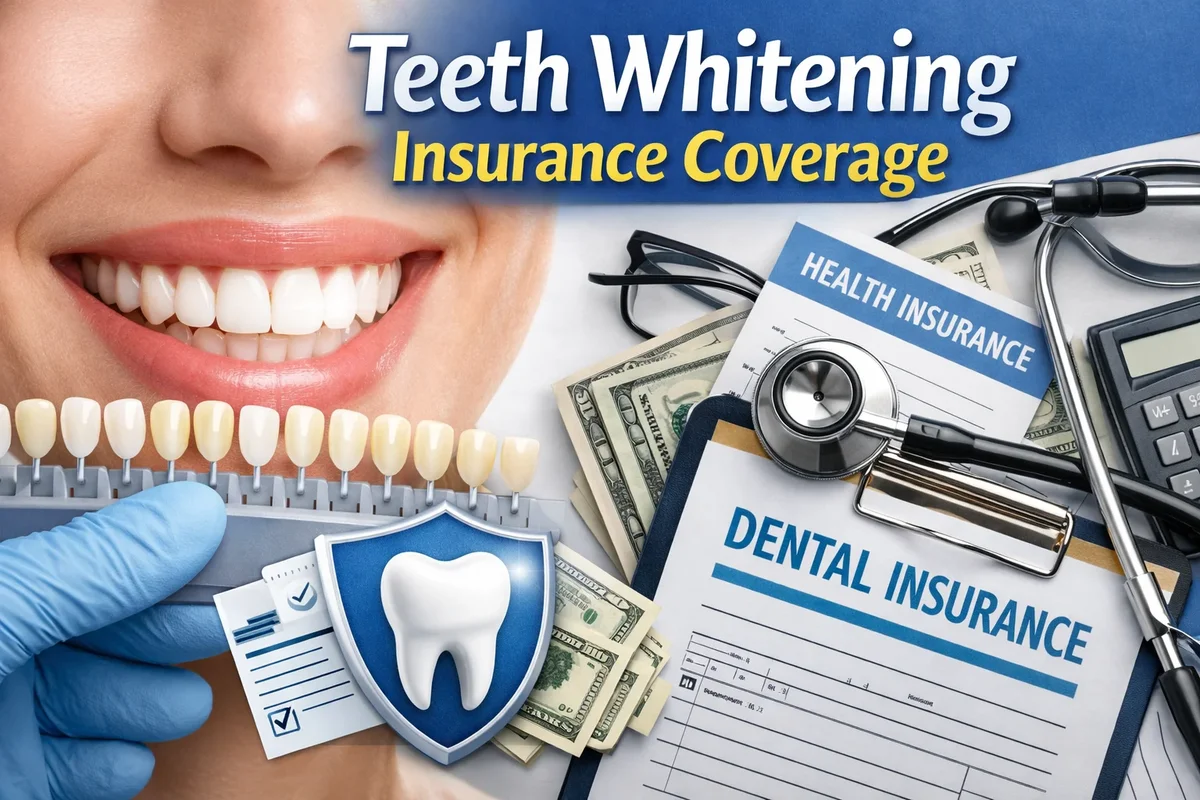
Is Teeth Whitening Worth It Without Insurance Coverage?
One of the most important questions patients ask is whether whitening is still worth the investment when teeth whitening insurance coverage is not available. Since most dental plans exclude cosmetic procedures, individuals often need to pay entirely out-of-pocket. This naturally leads to concerns about value, results, and long-term benefits. The answer depends on your expectations, budget, and how much you value a brighter smile 😊.
The True Value of a Brighter Smile
Even without teeth whitening insurance coverage, many patients choose whitening because of the immediate and noticeable improvement in their appearance. A whiter smile is often associated with good hygiene, youthfulness, and confidence. These psychological and social benefits can have a meaningful impact on both personal and professional interactions.
While insurance focuses on medical necessity, patients often prioritize how they feel about their appearance. This is why teeth whitening insurance coverage is not always the deciding factor when considering treatment.
Confidence and Social Benefits
- Improved self-esteem
- More confidence in social situations
- Enhanced professional image
These benefits highlight why many people proceed with whitening even without teeth whitening insurance coverage.
Cost vs. Long-Term Benefits
Without teeth whitening insurance coverage, patients must evaluate whether the cost aligns with the expected results. Professional whitening treatments can range from $300 to $800, while at-home options are more affordable. Although the upfront cost may seem high, the long-term benefits often justify the investment.
Professional treatments typically last longer and provide more dramatic results, reducing the need for frequent touch-ups. This can make them more cost-effective over time, even without teeth whitening insurance coverage.
Cost Comparison Overview
- Professional whitening: higher upfront cost, longer-lasting
- At-home kits: lower cost, gradual results
- Over-the-counter products: cheapest option, limited effectiveness
Understanding these differences helps patients decide whether whitening is worth pursuing without teeth whitening insurance coverage.
Emotional and Psychological Impact
The emotional benefits of whitening are often underestimated. A brighter smile can positively affect how you perceive yourself and how others perceive you. Even though teeth whitening insurance coverage is not typically available, the emotional return on investment can be significant.
Many patients report feeling more comfortable smiling, speaking, and interacting with others after whitening. This boost in confidence can influence various aspects of life, from relationships to career opportunities.
Real-Life Impact
- More willingness to smile in photos
- Greater confidence in public speaking
- Improved overall self-image
These outcomes often outweigh the absence of teeth whitening insurance coverage.
When Whitening May Not Be Worth It
While whitening offers many benefits, it is not always the right choice for everyone. Patients with severe discoloration, dental restorations, or underlying oral health issues may not achieve the desired results. In such cases, spending money without teeth whitening insurance coverage may not be the best decision.
Situations to Reconsider Whitening
- Severe intrinsic stains that do not respond to whitening
- Presence of crowns or veneers that will not change color
- Untreated dental problems such as cavities or gum disease
Consulting a dentist can help determine whether whitening is suitable before investing without teeth whitening insurance coverage.
Maximizing Value Without Insurance
If you decide to proceed without teeth whitening insurance coverage, there are ways to maximize the value of your investment. Choosing the right treatment, maintaining results, and following professional advice can help you get the most out of your whitening experience.
Tips to Increase Value
- Choose a reputable dental clinic
- Follow aftercare instructions carefully
- Avoid staining foods and drinks
- Use maintenance products to extend results
These strategies can help you achieve lasting results without relying on teeth whitening insurance coverage.
Comparing Whitening to Other Cosmetic Treatments
Compared to other cosmetic dental procedures, whitening is relatively affordable. Treatments like veneers or orthodontics can cost significantly more. Even without teeth whitening insurance coverage, whitening remains one of the most accessible ways to improve your smile.
This affordability makes it an attractive option for patients who want noticeable results without committing to more expensive procedures.
Cost Comparison with Other Treatments
- Teeth whitening: $300 – $800
- Veneers: $800 – $2,500 per tooth
- Orthodontics: $3,000 – $7,000
These comparisons show why many patients consider whitening worthwhile, even without teeth whitening insurance coverage.
Professional Guidance Matters
Before making a decision, it is always advisable to consult a dental professional. They can assess your oral health, recommend the best whitening method, and help you understand the value of treatment without teeth whitening insurance coverage.
If you need expert advice, you can visit the Redent Klinik Contact Page for personalized recommendations. Professional guidance ensures that you make an informed and confident choice.
Conclusion: A Personal Decision with Real Benefits
In conclusion, whitening can still be worth it even without teeth whitening insurance coverage. While the financial aspect is important, the benefits of improved confidence, appearance, and overall satisfaction often outweigh the cost.
Ultimately, the decision depends on your priorities and expectations. By understanding the value of whitening and exploring cost-effective options, you can achieve a brighter smile without relying on teeth whitening insurance coverage. With the right approach, the investment can deliver both immediate and long-term rewards ✨.