
A professional teeth whitening session is one of the fastest and most effective cosmetic dental procedures available today. Many people choose a teeth whitening session to improve confidence, remove stains, and achieve a brighter smile in a short amount of time. Whether discoloration comes from coffee, tea, smoking, red wine, or aging, a professional teeth whitening session can dramatically improve the appearance of teeth while maintaining oral health when performed by experienced dental professionals. ✨
In modern cosmetic dentistry, a teeth whitening session has become one of the most requested smile enhancement treatments because patients want fast, visible, and safe results. Unlike many over-the-counter whitening products, a professional teeth whitening session uses clinically approved whitening agents designed to penetrate deep stains while protecting the enamel surface. Patients often notice several shades of improvement after only one teeth whitening session.
The popularity of the teeth whitening session continues to increase because people understand how important a healthy and attractive smile is in daily life. A brighter smile can positively affect social confidence, professional interactions, and even personal relationships. Many patients report feeling younger and more self-assured after completing a professional teeth whitening session. 😁
Before starting a teeth whitening session, dentists typically perform a detailed oral examination. This evaluation helps identify cavities, gum disease, enamel erosion, or dental restorations that may affect whitening outcomes. A professional consultation also ensures that the teeth whitening session is customized to the patient’s needs, tooth sensitivity level, and cosmetic goals.
One major advantage of a professional teeth whitening session is the use of stronger whitening agents compared to home kits. Dentists carefully control the concentration of hydrogen peroxide or carbamide peroxide to achieve optimal whitening while minimizing discomfort. During the teeth whitening session, protective barriers are used to shield gums and soft tissues from irritation.
Patients often wonder how long a teeth whitening session takes. In many dental clinics, the procedure can be completed in approximately 45 to 90 minutes depending on the degree of staining and the whitening system used. Some clinics combine LED or laser technology with whitening gels during the teeth whitening session to accelerate stain removal and enhance results.
Another reason many people choose a professional teeth whitening session is the predictability of the outcome. Store-bought whitening strips and whitening toothpaste may provide inconsistent results because they cannot address deeper discoloration effectively. A professionally supervised teeth whitening session offers more noticeable and even whitening across all visible teeth.
There are several common causes of tooth discoloration that may lead patients to schedule a teeth whitening session. These causes include:
- Coffee and tea consumption ☕
- Smoking and tobacco products 🚬
- Red wine and dark-colored beverages 🍷
- Aging and enamel thinning
- Poor oral hygiene habits
- Certain medications
- Genetic factors affecting tooth color
A professional teeth whitening session can address many of these stains effectively. However, patients should understand that crowns, veneers, fillings, and other restorations may not whiten in the same way as natural teeth. During the consultation phase, the dentist explains what to realistically expect from the teeth whitening session.
Some individuals worry about sensitivity after a teeth whitening session. Mild temporary sensitivity is common but usually resolves within a short period. Dentists may recommend desensitizing toothpaste, fluoride treatments, or avoiding extremely hot and cold foods immediately after the procedure. Modern whitening systems used during a professional teeth whitening session are designed to reduce discomfort while still delivering strong whitening performance.
Maintaining results after a teeth whitening session is also extremely important. Patients are often advised to avoid staining foods and drinks for the first 24 to 48 hours because teeth may temporarily absorb pigments more easily. Long-term maintenance includes regular brushing, flossing, professional cleanings, and minimizing exposure to stain-causing substances.
For patients seeking long-lasting cosmetic improvements, combining a teeth whitening session with professional dental cleaning can produce outstanding smile enhancement results. Clean teeth allow whitening agents to work more efficiently during the procedure. In some cases, dentists may also recommend additional cosmetic treatments depending on the patient’s smile goals.
The average cost of a professional teeth whitening session can vary depending on location, clinic technology, and the complexity of treatment. In 2026, many clinics worldwide offer professional whitening procedures ranging between approximately $200 and $900 per session. Advanced laser-assisted whitening treatments may cost more due to enhanced technology and faster results.
Estimated Teeth Whitening Prices in 2026 💰
- Basic in-office whitening: $200 – $400
- LED-assisted whitening: $400 – $700
- Laser whitening treatment: $600 – $900
- Custom whitening trays: $150 – $350
Patients interested in improving their smile should always choose qualified dental professionals for a teeth whitening session. Professional supervision helps ensure both safety and effectiveness throughout the whitening process. The American Dental Association also emphasizes the importance of consulting dental experts before beginning cosmetic whitening treatments.
If you are considering scheduling a professional teeth whitening session, choosing an experienced dental clinic can help maximize your results while protecting your oral health. Personalized evaluations, advanced whitening systems, and professional aftercare recommendations all contribute to better long-term outcomes.
At Redent Klinik, patients receive individualized cosmetic dental care designed to improve smile aesthetics safely and effectively. If you want more information about a professional teeth whitening session, treatment planning, or cosmetic dentistry services, visit the Redent Klinik Contact Page to connect with the clinic team.
Overall, a professional teeth whitening session remains one of the most effective and affordable cosmetic dentistry procedures available today. From improved confidence to a healthier-looking smile, the benefits of a professionally supervised teeth whitening session continue to attract patients worldwide. Whether you want to remove years of stains or simply refresh your appearance, a customized teeth whitening session can be an excellent investment in your smile and self-confidence. 🌟
What Happens During a Professional Teeth Whitening Session?
A professional teeth whitening session is a carefully planned cosmetic dental procedure designed to remove stains, brighten enamel, and improve the overall appearance of your smile. Many patients feel curious or nervous before their first teeth whitening session, especially if they do not know what to expect during the appointment. Understanding each step of the process can help patients feel more comfortable and confident before beginning treatment. 😊
Unlike over-the-counter whitening strips or whitening toothpaste, a professional teeth whitening session is performed under the supervision of trained dental professionals. This ensures safer application, stronger whitening agents, and more consistent results. The entire procedure is customized according to the patient’s tooth shade, sensitivity level, oral health condition, and cosmetic expectations.
Initial Dental Examination Before the Teeth Whitening Session
Before starting a teeth whitening session, the dentist performs a complete oral examination. This step is essential because not every patient is immediately ready for whitening treatment. The dentist checks for gum disease, cavities, enamel erosion, cracked teeth, exposed roots, and existing restorations such as crowns or veneers.
The evaluation stage helps determine whether the patient is an ideal candidate for a teeth whitening session. If untreated dental problems exist, they may need to be addressed before cosmetic whitening begins. This examination also allows the dentist to identify the cause of discoloration, which may include:
- Smoking and tobacco stains 🚬
- Coffee and tea consumption ☕
- Red wine and dark beverages 🍷
- Aging and enamel thinning
- Certain medications
- Poor oral hygiene habits
- Natural yellowing over time
During the consultation, the dentist often compares tooth shades using a professional shade guide. This helps measure the improvement after the teeth whitening session is completed.
Professional Cleaning Before Whitening Treatment
In many cases, the dentist recommends a professional cleaning before the teeth whitening session. Removing plaque, tartar, and surface debris allows the whitening gel to work more effectively across the enamel surface. Clean teeth usually respond better during a teeth whitening session, leading to more even whitening results.
Professional cleaning may include scaling and polishing procedures that improve both oral hygiene and cosmetic appearance. This preparation stage is extremely important because whitening agents cannot penetrate heavy tartar buildup effectively.
Protection of Gums and Soft Tissues
One of the most important safety steps during a teeth whitening session involves protecting the gums and surrounding tissues. Dental professionals apply protective barriers, gels, or shields to cover sensitive soft tissues before whitening agents are activated.
The whitening products used during a professional teeth whitening session are significantly stronger than many home whitening kits. While these stronger formulations provide faster and more noticeable results, proper protection is necessary to avoid irritation.
Why Gum Protection Matters
Soft tissue protection reduces the risk of:
- Temporary gum irritation
- Chemical sensitivity
- Burning sensations
- Inflammation around the teeth
Professional supervision makes the teeth whitening session safer compared to unsupervised whitening products purchased online.
Application of Whitening Gel During the Teeth Whitening Session
After preparation is completed, the dentist applies a professional whitening gel directly to the tooth surfaces. Most whitening systems used during a teeth whitening session contain hydrogen peroxide or carbamide peroxide. These active ingredients break down stain molecules trapped inside enamel and dentin layers.
The concentration of whitening gel used in a professional teeth whitening session is much stronger than retail products. Because of this, noticeable improvements often occur within a single appointment.
Depending on the whitening system, the dentist may use:
- LED whitening technology 💡
- Laser-assisted whitening systems
- Specialized activation lamps
- Chemical activation without light
Some whitening systems accelerate the stain-removal process using light activation. The dentist may leave the gel on the teeth for multiple short cycles during the teeth whitening session to maximize effectiveness safely.
How Long Does a Teeth Whitening Session Usually Take?
Most professional teeth whitening session appointments last between 45 and 90 minutes. The total duration depends on several factors, including:
- The severity of tooth discoloration
- The whitening method selected
- The patient’s sensitivity level
- The desired whitening shade
- The number of whitening cycles needed
Some patients achieve excellent results after one teeth whitening session, while others may benefit from multiple sessions for deeper stains.
Sensitivity During and After the Teeth Whitening Session
Mild sensitivity is one of the most common side effects associated with a teeth whitening session. Patients may temporarily notice sensitivity to cold drinks, hot foods, or air exposure after treatment. Fortunately, this sensitivity usually fades within 24 to 48 hours.
Modern cosmetic dentistry techniques aim to reduce discomfort during the teeth whitening session. Many whitening products now contain desensitizing ingredients that help minimize irritation while maintaining strong whitening power.
Ways Dentists Reduce Whitening Sensitivity
- Using lower concentration gels for sensitive patients
- Applying fluoride after treatment
- Providing desensitizing toothpaste recommendations
- Limiting whitening exposure time
- Monitoring the patient throughout the procedure
Patients with naturally sensitive teeth should always discuss concerns before starting a teeth whitening session.
Results Patients Can Expect After Whitening
Most patients notice immediate brightness improvements after a professional teeth whitening session. Depending on the original tooth shade and stain severity, teeth may become several shades lighter after one treatment.
However, results vary between individuals. Lifestyle habits such as smoking, coffee consumption, and oral hygiene directly affect how long the results of a teeth whitening session last.
To maintain whitening results, dentists often recommend:
- Brushing twice daily 🪥
- Flossing regularly
- Avoiding stain-causing foods
- Scheduling routine dental cleanings
- Using dentist-approved whitening products
Professional Whitening vs Home Whitening Products
Many patients compare a professional teeth whitening session to home whitening kits. While home kits may help remove mild surface stains, professional treatments generally provide:
- Faster results
- Stronger whitening effects
- Improved safety monitoring
- More even whitening
- Customized treatment plans
Professional cosmetic dentistry clinics also provide better long-term guidance after a teeth whitening session, helping patients protect their investment in smile aesthetics.
According to the American Dental Association, professional consultation is important before beginning any whitening treatment. Dental professionals can determine whether a teeth whitening session is appropriate for your oral health condition and cosmetic goals.
If you are considering improving your smile appearance safely and effectively, scheduling a consultation with an experienced dental clinic is the best first step. At Redent Klinik, patients receive personalized evaluations, modern whitening systems, and professional aftercare recommendations tailored to their needs. For additional information about cosmetic dentistry services and a professional teeth whitening session, visit the Redent Klinik Contact Page.
Overall, understanding what happens during a professional teeth whitening session helps patients feel more prepared and confident before treatment. From the initial consultation to the final whitening results, every stage of the teeth whitening session is designed to enhance smile aesthetics safely while protecting oral health. 🌟
How Long Does a Teeth Whitening Session Take?
One of the most common questions patients ask before scheduling cosmetic dental treatment is: “How long does a professional teeth whitening session take?” Understanding the timeline of a teeth whitening session helps patients plan their appointments, manage expectations, and feel more comfortable about the procedure. In most modern dental clinics, a professional teeth whitening session can usually be completed within 45 to 90 minutes, depending on the whitening method used and the severity of discoloration. ⏰
Although many people assume a teeth whitening session is a very simple treatment, several important preparation and safety stages are involved. The total appointment time includes consultation, oral examination, gum protection, whitening gel application, activation cycles, and post-treatment evaluation. Each part of the teeth whitening session contributes to achieving safe and effective whitening results.
Average Duration of a Professional Teeth Whitening Session
For most patients, a standard in-office teeth whitening session lasts approximately one hour. However, the exact duration depends on factors such as:
- The degree of staining
- The whitening system selected
- The patient’s tooth sensitivity
- The desired whitening level
- The number of whitening cycles required
- The condition of enamel and gums
Some patients with mild discoloration may complete a teeth whitening session in less than an hour, while individuals with deeper stains may require longer appointments or multiple visits for optimal results.
Step-by-Step Timeline of a Teeth Whitening Session
A professional teeth whitening session is typically divided into several stages. Each stage serves a specific purpose designed to improve whitening effectiveness while protecting oral tissues.
1. Consultation and Oral Examination
The first stage of a teeth whitening session involves evaluating the patient’s oral health. This part of the appointment may take 10 to 20 minutes depending on the patient’s dental condition.
During this evaluation, the dentist checks for:
- Cavities
- Gum inflammation
- Enamel wear
- Tooth sensitivity
- Existing crowns or fillings
- Underlying oral health issues
This examination ensures the teeth whitening session can be performed safely. If untreated dental problems exist, the dentist may recommend treating those conditions before whitening begins.
2. Tooth Cleaning and Preparation
Many clinics perform a quick cleaning before the teeth whitening session. Removing plaque and tartar allows whitening agents to contact the enamel surface more evenly.
This preparation stage may add approximately 10 to 15 minutes to the overall teeth whitening session, but it often improves final whitening quality significantly.
3. Gum Protection Application
Before applying whitening gel, the dentist carefully protects the gums and soft tissues using special barriers or gels. This step usually takes about 5 to 10 minutes during the teeth whitening session.
Proper gum protection is extremely important because professional whitening agents are stronger than many home whitening products. This safety step minimizes irritation while allowing the teeth whitening session to remain comfortable for the patient.
4. Whitening Gel Application and Activation
The whitening phase is the main part of the teeth whitening session. The dentist applies professional whitening gel containing hydrogen peroxide or carbamide peroxide directly to the teeth.
Depending on the whitening system, the gel may remain on the teeth for several short cycles. Many clinics use LED or laser technology during the teeth whitening session to accelerate stain removal and improve whitening results. 💡
Each whitening cycle often lasts 15 to 20 minutes. Some patients may require:
- One whitening cycle
- Two whitening cycles
- Three or more whitening cycles
Because of these multiple stages, the whitening phase itself may take 30 to 60 minutes during the teeth whitening session.
Factors That Can Make a Teeth Whitening Session Longer
Not every teeth whitening session follows the exact same timeline. Several factors can increase treatment duration.
Severity of Tooth Staining
Patients with years of coffee, tea, tobacco, or red wine stains often need longer whitening exposure during the teeth whitening session. Deep discoloration requires more whitening cycles to achieve noticeable improvements.
Tooth Sensitivity Issues
Patients with naturally sensitive teeth may need shorter whitening intervals during the teeth whitening session. Dentists sometimes pause between whitening cycles to reduce discomfort and monitor sensitivity levels carefully.
Advanced Whitening Technologies
Some whitening systems used during a teeth whitening session involve advanced laser equipment or specialized activation devices. Although these technologies may increase preparation time slightly, they often improve whitening speed and effectiveness.
Can a Teeth Whitening Session Be Completed in One Visit?
Yes, many patients achieve visible whitening improvements after only one professional teeth whitening session. In-office whitening treatments are designed to provide fast cosmetic improvements within a single appointment.
However, some individuals may require multiple appointments if they have:
- Severe discoloration
- Tetracycline staining
- Long-term tobacco stains
- Very dark enamel shades
- Uneven tooth coloration
In these situations, dentists may recommend additional teeth whitening session appointments to achieve the desired smile brightness safely.
How Long Do Results Last After a Teeth Whitening Session?
While the procedure itself is relatively short, many patients also wonder how long the results of a teeth whitening session will last. Results vary depending on lifestyle habits and oral hygiene routines.
For many individuals, whitening results remain visible for six months to two years after a professional teeth whitening session. Factors affecting longevity include:
- Smoking habits 🚬
- Coffee and tea consumption ☕
- Oral hygiene quality
- Frequency of dental cleanings
- Dietary choices
Dentists often recommend maintenance treatments or take-home whitening trays after a teeth whitening session to help preserve brightness longer.
Professional Teeth Whitening Session vs Home Whitening Duration
One major advantage of a professional teeth whitening session is speed. Home whitening kits usually require daily application over several weeks before noticeable results appear. In contrast, professional treatments often produce dramatic improvements after only one teeth whitening session.
Home whitening products may take:
- 2–6 weeks for mild improvements
- Daily use for noticeable changes
- Longer for deep stains
Professional whitening treatments offer faster and more predictable cosmetic outcomes because the whitening agents used during the teeth whitening session are much stronger and professionally controlled.
According to the American Dental Association, patients should always consult dental professionals before beginning whitening treatment. Professional evaluation helps determine the safest and most effective whitening option based on individual oral health conditions.
At Redent Klinik, patients receive customized cosmetic dentistry treatment plans designed to provide safe, efficient, and long-lasting smile enhancement results. If you want personalized guidance about scheduling a professional teeth whitening session, visit the Redent Klinik Contact Page for more information.
Overall, the duration of a professional teeth whitening session is relatively short compared to the dramatic cosmetic improvements it can provide. Whether completed in 45 minutes or 90 minutes, a professionally supervised teeth whitening session remains one of the fastest and most effective ways to achieve a brighter, healthier-looking smile. 🌟
Who Is the Best Candidate for a Teeth Whitening Session?
A professional teeth whitening session can dramatically improve the brightness and appearance of a smile, but not every patient is automatically an ideal candidate for whitening treatment. Understanding who benefits most from a teeth whitening session helps patients make informed cosmetic dentistry decisions while protecting long-term oral health. Modern whitening procedures are highly effective for many people, especially individuals with healthy teeth and realistic expectations regarding treatment outcomes. 😁
Before beginning a professional teeth whitening session, dentists evaluate the patient’s oral condition, enamel quality, tooth sensitivity, and type of discoloration. This personalized approach allows dental professionals to determine whether a teeth whitening session is appropriate and which whitening method will produce the safest and most effective results.
Patients With Healthy Teeth and Gums
The best candidates for a professional teeth whitening session are individuals who maintain good oral health. Healthy teeth and gums create the ideal environment for whitening procedures because there are fewer risks of irritation, pain, or complications.
Before starting a teeth whitening session, dentists often check for:
- Cavities
- Gum disease
- Tooth fractures
- Enamel erosion
- Exposed roots
- Oral infections
If these conditions are present, they may need treatment before the teeth whitening session begins. Whitening agents used during professional procedures are strong, and untreated dental problems can increase discomfort or sensitivity.
People With Surface Stains and Yellow Teeth
Patients with yellow or stained teeth are usually excellent candidates for a teeth whitening session. Many common lifestyle habits gradually discolor enamel over time, causing smiles to appear darker or less vibrant.
The most common causes of tooth staining include:
- Coffee and tea consumption ☕
- Smoking and tobacco use 🚬
- Red wine and dark beverages 🍷
- Poor oral hygiene habits
- Aging and enamel thinning
- Certain foods with strong pigments
A professional teeth whitening session works especially well for these types of external stains because whitening agents can break down pigment molecules trapped inside the enamel structure.
Why Yellow Teeth Respond Better to Whitening
Yellow-toned discoloration often responds more effectively during a teeth whitening session compared to gray or blue-toned staining. Patients with naturally yellow enamel frequently experience dramatic brightness improvements after professional whitening treatment.
Dentists often use shade guides before the teeth whitening session to estimate potential whitening improvements realistically.
Adults Seeking Cosmetic Smile Improvements
Many adults choose a teeth whitening session to improve self-confidence and enhance smile aesthetics. Cosmetic dentistry procedures have become increasingly popular because a brighter smile is often associated with youth, cleanliness, and health.
Patients frequently schedule a teeth whitening session before:
- Wedding ceremonies 💍
- Job interviews
- Professional photoshoots 📸
- Special events
- Social gatherings
- Public speaking engagements
A professionally supervised teeth whitening session provides faster and more predictable cosmetic improvements than many over-the-counter products.
Patients With Realistic Expectations
One important characteristic of a good teeth whitening session candidate is having realistic cosmetic expectations. Whitening treatments can significantly improve tooth brightness, but they may not produce “perfectly white” results in every situation.
Professional dentists explain that the outcome of a teeth whitening session depends on:
- The original tooth shade
- The cause of discoloration
- Enamel thickness
- Age-related changes
- Existing restorations
Patients who understand these factors are usually more satisfied after their teeth whitening session.
Dental Restorations and Whitening Limitations
One important consideration is that crowns, veneers, fillings, and bridges do not whiten the same way as natural enamel during a teeth whitening session. Patients with visible restorations may require additional cosmetic adjustments after whitening treatment to maintain color consistency.
Who May Not Be the Ideal Candidate for a Teeth Whitening Session?
Although many individuals qualify for cosmetic whitening, some patients may not be ideal candidates for a teeth whitening session without prior dental treatment or additional precautions.
Patients With Severe Tooth Sensitivity
Individuals with highly sensitive teeth may experience discomfort during a teeth whitening session. Professional whitening products contain peroxide-based ingredients that can temporarily increase sensitivity.
However, dentists can often modify the teeth whitening session by:
- Using lower peroxide concentrations
- Reducing whitening exposure time
- Applying desensitizing products
- Scheduling shorter treatment cycles
Many patients with moderate sensitivity can still safely complete a professional teeth whitening session under dental supervision.
Patients With Gum Disease or Cavities
Active gum disease and untreated cavities should typically be treated before a teeth whitening session. Whitening agents may irritate inflamed gums or enter damaged tooth structures, causing discomfort.
Dentists prioritize oral health stabilization before beginning cosmetic whitening procedures.
Pregnant or Breastfeeding Patients
Although no major risks have been fully confirmed, many dental professionals recommend postponing a teeth whitening session during pregnancy or breastfeeding as a precautionary measure.
Patients should always discuss medical history and health conditions before scheduling a professional teeth whitening session.
Teenagers and Teeth Whitening Treatment
Some teenagers may qualify for a professional teeth whitening session, especially if discoloration affects confidence or social comfort. However, younger patients require careful evaluation because developing teeth may be more sensitive to whitening agents.
Dentists generally recommend waiting until permanent teeth have fully erupted before performing a teeth whitening session.
Professional Teeth Whitening Session vs Store-Bought Products
Patients who are good candidates for cosmetic whitening often achieve better results through a professional teeth whitening session compared to store-bought whitening kits.
Professional whitening provides several advantages:
- Customized treatment plans
- Stronger whitening agents
- Safer application techniques
- Faster results
- Professional monitoring
- Reduced risk of uneven whitening
Home whitening strips and whitening toothpaste may help with minor surface stains, but they usually cannot deliver the same dramatic improvements as a professionally supervised teeth whitening session.
How Dentists Determine Eligibility for Whitening
Before recommending a teeth whitening session, dentists usually perform a complete cosmetic consultation. This evaluation may include:
- Dental X-rays
- Shade analysis
- Oral health examination
- Sensitivity assessment
- Discussion of cosmetic goals
This personalized approach allows the dentist to design the safest and most effective teeth whitening session for each patient individually.
According to the American Dental Association, professional consultation before whitening treatment is extremely important. Dentists can determine whether cosmetic whitening is appropriate while minimizing potential risks and complications.
At Redent Klinik, patients receive individualized cosmetic dentistry evaluations to determine whether a professional teeth whitening session is the right option for their smile goals. Personalized treatment planning helps ensure safe whitening, improved comfort, and long-lasting results. For additional information about cosmetic dentistry services and smile enhancement options, visit the Redent Klinik Contact Page.
Overall, the ideal candidate for a professional teeth whitening session is someone with healthy teeth, realistic expectations, and cosmetic concerns related to staining or discoloration. By choosing professional dental care and individualized whitening treatment, patients can safely achieve a brighter, healthier-looking smile that enhances both appearance and confidence. 🌟
Teeth Whitening Session Before and After Results Explained
One of the biggest reasons patients choose a professional teeth whitening session is the possibility of achieving dramatic cosmetic improvements in a relatively short amount of time. Before and after results from a teeth whitening session often show significant changes in tooth brightness, stain reduction, and overall smile appearance. Many patients feel more confident, refreshed, and satisfied with their appearance after completing professional whitening treatment. ✨
Understanding what realistic before and after results look like helps patients set proper expectations before beginning a teeth whitening session. The degree of whitening achieved varies between individuals depending on enamel condition, stain severity, oral hygiene habits, and the type of whitening system used during treatment.
How Teeth Look Before a Teeth Whitening Session
Before a professional teeth whitening session, many patients notice that their teeth appear yellow, dull, stained, or uneven in color. Tooth discoloration develops gradually over time and may become more visible due to lifestyle habits and natural aging.
Common reasons patients seek a teeth whitening session include:
- Coffee and tea stains ☕
- Smoking and tobacco discoloration 🚬
- Red wine stains 🍷
- Aging-related yellowing
- Poor oral hygiene habits
- Medication-related staining
- Dark-colored foods and beverages
Many people initially attempt to remove stains using whitening toothpaste or over-the-counter whitening strips. However, these products may not effectively eliminate deeper discoloration. As a result, patients often schedule a professional teeth whitening session for stronger and more noticeable cosmetic improvements.
Types of Tooth Discoloration
Before evaluating expected results from a teeth whitening session, dentists first identify the type of discoloration present.
- Extrinsic stains: Surface stains caused by foods, drinks, and smoking
- Intrinsic stains: Internal discoloration caused by aging, trauma, or medications
- Age-related discoloration: Combination of enamel thinning and dentin darkening
Extrinsic stains generally respond very well during a professional teeth whitening session, while intrinsic discoloration may require additional cosmetic treatment.
What Happens During the Whitening Transformation?
During a professional teeth whitening session, whitening agents penetrate the enamel and break apart stain molecules trapped inside the tooth structure. This process gradually brightens the teeth and reduces visible discoloration.
Most professional whitening systems used during a teeth whitening session contain hydrogen peroxide or carbamide peroxide. These ingredients safely oxidize stains and improve tooth brightness over multiple whitening cycles.
Depending on the whitening system, dentists may use:
- LED whitening technology 💡
- Laser-assisted whitening systems
- Advanced activation lamps
- Professional-grade whitening gels
The whitening transformation often becomes visible immediately after the teeth whitening session is completed.
Typical Before and After Results of a Teeth Whitening Session
Many patients achieve teeth that are several shades brighter after a professional teeth whitening session. Before and after improvements commonly include:
- Reduced yellow discoloration
- Brighter enamel appearance
- More uniform tooth color
- Cleaner-looking smile aesthetics
- Improved confidence and facial appearance 😊
Patients often notice that their smile appears healthier and more youthful after a teeth whitening session. In photographs, the cosmetic difference can be especially dramatic.
How Many Shades Whiter Can Teeth Become?
The exact whitening improvement varies between individuals, but many patients experience a change of 3 to 8 shades after a professional teeth whitening session. Some individuals with mild surface staining may achieve even greater brightness improvements.
Factors affecting whitening results include:
- Original tooth color
- Enamel thickness
- Severity of staining
- Smoking habits
- Dietary habits
- Whitening method used
Dentists often use professional shade guides before and after the teeth whitening session to measure whitening progress accurately.
How Quickly Results Appear After Whitening
One major advantage of a professional teeth whitening session is the speed of visible results. Unlike many home whitening kits that require weeks of use, professional treatments often produce immediate improvements after only one appointment.
Most patients notice brighter teeth:
- Immediately after treatment
- Within several hours
- After temporary dehydration settles
Some teeth may initially appear extremely bright immediately following the teeth whitening session because enamel temporarily loses moisture during the procedure. Over the next few days, teeth usually stabilize into their final shade.
Factors That Affect Before and After Whitening Results
Not every patient achieves identical results from a teeth whitening session. Several factors influence the final cosmetic outcome.
Lifestyle Habits
Smoking, coffee consumption, tea drinking, and red wine intake can reduce the longevity of results after a teeth whitening session. Patients who avoid these staining substances often maintain brighter smiles for longer periods.
Age and Enamel Thickness
Younger patients with thicker enamel may respond better during a teeth whitening session. As enamel becomes thinner with age, darker dentin underneath becomes more visible, which may affect whitening intensity.
Existing Dental Restorations
Crowns, veneers, fillings, and bridges do not whiten during a professional teeth whitening session. Patients with visible restorations may require additional cosmetic adjustments after whitening treatment to maintain color consistency.
How Long Before and After Results Last
The longevity of results after a professional teeth whitening session varies based on oral hygiene and lifestyle habits. For many patients, whitening improvements remain visible for six months to two years.
Dentists often recommend the following maintenance tips after a teeth whitening session:
- Brush teeth twice daily 🪥
- Floss regularly
- Limit staining foods and beverages
- Schedule professional cleanings
- Use dentist-approved whitening products
Touch-up treatments may also help preserve long-term brightness after the initial teeth whitening session.
Professional Teeth Whitening Session vs Home Whitening Results
Many patients compare before and after photos from professional whitening procedures to home whitening products. In general, professional treatments provide:
- Faster cosmetic improvement
- More even whitening
- Stronger stain removal
- Safer application techniques
- More predictable results
Store-bought whitening products may improve mild surface stains, but they rarely achieve the dramatic before and after transformation seen with a professionally supervised teeth whitening session.
Emotional and Psychological Benefits of Whitening Results
Many people underestimate the emotional benefits associated with a successful teeth whitening session. Patients frequently report increased confidence, improved self-esteem, and greater comfort in social situations after whitening treatment.
A brighter smile may positively influence:
- Professional confidence
- Social interactions
- First impressions
- Photographic appearance 📸
- Personal satisfaction
For many individuals, the cosmetic transformation from a professional teeth whitening session extends far beyond physical appearance alone.
According to the American Dental Association, patients should always seek professional guidance before beginning whitening treatment. Dental professionals can determine the safest and most effective whitening approach based on individual oral health conditions.
At Redent Klinik, cosmetic dentistry specialists provide customized whitening evaluations designed to achieve safe, natural-looking smile enhancement results. Patients interested in professional cosmetic treatment and a personalized teeth whitening session can learn more through the Redent Klinik Contact Page.
Overall, before and after improvements from a professional teeth whitening session can be dramatic, confidence-boosting, and long-lasting when combined with proper oral hygiene and lifestyle habits. From reducing years of discoloration to creating a healthier-looking smile, a professionally supervised teeth whitening session remains one of the most effective cosmetic dentistry procedures available today. 🌟
Common Sensitivity Issues After a Teeth Whitening Session
A professional teeth whitening session is one of the most effective cosmetic dentistry treatments for improving smile brightness and removing stains. However, many patients are concerned about possible sensitivity after a teeth whitening session. Tooth sensitivity is one of the most common temporary side effects associated with whitening procedures, especially when professional-strength whitening agents are used. Fortunately, sensitivity after a teeth whitening session is usually mild, manageable, and short-lived. 😊
Understanding why sensitivity happens, how long it lasts, and what patients can do to reduce discomfort helps create a safer and more comfortable whitening experience. Dentists carefully monitor patients during a professional teeth whitening session to minimize irritation while still achieving noticeable cosmetic improvements.
Why Sensitivity Happens After a Teeth Whitening Session
During a professional teeth whitening session, whitening agents such as hydrogen peroxide or carbamide peroxide penetrate the enamel surface to break apart stain molecules trapped inside the teeth. While this process effectively brightens the smile, it can temporarily expose microscopic pathways within the enamel structure.
As a result, teeth may become temporarily more sensitive to:
- Cold foods and drinks 🧊
- Hot beverages ☕
- Sweet foods 🍬
- Air exposure
- Pressure during chewing
This temporary reaction is common after a teeth whitening session and usually improves within a few hours or days.
How Whitening Chemicals Affect Tooth Nerves
The whitening ingredients used during a teeth whitening session can temporarily irritate the inner tooth structure known as the pulp. This irritation may trigger short-term sensitivity sensations, especially in patients who already have naturally sensitive teeth.
Professional cosmetic dentistry systems are carefully designed to limit excessive irritation while still providing strong whitening results during the teeth whitening session.
How Long Does Sensitivity Last After a Teeth Whitening Session?
For most patients, sensitivity after a professional teeth whitening session lasts between 24 and 48 hours. Mild tingling or temporary discomfort is considered normal and usually fades quickly without additional treatment.
Some patients experience sensitivity for only a few hours after the teeth whitening session, while others with naturally sensitive teeth may notice symptoms for several days.
The duration of sensitivity depends on factors such as:
- The concentration of whitening gel used
- The patient’s enamel condition
- The number of whitening cycles performed
- Existing tooth sensitivity
- The whitening technology applied
In most cases, sensitivity gradually decreases as the teeth rehydrate following the teeth whitening session.
Who Is More Likely to Experience Sensitivity?
Although many people complete a professional teeth whitening session with little or no discomfort, certain patients are more prone to temporary sensitivity.
Patients With Naturally Sensitive Teeth
Individuals who already experience discomfort from cold drinks or sweet foods may notice stronger sensitivity after a teeth whitening session. Existing enamel wear or gum recession can expose deeper tooth layers, increasing sensitivity risk.
Patients With Thin Enamel
Enamel naturally becomes thinner with age. Patients with thinner enamel may experience greater sensitivity during and after a teeth whitening session because the whitening agents penetrate more easily toward the inner tooth structure.
Patients With Gum Recession
When gums recede, tooth roots become exposed. Root surfaces are naturally more sensitive than enamel-covered tooth surfaces. During a professional teeth whitening session, these exposed areas may react more strongly to whitening agents.
How Dentists Reduce Sensitivity During a Teeth Whitening Session
Modern cosmetic dentistry techniques focus heavily on minimizing discomfort during a professional teeth whitening session. Dentists carefully customize whitening treatment based on each patient’s sensitivity level and oral health condition.
Using Lower Concentration Whitening Gels
For patients with sensitive teeth, dentists may use milder whitening formulations during the teeth whitening session. Although lower concentrations may require slightly longer treatment times, they can significantly reduce post-treatment discomfort.
Applying Desensitizing Products
Many dental clinics apply fluoride or desensitizing agents before or after a teeth whitening session. These products help calm nerve reactions and strengthen enamel protection.
Shorter Whitening Cycles
Instead of using one long whitening cycle, dentists may divide the teeth whitening session into several shorter applications. This approach allows the teeth to rest between whitening exposures and helps reduce irritation.
Monitoring the Patient Closely
Professional supervision is one major advantage of an in-office teeth whitening session. Dentists can immediately adjust the procedure if a patient experiences excessive discomfort.
How to Manage Sensitivity After a Teeth Whitening Session
Patients can follow several simple steps to reduce sensitivity after a professional teeth whitening session. These recommendations help improve comfort while protecting whitening results.
Use Sensitive Toothpaste
Dentists often recommend desensitizing toothpaste after a teeth whitening session. These products contain ingredients such as potassium nitrate that help calm nerve sensitivity over time.
Avoid Extremely Hot or Cold Foods
For the first 24 to 48 hours after a teeth whitening session, patients should avoid:
- Ice-cold beverages 🧊
- Very hot coffee ☕
- Frozen desserts 🍦
- Extremely acidic foods
Moderate-temperature foods are generally more comfortable during the recovery period.
Stay Hydrated
Teeth can temporarily dehydrate during a professional teeth whitening session. Drinking water regularly helps teeth rehydrate naturally and may reduce temporary sensitivity.
Avoid Staining Foods Temporarily
After a teeth whitening session, dentists often recommend following a “white diet” for 24 to 48 hours. Avoiding dark-colored foods and beverages protects both whitening results and sensitive enamel surfaces.
Is Sensitivity After a Teeth Whitening Session Dangerous?
For most patients, temporary sensitivity after a professional teeth whitening session is not dangerous. Mild discomfort is considered a normal response to whitening treatment and usually resolves quickly.
However, patients should contact their dentist if they experience:
- Severe persistent pain
- Swelling
- Sharp lingering sensitivity
- Gum irritation lasting several days
- Difficulty chewing
Professional evaluation ensures that any unusual symptoms after the teeth whitening session are addressed properly.
Professional Teeth Whitening Session vs Home Whitening Sensitivity
Many people assume home whitening kits are gentler than professional whitening treatments, but this is not always true. Incorrect use of whitening strips or unsupervised bleaching trays may actually increase irritation risk.
A professionally supervised teeth whitening session offers several safety advantages:
- Customized whitening concentrations
- Proper gum protection
- Controlled application techniques
- Professional sensitivity management
- Immediate clinical monitoring
Because of these protections, many patients experience less discomfort during a professional teeth whitening session compared to unsupervised home treatments.
Long-Term Effects of Whitening on Tooth Sensitivity
When performed correctly, a professional teeth whitening session does not permanently damage healthy enamel. Most sensitivity is temporary and reversible. Dentists carefully evaluate patients before treatment to ensure whitening procedures are appropriate for their oral health condition.
According to the American Dental Association, professional consultation before whitening treatment is important to minimize risks and improve treatment safety.
At Redent Klinik, cosmetic dentistry specialists personalize every teeth whitening session to balance whitening effectiveness with patient comfort. Advanced whitening systems, sensitivity-reduction techniques, and professional aftercare recommendations help create a safer and more comfortable cosmetic experience. Patients interested in smile enhancement treatment can learn more through the Redent Klinik Contact Page.
Overall, mild temporary sensitivity after a professional teeth whitening session is common and usually manageable with proper aftercare. By choosing professional cosmetic dentistry treatment and following dentist recommendations carefully, patients can safely enjoy a brighter smile with minimal discomfort and long-lasting cosmetic results. 🌟
Professional Teeth Whitening Session vs At-Home Whitening Kits
Many people who want a brighter smile often compare a professional teeth whitening session with store-bought whitening kits before choosing a cosmetic dental treatment. Both options are designed to improve tooth color and reduce staining, but there are major differences in effectiveness, safety, speed, and long-term results. Understanding these differences helps patients choose the most appropriate whitening solution based on their goals, budget, and oral health condition. ✨
A professional teeth whitening session is performed under the supervision of trained dental professionals using stronger whitening agents and customized treatment techniques. In contrast, at-home whitening kits are designed for convenience and lower cost but often provide slower and less dramatic results.
How a Professional Teeth Whitening Session Works
During a professional teeth whitening session, dentists use clinically approved whitening agents such as hydrogen peroxide or carbamide peroxide to break down deep stains inside the enamel structure. The procedure is customized according to the patient’s tooth color, enamel condition, and sensitivity level.
Before beginning the teeth whitening session, dentists perform a complete oral evaluation to ensure whitening treatment is safe and suitable. This personalized approach allows dental professionals to maximize whitening effectiveness while minimizing side effects.
Technology Used During a Teeth Whitening Session
Modern cosmetic dentistry clinics often combine whitening gels with advanced technologies during a professional teeth whitening session. These technologies may include:
- LED whitening systems 💡
- Laser-assisted whitening
- Specialized activation lamps
- Professional whitening trays
These advanced systems help accelerate stain removal and produce more noticeable cosmetic improvements compared to many at-home whitening kits.
How At-Home Whitening Kits Work
At-home whitening kits are designed for convenience and gradual whitening improvements. Most kits contain lower concentrations of whitening ingredients compared to those used during a professional teeth whitening session.
Common at-home whitening products include:
- Whitening strips
- Whitening toothpaste 🪥
- Whitening pens
- Whitening gels
- Boil-and-bite trays
These products may help reduce mild surface stains over time, but they usually require consistent daily use for several weeks before visible changes appear.
Effectiveness: Professional Whitening vs Home Whitening
One of the biggest differences between a professional teeth whitening session and home whitening kits is the level of whitening achieved. Professional treatments generally provide faster, stronger, and more predictable cosmetic improvements.
Results From a Professional Teeth Whitening Session
Many patients experience teeth that are several shades brighter after only one professional teeth whitening session. Because dentists use stronger whitening formulations and controlled application techniques, deep stains can often be removed more effectively.
Professional whitening commonly improves:
- Yellow discoloration
- Coffee stains ☕
- Tobacco stains 🚬
- Wine stains 🍷
- Age-related enamel discoloration
Most patients notice immediate cosmetic improvements after completing a professional teeth whitening session.
Results From At-Home Whitening Kits
At-home kits can improve mild staining, but results are generally more subtle. Because whitening agents are weaker, deeper discoloration often remains visible even after several weeks of treatment.
Some patients become frustrated when home products fail to deliver the dramatic whitening they expected compared to a professional teeth whitening session.
Safety Differences Between Whitening Methods
Safety is another major factor when comparing a professional teeth whitening session with at-home whitening products. Professional supervision significantly reduces the risk of misuse, gum irritation, and uneven whitening.
Safety Advantages of Professional Whitening
During a professional teeth whitening session, dentists protect the gums and soft tissues before applying whitening agents. They also monitor the patient closely throughout the procedure.
Professional whitening safety measures include:
- Protective gum barriers
- Customized whitening concentrations
- Sensitivity management
- Controlled whitening cycles
- Professional monitoring
This personalized supervision helps make the teeth whitening session safer and more comfortable for most patients.
Risks of Improper At-Home Whitening
Without professional guidance, some patients misuse home whitening kits by:
- Overusing whitening strips
- Leaving gels on too long
- Using products too frequently
- Ignoring existing dental problems
Improper use of whitening kits may lead to:
- Tooth sensitivity
- Gum irritation
- Uneven whitening
- Temporary enamel irritation
A professionally supervised teeth whitening session helps minimize these risks significantly.
Speed of Whitening Results
One major reason patients choose a professional teeth whitening session is the speed of visible results. In-office cosmetic whitening treatments are specifically designed to produce fast smile improvements.
Professional Whitening Speed
Most professional teeth whitening session appointments last between 45 and 90 minutes. Patients often leave the clinic with noticeably brighter teeth after a single visit.
Home Whitening Speed
At-home whitening kits usually require:
- Daily application
- 2–6 weeks of use
- Patience for gradual results
Even with consistent use, many home products still cannot achieve the brightness produced during a professional teeth whitening session.
Customization and Personalized Treatment
Another important advantage of a professional teeth whitening session is customization. Dentists tailor the whitening procedure according to the patient’s individual needs.
Professional customization may include:
- Adjusting whitening strength
- Managing sensitivity issues
- Targeting uneven discoloration
- Selecting advanced whitening technology
- Designing maintenance plans
Store-bought whitening kits use a generic approach and cannot provide the same level of individualized care as a professional teeth whitening session.
Longevity of Whitening Results
Results from a professional teeth whitening session often last longer than results achieved with home whitening products. Dentists also provide aftercare guidance to help maintain smile brightness.
How Long Professional Whitening Lasts
Depending on oral hygiene and lifestyle habits, whitening improvements after a professional teeth whitening session may remain visible for six months to two years.
How Long Home Whitening Results Last
Results from whitening strips and whitening toothpaste may fade more quickly because the whitening effect is usually less intense.
Patients who continue smoking or consuming staining beverages frequently may require repeated whitening treatments regardless of whether they choose a professional teeth whitening session or home products.
Cost Comparison Between Whitening Options
Cost is often one of the biggest deciding factors when choosing between a professional teeth whitening session and at-home kits.
Estimated Whitening Costs in 2026 💰
- Whitening toothpaste: $10 – $30
- Whitening strips: $30 – $100
- Home whitening trays: $100 – $300
- Professional teeth whitening session: $200 – $900
Although a professional teeth whitening session usually costs more upfront, many patients believe the stronger results, improved safety, and faster transformation justify the investment.
Which Whitening Option Is Better?
The best whitening option depends on the patient’s cosmetic goals, oral health condition, budget, and expectations. Patients seeking dramatic smile enhancement often prefer a professional teeth whitening session because it offers:
- Faster whitening
- More predictable results
- Professional safety monitoring
- Stronger stain removal
- Customized treatment
Patients with mild surface stains and smaller cosmetic goals may still benefit from home whitening products, especially when recommended by dental professionals.
According to the American Dental Association, patients should consult a dental professional before beginning whitening treatment to ensure the safest and most effective approach.
At Redent Klinik, cosmetic dentistry specialists provide personalized smile evaluations to determine whether a professional teeth whitening session or alternative whitening solution is best for each patient. Customized treatment planning helps maximize whitening effectiveness while protecting oral health. Patients interested in cosmetic smile enhancement can learn more through the Redent Klinik Contact Page.
Overall, while at-home whitening kits may offer convenience and affordability, a professional teeth whitening session remains the most effective option for patients seeking fast, safe, and long-lasting smile improvement. With stronger whitening technology, personalized treatment, and professional supervision, a professional teeth whitening session continues to be one of the most popular cosmetic dentistry procedures worldwide. 🌟
Foods and Drinks to Avoid After a Teeth Whitening Session
After completing a professional teeth whitening session, patients often feel excited about their brighter and cleaner-looking smile. However, the hours and days immediately following a teeth whitening session are extremely important for protecting whitening results and minimizing sensitivity. During this recovery period, teeth become temporarily more porous and vulnerable to staining. Because of this, dentists strongly recommend avoiding certain foods and beverages after a professional teeth whitening session. 🍽️
Following proper aftercare instructions can help patients maintain brighter teeth for a much longer time. Understanding which foods and drinks may negatively affect whitening results allows patients to protect their cosmetic investment after a teeth whitening session.
Why Teeth Are More Vulnerable After a Teeth Whitening Session
During a professional teeth whitening session, whitening agents penetrate the enamel surface to break apart stain molecules inside the teeth. This process temporarily opens microscopic pores within the enamel structure.
Immediately after a teeth whitening session, teeth may absorb colors and pigments more easily because the enamel has not fully rehydrated yet. This vulnerable period usually lasts between 24 and 48 hours.
During this time, consuming highly pigmented foods or beverages can:
- Reduce whitening effectiveness
- Cause new staining
- Create uneven tooth coloration
- Increase sensitivity
Protecting enamel during this recovery phase is essential for maintaining the best possible results from a professional teeth whitening session.
The “White Diet” After a Teeth Whitening Session
Many dentists recommend following a temporary “white diet” after a teeth whitening session. This diet focuses on light-colored foods and beverages that are less likely to stain the teeth while enamel recovers.
The white diet usually lasts:
- 24 hours for mild whitening treatments
- 48 hours for stronger whitening procedures
- Longer if the patient experiences sensitivity
Following this diet after a teeth whitening session can significantly improve the longevity and brightness of whitening results.
Drinks to Avoid After a Teeth Whitening Session
Dark-colored beverages are some of the biggest causes of staining after a professional teeth whitening session. Many popular drinks contain pigments known as chromogens, which easily attach to enamel surfaces.
Coffee
Coffee is one of the most common causes of tooth discoloration worldwide. Drinking coffee too soon after a teeth whitening session may quickly reduce whitening brightness.
If patients cannot avoid coffee completely, dentists often recommend:
- Using a straw
- Drinking water afterward
- Limiting coffee intake temporarily ☕
Tea
Both black tea and green tea contain tannins that can stain enamel after a teeth whitening session. Surprisingly, some teas may stain teeth even more aggressively than coffee.
Red Wine
Red wine combines strong pigments, tannins, and acidity, making it especially harmful after a teeth whitening session. These factors increase the risk of rapid discoloration while enamel is still vulnerable. 🍷
Dark Soft Drinks
Cola beverages and dark sodas contain artificial coloring and acids that may weaken enamel and stain teeth after a teeth whitening session.
Colored Sports Drinks and Energy Drinks
Brightly colored beverages often contain artificial dyes that can attach to enamel quickly after a professional teeth whitening session.
Foods to Avoid After a Teeth Whitening Session
Certain foods can also negatively affect whitening results after a teeth whitening session. Highly pigmented or acidic foods are particularly risky during the first two days.
Tomato Sauce
Tomato-based sauces are acidic and deeply pigmented. Pasta sauces, ketchup, and pizza sauce may contribute to staining after a teeth whitening session. 🍅
Soy Sauce and Dark Condiments
Soy sauce, balsamic vinegar, curry sauces, and similar condiments contain strong pigments that may discolor enamel shortly after whitening treatment.
Berries
Blueberries, blackberries, cherries, and raspberries contain natural pigments that may stain teeth during the recovery period after a teeth whitening session.
Chocolate and Candy
Dark chocolate and heavily dyed candies may contribute to discoloration after a teeth whitening session, especially if oral hygiene is poor.
Highly Acidic Foods
Citrus fruits and acidic foods can increase enamel sensitivity after a teeth whitening session. Although healthy in general, acidic foods should be consumed carefully immediately after whitening treatment.
Safe Foods to Eat After a Teeth Whitening Session
Fortunately, many foods are considered safe during the recovery period following a professional teeth whitening session. Dentists often recommend light-colored, non-acidic foods that are gentle on sensitive teeth.
Recommended Foods After Whitening
- White rice 🍚
- Chicken and turkey
- Plain yogurt
- Bananas 🍌
- Cauliflower
- Pasta with white sauce
- Egg whites
- Potatoes
- White fish
These foods are less likely to stain teeth while the enamel recovers after the teeth whitening session.
How Smoking Affects Whitening Results
Smoking is one of the fastest ways to reverse the results of a professional teeth whitening session. Tobacco products contain nicotine and tar, which easily penetrate enamel and create yellow or brown discoloration.
Smoking shortly after a teeth whitening session can:
- Cause rapid restaining 🚬
- Reduce whitening longevity
- Increase gum irritation
- Worsen sensitivity
Dentists strongly recommend avoiding smoking for at least 48 hours after whitening treatment.
How Long Should Patients Avoid Staining Foods?
Most dentists recommend avoiding highly pigmented foods and beverages for at least 24 to 48 hours after a professional teeth whitening session. However, reducing exposure long-term can help maintain whitening results for much longer.
Patients who frequently consume staining foods may notice their whitening results fading more quickly after the teeth whitening session.
Additional Tips to Protect Whitening Results
Besides dietary changes, several oral hygiene habits can help preserve the brightness achieved during a professional teeth whitening session.
Brush Teeth Regularly
Brushing twice daily with a dentist-approved toothpaste helps reduce stain buildup after a teeth whitening session. 🪥
Drink More Water
Water helps rinse away pigments and acids that may discolor teeth after whitening treatment.
Use a Straw
When drinking coffee or other dark beverages, using a straw may reduce direct contact with the enamel after a teeth whitening session.
Schedule Professional Dental Cleanings
Routine dental cleanings help maintain whitening results and reduce surface stains between whitening appointments.
How Diet Affects Long-Term Whitening Results
Dietary habits play a major role in determining how long the effects of a professional teeth whitening session last. Patients who maintain good oral hygiene and limit staining substances often enjoy brighter smiles for six months to two years after treatment.
Patients who regularly consume dark beverages or smoke may require more frequent maintenance after a teeth whitening session.
According to the American Dental Association, maintaining strong oral hygiene and making healthy dietary choices are important for preserving cosmetic dental treatment results.
At Redent Klinik, patients receive personalized aftercare instructions following every professional teeth whitening session. Cosmetic dentistry specialists help patients protect whitening results while minimizing sensitivity and future staining. For more information about smile enhancement treatments and whitening aftercare, visit the Redent Klinik Contact Page.
Overall, avoiding staining foods and beverages after a professional teeth whitening session is one of the most important steps for maintaining a brighter, healthier-looking smile. By following proper dietary recommendations and oral hygiene habits, patients can protect their whitening investment and enjoy long-lasting cosmetic results. 🌟
How Much Does a Teeth Whitening Session Cost in 2026?
The cost of a professional teeth whitening session is one of the most important factors patients consider before starting cosmetic dental treatment. Many people want a brighter smile but also want to understand how much they should expect to pay for safe and effective whitening procedures. In 2026, the price of a professional teeth whitening session can vary significantly depending on several factors, including clinic location, whitening technology, dentist experience, and the severity of tooth discoloration. 💰
Although some patients initially choose over-the-counter whitening products because they appear cheaper, many later decide to schedule a professional teeth whitening session because of the faster, safer, and more dramatic cosmetic results. Understanding what influences whitening costs helps patients make informed cosmetic dentistry decisions while planning their treatment budget realistically.
Average Cost of a Professional Teeth Whitening Session
In many countries, the average price of a professional teeth whitening session in 2026 ranges between approximately $200 and $900 per appointment. The exact price depends on the whitening method selected and the complexity of treatment.
Basic whitening systems may cost less, while advanced laser-assisted or LED-activated whitening treatments usually fall into the higher price range.
Estimated Teeth Whitening Costs in 2026 🌟
- Basic in-office whitening: $200 – $400
- LED-assisted whitening: $400 – $700
- Laser whitening treatment: $600 – $900
- Custom take-home whitening trays: $150 – $350
- Whitening toothpaste and strips: $10 – $100
While professional whitening may seem more expensive than home products, many patients believe the stronger whitening effects and improved safety justify the investment in a professional teeth whitening session.
Factors That Affect Teeth Whitening Session Costs
The total price of a professional teeth whitening session is influenced by several important factors. Understanding these variables helps explain why whitening costs differ between clinics and countries.
Type of Whitening Technology Used
One of the biggest cost factors is the whitening technology selected during the teeth whitening session. Modern cosmetic dentistry clinics often use advanced systems that improve whitening speed and effectiveness.
Common whitening technologies include:
- Traditional peroxide whitening
- LED whitening systems 💡
- Laser-assisted whitening
- Customized whitening trays
- Dual-activation whitening systems
Laser-assisted treatments typically cost more because they involve advanced equipment and specialized clinical expertise during the teeth whitening session.
Severity of Tooth Discoloration
Patients with mild yellowing may only need one professional teeth whitening session. However, individuals with severe staining from smoking, coffee, medications, or aging may require multiple sessions to achieve their desired brightness level.
Additional whitening sessions naturally increase the total treatment cost.
Clinic Location and Country
The location of the dental clinic also affects the cost of a professional teeth whitening session. Cosmetic dentistry prices are often higher in large metropolitan cities and countries with elevated healthcare costs.
Many patients travel internationally for cosmetic dentistry because some countries offer more affordable professional teeth whitening session procedures while maintaining high clinical standards.
Dentist Experience and Reputation
Experienced cosmetic dentists with strong reputations may charge higher fees for a professional teeth whitening session. However, many patients feel more comfortable investing in highly qualified professionals for cosmetic dental procedures.
Professional Teeth Whitening Session vs At-Home Whitening Costs
One common question patients ask is whether a professional teeth whitening session is worth the additional cost compared to home whitening kits.
Advantages of Professional Whitening
A professionally supervised teeth whitening session often provides:
- Faster results
- More noticeable whitening
- Customized treatment plans
- Professional safety monitoring
- Reduced risk of uneven whitening
- Longer-lasting cosmetic improvements
Many patients achieve several shades of improvement after only one professional teeth whitening session.
Limitations of Cheap Whitening Products
Although whitening strips and whitening toothpaste are more affordable initially, they often provide limited whitening improvements. Some patients repeatedly purchase inexpensive products over time without achieving the dramatic results possible through a professional teeth whitening session.
Additionally, improper use of home whitening products may increase the risk of:
- Tooth sensitivity
- Gum irritation
- Uneven whitening
- Temporary enamel irritation
Is a Teeth Whitening Session Covered by Insurance?
In most cases, a professional teeth whitening session is considered a cosmetic dental procedure rather than a medically necessary treatment. Because of this, dental insurance plans usually do not fully cover whitening procedures.
However, some clinics may offer:
- Payment plans
- Financing options
- Seasonal discounts
- Cosmetic treatment packages
Patients interested in a professional teeth whitening session should ask the dental clinic about available payment solutions before scheduling treatment.
How Long Does Whitening Last Compared to Cost?
When evaluating the price of a professional teeth whitening session, many patients also consider how long the results will last. Depending on lifestyle habits and oral hygiene, whitening improvements may remain visible for six months to two years.
Factors affecting whitening longevity include:
- Smoking habits 🚬
- Coffee and tea consumption ☕
- Oral hygiene quality
- Frequency of dental cleanings
- Dietary choices
Patients who maintain good oral hygiene and avoid excessive staining substances usually enjoy longer-lasting results after a professional teeth whitening session.
Are More Expensive Whitening Treatments Better?
Higher-priced whitening systems used during a professional teeth whitening session often involve advanced technologies designed to improve speed, comfort, and effectiveness. However, the most expensive option is not always necessary for every patient.
Some patients achieve excellent cosmetic improvements with standard professional whitening treatments, while others may benefit from:
- Laser activation
- LED-assisted whitening
- Customized whitening combinations
The ideal teeth whitening session depends on the patient’s enamel condition, sensitivity level, cosmetic goals, and stain severity.
How to Choose the Right Whitening Clinic
Choosing the right clinic for a professional teeth whitening session is extremely important for both safety and cosmetic success. Patients should look for:
- Experienced cosmetic dentists
- Modern whitening technology
- Strong patient reviews ⭐
- Transparent pricing
- Personalized consultations
- Professional hygiene standards
A low-cost whitening procedure performed incorrectly may lead to uneven results or unnecessary sensitivity. Professional supervision helps maximize the safety and effectiveness of the teeth whitening session.
Is a Teeth Whitening Session Worth the Cost?
For many patients, a professional teeth whitening session is considered a worthwhile cosmetic investment because of the emotional and aesthetic benefits it provides. A brighter smile often improves:
- Self-confidence 😊
- Professional appearance
- Social comfort
- Photographic appearance 📸
- Overall smile aesthetics
Many people report feeling more confident and youthful after completing a professional teeth whitening session.
According to the American Dental Association, patients should always consult dental professionals before beginning cosmetic whitening treatment to ensure the safest and most effective option.
At Redent Klinik, cosmetic dentistry specialists create personalized whitening treatment plans based on each patient’s goals, enamel condition, and budget expectations. Patients interested in learning more about pricing, whitening methods, and cosmetic smile enhancement can visit the Redent Klinik Contact Page for additional information.
Overall, the cost of a professional teeth whitening session in 2026 depends on several factors, including technology, location, and stain severity. While home whitening products may seem less expensive initially, many patients choose professional whitening because of its superior safety, speed, and cosmetic effectiveness. A professionally supervised teeth whitening session remains one of the most popular and rewarding cosmetic dentistry procedures available today. 🌟
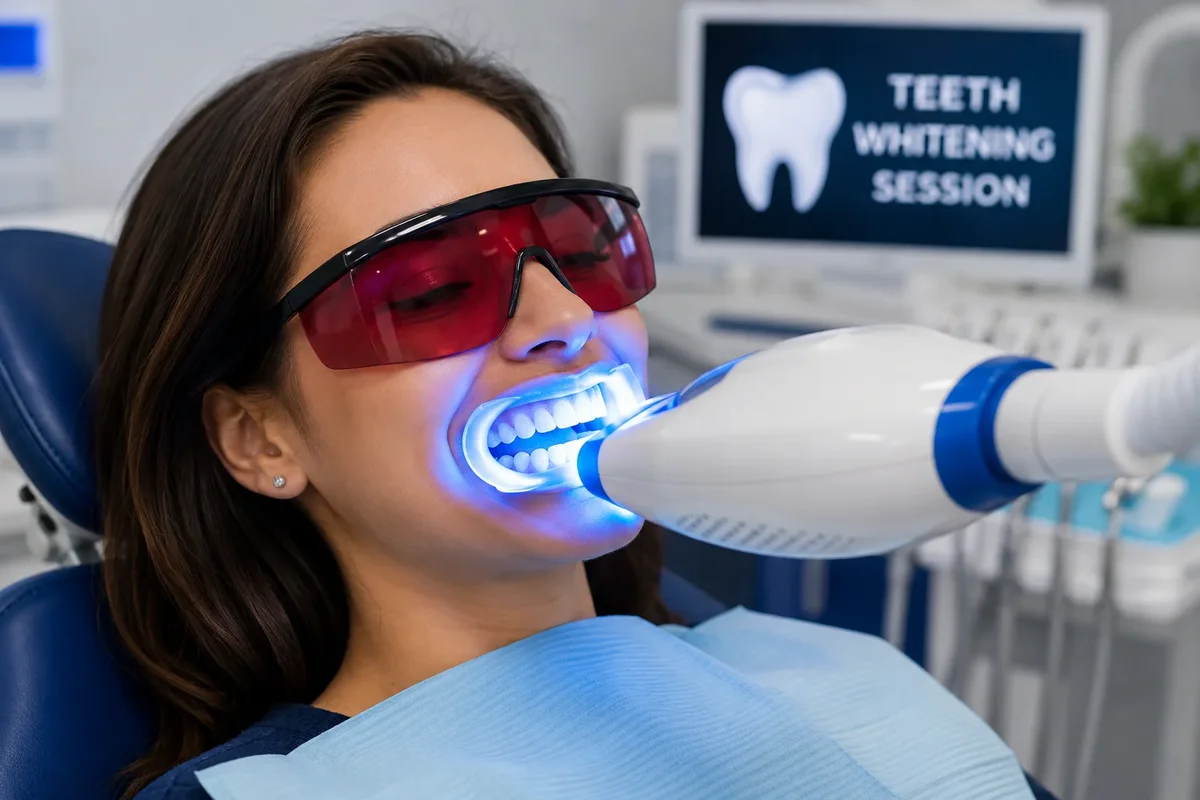
How to Maintain Results After a Teeth Whitening Session
Completing a professional teeth whitening session is an excellent way to achieve a brighter, healthier-looking smile. However, maintaining the results after a teeth whitening session requires proper oral hygiene, healthy lifestyle habits, and regular dental care. Many patients are surprised to learn that the longevity of whitening results depends heavily on their daily routines after treatment. With the right maintenance strategy, the cosmetic improvements from a professional teeth whitening session can remain visible for many months or even years. ✨
Although professional whitening treatments can dramatically improve tooth brightness, teeth naturally continue to face exposure to staining foods, beverages, and environmental factors. Understanding how to protect enamel and minimize discoloration is essential for preserving the benefits of a teeth whitening session.
Why Whitening Results Fade Over Time
After a professional teeth whitening session, teeth are brighter because whitening agents remove stain molecules trapped inside the enamel structure. However, over time, new pigments from foods, drinks, and tobacco can gradually accumulate again.
Common causes of post-whitening discoloration include:
- Coffee and tea consumption ☕
- Smoking and tobacco use 🚬
- Red wine 🍷
- Dark-colored sauces
- Poor oral hygiene
- Aging and enamel thinning
Without proper maintenance, these factors may reduce the longevity of the results achieved during a professional teeth whitening session.
Brush Teeth Properly After a Teeth Whitening Session
One of the most important ways to maintain whitening results after a teeth whitening session is practicing consistent oral hygiene. Brushing removes plaque, food particles, and stain-causing pigments before they settle deeply into the enamel.
How Often Should You Brush?
Dentists generally recommend brushing:
- At least twice daily 🪥
- After consuming staining foods when possible
- Before bedtime every night
Maintaining proper brushing habits after a professional teeth whitening session helps preserve smile brightness and improve overall oral health.
Choosing the Right Toothpaste
Patients should use dentist-approved toothpaste after a teeth whitening session. Whitening toothpaste may help maintain brightness, but abrasive products should be avoided because they can irritate enamel and increase sensitivity.
Some patients benefit from:
- Sensitivity toothpaste
- Fluoride toothpaste
- Low-abrasion whitening toothpaste
Flossing Helps Protect Whitening Results
Flossing is another essential habit after a professional teeth whitening session. Many stain-causing particles accumulate between the teeth, where toothbrushes cannot always reach effectively.
Daily flossing helps:
- Reduce plaque buildup
- Prevent gum inflammation
- Protect enamel surfaces
- Maintain even tooth coloration
Consistent flossing supports the long-term cosmetic success of a teeth whitening session.
Avoid Staining Foods and Drinks
Dietary choices strongly influence how long whitening results last after a teeth whitening session. Highly pigmented foods and beverages can quickly restain enamel if consumed frequently.
Foods and Drinks That Commonly Cause Staining
- Coffee ☕
- Black tea
- Red wine 🍷
- Cola beverages
- Tomato sauce 🍅
- Soy sauce
- Dark berries
Patients do not necessarily need to eliminate these items completely after a professional teeth whitening session, but reducing their frequency can significantly improve whitening longevity.
Using a Straw Can Help
For beverages such as iced coffee or dark sodas, using a straw may help reduce direct contact with the teeth after a teeth whitening session.
Quit Smoking to Maintain Whitening Results
Smoking is one of the fastest ways to reverse the cosmetic effects of a professional teeth whitening session. Tobacco products contain nicotine and tar, which easily stain enamel and create yellow or brown discoloration.
Smoking after a teeth whitening session may:
- Cause rapid restaining
- Reduce whitening longevity
- Increase gum irritation
- Damage overall oral health
Patients who stop smoking often maintain whitening results significantly longer than smokers.
Drink More Water After a Teeth Whitening Session
Water plays an important role in maintaining oral cleanliness after a professional teeth whitening session. Drinking water regularly helps rinse away pigments, sugars, and acids before they stain the teeth.
Benefits of Drinking Water
- Reduces stain accumulation
- Improves saliva production
- Protects enamel health
- Minimizes dry mouth
- Supports long-term whitening maintenance 💧
Many dentists recommend rinsing the mouth with water immediately after consuming staining beverages following a teeth whitening session.
Schedule Regular Dental Cleanings
Routine professional cleanings are extremely important for preserving whitening results after a teeth whitening session. Even patients with excellent oral hygiene may gradually develop surface stains over time.
Professional cleanings help:
- Remove plaque and tartar
- Reduce surface staining
- Protect gum health
- Maintain a polished smile appearance
Many dentists recommend professional cleanings every six months after a professional teeth whitening session.
Touch-Up Treatments After Whitening
Some patients choose periodic maintenance whitening to refresh their smile after the original teeth whitening session. Touch-up treatments are usually shorter and less intensive than the initial whitening procedure.
Common Maintenance Options
- Custom whitening trays
- Whitening gels
- Occasional in-office touch-ups
- Dentist-approved whitening products
These maintenance options help preserve brightness between major cosmetic whitening appointments.
How Long Whitening Results Usually Last
The longevity of a professional teeth whitening session varies depending on oral hygiene and lifestyle habits. Many patients maintain visible whitening improvements for six months to two years.
Factors affecting longevity include:
- Smoking habits
- Coffee and tea consumption
- Frequency of dental cleanings
- Oral hygiene quality
- Dietary choices
Patients who follow proper maintenance habits after a teeth whitening session generally enjoy longer-lasting cosmetic improvements.
Protecting Enamel After Whitening
Enamel protection is extremely important after a professional teeth whitening session. Strong enamel not only improves oral health but also helps maintain a brighter smile.
Ways to Strengthen Enamel
- Use fluoride toothpaste
- Avoid excessive acidic foods
- Drink enough water
- Maintain healthy saliva production
- Limit sugary beverages
Healthy enamel provides better long-term support for whitening results after a teeth whitening session.
Professional Guidance Matters
One of the biggest advantages of choosing a professional teeth whitening session is receiving expert aftercare guidance from trained dental professionals. Dentists can recommend personalized maintenance strategies based on:
- Tooth sensitivity
- Enamel condition
- Dietary habits
- Smoking history
- Cosmetic goals
This customized approach helps maximize the long-term success of the teeth whitening session.
According to the American Dental Association, maintaining good oral hygiene and regular professional dental care is essential for protecting cosmetic dental treatment results.
At Redent Klinik, patients receive individualized aftercare instructions following every professional teeth whitening session. Cosmetic dentistry specialists help patients maintain brighter smiles through personalized oral hygiene guidance, maintenance planning, and professional support. For more information about smile enhancement and cosmetic dentistry services, visit the Redent Klinik Contact Page.
Overall, maintaining the results of a professional teeth whitening session requires a combination of healthy habits, consistent oral care, and regular dental visits. By protecting enamel, reducing exposure to stains, and following professional recommendations, patients can enjoy a brighter and healthier-looking smile long after their teeth whitening session is completed. 🌟