
Dental implants are widely recognized as one of the most advanced and reliable solutions for replacing missing teeth in modern dentistry. If you are researching teethimplants, your main goal is likely to restore both function and aesthetics while maintaining long-term oral health. Unlike removable dentures or traditional bridges, dental implants are designed to function like natural tooth roots, providing a stable foundation for replacement teeth that look, feel, and perform naturally 😊.
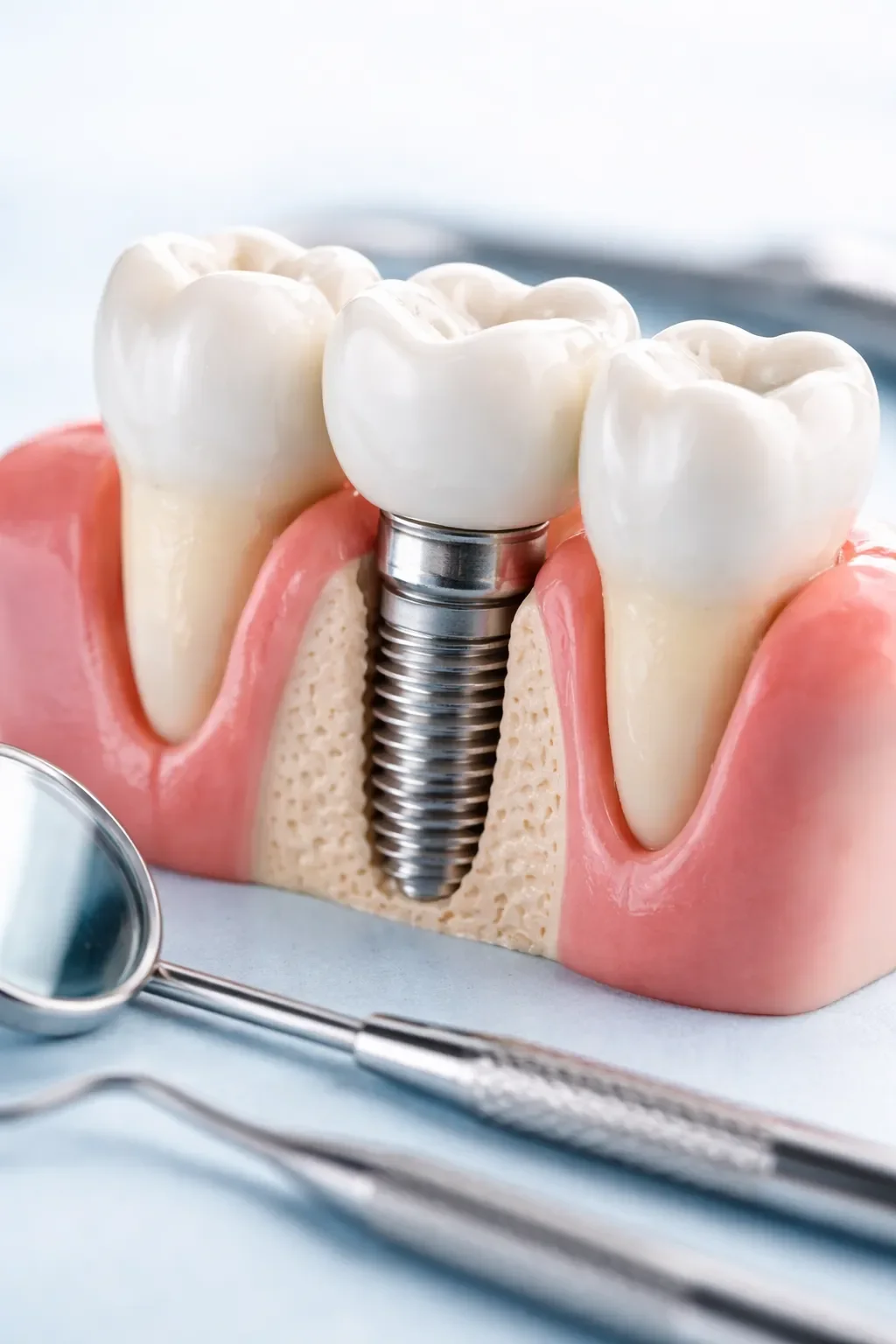
At their core, teethimplants consist of three essential components: a titanium implant post, an abutment, and a custom-made crown. The implant post is surgically placed into the jawbone, where it integrates with the bone through a natural biological process known as osseointegration. This fusion creates a solid anchor that mimics the strength and stability of a real tooth root. Once healing is complete, the abutment connects the implant to the visible crown, which is carefully shaped and color-matched to blend seamlessly with your natural teeth.
One of the biggest reasons patients choose teethimplants is their ability to restore full chewing power. Missing teeth can significantly reduce bite strength, making it difficult to eat certain foods and maintain balanced nutrition. Dental implants allow you to enjoy your favorite meals again without discomfort or fear of slipping teeth 🍎🥩. Because the implant is firmly anchored in the jawbone, it provides a level of stability that removable options simply cannot match.
Beyond functionality, teethimplants play a crucial role in preserving facial structure. When a tooth is lost, the jawbone in that area can begin to deteriorate due to lack of stimulation. Over time, this bone loss may cause facial sagging, premature aging, and changes in facial appearance. Dental implants actively stimulate the jawbone, helping maintain bone density and supporting a youthful facial profile. This makes them not only a dental solution but also an investment in long-term facial aesthetics.
From a health perspective, teethimplants are considered one of the most conservative tooth replacement options. Unlike dental bridges, implants do not require grinding down adjacent healthy teeth. This preserves the integrity of surrounding teeth and promotes better overall oral health. Properly placed and maintained dental implants can last for decades, often becoming a lifetime solution when combined with good oral hygiene and regular dental check-ups 🦷.
Another key advantage of teethimplants is their natural appearance. Modern dental technology allows crowns to be crafted with exceptional precision, matching the color, shape, and translucency of natural teeth. Most people will never notice that you have an implant, which can greatly boost self-confidence in both personal and professional settings 😁. Smiling, speaking, and laughing feel natural again, without the worry of movement or visible dental appliances.
Patients exploring teethimplants often ask about safety and reliability. Dental implants are backed by decades of clinical research and are widely supported by leading dental organizations, including the American Dental Association. When performed by experienced dental professionals, implant procedures have very high success rates and predictable outcomes. Advances in imaging, surgical techniques, and materials continue to improve precision and patient comfort.
If you are considering teethimplants and want personalized guidance, choosing the right dental clinic is essential. A professional consultation allows your dentist to evaluate bone structure, oral health, and treatment goals before creating a customized plan. You can easily reach out for expert advice through the Redent Klinik Contact Page, where experienced specialists can guide you through every step of the implant journey.
In summary, teethimplants represent a gold-standard solution for missing teeth, offering unmatched stability, natural appearance, and long-term health benefits. Whether you are missing a single tooth or multiple teeth, dental implants provide a durable and aesthetically pleasing option that supports both oral function and overall well-being. With proper care, they can transform not only your smile but also your quality of life 🌟.
What Are Dental Implants and How Do They Work?
Understanding how teethimplants work is essential for anyone considering this treatment. Many patients search this topic because they want clarity, safety, and realistic expectations. Dental implants are not just cosmetic solutions; they are medical-grade devices designed to replace missing tooth roots and restore full oral function in the most natural way possible 🦷.
Definition and Core Purpose of Dental Implants
At the most basic level, teethimplants are artificial tooth roots made primarily from biocompatible titanium. Titanium is used because it is strong, lightweight, and uniquely compatible with human bone. Once placed in the jaw, the implant acts as a stable foundation for a replacement tooth or set of teeth. This approach closely mimics natural tooth anatomy, which is why dental implants are considered the most advanced tooth replacement method available today.
Unlike dentures that sit on the gums or bridges that rely on neighboring teeth for support, teethimplants are anchored directly into the jawbone. This direct anchoring is what allows implants to feel, function, and perform like natural teeth, offering superior stability and comfort 😊.
The Three Main Components of Dental Implants
1. The Implant Post (Artificial Root)
The implant post is the part of teethimplants that is surgically placed into the jawbone. It functions as an artificial root and is usually made of titanium or titanium alloys. Once placed, the body begins a healing process where bone cells grow around the implant surface, locking it firmly in place. This process is called osseointegration and is the key reason dental implants are so durable and long-lasting.
2. The Abutment (Connector)
After the implant post has fully integrated with the bone, an abutment is attached. The abutment serves as a connector between the implant and the visible tooth. In teethimplants, this component ensures that the crown sits securely and aligns correctly with your bite and surrounding teeth.
3. The Crown (Visible Tooth)
The crown is the final and visible part of teethimplants. It is custom-designed to match the color, shape, and size of your natural teeth. Modern crowns are often made from porcelain or zirconia, materials that closely resemble real enamel. Once placed, the crown completes the restoration and restores both appearance and function 😁.
The Osseointegration Process Explained
Osseointegration is the biological process that makes teethimplants so effective. After the implant post is inserted, the surrounding bone gradually fuses with the implant surface. This process can take several weeks to a few months, depending on bone quality, overall health, and lifestyle factors.
During this time, the implant becomes part of the jaw structure itself. This is fundamentally different from other tooth replacement methods. Because teethimplants stimulate the jawbone just like natural tooth roots, they help prevent bone loss, preserve facial structure, and maintain long-term oral health.
How Dental Implants Restore Chewing and Speaking
One of the most practical benefits of teethimplants is their ability to restore full chewing efficiency. Missing teeth or unstable dentures can limit food choices and affect nutrition. Dental implants provide the strength needed to chew hard or crunchy foods without discomfort or fear of movement 🍎🥕.
Speech is another area where teethimplants make a noticeable difference. Gaps in the teeth or ill-fitting dentures can cause slurred or unclear speech. Because implants are fixed securely in place, they allow natural tongue movement and clear pronunciation, improving confidence in daily communication.
Why Dental Implants Feel Like Natural Teeth
Patients often report that teethimplants feel almost identical to natural teeth. This is because the implant replaces the root as well as the crown, restoring the full structure of the tooth. The pressure from chewing is transmitted directly to the jawbone, creating a natural sensation that removable appliances cannot replicate.
Additionally, teethimplants eliminate common issues such as slipping, clicking sounds, or gum irritation. Once healing is complete, most patients forget they even have an implant, which speaks to the comfort and reliability of this solution 🌟.
In summary, teethimplants work by replacing missing tooth roots with biocompatible implants that integrate with the jawbone, support realistic crowns, and restore full oral function. Their design, biology, and long-term benefits make them the most comprehensive and natural-feeling option for tooth replacement in modern dentistry.
Who Is a Good Candidate for Dental Implants?
One of the most common questions people ask when researching teethimplants is whether they are suitable candidates for this treatment. The good news is that dental implants are a highly versatile solution, and most adults with missing teeth can benefit from them. However, successful implant treatment depends on several medical, dental, and lifestyle factors that must be carefully evaluated to ensure long-term success 😊.
General Health Requirements for Dental Implants
Overall health plays a crucial role in determining eligibility for teethimplants. Because implant placement is a minor surgical procedure, candidates should be in reasonably good general health. Chronic conditions such as controlled diabetes, high blood pressure, or heart disease do not automatically disqualify a patient, but they do require careful planning and coordination with healthcare providers.
Uncontrolled systemic conditions may slow healing or increase the risk of complications. That said, modern dental protocols allow many patients with medical conditions to safely receive teethimplants once their health is properly managed. A detailed medical history and, if necessary, clearance from a physician are standard parts of the evaluation process.
Oral Health and Jawbone Requirements
Sufficient Jawbone Density
A key requirement for teethimplants is having adequate jawbone density and volume. Because the implant post must integrate with the bone, there needs to be enough healthy bone to support it. Tooth loss that has gone untreated for many years can sometimes lead to bone resorption, which may initially limit implant placement.
Fortunately, lack of bone does not automatically rule out teethimplants. Procedures such as bone grafting or sinus lifting can rebuild lost bone and create a stable foundation for implants. Advances in regenerative dentistry have made it possible for many patients previously considered unsuitable to successfully receive implants 🦷.
Healthy Gums and Oral Tissues
Healthy gums are another essential factor when considering teethimplants. Active gum disease, such as periodontitis, must be treated before implant placement. Gum infections can compromise implant stability and increase the risk of implant failure if left untreated.
Once gum health is restored and maintained, patients can safely proceed with teethimplants. Good oral hygiene habits, including regular brushing, flossing, and professional cleanings, are vital for protecting both natural teeth and implants over the long term.
Lifestyle Factors That Affect Implant Success
Lifestyle choices can significantly influence the success rate of teethimplants. Smoking, for example, is one of the biggest risk factors for implant failure. Nicotine restricts blood flow, slows healing, and interferes with osseointegration. While smokers are not always excluded from treatment, they are often advised to quit or significantly reduce smoking before and after the procedure 🚭.
Excessive alcohol consumption can also negatively impact healing and bone health. Patients committed to a healthy lifestyle tend to experience better outcomes with teethimplants, including faster recovery and longer-lasting results.
Age Considerations for Dental Implants
Age alone is rarely a limiting factor for teethimplants. Adults of all ages, including seniors, can be excellent candidates as long as they meet the health and bone requirements. In fact, dental implants are often life-changing for older adults by improving chewing ability, nutrition, and quality of life 🌟.
However, implants are generally not recommended for children or adolescents whose jawbones are still developing. Implant placement is typically postponed until bone growth is complete to ensure stability and proper alignment.
Single Tooth, Multiple Teeth, and Full-Arch Candidates
Teethimplants are suitable for a wide range of tooth loss situations. Whether you are missing a single tooth, several teeth, or an entire arch, implant-based solutions can be customized to your needs. A single implant can replace one tooth, while multiple implants can support bridges or full-arch restorations.
Even patients who have struggled with loose dentures may be ideal candidates for implant-supported dentures. These solutions dramatically improve stability and comfort compared to traditional removable options, making everyday activities like eating and speaking much easier 😊.
The Importance of a Professional Implant Evaluation
Ultimately, determining whether you are a good candidate for teethimplants requires a comprehensive dental evaluation. This includes clinical exams, digital imaging, and a detailed review of medical and dental history. Every patient is unique, and implant treatment plans must be personalized for optimal results.
In summary, most adults with missing teeth can be candidates for teethimplants, provided their oral health, bone structure, and overall health are properly assessed and managed. With modern techniques and careful planning, dental implants are accessible to a broader range of patients than ever before, offering a reliable and long-lasting solution for restoring confident, healthy smiles 😁.
Dental Implants vs Other Tooth Replacement Options
When deciding how to replace missing teeth, many patients compare teethimplants with other common dental solutions such as dentures and bridges. Understanding the differences between these options is essential for making an informed, long-term decision. Each method has its own advantages and limitations, but dental implants are often considered the most advanced and durable solution available today 🦷.
Dental Implants vs Removable Dentures
Removable dentures have been used for decades to replace missing teeth. They are typically made of acrylic and rest on the gums, sometimes supported by metal clasps. While dentures may initially seem convenient, they often come with challenges that teethimplants are designed to overcome.
One of the most common complaints with dentures is instability. Dentures can shift, slip, or cause discomfort while eating or speaking. In contrast, teethimplants are securely anchored into the jawbone, providing exceptional stability and eliminating the fear of movement 😁. This stability allows implant patients to eat a wider range of foods without restrictions.
Another major difference is bone preservation. Dentures do not stimulate the jawbone, which can lead to progressive bone loss over time. This bone loss may cause dentures to fit poorly and alter facial appearance. Teethimplants, on the other hand, actively stimulate the jawbone, helping maintain bone density and facial structure.
Dental Implants vs Dental Bridges
Dental bridges are another popular option for replacing missing teeth. A traditional bridge involves placing crowns on the teeth adjacent to the gap and suspending an artificial tooth in between. While bridges can restore appearance and basic function, they differ significantly from teethimplants in terms of longevity and oral health impact.
One key drawback of bridges is that they require the reduction of healthy neighboring teeth. These teeth must be filed down to support the bridge, permanently altering their structure. Teethimplants do not rely on adjacent teeth for support, preserving natural tooth structure and promoting better long-term oral health 😊.
Additionally, bridges do not address jawbone loss in the area of the missing tooth. Because there is no root replacement, the bone beneath the bridge can gradually resorb. In contrast, teethimplants replace both the root and the crown, maintaining bone health and stability over time.
Longevity and Durability Comparison
How Long Each Option Typically Lasts
Durability is a major consideration when comparing tooth replacement options. Dentures typically need adjustments, relining, or replacement every few years due to changes in gum and bone structure. Bridges often last 10–15 years with proper care but may require replacement if supporting teeth weaken.
Teethimplants are designed for long-term success and can last decades, or even a lifetime, when properly maintained. The implant post itself rarely needs replacement, making implants a cost-effective solution over time despite a higher initial investment 🌟.
Comfort and Daily Living Experience
Comfort plays a significant role in patient satisfaction. Dentures may cause sore spots, gum irritation, or difficulty with speech. Some patients also experience reduced taste sensation due to the coverage of the palate. Teethimplants eliminate these issues by functioning independently of the gums and palate.
Because teethimplants feel and function like natural teeth, most patients quickly adapt and forget they have a restoration at all. There is no need for adhesives, nightly removal, or special cleaning solutions beyond normal oral hygiene routines 🪥.
Aesthetic Results and Confidence
From an aesthetic perspective, teethimplants offer superior results. Implant-supported crowns are custom-designed to match natural teeth in color, shape, and alignment. Dentures and bridges can look natural, but they may become less aesthetically pleasing over time as gums and bone change.
The confidence that comes with knowing your teeth look natural and stay securely in place cannot be overstated. Patients with teethimplants often report improved self-esteem, more natural smiles, and greater comfort in social and professional situations 😄.
Overall Value and Long-Term Oral Health
While dentures and bridges may appear less expensive initially, their long-term costs can add up due to maintenance, replacements, and potential oral health complications. Teethimplants provide a comprehensive solution that supports oral health, bone preservation, and overall well-being.
In conclusion, when comparing teethimplants with dentures and bridges, implants stand out for their stability, longevity, comfort, and health benefits. For patients seeking a permanent, natural-feeling solution, dental implants are widely regarded as the gold standard in modern tooth replacement 🌟.
Step-by-Step Dental Implant Procedure Explained
One of the biggest concerns for patients considering teethimplants is understanding exactly how the procedure works from start to finish. Knowing what to expect at each stage helps reduce anxiety and builds confidence in the treatment. Dental implant therapy is a structured, carefully planned process designed to maximize safety, comfort, and long-term success 😊.
Initial Consultation and Treatment Planning
The journey with teethimplants always begins with a comprehensive consultation. During this visit, the dentist evaluates your oral health, medical history, and treatment goals. Advanced imaging methods such as digital X-rays or 3D scans are often used to assess bone quality, nerve positions, and sinus anatomy.
This planning phase is critical because teethimplants must be placed with extreme precision. Based on the findings, the dentist creates a personalized treatment plan, deciding the number of implants needed, their exact placement, and whether preparatory procedures like bone grafting are required. This step ensures predictable outcomes and long-term implant stability 🦷.
Preparatory Procedures Before Implant Placement
Bone Grafting or Sinus Lift (If Needed)
Some patients may require additional procedures before receiving teethimplants. If the jawbone lacks sufficient density or volume, bone grafting may be recommended. This involves adding bone material to strengthen the implant site and create a solid foundation.
In the upper jaw, especially near the molars, a sinus lift may be necessary to make room for implants. While these steps add time to the treatment, they significantly improve the long-term success rate of teethimplants and expand eligibility to more patients 🌟.
Surgical Placement of the Implant Post
The surgical phase is where teethimplants are physically placed into the jawbone. This procedure is typically performed under local anesthesia, with sedation options available for anxious patients. Most people are surprised to learn that implant surgery is usually less uncomfortable than tooth extraction.
During the procedure, the dentist creates a small opening in the gum and carefully inserts the titanium implant post into the bone. The area is then closed with sutures to allow healing. Thanks to modern techniques, trauma to surrounding tissues is minimal, leading to faster recovery and reduced discomfort 😊.
The Healing Phase and Osseointegration
After implant placement, the body begins the most important phase of teethimplants: osseointegration. This is the biological process where the jawbone fuses with the implant surface, anchoring it securely in place. Healing typically takes between 8 and 16 weeks, depending on individual factors.
During this time, patients can usually resume normal daily activities within a few days. Temporary restorations may be provided for aesthetic purposes. Successful osseointegration is what gives teethimplants their exceptional strength and long-term durability 🦴.
Abutment Placement
Once the implant has fully integrated with the bone, the next step in the teethimplants process is abutment placement. This minor procedure involves reopening the gum to attach a small connector piece to the implant post.
The abutment extends slightly above the gum line and serves as the attachment point for the final crown. The gums then heal around the abutment, shaping naturally to create a realistic and healthy appearance around the future tooth 😊.
Designing and Attaching the Final Crown
The final stage of teethimplants is the placement of the custom crown. Impressions or digital scans are taken to design a crown that matches your natural teeth in color, shape, and bite alignment. This attention to detail ensures both comfort and aesthetics.
Once ready, the crown is securely attached to the abutment. At this point, the implant restoration is complete. The new tooth looks, feels, and functions like a natural tooth, allowing normal eating, speaking, and smiling with confidence 😁.
Post-Procedure Care and Long-Term Maintenance
Proper aftercare is essential for the long-term success of teethimplants. Patients are advised to maintain excellent oral hygiene, including brushing, flossing, and regular dental check-ups. Unlike natural teeth, implants cannot decay, but the surrounding gums and bone must remain healthy.
In summary, the teethimplants procedure is a carefully staged process that prioritizes precision, healing, and durability. From initial planning to final crown placement, each step is designed to deliver a long-lasting, natural-looking solution that restores both function and confidence 🌟.
Types of Dental Implants and Materials Used
When researching teethimplants, many patients are surprised to learn that there are several types of implants and a variety of materials used in modern dentistry. Choosing the right implant type and material is not a one-size-fits-all decision. It depends on bone structure, oral health, aesthetic goals, and long-term expectations. Understanding these options helps patients feel informed and confident about their treatment choices 😊.
Main Types of Dental Implants Based on Placement
Endosteal Dental Implants
Endosteal implants are the most commonly used form of teethimplants. These implants are placed directly into the jawbone and typically resemble small screws or cylinders. Once healed, they provide a strong and stable foundation for crowns, bridges, or full-arch restorations.
Because endosteal teethimplants integrate directly with the bone, they offer excellent durability and long-term success rates. They are ideal for patients with sufficient jawbone density and are widely considered the gold standard in implant dentistry 🦷.
Subperiosteal Dental Implants
Subperiosteal implants are an alternative type of teethimplants used in cases where patients do not have enough healthy jawbone for traditional implants and cannot undergo bone grafting. Instead of being placed inside the bone, these implants sit on top of the jawbone but beneath the gum tissue.
Although less common today due to advances in bone grafting techniques, subperiosteal teethimplants can still be a viable solution for specific cases. They offer stability without deep bone placement, making them suitable for select patients with severe bone loss.
Dental Implants Based on Tooth Loss Needs
Single-Tooth Dental Implants
A single-tooth implant is one of the most straightforward applications of teethimplants. It replaces one missing tooth without affecting neighboring teeth. This approach preserves natural tooth structure and maintains proper bite alignment.
Single teethimplants are especially beneficial for visible areas of the mouth, as they offer superior aesthetics and function compared to bridges or partial dentures 😊.
Multiple-Tooth and Full-Arch Dental Implants
For patients missing several teeth, teethimplants can support implant bridges or full-arch restorations. Instead of replacing every missing tooth with an individual implant, a strategic number of implants are used to support multiple teeth.
Full-arch implant solutions are life-changing for patients who previously relied on removable dentures. These teethimplants restore strong biting force, eliminate denture movement, and significantly improve quality of life 🌟.
Materials Used in Dental Implants
Titanium Dental Implants
Titanium is the most widely used material in teethimplants due to its exceptional biocompatibility and strength. It bonds naturally with bone through osseointegration, making it extremely reliable for long-term use.
Titanium teethimplants have been used successfully for decades and are supported by extensive clinical research. They are corrosion-resistant, lightweight, and suitable for most patients 🦴.
Zirconia Dental Implants
Zirconia implants are a metal-free alternative to traditional teethimplants. Made from ceramic material, zirconia implants are often chosen by patients with metal sensitivities or those seeking a holistic approach.
Zirconia teethimplants are white in color, which can offer aesthetic advantages in patients with thin gum tissue. While newer than titanium, advances in zirconia technology have made them a strong and increasingly popular option 😊.
Crown and Restoration Materials
The visible portion of teethimplants—the crown—can be made from several materials, including porcelain, zirconia, or porcelain-fused-to-metal. These materials are selected based on durability, aesthetics, and bite forces.
High-quality restorations ensure that teethimplants look natural and blend seamlessly with surrounding teeth. Modern dental labs use digital design technology to create crowns that mimic the translucency and texture of real enamel 😁.
How Dentists Choose the Right Implant Type and Material
Selecting the best option for teethimplants involves a detailed evaluation of bone quality, gum health, bite alignment, and aesthetic expectations. Dentists also consider lifestyle factors such as grinding habits or dietary preferences.
In conclusion, teethimplants are highly customizable, with multiple types and materials available to suit individual needs. Whether using titanium or zirconia, single or full-arch implants, modern implant dentistry offers reliable, long-lasting solutions tailored to each patient’s oral health and lifestyle 🌟.
Benefits of Dental Implants for Oral and Overall Health
Patients exploring teethimplants are often focused on restoring their smile, but the benefits extend far beyond appearance. Dental implants offer a wide range of functional, biological, and psychological advantages that make them one of the most comprehensive treatments in modern dentistry. Understanding these benefits helps explain why implants are considered the gold standard for tooth replacement 😊.
Oral Health Benefits of Dental Implants
Preserving Jawbone and Preventing Bone Loss
One of the most important health benefits of teethimplants is their ability to preserve jawbone density. When a natural tooth is lost, the jawbone in that area no longer receives stimulation and begins to shrink over time. This process, known as bone resorption, can weaken the jaw and change facial structure.
Teethimplants act like natural tooth roots, transmitting chewing forces directly to the bone. This stimulation helps maintain bone volume and strength, preventing the sunken appearance that often develops after prolonged tooth loss 🦴. No other tooth replacement option provides this level of bone preservation.
Protecting Neighboring Teeth
Unlike dental bridges, teethimplants do not require altering adjacent healthy teeth. Bridges rely on surrounding teeth for support, which can weaken them over time. Implants stand independently, preserving the integrity of natural teeth and reducing the risk of future dental problems.
By maintaining proper spacing and alignment, teethimplants also help prevent nearby teeth from shifting. This contributes to a healthier bite and reduces the likelihood of jaw joint issues or uneven tooth wear 😊.
Functional Advantages in Daily Life
Restoring Strong and Efficient Chewing
Chewing efficiency is significantly improved with teethimplants. Missing teeth or unstable dentures can limit food choices and make eating uncomfortable. Dental implants restore near-natural bite force, allowing patients to enjoy a varied and nutritious diet without fear or discomfort 🍎🥩.
Because teethimplants are fixed securely in the jaw, there is no slipping or movement while eating. This stability makes a noticeable difference in everyday comfort and confidence.
Improving Speech and Pronunciation
Tooth loss can affect speech by altering airflow and tongue placement. Dentures may worsen this issue if they move during speaking. Teethimplants provide a stable, permanent solution that supports natural speech patterns.
Patients often report clearer pronunciation and increased confidence in conversations after receiving teethimplants, especially in social or professional environments 😊.
Long-Term Health and Hygiene Benefits
Maintaining oral hygiene is simpler with teethimplants compared to removable prosthetics. Implants are cleaned just like natural teeth with brushing, flossing, and routine dental visits. There is no need for special adhesives or soaking solutions.
This ease of care encourages better oral hygiene habits, which contributes to healthier gums and reduces the risk of infections around the implant site. Properly maintained teethimplants can remain stable and functional for decades 🌟.
Psychological and Emotional Benefits
Boosting Self-Confidence and Quality of Life
The emotional impact of teethimplants is often underestimated. Missing teeth can affect self-esteem, leading some individuals to avoid smiling, speaking, or social interactions. Dental implants restore a complete, natural-looking smile that patients feel confident showing.
Knowing that teethimplants look and feel like natural teeth provides peace of mind. There is no anxiety about teeth shifting or falling out, which can be a concern with removable options 😁.
Supporting Overall Well-Being
Oral health is closely linked to overall health. Poor chewing ability can lead to digestive issues and poor nutrition. By restoring full function, teethimplants support balanced eating habits and overall wellness.
Additionally, preserving jawbone and maintaining proper bite alignment can reduce strain on facial muscles and jaw joints. This contributes to long-term comfort and improved quality of life.
Why Dental Implants Are a Long-Term Investment
While the initial process of receiving teethimplants may take time, the long-term benefits far outweigh the effort. Implants are designed to last many years, often a lifetime, with proper care. Their durability, health benefits, and natural feel make them a valuable investment in both oral and overall health 🌟.
In summary, teethimplants offer unmatched advantages, from preserving bone and protecting natural teeth to improving speech, nutrition, and self-confidence. They do not simply replace missing teeth—they restore function, health, and quality of life in a way no other solution can.
Dental Implant Recovery, Aftercare, and Healing Timeline
A clear understanding of recovery and aftercare is essential for anyone planning to get teethimplants. While dental implant treatment is highly predictable and safe, proper healing plays a critical role in long-term success. Patients who know what to expect during recovery are more confident, less anxious, and more likely to achieve excellent outcomes 😊.
What to Expect Immediately After Implant Surgery
Right after teethimplants are placed, it is normal to experience mild swelling, tenderness, and minor bleeding around the surgical site. These symptoms are part of the body’s natural healing response and usually peak within the first 48 hours. Most patients describe the discomfort as mild to moderate and manageable with prescribed or over-the-counter pain medication.
Cold compresses applied to the outside of the face during the first day can significantly reduce swelling. Dentists typically recommend resting for the remainder of the day and avoiding strenuous physical activity. Compared to tooth extractions, many patients find recovery from teethimplants surprisingly comfortable 🦷.
The First Week of Healing
Diet and Eating Guidelines
During the first few days after teethimplants surgery, a soft-food diet is strongly recommended. Foods such as yogurt, soups, mashed vegetables, eggs, and smoothies help protect the implant site while ensuring proper nutrition.
Hot, spicy, or hard foods should be avoided initially, as they may irritate the surgical area. Chewing directly on the implant site should be minimized to prevent unnecessary pressure during early healing 😊.
Oral Hygiene During Early Recovery
Maintaining oral hygiene is crucial, even immediately after teethimplants placement. Gentle brushing of surrounding teeth is encouraged, while the surgical area should be cleaned carefully as instructed by the dentist. Antibacterial mouth rinses may be prescribed to reduce infection risk.
Good hygiene during this phase supports healthy gum healing and protects the implant from complications. Skipping oral care can negatively impact the success of teethimplants, so consistency is key 🪥.
Osseointegration: The Core Healing Phase
The most important stage of recovery for teethimplants is osseointegration. This process involves the jawbone gradually fusing with the titanium implant post, creating a stable and permanent foundation. Osseointegration typically takes between 8 and 16 weeks, though it may take longer in some cases.
During this time, patients usually feel little to no discomfort. The implant is beneath the gum surface and protected as bone healing progresses. This phase is critical because successful osseointegration is what gives teethimplants their exceptional strength and longevity 🦴.
Temporary Teeth and Aesthetic Considerations
Many patients worry about appearance while waiting for final restorations. In most cases, temporary crowns or provisional restorations can be placed during the healing period. These temporary solutions allow patients with teethimplants to smile, speak, and socialize confidently while healing takes place 😁.
Temporary teeth are designed to avoid placing excessive pressure on the implant while still maintaining a natural look. Following dentist instructions regarding their use is important for protecting the implant site.
Long-Term Aftercare for Dental Implants
Daily Care and Maintenance
Once healing is complete, caring for teethimplants is very similar to caring for natural teeth. Daily brushing, flossing, and regular dental check-ups are essential. While implants cannot develop cavities, the surrounding gums and bone must remain healthy to support them.
Using interdental brushes or specialized floss can help clean around implant-supported crowns effectively. Consistent care helps ensure that teethimplants remain stable and functional for decades 🌟.
Lifestyle Habits That Support Healing
Certain lifestyle habits can significantly influence the long-term success of teethimplants. Smoking should be avoided, especially during the healing phase, as it reduces blood flow and interferes with bone integration. Excessive alcohol consumption should also be limited.
Patients who follow healthy habits and attend regular dental visits experience the highest success rates with teethimplants.
Signs of Healthy Healing vs Warning Signs
Healthy healing after teethimplants includes decreasing discomfort, stable gums, and no persistent swelling or pain. Mild sensitivity may occur, but it should improve steadily.
Warning signs include prolonged pain, swelling, pus, or implant mobility. These symptoms are uncommon but should be addressed promptly by a dental professional. Early intervention helps protect the implant and surrounding tissues 😊.
Final Thoughts on Recovery and Healing
Recovery from teethimplants is a gradual and well-structured process that prioritizes long-term stability and health. With proper aftercare, realistic expectations, and professional guidance, most patients experience smooth healing and outstanding results.
In summary, understanding the recovery timeline and following aftercare instructions are key to maximizing the success of teethimplants. With patience and good oral habits, dental implants become a comfortable, permanent part of your smile and daily life 🌟.
Dental Implant Costs, Insurance, and Global Price Comparison
Cost is one of the most researched topics when patients consider teethimplants. While dental implants are widely regarded as the most durable and natural tooth replacement option, their pricing can vary significantly depending on multiple factors. Understanding what influences cost, how insurance may apply, and how prices compare globally helps patients make informed, confident decisions 😊.
What Factors Influence the Cost of Dental Implants?
Number of Implants and Treatment Complexity
The total cost of teethimplants largely depends on how many implants are needed and how complex the treatment plan is. Replacing a single tooth with one implant is generally less costly than full-arch or multiple-tooth restorations, which may require several implants and additional components.
Complex cases—such as those requiring bone grafting, sinus lifts, or extractions—can increase the overall investment. These procedures are sometimes necessary to create a stable foundation for teethimplants, directly impacting long-term success and safety 🦷.
Materials and Technology Used
The materials chosen also affect the price of teethimplants. Titanium implants and zirconia crowns, digital planning software, and 3D imaging all contribute to higher precision and better outcomes—but they may increase upfront costs.
Clinics that use advanced technology and high-quality materials typically offer higher success rates and longer-lasting results, which is an important consideration when evaluating the true value of teethimplants.
Average Dental Implant Price Ranges
While exact pricing varies by country and clinic, the following are commonly reported general ranges based on publicly available dental market data:
- Single dental implant (implant + abutment + crown): approximately $2,500 – $5,000 per tooth
- Multiple teeth with implant-supported bridge: approximately $6,000 – $15,000
