
If you’ve ever searched online and thought, “tell me about dental implants,” you’re not alone. Dental implants have become one of the most popular and effective solutions for replacing missing teeth, restoring confidence, and improving oral health. In this comprehensive guide, we will answer your question in detail and help you fully understand what dental implants are, how they work, and why they are considered the gold standard in modern dentistry. 😊
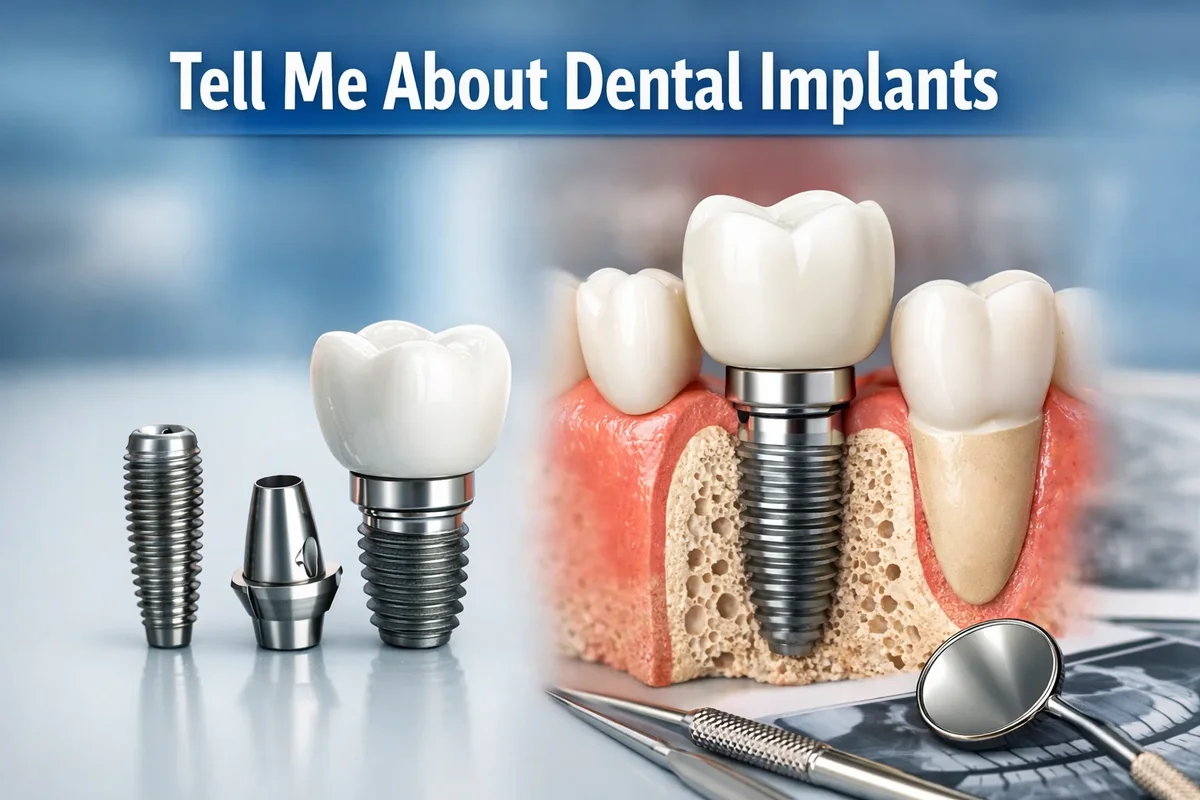
When people say “tell me about dental implants,” they are usually looking for clear, simple, and trustworthy information. A dental implant is a small titanium post that is surgically placed into the jawbone to act as a replacement for a missing tooth root. Over time, this implant fuses with the bone in a process called osseointegration, creating a strong and stable foundation for a crown, bridge, or denture.
Unlike traditional dentures or bridges, dental implants are designed to look, feel, and function like natural teeth. That’s why when patients ask, “tell me about dental implants,” dentists often recommend them as a long-term solution. The implant itself is hidden beneath the gum, while the visible part is a custom-made crown that blends perfectly with your existing teeth.
One of the key reasons people search “tell me about dental implants” is to understand how they differ from other tooth replacement options. Traditional bridges rely on neighboring teeth for support, which can weaken healthy teeth over time. Dentures, on the other hand, may slip or cause discomfort. Dental implants eliminate these issues by providing a fixed, secure solution that doesn’t depend on surrounding teeth.
Another important aspect when exploring “tell me about dental implants” is their durability. With proper care, dental implants can last for decades—often a lifetime. This makes them not only a functional solution but also a cost-effective one in the long run. While the initial investment may be higher, the longevity and reliability of implants make them a preferred choice for many patients worldwide.
Patients who ask “tell me about dental implants” are often concerned about the procedure itself. The process typically involves several stages, starting with a consultation and imaging to assess bone density and oral health. Once approved, the implant is placed into the jawbone under local anesthesia. After a healing period of a few months, the final crown is attached, completing the restoration.
It’s also important to understand that dental implants support overall oral health. When a tooth is lost, the jawbone in that area can begin to shrink due to lack of stimulation. Dental implants help prevent this bone loss by mimicking natural tooth roots. This is one of the key benefits highlighted when people say, “tell me about dental implants,” because it directly impacts facial structure and long-term oral stability.
Additionally, dental implants can significantly improve quality of life. Patients can eat, speak, and smile with confidence again. There’s no need to worry about slipping dentures or avoiding certain foods. This is why so many people researching “tell me about dental implants” end up choosing this solution after learning about its advantages.
For those considering treatment, it’s always best to consult with experienced professionals. You can reach out directly through the Redent Klinik Contact Page to get personalized guidance and a detailed treatment plan tailored to your needs.
To ensure you’re making an informed decision, it’s also helpful to explore trusted resources like the American Dental Association, which provides reliable information about dental procedures and oral health care standards.
In summary, if you’ve been asking yourself “tell me about dental implants,” the answer is clear: they are a modern, reliable, and highly effective way to replace missing teeth. They offer unmatched stability, natural aesthetics, and long-term benefits that go beyond simple tooth replacement. Whether you’re missing one tooth or several, dental implants can transform your smile and your confidence. 😁
What Are Dental Implants and How Do They Work?
If you are searching online and asking yourself “tell me about dental implants,” one of the first things you need to understand is exactly what dental implants are and how they function inside your mouth. Dental implants are advanced dental devices designed to replace missing teeth in the most natural and long-lasting way possible. Unlike temporary solutions, they integrate with your jawbone and become a permanent part of your oral structure. 😊
Understanding the Basic Structure of Dental Implants
When people say “tell me about dental implants,” they are often surprised to learn that an implant is not just a single piece. In fact, a dental implant consists of three main components:
1. The Implant Post (Titanium Root)
This is the part that is surgically inserted into your jawbone. It acts as an artificial tooth root and is typically made of titanium because of its strength and biocompatibility. When you ask “tell me about dental implants,” this is the foundation that makes everything possible. The titanium post bonds with the bone through a natural process, ensuring long-term stability.
2. The Abutment
The abutment is a small connector placed on top of the implant post. It serves as the link between the implant and the final crown. Patients researching “tell me about dental implants” often overlook this piece, but it plays a critical role in securing the visible part of the restoration.
3. The Dental Crown
This is the visible portion that looks like a natural tooth. It is custom-designed to match the color, shape, and size of your surrounding teeth. When someone says “tell me about dental implants,” what they usually imagine is this crown—but it is only one part of a complete system.
How Dental Implants Work Inside the Jaw
To fully answer the question “tell me about dental implants,” it is essential to understand how they function biologically. After the implant post is placed into the jawbone, the body begins a healing process called osseointegration. During this phase, the bone cells grow around the implant and fuse with it. This creates a strong, stable base that can support chewing forces just like a natural tooth root.
This is one of the main reasons why, when patients ask “tell me about dental implants,” dentists emphasize their strength and durability. Unlike dentures that sit on the gums, implants are anchored directly into the bone, making them far more secure and comfortable.
Why Dental Implants Feel Like Natural Teeth
Another common reason people search “tell me about dental implants” is because they want to know if implants truly feel natural. The answer is yes. Once the healing process is complete, dental implants function almost identically to natural teeth. You can bite, chew, and speak without discomfort or movement.
This natural feel comes from the integration with the jawbone. Since implants stimulate the bone in the same way as real tooth roots, they maintain bone density and prevent the sunken facial appearance that often occurs with missing teeth. This is a key benefit often highlighted when discussing “tell me about dental implants.”
How Dental Implants Compare to Other Options
When evaluating tooth replacement solutions, many patients ask “tell me about dental implants” in comparison to dentures and bridges. Here’s how implants stand out:
- Stability: Implants do not move or slip like dentures.
- Longevity: They can last decades with proper care.
- Bone Preservation: They prevent bone loss, unlike other options.
- Aesthetics: They look and feel like natural teeth.
These advantages explain why so many patients who begin with the question “tell me about dental implants” ultimately choose them over other treatments.
The Science Behind Their Success
Modern dentistry has made dental implants highly predictable and successful. Studies show success rates of over 95%, which is another reason why people frequently search “tell me about dental implants” before making a decision. The combination of advanced materials, precise surgical techniques, and proper aftercare contributes to these impressive outcomes.
If you are considering this treatment, it’s important to consult a professional team. You can easily reach out through the Redent Klinik Contact Page to get expert advice tailored to your situation.
Additionally, for reliable and evidence-based information, you can refer to the American Dental Association, which provides comprehensive resources on dental implants and oral health.
Final Thoughts on How Dental Implants Work
In conclusion, if you’ve been asking “tell me about dental implants,” you now have a clear understanding of their structure, function, and benefits. Dental implants are not just replacements for missing teeth—they are a complete restoration system designed to improve both function and aesthetics. They work by integrating with your jawbone, providing unmatched stability and a natural appearance.
Understanding how dental implants work is the first step toward making an informed decision. With the right care and professional guidance, they can transform your smile and significantly enhance your quality of life. 😁
Types of Dental Implants You Should Know About
If you are researching and asking “tell me about dental implants,” understanding the different types of dental implants is essential. Not all implants are the same, and the type recommended for you depends on your oral health, bone density, and specific treatment goals. Knowing these variations will help you make a more informed decision and feel confident about your treatment plan. 😊
Main Categories of Dental Implants
When patients say “tell me about dental implants,” dentists usually begin by explaining the two primary categories: endosteal implants and subperiosteal implants. These are the foundation of implant dentistry and cover most treatment cases.
1. Endosteal Implants (Most Common Type)
Endosteal implants are the most widely used type. They are placed directly into the jawbone and act as artificial roots. Typically made from titanium, they provide a strong and durable base for crowns, bridges, or dentures.
When people ask “tell me about dental implants,” this is usually the type they will receive. Endosteal implants are ideal for patients who have sufficient bone density and good overall oral health. They offer excellent stability and long-term success rates, making them the gold standard in modern dentistry.
2. Subperiosteal Implants (Alternative Option)
Subperiosteal implants are placed under the gum but above the jawbone. Instead of being embedded into the bone, they rest on top of it and are supported by a metal framework.
This option is less common and is typically used when patients have insufficient bone height and cannot undergo bone grafting. If you’re asking “tell me about dental implants” and have been told you have low bone density, this might be a solution worth discussing with your dentist.
Implant Solutions Based on Tooth Loss
Another important aspect when exploring “tell me about dental implants” is understanding how implants can be adapted depending on how many teeth are missing. Dental implants are highly versatile and can replace a single tooth, multiple teeth, or even a full arch.
Single Tooth Implants
This is the simplest form of implant treatment. A single implant post is placed into the jawbone and topped with a custom crown. Patients often search “tell me about dental implants” when they have lost one tooth due to injury or decay, and this solution offers a seamless and natural-looking replacement.
Implant-Supported Bridges
If multiple teeth are missing in a row, an implant-supported bridge can be used. Instead of placing an implant for each missing tooth, a few implants are strategically placed to support a bridge.
This approach reduces the number of implants needed while still providing excellent stability. It’s a popular option for patients who ask “tell me about dental implants” but want a more cost-effective solution.
Full Mouth Implants (All-on-4 / All-on-6)
For patients who have lost most or all of their teeth, full-mouth implant solutions such as All-on-4 or All-on-6 are available. These systems use four or six implants to support an entire arch of teeth.
When people say “tell me about dental implants,” they are often amazed to learn that a full set of teeth can be restored with just a few implants. This method offers a fixed, stable alternative to traditional dentures and significantly improves quality of life.
Advanced Implant Types and Techniques
Modern dentistry continues to evolve, and new implant techniques are constantly being developed. If you are deeply researching “tell me about dental implants,” it’s worth knowing about these advanced options.
Zygomatic Implants
Zygomatic implants are longer implants anchored in the cheekbone (zygoma) instead of the jawbone. They are used in cases where there is severe bone loss in the upper jaw.
This advanced technique eliminates the need for bone grafting and provides a solution for patients who were previously considered unsuitable for implants. It’s often discussed when patients insist, “tell me about dental implants even if I have bone loss.”
Mini Dental Implants
Mini implants are smaller in diameter than traditional implants and are used in specific cases, such as stabilizing dentures. They require less invasive surgery and have a shorter healing time.
For patients asking “tell me about dental implants” but looking for a quicker or less invasive option, mini implants can be a suitable alternative.
Choosing the Right Type for You
Choosing the correct type of implant depends on several factors, including your bone structure, oral health, and personal expectations. That’s why when people ask “tell me about dental implants,” the answer is never one-size-fits-all.
A professional evaluation is essential to determine the best treatment plan. You can get personalized recommendations by contacting experts through the Redent Klinik Contact Page.
Additionally, trusted organizations like the American Dental Association provide valuable information about implant types and procedures, helping you make a well-informed decision.
Final Thoughts on Implant Types
In conclusion, if you’ve been searching “tell me about dental implants,” understanding the different types available is a crucial step. From single tooth implants to full-mouth restorations, and from standard to advanced techniques, dental implants offer flexible solutions for nearly every patient.
Each type is designed to restore function, improve aesthetics, and provide long-term reliability. By choosing the right option with the help of a qualified dental professional, you can achieve a healthy, confident smile that lasts for years. 😁
Who Is a Good Candidate for Dental Implants?
If you are wondering “tell me about dental implants,” one of the most important questions you should ask is whether you are a suitable candidate for this treatment. Dental implants are highly effective, but they are not automatically ideal for everyone. A successful outcome depends on several medical, anatomical, and lifestyle factors that must be carefully evaluated before treatment begins. 😊
When patients search “tell me about dental implants,” they often assume anyone with missing teeth can receive them. While implants are versatile, a thorough assessment is essential to ensure long-term success and avoid complications. Let’s explore in detail who makes a good candidate for dental implants.
Basic Requirements for Dental Implant Candidates
To fully answer the question “tell me about dental implants,” it’s important to understand the basic criteria that dentists look for before recommending this treatment.
1. Healthy Gums and Oral Condition
Healthy gums are crucial for dental implant success. Since implants are placed into the jawbone and surrounded by gum tissue, any existing gum disease must be treated beforehand. Patients asking “tell me about dental implants” should know that untreated periodontal disease can lead to implant failure.
Gum health ensures proper healing and helps protect the implant from infection. This is why dentists always evaluate your oral condition before proceeding.
2. Sufficient Jawbone Density
Another key factor when discussing “tell me about dental implants” is bone density. Dental implants rely on the jawbone for support, so there must be enough bone volume to hold the implant securely.
If bone loss has occurred due to missing teeth or other conditions, additional procedures like bone grafting may be required. Even if you have been told you lack sufficient bone, modern techniques can often make implants possible.
3. Good Overall Health
General health plays a significant role in determining whether you are a good candidate. Chronic conditions such as uncontrolled diabetes or immune disorders can affect healing and increase the risk of complications.
When patients say “tell me about dental implants,” dentists often emphasize the importance of being in stable health to ensure a smooth recovery and long-term success.
Lifestyle Factors That Influence Eligibility
Beyond medical conditions, lifestyle choices can also impact your suitability for dental implants. Understanding these factors is essential when researching “tell me about dental implants.”
Smoking and Tobacco Use
Smoking is one of the biggest risk factors for implant failure. It reduces blood flow to the gums and slows down healing. Patients who frequently ask “tell me about dental implants” should be aware that quitting smoking significantly improves success rates.
Oral Hygiene Habits
Maintaining good oral hygiene is critical. Dental implants require the same care as natural teeth, including brushing, flossing, and regular dental visits. If you are asking “tell me about dental implants,” be prepared to commit to proper oral care to protect your investment.
Age Considerations for Dental Implants
Age is another common concern among patients who search “tell me about dental implants.” The good news is that there is no upper age limit for receiving implants. As long as you are healthy, implants can be placed successfully even in older adults.
However, implants are generally not recommended for younger patients whose jawbones are still developing. Dentists typically wait until bone growth is complete before placing implants.
Special Cases: When Additional Treatment Is Needed
Sometimes patients who ask “tell me about dental implants” may not immediately qualify for treatment but can become eligible with additional procedures.
Bone Grafting
If your jawbone lacks sufficient density, a bone graft can be performed to rebuild the bone structure. This creates a solid foundation for the implant.
Sinus Lift Procedures
For implants in the upper jaw, a sinus lift may be required to add bone beneath the sinus cavity. This is a common and safe procedure that expands eligibility for many patients.
These advanced solutions mean that even if you initially think implants are not an option, the answer to “tell me about dental implants” may still be positive after proper preparation.
Professional Evaluation Is Essential
Determining whether you are a good candidate requires a detailed clinical examination, including X-rays or 3D imaging. This allows the dentist to assess bone structure, gum health, and overall suitability.
If you are seriously considering treatment, you can contact professionals through the Redent Klinik Contact Page to receive a personalized evaluation and treatment plan.
Additionally, reliable organizations like the American Dental Association provide valuable guidelines on implant candidacy and oral health requirements.
Final Thoughts on Implant Candidacy
In conclusion, if you’ve been asking “tell me about dental implants,” understanding whether you are a good candidate is a crucial step. Ideal candidates have healthy gums, sufficient bone density, and good overall health. However, even if you don’t meet all the criteria initially, modern dentistry offers solutions to help you become eligible.
Dental implants are a life-changing treatment, but success depends on proper planning and professional guidance. By evaluating your individual situation carefully, you can determine whether implants are the right choice for you and move one step closer to restoring your smile and confidence. 😁
Step-by-Step Dental Implant Procedure Explained
If you are researching and asking “tell me about dental implants,” one of the most important aspects to understand is the procedure itself. Many patients feel nervous simply because they don’t know what to expect. The good news is that dental implant treatment is a well-planned, step-by-step process designed for safety, comfort, and long-term success. 😊
When people say “tell me about dental implants,” they are often relieved to learn that the procedure is performed under local anesthesia and is generally much less painful than expected. Let’s break down each stage in detail so you can fully understand how the process works from start to finish.
Initial Consultation and Treatment Planning
The journey begins with a comprehensive consultation. If you ask a dentist “tell me about dental implants,” this is always the first step. During this visit, your dentist will evaluate your oral health, take digital X-rays or 3D scans, and assess your bone density.
What Happens During the Consultation?
- Detailed oral examination
- Assessment of gum health
- Bone density analysis
- Discussion of medical history
- Creation of a personalized treatment plan
This stage ensures that the procedure is tailored specifically to your needs. If necessary, additional treatments like bone grafting will be recommended before implant placement.
Preparation Procedures (If Needed)
When patients search “tell me about dental implants,” they may not realize that some preparation might be required before the actual implant surgery.
Bone Grafting
If your jawbone is not strong enough to support an implant, a bone graft may be performed. This procedure builds up the bone and creates a stable foundation. Healing can take several weeks or months, depending on the case.
Tooth Extraction
If a damaged tooth is still present, it will need to be removed before placing the implant. In some cases, the implant can be placed immediately after extraction.
These preparation steps are crucial for ensuring the long-term success of dental implants, which is why they are always included when explaining “tell me about dental implants.”
Implant Placement Surgery
This is the core step of the procedure. When patients say “tell me about dental implants,” they are usually referring to this stage.
How the Surgery Is Performed
The dentist makes a small incision in the gum to expose the bone. A precise hole is then created in the jawbone, and the titanium implant post is inserted. The gum is then closed over the implant.
The procedure is typically done under local anesthesia, so you will not feel pain during the surgery. Mild discomfort afterward is normal and can be managed with medication.
Healing and Osseointegration Phase
After the implant is placed, the healing process begins. This stage is called osseointegration, where the implant fuses with the jawbone. This is one of the most important parts when answering “tell me about dental implants.”
How Long Does Healing Take?
Healing usually takes between 3 to 6 months. During this time, the implant becomes securely anchored in the bone, providing a strong foundation for the final restoration.
Patients often underestimate the importance of this phase when asking “tell me about dental implants,” but it is essential for long-term stability and success.
Abutment Placement
Once the implant has fully integrated with the bone, the next step is placing the abutment. This is a small connector that attaches to the implant and holds the crown.
This procedure is minor and usually requires minimal healing time. It prepares the implant for the final restoration.
Final Crown Placement
The final step in the process is attaching the custom-made crown. When people say “tell me about dental implants,” this is the moment they are most excited about.
Custom Design for Natural Appearance
The crown is carefully designed to match your natural teeth in color, shape, and size. Once placed, it blends seamlessly with your smile.
At this stage, your dental implant is fully functional, allowing you to eat, speak, and smile with confidence.
Aftercare and Follow-Up
After the procedure is complete, proper care is essential. Patients who ask “tell me about dental implants” should understand that maintenance plays a key role in longevity.
- Brush and floss daily
- Visit your dentist regularly
- Avoid excessive pressure on the implant
Following these guidelines ensures your implant remains healthy for many years.
Where to Get Professional Help
If you are considering treatment and still asking “tell me about dental implants,” it’s important to consult experienced professionals. You can reach out through the Redent Klinik Contact Page to receive expert guidance and a customized treatment plan.
For additional reliable information, you can also visit the American Dental Association, which provides trusted insights into dental procedures and oral health care.
Final Thoughts on the Procedure
In conclusion, if you’ve been asking “tell me about dental implants,” understanding the step-by-step process can help reduce anxiety and build confidence. From consultation to final crown placement, each stage is carefully planned to ensure optimal results.
Dental implants are not just a procedure—they are a long-term investment in your oral health and quality of life. With the right care and professional support, they can provide a permanent and natural-looking solution for missing teeth. 😁
Benefits of Choosing Dental Implants for Tooth Replacement
If you’ve been searching online and asking “tell me about dental implants,” one of the biggest reasons people choose this treatment is the wide range of benefits it offers. Dental implants are not just about replacing missing teeth—they provide functional, aesthetic, and long-term health advantages that make them stand out compared to other options. 😊
When patients say “tell me about dental implants,” they often want to know whether the benefits truly justify the treatment. The answer is yes—dental implants are considered the most advanced and reliable solution in modern dentistry. Let’s explore these benefits in detail.
Natural Look and Feel
One of the most appealing advantages when discussing “tell me about dental implants” is their natural appearance. Dental implants are designed to mimic real teeth in both form and function.
Seamless Aesthetic Integration
The crown placed on top of the implant is custom-made to match your existing teeth. This means no one will be able to tell the difference between your implant and your natural teeth. Patients who ask “tell me about dental implants” are often amazed by how realistic the results are.
Comfort Like Natural Teeth
Unlike dentures, which can feel bulky or uncomfortable, dental implants become part of your mouth. They do not shift or move, providing a stable and comfortable experience when eating or speaking.
Improved Chewing and Speaking Ability
Another key reason people search “tell me about dental implants” is to improve their ability to eat and speak.
Enhanced Chewing Power
Dental implants function like natural tooth roots, allowing you to chew food effectively. You can enjoy your favorite meals without worrying about discomfort or instability.
Clear and Confident Speech
Missing teeth or loose dentures can affect speech clarity. Dental implants restore proper alignment and help you speak naturally and confidently.
Long-Term Durability and Reliability
When evaluating “tell me about dental implants,” durability is one of the most important factors. Dental implants are designed to last for many years, often decades, with proper care.
High Success Rate
Dental implants have a success rate of over 95%, making them one of the most reliable dental treatments available today.
Cost-Effective Over Time
Although the initial cost may be higher than other options, implants require fewer replacements and repairs. This makes them a cost-effective investment in the long run.
Preservation of Jawbone and Facial Structure
One of the most significant benefits highlighted when patients ask “tell me about dental implants” is their ability to preserve bone structure.
Prevention of Bone Loss
When a tooth is lost, the jawbone in that area begins to deteriorate due to lack of stimulation. Dental implants act like natural roots, stimulating the bone and preventing this loss.
Maintaining Facial Appearance
Bone loss can lead to a sunken facial appearance over time. Dental implants help maintain the natural shape of your face, keeping you looking youthful and healthy.
No Damage to Adjacent Teeth
Unlike traditional bridges, dental implants do not require altering nearby healthy teeth. This is a major advantage often mentioned when people say “tell me about dental implants.”
By preserving the integrity of surrounding teeth, implants contribute to better overall oral health.
Convenience and Ease of Maintenance
Patients who ask “tell me about dental implants” are often pleased to learn how easy they are to maintain.
Simple Oral Hygiene Routine
Dental implants can be cared for just like natural teeth. Regular brushing, flossing, and dental check-ups are all that’s needed to keep them in excellent condition.
No Need for Special Adhesives
Unlike dentures, implants do not require adhesives or special cleaning solutions, making daily life much more convenient.
Improved Confidence and Quality of Life
One of the most transformative aspects when discussing “tell me about dental implants” is the boost in self-confidence they provide.
Smile Without Worry
Dental implants allow you to smile freely without feeling self-conscious about missing teeth or unstable dentures.
Enhanced Social and Professional Life
A confident smile can positively impact both personal relationships and professional opportunities. Many patients report a significant improvement in their overall quality of life after getting implants.
Professional Support and Reliable Information
If you are seriously considering this treatment and still asking “tell me about dental implants,” it’s important to seek expert advice. You can contact specialists through the Redent Klinik Contact Page to receive personalized guidance and a tailored treatment plan.
Additionally, trusted organizations like the American Dental Association provide valuable information about the benefits and long-term outcomes of dental implants.
Final Thoughts on the Benefits
In conclusion, if you’ve been asking “tell me about dental implants,” it’s clear that they offer numerous advantages over traditional tooth replacement options. From natural appearance and improved function to long-term durability and enhanced confidence, dental implants provide a comprehensive solution for restoring your smile.
Choosing dental implants is not just about aesthetics—it’s about investing in your oral health, comfort, and overall well-being. With proper care and professional support, they can truly transform your life. 😁
Risks and Possible Complications of Dental Implants
If you are researching and asking “tell me about dental implants,” it’s important to look not only at the benefits but also at the potential risks and complications. While dental implants have a very high success rate, like any medical or dental procedure, they are not completely risk-free. Understanding these risks will help you make an informed and confident decision. 😊
When patients say “tell me about dental implants,” dentists always aim to provide a balanced perspective. Knowing the possible complications allows you to take preventive measures and ensures a smoother treatment experience.
Common Risks Associated with Dental Implants
Most complications related to dental implants are rare and manageable when addressed early. However, being aware of them is essential when exploring “tell me about dental implants.”
Infection at the Implant Site
One of the most common risks is infection around the implant area. This can occur if bacteria enter the surgical site or if oral hygiene is not properly maintained.
Patients asking “tell me about dental implants” should understand that proper aftercare significantly reduces this risk. Regular brushing, flossing, and dental check-ups are crucial for preventing infections.
Implant Failure
Although rare, implant failure can occur if the implant does not properly fuse with the jawbone. This is often linked to poor bone quality, smoking, or certain medical conditions.
When people say “tell me about dental implants,” they are often concerned about this issue. The good news is that with proper planning and care, the success rate remains extremely high.
Potential Surgical Complications
Since dental implant placement is a surgical procedure, there are some risks associated with the surgery itself.
Nerve Damage
If the implant is placed too close to a nerve, it can cause numbness, tingling, or pain in the gums, lips, or chin. This is a rare complication but one that patients often worry about when they ask “tell me about dental implants.”
Sinus Issues
For implants placed in the upper jaw, there is a possibility of sinus complications if the implant protrudes into the sinus cavity. Dentists use advanced imaging techniques to minimize this risk.
Lifestyle and Health-Related Risks
Another important factor when discussing “tell me about dental implants” is how your lifestyle and overall health can influence the outcome.
Smoking and Tobacco Use
Smoking significantly increases the risk of implant failure. It affects blood flow and slows down healing, making it harder for the implant to integrate with the bone.
Chronic Health Conditions
Conditions such as uncontrolled diabetes or autoimmune disorders can impact healing and increase the likelihood of complications. This is why a full medical evaluation is necessary when answering “tell me about dental implants.”
Long-Term Complications to Consider
While most issues occur shortly after surgery, some complications can develop over time.
Peri-Implantitis
This is a condition similar to gum disease that affects the tissues around the implant. It can lead to bone loss and implant failure if not treated promptly.
Patients researching “tell me about dental implants” should know that maintaining good oral hygiene is the best way to prevent this condition.
Mechanical Problems
In some cases, the crown or abutment may loosen or wear down over time. These issues are usually easy to fix but require regular dental visits for monitoring.
How to Minimize Risks
The good news is that most risks can be minimized with proper care and professional guidance. When patients ask “tell me about dental implants,” dentists emphasize prevention as the key to success.
Choose an Experienced Dentist
Working with a skilled and experienced dental professional greatly reduces the risk of complications. Precision and planning are essential for successful implant placement.
Follow Aftercare Instructions
Adhering to your dentist’s aftercare guidelines ensures proper healing and long-term success. This includes maintaining oral hygiene and attending follow-up appointments.
Adopt Healthy Habits
Quitting smoking, eating a balanced diet, and managing medical conditions all contribute to better outcomes.
When to Seek Professional Advice
If you are considering treatment and still asking “tell me about dental implants,” it’s important to consult professionals who can assess your individual risk factors. You can reach out through the Redent Klinik Contact Page to receive personalized advice and care.
For additional trusted information, you can also visit the American Dental Association, which provides reliable resources on dental procedures and patient safety.
Final Thoughts on Risks and Complications
In conclusion, if you’ve been asking “tell me about dental implants,” it’s essential to understand both the benefits and the potential risks. While complications can occur, they are relatively rare and often preventable with proper care and professional expertise.
Dental implants remain one of the safest and most effective solutions for tooth replacement. By staying informed and following recommended guidelines, you can enjoy the long-term advantages of a healthy, confident smile with minimal risk. 😁
Dental Implant Costs and What Affects Pricing
If you are researching online and asking “tell me about dental implants,” one of the most important questions on your mind is likely the cost. Dental implants are a premium dental solution, and understanding the pricing structure helps you plan better and avoid surprises. 😊
When patients say “tell me about dental implants,” they are often concerned about affordability and value. While dental implants may seem expensive at first, they are a long-term investment in your oral health, comfort, and confidence. Let’s break down the costs and the factors that influence them.
Average Cost of Dental Implants
To answer the question “tell me about dental implants” clearly, it’s helpful to look at average price ranges across different regions.
Estimated Price Range (Per Implant)
- United States: $3,000 – $5,000 per implant
- Europe: €1,500 – €3,000 per implant
- Turkey: $600 – $1,200 per implant
These prices typically include the implant post, abutment, and crown. However, additional procedures may increase the total cost. Patients searching “tell me about dental implants” should always confirm what is included in the quoted price.
Factors That Affect Dental Implant Pricing
When exploring “tell me about dental implants,” it’s essential to understand that pricing varies based on several key factors.
1. Number of Implants Needed
The more implants required, the higher the overall cost. A single implant is less expensive than full-mouth restoration, which may involve multiple implants and prosthetics.
2. Type of Implant Procedure
Different treatment approaches—such as single implants, implant-supported bridges, or full-mouth systems like All-on-4—affect pricing. Patients asking “tell me about dental implants” should know that more complex procedures naturally cost more.
3. Additional Procedures
Some patients require preparatory treatments before implant placement.
- Bone grafting
- Sinus lift
- Tooth extraction
These procedures add to the total cost but are often necessary for successful outcomes.
4. Material Quality
The type and brand of implant used can influence the price. High-quality titanium implants from reputable manufacturers tend to be more expensive but offer better durability and success rates.
5. Dentist’s Experience and Clinic Location
Experienced specialists and clinics in major cities may charge higher fees. However, expertise significantly impacts success rates, which is why patients asking “tell me about dental implants” should prioritize quality over cost.
Why Dental Implants Are Worth the Investment
Although the initial cost may seem high, dental implants offer long-term value that other treatments cannot match.
Longevity and Durability
Dental implants can last decades or even a lifetime with proper care. Unlike dentures or bridges, which may need replacement every few years, implants provide a permanent solution.
Reduced Future Dental Costs
By preventing bone loss and protecting adjacent teeth, implants can help avoid additional dental problems and expenses in the future.
This is why when patients say “tell me about dental implants,” dentists often emphasize their cost-effectiveness over time.
Are Dental Implants Covered by Insurance?
Insurance coverage is another common concern when researching “tell me about dental implants.” In many cases, dental insurance may cover part of the procedure, especially if it is medically necessary.
However, coverage varies widely depending on your provider and plan. It’s always recommended to check with your insurance company for detailed information.
Affordable Options and Payment Plans
For patients worried about affordability, there are several ways to make dental implants more accessible.
Dental Tourism
Many patients choose to travel to countries like Turkey, where high-quality dental care is available at significantly lower costs. This is why people searching “tell me about dental implants” often consider international treatment options.
Flexible Payment Plans
Many clinics offer installment plans or financing options to spread the cost over time. This makes dental implants more manageable for a wider range of patients.
Getting a Personalized Cost Estimate
Since every case is unique, the best way to understand your exact cost is through a professional consultation. If you are still asking “tell me about dental implants,” you can get a customized quote by contacting experts via the Redent Klinik Contact Page.
For additional reliable information on dental treatments and costs, you can also visit the American Dental Association, which provides trusted resources for patients.
Final Thoughts on Dental Implant Costs
In conclusion, if you’ve been asking “tell me about dental implants,” understanding the cost structure is a crucial part of your decision-making process. While the upfront cost may be higher than other options, the long-term benefits, durability, and improved quality of life make dental implants a worthwhile investment.
By considering all the factors and exploring available options, you can find a solution that fits both your needs and your budget—without compromising on quality or results. 😁
Recovery Timeline and Aftercare Tips for Dental Implants
If you’ve been searching online and asking “tell me about dental implants,” one of the most important things to understand is the recovery process. Knowing what to expect after the procedure helps reduce anxiety and ensures a smoother healing journey. Dental implant recovery is a gradual process that involves several stages, each playing a critical role in long-term success. 😊
When patients say “tell me about dental implants,” they often focus on the procedure itself, but recovery and aftercare are just as important. Proper healing ensures that the implant integrates successfully with the jawbone and remains stable for years to come.
Immediate Recovery After Surgery
The first stage of recovery begins right after the implant placement. If you ask a dentist “tell me about dental implants,” they will explain that mild discomfort is normal during this phase.
What to Expect in the First 24–72 Hours
- Minor swelling around the gums and face
- Mild pain or discomfort
- Light bleeding at the surgical site
- Difficulty chewing hard foods
These symptoms are temporary and usually subside within a few days. Pain can be managed with prescribed or over-the-counter medications.
Tips for Immediate Aftercare
- Apply ice packs to reduce swelling
- Avoid hot or hard foods
- Rest and avoid strenuous activities
- Follow your dentist’s instructions carefully
Patients researching “tell me about dental implants” should understand that proper care during this stage is essential for preventing complications.
The Healing Phase (Osseointegration)
After the initial recovery, the body begins the most important process—osseointegration. This is when the implant fuses with the jawbone.
How Long Does It Take?
This phase typically takes between 3 to 6 months. During this time, the implant becomes firmly anchored in the bone, creating a stable foundation for the crown.
When people ask “tell me about dental implants,” they are often surprised by the length of this healing period. However, this step is crucial for ensuring long-term durability.
What You Should Do During Healing
- Maintain excellent oral hygiene
- Avoid smoking and alcohol
- Eat a balanced, soft diet
- Attend regular dental check-ups
Following these guidelines significantly increases the success rate of dental implants.
Diet and Nutrition During Recovery
Another important aspect when discussing “tell me about dental implants” is diet. What you eat during recovery can directly affect healing.
Recommended Foods
- Soft foods like yogurt, soup, and mashed potatoes
- Protein-rich foods to support tissue repair
- Fruits and vegetables for vitamins and minerals
Foods to Avoid
- Hard or crunchy foods
- Sticky or chewy items
- Very hot or spicy dishes
Patients who ask “tell me about dental implants” should follow these dietary guidelines to avoid unnecessary stress on the implant site.
Oral Hygiene and Maintenance
Maintaining good oral hygiene is critical during recovery and beyond. When people say “tell me about dental implants,” dentists always emphasize cleanliness.
Daily Care Routine
- Brush gently twice a day
- Use a soft-bristled toothbrush
- Floss carefully around the implant
- Use antibacterial mouthwash if recommended
Keeping the implant area clean prevents infection and supports proper healing.
Signs of Healthy Healing vs. Warning Signs
Understanding what is normal and what is not is essential when researching “tell me about dental implants.”
Normal Healing Signs
- Gradual reduction in swelling and discomfort
- Stable implant without movement
- Healthy pink gums around the implant
Warning Signs to Watch For
- Persistent pain or swelling
- Excessive bleeding
- Implant mobility
- Signs of infection (pus or fever)
If you notice any of these symptoms, contact your dentist immediately.
Long-Term Aftercare Tips
Even after the healing process is complete, proper care is essential. Patients who ask “tell me about dental implants” should understand that maintenance is key to longevity.
Regular Dental Visits
Routine check-ups allow your dentist to monitor the implant and address any issues early.
Healthy Lifestyle Choices
Avoid smoking, maintain a balanced diet, and practice good oral hygiene to ensure your implant lasts for many years.
Professional Support and Guidance
If you are still asking “tell me about dental implants,” it’s important to seek professional advice tailored to your situation. You can contact experts through the Redent Klinik Contact Page for personalized care and recommendations.
For additional reliable information, you can also visit the American Dental Association, which provides trusted guidance on dental procedures and recovery.
Final Thoughts on Recovery and Aftercare
In conclusion, if you’ve been asking “tell me about dental implants,” understanding the recovery timeline and aftercare process is essential for success. From the first few days after surgery to the months of healing and long-term maintenance, every stage plays a role in achieving the best possible outcome.
With proper care, patience, and professional support, dental implants can provide a permanent, comfortable, and natural-looking solution that enhances both your smile and your quality of life. 😁
How Long Do Dental Implants Last and Maintenance Tips
If you are researching online and asking “tell me about dental implants,” one of the most common concerns is how long they actually last. Dental implants are known for their durability and longevity, but their lifespan depends on several important factors, including oral hygiene, lifestyle habits, and regular dental care. 😊
When patients say “tell me about dental implants,” they are often looking for a long-term solution—and the good news is that dental implants are designed to last for decades, and in many cases, even a lifetime. Let’s explore this topic in detail so you can understand what to expect and how to maximize the lifespan of your implants.
Average Lifespan of Dental Implants
To properly answer the question “tell me about dental implants,” it’s important to distinguish between the implant itself and the crown placed on top.
Implant Post Longevity
The titanium implant post, which is embedded in the jawbone, can last a lifetime with proper care. This is because it integrates with the bone and becomes a permanent part of your oral structure.
Dental Crown Lifespan
The crown, which is the visible part of the implant, typically lasts between 10 to 15 years. Over time, it may need to be replaced due to normal wear and tear.
Patients who ask “tell me about dental implants” should understand that while the implant itself is extremely durable, the crown may require maintenance or replacement over the years.
Factors That Affect Implant Longevity
Several factors influence how long dental implants will last. Understanding these factors is essential when researching “tell me about dental implants.”
1. Oral Hygiene Habits
Maintaining excellent oral hygiene is one of the most important factors. Brushing, flossing, and regular dental visits help prevent infections and complications.
2. Lifestyle Choices
Smoking, excessive alcohol consumption, and poor dietary habits can negatively impact the lifespan of dental implants. Patients asking “tell me about dental implants” should be aware that healthy habits significantly improve outcomes.
3. Bite Force and Teeth Grinding
Excessive pressure on the implant, such as from teeth grinding (bruxism), can shorten its lifespan. In such cases, a night guard may be recommended.
4. Quality of the Procedure
The skill and experience of the dentist play a major role in implant success. Proper placement and planning ensure long-term stability.
Daily Maintenance Tips for Dental Implants
When people say “tell me about dental implants,” they often want to know how to take care of them. The good news is that maintaining implants is similar to caring for natural teeth.
Brushing and Flossing
- Brush at least twice a day using a soft-bristled toothbrush
- Floss daily to remove plaque around the implant
- Use non-abrasive toothpaste to protect the crown
Use of Mouthwash
Antibacterial mouthwash can help reduce bacteria and prevent infections around the implant.
Professional Dental Care
Regular dental visits are essential for maintaining implant health. When patients ask “tell me about dental implants,” dentists always emphasize the importance of professional care.
Routine Check-Ups
Visiting your dentist every 6 months allows for early detection of any issues and ensures the implant remains in good condition.
Professional Cleaning
Professional cleanings remove plaque and tartar that cannot be eliminated through regular brushing and flossing.
Common Mistakes to Avoid
Understanding what not to do is just as important when researching “tell me about dental implants.” Avoiding these common mistakes can help extend the life of your implants.
Poor Oral Hygiene
Neglecting oral care can lead to peri-implantitis, a condition that may cause implant failure.
Using Teeth as Tools
Opening packages or biting hard objects can damage the crown or implant structure.
Skipping Dental Appointments
Regular check-ups are essential for monitoring implant health and preventing complications.
When Replacement or Repair Is Needed
Even with proper care, some components may need replacement over time.
Crown Replacement
The crown may wear down or become damaged and require replacement after several years.
Abutment Adjustments
In rare cases, the abutment may need adjustment or replacement to maintain proper alignment.
Patients asking “tell me about dental implants” should understand that these minor updates are normal and do not mean the implant has failed.
Where to Get Expert Advice
If you are considering treatment and still asking “tell me about dental implants,” it’s important to consult experienced professionals. You can contact specialists through the Redent Klinik Contact Page for personalized guidance and care.
Additionally, you can explore trusted resources like the American Dental Association to learn more about maintaining dental implants and ensuring long-term success.
Final Thoughts on Longevity and Maintenance
In conclusion, if you’ve been asking “tell me about dental implants,” it’s clear that they are one of the most durable and reliable solutions for tooth replacement. With proper care, the implant itself can last a lifetime, while the crown may need occasional replacement.
By following good oral hygiene practices, maintaining a healthy lifestyle, and visiting your dentist regularly, you can ensure your dental implants remain strong, functional, and beautiful for many years to come. 😁