
Understanding the cost of full dental implants is essential for anyone considering a complete smile restoration. This treatment has become one of the most advanced and life-changing solutions in modern dentistry, offering both functional and aesthetic benefits. However, many patients are initially surprised by the cost of full dental implants, mainly because it involves multiple procedures, high-quality materials, and expert clinical work. In this detailed guide, we will explore everything you need to know so you can make an informed decision with confidence. 😊
To begin with, the cost of full dental implants is not a fixed number. It varies significantly depending on several factors, including the patient’s oral condition, the clinic’s expertise, and the country where the treatment is performed. While some patients may pay a moderate amount, others may face higher expenses due to additional procedures such as bone grafting or sinus lifting. Therefore, it is crucial to understand that the cost of full dental implants reflects a highly personalized treatment plan.
One of the main reasons why the cost of full dental implants can seem high is the complexity of the procedure. Full dental implants are not just about placing artificial teeth; they involve surgical placement of titanium implants into the jawbone, healing time for osseointegration, and the creation of custom prosthetic teeth. Each stage requires precision, expertise, and advanced technology. As a result, the cost of full dental implants includes surgical fees, laboratory costs, imaging, and post-treatment care.
Another important aspect influencing the cost of full dental implants is the type of implant system used. Premium implant brands are known for their durability, long-term success rates, and compatibility with the human body. While they may increase the cost of full dental implants, they also provide peace of mind and better long-term outcomes. Cheaper alternatives may reduce the upfront cost but could lead to complications or replacements in the future.
Additionally, the experience and reputation of the dentist or clinic play a major role in determining the cost of full dental implants. Highly skilled implant specialists often charge more due to their expertise and success rates. However, choosing an experienced professional can significantly reduce risks and ensure optimal results. Patients should always balance affordability with quality when evaluating the cost of full dental implants.
Geographical location is another key factor. For example, the cost of full dental implants in countries like the United States or the United Kingdom is typically much higher compared to destinations such as Turkey. This is why many international patients travel abroad for treatment. Clinics in Turkey offer competitive pricing without compromising quality, making the cost of full dental implants more accessible to a global audience. 🌍
It is also important to consider what is included in the cost of full dental implants. Some clinics provide comprehensive packages that include consultations, X-rays, temporary teeth, final prosthetics, and follow-up visits. Others may charge separately for each step. Understanding these inclusions helps patients accurately evaluate the cost of full dental implants and avoid unexpected expenses.
For those planning their treatment, consulting a trusted clinic is essential. You can reach out via the Redent Klinik Contact Page to receive a personalized treatment plan and clear breakdown of the cost of full dental implants. This ensures transparency and allows you to prepare financially before starting the procedure.
Furthermore, reputable organizations such as the American Dental Association emphasize the importance of choosing qualified professionals and understanding all aspects of implant treatments. Their guidelines highlight that the cost of full dental implants should always be considered alongside safety, hygiene standards, and long-term success rates.
In conclusion, the cost of full dental implants represents an investment in your oral health, confidence, and overall quality of life. While the initial expense may seem significant, the long-lasting benefits often outweigh the cost. With proper care, full dental implants can last for decades, making the cost of full dental implants a worthwhile and sustainable solution. By understanding all the factors involved, patients can make informed decisions and achieve a healthy, beautiful smile that lasts a lifetime. 😁
What Determines the Cost of Full Dental Implants?
When patients begin researching the cost of full dental implants, one of the first questions they ask is: “Why does the price vary so much?” The answer lies in the many variables involved in this advanced dental procedure. Unlike simpler treatments, the cost of full dental implants depends on a combination of clinical, technical, and geographic factors. Understanding these elements will help you make a more informed and confident decision. 😊
1. Patient’s Oral Health Condition
The starting point for determining the cost of full dental implants is the patient’s existing oral health. If a patient has sufficient bone density and healthy gums, the procedure is relatively straightforward. However, many individuals require preparatory treatments such as bone grafting or sinus lifting, which can significantly increase the cost of full dental implants.
Bone Grafting and Additional Procedures
Bone grafting is often necessary when the jawbone is not strong enough to support implants. This procedure adds both time and expense, directly impacting the cost of full dental implants. Similarly, gum disease treatment or tooth extractions may be required before implants can be placed, further influencing the final price.
2. Number of Implants Required
Another key factor affecting the cost of full dental implants is the number of implants used. Full mouth restoration does not always mean placing an implant for every missing tooth. Techniques like All-on-4 or All-on-6 allow dentists to support a full arch with fewer implants. While this can reduce the cost of full dental implants, the overall price still depends on the complexity of the case.
All-on-4 vs Traditional Implants
All-on-4 systems are generally more cost-effective because they use fewer implants. However, traditional methods may provide more stability in certain cases. The chosen technique plays a direct role in shaping the cost of full dental implants, and your dentist will recommend the best option based on your needs.
3. Type and Quality of Materials
The materials used in implant dentistry are a major contributor to the cost of full dental implants. High-quality titanium implants are widely used due to their durability and compatibility with the human body. Additionally, the prosthetic teeth (crowns or bridges) can be made from acrylic, porcelain, or zirconia.
Zirconia vs Acrylic Teeth
Zirconia is more durable and offers a natural appearance, but it increases the cost of full dental implants. Acrylic options are more affordable but may not last as long. Choosing between these materials is a balance between budget and long-term value.
4. Dentist’s Experience and Clinic Reputation
The expertise of the dental professional is another critical factor. Highly experienced implantologists often charge more, which can raise the cost of full dental implants. However, their skill reduces risks and improves success rates. Investing in a reputable clinic ensures that the cost of full dental implants translates into high-quality results.
Patients are encouraged to consult trusted clinics such as the Redent Klinik Contact Page to receive a personalized evaluation and transparent pricing. This allows you to understand exactly what is included in the cost of full dental implants.
5. Technology and Equipment Used
Modern dental clinics use advanced technologies such as 3D imaging, digital smile design, and computer-guided implant placement. These innovations improve accuracy and outcomes but also contribute to the cost of full dental implants. Clinics that invest in cutting-edge equipment may charge more, but they often deliver superior results.
Digital Dentistry Advantages
Digital planning reduces surgical errors and enhances precision. While it may slightly increase the cost of full dental implants, it ensures a smoother procedure and faster recovery time.
6. Geographic Location
Location plays a significant role in determining the cost of full dental implants. In countries like the United States, prices can be considerably higher due to operational costs and regulations. In contrast, countries like Turkey offer high-quality treatments at more affordable rates, making the cost of full dental implants accessible to international patients. 🌍
According to the American Dental Association, patients should always consider both cost and quality when choosing a provider. Lower prices should not compromise safety or standards.
7. Included Services and Packages
Finally, what is included in the treatment package greatly affects the cost of full dental implants. Some clinics offer all-inclusive packages that cover consultations, imaging, temporary teeth, final prosthetics, and follow-ups. Others may charge separately for each service, increasing the overall expense.
Transparent Pricing Matters
Understanding what is included helps patients accurately compare options. A seemingly lower price may exclude essential services, ultimately increasing the cost of full dental implants. Always request a detailed breakdown before committing to treatment.
In summary, the cost of full dental implants is influenced by multiple interconnected factors, including oral health, materials, expertise, technology, and location. By evaluating each of these elements carefully, patients can better understand why prices vary and choose the best solution for their needs. Ultimately, the cost of full dental implants reflects not just a procedure, but a comprehensive transformation of your smile and quality of life. 😁
Average Cost of Full Dental Implants Around the World
When evaluating the cost of full dental implants, one of the most important considerations is geographical location. Prices vary significantly across countries due to differences in healthcare systems, labor costs, clinic standards, and overall economic conditions. For patients exploring global options, understanding how the cost of full dental implants differs internationally can open the door to more affordable yet high-quality treatments. 🌍
1. Cost of Full Dental Implants in the United States
The United States is known for having some of the highest dental treatment costs in the world. On average, the cost of full dental implants in the U.S. can range between $25,000 and $50,000 per arch, depending on the clinic and complexity of the case. This price often includes consultations, imaging, surgery, and prosthetic teeth, but not always.
Why Are Prices So High in the U.S.?
Several factors contribute to the high the cost of full dental implants in the United States. These include advanced technology, high labor costs, strict regulations, and insurance limitations. While the quality of care is excellent, many patients find the financial burden significant, leading them to explore alternatives abroad.
2. Cost of Full Dental Implants in the United Kingdom
In the United Kingdom, the cost of full dental implants typically ranges from £20,000 to £40,000 per arch. Similar to the U.S., private clinics dominate implant treatments, and public healthcare rarely covers such procedures. This makes the cost of full dental implants a major investment for UK patients.
Private vs NHS Treatment
Most implant procedures are not covered by the NHS, meaning patients must rely on private clinics. This increases the cost of full dental implants and limits accessibility for many individuals.
3. Cost of Full Dental Implants in Europe
In countries like Germany, France, and Spain, the cost of full dental implants is generally lower than in the U.S. or UK but still relatively high. Prices usually range between €15,000 and €30,000 per arch. European clinics are known for their quality standards, but costs remain substantial due to operational expenses.
Variation Within Europe
Southern and Eastern European countries often offer lower prices compared to Western Europe. However, even within Europe, the cost of full dental implants varies depending on the clinic’s reputation and the materials used.
4. Cost of Full Dental Implants in Turkey
Turkey has emerged as one of the most popular destinations for dental tourism. Here, the cost of full dental implants typically ranges from $6,000 to $15,000 per arch, making it significantly more affordable than Western countries. Despite the lower prices, many clinics maintain international standards and use high-quality materials.
Why Turkey Is More Affordable
The lower the cost of full dental implants in Turkey is mainly due to reduced operational costs, favorable exchange rates, and government support for medical tourism. Patients also benefit from comprehensive packages that include accommodation, transportation, and follow-up care.
If you are considering treatment abroad, you can contact a reputable clinic through the Redent Klinik Contact Page to receive a personalized quote and treatment plan tailored to your needs.
5. Cost of Full Dental Implants in Asia and Latin America
Countries like Thailand, Mexico, and India also offer competitive pricing. In these regions, the cost of full dental implants can range between $5,000 and $12,000 per arch. These destinations attract patients seeking affordability, but it is essential to carefully evaluate clinic standards and credentials.
Balancing Cost and Quality
While lower prices may seem appealing, patients should always ensure that the clinic follows international hygiene and safety standards. The American Dental Association recommends verifying the qualifications of dental professionals before proceeding with treatment abroad.
6. What Is Included in Global Pricing?
Another critical factor when comparing the cost of full dental implants worldwide is what each package includes. Some clinics offer all-inclusive deals covering diagnostics, surgery, prosthetics, and aftercare. Others may charge separately for each component, increasing the total expense.
Hidden Differences in Pricing
For example, a lower advertised price may exclude temporary teeth, advanced imaging, or follow-up visits. This can lead to unexpected increases in the cost of full dental implants. Always request a detailed breakdown to avoid surprises.
7. Travel Costs and Additional Expenses
When considering treatment abroad, patients should also factor in travel-related expenses. Flights, accommodation, and meals can add to the cost of full dental implants, although these costs are often still lower than undergoing treatment in high-cost countries.
Is Dental Tourism Worth It?
For many patients, even after including travel expenses, the cost of full dental implants abroad remains significantly more affordable. Additionally, many clinics provide concierge services to simplify the process, making dental tourism a convenient and cost-effective option. ✈️
In conclusion, the cost of full dental implants varies widely depending on the country and clinic chosen. While developed countries offer high standards, their prices can be prohibitive. On the other hand, destinations like Turkey provide a balance between affordability and quality. By carefully comparing options and understanding what is included, patients can make a smart and confident decision regarding the cost of full dental implants. Ultimately, global research empowers you to find the best value for your investment and achieve a healthy, beautiful smile. 😁
Full Mouth Dental Implants vs Traditional Dentures: Cost Comparison
When patients explore the cost of full dental implants, one of the most common comparisons they make is between full mouth dental implants and traditional dentures. Both options aim to restore missing teeth, but they differ significantly in terms of functionality, durability, comfort, and long-term value. Understanding these differences is crucial for making an informed decision that balances both budget and quality of life. 😊
1. Initial Cost Comparison
At first glance, traditional dentures appear far more affordable than implants. The average price of dentures typically ranges between $1,000 and $5,000 per arch, while the cost of full dental implants can range from $15,000 to $50,000 depending on location and complexity. This significant price gap often leads patients to initially favor dentures.
Why Implants Cost More Upfront
The higher the cost of full dental implants is due to the surgical placement of titanium posts into the jawbone, along with advanced imaging, customized prosthetics, and professional expertise. Dentures, on the other hand, are removable appliances that sit on the gums, requiring less invasive procedures and fewer resources.
2. Long-Term Cost Efficiency
Although dentures have a lower upfront cost, they often require frequent adjustments, repairs, and replacements over time. This means that the cumulative expense can increase significantly. In contrast, the cost of full dental implants may be higher initially, but implants are designed to last decades with proper care.
Maintenance and Replacement Costs
Dentures typically need replacement every 5–10 years, and relining may be required as the jawbone changes shape. These ongoing expenses can gradually approach or even exceed the cost of full dental implants. Implants, however, integrate with the bone and provide a stable, long-lasting solution with minimal maintenance.
3. Functionality and Comfort
Functionality is a major factor when comparing these two options. Dentures can slip or move while eating or speaking, which can cause discomfort and embarrassment. Full dental implants, however, are securely anchored into the jaw, providing a natural feel and function.
Eating and Speaking Ability
With implants, patients can enjoy a wide range of foods without restrictions, while dentures often limit dietary choices. This improved functionality adds value to the cost of full dental implants, making it a worthwhile investment for many individuals seeking long-term comfort and confidence.
4. Impact on Jawbone Health
One of the most important differences lies in how each option affects jawbone health. Dentures do not stimulate the jawbone, which can lead to bone loss over time. This can change facial structure and cause dentures to fit poorly.
Bone Preservation Benefits
Dental implants mimic natural tooth roots, stimulating the jawbone and preventing bone loss. This biological advantage is a key reason why many patients justify the cost of full dental implants, as it helps maintain facial structure and oral health over the long term.
5. Aesthetic Results
Both dentures and implants aim to improve appearance, but implants generally offer a more natural look. They are custom-designed to match the patient’s facial features and do not shift or move.
Natural Smile Appearance
The realistic appearance of implants enhances self-confidence and social interactions. For many patients, this aesthetic improvement makes the cost of full dental implants a valuable investment in both personal and professional life.
6. Lifestyle and Convenience
Dentures require daily removal, cleaning, and sometimes adhesives to stay in place. Implants, on the other hand, function like natural teeth and do not require special maintenance routines.
Ease of Daily Use
This convenience significantly improves quality of life and reduces daily hassle. Patients who prioritize ease and comfort often find that the cost of full dental implants is justified by the long-term benefits.
7. Professional Recommendations
According to the American Dental Association, dental implants are considered one of the most effective long-term solutions for missing teeth. While dentures remain a viable option for some patients, implants are often recommended for their durability and functionality.
If you are unsure which option is right for you, consulting a professional is essential. You can reach out through the Redent Klinik Contact Page to receive expert guidance and a personalized treatment plan that clearly outlines the cost of full dental implants.
8. Final Comparison: Value vs Price
Ultimately, the decision comes down to value rather than just price. Dentures may be more affordable initially, but implants offer superior performance, durability, and health benefits. Over time, many patients realize that the cost of full dental implants provides better overall value compared to the recurring expenses and limitations of dentures.
Making the Right Choice
Choosing between dentures and implants depends on your budget, lifestyle, and long-term goals. While the cost of full dental implants may seem high at first, it represents a comprehensive solution that enhances both oral health and quality of life.
In conclusion, comparing dentures with implants highlights the importance of looking beyond initial expenses. While dentures offer a lower entry cost, the long-term advantages of implants—such as durability, comfort, and bone preservation—make the cost of full dental implants a smart and sustainable investment. By understanding these differences, patients can confidently choose the option that best suits their needs and expectations. 😁
Breakdown of Procedures Included in the Cost of Full Dental Implants
To truly understand the cost of full dental implants, it is essential to break down each stage of the treatment process. Many patients assume they are paying only for the implants themselves, but in reality, the cost of full dental implants includes a series of carefully planned procedures that ensure long-term success, safety, and aesthetics. Each step requires specialized expertise, advanced technology, and high-quality materials, all of which contribute to the final price. 😊
1. Initial Consultation and Diagnostic Imaging
The journey begins with a comprehensive consultation. During this stage, the dentist evaluates oral health, bone density, and overall suitability for implants. Advanced imaging techniques such as 3D CT scans and panoramic X-rays are used to create a detailed map of the jaw.
Why Diagnostics Matter
Accurate diagnostics are crucial for successful implant placement. They reduce risks and allow for precise planning, which directly impacts the cost of full dental implants. While this stage may seem minor, it forms the foundation of the entire treatment process.
2. Treatment Planning and Digital Smile Design
Once diagnostics are complete, a personalized treatment plan is developed. Many modern clinics use digital smile design technology to visualize the final outcome before the procedure begins. This step ensures that the patient’s expectations align with realistic results.
Customized Planning Benefits
This level of customization enhances both function and aesthetics. Although it adds to the cost of full dental implants, it ensures a tailored solution that meets individual needs and preferences.
3. Tooth Extraction (If Required)
In cases where damaged or decayed teeth are still present, extractions are necessary before implant placement. This step prepares the mouth for a clean and stable foundation.
Impact on Overall Cost
The number of extractions required can influence the cost of full dental implants. More complex cases may involve surgical extractions, which require additional time and expertise.
4. Bone Grafting and Sinus Lifting
Not all patients have sufficient bone density to support implants. In such cases, bone grafting or sinus lifting procedures are performed to strengthen the jawbone.
Why Bone Augmentation Is Important
These procedures are critical for long-term implant stability. While they increase the cost of full dental implants, they significantly improve success rates and prevent complications in the future.
5. Implant Placement Surgery
This is the core stage of the treatment, where titanium implants are surgically inserted into the jawbone. Depending on the technique used (such as All-on-4 or All-on-6), the number of implants may vary.
Surgical Expertise and Technology
The precision required during this stage is a major factor in the cost of full dental implants. Experienced surgeons and advanced tools ensure accurate placement, reducing recovery time and improving outcomes.
6. Healing and Osseointegration
After implant placement, a healing period of several months is required. During this time, the implants fuse with the jawbone in a process called osseointegration.
Temporary Teeth During Healing
Many clinics provide temporary prosthetics during this phase, allowing patients to maintain functionality and appearance. These temporary solutions are often included in the cost of full dental implants.
7. Abutment Placement
Once healing is complete, abutments are attached to the implants. These connectors serve as the foundation for the final prosthetic teeth.
Precision and Fit
The quality and fit of abutments play a crucial role in the durability of the final restoration. This step contributes to the cost of full dental implants but ensures long-term stability.
8. Final Prosthetic Teeth Placement
The final stage involves placing custom-made crowns or bridges onto the implants. These prosthetics are designed to match the natural appearance of teeth, providing both functionality and aesthetics.
Material Choices and Cost Impact
The type of material used—such as acrylic, porcelain, or zirconia—affects the cost of full dental implants. High-end materials offer superior durability and a more natural look.
9. Follow-Up Care and Maintenance
After the procedure is complete, regular follow-up visits are essential to monitor healing and ensure the longevity of the implants. Maintenance includes professional cleanings and periodic evaluations.
Long-Term Investment
Proper aftercare protects your investment and maximizes the value of the cost of full dental implants. Neglecting maintenance can lead to complications, reducing the lifespan of the implants.
For patients seeking a transparent and comprehensive treatment plan, it is recommended to consult a trusted clinic through the Redent Klinik Contact Page. This allows you to understand exactly what is included in the cost of full dental implants and avoid unexpected expenses.
Additionally, organizations like the American Dental Association emphasize the importance of proper planning, qualified professionals, and ongoing care when considering implant treatments.
In conclusion, the cost of full dental implants is a comprehensive reflection of multiple procedures, each contributing to the success and longevity of the treatment. From initial diagnostics to final prosthetics and follow-up care, every stage plays a vital role. By understanding this breakdown, patients can appreciate the value behind the cost of full dental implants and make informed decisions that lead to a healthier, more confident smile. 😁
How Materials Affect the Cost of Full Dental Implants
One of the most significant factors influencing the cost of full dental implants is the type and quality of materials used throughout the procedure. From the implant posts themselves to the final prosthetic teeth, each material plays a crucial role in durability, aesthetics, and long-term success. Understanding how materials impact the cost of full dental implants allows patients to make informed decisions that balance budget with quality and longevity. 😊
1. Implant Material: Titanium vs Zirconia
The foundation of any implant treatment is the implant post, which is typically made from titanium or zirconia. Titanium has been the gold standard for decades due to its strength, biocompatibility, and proven success rate.
Titanium Implants
Titanium implants are widely used and often considered the most reliable option. They integrate well with the jawbone and have a long track record of success. While they contribute to the cost of full dental implants, they are often more affordable than zirconia alternatives.
Zirconia Implants
Zirconia implants are a newer, metal-free option preferred by patients seeking a more aesthetic or hypoallergenic solution. However, they are generally more expensive, which increases the cost of full dental implants. Their natural tooth-like color can be beneficial in cases where aesthetics are a priority.
2. Prosthetic Teeth Materials
The visible part of the restoration—the prosthetic teeth—also plays a major role in determining the cost of full dental implants. These teeth can be made from various materials, each with its own advantages and price points.
Acrylic Teeth
Acrylic is a more affordable option and is often used in temporary prosthetics or budget-friendly treatments. While it helps reduce the cost of full dental implants, it may wear down faster and require replacement sooner.
Porcelain Teeth
Porcelain offers a more natural appearance and better durability than acrylic. It increases the cost of full dental implants but provides improved aesthetics and longevity.
Zirconia Teeth
Zirconia is considered a premium material due to its strength, resistance to wear, and highly natural look. It significantly raises the cost of full dental implants, but it is often the preferred choice for patients seeking long-lasting and visually appealing results.
3. Abutment Materials
Abutments are the connectors that link the implant posts to the prosthetic teeth. They can be made from titanium, zirconia, or other materials.
Standard vs Custom Abutments
Standard abutments are more affordable and help control the cost of full dental implants. Custom abutments, on the other hand, are designed specifically for the patient’s anatomy, improving fit and aesthetics but increasing the overall expense.
4. Laboratory and Manufacturing Quality
The quality of the dental laboratory that fabricates the prosthetics also impacts the cost of full dental implants. High-end labs use advanced technology and skilled technicians to create precise, durable restorations.
Handcrafted vs Mass-Produced Prosthetics
Handcrafted prosthetics are more expensive but offer superior customization and fit. Mass-produced options may reduce the cost of full dental implants but could compromise quality and longevity.
5. Technology Used in Material Processing
Modern dentistry relies heavily on digital technology such as CAD/CAM systems to design and manufacture implants and prosthetics. These technologies improve precision and reduce errors.
Impact on Cost and Quality
While advanced technology can increase the cost of full dental implants, it ensures better outcomes, faster production times, and improved patient satisfaction.
6. Longevity and Maintenance Considerations
The durability of materials directly affects long-term costs. High-quality materials may have a higher upfront price but require less maintenance and fewer replacements over time.
Long-Term Value
Choosing premium materials can make the cost of full dental implants more cost-effective in the long run. Patients who opt for cheaper materials may face additional expenses for repairs or replacements.
7. Safety and Biocompatibility
Biocompatibility is essential to ensure that the body accepts the implant without adverse reactions. High-quality materials are rigorously tested to meet safety standards.
Trusted Standards
Organizations like the American Dental Association emphasize the importance of using certified materials to ensure patient safety. This is a critical factor influencing the cost of full dental implants.
8. Choosing the Right Material for Your Needs
Every patient has unique needs, and the choice of materials should reflect individual priorities such as budget, aesthetics, and durability.
Personalized Treatment Plans
Consulting with a professional is the best way to determine the most suitable materials for your case. You can reach out via the Redent Klinik Contact Page to receive expert guidance and a customized plan that clearly explains the cost of full dental implants.
In conclusion, materials are a key component in determining the cost of full dental implants. From implant posts to prosthetic teeth, each element contributes to the overall price and quality of the treatment. By understanding the differences between materials and their impact, patients can make informed decisions that align with their expectations and budget. Ultimately, investing in high-quality materials ensures better performance, aesthetics, and longevity, making the cost of full dental implants a worthwhile investment in your oral health and confidence. 😁
Hidden Costs in Full Dental Implant Treatments You Should Know
When patients first research the cost of full dental implants, they often focus only on the advertised price. However, many are surprised to discover that additional or “hidden” costs can arise throughout the treatment journey. These extra expenses can significantly affect the total the cost of full dental implants, making it essential to understand what might not be included in initial quotes. Being fully informed helps you avoid unexpected financial stress and ensures a smoother treatment experience. 😊
1. Additional Diagnostic Tests
While most clinics include basic imaging in their pricing, more complex cases may require additional diagnostic procedures. Advanced 3D scans, digital impressions, or repeated imaging during the treatment process can increase the cost of full dental implants.
Why Extra Imaging May Be Needed
Patients with complicated oral conditions often need more detailed analysis to ensure accurate implant placement. These additional diagnostics, although beneficial, can add to the cost of full dental implants if not included in the initial package.
2. Temporary Teeth and Interim Solutions
Many patients require temporary prosthetic teeth during the healing phase. While some clinics include this in their pricing, others charge separately, which can raise the cost of full dental implants.
Comfort During Healing
Temporary teeth allow patients to maintain their appearance and functionality while waiting for permanent restorations. Although essential, they can be an overlooked factor affecting the cost of full dental implants.
3. Bone Grafting and Surgical Add-Ons
As mentioned earlier, not all patients have sufficient bone density for implants. Procedures such as bone grafting, sinus lifting, or soft tissue grafts are sometimes necessary but may not be included in the initial quote.
Unexpected Surgical Needs
If these procedures are identified after the initial consultation, they can significantly increase the cost of full dental implants. This is why a thorough pre-treatment evaluation is crucial.
4. Medication and Post-Operative Care
Medications such as antibiotics, pain relievers, and anti-inflammatory drugs are often required after surgery. Additionally, follow-up appointments and professional cleanings may not always be included.
Aftercare Expenses
These post-operative needs, although relatively small individually, can collectively impact the cost of full dental implants. Proper aftercare is essential for healing and long-term success.
5. Implant Maintenance and Repairs
While implants are designed to last for many years, occasional maintenance or repairs may be necessary. Components such as screws or prosthetic parts can wear out over time.
Long-Term Maintenance Costs
These ongoing expenses are often overlooked when calculating the cost of full dental implants. Regular check-ups and proper hygiene can help minimize these costs.
6. Travel and Accommodation (Dental Tourism)
For patients traveling abroad, additional costs such as flights, hotels, and transportation must be considered. Although treatment abroad can reduce the cost of full dental implants, travel-related expenses can add up.
Balancing Savings and Expenses
Even with travel costs, many patients still find that the cost of full dental implants abroad is more affordable than in their home country. However, it is important to plan these expenses in advance.
7. Warranty and Guarantee Limitations
Some clinics offer warranties for implants and prosthetics, but these may come with conditions. Additional fees may apply for extended warranties or replacement coverage.
Understanding Warranty Terms
Patients should carefully review warranty details to understand what is covered. Limited coverage can affect the perceived value of the cost of full dental implants.
8. Upgrades in Materials or Techniques
During treatment planning, patients may choose to upgrade to higher-quality materials such as zirconia or opt for advanced techniques like guided implant surgery. These choices can increase the cost of full dental implants.
Optional Enhancements
While these upgrades improve aesthetics and durability, they are often not included in standard pricing, making them an important hidden factor in the cost of full dental implants.
9. Consultation and Second Opinions
Seeking multiple consultations or second opinions is a wise decision, but it may involve additional fees. These costs can accumulate, especially if multiple clinics are visited.
Value of Professional Advice
Although these consultations add to the cost of full dental implants, they provide valuable insights and help patients make informed decisions.
To avoid surprises, it is always recommended to consult a trusted provider. You can reach out through the Redent Klinik Contact Page to receive a transparent and detailed breakdown of the cost of full dental implants.
Additionally, guidelines from the American Dental Association emphasize the importance of understanding all aspects of treatment costs, including potential hidden expenses.
In conclusion, while the cost of full dental implants may initially appear straightforward, several hidden factors can influence the final price. From additional diagnostics to travel expenses and maintenance, these elements should be carefully considered. By asking the right questions and choosing a reputable clinic, patients can gain a clear understanding of the cost of full dental implants and avoid unexpected financial challenges. Ultimately, transparency and preparation are key to ensuring a successful and stress-free dental implant experience. 😁
Insurance and Financing Options for Full Dental Implants
For many patients, one of the biggest concerns about the cost of full dental implants is how to afford it. While this treatment offers long-term benefits, the upfront expense can feel overwhelming. Fortunately, there are several insurance and financing options available that can make the cost of full dental implants more manageable. Understanding these options allows patients to plan effectively and move forward with confidence. 😊
1. Does Dental Insurance Cover Full Dental Implants?
In most cases, dental insurance provides limited coverage for implant procedures. Traditional insurance plans often classify implants as elective or cosmetic treatments, which means they may not fully cover the cost of full dental implants. However, some policies do contribute to certain parts of the procedure.
Partial Coverage Possibilities
Insurance may cover diagnostic tests, tooth extractions, or even a portion of the prosthetic restoration. While this does not eliminate the cost of full dental implants, it can significantly reduce the overall financial burden. Patients should carefully review their policy to understand what is included.
2. Medical Insurance and Special Cases
In certain situations, medical insurance may help cover the cost of full dental implants. For example, if tooth loss is due to an accident, trauma, or medical condition, some insurers may consider the treatment medically necessary.
When Medical Insurance Applies
Cases involving jaw reconstruction or severe oral health issues may qualify for partial reimbursement. This can lower the cost of full dental implants and make treatment more accessible.
3. Payment Plans Offered by Clinics
Many dental clinics offer in-house financing or installment plans to help patients spread out the cost of full dental implants. These plans allow patients to pay in monthly installments rather than a single upfront payment.
Flexible Payment Options
Some clinics provide interest-free financing for a limited period, while others offer extended plans with low interest rates. This flexibility makes the cost of full dental implants more affordable for a wider range of patients.
If you are considering flexible payment options, you can contact a professional clinic through the Redent Klinik Contact Page to explore customized financing solutions tailored to your needs.
4. Third-Party Financing Companies
In addition to clinic-based plans, third-party financing companies specialize in healthcare loans. These companies offer credit-based financing specifically designed to cover the cost of full dental implants.
How Healthcare Financing Works
Patients can apply for loans with fixed monthly payments. Approval depends on credit history, and interest rates may vary. While this option increases accessibility, it is important to consider the total repayment amount when evaluating the cost of full dental implants.
5. Dental Tourism and Cost Savings
Traveling abroad for treatment has become a popular way to reduce the cost of full dental implants. Countries like Turkey offer high-quality care at significantly lower prices compared to Western countries.
Combining Travel with Treatment
Even after including travel and accommodation expenses, many patients find that the cost of full dental implants abroad remains more affordable. Additionally, many clinics provide all-inclusive packages that simplify the process. ✈️
6. Health Savings Accounts (HSA) and Flexible Spending Accounts (FSA)
Patients in certain countries can use HSA or FSA accounts to pay for dental procedures. These accounts allow individuals to use pre-tax income to cover healthcare expenses, including the cost of full dental implants.
Tax Advantages
Using these accounts can effectively reduce the overall expense by lowering taxable income. This makes the cost of full dental implants more manageable in the long run.
7. Discounts and Promotional Offers
Some clinics offer seasonal discounts or promotional packages that reduce the cost of full dental implants. These offers may include free consultations, discounted imaging, or bundled services.
Evaluating Special Offers
While discounts can be appealing, patients should ensure that quality is not compromised. A lower price should still meet high clinical standards when considering the cost of full dental implants.
8. Importance of Transparent Pricing
Transparency is key when evaluating financing options. Patients should request a detailed breakdown of all expenses to fully understand the cost of full dental implants.
Avoiding Financial Surprises
Clear communication with the clinic helps prevent unexpected costs and ensures that all aspects of the cost of full dental implants are accounted for.
9. Professional Guidance and Recommendations
Consulting with experienced professionals is essential for choosing the best financing option. Experts can provide tailored advice based on individual needs and financial situations.
Trusted Resources
Organizations like the American Dental Association recommend discussing all financial aspects with your dentist before starting treatment. This ensures a clear understanding of the cost of full dental implants and available payment options.
In conclusion, while the cost of full dental implants may seem high initially, various insurance and financing options can make it more accessible. From partial insurance coverage to flexible payment plans and international treatment options, patients have multiple pathways to achieve their desired smile. By carefully evaluating these options, you can manage the cost of full dental implants effectively and invest in a solution that improves both your oral health and quality of life. 😁
Why Turkey Is Popular for Affordable Full Dental Implants
In recent years, Turkey has become one of the leading destinations for dental tourism, especially for patients researching the cost of full dental implants. Thousands of international patients travel to Turkey every year to receive high-quality dental care at significantly lower prices compared to countries like the United States or the United Kingdom. But what exactly makes Turkey so attractive when it comes to the cost of full dental implants? Let’s explore the key reasons in detail. 🌍
1. Significantly Lower Treatment Costs
The most obvious reason behind Turkey’s popularity is the affordability. On average, the cost of full dental implants in Turkey ranges between $6,000 and $15,000 per arch, whereas in Western countries it can exceed $40,000. This dramatic price difference allows patients to save a substantial amount without sacrificing quality.
Why Prices Are Lower in Turkey
The reduced the cost of full dental implants in Turkey is mainly due to lower operational costs, including labor, rent, and administrative expenses. Additionally, favorable exchange rates make treatments even more affordable for international patients.
2. High-Quality Dental Clinics and Technology
Despite the lower prices, Turkish dental clinics are equipped with advanced technology and follow international standards. Many clinics use digital imaging, CAD/CAM systems, and guided implant surgery techniques, ensuring precision and safety.
Modern Infrastructure
Clinics investing in cutting-edge equipment provide outcomes comparable to those in Europe or the U.S. This ensures that the cost of full dental implants reflects excellent value rather than compromised quality.
3. Experienced and Internationally Trained Dentists
Turkey is home to highly skilled dental professionals, many of whom have received training or certifications from international institutions. Their expertise plays a major role in maintaining high success rates.
Expertise and Patient Trust
The experience of these professionals adds credibility and reliability, making patients more comfortable with the cost of full dental implants in Turkey. High patient satisfaction rates further reinforce this trust.
4. Comprehensive Treatment Packages
One of the unique advantages of choosing Turkey is the availability of all-inclusive packages. These packages often include accommodation, airport transfers, consultations, and follow-up care.
What’s Included?
Unlike many Western clinics, Turkish providers often bundle services together, making the cost of full dental implants more transparent and predictable. This eliminates hidden costs and simplifies the treatment process.
To explore personalized treatment packages, you can visit the Redent Klinik Contact Page and receive a detailed plan tailored to your needs.
5. Short Waiting Times
In many countries, patients face long waiting lists for implant procedures. In Turkey, however, appointments are typically scheduled quickly, allowing patients to begin treatment without delays.
Efficiency and Convenience
This efficiency adds to the overall appeal, as patients can complete their treatment in a shorter time frame while still benefiting from a lower the cost of full dental implants.
6. Tourism Opportunities
Another factor that makes Turkey attractive is the opportunity to combine dental treatment with travel. Cities like Istanbul, Antalya, and Izmir offer rich cultural experiences, historical landmarks, and beautiful landscapes.
Dental Holiday Experience
Patients often turn their treatment journey into a vacation, making the overall experience more enjoyable. Even when including travel expenses, the cost of full dental implants remains significantly lower than in many Western countries. ✈️
7. Government Support for Medical Tourism
The Turkish government actively supports medical tourism by promoting high standards and offering incentives to healthcare providers. This ensures that clinics maintain quality while keeping prices competitive.
Regulations and Standards
Strict regulations and accreditation systems help maintain patient safety, making the cost of full dental implants in Turkey both affordable and reliable.
8. Positive Patient Reviews and Testimonials
Online reviews and testimonials play a significant role in influencing patient decisions. Many individuals who have undergone treatment in Turkey share positive experiences regarding both quality and affordability.
Real Patient Experiences
These testimonials highlight the value patients receive, reinforcing the perception that the cost of full dental implants in Turkey offers excellent return on investment.
9. International Standards and Accreditation
Many Turkish clinics are accredited by international organizations and adhere to global healthcare standards. This ensures that patients receive safe and effective treatment.
Trusted Guidelines
Organizations like the American Dental Association emphasize the importance of choosing qualified professionals and accredited clinics, regardless of location. This is a key factor when evaluating the cost of full dental implants.
In conclusion, Turkey’s popularity as a dental tourism destination is driven by a combination of affordability, quality, and convenience. Patients benefit from significantly lower the cost of full dental implants without compromising on standards or outcomes. With experienced professionals, modern facilities, and comprehensive packages, Turkey offers a compelling option for those seeking a cost-effective and reliable solution. By carefully researching and choosing a reputable clinic, patients can confidently invest in the cost of full dental implants and achieve a healthy, beautiful smile. 😁
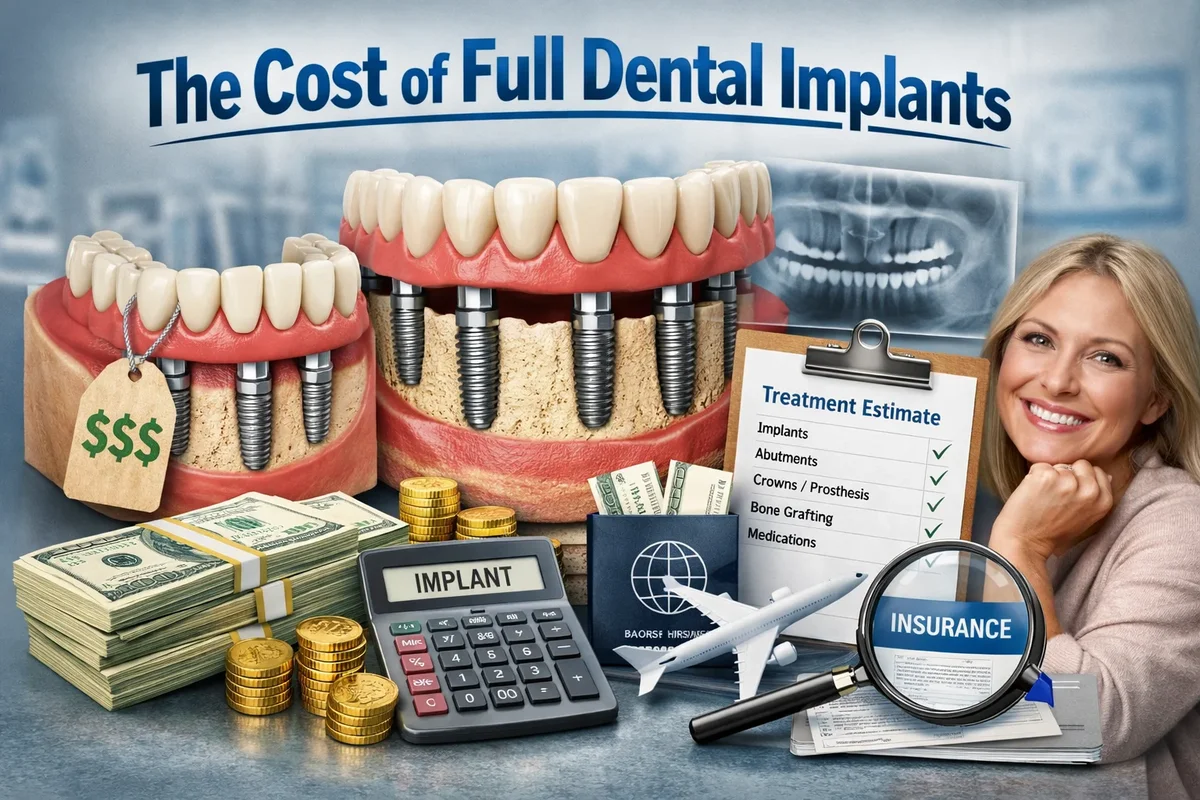
Is the Cost of Full Dental Implants Worth the Investment?
When evaluating the cost of full dental implants, many patients naturally ask whether the investment is truly worth it. While the initial expense can seem significant, it is important to look beyond the price and consider the long-term benefits, improved quality of life, and lasting value. In this section, we will explore why the cost of full dental implants is often considered a smart and worthwhile investment for those seeking a permanent solution to missing teeth. 😊
1. Long-Term Durability and Lifespan
One of the strongest arguments in favor of the cost of full dental implants is their durability. Unlike traditional dentures or bridges, which may need to be replaced every few years, dental implants are designed to last decades with proper care.
Lifetime Value
Although the upfront the cost of full dental implants is higher, their longevity reduces the need for repeated treatments. Over time, this can make implants more cost-effective than alternatives that require ongoing maintenance or replacement.
2. Improved Quality of Life
Full dental implants significantly enhance daily life by restoring natural chewing ability, clear speech, and confidence in social interactions. Patients no longer need to worry about slipping dentures or dietary restrictions.
Confidence and Comfort
The comfort and stability provided by implants make a noticeable difference in everyday activities. For many individuals, these improvements justify the cost of full dental implants, as they directly impact overall well-being.
3. Preservation of Jawbone and Facial Structure
Unlike dentures, which can lead to bone loss over time, implants stimulate the jawbone and help maintain its structure. This prevents the sunken facial appearance often associated with missing teeth.
Health Benefits Beyond Teeth
This preservation of bone and facial integrity adds significant value to the cost of full dental implants. It contributes to both oral health and long-term aesthetics.
4. Natural Appearance and Functionality
Dental implants are designed to look and function like natural teeth. They are custom-made to match the patient’s facial features, ensuring a seamless and realistic appearance.
Aesthetic Advantages
The natural look of implants enhances self-esteem and professional confidence. This aesthetic benefit is a key reason why many patients consider the cost of full dental implants a worthwhile investment.
5. Reduced Maintenance Costs
While dentures require adhesives, regular adjustments, and replacements, implants require only routine oral hygiene practices such as brushing and flossing.
Lower Long-Term Expenses
This simplicity reduces ongoing costs, making the cost of full dental implants more economical over time compared to other solutions.
6. Increased Success Rates
Dental implants have a high success rate, often exceeding 95% when performed by experienced professionals. This reliability provides peace of mind for patients considering the procedure.
Reliable Outcomes
The predictability of results ensures that the cost of full dental implants translates into a dependable and long-lasting solution.
7. Personalized Treatment and Modern Technology
Modern implant procedures are highly customized, using advanced technologies such as 3D imaging and digital planning. This ensures precise placement and optimal outcomes.
Tailored Solutions
This level of personalization enhances the effectiveness of the treatment, reinforcing the value of the cost of full dental implants.
If you are considering this treatment, you can consult experts through the Redent Klinik Contact Page to receive a detailed evaluation and personalized plan.
8. Professional Recommendations and Standards
Leading organizations like the American Dental Association recognize dental implants as one of the most effective solutions for tooth loss. Their guidelines emphasize the importance of quality care and long-term planning.
Trusted Medical Advice
Following professional recommendations ensures that the cost of full dental implants is aligned with safe and effective treatment practices.
9. Emotional and Psychological Benefits
Beyond physical improvements, dental implants have a profound impact on mental and emotional well-being. Patients often report increased confidence, reduced anxiety, and improved social interactions.
Life-Changing Impact
These intangible benefits further justify the cost of full dental implants, as they contribute to a more fulfilling and confident lifestyle.
In conclusion, while the cost of full dental implants may appear high initially, the long-term advantages make it a valuable investment. From durability and functionality to aesthetics and emotional well-being, implants offer benefits that extend far beyond the financial aspect. By considering both immediate and long-term outcomes, patients can see that the cost of full dental implants represents not just a dental procedure, but a life-enhancing transformation. 😁