
When it comes to restoring damaged teeth and protecting your smile, the crown dental treatment stands out as one of the most reliable and widely used solutions in modern dentistry 🦷. Whether you are dealing with a cracked tooth, severe decay, or cosmetic concerns, understanding the crown dental process can help you make informed decisions about your oral health. In this comprehensive guide, we will explore everything you need to know about the crown dental, from its purpose to its long-term benefits.
The crown dental procedure involves placing a custom-made cap over a damaged or weakened tooth. This cap restores the tooth’s original shape, size, strength, and appearance. Dentists often recommend the crown dental treatment when a filling is not sufficient to repair the damage or when the tooth structure is compromised. By covering the entire visible portion of the tooth, the crown dental acts as a protective shield, preventing further deterioration and enhancing durability.
One of the primary reasons why the crown dental is so important is its ability to preserve natural teeth. Instead of extracting a damaged tooth, dentists can use the crown dental to maintain the natural root structure. This not only supports better chewing function but also helps maintain jawbone integrity. Patients who choose the crown dental often experience improved comfort and confidence in their daily lives 😊.
Another key benefit of the crown dental is its versatility. It can be used in a wide range of dental situations, including restoring broken teeth, covering dental implants, supporting dental bridges, and improving the appearance of discolored or misshapen teeth. Because of this flexibility, the crown dental is considered a cornerstone treatment in restorative and cosmetic dentistry.
Modern advancements have also significantly improved the quality of the crown dental solutions. Today, crowns can be made from various materials such as porcelain, ceramic, metal alloys, or a combination of these. These materials are designed to mimic the natural look and feel of real teeth, ensuring that the crown dental blends seamlessly with your smile. In fact, many patients find it difficult to distinguish between their natural teeth and a well-crafted the crown dental.
Durability is another reason why the crown dental is highly recommended. With proper care, the crown dental can last anywhere from 10 to 15 years or even longer. This makes it a long-term investment in your oral health. Regular dental check-ups, good oral hygiene, and avoiding habits like teeth grinding can significantly extend the lifespan of the crown dental.
From a functional perspective, the crown dental restores your ability to chew and speak properly. Damaged teeth can cause discomfort and affect your bite alignment, but the crown dental helps correct these issues by providing a stable and strong surface. This means you can enjoy your favorite foods without pain or hesitation 🍎.
It is also worth noting that the crown dental plays a crucial role in preventing further dental complications. A weakened tooth is more susceptible to fractures, infections, and decay. By reinforcing the tooth structure, the crown dental reduces the risk of these problems and helps maintain overall oral health. Dentists often consider the crown dental a preventive measure as much as a restorative one.
For those concerned about aesthetics, the crown dental offers excellent cosmetic benefits. It can dramatically improve the appearance of your smile by covering imperfections such as discoloration, uneven shapes, or gaps. This makes the crown dental a popular choice for individuals seeking both functional and visual improvements.
If you are considering dental treatment and want a reliable, long-lasting solution, the crown dental may be the ideal option. For personalized advice and professional consultation, you can visit the Redent Klinik Contact Page to explore your treatment possibilities.
Additionally, for more information about dental standards and recommendations, you can refer to the American Dental Association, a trusted authority in oral healthcare.
In summary, the crown dental is an essential treatment that combines strength, functionality, and aesthetics into one effective solution. By choosing the crown dental, you are investing in a healthier, more confident smile that can last for years to come 🌟.
Why Patients Choose the Crown Dental for Long-Lasting Tooth Restoration
The crown dental procedure has become one of the most trusted solutions for restoring damaged, weakened, or aesthetically compromised teeth. Patients consistently choose the crown dental option because it offers a unique balance between durability, functionality, and natural appearance. Whether a tooth is cracked, worn down, or has undergone root canal treatment, the crown dental approach provides a protective covering that preserves the remaining tooth structure while restoring full usability.
Understanding the Purpose of the Crown Dental Treatment
The primary goal of the crown dental procedure is to protect and strengthen a compromised tooth. Unlike simple fillings, which only repair small areas, the crown dental method encases the entire visible portion of the tooth. This ensures that the tooth can withstand normal chewing forces without further damage. Additionally, the crown dental treatment improves the tooth’s shape, alignment, and color, making it a popular choice for both restorative and cosmetic dentistry.
Structural Protection and Reinforcement
One of the main reasons patients opt for the crown dental solution is its ability to reinforce weakened teeth. Teeth that have large fillings or fractures are more prone to breaking. The crown dental process involves placing a custom-made cap over the tooth, which distributes biting pressure evenly and significantly reduces the risk of further damage. This makes the crown dental option especially valuable for molars and other high-pressure chewing areas.
Aesthetic Improvements with Natural Results
Beyond function, the crown dental treatment also enhances the visual appearance of teeth. Modern materials such as porcelain and ceramic allow the crown dental restoration to closely mimic natural enamel in both color and translucency. This means patients can smile confidently without worrying about noticeable dental work. The crown dental procedure is often used to correct discoloration, irregular shapes, and minor alignment issues.
Materials Used in the Crown Dental Procedure
The effectiveness of the crown dental treatment depends heavily on the materials used. Dentists carefully select materials based on the location of the tooth, patient preferences, and functional requirements. Each material used in the crown dental process offers distinct advantages.
Porcelain and Ceramic Crowns
Porcelain and ceramic are among the most popular materials for the crown dental procedure due to their natural appearance. These materials are ideal for front teeth where aesthetics are a priority. The crown dental restoration made from porcelain blends seamlessly with surrounding teeth, making it virtually indistinguishable from natural enamel.
Metal and Porcelain-Fused-to-Metal Crowns
For patients who require extra strength, especially for back teeth, metal or porcelain-fused-to-metal options are often recommended in the crown dental process. These crowns provide exceptional durability and can withstand heavy chewing forces. While slightly less aesthetic than full porcelain, the crown dental solution using these materials ensures long-term reliability.
The Step-by-Step Crown Dental Process
The crown dental procedure typically involves multiple steps to ensure precision and long-lasting results. Understanding this process helps patients feel more confident and prepared.
Initial Examination and Tooth Preparation
The first stage of the crown dental treatment involves a thorough dental examination. The dentist evaluates the condition of the tooth and determines whether the crown dental approach is appropriate. Once confirmed, the tooth is reshaped to create space for the crown. This step is essential for ensuring a proper fit and natural appearance.
Impressions and Temporary Crown Placement
After preparation, impressions of the tooth are taken to create a custom crown dental restoration. While the permanent crown is being fabricated in a dental laboratory, a temporary crown is placed to protect the tooth. This temporary solution allows patients to maintain normal function during the waiting period.
Final Placement and Adjustment
Once the custom crown is ready, the dentist removes the temporary crown and places the permanent crown dental restoration. Adjustments are made to ensure proper bite alignment and comfort. The crown dental procedure concludes with the crown being securely bonded to the tooth, providing immediate strength and stability.
Benefits That Make the Crown Dental Solution Stand Out
The crown dental treatment offers numerous advantages that make it a preferred choice among patients and dental professionals alike. Its versatility allows it to address a wide range of dental issues effectively.
Long-Term Durability
One of the most significant benefits of the crown dental procedure is its longevity. With proper care, a crown dental restoration can last many years, making it a cost-effective solution over time. Regular dental check-ups and good oral hygiene practices further extend the lifespan of the crown dental work.
Improved Oral Function
Patients who undergo the crown dental treatment often experience a noticeable improvement in their ability to chew and speak comfortably. By restoring the tooth’s original shape and strength, the crown dental solution ensures that daily activities are not compromised.
Comprehensive Protection
The crown dental approach provides full coverage protection, reducing the risk of future decay or damage. This makes it an excellent preventive measure for teeth that are already vulnerable.
In summary, the crown dental procedure stands out as a reliable, aesthetic, and functional solution for tooth restoration. Its ability to protect, strengthen, and enhance teeth makes it an essential part of modern dentistry. Patients seeking a long-lasting and natural-looking solution consistently turn to the crown dental treatment for optimal results.
When You Need the Crown Dental Treatment: Signs, Symptoms, and Timing
Understanding when to choose the crown dental procedure is essential for maintaining long-term oral health and preventing more serious dental complications. Many patients delay treatment simply because they are unsure whether their symptoms require immediate attention. However, recognizing the early warning signs can help you take advantage of the crown dental solution before minor issues become major problems. The crown dental approach is not only restorative but also preventive, making it one of the most strategic treatments in modern dentistry.
Common Signs That Indicate You Need the Crown Dental Solution
There are several clear indicators that suggest a patient may benefit from the crown dental treatment. These signs often develop gradually, which is why routine dental check-ups are important. Ignoring these symptoms can lead to further tooth damage, making the crown dental procedure even more critical.
Cracked or Fractured Teeth
A cracked or fractured tooth is one of the most common reasons for recommending the crown dental procedure. Even small cracks can expand over time, especially under constant pressure from chewing. The crown dental solution works by covering the entire tooth, preventing the crack from spreading and restoring the tooth’s structural integrity. Without the crown dental treatment, the tooth may eventually require extraction.
Severe Tooth Decay
When decay becomes too extensive for a simple filling, the crown dental procedure is often the next step. Large cavities weaken the tooth, making it vulnerable to breaking. The crown dental restoration removes the decayed portion and protects the remaining structure. This ensures that the tooth can function normally without the risk of collapse.
After Root Canal Treatment
Teeth that have undergone root canal therapy are significantly more fragile. In these cases, the crown dental approach is almost always recommended. The crown dental cap acts as a protective barrier, preventing the treated tooth from fracturing under pressure. This combination of treatments helps preserve the tooth for many years.
Timing Matters: When to Act Quickly
Delaying the crown dental treatment can lead to more complex dental issues. Timing plays a crucial role in determining the success of the crown dental procedure. Acting early not only saves the tooth but also reduces the need for more invasive and costly treatments.
Pain and Sensitivity
If you experience persistent tooth pain or sensitivity to hot and cold, it may indicate underlying damage that requires the crown dental solution. These symptoms often signal that the tooth structure is compromised. The crown dental treatment helps eliminate discomfort by stabilizing and protecting the affected tooth.
Difficulty Chewing
Another important sign is discomfort or difficulty while chewing. When a tooth cannot handle normal biting forces, it may be weakened or damaged. The crown dental procedure restores full functionality, allowing patients to eat comfortably again. Ignoring this issue can worsen the condition and increase the likelihood of tooth loss.
Preventive Use of the Crown Dental Treatment
While many people associate the crown dental procedure with damage repair, it is also widely used as a preventive measure. Dentists often recommend the crown dental solution before a tooth reaches a critical condition. This proactive approach ensures long-term stability and reduces the risk of emergency dental situations.
Protecting Weak Teeth
Teeth with large fillings or structural weaknesses are ideal candidates for the crown dental treatment. Instead of waiting for the tooth to break, placing a crown dental restoration early can prevent future complications. This strategy is particularly beneficial for patients with a history of dental issues.
Supporting Dental Bridges
The crown dental procedure is also used to support dental bridges. In such cases, adjacent teeth are fitted with crowns to hold the bridge in place. This highlights the versatility of the crown dental solution in both restorative and prosthetic dentistry.
Long-Term Benefits of Timely Crown Dental Intervention
Choosing the crown dental treatment at the right time provides numerous long-term advantages. Patients who act early often experience better outcomes and fewer complications. The crown dental procedure not only restores the tooth but also contributes to overall oral health.
Preservation of Natural Teeth
One of the greatest benefits of the crown dental approach is its ability to preserve natural teeth. By addressing damage early, the crown dental solution prevents the need for extraction and replacement options such as implants.
Cost-Effective Care Over Time
Although some patients hesitate due to initial costs, the crown dental procedure is often more economical in the long run. Preventing further damage reduces the need for additional treatments, making the crown dental solution a smart investment in oral health.
In conclusion, recognizing the right time to choose the crown dental treatment is key to maintaining a healthy and functional smile. From early warning signs like sensitivity and cracks to preventive applications, the crown dental procedure offers a comprehensive solution for a wide range of dental concerns. Acting promptly ensures that patients can benefit fully from the durability, protection, and aesthetic advantages of the crown dental restoration.
How to Care for the Crown Dental Restoration for Maximum Longevity
Proper aftercare is essential to ensure that the crown dental restoration remains durable, functional, and aesthetically pleasing for many years. While the crown dental procedure itself is designed to provide long-term protection, its success heavily depends on how well patients maintain their oral hygiene and daily habits. Many individuals assume that once the crown dental treatment is completed, no further attention is needed. However, consistent care is crucial to prevent complications such as decay around the crown margins or damage to the surrounding teeth.
Daily Oral Hygiene Practices for the Crown Dental
Maintaining excellent oral hygiene is the foundation of preserving the crown dental restoration. Even though the crown itself cannot decay, the natural tooth structure beneath it is still vulnerable. Therefore, the crown dental area must be cleaned thoroughly every day.
Brushing Techniques and Tools
Brushing at least twice a day is essential for protecting the crown dental structure. Patients should use a soft-bristled toothbrush to avoid damaging the crown surface or irritating the gums. Proper brushing techniques ensure that plaque does not accumulate around the crown dental margins, where bacteria can easily hide. Electric toothbrushes can be particularly effective in maintaining the cleanliness of the crown dental restoration.
Flossing Around the Crown Dental Area
Flossing is equally important when caring for the crown dental restoration. Special attention should be given to the gum line around the crown dental, as this is where plaque buildup is most likely to occur. Using dental floss or interdental brushes helps remove debris that brushing alone cannot reach. Consistent flossing prevents gum disease, which can compromise the stability of the crown dental over time.
Dietary Habits That Protect the Crown Dental
Your eating habits play a significant role in the longevity of the crown dental restoration. Certain foods can either support or harm the integrity of the crown dental structure, making dietary awareness essential.
Avoiding Hard and Sticky Foods
Hard foods such as ice, nuts, and hard candies can place excessive pressure on the crown dental, potentially causing cracks or loosening. Similarly, sticky foods like caramel or chewing gum can pull on the crown dental and weaken the bond between the crown and the tooth. Being mindful of these risks helps preserve the crown dental for a longer period.
Choosing Tooth-Friendly Nutrition
A balanced diet rich in vitamins and minerals supports the health of the surrounding teeth and gums. Foods high in calcium and vitamin D strengthen the underlying tooth structure, indirectly benefiting the crown dental restoration. Drinking plenty of water also helps wash away food particles and bacteria, keeping the crown dental area clean.
Regular Dental Visits and Professional Maintenance
Routine dental check-ups are a critical component of maintaining the crown dental restoration. Professional evaluations ensure that any potential issues are detected early and addressed promptly.
Professional Cleaning and Examination
During regular visits, dentists perform professional cleanings that remove plaque and tartar from areas that are difficult to reach at home. These cleanings are especially important for the crown dental, as they help maintain healthy gums and prevent complications. Dentists also examine the crown dental to ensure it remains securely in place and free from damage.
Early Detection of Problems
Even with proper care, issues can occasionally arise with the crown dental restoration. Regular dental visits allow for early detection of problems such as loosening, wear, or decay beneath the crown. Addressing these issues early helps extend the lifespan of the crown dental and prevents more serious complications.
Habits to Avoid for Protecting the Crown Dental
In addition to maintaining good hygiene and diet, avoiding harmful habits is essential for preserving the crown dental restoration. Certain behaviors can significantly reduce its lifespan if not addressed.
Teeth Grinding and Clenching
Bruxism, or teeth grinding, can place excessive stress on the crown dental, leading to cracks or fractures. Patients who grind their teeth should consider using a night guard to protect the crown dental during sleep. This simple preventive measure can greatly extend the durability of the crown dental restoration.
Using Teeth as Tools
Using teeth to open packages or bite non-food items is a common habit that can damage the crown dental. This unnecessary strain can weaken the crown or even cause it to dislodge. Avoiding such habits is crucial for maintaining the integrity of the crown dental treatment.
Long-Term Care Strategies for the Crown Dental
Long-term success with the crown dental restoration requires a combination of consistent care, professional support, and mindful habits. Patients who follow these strategies often enjoy years of reliable performance from their crown dental treatment.
Maintaining Gum Health
Healthy gums are essential for supporting the crown dental. Gum disease can lead to recession and expose the edges of the crown, increasing the risk of complications. Proper oral hygiene and regular dental visits help maintain strong and healthy gums around the crown dental.
Monitoring Changes Over Time
Patients should remain aware of any changes in their crown dental, such as sensitivity, discomfort, or movement. Reporting these changes to a dentist promptly ensures that any issues are addressed before they worsen. Continuous monitoring plays a key role in preserving the effectiveness of the crown dental restoration.
In conclusion, caring for the crown dental restoration is a long-term commitment that requires attention to daily hygiene, diet, and regular dental care. By following these guidelines, patients can maximize the lifespan and performance of their crown dental treatment, ensuring a healthy, functional, and confident smile for years to come.
Comparing the Crown Dental with Other Tooth Restoration Options
When considering solutions for damaged or missing teeth, patients are often presented with multiple treatment options. Among these, the crown dental procedure stands out as one of the most versatile and reliable methods. However, understanding how the crown dental compares with alternatives such as fillings, veneers, and dental implants is essential for making an informed decision. Each treatment has its own advantages and limitations, but the crown dental solution often provides a balanced combination of strength, aesthetics, and long-term performance.
The Crown Dental vs. Dental Fillings
Dental fillings are typically used for minor cavities or small areas of decay. While fillings are effective for limited damage, they do not provide the same level of coverage and protection as the crown dental procedure. The crown dental approach encases the entire tooth, offering superior reinforcement and durability.
Coverage and Strength Differences
Fillings only restore a portion of the tooth, leaving the remaining structure vulnerable. In contrast, the crown dental restoration covers the entire visible surface, distributing pressure evenly and reducing the risk of fractures. This makes the crown dental option more suitable for teeth that have extensive damage or large fillings.
Longevity and Durability
While fillings may need replacement after several years, the crown dental solution is designed for long-term use. With proper care, a crown dental restoration can last significantly longer than traditional fillings, making it a more durable investment in oral health.
The Crown Dental vs. Veneers
Veneers are primarily used for cosmetic improvements, focusing on the front surface of the teeth. Although veneers can enhance appearance, they do not provide the same level of structural support as the crown dental treatment. The crown dental procedure is both restorative and cosmetic, offering a more comprehensive solution.
Functional vs. Cosmetic Focus
Veneers are ideal for correcting minor imperfections such as discoloration or slight misalignment. However, they do not strengthen the tooth significantly. The crown dental approach, on the other hand, addresses both functional and aesthetic concerns by fully covering and reinforcing the tooth.
Application Scope
The crown dental treatment can be applied to both front and back teeth, making it suitable for a wider range of cases. Veneers are typically limited to visible front teeth, whereas the crown dental solution is used wherever strength and protection are required.
The Crown Dental vs. Dental Implants
Dental implants are often recommended when a tooth is missing entirely. While implants are an excellent solution for tooth replacement, they involve a more complex surgical procedure compared to the crown dental treatment. The crown dental option is generally used when the natural tooth can still be preserved.
Preservation of Natural Tooth Structure
One of the key advantages of the crown dental procedure is that it allows patients to retain their natural tooth. Implants, on the other hand, replace the entire tooth structure, including the root. Whenever possible, preserving the natural tooth with the crown dental solution is often the preferred approach.
Procedure Complexity and Recovery
The crown dental process is less invasive and typically requires a shorter treatment time. Dental implants involve surgical placement and a healing period that can take several months. For patients seeking a quicker and less invasive option, the crown dental treatment is often more appealing.
The Crown Dental vs. Onlays and Inlays
Onlays and inlays are intermediate solutions between fillings and crowns. While they provide more coverage than fillings, they still do not offer the complete protection of the crown dental restoration.
Extent of Protection
Onlays and inlays cover only specific portions of the tooth, leaving other areas exposed. The crown dental procedure, however, provides full coverage, ensuring maximum protection against further damage. This makes the crown dental option more suitable for teeth that are significantly weakened.
Durability Comparison
Although onlays and inlays are durable, they may not match the long-term resilience of the crown dental restoration. The comprehensive coverage provided by the crown dental solution contributes to its superior durability and reliability.
Why the Crown Dental Often Becomes the Preferred Choice
After comparing various restoration methods, it becomes clear why the crown dental procedure is frequently recommended by dental professionals. Its ability to combine strength, aesthetics, and versatility makes it a comprehensive solution for many dental issues.
Versatility Across Different Cases
The crown dental treatment can address a wide range of problems, from severe decay to cosmetic concerns. This versatility allows dentists to use the crown dental approach in many different scenarios, making it a cornerstone of restorative dentistry.
Balanced Performance and Aesthetics
Unlike some alternatives that focus solely on function or appearance, the crown dental solution delivers both. Patients benefit from improved tooth strength as well as a natural-looking smile, making the crown dental procedure a well-rounded option.
In conclusion, while there are several tooth restoration options available, the crown dental procedure consistently stands out due to its comprehensive benefits. By offering full coverage, long-term durability, and aesthetic appeal, the crown dental solution provides a reliable and effective approach for restoring and protecting teeth. Patients who carefully evaluate their options often find that the crown dental treatment meets both their functional needs and cosmetic expectations.
Potential Risks and Complications of the Crown Dental Treatment
While the crown dental procedure is widely regarded as a safe and effective solution for restoring damaged teeth, it is important for patients to understand that, like any dental treatment, it may involve certain risks and potential complications. Being informed about these possibilities allows patients to take preventive measures and seek timely professional care if needed. The crown dental process is designed with precision and care, but outcomes can vary depending on individual oral health, habits, and adherence to aftercare recommendations.
Common Short-Term Effects After the Crown Dental Procedure
After undergoing the crown dental treatment, some patients may experience temporary side effects. These are generally mild and resolve within a short period as the mouth adjusts to the new restoration.
Sensitivity to Temperature
It is common to feel sensitivity to hot or cold foods and beverages after the crown dental procedure. This occurs because the tooth has been prepared and may be temporarily more responsive to external stimuli. The crown dental restoration typically reduces this sensitivity over time, especially once the tooth adapts to its new protective covering.
Mild Discomfort or Gum Irritation
Some patients report slight discomfort or gum irritation around the crown dental area. This is usually due to the placement process and should subside within a few days. Maintaining proper oral hygiene around the crown dental helps reduce inflammation and supports faster healing.
Long-Term Risks Associated with the Crown Dental
Although the crown dental restoration is designed for durability, certain long-term risks can arise if proper care is not maintained or if external factors interfere with the crown’s integrity.
Crown Loosening or Dislodgement
Over time, the adhesive used in the crown dental procedure may weaken, especially if exposed to excessive force or poor oral hygiene. This can lead to the crown becoming loose or even falling off. If this happens, it is essential to seek dental care immediately to avoid further damage to the underlying tooth. The crown dental can often be re-cemented if addressed promptly.
Wear and Tear Over Time
Like natural teeth, the crown dental restoration is subject to wear and tear. Continuous use, especially in patients who grind their teeth, can cause the crown to lose its original shape or strength. Regular dental check-ups help monitor the condition of the crown dental and determine when replacement may be necessary.
Underlying Tooth Decay Beneath the Crown Dental
One of the lesser-known risks of the crown dental treatment is the possibility of decay developing beneath the crown. While the crown itself cannot decay, the natural tooth structure underneath remains vulnerable.
Poor Oral Hygiene as a Contributing Factor
If plaque accumulates around the edges of the crown dental, bacteria can penetrate the margins and cause decay. This highlights the importance of maintaining excellent oral hygiene practices to protect both the crown dental and the underlying tooth.
Importance of Regular Monitoring
Routine dental visits allow professionals to detect early signs of decay beneath the crown dental. Early intervention can prevent more serious complications and extend the life of the crown dental restoration.
Allergic Reactions and Material Sensitivities
Although rare, some patients may experience allergic reactions to the materials used in the crown dental procedure. This is more likely with metal-based crowns but can occur with other materials as well.
Identifying Material Sensitivities
Patients with known allergies should inform their dentist before undergoing the crown dental treatment. Alternative materials can be selected to ensure compatibility and comfort. The crown dental process can be customized to suit individual needs and minimize risks.
Symptoms to Watch For
Signs of an allergic reaction may include persistent irritation, swelling, or unusual discomfort around the crown dental area. If any of these symptoms occur, it is important to consult a dentist promptly for evaluation and appropriate management.
Preventing Complications in the Crown Dental Treatment
Most risks associated with the crown dental procedure can be minimized through proper care and preventive strategies. Patients play a crucial role in ensuring the success of their crown dental restoration.
Maintaining Consistent Oral Hygiene
Brushing, flossing, and using antibacterial mouthwash help keep the crown dental area clean and free from harmful bacteria. Consistent oral care significantly reduces the risk of complications and supports long-term success.
Using Protective Devices if Necessary
For patients who grind their teeth, wearing a night guard can protect the crown dental from excessive pressure. This simple measure helps preserve the integrity of the crown and prevents unnecessary damage.
When to Seek Professional Help
Recognizing when to consult a dentist is essential for managing any issues related to the crown dental restoration. Early intervention often prevents minor problems from becoming serious concerns.
Persistent Pain or Sensitivity
If pain or sensitivity continues beyond the initial adjustment period, it may indicate an underlying issue with the crown dental. Prompt evaluation ensures that any problems are addressed quickly and effectively.
Visible Damage or Movement
Any visible cracks, chips, or movement in the crown dental should be examined by a dental professional. Addressing these issues early helps maintain the stability and functionality of the crown dental treatment.
In conclusion, while the crown dental procedure is a highly reliable and effective treatment, understanding its potential risks and complications is essential for achieving the best possible outcome. With proper care, regular dental visits, and attention to early warning signs, patients can enjoy the long-lasting benefits of the crown dental restoration while minimizing any potential issues.
Cost Factors and Value Considerations of the Crown Dental Treatment
When evaluating dental treatments, understanding the financial aspect is just as important as understanding the clinical benefits. The crown dental procedure is often seen as a long-term investment in oral health rather than a simple short-term solution. While the crown dental treatment may initially seem more involved compared to other restorative options, its durability, functionality, and aesthetic value make it a highly cost-effective choice over time. Patients who fully understand the factors influencing the crown dental cost can make more informed and confident decisions.
Key Factors That Influence the Crown Dental Cost
The total cost of the crown dental treatment can vary depending on several important factors. These variables determine not only the price but also the overall quality and longevity of the crown dental restoration.
Material Selection
One of the most significant factors affecting the crown dental cost is the material used. Options such as porcelain, ceramic, metal, or porcelain-fused-to-metal each come with different price points and benefits. For example, porcelain crowns used in the crown dental procedure tend to be more aesthetically pleasing, while metal crowns may offer superior strength. The choice of material directly impacts both the performance and the investment value of the crown dental restoration.
Location of the Tooth
The position of the tooth being treated also plays a role in determining the crown dental cost. Front teeth often require more aesthetically refined materials, which can increase the overall expense. In contrast, back teeth may prioritize strength over appearance, influencing the type of crown dental used and its associated cost.
Dentist Expertise and Technology
The experience of the dentist and the technology used during the crown dental procedure can also affect pricing. Advanced techniques such as digital impressions and same-day crown fabrication may increase the initial cost but often result in higher precision and improved outcomes. Investing in a high-quality crown dental treatment can reduce the likelihood of future complications.
Comparing Short-Term Cost vs. Long-Term Value
Many patients focus on the upfront expense of the crown dental procedure without considering its long-term value. This perspective can lead to underestimating the true benefits of the crown dental solution.
Durability Reduces Future Expenses
The crown dental restoration is designed to last for many years with proper care. Unlike temporary or less durable solutions, the crown dental approach minimizes the need for frequent replacements or repairs. This durability translates into long-term savings, making the crown dental treatment a financially sound decision.
Prevention of Additional Treatments
By protecting and strengthening the tooth, the crown dental procedure helps prevent further damage that could require more extensive and costly treatments. Early intervention with the crown dental solution often eliminates the need for procedures such as extractions or implants, which can be significantly more complex.
Insurance and Financing Options for the Crown Dental
Understanding available payment options can make the crown dental treatment more accessible to a wider range of patients. Many dental practices offer flexible solutions to help manage the cost of the crown dental procedure.
Insurance Coverage
In many cases, dental insurance plans partially cover the crown dental treatment, especially when it is deemed medically necessary. Coverage levels may vary, so it is important for patients to review their policies and consult with their provider. The crown dental procedure is often recognized as an essential restorative treatment, increasing the likelihood of insurance support.
Flexible Payment Plans
Many clinics provide financing options or payment plans that allow patients to spread the cost of the crown dental treatment over time. This approach makes it easier to access high-quality care without financial strain. Investing in the crown dental solution becomes more manageable when flexible payment options are available.
Evaluating the True Value of the Crown Dental Treatment
The value of the crown dental procedure extends beyond its monetary cost. Patients should consider the overall benefits that the crown dental restoration provides in terms of health, comfort, and confidence.
Improved Quality of Life
The crown dental treatment restores the ability to chew, speak, and smile with confidence. These improvements have a direct impact on daily life, making the crown dental solution more than just a financial decision—it is an investment in overall well-being.
Aesthetic and Functional Balance
Unlike some alternatives that focus solely on function or appearance, the crown dental approach offers both. Patients benefit from a natural-looking restoration that also provides strong structural support. This balance enhances the overall value of the crown dental treatment.
Making an Informed Decision About the Crown Dental
Choosing the right dental treatment requires careful consideration of both cost and benefits. The crown dental procedure stands out as a comprehensive solution that delivers long-term value.
Consultation and Personalized Planning
A detailed consultation with a dental professional helps determine whether the crown dental treatment is the best option. Personalized treatment planning ensures that patients receive the most appropriate and cost-effective solution for their specific needs.
Investing in Long-Term Oral Health
Ultimately, the crown dental procedure should be viewed as an investment in long-term oral health. By addressing dental issues effectively and preventing future complications, the crown dental solution provides lasting benefits that outweigh the initial cost.
In conclusion, while the crown dental treatment involves several cost considerations, its long-term advantages make it a valuable choice for many patients. By understanding the factors that influence pricing and recognizing the overall benefits, individuals can confidently choose the crown dental procedure as a reliable and worthwhile investment in their dental health.
Advanced Technologies and Innovations Transforming the Crown Dental Procedure
The crown dental procedure has evolved significantly over the years, thanks to rapid advancements in dental technology. Modern innovations have improved not only the precision and efficiency of the crown dental treatment but also the overall patient experience. Today, the crown dental process is faster, more comfortable, and highly accurate compared to traditional methods. These technological improvements allow dentists to deliver superior results while minimizing discomfort and treatment time.
Digital Dentistry and the Crown Dental Workflow
One of the most impactful developments in the crown dental field is the integration of digital dentistry. Digital tools have revolutionized how the crown dental procedure is planned and executed, leading to more predictable outcomes.
Intraoral Scanners for Accurate Impressions
Traditional impression methods often involved messy materials and potential discomfort. With intraoral scanners, the crown dental process now uses precise digital images to capture the shape of the tooth. This technology ensures a perfect fit for the crown dental restoration, reducing the likelihood of errors and the need for adjustments.
CAD/CAM Technology in the Crown Dental Design
Computer-aided design and manufacturing (CAD/CAM) systems play a crucial role in modern crown dental procedures. These systems allow dentists to design and fabricate crowns with exceptional accuracy. The crown dental restoration created using CAD/CAM technology fits seamlessly with the patient’s natural teeth, enhancing both function and aesthetics.
Same-Day Crown Dental Solutions
One of the most convenient innovations in the crown dental field is the ability to complete the entire procedure in a single visit. Same-day crown dental solutions eliminate the need for temporary crowns and multiple appointments.
Chairside Milling Systems
With chairside milling machines, dentists can create a custom crown dental restoration on-site. After scanning and designing the crown, the system mills it from a high-quality block of material. This allows the crown dental procedure to be completed within hours, providing immediate results for patients.
Benefits of Single-Visit Treatment
The crown dental process becomes more efficient with same-day solutions. Patients save time and avoid the inconvenience of returning for multiple visits. Additionally, the crown dental restoration is placed immediately, reducing the risk of complications associated with temporary crowns.
Improved Materials in the Crown Dental Industry
Advancements in dental materials have significantly enhanced the performance and appearance of the crown dental restoration. Modern materials offer greater strength, durability, and aesthetic appeal.
High-Strength Ceramic Materials
New-generation ceramics used in the crown dental procedure provide exceptional durability while maintaining a natural look. These materials are resistant to wear and closely mimic the translucency of natural teeth. As a result, the crown dental restoration blends seamlessly into the patient’s smile.
Biocompatible Options
Biocompatibility is another important factor in the crown dental treatment. Modern materials are designed to be safe and well-tolerated by the body, reducing the risk of allergic reactions. This ensures that the crown dental restoration remains comfortable and stable over time.
Precision and Customization in the Crown Dental Process
Technological advancements have made it possible to customize the crown dental restoration to an unprecedented level. This precision ensures optimal results for each patient.
3D Imaging and Treatment Planning
Three-dimensional imaging allows dentists to analyze the tooth structure in detail before performing the crown dental procedure. This level of planning ensures that the crown dental restoration fits perfectly and functions correctly within the patient’s bite.
Personalized Fit and Aesthetics
Customization extends to both the fit and appearance of the crown dental restoration. Dentists can match the color, shape, and size of the crown to the patient’s natural teeth. This personalized approach enhances the overall success of the crown dental treatment.
Enhanced Patient Experience with Modern Crown Dental Techniques
Technological innovations have not only improved clinical outcomes but also enhanced the patient experience during the crown dental procedure.
Reduced Discomfort and Anxiety
Modern tools and techniques make the crown dental process more comfortable than ever before. Digital impressions and precise equipment reduce the need for invasive procedures, helping patients feel more at ease during the crown dental treatment.
Faster Recovery and Immediate Results
The efficiency of advanced crown dental technologies leads to quicker recovery times and immediate improvements. Patients can resume their normal activities sooner, enjoying the benefits of their crown dental restoration without prolonged downtime.
The Future of the Crown Dental Procedure
The crown dental field continues to evolve, with ongoing research and innovation shaping its future. Emerging technologies promise even greater improvements in efficiency, accuracy, and patient satisfaction.
Artificial Intelligence in Dentistry
Artificial intelligence is beginning to play a role in the crown dental process by assisting in diagnosis and treatment planning. AI-driven tools can analyze data and suggest optimal solutions, further enhancing the precision of the crown dental procedure.
Continuous Material Innovation
Researchers are constantly developing new materials that improve the strength and aesthetics of the crown dental restoration. These advancements ensure that the crown dental treatment will continue to meet the growing expectations of patients and professionals alike.
In conclusion, the integration of advanced technologies has transformed the crown dental procedure into a highly efficient, precise, and patient-friendly treatment. From digital impressions to same-day solutions and improved materials, the crown dental approach continues to set new standards in modern dentistry. Patients who choose the crown dental treatment today benefit from innovations that deliver superior results and a more comfortable experience than ever before.
Frequently Asked Questions About the Crown Dental Treatment
Patients considering the crown dental procedure often have many questions about how it works, what to expect, and how it impacts their daily lives. Understanding these common concerns helps individuals feel more confident and prepared before undergoing the crown dental treatment. This section addresses the most frequently asked questions, providing clear and detailed answers to ensure a complete understanding of the crown dental process.
How Long Does the Crown Dental Procedure Take?
The duration of the crown dental treatment can vary depending on the method used and the complexity of the case. Traditionally, the crown dental process requires two visits: one for tooth preparation and impressions, and another for final placement. However, with modern technology, some clinics now offer same-day crown dental solutions that can be completed in a single appointment. Regardless of the approach, the crown dental procedure is carefully planned to ensure precision and long-lasting results.
Is the Procedure Painful?
One of the most common concerns about the crown dental treatment is discomfort. In reality, the procedure is generally not painful because local anesthesia is used to numb the area. Patients may feel slight pressure during the crown dental preparation, but significant pain is uncommon. After the procedure, mild sensitivity may occur, but it typically subsides quickly as the tooth adjusts to the crown dental restoration.
How Long Does the Crown Dental Last?
The lifespan of the crown dental restoration depends on several factors, including oral hygiene, diet, and daily habits. On average, a crown dental can last many years when properly maintained. Regular dental check-ups and good oral care practices play a crucial role in extending the durability of the crown dental treatment.
What Affects Longevity?
Factors such as teeth grinding, poor oral hygiene, and consuming hard foods can impact the lifespan of the crown dental. Patients who follow recommended care guidelines and avoid harmful habits can significantly increase the longevity of their crown dental restoration.
Can the Crown Dental Get Damaged?
Although the crown dental restoration is designed to be strong and durable, it is not indestructible. Excessive force, accidents, or biting hard objects can cause damage. However, with proper care, the risk of damage to the crown dental is minimal.
What to Do If Damage Occurs?
If the crown dental becomes chipped, cracked, or loose, it is important to contact a dentist immediately. Prompt treatment can often repair or replace the crown dental without further complications. Ignoring the issue may lead to additional damage to the underlying tooth.
Does the Crown Dental Look Natural?
Modern crown dental restorations are designed to closely mimic the appearance of natural teeth. Materials such as porcelain and ceramic allow dentists to match the color and translucency of surrounding teeth, ensuring a seamless look.
Customization for Aesthetic Results
The crown dental procedure involves careful customization to achieve a natural appearance. Dentists consider factors such as tooth shape, size, and color to create a crown dental that blends perfectly with the patient’s smile. This attention to detail makes the crown dental treatment an excellent choice for both functional and cosmetic improvements.
Can You Eat Normally with the Crown Dental?
One of the major advantages of the crown dental restoration is that it allows patients to return to normal eating habits. Once the crown dental is securely placed, it functions like a natural tooth.
Foods to Be Cautious About
While the crown dental is strong, it is advisable to avoid extremely hard or sticky foods that could damage or dislodge the crown. Maintaining a balanced diet and being mindful of food choices helps protect the crown dental over time.
Is Special Care Required for the Crown Dental?
Taking care of the crown dental restoration does not require complicated routines, but consistency is key. Proper oral hygiene ensures the long-term success of the crown dental treatment.
Daily Maintenance Tips
Brushing twice a day, flossing regularly, and using mouthwash are essential practices for maintaining the crown dental. Paying special attention to the gum line around the crown dental helps prevent plaque buildup and gum disease.
Can the Crown Dental Be Replaced?
Over time, the crown dental restoration may need to be replaced due to wear or changes in the underlying tooth. Replacement is a straightforward process and ensures that the tooth continues to receive proper protection.
Signs That Replacement Is Needed
Indicators such as discomfort, visible wear, or loosening suggest that the crown dental may need replacement. Regular dental visits help identify these signs early, allowing for timely intervention.
In conclusion, the crown dental procedure is a reliable and versatile treatment that addresses a wide range of dental concerns. By understanding the answers to these frequently asked questions, patients can approach the crown dental treatment with confidence and clarity. Proper care, regular check-ups, and awareness of potential issues ensure that the crown dental restoration continues to provide lasting benefits and a healthy, functional smile.
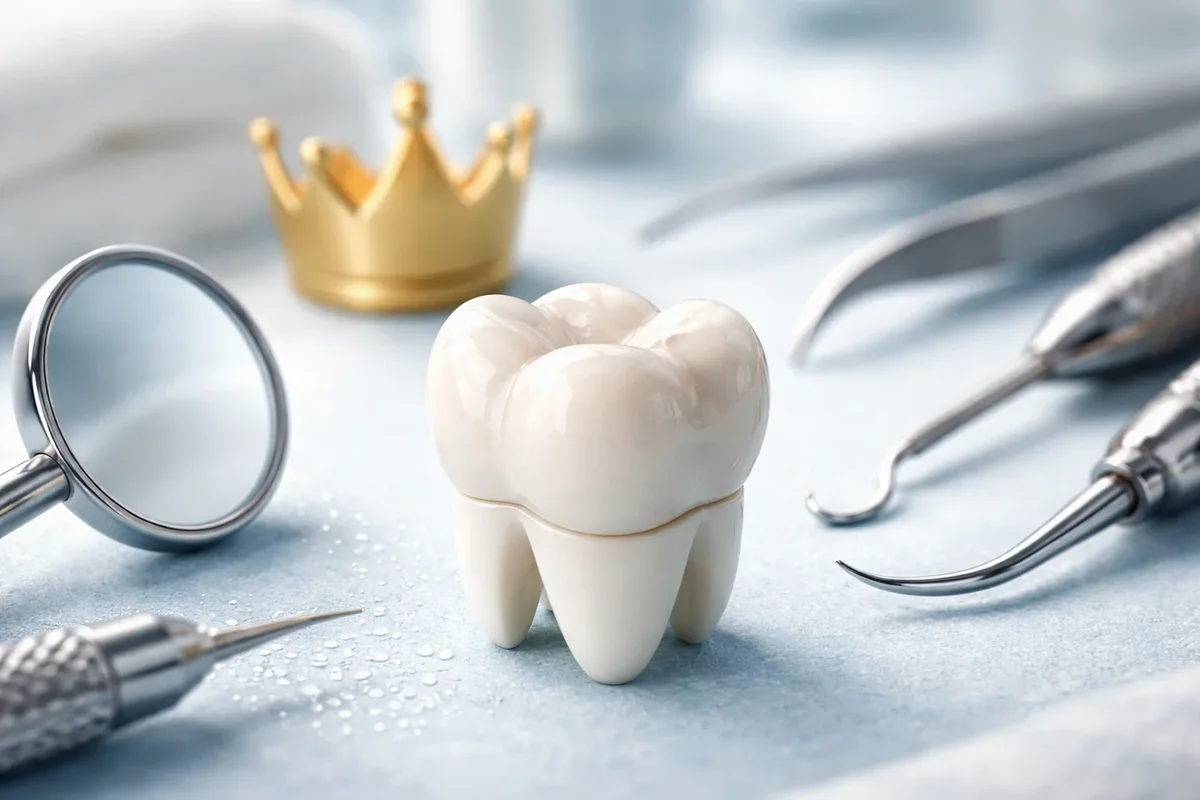
Final Thoughts: Why the Crown Dental Remains a Cornerstone of Modern Dentistry
The crown dental procedure has firmly established itself as one of the most reliable and versatile treatments in modern dentistry. From restoring damaged teeth to enhancing aesthetics and preventing future complications, the crown dental approach offers a comprehensive solution that meets a wide range of patient needs. As dental technologies continue to advance, the crown dental treatment becomes even more efficient, precise, and patient-friendly, reinforcing its role as a cornerstone in oral healthcare.
The Crown Dental as a Comprehensive Solution
One of the primary reasons the crown dental procedure remains so widely recommended is its ability to address multiple dental concerns simultaneously. Unlike treatments that focus on a single issue, the crown dental solution combines protection, restoration, and cosmetic improvement into one effective procedure.
Restoration of Function and Strength
The crown dental restoration plays a critical role in restoring the full functionality of a damaged tooth. By covering and reinforcing the tooth structure, the crown dental allows patients to chew, bite, and speak comfortably. This restoration of function is essential for maintaining overall oral health and preventing further complications.
Aesthetic Enhancement and Confidence
In addition to functional benefits, the crown dental treatment significantly improves the appearance of teeth. With modern materials and customization techniques, the crown dental restoration blends seamlessly with natural teeth. This aesthetic improvement boosts patient confidence and contributes to a more attractive smile.
Long-Term Reliability of the Crown Dental Treatment
The durability and longevity of the crown dental procedure make it a preferred choice for both patients and dental professionals. When properly maintained, the crown dental restoration can provide years of reliable performance.
Consistency in Performance
The crown dental solution is designed to withstand the daily pressures of chewing and biting. Its consistent performance over time ensures that patients can rely on their crown dental restoration without frequent concerns about damage or failure.
Reduced Need for Additional Treatments
By protecting the underlying tooth structure, the crown dental treatment minimizes the likelihood of further dental issues. This preventive aspect reduces the need for additional procedures, making the crown dental a practical and efficient option for long-term care.
The Role of the Crown Dental in Preventive Dentistry
Beyond its restorative capabilities, the crown dental procedure also plays a significant role in preventive dentistry. Addressing dental issues early with the crown dental solution helps avoid more serious complications in the future.
Protecting Vulnerable Teeth
Teeth that are weakened by decay, fractures, or large fillings benefit greatly from the crown dental treatment. By providing full coverage, the crown dental restoration shields these vulnerable teeth from further damage and extends their lifespan.
Maintaining Overall Oral Health
The crown dental procedure contributes to overall oral health by preserving natural teeth and maintaining proper alignment. This holistic benefit highlights the importance of the crown dental solution as part of a comprehensive dental care plan.
Patient Satisfaction with the Crown Dental Procedure
High levels of patient satisfaction further emphasize the value of the crown dental treatment. Patients appreciate the combination of durability, comfort, and natural appearance that the crown dental restoration provides.
Comfort and Ease of Adaptation
Most patients adapt quickly to their crown dental restoration, experiencing minimal discomfort after the procedure. The design of the crown dental ensures a comfortable fit that feels natural in the mouth.
Confidence in Daily Life
The crown dental treatment allows patients to engage in daily activities without hesitation. Whether eating, speaking, or smiling, the crown dental restoration supports a confident and active lifestyle.
The Future Outlook of the Crown Dental Treatment
The future of the crown dental procedure looks promising, with ongoing advancements in materials and technology continuing to enhance its effectiveness. These innovations ensure that the crown dental solution will remain a key component of dental care for years to come.
Integration of Advanced Technologies
Emerging technologies such as artificial intelligence and improved digital workflows are expected to further refine the crown dental process. These developments will enhance precision and efficiency, making the crown dental treatment even more accessible and reliable.
Continuous Improvement in Materials
New materials are being developed to increase the strength, aesthetics, and biocompatibility of the crown dental restoration. These improvements ensure that patients receive the highest quality results from their crown dental treatment.
In conclusion, the crown dental procedure remains an essential and highly effective solution in modern dentistry. Its ability to restore function, enhance appearance, and prevent future dental issues makes it a cornerstone of oral healthcare. Patients who choose the crown dental treatment benefit from a reliable, long-lasting, and aesthetically pleasing solution that supports both their dental health and overall well-being.