
The concept of the modern dentist goes far beyond the traditional image of a professional who simply fills cavities or extracts teeth. Today, dentistry sits at the intersection of healthcare, technology, aesthetics, and patient psychology. People searching for information about the modern dentist are usually trying to understand how contemporary dental care is different, safer, more comfortable, and more effective than what they may have experienced in the past. This evolution has been driven by rapid technological advancements, a stronger emphasis on preventive care, and a shift toward patient-centered treatment models 😊.
At its core, the modern dentist is a highly trained healthcare professional who combines clinical expertise with digital tools and evidence-based practices. Unlike older models of dentistry that often focused on reactive treatment, modern dental care prioritizes early diagnosis, long-term oral health planning, and minimally invasive solutions. Digital X-rays, intraoral scanners, and computer-guided treatments allow dentists to detect problems at much earlier stages, reducing discomfort, cost, and recovery time for patients.
One of the most defining features of the modern dentist is the use of advanced diagnostic technologies. Three-dimensional imaging, digital impressions, and AI-supported diagnostics help identify issues such as hidden decay, bone loss, or bite misalignment with remarkable accuracy. These tools not only improve clinical outcomes but also enhance transparency. Patients can now see exactly what the dentist sees, making treatment plans easier to understand and trust 👍.
Another key aspect of the modern dentist is a strong focus on patient experience. Dental anxiety remains a common concern worldwide, and modern practices actively address this challenge. Calming clinic designs, clear communication, sedation options, and pain-minimizing techniques all contribute to a more comfortable visit. The modern dentist understands that emotional comfort is just as important as technical skill, especially for patients who may have avoided dental care in the past.
Preventive care plays a central role in the philosophy of the modern dentist. Rather than waiting for problems to become severe, dentists now emphasize routine check-ups, professional cleanings, and patient education. Personalized oral hygiene plans, nutritional guidance, and early intervention strategies help patients maintain healthy teeth and gums for life. This preventive mindset aligns closely with global health standards promoted by institutions such as the
American Dental Association, which supports evidence-based, patient-first dentistry.
In addition, the modern dentist recognizes the strong connection between oral health and overall health. Research increasingly shows links between gum disease and systemic conditions such as diabetes, heart disease, and respiratory issues. As a result, modern dentists often collaborate with other healthcare professionals and take a holistic view of patient wellness. This integrative approach ensures that oral care supports the body as a whole, not just the smile 😷.
Accessibility and communication have also been transformed. The modern dentist uses digital records, online appointment systems, and virtual consultations to make dental care more convenient. Patients can review treatment plans, ask follow-up questions, and receive reminders without unnecessary clinic visits. This level of accessibility builds stronger dentist–patient relationships and improves long-term treatment success.
For international patients or those seeking specialized care, clinics led by the modern dentist often provide multilingual support, transparent treatment planning, and coordinated care journeys. If you are considering professional dental care or want personalized guidance, you can easily reach out through the
Redent Klinik Contact Page, where patient-focused communication is a priority.
In summary, the modern dentist represents a new era of dentistry—one that is precise, compassionate, technology-driven, and preventive by design. From early diagnosis to long-term oral health strategies, the modern dentist is committed to delivering care that is safer, more comfortable, and more effective than ever before. Understanding this evolution helps patients make informed decisions and approach dental care with confidence and peace of mind ✨.
What Defines the Modern Dentist in Today’s Healthcare System?
Understanding what truly defines the modern dentist requires looking beyond clinical tools and focusing on a broader healthcare philosophy. In today’s healthcare system, dentistry is no longer isolated from general medicine. Instead, it plays a vital role in preventive health, chronic disease management, and overall well-being. The modern dentist is not just a tooth specialist but a healthcare partner who actively contributes to a patient’s long-term quality of life 😊.
Patients searching for this topic often want clarity on what makes a dentist “modern.” Is it technology? Communication style? Treatment outcomes? The answer is: all of these combined. The modern dentist operates within a system that values evidence-based care, ethical decision-making, transparency, and continuous education. This holistic approach distinguishes modern dentistry from traditional, procedure-focused models.
Clinical Expertise Backed by Continuous Education
A defining characteristic of the modern dentist is an ongoing commitment to learning. Dentistry evolves rapidly, with new materials, techniques, and research emerging every year. Modern dentists regularly attend international congresses, certification programs, and clinical workshops to stay aligned with the latest scientific evidence. This ensures that patients receive treatments that are not only effective but also up to date with global best practices.
Unlike the past, where techniques could remain unchanged for decades, the modern dentist adapts quickly. Whether it is updated infection control protocols, new restorative materials, or advances in implantology, modern dentists integrate innovation responsibly—only after it has been clinically validated. This balance between innovation and safety is a core pillar of modern dental care 👍.
Patient-Centered Decision Making
Another fundamental element that defines the modern dentist is patient-centered care. Today’s dental patients expect to be informed, involved, and respected. Treatment plans are no longer one-size-fits-all. Instead, they are customized based on individual needs, medical history, lifestyle, and personal expectations.
The modern dentist takes time to explain diagnoses, present alternative treatment options, and discuss long-term outcomes. Digital visuals, intraoral photos, and 3D scans are often used to help patients fully understand their oral health status. This transparency builds trust and empowers patients to make confident decisions about their care.
Ethical Responsibility and Transparency
Ethics play a crucial role in modern healthcare, and dentistry is no exception. The modern dentist follows strict ethical standards when recommending treatments. This means avoiding unnecessary procedures, being honest about limitations, and prioritizing patient benefit over profit. Clear consent processes and transparent communication about risks and expectations are now standard practice.
This ethical framework is supported by professional guidelines and regulatory bodies that promote responsible dentistry. By adhering to these standards, the modern dentist strengthens the credibility of the profession and protects patient trust 🛡️.
Integration with the Broader Healthcare System
One of the most important shifts defining the modern dentist is integration with the wider healthcare ecosystem. Oral health is increasingly recognized as a key indicator of systemic health. Conditions such as periodontal disease have well-documented links to diabetes, cardiovascular disease, and immune disorders.
As a result, the modern dentist often collaborates with physicians, endocrinologists, and other specialists. Medical histories are carefully reviewed, medications are considered, and treatment plans are adapted accordingly. This interdisciplinary approach ensures safer care, especially for patients with chronic or complex health conditions.
Communication, Accessibility, and Digital Interaction
Modern healthcare is built on accessibility, and the modern dentist embraces this through digital communication tools. Online appointment scheduling, electronic health records, and virtual consultations have become integral parts of dental practice. These tools improve efficiency while making care more convenient for patients.
Beyond technology, communication style itself has evolved. The modern dentist uses clear, non-technical language and listens actively to patient concerns. This human-centered communication reduces anxiety and strengthens long-term patient relationships 😊.
In summary, what defines the modern dentist in today’s healthcare system is a combination of advanced clinical knowledge, ethical responsibility, patient-focused communication, and integration with overall health care. It is this multifaceted role that positions modern dentistry as an essential component of preventive and holistic healthcare. Patients who understand these defining qualities are better equipped to choose dental professionals who align with their health goals and expectations.
Advanced Dental Technologies Used by the Modern Dentist
One of the strongest factors that separates traditional dentistry from contemporary care is technology. The modern dentist relies heavily on advanced dental technologies to diagnose conditions earlier, plan treatments more accurately, and deliver results that are both functional and aesthetic. For patients, this means safer procedures, shorter treatment times, and outcomes that are far more predictable than ever before 😃.
When people search for information about advanced dental technologies, they are often looking for reassurance. They want to know whether modern tools truly make a difference and how these innovations improve comfort and long-term oral health. The answer is clear: the modern dentist uses technology not as a luxury, but as a core part of high-quality healthcare.
Digital Imaging and Precision Diagnostics
Accurate diagnosis is the foundation of successful treatment, and this is where the modern dentist truly excels. Digital X-rays, panoramic imaging, and cone beam computed tomography (CBCT) allow dentists to view teeth, bones, and surrounding structures in exceptional detail. These imaging systems expose patients to significantly less radiation while providing much clearer results than traditional methods.
With these tools, the modern dentist can detect cavities, infections, bone loss, and impacted teeth at very early stages. Early detection means simpler treatments, lower risk, and better preservation of natural tooth structure. From a patient’s perspective, this translates into fewer surprises and more confidence in the proposed treatment plan 👍.
Intraoral Cameras and Patient Transparency
Another powerful diagnostic tool used by the modern dentist is the intraoral camera. These small, high-resolution cameras allow patients to see real-time images of their own teeth and gums. Instead of relying solely on verbal explanations, patients can visually understand problem areas and treatment needs.
This level of transparency builds trust and encourages patient involvement. When patients clearly see what the dentist sees, they are more likely to follow recommendations and maintain good oral hygiene habits. The modern dentist understands that informed patients make better long-term health decisions 😊.
Digital Impressions and CAD/CAM Technology
Gone are the days of uncomfortable impression trays for many procedures. The modern dentist now uses digital impression systems that scan the teeth and gums with remarkable accuracy. These scans create precise 3D models that are used for crowns, veneers, bridges, and orthodontic appliances.
Computer-Aided Design and Computer-Aided Manufacturing (CAD/CAM) technology allows the modern dentist to design restorations digitally and manufacture them with extreme precision. In many cases, patients can receive same-day restorations, reducing the number of appointments and eliminating temporary solutions.
Laser Dentistry and Minimally Invasive Care
Laser technology has transformed many dental procedures, and the modern dentist uses it to deliver minimally invasive treatments. Dental lasers can be used for gum reshaping, cavity treatment, bacterial reduction, and soft tissue procedures with minimal discomfort.
Compared to traditional methods, laser treatments often result in less bleeding, reduced swelling, and faster healing times. For anxious patients, this technology significantly improves comfort. The modern dentist prioritizes techniques that protect healthy tissue and reduce patient stress during procedures ✨.
Artificial Intelligence and Smart Treatment Planning
Artificial intelligence is becoming an increasingly valuable assistant for the modern dentist. AI-powered software can analyze radiographs, identify patterns, and highlight potential issues that might be difficult to detect with the human eye alone. While AI does not replace professional judgment, it enhances diagnostic accuracy and consistency.
By combining AI insights with clinical expertise, the modern dentist can create highly personalized treatment plans. This data-driven approach improves outcomes and reduces the likelihood of complications. Patients benefit from care that is both technologically advanced and professionally guided.
Digital Records and Workflow Efficiency
Efficiency is another major advantage of technology-driven dentistry. The modern dentist uses digital records to track patient history, imaging, and treatment progress in a secure and organized manner. This improves communication within the dental team and ensures continuity of care.
From the patient’s perspective, digital workflows mean shorter appointment times, fewer errors, and smoother overall experiences. Appointments are more focused, and follow-ups are easier to manage. The modern dentist leverages technology not just for clinical excellence, but also for operational efficiency 🧠.
In conclusion, advanced dental technologies are not optional extras—they are defining tools of the modern dentist. From digital diagnostics and CAD/CAM systems to laser treatments and AI-assisted planning, these innovations reshape how dental care is delivered. Patients who choose practices equipped with modern technology benefit from safer, faster, and more predictable treatments, making modern dentistry a clear evolution toward better healthcare.
Patient-Centered Care: How the Modern Dentist Improves Experience
One of the most significant shifts in dentistry over the last few decades is the move toward patient-centered care. The modern dentist understands that successful dental treatment is not measured only by clinical outcomes, but also by how patients feel before, during, and after their visit. Comfort, communication, trust, and emotional well-being now play a central role in modern dental practices 😊.
Many patients searching for this topic have had negative or stressful dental experiences in the past. They want to know how the modern dentist is different and whether today’s dental care can truly be more comfortable and respectful. The answer lies in a philosophy that places the patient—not the procedure—at the center of every decision.
Personalized Treatment Planning
A defining feature of the modern dentist is the ability to create highly personalized treatment plans. No two patients share the same oral health history, lifestyle habits, or expectations. Modern dentists carefully evaluate medical background, dental history, aesthetic goals, and even anxiety levels before recommending any procedure.
Instead of rushing into treatment, the modern dentist takes time to listen. This collaborative approach allows patients to express concerns, ask questions, and participate actively in decision-making. When patients feel heard, their confidence in treatment increases, and long-term outcomes improve 👍.
Reducing Dental Anxiety and Fear
Dental anxiety remains one of the biggest barriers to oral healthcare worldwide. The modern dentist addresses this challenge with both psychological and technological solutions. Calm clinic environments, friendly staff interactions, and clear explanations help reduce fear from the moment a patient enters the practice.
In addition, the modern dentist often offers sedation options, pain-minimizing techniques, and gentle treatment methods. Even small details—such as music, comfortable seating, and flexible appointment scheduling—contribute to a more relaxed experience. These efforts help patients who once avoided the dentist feel safe and supported 🧘♂️.
Clear Communication and Visual Education
Communication is a cornerstone of patient-centered dentistry. The modern dentist avoids overly technical language and focuses on clarity. Using digital images, intraoral photos, and 3D visuals, dentists can explain conditions and treatments in a way that is easy to understand.
When patients understand what is happening in their mouths and why a treatment is recommended, trust grows naturally. The modern dentist believes that informed patients are more likely to follow care instructions and maintain good oral hygiene habits over time 😊.
Comfort-Focused Clinical Techniques
Modern dentistry places a strong emphasis on physical comfort. The modern dentist uses minimally invasive techniques whenever possible to preserve natural tooth structure and reduce discomfort. Advanced anesthetics, precise instruments, and refined clinical skills all contribute to pain-free or low-pain treatments.
Shorter treatment times and fewer appointments are also a major benefit. By combining technology with experience, the modern dentist minimizes chair time without compromising quality. This is especially valuable for busy patients or those with dental anxiety.
Long-Term Relationships and Preventive Focus
Unlike traditional models that focused on treating problems as they arose, the modern dentist aims to build long-term relationships with patients. Regular check-ups, ongoing monitoring, and preventive strategies form the foundation of this relationship-based approach.
Patients are educated about proper brushing techniques, flossing, diet choices, and lifestyle factors that affect oral health. The modern dentist acts as a coach and guide, helping patients prevent issues before they require complex treatment. This proactive approach leads to healthier smiles and fewer emergencies over time 🦷.
Accessibility, Convenience, and Digital Support
Patient-centered care also means respecting patients’ time and convenience. The modern dentist integrates digital tools such as online booking systems, appointment reminders, and electronic records to streamline the patient journey. These systems reduce waiting times and make follow-up care easier.
Some practices even offer virtual consultations for initial assessments or post-treatment check-ins. This flexibility reflects the understanding that modern patients value accessibility and efficiency. The modern dentist adapts to these expectations without compromising clinical standards.
In conclusion, patient-centered care is not an added feature—it is a defining principle of the modern dentist. By focusing on personalized treatment, emotional comfort, clear communication, and long-term relationships, modern dentistry transforms the patient experience. This human-centered approach builds trust, reduces anxiety, and encourages lifelong commitment to oral health, making dental care a positive and empowering part of overall well-being ✨.
Preventive Dentistry and the Proactive Role of the Modern Dentist
Preventive care is one of the most defining pillars of contemporary oral healthcare, and the modern dentist places it at the very center of daily practice. Rather than waiting for pain or visible damage to occur, modern dentistry focuses on early detection, risk assessment, and long-term prevention strategies. Patients searching for this topic are often looking to understand how they can avoid complex dental procedures—and how the modern dentist helps them do exactly that 😊.
In the past, dentistry was often reactive. Problems were treated only when symptoms appeared. Today, the modern dentist follows a proactive model that aims to stop disease before it starts or progresses. This approach benefits not only oral health but also overall wellness, time management, and long-term costs.
Early Detection Through Routine Examinations
Routine dental check-ups are the foundation of preventive dentistry. The modern dentist uses regular examinations to identify early signs of tooth decay, gum disease, enamel erosion, and bite issues—often before patients notice any discomfort.
With the support of digital diagnostics and detailed record tracking, the modern dentist can compare changes over time and detect subtle patterns. This early intervention reduces the need for invasive treatments and helps preserve natural teeth for as long as possible 👍.
Professional Cleanings and Gum Health Management
Another essential preventive service provided by the modern dentist is professional dental cleaning. Even with excellent home care, plaque and tartar can accumulate in hard-to-reach areas. If left untreated, this buildup can lead to gum inflammation, bone loss, and eventually tooth loss.
Modern dental cleanings are gentle, thorough, and personalized. The modern dentist evaluates gum health carefully, measures pocket depths, and addresses early signs of gingivitis or periodontal disease. By maintaining healthy gums, patients significantly reduce their risk of more serious oral and systemic health issues 🦷.
Risk-Based Preventive Strategies
Not all patients face the same oral health risks. The modern dentist uses a risk-based approach to prevention, taking into account factors such as genetics, smoking, diet, stress, medications, and existing medical conditions.
Based on this assessment, the modern dentist may recommend more frequent check-ups, targeted cleanings, fluoride treatments, or protective sealants. This personalized prevention plan ensures that each patient receives the right level of care at the right time.
Patient Education as a Preventive Tool
Education is one of the most powerful preventive tools in modern dentistry. The modern dentist invests time in teaching patients how daily habits impact oral health. Proper brushing techniques, flossing methods, and the correct use of oral hygiene tools are explained clearly and practically.
Beyond technique, the modern dentist also addresses lifestyle factors. Nutrition counseling, advice on sugar consumption, and guidance on acidic foods help patients make informed choices that protect their teeth and gums. Empowered patients are far more likely to maintain long-term oral health 😊.
Preventive Care for Children and Families
Preventive dentistry starts early, and the modern dentist plays a crucial role in pediatric and family oral health. Early dental visits help children become comfortable with dental care and establish healthy habits from a young age.
Sealants, fluoride applications, and routine monitoring of tooth development allow the modern dentist to guide proper growth and alignment. Parents also receive education on caring for their children’s teeth, ensuring prevention continues at home.
Long-Term Cost and Health Benefits
One of the most practical advantages of preventive dentistry is its long-term value. The modern dentist understands that preventing disease is always more efficient than treating advanced conditions. Early interventions reduce the need for complex restorations, surgeries, or emergency care.
From a health perspective, preventive dentistry also supports overall well-being. By controlling oral inflammation and infection, the modern dentist helps lower risks associated with systemic diseases such as diabetes and cardiovascular conditions. Prevention is not just about saving teeth—it is about protecting the entire body 💙.
In conclusion, preventive dentistry defines the proactive philosophy of the modern dentist. Through early detection, personalized risk management, patient education, and routine maintenance, modern dentistry shifts the focus from repair to preservation. Patients who embrace this preventive model enjoy healthier smiles, fewer dental problems, and greater peace of mind, making prevention one of the most valuable aspects of modern dental care ✨.
Minimally Invasive Treatments and Pain-Free Dentistry
One of the most meaningful advances in oral healthcare is the shift toward minimally invasive, pain-free treatment approaches. The modern dentist prioritizes preserving natural tooth structure, reducing patient discomfort, and accelerating healing times. For many patients, this evolution directly addresses the biggest fear associated with dental care: pain. As a result, dentistry today is safer, gentler, and far more patient-friendly than it was just a generation ago 😊.
People searching for this topic are often anxious or hesitant about dental treatment. They want reassurance that visiting the modern dentist will not involve unnecessary pain, aggressive procedures, or long recovery periods. Modern dentistry answers these concerns through refined techniques, advanced materials, and a strong preventive mindset.
The Philosophy Behind Minimally Invasive Dentistry
At the heart of minimally invasive dentistry is a simple principle: treat only what is necessary and preserve as much healthy tissue as possible. The modern dentist avoids the outdated “drill and fill” mentality and instead focuses on early intervention, precise treatment, and biological respect for natural teeth.
This philosophy relies heavily on accurate diagnosis and careful planning. By identifying problems at their earliest stages, the modern dentist can often use conservative treatments that stop disease progression without extensive procedures. This not only protects oral structures but also enhances long-term dental stability 👍.
Advanced Anesthesia and Pain Control Techniques
Pain management has evolved significantly, and the modern dentist uses advanced anesthesia techniques to ensure patient comfort. Modern local anesthetics are more effective, faster-acting, and longer-lasting than older formulations. Precise delivery systems reduce discomfort during injection, making even the numbing process more comfortable.
In addition, the modern dentist may offer sedation options for anxious patients, allowing them to undergo treatment in a relaxed and stress-free state. These methods are carefully monitored and tailored to individual needs, ensuring both comfort and safety 🧘♀️.
Laser-Assisted Pain Reduction
Laser technology plays an important role in pain-free dentistry. The modern dentist uses dental lasers for soft tissue procedures, cavity preparation, and bacterial reduction. Laser treatments often eliminate the need for traditional drills or sutures, resulting in less discomfort and faster healing.
Because lasers are highly precise, they minimize trauma to surrounding tissues. Patients treated by the modern dentist frequently report less bleeding, reduced swelling, and minimal post-treatment sensitivity compared to conventional methods ✨.
Conservative Restorative Techniques
Modern restorative dentistry focuses on conserving healthy tooth material. The modern dentist uses advanced bonding systems and high-strength materials that require minimal tooth preparation. Small cavities can often be treated without extensive drilling, preserving the natural integrity of the tooth.
Techniques such as resin infiltration, micro-restorations, and biomimetic materials allow the modern dentist to restore teeth in a way that closely mimics natural structure and function. These conservative approaches significantly improve patient comfort and long-term outcomes.
Faster Healing and Reduced Recovery Time
Another major advantage of minimally invasive dentistry is faster recovery. The modern dentist carefully selects techniques that promote rapid healing and reduce post-operative complications. Smaller incisions, precise instruments, and gentle handling of tissues all contribute to this benefit.
Patients often return to daily activities quickly, experiencing minimal downtime. This is particularly valuable for individuals with busy schedules or those traveling for dental care. The modern dentist understands that efficient recovery is an essential part of patient satisfaction 😊.
Psychological Comfort and Trust Building
Pain-free dentistry is not only about physical sensations—it also addresses emotional well-being. The modern dentist recognizes that fear and anxiety can intensify perceived pain. Clear explanations, gentle pacing, and constant reassurance help patients feel safe and in control.
By consistently delivering comfortable experiences, the modern dentist builds trust and encourages regular dental visits. This trust is crucial for long-term oral health, as patients who feel comfortable are far more likely to seek preventive care rather than delaying treatment until problems worsen 💙.
In conclusion, minimally invasive and pain-free dentistry represents a defining advancement in modern oral healthcare. Through conservative techniques, advanced pain control, laser technology, and a patient-focused philosophy, the modern dentist transforms dental treatment into a positive experience. This approach not only reduces fear and discomfort but also protects natural teeth and supports long-term health, making modern dentistry both compassionate and clinically superior.
Cosmetic Dentistry Innovations Led by the Modern Dentist
Cosmetic dentistry has experienced one of the most dramatic transformations in oral healthcare, and the modern dentist stands at the center of this evolution. What was once limited to basic whitening or simple veneers has now become a sophisticated blend of science, artistry, and digital technology. Patients searching for cosmetic dental solutions today are not only interested in appearance but also in function, durability, and natural-looking results—and the modern dentist is uniquely equipped to deliver all of these 😊.
Modern cosmetic dentistry is no longer about creating artificial-looking smiles. Instead, it focuses on enhancing each patient’s natural features while preserving oral health. The modern dentist carefully balances aesthetics with biology, ensuring that cosmetic improvements support long-term dental stability rather than compromising it.
Smile Design and Digital Planning
One of the most significant innovations introduced by the modern dentist is digital smile design. Using advanced software, dentists can analyze facial structure, lip movement, tooth proportions, and bite alignment before any treatment begins. This allows patients to preview potential results and actively participate in the design process.
Digital planning enables the modern dentist to create smiles that are customized rather than standardized. Every detail—from tooth length and shape to color harmony—is carefully adjusted to suit the individual. This precision dramatically improves satisfaction and reduces the risk of unwanted outcomes 👍.
Facial Harmony and Natural Aesthetics
Cosmetic dentistry today goes beyond teeth alone. The modern dentist evaluates how a smile interacts with the entire face. Factors such as facial symmetry, jaw alignment, and smile dynamics are considered to achieve a balanced and natural appearance.
This holistic approach ensures that cosmetic treatments enhance overall facial aesthetics rather than drawing attention to dental work. Patients benefit from results that look effortless and authentic, which is a key goal of modern cosmetic dentistry ✨.
Advanced Whitening and Enamel-Safe Techniques
Teeth whitening remains one of the most popular cosmetic procedures, but methods have improved significantly. The modern dentist uses advanced whitening systems that deliver noticeable results while protecting enamel and minimizing sensitivity.
Unlike over-the-counter products, professional whitening under the supervision of the modern dentist is customized to tooth condition and shade goals. This ensures safer outcomes and longer-lasting brightness without compromising tooth health 😊.
Modern Veneers and Conservative Aesthetic Restorations
Veneer technology has advanced considerably, allowing the modern dentist to achieve dramatic cosmetic improvements with minimal tooth preparation. Ultra-thin ceramic veneers can correct discoloration, spacing, minor misalignment, and shape irregularities while preserving natural enamel.
Modern materials closely mimic the translucency and texture of natural teeth. The modern dentist carefully selects shade, thickness, and placement to ensure seamless integration with surrounding teeth. The result is a smile that looks natural from every angle.
Cosmetic Alignment with Clear Orthodontic Solutions
Straightening teeth is no longer limited to traditional metal braces. The modern dentist offers discreet orthodontic options such as clear aligners, which gently guide teeth into alignment without disrupting daily life.
These systems are especially popular among adults seeking cosmetic improvement without visible appliances. The modern dentist uses digital planning to map each stage of movement, ensuring predictable and efficient results 🦷.
Long-Term Aesthetic Stability and Oral Health
A key difference between traditional cosmetic dentistry and modern approaches is the focus on longevity. The modern dentist designs cosmetic treatments that are not only beautiful but also sustainable. Bite balance, gum health, and material durability are carefully evaluated to prevent future complications.
Patients are also educated on how to maintain their cosmetic results through proper hygiene, regular check-ups, and lifestyle adjustments. The modern dentist understands that long-term success depends on both professional care and patient commitment.
In conclusion, cosmetic dentistry innovations reflect the advanced skill set of the modern dentist. Through digital smile design, conservative materials, facial harmony analysis, and patient-centered planning, modern cosmetic dentistry delivers results that are natural, functional, and long-lasting. Patients seeking aesthetic improvements can now achieve confident, healthy smiles that align with both their appearance goals and overall oral health 💫.
The Modern Dentist’s Role in Oral-Systemic Health Connection
One of the most important and often overlooked responsibilities of the modern dentist is understanding and managing the strong connection between oral health and overall systemic health. Dentistry today is no longer confined to teeth and gums alone. Scientific research increasingly confirms that the mouth is a gateway to the body, and conditions in the oral cavity can influence — and be influenced by — systemic diseases. The modern dentist plays a critical role in identifying these connections and protecting patients’ general well-being 😊.
Patients searching for this topic are usually looking for answers to an important question: can oral health really affect the rest of the body? The answer is a clear yes. The modern dentist approaches oral care with a medical mindset, recognizing that inflammation, infection, and bacterial imbalance in the mouth can have far-reaching consequences beyond the smile.
Understanding the Oral-Systemic Link
The oral-systemic connection refers to the relationship between oral health and systemic conditions such as diabetes, cardiovascular disease, respiratory illnesses, and immune disorders. The modern dentist is trained to recognize how chronic oral inflammation — particularly gum disease — can contribute to systemic inflammation throughout the body.
Periodontal disease allows harmful bacteria to enter the bloodstream, triggering inflammatory responses that may worsen existing medical conditions. The modern dentist monitors gum health closely, not only to preserve teeth but also to reduce the overall inflammatory burden on the body 👍.
Inflammation as a Common Risk Factor
Inflammation is a key factor linking oral health to systemic disease. The modern dentist understands that untreated gum disease can act as a chronic inflammatory source. This persistent inflammation has been associated with increased risks of heart disease, stroke, and complications in metabolic disorders.
By controlling oral inflammation through professional care and patient education, the modern dentist actively contributes to reducing broader health risks. This preventive role elevates dentistry from cosmetic care to essential healthcare ✨.
Diabetes and Periodontal Health
The relationship between diabetes and oral health is bidirectional. The modern dentist recognizes that poorly controlled diabetes increases the risk of gum disease, while severe periodontal infections can make blood sugar management more difficult.
Modern dentists often collaborate with physicians when managing patients with diabetes. The modern dentist adjusts treatment plans, schedules more frequent cleanings, and closely monitors healing responses to ensure safe and effective care 🩺.
Cardiovascular Health and Oral Care
Cardiovascular health is another area where the modern dentist plays a supportive role. Studies suggest that oral bacteria associated with periodontal disease may contribute to arterial inflammation and plaque formation.
While dental care does not replace medical treatment, the modern dentist supports heart health by reducing bacterial load and inflammation in the mouth. Patients with a history of heart disease often benefit from coordinated care between dental and medical professionals ❤️.
Respiratory and Immune System Considerations
Oral bacteria can also affect respiratory health, especially in older adults or individuals with compromised immune systems. The modern dentist understands that poor oral hygiene can increase the risk of respiratory infections when bacteria are inhaled into the lungs.
For patients with weakened immunity, autoimmune conditions, or undergoing medical treatments, the modern dentist tailors preventive strategies to minimize infection risk. This careful management supports overall resilience and recovery.
Holistic Patient Assessment and Collaboration
A defining characteristic of the modern dentist is holistic assessment. Medical history reviews are thorough, and medications, lifestyle factors, and chronic conditions are carefully considered. This allows dental care to align safely with a patient’s overall health status.
Collaboration with healthcare providers is increasingly common. The modern dentist may communicate with physicians, specialists, or caregivers to ensure treatments complement medical care plans. This integrated approach enhances patient safety and outcomes 😊.
In conclusion, the oral-systemic health connection highlights the expanded role of the modern dentist in contemporary healthcare. By managing inflammation, supporting systemic health, and collaborating across disciplines, modern dentistry contributes far beyond aesthetics. Patients who understand this connection are better equipped to prioritize oral care as a vital part of their overall health strategy, reinforcing the importance of choosing a dentist who practices with a truly modern, holistic perspective.
Choosing the Right Modern Dentist for Long-Term Oral Health
Selecting the right dental professional is one of the most important decisions a person can make for their long-term health. The modern dentist is not just someone who treats problems when they arise, but a partner in maintaining lifelong oral wellness. Patients searching for guidance on this topic often feel overwhelmed by choices and want to understand what truly matters when choosing a dentist in today’s advanced healthcare environment 😊.
Choosing the modern dentist requires looking beyond basic qualifications. While education and licensing are essential, modern dentistry demands additional qualities such as technological proficiency, ethical responsibility, strong communication skills, and a preventive mindset. Understanding these criteria helps patients make confident, informed decisions.
Evaluating Education, Training, and Professional Standards
The foundation of the modern dentist lies in strong education and ongoing professional development. Patients should look for dentists who actively pursue continuing education and stay current with evolving dental techniques and scientific research.
Membership in professional organizations, adherence to international standards, and commitment to evidence-based practice are strong indicators of quality. The modern dentist continuously updates skills to provide safe, effective, and modern care 👍.
Technology and Treatment Capabilities
Advanced technology is a hallmark of modern dentistry. When choosing the modern dentist, patients should consider whether the clinic uses digital imaging, modern diagnostic tools, and up-to-date treatment methods.
Modern technology improves accuracy, comfort, and efficiency. The modern dentist invests in tools that enhance patient experience and treatment outcomes, demonstrating a commitment to quality care 🦷.
Transparency in Treatment Planning
Transparency is a critical quality in the modern dentist. Clear explanations of diagnoses, treatment options, and expected outcomes help patients feel confident and respected.
Modern dentists use visuals and digital tools to explain procedures, ensuring patients fully understand their care. This openness builds trust and strengthens long-term relationships 😊.
Communication Style and Patient Comfort
Strong communication is essential when choosing the modern dentist. Patients should feel comfortable asking questions and expressing concerns. A dentist who listens actively and responds thoughtfully creates a supportive environment.
Empathy and patience are key traits. The modern dentist understands that emotional comfort is just as important as clinical skill, especially for anxious patients.
Preventive Philosophy and Long-Term Focus
Preventive care is a defining principle of the modern dentist. Rather than focusing solely on treatments, modern dentists emphasize regular monitoring, education, and early intervention.
This long-term approach helps patients avoid complex procedures and maintain healthy smiles for life. The modern dentist acts as a guide, helping patients build sustainable oral health habits 💙.
Accessibility, Convenience, and Continuity of Care
Modern patients value convenience and accessibility. The modern dentist offers efficient scheduling, digital communication, and coordinated follow-up care.
Consistency is equally important. Choosing a dentist who provides continuity of care allows for better monitoring and stronger dentist–patient relationships over time.
In conclusion, choosing the modern dentist is an investment in long-term oral and overall health. By prioritizing education, technology, communication, and preventive philosophy, patients can find a dental partner who supports their well-being at every stage of life. The right modern dentist not only treats smiles but helps patients maintain confidence, comfort, and health for years to come ✨.
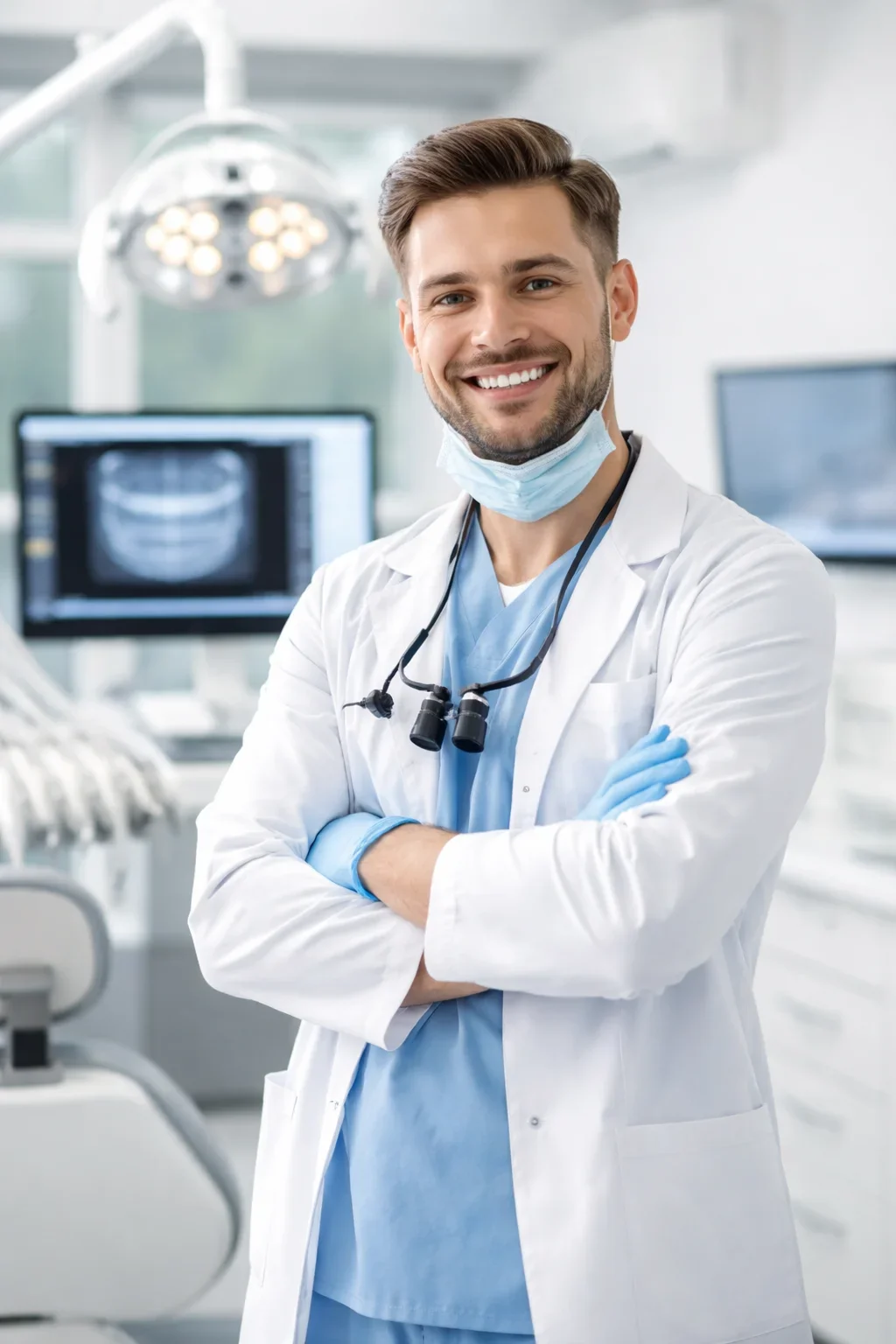
The Future of Dentistry Through the Eyes of the Modern Dentist
Looking ahead, dentistry is entering an era of rapid transformation, and the modern dentist is at the forefront of shaping what comes next. Patients searching for this topic are often curious about how dental care will evolve in the coming years—whether treatments will become faster, safer, more personalized, and more connected to overall health. The future of dentistry is not speculative fantasy; it is already taking shape in today’s clinics through innovation, research, and a deeper understanding of patient needs 😊.
The modern dentist does not simply adapt to change but actively prepares for it. By embracing digital tools, data-driven decision-making, and patient-centered philosophies, modern dentists ensure that future dental care will be more precise, accessible, and holistic than ever before.
Digital Transformation and Smart Dentistry
One of the most significant drivers of future dentistry is digital transformation. The modern dentist is increasingly supported by smart technologies such as artificial intelligence, cloud-based records, and advanced diagnostic software. These tools enable faster analysis, improved accuracy, and more consistent treatment outcomes.
AI-assisted diagnostics, for example, will continue to evolve, helping the modern dentist detect early-stage disease patterns that may not be immediately visible. This does not replace professional expertise but enhances it, allowing dentists to make better-informed decisions and reduce the risk of human error 👍.
Personalized and Predictive Dental Care
The future of dentistry is highly personalized. The modern dentist is moving toward predictive care models that anticipate problems before they develop. By analyzing patient history, genetics, lifestyle factors, and digital records, dentists can create highly individualized prevention and treatment plans.
This predictive approach shifts dentistry even further toward prevention. The modern dentist will increasingly focus on maintaining health rather than repairing damage, improving both patient outcomes and quality of life ✨.
Biomaterials and Regenerative Dentistry
Advances in dental materials are also shaping the future. The modern dentist already uses high-performance ceramics and biocompatible materials, but research into regenerative dentistry promises even greater breakthroughs.
In the future, the modern dentist may be able to stimulate natural tissue regeneration, repairing enamel, dentin, or gum tissue biologically rather than mechanically. These developments could dramatically reduce the need for invasive procedures and extend the lifespan of natural teeth 🦷.
Tele-Dentistry and Global Accessibility
Tele-dentistry is another area where the modern dentist is expanding the reach of care. Virtual consultations, remote monitoring, and digital follow-ups make dental advice more accessible, especially for patients in remote areas or those with mobility limitations.
While hands-on treatment will always require in-person visits, the modern dentist uses tele-dentistry to enhance communication, improve continuity of care, and support early intervention. This hybrid model reflects the future of healthcare delivery across all medical fields 🌍.
Sustainability and Ethical Responsibility
Future dentistry is also becoming more environmentally conscious. The modern dentist is increasingly aware of sustainability, waste reduction, and eco-friendly practice management. Digital records, reduced chemical usage, and energy-efficient equipment contribute to greener dental clinics.
Ethical responsibility remains central. The modern dentist will continue to prioritize patient welfare, informed consent, and evidence-based care, ensuring that technological advancement never compromises trust or safety 💙.
The Human Element in a High-Tech Future
Despite rapid technological progress, the future of dentistry remains deeply human. The modern dentist understands that empathy, communication, and trust cannot be automated. Technology enhances care, but the dentist–patient relationship remains the foundation of successful treatment.
Modern dentists will continue to balance innovation with compassion, ensuring patients feel understood, supported, and confident in their care. The modern dentist of the future will be both highly skilled and deeply patient-focused.
In conclusion, the future of dentistry reflects the evolving role of the modern dentist as a healthcare innovator, preventive specialist, and patient advocate. Through digital intelligence, personalized care, regenerative research, and ethical leadership, modern dentistry is set to become more effective and more human at the same time. Patients who choose forward-thinking dental professionals position themselves to benefit from a future where oral health care is smarter, gentler, and truly integrated into overall well-being ✨.