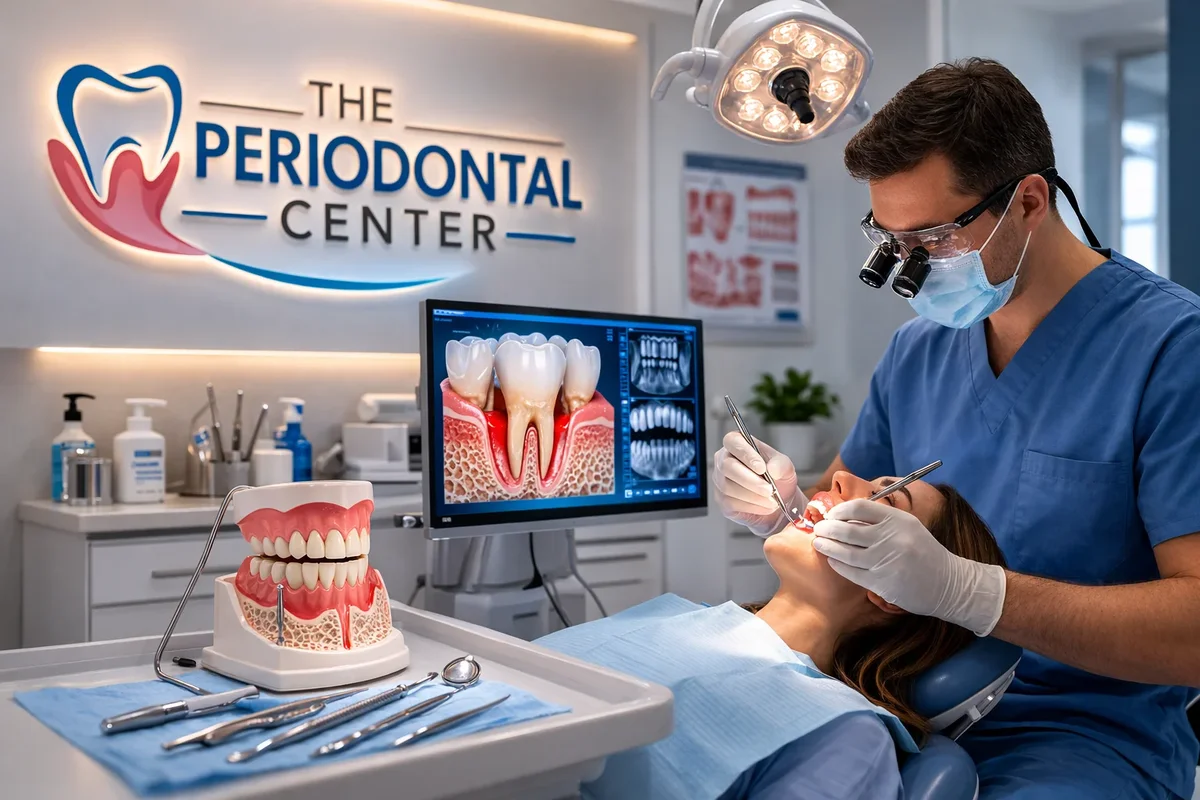
The Periodontal Center: Complete Guide to Advanced Gum Care

the periodontal center

When patients search for the periodontal center, they are usually looking for specialized care focused on the health of their gums, supporting bone, and the structures that hold their teeth firmly in place. Unlike a general dental clinic that provides routine cleanings and fillings, the periodontal center concentrates specifically on preventing, diagnosing, and treating periodontal (gum) disease and related conditions. This makes the periodontal center an essential destination for individuals experiencing bleeding gums, gum recession, persistent bad breath, loose teeth, or advanced bone loss.

At its core, the periodontal center is designed to protect one of the most critical foundations of oral health: the periodontium. The periodontium includes the gums, alveolar bone, cementum, and periodontal ligament. When these structures become inflamed or infected, the stability of your teeth is compromised. That is why visiting the periodontal center at the earliest signs of gum problems can prevent long-term damage and even tooth loss. 🦷

One of the primary reasons patients choose the periodontal center is the expertise of periodontists. A periodontist undergoes several additional years of specialized training beyond dental school, focusing specifically on gum disease management, surgical techniques, regenerative procedures, and implant placement. This advanced knowledge ensures that the periodontal center can offer both non-surgical and surgical treatment options tailored to each patient’s condition.

Another important aspect of the periodontal center is early diagnosis. Gum disease often begins silently. In its early stage (gingivitis), symptoms may be mild, such as slight bleeding when brushing. However, without professional evaluation at the periodontal center, gingivitis can progress into periodontitis. At this stage, the infection spreads below the gum line, destroying supporting bone and tissues. Professional assessment at the periodontal center includes periodontal probing, digital imaging, and a full evaluation of gum pocket depth to determine disease severity.

Patients are often surprised to learn that gum health is closely connected to overall health. Research supported by organizations such as the American Dental Association shows strong links between periodontal disease and systemic conditions like diabetes, cardiovascular disease, and respiratory problems. By seeking care at the periodontal center, patients are not only protecting their smile but also contributing to better overall health. ❤️

Beyond disease treatment, the periodontal center also plays a crucial role in aesthetic and restorative dentistry. For example, if you are considering dental implants, your first step should often be an evaluation at the periodontal center. Successful implant placement depends on healthy gums and adequate bone support. In cases of bone loss, the periodontal center can provide bone grafting and regenerative procedures to rebuild lost structures before implant placement.

Modern the periodontal center facilities use advanced technologies such as laser periodontal therapy, 3D imaging (CBCT scans), and minimally invasive surgical techniques. These innovations allow the periodontal center to offer more comfortable procedures, faster healing times, and improved long-term outcomes. 😊 Patients benefit from reduced discomfort and more predictable results compared to traditional methods.

Another major advantage of the periodontal center is personalized treatment planning. No two cases of gum disease are identical. During your consultation at the periodontal center, the specialist will evaluate your medical history, oral hygiene habits, genetic risk factors, and lifestyle elements such as smoking. Based on this information, a customized plan may include scaling and root planing (deep cleaning), antimicrobial therapy, laser treatment, flap surgery, or regenerative procedures.

For international patients or those seeking comprehensive care, coordination with a full-service dental clinic is also essential. If you would like to discuss advanced periodontal treatment options or schedule a consultation, you can visit the Redent Klinik Contact Page for more information. Integrating general dental care with services provided by the periodontal center ensures complete oral rehabilitation.

Cost is another frequent concern. While prices vary depending on the complexity of the condition, non-surgical periodontal therapy in the United States typically ranges between $500 and $1,500 per quadrant. Surgical procedures may range from $1,000 to $3,000 per area treated. Although these figures can differ by region and case severity, early treatment at the periodontal center is often more cost-effective than delaying care and facing tooth replacement procedures later.

In summary, the periodontal center is not just a place for treating gum disease—it is a specialized hub dedicated to preserving the foundation of your smile. From early detection and preventive strategies to advanced surgical care and implant support, the periodontal center provides comprehensive solutions for long-term oral health. If you notice any signs of gum discomfort, bleeding, or mobility, consulting the periodontal center promptly can protect your teeth, improve your overall health, and restore your confidence. 🌟

What Is The Periodontal Center and Why It Matters

Understanding the periodontal center begins with recognizing the vital role that gum health plays in your overall oral stability. Many people focus primarily on teeth—whitening, fillings, crowns, or orthodontics—yet the true foundation of a healthy smile lies beneath the surface. The periodontal center specializes in protecting and restoring the tissues and bone structures that anchor your teeth securely in place. Without healthy gums, even the strongest teeth can become unstable over time.

The periodontal center is not simply another dental office; it is a specialized facility dedicated to the diagnosis, prevention, and treatment of periodontal disease and related conditions. Patients who visit the periodontal center often present with symptoms such as bleeding gums, gum recession, persistent bad breath, tooth sensitivity, or even loose teeth. These are not minor cosmetic concerns—they are warning signs that the supporting structures of the teeth may be compromised.

The Role of Periodontal Specialists

At the periodontal center, care is typically provided by a periodontist—a dental specialist who has completed additional years of advanced training focused exclusively on gum disease and implant-related procedures. This expertise allows the periodontal center to manage both early-stage gingivitis and advanced periodontitis with precision and evidence-based techniques.

Unlike general dentistry practices, the periodontal center concentrates specifically on the periodontium, which includes:

  • The gingiva (gums)
  • The alveolar bone
  • The periodontal ligament
  • The cementum covering the tooth root

Damage to any of these components can jeopardize tooth stability. That is why the periodontal center plays such a crucial role in long-term oral health. 🦷

Why Specialized Care Is Important

Gum disease can progress silently. In its early stage, known as gingivitis, symptoms may be mild—slight redness, swelling, or occasional bleeding. Without intervention at the periodontal center, gingivitis can advance to periodontitis. At this stage, bacteria spread below the gum line, forming deep pockets that harbor infection and gradually destroy supporting bone.

The periodontal center uses detailed periodontal charting and digital imaging to measure pocket depths and assess bone levels. Early detection at the periodontal center can prevent irreversible damage and significantly reduce the need for surgical intervention later.

Connection Between Gum Health and Overall Health

One of the most important reasons why the periodontal center matters is the strong connection between gum health and systemic health. Numerous clinical studies indicate links between periodontal disease and conditions such as diabetes, heart disease, stroke, and respiratory infections. Chronic inflammation in the gums can contribute to inflammatory responses throughout the body.

By addressing infection and inflammation at the periodontal center, patients are not only improving their oral condition but also potentially lowering systemic health risks. ❤️ This comprehensive perspective makes the periodontal center an essential component of preventive healthcare.

Advanced Diagnostic Technology at The Periodontal Center

Modern the periodontal center facilities utilize advanced technology to ensure accurate diagnosis and treatment planning. These may include:

  • Digital X-rays for precise bone level evaluation
  • 3D CBCT scans for implant planning
  • Laser-assisted periodontal assessment
  • Computerized periodontal charting systems

Such tools allow the periodontal center to create individualized treatment strategies based on objective clinical findings. This technology-driven approach increases predictability and improves patient comfort. 😊

Preventive and Corrective Services

The periodontal center offers a broad range of services that extend beyond simple cleaning procedures. These services may include:

  • Scaling and root planing (deep cleaning)
  • Laser periodontal therapy
  • Gum grafting for recession treatment
  • Bone grafting for regeneration
  • Dental implant placement
  • Maintenance therapy for long-term stability

Each procedure performed at the periodontal center is carefully selected based on the patient’s clinical condition. The goal is not only to eliminate infection but also to restore lost structures whenever possible.

Why Early Visits to The Periodontal Center Save Time and Money

Many patients delay visiting the periodontal center because they underestimate gum disease severity. However, early-stage treatment is significantly more affordable and less invasive than advanced surgical procedures.

For example, non-surgical scaling and root planing at the periodontal center may range from $500 to $1,500 per quadrant in the United States, depending on complexity. Surgical procedures can range between $1,000 and $3,000 per treatment area. Early intervention at the periodontal center often prevents tooth loss, which would otherwise require implants or bridges—treatments that are considerably more expensive.

Patient-Centered Approach

Another reason the periodontal center matters is its focus on personalized care. Each patient undergoes a comprehensive evaluation that includes medical history review, lifestyle assessment (such as smoking habits), and genetic risk considerations. Based on this evaluation, the periodontal center creates a customized treatment and maintenance plan designed for long-term success.

Education is also a central component of care at the periodontal center. Patients receive detailed guidance on home care routines, including proper brushing techniques, flossing methods, and the use of antimicrobial rinses. This collaborative approach ensures that improvements achieved at the periodontal center are maintained between visits.

In conclusion, the periodontal center is more than a treatment facility—it is a specialized environment dedicated to preserving the structural integrity of your smile. Through expert diagnosis, advanced technology, preventive strategies, and regenerative treatments, the periodontal center plays a critical role in maintaining both oral and systemic health. Seeking care at the periodontal center at the earliest sign of gum issues can protect your teeth, improve your quality of life, and provide lasting peace of mind. 🌟

Signs You Should Visit The Periodontal Center Immediately

Recognizing the early warning signs of gum disease can make the difference between simple preventive care and complex surgical treatment. Many patients delay scheduling an appointment at the periodontal center because they assume minor gum symptoms will resolve on their own. Unfortunately, periodontal disease is progressive. Without professional evaluation at the periodontal center, early inflammation can silently advance into severe infection and bone loss.

This section explains the most important symptoms that indicate you should contact the periodontal center as soon as possible. Acting early not only protects your smile but also reduces long-term treatment costs and systemic health risks. 🦷

Bleeding Gums During Brushing or Flossing

One of the most common early signs that you need the periodontal center is bleeding gums. Healthy gums do not bleed easily. If you notice blood while brushing or flossing, it is often a sign of gingival inflammation. While some people believe they are brushing too hard, persistent bleeding is frequently an indication of gingivitis.

At the periodontal center, specialists perform detailed periodontal charting to measure pocket depths and evaluate inflammation. Early intervention at the periodontal center can reverse gingivitis before it progresses to periodontitis. Ignoring bleeding gums may allow bacteria to penetrate deeper below the gum line, where they become more difficult to treat.

When Bleeding Becomes a Serious Concern

If bleeding is accompanied by swelling, tenderness, or persistent discomfort, you should prioritize an appointment at the periodontal center. Advanced diagnostic tools used at the periodontal center can determine whether bone involvement has already begun.

Persistent Bad Breath (Halitosis)

Chronic bad breath is another warning sign that should not be ignored. While temporary bad breath may result from certain foods, persistent halitosis often indicates bacterial accumulation below the gum line. The periodontal center specializes in identifying and eliminating the underlying infection responsible for this condition.

At the periodontal center, treatment may include deep cleaning procedures such as scaling and root planing to remove plaque and tartar from beneath the gums. By addressing the root cause at the periodontal center, patients often experience significant improvement in both oral freshness and overall comfort. 😊

Gum Recession and Tooth Sensitivity

If your teeth appear longer than before, you may be experiencing gum recession. Receding gums expose tooth roots, increasing sensitivity and vulnerability to decay. The periodontal center evaluates the severity of gum recession and determines whether surgical or non-surgical intervention is necessary.

In some cases, the periodontal center may recommend gum grafting procedures to restore lost tissue and protect exposed roots. Early treatment at the periodontal center prevents further tissue breakdown and enhances both aesthetics and function.

Why Gum Recession Should Not Be Ignored

Left untreated, gum recession can lead to root decay and even tooth mobility. Consulting the periodontal center ensures that the condition is stabilized before more invasive procedures become necessary.

Loose or Shifting Teeth

One of the most alarming signs that you need immediate care at the periodontal center is tooth mobility. When periodontal disease destroys the supporting bone, teeth may begin to feel loose or shift position. This is a strong indicator that advanced periodontitis may be present.

At the periodontal center, specialists assess bone levels using digital imaging and 3D scans. Treatment may involve infection control, regenerative procedures, or stabilization techniques. Seeking care at the periodontal center promptly can sometimes prevent tooth loss.

Pus or Gum Abscess Formation

The presence of pus between the teeth and gums is a clear sign of infection that requires urgent attention at the periodontal center. A periodontal abscess can cause severe pain, swelling, and systemic complications if untreated.

The periodontal center provides emergency periodontal care to drain infection, prescribe appropriate antimicrobial therapy, and address the underlying cause. Delaying treatment at the periodontal center can lead to rapid bone destruction and serious health consequences. ⚠️

Changes in Bite or Denture Fit

If your bite feels different or your dentures no longer fit properly, it may indicate changes in gum and bone structure. The periodontal center evaluates these structural changes and determines whether bone loss is contributing to instability.

In cases involving dental implants, the periodontal center also monitors peri-implant health. Early detection of inflammation around implants allows the periodontal center to intervene before implant failure occurs.

Systemic Conditions That Increase Risk

Certain medical conditions increase your risk of periodontal disease. Individuals with diabetes, cardiovascular disease, or weakened immune systems should schedule regular evaluations at the periodontal center. Hormonal changes during pregnancy can also increase gum sensitivity and inflammation.

Preventive monitoring at the periodontal center helps reduce complications associated with these systemic conditions. ❤️ Maintaining regular visits to the periodontal center ensures that early signs of infection are addressed promptly.

When to Schedule an Immediate Consultation

If you experience any combination of bleeding, swelling, bad breath, gum recession, loose teeth, or pain, you should contact the periodontal center without delay. Early diagnosis at the periodontal center often allows for minimally invasive treatment options, shorter recovery times, and lower overall costs.

In summary, the warning signs discussed above should never be ignored. The periodontal center exists specifically to diagnose and treat these conditions before they lead to irreversible damage. Prompt care at the periodontal center preserves your natural teeth, protects your overall health, and restores confidence in your smile. 🌟

Advanced Technology Used at The Periodontal Center

Modern dentistry has evolved significantly over the past two decades, and the periodontal center stands at the forefront of these advancements. Patients today expect precision, comfort, and predictable outcomes. To meet these expectations, the periodontal center integrates state-of-the-art diagnostic and treatment technologies that improve accuracy, reduce discomfort, and accelerate healing. Technology is not simply an upgrade—it is a critical component of delivering safe and effective periodontal care.

When you visit the periodontal center, you are entering a highly specialized clinical environment designed to detect even the earliest signs of gum disease and bone deterioration. Early detection allows the periodontal center to intervene before irreversible damage occurs. 🦷

Digital Periodontal Charting Systems

One of the essential tools used at the periodontal center is digital periodontal charting. Instead of relying solely on manual measurements, advanced software records pocket depths, gum recession levels, and bleeding points with high precision. This allows the periodontal center to track disease progression over time and compare results across multiple visits.

Accurate charting at the periodontal center helps create personalized treatment plans. By identifying specific problem areas, specialists at the periodontal center can target therapy where it is most needed, improving treatment efficiency and long-term outcomes.

Benefits of Digital Charting

  • More accurate pocket depth measurements
  • Better monitoring of disease progression
  • Clear visual explanations for patients
  • Improved documentation for insurance purposes

These advantages allow the periodontal center to provide evidence-based care supported by measurable data.

3D Cone Beam Computed Tomography (CBCT)

For complex cases, the periodontal center often utilizes 3D CBCT imaging. This advanced imaging system provides a three-dimensional view of bone structure, nerve pathways, and sinus anatomy. Unlike traditional two-dimensional X-rays, CBCT scans used at the periodontal center reveal detailed bone density and structural integrity.

This technology is particularly important for dental implant planning. Before placing implants, the periodontal center evaluates bone volume and identifies potential anatomical risks. Accurate imaging reduces surgical complications and improves implant success rates. 😊

Why CBCT Imaging Matters

Without advanced imaging, bone defects or hidden infections might go unnoticed. By using CBCT, the periodontal center ensures precise diagnosis and optimal surgical planning.

Laser-Assisted Periodontal Therapy

Laser technology represents one of the most significant innovations in modern periodontal care. The periodontal center may offer laser-assisted therapy to remove infected tissue and bacteria with minimal invasiveness. Compared to traditional surgical methods, laser treatment at the periodontal center often results in less bleeding, reduced swelling, and faster recovery.

Laser periodontal therapy performed at the periodontal center can also stimulate tissue regeneration and encourage healthier gum attachment. For patients anxious about surgery, laser treatment at the periodontal center provides a more comfortable alternative.

Ultrasonic Scaling and Root Planing

Deep cleaning procedures are enhanced at the periodontal center through ultrasonic scaling devices. These instruments use high-frequency vibrations to break apart hardened tartar deposits beneath the gum line. When combined with manual instruments, ultrasonic tools at the periodontal center provide thorough debridement of infected areas.

Efficient removal of bacterial biofilm at the periodontal center is essential for controlling inflammation and halting disease progression. Advanced ultrasonic systems also improve patient comfort during treatment. 🪥

Microsurgical Techniques

Precision is critical in periodontal surgery. The periodontal center may use microsurgical instruments and magnification tools to perform delicate procedures such as gum grafting and regenerative surgery. Enhanced visualization allows the periodontal center to preserve healthy tissue while removing diseased areas.

Microsurgical methods at the periodontal center often lead to smaller incisions, faster healing, and improved aesthetic outcomes. Patients benefit from reduced post-operative discomfort and minimal scarring.

Regenerative Materials and Biologics

Advanced regenerative materials are another hallmark of the periodontal center. Bone graft materials, growth factors, and guided tissue regeneration membranes help rebuild structures lost to periodontal disease. By using these innovations, the periodontal center can stimulate natural healing processes and restore stability to compromised teeth.

Regenerative procedures performed at the periodontal center are particularly beneficial for patients preparing for dental implants or seeking to preserve natural teeth affected by bone loss.

Digital Patient Communication Systems

Technology at the periodontal center extends beyond clinical tools. Many facilities use digital consultation platforms to educate patients. Visual displays of 3D scans and intraoral images help patients understand their condition. This transparency strengthens trust and encourages informed decision-making at the periodontal center. ❤️

How Technology Improves Long-Term Outcomes

The integration of advanced systems ensures that the periodontal center delivers predictable, measurable, and safe results. Accurate diagnostics reduce overtreatment and undertreatment. Minimally invasive techniques lower recovery time. Regenerative solutions restore lost tissues. Together, these innovations position the periodontal center as a leader in modern gum care.

In conclusion, the technological advancements used at the periodontal center are not optional luxuries—they are essential tools that elevate the standard of care. From digital charting and 3D imaging to laser therapy and regenerative materials, the periodontal center combines expertise with innovation to protect your oral health. By choosing the periodontal center, patients gain access to precise diagnostics, comfortable procedures, and long-lasting periodontal stability. 🌟

Periodontal Disease Treatment Options at The Periodontal Center

When gum disease progresses beyond mild inflammation, professional intervention becomes essential. The periodontal center provides comprehensive treatment solutions tailored to the severity of each case. From early-stage gingivitis to advanced periodontitis with significant bone loss, the periodontal center offers evidence-based therapies designed to stop infection, restore tissue health, and protect long-term tooth stability.

Understanding your treatment options at the periodontal center empowers you to make informed decisions. Because periodontal disease is progressive, early treatment at the periodontal center often leads to less invasive procedures and faster recovery times. 🦷

Non-Surgical Treatment Options

For mild to moderate periodontal disease, the periodontal center typically begins with non-surgical therapy. These treatments focus on eliminating bacterial buildup beneath the gum line and reducing inflammation.

Scaling and Root Planing (Deep Cleaning)

Scaling and root planing is one of the most common procedures performed at the periodontal center. This deep cleaning technique removes plaque and hardened tartar from below the gums. Root planing smooths the tooth roots to discourage bacterial reattachment.

At the periodontal center, ultrasonic instruments and specialized hand tools are used to thoroughly disinfect periodontal pockets. Many patients notice reduced bleeding and swelling within weeks of treatment at the periodontal center. 😊

Antimicrobial Therapy

In some cases, the periodontal center may place localized antimicrobial agents inside periodontal pockets. These medications target harmful bacteria directly and enhance the effectiveness of deep cleaning procedures. Systemic antibiotics may also be prescribed by the periodontal center in more aggressive cases.

Laser-Assisted Periodontal Therapy

Modern the periodontal center facilities often incorporate laser therapy to remove infected tissue with minimal discomfort. Laser-assisted treatment at the periodontal center reduces bleeding, preserves healthy tissue, and promotes faster healing compared to traditional surgical methods.

This approach is particularly beneficial for patients who prefer a minimally invasive option. By choosing laser therapy at the periodontal center, many individuals experience shorter recovery periods and improved clinical outcomes.

Surgical Treatment Options

When periodontal disease has advanced significantly, surgical intervention may be necessary. The periodontal center offers several surgical procedures designed to access deep infection, regenerate lost bone, and restore structural support.

Flap Surgery (Pocket Reduction Surgery)

Flap surgery is performed at the periodontal center when deep pockets cannot be treated effectively with non-surgical methods. During this procedure, the gum tissue is gently lifted to allow direct cleaning of infected root surfaces and bone defects.

After thorough decontamination at the periodontal center, the gum tissue is repositioned to reduce pocket depth. This creates an environment that is easier to maintain with daily oral hygiene.

Bone Grafting and Regenerative Procedures

In cases where bone has been lost, the periodontal center may recommend regenerative therapy. Bone graft materials, growth factors, and membranes are used to stimulate natural bone regeneration. These advanced procedures performed at the periodontal center can help rebuild structural support around teeth.

Regeneration not only stabilizes teeth but also prepares patients for future treatments such as dental implants. By offering these solutions, the periodontal center focuses on long-term preservation rather than temporary symptom relief. ❤️

Gum Grafting for Recession

When gum tissue recedes significantly, the periodontal center may perform gum grafting procedures. Tissue from another area of the mouth is used to cover exposed roots and protect against sensitivity and decay.

Gum grafting at the periodontal center improves both function and aesthetics, restoring a healthier gum line while reducing discomfort.

Dental Implants After Periodontal Treatment

If periodontal disease has resulted in tooth loss, the periodontal center often provides dental implant placement. Implants require healthy bone and gum tissue, which is why infection control at the periodontal center is critical before implant surgery.

Through comprehensive evaluation and treatment planning, the periodontal center ensures that implant placement is performed under optimal conditions for long-term success.

Maintenance Therapy and Long-Term Monitoring

Treatment does not end after the initial procedure. The periodontal center emphasizes ongoing maintenance therapy to prevent recurrence. Patients typically return every three to four months for periodontal maintenance cleanings at the periodontal center.

Regular monitoring allows the periodontal center to detect early signs of inflammation before they progress. This preventive approach significantly reduces the risk of future complications.

Estimated Treatment Costs

Costs vary depending on the severity of the condition and geographic location. In the United States, non-surgical scaling and root planing at the periodontal center may range from $500 to $1,500 per quadrant. Flap surgery can range between $1,000 and $3,000 per area, while regenerative procedures may cost between $1,500 and $4,000 depending on materials used.

Although these costs may seem significant, early treatment at the periodontal center often prevents more extensive—and expensive—procedures later.

Why Timely Treatment Matters

Delaying care allows bacteria to continue destroying bone and connective tissue. By seeking prompt evaluation at the periodontal center, patients increase their chances of preserving natural teeth and avoiding complex surgical interventions.

In summary, the periodontal center offers a full spectrum of treatment options, from non-invasive therapies to advanced regenerative surgery. Every procedure performed at the periodontal center is designed to eliminate infection, rebuild support structures, and restore confidence in your smile. Through early diagnosis, personalized care, and advanced techniques, the periodontal center provides comprehensive solutions for lasting periodontal health. 🌟

Dental Implants and Bone Grafting at The Periodontal Center

Tooth loss can significantly affect both oral function and self-confidence. Fortunately, modern restorative dentistry offers predictable and long-lasting solutions. The periodontal center plays a critical role in dental implant placement and bone grafting procedures, ensuring that patients regain both stability and aesthetics. Because implants rely heavily on healthy bone and gum tissue, proper evaluation and preparation at the periodontal center are essential for long-term success. 🦷

When patients consider replacing missing teeth, they often do not realize that the foundation of implant success begins at the periodontal center. The health of the surrounding bone and soft tissue determines whether an implant can integrate properly. This process, known as osseointegration, requires precise planning and careful surgical execution—both of which are specialties of the periodontal center.

Why Dental Implants Require Periodontal Expertise

Dental implants are titanium posts surgically placed into the jawbone to replace missing tooth roots. Unlike removable dentures or bridges, implants are anchored directly into bone. The periodontal center evaluates bone density, gum condition, and overall oral health before recommending implant placement.

Specialists at the periodontal center use digital imaging, including 3D CBCT scans, to measure bone volume and identify anatomical structures such as nerves and sinuses. This advanced assessment ensures that implant placement at the periodontal center is both safe and precisely positioned.

Benefits of Implant Treatment at The Periodontal Center

  • Specialized surgical expertise
  • Comprehensive bone evaluation
  • Reduced risk of implant failure
  • Improved aesthetic outcomes

Choosing the periodontal center for implant placement often results in higher success rates compared to general dental settings without advanced periodontal training.

Bone Loss After Tooth Extraction

After a tooth is lost or extracted, the jawbone in that area begins to shrink. Without stimulation from a natural tooth root, bone resorption occurs. The periodontal center addresses this issue by recommending bone preservation techniques immediately after extraction.

Socket preservation procedures performed at the periodontal center involve placing bone graft material into the extraction site. This helps maintain bone volume and prepares the area for future implant placement.

Consequences of Untreated Bone Loss

If bone loss progresses significantly, implant placement may become more complex. In such cases, the periodontal center provides advanced bone grafting solutions to rebuild the jaw structure before implants are inserted.

Types of Bone Grafting Procedures

Bone grafting is a specialized procedure commonly performed at the periodontal center. The goal is to regenerate lost bone and create a stable foundation for implants.

Guided Bone Regeneration (GBR)

In guided bone regeneration, the periodontal center uses bone graft material along with a protective membrane. This membrane prevents soft tissue from interfering with bone growth, allowing natural regeneration to occur.

Sinus Lift Surgery

For implants in the upper back jaw, insufficient bone height is common. The periodontal center performs sinus lift procedures to gently elevate the sinus membrane and place bone graft material beneath it. This creates adequate support for implant placement.

Ridge Augmentation

When jawbone width or height is insufficient, ridge augmentation at the periodontal center rebuilds the area to accommodate implants. This procedure restores proper contour and structural integrity.

The Implant Placement Process

Once sufficient bone volume is achieved, the periodontal center proceeds with implant placement. The procedure is typically performed under local anesthesia, and sedation options may be available for anxious patients. 😊

During surgery at the periodontal center, the implant is carefully positioned into the bone. Over the next several months, osseointegration occurs as the bone fuses with the titanium surface. Follow-up appointments at the periodontal center ensure proper healing and stability.

Healing and Aftercare

Post-operative care is essential for implant success. The periodontal center provides detailed instructions on oral hygiene, diet modifications, and follow-up visits. Maintaining healthy gums around the implant is critical, and the periodontal center emphasizes regular periodontal maintenance appointments.

With proper care, implants placed at the periodontal center can last decades. Long-term success depends on consistent monitoring and preventive care.

Estimated Costs of Implants and Bone Grafting

Costs vary based on complexity and geographic location. In the United States:

  • Single dental implant: $3,000 – $6,000 (including crown)
  • Bone grafting procedure: $600 – $3,000 per site
  • Sinus lift surgery: $1,500 – $5,000

While these figures represent average ranges, early evaluation at the periodontal center often reduces the need for extensive grafting, thereby lowering overall costs.

Long-Term Benefits of Treatment at The Periodontal Center

Receiving implant and bone grafting care at the periodontal center ensures comprehensive treatment planning and structural precision. Beyond restoring missing teeth, the periodontal center focuses on maintaining the health of surrounding tissues to prevent future complications.

In conclusion, the periodontal center provides expert-level implant placement and bone regeneration services that restore both function and confidence. Through advanced imaging, surgical precision, and personalized care, the periodontal center offers durable and predictable solutions for tooth replacement. By choosing the periodontal center, patients invest in a stable, healthy, and long-lasting smile. 🌟

Cost of Treatment at The Periodontal Center: What to Expect

One of the most common questions patients ask before scheduling an appointment is about the financial aspect of care. Understanding the cost structure at the periodontal center helps patients plan confidently and avoid unexpected surprises. Because periodontal treatments range from preventive cleanings to advanced regenerative surgery, the total investment at the periodontal center depends largely on the severity of the condition, the type of procedure required, and the geographic location of the practice.

It is important to remember that early evaluation at the periodontal center often reduces long-term expenses. Delaying care may allow gum disease to progress, leading to more complex—and more costly—procedures. 🦷

Initial Consultation and Diagnostic Costs

The first step at the periodontal center is a comprehensive examination. This typically includes periodontal charting, digital X-rays, and sometimes 3D CBCT imaging. The consultation fee at the periodontal center in the United States generally ranges between $100 and $300, depending on diagnostic complexity.

Advanced imaging at the periodontal center may add $150 to $400 if CBCT scans are required. Although these diagnostics represent an upfront cost, they are essential for creating an accurate and personalized treatment plan at the periodontal center.

Why Diagnostics Matter Financially

Precise diagnosis at the periodontal center prevents overtreatment and unnecessary procedures. Accurate imaging ensures that patients only pay for treatments that are truly required.

Non-Surgical Treatment Costs

For early to moderate periodontal disease, the periodontal center typically recommends scaling and root planing (deep cleaning). In the United States, this procedure usually costs between $500 and $1,500 per quadrant. Because there are four quadrants in the mouth, total treatment at the periodontal center may range from $1,000 to $4,000 depending on disease severity.

Localized antimicrobial therapy performed at the periodontal center may cost an additional $50 to $150 per site. These treatments help reduce bacterial levels and improve healing outcomes.

Surgical Treatment Expenses

When periodontal disease has advanced, surgical intervention at the periodontal center may be necessary. Costs vary depending on procedure type and complexity.

Flap Surgery (Pocket Reduction)

Flap surgery performed at the periodontal center generally ranges between $1,000 and $3,000 per treatment area. This procedure involves lifting the gum tissue to remove deep infection and reduce pocket depth.

Bone Grafting and Regenerative Procedures

Bone grafting at the periodontal center may cost between $600 and $3,000 per site, depending on the materials used. Guided tissue regeneration procedures performed at the periodontal center can range from $1,500 to $4,000.

Although these costs may seem significant, regenerative treatment at the periodontal center can prevent tooth loss and eliminate the need for future implant replacement, which may be more expensive in the long term. ❤️

Dental Implant Costs

If tooth loss has already occurred, the periodontal center may provide dental implant placement. The average cost of a single dental implant—including the implant fixture, abutment, and crown—typically ranges between $3,000 and $6,000 in the United States.

If bone grafting or sinus lift procedures are required before implant placement, total costs at the periodontal center may increase. However, combining regenerative care and implant therapy at the periodontal center ensures coordinated and efficient treatment planning.

Maintenance Therapy Costs

After active treatment, patients return to the periodontal center for regular periodontal maintenance. These visits typically occur every three to four months and may cost between $150 and $350 per session. Maintenance care at the periodontal center is essential to prevent recurrence of infection and protect the long-term investment made in treatment.

Insurance Coverage and Payment Options

Many dental insurance plans partially cover procedures performed at the periodontal center, particularly non-surgical therapies and some surgical treatments. Coverage percentages often range from 50% to 80%, depending on the specific policy.

Additionally, the periodontal center may offer financing options, payment plans, or partnerships with third-party healthcare financing companies. Discussing financial arrangements openly with the periodontal center ensures that patients receive the care they need without undue financial stress. 😊

Long-Term Value of Early Treatment

While the initial cost of care at the periodontal center may seem substantial, it is important to evaluate the long-term value. Untreated periodontal disease can result in tooth loss, bone destruction, and systemic health complications. Replacing a single missing tooth with an implant can cost significantly more than early-stage treatment at the periodontal center.

Preventive visits and timely intervention at the periodontal center often reduce the need for extensive surgery, making overall treatment more affordable.

Is Treatment at The Periodontal Center Worth the Investment?

When considering cost, it is helpful to think beyond short-term expenses. The periodontal center provides specialized care that protects your natural teeth, preserves bone structure, and supports overall health. The expertise and advanced technology available at the periodontal center contribute to predictable, long-lasting results.

In conclusion, treatment costs at the periodontal center vary depending on individual needs, but early diagnosis and proactive care often minimize long-term expenses. By choosing the periodontal center, patients invest not only in their smile but also in their overall well-being. 🌟

Preventive Care Strategies Recommended by The Periodontal Center

Prevention is the foundation of long-term oral health, and the periodontal center places significant emphasis on proactive care rather than reactive treatment. While advanced surgical and regenerative procedures are available at the periodontal center, the ultimate goal is to prevent gum disease from developing or recurring in the first place. By following the preventive strategies recommended by the periodontal center, patients can protect their gums, preserve bone structure, and maintain a confident smile for years to come. 🦷

Gum disease often begins silently, making routine preventive visits to the periodontal center essential. Even patients who brush and floss daily may accumulate plaque and tartar in hard-to-reach areas. Regular monitoring at the periodontal center ensures that minor inflammation does not progress into advanced periodontal disease.

Professional Periodontal Maintenance

After active treatment or as part of routine care, the periodontal center typically recommends periodontal maintenance appointments every three to four months. These visits are more detailed than standard dental cleanings. During maintenance sessions at the periodontal center, specialists carefully remove plaque and tartar from above and below the gum line.

Frequent professional cleaning at the periodontal center reduces bacterial buildup and allows early detection of subtle changes in gum health. This proactive approach significantly lowers the risk of disease recurrence. 😊

Why Maintenance Intervals Are Shorter

Patients treated for periodontal disease are more susceptible to reinfection. The periodontal center schedules shorter intervals to disrupt bacterial growth before it becomes destructive again.

Personalized Oral Hygiene Guidance

Education is a key component of preventive care at the periodontal center. During consultations, patients receive customized guidance on brushing techniques, flossing methods, and the use of adjunctive tools such as interdental brushes and water flossers.

Because every patient’s gum anatomy is different, the periodontal center tailors recommendations to individual needs. For example, patients with deeper pockets may benefit from specific antimicrobial rinses suggested by the periodontal center. ❤️

Recommended Daily Practices

  • Brushing twice daily with a soft-bristled toothbrush
  • Using fluoridated toothpaste
  • Flossing or using interdental cleaners daily
  • Incorporating antimicrobial mouth rinses if advised by the periodontal center

Lifestyle Modifications to Support Gum Health

Preventive strategies at the periodontal center extend beyond brushing and flossing. Lifestyle factors such as smoking, poor nutrition, and uncontrolled diabetes significantly increase periodontal risk. Specialists at the periodontal center often discuss these risk factors and provide guidance for healthier choices.

Smoking cessation is strongly encouraged at the periodontal center, as tobacco use reduces blood flow to the gums and impairs healing. Nutritional counseling may also be recommended to ensure adequate intake of vitamins and minerals that support tissue repair.

Monitoring Systemic Health Conditions

Systemic conditions such as diabetes and cardiovascular disease can influence periodontal health. The periodontal center emphasizes coordination between dental and medical care providers. Maintaining controlled blood sugar levels, for example, significantly improves treatment outcomes at the periodontal center.

Patients with chronic conditions are advised to schedule consistent check-ups at the periodontal center to monitor inflammatory markers and prevent complications.

Early Detection Through Advanced Diagnostics

Modern diagnostic tools at the periodontal center enhance preventive efforts. Digital periodontal charting and radiographic imaging allow specialists to detect even minor bone changes. Early identification of problem areas enables the periodontal center to intervene before extensive damage occurs.

In some cases, the periodontal center may recommend localized antimicrobial therapy at the first sign of pocket inflammation. This targeted approach prevents progression and supports tissue stability.

Protecting Dental Implants and Restorations

Patients who have received implants or restorative treatments must maintain excellent gum health. The periodontal center provides specialized maintenance programs to prevent peri-implantitis—an inflammatory condition affecting tissues around implants.

Routine evaluations at the periodontal center ensure that implants remain stable and free of infection. Preventive implant monitoring at the periodontal center protects long-term investment and oral function.

The Long-Term Benefits of Preventive Care

Preventive strategies recommended by the periodontal center offer both health and financial benefits. Early detection and consistent maintenance reduce the likelihood of costly surgical interventions. By adhering to preventive guidelines from the periodontal center, patients minimize the risk of tooth loss and systemic complications.

Moreover, preventive care at the periodontal center promotes overall well-being. Healthy gums reduce inflammation throughout the body, supporting cardiovascular and metabolic health. 🌟

Commitment to Lifelong Gum Health

In conclusion, prevention is a shared responsibility between the patient and the periodontal center. Through professional maintenance, personalized hygiene instruction, lifestyle guidance, and advanced diagnostics, the periodontal center provides a comprehensive framework for lifelong gum stability.

By consistently following the preventive strategies outlined by the periodontal center, patients can maintain strong, healthy gums and avoid the complications associated with periodontal disease. Investing in prevention at the periodontal center ensures long-term oral health, confidence, and peace of mind. 😊

Choosing The Right Specialist at The Periodontal Center

Selecting the right professional at the periodontal center is one of the most important decisions you can make for your long-term oral health. Periodontal treatment often involves complex diagnostic evaluations, surgical precision, and ongoing maintenance care. For that reason, the expertise and experience available at the periodontal center directly influence treatment outcomes. Patients who take the time to understand qualifications, technology, communication style, and long-term care philosophy at the periodontal center are more likely to achieve stable and predictable results. 🦷

Because gum disease can progress silently and affect overall health, the professional environment at the periodontal center should prioritize both clinical excellence and patient education. This section explains how to evaluate specialists at the periodontal center and what factors truly matter.

Board Certification and Advanced Training

One of the first aspects to consider when choosing care at the periodontal center is the specialist’s educational background. A periodontist completes additional years of postgraduate training beyond general dentistry. At the periodontal center, specialists are trained in advanced surgical procedures, regenerative techniques, implant placement, and management of complex periodontal conditions.

Board certification demonstrates a commitment to high professional standards. When evaluating the periodontal center, ask whether the periodontist maintains continuing education and stays updated on the latest clinical research. Ongoing professional development ensures that the periodontal center delivers evidence-based treatment aligned with modern standards of care. 😊

Questions to Ask About Credentials

  • How many years of specialized periodontal training has the doctor completed?
  • Does the specialist regularly attend advanced clinical workshops?
  • Is the professional affiliated with recognized dental organizations?

Clear answers to these questions help you assess the level of expertise available at the periodontal center.

Experience with Complex Cases

Not all periodontal cases are the same. Some patients require routine maintenance, while others need regenerative surgery or full-mouth rehabilitation. The experience level of specialists at the periodontal center is particularly important for advanced cases involving severe bone loss or implant complications.

Ask how frequently the team at the periodontal center performs procedures such as bone grafting, sinus lifts, or flap surgery. A higher volume of complex cases often indicates refined surgical skill and better predictability. ❤️

Technology and Clinical Environment

The technology used at the periodontal center plays a significant role in treatment accuracy and patient comfort. Advanced digital imaging, laser-assisted therapy, and computer-guided implant planning improve both safety and efficiency.

When visiting the periodontal center, observe whether modern diagnostic tools are integrated into the consultation process. A well-equipped the periodontal center reflects a commitment to precision and long-term success.

Importance of Modern Equipment

Advanced tools at the periodontal center reduce surgical risk, enhance diagnostic clarity, and shorten recovery time. Choosing a technologically advanced the periodontal center increases confidence in your treatment plan.

Communication and Patient Education

Effective communication is a hallmark of quality care at the periodontal center. A skilled specialist should explain your diagnosis clearly, outline all treatment options, and discuss potential risks and benefits. Transparent communication at the periodontal center ensures that you feel informed and involved in your care decisions.

During your consultation at the periodontal center, notice whether the provider encourages questions and provides visual aids or digital imaging to explain findings. Education empowers patients to maintain long-term gum health.

Comprehensive Treatment Planning

Another key factor when selecting the periodontal center is whether the clinic offers comprehensive care under one roof. Ideally, the periodontal center should provide preventive services, surgical treatments, regenerative therapy, and implant placement in a coordinated manner.

A well-structured treatment plan at the periodontal center outlines each phase clearly, including timelines and maintenance strategies. This organized approach reduces confusion and enhances predictability.

Long-Term Maintenance Philosophy

Gum health requires ongoing monitoring. The best the periodontal center emphasizes maintenance appointments and preventive care after active treatment. Specialists at the periodontal center should establish a clear follow-up schedule tailored to your individual risk factors.

Consistent maintenance at the periodontal center significantly lowers the risk of disease recurrence and protects your investment in treatment.

Patient Reviews and Reputation

Online reviews and patient testimonials can provide insight into the quality of care at the periodontal center. While individual experiences vary, consistent positive feedback regarding professionalism, cleanliness, and successful outcomes reflects reliability.

A reputable the periodontal center values patient satisfaction and maintains high ethical standards in both treatment and communication.

Personal Comfort and Trust

Beyond credentials and technology, comfort and trust are essential. You should feel respected and confident when receiving care at the periodontal center. Anxiety about dental procedures is common, and compassionate communication at the periodontal center can significantly improve your overall experience. 😊

Making an Informed Decision

In conclusion, choosing the right specialist at the periodontal center requires careful consideration of training, experience, technology, communication style, and long-term care philosophy. By thoroughly evaluating these factors, patients can ensure that the periodontal center they select provides comprehensive, personalized, and high-quality care.

Your gums form the foundation of your smile and overall health. Entrusting your treatment to a qualified team at the periodontal center increases the likelihood of stable results and lifelong oral wellness. 🌟

the periodontal center

Long-Term Results and Patient Experience at The Periodontal Center

When patients begin treatment at the periodontal center, one of their biggest concerns is long-term stability. They want to know whether their gums will remain healthy, whether implants will last, and whether the results will truly improve their quality of life. The reality is that long-term success at the periodontal center depends on a combination of expert clinical care, advanced technology, and consistent patient commitment. Fortunately, when these elements work together, outcomes from the periodontal center are highly predictable and sustainable. 🦷

Unlike temporary solutions that only address surface symptoms, the periodontal center focuses on structural integrity and disease control. By eliminating infection, rebuilding bone where possible, and stabilizing soft tissue, the periodontal center creates a strong biological foundation. This comprehensive philosophy is what sets the periodontal center apart from general dental care focused only on visible teeth.

What Determines Long-Term Success?

Several key factors influence the durability of results achieved at the periodontal center. Understanding these elements helps patients protect their investment in treatment.

1. Early Diagnosis and Timely Intervention

Patients who seek evaluation at the periodontal center during the early stages of gum inflammation typically experience faster healing and less invasive treatment. The earlier the periodontal center intervenes, the more natural tissue can be preserved.

2. Precision of Treatment Planning

Accurate diagnostics and personalized care at the periodontal center significantly improve predictability. Advanced imaging, digital charting, and careful surgical planning ensure that procedures performed at the periodontal center are tailored to each patient’s anatomy and risk factors.

3. Ongoing Maintenance Care

Long-term stability requires commitment. After active treatment, the periodontal center typically recommends maintenance visits every three to four months. These follow-ups allow the periodontal center to detect minor changes before they become serious problems. 😊

Patient Comfort and Recovery Experience

Modern techniques used at the periodontal center prioritize patient comfort. Minimally invasive surgical methods, laser therapy, and microsurgical instruments reduce trauma and promote faster healing. As a result, recovery after procedures at the periodontal center is often smoother than many patients expect.

Post-operative guidance from the periodontal center plays an essential role in healing. Clear instructions regarding oral hygiene, diet, and medication use support optimal tissue regeneration. Patients who follow aftercare recommendations provided by the periodontal center typically experience minimal complications.

Long-Term Dental Implant Stability

For patients receiving implants, the periodontal center emphasizes long-term monitoring to prevent peri-implantitis. Implants placed at the periodontal center can last decades when properly maintained. The health of surrounding gum tissue remains a top priority at the periodontal center, as inflammation around implants can compromise their stability.

Routine implant evaluations at the periodontal center include checking tissue attachment, monitoring bone levels, and assessing bite alignment. Early detection of minor inflammation allows the periodontal center to intervene quickly.

Impact on Overall Health and Confidence

Beyond oral stability, successful treatment at the periodontal center often improves overall well-being. Reducing chronic gum inflammation lowers systemic inflammatory burden, which is linked to cardiovascular and metabolic health. ❤️ Patients frequently report improved comfort, better breath, and increased confidence after completing treatment at the periodontal center.

Psychologically, restoring gum health at the periodontal center can have a powerful effect. Patients who once avoided smiling due to gum recession or tooth mobility often regain self-assurance after care at the periodontal center.

Common Long-Term Outcomes

  • Reduced gum bleeding and inflammation
  • Stabilized bone levels
  • Improved tooth retention
  • Successful integration of dental implants
  • Enhanced oral hygiene habits

These results are frequently achieved when patients partner actively with the periodontal center in maintaining oral health.

Preventing Recurrence of Gum Disease

Although periodontal disease can be controlled, it requires vigilance. The periodontal center educates patients about recognizing early warning signs such as bleeding or swelling. By returning promptly to the periodontal center at the first sign of change, patients protect long-term outcomes.

Consistent home care, combined with professional monitoring at the periodontal center, significantly lowers recurrence rates. The collaborative relationship between patient and specialist at the periodontal center is the cornerstone of lifelong stability.

Why The Periodontal Center Is a Long-Term Partner

Ultimately, the periodontal center is not just a place for treatment—it is a long-term partner in oral health management. From early diagnosis and active therapy to maintenance and implant monitoring, the periodontal center provides continuous care designed for durability.

In conclusion, the long-term results achieved at the periodontal center depend on expert clinical execution and patient commitment. With advanced technology, personalized treatment plans, and structured maintenance programs, the periodontal center delivers outcomes that protect both oral and overall health for years to come. 🌟