
Welcome to the era of the smile generation—a modern movement in dentistry that
goes far beyond treating cavities and pulling teeth. Today, oral health has become
a central part of overall well-being, appearance, and confidence 🌟.
This generation is not only about achieving whiter teeth or straighter smiles,
but also about embracing innovation, preventive care, and a holistic approach
to dental health.
In the past, dentistry was largely reactive. People visited their dentists only
when they felt pain or when visible issues emerged. Now, with the rise of
the smile generation, the paradigm has shifted toward preventive care,
education, and advanced technologies that keep smiles healthier for longer.
This approach ensures that oral health contributes positively to mental,
emotional, and physical well-being.
The term captures not just a trend, but an entire philosophy where dental care
is personalized, accessible, and integrated into everyday life.
One of the defining features of the smile generation is its emphasis on
patient empowerment. Individuals are better informed, thanks to digital tools
and online education, about the importance of oral hygiene, diet, and routine
dental check-ups. A bright smile is no longer a luxury reserved for the few;
it is now a realistic goal for anyone who invests in proper dental care.
Studies show that people who take part in this proactive approach experience
fewer dental emergencies, lower long-term treatment costs, and improved
self-esteem 💬.
Technology plays a central role in this revolution. From digital X-rays and
laser dentistry to 3D-printed crowns and aligners, patients now have access to
treatments that are faster, more comfortable, and more precise.
The smile generation embraces these innovations because they reduce pain,
shorten recovery times, and often deliver better long-term outcomes.
For example, clear aligners have transformed orthodontics, making it possible
to discreetly correct teeth alignment without traditional braces. Similarly,
same-day crowns produced with CAD/CAM technology are reshaping how quickly
patients can regain full dental function after tooth damage.
Another dimension of the smile generation is its integration of cosmetic
and restorative dentistry. People no longer distinguish sharply between
“health” and “appearance.” A chipped tooth, stained enamel, or gum imbalance
can affect both health and confidence. Cosmetic treatments such as teeth
whitening, veneers, and gum contouring are now widely accepted as part of
overall oral care. This change reflects a global cultural shift: a healthy,
attractive smile is seen as an essential element of success in both personal
and professional life 🌍.
Importantly, the smile generation is not confined to wealthy nations or
exclusive clinics. Dental tourism has grown rapidly, giving patients affordable
access to high-quality treatments abroad. Countries like Turkey, Mexico, and
Hungary have become leading destinations where patients receive professional
dental care at a fraction of the cost compared to the United States or Western
Europe. At the same time, public awareness campaigns encourage preventive
measures at home, such as fluoride use, flossing, and balanced nutrition.
Beyond technology and affordability, the psychological aspect of
the smile generation cannot be ignored. Smiling is a universal language
that communicates happiness, trust, and warmth. Research indicates that people
with confident smiles are more likely to succeed in job interviews, social
interactions, and even romantic relationships ❤️. The connection between oral
health and mental well-being has been established, with poor dental conditions
linked to anxiety, low self-esteem, and social withdrawal. Thus, promoting
smiles means promoting healthier minds and happier communities.
Global dental associations, such as the
American Dental Association,
continue to support this evolution by setting standards, conducting research,
and providing resources to professionals and patients alike. At the same time,
individual clinics are stepping up to make these advancements accessible to
local populations. For example, if you want to learn more about modern
treatments, you can reach out via the
Redent Klinik Contact Page
to connect with experts who embrace the principles of the smile generation.
In summary, the smile generation represents a groundbreaking shift in how
we view and approach dental health. It emphasizes prevention, accessibility,
innovation, and the profound link between oral care and overall wellness.
As we continue into the future, this movement promises not only healthier
teeth but also stronger confidence, brighter lives, and communities that
smile together. Truly, this is more than just a dental trend—it is a cultural
transformation that will define healthcare for decades to come.
What Is the Smile Generation and Why It Matters
The phrase the smile generation represents more than just a catchy slogan—it
defines an entire cultural and medical movement that integrates oral health with
modern lifestyles, emotional well-being, and global health trends 🌎. At its core,
this generation emphasizes proactive care, cutting-edge technology, and the
recognition that a healthy smile plays a vital role in quality of life.
Understanding what the smile generation means and why it matters helps both
patients and professionals appreciate how dentistry has evolved from a reactive
practice into a holistic discipline with long-term benefits.
Sponsored skincare resource
For readers comparing smile aesthetics, whitening, and a wider premium skincare routine, this sponsored link leads to Noble Panacea skincare. It is not dental or medical advice.
Defining the Smile Generation
So, what exactly is the smile generation? At its simplest, it is the
recognition that oral health is inseparable from physical and psychological
health. Unlike earlier generations who visited dentists only during emergencies,
today’s patients are educated, proactive, and motivated to invest in prevention
before problems arise. This shift is driven by increasing awareness, broader
access to care, and technological breakthroughs that make treatments faster,
more affordable, and less intimidating. The concept encapsulates a lifestyle
where oral health is seen not as a chore but as an essential daily habit like
exercise or nutrition 🦷.
The Psychological Impact of Smiles
Smiling is a universal form of communication. Research consistently shows that
people with healthy smiles are perceived as more trustworthy, approachable, and
confident. By participating in the smile generation, individuals reinforce
their mental health as much as their oral hygiene. Studies highlight that
patients who correct dental issues such as crooked teeth, gaps, or
discoloration often report dramatic boosts in self-esteem and reduced social
anxiety. A confident smile becomes a powerful tool in building careers,
relationships, and social networks. This deeper psychological role is one of the
primary reasons why the smile generation is more than a dental trend—it is a
societal transformation.
Smiles and Professional Success
Employers and recruiters often subconsciously associate a healthy smile with
reliability and competence. Members of the smile generation who maintain
their dental health often find it easier to succeed in interviews and workplace
environments. A bright, confident smile conveys energy and positivity, which are
highly valued qualities in leadership and teamwork roles.
The Role of Technology in Defining the Generation
What makes the smile generation so different from the past is the adoption of
technological innovation. Digital X-rays reduce radiation exposure, 3D printing
enables custom crowns within hours, and laser dentistry allows for pain-free
procedures. Orthodontic treatments such as clear aligners have become household
names, reshaping smiles discreetly and comfortably. For patients, this means
that dental visits are no longer associated with fear or discomfort. Instead,
they are viewed as opportunities for improvement and empowerment.
Accessibility Through Innovation
While advanced technology might sound costly, it often increases affordability
in the long term. For example, CAD/CAM same-day crowns reduce the need for
multiple appointments, saving time and resources. This aligns perfectly with
the smile generation, where convenience and accessibility are just as
important as clinical success.
Global Reach and Cultural Importance
The smile generation is not limited to one country or economic group. It is
a global phenomenon visible in diverse contexts: dental tourism, government
health initiatives, and international collaborations. Countries such as Turkey,
Thailand, and Mexico have emerged as leading destinations for affordable dental
care, welcoming patients from across Europe and North America. These nations
have positioned themselves as central players in this worldwide movement,
providing state-of-the-art care at competitive prices while maintaining
international standards.
Bridging Gaps in Oral Health
Despite these advancements, global inequality in dental care persists. Millions
still lack access to basic oral hygiene and preventive services. Here,
the smile generation plays a crucial role in raising awareness,
encouraging policy changes, and inspiring outreach programs. By spreading
knowledge and reducing stigma, this movement works toward narrowing the gap
between privileged and underserved populations.
Why It Truly Matters
At the end of the day, the smile generation matters because it acknowledges
the undeniable link between oral health and overall well-being. It changes how
we approach dentistry: no longer a reaction to emergencies but a proactive
journey toward better health. A healthy smile improves digestion, reduces the
risk of systemic diseases such as diabetes and heart conditions, and directly
enhances mental health outcomes. This is why governments, clinics, and
organizations like the
American Dental Association
continue to invest in oral health initiatives.
For patients, the takeaway is simple: joining the smile generation is not
just about looking good—it is about living well. By prioritizing preventive care
and embracing modern dental solutions, individuals secure both short-term and
long-term benefits. Whether through regular check-ups, advanced treatments, or
educational resources, this generation has the tools to redefine what it means
to be healthy and confident.
For those seeking personalized guidance, clinics worldwide are ready to help.
You can connect with professionals who embody these principles through trusted
channels such as the
Redent Klinik Contact Page.
By taking that step, you become an active part of the smile generation,
helping shape a future where smiles are healthier, brighter, and more meaningful
than ever before ✨.
The Rise of Cosmetic Dentistry in the Smile Generation
One of the most defining features of the smile generation is the explosive growth of
cosmetic dentistry. While oral health has always been important, modern patients are seeking
not only functional solutions but also aesthetic perfection 😁. Cosmetic dentistry has evolved
from a niche service to a mainstream expectation, with millions investing in treatments that
help them look younger, feel more confident, and express themselves freely. This rise reflects
a cultural shift: a healthy, radiant smile is now considered an essential part of personal
identity, not just an optional enhancement.
Sponsored beauty resource
For readers exploring cosmetic dentistry, smile design, or beauty-adjacent self-care choices, this sponsored link leads to a beauty retail partner. It is not dental or medical advice.
From Function to Beauty: A Paradigm Shift
Historically, dentistry was primarily focused on pain relief, tooth extraction, and
restorative treatments. A missing tooth would be replaced for chewing efficiency, and
treatments rarely emphasized aesthetics. But with the emergence of the smile generation,
the focus expanded. Patients began to demand natural-looking restorations, whiter enamel,
and perfectly aligned teeth. This transformation demonstrates how oral health has merged with
self-image and social success. People realized that a confident smile could open doors in
both professional and personal spheres, motivating them to seek cosmetic solutions.
The Influence of Media and Celebrity Culture
A major driver of the smile generation is the influence of media and celebrities.
Television personalities, actors, and social media influencers showcase flawless smiles,
creating aspirational standards. Teeth whitening kits, veneers, and orthodontic aligners
quickly became popular not only because they improved oral function but because they delivered
a “camera-ready” appearance. Platforms like Instagram and TikTok have fueled the trend further,
turning cosmetic dentistry into a lifestyle choice rather than a medical necessity.
Popular Cosmetic Dentistry Treatments
The variety of treatments available today reflects the diverse needs of the smile generation.
While some procedures are minor and inexpensive, others represent long-term investments in both
appearance and oral function. The most sought-after cosmetic treatments include:
- Teeth Whitening: Professional bleaching procedures that remove stains caused by coffee, tea, smoking, or age. These are often completed in under an hour and deliver immediate results ✨.
- Veneers: Thin porcelain or composite shells that cover imperfections such as chips, cracks, or discoloration, providing a perfect Hollywood-like smile.
- Clear Aligners: Invisible orthodontic solutions that discreetly straighten teeth without the discomfort of metal braces.
- Dental Implants: Permanent replacements for missing teeth, combining both cosmetic appeal and functional durability.
- Gum Contouring: Reshaping the gumline to correct uneven smiles or “gummy” appearances.
Affordability and Accessibility
Decades ago, cosmetic dentistry was reserved for the wealthy. Today, thanks to advances in
technology and competition, prices are more accessible than ever. For example, in the United
States, professional whitening may cost $300–$600, while dental veneers can range from $900–$2,500
per tooth. In countries known for dental tourism, such as Turkey or Mexico, veneers can cost as
little as $300 per tooth, making them a top choice for international patients. This price
flexibility ensures that the smile generation is inclusive, not exclusive.
The Role of Technology in Cosmetic Dentistry
The rapid rise of the smile generation is closely tied to technological breakthroughs.
CAD/CAM (Computer-Aided Design and Manufacturing) technology now allows dentists to create
custom crowns, veneers, and bridges within a single visit. Digital smile design software enables
patients to preview their results before treatment begins, reducing anxiety and increasing
satisfaction. Laser treatments are also being used for gum reshaping and teeth whitening,
providing painless and highly precise outcomes. Such innovations demonstrate that cosmetic
dentistry is no longer experimental—it is highly predictable and patient-centered.
Minimally Invasive Techniques
Another important trend is the shift toward minimally invasive cosmetic dentistry. Procedures
such as no-prep veneers or resin bonding preserve the natural tooth structure while achieving
stunning results. This aligns perfectly with the philosophy of the smile generation,
which prioritizes health, aesthetics, and sustainability in equal measure.
The Psychological and Social Benefits
The benefits of cosmetic dentistry are not purely physical. Members of the smile generation
often report a profound improvement in mental health after undergoing treatments. A brighter,
straighter smile enhances self-image, reduces social anxiety, and creates a stronger sense of
belonging in social settings. Smiles are contagious; when people feel confident enough to share
theirs, they often build stronger connections and inspire positivity in others 🌟.
Why Cosmetic Dentistry Matters for the Future
Ultimately, cosmetic dentistry is not superficial—it represents a deeper movement toward
integrating health, beauty, and confidence. The smile generation has redefined oral care
by recognizing that aesthetics are just as vital as functionality. Looking ahead, the industry
is expected to grow even further, with advancements in biomaterials, digital tools, and
minimally invasive techniques shaping the next chapter of dentistry. For patients, this means
that achieving a dream smile will become easier, faster, and more affordable.
Clinics worldwide, including those connected through the
American Dental Association, are working
to standardize and improve cosmetic dentistry practices. For individuals considering a
transformation, reaching out to trusted professionals via the
Redent Klinik Contact Page
is an excellent first step in joining the smile generation.
In conclusion, the rise of cosmetic dentistry within the smile generation highlights how
oral care has evolved into an art form as much as a science. This cultural movement emphasizes
that smiling with confidence is not a privilege but a right—accessible, empowering, and
life-changing.
Preventive Care and Oral Health Habits for a Bright Future
One of the cornerstones of the smile generation is its emphasis on prevention
rather than reaction. Unlike older approaches where dental care was sought only
when pain or visible issues appeared, today’s mindset revolves around consistent
oral hygiene, routine check-ups, and lifestyle choices that support long-term
health 🦷. Preventive care ensures that future generations will not only have
healthier smiles but also lower risks of systemic diseases connected to poor
oral health. This philosophy reflects the holistic nature of the smile generation,
where wellness, confidence, and affordability come together.
Sponsored skincare resource
For readers comparing smile aesthetics, cosmetic dentistry, whitening, or a wider beauty routine, this sponsored link leads to a skincare partner. It is not dental or medical advice.
The Importance of Daily Oral Hygiene
At the heart of preventive care are daily routines. Brushing twice a day with
fluoride toothpaste, flossing, and rinsing with antibacterial mouthwash are
the foundations of strong dental habits. Members of the smile generation
understand that these simple practices reduce plaque buildup, prevent gum
disease, and minimize cavities. Dentists often recommend replacing toothbrushes
every three months and using electric models for more effective cleaning.
These steps may sound basic, but when followed consistently, they build the
foundation for a lifetime of healthy smiles.
Choosing the Right Products
Product selection plays a significant role in oral health. Many individuals in
the smile generation choose toothpaste with fluoride, enamel-strengthening
agents, and even whitening properties to achieve both protection and beauty.
Mouthwashes with antiseptic formulas can significantly lower the risk of
gingivitis and bad breath. Meanwhile, water flossers have gained popularity
as an easier, more comfortable alternative to traditional flossing.
Regular Dental Check-Ups and Screenings
Routine dental visits are an essential habit promoted by the smile generation.
Professional cleanings every six months remove tartar that brushing cannot,
while exams allow dentists to detect cavities, gum disease, or even oral cancer
in early stages. Preventive screenings save patients from costly and painful
procedures later on. Additionally, fluoride treatments and sealants for children
are powerful tools to prevent decay before it starts.
Detecting Problems Early
One of the greatest advantages of preventive care is early detection. A small
cavity can be treated with a simple filling, but if neglected, it may require
a root canal or extraction. The smile generation benefits from digital X-rays,
intraoral cameras, and AI-driven diagnostic tools that make detection faster
and more precise than ever before.
Diet and Nutrition for Oral Health
Dietary habits are another major factor shaping the health of the smile generation.
Sugary foods and acidic drinks like soda erode enamel and promote decay.
Conversely, calcium-rich foods (milk, cheese, yogurt) strengthen teeth, while
fibrous fruits and vegetables stimulate saliva production, which neutralizes
harmful acids. Drinking plenty of water also helps wash away food particles
and maintain a balanced pH in the mouth.
Limiting Harmful Habits
Beyond diet, lifestyle choices greatly impact oral health. Smoking, excessive
alcohol use, and chewing tobacco contribute to gum disease, tooth loss, and
oral cancers. Members of the smile generation are more aware of these dangers
and often take proactive steps to quit harmful habits in order to preserve
their oral and overall health.
Preventive Care for Children and Teens
Children and adolescents form a crucial part of the smile generation, and
their habits will determine oral health outcomes for decades to come. Parents
are encouraged to schedule dental visits as soon as a child’s first tooth
appears. Early orthodontic evaluations can guide jaw development, while sealants
and fluoride treatments provide added protection. Teaching children how to brush
and floss properly instills discipline that carries into adulthood.
Building Lifelong Habits
By involving children early, families ensure that dental care becomes second
nature. Schools and community programs also play a role, offering free dental
check-ups, education campaigns, and fluoride varnish applications that protect
vulnerable groups.
The Connection Between Oral Health and Systemic Wellness
The smile generation recognizes that the mouth is the gateway to the body.
Research confirms that gum disease is linked to conditions such as diabetes,
cardiovascular disease, and even Alzheimer’s. Preventive dental care is thus
not just about protecting teeth—it’s about safeguarding overall health. This
integration of oral and systemic care is what makes the smile generation
so transformative in healthcare today.
Why Preventive Care Matters for the Future
As healthcare costs rise globally, prevention becomes the most cost-effective
solution. Members of the smile generation know that investing in daily
routines, regular check-ups, and healthy diets leads to fewer emergencies,
lower treatment costs, and better quality of life. Global organizations such
as the American Dental Association
advocate for preventive programs, and many modern clinics actively educate
patients about adopting these habits.
For individuals ready to embrace healthier practices, personalized support is
available through trusted professionals. Connecting with clinics like Redent
via the Redent Klinik Contact Page
offers tailored advice and preventive strategies. In doing so, patients
become empowered members of the smile generation, ensuring that their
bright smiles remain strong, healthy, and confident for the future ✨.
Technology’s Role in Shaping the Smile Generation
One of the most influential forces behind the smile generation is the
integration of technology into every aspect of dentistry. From diagnostics
to treatment planning and execution, advanced tools have revolutionized how
dentists deliver care and how patients experience it 🖥️. What was once feared
as a painful and invasive field has now become modern, efficient, and even
exciting. Technology does not just improve outcomes—it empowers patients to
be active participants in their oral health journey. This is why the smile generation
is closely associated with innovation and progress.
Digital Imaging and Diagnostics
The rise of the smile generation coincides with groundbreaking advances in
diagnostic tools. Digital X-rays and 3D cone-beam computed tomography (CBCT)
scans provide high-resolution images with lower radiation exposure. These
technologies enable dentists to detect cavities, infections, and jawbone
problems at much earlier stages than before. Intraoral cameras further
empower patients by allowing them to see exactly what their dentist sees,
increasing transparency and trust. With these tools, preventive care becomes
more accurate, aligning perfectly with the goals of the smile generation.
AI-Powered Detection
Artificial Intelligence (AI) is rapidly entering the dental world. Algorithms
can now analyze X-rays, identify potential issues, and even predict outcomes
with remarkable accuracy. By integrating AI into diagnostics, dentists in
the smile generation can save time, reduce errors, and focus more on
personalized patient care.
3D Printing and CAD/CAM Technology
Among the most transformative technologies shaping the smile generation
are 3D printing and CAD/CAM systems. These innovations allow same-day crowns,
veneers, bridges, and even orthodontic aligners to be designed and fabricated
with precision. Patients no longer need to wait weeks for a dental lab to
produce restorations. Instead, they can walk into a clinic with a damaged
tooth and walk out the same day with a permanent solution. This speed,
accuracy, and convenience reflect the modern expectations of today’s patients.
Customization and Comfort
The advantage of CAD/CAM and 3D printing is not just speed but customization.
Restorations can be tailored to match each patient’s unique bite, tooth color,
and anatomy. This ensures more natural results, improved comfort, and greater
longevity—values at the heart of the smile generation.
Laser Dentistry
Laser technology has dramatically improved the patient experience. Gum
reshaping, cavity removal, and teeth whitening can now be performed with
minimal discomfort, little to no anesthesia, and faster healing times.
Lasers reduce bleeding, lower infection risks, and offer a precision that
traditional methods cannot match. For members of the smile generation,
this means less fear, shorter recovery, and better cosmetic outcomes.
Clear Aligners and Orthodontic Advances
Orthodontics has also been transformed by technology. Clear aligners, such as
Invisalign, have become symbols of the smile generation. Unlike traditional
metal braces, these aligners are nearly invisible, removable, and more
comfortable. Digital scanners map a patient’s teeth in seconds, and advanced
software creates customized treatment plans that gradually shift teeth into
their ideal positions. Patients benefit from convenience, aesthetics, and
predictable results without the stigma of traditional braces.
Remote Monitoring Tools
Even orthodontic follow-ups are evolving. Mobile apps and AI-driven tools
allow patients to scan their teeth at home, with dentists remotely monitoring
progress. This reduces the need for frequent office visits and enhances
patient convenience, demonstrating how the smile generation leverages
technology to make care more accessible.
Digital Smile Design (DSD)
Digital Smile Design is a game-changer in cosmetic and restorative dentistry.
With specialized software, dentists can create 3D simulations of a patient’s
future smile before treatment begins. This allows patients to collaborate in
the design process, aligning expectations with outcomes. The concept embodies
what the smile generation stands for: transparency, empowerment, and
personalized care.
Tele-dentistry and Accessibility
Another technological advancement central to the smile generation is
tele-dentistry. Video consultations allow patients to connect with dentists
from the comfort of their homes, saving time and expanding access in rural
or underserved areas. Combined with digital records and cloud-based platforms,
tele-dentistry is making oral care more inclusive and adaptable to modern life.
The Future of Dental Technology
Looking ahead, innovations such as nanotechnology, regenerative dentistry,
and AI-driven robotics promise to elevate the smile generation even further.
Stem cell research may soon allow damaged teeth to regenerate naturally,
while nanomaterials could create stronger, longer-lasting restorations. These
developments suggest that the future of oral care will be more efficient,
affordable, and patient-friendly than ever before.
Global organizations like the
American Dental Association
continue to support technological integration, ensuring safety and high
standards. Meanwhile, clinics such as Redent are making these innovations
accessible worldwide. Patients who want to learn more can easily reach out
through the Redent Klinik Contact Page,
becoming active participants in the smile generation revolution.
In conclusion, technology is not just shaping dentistry—it is shaping
identities, confidence, and cultural expectations. By embracing digital
tools, advanced imaging, and innovative treatments, the smile generation
proves that oral health is both a science and an art, leading humanity into a
brighter, healthier, and more confident future ✨.
Affordable Dental Care Options for Everyone
A defining principle of the smile generation is inclusivity—making quality dental
care accessible to people from all walks of life, not just the wealthy. In the past,
cosmetic treatments, orthodontics, and even basic preventive care were often viewed
as luxuries. Today, thanks to technological advances, competitive global markets,
and awareness campaigns, affordable dental care options are more available than ever
before 🌍. This accessibility ensures that oral health becomes a right, not a privilege,
and helps build a future where everyone can proudly share their smile.
The Changing Economics of Dentistry
Historically, dentistry could be prohibitively expensive, leading many people to delay
or avoid necessary treatments. But within the smile generation, new financial models
and lower-cost innovations have shifted the balance. Patients now benefit from in-office
payment plans, dental insurance expansion, and government-supported initiatives. Moreover,
dental tourism has emerged as an international solution, allowing individuals to receive
world-class care at a fraction of the price.
Insurance and Preventive Savings
Many insurance companies now cover not only emergency care but also preventive and
cosmetic treatments. Regular check-ups, cleanings, and fluoride treatments are
significantly less expensive when supported by insurance. This aligns with the
preventive philosophy of the smile generation, where early intervention lowers
long-term costs. Patients save money by avoiding major procedures like root canals
or implants that often result from neglected oral health.
Dental Tourism: A Global Solution
One of the most significant contributors to affordable dental care in
the smile generation is dental tourism. Countries such as Turkey, Mexico, Hungary,
and Thailand have positioned themselves as global leaders in cost-effective,
high-quality dentistry. Patients from the United States, Canada, and Western
Europe often travel abroad to save up to 70% on treatments while enjoying a
vacation-like experience.
Cost Comparisons
To illustrate the affordability, consider veneers: in the U.S., a single veneer
can cost between $900 and $2,500. In Turkey or Mexico, the same veneer might
cost $250–$500, with equal or higher standards of care. Similarly, dental implants
in the U.S. average $3,000–$4,500 per tooth, while in destinations known for dental
tourism, prices often range between $800–$1,500. These savings empower more people
to become active participants in the smile generation.
Community and Nonprofit Programs
Not all affordable care comes through travel. Local clinics, universities, and nonprofit
organizations play an essential role in expanding access. Dental schools frequently
offer reduced-cost services performed by supervised students, allowing patients to
receive quality treatments at a fraction of traditional fees. Nonprofits and charities
also organize free dental camps, especially in underserved communities, ensuring that
no one is left behind in the smile generation.
Mobile Clinics and Outreach
Mobile dental clinics, equipped with portable equipment, bring care directly to rural
areas where dental offices may be scarce. These outreach programs provide basic check-ups,
tooth extractions, and preventive education—bridging the gap between underserved
populations and modern dental care.
Technology Reducing Costs
Technology has not only improved outcomes but also reduced costs dramatically.
3D printing, CAD/CAM restorations, and digital workflows streamline processes,
lowering material and labor expenses. Patients in the smile generation can
now access same-day crowns or aligners without multiple costly appointments.
The result is faster, more affordable care without compromising quality.
Financing and Payment Flexibility
Recognizing that affordability is a barrier, many clinics have introduced financing
plans tailored to patients’ needs. Zero-interest installments, subscription-based
membership programs, and family discounts make it easier to budget for dental
procedures. This flexible approach ensures that the smile generation is open to
everyone, regardless of income.
Examples of Affordable Membership Models
Some clinics now offer annual membership plans for as little as $200–$300 per year.
These include two professional cleanings, one exam, and discounts on additional
treatments. Such models eliminate the need for traditional insurance while ensuring
consistent preventive care—a perfect reflection of the smile generation philosophy.
The Role of Policy and Organizations
Governments and organizations such as the
American Dental Association
advocate for expanding affordable dental programs. By lobbying for public health
funding and improved insurance coverage, they support initiatives that lower
costs and broaden access. These efforts ensure that oral health remains a
priority in healthcare systems, aligning with the inclusivity of
the smile generation.
For individuals seeking personalized, affordable care, connecting with trusted
clinics is the best first step. Through resources like the
Redent Klinik Contact Page,
patients can explore treatment options that fit their budget while maintaining
the highest standards of quality. This empowerment allows everyone to join
the smile generation, ensuring that cost is never a barrier to confidence
and health ✨.
The Smile Generation and Psychological Well-Being
While dental health is often associated with physical benefits, one of the most profound
impacts of the smile generation is its contribution to psychological well-being.
A smile is more than just an arrangement of teeth—it is a universal symbol of happiness,
confidence, and human connection. Research shows that oral health plays a vital role in
mental health, social success, and overall quality of life. By making dental care
accessible, attractive, and holistic, the smile generation has opened the door
to a healthier mind as well as a healthier body 🌟.
The Connection Between Smiles and Confidence
One of the greatest gifts of the smile generation is the empowerment it gives people
to smile without hesitation. Crooked, stained, or missing teeth often lead to self-consciousness,
causing individuals to avoid social interactions or hide their smiles in photos. Cosmetic and
restorative dentistry have changed this dynamic by providing effective, affordable solutions.
When people gain the confidence to smile freely, their self-esteem improves dramatically,
boosting their personal and professional lives.
Body Language and First Impressions
Psychologists confirm that smiling creates a positive impression within seconds. People who
smile are perceived as warmer, more trustworthy, and more approachable. Members of
the smile generation understand that their smile is a social tool that opens
doors and builds connections. Whether at a job interview, a social gathering, or even a
romantic encounter, the confidence of a healthy smile can influence outcomes significantly.
The Role of Dentistry in Mental Health
Oral health is deeply intertwined with mental health. Dental pain, gum disease, and
tooth loss are linked to higher rates of depression and anxiety. Conversely, access
to preventive and cosmetic treatments reduces these risks, making the smile generation
a movement that directly supports psychological resilience. By addressing oral issues
before they escalate, patients not only save money but also protect their mental well-being.
Reducing Dental Anxiety Through Innovation
Dental fear has long been a barrier to care. However, technological advances embraced by
the smile generation—such as laser dentistry, digital imaging, and painless
anesthetic delivery—have reduced this anxiety. Patients who once dreaded appointments
now view them as positive experiences, which in turn improves their overall outlook
on healthcare.
Smiles and Social Relationships
Smiles are contagious. Studies demonstrate that seeing a smile activates neural circuits
associated with happiness in the brain. For members of the smile generation, this
means that taking care of their oral health benefits not only themselves but also their
communities. A confident smile strengthens family bonds, fosters friendships, and
encourages inclusivity in social settings. It acts as a bridge, breaking down barriers
between cultures and individuals.
Romantic and Family Dynamics
In relationships, smiles play a powerful role in attraction and trust-building. People who
are part of the smile generation often find it easier to establish and maintain
romantic partnerships. Similarly, within families, parents who model good oral hygiene
and smiling habits inspire children to adopt similar behaviors, creating a cycle of
confidence and positivity.
The Workplace Advantage
Beyond personal life, the smile generation contributes to professional success.
Employees with confident smiles are often more persuasive, collaborative, and
leadership-oriented. Employers recognize smiles as indicators of reliability and
enthusiasm. This explains why investments in cosmetic dentistry are frequently seen
as career investments—aligning oral health with ambition and growth 🚀.
The Science of Smiling and Mental Health
Scientific studies confirm that the act of smiling releases endorphins, dopamine, and
serotonin—neurotransmitters associated with happiness and stress reduction. By improving
oral health and aesthetics, the smile generation makes it easier for people to
smile naturally and more often. This not only enhances mood but also reduces blood
pressure, lowers stress levels, and contributes to overall longevity.
Global Recognition of Oral Health’s Psychological Role
Organizations like the American Dental Association
have long emphasized the link between oral health and quality of life. Their guidelines
support the view that a healthy smile is integral to psychological well-being. Global
campaigns highlight that oral health programs are not just about preventing cavities but
also about building confidence and reducing social stigma. This is why the smile generation
is recognized not only as a dental trend but as a mental health movement.
For individuals seeking support in boosting both their dental and psychological health,
professional consultation is the best starting point. Clinics worldwide, such as Redent,
offer personalized solutions accessible via the
Redent Klinik Contact Page. By reaching out,
patients take the first step toward joining the smile generation, where mental health,
oral health, and social confidence align seamlessly ✨.
Global Trends in Dental Tourism and Smile Makeovers
One of the most fascinating aspects of the smile generation is the way it
has gone global. Modern patients are no longer restricted to local providers
for their oral health needs. Instead, they seek out destinations that offer
world-class dental treatments at affordable prices, often combining their
procedures with travel experiences 🌍. This phenomenon, widely known as dental
tourism, has transformed the accessibility of cosmetic and restorative
dentistry. At the same time, the rise of smile makeovers—comprehensive
treatment plans that enhance both function and aesthetics—has become a
defining trend within the smile generation.
The Growth of Dental Tourism
Dental tourism has exploded in popularity over the past two decades. Rising
treatment costs in the United States, Canada, and Western Europe have motivated
patients to explore international options. Countries such as Turkey, Hungary,
Thailand, Mexico, and Costa Rica now rank among the top destinations for dental
tourism. Patients often save between 50% and 70% on procedures while receiving
care from highly qualified dentists trained in both local and international
standards.
Why Patients Choose Dental Tourism
The appeal lies in three main factors: cost savings, quality of care, and
convenience. Procedures such as implants, veneers, and full-mouth
reconstructions can be prohibitively expensive in developed countries.
In contrast, clinics abroad use advanced technology, follow global standards,
and offer personalized care at a fraction of the cost. By aligning affordability
with quality, the smile generation ensures that patients worldwide can
access transformative treatments.
Smile Makeovers: Beyond Aesthetics
A smile makeover is not a single procedure but a combination of treatments
tailored to each patient’s unique needs. Common components include teeth
whitening, veneers, dental implants, orthodontics, and gum contouring.
For members of the smile generation, these makeovers are not merely
cosmetic—they restore function, improve oral health, and enhance confidence.
The result is a holistic transformation that influences both personal and
professional aspects of life.
Digital Smile Design in Makeovers
One of the most exciting innovations in smile makeovers is Digital Smile Design
(DSD). This technology allows patients to preview their new smile before
treatment begins, ensuring realistic expectations and personalized outcomes.
By blending artistry with science, DSD reflects the patient-centered philosophy
of the smile generation.
Economic Impact of Dental Tourism
The global dental tourism market is now valued in billions of dollars and
continues to grow annually. Host countries benefit from increased revenue,
job creation, and medical reputation, while patients benefit from affordable
access to high-quality treatments. This mutually beneficial exchange
strengthens international healthcare cooperation and fosters innovation
across borders.
Popular Procedures Abroad
Among the most sought-after procedures by dental tourists are dental implants,
veneers, crowns, and all-on-4 full-arch restorations. Teeth whitening and
orthodontic treatments are also common. These services are often bundled into
packages that include accommodation and transportation, making dental tourism
a convenient option for global patients.
Challenges and Considerations
While dental tourism offers significant advantages, patients must be cautious.
Not all clinics abroad maintain the same level of hygiene or expertise.
Researching reviews, verifying dentist credentials, and checking certifications
from organizations such as the American Dental Association
or local equivalents is essential. The smile generation thrives on informed
choices, and due diligence ensures safe and successful outcomes.
Post-Treatment Care Abroad
Follow-up care can be a challenge for dental tourists. While procedures may be
successful abroad, complications could arise once the patient returns home.
To address this, many international clinics now offer remote consultations,
extended warranties, or partnerships with local providers to guarantee
long-term care. This innovation reflects the forward-thinking nature of
the smile generation.
The Cultural Shift of Smile Makeovers
Smile makeovers are no longer seen as vanity projects. They are viewed as
investments in health, confidence, and quality of life. Members of
the smile generation embrace the idea that looking good and feeling
good are inseparable. A confident smile is now regarded as an essential
asset, much like education or fitness, highlighting the cultural significance
of this movement.
For those considering dental tourism or a complete smile transformation,
consulting trusted professionals is essential. Clinics such as Redent
provide accessible options and can be reached directly through the
Redent Klinik Contact Page.
By taking advantage of these global opportunities, patients not only save
money but also become part of the smile generation, where beautiful,
healthy smiles are available to everyone ✨.
Expert Tips from Dentists Leading the Smile Generation
One of the strengths of the smile generation is the wealth of professional
knowledge shared by dentists who are shaping this movement. Their experience
offers patients practical strategies for maintaining oral health, improving
aesthetics, and avoiding costly treatments in the future. By combining clinical
expertise with modern innovation, these experts empower individuals to take
ownership of their smiles. Below, we explore key advice from dental leaders who
actively contribute to the philosophy of the smile generation.
Prioritize Preventive Care
Dentists consistently emphasize that prevention is the foundation of oral
health. Members of the smile generation are encouraged to attend dental
check-ups every six months, maintain daily brushing and flossing routines,
and follow balanced diets. These basic steps may seem simple, but experts
agree they are the most effective way to avoid advanced gum disease, tooth
loss, and systemic health complications linked to poor oral hygiene.
Professional Cleanings Matter
Many patients underestimate the importance of professional cleanings.
According to leading dentists, tartar buildup can only be removed by
specialized tools—not by brushing at home. Regular cleanings not only
improve appearance but also reduce the risk of infections. This aligns
with the core vision of the smile generation, where long-term
maintenance outweighs short-term fixes.
Adopt the Right Tools and Products
Modern dentistry emphasizes the importance of choosing the right tools for
daily care. Experts recommend electric toothbrushes with oscillating heads,
fluoride toothpaste, and antimicrobial mouth rinses. Water flossers are
also highly effective for cleaning around implants, bridges, or braces.
These tools are strongly associated with the smile generation,
because they make at-home care easier and more effective.
Tailoring Products to Individual Needs
Dentists stress that no single product suits everyone. For example, patients
with sensitivity may benefit from toothpaste containing potassium nitrate,
while those prone to cavities might prefer higher-fluoride options.
Professional guidance helps patients avoid generic solutions and instead
choose what truly supports their oral health journey.
Embrace Cosmetic Enhancements Carefully
Experts caution that while cosmetic dentistry has immense benefits, it should
be approached thoughtfully. Veneers, whitening, and orthodontic treatments
are safe and effective when performed by trained professionals. However,
overuse or unregulated treatments can damage natural teeth. Leaders in
the smile generation encourage patients to consult licensed providers
and avoid shortcuts such as unverified online kits.
The Role of Digital Smile Design
Many dentists highlight the advantages of Digital Smile Design (DSD) in
planning cosmetic treatments. By previewing results digitally, patients
set realistic expectations and reduce dissatisfaction. This demonstrates
how the smile generation values transparency and personalization
in dental care.
Nutrition and Lifestyle Guidance
Dental experts also remind patients that oral health goes beyond brushing
and flossing. Sugary and acidic foods erode enamel, while smoking and
alcohol consumption increase risks of gum disease and oral cancers.
Dentists advise adopting diets rich in calcium, vitamin D, and antioxidants
to support strong teeth and gums. This holistic guidance shows how
the smile generation connects oral wellness to overall lifestyle.
Invest in Early Intervention
Another recurring tip from professionals is to seek early intervention.
Cavities, misalignments, or gum issues detected at an early stage are
easier and less expensive to treat. Orthodontists emphasize that children
and teens should be evaluated early to prevent complex treatments later
on. For the smile generation, early action is not only practical
but also essential for building lifelong confidence.
Addressing Dental Anxiety
Many dentists are aware of the fear and anxiety that prevent people from
seeking care. Leaders in the smile generation recommend techniques such
as conscious sedation, laser dentistry, and minimally invasive procedures
to ease discomfort. They also emphasize the importance of open
communication—patients should never hesitate to ask questions or
express concerns during appointments.
Global and Professional Standards
Dentists worldwide align with professional guidelines from organizations
like the American Dental Association.
These standards ensure that patient safety, hygiene, and treatment quality
remain consistent across the globe. By following evidence-based practices,
experts reinforce the credibility of the smile generation.
For patients seeking personalized advice, direct communication with trusted
clinics is invaluable. Through resources like the
Redent Klinik Contact Page,
individuals can consult professionals who embody the best practices of
the smile generation. These experts offer tailored strategies that
help patients achieve not only beautiful smiles but also long-lasting oral
and psychological health ✨.
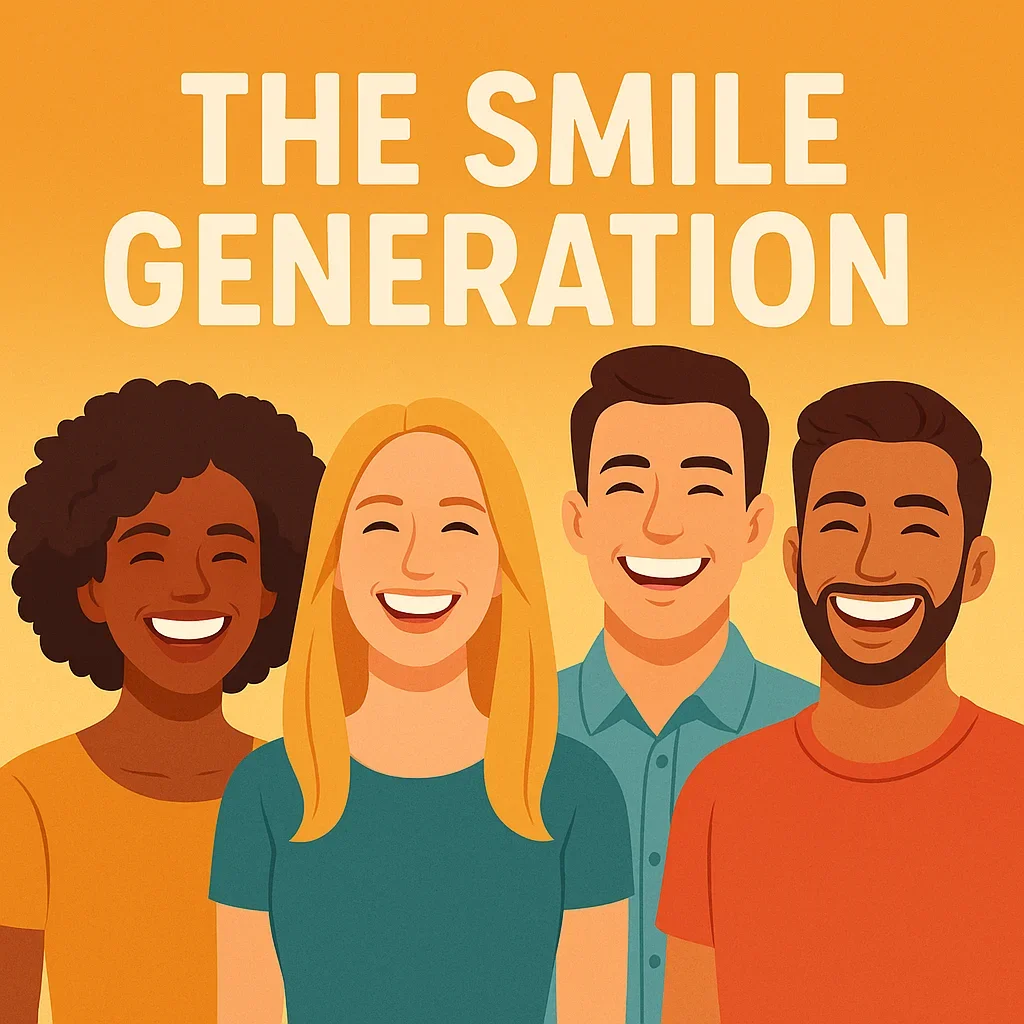
The Future of Oral Health: Innovations and Predictions
As dentistry continues to evolve, the future looks brighter than ever for
the smile generation. Rapid advancements in technology, research,
and patient-centered care are shaping a new era of oral health that is
accessible, personalized, and holistic. The next decade will bring
transformative changes, ensuring that dental care is not only about
treating disease but also about enhancing lives. Members of
the smile generation stand at the forefront of this transformation,
benefiting from innovations that will redefine how we view smiles,
confidence, and overall well-being ✨.
Artificial Intelligence and Smart Dentistry
Artificial Intelligence (AI) is poised to revolutionize dentistry. AI-driven
software can already analyze digital X-rays, detect cavities, and assess
orthodontic needs with accuracy surpassing that of human eyes. In the
future, AI may predict oral health risks years in advance, guiding
patients to preventive treatments before problems even arise. For
the smile generation, this means more personalized care plans,
quicker diagnoses, and higher success rates.
AI-Powered Patient Education
Dentists are beginning to use AI chatbots and apps to educate patients
about oral hygiene and treatment options. These tools provide
round-the-clock support, ensuring that members of
the smile generation receive accurate information whenever they need it.
Regenerative Dentistry and Stem Cell Therapies
One of the most exciting frontiers for the smile generation is
regenerative dentistry. Researchers are exploring the use of stem cells
to regrow dentin, enamel, and even entire teeth. This breakthrough could
eliminate the need for traditional fillings, crowns, or implants,
offering natural and permanent solutions. Although still in early stages,
stem cell therapies could one day make tooth loss a problem of the past.
Biomaterials and Nanotechnology
Advances in biomaterials and nanotechnology will also benefit
the smile generation. Stronger, longer-lasting restorative
materials are being developed, reducing the need for replacements.
Nanoparticles may be used in toothpaste to repair microscopic enamel
damage, offering preventive benefits that go beyond current standards.
Personalized and Preventive Care
The future of dentistry emphasizes personalization. Genetic testing may
soon allow dentists to predict a patient’s susceptibility to gum disease,
cavities, or oral cancer. Tailored treatment plans will help patients
in the smile generation maintain optimal health with fewer invasive
procedures. Preventive dentistry will shift from a recommendation to
a standard, lowering global healthcare costs while improving outcomes.
Wearable Oral Health Devices
Wearable technology—such as smart retainers and oral health trackers—
could monitor saliva composition, detect bacteria levels, or remind
patients when it’s time to brush. This data-driven approach ensures that
members of the smile generation can make informed decisions about
their oral care daily.
Digital Dentistry and Virtual Care
Tele-dentistry and virtual consultations are expanding rapidly. In the
future, patients may receive orthodontic adjustments or post-surgical
follow-ups entirely online, supported by AI and high-resolution imaging.
This increases accessibility for rural populations and busy professionals.
For the smile generation, digital solutions make oral care more
convenient and inclusive.
Global Collaboration and Dental Tourism 2.0
The next stage of dental tourism will focus on international
collaboration. Clinics across borders may share patient records
through cloud-based systems, ensuring continuity of care.
The smile generation will benefit from seamless treatment,
whether at home or abroad, with consistent standards guaranteed
by organizations like the
American Dental Association.
Sustainability in Dentistry
Future innovations will also prioritize eco-friendly practices.
Biodegradable instruments, recyclable materials, and water-saving
technologies will reduce dentistry’s environmental impact. As
the smile generation values both personal and global health,
sustainability will become a core principle in clinics worldwide.
Why the Future Matters for Patients
For patients, these innovations mean fewer invasive procedures,
lower costs, and improved overall health. Instead of reacting to
problems, dentistry will focus on predicting and preventing them.
Members of the smile generation will enjoy longer-lasting smiles,
better systemic health, and greater confidence in their care providers.
For those eager to explore what the future holds, connecting with
forward-thinking clinics is the best step. By reaching out via the
Redent Klinik Contact Page,
patients can learn how upcoming innovations may shape their own
dental journeys. As the smile generation continues to expand,
the future promises not only healthier teeth but also stronger
minds, brighter communities, and a more sustainable world 🌍.
Disclosure: this page may contain affiliate links. We may earn a commission if you use them, at no extra cost to you.