
Three on six dental implants have become one of the most advanced and reliable full-arch tooth replacement solutions available today. If you are searching for a permanent alternative to dentures or struggling with multiple missing teeth, understanding how three on six dental implants work can completely change your perspective on dental restoration. This modern technique combines durability, aesthetics, and functionality to provide a long-lasting smile solution 😊.
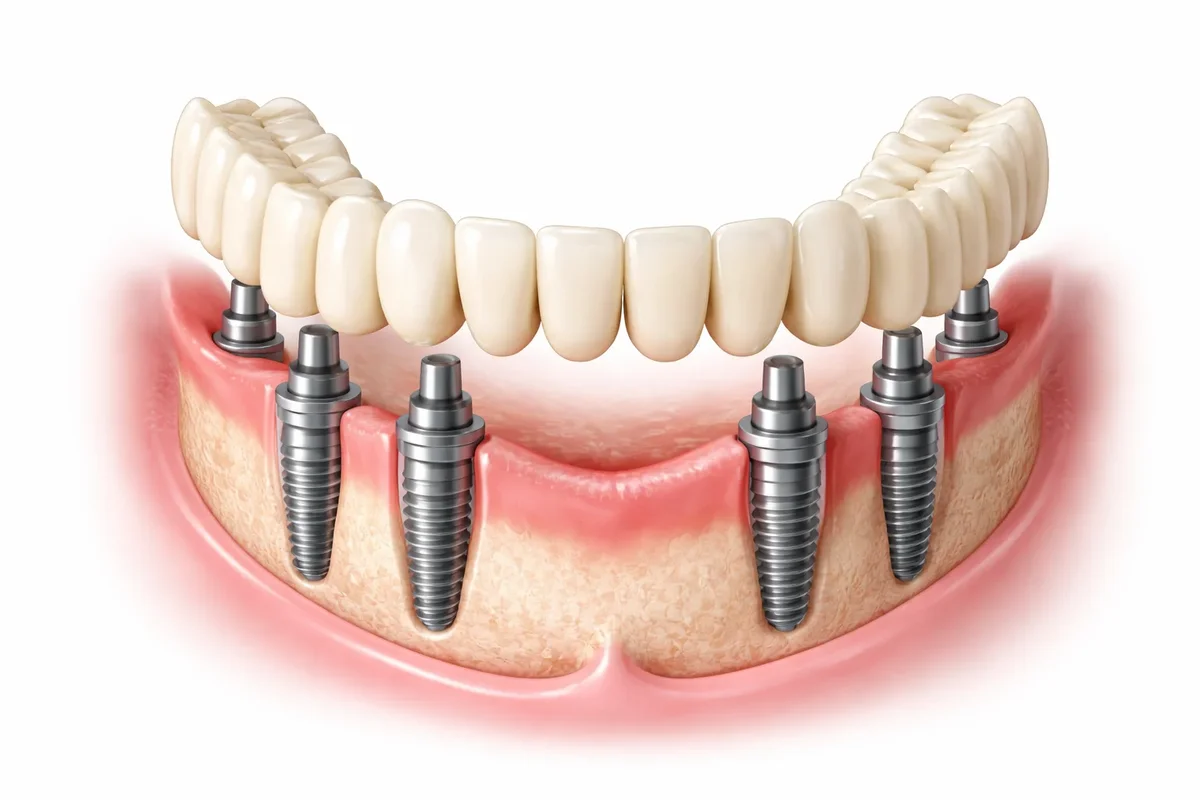
At its core, three on six dental implants refer to a system where six dental implants are strategically placed in the jaw to support three separate dental bridges. Unlike traditional dentures that sit on the gums, three on six dental implants are fixed securely into the bone, mimicking the structure of natural teeth. This approach ensures that patients experience better stability, improved chewing ability, and a more natural look.
One of the key advantages of three on six dental implants is how they distribute pressure evenly across the jawbone. Each implant acts like a natural tooth root, stimulating the bone and preventing bone loss over time. This is especially important because bone deterioration is a common issue for patients who wear removable dentures. With three on six dental implants, the jaw remains healthier and stronger in the long run.
Another reason why three on six dental implants are gaining popularity is their realistic appearance. The prosthetic teeth attached to the implants are designed to match your natural teeth in shape, color, and size. This means that when you smile, speak, or eat, your teeth look completely natural. Patients often report a significant boost in confidence after receiving three on six dental implants because they no longer feel self-conscious about their smile.
Functionality is also a major benefit. With three on six dental implants, you can eat a wide variety of foods without worry. Unlike removable dentures that may slip or cause discomfort, these implants remain fixed in place. This allows you to enjoy foods like steak, apples, and nuts without hesitation. In fact, many patients say that three on six dental implants restore nearly 90–95% of their natural chewing ability.
It is also important to understand how three on six dental implants differ from other implant systems. For example, while some solutions use fewer implants to support a full arch, three on six dental implants provide enhanced stability by using six implants instead of four. Additionally, the use of three separate bridges makes maintenance easier. If one section needs repair, it can often be addressed without replacing the entire prosthesis.
The procedure for three on six dental implants is carefully planned using advanced imaging technology. Dentists evaluate bone density, gum health, and overall oral condition before placing the implants. This ensures that each implant is positioned for maximum support and longevity. According to the American Dental Association, dental implants are one of the safest and most predictable procedures in modern dentistry, especially when performed by experienced professionals.
Patients considering three on six dental implants often wonder about the long-term results. The good news is that with proper care, these implants can last for decades. Regular brushing, flossing, and dental check-ups are essential to maintain their condition. If you are considering this treatment, you can always reach out through the Redent Klinik Contact Page to get personalized guidance and expert consultation.
In summary, three on six dental implants offer a comprehensive solution for individuals seeking a permanent, stable, and aesthetically pleasing alternative to missing teeth. They provide superior comfort compared to traditional dentures, preserve jawbone health, and restore full functionality. Whether you are dealing with extensive tooth loss or simply looking for a more advanced dental solution, three on six dental implants represent a modern approach that delivers both health and confidence in one treatment.
What Are Three on Six Dental Implants?
Three on six dental implants are a modern full-mouth restoration technique designed to replace an entire arch of missing or severely damaged teeth with a fixed, long-lasting solution. Unlike traditional dentures that rest on the gums, three on six dental implants are anchored directly into the jawbone using six titanium implants. These implants support three separate bridges, creating a stable and natural-looking set of teeth 😊.
The concept behind three on six dental implants is to replicate the structure and function of natural teeth as closely as possible. Each implant acts as an artificial tooth root, while the bridges serve as the visible part of the teeth. This system ensures a secure fit, improved chewing ability, and long-term oral health benefits.
The Basic Structure of Three on Six Dental Implants
To better understand three on six dental implants, it’s helpful to break down their structure. The system consists of three main components that work together seamlessly:
1. Dental Implants (Artificial Roots)
The six implants used in three on six dental implants are typically made from biocompatible titanium. These implants are surgically placed into the jawbone, where they fuse with the bone through a process called osseointegration. This fusion creates a strong foundation for the replacement teeth, ensuring stability and durability.
2. Abutments
Abutments are small connectors that attach to the implants. They serve as the link between the implants and the dental bridges. In three on six dental implants, abutments are precisely designed to support the bridges and ensure proper alignment.
3. Three Separate Dental Bridges
The defining feature of three on six dental implants is the use of three individual bridges instead of a single full-arch prosthesis. Each bridge typically replaces a section of teeth, making maintenance easier and allowing for targeted repairs if needed.
How Three on Six Dental Implants Differ from Traditional Dentures
Many patients initially consider removable dentures when facing tooth loss, but three on six dental implants offer several advantages that make them a superior option. Dentures can slip, cause discomfort, and require adhesives, while three on six dental implants remain securely fixed in place.
Additionally, dentures do not stimulate the jawbone, which can lead to bone loss over time. In contrast, three on six dental implants preserve bone density by mimicking natural tooth roots. This helps maintain facial structure and prevents the sunken appearance often associated with long-term denture use.
Why Three on Six Dental Implants Are Considered Advanced
The innovation behind three on six dental implants lies in their ability to distribute biting forces evenly across the jaw. By using six implants instead of fewer supports, this system provides enhanced stability and reduces stress on each implant. This makes three on six dental implants particularly suitable for patients seeking a long-term, reliable solution.
Another advanced aspect is the segmentation into three bridges. This design allows for more natural movement and flexibility compared to a single rigid prosthesis. It also simplifies cleaning, as patients can maintain their oral hygiene more effectively around each section.
Materials Used in Three on Six Dental Implants
The materials used in three on six dental implants play a crucial role in their success and longevity. The implants themselves are typically made from titanium due to its strength and compatibility with the human body. The bridges are often crafted from high-quality ceramic or zirconia, which closely mimic the appearance of natural teeth.
These materials are chosen not only for their durability but also for their aesthetic qualities. With three on six dental implants, patients can achieve a smile that looks and feels completely natural, enhancing both function and confidence.
Who Typically Needs Three on Six Dental Implants?
Three on six dental implants are ideal for individuals who have lost most or all of their teeth in one or both arches. They are also suitable for patients with failing teeth that cannot be restored with traditional treatments. People who are dissatisfied with removable dentures often choose three on six dental implants for a more permanent and comfortable solution.
However, candidacy for three on six dental implants depends on factors such as bone density, gum health, and overall medical condition. A thorough dental evaluation is necessary to determine whether this treatment is appropriate.
Long-Term Benefits of Three on Six Dental Implants
One of the most significant advantages of three on six dental implants is their longevity. With proper care, they can last for decades, making them a worthwhile investment in oral health. Patients benefit from improved chewing efficiency, clearer speech, and a more youthful appearance.
Moreover, three on six dental implants eliminate many of the inconveniences associated with removable dentures, such as slipping or dietary restrictions. This allows patients to enjoy a more active and confident lifestyle.
In conclusion, three on six dental implants represent a cutting-edge solution for full-mouth restoration. By combining advanced technology, high-quality materials, and a patient-focused design, this system offers unmatched stability, comfort, and aesthetics. For anyone seeking a permanent alternative to missing teeth, three on six dental implants provide a comprehensive and highly effective option.
How Three on Six Dental Implants Work Step by Step
Understanding how three on six dental implants work step by step is essential for anyone considering this advanced dental solution. The process behind three on six dental implants is carefully planned and executed to ensure maximum stability, long-term success, and natural-looking results 😊. Unlike traditional dentures or simpler implant systems, three on six dental implants involve multiple stages that are designed to restore both function and aesthetics.
From the initial consultation to the final placement of the bridges, each phase of three on six dental implants plays a critical role. Let’s break down the entire journey so you can clearly understand what to expect.
Initial Consultation and Evaluation
The first step in getting three on six dental implants is a comprehensive dental evaluation. During this stage, your dentist will assess your oral health, bone density, and overall suitability for the procedure. Advanced imaging techniques such as 3D scans and digital X-rays are often used to create a detailed map of your jawbone.
Why This Step Matters
This stage ensures that three on six dental implants can be placed safely and effectively. It also helps the dentist determine the exact positioning of each implant, which is crucial for achieving optimal results.
Personalized Treatment Planning
Every patient is unique, and three on six dental implants require a customized plan. The dentist will decide where the six implants should be placed and how the three bridges will be designed for the best functional and aesthetic outcome.
Preparation and Tooth Extraction (If Needed)
Before placing three on six dental implants, any damaged or non-restorable teeth must be removed. This step ensures that the mouth is ready for the new implants. In some cases, bone grafting may be required if there is insufficient bone to support the implants.
Bone Grafting Explained
If the jawbone is too thin or weak, bone grafting helps rebuild the structure. This is important because three on six dental implants rely on strong bone support for long-term success.
Implant Placement Surgery
The core step of the procedure involves surgically placing six titanium implants into the jawbone. These implants are strategically positioned to support three separate bridges. The surgery is typically performed under local anesthesia or sedation to ensure patient comfort.
Precision Placement
Each implant in three on six dental implants is placed at a specific angle and depth. This precise positioning helps distribute biting forces evenly and enhances the stability of the entire system.
Minimally Invasive Techniques
Modern dental technology allows for minimally invasive implant placement, reducing discomfort and speeding up recovery. This makes the experience of getting three on six dental implants much more manageable for patients.
Healing and Osseointegration Phase
After the implants are placed, the healing process begins. This phase, known as osseointegration, is when the implants fuse with the jawbone. It typically takes several weeks to a few months, depending on the individual.
During this time, temporary teeth may be provided so that patients can maintain normal function and appearance. The success of three on six dental implants heavily depends on this healing stage, as it ensures a solid foundation for the final restoration.
Abutment Placement
Once the implants have fully integrated with the bone, abutments are attached. These small connectors serve as the base for the dental bridges. In three on six dental implants, abutments are carefully aligned to support the three separate bridges securely.
Importance of Alignment
Proper alignment is essential for both function and aesthetics. Misalignment can affect how the teeth look and how they perform during chewing.
Fabrication of the Final Bridges
The next step involves creating the custom bridges that will be attached to the implants. These bridges are designed to match your natural teeth in color, shape, and size. High-quality materials like zirconia or porcelain are commonly used in three on six dental implants to ensure durability and a natural appearance.
Customized for Each Patient
Each set of three on six dental implants is unique. Dental technicians work closely with the dentist to create bridges that fit perfectly and complement the patient’s facial features.
Final Placement of the Bridges
Once the bridges are ready, they are securely attached to the abutments. This is the final step in the three on six dental implants process. The result is a fully functional and aesthetically pleasing set of teeth that are fixed in place.
Patients can immediately notice the difference, as three on six dental implants provide a stable and comfortable bite. Unlike removable dentures, there is no slipping or discomfort.
Post-Procedure Adjustments and Follow-Up
After the final placement, follow-up appointments are necessary to ensure everything is functioning correctly. Minor adjustments may be made to improve comfort and alignment. Regular check-ups are essential to maintain the health and longevity of three on six dental implants.
Long-Term Maintenance
Proper oral hygiene, including brushing and flossing, is crucial for keeping three on six dental implants in excellent condition. Routine dental visits help prevent complications and ensure that the implants last for many years.
In conclusion, the step-by-step process of three on six dental implants is designed to deliver a permanent, reliable, and natural-looking solution for missing teeth. Each stage, from consultation to final placement, is carefully planned to ensure success. By understanding how three on six dental implants work, patients can feel more confident and prepared for this life-changing dental procedure.
Benefits of Choosing Three on Six Dental Implants
Choosing three on six dental implants is one of the most advanced decisions a patient can make when seeking a long-term solution for missing teeth. This innovative treatment offers a combination of stability, aesthetics, and durability that traditional options often cannot match. For patients who want a natural-looking, permanent smile, three on six dental implants provide a life-changing transformation 😊.
The benefits of three on six dental implants go far beyond appearance. They directly impact oral health, daily comfort, and overall confidence. Let’s explore these advantages in detail to understand why three on six dental implants are increasingly becoming the preferred choice worldwide.
Superior Stability and Functionality
One of the most important benefits of three on six dental implants is their exceptional stability. Because the implants are anchored directly into the jawbone, they function similarly to natural tooth roots. This means that patients can enjoy a firm and secure bite without worrying about movement or discomfort.
Natural Chewing Ability
With three on six dental implants, you can eat a wide variety of foods without restriction. Unlike removable dentures that may shift or limit your diet, this system allows you to chew efficiently. Many patients regain up to 90–95% of their natural chewing power, making everyday meals more enjoyable and stress-free.
No Slipping or Adhesives
Another key advantage of three on six dental implants is that they eliminate the need for adhesives. Dentures often require special glues to stay in place, but implants are fixed securely. This provides peace of mind during eating, speaking, and social interactions.
Preservation of Jawbone Health
Bone loss is a common issue after tooth loss, but three on six dental implants actively prevent this problem. The implants stimulate the jawbone just like natural tooth roots, maintaining bone density over time.
Prevention of Bone Resorption
When teeth are missing, the jawbone begins to shrink due to lack of stimulation. Three on six dental implants counteract this process by providing continuous support, helping to preserve the natural structure of the face.
Maintaining Facial Appearance
Patients who choose three on six dental implants often retain a more youthful facial profile. By preventing bone loss, these implants help avoid the sunken look that can occur with long-term denture use.
Enhanced Aesthetics and Natural Look
Another major benefit of three on six dental implants is their realistic appearance. The prosthetic teeth are custom-designed to match your natural smile, ensuring a seamless and attractive result.
Customized Smile Design
Each set of three on six dental implants is tailored to the individual. Dentists carefully select the color, shape, and size of the teeth to complement the patient’s facial features, resulting in a natural and confident smile.
Improved Confidence
With three on six dental implants, patients often experience a significant boost in self-esteem. Being able to smile freely without worrying about gaps or unstable dentures can greatly improve social and professional interactions.
Long-Term Durability and Reliability
Durability is another reason why three on six dental implants are considered a premium solution. With proper care, these implants can last for decades, making them a worthwhile investment in oral health.
High-Quality Materials
The implants used in three on six dental implants are typically made from titanium, while the bridges are crafted from strong materials like zirconia or porcelain. These materials are designed to withstand daily wear and tear while maintaining their appearance.
Reduced Need for Replacement
Unlike dentures that may need frequent adjustments or replacements, three on six dental implants offer long-lasting performance. This reduces the need for ongoing dental work and associated costs over time.
Improved Oral Hygiene and Maintenance
Maintaining oral hygiene is easier with three on six dental implants compared to traditional dentures. Because the system uses three separate bridges, cleaning around each section becomes more manageable.
Easy Cleaning Routine
Patients can brush and floss their three on six dental implants much like natural teeth. This helps prevent plaque buildup and supports overall oral health.
Lower Risk of Gum Issues
Proper hygiene with three on six dental implants reduces the risk of gum infections and inflammation. Regular dental check-ups ensure that the implants remain in excellent condition.
Comfort and Convenience
Comfort is a critical factor for any dental treatment, and three on six dental implants excel in this area. Because they are fixed in place, they feel more like natural teeth than removable alternatives.
Patients no longer have to deal with the discomfort of loose dentures or sore gums. Three on six dental implants provide a stable and comfortable solution that integrates seamlessly into daily life.
Better Speech and Pronunciation
Missing teeth or ill-fitting dentures can affect speech, making it difficult to pronounce certain words. Three on six dental implants help restore clear and natural speech by providing a stable structure for the tongue and lips.
This improvement in communication can significantly enhance confidence in both personal and professional settings.
Overall Quality of Life Improvement
Ultimately, the greatest benefit of three on six dental implants is the overall improvement in quality of life. From eating and speaking to smiling and socializing, this treatment restores normal function and confidence.
Patients who choose three on six dental implants often describe the experience as life-changing. With a permanent, reliable, and aesthetically pleasing solution, they can enjoy daily activities without limitations.
In conclusion, three on six dental implants offer a comprehensive range of benefits that make them one of the best options for full-mouth restoration. Their ability to combine stability, aesthetics, durability, and comfort sets them apart from traditional solutions. For anyone seeking a long-term investment in their oral health and well-being, three on six dental implants provide unmatched advantages.
Who Is a Good Candidate for Three on Six Dental Implants?
Three on six dental implants are an advanced and highly effective solution for full-mouth restoration, but they are not suitable for everyone. Understanding who is a good candidate for three on six dental implants is essential before making a decision. This treatment requires specific oral and general health conditions to ensure long-term success and stability 😊.
In general, three on six dental implants are ideal for individuals who have lost multiple teeth or are facing complete tooth loss in one or both arches. However, several important factors must be evaluated before proceeding with this treatment. Let’s explore these criteria in detail.
Patients with Multiple Missing or Failing Teeth
The most common candidates for three on six dental implants are individuals who have lost most or all of their teeth. This may be due to decay, gum disease, trauma, or aging. Patients with severely damaged or failing teeth that cannot be restored with crowns or bridges are also strong candidates.
Full Arch Tooth Loss
If you are missing an entire upper or lower arch of teeth, three on six dental implants provide a permanent and stable solution. Instead of using removable dentures, this system restores function and aesthetics with fixed prosthetics.
Failing Dental Work
Patients who have multiple failing crowns, bridges, or root canal-treated teeth may benefit from replacing them with three on six dental implants. This approach eliminates ongoing dental issues and provides a long-term solution.
Patients with Sufficient Jawbone Density
One of the most important requirements for three on six dental implants is adequate jawbone density. Since the implants are anchored into the bone, a strong and healthy jaw is necessary to support them.
Why Bone Density Matters
Three on six dental implants rely on osseointegration, where the implants fuse with the bone. Without sufficient bone volume, the implants may not be stable enough for long-term success.
Bone Grafting Options
If a patient does not have enough bone, bone grafting procedures can often be performed to rebuild the jaw. This means that even patients who were previously not candidates for three on six dental implants may still qualify after proper preparation.
Good Oral and Gum Health
Healthy gums are essential for the success of three on six dental implants. Patients with untreated gum disease must address this issue before undergoing implant placement.
Treating Gum Disease First
Conditions like periodontitis can compromise the stability of three on six dental implants. Dentists typically recommend treating gum infections and ensuring optimal oral hygiene before proceeding.
Commitment to Oral Hygiene
Patients must be willing to maintain proper oral care after receiving three on six dental implants. Regular brushing, flossing, and dental visits are crucial to prevent complications.
Non-Smokers or Willing to Quit Smoking
Smoking can significantly impact the success rate of three on six dental implants. It slows down healing and increases the risk of implant failure.
While smokers are not automatically excluded, dentists often advise quitting or reducing smoking before and after the procedure. This greatly improves the chances of successful integration and long-term results.
Patients in Good Overall Health
General health plays a vital role in determining candidacy for three on six dental implants. Conditions such as uncontrolled diabetes or immune disorders can affect healing and increase risks.
Medical Evaluation
Before proceeding with three on six dental implants, a thorough medical evaluation is conducted. This ensures that the patient can safely undergo surgery and recover properly.
Stable Health Conditions
Patients with controlled medical conditions can still be candidates for three on six dental implants, provided they are under proper medical supervision.
Patients Seeking a Permanent Solution
Three on six dental implants are best suited for individuals who want a long-term, fixed solution rather than a removable option. This treatment is ideal for those who are tired of dealing with the inconvenience of dentures.
Because three on six dental implants are designed to last for decades, they are a great choice for patients looking for a durable and reliable investment in their oral health.
Realistic Expectations and Commitment
Another important factor is having realistic expectations. While three on six dental implants offer excellent results, patients must understand the process, healing time, and maintenance involved.
Understanding the Timeline
The treatment process for three on six dental implants can take several months from start to finish. Patients should be prepared for multiple مراحل including surgery, healing, and final restoration.
Long-Term Care Commitment
Maintaining three on six dental implants requires consistent care. Patients who are committed to regular dental visits and good hygiene practices are more likely to enjoy long-lasting results.
Age Considerations
Age is generally not a limiting factor for three on six dental implants, as long as the patient has completed jaw development and is in good health. Both younger adults and older patients can benefit from this treatment.
In fact, many older individuals choose three on six dental implants to improve their quality of life and regain confidence in their smile.
Consultation Is the Key Step
Ultimately, the best way to determine if you are a candidate for three on six dental implants is through a professional consultation. Dentists will evaluate all relevant factors and create a personalized treatment plan.
In conclusion, three on six dental implants are suitable for a wide range of patients, especially those with significant tooth loss, good bone support, and a commitment to oral health. By meeting the necessary criteria, patients can benefit from a stable, natural-looking, and long-lasting solution that significantly enhances their quality of life.
Three on Six Dental Implants vs All-on-4 Implants
When considering full-mouth restoration, one of the most common comparisons patients make is between three on six dental implants and All-on-4 implants. Both systems are designed to replace a full arch of missing teeth, but they differ significantly in structure, function, durability, and long-term outcomes. Understanding these differences is crucial for making an informed decision 😊.
Three on six dental implants are often considered a more advanced and natural solution because they use six implants to support three separate bridges. In contrast, All-on-4 implants rely on just four implants to support a single full-arch prosthesis. While both methods can restore a smile, three on six dental implants provide distinct advantages in several key areas.
Structural Differences Between the Two Systems
The main distinction between three on six dental implants and All-on-4 lies in how the prosthetic teeth are supported. Three on six dental implants use six implants placed evenly across the jaw, supporting three independent bridges. This segmented design offers improved flexibility and maintenance.
Three on Six Dental Implants Design
In three on six dental implants, each pair of implants supports a bridge. This means that the pressure from chewing is distributed more evenly across the jaw, reducing stress on individual implants.
All-on-4 Implant Design
All-on-4 implants use four implants to support a single, continuous prosthesis. While this can be effective, it concentrates more force on fewer implants, which may impact long-term durability.
Stability and Bite Force Comparison
Stability is one of the most important factors when choosing between three on six dental implants and All-on-4. Because three on six dental implants use more implants, they generally offer greater support and a stronger bite.
Enhanced Stability with Six Implants
Three on six dental implants provide a solid foundation that closely mimics natural teeth. This allows patients to enjoy a wider variety of foods without worrying about movement or discomfort.
Bite Force Differences
Patients with three on six dental implants often achieve higher chewing efficiency compared to All-on-4. This makes a noticeable difference in daily life, especially when eating tougher foods.
Maintenance and Repair Advantages
Maintenance is another area where three on six dental implants stand out. Because the system uses three separate bridges, repairs can be more straightforward.
Segmented Bridge Benefits
If one section of three on six dental implants becomes damaged, only that specific bridge may need repair or replacement. This reduces both cost and inconvenience.
All-on-4 Maintenance Challenges
With All-on-4, the entire prosthesis is a single unit. If damage occurs, the whole arch may need to be removed and repaired, which can be more time-consuming and costly.
Bone Preservation and Long-Term Health
One of the biggest advantages of three on six dental implants is their ability to preserve jawbone health. The use of six implants provides better stimulation to the bone, reducing the risk of bone loss.
Even Load Distribution
Three on six dental implants distribute pressure evenly, which helps maintain bone density and prevents excessive wear on specific areas of the jaw.
All-on-4 Considerations
While All-on-4 implants also provide bone stimulation, the reduced number of implants may result in less uniform load distribution compared to three on six dental implants.
Aesthetic Outcomes
Both systems aim to deliver natural-looking results, but three on six dental implants often provide a more realistic appearance due to their segmented design.
Natural Tooth-Like Appearance
The three separate bridges used in three on six dental implants allow for slight natural movement, making the teeth look more like individual natural teeth rather than a single unit.
Gum Line and Smile Design
Dentists can achieve more precise customization with three on six dental implants, tailoring each section to enhance the overall smile.
Treatment Complexity and Time
The process for three on six dental implants can be slightly more complex compared to All-on-4, as it involves placing more implants and designing multiple bridges.
Procedure Duration
Three on six dental implants may require a longer treatment timeline due to the additional planning and healing involved. However, this often results in better long-term outcomes.
Immediate Load Options
All-on-4 is sometimes promoted for immediate loading, meaning temporary teeth can be placed on the same day. While three on six dental implants can also offer temporary solutions, the focus is typically on achieving optimal long-term stability.
Cost Considerations
Cost is an important factor for many patients when choosing between three on six dental implants and All-on-4 implants.
Investment in Quality
Three on six dental implants are generally more expensive due to the use of additional implants and materials. However, this higher initial investment often translates to greater durability and fewer long-term issues.
Long-Term Value
While All-on-4 may have a lower upfront cost, the potential need for repairs or replacements can increase expenses over time. Three on six dental implants often provide better value in the long run.
Which Option Is Right for You?
The choice between three on six dental implants and All-on-4 depends on individual needs, oral health, and personal preferences. Patients who prioritize stability, durability, and long-term results often prefer three on six dental implants.
On the other hand, those seeking a quicker or more budget-friendly solution may consider All-on-4. However, it is essential to consult with a qualified dental professional to determine the best option for your specific situation.
In conclusion, while both systems offer effective solutions for full-mouth restoration, three on six dental implants provide superior stability, better bone preservation, and greater flexibility in maintenance. For patients seeking a long-lasting and natural-feeling solution, three on six dental implants are often the preferred choice.
The Procedure Timeline for Three on Six Dental Implants
The procedure timeline for three on six dental implants is an important aspect for patients to understand before starting treatment. Unlike simple dental procedures, three on six dental implants involve multiple carefully planned stages to ensure long-term success, stability, and natural results 😊. While the entire process may take several months, each step is essential for achieving a durable and aesthetically pleasing outcome.
Three on six dental implants are not a one-day solution, but they offer a permanent and reliable alternative to missing teeth. Let’s explore the full timeline step by step so you know exactly what to expect throughout your journey.
Initial Consultation and Planning Phase
The journey with three on six dental implants begins with a detailed consultation. During this phase, your dentist evaluates your oral health, bone density, and medical history. Advanced imaging technologies such as 3D scans are used to map out the exact placement of the implants.
Diagnostic Imaging
Precise imaging is crucial for three on six dental implants because it allows the dentist to identify the best locations for the six implants. This ensures maximum support and reduces the risk of complications.
Treatment Planning
Based on the evaluation, a customized plan is created. This includes the number of extractions needed, whether bone grafting is required, and the design of the three bridges used in three on six dental implants.
Preparation Phase (1–3 Weeks)
Before placing three on six dental implants, the mouth must be properly prepared. This may involve removing damaged teeth or treating gum disease.
Tooth Extractions
If necessary, failing or infected teeth are removed to make space for three on six dental implants. This step ensures a clean and healthy environment for implant placement.
Bone Grafting (If Needed)
In cases where bone density is insufficient, bone grafting may be performed. This process can extend the timeline of three on six dental implants by a few months, but it significantly improves implant stability.
Implant Placement Surgery (1 Day)
The surgical placement of the implants is a key milestone in the three on six dental implants process. During this procedure, six titanium implants are inserted into the jawbone.
Procedure Details
The surgery is typically performed under local anesthesia or sedation. Patients usually experience minimal discomfort, and the procedure can often be completed in a single day.
Strategic Placement
The implants in three on six dental implants are positioned strategically to evenly distribute pressure. This enhances both functionality and longevity.
Healing and Osseointegration (3–6 Months)
After implant placement, the healing phase begins. This is one of the most critical stages in the three on six dental implants timeline. During this period, the implants fuse with the jawbone through osseointegration.
This process creates a strong foundation for the final prosthetic teeth. While it requires patience, it is essential for ensuring the long-term success of three on six dental implants.
Temporary Teeth Option
Many patients receive temporary teeth during the healing phase. These allow for normal function and appearance while the implants integrate with the bone.
Abutment Placement (2–4 Weeks After Healing)
Once osseointegration is complete, abutments are attached to the implants. These connectors serve as the base for the final bridges in three on six dental implants.
Minor Procedure
The placement of abutments is usually a minor procedure with minimal discomfort. It prepares the implants for the next stage of restoration.
Final Bridge Fabrication (2–3 Weeks)
The next step in the three on six dental implants timeline involves creating the custom bridges. These are designed to match your natural teeth in color, shape, and size.
Precision Crafting
Dental laboratories use advanced technology to ensure that the bridges fit perfectly. Each set of three on six dental implants is uniquely tailored to the patient.
Material Selection
High-quality materials such as zirconia or porcelain are used to provide durability and a natural appearance.
Final Placement of the Bridges
Once the bridges are ready, they are securely attached to the abutments. This marks the completion of the three on six dental implants procedure.
At this stage, patients can enjoy a fully restored smile with improved function and aesthetics. Three on six dental implants provide a stable and permanent solution that feels like natural teeth.
Follow-Up and Adjustment Phase
After the final placement, follow-up visits are essential to ensure that the three on six dental implants are functioning correctly. Minor adjustments may be made to improve comfort and alignment.
Regular Check-Ups
Routine dental visits help monitor the condition of three on six dental implants and ensure long-term success.
Oral Hygiene Maintenance
Patients must maintain proper oral hygiene, including brushing and flossing, to keep their three on six dental implants in excellent condition.
Total Timeline Overview
In total, the complete process for three on six dental implants can take anywhere from 4 to 8 months, depending on individual circumstances. While this may seem lengthy, the result is a permanent and highly functional solution for missing teeth.
In conclusion, the timeline for three on six dental implants is a carefully structured process designed to maximize success and durability. Each stage, from consultation to final placement, plays a vital role in achieving a natural-looking and long-lasting smile. By understanding this timeline, patients can feel more confident and prepared for their journey toward better oral health.
Recovery and Aftercare for Three on Six Dental Implants
The recovery and aftercare process for three on six dental implants is a crucial part of ensuring long-term success. While the procedure itself is highly advanced, proper healing and maintenance determine how well three on six dental implants perform over time. Patients who follow the correct aftercare guidelines can enjoy a smooth recovery and maximize the lifespan of their new smile 😊.
Understanding what happens after the placement of three on six dental implants helps reduce anxiety and prepares patients for each stage of healing. Let’s explore the recovery timeline and essential aftercare practices in detail.
Immediate Post-Surgery Recovery (First 24–72 Hours)
The first few days after receiving three on six dental implants are the most sensitive. During this time, the body begins the initial healing process, and patients may experience mild swelling, discomfort, or slight bleeding.
Managing Pain and Discomfort
Pain after three on six dental implants is usually manageable with prescribed or over-the-counter medications. Dentists often recommend anti-inflammatory drugs to reduce swelling and discomfort.
Swelling and Bruising
Swelling is a normal response following implant surgery. Applying ice packs to the outside of the face can help minimize swelling during the first 48 hours after three on six dental implants.
Diet Recommendations
Patients are advised to stick to soft foods such as yogurt, soups, and mashed vegetables. Avoiding hard or hot foods protects the surgical area and supports healing after three on six dental implants.
Early Healing Phase (First 2 Weeks)
During the first two weeks, the gums begin to heal around the implants. This phase is critical for preventing infection and ensuring proper tissue recovery.
Oral Hygiene Practices
Maintaining cleanliness is essential. Patients should gently brush around the implant area and use a dentist-recommended mouth rinse. Good hygiene is key to protecting three on six dental implants from complications.
Avoiding Physical Strain
Strenuous activities should be avoided during this period. Excessive movement or pressure can interfere with the healing of three on six dental implants.
Osseointegration Phase (3–6 Months)
This is the most important stage in the recovery of three on six dental implants. During osseointegration, the implants fuse with the jawbone, creating a strong and stable foundation.
Although patients may feel comfortable during this time, it is important to continue following dental instructions carefully. The success of three on six dental implants depends heavily on this biological process.
Temporary Teeth Care
If temporary teeth are provided, patients must use them carefully. Avoiding excessive pressure ensures that three on six dental implants integrate properly without disruption.
Regular Monitoring
Dentists will schedule follow-up visits to monitor healing. These check-ups help ensure that three on six dental implants are integrating correctly with the bone.
After Final Restoration
Once the final bridges are placed, patients can begin enjoying the full benefits of three on six dental implants. However, proper care remains essential to maintain their function and appearance.
Adapting to New Teeth
It may take a short time to get used to the feel of three on six dental implants. Most patients quickly adapt and find that their new teeth feel natural and comfortable.
Resuming Normal Diet
After healing is complete, patients can return to a normal diet. Three on six dental implants allow for a wide range of foods, restoring full chewing ability.
Long-Term Aftercare Practices
Maintaining three on six dental implants requires consistent care, similar to natural teeth. Long-term success depends on daily habits and regular dental visits.
Daily Cleaning Routine
Brushing twice a day and flossing are essential for keeping three on six dental implants clean. Special interdental brushes or water flossers may be recommended for better access.
Professional Dental Check-Ups
Routine visits to the dentist help detect any potential issues early. Professional cleanings ensure that three on six dental implants remain in excellent condition.
Common Recovery Concerns
Patients often have questions about what is normal during recovery. Understanding these concerns can provide reassurance and help identify when to seek professional advice.
Mild Discomfort
Some discomfort is expected after receiving three on six dental implants, but it should gradually improve. Persistent pain should be evaluated by a dentist.
Healing Variations
Each patient heals at a different pace. Factors such as age, health, and lifestyle can influence the recovery process of three on six dental implants.
Tips for Faster Recovery
There are several steps patients can take to support faster healing and better outcomes with three on six dental implants.
Healthy Lifestyle Choices
A balanced diet, proper hydration, and avoiding smoking can significantly improve healing. These habits support the success of three on six dental implants.
Following Dentist Instructions
Adhering to professional advice is one of the most important factors in recovery. Patients who carefully follow instructions typically experience fewer complications with three on six dental implants.
Signs of Successful Healing
Successful recovery from three on six dental implants is marked by reduced swelling, absence of pain, and stable implant function. Patients should feel comfortable and confident as healing progresses.
In conclusion, recovery and aftercare for three on six dental implants require patience, consistency, and proper guidance. By following recommended practices and maintaining good oral hygiene, patients can ensure that their three on six dental implants remain strong, functional, and aesthetically pleasing for many years. This commitment to care ultimately leads to a healthier smile and improved quality of life.
Cost Breakdown of Three on Six Dental Implants
The cost of three on six dental implants is one of the most important factors patients consider when exploring full-mouth restoration options. While three on six dental implants are a premium solution, they offer long-term value, durability, and improved quality of life that often justify the investment 😊. Understanding what influences the price and what is included in the treatment helps patients make informed decisions.
Unlike traditional dentures or single implants, three on six dental implants involve multiple components and stages. This means the overall cost reflects not only the materials used but also the expertise, technology, and time required to complete the procedure successfully.
Average Cost of Three on Six Dental Implants
The total cost of three on six dental implants can vary depending on location, clinic quality, and individual patient needs. Below is a general cost overview based on global averages:
Estimated Price Range
- United States: $18,000 – $35,000 per arch
- United Kingdom: £14,000 – £28,000 per arch
- Europe (general): €12,000 – €25,000 per arch
- Turkey: $6,000 – $12,000 per arch
These prices typically include the placement of six implants and the fabrication of three bridges. However, additional procedures may affect the final cost of three on six dental implants.
What Is Included in the Cost?
When evaluating the cost of three on six dental implants, it is essential to understand what is included in the treatment package. Most clinics provide comprehensive services that cover multiple مراحل of the procedure.
Consultation and Diagnostics
Initial consultations, digital scans, and X-rays are often included in the total cost of three on six dental implants. These diagnostic tools are necessary for precise planning and successful outcomes.
Implant Surgery
The surgical placement of six implants is a major component of the cost. This includes the use of high-quality titanium implants and the expertise of the dental surgeon.
Temporary Prosthetics
Many patients receive temporary teeth during the healing phase. These are usually included in the cost of three on six dental implants to ensure comfort and functionality.
Final Bridges
The custom-made bridges are a significant part of the overall price. High-quality materials such as zirconia or porcelain are used to create durable and natural-looking teeth.
Additional Costs to Consider
While the base price of three on six dental implants covers the main procedure, some patients may require additional treatments that increase the total cost.
Bone Grafting
If there is insufficient bone density, bone grafting may be necessary. This can add $500 to $3,000 or more to the cost of three on six dental implants, depending on the complexity.
Tooth Extractions
Removing damaged or infected teeth before implant placement may also incur extra charges.
Sedation or Anesthesia
Advanced sedation options can increase the cost of three on six dental implants but improve patient comfort during surgery.
Why Three on Six Dental Implants Are Worth the Investment
Although the initial cost of three on six dental implants may seem high, they offer exceptional long-term value. Unlike dentures that require frequent replacement, three on six dental implants are designed to last for decades with proper care.
Durability and Longevity
The materials used in three on six dental implants are highly durable, reducing the need for future replacements. This makes them a cost-effective solution over time.
Reduced Maintenance Costs
Because three on six dental implants are fixed and stable, they require fewer adjustments compared to removable dentures. This lowers ongoing dental expenses.
Comparing Costs with Other Options
It is helpful to compare three on six dental implants with other tooth replacement solutions to understand their value.
Vs Traditional Dentures
Dentures are cheaper upfront but may require frequent replacements and adjustments. Over time, the cumulative cost can approach or exceed that of three on six dental implants.
Vs All-on-4 Implants
All-on-4 implants are generally less expensive initially. However, three on six dental implants often provide better durability and flexibility, making them a better long-term investment.
Factors That Influence the Cost
Several عوامل can affect the final price of three on six dental implants. Understanding these factors helps patients plan their budget effectively.
Clinic Location
Prices vary significantly depending on the country and city. Clinics in regions like Turkey often offer high-quality three on six dental implants at more affordable rates.
Dentist Expertise
Highly experienced implant specialists may charge more, but their expertise can improve the success rate of three on six dental implants.
Material Quality
Premium materials such as zirconia bridges can increase the cost but provide better aesthetics and durability.
Financing and Payment Options
Many clinics offer flexible payment plans to make three on six dental implants more accessible. Patients can choose installment options or financing programs that spread the cost over time.
This makes it easier for individuals to invest in their oral health without financial strain.
How to Get an Accurate Quote
The best way to determine the exact cost of three on six dental implants is through a personalized consultation. Dentists will assess your specific needs and provide a detailed treatment plan with transparent pricing.
In conclusion, while three on six dental implants require a significant initial investment, they offer unmatched value in terms of durability, functionality, and aesthetics. By understanding the cost breakdown and associated factors, patients can make informed decisions and choose a solution that provides long-term benefits for their oral health and overall well-being.
Risks, Longevity, and Success Rates of Three on Six Dental Implants
Three on six dental implants are widely recognized as one of the most reliable full-mouth restoration solutions available today. However, like any medical or dental procedure, they come with certain risks, expected longevity, and measurable success rates. Understanding these aspects is essential for anyone considering three on six dental implants, as it helps set realistic expectations and ensures informed decision-making 😊.
While three on six dental implants offer outstanding stability and aesthetics, their long-term success depends on multiple factors such as patient health, surgical precision, and aftercare. Let’s explore these important aspects in detail.
Success Rates of Three on Six Dental Implants
The success rate of three on six dental implants is very high, typically ranging between 95% and 98% when performed by experienced professionals. This makes them one of the most predictable and effective dental treatments available.
Factors Influencing Success
Several factors contribute to the high success rate of three on six dental implants. These include proper implant placement, sufficient bone density, and adherence to aftercare instructions. Patients who maintain good oral hygiene and attend regular dental check-ups are more likely to experience long-term success.
Role of Professional Expertise
The skill and experience of the dentist play a crucial role in the outcome. Clinics that specialize in three on six dental implants often use advanced imaging and planning techniques to ensure precise placement and optimal results.
Longevity of Three on Six Dental Implants
One of the biggest advantages of three on six dental implants is their longevity. With proper care, these implants can last 20 years or more, and in many cases, they can last a lifetime.
Durability of Materials
The titanium implants used in three on six dental implants are highly durable and resistant to corrosion. The prosthetic bridges, often made from zirconia or porcelain, are also designed to withstand daily wear.
Maintenance and Lifespan
Regular maintenance significantly impacts the lifespan of three on six dental implants. Patients who follow good oral hygiene practices and visit their dentist regularly can extend the life of their implants considerably.
Common Risks Associated with Three on Six Dental Implants
Although three on six dental implants are generally safe, there are some risks that patients should be aware of. These risks are relatively rare but can occur if proper precautions are not taken.
Infection (Peri-Implantitis)
Infection around the implant site, known as peri-implantitis, is one of the most common complications. Poor oral hygiene can increase the risk of infection in three on six dental implants.
Implant Failure
In some cases, the implant may fail to integrate with the jawbone. This can be due to factors such as smoking, poor bone quality, or underlying health conditions. However, implant failure rates for three on six dental implants remain low.
Nerve or Tissue Damage
Improper placement of implants can potentially affect nearby nerves or tissues. This is why choosing an experienced professional for three on six dental implants is critical.
How to Minimize Risks
Fortunately, most risks associated with three on six dental implants can be minimized through proper planning and care.
Choosing the Right Clinic
Selecting a qualified and experienced dental clinic is one of the most important steps. Advanced technology and skilled professionals significantly reduce the risks of three on six dental implants.
Following Aftercare Instructions
Patients must follow all post-operative guidelines provided by their dentist. Proper care helps ensure that three on six dental implants heal correctly and remain stable.
Long-Term Health Benefits
Despite the potential risks, three on six dental implants offer numerous long-term health benefits. They help maintain jawbone density, improve chewing efficiency, and enhance overall oral health.
Bone Preservation
By stimulating the jawbone, three on six dental implants prevent bone loss, which is a common issue with missing teeth.
Improved Oral Function
Patients regain the ability to eat and speak normally, which significantly improves their quality of life.
Patient Responsibility and Lifestyle Factors
The success and longevity of three on six dental implants are not solely dependent on the procedure itself. Patient habits and lifestyle choices play a major role.
Smoking and Alcohol Use
Smoking can negatively impact healing and increase the risk of implant failure. Reducing or eliminating smoking improves the success rate of three on six dental implants.
Diet and Nutrition
A balanced diet supports healing and helps maintain the health of three on six dental implants over time.
Signs of Potential Problems
It is important for patients to recognize early signs of complications related to three on six dental implants.
Pain or Swelling
Persistent pain or swelling around the implant area may indicate a problem and should be evaluated by a dentist.
Loosening of Implants
If any part of the three on six dental implants feels loose, immediate professional attention is required to prevent further complications.
Why Three on Six Dental Implants Remain a Safe Choice
Despite the potential risks, three on six dental implants remain one of the safest and most effective solutions for full-mouth restoration. Advances in dental technology and techniques have significantly improved their reliability.
When performed by experienced professionals and combined with proper patient care, three on six dental implants deliver outstanding results with minimal complications.
In conclusion, three on six dental implants offer an excellent balance of high success rates, long-term durability, and manageable risks. By understanding these factors and committing to proper care, patients can enjoy a stable, functional, and beautiful smile for many years to come.