
When patients search for reliable solutions to restore their smiles, titanium dental implants and periodontics often emerge as the gold standard in modern dentistry. This combination not only addresses missing teeth but also ensures long-term oral health by focusing on the supporting structures of the mouth. Titanium, a biocompatible metal with exceptional strength, has revolutionized implant dentistry, while periodontics, the specialized branch of dentistry dealing with gum and bone health, plays a critical role in ensuring the success of these procedures. Together, they provide a comprehensive approach to tooth replacement, stability, and functionality that mimics natural teeth. 🦷
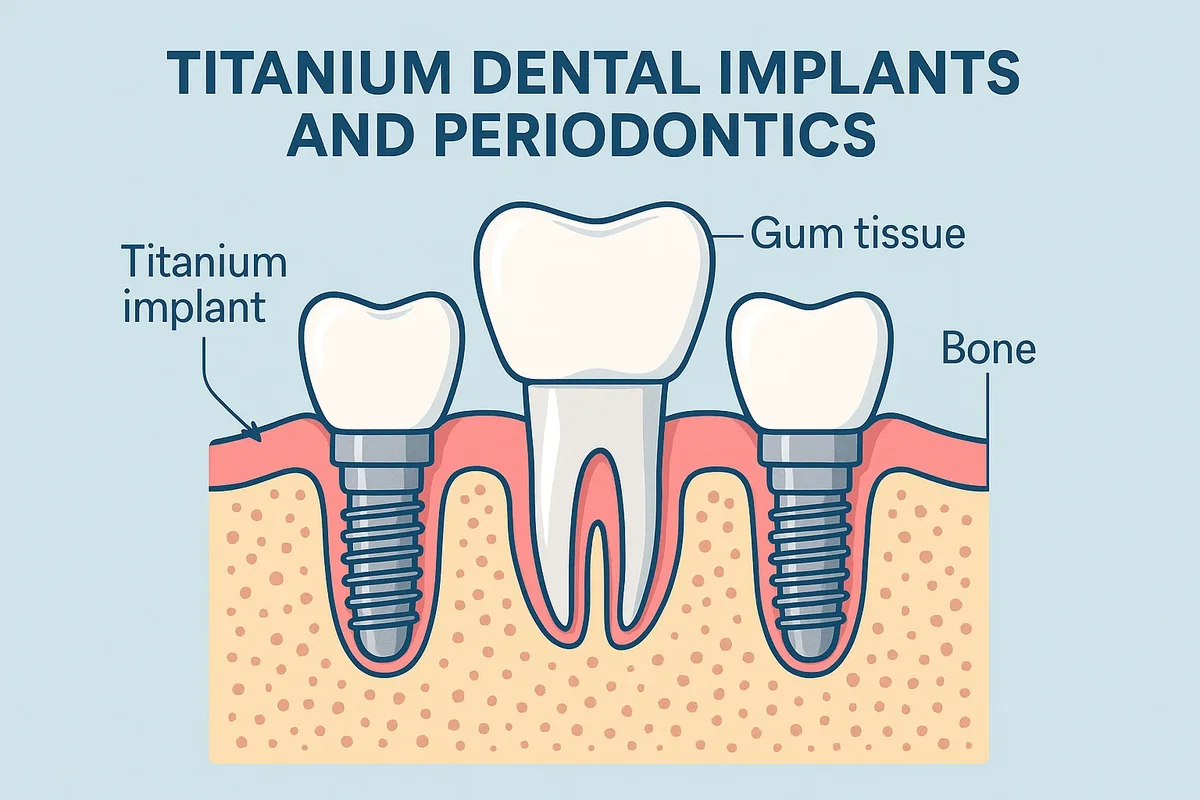
To understand why titanium dental implants and periodontics are so vital, it’s essential to explore how they complement each other. Titanium is chosen for implants because the human body does not reject it easily. Instead, through a biological process called osseointegration, the implant fuses directly with the jawbone, creating a stable foundation for crowns, bridges, or dentures. On the other hand, periodontics ensures that the gums and bone tissue around the implant remain healthy, preventing infection, inflammation, or bone loss. Without strong periodontal support, even the best titanium implants could fail.
One of the most appealing aspects of titanium implants is their durability. Studies show that well-maintained titanium implants can last 20 years or more, with many lasting a lifetime. When combined with periodontal care—such as scaling, root planing, and bone grafting—the chances of implant survival increase dramatically. Patients are not only receiving a cosmetic fix but also a functional solution that allows them to chew, speak, and smile with confidence. 😊
The synergy between titanium dental implants and periodontics extends beyond surgical success. Periodontists, who specialize in gum health, play a pivotal role in preparing patients for implants. They evaluate bone density, treat gum disease, and ensure that the mouth is a suitable environment for the implant. In many cases, procedures such as sinus lifts or guided bone regeneration may be required before implants can be placed. These preparatory steps significantly improve the outcome and longevity of implants.
For patients, this holistic approach translates into multiple benefits:
- Enhanced stability: Titanium integrates seamlessly with bone, while periodontal treatments preserve supporting tissues.
- Natural aesthetics: With proper gum contouring, implants look indistinguishable from natural teeth.
- Improved oral health: Periodontal care prevents infections that could compromise implants.
- Long-term cost savings: Although the initial cost may seem high, the durability of titanium implants reduces the need for frequent replacements.
Patients are also increasingly aware of the connection between periodontal health and systemic health. Gum disease has been linked to conditions like diabetes, heart disease, and respiratory illness. By combining implants with periodontal therapy, dentists not only restore teeth but also support overall wellness. This makes titanium dental implants and periodontics a cornerstone of modern preventive and restorative care.
Another factor contributing to the popularity of titanium implants is their versatility. Whether a patient is missing a single tooth, several teeth, or even an entire arch, implants can be customized to fit their needs. Periodontists collaborate with prosthodontists and general dentists to design treatment plans that address both aesthetics and function. This interdisciplinary teamwork ensures that patients receive comprehensive care tailored to their unique situation.
Global demand for dental implants has surged, with titanium remaining the preferred material due to its proven track record. According to the American Dental Association, dental implants have success rates of over 95% when placed and maintained properly. This high level of predictability gives patients peace of mind, knowing they are investing in a treatment with decades of scientific backing.
Cost considerations also come into play. While titanium implants may be more expensive upfront than bridges or dentures, their longevity often makes them the more economical choice over time. For patients seeking more details on treatment options, reaching out directly to clinics such as the Redent Klinik Contact Page can provide tailored cost estimates and treatment planning advice.
In conclusion, the combination of titanium dental implants and periodontics represents the pinnacle of restorative dentistry. By merging advanced materials with specialized care, patients benefit from long-lasting, functional, and aesthetically pleasing solutions. With proper maintenance, including regular check-ups and periodontal care, implants can serve as permanent replacements for natural teeth. This comprehensive approach not only restores smiles but also enhances overall oral and systemic health, making titanium implants supported by periodontics the ideal solution for many patients worldwide.
Understanding Titanium in Modern Dentistry
In today’s dental field, the combination of titanium dental implants and periodontics represents one of the most significant advancements in oral healthcare. Titanium, known for its exceptional biocompatibility and mechanical strength, has become the material of choice for dental implants worldwide. When paired with periodontics, which ensures the health of gums and bone structures, titanium implants offer both stability and longevity. This dual approach transforms smiles, restores confidence, and prevents further oral health deterioration.
Why Titanium? The Science Behind Its Success
Titanium stands out among dental materials because of its ability to integrate with human bone through a process called osseointegration. Unlike other metals, titanium is not rejected by the body. Instead, bone tissue grows tightly around the implant surface, locking it into place like a natural root. This property ensures that implants remain secure even under the pressure of daily chewing and biting.
The link between titanium dental implants and periodontics is critical here. While titanium provides the hardware, periodontal treatments create and maintain the biological environment needed for success. Healthy gums and sufficient bone density are essential for osseointegration to occur effectively. Without periodontal support, implants could loosen, fail, or cause infections.
Types of Titanium Used in Implants
Not all titanium is created equal. In dental implants, two main forms are used:
- Commercially Pure Titanium (CP-Ti): Highly biocompatible, offering excellent corrosion resistance and strength suitable for most cases.
- Titanium Alloys (Ti-6Al-4V): A combination of titanium, aluminum, and vanadium, designed for patients who require even greater durability and load resistance.
Both options are considered safe, but the choice often depends on the patient’s specific oral health condition. Periodontists carefully assess bone quality and density before deciding which type of titanium implant will provide the best long-term results.
Periodontics and the Role of Gum Health
Periodontics ensures that the tissues surrounding the titanium implant remain healthy and infection-free. For example, patients with untreated gum disease are at higher risk of implant failure. Through professional scaling, root planing, and bone grafting, periodontists prepare the mouth to accept implants successfully. After placement, routine periodontal check-ups help preserve implant health for decades.
The Impact of Gum Disease on Titanium Implants
Gum disease can cause bone loss, which destabilizes implants. Without periodontal treatment, even high-quality titanium implants may loosen over time. This highlights why the synergy between titanium dental implants and periodontics is non-negotiable. Healthy gums form a tight seal around implants, protecting against bacteria and ensuring long-term function.
Advantages of Titanium Over Other Materials
While ceramic and zirconia implants exist, titanium remains the gold standard. Its benefits include:
- Superior strength: Titanium withstands daily chewing forces better than most materials.
- Long track record: Over 50 years of clinical use prove its reliability.
- Lower risk of fracture: Compared to ceramic implants, titanium is less brittle.
- Proven integration: Titanium integrates with bone faster and more predictably than alternatives.
Patient Benefits of Titanium-Based Treatments
Patients who undergo treatment with titanium dental implants and periodontics report several life-changing improvements:
- Restored function: Patients regain the ability to chew and speak without discomfort.
- Aesthetic appeal: Titanium implants support natural-looking crowns that blend seamlessly with existing teeth.
- Boosted confidence: Missing teeth often lead to embarrassment; implants provide a permanent solution.
- Overall health benefits: Treating periodontal issues reduces the risk of systemic conditions like diabetes and cardiovascular disease.
Global Adoption and Clinical Success
According to studies endorsed by the American Dental Association, titanium implants have success rates of over 95%. These statistics reflect decades of innovation and careful periodontal care. More importantly, they underline the fact that implant success is not just about the material—it’s about comprehensive treatment involving both implants and periodontal health management.
Cost Considerations for Titanium Implants
Though titanium implants may require a higher upfront investment, their longevity makes them cost-effective over time. Average prices vary by country:
United States: $3,000–$5,000 per implant
United Kingdom: £2,000–£3,500 per implant
Turkey: €800–€1,200 per implant (including consultation and follow-ups)
Patients should also account for preparatory periodontal treatments, such as bone grafting, which may add to the cost but significantly improve success rates. Clinics like Redent Klinik Contact Page can provide tailored estimates for international patients seeking affordable and high-quality care.
Future Outlook for Titanium in Dentistry
Research continues to refine titanium implants. Surface modifications, nanotechnology, and bioactive coatings are being developed to accelerate healing and improve osseointegration. When combined with advancements in periodontics, these innovations promise even higher success rates and shorter recovery times for patients.
In summary, understanding titanium in dentistry goes beyond just knowing it as a metal. It represents a carefully engineered solution that, when combined with periodontal expertise, ensures long-lasting oral health. The collaboration between titanium dental implants and periodontics is what makes modern implant dentistry one of the most successful fields in medicine today.
Benefits of Titanium Dental Implants for Patients
For patients considering long-term solutions to tooth loss, the combination of titanium dental implants and periodontics offers a host of transformative benefits. These implants not only restore oral function but also enhance aesthetics, preserve jawbone integrity, and improve overall quality of life. Supported by periodontal expertise, titanium implants stand as one of the most predictable and effective restorative options in dentistry today.
Restoring Natural Functionality
The primary advantage of titanium implants is their ability to replicate the natural root of a tooth. Unlike removable dentures that can slip or cause discomfort, titanium implants fuse securely with the jawbone through osseointegration. This stability allows patients to chew, bite, and speak with the same confidence they would with natural teeth. By combining titanium dental implants and periodontics, patients benefit from enhanced gum support and bone preservation, ensuring implants remain functional for decades.
Chewing Efficiency and Nutrition
Patients with missing teeth often struggle to chew nutrient-dense foods such as fruits, vegetables, and lean meats. With implants, chewing efficiency is restored to nearly the same level as natural teeth. Periodontal treatments ensure surrounding tissues remain strong, which in turn prevents bone deterioration and allows patients to enjoy a diverse and healthy diet.
Improved Aesthetic Outcomes
Cosmetic appeal is another critical benefit. Titanium implants serve as stable anchors for crowns designed to mimic the color, shape, and translucency of natural teeth. This creates a seamless and aesthetically pleasing smile. When paired with periodontal procedures such as gum contouring, patients achieve balanced gum lines and lifelike results that significantly boost self-confidence.
Confidence in Social Interactions
Tooth loss often impacts self-esteem and social participation. Patients may avoid smiling, speaking, or laughing in public. By restoring a natural appearance, titanium dental implants and periodontics empower patients to engage freely in social and professional settings without fear of embarrassment. This psychological benefit is just as valuable as the physical restoration.
Bone Preservation and Periodontal Health
One of the most important but less obvious benefits is the preservation of jawbone density. When a tooth is lost, the underlying bone begins to resorb because it no longer receives stimulation from chewing forces. Titanium implants act as artificial roots, transmitting forces into the bone and maintaining its structure. Periodontists monitor and treat the surrounding tissues to ensure the bone remains healthy, preventing the sunken facial appearance often associated with prolonged tooth loss.
Preventing Further Tooth Loss
Untreated tooth loss can create a domino effect, leading to shifting teeth and gum complications. By stabilizing the bite and preserving bone, titanium dental implants and periodontics reduce the risk of additional tooth loss and protect the integrity of the entire dental arch.
Long-Term Durability and Cost Effectiveness
Although the initial investment may appear higher compared to dentures or bridges, titanium implants are highly durable. With proper care, they can last a lifetime. Periodontists help patients maintain their implants through regular cleaning and monitoring, ensuring optimal performance. Over time, this makes implants a more cost-effective option than treatments requiring frequent replacement or adjustments.
Average Lifespan of Restorations:
Dentures: 5–7 years
Bridges: 10–15 years
Titanium Implants: 20 years to lifetime
Systemic Health Benefits
Research has shown that periodontal disease is linked to systemic health conditions, including diabetes, cardiovascular disease, and respiratory infections. By combining titanium dental implants and periodontics, patients not only restore missing teeth but also improve gum health, thereby reducing risks associated with chronic conditions. This holistic impact elevates implants from being a cosmetic fix to a medical investment in overall well-being.
Comfort and Stability Compared to Alternatives
Dentures often require adhesives and may cause sore spots due to friction against the gums. Bridges demand alteration of adjacent healthy teeth, which weakens their structure. Titanium implants, however, are standalone solutions that do not compromise surrounding teeth. Periodontal maintenance ensures a comfortable fit without the irritation commonly reported by denture wearers.
Daily Comfort and Care
Patients appreciate that implants require the same care as natural teeth: brushing, flossing, and routine dental check-ups. With periodontal supervision, the risk of peri-implantitis (implant-related gum disease) remains low, making daily care simple and stress-free.
Psychological and Lifestyle Improvements
The benefits extend into mental health and lifestyle. Patients frequently report renewed energy, improved speech clarity, and greater willingness to participate in activities. Smiling without hesitation contributes to personal and professional growth, reinforcing why the combination of titanium dental implants and periodontics is often described as life-changing.
Conclusion: A Comprehensive Patient Benefit
Ultimately, the advantages of titanium implants go far beyond simple tooth replacement. They restore natural function, prevent bone loss, enhance appearance, improve systemic health, and deliver lasting comfort. Periodontics plays an equally important role, ensuring that gum tissues and supporting structures remain healthy. For patients seeking a durable, functional, and aesthetic solution, titanium dental implants and periodontics stand unmatched as a treatment choice. 🌟
Periodontics and Its Role in Implant Success
The success of titanium dental implants and periodontics lies not only in the advanced materials used but also in the health of the supporting gum and bone structures. Periodontics, the dental specialty dedicated to treating and maintaining the tissues that surround and support teeth, plays a pivotal role in ensuring long-term implant stability. Without a solid periodontal foundation, even the highest-quality titanium implants risk failure. This makes the partnership between periodontics and implantology essential for patients seeking reliable, long-lasting tooth replacement solutions.
The Role of Periodontists in Implant Dentistry
Periodontists are dental specialists trained to diagnose, prevent, and treat gum diseases as well as to manage oral inflammation. In implant dentistry, they are responsible for evaluating a patient’s suitability for implants and addressing periodontal conditions before surgery. For example, a patient with advanced gum disease may require scaling, root planing, or even bone grafting before titanium implants can be placed successfully. The integration of titanium dental implants and periodontics ensures that both the mechanical and biological aspects of treatment are addressed.
Initial Examination and Risk Assessment
Before recommending implants, periodontists perform comprehensive evaluations, including dental X-rays, 3D imaging, and periodontal charting. These assessments determine bone density, gum health, and the presence of any infections. If untreated gum disease is detected, immediate treatment is prioritized, as placing implants in diseased tissue greatly increases the risk of implant failure.
Creating a Stable Biological Environment
The long-term survival of implants depends heavily on a healthy biological environment. Periodontics ensures this through:
- Bone Grafting: Restoring lost bone volume to provide a stable base for implants.
- Soft Tissue Management: Strengthening gum tissue around implants to create a protective seal.
- Sinus Lifts: Elevating the sinus floor in the upper jaw to allow implant placement where bone height is insufficient.
By addressing these critical factors, periodontists maximize the success rates of titanium dental implants and periodontics, ensuring implants remain functional and aesthetic for decades.
Preventing Peri-Implant Diseases
One of the biggest challenges in implant dentistry is peri-implant disease, which includes peri-implant mucositis (inflammation of the soft tissues around implants) and peri-implantitis (inflammation and bone loss). Both conditions can lead to implant failure if left untreated. Periodontists specialize in detecting and treating these issues early through targeted therapies such as laser treatment, antimicrobial rinses, and regenerative procedures.
The Importance of Regular Maintenance
After implant placement, patients must commit to regular maintenance appointments. During these visits, periodontists check gum health, perform professional cleanings, and monitor bone levels using radiographs. This ongoing care prevents infection and ensures the longevity of titanium dental implants and periodontics.
Enhancing Aesthetic Outcomes with Periodontics
Beyond functional success, aesthetics are an important concern for patients. Gum health and contouring directly impact how natural implants appear. Periodontists use soft tissue grafts and reshaping techniques to create symmetrical gum lines that complement crowns supported by titanium implants. This combination results in both a functional bite and a beautiful, natural-looking smile.
Interdisciplinary Collaboration in Implant Dentistry
Implant success often depends on a team-based approach. Periodontists work alongside oral surgeons, prosthodontists, and general dentists to design and implement comprehensive treatment plans. While titanium provides strength and durability, periodontics ensures biological compatibility, making titanium dental implants and periodontics a collaborative success story in modern dentistry.
Patient Education and Home Care
Periodontists also play an important role in educating patients about oral hygiene practices. Patients are taught proper brushing and flossing techniques, as well as how to use specialized tools like interdental brushes or water flossers. With this knowledge, patients become active participants in maintaining implant health, reducing reliance solely on professional interventions.
Long-Term Success Rates with Periodontal Care
Studies have consistently shown that when periodontal care accompanies titanium implant placement, success rates rise dramatically. According to clinical data referenced by the American Dental Association, implants maintained with periodontal support achieve survival rates above 95%. This proves that the integration of periodontics into implantology is not optional but essential.
Conclusion: The Periodontics Advantage
In conclusion, the role of periodontics in implant dentistry cannot be overstated. While titanium implants provide the structural foundation, periodontal expertise ensures that these implants are placed in a healthy environment and remain stable for years to come. The partnership between titanium dental implants and periodontics results in stronger, healthier, and more beautiful smiles. By addressing both the biological and mechanical aspects of dental restoration, periodontics elevates implant success to its highest potential. 🌿
Surgical Procedure: Step-by-Step Implant Placement
The process of placing titanium dental implants and periodontics involves meticulous planning and a carefully executed surgical protocol. Unlike traditional dentures or bridges, implants require integration with the jawbone, making surgical accuracy and periodontal support critical. Patients often wonder what to expect during implant surgery, and understanding the step-by-step procedure helps reduce anxiety while highlighting the importance of periodontal involvement at every stage.
Initial Consultation and Diagnostic Phase
The journey begins with a comprehensive consultation. Dentists and periodontists collaborate to evaluate the patient’s oral health through:
- Medical History Review: Identifying systemic conditions such as diabetes or cardiovascular disease that may affect healing.
- Radiographic Imaging: Using X-rays or CBCT scans to assess bone density, gum condition, and anatomical structures like nerves and sinuses.
- Periodontal Assessment: Measuring pocket depths and checking for gum disease to ensure the tissues are ready for implants.
At this stage, if gum disease or bone loss is detected, periodontal treatments like scaling, root planing, or grafting are completed first. This demonstrates why titanium dental implants and periodontics are inseparable in achieving predictable results.
Step 1: Preparing the Surgical Site
On the day of surgery, local anesthesia or sedation is administered for patient comfort. The periodontist or oral surgeon then prepares the implant site by making a small incision in the gum tissue to expose the jawbone. If necessary, bone graft materials may be placed to strengthen weak areas. Ensuring the site is free of infection and inflammation is essential, making periodontal expertise critical during this phase.
Tissue Management for Better Healing
Proper handling of gum tissues reduces trauma and promotes faster healing. Periodontists ensure that soft tissues are managed carefully to minimize swelling, discomfort, and post-operative complications. This step also lays the groundwork for aesthetic results once the final crown is attached.
Step 2: Drilling and Implant Placement
Once the surgical site is exposed, the dentist drills a precise hole in the jawbone. Using surgical guides or digital navigation systems, the implant is inserted with accuracy. Titanium’s unique property of biocompatibility ensures that the bone begins to integrate with the implant almost immediately. After insertion, the gum tissue is repositioned and sutured, protecting the site during the healing phase.
Osseointegration Begins
This critical biological process allows bone cells to grow around the implant surface. The fusion between bone and titanium creates a stable anchor for the artificial tooth. The role of titanium dental implants and periodontics becomes evident here: without healthy bone and periodontal tissues, osseointegration may not occur successfully.
Step 3: Healing Phase and Temporary Prosthetics
The healing period typically lasts between three to six months, depending on bone quality and patient health. During this time, temporary crowns or dentures may be provided for aesthetics and function. Periodontists monitor healing closely, ensuring no infections or peri-implant diseases develop. They also educate patients on oral hygiene practices to protect the surgical site.
Post-Surgical Care Instructions
Patients are advised to avoid hard foods, practice gentle brushing, and use antimicrobial rinses to reduce bacterial load. Periodontal follow-up visits help detect early complications and guarantee smooth recovery, which is why titanium dental implants and periodontics go hand in hand for predictable success.
Step 4: Abutment Placement
Once osseointegration is confirmed, a minor procedure is performed to attach the abutment, which connects the implant to the final crown. This step requires precise gum shaping to achieve natural-looking results. Periodontists often perform soft tissue contouring to ensure the gum line blends harmoniously with adjacent teeth.
Step 5: Final Crown Placement
The last step involves attaching the custom-designed crown to the abutment. Crowns are crafted to match the size, shape, and color of the patient’s natural teeth. With proper periodontal management, the final result is indistinguishable from real teeth—both in appearance and function.
Interdisciplinary Teamwork in Implant Surgery
The surgical procedure is rarely a one-specialist job. Collaboration between prosthodontists, surgeons, and periodontists ensures optimal outcomes. Periodontics is particularly important in both the preparation and maintenance phases, underscoring the importance of integrating biological health with titanium technology. According to data from the American Dental Association, coordinated teamwork raises implant success rates above 95%.
Conclusion: Precision and Periodontics for Lasting Results
The step-by-step implant procedure demonstrates how essential periodontal care is in every stage of treatment. From initial diagnosis to healing and crown placement, the role of periodontics ensures implants function effectively and last a lifetime. Patients who choose titanium dental implants and periodontics are investing in more than just a dental restoration—they are choosing a comprehensive approach that combines surgical precision, biological support, and long-term oral health. ✨
Healing Process and Osseointegration Explained
The long-term success of titanium dental implants and periodontics depends heavily on the healing process and the biological phenomenon known as osseointegration. While implant placement is a surgical milestone, the period that follows is equally crucial. During this time, the implant fuses with the jawbone, gums adapt to new structures, and periodontal maintenance ensures the absence of infection. A clear understanding of this process helps patients appreciate the importance of patience, compliance, and proper oral care after surgery.
What is Osseointegration?
Osseointegration is the process where bone cells grow directly onto the surface of a titanium implant, creating a strong bond between living tissue and the implant material. Unlike other restorative methods that rely on adhesives or pressure, titanium integrates biologically, becoming part of the body. This explains why titanium dental implants and periodontics are superior for long-term tooth replacement—periodontics ensures the surrounding gums and bone remain healthy while osseointegration secures the implant in place.
Why Titanium is Ideal for Osseointegration
Titanium’s unique biocompatibility allows the bone to recognize it as safe, rather than as a foreign object. Surface modifications, such as roughened or coated implant surfaces, further accelerate integration. Periodontists play a role in ensuring that bone density and gum tissues are optimized before and after surgery, giving the implant the best possible chance for successful fusion.
Phases of the Healing Process
The healing journey after implant surgery typically unfolds in several stages:
- Initial Healing (1–2 weeks): Gum tissue begins to close around the incision. Patients may experience swelling, mild discomfort, or bruising. Periodontal monitoring ensures no early infections develop.
- Early Osseointegration (1–3 months): Bone cells start to attach to the implant. At this point, diet adjustments and careful oral hygiene are critical.
- Mature Osseointegration (3–6 months): Bone remodels around the implant, providing full stability. Periodontists confirm integration through X-rays before proceeding with abutment and crown placement.
Each stage highlights the importance of close coordination between implantology and periodontics to avoid complications that could compromise healing.
Role of Periodontics During Healing
Periodontics ensures that the gum tissues surrounding the implant heal correctly and form a protective barrier. Healthy gums prevent bacteria from entering the implant site, reducing the risk of peri-implantitis. Periodontists also guide patients with tailored oral hygiene routines, teaching them how to brush and floss without disturbing the healing area. This partnership between titanium dental implants and periodontics safeguards the biological environment essential for long-term success.
Preventing Complications
Without proper periodontal care, complications such as peri-implant mucositis (gum inflammation) or peri-implantitis (bone loss) may occur. Early detection and treatment by a periodontist—using antimicrobial rinses, laser therapy, or regenerative techniques—can save an implant from failure. This proactive care is why periodontics is inseparable from implant dentistry.
Patient Guidelines for Successful Healing
For osseointegration to succeed, patients must follow strict care guidelines:
- Avoid hard or sticky foods that could disturb the implant site.
- Use prescribed mouth rinses to control bacterial growth.
- Maintain excellent oral hygiene with soft-bristled toothbrushes.
- Attend scheduled periodontal check-ups to monitor healing progress.
Patients who comply with these recommendations experience faster healing and higher implant survival rates, proving the synergy of titanium dental implants and periodontics in patient care.
Expected Healing Timeline and Success Rates
Healing times vary depending on factors such as bone quality, gum health, and systemic conditions. Non-smokers with strong bone density may heal in as little as three months, while patients requiring bone grafts may take six months or longer. Studies supported by the American Dental Association confirm that implants with proper periodontal support demonstrate success rates exceeding 95%, even in complex cases.
Psychological and Lifestyle Aspects of Healing
Beyond biological healing, patients often undergo an emotional transformation during this phase. Knowing that their new tooth is securely integrating with the bone builds anticipation for the final restoration. With guidance from periodontists, patients adopt healthier oral care habits, improving not only implant outcomes but also their overall oral health long-term. 🌱
Conclusion: The Power of Healing and Integration
In summary, the healing process and osseointegration are the cornerstones of implant success. Titanium ensures a strong biological bond, while periodontics guarantees that surrounding tissues remain healthy and resilient. Together, titanium dental implants and periodontics provide patients with lasting solutions that restore function, aesthetics, and confidence. By respecting the healing timeline and prioritizing periodontal care, patients can enjoy smiles that endure a lifetime.
Comparing Titanium Implants to Zirconia Alternatives
In the world of modern dentistry, patients are often presented with two primary choices for implant materials: titanium and zirconia. While both options serve as foundations for tooth replacement, their properties, success rates, and compatibility differ. Understanding the distinctions between them—and how titanium dental implants and periodontics create a proven synergy—helps patients make informed decisions about their oral health. Although zirconia implants have gained popularity as a metal-free alternative, titanium remains the gold standard due to decades of research, clinical predictability, and periodontal support.
Material Composition and Biocompatibility
Titanium: A lightweight, corrosion-resistant metal known for its strength and ability to integrate with bone through osseointegration. Titanium’s biocompatibility allows bone tissue to form a direct bond, ensuring long-term stability.
Zirconia: A ceramic-based material, praised for its aesthetic advantages (tooth-like color) and hypoallergenic properties. Zirconia implants appeal to patients seeking a completely metal-free solution, particularly those with metal sensitivities.
The role of titanium dental implants and periodontics shines in this context: while zirconia offers cosmetic appeal, titanium’s proven compatibility with both bone and soft tissue makes it more reliable in complex periodontal cases.
Strength and Durability
One of the biggest differentiators between titanium and zirconia is strength. Titanium implants are highly durable and resist fracture under the forces of chewing and grinding. Zirconia implants, while strong, are more brittle and may be prone to cracking over time, particularly in patients with bruxism (teeth grinding).
Clinical Longevity
Studies consistently show titanium implants lasting 20+ years, with many functioning successfully for a lifetime. Zirconia implants, although promising, lack the extensive long-term data needed to rival titanium’s track record. This is why most periodontists continue to recommend titanium over zirconia, especially when stability and longevity are the primary concerns.
Osseointegration Differences
Titanium implants have been engineered to enhance osseointegration through surface modifications such as sandblasting and acid etching. This speeds up bone bonding and reduces healing time. Zirconia also integrates with bone but does so less predictably. As a result, success rates for titanium implants, especially when combined with periodontal care, remain higher.
Aesthetic Considerations
Zirconia implants are often marketed for their natural white color, which can be advantageous in patients with thin or receding gums where gray titanium might otherwise show through. However, when titanium dental implants and periodontics are combined with soft tissue grafts and gum contouring, the aesthetic concerns of titanium are virtually eliminated. Periodontists ensure that gums heal and adapt properly, hiding the implant beneath healthy tissue for a seamless appearance.
Allergies and Biocompatibility Concerns
While rare, some patients express concerns about metal allergies. Titanium is considered hypoallergenic, with very few documented allergic reactions. Zirconia, being ceramic, is completely metal-free, appealing to patients with extreme sensitivities. Periodontists often perform allergy screenings when necessary, but for the vast majority of patients, titanium implants remain perfectly safe.
Systemic Health Considerations
There is no strong scientific evidence linking titanium implants to systemic health risks. Organizations such as the American Dental Association support their use as safe and effective. Zirconia’s long-term systemic effects are less studied, leaving some unanswered questions about its use in complex medical cases.
Surgical Flexibility and Customization
Titanium implants are available in a wide range of sizes, shapes, and two-piece designs, offering flexibility for complex cases, immediate loading, and full-arch restorations. Zirconia implants are typically one-piece, limiting surgical options and making them less adaptable. This lack of customization can be a disadvantage when patients require extensive periodontal intervention.
Cost Comparison
Zirconia implants are generally more expensive due to manufacturing processes and their status as a newer technology. Titanium implants, on the other hand, are widely available and competitively priced, especially in countries with advanced dental tourism markets. Patients exploring costs can consult specialized clinics such as Redent Klinik Contact Page for customized treatment estimates.
Average Implant Costs:
Titanium Implants: $3,000–$5,000 per unit (U.S.)
Zirconia Implants: $4,000–$6,000 per unit (U.S.)
Titanium Implants in Turkey: €800–€1,200 per unit
Zirconia Implants in Turkey: €1,200–€1,800 per unit
Conclusion: Why Titanium Remains the Standard
Although zirconia implants present an attractive alternative for certain patients, titanium continues to dominate implant dentistry due to its superior strength, predictability, and clinical success rates. With the added assurance of periodontal support, titanium dental implants and periodontics remain the most reliable and versatile option. By addressing both biological and functional needs, titanium implants supported by periodontal care deliver unmatched results—ensuring that patients can smile, chew, and live with confidence for decades to come. 🌟
Common Risks and Complications in Implant Dentistry
While titanium dental implants and periodontics are considered highly successful treatments with success rates exceeding 95%, like any surgical procedure, there are risks and potential complications to be aware of. Understanding these issues not only prepares patients but also emphasizes the crucial role of periodontal care in prevention and management. From minor post-surgical discomfort to serious conditions such as peri-implantitis, awareness and proactive care are key to ensuring long-term success.
Short-Term Risks After Implant Surgery
Immediately after surgery, patients may experience short-term risks, most of which are manageable with proper care and monitoring:
- Pain and Swelling: Normal after surgery but usually controlled with prescribed painkillers and cold compresses.
- Bleeding: Minor bleeding within the first 24 hours is common and can be managed with gauze and gentle pressure.
- Infection at the Surgical Site: If oral hygiene is not followed, bacteria can accumulate around the incision, slowing down healing.
- Nerve Irritation: In rare cases, implants placed too close to nerves may cause tingling or numbness in the lips, tongue, or gums.
With proper periodontal oversight, these short-term risks are minimized. Periodontists guide patients with clear post-surgical care instructions, which are critical for protecting titanium dental implants and periodontics success rates.
Long-Term Complications
Beyond the initial healing period, some patients may face long-term challenges. These include:
- Implant Failure: Occurs when osseointegration does not complete, often due to poor bone quality, smoking, or uncontrolled medical conditions like diabetes.
- Peri-Implant Mucositis: Inflammation of gum tissue around the implant without bone loss, reversible with early intervention.
- Peri-Implantitis: More serious, involving both gum inflammation and bone loss, which can lead to implant loss if untreated.
- Bone Resorption: Loss of jawbone density if implants are overloaded or periodontal disease remains untreated.
The integration of titanium dental implants and periodontics helps prevent these complications. Regular check-ups, periodontal maintenance, and professional cleaning significantly reduce risks.
Patient-Related Risk Factors
Not all patients face the same level of risk. Certain factors can increase the likelihood of complications:
- Smoking: Nicotine restricts blood flow, delaying healing and increasing the risk of implant failure.
- Diabetes: Poorly controlled diabetes impairs the body’s ability to heal and fight infections.
- Poor Oral Hygiene: Neglecting daily care allows plaque and bacteria to accumulate, leading to peri-implant diseases.
- Bruxism (Teeth Grinding): Excessive pressure can cause micro-fractures in implants or damage surrounding bone.
Periodontists carefully evaluate these risk factors during initial assessments, ensuring patients are well-prepared before undergoing treatment. This is why titanium dental implants and periodontics form an inseparable combination in implant dentistry.
Managing Systemic Conditions
Patients with cardiovascular disease, osteoporosis, or autoimmune disorders require additional precautions. Periodontists often collaborate with medical professionals to adjust treatment plans, ensuring implants integrate safely and predictably.
Technical and Surgical Risks
Even with advanced technology, surgical complications may arise:
- Sinus Complications: Implants in the upper jaw may penetrate the sinus cavity if not planned correctly, requiring sinus lift procedures beforehand.
- Implant Malposition: Incorrect angulation or placement can compromise aesthetics and function.
- Overloading: Placing crowns before osseointegration is complete can lead to implant mobility and eventual failure.
Periodontics ensures proper surgical planning, often using digital imaging and guided surgery techniques to reduce these risks and protect implant longevity.
Preventing Risks with Periodontal Care
The most effective way to minimize complications is through continuous periodontal care. Periodontists schedule maintenance visits to monitor gum health, bone density, and implant integration. Patients are also educated on how to use special floss, interdental brushes, and antimicrobial rinses to maintain hygiene. These proactive measures greatly enhance the durability of titanium dental implants and periodontics.
Financial and Emotional Implications of Complications
Implant complications not only affect oral health but can also lead to increased financial costs and emotional distress. Corrective surgeries such as bone grafting, implant removal, or replacement can be expensive. Clinics like Redent Klinik Contact Page provide consultations to help patients understand potential risks and associated costs before beginning treatment.
Estimated Costs of Managing Complications:
Peri-Implantitis Treatment: $500–$1,500
Bone Grafting: $600–$2,500
Implant Replacement Surgery: $2,500–$5,000
Conclusion: Awareness Leads to Success
In conclusion, while titanium implants are highly predictable, risks and complications cannot be ignored. Fortunately, with the integration of periodontal care, these risks are minimized, and patients can enjoy lasting results. The success of titanium dental implants and periodontics depends on a proactive approach: careful patient selection, proper surgical planning, and lifelong maintenance. By understanding potential risks and working closely with periodontists, patients can achieve healthy, functional, and confident smiles that endure for decades. 🦷
Cost and Pricing of Titanium Dental Implants Worldwide
When patients consider titanium dental implants and periodontics, one of the most pressing questions is cost. Dental implants are a significant investment, but they are also one of the most durable and life-changing solutions for tooth replacement. Costs vary widely across countries, influenced by material quality, clinical expertise, location, and the complexity of periodontal treatments required. A clear understanding of pricing helps patients make informed decisions and balance affordability with long-term value.
Factors Affecting the Cost of Titanium Implants
Several key elements determine the final cost of treatment:
- Material Quality: Premium-grade titanium or specialized surface-coated implants may cost more but provide enhanced osseointegration.
- Periodontal Treatments: Bone grafts, sinus lifts, and gum therapy add to the total expense but are often necessary for success.
- Geographical Location: Prices differ drastically between countries due to labor costs, healthcare systems, and currency values.
- Clinic Expertise: Reputable clinics with board-certified periodontists may charge higher fees for guaranteed outcomes.
- Type of Restoration: A single implant with a crown is cheaper than full-mouth rehabilitation using implant-supported dentures.
These factors highlight why cost cannot be judged on the implant alone. Instead, the integration of titanium dental implants and periodontics determines both the upfront price and long-term value.
Average Implant Prices by Region
Below is an overview of estimated costs for titanium implants worldwide (per implant unit, excluding advanced restorations):
United States: $3,000–$5,000
Canada: CAD 3,500–5,500
United Kingdom: £2,000–£3,500
Germany: €2,200–€3,800
Turkey: €800–€1,200
India: $600–$1,000
As shown, countries with developed dental tourism sectors, such as Turkey and India, offer more affordable options without sacrificing quality, especially when clinics employ highly skilled periodontists. Patients seeking personalized cost breakdowns can consult directly with providers like Redent Klinik Contact Page.
Hidden Costs Patients Should Consider
Beyond the initial implant placement, additional costs may arise:
- Consultations and Diagnostic Imaging: CBCT scans and X-rays typically cost $100–$500.
- Periodontal Therapy: Treatments such as scaling, root planing, or bone grafting may range from $300–$2,000.
- Temporary Restorations: Interim crowns or dentures add to expenses but provide aesthetics during healing.
- Follow-Up Maintenance: Regular periodontal check-ups and cleanings are essential for long-term implant survival.
This is why combining titanium dental implants and periodontics creates a comprehensive plan where patients are aware of every cost involved, not just the implant itself.
Insurance and Financing Options
In most countries, dental implants are considered elective and are not fully covered by insurance. However, partial coverage may be available for related procedures such as extractions or bone grafting. Many clinics also offer financing plans, allowing patients to spread payments over 12–36 months. Periodontists often help patients prepare documentation for insurance claims, ensuring financial transparency.
Cost-Effectiveness Over Time
While implants may appear expensive upfront compared to bridges or dentures, their longevity makes them cost-effective. A denture may require replacement every 5–7 years, and bridges typically last 10–15 years. In contrast, titanium implants often last a lifetime when supported by periodontal care. Thus, investing in titanium dental implants and periodontics reduces replacement and maintenance costs over decades.
Impact of Periodontics on Overall Cost
Periodontal expertise ensures implants are placed in a stable biological environment, reducing the likelihood of complications. While this may increase the initial investment, it prevents costly failures later. For example, untreated gum disease could lead to implant loss, requiring expensive corrective surgeries. Periodontics, therefore, safeguards the value of titanium implants by enhancing both success rates and longevity.
Dental Tourism and Global Accessibility
Many patients travel abroad for affordable treatment. Countries like Turkey, Hungary, and Mexico have become dental tourism hubs, offering lower costs and internationally accredited clinics. These destinations combine high-quality titanium implants with skilled periodontal care, giving patients access to premium results at a fraction of U.S. or U.K. prices.
Conclusion: Weighing Costs Against Value
Ultimately, the cost of implants should be viewed as a long-term investment in oral health, aesthetics, and quality of life. While zirconia and other alternatives exist, titanium remains the most predictable choice when combined with periodontal expertise. Patients who choose titanium dental implants and periodontics not only secure a lasting solution but also benefit from healthier gums, stronger bone, and lower lifetime costs. By factoring in both direct and hidden expenses, patients can make informed decisions and enjoy a restored smile that pays dividends in confidence and function for decades. 💎
Long-Term Maintenance and Oral Hygiene for Implants
The long-term success of titanium dental implants and periodontics depends not only on surgical precision but also on diligent oral hygiene and regular maintenance. While titanium implants are highly durable, they still require care to prevent peri-implant diseases and ensure gums and bone remain healthy. Patients who follow structured hygiene routines and work closely with periodontists can expect their implants to last decades, often a lifetime. This section provides a detailed roadmap for proper care and maintenance practices, ensuring the full benefits of implants are realized.
Daily Oral Hygiene Practices
Implants must be treated like natural teeth when it comes to cleaning. Proper brushing and flossing prevent the buildup of plaque and bacteria, which could otherwise lead to peri-implantitis.
- Brushing: Patients should use a soft-bristled toothbrush or an electric toothbrush at least twice a day, focusing on implant-supported crowns and gum lines.
- Flossing: Specialized implant floss or super floss helps clean around abutments and under prosthetics where bacteria often accumulate.
- Interdental Brushes: Small brushes with nylon-coated wires are excellent for cleaning between implants and adjacent teeth without damaging the surface.
- Mouth Rinses: Antimicrobial rinses reduce bacterial loads, especially during the healing phase.
By combining these practices with periodontal advice, patients strengthen the link between titanium dental implants and periodontics, ensuring optimal long-term outcomes.
The Role of Periodontal Maintenance Visits
Routine visits to a periodontist are just as important as daily home care. Professional cleanings and check-ups ensure that any early signs of disease are detected and treated promptly. These visits typically include:
- Radiographic evaluation to monitor bone levels around implants.
- Assessment of gum pocket depths to detect inflammation.
- Professional cleaning using non-metal instruments to avoid scratching the titanium surface.
- Review of patient hygiene techniques and reinforcement of best practices.
Most experts recommend maintenance appointments every 3–6 months depending on the patient’s periodontal history and risk factors. This ongoing partnership highlights the importance of titanium dental implants and periodontics as a unified system of care.
Prevention of Peri-Implant Diseases
Peri-implant diseases, such as mucositis and peri-implantitis, are major threats to implant longevity. Regular periodontal care identifies and treats inflammation early, preventing bone loss and implant failure. Treatments may include antimicrobial therapy, laser cleaning, or regenerative procedures to rebuild lost tissue.
Lifestyle Habits That Influence Implant Health
Beyond brushing and professional cleanings, lifestyle habits significantly affect the long-term survival of implants:
- Quit Smoking: Nicotine reduces blood flow, slowing healing and increasing infection risks.
- Limit Alcohol: Excessive consumption irritates gums and reduces immune response.
- Healthy Diet: Nutrient-rich foods support strong bone and gum health.
- Stress Management: Stress-related grinding (bruxism) may cause excessive pressure on implants.
Periodontists often design personalized strategies to manage these habits, ensuring that titanium dental implants and periodontics achieve the highest survival rates.
Use of Protective Devices
Patients with bruxism may require night guards to protect implants from excessive forces. Custom-made guards distribute pressure evenly, preventing fractures or bone resorption around implants. Periodontists regularly assess bite forces and make adjustments when needed.
Cost of Long-Term Maintenance
While maintenance has ongoing costs, it is significantly cheaper than treating complications or replacing failed implants. Average maintenance appointments cost between $100–$300. In comparison, treating peri-implantitis or replacing an implant may range from $2,000 to $5,000. Investing in regular maintenance is therefore highly cost-effective for protecting titanium dental implants and periodontics.
Estimated Annual Maintenance Costs:
Routine Check-ups: $200–$400
Professional Implant Cleaning: $150–$250
Radiographic Monitoring: $100–$200
Patient Education and Self-Responsibility
Successful implant care is a partnership between professionals and patients. Periodontists provide advanced treatments and monitoring, but daily habits rest with the patient. Education programs often include demonstrations of proper brushing, flossing, and dietary choices. Patients who actively participate in their care significantly increase the lifespan of their implants.
Conclusion: Long-Term Success Through Shared Care
In conclusion, implants are not “set and forget” solutions. Their success relies on continuous care and a proactive approach to oral hygiene. By integrating periodontal expertise with patient commitment, titanium dental implants and periodontics achieve unmatched longevity and stability. Patients who follow recommended hygiene routines, attend maintenance visits, and adopt healthy lifestyle habits can expect their implants to remain functional and aesthetic for life. 🌟