
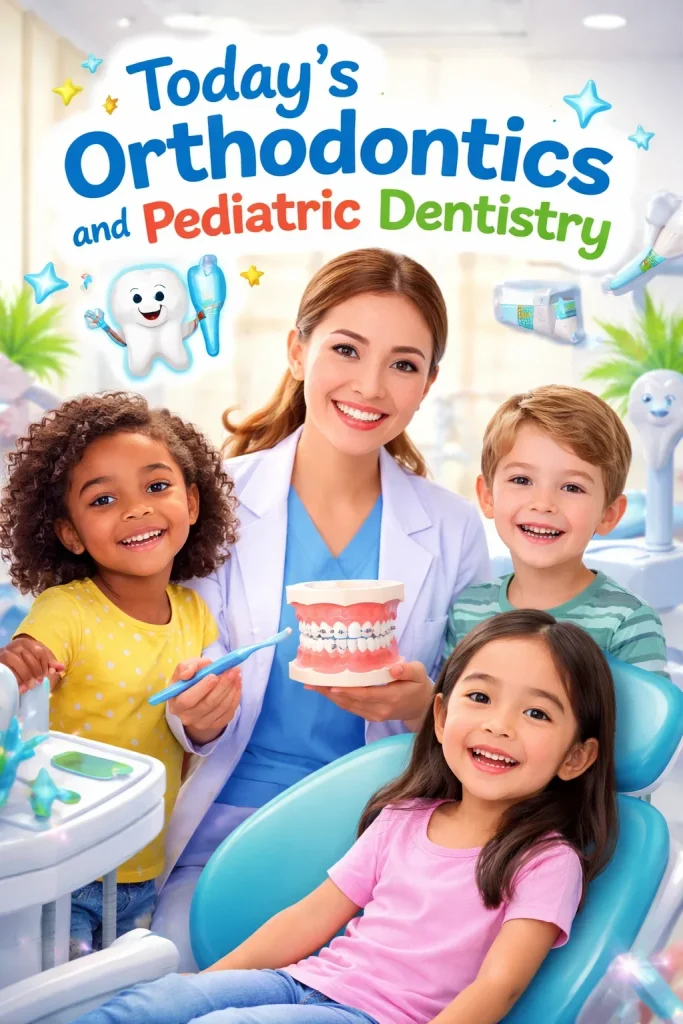
Today’s orthodontics and pediatric dentistry represent a modern, child-centered approach to oral health that goes far beyond traditional dental care. Parents today are not only looking for treatments that fix problems, but also for preventive, comfortable, and long-term solutions that support their children’s overall development 😊. This comprehensive field combines advanced orthodontic techniques with specialized pediatric dental care, ensuring that children receive the right treatment at the right time.
Unlike older models that focused mainly on correcting visible issues, today’s orthodontics and pediatric dentistry emphasize early diagnosis, prevention, and minimally invasive care. This shift is driven by new research, digital technology, and a deeper understanding of how dental health affects speech development, nutrition, self-confidence, and even academic performance. By addressing oral health early, dentists can guide jaw growth, prevent complex future treatments, and establish healthy habits that last a lifetime.
A key advantage of today’s orthodontics and pediatric dentistry is its age-specific approach. Children are not treated as “small adults.” Instead, pediatric dentists and orthodontists receive specialized training to understand child psychology, growth patterns, and behavioral management. This ensures that visits are not only effective but also stress-free and even enjoyable for young patients 🦷✨. Creating positive dental experiences early helps eliminate dental anxiety later in life.
Technology plays a central role in today’s orthodontics and pediatric dentistry. Digital X-rays reduce radiation exposure, intraoral scanners eliminate uncomfortable impressions, and 3D treatment planning allows dentists to predict outcomes with remarkable accuracy. These innovations make treatments safer, faster, and more precise. For parents, this means fewer surprises, clearer explanations, and better overall results.
Another defining feature of today’s orthodontics and pediatric dentistry is prevention-focused care. Rather than waiting for cavities or alignment issues to worsen, modern clinics actively monitor tooth eruption, jaw development, and bite relationships from an early age. Preventive treatments such as sealants, fluoride applications, and space maintainers are widely used to protect developing teeth and avoid costly interventions later.
Orthodontic care has also evolved significantly. In today’s orthodontics and pediatric dentistry, early orthodontic evaluations can identify potential crowding, bite issues, or jaw discrepancies as early as age seven. This does not always mean immediate braces; instead, it may involve growth guidance or monitoring. Early intervention often shortens treatment time during adolescence and improves final outcomes 😁.
Patient comfort is another cornerstone of today’s orthodontics and pediatric dentistry. Modern materials, gentler techniques, and child-friendly clinic designs all contribute to a more positive experience. From colorful waiting areas to clear, reassuring explanations, everything is designed to make children feel safe and confident. This focus on comfort encourages regular dental visits and supports long-term oral health compliance.
Education is deeply integrated into today’s orthodontics and pediatric dentistry. Dentists actively teach children and parents about proper brushing, flossing, nutrition, and habit control such as thumb sucking or prolonged pacifier use. When families understand the “why” behind dental care, they are more likely to follow recommendations at home, leading to better outcomes and healthier smiles.
Trusted organizations like the American Dental Association strongly support early and preventive dental care, reinforcing the principles behind today’s orthodontics and pediatric dentistry. Evidence-based guidelines ensure that treatments are safe, ethical, and aligned with the latest scientific research.
For parents seeking professional guidance or personalized treatment plans, reaching out to a qualified clinic is essential. You can easily schedule a consultation through the Redent Klinik Contact Page to learn how modern dental solutions can support your child’s oral health journey.
In summary, today’s orthodontics and pediatric dentistry offer a holistic, technology-driven, and compassionate approach to children’s dental care. By focusing on early intervention, prevention, comfort, and education, this modern field ensures not just straight teeth, but healthy, confident smiles that grow with your child 🌟.
What Makes Today’s Orthodontics and Pediatric Dentistry Different?
What truly sets today’s orthodontics and pediatric dentistry apart is a fundamental shift in philosophy—from reactive treatment to proactive, personalized care. Modern clinics no longer wait for problems to become severe. Instead, they focus on early assessment, growth guidance, and prevention, ensuring children develop healthy smiles with fewer complications later in life 😊. This evolution reflects advances in science, technology, and a deeper understanding of child development.
A Shift from Problem-Fixing to Prevention
In the past, dental care for children often began only after visible issues appeared. Cavities, crooked teeth, or bite problems were addressed once they caused discomfort or cosmetic concerns. In contrast, today’s orthodontics and pediatric dentistry prioritize prevention and early intervention. Dentists monitor dental and jaw development from a young age, identifying risk factors before they turn into complex problems.
Preventive strategies include regular screenings, fluoride treatments, sealants, and guidance on oral habits. By focusing on prevention, today’s orthodontics and pediatric dentistry help reduce the need for invasive treatments, saving families time, stress, and long-term costs.
Child-Centered and Developmentally Aware Care
Another major difference lies in how care is delivered. Today’s orthodontics and pediatric dentistry are built around the child—not just their teeth. Pediatric specialists are trained to understand emotional development, attention spans, and behavioral needs. This allows them to communicate effectively, reduce fear, and build trust with young patients 🧸.
Why Child Psychology Matters in Dental Care
A child’s perception of dental visits can shape their attitude toward oral health for life. Modern clinics use age-appropriate language, positive reinforcement, and gentle techniques to create a welcoming environment. This psychological awareness is a defining feature of today’s orthodontics and pediatric dentistry, ensuring children feel safe and respected throughout their treatment journey.
Integration of Advanced Technology
Technology is a game changer in today’s orthodontics and pediatric dentistry. Digital imaging, 3D scanners, and computer-assisted treatment planning have replaced many traditional methods. These tools allow dentists to diagnose conditions earlier, plan treatments more accurately, and explain procedures clearly to parents and children alike.
For example, digital impressions eliminate the discomfort of traditional molds, while low-radiation X-rays provide detailed images with enhanced safety. These advancements make today’s orthodontics and pediatric dentistry more precise, efficient, and child-friendly than ever before.
Early Orthodontic Evaluation and Growth Guidance
One of the most significant differences in today’s orthodontics and pediatric dentistry is the emphasis on early orthodontic evaluation. Children are often assessed around age seven to identify potential alignment or bite issues. This does not always mean immediate braces; instead, it allows orthodontists to guide jaw growth and tooth eruption strategically.
By addressing issues early, today’s orthodontics and pediatric dentistry can reduce treatment duration during adolescence and improve overall outcomes. Early guidance may include space maintainers, habit correction, or simple appliances designed to support natural growth.
Collaborative and Family-Focused Approach
Modern dental care is no longer a one-way conversation. Today’s orthodontics and pediatric dentistry actively involve parents in decision-making. Dentists explain diagnoses, treatment options, and expected outcomes in clear, understandable terms. This transparency builds trust and empowers families to support their child’s oral health at home.
Education plays a vital role here. Parents receive guidance on nutrition, brushing techniques, and habit management, reinforcing the preventive philosophy of today’s orthodontics and pediatric dentistry. When families are informed and engaged, treatment success rates increase significantly.
Holistic Impact on Overall Health and Confidence
Finally, what makes today’s orthodontics and pediatric dentistry truly different is its holistic perspective. Oral health is closely linked to speech development, digestion, sleep quality, and self-esteem. Modern treatments aim not only to create straight teeth but also to support overall well-being and confidence 😄.
By combining prevention, technology, child psychology, and family involvement, today’s orthodontics and pediatric dentistry deliver a level of care that is safer, smarter, and more compassionate than ever before. This modern approach ensures children grow up with healthy smiles—and positive dental experiences that last a lifetime.
The Role of Early Dental Care in Children’s Long-Term Oral Health
Early dental care is one of the most critical foundations of today’s orthodontics and pediatric dentistry. Modern research clearly shows that oral health in childhood directly influences dental stability, facial development, and overall well-being in adulthood. Rather than viewing baby teeth as temporary and insignificant, today’s orthodontics and pediatric dentistry recognize them as essential guides for permanent teeth, jaw growth, and healthy oral habits 😊.
Why Early Dental Visits Matter More Than Ever
In today’s orthodontics and pediatric dentistry, early dental visits are not limited to checking for cavities. Dentists evaluate tooth eruption patterns, jaw alignment, bite relationships, and oral habits from a very young age. This comprehensive assessment allows potential issues to be identified years before they become serious problems.
Children who begin dental care early are more likely to develop positive attitudes toward oral hygiene. Regular check-ups help normalize dental visits, reducing fear and anxiety. This emotional comfort is a cornerstone of today’s orthodontics and pediatric dentistry, as it encourages lifelong dental compliance.
How Baby Teeth Shape Future Oral Health
A common misconception is that baby teeth do not matter because they eventually fall out. However, today’s orthodontics and pediatric dentistry strongly emphasize their importance. Primary teeth maintain space for permanent teeth, support proper chewing, aid in speech development, and contribute to facial symmetry.
Consequences of Neglecting Primary Teeth
When baby teeth are lost too early due to decay or trauma, neighboring teeth can shift into empty spaces. This often leads to crowding, misalignment, and bite issues later on. In today’s orthodontics and pediatric dentistry, space maintainers and early interventions are used to prevent these complications and preserve proper alignment.
Early Detection of Orthodontic Issues
One of the most valuable aspects of today’s orthodontics and pediatric dentistry is the early detection of orthodontic concerns. Conditions such as crossbites, overbites, underbites, and jaw discrepancies often begin developing long before all permanent teeth erupt.
By identifying these issues early, orthodontists can guide jaw growth and tooth positioning more effectively. This proactive approach may reduce the need for complex treatments in adolescence and shorten overall treatment time. Early monitoring is a defining strength of today’s orthodontics and pediatric dentistry.
The Preventive Power of Routine Pediatric Dental Care
Preventive care lies at the heart of today’s orthodontics and pediatric dentistry. Routine cleanings, fluoride treatments, and dental sealants are designed to protect teeth during their most vulnerable developmental stages. These preventive measures significantly lower the risk of cavities and enamel damage.
Dentists also monitor oral hygiene techniques during visits, correcting brushing and flossing habits before poor routines become ingrained. This educational role reinforces the preventive philosophy of today’s orthodontics and pediatric dentistry and empowers both children and parents.
Oral Habits and Their Long-Term Impact
Habits such as thumb sucking, prolonged pacifier use, mouth breathing, and tongue thrusting can dramatically affect dental and facial development. Today’s orthodontics and pediatric dentistry pay close attention to these behaviors during early childhood.
Guiding Habits Before They Cause Damage
Rather than using harsh correction methods, modern dentists focus on gentle habit guidance and behavioral strategies. By addressing these habits early, today’s orthodontics and pediatric dentistry help prevent open bites, protruding teeth, and speech-related issues before they require orthodontic correction.
Building a Strong Foundation for Lifelong Dental Health
Early dental care does more than prevent problems—it builds a foundation for lifelong oral health. Children who receive consistent care within today’s orthodontics and pediatric dentistry systems are more likely to maintain healthy gums, properly aligned teeth, and confident smiles as adults 😁.
By combining early monitoring, preventive treatments, habit guidance, and family education, today’s orthodontics and pediatric dentistry transform childhood dental care into a powerful long-term investment. The result is not only fewer dental issues later in life but also healthier, happier patients who understand the value of caring for their smiles from the very beginning.
Modern Orthodontic Treatments Designed Specifically for Kids
One of the most exciting aspects of today’s orthodontics and pediatric dentistry is how orthodontic treatments are now carefully designed around the unique needs of children. Unlike traditional orthodontics, which often delayed treatment until all permanent teeth erupted, modern pediatric orthodontic care focuses on timing, growth, and comfort. This child-specific approach allows dentists to guide development rather than simply correct problems after they appear 😊.
Why Orthodontic Care Starts Earlier Today
In today’s orthodontics and pediatric dentistry, early orthodontic evaluation is considered a preventive strategy rather than a reaction to crooked teeth. Children are typically assessed around age seven, when a mix of baby and permanent teeth provides valuable insight into jaw growth and bite development.
Early evaluation does not always mean immediate braces. Instead, orthodontists may monitor growth, recommend habit correction, or introduce simple appliances. This phased approach reflects how today’s orthodontics and pediatric dentistry prioritize long-term outcomes over quick fixes.
Phase One Orthodontic Treatment Explained
Phase One treatment is a hallmark of today’s orthodontics and pediatric dentistry. It focuses on guiding jaw growth and creating space for incoming permanent teeth. These treatments are typically shorter, less invasive, and tailored to a child’s developmental stage.
Common Phase One Appliances for Children
Modern orthodontics offers a range of child-friendly appliances, including expanders, space maintainers, and removable plates. These tools gently influence jaw structure and tooth positioning. In today’s orthodontics and pediatric dentistry, appliances are designed to be lightweight, adjustable, and as comfortable as possible, helping children adapt quickly.
Braces Designed with Children in Mind
When braces are needed, today’s orthodontics and pediatric dentistry provide options that are far more comfortable and efficient than in the past. Smaller brackets, flexible wires, and smoother materials reduce irritation and shorten adjustment periods.
Many pediatric patients also enjoy choosing colored bands, which makes the experience more engaging and less intimidating 🎨. This focus on personalization reflects the child-centered philosophy behind today’s orthodontics and pediatric dentistry.
Clear Aligners for Responsible Young Patients
Clear aligners are no longer limited to adults. In today’s orthodontics and pediatric dentistry, aligners designed specifically for children and pre-teens are increasingly popular. These removable trays allow for easier cleaning and greater comfort while still correcting alignment issues.
Orthodontists carefully evaluate whether a child is a good candidate, as success depends on compliance. When used appropriately, aligners represent a flexible and modern solution within today’s orthodontics and pediatric dentistry.
Technology-Driven Precision in Pediatric Orthodontics
Digital technology plays a crucial role in customizing orthodontic treatments for children. Today’s orthodontics and pediatric dentistry use 3D scans, digital treatment simulations, and predictive modeling to design highly accurate plans tailored to each child’s growth pattern.
These tools allow orthodontists to anticipate changes and adjust treatments proactively. Parents benefit from clearer explanations and visual previews, while children enjoy faster, more predictable results 😁.
Comfort, Safety, and Emotional Well-Being
Modern orthodontic care goes beyond straightening teeth—it prioritizes the child’s emotional experience. Today’s orthodontics and pediatric dentistry focus on gentle techniques, shorter appointments, and clear communication to reduce stress and anxiety.
Creating Positive Dental Experiences Early
A positive orthodontic experience during childhood can shape attitudes toward dental care for life. By emphasizing comfort and trust, today’s orthodontics and pediatric dentistry help children develop confidence and responsibility for their oral health.
Long-Term Benefits of Modern Pediatric Orthodontics
The ultimate goal of orthodontic treatment in today’s orthodontics and pediatric dentistry is long-term stability. Early and well-timed interventions reduce the likelihood of relapse, minimize the need for extractions, and support balanced facial development.
By combining growth guidance, advanced materials, and child-focused care, today’s orthodontics and pediatric dentistry ensure that orthodontic treatment is not just effective—but also supportive, comfortable, and developmentally appropriate. The result is healthier smiles that grow naturally with the child and last well into adulthood 🌟.
How Technology Is Transforming Today’s Orthodontics and Pediatric Dentistry
Technology has become one of the strongest driving forces behind the evolution of today’s orthodontics and pediatric dentistry. Modern dental clinics now rely on advanced digital tools that improve accuracy, safety, comfort, and treatment outcomes for children. These innovations are not just about convenience; they fundamentally change how dentists diagnose problems, plan treatments, and communicate with families 😊.
Digital Diagnostics: Seeing Problems Earlier and More Clearly
In today’s orthodontics and pediatric dentistry, traditional diagnostic methods have largely been replaced by digital imaging systems. Low-radiation digital X-rays provide highly detailed images while significantly reducing exposure, which is especially important for growing children.
Beyond X-rays, intraoral cameras allow dentists to view hard-to-see areas of the mouth in real time. These images can be displayed on screens, helping parents and children understand what is happening inside the mouth. This transparency is a defining feature of today’s orthodontics and pediatric dentistry, building trust and improving treatment acceptance.
3D Scanning and Impression-Free Dentistry
One of the most child-friendly innovations in today’s orthodontics and pediatric dentistry is the use of 3D intraoral scanners. These devices replace traditional dental impressions, which many children found uncomfortable or intimidating.
Why Digital Scans Are Better for Kids
3D scanners capture thousands of images in seconds, creating precise digital models of a child’s teeth and bite. This process is fast, painless, and highly accurate. In today’s orthodontics and pediatric dentistry, these scans are used to design braces, aligners, and appliances that fit better and work more efficiently.
Children benefit from shorter appointments and improved comfort, while orthodontists gain unmatched precision. This combination enhances both the experience and effectiveness of today’s orthodontics and pediatric dentistry.
Computer-Guided Treatment Planning
Treatment planning has reached a new level of sophistication in today’s orthodontics and pediatric dentistry. Using specialized software, orthodontists can simulate tooth movement, jaw growth, and treatment progression before starting any procedure.
These simulations allow dentists to anticipate challenges and adjust strategies early. Parents can visualize outcomes, timelines, and expected results, which reduces uncertainty and increases confidence in the treatment plan. This predictive approach is a cornerstone of today’s orthodontics and pediatric dentistry.
Advanced Materials for Braces and Appliances
Technology has also transformed the materials used in orthodontic treatments. Today’s orthodontics and pediatric dentistry utilize lightweight brackets, heat-activated wires, and flexible polymers that apply gentler, more consistent pressure.
These materials reduce discomfort, minimize tissue irritation, and often shorten treatment duration. For children, this means fewer sore days and easier adaptation to orthodontic appliances 😁.
Smart Monitoring and Remote Check-Ins
Another exciting development in today’s orthodontics and pediatric dentistry is the integration of smart monitoring tools. Some clinics now use mobile apps or digital platforms that allow orthodontists to track progress remotely through photos or scans submitted by parents.
This reduces the number of in-office visits while ensuring treatment stays on track. Remote monitoring is especially helpful for busy families and reinforces the flexibility of today’s orthodontics and pediatric dentistry.
Improved Communication and Education Through Technology
Technology has transformed not only treatment but also education. In today’s orthodontics and pediatric dentistry, digital tools help explain procedures, hygiene techniques, and treatment goals in clear, engaging ways.
Helping Children Understand Their Own Care
Interactive visuals and animations help children understand why treatment is needed and how it works. When kids are involved and informed, they are more likely to cooperate and take responsibility for their oral health. This educational empowerment is a major advantage of today’s orthodontics and pediatric dentistry.
Safety and Precision as the New Standard
All these technological advancements share a common goal: safer and more precise care. By minimizing guesswork and human error, today’s orthodontics and pediatric dentistry deliver consistently high-quality results.
From diagnosis to treatment completion, technology ensures that every step is carefully planned and executed. The result is a dental experience that is not only more effective but also more comfortable and reassuring for both children and parents 🌟.
In summary, technology is not an optional upgrade—it is the backbone of today’s orthodontics and pediatric dentistry. By combining digital diagnostics, advanced materials, smart monitoring, and enhanced education, modern pediatric dental care has reached a level of precision and compassion that was unimaginable just a generation ago.
Common Dental Problems in Children and How They Are Treated Today
One of the core strengths of today’s orthodontics and pediatric dentistry is its ability to identify, manage, and prevent the most common dental problems children face. Childhood oral health issues are not only widespread but also highly impactful if left untreated. Modern pediatric dentistry approaches these problems with early detection, gentle techniques, and long-term planning, ensuring children grow up with healthy, functional, and confident smiles 😊.
Tooth Decay: The Most Common Childhood Dental Issue
Despite advances in oral health education, tooth decay remains one of the most common conditions treated in today’s orthodontics and pediatric dentistry. Baby teeth have thinner enamel, making them more vulnerable to cavities caused by sugary diets, poor brushing habits, and frequent snacking.
Modern treatment focuses on prevention first. Fluoride applications, dental sealants, and regular cleanings are standard practices in today’s orthodontics and pediatric dentistry. When cavities do occur, minimally invasive fillings are used to preserve as much natural tooth structure as possible.
Why Early Cavity Treatment Matters
Untreated cavities can lead to pain, infection, and early tooth loss. In today’s orthodontics and pediatric dentistry, early intervention prevents these complications and protects the alignment of developing permanent teeth.
Gum Problems and Early Gingivitis
Gum health is often overlooked in children, but today’s orthodontics and pediatric dentistry recognize that gingivitis can develop at a young age. Poor brushing, plaque buildup, and orthodontic appliances can irritate the gums, leading to redness and bleeding.
Treatment typically involves professional cleanings, improved home care instruction, and monitoring. By addressing gum issues early, today’s orthodontics and pediatric dentistry help prevent more serious periodontal problems later in life.
Malocclusion and Bite Problems
Malocclusion—misalignment of teeth or improper bite—is a major focus of today’s orthodontics and pediatric dentistry. Common bite issues include overbites, underbites, crossbites, and open bites, many of which develop during early childhood.
Rather than waiting until adolescence, modern orthodontists assess bite development early. Growth guidance, space maintainers, and interceptive orthodontics are frequently used in today’s orthodontics and pediatric dentistry to reduce severity and complexity later.
Interceptive Orthodontics Explained
Interceptive orthodontics involves early, targeted treatment to guide jaw growth and tooth eruption. This proactive strategy is a defining feature of today’s orthodontics and pediatric dentistry and often shortens or simplifies future orthodontic treatment.
Thumb Sucking, Pacifiers, and Oral Habits
Oral habits such as thumb sucking, extended pacifier use, and tongue thrusting can significantly affect dental development. Today’s orthodontics and pediatric dentistry pay close attention to these habits during routine check-ups.
Rather than using punitive methods, dentists focus on positive reinforcement, habit counseling, and, when necessary, gentle habit appliances. Addressing habits early helps prevent alignment and speech issues, reinforcing the preventive philosophy of today’s orthodontics and pediatric dentistry.
Dental Trauma and Sports-Related Injuries
Children are active, and dental injuries are common. Chipped, cracked, or knocked-out teeth are frequently treated within today’s orthodontics and pediatric dentistry. Modern emergency protocols prioritize pain control, tooth preservation, and long-term stability.
Custom mouthguards are often recommended for children involved in sports. These protective devices are part of the preventive toolkit in today’s orthodontics and pediatric dentistry, helping reduce the risk of serious dental trauma.
Delayed or Abnormal Tooth Eruption
Another concern addressed in today’s orthodontics and pediatric dentistry is delayed or abnormal tooth eruption. Teeth that erupt too early, too late, or in the wrong position can signal underlying developmental issues.
Through regular monitoring and digital imaging, dentists track eruption patterns and intervene when necessary. This careful observation allows today’s orthodontics and pediatric dentistry to guide teeth into proper positions and maintain healthy spacing.
How Modern Treatment Improves Long-Term Outcomes
What distinguishes today’s orthodontics and pediatric dentistry is not just the ability to treat problems, but to do so with minimal discomfort and maximum foresight. Modern materials, child-focused communication, and technology-driven planning all contribute to better outcomes.
By addressing common dental problems early and holistically, today’s orthodontics and pediatric dentistry reduce the need for complex procedures in adulthood. The result is healthier teeth, balanced facial development, and children who grow up confident in their smiles 😁.
In essence, today’s orthodontics and pediatric dentistry transform common childhood dental challenges into manageable, preventable, and educational experiences—laying the groundwork for lifelong oral health and well-being.
The Importance of Preventive Care in Pediatric Dentistry
Preventive care is the backbone of today’s orthodontics and pediatric dentistry. Rather than focusing solely on treating existing dental problems, modern pediatric dental care emphasizes preventing issues before they start. This proactive philosophy protects children’s oral health during critical growth years and significantly reduces the need for invasive or costly treatments later in life 😊.
Why Prevention Comes First in Modern Pediatric Dentistry
In today’s orthodontics and pediatric dentistry, prevention is not optional—it is essential. Children’s teeth and jaws are constantly developing, making early intervention and monitoring especially effective. By identifying risk factors early, dentists can guide development in a healthier direction.
Preventive care includes regular dental check-ups, professional cleanings, and risk assessments tailored to each child. These visits allow dentists to spot early signs of decay, enamel weakness, gum inflammation, or bite irregularities. This early awareness is a defining principle of today’s orthodontics and pediatric dentistry.
Fluoride Treatments and Enamel Protection
Fluoride remains one of the most powerful preventive tools used in today’s orthodontics and pediatric dentistry. Children’s enamel is more porous and vulnerable to acid attacks from bacteria and sugary foods.
Professional fluoride applications strengthen enamel, making teeth more resistant to decay. In modern pediatric care, fluoride use is carefully tailored to a child’s age, diet, and cavity risk. This personalized approach reflects the precision and safety standards of today’s orthodontics and pediatric dentistry.
Dental Sealants: A Simple but Powerful Defense
Dental sealants are another cornerstone of preventive care in today’s orthodontics and pediatric dentistry. These thin protective coatings are applied to the chewing surfaces of molars, where cavities most commonly develop.
How Sealants Protect Developing Teeth
Sealants act as a physical barrier, preventing food particles and bacteria from settling into deep grooves. The application process is quick, painless, and highly effective. In today’s orthodontics and pediatric dentistry, sealants are often recommended as soon as permanent molars erupt.
By reducing cavity risk during early years, sealants help maintain proper tooth structure and alignment, supporting long-term orthodontic health.
Preventive Orthodontic Monitoring
Preventive care is not limited to cavities. Today’s orthodontics and pediatric dentistry include early orthodontic monitoring as a preventive measure. Dentists track jaw growth, tooth spacing, and bite development to identify potential alignment issues early.
This monitoring allows for timely guidance, such as space maintenance or growth modification, which can prevent severe malocclusion later. Preventive orthodontics is a powerful example of how today’s orthodontics and pediatric dentistry reduce long-term treatment complexity.
Education as a Preventive Tool
Education plays a central role in preventive care within today’s orthodontics and pediatric dentistry. Dentists actively teach children proper brushing and flossing techniques, adapting instructions to age and ability.
Parents are equally involved. Guidance on nutrition, sugar intake, and oral hygiene routines helps families reinforce healthy habits at home. This collaborative education model strengthens the preventive impact of today’s orthodontics and pediatric dentistry.
Managing Diet and Lifestyle
Comprehensive Care Philosophy at Today’s Orthodontics and Pediatric Dentistry
At today’s orthodontics and pediatric dentistry, the foundation of treatment is built on a comprehensive care philosophy that prioritizes both long-term oral health and the immediate comfort of children and adolescents. This philosophy integrates preventive care, early diagnosis, and personalized treatment planning to ensure that every patient receives the most appropriate care for their developmental stage. Unlike traditional models that separate orthodontic and pediatric dental services, today’s orthodontics and pediatric dentistry unifies these disciplines to create continuity of care from early childhood through adolescence.
Preventive-Focused Treatment Model
Prevention is a core principle at today’s orthodontics and pediatric dentistry. Rather than waiting for complex dental or orthodontic problems to arise, clinicians emphasize early monitoring and proactive intervention. This approach reduces the need for invasive procedures later in life and supports healthier oral development overall. Regular evaluations allow specialists at today’s orthodontics and pediatric dentistry to identify subtle changes in jaw growth, tooth eruption patterns, and bite alignment before they become significant concerns.
Early Risk Assessment and Monitoring
Early risk assessment plays a critical role in pediatric oral health. At today’s orthodontics and pediatric dentistry, children are evaluated for habits such as thumb sucking, mouth breathing, and tongue thrusting, all of which can influence dental and skeletal development. Continuous monitoring enables timely guidance for parents and helps children transition away from harmful habits in a supportive, non-stressful manner.
Customized Preventive Plans
Every child has unique needs, and today’s orthodontics and pediatric dentistry reflects this through customized preventive plans. These plans may include fluoride treatments, dental sealants, and tailored oral hygiene education. By adapting preventive strategies to each child’s risk profile, today’s orthodontics and pediatric dentistry ensures optimal protection against cavities and enamel defects.
Integration of Orthodontic and Pediatric Expertise
A defining strength of today’s orthodontics and pediatric dentistry is the seamless integration of orthodontic and pediatric dental expertise. This collaborative approach allows practitioners to evaluate not only the health of individual teeth but also the alignment of the jaws and overall facial development. Such integration ensures that orthodontic considerations are incorporated early, even before braces or aligners are needed.
Growth-Guided Orthodontic Planning
Children experience rapid growth, and timing is critical in orthodontic care. At today’s orthodontics and pediatric dentistry, growth-guided orthodontic planning is used to take advantage of natural developmental phases. Interceptive orthodontics may be recommended to guide jaw growth, create space for erupting teeth, and reduce the complexity of future orthodontic treatment.
Continuity from Childhood to Adolescence
One of the most valuable aspects of today’s orthodontics and pediatric dentistry is continuity of care. Patients benefit from seeing a familiar clinical team throughout different stages of development. This continuity builds trust, reduces dental anxiety, and allows clinicians to maintain a complete understanding of each patient’s oral health history.
Patient-Centered and Family-Oriented Care
Beyond clinical excellence, today’s orthodontics and pediatric dentistry is deeply patient-centered and family-oriented. Education is provided in clear, age-appropriate language, empowering both parents and children to participate actively in care decisions. This transparent communication model strengthens cooperation and improves treatment outcomes.
Comfort, Safety, and Emotional Well-Being
Creating a positive dental experience is a top priority at today’s orthodontics and pediatric dentistry. From child-friendly environments to gentle clinical techniques, every detail is designed to minimize fear and discomfort. Emotional well-being is considered just as important as clinical results, especially for young patients forming lifelong attitudes toward dental care.
Long-Term Oral Health Outcomes
The ultimate goal of today’s orthodontics and pediatric dentistry is to establish a strong foundation for lifelong oral health. By combining preventive dentistry, early orthodontic insight, and family education, patients are better equipped to maintain healthy smiles well into adulthood. This long-term perspective distinguishes today’s orthodontics and pediatric dentistry as a modern, holistic model of care.
Advanced Technology and Modern Techniques at Today’s Orthodontics and Pediatric Dentistry
Innovation and precision are central to the clinical approach at today’s orthodontics and pediatric dentistry. Modern dental care for children and adolescents requires more than traditional tools; it demands advanced technology that enhances accuracy, safety, and patient comfort. By integrating state-of-the-art diagnostic and treatment technologies, today’s orthodontics and pediatric dentistry is able to deliver highly predictable outcomes while minimizing discomfort and treatment time.
Digital Diagnostics and Imaging
Accurate diagnosis is the foundation of successful treatment. At today’s orthodontics and pediatric dentistry, digital diagnostic tools are used to gain a detailed understanding of each patient’s oral structures. These technologies provide clearer insights into tooth positioning, jaw relationships, and developmental patterns, allowing clinicians to plan treatments with exceptional precision.
Low-Radiation Digital X-Rays
Patient safety is a top priority at today’s orthodontics and pediatric dentistry, especially for growing children. Digital X-ray systems are designed to use significantly lower radiation levels compared to traditional imaging methods. These images are instantly available, enabling faster diagnosis and reducing the need for repeat exposure.
3D Imaging and Growth Analysis
Three-dimensional imaging plays a critical role in orthodontic assessment. Today’s orthodontics and pediatric dentistry utilizes 3D scans to evaluate jaw growth, airway space, and tooth eruption paths. This level of detail allows clinicians to anticipate future changes and intervene at the most effective time, often reducing the complexity of later treatments.
Modern Orthodontic Treatment Options
Orthodontic care has evolved significantly, and today’s orthodontics and pediatric dentistry reflects these advancements by offering modern, child-friendly treatment solutions. The focus is on effectiveness, aesthetics, and comfort, ensuring that young patients can continue their daily activities with minimal disruption.
Early Interceptive Orthodontics
Interceptive orthodontics is a proactive approach used at today’s orthodontics and pediatric dentistry to guide proper jaw and dental development. By addressing alignment issues early, clinicians can often prevent more severe problems from developing. This may involve space maintainers, expansion appliances, or growth-modifying devices tailored to the child’s developmental stage.
Comfort-Oriented Appliances
Modern orthodontic appliances are designed with comfort in mind. Today’s orthodontics and pediatric dentistry uses smooth, low-profile materials that reduce irritation to the cheeks and gums. For suitable cases, clear aligner systems may be introduced to older children and adolescents, offering a discreet and flexible alternative to traditional braces.
Pediatric Dental Techniques Focused on Minimally Invasive Care
In pediatric dentistry, preserving natural tooth structure is essential. Today’s orthodontics and pediatric dentistry emphasizes minimally invasive techniques that protect healthy enamel while effectively treating dental issues. These approaches reduce anxiety and promote faster recovery for young patients.
Advanced Cavity Detection and Treatment
Early cavity detection tools allow today’s orthodontics and pediatric dentistry to identify decay at its earliest stages. When treatment is necessary, conservative techniques are used to remove minimal tooth structure while restoring function and aesthetics. This approach supports long-term tooth health and durability.
Painless and Anxiety-Reducing Methods
Dental anxiety is common among children, and today’s orthodontics and pediatric dentistry addresses this with gentle techniques and modern comfort solutions. From topical numbing agents to calming behavioral strategies, every effort is made to ensure a positive and stress-free experience.
Technology-Driven Patient Education and Communication
Clear communication is essential for successful outcomes. Today’s orthodontics and pediatric dentistry uses digital tools to educate both parents and children about diagnoses and treatment plans. Visual aids, digital models, and real-time simulations help families understand the reasons behind each recommendation.
Interactive Treatment Planning
Parents are actively involved in the decision-making process at today’s orthodontics and pediatric dentistry. Interactive treatment planning tools allow clinicians to demonstrate potential outcomes and timelines, fostering trust and collaboration. This transparency leads to higher compliance and better long-term results.
Monitoring Progress with Digital Records
Digital record-keeping allows today’s orthodontics and pediatric dentistry to track progress accurately over time. Changes in alignment, growth, and oral health can be reviewed efficiently, ensuring that treatment plans remain aligned with each patient’s evolving needs.
By combining advanced technology, modern techniques, and a child-focused philosophy, today’s orthodontics and pediatric dentistry delivers care that is precise, efficient, and compassionate. This commitment to innovation ensures that young patients receive the highest standard of dental and orthodontic care available.
Long-Term Oral Health and Preventive Education at Today’s Orthodontics and Pediatric Dentistry
Building lifelong oral health habits is a central mission of today’s orthodontics and pediatric dentistry. Rather than focusing solely on treating existing problems, this care model emphasizes prevention, education, and long-term stability. By guiding children and families from an early age, today’s orthodontics and pediatric dentistry helps establish behaviors and awareness that significantly reduce the risk of future dental and orthodontic complications.
Foundations of Preventive Pediatric Dental Care
Preventive care begins with understanding how oral health develops over time. At today’s orthodontics and pediatric dentistry, clinicians monitor growth patterns, tooth eruption, and oral habits to ensure development stays on a healthy path. This proactive approach allows potential issues to be addressed early, often before they cause discomfort or functional problems.
Routine Exams and Developmental Tracking
Consistent dental check-ups are essential for maintaining oral health. Today’s orthodontics and pediatric dentistry uses routine exams not only to clean teeth and check for cavities, but also to track jaw growth, bite development, and alignment changes. This detailed monitoring enables timely recommendations and supports smooth transitions between pediatric dental care and orthodontic phases.
Fluoride, Sealants, and Enamel Protection
Protecting developing teeth is a priority at today’s orthodontics and pediatric dentistry. Preventive treatments such as fluoride applications and dental sealants are customized based on each child’s risk level. These measures strengthen enamel and provide an effective barrier against decay, especially during cavity-prone childhood and early adolescent years.
Orthodontic Prevention and Stability
Orthodontic health is closely tied to long-term oral stability. Today’s orthodontics and pediatric dentistry incorporates preventive orthodontic strategies to reduce the likelihood of complex treatments later. By addressing spacing issues, bite imbalances, and jaw growth concerns early, patients benefit from improved function and aesthetics over time.
Guidance for Proper Jaw and Bite Development
Jaw alignment plays a critical role in chewing, speaking, and facial balance. At today’s orthodontics and pediatric dentistry, early evaluations help identify bite discrepancies that may worsen with growth. Gentle guidance through growth-modifying appliances or monitoring plans can significantly improve long-term outcomes.
Retention and Post-Treatment Care
After orthodontic treatment, maintaining results is just as important as achieving them. Today’s orthodontics and pediatric dentistry places strong emphasis on retention protocols and follow-up care. Patients and parents receive clear instructions on retainer use and long-term maintenance to preserve alignment and prevent relapse.
Education for Children and Parents
Education is a powerful tool in preventive dentistry. Today’s orthodontics and pediatric dentistry believes that informed families are better equipped to maintain oral health between visits. Educational efforts are designed to be practical, age-appropriate, and easy to apply in daily life.
Teaching Effective Oral Hygiene Habits
Children are taught proper brushing and flossing techniques in a supportive, encouraging environment at today’s orthodontics and pediatric dentistry. Visual demonstrations and hands-on guidance help reinforce good habits. Parents are also advised on how to supervise and support oral hygiene routines at home.
Nutritional Guidance and Lifestyle Awareness
Diet plays a significant role in dental health. Today’s orthodontics and pediatric dentistry provides guidance on nutrition choices that support strong teeth and healthy gums. Families learn how sugar frequency, snacking habits, and hydration affect oral health, empowering them to make informed decisions.
Preparing Patients for a Healthy Adulthood
The ultimate objective of today’s orthodontics and pediatric dentistry is to prepare patients for a lifetime of healthy smiles. By combining preventive care, orthodontic foresight, and continuous education, children grow into adolescents and adults with a strong understanding of their oral health needs.
Reducing Future Dental Risks
Patients who receive care at today’s orthodontics and pediatric dentistry are better positioned to avoid advanced dental problems later in life. Early prevention reduces the likelihood of extensive restorations, gum disease, and complex orthodontic corrections in adulthood.
Establishing Trust and Consistency in Care
Consistency fosters confidence and cooperation. Today’s orthodontics and pediatric dentistry builds long-term relationships with families, creating a sense of trust that encourages regular visits and proactive care. This continuity supports stable oral health outcomes well beyond childhood.
Through preventive strategies, education, and long-term planning, today’s orthodontics and pediatric dentistry delivers a holistic approach that extends far beyond routine dental visits. This commitment to lifelong oral wellness ensures that each patient is equipped with the knowledge, habits, and care foundation needed for enduring oral health.
Disclosure: this page may contain affiliate links. We may earn a commission if you use them, at no extra cost to you.