
Losing a molar can significantly affect your oral health, chewing efficiency, and overall quality of life. One of the most commonly replaced teeth with dental implants is the lower left first molar, known in the Universal Numbering System as tooth number 19. Patients researching the tooth 19 implant cost often want clear information about pricing, treatment steps, factors affecting costs, and whether a dental implant is worth the investment. Understanding the tooth 19 implant cost can help patients make informed decisions and avoid unexpected expenses during treatment.
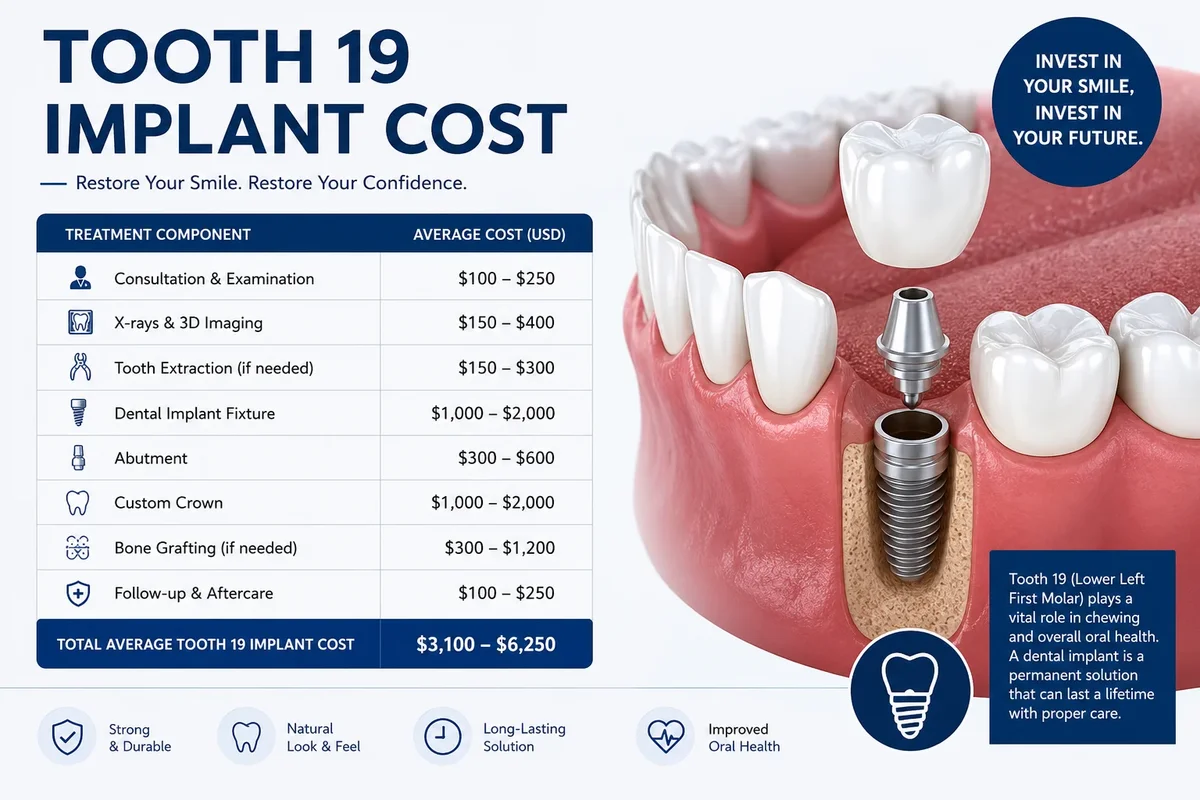
The average tooth 19 implant cost varies depending on several factors, including geographic location, dentist expertise, implant brand, bone quality, and whether additional procedures are necessary. In the United States, the complete tooth 19 implant cost generally ranges from $3,000 to $6,500 per tooth. This estimate often includes the implant fixture, abutment, and final crown. However, patients should always request a detailed treatment plan because some clinics separate these costs into individual fees.
When evaluating the tooth 19 implant cost, it is important to understand what an implant actually consists of. A dental implant is a titanium or zirconia post surgically inserted into the jawbone. After healing and integration with the bone, an abutment is attached, followed by a custom-made crown that mimics the appearance and function of a natural tooth. Because the treatment involves multiple stages and specialized materials, the tooth 19 implant cost is often higher than other tooth replacement methods.
Many patients compare the tooth 19 implant cost with alternatives such as dental bridges or removable partial dentures. While bridges may initially cost less, they often require modification of neighboring healthy teeth and may need replacement after several years. Dental implants, on the other hand, preserve bone structure and can last decades with proper care. Therefore, although the initial tooth 19 implant cost may seem substantial, the long-term value is often superior.
One major factor influencing the tooth 19 implant cost is bone quality. If the jawbone has deteriorated after tooth loss, a bone graft may be necessary before implant placement. Bone grafting procedures can add anywhere from $300 to $3,000 or more to the total treatment cost. Patients should understand that bone grafting is not always required, but when it is recommended, it helps improve implant stability and long-term success rates.
Another element affecting the tooth 19 implant cost is the type of implant system selected. Premium implant manufacturers often invest heavily in research, development, and clinical testing. As a result, their products may increase the overall tooth 19 implant cost, but they can also provide enhanced reliability, predictable outcomes, and extensive scientific support. Patients should discuss implant brand options with their dentist before beginning treatment.
Location also plays a significant role in determining the tooth 19 implant cost. Dental clinics in major metropolitan areas often charge higher fees due to increased operating expenses. In contrast, patients may find more affordable pricing in smaller cities or through dental tourism destinations. However, lower prices should always be balanced against quality standards, clinician qualifications, and aftercare services.
Typical price estimates for a complete implant treatment may include:
- Initial consultation and imaging: $100–$500
- Dental implant fixture: $1,000–$2,500
- Abutment: $300–$800
- Implant crown: $1,000–$3,000
- Bone grafting if needed: $300–$3,000+
These figures demonstrate why the total tooth 19 implant cost can vary significantly between patients. Every clinical case is unique, and treatment complexity directly impacts final pricing.
Patients concerned about affordability should know that many clinics offer financing plans and monthly payment options. Some dental insurance policies may contribute toward portions of the treatment, particularly the crown restoration. Reviewing insurance benefits and financing opportunities can help reduce the immediate financial burden associated with the tooth 19 implant cost.
Another important consideration is long-term maintenance. The success of an implant depends on good oral hygiene, regular dental examinations, and professional cleanings. Protecting your investment ensures that the tooth 19 implant cost continues to provide value for many years. Most patients find that a properly maintained implant functions similarly to a natural tooth and significantly improves daily comfort and confidence.
Beyond restoring chewing function, replacing tooth 19 with an implant can help prevent neighboring teeth from shifting, maintain proper bite alignment, and reduce bone loss in the jaw. These benefits contribute to improved oral health and may prevent future dental expenses. Consequently, the tooth 19 implant cost should be viewed not only as a treatment expense but also as a long-term investment in dental wellness. 😊
When researching providers, patients should choose experienced implant dentists who utilize modern imaging technologies and evidence-based treatment protocols. Reputable organizations such as the American Dental Association offer valuable information about dental care standards and implant procedures. Additionally, if you are considering treatment abroad or would like a personalized consultation, you can visit the Redent Klinik Contact Page to learn more about available treatment options.
Ultimately, understanding the tooth 19 implant cost requires evaluating multiple factors, including surgical complexity, restoration materials, bone condition, and provider expertise. While costs can vary considerably, dental implants remain one of the most reliable and durable solutions for replacing a missing molar. By gathering detailed information and comparing treatment plans carefully, patients can make confident decisions and achieve long-lasting oral health benefits from their investment in a dental implant.
What Is the Average Tooth 19 Implant Cost? Complete Price Breakdown
One of the first questions patients ask after losing a lower molar is about the tooth 19 implant cost. Tooth number 19 is the lower left first molar, a critical tooth responsible for chewing and distributing bite forces. Because this tooth plays such an important role in daily oral function, replacing it quickly is often recommended to prevent bone loss, shifting teeth, and bite problems.
The average tooth 19 implant cost varies significantly based on the patient’s individual needs, the dentist’s experience, the clinic’s location, and whether additional procedures are required. In most cases, patients can expect the complete tooth 19 implant cost to range between $3,000 and $6,500 in the United States. However, some complex cases may exceed this range when bone grafting, sinus augmentation, or advanced restorative procedures become necessary.
Understanding What Makes Up the Tooth 19 Implant Cost
Many people assume that the tooth 19 implant cost refers only to the implant itself. In reality, a dental implant treatment consists of several components that contribute to the final price. Understanding these components helps patients compare treatment plans more accurately.
A standard implant procedure generally includes:
- Comprehensive dental examination
- Digital X-rays and 3D CBCT imaging
- Surgical implant placement
- Healing and osseointegration period
- Abutment placement
- Custom implant-supported crown
- Follow-up appointments
Because each stage requires specialized materials and professional expertise, the final tooth 19 implant cost reflects much more than a single dental procedure.
Average Cost of Individual Components
Patients often request a detailed breakdown of the tooth 19 implant cost. Typical fees may include:
| Treatment Component | Estimated Cost |
|---|---|
| Consultation & Imaging | $100 – $500 |
| Dental Implant Fixture | $1,000 – $2,500 |
| Abutment | $300 – $800 |
| Implant Crown | $1,000 – $3,000 |
| Bone Grafting (if needed) | $300 – $3,000+ |
These figures explain why the overall tooth 19 implant cost can differ significantly between patients. Some individuals require only basic implant placement, while others need extensive preparatory treatments.
Why Tooth 19 Often Requires Higher Investment
Tooth number 19 experiences substantial chewing pressure every day. Unlike front teeth, molars absorb powerful biting forces from food. As a result, dentists often recommend high-quality implant systems and durable crown materials to ensure long-term success.
Because of these functional demands, the tooth 19 implant cost may sometimes be slightly higher than replacing smaller teeth. The restoration must withstand years of daily use while maintaining stability and comfort.
Many implant specialists choose premium titanium implant systems for molars because they offer excellent durability and extensive clinical documentation. Although this may increase the initial tooth 19 implant cost, it can reduce the likelihood of complications and future replacement expenses.
Factors That Influence Tooth 19 Implant Cost
Several variables determine the final tooth 19 implant cost. Understanding these factors allows patients to make informed treatment decisions.
Bone Density and Jaw Health
When a tooth has been missing for several years, the jawbone often begins to shrink. Insufficient bone volume can make implant placement difficult without additional procedures. Bone grafting can increase the overall tooth 19 implant cost, but it also improves implant stability and long-term success.
Implant Brand Selection
Not all implant systems are identical. Some manufacturers have decades of clinical research supporting their products. Premium brands may increase the tooth 19 implant cost, but they often provide exceptional reliability and long-term performance.
Dentist Experience
Highly experienced implant dentists typically charge more than general practitioners with limited implant experience. While expertise can affect the tooth 19 implant cost, choosing a qualified provider often reduces surgical risks and improves treatment outcomes.
Geographic Location
Dental fees vary considerably between cities, states, and countries. Large metropolitan areas generally have higher operating costs, which can influence the final tooth 19 implant cost. Some patients even explore dental tourism opportunities to reduce expenses while maintaining treatment quality.
Tooth 19 Implant Cost Compared to Other Solutions
When evaluating replacement options, many patients compare the tooth 19 implant cost with bridges and removable partial dentures.
- Dental Bridge: Usually costs $2,000–$5,000.
- Partial Denture: Often costs $500–$2,500.
- Dental Implant: Typically costs $3,000–$6,500.
Although the initial tooth 19 implant cost may be higher, implants offer several unique advantages. Unlike bridges, implants do not require altering adjacent healthy teeth. Unlike dentures, implants provide exceptional stability and help preserve jawbone volume.
Many patients ultimately choose implants because they offer the closest experience to a natural tooth. This long-term benefit often makes the tooth 19 implant cost a worthwhile investment.
Are Dental Implants Worth the Cost?
For most patients, the answer is yes. The tooth 19 implant cost represents an investment in oral health, chewing efficiency, appearance, and overall quality of life. A properly maintained implant can last decades and may even remain functional for a lifetime.
Implants help preserve bone, maintain facial structure, improve speech, and provide superior chewing performance. These benefits often outweigh the higher initial tooth 19 implant cost when compared with alternative treatments.
Patients should remember that choosing the lowest price is not always the best strategy. The true value of the tooth 19 implant cost lies in treatment quality, long-term durability, and predictable results. Working with an experienced implant dentist and selecting proven materials can help maximize the return on this important dental investment. 😊
Factors That Influence Tooth 19 Implant Cost
When researching dental implants, many patients quickly discover that there is no universal price. The tooth 19 implant cost can vary significantly from one patient to another because every clinical situation is unique. While average pricing estimates provide a useful starting point, understanding the factors that influence the final tooth 19 implant cost is essential for creating realistic expectations and planning your dental budget.
Tooth number 19, located in the lower left posterior region of the mouth, is one of the most important teeth for chewing. Because this molar experiences considerable bite pressure every day, replacing it with a dental implant requires careful planning, high-quality materials, and precise surgical techniques. These factors directly affect the overall tooth 19 implant cost.
Bone Quality and Bone Volume
One of the most important variables affecting the tooth 19 implant cost is the condition of the jawbone. Dental implants require adequate bone support to achieve long-term stability. If a patient has been missing tooth 19 for several years, bone loss may have already occurred.
After tooth extraction, the jawbone naturally begins to shrink because it no longer receives stimulation from chewing forces. The longer the tooth remains missing, the greater the risk of bone resorption. When bone loss becomes significant, additional procedures may be necessary before implant placement.
How Bone Grafting Affects Cost
Bone grafting is commonly recommended when there is insufficient bone to support an implant. Depending on the complexity of the procedure, grafting can add hundreds or even thousands of dollars to the total tooth 19 implant cost.
Common bone grafting expenses include:
- Minor bone graft: $300–$800
- Moderate bone graft: $800–$1,500
- Advanced grafting procedures: $1,500–$3,000+
Although grafting increases the initial tooth 19 implant cost, it often improves implant success rates and long-term stability.
Type of Dental Implant System
The implant system selected by the dentist can also significantly influence the tooth 19 implant cost. Modern implant dentistry offers numerous implant brands, each with different manufacturing standards, research support, and clinical performance histories.
Premium implant brands often invest heavily in scientific research, product innovation, and long-term clinical studies. As a result, they may carry higher fees than budget alternatives.
Premium vs Standard Implant Systems
Premium implant systems generally offer:
- Extensive clinical documentation
- Advanced surface technology
- Improved healing characteristics
- Excellent long-term success rates
- Global availability of replacement components
While premium products may increase the tooth 19 implant cost, many patients consider the additional investment worthwhile because of their proven reliability.
Dentist Experience and Qualifications
The qualifications and experience of the dental professional performing the procedure play a major role in determining the tooth 19 implant cost. Highly experienced implant surgeons often charge more than less experienced providers.
Implant placement is a specialized procedure requiring extensive training, surgical expertise, and careful treatment planning. Dentists who routinely perform implant surgeries may have higher fees because of their advanced skills and predictable results.
Choosing a highly qualified provider can reduce complications and improve treatment outcomes, making the overall tooth 19 implant cost a better long-term investment.
Diagnostic Technology and Treatment Planning
Modern implant dentistry relies heavily on advanced diagnostic tools. The quality of imaging and treatment planning directly influences implant accuracy and success.
3D CBCT Imaging
Many implant dentists use Cone Beam Computed Tomography (CBCT) scans before treatment. These scans provide detailed three-dimensional images of the jawbone, nerves, and surrounding structures.
Although CBCT imaging may increase the initial tooth 19 implant cost, it improves safety and allows more precise implant placement.
Benefits of CBCT technology include:
- Accurate bone measurements
- Identification of anatomical structures
- Improved surgical planning
- Reduced complication risks
- Enhanced long-term outcomes
Location of the Dental Clinic
Geographic location is another major factor influencing the tooth 19 implant cost. Dental clinics in major cities often face higher operating expenses, including rent, staffing, utilities, and equipment costs.
As a result, patients in metropolitan areas frequently encounter higher implant fees than those living in smaller towns or suburban communities.
International Cost Differences
Patients frequently compare the tooth 19 implant cost across different countries. Approximate ranges may include:
| Country | Average Tooth 19 Implant Cost |
|---|---|
| United States | $3,000–$6,500 |
| Canada | $3,000–$5,500 |
| United Kingdom | $2,500–$5,000 |
| Turkey | $600–$2,000 |
| Mexico | $800–$2,500 |
These differences explain why dental tourism has become increasingly popular among patients seeking more affordable treatment options.
Crown Material Selection
The final crown attached to the implant also affects the overall tooth 19 implant cost. Molars require strong restorative materials because they are exposed to substantial chewing forces.
Common crown materials include:
- Porcelain-fused-to-metal crowns
- Full zirconia crowns
- Layered zirconia restorations
- Ceramic crowns
Zirconia crowns are especially popular for molars because of their strength and durability. However, they may increase the total tooth 19 implant cost compared with traditional restorative materials.
Additional Procedures That Affect Cost
Some patients require supplementary treatments before implant placement. These procedures can increase the final tooth 19 implant cost but often improve treatment success.
Examples include:
- Tooth extraction
- Bone grafting
- Soft tissue grafting
- Infection treatment
- Periodontal therapy
- Guided surgery planning
Every additional treatment contributes to the total tooth 19 implant cost, making personalized treatment planning essential.
Long-Term Value Versus Initial Cost
Although patients naturally focus on price, the lowest tooth 19 implant cost is not always the best option. Treatment quality, provider expertise, implant materials, and long-term durability should all be considered.
A properly placed implant can often function successfully for decades. This means that while the initial tooth 19 implant cost may appear higher than alternative tooth replacement options, the long-term value can be significantly greater.
Ultimately, understanding the factors that influence the tooth 19 implant cost allows patients to make informed decisions. By evaluating bone health, implant quality, crown materials, clinical expertise, and additional treatment requirements, individuals can better understand why pricing varies and choose the most appropriate treatment plan for their needs. Investing in a high-quality implant restoration can provide excellent function, comfort, and confidence for many years to come. 😊
Does Bone Grafting Increase Tooth 19 Implant Cost?
One of the most common questions patients ask when planning dental implant treatment is whether bone grafting will increase the tooth 19 implant cost. The answer is often yes, but understanding why bone grafting may be necessary helps patients appreciate its value and importance. While bone grafting can add to the overall tooth 19 implant cost, it is frequently a critical step that improves implant stability, longevity, and overall treatment success.
Tooth number 19 is the lower left first molar, a tooth that plays a major role in chewing and bite function. Because this area experiences significant pressure during eating, dental implants replacing tooth 19 require strong bone support. When the jawbone lacks adequate volume or density, dentists often recommend bone grafting before implant placement. In these situations, the tooth 19 implant cost increases because an additional surgical procedure and grafting materials are required.
Why Bone Loss Happens After Tooth Extraction
Many patients are surprised to learn that bone loss begins almost immediately after a tooth is removed. The jawbone depends on stimulation from natural tooth roots to maintain its shape and density. Once tooth 19 is extracted, the surrounding bone gradually begins to shrink.
This process is known as bone resorption. During the first year after extraction, significant bone volume can be lost. Over time, the ridge may become too narrow or too shallow to support a dental implant safely. When this occurs, bone grafting becomes necessary, which directly impacts the final tooth 19 implant cost.
Several factors can accelerate bone loss, including:
- Long-term tooth absence
- Gum disease
- Smoking
- Oral infections
- Traumatic tooth extraction
- Poor oral hygiene
- Certain medical conditions
Patients experiencing these conditions may require additional procedures before implant placement, increasing the total tooth 19 implant cost.
How Dentists Determine Whether Bone Grafting Is Needed
Before implant placement, the dentist performs a comprehensive evaluation of the jawbone. Modern implant planning often includes digital X-rays and Cone Beam Computed Tomography (CBCT) scans.
These diagnostic tools allow the dentist to measure:
- Bone height
- Bone width
- Bone density
- Nerve locations
- Potential implant positions
If imaging reveals inadequate bone support, grafting may be recommended. Although this increases the tooth 19 implant cost, it helps ensure that the implant has a stable foundation capable of supporting long-term chewing forces.
Types of Bone Grafting Procedures
Not all bone grafts are identical. The type of graft required depends on the severity of bone loss and the specific needs of the patient. Each procedure affects the overall tooth 19 implant cost differently.
Socket Preservation Grafting
Socket preservation is often performed immediately after tooth extraction. The empty tooth socket is filled with grafting material to minimize bone loss during healing.
Typical cost range:
- $300–$1,000
Although this adds to the immediate tooth 19 implant cost, it may reduce the need for more extensive grafting procedures later.
Minor Ridge Augmentation
Patients with mild bone loss may require a small ridge augmentation procedure. Additional bone material is placed where bone volume is deficient.
Typical cost range:
- $800–$1,500
This procedure can moderately increase the tooth 19 implant cost, but it often creates sufficient support for successful implant placement.
Major Bone Reconstruction
Severe bone loss may require extensive reconstruction before implant placement. These advanced procedures often involve larger grafts and longer healing periods.
Typical cost range:
- $1,500–$3,000+
When major reconstruction is necessary, the final tooth 19 implant cost can increase substantially.
Types of Bone Graft Materials
The grafting material selected by the dentist also affects the overall tooth 19 implant cost. Several materials are commonly used in implant dentistry.
Autografts
Autografts use the patient’s own bone, typically harvested from another area of the mouth. Because this requires an additional surgical site, it may increase treatment complexity and affect the tooth 19 implant cost.
Allografts
Allografts are derived from carefully processed human donor bone. These materials are commonly used and can provide excellent results while helping manage the total tooth 19 implant cost.
Xenografts
Xenografts are usually sourced from bovine bone that has been processed for medical use. They are widely used in implant dentistry and can contribute to predictable grafting outcomes.
Synthetic Grafts
Synthetic bone substitutes are manufactured using biocompatible materials designed to support new bone growth. Depending on the product selected, these materials can influence the final tooth 19 implant cost.
How Bone Grafting Benefits Implant Success
Although many patients initially focus on the additional expense, bone grafting often improves the long-term success of implant treatment. The goal is not simply to increase the tooth 19 implant cost, but to create a stable foundation capable of supporting an implant for decades.
Benefits of bone grafting include:
- Improved implant stability
- Better chewing performance
- Enhanced aesthetics
- Reduced implant failure risk
- Long-term bone preservation
- Better crown positioning
These advantages frequently justify the increased tooth 19 implant cost associated with grafting procedures.
Can Bone Grafting Be Avoided?
In some situations, patients can avoid grafting if implant treatment begins soon after tooth extraction. Early intervention often preserves more natural bone and may reduce the need for additional procedures.
However, every case is unique. Some patients naturally lose bone more rapidly than others, making grafting necessary regardless of timing. The best way to determine whether grafting will affect the tooth 19 implant cost is through a professional evaluation and detailed imaging assessment.
Is the Additional Cost Worth It?
For most patients, the answer is yes. While bone grafting increases the overall tooth 19 implant cost, it frequently makes implant treatment possible when it would otherwise be impossible. More importantly, it improves implant longevity and reduces the likelihood of complications.
Patients should view bone grafting not simply as an extra expense but as an investment in treatment success. A properly grafted site can support an implant securely for many years, helping maximize the value of the overall tooth 19 implant cost. Ultimately, the goal is to create a strong, healthy foundation that allows the implant to function like a natural tooth, providing excellent comfort, durability, and chewing efficiency for the long term. 😊
Tooth 19 Implant Cost by Country and Region
One of the biggest reasons patients research the tooth 19 implant cost is the wide variation in pricing from one location to another. The cost of replacing a missing lower first molar can differ dramatically depending on the country, city, clinic reputation, dentist experience, local economic conditions, and treatment complexity. Understanding regional differences helps patients make informed decisions while balancing affordability, quality, and long-term treatment success.
The average tooth 19 implant cost is often highest in countries with elevated healthcare expenses and operating costs. However, a higher price does not automatically guarantee better treatment. Likewise, a lower tooth 19 implant cost does not necessarily indicate poor quality. Patients should evaluate both price and provider qualifications before choosing where to receive treatment.
Why Tooth 19 Implant Cost Varies Around the World
Several economic and clinical factors influence the tooth 19 implant cost in different countries. These include:
- Labor costs
- Clinic operating expenses
- Import taxes on dental materials
- Local demand for implant treatment
- Dentist education and specialization
- Technology and equipment investments
- Healthcare regulations
Because these variables differ significantly from one country to another, the final tooth 19 implant cost can vary by thousands of dollars for essentially the same procedure.
Average Tooth 19 Implant Cost Worldwide
The following estimates represent typical price ranges for a complete implant restoration, including the implant fixture, abutment, and crown. Additional procedures such as bone grafting may increase the total tooth 19 implant cost.
| Country | Estimated Tooth 19 Implant Cost |
|---|---|
| United States | $3,000 – $6,500 |
| Canada | $3,000 – $5,500 |
| United Kingdom | $2,500 – $5,000 |
| Australia | $3,000 – $6,000 |
| Germany | $2,500 – $5,500 |
| France | $2,000 – $4,500 |
| Turkey | $600 – $2,000 |
| Mexico | $800 – $2,500 |
| Hungary | $900 – $2,500 |
| Thailand | $1,000 – $3,000 |
These figures illustrate how dramatically the tooth 19 implant cost can differ depending on geographic location.
Tooth 19 Implant Cost in the United States
The United States generally has one of the highest average levels of tooth 19 implant cost worldwide. Several factors contribute to this pricing structure, including advanced technology, high staffing expenses, extensive malpractice insurance requirements, and elevated clinic overhead.
Patients can typically expect:
- Single implant fixture: $1,000–$2,500
- Abutment: $300–$800
- Crown: $1,000–$3,000
- Total treatment: $3,000–$6,500+
Within the United States, the tooth 19 implant cost may also vary significantly between states and cities. Major metropolitan areas such as New York, Los Angeles, and San Francisco often have higher fees than smaller cities and rural regions.
Tooth 19 Implant Cost in Europe
European pricing varies substantially depending on the country. Western European nations generally have higher treatment fees than Eastern European countries.
Western Europe
Countries such as Germany, France, and the United Kingdom often provide highly regulated dental care systems. While treatment quality is generally excellent, the average tooth 19 implant cost remains relatively high compared to many dental tourism destinations.
Advantages include:
- Strict clinical standards
- Advanced implant technologies
- Comprehensive patient protection regulations
Eastern Europe
Countries such as Hungary and Poland have become popular destinations for patients seeking a lower tooth 19 implant cost. Many clinics offer modern facilities and internationally trained dentists at significantly reduced prices.
Tooth 19 Implant Cost in Turkey
Turkey has become one of the world’s leading dental tourism destinations. Many international patients travel specifically because the tooth 19 implant cost is considerably lower than in North America and Western Europe.
Several factors contribute to these savings:
- Lower operational expenses
- Competitive dental market
- Government support for medical tourism
- High treatment volumes
Despite lower pricing, many clinics utilize internationally recognized implant brands and modern digital technologies. As a result, the tooth 19 implant cost in Turkey often provides excellent value for patients seeking affordable treatment without sacrificing quality.
Tooth 19 Implant Cost in Mexico
Mexico is another popular destination for patients seeking a reduced tooth 19 implant cost. Its proximity to the United States makes it especially attractive for American patients looking to lower treatment expenses.
Border cities often feature dental clinics that cater specifically to international visitors. Patients frequently report savings of 40% to 70% compared with U.S. pricing.
However, patients should carefully evaluate credentials, sterilization protocols, and treatment guarantees before selecting a provider based solely on tooth 19 implant cost.
Travel Costs and Hidden Expenses
When comparing the tooth 19 implant cost internationally, patients should also account for travel-related expenses. A lower treatment fee may not always result in lower overall spending.
Additional Costs to Consider
- Flights
- Hotels
- Transportation
- Meals
- Follow-up visits
- Extended healing stays
- Travel insurance
Adding these expenses provides a more accurate picture of the true tooth 19 implant cost when considering treatment abroad.
Quality Versus Price
Although many patients focus primarily on reducing the tooth 19 implant cost, quality should remain the top priority. The long-term success of a dental implant depends on accurate diagnosis, proper planning, surgical expertise, and high-quality materials.
Questions patients should ask include:
- What implant brand is used?
- How many implants has the dentist placed?
- Are before-and-after cases available?
- Is CBCT imaging included?
- What warranty or guarantee is offered?
The answers to these questions are often more important than finding the absolute lowest tooth 19 implant cost.
Making the Best Financial Decision
The ideal balance between affordability and quality depends on each patient’s circumstances. While regional differences can significantly affect the tooth 19 implant cost, patients should focus on long-term value rather than short-term savings alone.
A successful implant can provide decades of reliable function, improved chewing ability, preserved jawbone health, and enhanced confidence. Therefore, the true value of the tooth 19 implant cost lies not only in the initial treatment fee but also in the quality, durability, and predictability of the final result. By carefully comparing countries, clinics, and treatment plans, patients can find a solution that meets both their financial goals and oral health needs. 😊
What Is Included in a Tooth 19 Implant Cost Quote?
When patients begin researching dental implants, one of the most important questions they should ask is exactly what is included in the quoted tooth 19 implant cost. Many people compare prices from different clinics without realizing that treatment estimates may include very different services and materials. As a result, a lower initial quote may not always represent the best value. Understanding the components of a complete tooth 19 implant cost quote can help patients avoid unexpected expenses and make more informed treatment decisions.
Tooth number 19 is the lower left first molar, a tooth that plays a vital role in chewing and bite stability. Because this tooth is subjected to significant chewing forces, implant treatment requires careful planning and high-quality materials. The total tooth 19 implant cost often includes multiple stages that occur over several months. Patients who understand these stages are better prepared for both the financial and clinical aspects of treatment.
Initial Consultation and Examination
The first component often included in a tooth 19 implant cost quote is the initial consultation. During this appointment, the dentist evaluates the patient’s oral health, reviews medical history, and determines whether a dental implant is an appropriate solution.
The consultation may include:
- Oral examination
- Review of dental history
- Discussion of treatment goals
- Assessment of bone quality
- Treatment planning recommendations
Some clinics include the consultation within the overall tooth 19 implant cost, while others charge separately. Patients should always ask for clarification before comparing treatment estimates.
Diagnostic Imaging and Digital Planning
Modern implant dentistry relies heavily on advanced imaging technology. Diagnostic scans are often a significant part of the tooth 19 implant cost because they allow dentists to plan treatment accurately and safely.
Common imaging procedures include:
- Digital X-rays
- Panoramic radiographs
- CBCT (Cone Beam Computed Tomography) scans
CBCT imaging provides detailed three-dimensional views of the jawbone, surrounding teeth, nerves, and anatomical structures. While these scans may increase the tooth 19 implant cost, they contribute significantly to treatment accuracy and implant success.
Dental Implant Fixture
The implant fixture itself is one of the largest contributors to the overall tooth 19 implant cost. This titanium or zirconia post serves as the artificial tooth root and is surgically placed into the jawbone.
The quality of the implant system can influence pricing considerably. Premium implant manufacturers often provide:
- Extensive clinical research
- Advanced surface technologies
- Long-term success documentation
- Improved osseointegration characteristics
Because tooth 19 is a molar exposed to substantial chewing pressure, many dentists recommend high-quality implant systems despite the slightly higher tooth 19 implant cost.
Surgical Implant Placement
The surgical procedure itself is another important element included in most tooth 19 implant cost estimates. Implant placement requires specialized training and careful execution.
During surgery, the dentist:
- Administers local anesthesia.
- Creates access to the jawbone.
- Places the implant fixture.
- Ensures optimal positioning.
- Closes the surgical site for healing.
The complexity of the procedure directly affects the final tooth 19 implant cost. Cases involving bone deficiencies or anatomical challenges may require additional surgical expertise.
Anesthesia and Sedation Options
Some patients choose sedation to improve comfort during implant surgery. Depending on the clinic, sedation may or may not be included in the quoted tooth 19 implant cost.
Common options include:
- Local anesthesia
- Oral sedation
- IV sedation
- Conscious sedation
Advanced sedation techniques typically increase the overall tooth 19 implant cost, but many patients find the added comfort worthwhile.
Healing and Osseointegration
After implant placement, the healing process begins. During this phase, the implant integrates with the jawbone through a biological process known as osseointegration.
This period usually lasts between three and six months, depending on the patient’s healing capacity and bone quality. While no visible restoration is attached during this stage, monitoring appointments are often included in the tooth 19 implant cost.
Follow-up visits allow the dentist to verify successful healing and address any concerns before proceeding with the final restoration.
Abutment Placement
Once osseointegration is complete, an abutment is attached to the implant fixture. The abutment serves as the connection between the implant and the final crown.
Some clinics include the abutment in the overall tooth 19 implant cost, while others itemize it separately. Patients should review treatment plans carefully to determine whether this component is already included.
Custom Implant Crown
The crown is the visible portion of the restoration and plays a major role in both function and appearance. Because tooth 19 handles significant chewing forces, durable materials are typically recommended.
Popular crown materials include:
- Zirconia
- Porcelain-fused-to-metal
- Layered ceramic restorations
The crown often represents a significant portion of the total tooth 19 implant cost. Higher-quality materials generally provide improved strength, longevity, and aesthetics.
Additional Procedures That May Affect the Quote
Not every patient requires the same treatment. Some individuals need supplementary procedures that may or may not be included in the initial tooth 19 implant cost estimate.
Possible additional treatments include:
- Bone grafting
- Socket preservation
- Tooth extraction
- Soft tissue grafting
- Periodontal therapy
- Infection management
Patients should ask whether these services are included or billed separately because they can significantly affect the final tooth 19 implant cost.
Warranty and Aftercare Services
An often-overlooked component of a tooth 19 implant cost quote is the level of aftercare provided by the clinic. Reputable providers frequently include follow-up appointments and maintenance recommendations.
Some clinics also offer:
- Implant warranties
- Crown warranties
- Emergency support
- Regular monitoring visits
These services can add value to the overall tooth 19 implant cost and provide peace of mind for patients investing in long-term oral health.
Questions Patients Should Ask
Before accepting a treatment proposal, patients should verify exactly what is included in the quoted tooth 19 implant cost.
Helpful questions include:
- Does the quote include the crown?
- Are CBCT scans included?
- Is the abutment included?
- Are follow-up appointments covered?
- What happens if additional procedures become necessary?
- Is there an implant warranty?
Understanding these details allows patients to compare treatment plans accurately and avoid unexpected fees later.
Ultimately, the most valuable tooth 19 implant cost quote is one that provides complete transparency. A comprehensive treatment estimate should clearly outline every stage of care, from consultation and imaging to surgery, restoration, and long-term follow-up. By carefully reviewing what is included, patients can confidently evaluate their options and choose a provider that offers both quality treatment and excellent value. 😊
Dental Insurance and Financing Options for Tooth 19 Implant Cost
For many patients, one of the biggest concerns about replacing a missing molar is affordability. While dental implants are widely recognized as one of the most durable and effective tooth replacement options available, the tooth 19 implant cost can represent a significant financial investment. Fortunately, modern dentistry offers multiple insurance and financing solutions that can help make treatment more accessible. Understanding these options allows patients to manage the tooth 19 implant cost more comfortably while still receiving high-quality care.
Tooth number 19 is the lower left first molar, an important tooth responsible for chewing efficiency and bite stability. Because this tooth absorbs substantial chewing forces, dentists often recommend dental implants rather than removable alternatives. Although the initial tooth 19 implant cost may appear higher than other restorative options, many patients find that the long-term benefits justify the investment.
Does Dental Insurance Cover Tooth 19 Implant Cost?
Dental insurance coverage for implants has improved significantly in recent years. Historically, many insurance providers considered implants cosmetic procedures and offered little or no reimbursement. Today, however, an increasing number of dental plans provide at least partial coverage for implant-related treatments.
Whether insurance helps reduce the tooth 19 implant cost depends on the specific plan, provider, and treatment circumstances.
Common Insurance Coverage Scenarios
Some insurance plans may cover:
- Initial consultations
- Diagnostic imaging
- Tooth extractions
- Bone grafting procedures
- Implant-supported crowns
- Abutments
- Portions of implant surgery
Other plans may only contribute toward the crown restoration while excluding the implant fixture itself. Because coverage varies widely, patients should verify benefits before calculating the final tooth 19 implant cost.
Annual Maximum Limitations
Even when insurance contributes toward treatment, annual maximums often limit reimbursement amounts. Many dental plans provide annual benefits ranging from $1,000 to $2,500.
Since the complete tooth 19 implant cost may exceed these limits, patients frequently remain responsible for a portion of treatment expenses. Nevertheless, insurance can significantly reduce out-of-pocket costs when used strategically.
How to Verify Implant Coverage
Before beginning treatment, patients should contact their insurance provider and request detailed information regarding implant benefits. Understanding coverage in advance prevents unexpected financial surprises later.
Questions to ask include:
- Are dental implants covered?
- Is preauthorization required?
- What percentage of treatment is covered?
- Are implant crowns covered?
- Are bone grafts included?
- What is the annual maximum benefit?
- Are there waiting periods?
Obtaining clear answers helps patients estimate the true tooth 19 implant cost after insurance reimbursement.
Financing Options for Tooth 19 Implant Cost
Many patients choose financing solutions when insurance does not fully cover treatment. Financing allows individuals to spread the tooth 19 implant cost over several months or years rather than paying the entire amount upfront.
Today, numerous financing programs are available specifically for dental care.
Third-Party Healthcare Financing
Specialized healthcare financing companies frequently work with dental clinics to provide payment plans.
Benefits may include:
- Low monthly payments
- Flexible repayment terms
- Fast approval processes
- Promotional interest-free periods
- Immediate treatment access
These programs allow patients to begin treatment immediately while gradually managing the tooth 19 implant cost through affordable installments.
In-House Payment Plans
Some dental clinics offer their own financing arrangements. Instead of using a third-party lender, patients make monthly payments directly to the clinic.
In-house financing may provide:
- Reduced paperwork
- Customized payment schedules
- Simplified approval processes
- Greater flexibility
Patients should ask whether in-house financing is available when discussing the overall tooth 19 implant cost.
Health Savings Accounts and Flexible Spending Accounts
Many patients overlook tax-advantaged healthcare accounts that can help reduce the financial burden of the tooth 19 implant cost.
Health Savings Accounts (HSA)
Individuals with qualifying health insurance plans may use HSA funds to pay for eligible dental procedures. Contributions are generally tax-advantaged, helping patients reduce the effective cost of treatment.
Flexible Spending Accounts (FSA)
FSAs also allow employees to allocate pre-tax income toward qualified medical and dental expenses. Using these funds can make the tooth 19 implant cost more manageable while providing potential tax savings.
Using Credit Cards for Implant Treatment
Some patients choose to pay the tooth 19 implant cost using traditional credit cards. While this option provides immediate access to treatment, it should be approached carefully.
Potential advantages include:
- Reward points
- Cash-back programs
- Promotional financing offers
- Flexible payment schedules
However, high interest rates can significantly increase the total cost over time if balances are not paid promptly.
Can Delaying Treatment Increase Costs?
Many patients postpone implant treatment because of concerns about the tooth 19 implant cost. While delaying treatment may seem financially beneficial in the short term, it can sometimes lead to higher expenses later.
Potential consequences of postponement include:
- Progressive bone loss
- Tooth shifting
- Bite problems
- Additional restorative needs
- More extensive bone grafting procedures
As these complications develop, the eventual tooth 19 implant cost may increase because more complex treatment becomes necessary.
Example of Long-Term Financial Impact
Consider two patients:
- Patient A receives an implant shortly after extraction.
- Patient B waits several years before seeking treatment.
Patient A may require only a standard implant procedure. Patient B may require advanced bone grafting, soft tissue augmentation, and additional restorative work. Consequently, the final tooth 19 implant cost for Patient B may be significantly higher.
Tips for Managing Tooth 19 Implant Cost
Patients can often reduce financial stress by planning ahead and exploring available payment options.
Helpful strategies include:
- Request detailed treatment estimates
- Verify insurance benefits in advance
- Explore financing programs
- Use HSA or FSA funds
- Ask about promotional offers
- Compare treatment plans carefully
- Avoid delaying necessary treatment
These approaches can make the tooth 19 implant cost easier to manage without compromising treatment quality.
Balancing Cost and Long-Term Value
Although affordability is important, patients should avoid choosing treatment solely based on the lowest advertised tooth 19 implant cost. The quality of the implant system, the experience of the dentist, and the comprehensiveness of the treatment plan all influence long-term success.
A well-placed implant can often last decades and provide outstanding chewing function, comfort, and confidence. When viewed over many years of service, the tooth 19 implant cost frequently represents excellent value compared with temporary or less durable alternatives. By combining insurance benefits, financing options, and careful planning, patients can achieve successful implant treatment while maintaining financial flexibility and peace of mind. 😊
Comparing Tooth 19 Implant Cost to Other Tooth Replacement Options
When patients lose a lower first molar, one of the first concerns is determining the best replacement solution. While many individuals focus primarily on the tooth 19 implant cost, it is equally important to compare dental implants with alternative treatment options. Understanding the advantages, disadvantages, lifespan, maintenance requirements, and long-term expenses of each solution helps patients make informed decisions about their oral health.
Tooth number 19 plays a crucial role in chewing, bite stability, and overall dental function. Because it is one of the strongest chewing teeth in the mouth, replacing it properly is essential. Although the initial tooth 19 implant cost is often higher than other treatments, implants frequently provide superior long-term value and durability.
Why Replacing Tooth 19 Is Important
Some patients consider leaving a missing molar untreated to avoid the immediate tooth 19 implant cost. However, delaying replacement can create numerous oral health complications.
Potential consequences include:
- Bone loss in the jaw
- Shifting of adjacent teeth
- Bite misalignment
- Uneven chewing forces
- Increased wear on remaining teeth
- Changes in facial structure
These complications may ultimately increase future dental expenses beyond the original tooth 19 implant cost, making early replacement a more cost-effective strategy.
Dental Implant Versus Dental Bridge
A traditional dental bridge is one of the most common alternatives to a dental implant. Many patients compare bridge pricing directly with the tooth 19 implant cost when evaluating treatment options.
Average Cost Comparison
| Treatment Option | Typical Cost Range |
|---|---|
| Dental Implant | $3,000–$6,500 |
| Three-Unit Bridge | $2,000–$5,000 |
At first glance, a bridge may appear less expensive than the average tooth 19 implant cost. However, long-term considerations often tell a different story.
Advantages of a Dental Bridge
- Lower upfront cost
- Faster treatment timeline
- No surgical procedure required
- Widely available treatment option
Disadvantages of a Dental Bridge
- Requires modification of healthy neighboring teeth
- Does not prevent bone loss
- May need replacement after 10–15 years
- Can increase future restorative needs
Because bridges often require future replacement, some patients discover that the cumulative expense eventually exceeds the original tooth 19 implant cost.
Dental Implant Versus Partial Denture
Another common alternative is a removable partial denture. Patients frequently consider this option because its initial price is substantially lower than the average tooth 19 implant cost.
Average Cost Comparison
| Treatment Option | Typical Cost Range |
|---|---|
| Dental Implant | $3,000–$6,500 |
| Partial Denture | $500–$2,500 |
The lower entry price makes dentures attractive to some patients. However, important differences should be considered before focusing solely on the tooth 19 implant cost.
Advantages of Partial Dentures
- Lowest initial cost
- Non-surgical solution
- Relatively quick fabrication
- Easy replacement if damaged
Disadvantages of Partial Dentures
- Reduced chewing efficiency
- Possible movement during eating
- Increased maintenance requirements
- Potential discomfort
- No protection against bone loss
Although dentures cost less initially than the typical tooth 19 implant cost, many patients eventually prefer the comfort and stability of implants.
Long-Term Cost Comparison
One of the most important factors often overlooked when evaluating the tooth 19 implant cost is long-term financial value. Initial pricing does not always reflect lifetime treatment expenses.
Twenty-Year Cost Perspective
Consider the following hypothetical example:
- Dental implant placed once and maintained properly.
- Bridge replaced every 10–15 years.
- Partial denture adjusted and replaced periodically.
Over two decades, maintenance and replacement costs can significantly change the financial comparison. In many cases, the total lifetime expense of alternative treatments approaches or exceeds the original tooth 19 implant cost.
Functional Performance Comparison
Cost is only one aspect of treatment selection. Functionality also plays a major role when comparing the tooth 19 implant cost to other replacement options.
Chewing Efficiency
| Option | Chewing Performance |
|---|---|
| Dental Implant | Excellent |
| Dental Bridge | Very Good |
| Partial Denture | Moderate |
Because tooth 19 is a major chewing tooth, restoration strength is especially important. The superior chewing performance often helps justify the higher tooth 19 implant cost for many patients.
Bone Preservation Benefits
One of the greatest advantages of dental implants is their ability to preserve jawbone structure. Unlike bridges and dentures, implants stimulate the bone similarly to natural tooth roots.
This unique benefit provides several advantages:
- Maintains jawbone volume
- Preserves facial structure
- Reduces future complications
- Supports long-term oral health
These benefits are not reflected directly in the tooth 19 implant cost, but they contribute significantly to the long-term value of implant treatment.
Comfort and Daily Convenience
Patients who choose implants often report that they forget they even have a replacement tooth. Unlike removable dentures, implants remain fixed in place and require no special adhesives or removal for cleaning.
Benefits include:
- Natural appearance
- Stable chewing function
- Improved confidence
- Easy oral hygiene routine
- No movement while speaking
These lifestyle advantages are frequently cited by patients as reasons the tooth 19 implant cost is worth the investment.
Which Option Provides the Best Value?
The answer depends on the patient’s budget, oral health condition, treatment goals, and long-term expectations. While bridges and dentures often provide lower upfront costs, they may involve future maintenance, repairs, and replacements.
In contrast, the tooth 19 implant cost is generally higher initially but often delivers superior longevity, stability, bone preservation, and overall patient satisfaction. For many individuals, these benefits make implants the most cost-effective solution over time.
Ultimately, when comparing the tooth 19 implant cost with bridges and removable dentures, patients should evaluate not only the initial price but also long-term durability, maintenance requirements, oral health benefits, and quality of life improvements. By considering the complete picture, patients can choose the treatment option that best supports both their financial goals and their long-term dental health. 😊
How to Choose the Right Clinic for Tooth 19 Implant Treatment
When evaluating options for replacing a missing molar, many patients focus primarily on the tooth 19 implant cost. While cost is certainly an important factor, selecting the right dental clinic involves much more than comparing prices. The success of implant treatment depends heavily on the experience of the dental team, the quality of materials used, the technology available, and the level of patient care provided throughout the process.
Because tooth number 19 is one of the primary chewing teeth in the mouth, implant placement requires precision and careful planning. Choosing a provider solely based on the lowest tooth 19 implant cost may increase the risk of complications, additional expenses, or unsatisfactory results in the future. Patients should instead focus on finding the best overall value by balancing affordability with quality and expertise.
Why Choosing the Right Clinic Matters
A dental implant is not simply a product—it is a complex treatment process that combines diagnosis, surgery, restorative dentistry, and long-term maintenance. The quality of each stage directly influences treatment success.
The clinic you select affects:
- Implant survival rates
- Aesthetic outcomes
- Chewing performance
- Healing speed
- Long-term maintenance needs
- Patient comfort and confidence
For this reason, patients should evaluate much more than the advertised tooth 19 implant cost when selecting a provider.
Verify the Dentist’s Implant Experience
One of the most important considerations is the dentist’s experience with implant treatment. Implant placement requires specialized skills that extend beyond general dentistry.
Questions to Ask About Experience
- How many implants are placed each year?
- How many years of implant experience does the dentist have?
- Has the dentist received advanced implant training?
- Are before-and-after cases available?
- Can patient testimonials be reviewed?
A highly experienced provider may charge a slightly higher tooth 19 implant cost, but this investment often results in greater predictability and reduced risk of complications.
Evaluate the Technology Used by the Clinic
Modern implant dentistry relies on advanced diagnostic and treatment technologies. Clinics that invest in modern equipment often provide more accurate treatment planning and safer surgical procedures.
Important Technologies to Look For
- Digital radiography
- CBCT (3D imaging)
- Digital treatment planning software
- Intraoral scanners
- Guided implant surgery systems
Although advanced technology may influence the overall tooth 19 implant cost, it frequently improves treatment precision and patient outcomes.
For example, CBCT imaging allows dentists to visualize bone volume, nerve locations, and implant positioning before surgery. This detailed planning helps minimize risks and improve long-term implant stability.
Assess the Quality of Implant Systems
Not all implant brands are created equal. The implant system selected by the clinic plays a significant role in both treatment success and the final tooth 19 implant cost.
Characteristics of High-Quality Implant Systems
- Extensive clinical research
- Long-term success documentation
- Reliable component availability
- Excellent biocompatibility
- Strong manufacturer support
Patients should ask which implant brand will be used and why it was selected. A reputable clinic should be able to explain how the chosen system supports the long-term value of the tooth 19 implant cost.
Review What Is Included in the Treatment Plan
When comparing clinics, patients should ensure that they are evaluating complete treatment plans rather than only the advertised tooth 19 implant cost.
Services That May Be Included
- Consultation
- Diagnostic imaging
- Implant surgery
- Abutment placement
- Final crown
- Follow-up appointments
- Warranty coverage
A clinic offering a lower tooth 19 implant cost may exclude services that another provider includes in the quoted fee. Understanding these differences prevents misleading comparisons.
Read Patient Reviews and Testimonials
Patient feedback can provide valuable insight into a clinic’s quality of care. Reviews often reveal details about communication, professionalism, treatment outcomes, and overall satisfaction.
When researching clinics, pay attention to comments regarding:
- Treatment quality
- Staff friendliness
- Scheduling efficiency
- Pain management
- Postoperative support
- Long-term results
Positive patient experiences may justify a higher tooth 19 implant cost if they indicate consistent treatment success.
Ask About Warranties and Guarantees
A reputable clinic often stands behind its work by offering warranties or guarantees. While no treatment can guarantee success in every case, strong support policies can increase patient confidence.
Warranty Questions to Consider
- Is the implant covered by a warranty?
- How long does coverage last?
- Is the crown covered separately?
- What conditions apply?
- Are follow-up visits included?
Warranty coverage can add significant value to the overall tooth 19 implant cost by reducing future financial risk.
Evaluate Communication and Transparency
Excellent communication is essential throughout implant treatment. Patients should feel comfortable asking questions and receiving detailed explanations about procedures, costs, risks, and expected outcomes.
A trustworthy clinic should clearly explain:
- Treatment steps
- Recovery expectations
- Potential complications
- Alternative treatment options
- Detailed pricing structures
If a provider is unwilling to explain how the tooth 19 implant cost is calculated, patients should proceed cautiously.
Consider Long-Term Support and Maintenance
Successful implant treatment extends beyond surgery. Long-term monitoring and maintenance play important roles in preserving implant health.
Post-Treatment Services to Look For
- Regular implant evaluations
- Professional cleanings
- Maintenance recommendations
- Emergency support
- Ongoing patient education
Clinics that provide comprehensive aftercare often deliver greater value than those focusing solely on a low tooth 19 implant cost.
Balancing Cost and Quality
Patients naturally want to find an affordable solution, but the lowest advertised tooth 19 implant cost is not always the best choice. Dental implants are long-term investments designed to restore chewing function, preserve bone, and improve oral health for many years.
Choosing a clinic based only on price may result in lower-quality materials, limited diagnostics, or inadequate follow-up care. Conversely, selecting a provider with proven expertise, advanced technology, and comprehensive treatment planning often delivers greater long-term value.
Ultimately, the best clinic is one that combines reasonable tooth 19 implant cost pricing with exceptional clinical standards, transparent communication, modern technology, and a strong commitment to patient care. By evaluating all of these factors carefully, patients can maximize both their treatment success and their return on investment, ensuring that their dental implant provides reliable function, comfort, and confidence for many years to come. 😊
Frequently Asked Questions About Tooth 19 Implant Cost
Patients considering dental implant treatment often have numerous questions regarding pricing, procedures, recovery, and long-term value. Understanding the details behind the tooth 19 implant cost helps individuals make confident decisions about replacing a missing lower first molar. Because tooth number 19 is responsible for a significant portion of chewing function, replacing it effectively can improve both oral health and quality of life.
In this section, we answer some of the most common questions patients ask about the tooth 19 implant cost. These answers provide practical information that can help you evaluate treatment options, understand expenses, and prepare for the implant process.
What Is the Average Tooth 19 Implant Cost?
The average tooth 19 implant cost in the United States typically ranges from $3,000 to $6,500. This estimate generally includes:
- Consultation
- Diagnostic imaging
- Implant fixture
- Abutment
- Custom crown
- Follow-up appointments
However, every patient is unique. Additional procedures such as bone grafting or tooth extraction may increase the total tooth 19 implant cost.
Why Do Prices Vary So Much?
The tooth 19 implant cost varies because of factors such as:
- Geographic location
- Dentist experience
- Implant brand
- Bone quality
- Technology used
- Complexity of the case
These variables explain why treatment fees can differ significantly between clinics.
Is Tooth 19 Implant Cost Worth the Investment?
For many patients, the answer is yes. Although the initial tooth 19 implant cost is higher than some alternatives, implants provide unique benefits that often justify the investment.
Advantages include:
- Excellent chewing performance
- Long-term durability
- Natural appearance
- Bone preservation
- Improved comfort
- Protection of neighboring teeth
Unlike removable dentures or traditional bridges, implants function similarly to natural teeth and can remain successful for decades when properly maintained.
How Long Does an Implant Last?
A properly placed and maintained dental implant can often last 20 years or longer. In many cases, implants remain functional for a lifetime.
Because of this longevity, many patients view the tooth 19 implant cost as a long-term investment rather than a short-term expense.
Factors That Affect Implant Lifespan
- Oral hygiene habits
- Regular dental visits
- Smoking status
- Medical conditions
- Bone quality
- Bite forces
Maintaining excellent oral health can maximize the value received from the tooth 19 implant cost.
Does Insurance Cover Tooth 19 Implant Cost?
Many dental insurance plans now provide partial coverage for implant treatment. Coverage varies widely between providers and plans.
Insurance may contribute toward:
- Consultations
- X-rays
- Bone grafting
- Implant crowns
- Certain surgical procedures
Patients should always verify coverage details before calculating the final tooth 19 implant cost.
Can Tooth 19 Implant Cost Be Financed?
Yes. Most modern dental clinics offer financing solutions that allow patients to spread the tooth 19 implant cost across manageable monthly payments.
Available financing options often include:
- Third-party healthcare financing
- In-house payment plans
- Health Savings Accounts (HSA)
- Flexible Spending Accounts (FSA)
- Credit card payment programs
These solutions make implant treatment more accessible for many patients.
What Happens If Tooth 19 Is Not Replaced?
Some individuals delay treatment because of concerns about the tooth 19 implant cost. However, failing to replace a missing molar can lead to several oral health problems.
Potential Consequences
- Bone loss
- Tooth shifting
- Bite problems
- Increased wear on remaining teeth
- Difficulty chewing
- Future restorative complications
These issues can eventually result in higher treatment expenses than the original tooth 19 implant cost.
How Long Does Treatment Take?
The complete implant process typically requires several months. While treatment timelines vary, many patients can expect:
- Consultation and planning.
- Implant placement surgery.
- Healing and osseointegration.
- Abutment placement.
- Final crown delivery.
The healing phase usually lasts between three and six months. Although this requires patience, it contributes to the long-term success that justifies the tooth 19 implant cost.
Are Cheaper Implant Options Safe?
Patients often search for the lowest possible tooth 19 implant cost. While affordability is important, treatment quality should remain the primary consideration.
Extremely low pricing may indicate:
- Lower-quality implant materials
- Limited diagnostics
- Inexperienced providers
- Reduced follow-up care
- Hidden fees
Instead of focusing solely on the lowest tooth 19 implant cost, patients should evaluate overall value, clinical expertise, and long-term success rates.
How Can Patients Maximize Value?
Getting the most from the tooth 19 implant cost involves more than selecting a provider. Patients should actively participate in maintaining their implant and protecting their investment.
Best Practices for Long-Term Success
- Brush twice daily
- Floss regularly
- Attend routine checkups
- Avoid tobacco products
- Follow professional recommendations
- Address problems early
These habits help ensure long-term implant performance and maximize the return on the tooth 19 implant cost.
Final Thoughts on Tooth 19 Implant Cost
The tooth 19 implant cost represents more than the price of a dental procedure—it is an investment in oral health, comfort, confidence, and long-term functionality. While costs vary depending on location, clinical complexity, and treatment requirements, dental implants remain one of the most predictable and durable methods of replacing a missing molar.
Patients who understand the factors influencing the tooth 19 implant cost, compare treatment options carefully, and choose experienced providers are more likely to achieve successful outcomes. By balancing affordability with quality, individuals can make informed decisions that protect both their oral health and their financial investment.
Ultimately, a well-planned implant restoration can provide decades of reliable function, preserve jawbone health, and restore the ability to eat, speak, and smile with confidence. For many people, the long-term benefits delivered by the tooth 19 implant cost make it one of the most valuable investments they can make in their dental future. 😊
Disclosure: this page may contain affiliate links. We may earn a commission if you use them, at no extra cost to you.