
A top permanent retainer is one of the most reliable ways to maintain a beautifully aligned smile after orthodontic treatment. Many patients believe that once braces or clear aligners are removed, their teeth will remain perfectly straight forever. Unfortunately, this is not always the case. Teeth naturally shift over time due to chewing forces, aging, jaw changes, and everyday habits. Because of this, orthodontists often recommend a top permanent retainer to help preserve the results of months or even years of orthodontic work.
The purpose of a top permanent retainer is simple: it stabilizes the front teeth and prevents them from moving out of their corrected positions. Unlike removable retainers, which must be worn consistently and can easily be forgotten or misplaced, a top permanent retainer stays bonded to the teeth continuously. This makes it a highly dependable option for long-term retention. Many orthodontists consider it the gold standard for keeping teeth aligned after braces.
Orthodontic treatment involves carefully moving teeth through bone using controlled pressure. Once braces or aligners are removed, the surrounding bone and gum tissues require time to stabilize. During this period, teeth are especially vulnerable to shifting back toward their original positions. A top permanent retainer helps hold the teeth steady while the bone remodels and strengthens around them. This stabilization process is crucial for protecting the investment patients have made in their orthodontic care.
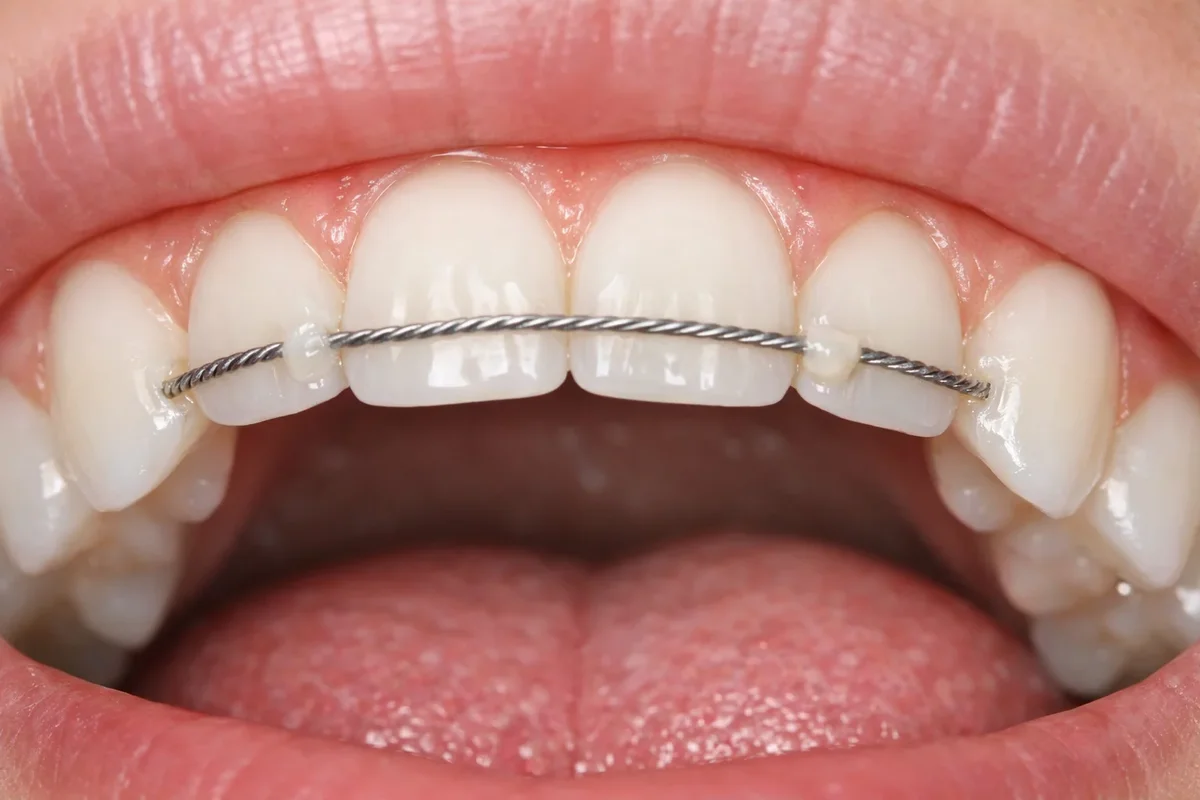
The structure of a top permanent retainer is usually a thin, durable wire made from stainless steel or a specialized orthodontic alloy. This wire is discreetly bonded to the back surfaces of the front teeth using dental composite material. Because it sits behind the teeth, a top permanent retainer is practically invisible during normal speaking or smiling. Patients can enjoy the confidence of straight teeth without the appearance of additional dental appliances.
Another advantage of a top permanent retainer is its convenience. Since it is permanently attached, patients do not need to remember to wear it at night or store it safely during the day. This significantly reduces the risk of relapse caused by inconsistent retainer use. For many people, especially younger patients or individuals with busy lifestyles, a top permanent retainer provides peace of mind because the retention system works automatically.
Dental professionals widely support the use of permanent retention systems to prevent orthodontic relapse. According to guidance from the American Dental Association, maintaining proper retention after orthodontic treatment is essential for long-term dental stability. Orthodontists frequently combine removable retainers with a top permanent retainer to create a dual-layer retention strategy that maximizes long-term success.
Patients often wonder whether installing a top permanent retainer is uncomfortable. In most cases, the placement procedure is quick, painless, and minimally invasive. The orthodontist simply cleans the teeth, positions the wire behind them, and bonds it with dental adhesive. The process usually takes less than 30 minutes. Once the adhesive hardens, the top permanent retainer becomes securely attached and immediately begins stabilizing the teeth.
Although a top permanent retainer offers excellent protection against tooth movement, maintaining good oral hygiene remains essential. Because the wire sits behind the teeth, plaque and food particles can accumulate around it if brushing and flossing are not done carefully. Dentists often recommend special floss threaders or interdental brushes to clean effectively around a top permanent retainer. Proper hygiene ensures that the retainer functions well while also protecting the gums and enamel.
Patients who receive orthodontic care frequently ask how long they must wear a retainer. The answer is often longer than expected. Teeth have a lifelong tendency to shift, which means retention must also be long-term. Many orthodontists recommend keeping a top permanent retainer in place for several years, and sometimes even indefinitely. This approach greatly reduces the chances of orthodontic relapse and helps maintain a straight, balanced smile for decades.
Another reason dentists recommend a top permanent retainer is the stability it provides for the front teeth, which are the most visible and most likely to shift. Even a small movement in the front teeth can dramatically affect the appearance of a smile. By securing these teeth with a top permanent retainer, orthodontists ensure that the most noticeable part of the smile remains aligned and aesthetically pleasing.
If you are considering orthodontic treatment or have recently completed it, understanding the role of a top permanent retainer is essential. This simple yet highly effective device protects your smile from relapse and preserves the results of your orthodontic investment. If you have questions about whether a top permanent retainer is right for you, you can always reach out to a dental professional for personalized advice through the Redent Klinik Contact Page.
Ultimately, a top permanent retainer represents one of the most dependable methods of maintaining straight teeth after braces or aligners. By stabilizing the front teeth, supporting bone healing, and eliminating the need for daily retainer reminders, it provides long-term confidence and convenience. With proper care and regular dental checkups, a top permanent retainer can help ensure that the smile you worked so hard to achieve stays perfectly aligned for many years to come. ✨
What Is a Top Permanent Retainer and Why Do Dentists Recommend It?
A top permanent retainer is a fixed orthodontic device that is bonded to the back surface of the upper front teeth to keep them from shifting after orthodontic treatment. When braces or clear aligners straighten teeth, the surrounding bone and soft tissue need time to stabilize in the new position. Without a retention system, teeth can gradually move back toward their original alignment. This phenomenon is known as orthodontic relapse, and it is one of the primary reasons dentists strongly recommend a top permanent retainer following braces or Invisalign treatment.
The top permanent retainer works continuously because it is attached directly to the teeth using dental composite material. Unlike removable retainers, which depend on patient compliance, a top permanent retainer stays in place all the time. This constant support ensures that the most visible teeth in the smile remain stable and properly aligned.
Understanding the Structure of a Top Permanent Retainer
The design of a top permanent retainer is intentionally simple but highly effective. It typically consists of a thin, flexible wire that is carefully shaped to match the natural curvature of the patient’s upper front teeth. Orthodontists bond the wire to the backside of the teeth, usually connecting the six front teeth from canine to canine.
Because the wire is placed behind the teeth, a top permanent retainer is virtually invisible during daily activities like talking, smiling, or laughing. Most patients quickly forget they even have it. The wire is made from strong materials such as stainless steel or titanium alloy, ensuring durability while still allowing slight natural tooth movement.
Main Components of a Top Permanent Retainer
- Orthodontic retention wire: A thin, flexible wire designed to stabilize teeth.
- Dental bonding material: Composite resin that attaches the wire securely to the teeth.
- Precision placement: Careful positioning by an orthodontist to ensure comfort and stability.
These components allow the top permanent retainer to function as a long-term stabilizing system for the teeth.
Why Orthodontists Prefer a Top Permanent Retainer
Orthodontists recommend a top permanent retainer because it offers reliable, consistent retention. Many patients struggle to remember wearing removable retainers every night, which increases the risk of tooth movement. Since the top permanent retainer remains attached to the teeth at all times, it eliminates the risk of forgetting to wear it.
Another reason professionals suggest a top permanent retainer is the stability it provides for the front teeth. These teeth experience significant pressure during chewing, speaking, and biting. Without retention support, they are among the most likely to relapse. By installing a top permanent retainer, dentists help ensure that these highly visible teeth remain perfectly aligned.
According to guidance from the American Dental Association, maintaining long-term retention after orthodontic treatment is essential to preserve the results achieved through braces or aligner therapy. A top permanent retainer plays a critical role in achieving this stability.
Who Typically Needs a Top Permanent Retainer?
Not every patient requires the same type of retainer. However, a top permanent retainer is often recommended for individuals who have experienced significant tooth movement, crowding, or spacing issues before treatment.
Common candidates for a top permanent retainer include:
- Patients who had crowded front teeth before braces
- Individuals who completed Invisalign or orthodontic aligner therapy
- People with a high risk of orthodontic relapse
- Patients who prefer a low-maintenance retention solution
In many cases, orthodontists may combine a removable retainer with a top permanent retainer to create a dual retention system. This strategy offers both stability and flexibility, helping maintain alignment more effectively.
How the Placement Procedure Works
The installation of a top permanent retainer is quick, simple, and painless. The orthodontist begins by cleaning and drying the back surfaces of the teeth. Next, the wire is shaped precisely to match the patient’s dental arch. The dentist then bonds the wire to each tooth using dental adhesive and curing light technology.
The entire procedure typically takes less than 30 minutes. Once completed, the top permanent retainer immediately begins stabilizing the teeth. Patients may feel a slight difference with their tongue at first, but most adjust within a few days.
Steps in the Retainer Placement Process
- Professional cleaning of the teeth
- Shaping and positioning of the retainer wire
- Bonding the wire using dental composite
- Hardening the adhesive with curing light
- Final adjustment and comfort check
After placement, the orthodontist checks the bite to ensure the top permanent retainer does not interfere with normal chewing.
Advantages That Make This Retention Method Popular
There are several reasons why patients and orthodontists prefer a top permanent retainer compared to other retention options.
- Continuous protection: Works 24 hours a day without removal.
- Invisible design: Positioned behind the teeth for a natural appearance.
- Low maintenance: No need to remember wearing it nightly.
- Reliable retention: Reduces the risk of orthodontic relapse.
For many people, the convenience and reliability of a top permanent retainer make it one of the most effective tools for maintaining a straight smile.
If you recently completed orthodontic treatment and are considering long-term retention options, consulting a dental professional is always the best step. You can learn more or schedule an evaluation through the Redent Klinik Contact Page. A qualified dentist can determine whether a top permanent retainer is the right solution for protecting your smile.
Ultimately, a top permanent retainer represents a smart investment in maintaining orthodontic results. By providing constant stabilization and eliminating the risk of forgetting a removable retainer, it helps ensure that your teeth remain aligned for years to come. With proper care and regular dental checkups, a top permanent retainer can preserve the results of orthodontic treatment and keep your smile looking its best. 😁
How a Top Permanent Retainer Works to Keep Teeth Straight
After orthodontic treatment, many patients are surprised to learn that teeth have a natural tendency to shift back toward their original positions. This process, known as orthodontic relapse, can occur slowly over months or years. A top permanent retainer is designed specifically to prevent this movement by holding the upper front teeth in their corrected positions. Orthodontists rely on the top permanent retainer because it provides continuous stabilization without depending on patient compliance.
The way a top permanent retainer works is actually quite simple yet scientifically effective. A thin orthodontic wire is bonded to the backside of the upper front teeth using dental composite material. Once secured, the top permanent retainer acts as a stabilizing bar that prevents the teeth from drifting apart, crowding, or rotating. Because the wire remains attached permanently, the retention system works 24 hours a day.
Orthodontists frequently recommend a top permanent retainer for patients who have completed braces or clear aligner treatment because the upper front teeth are especially prone to relapse. Even small shifts can affect the appearance of the smile. The top permanent retainer ensures that these teeth remain exactly where the orthodontist positioned them.
The Biological Reason Teeth Shift After Braces
To understand why a top permanent retainer is so important, it helps to understand what happens to teeth during orthodontic treatment. Braces and aligners gradually move teeth by applying gentle pressure to the periodontal ligament and surrounding bone. As teeth move, the bone around them remodels and adapts to the new position.
However, once orthodontic appliances are removed, the tissues around the teeth are not immediately stable. The periodontal fibers that connect the teeth to the bone still “remember” the original tooth positions. These fibers can slowly pull the teeth back unless retention is applied. This is where a top permanent retainer becomes essential.
Key Reasons Teeth Move Without Retainers
- Elastic memory of periodontal fibers
- Natural aging changes in the jawbone
- Pressure from chewing and speaking
- Tongue and lip muscle forces
- Incomplete stabilization after orthodontic treatment
Because these biological forces are always present, a top permanent retainer provides the continuous resistance needed to keep teeth from shifting.
How the Top Permanent Retainer Stabilizes the Teeth
The stabilizing effect of a top permanent retainer comes from its ability to connect multiple teeth together into a single stable unit. When teeth are bonded to the wire, they support each other and resist individual movement.
This means that if one tooth experiences pressure from biting or chewing, the force is distributed across the entire group of teeth attached to the top permanent retainer. This distribution of force prevents individual teeth from drifting or rotating.
In addition, the top permanent retainer maintains the spacing between the teeth. After orthodontic treatment, the smallest gap can gradually widen if left unsupported. The wire prevents these gaps from forming and ensures that the smile remains symmetrical.
Why Permanent Retention Is Often More Reliable
One major advantage of a top permanent retainer is that it does not rely on patient discipline. Removable retainers can be forgotten, lost, or worn inconsistently. Even missing a few nights of retainer use can allow minor tooth movement.
Because the top permanent retainer stays bonded to the teeth at all times, it eliminates the possibility of inconsistent wear. This reliability is one reason many orthodontists consider it the most dependable method of long-term retention.
According to dental guidance from the American Dental Association, proper retention after orthodontic treatment is essential to maintaining alignment and preventing relapse. A top permanent retainer plays a critical role in achieving this long-term stability.
The Role of the Retainer Wire in Maintaining Alignment
The wire used in a top permanent retainer is specially designed to be both strong and flexible. This allows it to hold the teeth in position while still accommodating tiny natural movements that occur during normal chewing.
The orthodontic wire is typically bonded to the six upper front teeth. These teeth are the most visible when smiling and also the most prone to shifting. By stabilizing them with a top permanent retainer, orthodontists preserve the aesthetic results of treatment.
Typical Teeth Connected by the Retainer
- Upper right canine
- Upper right lateral incisor
- Upper right central incisor
- Upper left central incisor
- Upper left lateral incisor
- Upper left canine
This connection ensures that all these teeth remain aligned as a group, reinforcing the protective effect of the top permanent retainer.
Daily Function of a Top Permanent Retainer
Once installed, the top permanent retainer quietly performs its function without interfering with normal daily life. Most patients adapt to it within a few days and rarely notice its presence afterward. The retainer does not affect speech, eating, or smiling.
The key to ensuring the long-term success of a top permanent retainer is proper oral hygiene. Because the wire sits behind the teeth, plaque can accumulate around it if brushing and flossing are not thorough. Dentists often recommend using floss threaders or interdental brushes to clean around the retainer wire.
Patients who maintain good oral hygiene can keep their top permanent retainer functioning effectively for many years. Regular dental checkups also allow the dentist to monitor the retainer and make adjustments if necessary.
Professional Guidance and Monitoring
Even though a top permanent retainer requires minimal effort from the patient, periodic dental visits remain important. During routine checkups, dentists examine the bonding points and ensure that the wire remains secure.
If any part of the top permanent retainer becomes loose or damaged, it can usually be repaired quickly. Addressing these issues early prevents teeth from shifting and ensures the retainer continues to work properly.
If you ever experience discomfort, looseness, or difficulty cleaning around the retainer, it is wise to contact a dental professional. You can request an evaluation through the Redent Klinik Contact Page to ensure that your top permanent retainer is functioning correctly.
Ultimately, the top permanent retainer works by providing constant stabilization for the most visible teeth in the smile. By distributing pressure, maintaining spacing, and preventing rotation, it ensures that the results of orthodontic treatment remain intact. With proper care and monitoring, a top permanent retainer can protect your smile and preserve your orthodontic results for many years. 😁
Benefits of Choosing a Top Permanent Retainer After Braces
After completing orthodontic treatment, maintaining the new alignment of your teeth becomes the most important next step. Many orthodontists strongly recommend a top permanent retainer because it provides reliable long-term stability. Braces or aligners can take months or even years to achieve perfect alignment, but without proper retention, teeth can slowly drift back toward their original positions. Choosing a top permanent retainer ensures that the results of orthodontic treatment remain intact for many years.
The primary reason patients choose a top permanent retainer is its ability to work continuously without requiring daily effort. Unlike removable retainers that must be worn consistently and can be forgotten or lost, a top permanent retainer stays attached to the teeth and functions automatically. This constant protection significantly reduces the risk of orthodontic relapse and provides peace of mind for patients who want to preserve their straight smile.
Continuous Protection Against Tooth Movement
One of the most significant benefits of a top permanent retainer is its ability to protect teeth from shifting 24 hours a day. Teeth are constantly exposed to forces from chewing, speaking, swallowing, and even tongue pressure. Over time, these forces can gradually move teeth out of alignment. Because a top permanent retainer is bonded behind the teeth, it counteracts these forces and keeps the teeth stable.
This constant stabilization is especially important for the upper front teeth, which are among the most visible parts of a smile. Even minor movement in these teeth can noticeably affect appearance. A top permanent retainer ensures that these teeth stay in their corrected positions.
Why Continuous Retention Matters
- Prevents teeth from drifting after braces
- Maintains spacing and alignment
- Protects orthodontic investment
- Reduces risk of relapse
Because retention must often last for many years, the consistent protection of a top permanent retainer makes it one of the most reliable orthodontic retention solutions available.
Invisible and Comfortable Design
Another major advantage of a top permanent retainer is its discreet design. The retainer wire is bonded to the backside of the teeth, which means it cannot be seen when smiling or speaking. Many patients appreciate that a top permanent retainer allows them to maintain their orthodontic results without wearing a visible dental appliance.
Most patients adjust quickly to the presence of a top permanent retainer. After the initial placement, the tongue may briefly notice the wire, but within a few days most people forget it is there. Because it does not cover the chewing surfaces of the teeth, a top permanent retainer typically does not interfere with eating or speaking.
No Risk of Losing or Forgetting the Retainer
Removable retainers require daily discipline. Patients must remember to wear them at night, clean them regularly, and store them safely. Many people accidentally lose their removable retainers or forget to wear them consistently. This can lead to unwanted tooth movement.
A top permanent retainer eliminates these concerns entirely. Since it is permanently bonded to the teeth, patients cannot forget to wear it. The top permanent retainer remains active at all times, making it an ideal choice for individuals who prefer a low-maintenance solution.
Convenience Benefits
- No need to remove it daily
- No risk of losing the appliance
- No special storage case required
- Works automatically all day and night
This convenience is one of the reasons orthodontists frequently recommend a top permanent retainer for patients who want dependable retention without daily responsibility.
Long-Term Stability for Your Smile
The ultimate goal of orthodontic treatment is long-lasting alignment. A top permanent retainer helps achieve this goal by maintaining the position of the teeth over time. Research in orthodontics has shown that teeth naturally shift with age due to bone remodeling and bite pressure. Even people who never had braces can experience slight crowding as they grow older.
Because of these natural changes, many orthodontists recommend lifelong retention. A top permanent retainer provides the stability needed to keep teeth aligned despite these biological changes.
Dental organizations such as the American Dental Association emphasize the importance of proper retention after orthodontic treatment. A top permanent retainer is widely recognized as one of the most effective ways to maintain alignment.
Protecting Your Investment in Orthodontic Treatment
Orthodontic treatment requires significant time, effort, and financial investment. Many patients wear braces or aligners for one to two years to achieve their desired results. Without retention, however, these results could gradually fade.
By choosing a top permanent retainer, patients protect the investment they made in their orthodontic care. The retainer acts as a long-term safeguard, ensuring that teeth remain in the correct position long after braces are removed.
If you recently completed orthodontic treatment and want to maintain your smile for years to come, consulting a dental professional is the best step. You can reach a specialist through the Redent Klinik Contact Page to discuss whether a top permanent retainer is the right choice for your dental needs.
Additional Health Advantages
In addition to cosmetic benefits, a top permanent retainer can also contribute to better oral health. Properly aligned teeth are easier to clean and maintain. When teeth remain straight, brushing and flossing become more effective, reducing the risk of plaque buildup and gum disease.
A top permanent retainer also helps maintain balanced bite alignment. When teeth remain properly positioned, chewing forces are distributed more evenly across the mouth. This can help prevent excessive wear on individual teeth.
Health Benefits of Maintaining Alignment
- Improved oral hygiene access
- Reduced plaque accumulation
- Balanced bite pressure
- Lower risk of gum inflammation
Because of these advantages, dentists often see the top permanent retainer not only as a cosmetic solution but also as a tool for supporting long-term oral health.
Confidence and Peace of Mind
Finally, one of the most rewarding benefits of a top permanent retainer is the confidence it provides. Patients who invest in orthodontic treatment want to enjoy their new smiles without worrying about relapse. Knowing that the top permanent retainer is continuously protecting their teeth allows them to relax and enjoy the results.
With proper hygiene and regular dental checkups, a top permanent retainer can remain effective for many years. This simple orthodontic device quietly preserves the beauty and alignment of your smile long after braces have been removed. For many patients, choosing a top permanent retainer is the smartest way to ensure that their orthodontic success lasts a lifetime. 😁
Top Permanent Retainer vs Removable Retainers: Which Is Better?
After orthodontic treatment, one of the most common questions patients ask is whether a top permanent retainer or a removable retainer is the better choice. Both types of retainers are designed to keep teeth from shifting after braces or aligner therapy, but they function in very different ways. Understanding these differences can help patients make an informed decision about which option will best protect their smile.
A top permanent retainer is bonded to the backside of the upper front teeth and remains in place continuously. Removable retainers, on the other hand, are dental appliances that patients must wear regularly, usually at night. Because both devices have unique advantages, orthodontists sometimes recommend using them together to maximize long-term stability.
How a Top Permanent Retainer Differs From Removable Retainers
The most significant difference between a top permanent retainer and a removable retainer is how they are worn. A top permanent retainer is fixed to the teeth using dental bonding material, meaning it cannot be removed by the patient. This ensures that the teeth remain supported around the clock.
Removable retainers, such as clear plastic retainers or Hawley retainers, must be inserted and removed daily. While these retainers can be effective when used consistently, they rely entirely on patient discipline. If a removable retainer is forgotten or not worn regularly, teeth may begin shifting relatively quickly.
Main Structural Differences
- Top permanent retainer: Bonded wire behind teeth that stays in place permanently.
- Clear removable retainer: Transparent plastic tray worn over the teeth.
- Hawley retainer: Acrylic plate with metal wire that sits in the mouth.
Because the top permanent retainer works continuously, many orthodontists view it as a dependable safeguard against orthodontic relapse.
Advantages of a Top Permanent Retainer
The biggest advantage of a top permanent retainer is that it functions automatically. Patients do not need to remember to wear it every night or worry about losing it. This makes the top permanent retainer especially useful for individuals who prefer a low-maintenance solution.
Another key benefit is the discreet placement of the wire. Since the top permanent retainer is attached to the backside of the teeth, it remains completely hidden during normal conversation or smiling. This invisible design allows patients to maintain their orthodontic results without wearing a visible dental appliance.
Key Benefits of a Top Permanent Retainer
- Works 24 hours a day without removal
- Invisible placement behind the teeth
- Eliminates risk of forgetting to wear a retainer
- Provides strong stabilization for front teeth
Because of these advantages, the top permanent retainer is frequently recommended for patients with significant orthodontic corrections or high relapse risk.
Advantages of Removable Retainers
Although the top permanent retainer provides constant retention, removable retainers also offer certain benefits. One major advantage is ease of cleaning. Since removable retainers can be taken out of the mouth, patients can brush and floss their teeth normally without navigating around a wire.
Removable retainers also allow orthodontists to make small adjustments if minor tooth movement occurs. Clear retainers, for example, can sometimes be modified to gently reposition teeth.
However, removable retainers depend heavily on patient consistency. If the retainer is not worn as instructed, the teeth may gradually move out of alignment.
Benefits of Removable Retainers
- Easy to remove for cleaning
- Simple to repair or replace
- Allows minor tooth adjustments
- No bonding material attached to teeth
Despite these advantages, many orthodontists still recommend combining removable retainers with a top permanent retainer for maximum protection.
Which Retainer Is More Effective?
Effectiveness depends largely on patient habits and orthodontic history. A top permanent retainer is often considered more reliable because it does not rely on patient compliance. Since it remains attached to the teeth, it continues stabilizing them day and night.
Removable retainers can be equally effective when worn consistently. However, many patients eventually become less disciplined about wearing them, especially several years after orthodontic treatment. In these situations, the top permanent retainer acts as a safety net that prevents unwanted tooth movement.
Dental professionals and organizations such as the American Dental Association emphasize that long-term retention is critical for preserving orthodontic results. A top permanent retainer plays an important role in this process by providing constant stabilization.
Why Orthodontists Often Recommend Both
Many orthodontists recommend using a removable retainer along with a top permanent retainer. This combined approach offers several advantages.
The top permanent retainer stabilizes the front teeth continuously, while a removable retainer can support the entire dental arch at night. This dual-retention strategy provides extra protection against relapse.
Dual Retention Strategy
- Permanent retainer stabilizes the front teeth
- Removable retainer supports overall alignment
- Combined approach reduces relapse risk
- Provides long-term orthodontic stability
Using both retention systems ensures that the results of orthodontic treatment remain intact for as long as possible.
Factors That Influence the Best Choice
Choosing between a removable retainer and a top permanent retainer depends on several factors, including the patient’s orthodontic history, oral hygiene habits, and personal preferences.
Patients who previously had severe crowding may benefit most from a top permanent retainer, as these teeth are more likely to relapse. Those who prefer a removable appliance may still be advised to consider a top permanent retainer for added protection.
If you are unsure which retention method is best for your smile, consulting an experienced dental professional is the best step. You can contact a specialist through the Redent Klinik Contact Page to discuss whether a top permanent retainer is the ideal solution for maintaining your orthodontic results.
Final Thoughts on Choosing the Right Retainer
Both removable retainers and a top permanent retainer play valuable roles in maintaining orthodontic results. While removable retainers offer flexibility, the top permanent retainer provides continuous protection and convenience.
For many patients, the most effective approach involves combining both systems. With proper care and regular dental checkups, a top permanent retainer can help keep teeth straight for many years, allowing patients to enjoy the lasting benefits of their orthodontic treatment. 😁
How Long a Top Permanent Retainer Can Last
One of the most common questions patients ask after orthodontic treatment is how long a top permanent retainer can last. Since this device is designed to protect the alignment of the teeth after braces or clear aligners, understanding its longevity is important. In many cases, a properly maintained top permanent retainer can last for many years, and sometimes even decades. The lifespan depends on several factors including oral hygiene, lifestyle habits, dental care routines, and the quality of the retainer placement.
The main purpose of a top permanent retainer is to keep the upper front teeth stable after orthodontic treatment. Because teeth naturally tend to shift throughout life, many orthodontists recommend wearing a top permanent retainer indefinitely. Unlike removable retainers that must be worn nightly, a top permanent retainer remains bonded behind the teeth and provides continuous stabilization.
Average Lifespan of a Top Permanent Retainer
In general, a well-maintained top permanent retainer can last anywhere from 5 to 20 years or longer. Some patients keep the same retainer for decades without needing replacement. Since the wire is bonded directly to the teeth, it remains stable unless the bonding material weakens or the wire becomes damaged.
The durability of a top permanent retainer depends largely on how well it is cared for. Regular dental visits allow dentists to check the retainer and ensure the bonding remains secure. If any part of the top permanent retainer becomes loose, it can usually be repaired quickly without replacing the entire device.
Typical Longevity Factors
- Quality of orthodontic bonding
- Daily oral hygiene habits
- Regular dental checkups
- Avoiding habits that stress the retainer wire
- General oral health condition
Patients who follow good oral hygiene practices can significantly extend the lifespan of their top permanent retainer.
Why Orthodontists Recommend Long-Term Retention
Teeth are not permanently fixed in place after orthodontic treatment. Over time, natural forces from chewing, aging, and muscle pressure can cause teeth to shift. Because of this, orthodontists often recommend keeping a top permanent retainer for many years.
The upper front teeth are especially vulnerable to relapse. Even small movements can noticeably affect the appearance of a smile. By keeping a top permanent retainer in place long-term, patients maintain the straight alignment achieved during orthodontic treatment.
Professional dental organizations such as the American Dental Association emphasize the importance of retention after braces. A top permanent retainer plays a key role in maintaining long-term orthodontic stability.
Signs Your Top Permanent Retainer May Need Replacement
Although a top permanent retainer can last many years, there are situations where repair or replacement may be necessary. Dentists usually monitor the retainer during routine checkups to ensure it continues functioning properly.
If the bonding material weakens or the wire becomes bent, the top permanent retainer may lose its effectiveness. Addressing these issues early prevents unwanted tooth movement.
Common Warning Signs
- The retainer wire feels loose
- Bonding material has chipped or broken
- Difficulty cleaning around the retainer
- Teeth feel like they are shifting
- Wire becomes bent or distorted
If any of these issues occur, it is important to visit a dentist promptly so the top permanent retainer can be repaired or adjusted.
How Proper Care Extends the Life of a Retainer
Maintaining excellent oral hygiene is one of the most important ways to extend the lifespan of a top permanent retainer. Because the retainer wire sits behind the teeth, plaque can accumulate around the bonding points if cleaning is not thorough.
Dentists typically recommend using floss threaders or interdental brushes to clean around the top permanent retainer. These tools allow patients to remove plaque from areas that regular floss cannot reach easily.
Daily Care Tips
- Brush teeth twice daily with fluoride toothpaste
- Use floss threaders to clean under the retainer wire
- Use interdental brushes for detailed cleaning
- Visit the dentist every six months for checkups
- Avoid biting hard foods directly with front teeth
Following these habits helps ensure the top permanent retainer remains strong and effective for many years.
Habits That Can Damage a Top Permanent Retainer
While the wire used in a top permanent retainer is durable, certain habits can shorten its lifespan. Biting hard objects with the front teeth can place excessive stress on the retainer wire.
Examples of habits that may damage a top permanent retainer include biting ice, chewing pen caps, or opening packaging with the teeth. These activities can bend the wire or loosen the bonding material.
Protecting the retainer from unnecessary stress helps preserve its function and prevents unexpected repairs.
Regular Dental Monitoring
Even if the top permanent retainer feels comfortable and secure, routine dental visits remain essential. Dentists check the retainer’s bonding and alignment during regular checkups. These visits help ensure that the top permanent retainer continues to function properly.
If a small issue is detected early, dentists can quickly repair the retainer before it leads to tooth movement. This preventive care significantly increases the lifespan of a top permanent retainer.
If you ever notice a problem with your retainer or have questions about its longevity, contacting a dental professional is the best step. You can schedule an appointment through the Redent Klinik Contact Page to have your top permanent retainer examined.
Can a Top Permanent Retainer Last a Lifetime?
In many cases, yes. Some patients keep their top permanent retainer for decades without needing replacement. As long as the wire remains intact and the bonding is secure, the retainer can continue stabilizing the teeth effectively.
However, dentists may occasionally recommend replacing an older top permanent retainer if the wire becomes worn or if dental work requires removal. Replacing the retainer is usually a quick procedure and helps maintain the alignment of the teeth.
Ultimately, the longevity of a top permanent retainer depends on proper care, healthy oral habits, and regular dental monitoring. When maintained correctly, this simple orthodontic device can protect your smile and preserve the results of orthodontic treatment for many years to come. 😁
How to Clean and Maintain a Top Permanent Retainer Properly
Maintaining excellent oral hygiene is essential for anyone who has a top permanent retainer. Because this retainer is bonded to the back of the upper front teeth, it cannot be removed for cleaning like traditional removable retainers. This means that proper brushing, flossing, and regular dental checkups are critical to keeping the top permanent retainer functioning effectively while protecting overall oral health.
A top permanent retainer is designed to stabilize teeth after orthodontic treatment, but plaque and food particles can accumulate around the bonding areas if proper cleaning techniques are not used. Without careful hygiene, this buildup may increase the risk of cavities, gum inflammation, or bad breath. Fortunately, with the right daily routine, caring for a top permanent retainer becomes simple and manageable.
Why Cleaning a Top Permanent Retainer Is Important
The wire used in a top permanent retainer sits behind the front teeth and is bonded to them with dental composite. While this design makes the retainer discreet and effective, it can also create small areas where plaque accumulates. Bacteria thrive in these areas if cleaning is neglected.
Proper hygiene helps ensure that the top permanent retainer continues stabilizing the teeth without contributing to oral health issues. Dentists emphasize that good hygiene habits not only protect the retainer but also prevent gum disease and tooth decay.
Potential Problems From Poor Cleaning
- Plaque buildup around the retainer wire
- Increased risk of cavities near bonding points
- Gum irritation or inflammation
- Bad breath caused by trapped food particles
- Weakening of bonding material over time
By keeping the top permanent retainer clean, patients can maintain both their orthodontic results and their overall oral health.
Daily Brushing Techniques
Brushing twice daily is the foundation of caring for a top permanent retainer. Patients should brush their teeth for at least two minutes using fluoride toothpaste and a soft-bristled toothbrush. When brushing the upper teeth, it is important to angle the brush so the bristles reach both the front surfaces and the area behind the teeth where the top permanent retainer is attached.
Gentle circular brushing motions help remove plaque around the bonding areas without damaging the retainer wire. Electric toothbrushes can also be very effective for cleaning around a top permanent retainer because they provide consistent motion and improved plaque removal.
Effective Brushing Tips
- Use a soft-bristled toothbrush
- Brush behind the front teeth carefully
- Angle the brush toward the retainer wire
- Brush for a full two minutes
- Use fluoride toothpaste for enamel protection
Following these brushing habits ensures that the top permanent retainer remains free from plaque accumulation.
Flossing With a Top Permanent Retainer
Flossing is often the most challenging part of cleaning around a top permanent retainer. Since the wire connects several teeth, traditional floss cannot easily pass between them. However, specialized tools make the process easier.
Floss threaders are commonly recommended for cleaning around a top permanent retainer. These small plastic loops help guide dental floss underneath the retainer wire so it can reach the spaces between the teeth. Interdental brushes are another helpful tool because they can clean around the wire and bonding points.
Recommended Flossing Tools
- Floss threaders
- Super floss designed for orthodontic appliances
- Interdental brushes
- Water flossers for additional cleaning
Using these tools regularly helps remove plaque that might otherwise accumulate around the top permanent retainer.
Using Mouthwash for Additional Protection
Antibacterial mouthwash can be a useful addition to daily oral care when wearing a top permanent retainer. Mouthwash helps reduce bacteria that cause plaque and gum inflammation, especially in areas that are difficult to reach with brushing and flossing.
Rinsing with mouthwash after brushing can help keep the areas around the top permanent retainer clean and fresh. Many dentists recommend alcohol-free mouthwash to prevent irritation while still providing antibacterial protection.
Foods and Habits to Avoid
Certain foods and habits can place stress on a top permanent retainer. While the wire is strong, biting hard foods directly with the front teeth may loosen the bonding or bend the wire.
Examples of foods and habits to be cautious about include biting ice, chewing hard candy, or opening packaging with the teeth. Protecting the top permanent retainer from unnecessary pressure helps maintain its stability.
Habits That Protect Your Retainer
- Avoid biting hard foods with the front teeth
- Cut crunchy foods into smaller pieces
- Do not chew on pens or pencils
- Avoid opening objects with teeth
These precautions help ensure that the top permanent retainer remains securely bonded.
The Importance of Regular Dental Checkups
Routine dental visits are essential for monitoring the condition of a top permanent retainer. During checkups, dentists examine the bonding points and ensure the wire remains properly positioned. Professional cleanings also remove plaque and tartar that may accumulate around the retainer.
Dental professionals, including organizations such as the American Dental Association, emphasize that regular checkups are an important part of maintaining oral health and orthodontic results. Monitoring the top permanent retainer during these visits helps prevent potential problems before they worsen.
When to Contact a Dentist
If a patient notices that their top permanent retainer feels loose or uncomfortable, it is important to contact a dentist promptly. Early repair can prevent teeth from shifting out of alignment.
Signs that a top permanent retainer may need attention include unusual movement, broken bonding material, or difficulty cleaning around the wire. If any of these issues occur, professional evaluation is recommended.
You can easily reach a dental professional for advice or an appointment through the Redent Klinik Contact Page. A dentist can examine your top permanent retainer and ensure it continues protecting your orthodontic results.
Maintaining Your Smile Long-Term
With consistent care and attention, a top permanent retainer can remain effective for many years. Proper brushing, flossing, and regular dental visits ensure that both the retainer and your teeth stay healthy.
Ultimately, the key to long-term success with a top permanent retainer is maintaining a disciplined oral hygiene routine. By protecting the retainer and keeping the surrounding teeth clean, patients can preserve the beautiful alignment achieved through orthodontic treatment and enjoy a confident smile for years to come. 😁
Common Problems With a Top Permanent Retainer and How to Fix Them
A top permanent retainer is designed to keep teeth aligned after orthodontic treatment, but like any dental appliance, it can sometimes develop minor issues over time. While most patients experience very few problems with a top permanent retainer, understanding the potential complications and how they can be fixed helps ensure long-term orthodontic stability.
The good news is that most problems involving a top permanent retainer are easy for a dentist or orthodontist to repair. Regular dental checkups, proper oral hygiene, and awareness of warning signs can help prevent serious complications. If an issue occurs, early treatment can restore the effectiveness of the top permanent retainer before teeth begin to shift.
Loose or Detached Retainer Wire
One of the most common issues with a top permanent retainer is the bonding material becoming loose. The wire itself is strong, but the dental composite that attaches the retainer to the teeth may occasionally weaken due to chewing pressure, biting hard foods, or natural wear over time.
If part of the top permanent retainer becomes detached from a tooth, the retainer may feel loose or move slightly when touched with the tongue. Even if only one bonding point is affected, it is important to have the top permanent retainer repaired quickly to prevent unwanted tooth movement.
Signs the Retainer May Be Loose
- The wire feels flexible or unstable
- You can move the retainer slightly with your tongue
- A bonding spot appears chipped or missing
- Food frequently gets trapped under the wire
A dentist can easily repair a loose top permanent retainer by reapplying bonding material. This quick procedure usually takes less than 20 minutes.
Difficulty Cleaning Around the Retainer
Because the top permanent retainer sits behind the teeth, cleaning around it can sometimes be challenging. Plaque and food particles may accumulate around the bonding points if brushing and flossing techniques are not thorough.
This issue does not mean that the top permanent retainer itself is defective, but it highlights the importance of specialized cleaning tools. Floss threaders, interdental brushes, and water flossers can help remove plaque from areas around the top permanent retainer that are difficult to reach with traditional floss.
Tools That Help With Cleaning
- Floss threaders for threading floss under the wire
- Orthodontic floss designed for braces and retainers
- Interdental brushes for small spaces
- Water flossers for deep cleaning
Using these tools regularly allows patients to maintain excellent hygiene while wearing a top permanent retainer.
Retainer Wire Bending or Damage
Although the wire used in a top permanent retainer is durable, it can sometimes bend if exposed to excessive pressure. Biting very hard foods with the front teeth, chewing ice, or using teeth to open packaging can damage the retainer wire.
If the wire bends, the top permanent retainer may no longer hold the teeth in their proper positions. In some cases, the bent wire can also irritate the tongue.
Common Causes of Retainer Damage
- Biting hard foods like ice or hard candy
- Chewing on pens or pencils
- Opening packages with teeth
- Accidental trauma to the mouth
If the top permanent retainer becomes bent or distorted, a dentist can either adjust the wire or replace it entirely.
Tooth Movement Despite the Retainer
In rare situations, patients may notice slight tooth movement even with a top permanent retainer. This can happen if the retainer wire has loosened or if only a portion of the teeth are bonded to the wire.
Sometimes orthodontists recommend combining a removable retainer with a top permanent retainer to provide additional support for the entire dental arch.
If any tooth movement is noticed, visiting a dentist quickly is important. Early adjustment of the top permanent retainer can prevent larger alignment problems.
Gum Irritation Around the Retainer
Occasionally, a patient may experience gum irritation near the bonding points of a top permanent retainer. This usually occurs when plaque accumulates in the area or if the retainer wire slightly rubs against soft tissue.
Improving oral hygiene often resolves this problem. However, if irritation persists, a dentist may smooth or reposition the top permanent retainer to eliminate discomfort.
Ways to Reduce Gum Irritation
- Brush carefully around the retainer
- Use antibacterial mouthwash
- Clean thoroughly with floss threaders
- Schedule professional dental cleaning
Maintaining good hygiene helps ensure that the top permanent retainer does not contribute to gum inflammation.
Tartar Build-Up Around the Retainer
Another common issue is tartar accumulation near the bonding points of a top permanent retainer. Tartar forms when plaque hardens and cannot be removed by brushing alone.
Professional dental cleanings are necessary to remove tartar from around the top permanent retainer. Regular visits to the dentist every six months help keep the area clean and prevent oral health problems.
Dental organizations such as the American Dental Association recommend routine dental cleanings to maintain healthy teeth and gums, especially when fixed appliances like a top permanent retainer are present.
When to See a Dentist
If you suspect a problem with your top permanent retainer, it is best to seek professional evaluation as soon as possible. Small issues are usually quick to fix, but delaying treatment may allow teeth to shift.
You should contact a dentist if:
- The retainer wire feels loose
- Bonding material has broken
- The wire becomes bent
- You experience persistent discomfort
- You notice tooth movement
If you need professional advice about a top permanent retainer, you can easily reach dental specialists through the Redent Klinik Contact Page. Early consultation helps ensure that your retainer continues protecting your orthodontic results.
Preventing Future Retainer Problems
Most issues with a top permanent retainer can be prevented with simple habits. Avoid biting hard objects with the front teeth, maintain excellent oral hygiene, and attend regular dental appointments.
By following these guidelines, patients can keep their top permanent retainer functioning properly for many years. This small orthodontic device plays a crucial role in maintaining the alignment achieved through braces or aligners.
With proper care and timely dental visits, a top permanent retainer can continue protecting your smile long after orthodontic treatment is complete. Maintaining awareness of potential issues ensures that your teeth remain straight and healthy for the long term. 😁
Cost of a Top Permanent Retainer and What Influences the Price
One of the most common questions patients ask after completing orthodontic treatment is about the cost of a top permanent retainer. Since retainers are essential for maintaining the results of braces or clear aligner therapy, understanding the investment involved is important. The price of a top permanent retainer can vary depending on several factors, including the dental clinic, geographic location, materials used, and whether the retainer is included in the orthodontic treatment package.
In many orthodontic practices, the top permanent retainer is included as part of the overall braces treatment plan. However, in some cases it may be charged separately. Regardless of how it is billed, the top permanent retainer is widely considered a worthwhile investment because it protects the time, effort, and cost involved in orthodontic treatment.
Average Cost of a Top Permanent Retainer
The typical cost of a top permanent retainer varies depending on the dental clinic and region. In many dental practices, patients can expect to pay between $150 and $600 for a top permanent retainer. The final price depends on the complexity of the case and whether the retainer is being placed immediately after orthodontic treatment or added later.
Typical Price Ranges
- United States: $200 – $600
- United Kingdom: £150 – £400
- Canada: $250 – $650 CAD
- Europe: €150 – €500
These prices generally include the placement procedure and the bonding of the retainer wire. Because the top permanent retainer requires professional installation by a dentist or orthodontist, the cost reflects both the materials and the clinical expertise involved.
Factors That Influence the Cost
The cost of a top permanent retainer can vary depending on several important factors. Understanding these factors helps patients see why prices may differ from one clinic to another.
1. Orthodontic Treatment Package
In many orthodontic clinics, a top permanent retainer is included in the total cost of braces or Invisalign treatment. This means patients may not see a separate charge for the retainer. However, if the retainer is placed later or requires replacement, there may be an additional fee.
2. Materials Used
The wire used in a top permanent retainer is usually made from stainless steel or specialized orthodontic alloy. Higher-quality materials can increase durability and comfort but may slightly raise the cost.
3. Dentist or Orthodontist Expertise
The experience and expertise of the dental professional placing the top permanent retainer can also influence the price. Orthodontists who specialize in retention techniques may charge more due to their advanced training.
4. Geographic Location
Dental costs often vary depending on the region and local cost of living. Clinics in large metropolitan areas may charge more for a top permanent retainer compared to smaller towns or rural areas.
Replacement Costs for a Top Permanent Retainer
Although a top permanent retainer can last many years, it may occasionally require repair or replacement. If the retainer wire becomes bent or the bonding material breaks, the dentist may need to reattach or replace the retainer.
Typical Repair Costs
- Rebonding a loose retainer: $50 – $200
- Replacing the wire: $150 – $400
- Full retainer replacement: $200 – $600
Repair costs are generally lower than full replacement costs. Visiting the dentist promptly when a top permanent retainer becomes loose can prevent teeth from shifting and reduce overall expenses.
Is a Top Permanent Retainer Covered by Insurance?
Dental insurance policies sometimes cover part of the cost of a top permanent retainer, particularly if it is considered part of orthodontic treatment. However, coverage varies depending on the insurance provider and plan details.
Patients should check with their insurance company to determine whether their orthodontic coverage includes a top permanent retainer. In many cases, insurance may cover a portion of the cost while the patient pays the remaining balance.
Professional dental organizations such as the American Dental Association encourage patients to discuss treatment costs and insurance options with their dental providers to ensure they understand their financial responsibilities.
Why Investing in a Retainer Is Worth It
Although the cost of a top permanent retainer may seem like an additional expense, it is important to remember that orthodontic treatment itself represents a significant investment. Braces or aligner therapy can cost thousands of dollars and require months or years to complete.
A top permanent retainer helps protect that investment by preventing the teeth from shifting back into their original positions. Without proper retention, patients may need additional orthodontic treatment in the future, which can be far more expensive than maintaining a retainer.
Long-Term Value of a Retainer
- Protects orthodontic results
- Reduces risk of relapse
- Prevents costly retreatment
- Maintains smile aesthetics
For these reasons, many orthodontists consider the top permanent retainer one of the most valuable components of post-braces care.
Consulting a Dentist About Retainer Costs
If you are considering orthodontic retention options, discussing costs with a dental professional is the best way to get accurate information. A dentist can evaluate your dental alignment and determine whether a top permanent retainer is the best option for maintaining your smile.
You can easily contact a dental professional to discuss pricing, treatment options, and personalized recommendations through the Redent Klinik Contact Page. Dental experts can explain the benefits of a top permanent retainer and help you plan the best retention strategy for your needs.
Final Thoughts on Retainer Costs
The price of a top permanent retainer may vary depending on location, dental expertise, and treatment complexity. However, compared to the cost of orthodontic treatment itself, the retainer is a relatively small investment that plays a crucial role in maintaining long-term results.
By choosing a top permanent retainer, patients can preserve the alignment achieved through braces or aligners and enjoy a confident smile for years to come. With proper care and regular dental visits, this small orthodontic device continues providing protection and stability long after orthodontic treatment is complete. 😁
Who Is the Best Candidate for a Top Permanent Retainer?
After completing orthodontic treatment, the next critical step is preserving the new alignment of the teeth. Not every patient has the same retention needs, which is why orthodontists carefully evaluate who will benefit most from a top permanent retainer. While many people are good candidates, certain individuals are especially likely to benefit from the stability and convenience that a top permanent retainer provides.
A top permanent retainer is typically bonded behind the upper front teeth to prevent them from shifting after braces or aligner treatment. Because teeth naturally move over time due to aging, chewing forces, and muscle pressure, long-term retention is essential. The top permanent retainer works continuously to stabilize the teeth, making it a popular choice among orthodontists and patients who want reliable results.
Patients Who Have Completed Orthodontic Treatment
The most common candidates for a top permanent retainer are patients who have recently completed orthodontic treatment such as braces or clear aligners. After teeth are moved into their correct positions, the surrounding bone and ligaments require time to stabilize. Without retention support, teeth may slowly drift back toward their original alignment.
A top permanent retainer helps protect the results of orthodontic treatment by holding the upper front teeth in place. Since these teeth are highly visible when smiling or speaking, maintaining their alignment is especially important for aesthetic reasons.
Typical Orthodontic Cases That Benefit
- Patients who completed traditional braces
- Individuals treated with Invisalign or clear aligners
- Patients who had severe crowding before treatment
- People with spacing or gap corrections
For these individuals, a top permanent retainer acts as a long-term safeguard against orthodontic relapse.
Patients With a High Risk of Tooth Relapse
Some patients naturally have a higher risk of teeth shifting after orthodontic treatment. This may occur due to genetics, strong muscle forces in the mouth, or the original severity of misalignment. For these patients, orthodontists often strongly recommend a top permanent retainer.
The top permanent retainer stabilizes the front teeth by connecting them with a thin wire bonded behind the teeth. Because the retainer remains in place continuously, it provides consistent protection against tooth movement.
Risk Factors for Orthodontic Relapse
- Severe crowding before braces
- Large gaps between teeth
- Rotated front teeth during treatment
- Strong tongue pressure against teeth
Patients with these characteristics often experience the greatest benefit from a top permanent retainer.
Patients Who Prefer a Low-Maintenance Retention Option
Many patients prefer a retention method that does not require daily effort. Removable retainers must be worn consistently, cleaned regularly, and stored safely. Some people find it difficult to remember to wear their retainers every night.
A top permanent retainer solves this issue by remaining attached to the teeth at all times. Because the retainer works automatically, patients do not need to remember to insert it each day. This convenience makes the top permanent retainer an excellent option for people with busy lifestyles.
Advantages for Busy Patients
- No need to remember nightly retainer wear
- No risk of losing the appliance
- No need for a storage case
- Continuous protection against tooth movement
For patients who want a simple retention solution, the top permanent retainer offers reliability and convenience.
Patients With Visible Front Teeth Alignment Concerns
The upper front teeth are the most noticeable part of a smile. Even a small shift in these teeth can affect facial aesthetics and confidence. Because of this, orthodontists often recommend a top permanent retainer specifically to stabilize the front teeth.
The retainer wire connects several front teeth together, preventing them from drifting apart or rotating. This helps ensure that the smile remains balanced and symmetrical.
Dental professionals frequently emphasize that maintaining front tooth alignment is crucial for both cosmetic appearance and bite stability. According to dental guidelines shared by the American Dental Association, long-term retention plays a key role in preserving orthodontic results. The top permanent retainer is one of the most reliable ways to achieve this goal.
Patients Who Combine Multiple Retention Methods
In many orthodontic treatment plans, the top permanent retainer is used alongside removable retainers. This combined approach provides two layers of protection against relapse.
The top permanent retainer stabilizes the front teeth continuously, while removable retainers can help maintain alignment across the entire dental arch during sleep. Together, these systems provide comprehensive retention.
Benefits of Dual Retention
- Continuous stabilization from the permanent retainer
- Additional support from removable retainers
- Lower risk of orthodontic relapse
- Long-term smile stability
This strategy is often recommended for patients who had complex orthodontic cases.
When a Top Permanent Retainer May Not Be Ideal
Although the top permanent retainer is beneficial for many patients, it may not be ideal in certain situations. Individuals with poor oral hygiene habits may struggle to clean around the retainer wire properly. In such cases, dentists may recommend removable retainers instead.
Patients with significant gum disease or structural dental issues may also require alternative retention methods. Orthodontists evaluate each patient individually before recommending a top permanent retainer.
Consulting a Dentist for Personalized Advice
The best way to determine whether a top permanent retainer is right for you is to consult a dental professional. Orthodontists assess tooth alignment, bite patterns, and oral health before recommending a retention plan.
If you would like professional guidance regarding a top permanent retainer, you can contact a specialist through the Redent Klinik Contact Page. Dental professionals can evaluate your smile and help you choose the most effective retention method.
Final Thoughts on Candidate Suitability
The top permanent retainer is an excellent solution for many orthodontic patients who want long-term stability and minimal maintenance. It is especially useful for individuals with a high risk of relapse, those who prefer convenience, and patients who want to maintain perfectly aligned front teeth.
By carefully selecting the right candidates and combining proper hygiene with regular dental checkups, the top permanent retainer can protect orthodontic results for many years. This small device plays a major role in preserving the straight, confident smile achieved through orthodontic treatment. 😁