
When people search for the total cost of full mouth dental implants, they are usually looking for more than just a number. They want a clear, trustworthy, and user-friendly explanation of how full mouth implant pricing works, what affects it, and how to make the best financial decision for their oral health. In this detailed guide, we will break down every factor that influences treatment costs, why prices vary from one clinic to another, and what patients can realistically expect during the process. Full mouth implants are a life-changing solution, and understanding the investment behind them is essential for making an informed choice. 😊
To start, it’s important to understand that the total cost of full mouth dental implants is not a flat, universal figure. Instead, it depends on several clinical and financial components, such as the number of implants required, the implant brand, the surgeon’s expertise, whether bone grafting is needed, the type of prosthetic teeth, and the technology used during diagnosis and surgery. Because every mouth is unique, two patients receiving the “same” treatment might still end up with different overall costs. This is why reputable clinics provide personalized treatment plans after a thorough examination.
Another major reason prices vary is the difference between dental implant systems. Premium systems like Straumann and Nobel Biocare may increase the total cost of full mouth dental implants, but they offer long-term durability, advanced surface technology, and better integration with bone. More affordable systems can still provide excellent results, but they may not have the same clinical track record or long-term research behind them. Patients should always ask about implant brands, warranty coverage, and the expected lifespan of the chosen materials.
The type of prosthetic structure also plays a huge role in determining the total cost of full mouth dental implants. For example, long-term zirconia bridges are more durable and aesthetically natural compared to acrylic dentures on implants, but they require more precise engineering and advanced fabrication techniques. Many patients want to know whether zirconia is “worth it,” and for most, the answer is yes—because it provides a strong, long-lasting bite, excellent stain resistance, and natural light reflection similar to real enamel. 😁
In many cases, the total cost of full mouth dental implants increases when supplemental treatments are needed. This may include sinus lifting, bone grafting, tooth extractions, or treatment for gum disease. These additional procedures create a stable foundation for implants, ensuring long-term success. However, not every patient requires them. Modern techniques such as All-on-4 or angled implants can sometimes eliminate the need for grafting altogether, offering both clinical efficiency and cost reduction.
Location is another major factor affecting the total cost of full mouth dental implants. Clinics in the United States, Canada, and Western Europe typically charge significantly higher fees compared to reputable implant centers in countries like Turkey, where operating costs and clinical expenses are lower. It is important to note that lower cost does not mean lower quality—many internationally accredited clinics follow the same sterilization standards and use the same premium implant brands as clinics in the U.S. For example, many patients researching global options rely on trusted organizations such as the
American Dental Association for guidance on implant standards and safety.
Patients researching treatment abroad often contact clinics directly to receive a personalized cost assessment. If you’d like to ask questions or obtain a tailored treatment plan, you can easily reach out through the
Redent Klinik Contact Page.
To get a general sense of typical market pricing, here is a simplified example of commonly reported ranges from public online sources (actual clinic pricing may vary):
Average Price Ranges (Publicly Reported Online):
Full Mouth Implants in the U.S.: $40,000 – $90,000 per arch
Full Mouth Implants in Europe: €25,000 – €55,000 per arch
Full Mouth Implants in Turkey: $5,000 – $15,000 per arch
While these numbers provide a broad overview, only a professional consultation can determine your exact total cost of full mouth dental implants. A full mouth restoration is not just a cosmetic upgrade—it is a medical procedure that restores chewing ability, facial structure, self-confidence, and long-term oral stability. Because of this, many patients view full mouth implants as a lifetime investment rather than a temporary solution. Alternative terms such as “full arch implant treatment cost” or “complete mouth reconstruction pricing” are often used in similar contexts, further emphasizing the comprehensive nature of this transformative treatment.
In summary, the total cost of full mouth dental implants is shaped by a combination of clinical needs, material choices, diagnostic technologies, surgeon expertise, and geographic location. Understanding these details helps patients avoid surprises, compare treatment plans wisely, and choose a provider confidently. By educating yourself thoroughly, you are already one step closer to achieving a healthy, functional, and beautiful new smile. 🌟
What Influences the Total Cost of Full Mouth Dental Implants?
Understanding what influences the total cost of full mouth dental implants is essential for patients who want to make a well-informed decision about their long-term oral health investment. Since this treatment restores an entire set of teeth, several clinical, technical, and logistical factors come together to determine the final price. In this section, we will break down each component in detail, showing how the mouth’s condition, treatment method, implant brand, surgeon experience, and geographic location all shape the overall financial plan. By the end, you will clearly understand why two patients may receive different quotes—and why one approach may offer better long-term value than another. 😊
Initial Oral Health Condition and Diagnostic Needs
One of the primary elements that influences the total cost of full mouth dental implants is the patient’s existing oral health. Severe gum disease, missing teeth, infections, and bone loss require additional care before implants can be placed safely. A healthy foundation is crucial for implant success, meaning that extra treatments may increase the final cost. The diagnostic stage also plays a significant role. Clinics using advanced 3D CBCT imaging, digital intraoral scanners, and computer-guided surgery provide higher accuracy, faster healing, and fewer complications. These technologies add to the investment but dramatically improve treatment outcomes.
For example, a patient with adequate bone and no gum problems will typically pay less than someone requiring sinus lifts, extractions, or regenerative procedures. These preparatory steps ensure durability and longevity, making the increased total cost of full mouth dental implants a smart long-term investment rather than an added burden.
The Number of Implants and Surgical Technique
Another crucial factor that shapes the total cost of full mouth dental implants is the number of implants placed per arch. Traditional full-arch restorations may require 6–8 implants, while modern techniques such as All-on-4 or All-on-6 use fewer implants, potentially lowering costs without sacrificing stability. The skill required to perform these procedures varies significantly, and so does the complexity of the surgery.
All-on-4 vs. Conventional Full Arch Implant Systems
In many cases, All-on-4 treatment can reduce the total cost of full mouth dental implants because it eliminates the need for bone grafts. Angled posterior implants bypass areas of diminished bone density, allowing the prosthetic bridge to remain fully supported. Traditional implants, on the other hand, may require multiple grafting procedures, extending treatment time and raising costs. Patients with severe bone resorption may still require grafting, influencing the overall treatment plan.
Implant Brand, Materials, and Laboratory Work
High-quality materials significantly influence the total cost of full mouth dental implants. Premium implant brands such as Straumann or Nobel Biocare come at a higher price compared to less established systems, largely due to their superior clinical research, innovative surface technology, and globally recognized durability. While budget-friendly implants may initially lower the upfront cost, premium systems often provide longer-lasting stability and higher success rates.
Another large component of cost is the dental prosthesis itself. Zirconia bridges, known for their strength and natural aesthetics, cost more than acrylic or composite bridges. Because zirconia is milled with high-precision CAD/CAM machinery, the laboratory cost increases—but so does the overall quality and durability. Patients choosing zirconia often find the higher total cost of full mouth dental implants worthwhile due to its long-term performance, stain resistance, and natural shine.
Surgeon Expertise and Clinical Setting
The experience and qualifications of the dental surgeon are major contributors to the total cost of full mouth dental implants. Specialists who perform hundreds of implant surgeries annually have refined techniques, advanced training, and a proven track record of predictable outcomes. Their expertise reduces risks such as implant failure, improper angulation, or prosthetic complications.
Clinics with state-of-the-art sterilization standards, surgical environments, and digital workflows may have higher operating expenses, reflected in the treatment price. However, these systems create safer, more predictable results—an essential component when replacing an entire set of teeth.
Geographic Location and Market Differences
Geographic region is one of the strongest determinants of the total cost of full mouth dental implants. In countries such as the United States, Canada, and the United Kingdom, clinic overhead costs, staffing, insurance, and regulatory requirements lead to higher treatment fees. Meanwhile, countries like Turkey can offer significantly more affordable implant dentistry without sacrificing quality, thanks to lower operating costs and a competitive medical tourism market.
Many patients researching treatment abroad consult reputable organizations, including the
American Dental Association, to understand global implant standards. For personalized guidance or a treatment quote, you may contact the clinic directly through the
Redent Klinik Contact Page.
Additional Treatments and Long-Term Maintenance
Supplementary treatments—including extractions, periodontal therapy, temporary prosthetics, and follow-up care—also influence the total cost of full mouth dental implants. Many patients require temporary teeth while their implants integrate, adding laboratory fees and appointment time. After the final prosthesis is delivered, periodic check-ups ensure long-term success, reinforcing the value of choosing an experienced clinic.
In summary, the total cost of full mouth dental implants is shaped by diagnostic needs, surgical complexity, implant quantity, prosthetic materials, clinical expertise, and geographic location. Understanding these factors empowers patients to evaluate treatment plans intelligently and choose the best solution for their needs.
Full Mouth Implant Techniques and How They Affect Pricing
Understanding full mouth implant techniques is essential for anyone researching the total cost of full mouth dental implants. Not all implant methods are the same, and each technique comes with its own clinical workflow, material requirements, healing time, and long-term durability. These differences significantly influence pricing, sometimes reducing the cost and sometimes increasing it based on the level of customization required. In this section, we’ll explore the most commonly used implant techniques, break down the advantages and limitations of each, and explain how these factors shape the overall treatment cost. By the end, you’ll understand which method suits different patient profiles and why corresponding prices vary. 😁
Traditional Full Mouth Implant Reconstruction
The classic form of full arch rehabilitation involves placing six to eight implants per arch to support a fixed prosthesis. This method mimics natural tooth distribution and is often recommended for patients who have adequate bone density. However, it can increase the total cost of full mouth dental implants due to the larger number of implants and more extensive surgical planning.
Why Traditional Reconstruction Costs More
This method requires more implant fixtures, which directly raises material expenses. Additionally, the surgical procedure is longer and may involve bone grafting to ensure proper implant placement. The prosthetic fabrication process also tends to be more complex because each implant must align perfectly with the final bridge design. While this increases the total cost of full mouth dental implants, it also delivers exceptional stability and long-term reliability.
All-on-4 Implant Technique
The All-on-4 technique is one of the most popular modern methods for full mouth restoration. It uses four strategically angled implants to support a full arch bridge. This approach often reduces the total cost of full mouth dental implants because it minimizes surgical complexity and eliminates the need for bone grafting in many cases.
Why All-on-4 Is More Cost-Efficient
The All-on-4 protocol relies on posterior implants placed at a 30–45° angle to avoid areas where bone density is low. This reduces the need for sinus lifts and grafting, two procedures that typically increase cost and recovery time. In addition, using fewer implants means lower material costs, shorter surgery time, and a simplified prosthetic design. The result is a more affordable overall treatment while still offering strong, stable results.
All-on-6 and All-on-8 Hybrid Solutions
Some patients require additional support due to larger jaw size, bite force, or bone quality. In such cases, implantologists may recommend All-on-6 or All-on-8 solutions. These approaches provide enhanced stability but also raise the total cost of full mouth dental implants because of the increased number of implants and more involved prosthetic fabrication.
Which Patients Benefit Most from These Techniques?
All-on-6 or All-on-8 techniques are ideal for patients with heavy chewing pressure, bruxism, or advanced bone loss that limits ideal angulation. Since these methods distribute bite force across more implants, they offer a long-term advantage in demanding oral conditions. However, they also require more surgical planning and equipment, influencing the overall financial investment.
Zygomatic Implants for Severe Bone Loss
For patients with extreme upper jaw bone loss, zygomatic implants offer a way to avoid bone grafting entirely. These implants anchor into the zygomatic bone (cheekbone), which has exceptional density and stability. Although zygomatic implants can raise the total cost of full mouth dental implants, they provide life-changing results for patients who previously had no implant options.
Factors That Increase the Cost of Zygomatic Procedures
Zygomatic implants require a highly trained surgeon with specialized experience. The surgery itself is more complex, requiring precise imaging and advanced equipment. Because of the high skill level and longer procedural time, this technique typically positions itself at the higher end of the total treatment cost spectrum. However, for the right candidate, it eliminates years of grafting and provides immediate functionality.
Temporary vs. Permanent Prosthetic Options
The type of prosthesis used during treatment also affects the total cost of full mouth dental implants. Most clinics provide a temporary acrylic bridge immediately after surgery, followed by a permanent zirconia or hybrid prosthesis several months later. Zirconia is the most durable and aesthetically superior option, but it increases laboratory and material expenses.
CAD/CAM Technology and Precision Engineering
Advanced digital design systems, 3D scanning, and milling machines significantly improve the final results of implant restorations. These technologies ensure that the prosthesis fits flawlessly and delivers natural aesthetics. However, they also contribute to the overall cost. Investing in precision technology ensures fewer adjustments, better comfort, and long-term durability—creating a better outcome and justifying the slightly increased total cost of full mouth dental implants.
Choosing the Right Technique for Your Needs
Every patient has unique oral health characteristics, bone density levels, aesthetic expectations, and functional needs. As a result, the appropriate technique directly influences the final quote for the total cost of full mouth dental implants. A patient with good bone quality may be an ideal candidate for All-on-4, while someone requiring maximum bite support might benefit from All-on-6 or traditional reconstruction. Meanwhile, patients with significant bone loss may find zygomatic implants their only viable long-term solution.
Those seeking personalized recommendations can consult implant specialists directly via the
Redent Klinik Contact Page. For additional insights into best practices and global dental standards, organizations like the
American Dental Association
provide trusted reference materials.
In summary, full mouth implant techniques differ significantly in terms of implant quantity, surgical complexity, prosthetic design, and required technology. These variations are a major reason why the total cost of full mouth dental implants can differ widely from one patient to another. Understanding these methods empowers you to choose the right treatment, ensuring long-term satisfaction and a confident smile. 🌟
Step-by-Step Breakdown of Full Mouth Dental Implant Expenses
Many patients researching the total cost of full mouth dental implants want a clear, step-by-step explanation of where each part of the investment goes. This treatment involves clinical planning, surgical procedures, prosthetic design, laboratory manufacturing, follow-up appointments, and long-term maintenance—all of which contribute to the final price. In this comprehensive section, we will walk through each expense category one by one so you can fully understand how the total cost is calculated and why high-quality full mouth implant treatments require careful execution at every stage. This breakdown will give you complete clarity and confidence as you evaluate your options. 😊
1. Diagnostic Examinations and Treatment Planning Costs
The first step in determining the total cost of full mouth dental implants involves diagnostic procedures. Before implants are placed, clinics must evaluate bone structure, gum health, bite alignment, and overall oral condition. This stage often includes:
- 3D CBCT (Cone Beam Computed Tomography) imaging
- Digital or optical impressions
- Jaw movement and bite analysis
- Photographic documentation
- Records for computer-guided surgery
These diagnostic tools ensure precise planning, reduce surgical errors, and increase the likelihood of long-term implant success. Clinics using advanced technologies may have slightly higher imaging costs, but they also provide safer and more predictable results. The diagnostic stage is a foundational part of the total cost of full mouth dental implants, and choosing a clinic with high-quality imaging capabilities is essential.
2. Pre-Surgical Treatments and Preparatory Procedures
Before implants can be placed, some patients require additional procedures to prepare the mouth. These preparatory steps can influence the total cost of full mouth dental implants depending on the complexity and severity of the patient’s oral condition. The most common pre-surgical treatments include:
- Tooth extractions
- Sinus augmentation (sinus lift)
- Bone grafting or ridge reconstruction
- Soft tissue grafting
- Treatment for gum disease or infections
Not every patient needs these procedures, but when required, they ensure a stable foundation for the implants. Clinics that use advanced grafting materials or minimally invasive sinus lift techniques may have additional fees, yet these measures play a critical role in long-term stability. These preparatory treatments directly affect the total cost of full mouth dental implants, but they also dramatically reduce the risk of implant failure later.
3. Implant Fixture Placement and Surgical Costs
This is the core stage of the treatment and one of the largest contributors to the total cost of full mouth dental implants. The surgery includes:
- Placement of 4–8 implants per arch
- Use of premium implant brands (e.g., Straumann, Nobel Biocare)
- Computer-guided surgery for accuracy
- Use of sedation or general anesthesia (if needed)
The surgeon’s expertise is a major factor. Highly experienced implantologists typically charge more because their precision reduces risks, complications, and long-term issues. However, this higher cost often reflects better outcomes, smoother healing, and superior implant longevity.
Implant Brand and Quality Influence the Final Cost
The physical implants themselves also affect the total cost of full mouth dental implants. Premium implants cost more but offer exceptional quality, biocompatibility, and decades of clinical research. Their surface coatings and engineering ensure fast and reliable osseointegration (bonding with bone), which is essential for long-term success.
4. Temporary Prosthesis (Immediate Teeth)
Most patients receive temporary acrylic teeth on the same day or within 24 hours of surgery. This gives immediate aesthetic improvement and functional chewing ability. The temporary restoration represents a separate expense due to:
- Laboratory fabrication time
- Digital design work
- Material and reinforcement components
These temporary teeth are vital for the healing phase and are factored into the total cost of full mouth dental implants. While they are not permanent, they greatly enhance comfort and confidence during recovery.
5. Permanent Prosthesis Costs (Final Teeth)
Months after the implants integrate with the bone, patients receive their final prosthetic teeth. The design, material, and craftsmanship of this prosthesis heavily influence the total cost of full mouth dental implants. Common options include:
- Zirconia bridges (most durable and aesthetic)
- Hybrid prostheses (titanium + acrylic)
- Acrylic reinforced bridges (budget-friendly)
Zirconia is the gold standard due to its natural translucency, superior strength, and long-lasting performance. However, because zirconia prosthetics require advanced CAD/CAM milling, they increase laboratory fees. Patients seeking maximum durability often find the higher cost worthwhile.
6. Follow-Up Appointments and Maintenance Costs
After receiving the final prosthesis, periodic follow-up visits ensure the implants remain healthy. These visits allow the dentist to:
- Check gum attachment
- Assess bone stability
- Evaluate bite pressure
- Clean the prosthesis and implants
Such follow-up care plays an important role in protecting your long-term investment and is traditionally included in the total cost of full mouth dental implants or offered as an optional maintenance package.
7. Geographic Differences and Market Variations
Treatment costs vary significantly across countries. For example, treatment in the U.S. and Western Europe is typically higher, while Turkey offers greatly reduced pricing due to lower operational expenses. Despite this, internationally accredited clinics often provide equal or even superior service using the same premium implant brands.
For trusted insights about dental standards, reputable organizations such as the
American Dental Association
serve as a reliable reference. And for personalized full mouth implant plans, you may contact the clinic directly through the
Redent Klinik Contact Page.
Final Thoughts: Understanding the Full Breakdown
The total cost of full mouth dental implants is a combination of diagnostic work, surgical expertise, implant materials, temporary and permanent prosthetics, follow-up care, and geographical factors. Each step provides a critical foundation for the next, ensuring the final result is durable, aesthetic, and fully functional. By reviewing each expense category, patients can make confident decisions and clearly understand where their investment goes. 🌟
Comparing Traditional Implants vs. All-on-4 for Overall Costs
Patients researching the total cost of full mouth dental implants frequently wonder whether traditional implant methods or modern All-on-4 systems offer better value. Both approaches restore full dental function, both can deliver beautiful aesthetics, and both can last for decades with proper care. However, the clinical workflow, number of implants used, technology involved, and surgical complexity differ significantly. These differences directly influence pricing and long-term investment value. In this detailed section, we will compare these two major systems side by side, breaking down every factor that affects cost, durability, healing, and patient experience. 😊
Understanding the Traditional Full Arch Implant System
Traditional implant reconstruction typically involves placing six to eight implants per arch. This approach aims to mimic the natural distribution of tooth roots, creating a balanced and highly stable foundation for the final prosthesis. Because it uses more implants and requires more surgical time, it often increases the total cost of full mouth dental implants. However, for certain patients, this method provides unmatched structural support.
Why Traditional Systems Are More Expensive
Traditional treatments require more implants, more drilling sites, and often more bone grafting or ridge augmentation procedures. Each of these components increases the total cost. In addition:
- Longer surgery time means higher surgical fees
- More implants increase material expenses
- Complex bone grafts add laboratory and healing costs
- Prosthetic design requires precise multi-implant alignment
The benefit is extremely high mechanical stability and excellent long-term support, making the higher total cost of full mouth dental implants worthwhile for patients with strong chewing forces or advanced bite issues.
What Makes All-on-4 a Cost-Efficient Alternative?
The All-on-4 technique uses four strategically placed implants—two straight anterior implants and two angled posterior implants. This design bypasses areas of thin or weak bone and often eliminates the need for grafting. Fewer implants and shorter surgery time significantly reduce the total cost of full mouth dental implants, while still providing strong and long-lasting support.
Key Cost-Saving Advantages of the All-on-4 Protocol
All-on-4 reduces the overall investment by simplifying the clinical workflow:
- Uses 4 implants instead of 6–8
- Shorter surgical duration means lower surgical fees
- Often no need for bone grafting or sinus lifts
- Prosthetic design is simpler and faster to produce
- Immediate loading (same-day teeth) reduces temporary restoration costs
Because of these advantages, the All-on-4 approach is often considered one of the best value-driven solutions for patients researching the total cost of full mouth dental implants.
Implant Survival Rates and Long-Term Value
Both traditional implants and All-on-4 systems have excellent long-term survival rates when performed by skilled surgeons. However, the decision between them depends on the patient’s bone structure, oral health condition, and desired longevity.
Traditional implants may provide slightly higher long-term durability in extremely high-bite-force cases. Meanwhile, All-on-4 implants have shown strong success rates in patients with low bone density without requiring grafts—making the treatment both cost-effective and minimally invasive.
How Stability Influences Long-Term Cost
When evaluating the long-term total cost of full mouth dental implants, stability and reduced need for future interventions are major concerns. A well-placed All-on-4 system typically maintains excellent stability for decades. Likewise, traditional implants provide strong, predictable performance but may require more extensive surgery upfront.
Therefore, although traditional systems may cost more initially, both techniques provide strong lifetime value, especially when fabricated with durable zirconia prosthetics.
Prosthetic Material Differences Between the Two Methods
Regardless of whether a patient chooses traditional implants or All-on-4, the prosthetic teeth represent a significant portion of the total cost of full mouth dental implants. For both treatment options, patients can choose from:
- Zirconia prostheses (premium, long-lasting, aesthetic)
- Hybrid titanium–acrylic prostheses
- Acrylic provisional bridges
Zirconia remains the most durable and natural-looking option, but it does add to the final price. With traditional implants, prosthetics may require more precise angulation, thus slightly increasing fabrication costs.
Which Technique Is Better for Your Budget?
Patients with limited bone, busy schedules, or budget restrictions often choose All-on-4 due to its affordability, reduced surgery time, and ability to avoid bone grafts. Those requiring maximum structural strength or those with high chewing pressure may benefit more from traditional implants, despite the higher upfront cost.
Both techniques offer excellent results, and the best choice will depend on your unique oral condition, functional needs, and long-term expectations. Many patients consult global dental standards through organizations such as the
American Dental Association,
and then contact reputable clinics directly for personalized treatment plans. For customized guidance, you may reach out via the
Redent Klinik Contact Page.
Final Comparison: Cost, Complexity, and Outcomes
In summary, traditional implants require more implants, longer surgeries, and often bone grafting—raising the total cost of full mouth dental implants. Meanwhile, the All-on-4 method offers a more streamlined, cost-efficient solution with fewer implants and reduced surgical requirements. Both techniques deliver strong, reliable, and aesthetic results when performed by experienced professionals. Understanding the distinctions helps patients make confident, informed decisions based on clinical needs and financial goals. 🌟
Hidden or Unexpected Fees in Full Mouth Implant Treatments
When patients first research the total cost of full mouth dental implants, they usually look for clear, straightforward pricing. However, the reality is that full mouth implant treatment involves multiple steps, materials, procedures, and technologies. Some clinics advertise a single low price, but that number often excludes important components such as diagnostics, temporary restorations, medication, post-operative care, or advanced imaging. These “hidden” or unexpected fees can dramatically change the overall investment if patients are unaware of them. In this comprehensive guide, we will explore every potential cost that may not be immediately obvious—ensuring you understand the full financial landscape and avoid unwelcome surprises. 😊
Diagnostic and Imaging Fees You May Not Expect
Before implants are placed, patients undergo extensive evaluations to determine whether they are suitable candidates. While some clinics include diagnostics in their base pricing, others charge separately for these services. These costs influence the total cost of full mouth dental implants more than most patients realize. Typical additional diagnostic fees may include:
- 3D CBCT scan (essential for implant planning)
- Digital impressions using intraoral scanners
- Bite analysis and occlusal measurements
- Smile design and digital preview imaging
Advanced diagnostics improve accuracy, reduce surgical risk, and create better long-term implant outcomes. However, if clinics charge separately, these fees can add a few hundred dollars or more to the total cost of full mouth dental implants. Knowing this helps patients compare quotes more effectively and avoid misleadingly low initial prices.
Additional Surgical Fees That May Not Be Included
One of the most common sources of hidden fees relates to preparatory surgical treatments. Some patients require additional steps before implants can be placed. Depending on the clinic, these fees may or may not be listed in the initial quote. These procedures can significantly impact the total cost of full mouth dental implants:
- Tooth extractions (simple or complex)
- Bone grafting to rebuild jaw strength
- Sinus lifting for upper jaw implants
- Soft tissue grafting for gum enhancement
- Treatment of active infections or gum disease
A patient with severe bone loss may require extensive grafting, which increases both the cost and treatment time. Clinics specializing in graftless techniques—such as All-on-4—can reduce these fees considerably. Still, patients should clarify whether additional surgical procedures are included in the total fee or billed separately.
Sedation and Anesthesia Fees
Another frequently overlooked factor affecting the total cost of full mouth dental implants is anesthesia. Some clinics include local anesthesia in the total price but charge extra for IV sedation or general anesthesia. Sedation services may require:
- A certified anesthesia specialist
- Monitoring equipment
- Pre-operative bloodwork
These fees can add hundreds or even thousands of dollars to the final cost, depending on the country and clinical setting.
Prosthetic-Related Fees That Patients Often Miss
The prosthetic component contains many hidden or unclear costs. Patients are often unaware that they will need:
- A temporary prosthesis during healing
- A permanent prosthesis such as zirconia or hybrid titanium-acrylic
- Multiple fittings and adjustments
- High-end materials and CAD/CAM fabrication
If a clinic only quotes the cost of the temporary teeth, patients might later discover that the final prosthesis is a separate (and sometimes much more expensive) charge. The material choice significantly shapes the total cost of full mouth dental implants. Premium zirconia bridges cost more but provide superior durability and lifelike aesthetics. Budget acrylic options are cheaper but may require more maintenance over time.
Follow-Up Appointments and Maintenance Fees
Full mouth implants require periodic check-ups to ensure proper healing, implant stability, and prosthetic integrity. While many clinics include follow-up visits in the initial price, others charge extra. Additional maintenance-related fees may include:
- Professional implant cleaning
- Screw tightening or adjustments
- Prosthetic repairs
- Replacement of worn acrylic teeth (if applicable)
Long-term maintenance is essential for protecting your investment. Understanding these potential future expenses helps patients better evaluate the real total cost of full mouth dental implants.
Laboratory and Technology Fees
Laboratories use advanced technology to create custom prosthetic teeth. These hidden technical costs may include:
- 3D scanning and printing
- CAD/CAM milling of zirconia
- Titanium framework design
- Digital smile design
Some clinics bundle these into one package, while others list them separately, which can significantly influence how patients perceive the overall investment.
Geographic and Administrative Fees
Administrative fees such as consultation charges, sterilization fees, or medical paperwork sometimes appear unexpectedly in a patient’s financial breakdown. These may be minor compared to surgical costs, but they still affect the total cost of full mouth dental implants when added together.
Additionally, treatment abroad may include:
- Travel costs
- Accommodation
- Transportation to and from the clinic
Although international treatment often reduces the overall price dramatically, these extra costs should still be considered.
For professional guidance and a clear, transparent treatment plan, patients can reach out through the
Redent Klinik Contact Page.
To review global dental standards and implant guidelines, organizations such as the
American Dental Association
offer reliable references.
Final Thoughts: Avoiding Surprises and Ensuring Transparency
The total cost of full mouth dental implants is influenced by far more than the implants themselves. Diagnostics, surgical add-ons, anesthesia, prosthetics, maintenance, and technology all contribute to the final price. By understanding potential hidden fees, patients can compare clinics more fairly, avoid unexpected expenses, and choose providers that offer transparent, all-inclusive treatment plans. Taking the time to review each cost category ensures a smooth experience and a long-lasting, life-changing result. 🌟
How to Budget for the Total Cost of Full Mouth Dental Implants
Budgeting for the total cost of full mouth dental implants is one of the most important steps in preparing for this transformative dental treatment. Because full mouth implants involve surgery, advanced materials, high-precision technology, and long-term maintenance, creating a clear financial plan helps patients avoid stress, make confident decisions, and ensure that the treatment remains affordable. In this detailed guide, we walk through budgeting strategies, cost-management tips, and practical planning methods that patients can use before committing to the procedure. By understanding how to break down expenses, compare quotes, and utilize financing options, you’ll be equipped to plan for your ideal smile with clarity and peace of mind. 😊
Understanding Your Baseline Treatment Needs
Every patient begins the budgeting process by understanding their clinical situation. Because the total cost of full mouth dental implants varies depending on bone structure, oral health, and the number of implants needed, the first step is a detailed diagnostic evaluation. Some patients require extensive grafting, while others qualify for graft-free techniques like All-on-4. Preparing financially begins with an accurate clinical assessment.
- Do you need extractions?
- Is bone grafting required?
- Are sinus lifts necessary for the upper jaw?
- Will your temporary and final prostheses be acrylic or zirconia?
- How many implants will be placed per arch?
Each of these elements shapes your final quote. Without this clarity, budgeting becomes guesswork. Once you understand your baseline treatment needs, you’ll know whether your total cost of full mouth dental implants aligns more with low, medium, or high investment levels.
Comparing All-Inclusive vs. Itemized Pricing Packages
One of the biggest financial pitfalls is misunderstanding pricing structures. Clinics typically offer two models: all-inclusive packages or itemized pricing. Your budgeting approach should differ depending on which model a clinic uses.
All-Inclusive Packages
These packages often include diagnostics, surgery, implants, temporary teeth, permanent teeth, follow-up appointments, and sedation. They make budgeting easier because you know exactly what you will pay upfront. For many patients, this simplifies planning and ensures transparency in the total cost of full mouth dental implants.
Itemized Treatment Plans
Some clinics provide a detailed breakdown of each procedure. While this approach offers flexibility, it may hide unexpected expenses such as:
- CBCT scans
- Complex extractions
- Bone grafts
- IV sedation
- Laboratory fees for zirconia prosthetics
Patients must review itemized quotes carefully to understand the true total cost of full mouth dental implants. Itemized pricing can appear affordable at first but may accumulate additional expenses along the way.
Setting a Realistic Budget Range
A smart budgeting strategy involves setting a realistic range rather than one fixed number. Because dental implants vary globally, your budget will change depending on where you choose to receive treatment. For example:
Estimated Global Price Ranges (Public Online Sources):
United States: $40,000 – $90,000 per arch
United Kingdom: £18,000 – £35,000 per arch
Europe: €12,000 – €30,000 per arch
Turkey: $5,000 – $15,000 per arch
Establishing a budget range allows patients to compare clinics across different countries and evaluate how travel expenses, accommodation, and aftercare may influence the total cost of full mouth dental implants in their overall financial plan.
Using Financing Plans and Installment Options
Many clinics offer financing plans to make treatment more affordable. Monthly installments allow patients to divide the total cost of full mouth dental implants into manageable payments spread over months or years. Typical financing options include:
- Dental loan providers
- Clinic-based installment programs
- Zero-interest promotions
- Medical credit cards
Before choosing a financing option, patients should consider interest rates, payment timelines, and how installments fit into their long-term financial stability. Financing often makes premium materials like zirconia bridges more accessible without compromising on quality.
Budgeting for Temporary and Permanent Prosthetics
A significant portion of the total cost of full mouth dental implants comes from the prostheses themselves. Budget-conscious patients should understand the difference between temporary and final teeth:
- Temporary acrylic teeth are included in most packages and used during healing.
- Permanent zirconia bridges cost more but offer superior durability and aesthetics.
- Hybrid titanium–acrylic prosthetics are a mid-range option.
Those planning their budget must factor in the cost of both phases. Temporary teeth are unavoidable, but permanent prosthetics represent the final—and often most substantial—portion of the investment.
Considering Travel and Accommodation When Seeking Treatment Abroad
Patients seeking more affordable implant dentistry abroad must also budget for:
- Flights
- Hotel stays
- Meals and transportation
- Local travel between clinic and accommodation
Even with these additional expenses, many patients still find that the total cost of full mouth dental implants abroad is significantly lower than in their home country.
Planning for Long-Term Maintenance Costs
Full mouth implants require periodic professional maintenance. Budgeting for annual check-ups ensures long-term stability. These costs may include:
- Professional implant cleanings
- Periodic tightening of screws
- Replacement of worn acrylic (if applicable)
Planning for maintenance protects your investment and keeps the implants functioning optimally for decades.
For customized budgeting assistance and treatment planning, patients can consult experts through the
Redent Klinik Contact Page.
Additionally, trusted guidelines on implant safety and clinical quality can be explored through the
American Dental Association.
Final Thoughts: Making Implant Treatment Financially Achievable
The total cost of full mouth dental implants may seem overwhelming at first, but with proper budgeting, transparent clinic communication, and informed financial planning, achieving a full, functional smile becomes both manageable and realistic. By breaking down the investment into identifiable categories—diagnostics, surgery, prosthetics, travel, and maintenance—patients gain clarity and confidence. Effective budgeting transforms the implant journey into a predictable and stress-free experience, ensuring long-term wellness and life-changing results. 🌟
Insurance, Financing, and Payment Plans for Implant Procedures
For many patients, understanding how insurance and financing affect the total cost of full mouth dental implants is just as important as understanding the clinical steps of the treatment itself. Dental implants are a life-changing investment, but their cost can seem overwhelming without a clear financial strategy. Fortunately, modern clinics offer multiple payment solutions, financing programs, and insurance collaborations that help patients manage expenses comfortably. This section provides a detailed explanation of how insurance coverage works, the most common financing options, and smart budgeting strategies that make full mouth restorations financially achievable. 😊
How Dental Insurance Influences Implant Costs
Dental insurance policies vary significantly across countries and providers. While some offer partial coverage for implant-related procedures, many classify implants as “elective” treatments. As a result, insurance may not cover the full procedure, but it may still help reduce the total cost of full mouth dental implants by covering certain sub-components.
Insurance Components That May Be Covered
Although full implants are often excluded, insurance may partially cover:
- Tooth extractions required before implant placement
- Treatment of gum disease or infections
- Bone grafting (varies by policy)
- Diagnostic imaging such as X-rays or CBCT scans
- Temporary prosthetics in certain cases
Because the total cost of full mouth dental implants includes multiple steps, even partial coverage of these smaller procedures can reduce the overall financial burden. Patients should contact their insurance provider directly to ask which components are covered and request a benefit breakdown in writing.
Preauthorization and Documentation
Some insurance providers require preauthorization before approving reimbursements. This involves submitting:
- Diagnostic scans
- Treatment notes
- Clinical findings
- Procedure codes
Clinics with dedicated insurance coordinators can streamline paperwork and increase the chances of reimbursement. This is especially helpful for patients trying to reduce the total cost of full mouth dental implants through insurance assistance.
Clinic Financing Programs and Installment Plans
Most modern dental clinics now offer flexible financing solutions that make high-quality implant dentistry accessible. These plans divide the total cost of full mouth dental implants into manageable monthly payments, allowing patients to begin treatment immediately instead of waiting until the full amount is saved.
Types of Clinic-Based Financing
Common financing structures include:
- Zero-interest installment plans (for short-term repayment)
- Low-interest extended financing (12–60 months)
- Deposit + staged payment structure based on treatment phases
- Flexible down payments tailored to patient needs
These options allow patients to spread out the total cost of full mouth dental implants without compromising on material quality or clinical expertise. Many find that this approach significantly reduces financial stress during treatment.
Third-Party Medical Financing Providers
In addition to clinic-supported plans, patients can use third-party financing companies. These institutions specialize in medical and dental loans, offering flexible terms and competitive interest rates.
Benefits of Medical Financing Companies
Working with dedicated healthcare lenders offers advantages such as:
- Fast approval times
- Predictable monthly payments
- Higher loan limits for complex treatments
- Options for patients with limited credit history
Many patients choose this route to make the total cost of full mouth dental implants more manageable, especially when insurance provides little or no support.
Health Savings Accounts (HSA) & Flexible Spending Accounts (FSA)
In certain countries, patients can use tax-advantaged accounts such as HSAs or FSAs to reduce out-of-pocket expenses. These accounts allow patients to pay for eligible dental procedures—including implant-related diagnostics or medically necessary surgeries—using pre-tax income.
This can indirectly lower the total cost of full mouth dental implants by reducing taxable income and maximizing financial efficiency.
Budgeting for Travel and Accommodation with Medical Tourism
Many patients combine implant treatment with international travel to reduce overall costs. Countries like Turkey offer world-class implant dentistry at significantly lower prices, making them attractive options for medical tourism. However, patients must factor in:
- Flights
- Hotel stays
- Local transportation
- Meal and daily expenses
Even after accounting for travel, the total cost of full mouth dental implants abroad can be significantly lower than prices in the U.S. or Western Europe. Budgeting for these additional costs ensures accurate financial planning.
Using Multiple Payment Methods Strategically
Some of the most financially savvy patients combine payment methods to reduce the burden. For example:
- Use insurance for diagnostics and extractions
- Use an HSA or FSA for surgical components
- Finance the remaining balance through a clinic plan
This multi-layered budgeting approach can dramatically reduce the total cost of full mouth dental implants over time.
For personalized guidance, financial assessments, and tailored implant treatment plans, you can reach out directly through the
Redent Klinik Contact Page.
For authoritative information on dental care standards and implant guidelines, the
American Dental Association
remains a trusted global reference.
Final Thoughts: Making Full Mouth Implants Financially Feasible
The total cost of full mouth dental implants can be strategically managed through insurance support, financing programs, medical loans, tax-advantaged accounts, and careful planning. With the right combination of financial tools, patients can enjoy a life-changing smile without unnecessary financial strain. Understanding all available payment options empowers individuals to move forward confidently and achieve long-term oral health and aesthetic benefits. 🌟
Long-Term Value: Why Full Mouth Implants Are Worth the Investment
When patients first see the total cost of full mouth dental implants, it is natural to experience hesitation. At first glance, the treatment can seem expensive, especially when compared to traditional dentures or partial restorations. However, when examined from a long-term perspective, full mouth implants offer exceptional value that far exceeds temporary or removable solutions. They restore quality of life, protect oral function, prevent bone loss, and eliminate many of the ongoing expenses associated with conventional dentures. In this in-depth section, we will explore why full mouth implants are not merely a cosmetic upgrade—but a transformative, lifelong investment in health, comfort, confidence, and financial stability. 😊
The Lifelong Durability of Implant-Supported Teeth
One of the strongest arguments supporting the long-term value of implants is their durability. While the total cost of full mouth dental implants may be higher initially, implant-supported teeth can last several decades or even a lifetime with proper care. The titanium implants fuse directly with the jawbone, creating a stable foundation that does not shift, loosen, or require frequent replacement like traditional dentures.
Implant Materials Designed for Long-Term Success
Premium implant brands such as Straumann or Nobel Biocare undergo extensive scientific testing and research. Their biocompatible titanium or titanium-zirconium alloys integrate seamlessly with bone tissue, reducing the risk of complications and ensuring long-term stability. This engineering excellence supports the added value behind the total cost of full mouth dental implants, guaranteeing decades of functionality rather than short-term solutions.
Preventing Bone Loss and Preserving Facial Structure
One of the most overlooked benefits of full mouth implants is their ability to preserve bone density. After tooth loss, the jawbone begins to deteriorate due to lack of stimulation. This leads to facial collapse, premature aging, and functional issues. Traditional dentures do nothing to stop this process and may even accelerate it because of friction and pressure against the gums.
In contrast, implants stimulate the jawbone similarly to natural tooth roots, preventing resorption. This slows or halts bone loss, maintaining facial structure and oral stability. Considering these benefits, the total cost of full mouth dental implants becomes more than an expense—it becomes a protective investment in long-term oral and facial health.
Superior Comfort and Natural Function
Patients often describe full mouth implants as feeling nearly identical to natural teeth. Unlike removable dentures that slip, rub, or cause discomfort, implant-supported teeth remain firmly anchored in the jawbone. This stability allows patients to eat confidently, speak clearly, and smile without fear of movement.
Improved Chewing Efficiency
Traditional dentures restore only 20–30% of natural chewing ability, while full mouth implants restore up to 90% or more. This makes a significant difference in diet, nutrition, digestion, and overall well-being. Foods once avoided—like apples, steak, or crusty bread—become enjoyable again. When evaluating lifetime benefits, this improved function adds tremendous value beyond the initial total cost of full mouth dental implants.
Reduced Long-Term Maintenance Costs
Although dentures may seem financially appealing at first, they come with ongoing expenses such as replacement, relining, adhesive creams, repairs, and special-cleaning products. Over 10–20 years, these recurring costs often surpass the price of implants.
Full mouth implants, on the other hand, require only routine dental check-ups and standard hygiene. Their long-term maintenance is significantly lower, making the total cost of full mouth dental implants more affordable when considered over a lifetime.
Enhanced Psychological and Emotional Well-Being
Missing teeth or ill-fitting dentures affect far more than appearance—they influence emotional health, social confidence, and quality of life. Patients often report avoiding social gatherings, smiling minimally, or feeling embarrassed during conversations. Implants restore not only teeth but also self-esteem.
Impact on Professional and Social Life
A confident smile leads to improved communication, stronger interpersonal interactions, and increased professional presence. Many patients feel younger, more energetic, and more socially active after their implant transformation. These emotional and lifestyle improvements add immeasurable value to the total cost of full mouth dental implants.
Higher Quality of Life and Daily Convenience
Full mouth implants eliminate many of the frustrations associated with dentures:
- No slipping or clicking sounds
- No need for adhesives
- No dietary restrictions
- No removal for cleaning
- No sore spots or friction ulcers
Patients can brush and floss normally, enjoy their favorite foods, and speak clearly. The freedom and convenience implants provide often justify the initial investment many times over.
Long-Term Financial Value Compared to Alternatives
When evaluating treatment options, consider the costs over 10–20 years—not just the upfront price. Dentures require frequent adjustments, relines, and replacements, all of which accumulate financially. Over time, full mouth implants often become the more economical choice.
Lifetime Comparison Snapshot:
Traditional Dentures (20 years): High cumulative cost + bone loss + reduced quality of life
Full Mouth Implants (20 years): One primary investment + low maintenance + preserved bone + natural function
From this perspective, the total cost of full mouth dental implants becomes a long-term savings strategy rather than a short-term expense.
Patients interested in understanding their personalized long-term value can request a treatment plan through the
Redent Klinik Contact Page.
For global dental standards and scientific evidence supporting implant success, the
American Dental Association
is an excellent resource.
Final Thoughts: A Lifetime Investment in Health and Happiness
The total cost of full mouth dental implants represents an investment not only in oral health but in every aspect of daily life. Implants restore natural function, protect bone structure, enhance emotional well-being, and eliminate the recurring expenses associated with dentures. When viewed through a lifelong lens, full mouth implants consistently prove to be one of the most valuable medical and personal investments an individual can make. 🌟
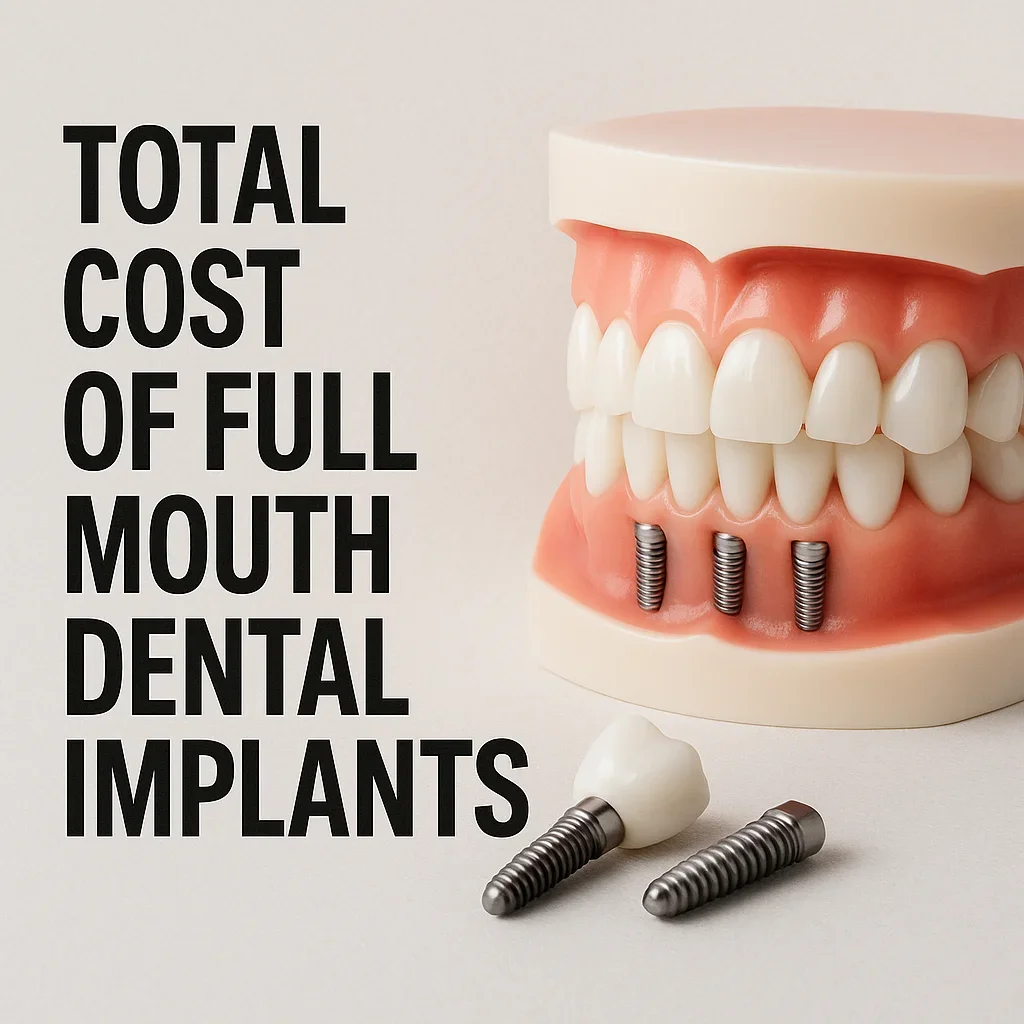
Cost Differences Between Countries for Full Mouth Dental Implants
One of the most common questions patients ask when researching the total cost of full mouth dental implants is why prices vary so dramatically between countries. A full mouth restoration may cost more than $80,000 in the United States, while the same high-quality treatment—using identical implant brands and technology—may cost a fraction elsewhere. These differences can be surprising, but they are rooted in economic, regulatory, labor, and operational factors that shape pricing across regions. In this section, we explore cost variations worldwide, explain why some countries are more affordable, and help you understand how to evaluate global treatment options safely and wisely. 🌍
Understanding Global Price Variations
Every country has its own economic structure that influences the total cost of full mouth dental implants. The main variables include:
- Cost of living
- Dentist salaries and specialist fees
- Clinic overhead and operational expenses
- Technology and material costs
- Regulations and insurance requirements
- Exchange rates and local purchasing power
Because these factors vary globally, implant dentistry becomes more or less expensive depending on the region. High-income nations tend to charge higher fees due to labor costs and practice insurance expenses, whereas countries with lower operational costs can offer affordable prices without compromising quality.
United States and Canada: High Quality at a High Price
In North America, patients often encounter the highest pricing for full mouth implants. The total cost of full mouth dental implants in the U.S. typically reflects:
- High malpractice insurance costs
- Expensive clinic overhead
- Premium implant brands
- Strict regulatory requirements
- Advanced digital technologies
While quality is excellent, the affordability gap pushes many patients to seek care outside the country. Prices frequently range from $40,000 to $90,000 per arch, making full mouth reconstruction a major financial challenge for most households.
United Kingdom and Western Europe: Moderate to High Costs
Countries like the UK, Germany, France, and the Netherlands also feature high dental implant prices, although generally slightly lower than the U.S. The total cost of full mouth dental implants in these regions remains elevated due to:
- High cost of living
- Expensive commercial rental spaces
- Advanced digital dentistry adoption
- Strict healthcare regulations
Typical prices range between £18,000–£35,000 per arch in the UK and €12,000–€30,000 in Western Europe. For many Europeans, implant tourism to more affordable countries has become a popular alternative.
Eastern Europe: Affordable Yet High Quality
Countries such as Hungary, Poland, and Romania have become dental tourism hubs thanks to their balance of affordability and excellent clinical standards. The total cost of full mouth dental implants in Eastern Europe is significantly lower due to:
- Lower labor and operational expenses
- Government support for dental tourism
- Competitive pricing among clinics
Full mouth implants in these regions often cost between €8,000 and €18,000 per arch—affordable compared to Western Europe while maintaining high professional standards.
Turkey: One of the Most Cost-Effective Options Worldwide
Turkey has become one of the world’s most sought-after destinations for dental implant treatment. Patients researching the total cost of full mouth dental implants quickly discover why: significantly lower pricing combined with premium implant brands, advanced technologies, and internationally accredited clinics.
Why Turkey Offers Exceptional Value
Several key factors contribute to Turkey’s affordability:
- Lower clinic operating costs
- Highly competitive dental tourism market
- Government-supported health tourism initiatives
- High patient volume enabling streamlined workflows
Full mouth implant treatment often ranges from $5,000 to $15,000 per arch, making Turkey a global leader in value-driven implant dentistry. Many patients also appreciate the combination of high-quality care and tourism-friendly hospitality.
Asia: Diverse Pricing Depending on Country
Asia presents a wide spectrum of implant costs. Countries like South Korea and Japan offer top-tier quality but at premium prices, while Thailand, India, and Vietnam provide more affordable alternatives without sacrificing clinical expertise.
The total cost of full mouth dental implants in Asia varies due to:
- Differences in medical infrastructure
- Clinic technological investment
- Local economic conditions
Typical ranges:
- South Korea/Japan: $20,000–$40,000 per arch
- Thailand/India: $7,000–$16,000 per arch
Latin America: Growing Popularity in Dental Tourism
Countries like Mexico, Costa Rica, and Colombia attract patients from the U.S. due to proximity and affordability. The total cost of full mouth dental implants in these regions is modest because of lower labor costs and competitive clinic pricing.
Common price ranges include:
- Mexico: $7,000–$15,000 per arch
- Costa Rica: $10,000–$18,000 per arch
Many patients choose these destinations for convenience and short travel times.
How to Choose the Right Country for Treatment
Selecting a country for your implant treatment requires evaluating more than just price. Consider:
- Accreditation and international recognition
- Implant brands used
- Dental technology and digital workflows
- Surgeon expertise and case volume
- Travel and accommodation expenses
- Communication and language support
Globally recognized organizations such as the
American Dental Association
can help you review international standards and best practices when comparing options.
For personalized guidance, costs, and treatment coordination, you may connect with the clinic through the
Redent Klinik Contact Page.
A team member can provide a detailed breakdown tailored to your dental condition and chosen destination.
Final Thoughts: Global Pricing Differences and Smart Decision-Making
While the total cost of full mouth dental implants varies widely across countries, the most important factor is choosing a clinic that offers high-quality care, transparent pricing, experienced surgeons, and safe implant systems. Patients who understand global cost variations can make smarter, more confident decisions that balance affordability with world-class outcomes. Ultimately, the goal is to achieve a functional, beautiful smile at a price that fits your budget—without compromising on safety or long-term results. 🌟