
When it comes to maintaining a healthy, confident smile, a total dentist is more than just a practitioner — they are your partner in long-term oral health. Unlike conventional dental professionals who may focus on specific areas, a total dentist delivers a complete range of treatments, from preventive to restorative and cosmetic care. This holistic approach ensures every aspect of your oral well-being is covered under one roof, saving you time, effort, and discomfort in the long run. 😁
The concept of a total dentist has evolved with modern dentistry. Today’s patients want comprehensive solutions — not just fillings and cleanings, but also advanced procedures like dental implants, crowns, orthodontics, and digital smile design. A total dentist integrates these services seamlessly, ensuring that diagnosis, treatment planning, and follow-up care are all coordinated to deliver optimal results.
One of the main reasons people seek out a total dentist is the assurance of continuity of care. Instead of visiting multiple specialists, you can rely on one experienced dental team that understands your complete oral history. This allows for better treatment customization, reduced costs, and a more personalized patient experience. The total dentist model emphasizes patient education, preventive strategies, and modern technology to maintain your teeth, gums, and bite alignment at their healthiest levels.
🦷 Comprehensive Oral Health Philosophy
A total dentist takes a proactive, patient-centered approach. They don’t just treat cavities — they assess your lifestyle, nutrition, and medical background to identify underlying causes of dental issues. For instance, gum disease may be linked to systemic health conditions like diabetes or cardiovascular problems. A total dentist views oral health as part of overall body wellness, ensuring that every procedure supports both your smile and your general health. This holistic philosophy sets them apart from conventional dental offices.
Modern Techniques and Tools
Technology plays a vital role in a total dentist’s practice. Digital X-rays, intraoral scanners, 3D imaging, and AI-assisted diagnostics are now standard in leading dental clinics. These tools not only increase precision but also enhance patient comfort by reducing invasive procedures. At clinics such as Redent Klinik Contact Page, total dentists use advanced imaging to create customized treatment plans tailored to each patient’s anatomy. Such innovation leads to faster healing, better aesthetics, and more predictable outcomes.
Another major benefit of visiting a total dentist is comprehensive treatment planning. Suppose a patient requires both orthodontic alignment and implant placement — instead of being referred to separate specialists, a total dentist coordinates the entire process. This integrated care minimizes miscommunication between professionals and ensures that every procedure complements the next. For patients, this means fewer appointments and a smoother journey toward their ideal smile. 😃
Preventive and Restorative Balance
The hallmark of a total dentist is preventive care. Regular cleanings, fluoride treatments, sealants, and bite analysis all contribute to long-term oral health. However, when restorative procedures are needed, a total dentist can perform everything from simple fillings to complex full-mouth rehabilitation. This balance between prevention and restoration ensures that patients receive the most efficient, long-lasting results possible.
Patient Education and Comfort
Beyond clinical skills, total dentists prioritize education. They take time to explain each procedure, discuss alternative treatments, and emphasize the importance of daily oral hygiene. By empowering patients with knowledge, they reduce anxiety and build trust. Comfortable, stress-free environments — often enhanced with soothing music, sedation options, and ergonomic dental chairs — make each visit pleasant and efficient.
Global Standards and Professional Ethics
A total dentist follows internationally recognized standards of care and continuously updates their skills through ongoing education. Many are members of organizations like the American Dental Association, which ensures adherence to best practices and ethical guidelines. These affiliations reflect a commitment to quality and transparency — essential values in modern healthcare.
Finally, the total dentist philosophy is about lifelong partnership. It’s not just about fixing problems — it’s about preventing them before they start. Whether you need cosmetic veneers, dental implants, or periodontal therapy, this type of dentist ensures that every aspect of your oral health supports your confidence and overall wellness. With advanced tools, patient-centered care, and an integrated approach, total dentists represent the future of modern dental medicine — one smile at a time. 🌟
What Does a Total Dentist Do? Understanding Comprehensive Oral Care
A total dentist provides a complete range of dental treatments designed to maintain, restore, and enhance your oral health. Unlike a standard practitioner who may focus on only one type of service, a total dentist delivers holistic, full-spectrum care that integrates preventive, restorative, cosmetic, and surgical treatments under one roof. This ensures that patients receive seamless and consistent care — from the first consultation to the final follow-up visit. 🦷
The goal of a total dentist is to promote long-term oral wellness, not just treat symptoms. By combining advanced diagnostic tools, patient education, and modern technology, these professionals help patients understand the root causes of dental issues and choose effective, personalized solutions. Whether it’s a regular cleaning or a full smile reconstruction, a total dentist has the expertise to guide each step with precision and compassion.
The Core Responsibilities of a Total Dentist
The work of a total dentist goes far beyond filling cavities or polishing teeth. Their responsibilities encompass a variety of specialized disciplines, including:
- Preventive Dentistry: Routine exams, professional cleanings, oral cancer screenings, and fluoride treatments help prevent decay and gum disease.
- Restorative Dentistry: Procedures like dental fillings, crowns, bridges, and implants restore both function and aesthetics after damage or tooth loss.
- Cosmetic Dentistry: Services such as whitening, veneers, and smile design improve visual appeal and patient confidence. 😁
- Periodontal Care: Treatment for gum infections, scaling and root planing, and long-term maintenance plans for periodontal stability.
- Orthodontics and Bite Alignment: Correction of malocclusion and bite issues using clear aligners or braces to ensure a balanced, healthy bite.
- Oral Surgery: Extractions, implant placements, and bone grafting performed with precision and minimal discomfort.
By mastering each of these areas, a total dentist ensures that every patient’s unique oral condition is addressed comprehensively. Patients no longer need multiple specialists — their care is managed seamlessly by one trusted professional who understands their full dental history.
Holistic Dental Philosophy: Treating the Whole Patient
Modern dentistry increasingly recognizes that oral health is deeply connected to overall wellness. A total dentist takes a holistic approach, examining how nutrition, sleep habits, and systemic health conditions affect the teeth and gums. For example, sleep apnea, bruxism (teeth grinding), and gum inflammation may all be signs of broader health problems. By identifying these links early, a total dentist helps prevent more serious complications — not only in the mouth but throughout the body.
Many total dentists work closely with physicians and nutritionists to develop customized treatment plans that address root causes. This integrative model ensures that dental care contributes positively to the patient’s general health, improving energy, mood, and even cardiovascular health over time. 🌿
Technology and Innovation in Total Dentistry
Technology is a defining characteristic of a total dentist. They use state-of-the-art tools that improve accuracy, comfort, and outcomes. Common technologies include:
- 3D Cone Beam Imaging (CBCT): Provides detailed scans of jaw structures for implant planning and surgical precision.
- Digital X-Rays and Intraoral Cameras: Allow real-time visualization of teeth and gums with minimal radiation exposure.
- CAD/CAM Dentistry: Enables same-day crowns and restorations crafted with digital precision.
- Laser Dentistry: Reduces bleeding and discomfort during gum treatments and cavity removal.
- AI-Based Diagnostics: Helps in early detection of oral diseases and personalized treatment planning.
These innovations enable total dentists to diagnose conditions early, treat more effectively, and minimize patient anxiety. Clinics like Redent Klinik Contact Page exemplify this modern approach by combining digital imaging with expert human care for accurate, patient-friendly experiences.
Personalized Treatment Planning and Patient Education
Each patient’s oral health journey is unique, which is why a total dentist prioritizes personalized treatment plans. They begin with comprehensive diagnostics, including X-rays, digital impressions, and bite analysis. Then, they discuss the findings in detail with the patient — explaining every option, benefit, and potential risk. This collaborative communication builds trust and ensures the patient feels empowered in their care decisions.
Education is a major focus. Patients learn about the importance of consistent brushing, flossing, and dietary habits. A total dentist emphasizes preventive strategies as the cornerstone of oral health, helping patients maintain results for years after treatment.
Building Long-Term Relationships with Patients
One of the defining features of a total dentist is the creation of long-lasting patient relationships. Rather than one-time visits, they focus on lifetime partnerships. Regular check-ups, personalized maintenance plans, and ongoing education are all part of this relationship-driven model. Patients feel valued, understood, and supported — a key reason why total dentists often enjoy high patient satisfaction and retention rates.
Ethics and Professional Standards
A total dentist adheres to the highest professional and ethical standards. Many are certified members of reputable organizations such as the American Dental Association, ensuring they stay up to date with the latest research, technologies, and safety protocols. This commitment to lifelong learning and excellence translates directly into better care for patients.
Why the Role of a Total Dentist Matters
In a world where people increasingly value convenience, transparency, and holistic care, the total dentist stands out as the future of oral health. They combine artistry, science, and compassion to deliver smiles that are not only beautiful but functionally healthy. From preventive care to complex full-mouth restoration, the total dentist ensures that patients receive the best of both worlds — advanced technology and human-centered expertise.
By visiting a total dentist regularly, you’re investing in more than just your teeth — you’re investing in your overall quality of life. Their integrated, technology-driven, and preventive approach keeps your oral health at its best, helping you smile with confidence for years to come. 🌟
The Difference Between a Total Dentist and a General Dentist
Many patients wonder whether there’s a real distinction between a total dentist and a general dentist. While both professionals care for your teeth and gums, their approaches, training, and treatment scopes differ significantly. A total dentist offers a more comprehensive, multidisciplinary model of care designed to manage every aspect of oral health — from prevention to restoration, aesthetics, and long-term maintenance — under a single, unified philosophy. 🦷
In contrast, a general dentist primarily focuses on routine examinations, cleanings, and basic restorative procedures. When specialized treatments like orthodontics or implant surgery are needed, general dentists often refer patients to other professionals. A total dentist eliminates this fragmentation by integrating multiple disciplines and technologies into one cohesive system. The result is seamless, personalized, and highly efficient dental care tailored to each patient’s specific needs.
Education and Training: Broader Scope, Deeper Knowledge
One of the most notable differences lies in education and training. While every dentist completes a dental degree, a total dentist typically pursues advanced certifications and continuing education in multiple areas of dental medicine. This may include cosmetic dentistry, implantology, prosthodontics, periodontics, and digital smile design. Such extensive training allows total dentists to diagnose complex conditions and provide solutions that general practitioners may need to refer elsewhere.
For example, a general dentist might recommend an implant specialist when a tooth extraction and replacement are required. A total dentist, however, performs the extraction, places the implant, and restores the crown — ensuring the entire process remains consistent and precise. This holistic capability ensures both functional and aesthetic success while saving patients time and cost.
Treatment Philosophy: Fragmented vs. Integrated Dental Care
The key philosophical difference between a total dentist and a general dentist lies in the treatment approach. A general dentist often works reactively — addressing issues as they arise, such as treating cavities or managing gum disease once detected. A total dentist, on the other hand, focuses on preventive and integrative dentistry. They look at the mouth as part of a larger ecosystem connected to overall health, identifying risk factors before they become problems.
This proactive philosophy allows the total dentist to create personalized treatment plans that combine hygiene, nutrition, and advanced clinical interventions. For instance, if a patient exhibits jaw pain, a total dentist won’t simply prescribe pain relief. They’ll evaluate bite alignment, muscular tension, and sleep habits to uncover the root cause — whether it’s temporomandibular joint disorder (TMD) or stress-related clenching. This holistic, interconnected perspective is what defines total dentistry.
Technology and Tools: A Future-Focused Practice
Technology is another area where the total dentist excels. General dental practices may use traditional X-rays or manual impressions, while total dentists employ cutting-edge tools such as digital scanners, 3D imaging, and AI-driven diagnostic platforms. These innovations allow for unparalleled accuracy in diagnosis and treatment execution. They also improve patient comfort, reducing the need for multiple visits or invasive procedures.
For example, CAD/CAM systems enable total dentists to design and manufacture crowns, veneers, and bridges in a single appointment. Laser technology ensures minimally invasive gum therapy, while intraoral cameras allow patients to see exactly what their dentist sees. Such technology enhances trust, transparency, and treatment precision — hallmarks of a true total dentist experience. 😁
Comprehensive vs. Selective Services
In most general dental practices, services are limited to preventive and restorative care, such as fillings, cleanings, and root canals. However, a total dentist offers comprehensive services, including orthodontics, implant surgery, bone grafting, and advanced cosmetic procedures. By combining these specialties under one practice, total dentists provide complete smile solutions without the inconvenience of multiple appointments at different locations.
Additionally, a total dentist offers long-term oral health management — developing structured follow-up plans that monitor the stability of past treatments. This continuous oversight significantly reduces the risk of relapse or secondary complications. The focus isn’t just on fixing the problem but on sustaining lasting oral health and aesthetics.
Patient Experience and Relationship
Another defining difference between a total dentist and a general dentist is the quality of patient interaction. While general dentists often operate within shorter appointment windows, a total dentist allocates time for detailed consultations, patient education, and emotional comfort. They emphasize open communication, explaining every procedure in simple language and discussing lifestyle factors that influence oral health. This empathetic approach reduces anxiety, especially for patients with dental fears or previous negative experiences.
Clinics like Redent Klinik Contact Page embody this patient-first philosophy. Their total dentists combine clinical excellence with human-centered care, ensuring patients not only achieve healthier smiles but also feel valued and respected throughout their dental journey.
Cost Efficiency and Continuity of Care
Although the term “total dentist” might sound premium, the long-term costs often prove more affordable than fragmented specialist care. Since total dentists handle multiple procedures within one facility, they can optimize resources and streamline treatment plans. This reduces redundant diagnostic steps and follow-up visits, translating into time and financial savings for the patient.
Moreover, continuity of care minimizes the risk of inconsistent results. When one professional oversees all stages of treatment — diagnosis, procedure, and recovery — the outcome is more predictable and cohesive. Patients also enjoy the convenience of working with one trusted expert rather than navigating multiple appointments with various providers.
Professional Standards and Affiliations
Total dentists uphold rigorous ethical and professional standards through affiliations with international organizations such as the American Dental Association. These memberships ensure adherence to updated research, patient safety protocols, and global best practices. The ongoing professional development demanded by such organizations ensures that every total dentist maintains mastery across disciplines and remains aligned with the latest scientific advancements.
Summary: Why Choose a Total Dentist?
In summary, a total dentist represents a new generation of dental professionals — experts who bridge the gap between general dentistry and specialized care. They combine preventive strategies, restorative precision, aesthetic artistry, and holistic understanding to create lasting results. While a general dentist ensures basic oral maintenance, a total dentist elevates the experience into a comprehensive, health-focused partnership that benefits both your smile and overall well-being. 🌟
Choosing a total dentist means choosing consistency, innovation, and care that looks beyond your teeth — care that understands you as a whole person. It’s dentistry redefined for modern health and confidence.
Top Benefits of Choosing a Total Dentist for Your Family
Selecting a total dentist for your family means investing in a complete, long-term oral health solution. Unlike visiting multiple specialists for different dental needs, a total dentist provides all-encompassing care that combines prevention, restoration, and aesthetics. This approach not only saves time and money but also ensures continuity and comfort across every stage of treatment. For families, it’s an invaluable advantage — one clinic, one philosophy, and one trusted professional managing every smile in the household. 👨👩👧👦
Let’s explore why families across the world are turning to total dentists for their comprehensive and compassionate care — and how this model creates lasting, confident smiles for everyone from toddlers to grandparents.
1. All-in-One Dental Care for Every Family Member
One of the biggest advantages of visiting a total dentist is the convenience of receiving every dental service in one place. Families often struggle with juggling multiple appointments — pediatric care for children, orthodontics for teens, restorative treatments for adults, and periodontal therapy for seniors. A total dentist eliminates that complexity by offering integrated care for all ages under one roof.
From preventive cleanings and sealants for kids to crowns, implants, and dentures for adults, the total dentist’s training covers the full spectrum. This “one-stop” model ensures consistency and helps establish lifelong dental habits. Children grow up seeing the same familiar dentist who understands their history, reducing dental anxiety and improving cooperation during visits. 😊
Continuity Builds Trust and Comfort
When one professional handles your family’s oral health from start to finish, it fosters deep trust. You no longer have to explain your dental history at every appointment. The total dentist already knows your background, medical history, and personal preferences. This continuity leads to early detection of issues and more accurate, personalized treatment decisions. Families who stay with one total dentist often experience fewer dental emergencies and more predictable outcomes over time.
2. Comprehensive Preventive Care
Preventive dentistry is at the heart of the total dentist philosophy. Instead of waiting for problems to appear, they focus on regular checkups, professional cleanings, and lifestyle guidance that protect teeth and gums before damage occurs. Preventive care plans are tailored to each family member’s needs — children may receive fluoride treatments and sealants, while adults might undergo digital scans to monitor bone health or early gum recession.
Additionally, the total dentist often educates patients about nutrition, brushing techniques, and the impact of stress or medications on oral health. This educational component empowers families to make smarter daily choices that keep smiles strong and healthy. 🦷
Advanced Tools for Early Detection
With state-of-the-art diagnostic equipment like intraoral cameras and digital X-rays, a total dentist identifies cavities, alignment issues, or gum inflammation long before they cause pain. This proactive approach reduces treatment costs and prevents the need for invasive procedures later on. At modern clinics such as Redent Klinik Contact Page, early detection technologies form the foundation of successful family dentistry.
3. Personalized Treatment Plans
Every patient — whether a child, adult, or senior — has unique oral health needs. A total dentist creates individualized plans that consider age, diet, habits, and genetics. For example, children may need orthodontic guidance, adults might benefit from cosmetic veneers or whitening, and older patients may require full-mouth rehabilitation. The total dentist aligns these services into one cohesive roadmap that evolves with the patient’s life stages.
By keeping all treatments centralized, the dentist ensures no gaps or overlaps occur in care. Families can confidently plan their dental visits knowing that every aspect — from oral hygiene to aesthetics — is managed cohesively.
4. Cost and Time Efficiency
Managing dental appointments for an entire family can be time-consuming and expensive when using multiple specialists. With a total dentist, scheduling becomes streamlined, and bundled services often lower costs. Families benefit from package plans or membership programs that cover cleanings, checkups, and emergency visits at discounted rates.
Moreover, because total dentists perform multiple procedures in one visit, patients avoid taking extra time off work or school. It’s an efficient, family-friendly approach that respects both your time and budget while maintaining the highest standard of care.
5. Holistic Focus on Whole-Body Health
A total dentist looks beyond the mouth. They recognize that oral health influences the rest of the body — and vice versa. Conditions like gum disease are linked to diabetes, heart disease, and even pregnancy complications. Total dentists screen for such systemic indicators and coordinate with physicians when needed. This integrative care model ensures your family’s overall well-being is always the top priority. 🌿
Oral-Systemic Connection Awareness
By identifying how oral bacteria can affect heart health or how dietary deficiencies can harm enamel, a total dentist helps families adopt preventive habits that promote both oral and systemic balance. This awareness transforms dental visits from simple cleanings into full wellness consultations.
6. Advanced Cosmetic and Restorative Options
Families also appreciate that a total dentist offers a full suite of cosmetic and restorative treatments — from whitening and veneers to implant-supported bridges. These aesthetic solutions not only improve confidence but also restore function, allowing patients to eat, speak, and smile comfortably. Total dentists use high-grade materials and digital design tools to ensure natural, long-lasting results for every generation.
7. Stress-Free and Child-Friendly Environment
Dental anxiety is a major concern for children and even adults. A total dentist prioritizes comfort through gentle techniques, sedation options, and empathetic communication. Modern clinics often include entertainment features, calming music, and positive reinforcement strategies to create a welcoming atmosphere for all ages. 🪥
8. Long-Term Relationship and Family Legacy
When your family visits the same total dentist year after year, you build a generational connection. The dentist becomes a familiar and trusted figure who understands your family’s oral health evolution. Children who grow up in this environment are more likely to continue regular dental visits as adults — passing on the same healthy habits to their own children someday.
9. Professional Accountability and Global Standards
Finally, families gain peace of mind knowing that their total dentist adheres to internationally recognized standards of excellence through affiliations with organizations like the American Dental Association. This ensures ethical practices, continuing education, and advanced clinical proficiency across all treatment areas.
Conclusion: The Smart Choice for Family Dentistry
Choosing a total dentist for your family ensures comfort, consistency, and quality. You’ll benefit from one expert overseeing every aspect of oral care, equipped with modern technology, preventive strategies, and a patient-first mindset. Whether it’s your child’s first cleaning or a grandparent’s implant restoration, the total dentist model guarantees personalized, compassionate, and complete care for a lifetime of healthy smiles. 🌟
Common Procedures Offered by Total Dentists 🦷
A total dentist is not confined to one branch of dental care — instead, they offer a full spectrum of procedures that cover every aspect of oral health, from preventive to restorative, cosmetic, and surgical solutions. Whether a patient needs a simple cleaning, gum therapy, or complex full-mouth reconstruction, the total dentist delivers expert treatment with precision, comfort, and consistency. This comprehensive care model allows patients to receive all necessary procedures in one clinic without the need for referrals to multiple specialists. 😁
Below, we’ll explore the most common procedures performed by total dentists and how each contributes to a complete, long-lasting smile.
1. Preventive Dentistry: The Foundation of Oral Health
Preventive care is the cornerstone of the total dentist philosophy. These procedures are designed to stop dental issues before they start, helping patients maintain strong teeth and gums throughout their lives. Routine checkups, cleanings, and education ensure early detection of problems like cavities and gum disease. Total dentists use digital tools such as intraoral cameras and low-radiation X-rays to monitor even the smallest changes in the mouth.
- Dental Cleanings: Professional scaling and polishing remove plaque, tartar, and stains that daily brushing can’t reach.
- Fluoride Treatments: Reinforce enamel and help prevent cavities, particularly for children and teens.
- Sealants: Protective coatings applied to molars to shield against decay in deep grooves.
- Oral Cancer Screenings: Early detection through digital imaging and visual assessment can be lifesaving.
Through these preventive services, patients not only preserve their oral health but also reduce the need for complex procedures later. The total dentist model emphasizes prevention as the most powerful form of long-term care.
2. Restorative Dentistry: Repairing and Rebuilding
When damage or decay occurs, restorative procedures return the mouth to full function and aesthetics. A total dentist has the skill and technology to restore teeth with durability and natural appearance. Treatments may include:
- Fillings: Composite resin or ceramic materials are used to repair cavities discreetly and effectively.
- Crowns and Bridges: Designed with CAD/CAM systems for a perfect fit and natural look, crowns protect weakened teeth while bridges fill gaps caused by missing ones.
- Dental Implants: Titanium posts surgically placed into the jawbone serve as artificial roots, topped with lifelike crowns. This procedure is often a signature service of total dentists.
- Root Canal Therapy: Infection inside a tooth is cleaned, disinfected, and sealed to prevent further damage while preserving natural structure.
- Full-Mouth Reconstruction: For patients with multiple issues, total dentists develop integrated treatment plans combining several restorative and aesthetic procedures.
Focus on Function and Aesthetics
The total dentist not only restores teeth structurally but also ensures they look and feel natural. They use modern digital design to create restorations that harmonize with facial symmetry, bite alignment, and color tone. Patients leave not just with healthier teeth, but with renewed confidence in their smile.
3. Cosmetic Dentistry: Enhancing Your Smile’s Beauty 😍
Cosmetic procedures are a key part of total dentistry, designed to improve the visual appeal of a patient’s smile while maintaining function. A total dentist combines artistry with advanced techniques to achieve results that look stunning and natural.
- Teeth Whitening: Professional bleaching systems provide instant brightness with long-lasting results.
- Veneers: Ultra-thin porcelain shells cover imperfections such as discoloration, chips, or misalignment.
- Bonding: Composite resin reshapes teeth for symmetry and beauty.
- Smile Design: Digital tools simulate the final look before treatment, ensuring patient satisfaction and precision.
Cosmetic dentistry under a total dentist’s care is not merely about appearance; it’s about boosting confidence and enhancing overall well-being. The integration of beauty and health creates smiles that radiate naturally.
4. Periodontal Therapy: Protecting Gums and Bone Health
Healthy gums are essential for strong teeth. The total dentist monitors periodontal health closely to detect early signs of inflammation or infection. Common procedures include:
- Scaling and Root Planing: Deep cleaning beneath the gum line to remove plaque and bacteria.
- Laser Gum Treatment: A painless and precise technique to sterilize infected areas and promote healing.
- Bone Grafting: Restores bone loss due to periodontal disease or tooth extraction, preparing the site for implants.
Through these advanced techniques, total dentists help preserve the foundation of every tooth, ensuring long-term oral stability and function. 🌿
5. Orthodontic and Alignment Treatments
Modern total dentists also provide orthodontic solutions for both teens and adults. They use technologies such as clear aligners and ceramic braces to discreetly correct alignment issues. Straight teeth not only improve aesthetics but also reduce the risk of decay and jaw discomfort. Aligners crafted with 3D imaging offer predictable, efficient results without the inconvenience of traditional braces.
Comprehensive Bite and TMJ Management
Beyond cosmetic alignment, total dentists evaluate bite function and temporomandibular joint (TMJ) health. They may design custom splints or therapeutic exercises to correct misalignment, reduce jaw pain, and prevent wear on enamel. This comprehensive care ensures that aesthetics and comfort go hand in hand.
6. Oral Surgery and Advanced Procedures
For patients needing surgical care, a total dentist can perform procedures that range from simple extractions to complex bone augmentation. By integrating surgical expertise into general practice, they eliminate the need for external referrals. Common surgical procedures include:
- Wisdom Tooth Extraction: Safe removal with minimal discomfort and quick recovery.
- Sinus Lifts: Prepares the upper jaw for implants by adding bone beneath the sinus membrane.
- Implant Placement: Performed with 3D guidance to ensure stability and precision.
These surgeries are conducted using modern anesthesia and sedation options, making the process safe and virtually painless. Clinics such as Redent Klinik Contact Page exemplify this advanced, patient-friendly model.
7. Pediatric Dentistry and Preventive Education
Families benefit greatly when their total dentist also provides pediatric care. Gentle, preventive dentistry for children includes early orthodontic assessments, fluoride treatments, and dental hygiene education. By teaching proper brushing and nutrition from a young age, total dentists help prevent cavities and instill lifelong habits of oral care.
8. Emergency Dental Care
Dental emergencies can happen at any time — from sudden pain to broken teeth. A total dentist offers emergency services to relieve discomfort quickly and restore function. Whether it’s a lost filling, infection, or trauma, immediate intervention prevents complications and protects long-term oral health.
9. Continuous Care and Long-Term Maintenance
The role of a total dentist doesn’t end once treatment is complete. They provide ongoing maintenance plans to preserve results and monitor future risks. Regular checkups, follow-up imaging, and lifestyle advice form part of the continuous care model that defines modern total dentistry. This proactive system ensures your smile remains healthy, beautiful, and functional for life. 🌟
In essence, a total dentist combines multiple dental disciplines to deliver complete care — preventive, restorative, aesthetic, and surgical — under one philosophy of excellence. Their expertise ensures that patients receive precise, efficient, and compassionate treatment that enhances both oral and overall health.
Advanced Technology Used by Total Dentists
Modern dentistry has evolved dramatically over the past two decades, and a total dentist sits at the forefront of this technological revolution. By integrating advanced tools, digital workflows, and artificial intelligence into their daily practice, total dentists ensure precision, comfort, and efficiency for every patient. The fusion of science and technology allows these professionals to diagnose, plan, and treat with exceptional accuracy — all while minimizing pain and recovery time. 🦷
From 3D imaging and laser-assisted procedures to AI-powered diagnostics and same-day restorations, the technology behind total dentistry is redefining the patient experience. Below is an in-depth exploration of the cutting-edge innovations that make total dentists true leaders in modern oral healthcare.
1. Digital Imaging and Diagnostic Tools
One of the most essential advancements in a total dentist’s toolkit is digital imaging. Traditional X-rays, though still effective, have been largely replaced by low-radiation, high-definition imaging systems that provide instant results. These technologies allow dentists to visualize the smallest structural details of teeth, roots, and bone with unmatched clarity.
- Digital X-Rays: Deliver 80–90% less radiation than conventional film and offer real-time viewing for faster diagnosis.
- Intraoral Cameras: Provide live visuals from inside the mouth, enabling patients to see what the dentist sees for better understanding and trust.
- 3D Cone Beam CT Scans (CBCT): Offer three-dimensional imaging of bone, tissue, and nerve pathways — essential for implant planning and surgical accuracy.
These diagnostic innovations help the total dentist detect issues such as hidden decay, infections, or bone irregularities before they become severe, supporting early intervention and better long-term outcomes.
2. CAD/CAM Dentistry: Precision in Design and Production
Computer-Aided Design and Computer-Aided Manufacturing (CAD/CAM) systems are among the most transformative technologies in modern dentistry. A total dentist uses these tools to create custom crowns, bridges, veneers, and onlays right in the office — often within a single visit. 😃
How It Works
The process begins with a digital scan of the patient’s teeth, replacing messy traditional impressions. The scan data is processed through specialized software that designs a perfectly fitted restoration. The in-house milling machine then fabricates the crown or veneer from ceramic or composite blocks with micron-level precision. This same-day service saves time, enhances comfort, and guarantees a perfect match to natural tooth color and shape.
Beyond aesthetics, CAD/CAM restorations are stronger, more durable, and biocompatible, making them a cornerstone of the total dentist approach to efficient and high-quality care.
3. Laser Dentistry: Minimally Invasive Excellence
Laser technology represents another breakthrough in the total dentist’s arsenal. It enables precise and painless treatments for both hard and soft tissues. Lasers are used for cavity preparation, gum reshaping, whitening, and even bacterial reduction during root canal therapy.
- Soft Tissue Lasers: Reshape gums, remove excess tissue, and promote faster healing with minimal bleeding.
- Hard Tissue Lasers: Treat tooth decay without drills or anesthesia in many cases.
- Photobiomodulation (Laser Therapy): Stimulates cell regeneration, reduces inflammation, and accelerates recovery after surgery.
By using these advanced tools, the total dentist creates a gentler and more comfortable experience for patients who might otherwise fear traditional procedures. 🪄
4. Artificial Intelligence and Digital Diagnostics
Artificial intelligence (AI) has entered the dental field with impressive results. A total dentist can now analyze X-rays, 3D scans, and patient histories using AI-powered software to detect patterns and predict risks that might go unnoticed by the human eye. These systems provide decision support for caries detection, bone density analysis, and orthodontic planning.
For example, AI imaging platforms can flag early signs of gum disease or tooth wear long before symptoms arise. They also allow total dentists to compare a patient’s current scans with past data, tracking progress over time and optimizing long-term care strategies. This smart integration not only enhances accuracy but also builds confidence and transparency between patient and provider.
5. 3D Printing in Dentistry
Another revolutionary innovation that defines a total dentist is 3D printing. It allows for rapid and highly precise production of dental appliances such as crowns, surgical guides, dentures, and aligners.
Applications of 3D Printing
- Surgical Guides: Custom templates help place implants with pinpoint accuracy.
- Aligners: Clear, custom-fit orthodontic devices created quickly for comfort and aesthetic appeal.
- Dentures and Temporary Restorations: Produced in hours instead of weeks, enabling same-day service for patients in need.
With 3D printing, a total dentist delivers faster, more predictable results while maintaining a high standard of quality and biocompatibility.
6. Digital Smile Design and Simulation
Perhaps one of the most exciting aspects of modern total dentistry is the ability to visualize results before treatment begins. Using Digital Smile Design (DSD) software, a total dentist can simulate how cosmetic or restorative procedures will transform a patient’s smile. This visual communication empowers patients to make informed choices and ensures satisfaction with the final result.
During this process, high-resolution facial photography and digital scans are combined to create a 3D representation of the patient’s face and teeth. Adjustments can then be made virtually — refining shape, size, and alignment — until the ideal aesthetic balance is achieved. ✨
7. Teledentistry and Digital Patient Management
With the rise of telemedicine, total dentists have adopted digital communication tools to stay connected with patients remotely. Teledentistry allows for virtual consultations, progress monitoring, and follow-ups, especially useful for post-operative care or orthodontic treatments.
Patients can securely upload images or videos of their concerns, enabling the total dentist to offer immediate guidance without an in-office visit. These systems also integrate with electronic health records to streamline appointment scheduling, payments, and treatment tracking — creating a smoother, more transparent patient experience.
8. Integration of Biocompatible and Smart Materials
Technology doesn’t end with devices — it extends to materials. A total dentist uses biocompatible ceramics, hybrid composites, and bioactive glass that promote natural tooth regeneration and longevity. Some cutting-edge materials even release fluoride or calcium ions to strengthen enamel after restoration. These “smart” materials ensure that restorations not only look good but actively contribute to oral health.
9. Sustainable and Eco-Friendly Dental Technology 🌿
Modern total dentistry also embraces sustainability. Digital workflows reduce the use of impression materials, paper waste, and chemical solutions. LED curing lights and energy-efficient equipment lower environmental impact, aligning dental care with global green standards. Forward-thinking clinics, like Redent Klinik Contact Page, combine advanced digital systems with environmentally conscious practices to create a truly modern dental experience.
10. The Future of Dental Innovation
As technology continues to evolve, the total dentist remains at the cutting edge of innovation. Future developments in robotics, regenerative dentistry, and AI-guided surgery promise even more precise, pain-free, and efficient treatments. Patients can look forward to a future where visits are faster, recovery is quicker, and outcomes are more predictable than ever before.
By embracing these technologies, total dentists are redefining what it means to receive dental care — merging science, comfort, and artistry to create smiles that truly stand the test of time. 🌟
To experience these state-of-the-art innovations firsthand, patients can visit leading clinics adhering to international standards, including members of the American Dental Association, where the blend of technology and expertise ensures world-class dental excellence.
How to Choose the Right Total Dentist for You
Finding the right total dentist is one of the most important decisions you can make for your oral and overall health. Since a total dentist provides comprehensive services — from preventive care and restorative treatments to cosmetic and surgical procedures — it’s crucial to select a professional who combines skill, technology, and empathy. The goal is not only to receive excellent clinical outcomes but also to feel comfortable, informed, and valued throughout your dental journey. 😁
This section provides a complete guide on how to choose the best total dentist for your needs, focusing on credentials, technology, communication, and long-term care philosophy. Whether you are seeking a new dentist for your family or transitioning from general dentistry to total dentistry, these criteria will help you make an informed, confident choice.
1. Check Credentials and Professional Background
The first and most important factor in choosing a total dentist is verifying their education, training, and certifications. A total dentist often holds advanced qualifications beyond a general dental degree, such as postgraduate diplomas in implantology, prosthodontics, orthodontics, or aesthetic dentistry. These credentials demonstrate a higher level of expertise and commitment to ongoing professional development.
Professional Affiliations Matter
Look for dentists who are members of reputable organizations such as the American Dental Association or equivalent national associations. Membership in these bodies ensures adherence to strict ethical standards, continuing education, and global best practices. A total dentist who stays updated through such networks guarantees safer, more effective, and evidence-based treatments.
2. Evaluate the Range of Services Offered
One of the main advantages of visiting a total dentist is access to all dental services in one location. However, not every dentist who uses the term offers truly comprehensive care. Review the list of services available — preventive cleanings, restorations, implants, cosmetic enhancements, orthodontics, and even oral surgery — to ensure they align with your family’s needs.
Ask whether advanced procedures such as full-mouth rehabilitation, digital smile design, or laser dentistry are available. A true total dentist can handle these complex cases without needing external referrals, saving you time and ensuring treatment consistency.
3. Explore Technology and Modern Equipment
Technology defines the difference between average care and world-class dentistry. A total dentist who invests in state-of-the-art tools demonstrates dedication to precision, comfort, and patient satisfaction. When researching or visiting a clinic, check for the presence of technologies like 3D imaging, digital impressions, laser therapy, and CAD/CAM systems for same-day restorations.
Clinics such as Redent Klinik Contact Page are prime examples of this integration, offering digital workflows that enhance both accuracy and efficiency. Advanced equipment ensures less discomfort, faster healing, and superior long-term results — key benefits that reflect the true standard of total dentistry. 🦷
4. Assess Experience and Specialization
Experience is a defining quality of a great total dentist. Choose a dentist who has successfully treated a wide range of cases — from simple fillings to complex reconstructive surgeries. Ask to see before-and-after photos of similar treatments or patient testimonials to evaluate the results. A seasoned total dentist should also be transparent about expected outcomes and potential alternatives.
Comprehensive Approach vs. Fragmented Care
Be cautious of clinics that advertise many services but rely heavily on external specialists. While collaboration can be beneficial, a genuine total dentist directly performs or supervises every major procedure to ensure unified treatment planning and follow-up care.
5. Focus on Communication and Patient-Centered Care
Great dentistry goes beyond technical skills. A total dentist should be an excellent communicator who listens carefully, explains clearly, and involves you in every decision. During your initial consultation, observe whether the dentist takes time to understand your goals, comfort levels, and medical background. They should use visual aids — such as digital scans and 3D models — to illustrate conditions and possible solutions.
Patient-centered care also means offering flexible treatment options, realistic payment plans, and stress-free scheduling. A total dentist who genuinely values your well-being will create a welcoming environment where you feel respected and empowered. 🌟
6. Inspect the Clinic Environment and Team
The quality of a dental practice reflects the professionalism of its team. A modern, hygienic, and well-organized clinic is a hallmark of a reputable total dentist. The staff should be friendly, knowledgeable, and efficient, ensuring a smooth patient experience from reception to aftercare.
Look for signs of cleanliness, advanced sterilization protocols, and updated facilities. Many top total dentists also integrate eco-friendly practices — digital records instead of paper, minimal waste, and energy-efficient systems — which demonstrate a commitment to sustainability and patient health.
7. Consider Reviews, Testimonials, and Reputation
Online reviews and patient testimonials provide valuable insights into the reputation of a total dentist. Positive feedback about professionalism, comfort, and long-term results often indicates a trustworthy practice. Check multiple sources — Google, clinic websites, and independent platforms — for balanced feedback. Pay attention to recurring themes, such as quality of service, clarity of communication, and post-treatment satisfaction.
Word-of-Mouth Recommendations
Personal referrals from friends, family, or colleagues are often the most reliable. People tend to recommend total dentists who not only deliver great results but also make them feel cared for and understood.
8. Evaluate Transparency in Pricing and Treatment Plans
A trustworthy total dentist provides clear and detailed treatment plans. You should receive written estimates explaining the cost, timeline, and steps of each procedure. Hidden fees or unclear pricing are red flags. Total dentists typically emphasize value over cost — meaning they prioritize lasting, high-quality results rather than quick fixes. While their services might appear premium, they save patients money in the long term by reducing the need for future repairs or repeat treatments.
9. Check Accessibility and Follow-Up Support
Location and accessibility matter, especially for families or elderly patients. Choose a total dentist located within a reasonable distance and with convenient hours. Reliable follow-up care is equally vital — ensure your dentist offers post-treatment support, routine maintenance plans, and emergency response availability. Consistent aftercare helps maintain oral health and strengthens patient relationships.
10. Look for a Long-Term Partnership Philosophy
Ultimately, the best total dentist isn’t just someone who fixes dental issues but one who becomes your lifelong oral health partner. They’ll guide you through every stage of dental care — from preventive strategies to restorative enhancements — with a focus on long-term well-being. This relationship-based approach fosters trust, continuity, and confidence.
Choosing a total dentist is an investment in your health, comfort, and happiness. Take the time to research, ask questions, and evaluate all aspects — from credentials and technology to empathy and follow-up care. When you find the right total dentist, you gain not only a beautiful smile but also a reliable ally committed to keeping it that way for life. 🌿
Preventive Care Tips from Total Dentists
Prevention is the foundation of a healthy smile, and a total dentist knows that the best treatment is the one you never need. By focusing on proactive, patient-centered prevention, total dentists help patients maintain optimal oral health for life. This approach goes beyond routine cleanings — it involves education, technology, and lifestyle guidance designed to stop issues like decay, gum disease, and enamel erosion before they start. 🦷
Below, we’ll explore the essential preventive care strategies recommended by total dentists, complete with detailed explanations, practical tips, and the science behind why they work. Whether you’re maintaining a perfect smile or recovering from dental problems, these preventive habits can transform your oral health journey.
1. The Importance of Preventive Dentistry
Preventive care is the cornerstone of the total dentist philosophy. Rather than waiting for pain or decay to appear, total dentists identify and control risk factors early. This proactive mindset reduces the need for invasive treatments later on and preserves natural teeth for as long as possible. Patients who follow preventive routines tend to experience fewer cavities, stronger enamel, and healthier gums — key indicators of lifelong dental success.
Why Prevention Saves Time and Money
Neglecting oral hygiene can lead to serious complications like root canal infections, gum disease, or even tooth loss. Preventive care, on the other hand, focuses on early detection and regular maintenance. A total dentist emphasizes that small, consistent actions — such as regular checkups and proper brushing — can save patients significant time, discomfort, and expense in the long term.
2. Daily Oral Hygiene Practices
Every total dentist begins with the basics: proper brushing and flossing. These simple habits, when done correctly, remove food particles, plaque, and bacteria that can lead to cavities and gum disease.
- Brushing: Use a soft-bristled toothbrush and fluoride toothpaste. Brush at least twice daily for two minutes, covering all surfaces of the teeth and tongue.
- Flossing: Clean between teeth at least once a day to remove plaque in areas your brush can’t reach.
- Mouthwash: Use an alcohol-free antiseptic mouthwash to kill bacteria and freshen breath.
A total dentist often recommends electric toothbrushes with pressure sensors, ensuring efficient cleaning without damaging enamel or gums. Some even use smart toothbrush systems that connect to mobile apps, giving patients feedback on technique and coverage. 😁
3. Professional Cleanings and Examinations
Even with meticulous home care, professional cleanings are irreplaceable. A total dentist typically advises biannual visits for scaling, polishing, and diagnostic assessments. These visits allow the dentist to remove hardened plaque (tartar) and detect problems like gum inflammation, cavities, or early bone loss.
During these sessions, advanced tools such as digital X-rays or intraoral cameras may be used to visualize hidden decay or gum pockets. The total dentist approach ensures every aspect of the oral system — teeth, gums, bite, and jaw joints — is monitored consistently for early signs of change.
Customized Prevention Plans
Every patient has unique risk factors. Some may be prone to gum disease, while others have higher cavity rates. A total dentist creates individualized preventive plans that address each patient’s specific needs. For instance, fluoride varnishes may be applied to strengthen enamel, or sealants may be placed on molars to prevent decay in deep grooves.
4. Nutritional and Lifestyle Guidance
What you eat directly affects your oral health. A total dentist educates patients about foods and habits that either promote or damage teeth and gums. Sugary and acidic foods are major culprits behind decay and enamel erosion, while calcium-rich and fibrous foods help strengthen the mouth’s natural defenses.
- Limit sugar and soda: Frequent sugar intake fuels bacteria that produce acid, eroding enamel.
- Stay hydrated: Water rinses away food debris and neutralizes acid, promoting saliva flow.
- Eat crunchy fruits and vegetables: Apples, carrots, and celery naturally clean teeth and stimulate gums.
In addition, the total dentist discusses lifestyle factors such as smoking cessation, stress management, and maintaining balanced nutrition. Smoking and excessive alcohol consumption not only discolor teeth but also increase the risk of gum disease and oral cancer. Preventive care means taking a holistic view — considering the entire body’s impact on oral health. 🌿
5. Advanced Preventive Techniques and Technology
Preventive dentistry has evolved far beyond manual cleanings. A modern total dentist employs advanced tools and diagnostic technologies to identify and stop issues before they progress:
- Laser Cavity Detection: Detects early demineralization long before traditional X-rays can.
- Digital Bite Analysis: Monitors how teeth contact during chewing, preventing enamel wear and TMJ strain.
- Saliva Testing: Evaluates bacterial activity and acidity levels to assess decay risk.
Such precision-driven prevention enables the total dentist to craft proactive, customized treatment plans that protect oral health with minimal intervention.
6. Preventing Gum Disease and Bone Loss
Gum disease remains one of the most common — and preventable — oral conditions. A total dentist emphasizes the importance of consistent periodontal care. Early-stage gingivitis can often be reversed with professional cleaning and improved home hygiene. However, if ignored, it may progress to periodontitis, leading to irreversible bone damage.
Signs to Watch For
Patients should monitor for bleeding gums, persistent bad breath, or gum recession. Regular visits to a total dentist allow for early diagnosis and non-surgical interventions like scaling, root planing, and laser therapy — all designed to restore gum health and prevent tooth loss.
7. The Role of Patient Education
Education is at the heart of preventive care. A total dentist spends time teaching patients about oral anatomy, proper hygiene techniques, and the importance of consistent care. Visual aids, digital models, and educational videos make learning more engaging and accessible. By empowering patients with knowledge, total dentists ensure that prevention becomes a lifelong habit rather than a temporary goal.
8. The Link Between Oral and Overall Health
One of the defining aspects of a total dentist is the recognition that oral health reflects systemic health. Gum disease has been linked to diabetes, cardiovascular disease, and even respiratory issues. Preventive dental care, therefore, plays a critical role in maintaining the body’s overall wellness. By treating inflammation and infection early, total dentists help reduce systemic risks — protecting not just your smile, but your life. 🌟
9. Scheduling Consistency and Long-Term Commitment
Lastly, the most effective preventive care strategy is consistency. A total dentist encourages patients to maintain routine checkups every six months, though high-risk individuals may need more frequent visits. This regularity allows for continuous monitoring, timely intervention, and ongoing reinforcement of healthy habits.
Ultimately, preventive care is the foundation of every healthy, radiant smile. By partnering with a total dentist, patients gain not just treatment but mentorship — guidance that empowers them to protect their smiles for decades. Preventive care isn’t a one-time effort; it’s a lifelong partnership between dentist and patient, built on trust, knowledge, and shared commitment to lasting oral health. 🪥
For patients seeking preventive excellence with modern comfort and compassionate guidance, visiting clinics like Redent Klinik Contact Page offers a perfect example of how comprehensive total dentistry merges science and care for optimal wellness.
Cosmetic Dentistry Services Offered by Total Dentists
Modern smiles are more than a reflection of good health — they’re a symbol of confidence, personality, and vitality. A total dentist understands that cosmetic dentistry is not just about aesthetics; it’s about harmony between function, structure, and beauty. By combining artistic precision with scientific expertise, total dentists design smiles that are naturally radiant and structurally sound. From whitening and veneers to complete smile makeovers, the cosmetic services offered by total dentists deliver life-changing transformations. 😁
In this section, we’ll explore the major cosmetic dentistry treatments available at total dental clinics, how they work, and why a holistic approach ensures superior results. Every procedure is designed to enhance your appearance while maintaining oral health, guided by the philosophy of comprehensive care that defines a true total dentist.
1. Teeth Whitening: The Foundation of a Brighter Smile
Professional whitening remains one of the most requested services in cosmetic dentistry. A total dentist offers advanced whitening systems that safely lift deep-set stains caused by coffee, wine, tobacco, or aging. Unlike over-the-counter kits that can cause uneven results or sensitivity, professional whitening treatments are customized and controlled for safety and effectiveness.
- In-office Whitening: Performed under supervision using powerful bleaching gels and LED activation for instant brightness.
- Take-home Kits: Custom-fitted trays designed by the total dentist for gradual, at-home whitening.
Whitening sessions typically remove years of discoloration in just one or two visits. Total dentists also provide desensitizing agents and follow-up care to ensure long-lasting brightness without enamel damage. ✨
2. Dental Veneers: Instant Perfection
Veneers are thin shells of porcelain or composite material bonded to the front of teeth to improve color, shape, or alignment. A total dentist uses digital imaging and smile design software to craft veneers that perfectly match facial proportions and natural tooth shade.
Types of Veneers Offered
- Porcelain Veneers: Highly durable and resistant to stains; ideal for long-term beauty.
- Composite Veneers: Affordable and minimally invasive, offering great aesthetics for minor corrections.
- Minimal-Prep Veneers: Require minimal enamel removal and preserve natural tooth structure.
The total dentist ensures that veneers not only look stunning but also maintain bite balance and gum health — an aspect often overlooked in purely cosmetic clinics. This holistic approach creates results that feel as good as they look.
3. Dental Bonding: Fast, Effective, and Affordable
For patients seeking minor aesthetic improvements, dental bonding is an excellent option. A total dentist applies a tooth-colored resin to repair chips, close gaps, or reshape teeth. The procedure is painless, affordable, and can be completed in a single appointment.
Bonding is particularly effective for patients who want a smile upgrade without committing to veneers or crowns. Since total dentists use shade-matching technology and advanced materials, the results blend seamlessly with the rest of your smile. 🪄
4. Smile Makeovers: Comprehensive Transformation
For patients seeking a complete aesthetic overhaul, a total dentist may recommend a customized smile makeover. This treatment plan combines multiple cosmetic and restorative procedures to achieve perfect harmony in color, proportion, and alignment.
Components of a Smile Makeover
- Whitening and veneers for improved brightness and symmetry.
- Orthodontic realignment for proper bite and facial balance.
- Gum contouring and laser reshaping to frame the teeth aesthetically.
- Dental implants or crowns to replace missing or damaged teeth.
Every smile makeover begins with digital simulations that let patients preview their results. This technology ensures clear communication between patient and dentist, aligning expectations with achievable outcomes. 🌟
5. Orthodontic Solutions for a Straighter Smile
Alignment plays a crucial role in both aesthetics and function. A total dentist offers modern orthodontic solutions such as clear aligners and ceramic braces that discreetly correct misalignments without affecting lifestyle or confidence.
Clear aligner systems use transparent trays that gradually reposition teeth over several months. Unlike traditional braces, these aligners are removable, comfortable, and nearly invisible. A total dentist monitors progress through digital scans and adjustments, ensuring precise, predictable results. 🦷
6. Gum Contouring and Pink Aesthetics
While most people focus on teeth, gum shape and symmetry are equally important in a beautiful smile. A total dentist uses laser technology to gently reshape uneven or excessive gum tissue. This enhances tooth proportion and creates a more balanced appearance.
For patients with gum recession, the total dentist may also recommend soft-tissue grafting or regenerative treatments to restore volume and protect roots. Healthy gums not only improve aesthetics but also prevent sensitivity and future periodontal issues.
7. Dental Implants for Natural Aesthetics
Missing teeth can dramatically affect confidence and facial harmony. A total dentist provides dental implants — the gold standard for tooth replacement — as part of their cosmetic dentistry portfolio. Implants mimic natural roots, preserving bone health and offering unmatched stability.
With digital planning, 3D scanning, and guided surgery, total dentists ensure precise placement for both function and aesthetics. The final crowns are custom-crafted to match the surrounding teeth in color and translucency. Implants not only restore your smile but also maintain jaw structure, preventing premature aging of facial features. 💎
8. Digital Smile Design: The Art and Science of Planning
Before any cosmetic treatment begins, a total dentist uses Digital Smile Design (DSD) software to map out the perfect result. This technology combines high-resolution images, facial analysis, and 3D modeling to create a realistic preview of your future smile. Patients can visualize potential outcomes and collaborate with their dentist before any procedure starts.
This innovative process allows the total dentist to adjust proportions, angles, and shade variations to ensure natural beauty. It transforms the patient experience from uncertain to empowering — turning dentistry into art guided by digital precision.
9. Holistic Cosmetic Dentistry: Beauty and Health in Balance
What sets a total dentist apart from a typical cosmetic specialist is their commitment to balance. They ensure that every aesthetic procedure also supports long-term oral function and health. For example, veneers or crowns are shaped to preserve the patient’s bite alignment, and whitening treatments are customized to avoid enamel dehydration.
Integration with Overall Wellness
Total dentists also recognize the connection between a beautiful smile and overall well-being. Cosmetic improvements can boost self-esteem, social confidence, and mental health — leading to better quality of life. Clinics like Redent Klinik Contact Page embody this approach by combining scientific expertise, advanced materials, and compassionate care to deliver smiles that radiate confidence and vitality.
10. Why Choose a Total Dentist for Cosmetic Care
Choosing a total dentist for cosmetic procedures ensures that your smile receives the highest standard of care. Instead of treating isolated issues, total dentists evaluate facial proportions, gum line harmony, bite mechanics, and overall dental health. This integrative approach guarantees natural-looking, durable results.
Additionally, total dentists follow ethical principles outlined by professional organizations such as the American Dental Association. Their holistic methodology combines safety, aesthetics, and functionality — providing patients with personalized beauty that lasts a lifetime.
Ultimately, cosmetic dentistry under the guidance of a total dentist goes far beyond superficial beauty. It represents precision, innovation, and artistry — a seamless blend of form and function that restores not only your smile but also your confidence. 🌸
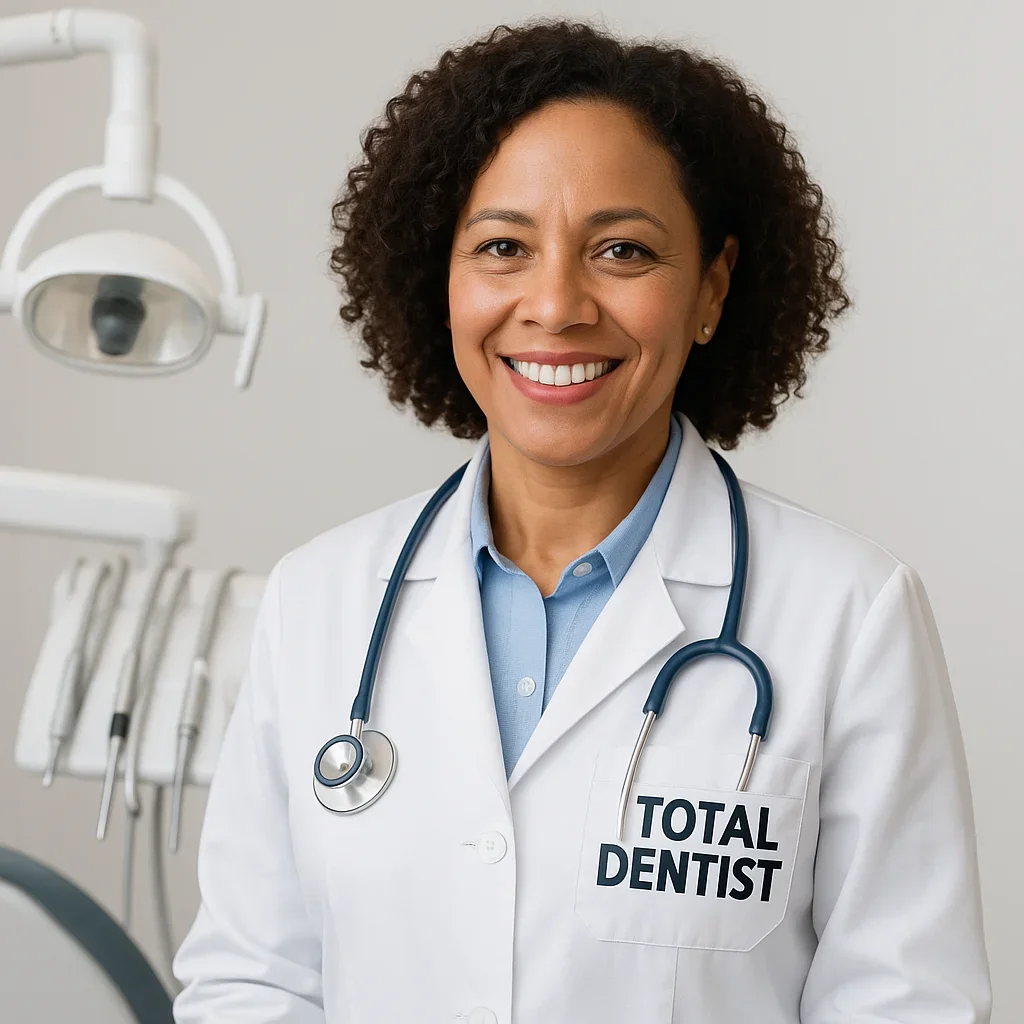
Restorative Dental Treatments by Total Dentists
When damage, decay, or tooth loss occurs, a total dentist restores not only the look of your smile but also its full functionality and long-term strength. Restorative dentistry lies at the heart of comprehensive oral care — it is where art meets science to rebuild what has been lost. A total dentist approaches restoration with a holistic philosophy: every procedure must restore balance between structure, aesthetics, and bite harmony while ensuring patient comfort and long-lasting health. 🦷
In this detailed guide, we’ll explore how total dentists repair and rejuvenate damaged teeth through modern restorative techniques. From fillings and crowns to implants and full-mouth rehabilitation, each treatment is performed with precision, guided by digital tools, and supported by advanced materials designed to mimic natural enamel.
1. The Philosophy of Restorative Dentistry
For a total dentist, restorative care goes beyond simply fixing teeth. It’s about restoring confidence, functionality, and the ability to enjoy life fully. Whether the patient has suffered trauma, decay, or wear, the total dentist’s goal is to create restorations that feel indistinguishable from natural teeth — both in appearance and performance.
Unlike reactive dentistry, which focuses on temporary fixes, total dentistry embraces proactive and preventive principles even during restoration. Each repair is done with the intent of strengthening the entire oral system and preventing future deterioration.
2. Tooth-Colored Fillings: Aesthetic and Durable Solutions
Gone are the days of unsightly silver fillings. Today, a total dentist uses composite resins that blend seamlessly with natural enamel. These tooth-colored materials are biocompatible, strong, and designed to preserve as much of the natural tooth as possible.
Advantages of Composite Fillings
- Natural appearance that matches the exact shade of your teeth.
- Less drilling and more tooth preservation than metal fillings.
- Strong chemical bonding for superior retention.
- Free of mercury and safe for all ages.
Using advanced curing lights and layering techniques, total dentists ensure that the restoration not only looks great but also resists daily wear and tear for many years.
3. Dental Crowns: Strength and Beauty Combined
When a tooth is severely weakened or fractured, a total dentist restores it with a custom-made dental crown. Crowns encase the damaged tooth, providing strength, structure, and protection from further decay or breakage.
Modern Crown Materials
- Porcelain and Ceramic Crowns: Offer unmatched aesthetics and translucency.
- Zirconia Crowns: Extremely durable and resistant to cracking or staining.
- E-max (Lithium Disilicate): Combines elegance with superior strength.
Thanks to digital CAD/CAM technology, a total dentist can now design, mill, and fit a crown in a single visit. This same-day crown technology eliminates the need for messy impressions or temporary restorations, ensuring precision and convenience. 🏆
4. Dental Bridges: Restoring Gaps with Precision
When one or more teeth are missing, a total dentist may recommend a dental bridge — an artificial tooth anchored to adjacent healthy teeth or implants. Bridges help maintain bite alignment and prevent neighboring teeth from shifting into the empty space.
Using 3D scanning and digital mapping, total dentists create perfectly fitting bridges that look and function like natural teeth. They choose materials that match your enamel shade and design the bridge to balance chewing forces evenly across the mouth.
5. Dental Implants: Permanent Tooth Replacement
Dental implants represent the gold standard in tooth replacement, and a total dentist is fully trained to handle every phase of this advanced procedure — from surgical placement to crown restoration. Implants replace both the visible tooth and its root, preserving jawbone integrity and facial structure.
The Implant Process Explained
- Consultation & Planning: A detailed 3D scan identifies bone density and optimal implant placement.
- Surgical Phase: The titanium post is placed into the jawbone under sterile conditions.
- Healing and Integration: Over several weeks, the implant fuses naturally with the bone (osseointegration).
- Final Restoration: A custom crown or bridge is attached, completing the natural look.
With success rates exceeding 95%, implants performed by total dentists offer unmatched longevity and stability. Moreover, digital surgical guides ensure precision that minimizes pain and speeds recovery.
6. Inlays and Onlays: The Conservative Alternative
When damage is too large for a filling but doesn’t require a full crown, a total dentist may suggest inlays or onlays. These custom restorations are fabricated outside the mouth and bonded into place for a perfect fit.
- Inlays: Fit within the cusps of the tooth to restore internal structure.
- Onlays: Extend over one or more cusps, reinforcing the tooth’s outer surface.
Crafted using ceramic or composite resin, these restorations preserve natural tooth tissue while strengthening the structure against further damage — a key principle in total dentistry’s conservative treatment approach. 🪄
7. Full-Mouth Reconstruction: Comprehensive Rehabilitation
Some patients require complete oral restoration due to extensive wear, decay, or trauma. A total dentist specializes in full-mouth rehabilitation — a detailed, multi-step process combining restorative, cosmetic, and functional techniques to rebuild an entire dentition.
What It Involves
- Restoring damaged teeth with crowns or veneers.
- Replacing missing teeth with implants or bridges.
- Correcting bite alignment through orthodontic or occlusal therapy.
- Improving aesthetics with whitening and gum contouring.
Using digital smile design and 3D simulation, the total dentist visualizes the final result before starting treatment, ensuring patient satisfaction and predictability. The result is a renewed smile that functions and feels entirely natural.
8. Bone Grafting and Regenerative Procedures
When bone loss has occurred due to gum disease or long-term tooth absence, a total dentist performs bone grafting to rebuild the foundation for implants or other restorations. Advanced regenerative techniques such as guided tissue regeneration (GTR) or platelet-rich fibrin (PRF) therapy accelerate healing and promote natural bone growth.
These biocompatible procedures restore stability and aesthetics, ensuring every restoration is anchored in a healthy, strong base — vital for long-term oral function and health. 🌿
9. Root Canal Therapy: Saving Natural Teeth
When infection reaches the tooth’s pulp, a total dentist performs root canal therapy to remove bacteria and preserve the natural structure. Using modern rotary instruments, digital apex locators, and advanced irrigation systems, total dentists complete the procedure efficiently and painlessly.
Once disinfected, the tooth is sealed and restored with a crown for protection. Contrary to popular myths, root canal therapy performed by a total dentist is comfortable, precise, and designed for long-term preservation rather than extraction.
10. The Art of Functional Aesthetics
Every restorative treatment performed by a total dentist follows one golden rule: function and beauty must coexist. Whether rebuilding a single tooth or an entire mouth, total dentists analyze how each restoration affects bite alignment, facial symmetry, and overall comfort. This biomechanical awareness ensures results that look stunning and feel completely natural.
Leading clinics such as Redent Klinik Contact Page embody this philosophy, combining state-of-the-art materials with human artistry. Total dentists in such facilities adhere to the ethical and scientific standards set by the American Dental Association, ensuring that every restorative procedure enhances both quality of life and long-term oral wellness. 🌟
In summary, restorative dentistry under the guidance of a total dentist isn’t just about fixing teeth — it’s about restoring harmony, health, and confidence. By merging advanced technology, artistry, and holistic care, total dentists help patients rediscover the strength and beauty of their natural smiles for a lifetime.