
Total dentistry is a modern and comprehensive approach to dental care that focuses on maintaining the health, function, and appearance of the entire oral system rather than treating isolated dental problems. Instead of addressing issues such as cavities, gum disease, or tooth loss only after they occur, total dentistry emphasizes prevention, early diagnosis, and integrated treatment planning. This philosophy allows dentists to evaluate the full picture of a patient’s oral health, including teeth, gums, jaw alignment, bite function, and even the relationship between oral health and overall physical wellness. By adopting total dentistry principles, patients benefit from a proactive strategy that protects their smiles for many years.
One of the most important ideas behind total dentistry is that the mouth functions as a complete system. Teeth, gums, bone structure, and muscles must all work together harmoniously. When any one component becomes compromised, the entire oral environment can be affected. For example, untreated gum disease may weaken supporting tissues, while misaligned teeth may create uneven bite pressure that eventually leads to tooth wear or jaw discomfort. Through total dentistry, dental professionals analyze these interconnected elements and develop a comprehensive plan designed to maintain balance and long-term stability.
Preventive care is a cornerstone of total dentistry. Regular dental checkups, professional cleanings, and early diagnostic imaging allow dentists to detect potential problems before they become severe. Preventive strategies such as fluoride treatments, dental sealants, and customized oral hygiene guidance are commonly recommended to reduce the risk of decay and gum disease. In a total dentistry model, prevention is not just an occasional service but a continuous process aimed at preserving natural teeth and minimizing the need for invasive treatments.
Another defining feature of total dentistry is the integration of multiple dental specialties into one coordinated treatment philosophy. Rather than approaching dentistry as separate disciplines such as restorative, cosmetic, orthodontic, or periodontal care, total dentistry combines them into a unified system. For instance, a dentist may evaluate whether orthodontic alignment could improve bite function before placing crowns or veneers. Similarly, periodontal health may be stabilized before cosmetic procedures are considered. This integrated approach ensures that every procedure supports long-term oral health rather than simply addressing short-term concerns.
Total dentistry also emphasizes the importance of personalized treatment planning. Every patient has unique oral health conditions, lifestyle habits, and expectations for their smile. A dentist practicing total dentistry carefully evaluates these factors and develops a customized care strategy tailored to the individual. This plan may include preventive maintenance, restorative procedures, cosmetic enhancements, and long-term monitoring. By aligning treatments with the patient’s specific needs, total dentistry improves both clinical outcomes and patient satisfaction.
Another key advantage of total dentistry is its ability to improve overall health. Scientific research has shown that oral health is closely linked to systemic health conditions such as cardiovascular disease, diabetes, and chronic inflammation. By controlling oral infections and maintaining healthy gum tissue, total dentistry can contribute to better overall wellness. Organizations such as the
American Dental Association regularly highlight the importance of maintaining oral health as part of a comprehensive healthcare routine.
Modern technology has further strengthened the effectiveness of total dentistry. Digital imaging, 3D scanning, and advanced diagnostic tools allow dentists to detect problems earlier and plan treatments with greater precision. These technologies enable clinicians to visualize the entire oral structure, including bone density, tooth positioning, and soft tissue health. As a result, treatment decisions within total dentistry are based on detailed data rather than assumptions, leading to safer and more predictable outcomes.
Patients who choose total dentistry often notice several benefits compared with traditional reactive dental care. First, problems are identified early, reducing the likelihood of complex procedures later. Second, treatment plans are more coordinated, ensuring that every procedure supports long-term oral stability. Third, patients receive guidance on maintaining healthy habits at home, which strengthens the effectiveness of professional care. The combination of prevention, diagnosis, and coordinated treatment makes total dentistry an effective strategy for maintaining both oral function and aesthetics.
In addition to clinical advantages, total dentistry also encourages active communication between patients and dental professionals. Dentists explain treatment options, preventive techniques, and lifestyle factors that influence oral health. This educational approach empowers patients to participate actively in their dental care. When individuals understand how their daily habits affect their teeth and gums, they are more likely to follow recommended hygiene routines and attend regular dental visits.
If you are considering a comprehensive approach to oral health, consulting with a clinic that practices total dentistry can be an excellent starting point. A professional dental team can evaluate your current oral condition, discuss long-term goals for your smile, and design a preventive strategy that supports both health and aesthetics. Patients who wish to learn more about available treatments or schedule a professional consultation can visit the
Redent Klinik Contact Page to connect with experienced dental professionals.
Ultimately, total dentistry represents a shift from reactive treatment to proactive oral healthcare. By focusing on prevention, comprehensive diagnosis, and coordinated treatment planning, total dentistry helps patients protect their smiles while improving their overall well-being. Whether the goal is maintaining healthy teeth, restoring damaged structures, or enhancing cosmetic appearance, total dentistry offers a holistic framework that supports lifelong oral health. With regular care, modern technology, and a personalized treatment strategy, patients can experience the long-term benefits that total dentistry is designed to provide.
What Is Total Dentistry and Why It Matters for Modern Dental Care
Total dentistry is a comprehensive philosophy of oral healthcare that focuses on the entire dental system rather than isolated dental problems. In modern clinical practice, dentists increasingly adopt total dentistry to provide patients with balanced, preventive, and long-term solutions for oral health. Instead of simply treating cavities, gum disease, or broken teeth individually, total dentistry evaluates how each part of the mouth interacts with the others. Teeth, gums, jaw joints, bite alignment, and facial muscles all contribute to overall oral function, and total dentistry aims to keep these elements working together in harmony.
The concept of total dentistry recognizes that oral health is closely connected to general health. When dental problems are ignored or treated separately without considering their root causes, they may lead to more complex issues in the future. Total dentistry addresses these concerns by combining preventive care, restorative treatments, and patient education into one coordinated strategy. By focusing on long-term oral stability, total dentistry helps patients maintain healthier teeth and gums throughout their lives.
The Core Philosophy Behind Total Dentistry
At the heart of total dentistry lies the belief that dentistry should not be reactive but proactive. Traditional dental care often focuses on treating symptoms after they appear, such as filling cavities or extracting severely damaged teeth. While these procedures are necessary, total dentistry goes further by identifying the underlying factors that caused the problem in the first place.
For example, a patient who frequently develops cavities may not simply have weak teeth. There may be issues related to diet, oral hygiene habits, saliva production, or enamel erosion. In a total dentistry approach, the dentist analyzes all of these factors to develop a treatment plan that reduces the risk of future problems. This preventive mindset is one of the main reasons total dentistry has become increasingly important in modern dental care.
Dentists who practice total dentistry often evaluate the following aspects of oral health:
- Tooth structure and enamel strength
- Gum health and periodontal stability
- Bite alignment and jaw function
- Presence of oral infections or inflammation
- Impact of lifestyle habits such as diet and smoking
By examining the mouth as a complete system, total dentistry provides a deeper understanding of each patient’s oral health condition.
How Total Dentistry Differs from Traditional Dental Care
One of the key differences between total dentistry and conventional dental treatment is the level of integration between different procedures. In traditional dentistry, treatments may be performed independently. For instance, a dentist might place a crown on a damaged tooth without evaluating whether bite misalignment caused the damage.
In contrast, total dentistry examines the root cause of dental problems before treatment begins. If a tooth fracture occurred due to excessive bite pressure, the dentist may recommend bite correction or orthodontic treatment before restoring the tooth. This ensures that the restoration lasts longer and that similar issues do not occur in the future.
Another difference lies in treatment planning. Total dentistry focuses on long-term outcomes rather than short-term solutions. Dentists create comprehensive treatment plans that consider the patient’s current oral condition, future risks, and aesthetic goals. This approach often results in better durability of dental treatments and improved patient satisfaction.
Integration of Multiple Dental Specialties
A defining characteristic of total dentistry is the integration of several dental disciplines. Preventive dentistry, cosmetic dentistry, restorative procedures, orthodontics, and periodontal therapy all play important roles within a total dentistry framework. Instead of approaching these specialties separately, dentists combine them to achieve the best possible results for each patient.
For example, a patient with worn teeth, gum recession, and misaligned bite may require a treatment plan that includes periodontal therapy, orthodontic correction, and restorative crowns. Total dentistry coordinates these procedures carefully so that each step supports the next. This coordinated care reduces complications and improves the longevity of treatments.
The Role of Preventive Care in Total Dentistry
Prevention is one of the most powerful tools in total dentistry. Routine dental examinations, professional cleanings, and early diagnostic tests help detect issues before they become serious. Dentists practicing total dentistry often use advanced diagnostic technologies, such as digital X-rays and intraoral scanners, to identify hidden problems.
Preventive strategies may include fluoride treatments, dental sealants, personalized oral hygiene recommendations, and dietary guidance. These measures reduce the risk of tooth decay and gum disease, which are among the most common oral health problems worldwide.
According to the
American Dental Association, preventive dental care is one of the most effective ways to maintain long-term oral health. Total dentistry incorporates these guidelines while tailoring preventive strategies to each patient’s individual needs.
Why Patients Benefit from Total Dentistry
Patients who choose total dentistry often experience significant improvements in both oral health and overall well-being. Because this approach focuses on early detection and comprehensive treatment planning, patients are less likely to develop severe dental problems that require complex procedures.
Another advantage of total dentistry is improved treatment efficiency. When dental issues are addressed systematically, fewer emergency visits and unexpected complications occur. This not only saves time but also reduces long-term treatment costs.
Patients also appreciate the educational aspect of total dentistry. Dentists take time to explain oral health conditions, treatment options, and preventive measures in detail. This communication builds trust and encourages patients to participate actively in maintaining their dental health.
Accessing Professional Total Dentistry Care
Finding a clinic that practices total dentistry can make a significant difference in maintaining long-term oral health. Comprehensive dental evaluations allow dentists to detect hidden problems and develop customized treatment plans tailored to each patient’s needs. Clinics that follow total dentistry principles typically offer preventive care, restorative services, and cosmetic treatments within a coordinated system.
If you would like to learn more about comprehensive dental care or schedule a consultation, you can visit the
Redent Klinik Contact Page. Professional dental teams specializing in total dentistry can guide patients through personalized treatment options designed to protect and enhance their smiles.
In summary, total dentistry represents a modern evolution in oral healthcare. By focusing on prevention, integration of dental specialties, and long-term treatment planning, total dentistry offers patients a smarter and more sustainable way to maintain healthy teeth and gums. As dental science continues to advance, the principles of total dentistry will remain central to delivering high-quality, patient-centered dental care.
Key Treatments Included in Total Dentistry Services
Total dentistry is built on the idea that optimal oral health requires a combination of preventive, restorative, functional, and cosmetic treatments working together. Instead of offering isolated procedures, total dentistry integrates a wide range of dental services into one coordinated treatment plan. The purpose of this approach is to ensure that every aspect of a patient’s oral health is evaluated and managed in harmony. When dentists apply the principles of total dentistry, they aim to restore function, maintain healthy tissues, improve aesthetics, and prevent future problems simultaneously.
One of the reasons total dentistry has become increasingly important in modern dental care is that oral health conditions rarely occur independently. A cracked tooth may be related to bite misalignment, gum recession may result from bacterial infection, and worn enamel may be connected to teeth grinding or acidic diet habits. Total dentistry addresses these interconnected issues by providing multiple treatment options within a comprehensive system of care.
Preventive Treatments in Total Dentistry
Preventive care forms the foundation of total dentistry. The goal is to protect teeth and gums before problems develop or worsen. Preventive treatments help reduce the likelihood of cavities, gum disease, and enamel erosion while supporting long-term oral stability.
Routine dental examinations allow dentists practicing total dentistry to monitor oral structures and identify early warning signs. During these visits, dentists evaluate tooth surfaces, gum health, bite alignment, and jaw function. Digital imaging tools and diagnostic scanners also help reveal hidden issues beneath the tooth surface.
Common Preventive Procedures
- Professional dental cleanings to remove plaque and tartar buildup
- Fluoride treatments to strengthen enamel and prevent decay
- Dental sealants that protect vulnerable molar grooves
- Early screening for gum disease and oral infections
- Personalized oral hygiene instructions for home care
Preventive care is essential in total dentistry because early detection reduces the need for complex restorative procedures later. Organizations such as the
American Dental Association consistently emphasize the importance of preventive dental visits for maintaining healthy teeth and gums.
Restorative Procedures in Total Dentistry
Even with proper preventive care, some patients eventually require restorative treatments. Total dentistry includes various restorative procedures designed to repair damaged teeth while preserving natural tooth structure whenever possible. These treatments restore function, strengthen weakened teeth, and improve chewing ability.
Restorative treatments within total dentistry are carefully planned to ensure long-term stability. Dentists evaluate bite balance, surrounding tooth structure, and gum health before performing any restoration. This comprehensive evaluation ensures that each treatment supports the overall health of the mouth.
Examples of Restorative Treatments
- Tooth-colored composite fillings for cavity repair
- Dental crowns that reinforce weakened teeth
- Dental bridges for replacing missing teeth
- Dental implants that restore both function and bone support
- Root canal therapy to save infected teeth
Dental implants are particularly important within total dentistry because they restore both the visible tooth and the underlying bone structure. By replacing missing teeth with implants, dentists can prevent bone loss and maintain natural facial structure.
Periodontal Care and Gum Health
Healthy gums are essential to the success of total dentistry. Gum disease is one of the leading causes of tooth loss worldwide, and untreated periodontal infection can also affect overall health. For this reason, total dentistry places strong emphasis on periodontal care and early treatment of gum disease.
Dentists practicing total dentistry monitor gum tissue carefully during routine examinations. If early signs of inflammation appear, treatments such as scaling and root planing may be recommended. These deep cleaning procedures remove bacteria from beneath the gum line and allow gum tissues to heal.
Maintaining healthy gums is a key component of total dentistry because the gums provide structural support for teeth. Without strong periodontal tissues, restorative or cosmetic procedures may not last as long.
Cosmetic Treatments within Total Dentistry
Although total dentistry focuses primarily on oral health and function, aesthetic improvements are also an important part of comprehensive care. Cosmetic dentistry procedures can enhance a patient’s smile while still supporting the principles of total dentistry.
Many patients seek cosmetic improvements to correct discoloration, uneven tooth shapes, or alignment issues. When these treatments are performed within a total dentistry framework, dentists ensure that cosmetic changes do not compromise long-term oral health.
Popular Cosmetic Treatments
- Professional teeth whitening for brighter smiles
- Porcelain veneers for correcting shape and color
- Orthodontic aligners to straighten teeth
- Smile design planning using digital imaging
Cosmetic procedures performed within total dentistry are carefully planned to align with functional dental health. For example, teeth whitening may be performed after gum health is stabilized, and veneers may be designed to maintain natural bite balance.
Functional Treatments for Bite and Jaw Health
Another essential component
Key Treatments Included in Total Dentistry Services
Total dentistry is built on the idea that optimal oral health requires a combination of preventive, restorative, functional, and cosmetic treatments working together. Instead of offering isolated procedures, total dentistry integrates a wide range of dental services into one coordinated treatment plan. The purpose of this approach is to ensure that every aspect of a patient’s oral health is evaluated and managed in harmony. When dentists apply the principles of total dentistry, they aim to restore function, maintain healthy tissues, improve aesthetics, and prevent future problems simultaneously.
One of the reasons total dentistry has become increasingly important in modern dental care is that oral health conditions rarely occur independently. A cracked tooth may be related to bite misalignment, gum recession may result from bacterial infection, and worn enamel may be connected to teeth grinding or acidic diet habits. Total dentistry addresses these interconnected issues by providing multiple treatment options within a comprehensive system of care.
Preventive Treatments in Total Dentistry
Preventive care forms the foundation of total dentistry. The goal is to protect teeth and gums before problems develop or worsen. Preventive treatments help reduce the likelihood of cavities, gum disease, and enamel erosion while supporting long-term oral stability.
Routine dental examinations allow dentists practicing total dentistry to monitor oral structures and identify early warning signs. During these visits, dentists evaluate tooth surfaces, gum health, bite alignment, and jaw function. Digital imaging tools and diagnostic scanners also help reveal hidden issues beneath the tooth surface.
Common Preventive Procedures
- Professional dental cleanings to remove plaque and tartar buildup
- Fluoride treatments to strengthen enamel and prevent decay
- Dental sealants that protect vulnerable molar grooves
- Early screening for gum disease and oral infections
- Personalized oral hygiene instructions for home care
Preventive care is essential in total dentistry because early detection reduces the need for complex restorative procedures later. Organizations such as the
American Dental Association consistently emphasize the importance of preventive dental visits for maintaining healthy teeth and gums.
Restorative Procedures in Total Dentistry
Even with proper preventive care, some patients eventually require restorative treatments. Total dentistry includes various restorative procedures designed to repair damaged teeth while preserving natural tooth structure whenever possible. These treatments restore function, strengthen weakened teeth, and improve chewing ability.
Restorative treatments within total dentistry are carefully planned to ensure long-term stability. Dentists evaluate bite balance, surrounding tooth structure, and gum health before performing any restoration. This comprehensive evaluation ensures that each treatment supports the overall health of the mouth.
Examples of Restorative Treatments
- Tooth-colored composite fillings for cavity repair
- Dental crowns that reinforce weakened teeth
- Dental bridges for replacing missing teeth
- Dental implants that restore both function and bone support
- Root canal therapy to save infected teeth
Dental implants are particularly important within total dentistry because they restore both the visible tooth and the underlying bone structure. By replacing missing teeth with implants, dentists can prevent bone loss and maintain natural facial structure.
Periodontal Care and Gum Health
Healthy gums are essential to the success of total dentistry. Gum disease is one of the leading causes of tooth loss worldwide, and untreated periodontal infection can also affect overall health. For this reason, total dentistry places strong emphasis on periodontal care and early treatment of gum disease.
Dentists practicing total dentistry monitor gum tissue carefully during routine examinations. If early signs of inflammation appear, treatments such as scaling and root planing may be recommended. These deep cleaning procedures remove bacteria from beneath the gum line and allow gum tissues to heal.
Maintaining healthy gums is a key component of total dentistry because the gums provide structural support for teeth. Without strong periodontal tissues, restorative or cosmetic procedures may not last as long.
Cosmetic Treatments within Total Dentistry
Although total dentistry focuses primarily on oral health and function, aesthetic improvements are also an important part of comprehensive care. Cosmetic dentistry procedures can enhance a patient’s smile while still supporting the principles of total dentistry.
Many patients seek cosmetic improvements to correct discoloration, uneven tooth shapes, or alignment issues. When these treatments are performed within a total dentistry framework, dentists ensure that cosmetic changes do not compromise long-term oral health.
Popular Cosmetic Treatments
- Professional teeth whitening for brighter smiles
- Porcelain veneers for correcting shape and color
- Orthodontic aligners to straighten teeth
- Smile design planning using digital imaging
Cosmetic procedures performed within total dentistry are carefully planned to align with functional dental health. For example, teeth whitening may be performed after gum health is stabilized, and veneers may be designed to maintain natural bite balance.
Functional Treatments for Bite and Jaw Health
Another essential component of total dentistry is the management of bite alignment and jaw function. Problems such as teeth grinding, temporomandibular joint discomfort, and uneven bite pressure can lead to long-term damage if left untreated.
Dentists practicing total dentistry often evaluate bite dynamics using digital scanning technology and jaw movement analysis. If abnormalities are detected, treatments such as orthodontics, bite adjustment, or night guards may be recommended.
Correcting bite problems is important because excessive pressure on certain teeth can lead to fractures, enamel wear, and gum recession. By restoring proper alignment, total dentistry protects teeth from long-term mechanical damage.
Comprehensive Treatment Planning
One of the defining characteristics of total dentistry is the use of comprehensive treatment planning. Instead of performing procedures individually, dentists evaluate the entire oral environment before recommending treatment. This ensures that every procedure supports long-term oral health.
For example, if a patient requires multiple treatments such as gum therapy, dental implants, and cosmetic restorations, total dentistry organizes these procedures in a logical sequence. This structured planning improves healing, enhances treatment results, and prevents unnecessary complications.
Patients interested in learning more about comprehensive treatment options within total dentistry can consult experienced professionals through the
Redent Klinik Contact Page. A qualified dental team can evaluate oral health conditions and design a personalized plan that supports both function and aesthetics.
In conclusion, total dentistry includes a wide range of treatments that work together to protect and restore oral health. Preventive care, restorative procedures, periodontal therapy, cosmetic improvements, and bite correction all contribute to a complete dental care strategy. By combining these services within a coordinated framework, total dentistry ensures that every aspect of a patient’s smile is maintained for long-term health and comfort.
Advanced Technologies Used in Total Dentistry Clinics
Modern dental care has evolved significantly thanks to technological innovations that improve accuracy, comfort, and treatment outcomes. In the field of total dentistry, advanced technologies play a crucial role in delivering comprehensive, precise, and patient-focused care. Total dentistry emphasizes the evaluation of the entire oral system, and technology allows dentists to detect problems earlier, plan treatments more effectively, and perform procedures with greater precision. As a result, patients benefit from safer treatments, improved long-term results, and a more comfortable clinical experience.
The integration of technology within total dentistry is not simply about modern equipment; it represents a fundamental shift toward data-driven and preventive oral healthcare. By using advanced diagnostic tools, dentists practicing total dentistry can analyze teeth, gums, jaw structures, and bite alignment in detail. These insights allow clinicians to design customized treatment strategies that address both current dental issues and potential future concerns.
Digital Imaging and Diagnostic Tools
One of the most significant technological advancements supporting total dentistry is digital imaging. Traditional X-ray methods have largely been replaced by digital radiography systems that produce highly detailed images while exposing patients to significantly less radiation. These images allow dentists to detect cavities, bone loss, infections, and impacted teeth much earlier than before.
Digital diagnostic systems are essential in total dentistry because they provide a comprehensive overview of oral structures. Dentists can analyze the position of teeth, the density of jawbone, and the health of surrounding tissues in real time. Early detection allows treatment to begin before conditions become severe, which is one of the key goals of total dentistry.
Benefits of Digital Imaging in Total Dentistry
- More accurate diagnosis of cavities and hidden dental problems
- Reduced radiation exposure compared to traditional X-rays
- Instant image display for faster treatment planning
- Better patient understanding through visual explanations
- Improved monitoring of long-term oral health changes
Digital imaging tools are often combined with 3D scanning technology to provide an even more detailed understanding of the patient’s oral condition.
3D Dental Scanning and Intraoral Cameras
Three-dimensional scanning technology is another powerful tool used in total dentistry clinics. Intraoral scanners capture high-resolution digital models of teeth and gums without the need for uncomfortable traditional impressions. These scanners allow dentists to evaluate tooth alignment, bite patterns, and structural changes with exceptional precision.
In total dentistry, 3D scanning is particularly valuable for planning restorative treatments such as dental implants, crowns, bridges, and orthodontic aligners. Because the digital models are extremely detailed, dentists can design restorations that fit perfectly and function naturally within the patient’s bite.
Intraoral cameras further enhance patient communication. These small cameras capture magnified images inside the mouth and display them on a screen. Patients can clearly see the areas that require treatment, making it easier to understand the importance of recommended procedures within a total dentistry plan.
Computer-Aided Design and Manufacturing (CAD/CAM)
Computer-aided design and manufacturing systems have revolutionized restorative dentistry and play an important role in total dentistry clinics. CAD/CAM technology allows dentists to design and fabricate dental restorations such as crowns, veneers, and bridges using digital software and precision milling machines.
This technology significantly reduces treatment time because restorations can often be produced in a single appointment. Instead of waiting weeks for a dental laboratory to create a crown, patients may receive a permanent restoration on the same day. This efficiency aligns perfectly with the philosophy of total dentistry, which focuses on delivering high-quality care while minimizing patient inconvenience.
Advantages of CAD/CAM Technology
- Highly precise restorations with excellent fit
- Faster treatment compared to traditional laboratory methods
- Improved durability and aesthetics of dental restorations
- Enhanced patient comfort due to fewer appointments
By integrating CAD/CAM systems into total dentistry practices, dentists can deliver restorative treatments that are both efficient and long-lasting.
Laser Dentistry and Minimally Invasive Treatments
Laser technology has also become an important component of modern total dentistry clinics. Dental lasers allow dentists to perform certain procedures with minimal discomfort and reduced recovery time. Lasers can be used for gum reshaping, treatment of periodontal disease, removal of decayed tissue, and even teeth whitening procedures.
One of the key benefits of laser dentistry within total dentistry is its ability to preserve healthy tissue while treating diseased areas. This minimally invasive approach reduces bleeding, swelling, and post-treatment discomfort. Patients often experience faster healing compared to traditional surgical techniques.
Laser technology also supports the preventive goals of total dentistry. Dentists can detect early stages of tooth decay and treat them before the condition progresses into a larger cavity.
Digital Treatment Planning and Smile Design
Digital treatment planning software has transformed the way dentists develop comprehensive care strategies in total dentistry. Using specialized programs, dentists can simulate treatment outcomes, analyze bite mechanics, and create detailed plans that combine multiple procedures into a coordinated sequence.
For patients seeking aesthetic improvements, digital smile design technology allows dentists to visualize how cosmetic changes will affect the overall appearance of the smile. This approach ensures that aesthetic enhancements remain consistent with the functional goals of total dentistry.
Digital planning tools also help patients feel more confident in their treatment decisions. When patients can see a preview of their future smile, they are better able to understand the value of comprehensive dental care.
The Future of Technology in Total Dentistry
Technology continues to transform the field of dentistry, and total dentistry will benefit from even more innovations in the coming years. Artificial intelligence, improved diagnostic imaging, and advanced biomaterials are expected to further enhance treatment accuracy and efficiency. These developments will allow dentists to detect oral health issues earlier and design even more personalized treatment plans.
Professional organizations such as the
American Dental Association regularly highlight the importance of technological advancement in improving patient outcomes and dental care quality. As these innovations continue to evolve, total dentistry clinics will remain at the forefront of modern oral healthcare.
Patients interested in experiencing the benefits of advanced dental technology within a comprehensive care approach can contact experienced professionals through the
Redent Klinik Contact Page. Dental teams specializing in total dentistry use modern technology alongside clinical expertise to deliver personalized treatments designed for long-term oral health.
In summary, advanced technology has become a vital component of total dentistry. Digital imaging, 3D scanning, CAD/CAM systems, laser treatments, and digital planning tools all contribute to more precise diagnosis and more effective treatments. By combining these innovations with a holistic treatment philosophy, total dentistry clinics provide patients with safer procedures, improved comfort, and long-lasting oral health results.
Total Dentistry for Cosmetic Smile Improvements
A beautiful smile is often one of the most noticeable aspects of a person’s appearance, and it plays a powerful role in confidence, social interaction, and overall self-image. In modern dental care, cosmetic procedures have become increasingly popular. However, when cosmetic dentistry is performed within the framework of total dentistry, the results are not only aesthetically pleasing but also functionally stable and long-lasting. Total dentistry ensures that cosmetic improvements support the health of the entire oral system rather than focusing solely on appearance.
Total dentistry approaches smile enhancement from a comprehensive perspective. Instead of simply whitening teeth or placing veneers without evaluating the underlying dental structure, total dentistry carefully analyzes the relationship between teeth, gums, bite alignment, and facial proportions. This holistic approach ensures that cosmetic procedures improve both beauty and oral health simultaneously.
Patients who seek smile improvements often have concerns such as tooth discoloration, uneven tooth shapes, small gaps between teeth, chipped enamel, or mild alignment issues. Through total dentistry, dentists develop personalized treatment plans that address these concerns while preserving the strength and function of natural teeth. By combining cosmetic treatments with preventive and restorative care, total dentistry creates balanced and natural-looking smiles that remain stable for years.
The Role of Smile Design in Total Dentistry
Smile design is one of the most important steps in cosmetic treatment planning within total dentistry. Before performing any aesthetic procedure, dentists evaluate several critical factors, including tooth symmetry, gum contour, facial proportions, and bite alignment. This careful assessment helps determine which cosmetic treatments will produce the most natural and harmonious results.
In many modern clinics, digital smile design technology is used as part of total dentistry planning. With this technology, dentists can create a digital preview of the patient’s potential smile after treatment. This allows patients to visualize the outcome before the procedure begins, which improves communication and ensures that expectations are aligned.
Key Elements Evaluated in Smile Design
- Tooth size, shape, and proportion
- Alignment and spacing of teeth
- Gum line symmetry
- Bite relationship between upper and lower teeth
- Overall facial harmony and lip support
By analyzing these factors, total dentistry ensures that cosmetic changes enhance the natural balance of the smile rather than creating an artificial appearance.
Teeth Whitening and Brightening Treatments
Tooth discoloration is one of the most common cosmetic concerns among dental patients. Factors such as coffee consumption, smoking, aging, and certain medications can cause teeth to lose their brightness over time. Within total dentistry, professional whitening treatments are carefully planned to improve tooth color without damaging enamel or causing sensitivity.
Unlike over-the-counter whitening products, professional whitening procedures performed as part of total dentistry are customized for each patient. Dentists evaluate enamel thickness, gum health, and existing restorations before recommending a whitening method. This ensures that the treatment is both safe and effective.
Professional whitening can dramatically improve the brightness of a smile while preserving natural tooth structure. Because total dentistry prioritizes long-term oral health, dentists often combine whitening treatments with preventive care to maintain results.
Porcelain Veneers and Smile Transformation
Porcelain veneers are thin ceramic shells that are bonded to the front surface of teeth to improve their appearance. Veneers are widely used within total dentistry for correcting cosmetic concerns such as chipped teeth, severe discoloration, irregular shapes, and minor alignment issues.
When veneers are placed within the philosophy of total dentistry, dentists carefully examine bite pressure and tooth structure before treatment. This ensures that veneers function naturally and remain durable for many years.
Advantages of Porcelain Veneers in Total Dentistry
- Natural tooth-like appearance
- High resistance to staining
- Minimal removal of natural tooth structure
- Long-lasting cosmetic improvement
Because veneers affect the appearance of the smile significantly, dentists practicing total dentistry take extra care in planning their placement to ensure harmony with the surrounding teeth and facial structure.
Orthodontic Alignment and Aesthetic Balance
Straight teeth are not only attractive but also easier to clean and maintain. Within total dentistry, orthodontic treatments such as clear aligners may be recommended to correct alignment issues before performing cosmetic procedures. Proper alignment improves both aesthetics and oral function.
Misaligned teeth can cause uneven bite pressure, which may lead to enamel wear, fractures, or gum recession over time. By correcting alignment problems first, total dentistry creates a stable foundation for cosmetic enhancements such as veneers or crowns.
Orthodontic aligners have become particularly popular because they gradually reposition teeth without the appearance of traditional braces. Many adults choose this treatment option as part of their total dentistry plan to achieve a more balanced smile.
Gum Contouring and Smile Proportion
The appearance of the gums plays a significant role in overall smile aesthetics. Excess gum tissue or uneven gum lines can make teeth appear shorter or irregular. Within total dentistry, gum contouring procedures may be performed to create a more symmetrical and visually pleasing gum line.
Laser technology is often used for gum contouring because it allows precise removal of excess tissue while minimizing discomfort and healing time. This minimally invasive procedure can significantly enhance smile proportions.
Total dentistry emphasizes maintaining healthy gum tissue while improving cosmetic appearance. Therefore, dentists always evaluate periodontal health before recommending gum contouring procedures.
Maintaining Cosmetic Results Through Total Dentistry
Achieving a beautiful smile is only one part of the process. Maintaining that smile requires consistent oral care and preventive maintenance. Total dentistry ensures that cosmetic treatments are supported by long-term oral health strategies.
Patients are encouraged to follow personalized oral hygiene routines and attend regular dental checkups. Professional cleanings help prevent plaque buildup and maintain the brightness of cosmetic restorations. Dentists also monitor bite balance and gum health to ensure that cosmetic improvements remain stable over time.
Trusted organizations such as the
American Dental Association emphasize the importance of combining preventive care with aesthetic treatments to protect long-term oral health.
Individuals interested in improving their smile while maintaining optimal oral health can explore comprehensive treatment options through the
Redent Klinik Contact Page. Clinics that specialize in total dentistry provide personalized treatment plans designed to enhance both appearance and dental function.
In conclusion, total dentistry offers a balanced and patient-centered approach to cosmetic smile improvements. By combining advanced technology, personalized treatment planning, and preventive care, total dentistry ensures that aesthetic enhancements support long-term oral health. Whether patients are seeking brighter teeth, improved alignment, or a complete smile transformation, total dentistry provides a comprehensive path toward achieving a confident and healthy smile.
The Role of Patient Education in Total Dentistry
Patient education is one of the most essential pillars of total dentistry. While modern technology, professional treatments, and clinical expertise are important, long-term oral health ultimately depends on the daily habits and knowledge of the patient. Total dentistry recognizes that successful dental care is not limited to procedures performed inside the clinic. Instead, it emphasizes continuous collaboration between the dentist and the patient. By educating patients about oral hygiene, risk factors, and preventive practices, total dentistry empowers individuals to actively protect their dental health.
Unlike traditional dental models where patients simply receive treatment, total dentistry encourages a partnership approach. Dentists guide patients through the causes of oral health issues, explain preventive strategies, and help them understand how their lifestyle choices affect their teeth and gums. This educational process ensures that patients do not only treat existing problems but also prevent future complications. As a result, total dentistry becomes a proactive healthcare strategy rather than a reactive treatment model.
Why Patient Education Is Essential in Total Dentistry
Total dentistry aims to maintain oral health throughout a patient’s lifetime. To achieve this goal, patients must understand the importance of daily oral hygiene, routine dental visits, and healthy lifestyle habits. When patients are properly informed, they are more likely to follow professional recommendations and maintain consistent dental care routines.
Many dental problems develop gradually and without noticeable symptoms during the early stages. For example, plaque buildup may lead to gum inflammation long before pain occurs. Through education, total dentistry helps patients recognize early warning signs and seek treatment before the condition worsens.
Education also reduces anxiety and uncertainty about dental procedures. Patients who understand what to expect during treatment often feel more comfortable and confident during their dental visits. This improved communication strengthens trust between patients and dental professionals, which is a fundamental principle of total dentistry.
Benefits of Patient Education in Total Dentistry
- Improved daily oral hygiene practices
- Earlier detection of dental problems
- Reduced risk of gum disease and tooth decay
- Greater patient confidence during dental treatments
- Long-term maintenance of healthy teeth and gums
By combining professional care with patient awareness, total dentistry creates a sustainable approach to oral health management.
Teaching Proper Oral Hygiene Techniques
One of the primary goals of patient education within total dentistry is to ensure that individuals understand how to care for their teeth at home. Brushing and flossing may seem simple, but many people use incorrect techniques that reduce their effectiveness. Dentists practicing total dentistry often demonstrate proper brushing methods, flossing techniques, and the correct use of oral hygiene tools.
Patients are typically advised to brush their teeth at least twice daily using fluoride toothpaste and a soft-bristled toothbrush. Flossing once per day helps remove plaque and food particles between teeth where a toothbrush cannot reach. In total dentistry, dentists may also recommend additional tools such as interdental brushes, water flossers, or antimicrobial mouth rinses depending on the patient’s needs.
By learning these techniques, patients become active participants in their oral healthcare. This consistent home care supports the professional treatments provided in total dentistry clinics.
Understanding Risk Factors for Oral Health Problems
Another important aspect of total dentistry education involves helping patients understand the factors that increase the risk of dental problems. Certain lifestyle habits and medical conditions can significantly affect oral health. When patients are aware of these risks, they can take steps to protect their teeth and gums.
Common risk factors discussed during total dentistry consultations include poor oral hygiene, smoking, high sugar consumption, dry mouth, and chronic health conditions such as diabetes. Dentists explain how these factors influence bacterial growth, enamel erosion, and gum inflammation.
According to the American Dental Association, patient awareness and preventive education are essential for reducing the prevalence of common dental diseases. Total dentistry incorporates these educational principles to improve long-term health outcomes.
Lifestyle Habits That Affect Oral Health
- Frequent consumption of sugary or acidic foods
- Tobacco use and smoking
- Inadequate hydration causing dry mouth
- Teeth grinding or jaw clenching
- Irregular dental checkups
By understanding these risk factors, patients can make informed decisions that align with the preventive goals of total dentistry.
The Importance of Regular Dental Visits
Patient education in total dentistry also emphasizes the value of regular dental examinations. Even individuals who maintain excellent oral hygiene should visit their dentist periodically for professional evaluation. Dental professionals can identify early signs of cavities, gum disease, or bite problems that may not be visible to patients.
Routine checkups allow dentists practicing total dentistry to monitor oral health changes over time. These visits often include professional cleaning, diagnostic imaging, and evaluation of jaw function and bite alignment. Early intervention helps prevent minor issues from developing into complex conditions requiring extensive treatment.
Patients who maintain consistent dental visits are more likely to preserve their natural teeth and avoid advanced restorative procedures. This preventive approach reflects the core philosophy of total dentistry.
Building Long-Term Oral Health Awareness
Total dentistry is not limited to treating current dental problems; it focuses on building lifelong oral health awareness. Dentists encourage patients to view oral health as an essential part of overall wellness. Healthy teeth and gums contribute to proper nutrition, confident communication, and improved quality of life.
Educational discussions during dental visits often include guidance on diet, hydration, and the impact of stress-related habits such as teeth grinding. Dentists may also explain how oral health is linked to systemic conditions such as cardiovascular disease and inflammation.
By understanding these connections, patients are more motivated to maintain healthy habits and prioritize dental care as part of their overall health routine.
Partnering With Your Dental Team
The success of total dentistry relies heavily on the collaboration between patients and dental professionals. A well-informed patient is better equipped to follow preventive guidelines, recognize potential problems, and maintain consistent oral care routines.
Patients who wish to receive personalized guidance and comprehensive dental care can connect with experienced professionals through the
Redent Klinik Contact Page. Dental teams practicing total dentistry provide individualized education and treatment plans designed to support lifelong oral health.
In conclusion, patient education is a central element of total dentistry. By teaching effective oral hygiene techniques, explaining risk factors, and encouraging regular dental visits, dentists help patients take an active role in their oral health. This partnership approach strengthens preventive care, improves treatment outcomes, and ensures that the benefits of total dentistry extend far beyond the dental clinic.
Cost Factors and Treatment Planning in Total Dentistry
Understanding the financial aspects of dental care is an important part of making informed decisions about oral health. In the framework of total dentistry, treatment planning and cost evaluation are approached in a comprehensive and transparent way. Total dentistry does not focus only on solving immediate problems but also on designing a long-term strategy for maintaining oral health. Because this approach considers the entire oral system, treatment plans often include preventive care, restorative procedures, and sometimes cosmetic improvements. As a result, understanding the cost structure within total dentistry helps patients prepare for both immediate and future dental needs.
One of the key advantages of total dentistry is that it often reduces long-term expenses by emphasizing prevention and early treatment. When dental issues such as cavities, gum inflammation, or bite misalignment are detected early, they can usually be treated with simpler and more affordable procedures. In contrast, untreated oral health problems may progress into more severe conditions that require complex treatments such as dental implants or full restorations. Therefore, total dentistry aims to protect patients from higher costs in the future by maintaining consistent preventive care.
How Treatment Planning Works in Total Dentistry
A defining feature of total dentistry is the use of comprehensive treatment planning. Rather than recommending individual procedures separately, dentists evaluate the patient’s entire oral condition before suggesting a treatment strategy. This evaluation includes an assessment of teeth, gums, jaw alignment, bite pressure, and overall oral function.
During an initial consultation, dentists practicing total dentistry often perform diagnostic examinations that may include digital X-rays, intraoral scans, and periodontal evaluations. These diagnostic tools provide detailed information about the patient’s oral health. Based on the results, a personalized treatment plan is developed.
Treatment planning in total dentistry typically follows a structured sequence:
- Initial diagnostic evaluation and oral health assessment
- Identification of urgent dental problems
- Preventive care recommendations
- Restorative or corrective treatments if necessary
- Long-term maintenance and monitoring strategy
This organized approach ensures that every procedure supports the overall stability of the mouth. It also helps patients clearly understand the purpose and timing of each treatment within the total dentistry plan.
Benefits of Comprehensive Treatment Planning
- Clear understanding of all required treatments
- Improved coordination between different dental procedures
- Better long-term oral health outcomes
- Reduced likelihood of emergency dental treatments
- Greater transparency regarding expected costs
Because total dentistry evaluates the entire oral environment, treatment planning helps avoid situations where a procedure must be repeated or replaced due to underlying problems that were not previously addressed.
Factors That Influence the Cost of Total Dentistry
The cost of dental care within total dentistry varies depending on several factors. Each patient’s oral condition is unique, and treatment recommendations are based on individual needs. Some patients may require only preventive care and routine maintenance, while others may need restorative or cosmetic treatments as part of their comprehensive dental plan.
Several elements influence the overall cost of total dentistry services, including the complexity of dental conditions, the types of treatments required, and the technologies used during diagnosis and treatment. Clinics that use advanced diagnostic systems and modern treatment techniques may offer more precise results, which can contribute to higher initial costs but often provide better long-term value.
Common Cost Influencing Factors
- Severity of existing dental problems
- Number of teeth requiring treatment
- Type of restorative materials used
- Use of advanced diagnostic or digital technologies
- Experience and specialization of the dental team
In total dentistry, dentists carefully evaluate these factors before recommending a treatment plan. Patients are typically provided with a detailed explanation of each procedure and its associated cost so they can make informed decisions.
Typical Price Ranges for Common Dental Treatments
Although treatment costs vary by location and clinic, understanding typical price ranges can help patients plan their dental care. The following estimates reflect common international price ranges for procedures that may be included in a total dentistry treatment plan:
- Professional dental cleaning: approximately $75 – $200
- Composite dental filling: approximately $150 – $400 per tooth
- Dental crown: approximately $800 – $2,000
- Dental implant: approximately $2,000 – $5,000 per implant
- Professional teeth whitening: approximately $300 – $800
These figures are approximate and may vary depending on location, clinic technology, and the complexity of the case. However, within total dentistry, dentists aim to design treatment strategies that balance effectiveness, durability, and cost efficiency.
Organizations such as the
American Dental Association emphasize the importance of preventive dental care to minimize long-term treatment costs. Regular checkups and early treatment can significantly reduce the need for complex procedures.
Financial Planning and Flexible Treatment Options
Many dental clinics offering total dentistry services provide flexible treatment schedules to make comprehensive care more accessible. Instead of performing all procedures at once, dentists may divide treatment into phases. This phased approach allows patients to prioritize urgent issues first while planning for future treatments gradually.
Some clinics also offer financing options or payment plans to help patients manage the cost of comprehensive dental care. By spreading the cost over time, patients can receive necessary treatments without delaying important procedures that could affect their oral health.
Financial transparency is a key component of total dentistry. Dentists ensure that patients fully understand their treatment plan, expected results, and associated costs before beginning any procedure.
Why Preventive Care Saves Money in Total Dentistry
One of the most important principles of total dentistry is prevention. Preventive dental care not only protects oral health but also significantly reduces long-term costs. Regular dental examinations allow dentists to detect small problems early, when they are easier and less expensive to treat.
For example, a small cavity detected during a routine examination may require a simple filling. If left untreated, the same cavity could progress into a severe infection requiring root canal therapy or tooth extraction. By focusing on prevention, total dentistry helps patients avoid costly and complex procedures.
Consistent oral hygiene, balanced nutrition, and regular dental visits are essential habits that support the preventive philosophy of total dentistry.
Getting Professional Guidance for Total Dentistry Care
Choosing a dental clinic that offers comprehensive treatment planning is an important step toward maintaining long-term oral health. Patients who want to explore personalized dental care strategies can consult experienced professionals who specialize in total dentistry.
If you are interested in learning more about comprehensive dental treatment plans or scheduling a consultation, you can visit the
Redent Klinik Contact Page. Professional dental teams can evaluate your oral health condition and design a treatment plan tailored to your needs.
In conclusion, total dentistry combines preventive care, advanced diagnosis, and personalized treatment planning to provide long-lasting oral health solutions. By understanding cost factors and planning treatments carefully, patients can maintain healthy smiles while managing dental expenses effectively. With a focus on prevention, transparency, and long-term care, total dentistry represents a practical and sustainable approach to modern dental healthcare.
Choosing the Right Clinic for Total Dentistry Services
Selecting the right dental clinic is one of the most important decisions a patient can make when seeking comprehensive oral healthcare. Because total dentistry focuses on the entire oral system rather than isolated treatments, it requires a clinic that combines advanced technology, experienced professionals, and a patient-centered philosophy. Choosing the right provider ensures that every aspect of oral health—from prevention and diagnosis to restoration and cosmetic improvement—is managed within a coordinated and long-term treatment strategy. When patients carefully evaluate their options, they are more likely to receive high-quality care that supports the principles of total dentistry.
A clinic that truly practices total dentistry does more than simply offer multiple dental services. It approaches oral healthcare holistically, meaning that dentists consider how different conditions and treatments interact with each other. The goal is to create a balanced treatment plan that improves both function and aesthetics while preserving natural teeth whenever possible. This integrated philosophy is what distinguishes total dentistry from traditional dental practices that may treat problems individually without evaluating the broader oral environment.
Qualities of a Clinic That Practices Total Dentistry
Not every dental clinic follows the comprehensive approach required for total dentistry. Patients should look for specific qualities that indicate a clinic is capable of delivering this level of care. These qualities include advanced diagnostic capabilities, interdisciplinary treatment planning, and strong communication between the dentist and patient.
One of the most important characteristics of a total dentistry clinic is its commitment to prevention and early diagnosis. Clinics that prioritize preventive care are more likely to help patients avoid serious dental problems in the future. Regular checkups, thorough oral examinations, and patient education are essential components of this approach.
Key Features to Look for in a Total Dentistry Clinic
- Comprehensive oral health evaluations and diagnostic tools
- Experienced dental professionals with multidisciplinary expertise
- Use of modern technologies such as digital imaging and intraoral scanning
- Personalized treatment planning tailored to each patient
- Clear communication and patient education
When these features are present, patients can feel confident that the clinic is equipped to deliver the full benefits of total dentistry.
The Importance of Professional Experience
Professional experience is a crucial factor when selecting a clinic that offers total dentistry services. Dentists practicing total dentistry must have a deep understanding of multiple dental disciplines, including preventive care, restorative procedures, periodontal health, and cosmetic dentistry. Because total dentistry integrates these areas into a unified treatment plan, clinical expertise and ongoing professional education are essential.
Experienced dental teams are better equipped to identify underlying causes of oral health issues and develop effective treatment strategies. They also stay updated on modern techniques and technologies that improve patient outcomes. Patients should feel comfortable asking about a dentist’s experience, certifications, and areas of specialization when evaluating potential clinics.
Professional organizations such as the
American Dental Association emphasize the importance of continuing education and evidence-based practices in modern dentistry. Clinics that follow these professional standards are more likely to deliver high-quality total dentistry care.
Technology and Modern Dental Equipment
Advanced technology plays a significant role in the success of total dentistry. Modern dental clinics often use digital X-rays, 3D imaging systems, and intraoral scanners to evaluate oral health conditions with greater accuracy. These technologies allow dentists to detect hidden issues such as bone loss, early cavities, and bite irregularities.
When choosing a clinic for total dentistry, patients should consider whether the practice invests in modern diagnostic and treatment technologies. These tools not only improve diagnostic precision but also enhance patient comfort and treatment efficiency. For example, digital impressions are often more comfortable than traditional dental molds, and laser dentistry can reduce discomfort during certain procedures.
Technology also improves treatment planning in total dentistry by allowing dentists to simulate results and develop detailed strategies before performing procedures.
Patient Communication and Personalized Care
Another essential aspect of total dentistry is strong communication between the dental team and the patient. Because total dentistry focuses on comprehensive treatment planning, patients should clearly understand their oral health condition and the reasoning behind recommended treatments.
A good dental clinic takes time to explain diagnostic findings, treatment options, and preventive strategies in detail. Patients should feel comfortable asking questions and discussing their concerns. When communication is clear, patients are more likely to follow professional recommendations and maintain consistent oral hygiene practices.
Signs of Patient-Centered Dental Care
- Detailed consultation before treatment begins
- Transparent explanation of procedures and expected outcomes
- Discussion of preventive strategies and home care routines
- Supportive and comfortable clinic environment
These elements help create a positive dental experience and strengthen the long-term partnership between patient and dentist within the total dentistry framework.
Evaluating Treatment Planning and Transparency
Transparency is another important factor when selecting a clinic for total dentistry services. Comprehensive treatment plans should clearly outline recommended procedures, timelines, and expected outcomes. Dentists practicing total dentistry typically provide a structured plan that prioritizes urgent issues while planning future treatments in a logical sequence.
Patients should also receive clear information about treatment costs and alternative options. Transparent communication ensures that individuals can make informed decisions about their dental care. A well-organized treatment plan also allows patients to understand how each procedure contributes to their overall oral health.
Total dentistry emphasizes long-term results, so careful planning and transparency are essential for achieving lasting outcomes.
Why Comprehensive Dental Care Matters
Choosing a clinic that practices total dentistry provides numerous benefits for patients. Instead of addressing dental issues one at a time, the dentist evaluates the entire oral system and designs a coordinated treatment strategy. This approach improves the durability of dental restorations, reduces the likelihood of recurring problems, and enhances both function and aesthetics.
Patients who receive care through total dentistry often experience better long-term oral health because potential problems are detected and addressed early. Preventive care, combined with restorative and cosmetic treatments, ensures that the smile remains healthy and functional over time.
Finding a Trusted Total Dentistry Provider
Patients interested in comprehensive dental care should seek clinics that specialize in total dentistry and offer a wide range of services under one coordinated treatment philosophy. A professional dental team can evaluate oral health conditions, explain treatment options, and develop a personalized strategy for maintaining a healthy smile.
Individuals who would like to schedule a consultation or receive more information about comprehensive dental care can visit the
Redent Klinik Contact Page. Experienced dental professionals can guide patients through the principles of total dentistry and help create a treatment plan tailored to their unique needs.
In conclusion, choosing the right clinic is essential for experiencing the full benefits of total dentistry. Patients should look for clinics that combine professional expertise, advanced technology, preventive care, and strong patient communication. By selecting a provider that follows the principles of total dentistry, individuals can ensure that their oral health is managed comprehensively and effectively for many years to come.
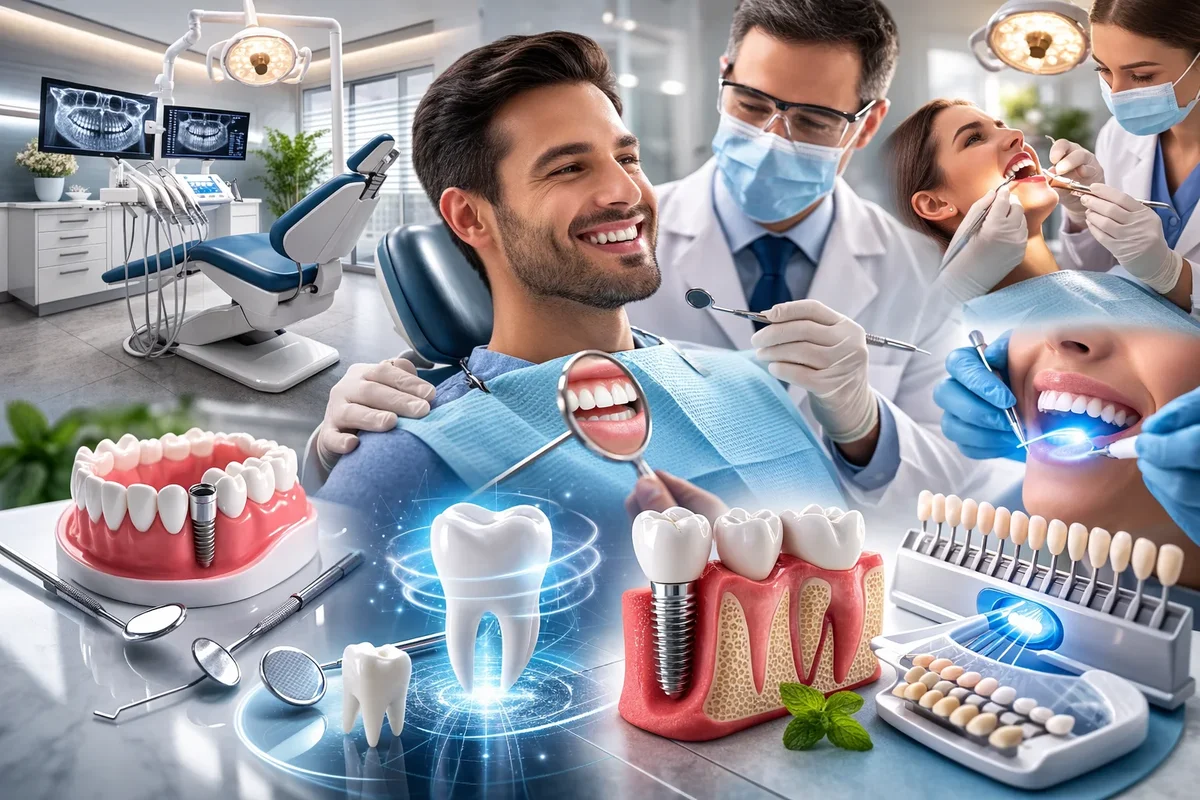
Long-Term Oral Health Benefits of Total Dentistry
Maintaining healthy teeth and gums throughout life requires more than occasional dental treatments. It demands a comprehensive approach that focuses on prevention, early diagnosis, and coordinated care. This is where total dentistry becomes particularly valuable. Total dentistry is designed to protect oral health over the long term by addressing the entire dental system rather than treating isolated issues. By combining preventive care, restorative procedures, patient education, and modern technology, total dentistry helps individuals maintain strong teeth, healthy gums, and a confident smile for many years.
One of the main goals of total dentistry is to prevent minor dental concerns from developing into serious conditions. Many oral health problems begin with subtle symptoms that may not cause immediate discomfort. For example, early-stage gum inflammation may not be painful but can eventually progress into periodontal disease if left untreated. Total dentistry emphasizes regular examinations and early intervention so that dental professionals can identify and treat these issues before they become severe.
Prevention as the Foundation of Total Dentistry
Preventive care is the cornerstone of total dentistry. Regular dental checkups, professional cleanings, and personalized oral hygiene guidance help patients maintain a healthy oral environment. Dentists practicing total dentistry closely monitor the condition of teeth, gums, and jaw structures during routine visits. This proactive monitoring allows them to detect cavities, gum disease, or bite problems at their earliest stages.
Preventive treatments commonly included in total dentistry care plans may involve fluoride applications, dental sealants, and lifestyle guidance. These measures strengthen tooth enamel, reduce bacterial buildup, and minimize the risk of decay. Preventive care not only protects oral health but also helps patients avoid more complex treatments in the future.
Examples of Preventive Strategies in Total Dentistry
- Routine dental examinations and diagnostic imaging
- Professional plaque and tartar removal
- Fluoride treatments to reinforce enamel
- Dental sealants to protect vulnerable tooth surfaces
- Personalized oral hygiene education
These preventive strategies form the foundation of total dentistry, allowing patients to maintain strong teeth and healthy gums throughout their lives.
Protecting Natural Teeth for a Lifetime
Another important benefit of total dentistry is its focus on preserving natural teeth whenever possible. Natural teeth are typically stronger and more functional than artificial replacements. Therefore, dentists practicing total dentistry prioritize treatments that maintain and restore existing tooth structure.
When dental problems do occur, total dentistry encourages minimally invasive procedures that repair damage while preserving healthy tissue. For example, small cavities may be treated with conservative composite fillings rather than larger restorations. If a tooth becomes infected, root canal therapy may be performed to save the tooth instead of removing it.
By prioritizing tooth preservation, total dentistry helps patients maintain natural chewing ability and avoid the complications associated with tooth loss.
Supporting Overall Health Through Total Dentistry
Oral health plays a critical role in overall physical well-being. Numerous scientific studies have shown that oral infections and chronic gum disease may be associated with systemic conditions such as cardiovascular disease, diabetes, and inflammatory disorders. Because total dentistry emphasizes maintaining healthy gums and controlling oral bacteria, it contributes positively to overall health.
Dentists practicing total dentistry often evaluate how medical conditions and medications may influence oral health. For example, certain medications can reduce saliva production, increasing the risk of tooth decay. By identifying these risks, dental professionals can recommend preventive measures that protect both oral and systemic health.
Health authorities such as the
American Dental Association highlight the importance of maintaining oral health as part of comprehensive healthcare. Total dentistry aligns closely with these recommendations by integrating oral care with broader health considerations.
Improving Function and Bite Stability
Long-term oral health also depends on proper bite alignment and jaw function. Misaligned teeth or uneven bite pressure can lead to excessive tooth wear, fractures, or jaw discomfort over time. Total dentistry addresses these issues by evaluating bite mechanics and recommending corrective treatments when necessary.
Orthodontic treatments, bite adjustments, or custom night guards may be included in a total dentistry plan to protect teeth from grinding or excessive pressure. By maintaining balanced bite alignment, total dentistry reduces stress on individual teeth and helps prevent structural damage.
This functional approach ensures that dental restorations and natural teeth work together harmoniously. As a result, treatments performed within total dentistry tend to last longer and provide more predictable outcomes.
Enhancing Confidence and Quality of Life
Healthy teeth and an attractive smile can significantly influence self-confidence and social interactions. Total dentistry recognizes that oral health is closely connected to emotional well-being and quality of life. When patients maintain healthy teeth and gums, they are more comfortable smiling, speaking, and eating.
Cosmetic procedures such as teeth whitening, veneers, or orthodontic alignment may be recommended within total dentistry to enhance smile aesthetics. However, these treatments are always planned carefully to ensure they support overall dental health rather than compromise it.
By improving both function and appearance, total dentistry contributes to greater confidence and improved daily comfort for patients.
The Importance of Consistent Dental Care
Achieving the long-term benefits of total dentistry requires consistency. Regular dental visits allow dentists to monitor oral health changes and adjust treatment strategies when necessary. Preventive checkups also help reinforce healthy habits and detect early signs of dental issues.
Patients who follow consistent dental care routines typically experience fewer complications and require fewer complex treatments over time. This proactive approach reflects the central philosophy of total dentistry, which focuses on maintaining health rather than reacting to advanced problems.
Individuals who wish to maintain long-term oral health and receive personalized dental guidance can explore professional consultation options through the
Redent Klinik Contact Page. Experienced dental professionals can evaluate oral health conditions and design a comprehensive care plan tailored to individual needs.
The Future of Lifelong Dental Health
As dental science continues to advance, the principles of total dentistry are becoming increasingly important in modern healthcare. New technologies, improved diagnostic tools, and better preventive strategies are making it easier for dentists to detect and treat oral health problems early.
Total dentistry represents a forward-thinking approach to dental care. By combining prevention, personalized treatment planning, and patient education, it offers a sustainable method for protecting oral health throughout life. Patients who follow this comprehensive model are more likely to maintain healthy teeth, avoid serious dental complications, and enjoy a confident smile for decades.
In summary, total dentistry provides numerous long-term benefits that extend beyond basic dental treatment. By emphasizing prevention, preserving natural teeth, supporting overall health, and improving bite stability, total dentistry helps patients maintain strong and healthy smiles throughout their lives. Through consistent care and collaboration with experienced dental professionals, individuals can fully experience the lasting advantages that total dentistry offers.