
Traditional braces for adults have become an increasingly popular orthodontic solution for people who want to improve their smile, oral health, and overall confidence later in life 😊. While braces are often associated with teenagers, modern dentistry has made it clear that age is no barrier to achieving properly aligned teeth and a healthy bite. Adults of all ages are now choosing traditional braces for adults as a reliable, proven, and highly effective treatment option.
At their core, traditional braces for adults consist of metal brackets bonded to the teeth, connected by an archwire that applies controlled pressure over time. This pressure gently moves teeth into their correct positions. Elastic bands may also be used to guide bite alignment. Although the mechanics are similar to those used in younger patients, treatment planning for adults is often more detailed and customized. Adult mouths are fully developed, which means orthodontists must carefully consider bone density, existing dental restorations, gum health, and bite stability before starting treatment.
One of the biggest reasons traditional braces for adults remain a gold standard is their versatility. They can successfully treat mild crowding, severe misalignment, deep bites, open bites, crossbites, and complex spacing issues. Clear aligners may work for minor cases, but traditional metal braces offer unmatched control and precision, especially for complicated orthodontic problems. This makes them a trusted choice recommended by many professionals and supported by organizations such as the
American Dental Association.
Another important aspect to understand is that traditional braces for adults are not only about aesthetics. Straighter teeth are easier to clean, which reduces the risk of cavities, gum disease, and long-term tooth loss 🦷. Many adults seek orthodontic treatment because they experience jaw pain, uneven tooth wear, or difficulty chewing. Correcting alignment issues can significantly improve daily comfort and long-term oral health, making braces a functional investment, not just a cosmetic one.
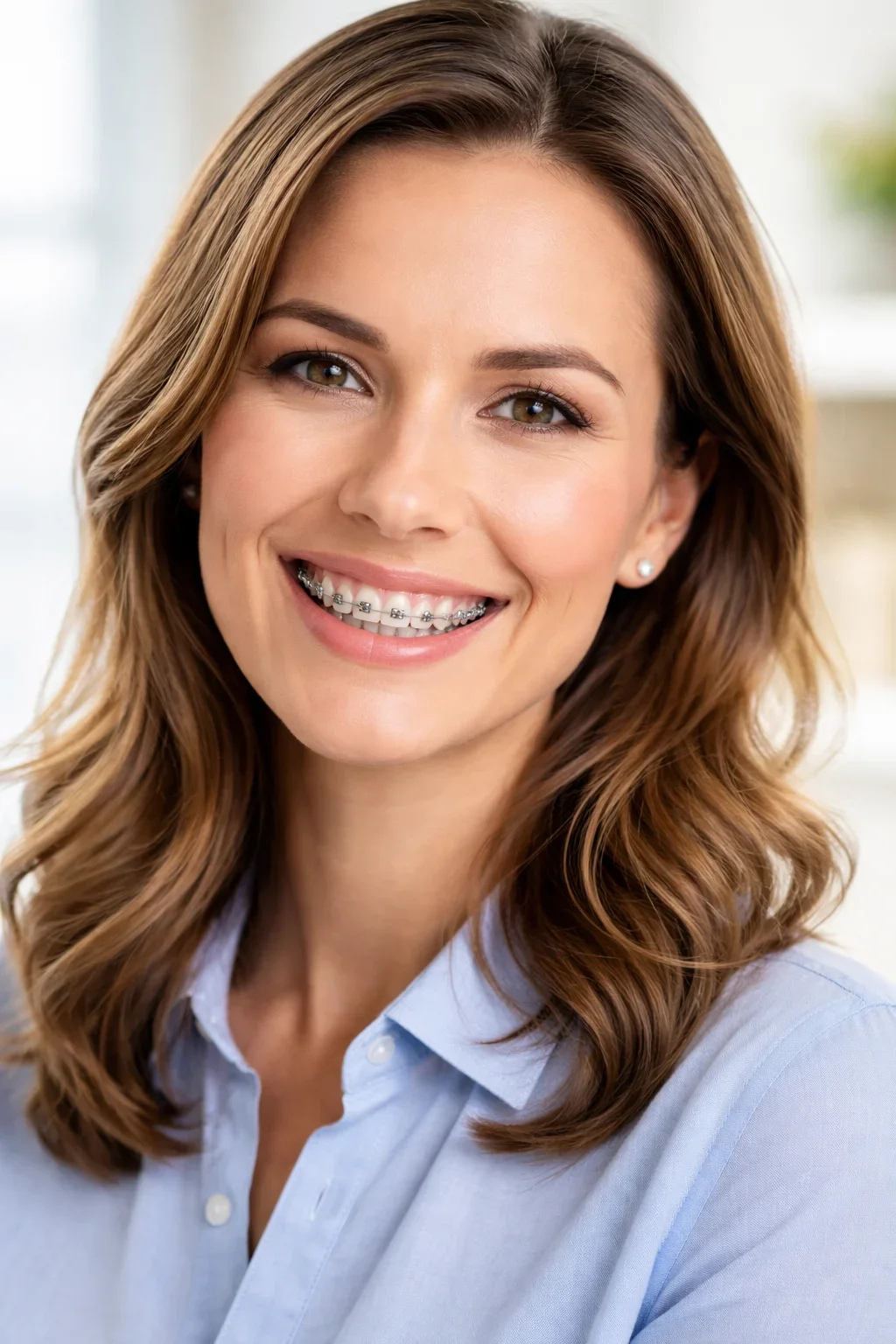
Adults often worry about how noticeable braces will be in professional or social settings. While traditional braces for adults do use metal components, modern designs are smaller, sleeker, and far more comfortable than those from decades ago. Some patients even choose colored or neutral elastic ties to personalize their look or keep things subtle. More importantly, many adults find that the long-term benefits far outweigh the temporary visibility of braces.
It is also essential to understand that adult orthodontic treatment requires commitment. Traditional braces for adults typically involve regular check-ups, wire adjustments, and strict attention to oral hygiene. Adults must be diligent with brushing, flossing, and attending scheduled appointments to ensure optimal results. However, this discipline often leads to excellent outcomes, as adult patients tend to be highly motivated and compliant with their treatment plans.
From a psychological perspective, choosing traditional braces for adults can be a life-changing decision. Many patients report improved self-esteem, greater confidence in social interactions, and a renewed willingness to smile openly 😄. Whether the motivation is personal, professional, or health-related, the decision to pursue orthodontic treatment later in life is increasingly seen as a positive and empowering step.
If you are considering traditional braces for adults and want expert guidance tailored to your needs, professional consultation is essential. A comprehensive evaluation will determine whether this treatment is right for you and how it can be optimized for your specific dental structure. If you would like to take the next step or ask detailed questions, you can easily reach out through the
Redent Klinik Contact Page.
In summary, traditional braces for adults offer a time-tested, highly effective solution for achieving proper tooth alignment and long-term oral health. With modern advancements, careful planning, and professional supervision, adults can confidently choose this treatment knowing it delivers reliable, lasting results. Age is no longer a limitation—healthy, straight teeth are achievable at any stage of life ✨.
What Are Traditional Braces for Adults and How Do They Work?
Traditional braces for adults are a well-established orthodontic treatment designed to correct misaligned teeth, bite problems, and jaw irregularities in fully developed mouths. Unlike removable aligners, traditional braces are fixed appliances, meaning they remain attached to the teeth throughout the treatment period. This fixed nature allows orthodontists to apply continuous, precise force, making traditional braces for adults especially effective for both simple and complex alignment issues.
The Core Components of Traditional Braces
To fully understand how traditional braces for adults work, it is important to break down their main components. Each element plays a specific role in guiding teeth into their ideal positions over time.
Brackets
Brackets are small metal attachments bonded directly to the surface of each tooth. In traditional braces for adults, these brackets are typically made of high-grade stainless steel for durability and precision. Each bracket acts as an anchor point, allowing the orthodontist to control the movement of individual teeth. Modern brackets are smaller and smoother than older designs, which improves comfort and reduces irritation.
Archwires
The archwire is a thin metal wire that runs through the brackets. It is the primary force-driving component in traditional braces for adults. As the wire is tightened or changed during appointments, it applies gentle, consistent pressure that encourages teeth to shift into proper alignment. Orthodontists often use a series of archwires with varying thicknesses to gradually move teeth in a controlled and biologically safe way.
Elastic Ties and Bands
Elastic ties, also known as ligatures, hold the archwire in place within the brackets. In some cases, additional elastic bands are used to correct bite issues by guiding the upper and lower jaws into better alignment. These elastics are a crucial part of traditional braces for adults, especially for treating overbites, underbites, and crossbites.
How Tooth Movement Happens in Adults
A common misconception is that teeth are harder to move in adulthood. While it is true that adult bone is denser than that of children or teenagers, traditional braces for adults are specifically designed to work effectively within these conditions. Tooth movement occurs through a biological process called bone remodeling. As pressure is applied, bone on one side of the tooth is resorbed, while new bone forms on the other side, allowing the tooth to shift position gradually.
Because adults no longer have growing jaws, orthodontic planning must be more precise. Treatment with traditional braces for adults often progresses at a steady, controlled pace to protect tooth roots and surrounding gum tissue. This careful approach ensures safe, predictable results without compromising oral health.
Why Traditional Braces Are Especially Effective for Adults
One of the main advantages of traditional braces for adults is the level of control they offer. Unlike removable orthodontic systems, fixed braces work 24/7 without relying on patient compliance for wear time. This makes them particularly suitable for adults with busy lifestyles or complex dental conditions that require constant force application.
Traditional braces for adults are also highly adaptable. Orthodontists can fine-tune tooth movement in multiple directions, rotate teeth precisely, and close or open spaces with exceptional accuracy. This level of customization is essential for adults who may already have crowns, fillings, or previous dental work that must be carefully accommodated.
Comfort and Adaptation Over Time
While it is normal to experience mild discomfort during the initial stages of treatment, most adults adapt quickly. Advances in orthodontic materials mean that traditional braces for adults now use lighter forces, reducing soreness and pressure. Any initial sensitivity typically subsides within a few days after adjustments.
Adults often report that the adjustment period is manageable and far less disruptive than expected. With orthodontic wax, proper oral care, and guidance from the dental team, daily life with traditional braces for adults becomes routine surprisingly quickly 🙂
Long-Term Effectiveness and Reliability
Decades of clinical evidence support the effectiveness of traditional braces for adults. They remain one of the most researched and trusted orthodontic treatments available today. Their reliability is one reason why many professionals continue to recommend them, especially for comprehensive correction rather than cosmetic-only improvements.
In short, traditional braces for adults work by combining precise mechanical forces with the body’s natural ability to remodel bone. When planned and monitored correctly, they offer a predictable, safe, and highly effective path to a healthier bite and a well-aligned smile that can last a lifetime ✨.
Why More Adults Are Choosing Traditional Braces Today
In recent years, there has been a noticeable shift in how people view orthodontic care later in life. More adults than ever are choosing traditional braces for adults, not only to enhance their smiles but also to improve long-term oral health and overall well-being 😊. What was once considered a treatment mainly for teenagers is now widely accepted—and even encouraged—for adults of all ages.
Changing Attitudes Toward Adult Orthodontics
One major reason traditional braces for adults are gaining popularity is the changing social perception of braces. Adults today are more open about investing in themselves, whether that means fitness, skincare, or dental health. Orthodontic treatment is no longer seen as something “missed” in youth, but rather as a proactive step toward better health and confidence.
Social media and digital communication have also played a role. With frequent video calls, photos, and online presence, many adults have become more aware of their smiles. This awareness has led to a growing interest in reliable solutions like traditional braces for adults, which offer proven and visible results.
Functional Benefits Beyond Aesthetics
While a straighter smile is a powerful motivator, adults are increasingly choosing traditional braces for adults for functional reasons. Misaligned teeth can contribute to jaw pain, headaches, uneven tooth wear, and even digestive issues caused by inefficient chewing. Correcting these problems can significantly improve daily comfort and quality of life.
Improved Bite and Jaw Alignment
Many adults suffer from bite issues that were never corrected earlier in life. Overbites, underbites, and crossbites can worsen over time, leading to chronic discomfort. Traditional braces for adults provide the strength and precision needed to correct these issues effectively, helping restore proper jaw function and balance.
Better Oral Hygiene and Gum Health
Crowded or crooked teeth are harder to clean properly, even with excellent brushing habits. This can increase the risk of cavities and gum disease as adults age. By aligning teeth correctly, traditional braces for adults make daily oral hygiene more effective, supporting healthier gums and reducing long-term dental risks 🦷.
Reliability and Predictable Results
Another key factor driving the popularity of traditional braces for adults is their reliability. Adults often want a treatment option that is predictable, well-researched, and capable of addressing complex dental issues. Traditional braces have decades of clinical success behind them, making them a trusted choice for comprehensive orthodontic correction.
Unlike removable alternatives, traditional braces for adults work continuously. There is no need to remember to wear them for a certain number of hours each day, which appeals to adults with busy or unpredictable schedules. This constant force application often leads to more efficient and controlled tooth movement.
Advances in Comfort and Design
Modern orthodontics has significantly improved the experience of wearing braces. Today’s traditional braces for adults are smaller, smoother, and more comfortable than those used in the past. Advances in materials allow orthodontists to use lighter forces, reducing discomfort while maintaining effectiveness.
These improvements have made the idea of braces far less intimidating for adults who may have delayed treatment due to fear or discomfort. Many patients are pleasantly surprised by how manageable life with traditional braces for adults actually is 🙂
Long-Term Investment in Health and Confidence
Adults often approach healthcare decisions with a long-term perspective. Choosing traditional braces for adults is seen as an investment in both health and self-confidence. Straight teeth are easier to maintain, less prone to damage, and contribute to a more youthful appearance over time.
Beyond physical benefits, the emotional impact is significant. Adults who complete orthodontic treatment frequently report increased confidence in professional settings, social interactions, and personal relationships. Feeling comfortable with one’s smile can influence everything from career opportunities to daily happiness ✨.
In summary, more adults are choosing traditional braces for adults because they offer a powerful combination of functional improvement, proven effectiveness, modern comfort, and lasting results. As awareness grows and technology continues to evolve, adult orthodontic treatment is no longer the exception—it is quickly becoming the norm.
Who Is an Ideal Candidate for Traditional Braces for Adults?
Traditional braces for adults are designed to treat a wide range of orthodontic concerns, making them suitable for many people later in life. However, not every adult case is the same. Understanding who is an ideal candidate helps set realistic expectations and ensures successful, long-lasting results 😊. With proper evaluation and planning, traditional braces for adults can be customized to fit diverse dental needs, lifestyles, and health conditions.
Adults with Mild to Severe Tooth Misalignment
One of the most common reasons adults choose traditional braces for adults is tooth misalignment. This may include crowded teeth, excessive spacing, rotated teeth, or teeth that have shifted over time. Even adults who previously had braces may experience relapse if retainers were not worn consistently. Traditional braces for adults are particularly effective in correcting these issues because they provide continuous, controlled force.
Unlike limited orthodontic systems, traditional braces for adults can address both mild cosmetic concerns and severe structural problems. This versatility makes them an excellent option for adults who want comprehensive correction rather than partial improvement.
Adults with Bite Problems
Bite alignment plays a crucial role in oral health and daily comfort. Adults experiencing issues such as overbite, underbite, open bite, or crossbite are often strong candidates for traditional braces for adults. Bite problems can lead to uneven tooth wear, jaw pain, headaches, and difficulty chewing.
Jaw Strain and TMJ-Related Symptoms
Misaligned bites may place excessive stress on the jaw joints. Some adults experience clicking sounds, stiffness, or pain in the jaw area. Traditional braces for adults can gradually correct bite discrepancies, helping redistribute pressure more evenly across the teeth and jaw. While braces are not a direct treatment for TMJ disorders, correcting bite alignment often reduces contributing factors 🦷.
Adults with Fully Developed Jaws
Adult orthodontic treatment differs from treatment in children because the jawbones are fully developed. This does not disqualify adults from treatment—in fact, traditional braces for adults are specifically designed to work within these conditions. Tooth movement occurs through bone remodeling, which remains possible at any age when managed correctly.
Because growth is no longer occurring, orthodontists rely on precise planning and gradual adjustments. Traditional braces for adults allow this level of control, making them a safe and predictable choice even in mature bone structures.
Adults with Good Overall Oral Health
An ideal candidate for traditional braces for adults generally has healthy gums and sufficient bone support around the teeth. Conditions such as untreated gum disease or severe bone loss may need to be addressed before orthodontic treatment begins. A thorough dental examination ensures that braces will not compromise existing oral health.
That said, many adults with past dental work—such as fillings, crowns, or implants—can still benefit from traditional braces for adults. Orthodontists can plan treatment carefully to work around restorations and protect dental investments already in place.
Adults Who Value Long-Term Results
Traditional braces for adults are especially suitable for individuals who prioritize long-term effectiveness over short-term convenience. Adults who understand the importance of follow-up appointments, oral hygiene, and retainer use after treatment are more likely to achieve stable, lasting outcomes.
Because traditional braces for adults do not rely on daily removal or wear-time discipline, they are often ideal for adults with busy schedules. Once placed, they work continuously, making them a dependable option for those who want consistent progress without constant decision-making.
Motivation and Commitment Matter
Perhaps one of the most important factors in determining candidacy is motivation. Adults who are committed to improving their oral health, appearance, and comfort tend to do exceptionally well with traditional braces for adults. Regular dental visits, careful cleaning, and following professional advice all contribute to success 🙂
In summary, ideal candidates for traditional braces for adults include those with misaligned teeth or bite issues, good overall oral health, and a commitment to long-term results. With proper evaluation and personalized planning, most adults can benefit significantly from this proven orthodontic solution ✨.
Traditional Braces vs. Other Orthodontic Options for Adults
When adults decide to improve their smile, they are often presented with multiple orthodontic options. Clear aligners, ceramic braces, lingual braces, and traditional metal systems all promise straighter teeth. However, traditional braces for adults continue to stand out as one of the most effective and reliable choices, especially for comprehensive treatment 😊. Understanding how traditional braces compare to other orthodontic options helps adults make informed, confident decisions.
Traditional Braces for Adults vs. Clear Aligners
Clear aligners are popular due to their removable and nearly invisible design. While they can be effective for mild to moderate alignment issues, they are not always suitable for complex cases. Traditional braces for adults, on the other hand, provide continuous force and precise control, making them more effective for severe crowding, significant bite problems, and complex tooth movements.
Effectiveness and Treatment Scope
Traditional braces for adults can move teeth vertically, horizontally, and rotationally with a high degree of accuracy. Clear aligners may struggle with certain movements, especially rotations and vertical corrections. For adults seeking complete orthodontic correction rather than cosmetic alignment alone, traditional braces often deliver more predictable results 🦷.
Compliance and Lifestyle Factors
Clear aligners require strict compliance, typically 20–22 hours of daily wear. For busy adults, forgetting or delaying wear can slow progress or compromise results. Traditional braces for adults eliminate this concern entirely, as they work continuously without relying on daily decisions or habits.
Traditional Braces vs. Ceramic Braces
Ceramic braces function similarly to traditional braces but use tooth-colored or clear brackets for a more discreet appearance. While this can be appealing, ceramic brackets are generally more fragile and may stain over time. Traditional braces for adults use durable metal brackets that are less prone to damage and discoloration.
Additionally, metal brackets are typically smaller and generate less friction than ceramic ones, which can lead to more efficient tooth movement. For adults prioritizing strength, durability, and treatment efficiency, traditional braces for adults often remain the preferred option.
Traditional Braces vs. Lingual Braces
Lingual braces are placed on the inside surfaces of the teeth, making them invisible from the outside. While appealing in theory, they come with notable drawbacks. Lingual braces can be more difficult to clean, may interfere with speech, and often require a longer adjustment period.
Traditional braces for adults are easier to maintain, more comfortable for most patients, and generally more affordable than lingual systems. They also allow orthodontists greater visibility and access during adjustments, contributing to precise and efficient treatment.
Cost, Maintenance, and Long-Term Value
From a financial perspective, traditional braces for adults often offer the best balance between cost and effectiveness. While prices vary depending on location and case complexity, traditional braces are typically more affordable than lingual braces and comparable or lower in cost than long-term aligner treatments.
Maintenance is another important consideration. Traditional braces for adults require regular cleaning and routine orthodontic visits, but they are not easily lost or damaged like removable aligners. This reliability can reduce unexpected delays or replacement costs over the course of treatment.
Why Orthodontists Still Recommend Traditional Braces
Many orthodontists continue to recommend traditional braces for adults because of their versatility and proven track record. They can be customized for virtually any orthodontic challenge and adjusted throughout treatment to respond to how teeth are moving. This flexibility is especially valuable in adult cases where bone density, existing dental work, and bite stability must be carefully managed.
For adults who want a solution that prioritizes effectiveness, long-term stability, and comprehensive correction, traditional braces for adults remain a trusted and widely recommended option ✨.
In conclusion, while modern orthodontics offers multiple choices, traditional braces for adults consistently stand out for their strength, precision, and reliability. When compared to other orthodontic options, they often provide the most complete and dependable path to a healthy, well-aligned smile that lasts a lifetime.
The Treatment Process Step by Step for Adult Braces
Understanding the full treatment journey helps adults feel confident and prepared before starting orthodontic care. Traditional braces for adults follow a structured, carefully monitored process designed to move teeth safely and efficiently into their ideal positions. While every patient’s plan is personalized, the overall steps are similar for most adults and are guided by precision, biology, and long-term stability 😊.
Initial Consultation and Comprehensive Evaluation
The first step in getting traditional braces for adults is a detailed orthodontic consultation. During this visit, the orthodontist evaluates tooth alignment, bite relationship, jaw position, and overall oral health. Digital X-rays, photographs, and impressions or 3D scans are typically taken to build a complete picture of the dental structure.
For adults, this step is especially important. Existing dental restorations such as crowns, fillings, bridges, or implants must be carefully assessed. Gum health and bone levels are also evaluated to ensure that traditional braces for adults can be applied safely and effectively. If any issues such as gum disease are detected, they are treated before braces are placed.
Personalized Treatment Planning
Once diagnostics are complete, a customized treatment plan is created. This plan outlines how traditional braces for adults will be used to move each tooth, correct bite issues, and achieve long-term stability. Adults often require more detailed planning because tooth movement must work within a fully developed jaw and existing dental conditions.
The orthodontist will explain estimated treatment duration, expected outcomes, and the sequence of adjustments. This transparent planning stage helps adults understand the commitment involved and builds trust in the process.
Placement of Traditional Braces
The placement appointment is when traditional braces for adults are bonded to the teeth. Brackets are carefully positioned on each tooth, and an archwire is inserted to connect them. This procedure is painless, though it may take some time to ensure precise placement.
After placement, adults may feel pressure or tightness as the teeth begin responding to the wire. This sensation is normal and usually subsides within a few days. Orthodontic wax and simple adjustments help manage any temporary irritation.
Adjustment Appointments and Progress Monitoring
Regular follow-up visits are a critical part of treatment with traditional braces for adults. These appointments typically occur every 4–8 weeks. During each visit, the orthodontist adjusts the archwire, replaces elastic ties if needed, and monitors how the teeth are moving.
Because adult bone remodels more slowly than that of younger patients, adjustments are carefully calibrated. Traditional braces for adults allow orthodontists to fine-tune tooth movement with high precision, ensuring steady progress without excessive force 🦷.
Use of Elastics and Auxiliary Devices
Some adults may need additional elastics or auxiliary appliances during treatment. These components help correct bite relationships between the upper and lower teeth. Consistent use of elastics, when prescribed, significantly improves the effectiveness of traditional braces for adults.
Daily Life and Oral Care During Treatment
Living with traditional braces for adults requires some lifestyle adjustments. Foods that are very hard, sticky, or chewy should be limited to avoid damaging brackets or wires. Maintaining excellent oral hygiene is essential, as braces create additional areas where plaque can accumulate.
Adults are encouraged to brush after every meal, floss carefully, and attend regular dental cleanings. With proper care, traditional braces for adults do not negatively impact oral health—in fact, they often improve it in the long term 🙂
Completion of Treatment and Braces Removal
Once the treatment goals are achieved, traditional braces for adults are removed in a simple, non-invasive appointment. Teeth are cleaned, and the final results are evaluated. This moment is often deeply rewarding, as adults finally see the full transformation of their smile.
Retention Phase: Protecting Your Results
The final and most crucial step is retention. After braces are removed, retainers are used to keep teeth in their new positions. Adult teeth have a natural tendency to shift back, so wearing retainers as instructed is essential for maintaining results achieved with traditional braces for adults.
In summary, the step-by-step treatment process for traditional braces for adults is methodical, personalized, and highly effective. From consultation to retention, each stage is designed to deliver safe, predictable, and lasting results—making the journey well worth the commitment ✨.
How Long Does Treatment with Traditional Braces Take?
One of the most common questions adults ask before starting orthodontic care is how long treatment will last. The timeline for traditional braces for adults varies from person to person, but understanding the key factors involved helps set realistic expectations and reduces uncertainty 😊. While adult treatment may take slightly longer than treatment in teenagers, the results are often more stable due to careful planning and strong patient commitment.
Average Treatment Time for Adults
On average, traditional braces for adults typically require between 18 and 30 months to complete. Mild cases involving minor crowding or spacing may be finished closer to the lower end of this range, while more complex orthodontic problems can take longer. Adults with significant bite issues, rotated teeth, or long-standing misalignment should expect a more extended treatment period.
It is important to note that traditional braces for adults focus on precision and long-term stability rather than speed alone. Orthodontists prioritize safe tooth movement that protects roots, bone, and gum health, which is especially critical in fully developed adult jaws 🦷.
Factors That Influence Treatment Duration
Several factors determine how long traditional braces for adults will be needed. Each adult case is unique, and treatment timelines are influenced by both biological and behavioral elements.
Severity of Misalignment
The complexity of the orthodontic issue is one of the most significant factors. Teeth that are severely crowded, rotated, or positioned far from their ideal alignment require more time to move. Traditional braces for adults excel in managing complex cases, but these corrections naturally require a longer treatment period.
Bite Problems and Jaw Relationships
Correcting bite issues such as overbite, underbite, open bite, or crossbite often extends treatment time. Bite correction usually involves coordinated movement of multiple teeth and sometimes the use of elastics. Traditional braces for adults provide the control needed for these adjustments, but patience is essential for proper jaw alignment.
Bone Density and Age
Adult bone is denser than that of children or adolescents, which means teeth may move more gradually. This does not make treatment less effective, but it does mean that traditional braces for adults must work at a biologically appropriate pace. Slower movement reduces the risk of root resorption and ensures healthy bone remodeling.
Patient Compliance and Its Impact on Timing
Although traditional braces for adults are fixed appliances, patient cooperation still plays a major role in treatment duration. Attending scheduled appointments, following dietary guidelines, and maintaining excellent oral hygiene all contribute to staying on track.
Use of Elastics and Appliances
Some adults are prescribed elastics to help guide bite correction. Consistent use of these elastics can significantly shorten treatment time. Inconsistent wear, on the other hand, may delay progress. Traditional braces for adults work best when all components of the treatment plan are followed closely 🙂
Oral Hygiene and Breakage
Poor oral hygiene or frequent breakage of brackets and wires can slow treatment. Broken appliances may require additional visits and adjustments, extending the overall timeline. Adults who take care of their braces often complete treatment with traditional braces for adults more efficiently and smoothly.
Can Treatment Be Accelerated?
Many adults ask whether treatment with traditional braces for adults can be sped up. While some adjunctive techniques exist, orthodontists generally avoid aggressive acceleration that could compromise tooth or bone health. The safest and most reliable way to stay on schedule is consistency, patience, and adherence to professional guidance.
In some cases, adults who are highly compliant and have favorable biological responses may progress faster than expected. However, orthodontic treatment should always prioritize safety and stability over speed.
Why the Time Investment Is Worth It
Although wearing braces for an extended period may seem challenging, most adults find that the time passes faster than expected. More importantly, the long-term benefits of traditional braces for adults far outweigh the temporary inconvenience. Properly aligned teeth improve oral health, function, and confidence for decades to come ✨.
In conclusion, the length of treatment with traditional braces for adults depends on individual needs, biological factors, and commitment to care. With realistic expectations and professional supervision, adults can achieve lasting, healthy results that make the journey truly worthwhile.
Pain, Discomfort, and Adjustment: What Adults Should Expect
A common concern among patients considering orthodontic care is whether treatment will be painful. For many, this question becomes even more important when starting later in life. The good news is that while traditional braces for adults do involve an adjustment period, the discomfort is generally manageable, temporary, and far less severe than most people expect 😊. Understanding what causes discomfort and how to manage it can make the experience far more comfortable and stress-free.
What Causes Discomfort with Traditional Braces?
The primary source of discomfort with traditional braces for adults comes from the pressure applied to move teeth. When braces are first placed or adjusted, the archwire begins guiding teeth into new positions. This pressure triggers a biological response in the surrounding bone and ligaments, which is essential for tooth movement.
This sensation is often described as tightness or soreness rather than sharp pain. It is a sign that traditional braces for adults are working as intended. Most adults report that the discomfort peaks within the first 24–72 hours after an adjustment and gradually fades.
The Initial Adjustment Period
The first week of wearing traditional braces for adults is typically the most noticeable in terms of sensation. Teeth may feel tender when biting or chewing, and the lips or cheeks may need time to adapt to the brackets.
Soft Tissue Irritation
Brackets and wires may initially rub against the inside of the lips or cheeks, causing mild irritation. Orthodontic wax is commonly used to create a smooth barrier and prevent sores during this adjustment phase. As the mouth adapts, irritation usually decreases significantly within one to two weeks 🦷.
Changes in Eating Habits
During the early days, adults may prefer softer foods such as soups, yogurt, eggs, and smoothies. This temporary change helps reduce pressure on sensitive teeth. As comfort improves, most adults return to a normal diet while avoiding foods that could damage traditional braces for adults.
Discomfort After Adjustments
Regular adjustment appointments are a normal part of treatment with traditional braces for adults. After each visit, mild soreness may return as teeth respond to the new wire or increased tension. This discomfort is usually less intense than the initial placement and resolves more quickly.
Over-the-counter pain relievers, when approved by a healthcare provider, can help manage temporary soreness. Many adults also find relief through cold compresses or rinsing with warm salt water.
Psychological Adjustment and Expectations
Pain is not only physical—it can also be psychological. Adults who understand what to expect tend to tolerate discomfort better. Knowing that soreness is temporary and purposeful helps reduce anxiety and frustration. Traditional braces for adults are a process, and each adjustment brings you closer to your final result 🙂
Interestingly, adults often report that they adapt more quickly than they anticipated. After the initial weeks, braces become part of daily life, and most people stop noticing them altogether except during adjustments.
How Modern Orthodontics Reduces Pain
Advancements in orthodontic technology have significantly improved comfort levels. Modern traditional braces for adults use lighter, more flexible wires that apply gentler forces. These materials allow teeth to move efficiently while minimizing discomfort and reducing stress on surrounding tissues.
Orthodontists today are also more conservative with force application, especially in adult patients. This approach protects tooth roots and bone health while ensuring steady progress.
When Discomfort Is Not Normal
While some soreness is expected, severe or persistent pain is not typical. Sharp pain, loose brackets, or poking wires should be addressed promptly. Adults wearing traditional braces for adults are encouraged to contact their orthodontist if something feels wrong, rather than waiting for the next scheduled appointment.
Why the Temporary Discomfort Is Worth It
For most adults, the brief periods of discomfort are a small price to pay for the long-term benefits of traditional braces for adults. Improved alignment leads to easier cleaning, reduced dental problems, better bite function, and enhanced confidence.
In conclusion, while traditional braces for adults do involve an adjustment period, the discomfort is temporary, manageable, and steadily decreases over time. With the right expectations, proper care, and professional support, adults can move through treatment comfortably and confidently—one adjustment at a time ✨.
Oral Hygiene and Daily Care with Traditional Braces for Adults
Maintaining excellent oral hygiene is one of the most important responsibilities during orthodontic treatment. Traditional braces for adults are highly effective, but they also create additional surfaces where food particles and plaque can accumulate. Without proper daily care, adults may face increased risks of cavities, gum inflammation, and enamel discoloration. Fortunately, with the right habits and tools, keeping your mouth healthy while wearing traditional braces for adults is completely manageable 😊.
Why Oral Hygiene Is Especially Important for Adults
Adults often have a longer dental history than younger patients. Fillings, crowns, gum sensitivity, or mild bone loss can make oral care even more critical during orthodontic treatment. Traditional braces for adults require a proactive approach to hygiene to protect both natural teeth and existing dental work.
Plaque buildup around brackets and wires can lead to white spot lesions, cavities, and gum disease if not addressed consistently. Because adult gum tissue may be less forgiving, meticulous cleaning is essential throughout treatment.
Daily Brushing Techniques with Braces
Brushing with traditional braces for adults should be done more frequently and more thoroughly than usual. Most orthodontists recommend brushing after every meal or snack to prevent food debris from remaining trapped around the brackets.
Choosing the Right Toothbrush
A soft-bristled toothbrush or an electric toothbrush with an orthodontic head is ideal for cleaning around braces. The brush should be angled toward the gumline and brackets to remove plaque effectively. Spending at least two minutes per brushing session helps ensure all areas are cleaned properly 🦷.
Orthodontic Toothpaste and Fluoride Use
Using a fluoride toothpaste strengthens enamel and helps prevent cavities during treatment with traditional braces for adults. In some cases, orthodontists may recommend additional fluoride rinses to provide extra protection, especially for adults prone to tooth sensitivity or decay.
Flossing with Traditional Braces
Flossing is often the most challenging part of oral hygiene with braces, but it is also one of the most important. Food particles trapped between teeth can easily go unnoticed without proper flossing.
Tools That Make Flossing Easier
Floss threaders, orthodontic floss, and water flossers are excellent tools for adults wearing traditional braces for adults. These devices help navigate around wires and brackets, making daily flossing more efficient and less time-consuming.
Water flossers, in particular, are popular among adults because they are gentle on gums and effective at flushing out debris. While they do not replace traditional floss entirely, they are a valuable addition to a daily care routine.
Dietary Habits That Protect Your Braces
What you eat has a direct impact on both your braces and your oral health. Sticky, hard, or sugary foods can damage brackets and increase the risk of decay. Adults with traditional braces for adults are advised to avoid items like hard candies, chewing gum, popcorn kernels, and ice.
Instead, focusing on balanced meals with softer textures helps protect the braces and reduces discomfort. Cutting fruits and vegetables into smaller pieces also makes chewing easier and safer during treatment 🙂
Regular Dental and Orthodontic Visits
Routine dental cleanings remain essential during orthodontic treatment. Professional cleanings help remove plaque and tartar buildup that daily brushing may miss. Dentists and hygienists are trained to work around traditional braces for adults and can provide personalized advice for maintaining oral health.
Orthodontic check-ups ensure that braces are functioning correctly and that teeth are moving as planned. Addressing minor issues early prevents delays and complications.
Long-Term Benefits of Good Hygiene During Treatment
Adults who maintain excellent oral hygiene during treatment often see better final results. Healthy gums and clean enamel allow teeth to move more efficiently and reduce the risk of complications. Traditional braces for adults work best in a clean, healthy oral environment.
In the long run, the habits developed during orthodontic treatment often lead to improved oral care for life. Many adults finish treatment with not only straighter teeth, but also stronger hygiene routines and greater awareness of their dental health ✨.
In conclusion, oral hygiene and daily care are essential components of successful treatment with traditional braces for adults. With consistent brushing, effective flossing, mindful eating, and regular professional care, adults can protect their smiles throughout the orthodontic journey and enjoy healthy, beautiful results for years to come.
Long-Term Results, Retainers, and Life After Braces
Completing orthodontic treatment is a major milestone, but the journey does not truly end when the brackets come off. For adults, the long-term success of traditional braces for adults depends on proper retention, healthy habits, and realistic expectations about life after treatment 😊. Understanding what happens next helps protect your investment and ensures that the results you worked for remain stable for years to come.
What Results Can Adults Expect After Treatment?
The primary goal of traditional braces for adults is to achieve well-aligned teeth, a balanced bite, and improved oral function. Most adults notice immediate improvements in the appearance of their smile as soon as the braces are removed. Teeth look straighter, spacing is corrected, and the overall harmony of the smile is enhanced.
Beyond aesthetics, functional benefits are equally important. Proper alignment improves chewing efficiency, reduces uneven tooth wear, and can alleviate jaw strain. Many adults also find that brushing and flossing become easier, supporting better long-term oral health 🦷.
The Importance of the Retention Phase
After active treatment with traditional braces for adults is complete, the retention phase begins. This stage is critical because teeth have a natural tendency to shift back toward their original positions. Retainers help stabilize the teeth while the surrounding bone and ligaments adapt to the new alignment.
Types of Retainers for Adults
There are several types of retainers commonly used after traditional braces for adults. Removable retainers, often made of clear plastic or acrylic with a wire, are popular because they are discreet and easy to clean. Fixed retainers, which are bonded to the back of the teeth, offer continuous retention without relying on daily compliance.
Your orthodontist will recommend the most appropriate option based on your case, lifestyle, and risk of relapse. Some adults may use a combination of fixed and removable retainers for optimal stability.
How Long Should Retainers Be Worn?
Retention is not a short-term commitment. Many orthodontists advise adults to wear retainers full-time initially, followed by nighttime wear indefinitely. Because adult teeth can shift even years after treatment, long-term retainer use is often the key to preserving results achieved with traditional braces for adults.
Life After Braces: Adjusting to Your New Smile
Life after braces often feels surprisingly natural. After months or years of wearing traditional braces for adults, many patients say they need time to adjust to seeing their teeth without brackets. Speaking, eating, and smiling typically feel easier and more comfortable once braces are removed 🙂
Some adults also notice subtle changes in facial balance or jaw comfort as their bite settles into its corrected position. These improvements contribute to overall satisfaction with treatment.
Maintaining Results Through Healthy Habits
Long-term success with traditional braces for adults relies on maintaining excellent oral hygiene and regular dental care. Brushing twice daily, flossing consistently, and attending routine dental check-ups help protect both teeth and gums.
Wearing retainers as instructed is equally important. Skipping retainer use, even occasionally, can allow teeth to shift. Adults who treat retention as a permanent part of their oral care routine are far more likely to enjoy lifelong results.
Psychological and Lifestyle Benefits
Many adults report that completing treatment with traditional braces for adults has a profound impact beyond physical changes. Increased confidence, willingness to smile openly, and comfort in social or professional settings are commonly reported benefits ✨.
This boost in self-assurance often reinforces healthy habits and motivates adults to continue investing in their oral and overall health.
Why Long-Term Planning Matters
Traditional braces for adults are not just a temporary solution—they are part of a long-term strategy for oral health and quality of life. Retention, ongoing dental care, and realistic expectations all work together to protect the results of treatment.
In conclusion, life after traditional braces for adults is rewarding, comfortable, and confidence-building when proper retention and care are maintained. By committing to retainer use and healthy habits, adults can enjoy the benefits of their new smile for decades, making the entire orthodontic journey truly worthwhile.