
After completing orthodontic treatment, many patients believe their journey is finished. However, maintaining straight teeth requires long-term retention, and this is where a trutain retainer becomes extremely important. A trutain retainer is a durable orthodontic appliance designed to keep teeth aligned after braces or clear aligner treatment. Without a properly fitted trutain retainer, teeth may gradually shift back into their original positions, causing relapse and undoing months or even years of orthodontic work. For this reason, dentists and orthodontists frequently recommend wearing a trutain retainer consistently according to professional instructions. 😊
A trutain retainer is known for its strength, long-lasting structure, and ability to maintain excellent tooth stability. Unlike some thin plastic retainers that may crack or wear down quickly, the trutain retainer is designed with durable materials that help support long-term dental alignment. Patients who have invested time and money into orthodontic care often choose a trutain retainer because of its reliability and comfortable fit. In modern dentistry, retainers are considered just as important as braces themselves because the bone and gum tissues surrounding the teeth need time to stabilize after tooth movement.
One of the biggest advantages of a trutain retainer is its ability to prevent orthodontic relapse. Teeth naturally have a tendency to move throughout life due to pressure from chewing, aging, grinding, and jaw changes. A trutain retainer acts as a stabilizing appliance that holds the teeth in their corrected positions while the surrounding tissues adapt. Orthodontists commonly explain that retention is a lifelong commitment, even after successful treatment with braces or Invisalign. Wearing a trutain retainer regularly can significantly reduce the risk of unwanted tooth movement.
Another reason patients prefer a trutain retainer is comfort. Many people worry that retainers may feel bulky or difficult to wear, but a professionally made trutain retainer is customized to fit the unique shape of the patient’s mouth. This customized design helps reduce irritation while improving speech adaptation and overall comfort. During the first few days, patients may notice mild pressure or slight changes in pronunciation, but these effects usually disappear quickly as the mouth adjusts. Over time, most patients become completely comfortable wearing their trutain retainer during sleep or throughout the day.
Cleaning and maintaining a trutain retainer is also very important for oral health. Since retainers stay inside the mouth for long periods, bacteria and plaque can build up if the appliance is not cleaned correctly. Dentists recommend brushing the trutain retainer gently with a soft toothbrush and lukewarm water daily. Extremely hot water should be avoided because it may damage or distort the material. In addition, using specialized retainer cleaning tablets can help keep the trutain retainer fresh and odor-free. Proper maintenance not only improves hygiene but also extends the lifespan of the appliance.
Many patients ask how long they should wear a trutain retainer. The answer depends on the individual case, orthodontic history, and tooth stability. Most orthodontists recommend full-time wear immediately after braces are removed, followed by nighttime use over the long term. Some patients may need lifelong nighttime retention to maintain ideal alignment. Even small gaps in retainer usage can allow teeth to shift slightly, which is why consistency with a trutain retainer is extremely important.
The cost of a trutain retainer may vary depending on the clinic, materials, and country. In many dental clinics, prices generally range between $150 and $600 for a professionally fabricated retainer. Some clinics may include the first trutain retainer within the overall orthodontic treatment package, while replacements may require additional fees. Patients should remember that investing in a quality trutain retainer can help avoid future orthodontic retreatment costs, which are often significantly more expensive.
Estimated Trutain Retainer Costs
- Initial Retainer After Braces: $150 – $400
- Replacement Trutain Retainer: $200 – $600
- Professional Cleaning Products: $10 – $40
- Orthodontic Follow-Up Visits: Varies by clinic
Patients considering orthodontic retention should always seek guidance from qualified dental professionals. The American Dental Association provides useful information regarding oral health, orthodontics, and long-term dental care. Additionally, individuals who need professional support regarding retainers, braces, or smile correction can visit the Redent Klinik Contact Page for more information about dental treatment options.
Today, the trutain retainer remains one of the most trusted orthodontic retention solutions for maintaining a straight, healthy smile. Whether a patient recently completed Invisalign treatment, traditional braces, or other orthodontic procedures, a trutain retainer can play a critical role in preserving treatment results for many years. By wearing a trutain retainer consistently, practicing good oral hygiene, and attending regular dental checkups, patients can protect their smile investment and enjoy lasting confidence. 😁
What Is a Trutain Retainer and How Does It Work?
A trutain retainer is a specialized orthodontic appliance designed to maintain the alignment of teeth after braces or clear aligner treatment. After orthodontic treatment ends, teeth naturally attempt to shift back toward their previous positions. This process is known as orthodontic relapse, and it can occur slowly over time if proper retention is not used. A trutain retainer helps prevent this movement by stabilizing the teeth and supporting the surrounding bone and gum tissues while they adapt to the new alignment. For many patients, wearing a trutain retainer is one of the most important steps in protecting their smile investment. 😊
Why Retainers Are Necessary After Orthodontic Treatment
Many people believe that once braces are removed, the teeth will automatically stay straight forever. Unfortunately, this is not true. Teeth are constantly exposed to pressure from chewing, tongue movement, jaw growth, and nighttime grinding. Without a trutain retainer, these forces may gradually cause teeth to shift. Orthodontists often explain that retention is a lifelong process because the body continuously changes with age.
The primary function of a trutain retainer is to hold the teeth in their corrected positions after orthodontic movement. During braces or aligner treatment, the bone around the teeth changes shape to accommodate the new alignment. However, the surrounding tissues need additional time to stabilize completely. Wearing a trutain retainer consistently allows these structures to adapt properly and reduces the risk of relapse.
How a Trutain Retainer Is Made
A professionally designed trutain retainer is custom-made for each patient. Orthodontists or dental laboratories create the appliance using impressions or digital scans of the patient’s teeth. Because every mouth is unique, a customized trutain retainer provides a more secure and comfortable fit than generic retainers.
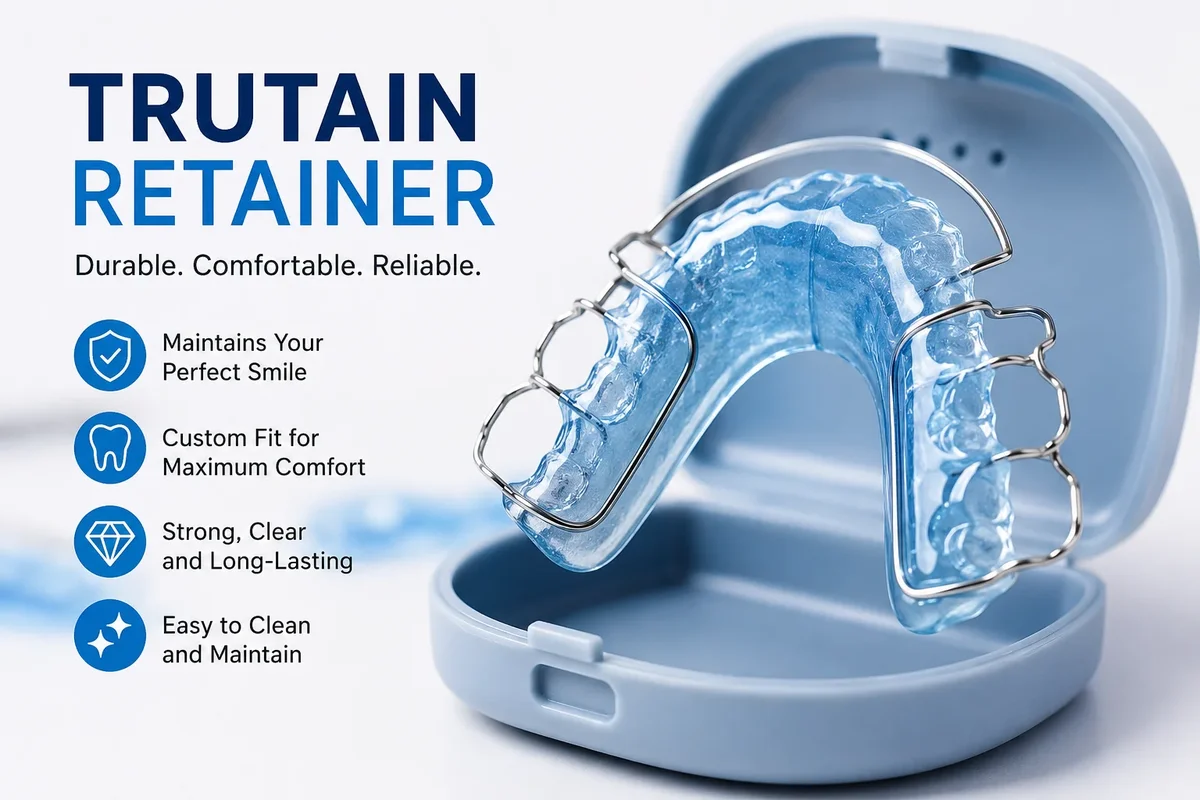
Most versions of a trutain retainer include a strong acrylic base combined with metal wire components that help maintain tooth position. The durable structure is one reason many orthodontic patients prefer this type of retainer over thinner plastic alternatives. The appliance is carefully adjusted to ensure proper comfort, retention strength, and long-term effectiveness.
Key Materials Used in a Trutain Retainer
- Durable orthodontic acrylic
- Medical-grade stainless steel wire
- Custom-fitted impression or digital scan design
- Smooth edges for improved comfort
The combination of these materials allows the trutain retainer to remain stable while also being resistant to daily wear and tear. Patients who take proper care of their trutain retainer may use the same appliance for many years before needing a replacement.
How a Trutain Retainer Works Daily
When worn properly, a trutain retainer gently holds the teeth in place without applying aggressive pressure. During the first weeks after braces are removed, orthodontists usually recommend wearing the trutain retainer for most of the day and night. Over time, many patients transition to nighttime-only wear.
The retainer works by preserving the spacing and positioning created during orthodontic treatment. Even minor tooth movement can affect bite alignment and smile appearance. By wearing a trutain retainer regularly, patients can maintain the straight teeth achieved during treatment with braces or clear aligners.
Patients sometimes notice mild tightness when they reinsert a trutain retainer after missing several days of wear. This feeling may indicate slight tooth movement. In many cases, consistent retainer use can gently guide the teeth back into alignment. However, severe shifting may require professional orthodontic evaluation.
Who Should Use a Trutain Retainer?
A trutain retainer is commonly recommended for individuals who have completed orthodontic treatment such as:
- Traditional metal braces
- Ceramic braces
- Clear aligners
- Invisalign treatment
- Minor cosmetic orthodontic corrections
Teenagers and adults can both benefit from a trutain retainer. In fact, adult patients are increasingly choosing orthodontic treatment later in life, making long-term retention even more important. Because adult teeth may shift over time due to aging and bite pressure, a trutain retainer helps maintain stability and smile aesthetics for years.
Benefits of Choosing a Trutain Retainer
One of the biggest reasons patients choose a trutain retainer is durability. Some thin plastic retainers can crack or warp easily if exposed to heat or pressure. In comparison, a trutain retainer is generally considered stronger and more reliable for long-term orthodontic retention.
Main Advantages of a Trutain Retainer
- Excellent durability and strength
- Long-term tooth stabilization
- Comfortable custom fit
- Reduced orthodontic relapse risk
- Suitable for long-term nightly wear
- Easy maintenance with proper cleaning
Another advantage is the ability of a trutain retainer to maintain consistent tooth positioning while remaining comfortable for overnight use. Many patients appreciate that the retainer becomes easier to wear after only a short adaptation period.
Maintaining Your Trutain Retainer Properly
Good hygiene is essential when wearing a trutain retainer. Since the appliance remains inside the mouth for long periods, plaque and bacteria may accumulate if cleaning is neglected. Orthodontists recommend rinsing the trutain retainer after removal and brushing it gently with lukewarm water using a soft toothbrush.
Hot water should always be avoided because excessive heat may distort the retainer’s shape. Patients should also store the trutain retainer inside a protective case when it is not being used. Accidental damage often occurs when retainers are wrapped in tissues or placed loosely inside bags.
Patients who experience discomfort, looseness, or cracking should schedule a professional dental evaluation immediately. Ignoring problems with a trutain retainer can increase the risk of tooth movement and compromise orthodontic results.
For additional guidance regarding orthodontic care and oral health, patients can review educational resources from the American Dental Association. Individuals seeking personalized dental advice or orthodontic support may also visit the Redent Klinik Contact Page to learn more about professional dental services.
Overall, the trutain retainer remains one of the most dependable solutions for maintaining straight teeth after orthodontic treatment. By wearing a trutain retainer consistently and following proper cleaning habits, patients can preserve their beautiful smile and protect the results of their orthodontic investment for many years. 😁
Top Benefits of Wearing a Trutain Retainer After Braces
Completing orthodontic treatment is an exciting milestone for many patients, but maintaining straight teeth afterward is equally important. This is where a trutain retainer becomes essential. After braces or clear aligners are removed, teeth naturally attempt to shift back toward their previous positions. Wearing a trutain retainer consistently helps preserve the results of orthodontic treatment and supports long-term dental stability. Many orthodontists consider the retention phase one of the most important parts of achieving a healthy, beautiful smile. 😊
A trutain retainer is specially designed to stabilize teeth after orthodontic movement. Since the bone and soft tissues surrounding the teeth need time to adapt, patients who stop wearing retainers too early may experience relapse. Even minor shifting can affect smile aesthetics and bite alignment. For this reason, orthodontic professionals strongly recommend long-term use of a trutain retainer after braces or Invisalign treatment.
Prevents Teeth From Shifting Back
The main purpose of a trutain retainer is to prevent orthodontic relapse. During braces treatment, teeth are moved into new positions using controlled pressure. However, the surrounding tissues often retain a “memory” of the previous alignment. Without proper retention, teeth may gradually move back over time.
A trutain retainer helps maintain the corrected positioning by holding the teeth stable while the bone remodels around them. This stabilization period is extremely important because it allows the mouth to adapt to the new bite and alignment. Patients who consistently wear their trutain retainer are far more likely to maintain long-term orthodontic success.
Common Causes of Tooth Relapse
- Natural jaw growth and aging
- Teeth grinding during sleep
- Pressure from chewing and tongue movement
- Skipping retainer use
- Improper orthodontic retention
Because these factors continue throughout life, many orthodontists recommend nighttime wear of a trutain retainer indefinitely.
Supports Long-Term Smile Aesthetics
One major advantage of a trutain retainer is its ability to protect the appearance of the smile. Patients often invest significant time and money into orthodontic treatment, and maintaining those results becomes a priority. Crooked or crowded teeth may slowly return if retention is ignored.
By wearing a trutain retainer, patients can preserve the alignment achieved through braces or aligners. Straight teeth not only improve appearance but also contribute to self-confidence and social comfort. Many patients feel more comfortable smiling, speaking, and interacting with others when their teeth remain aligned and symmetrical.
Orthodontists frequently explain that even small tooth movements may become noticeable over time. Consistent use of a trutain retainer helps avoid these gradual changes and supports a balanced smile for years.
Provides Excellent Durability
Another reason many patients choose a trutain retainer is its durable construction. Compared to some thin plastic retainers, the trutain retainer is often considered stronger and more resistant to daily wear. Durable orthodontic materials allow the appliance to remain effective for extended periods when properly maintained.
The structure of a trutain retainer usually includes a combination of acrylic and metal components that help maintain stability. This design offers both strength and comfort. Patients who follow proper cleaning and storage instructions may use the same trutain retainer for many years.
Advantages of Durable Retainers
- Reduced risk of cracking
- Longer lifespan
- Better stability for teeth
- More reliable overnight wear
- Improved resistance to pressure
Durability is especially important for patients who require lifelong retention after orthodontic treatment.
Improves Bite Stability
A trutain retainer does more than maintain straight teeth. It also helps preserve proper bite alignment. During orthodontic treatment, the upper and lower teeth are adjusted carefully to create balanced chewing function and jaw positioning. If teeth begin shifting after treatment, bite problems may return.
Improper bite alignment can sometimes lead to jaw discomfort, uneven tooth wear, headaches, or chewing difficulties. Wearing a trutain retainer regularly supports overall oral function by helping maintain proper tooth positioning.
Patients who previously experienced overbite, underbite, crossbite, or spacing problems often benefit greatly from long-term use of a trutain retainer. Maintaining bite stability protects both dental aesthetics and oral health.
Comfortable for Long-Term Use
Comfort is another major benefit of a trutain retainer. Since the appliance is custom-made for each patient, it is designed to fit securely and comfortably inside the mouth. Most patients adjust quickly to wearing a trutain retainer, especially after the first few days.
Unlike braces, retainers do not continuously move the teeth aggressively. Instead, the trutain retainer gently maintains existing alignment. Patients often find nighttime wear convenient because it does not interfere significantly with daily activities.
Tips for Comfortable Retainer Use
- Wear the retainer consistently
- Clean the appliance daily
- Store it in a protective case
- Avoid exposing it to heat
- Visit the orthodontist regularly
Following these habits can improve comfort while extending the lifespan of a trutain retainer.
Protects Your Orthodontic Investment
Orthodontic treatment often requires months or years of care. Because of this investment, maintaining results becomes extremely important. A trutain retainer helps protect the time, effort, and financial resources spent on braces or clear aligners.
Patients who neglect retention may eventually require additional orthodontic correction in the future. Retreatment can become expensive and time-consuming. Wearing a trutain retainer regularly is a simple and effective way to avoid unnecessary orthodontic relapse and future dental expenses.
Estimated Retainer Costs
- Standard Trutain Retainer: $150 – $400
- Replacement Retainer: $200 – $600
- Professional Retainer Cleaning Products: $10 – $40
- Orthodontic Follow-Up Appointments: Varies by clinic
Patients who experience damage, looseness, or discomfort with their trutain retainer should contact a dental professional immediately. Delaying repairs may increase the risk of tooth movement. Additional oral health information can be found through the American Dental Association. Patients seeking personalized orthodontic support may also visit the Redent Klinik Contact Page for professional assistance.
Overall, a trutain retainer provides long-term stability, comfort, durability, and protection after orthodontic treatment. Whether a patient completed braces or clear aligner therapy, consistent use of a trutain retainer can help preserve a healthy, straight, and confident smile for many years. 😁
How Long Should You Wear a Trutain Retainer?
One of the most common questions patients ask after orthodontic treatment is how long they need to wear a trutain retainer. Many people assume that retainers are only necessary for a few months after braces are removed, but orthodontists often explain that retention is a long-term commitment. Teeth naturally shift over time due to aging, chewing pressure, jaw movement, and daily habits. A trutain retainer helps stabilize the teeth and preserve orthodontic results for many years. Without proper retainer use, even beautifully aligned teeth may slowly relapse into their previous positions. 😊
The exact duration for wearing a trutain retainer depends on several factors, including the severity of the original orthodontic problem, the patient’s age, bite alignment, and overall oral habits. Some patients require only nighttime wear after the initial stabilization phase, while others may need long-term or lifelong retainer use to maintain proper alignment. Orthodontists generally agree that consistent use of a trutain retainer is essential for preserving a straight and healthy smile.
The First Months After Braces Removal
The first few months after orthodontic treatment are considered the most critical retention period. During this stage, the teeth are still unstable because the surrounding bone and gum tissues need time to reorganize and adapt. Most orthodontists recommend wearing a trutain retainer full-time immediately after braces or aligners are removed.
Full-time wear usually means wearing the trutain retainer approximately 20 to 22 hours per day, removing it only while eating, drinking hot beverages, or brushing teeth. Patients who fail to follow these instructions may notice shifting within a surprisingly short period.
Why the First Retention Phase Matters
- Bone tissue is still soft after orthodontic movement
- Teeth can relapse quickly without stabilization
- Bite alignment continues adjusting after braces
- Soft tissues need time to adapt
- Long-term orthodontic success depends on retention
Because the teeth are especially vulnerable during this stage, consistent use of a trutain retainer is extremely important.
Transitioning to Nighttime Wear
After several months of full-time wear, many patients are allowed to transition into nighttime-only use of their trutain retainer. This phase helps maintain stability while making the retention routine more convenient for daily life.
Nighttime wear is often easier for patients to maintain long-term because the trutain retainer does not interfere with work, school, meals, or social activities during the day. However, orthodontists still emphasize the importance of consistency. Skipping several nights in a row may allow the teeth to shift slightly.
Some patients notice mild tightness when inserting their trutain retainer after missing wear for multiple days. This tightness may indicate minor tooth movement. In some cases, regular wear can guide the teeth back into place. However, more severe relapse may require orthodontic retreatment.
Do You Need a Trutain Retainer for Life?
Many orthodontic professionals now recommend lifelong nighttime use of a trutain retainer. Although this recommendation surprises some patients, teeth naturally continue shifting throughout adulthood. Aging, jaw changes, grinding, and chewing forces can all contribute to gradual tooth movement over time.
Even individuals who never had braces may notice crowding or shifting as they age. Patients who completed orthodontic treatment are especially encouraged to continue wearing a trutain retainer to preserve alignment permanently.
Reasons Lifelong Retention Is Often Recommended
- Teeth naturally move with age
- Jaw structure changes over time
- Grinding and clenching create pressure
- Minor relapse can become noticeable gradually
- Orthodontic retreatment can be expensive
For many patients, wearing a trutain retainer at night becomes part of their normal oral hygiene routine, similar to brushing and flossing.
Factors That Affect Retainer Wear Duration
Not every patient requires the same retention schedule. Orthodontists customize recommendations based on individual dental conditions and treatment history. Certain cases may require more aggressive retention to maintain stability.
Common Factors Influencing Retainer Use
- Severity of crowding before treatment
- Presence of bite problems
- Age of the patient
- Wisdom tooth development
- Jaw growth patterns
- History of orthodontic relapse
Patients with severe crowding or spacing issues often need longer and more consistent use of a trutain retainer. Orthodontists monitor stability during follow-up appointments and may adjust retainer recommendations over time.
What Happens If You Stop Wearing a Trutain Retainer?
Stopping use of a trutain retainer too early can lead to tooth movement and orthodontic relapse. In some cases, teeth may begin shifting within days or weeks after discontinuing retainer use. Over longer periods, relapse can become more severe and affect bite alignment, smile aesthetics, and oral function.
Patients sometimes believe slight movement is harmless, but even small changes can become more noticeable over time. Crooked front teeth, spacing problems, or bite imbalance may eventually require additional orthodontic correction.
If a trutain retainer no longer fits comfortably, patients should contact an orthodontist immediately. Attempting to force a tight retainer onto shifted teeth may damage the appliance or create discomfort.
How to Maintain Your Trutain Retainer Over Time
Long-term retainer success depends not only on consistent wear but also on proper maintenance. Patients should clean their trutain retainer daily using lukewarm water and a soft toothbrush. Hot water should always be avoided because excessive heat may warp the retainer material.
When not being worn, the trutain retainer should be stored safely in a protective case. Many retainers are accidentally lost or damaged because patients wrap them in napkins or leave them exposed. Proper storage helps extend the lifespan of the appliance.
Estimated Long-Term Retainer Costs
- Initial Trutain Retainer: $150 – $400
- Replacement Retainer: $200 – $600
- Retainer Cleaning Products: $10 – $40
- Orthodontic Follow-Up Visits: Varies by clinic
Patients who need guidance regarding orthodontic retention can explore educational information provided by the American Dental Association. Individuals seeking professional dental support may also visit the Redent Klinik Contact Page for personalized assistance.
Overall, a trutain retainer plays a critical role in preserving orthodontic treatment results. Whether worn full-time during the first months or nightly over the long term, a trutain retainer helps maintain straight teeth, bite stability, and smile confidence for years to come. Consistency, proper care, and regular dental follow-up are the keys to long-term orthodontic success. 😁
Trutain Retainer vs Clear Plastic Retainers
After orthodontic treatment, choosing the right retainer is extremely important for maintaining long-term dental alignment. Many patients compare a trutain retainer with clear plastic retainers to determine which option provides the best durability, comfort, and stability. Both types of retainers are designed to prevent teeth from shifting after braces or aligner treatment, but they differ significantly in materials, maintenance, appearance, and long-term performance. Understanding these differences can help patients make informed decisions about their orthodontic retention plan. 😊
A trutain retainer is commonly known for its strong construction and reliable long-term support. Clear plastic retainers, on the other hand, are transparent removable appliances that fit closely over the teeth. While both appliances can be effective, orthodontists often recommend one over the other depending on the patient’s bite, oral habits, and orthodontic history.
What Is a Trutain Retainer?
A trutain retainer is a custom-made orthodontic appliance typically created from durable acrylic combined with stainless steel wire. The retainer is specifically designed to maintain tooth positioning after braces or Invisalign treatment. Because of its strong structure, a trutain retainer is often considered one of the most reliable options for long-term retention.
The metal wire portion of the trutain retainer helps stabilize the teeth, while the acrylic base supports the appliance comfortably inside the mouth. Orthodontists appreciate the adjustability of this design because minor corrections or modifications may sometimes be possible without creating an entirely new retainer.
Main Features of a Trutain Retainer
- Durable acrylic and metal construction
- Custom-fitted design
- Long-lasting retention support
- Adjustable wire components
- Suitable for long-term use
Because of these features, many orthodontic patients prefer a trutain retainer for extended nighttime wear.
What Are Clear Plastic Retainers?
Clear plastic retainers are transparent orthodontic appliances that fit tightly over the teeth, similar to clear aligners. These retainers are popular because they are nearly invisible when worn. Patients who prioritize aesthetics often prefer clear retainers because they are less noticeable during speaking and smiling.
Unlike a trutain retainer, clear retainers are usually made from thin thermoplastic material. While they provide excellent cosmetic appearance, they may be more vulnerable to cracking, warping, or wear over time.
Clear retainers are commonly recommended for patients who want discreet orthodontic retention after treatment. However, orthodontists sometimes caution patients about their shorter lifespan compared to a trutain retainer.
Durability Comparison
One of the biggest differences between a trutain retainer and clear plastic retainers is durability. A trutain retainer is generally stronger and more resistant to damage because of its acrylic and wire construction. Many patients can use the same trutain retainer for several years when it is cleaned and stored properly.
Clear retainers, however, are thinner and may crack if exposed to pressure or accidental bending. Heat exposure can also distort clear retainers more easily. Patients who grind their teeth at night may wear through plastic retainers relatively quickly.
Durability Advantages of a Trutain Retainer
- Stronger material structure
- Longer average lifespan
- Better resistance to cracking
- Less likely to warp with normal use
- More reliable for long-term retention
Patients seeking maximum longevity often find that a trutain retainer offers greater long-term value.
Comfort and Appearance Differences
Comfort is another important consideration when comparing a trutain retainer with clear plastic retainers. Because clear retainers fit tightly around the teeth, many patients initially find them comfortable and easy to wear. Their transparent appearance also makes them extremely popular among adults and teenagers.
A trutain retainer, however, includes visible wire components. Although the retainer is still relatively discreet, it is usually more noticeable than a clear plastic option. Some patients prefer the nearly invisible look of transparent retainers for social or professional reasons.
Despite this cosmetic difference, many orthodontists believe a trutain retainer offers better airflow and durability during long-term nightly wear. Additionally, some patients feel that clear retainers become uncomfortable if plaque or saliva buildup occurs inside the appliance.
Cleaning and Maintenance
Proper maintenance is essential regardless of which retainer type is used. A trutain retainer should be cleaned daily using a soft toothbrush and lukewarm water. Hot water must be avoided because excessive heat may damage the acrylic structure.
Clear plastic retainers also require regular cleaning, but they may stain more easily over time. Coffee, tea, smoking, and colored beverages can affect the transparency of clear retainers. A trutain retainer is generally less vulnerable to visible staining because of its material composition.
Maintenance Tips for Both Retainer Types
- Brush retainers gently every day
- Store retainers in a protective case
- Avoid hot water exposure
- Do not wrap retainers in tissues
- Use professional cleaning tablets if recommended
Consistent maintenance can extend the lifespan of both clear retainers and a trutain retainer.
Cost Comparison
The cost of orthodontic retainers varies depending on the clinic, materials, and region. A trutain retainer may initially cost slightly more because of its durable construction and customized fabrication. However, many patients find the longer lifespan financially beneficial over time.
Estimated Retainer Costs
- Trutain Retainer: $150 – $400
- Replacement Trutain Retainer: $200 – $600
- Clear Plastic Retainer: $100 – $300
- Clear Retainer Replacement: $150 – $500
Because clear retainers may require more frequent replacement, the long-term cost difference may become smaller than expected. Patients who frequently lose or damage retainers should discuss durability concerns with their orthodontist before choosing a retention system.
Which Option Is Better?
Choosing between a trutain retainer and a clear plastic retainer depends on personal priorities, orthodontic needs, and lifestyle factors. Patients seeking durability, stability, and long-term reliability often prefer a trutain retainer. Individuals who prioritize discreet appearance may choose clear retainers instead.
Orthodontists sometimes recommend a trutain retainer for patients with severe previous crowding, bite correction, or a higher risk of orthodontic relapse. Clear retainers may work well for patients with stable alignment who prefer cosmetic invisibility.
For reliable oral health information and orthodontic guidance, patients can review resources from the American Dental Association. Individuals seeking personalized orthodontic support may also visit the Redent Klinik Contact Page for additional information.
Overall, both retainer types can successfully maintain orthodontic results when worn consistently. However, the trutain retainer remains a highly trusted option for patients who value durability, long-term performance, and dependable retention after braces or aligner treatment. 😁
How to Clean and Maintain a Trutain Retainer Properly
Keeping a trutain retainer clean is extremely important for maintaining both oral health and long-term orthodontic results. Since a trutain retainer spends many hours inside the mouth, it can easily collect bacteria, plaque, food particles, and saliva buildup if it is not cleaned regularly. Poor retainer hygiene may lead to unpleasant odors, discoloration, bacterial growth, and even oral infections. Patients who invest time in proper maintenance can significantly extend the lifespan of their trutain retainer while also protecting their teeth and gums. 😊
Orthodontists often explain that maintaining a trutain retainer is just as important as wearing it consistently. Even a durable retainer can become damaged or ineffective if cleaning habits are neglected. Fortunately, proper care routines are simple and can become part of a normal daily oral hygiene schedule.
Why Cleaning a Trutain Retainer Is Important
Every time a trutain retainer is worn, bacteria from the mouth naturally accumulate on the appliance. If the retainer is not cleaned correctly, this buildup may harden into plaque or tartar over time. Dirty retainers can contribute to bad breath, gum irritation, and increased bacterial exposure inside the mouth.
A clean trutain retainer also feels more comfortable to wear. Patients who neglect cleaning often notice unpleasant smells or visible discoloration developing on the appliance. Regular maintenance helps preserve freshness while improving overall oral hygiene.
Problems Caused by Poor Retainer Hygiene
- Bad breath
- Bacterial buildup
- Staining and discoloration
- Gum irritation
- Increased plaque accumulation
- Reduced retainer lifespan
By following a consistent cleaning routine, patients can avoid these issues and maintain their trutain retainer in excellent condition.
Daily Cleaning Routine for a Trutain Retainer
Orthodontists generally recommend cleaning a trutain retainer every day. Daily cleaning removes bacteria and prevents hardened buildup from developing on the appliance. Patients should rinse the trutain retainer immediately after removing it from the mouth to wash away saliva and debris.
The safest method for cleaning a trutain retainer is using lukewarm water and a soft toothbrush. Gentle brushing helps remove plaque without scratching the retainer surface. Toothpaste should be used cautiously because some abrasive formulas may damage or dull the retainer material over time.
Recommended Daily Cleaning Steps
- Remove the trutain retainer carefully
- Rinse it with lukewarm water
- Use a soft toothbrush for gentle cleaning
- Avoid extremely hot water
- Allow the retainer to dry slightly before storage
- Place it safely inside its protective case
These simple steps can help keep a trutain retainer clean, comfortable, and effective for long-term use.
Why Hot Water Should Be Avoided
One of the biggest mistakes patients make is exposing a trutain retainer to high temperatures. Hot water can warp or distort the retainer material, causing it to lose its proper fit. Even slight distortion may reduce the effectiveness of the appliance and increase the risk of tooth movement.
A trutain retainer should always be cleaned with lukewarm or cool water. Patients should also avoid leaving the retainer inside hot cars, near heating devices, or inside dishwashers. Heat damage is one of the most common reasons retainers require replacement.
Using Retainer Cleaning Tablets
Many orthodontists recommend specialized retainer cleaning tablets for deeper cleaning. These products help remove odor, plaque buildup, and bacteria from a trutain retainer. Cleaning tablets are especially useful for patients who wear their retainer nightly over long periods.
However, cleaning tablets should not replace daily brushing. Instead, they are usually used as an additional maintenance method several times per week. Patients should always follow the instructions provided by their orthodontist or the cleaning product manufacturer.
Benefits of Retainer Cleaning Tablets
- Reduce odor buildup
- Help remove stains
- Kill bacteria effectively
- Improve overall freshness
- Support long-term retainer hygiene
Combining gentle brushing with occasional soaking can help maintain a trutain retainer in excellent condition.
Proper Storage of a Trutain Retainer
Safe storage is another critical aspect of retainer maintenance. Many retainers are accidentally damaged or lost because they are wrapped in tissues, placed loosely in bags, or left exposed on tables. A trutain retainer should always be stored inside a protective case whenever it is not being worn.
Protective cases help prevent physical damage while also reducing bacterial contamination. Patients should avoid placing their trutain retainer near pets because dogs often chew retainers accidentally due to saliva scent.
Storage Mistakes to Avoid
- Wrapping retainers in napkins
- Leaving retainers exposed to heat
- Placing retainers loosely in pockets or bags
- Allowing pets access to the retainer
- Storing retainers without cleaning them first
Using a protective case consistently can significantly increase the lifespan of a trutain retainer.
How Often Should a Trutain Retainer Be Replaced?
A properly maintained trutain retainer can often last for many years. However, normal wear eventually affects most orthodontic appliances. Cracks, looseness, wire bending, or fit changes may indicate that replacement is necessary.
Patients should attend regular orthodontic checkups so dental professionals can evaluate the condition of the trutain retainer. Delaying replacement may increase the risk of tooth movement or orthodontic relapse.
Estimated Retainer Maintenance Costs
- Retainer Cleaning Tablets: $10 – $40
- Protective Retainer Case: $5 – $20
- Professional Retainer Replacement: $200 – $600
- Orthodontic Follow-Up Appointments: Varies by clinic
Signs Your Trutain Retainer Needs Professional Attention
Patients should contact their orthodontist if they notice problems with their trutain retainer. Early intervention can prevent additional orthodontic complications and improve long-term treatment stability.
Warning Signs to Watch For
- Cracks or broken wire components
- Loose or poor-fitting retainer
- Persistent odor despite cleaning
- Difficulty inserting the retainer
- Pain or unusual pressure
- Visible tooth shifting
Patients seeking additional oral health guidance can review information from the American Dental Association. Individuals who need orthodontic assistance or retainer support may also visit the Redent Klinik Contact Page for professional care.
Overall, proper cleaning and maintenance are essential for maximizing the effectiveness and lifespan of a trutain retainer. By practicing good hygiene, using safe storage habits, and attending regular orthodontic visits, patients can protect their smile and maintain excellent orthodontic results for many years. 😁
Common Problems People Experience With a Trutain Retainer
A trutain retainer is one of the most reliable orthodontic appliances for maintaining straight teeth after braces or clear aligner treatment. However, like any dental device, patients may occasionally experience problems while wearing a trutain retainer. Some issues are minor and temporary, while others may require professional orthodontic attention. Understanding the most common problems associated with a trutain retainer can help patients recognize warning signs early and protect their orthodontic results. 😊
Most complications involving a trutain retainer occur because of improper maintenance, inconsistent wear, accidental damage, or natural wear over time. Fortunately, many of these problems can be prevented with proper care and regular dental follow-up appointments.
Retainer Feeling Too Tight
One of the most common complaints patients report is that their trutain retainer suddenly feels tight or uncomfortable. Mild pressure when inserting the retainer is normal, especially after several hours without wear. However, significant tightness may indicate that the teeth have started shifting slightly.
Teeth naturally move over time, particularly if patients skip wearing their trutain retainer for several days or weeks. In some cases, consistent wear can gently guide the teeth back into their intended positions. However, severe tightness should never be ignored because forcing a retainer onto shifted teeth may damage the appliance or cause discomfort.
Possible Causes of Retainer Tightness
- Inconsistent retainer use
- Natural tooth movement
- Jaw growth or aging
- Teeth grinding during sleep
- Changes in bite alignment
Patients experiencing ongoing tightness with a trutain retainer should schedule an orthodontic evaluation to prevent further relapse.
Cracks or Physical Damage
Although a trutain retainer is known for durability, accidental damage can still occur. Dropping the appliance, exposing it to heat, or placing excessive pressure on it may cause cracks, wire distortion, or structural weakness.
Many retainers are damaged because patients accidentally wrap them in tissues during meals or leave them exposed in unsafe locations. Pets, especially dogs, frequently chew orthodontic retainers because they are attracted to saliva scent.
Common Causes of Retainer Damage
- Accidental dropping
- Heat exposure
- Improper storage
- Chewing or biting on the retainer
- Pet damage
- Forcing a tight retainer onto shifted teeth
Even small cracks in a trutain retainer can affect fit and performance. Patients should never attempt to repair orthodontic retainers at home using glue or household products.
Bad Breath and Odor Buildup
A dirty trutain retainer can develop unpleasant odors if it is not cleaned properly. Because retainers spend many hours inside the mouth, bacteria and plaque naturally accumulate on the appliance over time.
Poor cleaning habits may cause the trutain retainer to smell unpleasant or develop visible buildup. In some cases, bacterial accumulation can also contribute to gum irritation or oral infections.
How to Prevent Retainer Odor
- Brush the retainer daily
- Rinse it after removal
- Use retainer cleaning tablets regularly
- Avoid storing it while wet
- Maintain good oral hygiene habits
Proper maintenance significantly reduces odor problems while improving the lifespan of a trutain retainer.
Speech Difficulties During Adjustment
Some patients experience mild speech changes when first wearing a trutain retainer. This adjustment period is normal because the tongue must adapt to the presence of the appliance inside the mouth.
Temporary pronunciation issues, slight lisping, or increased saliva production are common during the first few days. Fortunately, these effects usually improve quickly as patients become accustomed to their trutain retainer.
Practicing speaking aloud and wearing the retainer consistently often speeds up adaptation. Patients who remove the trutain retainer frequently during the adjustment period may prolong speech difficulties.
Retainer No Longer Fits Properly
A trutain retainer that no longer fits correctly may indicate tooth movement, appliance distortion, or damage. Patients should never ignore fit problems because improper retention increases the risk of orthodontic relapse.
If the retainer feels excessively loose, painful, or impossible to insert, professional evaluation is necessary. Attempting to force an ill-fitting trutain retainer into place may cause additional problems.
Signs of Poor Retainer Fit
- Retainer feels loose
- Severe pressure or pain
- Visible gaps between teeth and retainer
- Difficulty inserting the appliance
- Wire bending or acrylic distortion
Orthodontists may adjust or replace the trutain retainer depending on the severity of the issue.
Staining and Discoloration
Over time, a trutain retainer may develop stains if it is exposed to coffee, tea, tobacco, colored beverages, or poor cleaning habits. While some discoloration is harmless, heavy staining may make the appliance less hygienic and visually unpleasant.
Professional cleaning products can often improve the appearance of a trutain retainer. However, severe discoloration may eventually require replacement.
Tooth Shifting Despite Wearing a Trutain Retainer
Some patients become concerned when they notice slight tooth movement even while using a trutain retainer. Minor changes may occur naturally with age, jaw growth, or bite pressure. Inconsistent wear is also a common cause of relapse.
Orthodontists sometimes adjust the trutain retainer or recommend a replacement if stability problems develop. Patients who notice visible alignment changes should seek professional evaluation promptly.
Ways to Reduce Orthodontic Relapse
- Wear the retainer consistently
- Attend follow-up orthodontic visits
- Replace damaged retainers quickly
- Avoid skipping nighttime wear
- Maintain proper oral hygiene
Long-term success with a trutain retainer depends heavily on patient consistency and maintenance.
Estimated Costs for Retainer Repairs and Replacement
- Minor Retainer Adjustments: $50 – $150
- Replacement Trutain Retainer: $200 – $600
- Professional Retainer Cleaning Products: $10 – $40
- Orthodontic Follow-Up Appointments: Varies by clinic
Patients who experience persistent discomfort, damage, or alignment changes should contact a qualified dental professional as soon as possible. Additional oral health information is available through the American Dental Association. Individuals seeking personalized orthodontic care may also visit the Redent Klinik Contact Page for professional support.
Overall, most problems associated with a trutain retainer can be prevented through proper cleaning, safe storage, consistent wear, and regular orthodontic monitoring. By understanding common retainer complications and responding quickly when issues arise, patients can protect their smile and maintain long-term orthodontic success. 😁
Trutain Retainer Cost and Replacement Guide
Understanding the cost of a trutain retainer is important for patients who want to maintain their orthodontic results after braces or clear aligner treatment. While many people focus heavily on the cost of braces or Invisalign, the retention phase is equally critical for preserving a straight smile long term. A trutain retainer helps prevent teeth from shifting back into their previous positions, making it an essential part of orthodontic care. Because retainers play such an important role, patients should understand the factors that affect pricing, replacement needs, and long-term maintenance expenses. 😊
The price of a trutain retainer varies depending on several factors, including the dental clinic, geographic location, materials used, and whether the retainer is included in the orthodontic treatment package. In many cases, orthodontists provide the first trutain retainer as part of the overall braces treatment cost. However, replacement retainers are usually billed separately.
Average Cost of a Trutain Retainer
The average cost of a trutain retainer generally ranges from $150 to $400 for the initial appliance. Prices may vary depending on customization, orthodontic complexity, and clinic reputation. In larger cities or specialized orthodontic centers, the cost of a trutain retainer may be slightly higher because of laboratory fees and advanced materials.
Patients should remember that a professionally fitted trutain retainer is custom-made specifically for their teeth. This customized fabrication process contributes to the overall cost but also improves comfort, fit, and long-term effectiveness.
Typical Trutain Retainer Price Ranges
- Initial Trutain Retainer: $150 – $400
- Upper and Lower Retainers Together: $300 – $800
- Replacement Trutain Retainer: $200 – $600
- Emergency Retainer Repairs: $50 – $150
Although these costs may seem significant, a trutain retainer is usually far less expensive than undergoing orthodontic retreatment due to relapse.
What Factors Affect Trutain Retainer Pricing?
Several important factors influence the final price of a trutain retainer. Orthodontic clinics consider the complexity of the case, customization requirements, and laboratory fabrication expenses when determining pricing.
Main Factors That Influence Cost
- Location of the dental clinic
- Orthodontist experience and specialization
- Materials used in the retainer
- Complexity of tooth alignment
- Need for upper and lower retainers
- Digital scanning versus traditional impressions
Patients who require both upper and lower trutain retainer appliances will naturally pay more than individuals needing only one retainer. In addition, advanced digital orthodontic scanning technologies may slightly increase the overall treatment cost.
Is a Trutain Retainer Worth the Cost?
Many orthodontic professionals believe a trutain retainer is absolutely worth the investment because it protects the results of braces or aligner treatment. Orthodontic care often requires years of appointments, adjustments, and financial commitment. Without proper retention, teeth may gradually shift, potentially requiring future retreatment.
By wearing a trutain retainer consistently, patients can maintain straight teeth and avoid additional orthodontic expenses later. From a long-term perspective, investing in a durable retainer is usually much more affordable than repeating braces treatment.
In addition to preserving appearance, a trutain retainer also supports bite stability and oral function. Maintaining proper alignment can help reduce uneven tooth wear and bite imbalance over time.
How Often Does a Trutain Retainer Need Replacement?
A properly maintained trutain retainer can often last for many years. However, normal wear, accidental damage, and natural material aging may eventually require replacement. Some patients may use the same retainer for five years or longer, while others may need replacement sooner due to grinding, damage, or inconsistent care.
Orthodontists typically monitor the condition of a trutain retainer during follow-up appointments. Cracks, wire distortion, looseness, or poor fit may indicate that replacement is necessary.
Signs You May Need a Replacement Retainer
- Visible cracks or damage
- Loose fit
- Difficulty inserting the retainer
- Bent wire components
- Persistent odor despite cleaning
- Visible tooth shifting
Ignoring these warning signs can increase the risk of orthodontic relapse and compromise smile alignment.
How to Reduce Replacement Costs
Patients can often avoid unnecessary replacement expenses by taking good care of their trutain retainer. Proper cleaning, safe storage, and consistent maintenance help extend the lifespan of the appliance.
Tips to Extend Retainer Lifespan
- Store the retainer in a protective case
- Avoid exposing it to heat
- Clean it daily using lukewarm water
- Do not wrap it in tissues
- Keep it away from pets
- Attend regular orthodontic checkups
Many retainers become damaged accidentally because they are left exposed or improperly stored. Using a durable protective case can greatly reduce the likelihood of losing or breaking a trutain retainer.
Does Dental Insurance Cover a Trutain Retainer?
Insurance coverage for a trutain retainer depends on the dental insurance provider and orthodontic policy details. Some orthodontic treatment plans include retainers as part of comprehensive care, while others classify retainers as separate appliances.
Patients should carefully review their orthodontic benefits before treatment begins. In some cases, replacement retainers are not covered by insurance, especially if the appliance was lost or damaged due to patient negligence.
Orthodontic offices often provide financing options or payment plans to help patients manage the cost of a trutain retainer. Discussing payment arrangements with the clinic before treatment can help avoid unexpected expenses later.
Comparing Trutain Retainer Costs With Orthodontic Retreatment
One of the biggest reasons orthodontists strongly encourage retainer use is the high cost of orthodontic retreatment. Braces or aligners can cost thousands of dollars, while a trutain retainer is comparatively affordable.
Orthodontic Cost Comparison
- Trutain Retainer: $150 – $400
- Replacement Retainer: $200 – $600
- Full Braces Treatment: $3,000 – $8,000
- Clear Aligner Treatment: $3,500 – $9,000
This comparison demonstrates why maintaining a trutain retainer properly is considered a valuable long-term investment.
Patients interested in additional oral health information can review educational resources from the American Dental Association. Individuals seeking orthodontic support or retainer guidance may also visit the Redent Klinik Contact Page for professional assistance.
Overall, the trutain retainer remains an important and cost-effective solution for preserving orthodontic treatment results. By understanding retainer pricing, replacement needs, and maintenance strategies, patients can protect their smile investment and maintain excellent dental alignment for many years. 😁
Can a Trutain Retainer Fix Minor Teeth Shifting?
Many orthodontic patients become concerned when they notice slight movement in their teeth after completing braces or clear aligner treatment. Small gaps, mild crowding, or subtle changes in alignment may appear over time, especially if retainers are not worn consistently. One of the most common questions patients ask is whether a trutain retainer can correct minor teeth shifting without requiring braces again. In many situations, a trutain retainer may help stabilize or slightly improve mild tooth movement, but the outcome depends on the severity of the relapse and how quickly the issue is addressed. 😊
A trutain retainer is primarily designed to maintain existing tooth alignment after orthodontic treatment. However, because the appliance applies gentle stabilization pressure, it can sometimes help guide mildly shifted teeth back toward their previous positions if the movement is minimal. Orthodontists often encourage patients to resume consistent retainer use immediately when they notice early signs of shifting.
Why Teeth Shift After Orthodontic Treatment
Even after successful braces or aligner treatment, teeth naturally continue moving throughout life. The body’s tissues, jaw structure, and daily oral habits constantly place pressure on the teeth. Without proper retention, this pressure may gradually cause relapse.
Patients who stop wearing their trutain retainer too early are at greater risk of orthodontic shifting. Even small changes may become more noticeable over time if retention is ignored.
Common Causes of Tooth Shifting
- Skipping retainer wear
- Natural aging and jaw changes
- Teeth grinding or clenching
- Tongue pressure
- Wisdom tooth pressure
- Previous severe crowding
Because these factors continue throughout life, orthodontists often recommend long-term nighttime use of a trutain retainer.
Can a Trutain Retainer Reverse Minor Relapse?
In cases of mild orthodontic relapse, a trutain retainer may help reposition slightly shifted teeth if treatment begins early enough. Patients often notice that the retainer feels tighter than usual after several missed nights. This mild pressure may indicate that the appliance is guiding the teeth back toward alignment.
However, the ability of a trutain retainer to correct shifting depends on the severity of movement. Minor crowding or tiny gaps may respond well to consistent retainer use, while more advanced relapse usually requires orthodontic intervention.
Situations Where a Trutain Retainer May Help
- Slight front tooth movement
- Small spacing changes
- Very mild crowding
- Early-stage relapse after skipped wear
- Minor bite adjustments
Patients should never attempt to force a trutain retainer onto severely shifted teeth because this may damage the appliance or cause unnecessary discomfort.
Signs That Minor Shifting Is Occurring
Recognizing early signs of relapse is extremely important. Patients who notice alignment changes quickly may improve outcomes simply by returning to consistent use of their trutain retainer.
Warning Signs of Orthodontic Relapse
- Retainer feels tighter than normal
- Small gaps appearing between teeth
- Front teeth looking slightly crooked
- Difficulty inserting the retainer
- Changes in bite alignment
- Pressure when wearing the retainer
These symptoms often indicate that the teeth are beginning to shift. Early action can sometimes prevent more serious orthodontic problems later.
When a Trutain Retainer Is Not Enough
Although a trutain retainer may help with mild shifting, it is not designed to replace full orthodontic treatment for moderate or severe relapse. Patients with significant crowding, bite changes, or major alignment problems may require braces or clear aligners again.
If a trutain retainer no longer fits properly or causes severe discomfort, professional evaluation is necessary. Orthodontists can determine whether minor retainer adjustments, replacement appliances, or additional treatment are required.
Signs You May Need Orthodontic Retreatment
- Retainer cannot fully fit onto teeth
- Major crowding or rotation develops
- Severe bite problems return
- Visible alignment changes continue worsening
- Pain occurs while wearing the retainer
Patients should not delay seeking professional care because relapse often becomes more difficult to correct over time.
How Orthodontists Evaluate Tooth Shifting
When patients visit the orthodontist for shifting concerns, dental professionals carefully examine tooth alignment, bite function, and retainer fit. Digital scans, photographs, or dental impressions may be used to assess how much movement has occurred.
Orthodontists sometimes adjust the trutain retainer slightly if only minimal changes are present. In other situations, a replacement retainer or active orthodontic treatment may be recommended.
Early intervention greatly improves the chances that a trutain retainer can stabilize minor movement before more complex correction becomes necessary.
How to Prevent Teeth From Shifting Again
The best way to avoid orthodontic relapse is consistent long-term retainer wear. Patients who follow orthodontic instructions carefully are more likely to maintain stable results for years.
Tips for Maintaining Long-Term Alignment
- Wear the trutain retainer as instructed
- Do not skip nighttime wear
- Attend regular orthodontic follow-ups
- Replace damaged retainers promptly
- Maintain excellent oral hygiene
- Store the retainer safely in a protective case
Patients who wear a trutain retainer consistently often experience far fewer relapse problems compared to individuals who stop using retainers prematurely.
Cost of Correcting Minor Teeth Shifting
Correcting minor orthodontic relapse may involve retainer replacement, orthodontic adjustments, or limited aligner therapy. Early treatment is generally more affordable than correcting severe relapse later.
Estimated Costs for Minor Relapse Treatment
- Replacement Trutain Retainer: $200 – $600
- Minor Orthodontic Adjustment: $100 – $500
- Limited Clear Aligner Correction: $1,000 – $3,000
- Full Orthodontic Retreatment: $3,000 – $8,000
This comparison demonstrates why consistent use of a trutain retainer is considered one of the most cost-effective ways to maintain orthodontic results.
Patients interested in learning more about oral health and orthodontic retention can explore information provided by the American Dental Association. Individuals who need orthodontic evaluation or retainer assistance may also visit the Redent Klinik Contact Page for professional support.
Overall, a trutain retainer may help correct minor teeth shifting when used consistently and early enough. While it is not a substitute for full orthodontic retreatment in severe cases, a trutain retainer remains an extremely valuable tool for maintaining dental alignment, protecting orthodontic investment, and preserving a confident smile for years to come. 😁
When to Contact Your Dentist About a Trutain Retainer
A trutain retainer is designed to maintain orthodontic results and help keep teeth properly aligned after braces or clear aligner treatment. Although retainers are durable and highly effective, patients may occasionally experience problems that require professional attention. Knowing when to contact a dentist or orthodontist about a trutain retainer is extremely important for protecting long-term oral health and preventing orthodontic relapse. Ignoring early warning signs can sometimes lead to worsening tooth movement, discomfort, or damage to the appliance. 😊
Many retainer-related issues begin gradually, which is why patients should carefully monitor how their trutain retainer fits and feels over time. Even small changes in comfort, tightness, or tooth alignment may indicate that professional evaluation is necessary. Orthodontists often recommend routine follow-up appointments to ensure the trutain retainer continues functioning properly.
When the Trutain Retainer Feels Too Tight
Mild pressure when wearing a trutain retainer is normal, especially after several hours without use. However, excessive tightness may indicate that the teeth have started shifting. This commonly occurs when patients stop wearing the retainer consistently.
If the trutain retainer suddenly becomes difficult to insert or causes pain, patients should contact their orthodontist promptly. Severe pressure may suggest significant tooth movement that requires professional correction.
Warning Signs of Excessive Tightness
- Pain while inserting the retainer
- Difficulty fully seating the appliance
- Pressure lasting several hours
- Visible tooth movement
- Gum irritation after retainer use
Orthodontists may adjust or replace the trutain retainer depending on the severity of the issue.
When the Retainer No Longer Fits Properly
A properly fitted trutain retainer should sit securely and comfortably on the teeth. If the appliance suddenly feels loose, unstable, or uneven, this may indicate tooth movement or structural damage.
Patients sometimes ignore small fit changes because the retainer still appears wearable. However, poor retainer fit reduces orthodontic stability and increases the risk of relapse. Contacting a dental professional early can prevent more complicated problems later.
Common Signs of Poor Retainer Fit
- Retainer slipping during wear
- Visible gaps between teeth and retainer
- Loose wire components
- Retainer rocking or moving excessively
- Changes in bite alignment
Patients who notice these symptoms should avoid delaying professional evaluation of their trutain retainer.
When the Trutain Retainer Is Damaged
Although a trutain retainer is known for durability, damage can still occur due to accidents, heat exposure, or improper handling. Cracks, bent wires, and broken acrylic components may reduce the effectiveness of the appliance.
Some patients attempt to repair a damaged trutain retainer at home using glue or household materials. This is strongly discouraged because improper repairs may distort the retainer or introduce harmful chemicals into the mouth.
Types of Retainer Damage Requiring Professional Care
- Cracked acrylic
- Bent metal wire
- Broken retainer sections
- Warping from heat exposure
- Sharp edges causing irritation
Even small structural problems with a trutain retainer should be evaluated professionally to prevent further complications.
When Teeth Begin Shifting
One of the clearest reasons to contact a dentist or orthodontist is visible tooth movement. Patients who notice crowding, spacing, or changes in alignment should seek evaluation immediately.
In some cases, early intervention with a trutain retainer adjustment may help stabilize minor relapse. However, severe shifting may eventually require braces or aligner retreatment if ignored for too long.
Signs of Orthodontic Relapse
- Front teeth becoming crooked
- New gaps appearing between teeth
- Bite changes
- Difficulty flossing between crowded teeth
- Retainer no longer fitting correctly
Patients who continue wearing a poorly fitting trutain retainer without professional guidance may worsen orthodontic instability.
When Bad Breath or Odor Develops
A clean trutain retainer should not produce strong odors. Persistent bad smells may indicate bacterial buildup, plaque accumulation, or improper cleaning habits. In some situations, severe odor can signal fungal or bacterial contamination.
Patients should first improve cleaning habits by brushing the trutain retainer daily and using professional cleaning products. If odor continues despite proper hygiene, professional dental evaluation may be necessary.
Causes of Persistent Retainer Odor
- Insufficient cleaning
- Bacterial buildup
- Improper storage
- Oral infections
- Damaged retainer surfaces
Orthodontists may recommend replacement if the trutain retainer becomes excessively contaminated or difficult to clean properly.
When the Retainer Causes Mouth Irritation
A properly fitted trutain retainer should feel comfortable after the initial adjustment period. Mild temporary irritation is normal during the first days of wear, but ongoing pain, cuts, or ulcers should not be ignored.
Sharp edges, wire distortion, or poor fit may irritate the cheeks, tongue, or gums. Patients experiencing repeated discomfort should contact their orthodontist promptly for adjustment.
Symptoms That Require Attention
- Gum soreness
- Mouth ulcers
- Cheek irritation
- Bleeding from retainer contact
- Persistent pain during wear
Professional adjustment can often improve comfort and restore proper fit of the trutain retainer.
Routine Orthodontic Follow-Up Is Important
Even when no obvious problems exist, regular orthodontic checkups remain important for monitoring retainer performance. Dentists and orthodontists evaluate the condition of the trutain retainer, monitor tooth stability, and identify early signs of relapse before they become severe.
Patients who skip follow-up appointments may overlook gradual alignment changes that become more difficult to correct later. Routine evaluations help ensure the trutain retainer continues functioning effectively over time.
Estimated Costs for Retainer-Related Dental Visits
- Orthodontic Retainer Checkup: $50 – $200
- Minor Retainer Adjustment: $50 – $150
- Replacement Trutain Retainer: $200 – $600
- Orthodontic Retreatment Consultation: Varies by clinic
How to Reduce Retainer Emergencies
Many retainer problems can be prevented with proper care and consistent wear. Patients who protect their trutain retainer from damage and maintain good oral hygiene often experience fewer complications over time.
Best Practices for Long-Term Retainer Success
- Wear the retainer consistently
- Store it safely in a protective case
- Clean it daily
- Avoid heat exposure
- Attend regular orthodontic visits
- Replace damaged retainers promptly
Patients seeking additional oral health guidance can explore educational resources from the American Dental Association. Individuals who need orthodontic assistance or professional retainer evaluation may also visit the Redent Klinik Contact Page for support.
Overall, recognizing problems early and contacting a dental professional promptly can help protect the effectiveness of a trutain retainer. Consistent care, proper maintenance, and regular orthodontic monitoring are the keys to maintaining stable teeth alignment and preserving a healthy, confident smile for many years. 😁
Disclosure: this page may contain affiliate links. We may earn a commission if you use them, at no extra cost to you.