
When patients search for faster orthodontic solutions that do not compromise quality, turbo braces often come up as an innovative and highly effective option. But what exactly are turbo braces, and how do they differ from traditional orthodontic systems? In this comprehensive guide, we will explore everything you need to know about turbo braces, including how they work, who they are for, their advantages, and what makes them a modern solution for achieving a straighter, healthier smile. 😁
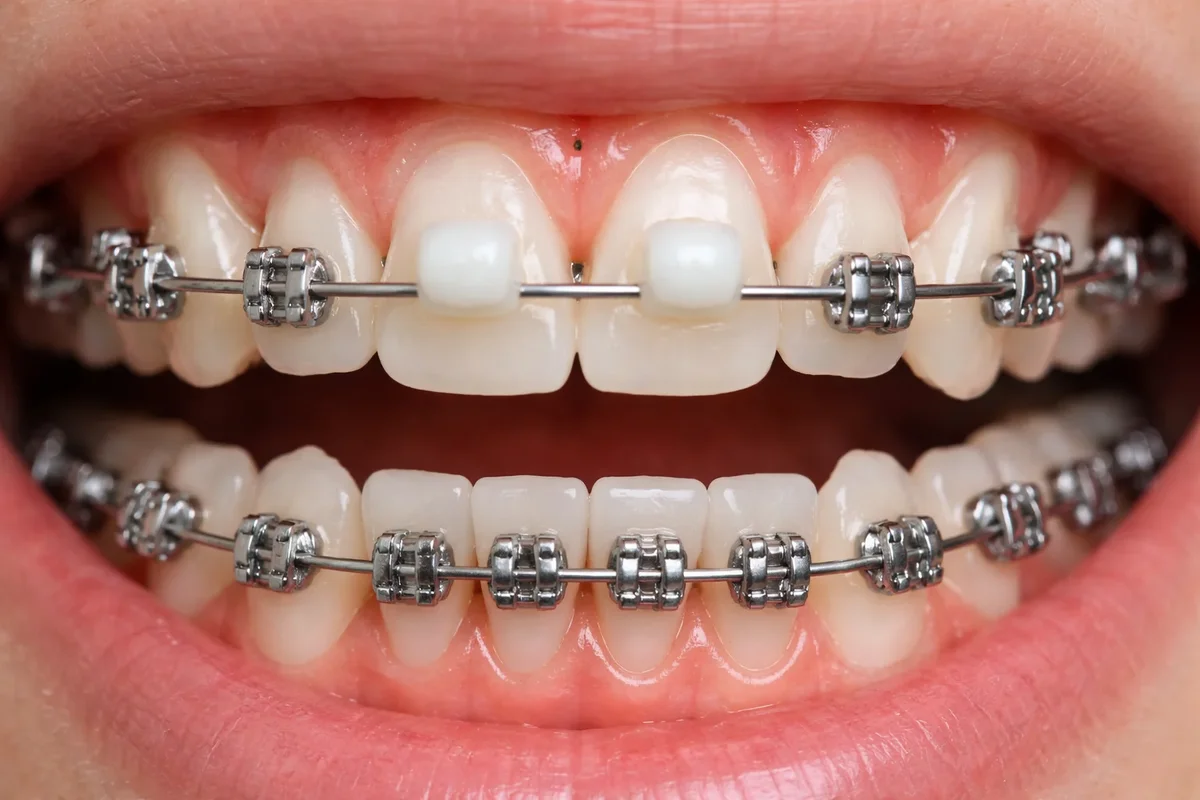
Turbo braces are an advanced orthodontic treatment method designed to improve bite alignment while protecting brackets and enhancing overall treatment efficiency. In many cases, turbo braces refer to small bite turbos—tiny composite buildups placed on specific teeth—to prevent deep overbites from interfering with brackets. By slightly opening the bite, turbo braces allow teeth to move more freely into their ideal position. This approach can significantly improve comfort, reduce bracket breakage, and accelerate certain phases of treatment.
Orthodontic treatment is not just about aesthetics. Properly aligned teeth improve chewing efficiency, reduce jaw strain, and lower the risk of long-term dental problems such as enamel wear and gum recession. According to the American Dental Association, maintaining correct bite alignment plays a critical role in long-term oral health. Turbo braces support this goal by ensuring that teeth move safely and efficiently during the correction process.
One of the most common reasons orthodontists recommend turbo braces is the presence of a deep bite. In patients with severe overbite conditions, the upper teeth may completely overlap the lower teeth. This can cause brackets on the lower teeth to break frequently when the patient bites down. Turbo braces create a slight separation between upper and lower teeth, preventing damage and making treatment smoother. 🔬
Many patients worry that turbo braces are a completely different type of braces. In reality, turbo braces are typically used alongside traditional metal braces or ceramic braces. They enhance the functionality of the overall system. Some orthodontists also refer to them as bite turbos or bite blocks, but the principle remains the same: improve treatment mechanics and efficiency.
From a patient’s perspective, turbo braces may feel slightly unusual at first. Because they temporarily change the way your teeth come together, speaking and chewing may require a short adjustment period. However, most patients adapt within a few days. The benefits of turbo braces far outweigh this temporary inconvenience, especially when it helps prevent emergency visits due to broken brackets.
Another advantage of turbo braces is their role in protecting tooth enamel. When a deep overbite is left untreated, constant pressure between teeth can wear down enamel over time. By correcting bite positioning early in treatment, turbo braces help distribute forces more evenly. This contributes to healthier teeth in the long term. 🦷
Turbo braces are also valuable for improving treatment predictability. Orthodontic tooth movement depends on controlled forces. When the bite interferes with bracket positioning, tooth movement can slow down or become inconsistent. By stabilizing the bite, turbo braces allow orthodontists to apply forces more precisely, leading to more reliable results.
It is important to understand that turbo braces are customized for each patient. The size, shape, and placement of the bite turbos depend on the specific orthodontic issue being treated. Some are placed behind the upper front teeth, while others may be attached to molars. Your orthodontist will determine the most appropriate configuration based on your bite analysis and digital imaging.
Patients often ask whether turbo braces shorten overall treatment time. While every case is different, turbo braces can help prevent delays caused by bracket breakage and inefficient tooth movement. By optimizing bite position from the beginning, they may contribute to a smoother and sometimes faster treatment journey. ⏳
In addition to functional benefits, turbo braces indirectly enhance aesthetic outcomes. Proper bite correction ensures that once braces are removed, the smile is not only straight but also well-balanced and harmonious. A beautiful smile depends on more than straight teeth—it requires correct alignment between upper and lower arches.
If you are considering orthodontic treatment and want to know whether turbo braces are suitable for you, professional evaluation is essential. A detailed examination, including digital scans and bite analysis, will help determine whether turbo braces are necessary in your case. For personalized guidance and expert consultation, you can visit the Redent Klinik Contact Page to speak with a qualified dental professional.
In summary, turbo braces are not just a minor add-on; they are a strategic orthodontic tool designed to improve efficiency, protect brackets, and enhance bite correction. By creating controlled spacing between upper and lower teeth, turbo braces make it easier to achieve long-lasting, healthy, and aesthetically pleasing results. Whether you are an adult seeking discreet correction or a teenager beginning orthodontic treatment, understanding how turbo braces work empowers you to make informed decisions about your smile transformation. 🌟
1. What Are Turbo Braces and How Do They Work?
Understanding how turbo braces function begins with understanding bite mechanics. During orthodontic treatment, teeth are guided into new positions using controlled pressure from brackets and archwires. However, in patients with deep overbite or excessive vertical overlap, the upper teeth may collide with the lower brackets. This constant interference can slow progress, cause bracket breakage, and create discomfort. Turbo braces are specifically designed to solve this problem by gently modifying the bite relationship during treatment. 🦷
Turbo braces are small, tooth-colored composite buildups or specialized attachments placed strategically on certain teeth. Their main purpose is to temporarily prevent the upper and lower teeth from fully touching in a problematic way. By slightly opening the bite, turbo braces allow orthodontic brackets to function without obstruction, improving treatment efficiency and protecting hardware.
How Turbo Braces Modify Bite Alignment
The key function of turbo braces is bite disclusion. When placed correctly, turbo braces create a small gap between the upper and lower arches. This controlled separation reduces direct pressure on brackets, particularly on the lower front teeth, which are most vulnerable in deep bite cases. By preventing heavy contact, turbo braces reduce the risk of bracket detachment and enamel wear.
Orthodontists determine the exact placement of turbo braces based on digital imaging, bite analysis, and facial structure assessment. In many cases, turbo braces are bonded to the back of the upper front teeth. In other situations, they may be placed on molars to act as posterior bite blocks. The customization of turbo braces ensures that they work in harmony with the overall orthodontic treatment plan.
Once turbo braces are in place, patients may initially notice that their back teeth do not fully touch. This is intentional. Over time, as teeth move into corrected positions, the bite gradually stabilizes. Turbo braces guide this transition by ensuring that tooth movement occurs without mechanical interference. ⚙️
The Science Behind Controlled Tooth Movement
Orthodontic treatment depends on consistent and properly directed force. When the bite is unstable, force distribution becomes uneven. Turbo braces improve force management by stabilizing vertical spacing between the arches. This creates an environment where archwires can move teeth more predictably.
In deep bite correction, one goal is often to intrude the upper incisors or extrude posterior teeth. Turbo braces assist in these vertical adjustments by allowing space for controlled repositioning. Without turbo braces, the constant pressure from an overlapping bite could resist these movements and extend treatment time.
Materials Used in Turbo Braces
Most turbo braces are made from durable composite resin, similar to the material used for tooth-colored fillings. This ensures they are strong enough to withstand chewing forces while remaining relatively discreet. In some cases, metal bite turbos may be used, especially when additional durability is required.
The bonding procedure for turbo braces is quick and painless. The orthodontist prepares the enamel surface, applies bonding agent, and cures the composite material using a special light. The entire process typically takes only a few minutes per tooth. No drilling or anesthesia is required in most cases.
How Turbo Braces Improve Treatment Efficiency
One of the biggest advantages of turbo braces is their ability to prevent treatment delays. Broken brackets can interrupt progress and require emergency appointments. By protecting vulnerable brackets from excessive contact, turbo braces minimize these interruptions.
Additionally, turbo braces support early bite correction. Instead of waiting until later stages of treatment to address vertical overlap, orthodontists can start correcting the deep bite from the beginning. This proactive approach often leads to smoother transitions between treatment phases.
Patients sometimes worry that turbo braces will permanently change their bite. It is important to understand that turbo braces are temporary. Once the desired tooth movement is achieved and the bite stabilizes, they are removed safely without damaging enamel. The underlying orthodontic correction remains intact.
Adjustment Period and Adaptation
After placement, turbo braces may feel unusual for several days. Speech may sound slightly different, and chewing may require small adjustments. However, the tongue and jaw muscles adapt quickly. Most patients report that within one week, turbo braces feel like a natural part of their orthodontic appliances. 😊
Eating softer foods during the first few days can help ease the transition. Over time, patients resume normal eating habits while avoiding excessively hard or sticky foods that could dislodge attachments.
In summary, turbo braces are a strategic orthodontic enhancement designed to improve bite mechanics, protect brackets, and optimize tooth movement. By temporarily opening the bite and stabilizing vertical alignment, turbo braces create the ideal conditions for efficient orthodontic correction. Their role may seem small, but their impact on treatment success can be significant. When properly planned and professionally placed, turbo braces help ensure that orthodontic treatment progresses smoothly toward a balanced, functional, and aesthetically pleasing smile. ✨
2. Who Is an Ideal Candidate for Turbo Braces?
Not every orthodontic patient requires turbo braces, but for certain bite conditions, they can make a significant difference in treatment comfort, efficiency, and overall success. Turbo braces are typically recommended when specific mechanical challenges exist that could interfere with proper bracket function or controlled tooth movement. Understanding whether you are an ideal candidate for turbo braces requires a detailed orthodontic evaluation, including digital scans, bite analysis, and facial assessment. 🦷
Turbo braces are most commonly used in patients with deep overbite, also known as excessive vertical overlap. In this condition, the upper front teeth significantly overlap the lower front teeth when biting down. Without intervention, this overlap can cause lower brackets to repeatedly hit the upper teeth, increasing the risk of bracket breakage and slowing progress. Turbo braces create the necessary separation to prevent this interference.
Patients with Deep Overbite (Excessive Vertical Overlap)
One of the primary groups who benefit from turbo braces includes patients diagnosed with deep bite malocclusion. In moderate to severe cases, the lower front teeth may even touch the gum tissue behind the upper teeth. This can lead to enamel wear, gum irritation, and long-term damage if not corrected.
By incorporating turbo braces early in treatment, orthodontists can safely open the bite and allow vertical correction to begin immediately. The presence of turbo braces reduces excessive pressure between the upper and lower incisors, allowing controlled intrusion or extrusion movements to take place without obstruction.
Signs You May Have a Deep Bite
- Upper front teeth significantly cover lower front teeth
- Frequent lower bracket breakage during braces treatment
- Jaw discomfort or tension when biting
- Noticeable wear on lower incisors
If these symptoms are present, turbo braces may be recommended as part of your orthodontic plan. Early intervention improves both functional and aesthetic outcomes. 😊
Teenagers and Growing Patients
Adolescents undergoing orthodontic treatment are often excellent candidates for turbo braces. Because their jaws are still developing, vertical bite correction can be achieved more efficiently during growth phases. Turbo braces assist in guiding this growth in a controlled manner, especially when correcting deep overbite in teenage patients.
In growing patients, turbo braces help protect brackets during sports, eating, and daily activities. Since teenagers may be more prone to bracket damage due to lifestyle factors, turbo braces add an extra layer of mechanical protection. This reduces emergency visits and keeps treatment on schedule.
Adults with Complex Orthodontic Needs
Adults seeking orthodontic treatment are also strong candidates for turbo braces, particularly if they present with long-standing deep bite issues. In adults, untreated vertical misalignment may have already caused enamel wear or gum recession. Turbo braces help stabilize the bite so that correction can proceed without additional trauma to the teeth.
Unlike children, adults have fully developed jaw structures, so bite correction may rely more heavily on controlled tooth movement rather than growth modification. Turbo braces provide the mechanical advantage needed to support these movements safely and predictably.
Patients Undergoing Comprehensive Orthodontic Treatment
Turbo braces are often used in combination with traditional metal braces, ceramic braces, or even certain clear aligner cases that require auxiliary bite support. They are not a standalone treatment but rather a complementary tool. Patients undergoing full-arch orthodontic correction are more likely to benefit from turbo braces than those receiving minor cosmetic adjustments.
Patients Experiencing Repeated Bracket Breakage
If you have already started braces treatment and find yourself frequently returning to the orthodontist due to broken lower brackets, turbo braces may be the solution. Continuous bracket failure often indicates excessive occlusal interference. Turbo braces prevent upper teeth from striking lower brackets during chewing or speaking.
By minimizing bracket damage, turbo braces improve overall treatment stability. This reduces delays and enhances patient satisfaction throughout the orthodontic journey.
Who May Not Need Turbo Braces?
Patients with mild alignment issues and normal bite relationships may not require turbo braces. If there is minimal vertical overlap and no bracket interference, orthodontic treatment can proceed effectively without them. Your orthodontist will only recommend turbo braces if they provide a clear mechanical advantage in your specific case.
Additionally, individuals with open bite conditions typically do not need turbo braces because their upper and lower teeth already have limited contact. In such cases, different orthodontic strategies are used.
Professional Evaluation Is Essential
Determining whether turbo braces are appropriate cannot be done through self-diagnosis alone. Comprehensive clinical evaluation is required. This includes intraoral photographs, digital impressions, panoramic X-rays, and cephalometric analysis. These diagnostic tools help orthodontists identify vertical discrepancies and decide whether turbo braces will enhance treatment outcomes.
Ultimately, the ideal candidate for turbo braces is someone whose bite mechanics would otherwise interfere with efficient orthodontic correction. Whether you are a teenager beginning your orthodontic journey or an adult seeking long-overdue treatment, turbo braces may provide the stability and protection needed to achieve long-lasting results. ✨
By addressing vertical alignment challenges early, turbo braces support smoother tooth movement, protect orthodontic appliances, and contribute to healthier long-term bite function. If you suspect you may benefit from turbo braces, consulting with an experienced orthodontic professional is the most important first step toward achieving a balanced, confident smile.
3. Turbo Braces vs Traditional Braces: Key Differences
When patients begin researching orthodontic treatment, one of the most common questions is how turbo braces differ from traditional braces. While both systems are designed to straighten teeth and correct bite alignment, turbo braces serve a very specific mechanical function that enhances the effectiveness of conventional orthodontic appliances. Understanding these differences helps patients make informed decisions and sets realistic expectations for treatment outcomes. 😊
Traditional braces consist of brackets bonded to the teeth and connected by archwires that apply controlled pressure to guide tooth movement. Turbo braces, on the other hand, are not a separate full orthodontic system. Instead, turbo braces are auxiliary components added to traditional braces when necessary. Their primary role is to temporarily open the bite and prevent upper and lower teeth from interfering with bracket positioning.
Structural Differences Between Turbo Braces and Traditional Braces
Traditional braces include brackets, wires, elastic ligatures, and sometimes additional components such as springs or elastics. These elements work together to apply consistent pressure and gradually move teeth into alignment.
Turbo braces, however, are typically small composite or metal attachments placed on specific teeth. Unlike brackets, turbo braces do not directly move teeth. Instead, turbo braces modify the vertical bite relationship to allow traditional braces to work more efficiently.
In deep overbite cases, lower brackets may repeatedly hit the back of upper teeth. Turbo braces create a controlled separation, protecting brackets from excessive force. Without turbo braces, treatment may be interrupted by frequent repairs and inconsistent progress.
Purpose and Function Comparison
- Traditional braces: Straighten teeth and correct alignment.
- Turbo braces: Open the bite and prevent bracket interference.
- Traditional braces: Apply horizontal and vertical tooth movement forces.
- Turbo braces: Provide vertical spacing for safer force application.
While traditional braces are the primary treatment tool, turbo braces act as supportive components that enhance treatment stability. 🦷
Treatment Experience and Comfort
Patients often wonder whether turbo braces feel different from traditional braces. The initial adjustment period can be slightly more noticeable with turbo braces because they temporarily alter how the teeth come together. You may feel that your back teeth do not fully touch for several days. This sensation is normal and gradually becomes less noticeable.
Traditional braces typically cause mild soreness after wire adjustments. Turbo braces may add a short adaptation period due to the modified bite position. However, most patients adapt within one week. In fact, by preventing bracket breakage and reducing emergency visits, turbo braces can ultimately make the overall treatment experience smoother and less stressful.
Efficiency and Treatment Time
Traditional braces alone can effectively correct most orthodontic issues. However, in deep bite cases, untreated vertical interference can slow down progress. Turbo braces help eliminate this mechanical obstacle, allowing traditional braces to perform optimally.
By protecting lower brackets and improving force distribution, turbo braces may reduce delays caused by broken brackets or inefficient tooth movement. While treatment time varies depending on complexity, the addition of turbo braces often contributes to a more predictable and stable timeline. ⏳
Impact on Complex Cases
In mild alignment cases, traditional braces may be sufficient without turbo braces. However, in moderate to severe malocclusions—especially deep overbite conditions—turbo braces become highly beneficial. They support vertical correction from the beginning of treatment rather than postponing it to later stages.
This proactive approach enhances treatment planning and reduces the need for reactive adjustments later on.
Aesthetic Considerations
Traditional braces are available in metal or ceramic options, depending on patient preference. Turbo braces are typically small and tooth-colored when made from composite resin, making them relatively discreet. Although they are visible when smiling widely, they are much less noticeable than full brackets.
Since turbo braces are temporary, they are removed once vertical correction is achieved. The overall aesthetic impact is minimal compared to the long-term functional benefits they provide.
Maintenance and Care Differences
Oral hygiene is important for both traditional braces and turbo braces. However, patients with turbo braces should pay extra attention to cleaning around the composite attachments. Food particles can accumulate if brushing technique is not thorough.
Fortunately, maintaining turbo braces is straightforward. Brushing after meals, using interdental brushes, and flossing with orthodontic tools help keep the area clean. Your orthodontist will provide specific instructions tailored to your case.
Are Turbo Braces a Replacement for Traditional Braces?
No, turbo braces are not a replacement for traditional braces. They are an enhancement used when bite mechanics require additional control. Think of turbo braces as a supportive feature rather than a standalone treatment option.
Traditional braces remain the core system responsible for tooth movement. Turbo braces simply create the optimal conditions for that movement to occur safely and efficiently.
In summary, the key difference between turbo braces and traditional braces lies in their function. Traditional braces actively move teeth into alignment, while turbo braces improve bite mechanics to support that movement. When used together in appropriate cases, turbo braces enhance protection, efficiency, and overall treatment predictability. By addressing vertical interference early, turbo braces contribute to smoother orthodontic correction and long-lasting smile results. ✨
4. Benefits of Choosing Turbo Braces for Orthodontic Treatment
Choosing the right orthodontic approach can significantly influence both the comfort and success of your smile transformation. While traditional braces remain highly effective, the addition of turbo braces in certain cases provides measurable advantages that improve treatment stability and efficiency. Turbo braces are not simply optional accessories—they are strategic tools designed to enhance outcomes, particularly in patients with deep bite or vertical overlap issues. Understanding the benefits of turbo braces helps patients feel confident about why their orthodontist may recommend them. 😊
Turbo braces are primarily used to create controlled separation between upper and lower teeth. This small adjustment has a powerful impact on overall treatment mechanics. By reducing unwanted tooth contact, turbo braces protect brackets, optimize force distribution, and allow smoother tooth movement throughout the orthodontic process.
Improved Bite Correction from the Beginning
One of the most significant advantages of turbo braces is early bite correction. In patients with deep overbite, untreated vertical overlap can interfere with bracket positioning and limit efficient tooth movement. Turbo braces address this issue immediately by opening the bite slightly and creating space for vertical adjustments.
This early intervention prevents prolonged mechanical interference and allows orthodontists to begin correcting vertical discrepancies from the first stages of treatment. As a result, turbo braces contribute to more predictable progress and reduce the risk of late-stage complications.
Prevention of Enamel Wear
Deep bite conditions can cause excessive pressure between upper and lower incisors, leading to enamel erosion over time. By modifying how the teeth meet, turbo braces reduce direct pressure on vulnerable areas. This protective function supports long-term dental health and minimizes the risk of structural damage. 🦷
Reduced Bracket Breakage and Fewer Emergencies
Frequent bracket breakage is one of the most frustrating aspects of orthodontic treatment. When lower brackets repeatedly hit upper teeth during chewing or speaking, they can detach from the enamel surface. Turbo braces prevent this direct collision by maintaining a safe vertical distance between arches.
With turbo braces in place, patients often experience fewer emergency repair visits. This keeps treatment on schedule and reduces interruptions that could delay progress. Over time, fewer bracket failures translate into a smoother and more efficient orthodontic journey.
Enhanced Treatment Efficiency
Orthodontic treatment relies on carefully calibrated forces applied through wires and brackets. When vertical interference disrupts these forces, movement can become less predictable. Turbo braces eliminate this mechanical obstacle, allowing traditional braces to function at their full potential.
By stabilizing the bite, turbo braces help ensure that applied forces move teeth precisely as planned. This increased control can shorten certain treatment phases and improve overall efficiency. While total treatment time depends on individual complexity, turbo braces often contribute to more consistent results. ⏳
Better Force Distribution
Uneven bite pressure can create strain on specific teeth or brackets. Turbo braces redistribute occlusal forces by preventing heavy contact in sensitive areas. This balanced force distribution reduces discomfort and enhances the stability of orthodontic appliances.
Improved Comfort Over Time
Although there may be a short adjustment period, turbo braces ultimately improve comfort throughout treatment. By preventing brackets from being repeatedly struck, they reduce localized irritation and soreness caused by mechanical interference.
Patients typically adapt to turbo braces within several days. Once accustomed to the slight bite modification, most individuals report that chewing and speaking feel normal again. The long-term comfort benefits outweigh the initial adaptation phase.
Support for Complex Orthodontic Cases
In moderate to severe malocclusion cases, turbo braces provide an additional layer of biomechanical support. For example, in patients requiring significant vertical correction, turbo braces assist in guiding controlled intrusion or extrusion movements.
Without turbo braces, complex bite adjustments may require more reactive interventions later in treatment. By addressing vertical challenges proactively, turbo braces enhance the overall predictability of complex orthodontic plans.
Aesthetic and Functional Long-Term Results
The ultimate goal of orthodontic treatment is not only straight teeth but also a balanced, functional bite. Turbo braces contribute to this objective by ensuring proper alignment between upper and lower arches. Once removed, the improved bite relationship remains stable, supporting both aesthetics and function.
A well-corrected bite reduces strain on the jaw joints and supports efficient chewing patterns. In this way, turbo braces indirectly contribute to long-term oral health beyond cosmetic improvement. ✨
Temporary and Minimally Invasive
Another major benefit of turbo braces is that they are temporary. Once sufficient vertical correction has been achieved, they are safely removed without damaging enamel. The bonding material is carefully polished away, leaving the tooth surface smooth and intact.
The placement procedure is simple and non-invasive. No drilling or anesthesia is typically required, making turbo braces a comfortable addition to orthodontic treatment.
In summary, turbo braces offer multiple advantages: improved bite correction, protection against bracket breakage, enhanced force control, and long-term functional benefits. By creating optimal mechanical conditions for tooth movement, turbo braces strengthen the effectiveness of traditional orthodontic systems. For patients with deep bite or complex alignment needs, turbo braces are not just helpful—they are often essential for achieving stable, healthy, and lasting smile results. 😊
5. Treatment Timeline: How Long Do Turbo Braces Take?
One of the most common questions patients ask before starting orthodontic care is how long the treatment will take. When turbo braces are included in the plan, patients often wonder whether they will extend or shorten the overall process. The answer depends on the complexity of the case, the severity of the bite problem, and how the teeth respond to controlled movement. However, in many situations, turbo braces actually improve efficiency by preventing delays and supporting early bite correction. ⏳
It is important to clarify that turbo braces are not a separate orthodontic system with their own independent timeline. Instead, turbo braces are used temporarily during specific phases of treatment to correct vertical overlap and protect brackets. Their duration depends entirely on how quickly the bite stabilizes and the orthodontic goals are achieved.
Average Duration of Turbo Braces Use
In most cases, turbo braces remain in place for approximately 3 to 9 months. This period allows sufficient vertical adjustment and prevents lower bracket interference during the most critical phase of tooth movement. Once the deep bite improves and the upper and lower arches align properly, turbo braces can be safely removed.
For mild cases, turbo braces may only be necessary for a few months. In more complex deep bite situations, they may remain slightly longer. The key factor is not time alone but measurable bite correction progress.
What Determines the Duration?
- Severity of deep overbite
- Patient age and jaw flexibility
- Type of orthodontic appliance used
- Consistency in attending follow-up appointments
- Overall oral health condition
Because turbo braces directly influence vertical bite mechanics, their removal is carefully timed based on clinical evaluation rather than a fixed schedule.
Overall Orthodontic Treatment Timeline
The total duration of orthodontic treatment with traditional braces typically ranges between 12 and 24 months. The inclusion of turbo braces does not usually extend this timeframe. In fact, turbo braces often prevent setbacks caused by broken brackets or inefficient vertical correction.
Without turbo braces, repeated bracket failures in deep bite cases could delay progress significantly. Each repair appointment adds time to the overall treatment. By preventing these interruptions, turbo braces contribute to smoother progression from start to finish. 😊
Phase-by-Phase Breakdown
Phase 1: Initial Alignment (0–3 Months)
During the early stage of orthodontic treatment, light wires are used to begin aligning teeth. If a deep bite is present, turbo braces are often placed at the start. This ensures that alignment occurs without mechanical interference from overlapping teeth.
Phase 2: Bite Correction (3–9 Months)
This phase focuses heavily on vertical and horizontal adjustments. Turbo braces play a critical role here by maintaining controlled separation between the arches. As vertical overlap decreases, the need for turbo braces gradually diminishes.
Phase 3: Finishing and Detailing (9–24 Months)
Once the bite stabilizes, turbo braces are removed. The orthodontist then focuses on refining tooth positioning, adjusting elastics if needed, and ensuring balanced occlusion. The absence of turbo braces during this stage allows natural bite contact to finalize properly.
Do Turbo Braces Speed Up Treatment?
While turbo braces do not magically shorten orthodontic treatment, they improve mechanical efficiency. By eliminating obstacles that slow down vertical correction, turbo braces may reduce the risk of prolonged treatment caused by repeated repairs or unstable bite forces.
In deep bite patients, starting vertical correction early prevents the need for aggressive adjustments later. This proactive approach often makes the entire process more predictable and stable.
Patient Adaptation and Progress Monitoring
Patients typically adapt to turbo braces within one week. During this time, chewing and speaking patterns may feel slightly different. However, adaptation occurs quickly, and regular follow-up appointments allow orthodontists to monitor progress closely.
Progress is evaluated using visual examinations, bite analysis, and sometimes updated digital scans. When sufficient correction is achieved, turbo braces are carefully removed using a polishing technique that preserves enamel integrity. 🦷
Factors That Can Influence Timeline
Even with turbo braces in place, patient cooperation plays a vital role. Maintaining excellent oral hygiene, avoiding hard or sticky foods, and attending scheduled visits help ensure smooth progress. Poor hygiene or missed appointments can slow down treatment regardless of whether turbo braces are used.
Additionally, individual biological response varies. Some patients experience faster tooth movement due to natural bone remodeling patterns, while others may require slightly longer adjustment periods.
Long-Term Stability After Removal
Once turbo braces are removed, the improved bite relationship continues to support long-term stability. Retainers are typically provided after braces removal to maintain alignment and prevent relapse. The earlier vertical correction achieved with turbo braces contributes to balanced occlusion that is more likely to remain stable over time.
In summary, turbo braces are generally used for several months during the most critical stages of orthodontic correction. They do not extend treatment unnecessarily—in fact, they often prevent delays and improve overall efficiency. By supporting early vertical alignment and protecting brackets from damage, turbo braces help ensure that your orthodontic journey progresses smoothly toward a healthy, well-aligned smile. ✨
6. Are Turbo Braces Painful? What to Expect
One of the biggest concerns patients have before starting orthodontic treatment is pain. When turbo braces are added to a treatment plan, it is natural to wonder whether they will increase discomfort. The short answer is that turbo braces may cause temporary sensitivity during the adjustment period, but they are not considered painful in a severe or long-term way. In fact, by preventing mechanical interference and bracket damage, turbo braces often reduce overall discomfort throughout treatment. 😊
Turbo braces work by slightly opening the bite to prevent upper and lower teeth from contacting each other in a way that disrupts orthodontic progress. Because turbo braces temporarily change how your teeth meet when you bite down, there is usually a short adaptation phase. During this time, your jaw muscles and tongue adjust to the new positioning.
What Does It Feel Like When Turbo Braces Are First Placed?
Immediately after placement, turbo braces may feel unusual rather than painful. Patients often describe the sensation as “different” or “strange” because their back teeth may not touch fully. This is completely intentional. Turbo braces are designed to create a slight vertical gap that protects brackets and improves bite correction.
Some mild pressure or tenderness may be felt in the first few days. However, this is similar to the discomfort experienced after standard orthodontic adjustments. The sensation is generally manageable and subsides as your mouth adapts.
Common Early Sensations
- Mild jaw muscle fatigue
- Temporary chewing difficulty
- Slight speech adjustment
- Increased awareness of tooth contact
These symptoms typically improve within 3 to 7 days. Most patients adapt quickly and no longer notice the turbo braces after the first week. 🦷
Do Turbo Braces Cause Tooth Pain?
Turbo braces themselves do not directly move teeth. Instead, they create the proper environment for traditional braces to move teeth effectively. Any soreness you feel is usually related to orthodontic force from archwires rather than the turbo braces attachment.
Because turbo braces prevent upper teeth from striking lower brackets, they often reduce sharp discomfort caused by bracket collisions. In deep bite cases, the absence of turbo braces could actually result in more irritation due to repeated impact between teeth and brackets.
How Long Does Discomfort Last?
Most patients experience minor discomfort for a few days after turbo braces are placed. The body adapts quickly to new bite mechanics. After the initial adjustment phase, turbo braces typically become barely noticeable.
When turbo braces are removed later in treatment, there is usually little to no discomfort. The removal process involves polishing off the bonding material carefully, and it does not require anesthesia in most cases.
Tips to Manage Initial Sensitivity
- Choose soft foods during the first few days
- Avoid very hard or sticky snacks
- Use orthodontic wax if any irritation occurs
- Take mild over-the-counter pain relievers if recommended by your dentist
These simple steps can make the adaptation period much more comfortable. 😊
Speech and Eating Adjustments
Some patients notice slight speech changes when turbo braces are first placed, especially if they are attached behind the upper front teeth. Certain sounds may feel different for a short time. However, the tongue adjusts quickly, and normal speech returns within days.
Eating may also require minor adaptation. Because turbo braces create separation between the arches, chewing patterns shift slightly at first. Cutting food into smaller pieces and chewing slowly during the first week helps ease the transition.
Are Turbo Braces Safe?
Turbo braces are considered a safe and conservative orthodontic enhancement. They are bonded using the same type of dental composite material commonly used in restorative dentistry. The placement process does not damage enamel when performed by a qualified professional.
Additionally, turbo braces can prevent enamel wear in patients with deep overbite by reducing excessive contact pressure. In this way, turbo braces not only improve orthodontic mechanics but also contribute to long-term dental protection.
When to Contact Your Orthodontist
Although discomfort is usually mild, you should contact your orthodontist if you experience persistent pain lasting longer than two weeks, sharp pain during chewing, or if a turbo braces attachment becomes loose. Prompt evaluation ensures that treatment continues smoothly.
Regular follow-up appointments allow your orthodontist to monitor progress and ensure that turbo braces are functioning correctly. These visits are essential for maintaining comfort and optimizing bite correction.
Psychological Comfort and Confidence
Beyond physical comfort, understanding the purpose of turbo braces helps reduce anxiety. When patients know that turbo braces are protecting their brackets and improving bite alignment, they often feel more confident and reassured about the process. Education plays a major role in perceived comfort. ✨
In summary, turbo braces may feel unusual at first but are not typically painful. Most discomfort is temporary and related to bite adaptation rather than the attachments themselves. By preventing bracket damage and supporting efficient tooth movement, turbo braces often make the overall orthodontic experience smoother and less stressful. With proper care and guidance, patients quickly adjust and continue their journey toward a healthy, balanced smile with confidence.
7. Cost of Turbo Braces in 2026: Price Breakdown
Understanding the financial aspect of orthodontic treatment is just as important as understanding the clinical process. When patients hear about turbo braces, they often ask whether these attachments increase the overall cost of treatment. The good news is that in most cases, turbo braces do not represent a separate major expense. Instead, turbo braces are typically included as part of a comprehensive orthodontic treatment plan. However, total pricing depends on several factors including location, case complexity, and the type of braces selected. 💰
Turbo braces are considered an auxiliary orthodontic component rather than a standalone treatment. Because of this, orthodontists usually incorporate turbo braces into the total cost of braces rather than charging them separately. That said, understanding the broader cost structure helps patients plan confidently.
Average Cost of Braces in 2026
The total cost of orthodontic treatment with traditional braces in 2026 varies by country and clinic standards. Below is a general global price overview:
United States
- Metal braces: $4,500 – $7,500
- Ceramic braces: $5,000 – $8,500
- Comprehensive orthodontic treatment (including turbo braces if needed): $5,000 – $9,000
United Kingdom
- Metal braces: £3,000 – £5,000
- Ceramic braces: £3,500 – £6,000
Turkey (Popular for Dental Tourism)
- Metal braces: $1,800 – $3,500
- Ceramic braces: $2,000 – $4,000
In most of these cases, turbo braces are included when clinically necessary. There is rarely an additional standalone charge for turbo braces unless the clinic operates under a highly itemized billing structure. 🦷
Do Turbo Braces Add Extra Fees?
Generally, turbo braces are part of the orthodontic strategy and are included in the global treatment fee. Because turbo braces are small composite attachments placed quickly during an appointment, they do not significantly increase chair time or material cost.
However, in rare cases where specialized bite turbos are required or if multiple replacements are needed due to accidental damage, a minor auxiliary fee may apply. Patients should always request a written treatment estimate before beginning care to understand what is included.
Factors That Influence the Total Cost
1. Case Complexity
Severe deep overbite cases requiring extended use of turbo braces and comprehensive correction may fall toward the higher end of the pricing range. More complex cases demand longer monitoring and advanced treatment planning.
2. Type of Braces
The overall system—metal, ceramic, or self-ligating braces—affects total cost more significantly than turbo braces themselves. Turbo braces function as a supportive feature regardless of bracket type.
3. Geographic Location
Orthodontic treatment costs vary significantly by country and city. Clinics in metropolitan areas often have higher operational costs, which can influence pricing.
4. Orthodontist’s Expertise
Specialists with advanced training and modern digital technology may charge higher fees, but they also offer greater precision and predictability in treatment planning that includes turbo braces.
Insurance and Payment Plans
Many dental insurance plans partially cover orthodontic treatment, especially for patients under 18. Turbo braces, being part of the overall orthodontic plan, are typically covered within the broader braces benefit. However, coverage varies by provider.
Most clinics offer flexible monthly payment plans to make treatment affordable. Instead of paying the full amount upfront, patients can divide the cost into manageable installments. This makes treatment with turbo braces accessible to a wider range of patients. 😊
Is Investing in Turbo Braces Worth It?
When evaluating cost, it is essential to consider long-term benefits. Turbo braces help prevent bracket breakage, reduce emergency visits, and improve treatment efficiency. Fewer repair appointments and smoother progress may indirectly reduce unexpected expenses.
Additionally, correcting deep bite early with turbo braces can prevent enamel wear and potential restorative costs in the future. From a preventive standpoint, turbo braces contribute to overall oral health stability.
Comparing Cost vs Value
Orthodontic treatment is not only a cosmetic investment but also a functional one. A properly aligned bite reduces jaw strain, supports efficient chewing, and enhances smile aesthetics. Turbo braces enhance these outcomes by ensuring vertical alignment is addressed correctly.
Choosing the lowest price without considering expertise and treatment planning may lead to complications. A qualified orthodontist who uses turbo braces appropriately can deliver more stable, long-lasting results. ✨
Questions to Ask During Consultation
- Are turbo braces included in the total cost?
- Will there be additional fees if replacements are needed?
- What payment plan options are available?
- Does insurance partially cover the treatment?
Clear communication ensures transparency and prevents financial surprises.
In summary, turbo braces are typically included within the comprehensive orthodontic treatment fee and do not significantly increase overall cost. While total pricing depends on case complexity, location, and brace type, the benefits of turbo braces often outweigh any minor additional expense. By improving treatment efficiency, protecting brackets, and supporting long-term bite health, turbo braces provide strong value within modern orthodontic care. Investing in proper orthodontic planning today can lead to healthier, more stable smiles for years to come. 😊
8. Caring for Your Teeth with Turbo Braces
Proper oral hygiene is essential during any orthodontic treatment, but when turbo braces are part of your plan, cleaning routines require even greater attention. Because turbo braces slightly change how your teeth meet and may create new areas where food can collect, maintaining excellent hygiene is critical for preventing plaque buildup, gum inflammation, and enamel staining. With the right daily habits and professional guidance, patients with turbo braces can maintain healthy teeth and gums throughout their orthodontic journey. 🦷
Turbo braces are typically bonded using composite material and positioned strategically to modify bite contact. While they are small, they introduce additional surfaces where bacteria can accumulate if not cleaned properly. Fortunately, caring for turbo braces is straightforward when consistent routines are followed.
Daily Brushing Techniques with Turbo Braces
Brushing at least twice a day—preferably after every meal—is crucial. When wearing turbo braces along with traditional brackets and wires, a soft-bristled orthodontic toothbrush or an electric toothbrush with an orthodontic head is highly recommended.
Step-by-Step Brushing Guide
- Angle the toothbrush at 45 degrees toward the gumline.
- Brush above and below each bracket carefully.
- Clean around the turbo braces attachments thoroughly.
- Brush chewing surfaces and the back of teeth.
- Spend at least two full minutes brushing.
Because turbo braces may prevent full contact between back teeth temporarily, food can sometimes linger in new areas. Taking extra time to brush gently but thoroughly helps prevent plaque buildup and white spot lesions. 😊
Flossing and Interdental Cleaning
Flossing can feel more challenging with braces and turbo braces in place, but it remains essential. Food debris trapped between teeth can lead to gum inflammation and cavities if not removed regularly.
Orthodontic floss threaders or specialized orthodontic floss make the process easier. Interdental brushes are also extremely helpful for cleaning around turbo braces attachments and under archwires.
Water Flossers as an Effective Alternative
Many orthodontists recommend water flossers for patients wearing turbo braces. A water flosser uses a pressurized stream of water to remove plaque and debris from hard-to-reach areas. While it should not completely replace traditional flossing, it significantly improves cleaning efficiency.
Dietary Considerations with Turbo Braces
Diet plays a major role in protecting orthodontic appliances. Turbo braces, like brackets, can be damaged by hard or sticky foods. Although they are durable, they are not indestructible.
Foods to Avoid
- Hard candies
- Chewing gum
- Sticky caramel
- Popcorn kernels
- Ice chewing
Soft foods are especially recommended during the first week after turbo braces placement. As you adapt, you can resume most normal foods, provided they are consumed carefully and cut into smaller pieces. 🍎
Managing Discomfort During Cleaning
In the early days after placement, turbo braces may cause mild sensitivity. Brushing gently during this period helps avoid irritation. Using toothpaste designed for sensitive teeth can also provide comfort.
If the turbo braces attachment feels rough against your tongue, orthodontic wax can be applied temporarily until adaptation occurs.
Professional Check-Ups and Monitoring
Regular orthodontic appointments are essential for monitoring both tooth movement and oral hygiene. During these visits, your orthodontist will check that turbo braces remain properly bonded and functioning as intended.
Professional cleanings every six months—or more frequently if recommended—help remove hardened plaque that cannot be eliminated through brushing alone. Dental hygienists are trained to clean safely around turbo braces and orthodontic hardware.
Protecting Enamel During Treatment
One of the indirect benefits of turbo braces is reducing enamel wear caused by deep bite pressure. However, poor hygiene can still lead to decalcification or staining around brackets.
Using fluoride toothpaste and fluoride mouth rinses helps strengthen enamel. In some cases, orthodontists may recommend additional fluoride treatments during check-ups to maintain enamel integrity throughout treatment.
What to Do If a Turbo Braces Attachment Becomes Loose
If you notice that one of your turbo braces attachments feels loose or detached, contact your orthodontist promptly. While it is not usually an emergency, a detached turbo braces component can interfere with treatment mechanics and bite control.
Avoid attempting to fix it yourself. Professional re-bonding ensures proper positioning and prevents accidental enamel damage.
Building Consistent Habits for Long-Term Success
Successful orthodontic outcomes depend heavily on patient cooperation. Turbo braces enhance treatment efficiency, but maintaining clean teeth and healthy gums ensures optimal results. Developing strong hygiene habits during treatment often leads to lifelong oral care discipline. ✨
In summary, caring for your teeth with turbo braces requires careful brushing, consistent flossing, smart dietary choices, and regular professional monitoring. Although turbo braces introduce minor adjustments to daily routines, they do not significantly complicate hygiene when proper techniques are followed. With dedication and guidance from your orthodontic team, you can maintain excellent oral health while benefiting from the efficiency and protection that turbo braces provide.
9. Frequently Asked Questions About Turbo Braces
As more patients learn about turbo braces, many practical questions arise regarding comfort, safety, effectiveness, and long-term results. Because turbo braces are often recommended in cases involving deep overbite or complex bite mechanics, understanding their purpose helps patients feel more confident during treatment. Below, we answer the most common and important questions about turbo braces in detail to ensure you have complete clarity before starting orthodontic care. 😊
What Exactly Are Turbo Braces?
Turbo braces are small composite or metal attachments placed on specific teeth to temporarily open the bite. They are not a separate orthodontic system but rather a supportive feature used alongside traditional braces. The main purpose of turbo braces is to prevent upper and lower teeth from colliding in a way that interferes with brackets or slows vertical correction.
By creating controlled spacing between the arches, turbo braces allow orthodontic wires and brackets to move teeth more efficiently. They are most commonly used in patients with deep overbite conditions.
How Long Will I Need Turbo Braces?
The duration of turbo braces depends on how quickly the vertical overlap improves. In most cases, turbo braces remain in place for approximately 3 to 9 months. Once sufficient bite correction has been achieved, they are carefully removed.
Removal of turbo braces is simple and painless. The orthodontist gently polishes away the bonding material without damaging enamel. After removal, the teeth gradually return to full contact as the bite stabilizes.
Do Turbo Braces Damage Teeth?
No, turbo braces do not damage healthy enamel when placed and removed properly. They are bonded using dental-grade composite material, similar to tooth-colored fillings. The placement process is minimally invasive and does not require drilling.
In fact, turbo braces can help protect teeth in deep bite cases by reducing excessive pressure between upper and lower incisors. By limiting harmful contact, turbo braces may prevent enamel wear and gum irritation over time. 🦷
Will Turbo Braces Affect My Speech?
Some patients experience minor speech changes during the first few days after turbo braces are placed, especially if they are positioned behind the upper front teeth. Certain sounds may feel slightly different. However, adaptation typically occurs within one week as the tongue adjusts to the new bite position.
Most patients report that speech returns to normal quickly and that turbo braces become barely noticeable after the initial adjustment phase.
Are Turbo Braces Visible?
Turbo braces are usually small and tooth-colored when made from composite resin. While they are visible upon close inspection, they are much less noticeable than traditional brackets. Since turbo braces are temporary, their aesthetic impact is minimal compared to the long-term functional benefits they provide.
Do Turbo Braces Make Treatment Faster?
Turbo braces do not directly accelerate tooth movement. However, by preventing bracket breakage and eliminating mechanical interference, turbo braces help maintain consistent treatment progress. In deep bite cases, early correction with turbo braces may reduce delays and improve overall efficiency.
Without turbo braces, repeated bracket repairs could prolong treatment. Therefore, while turbo braces are not a “shortcut,” they support smoother and more predictable orthodontic outcomes. ⏳
Can I Eat Normally with Turbo Braces?
You can eat most normal foods after a short adaptation period. During the first few days, softer foods are recommended as your jaw adjusts. Avoid hard, sticky, or crunchy foods that could dislodge brackets or turbo braces attachments.
Recommended Foods During Adjustment
- Yogurt
- Mashed potatoes
- Scrambled eggs
- Soft pasta
- Soup
Cutting food into smaller pieces and chewing slowly helps prevent discomfort and appliance damage.
What Happens If a Turbo Braces Attachment Falls Off?
If one of your turbo braces attachments becomes loose or detaches, contact your orthodontist. Although it is not typically an emergency, it may interfere with proper bite control if left uncorrected. Avoid trying to reattach it yourself.
Your orthodontist will assess whether immediate replacement is necessary to maintain treatment stability.
Are Turbo Braces Used with Clear Aligners?
In some cases, small bite ramps—similar in concept to turbo braces—may be incorporated into clear aligner treatment plans. While not identical, the purpose remains the same: to improve vertical bite mechanics and prevent interference during tooth movement.
However, traditional turbo braces are most commonly associated with fixed bracket systems rather than removable aligners.
Will My Bite Feel Normal After Removal?
Yes. Once turbo braces are removed, your teeth gradually resume natural contact as vertical alignment improves. Because turbo braces are used specifically to guide correction, their removal signals that sufficient bite adjustment has occurred.
Orthodontists carefully evaluate occlusion before removal to ensure stability and balanced function.
Are Turbo Braces Suitable for Adults?
Absolutely. Adults with deep bite or complex vertical misalignment can benefit greatly from turbo braces. Age does not limit their effectiveness. In fact, adult patients often appreciate the added protection turbo braces provide against bracket damage.
Orthodontic correction in adulthood may require slightly longer monitoring, but turbo braces remain a reliable and safe enhancement regardless of age.
In summary, turbo braces are a safe, temporary, and highly effective orthodontic tool used to improve bite mechanics and protect brackets. They may feel unusual at first, but they do not cause lasting discomfort or damage. By understanding how turbo braces work and what to expect, patients can approach treatment with confidence and clarity. With proper care, regular monitoring, and professional guidance, turbo braces contribute to a smoother orthodontic journey and long-lasting, healthy smile results. ✨