
Understanding the typical cost of dental implants is one of the first steps for anyone considering this life-changing treatment. Dental implants have become the gold standard for replacing missing teeth because they look natural, function like real teeth, and preserve jawbone health. However, patients often encounter confusing price ranges, unclear estimates, and inconsistent information online. This detailed guide breaks down everything you need to know in a clear, patient-friendly way so you can make confident, informed decisions about restoring your smile. 😊
In 2025, the typical cost of dental implants varies widely because the procedure involves multiple steps, specialized materials, and the expertise of trained implant dentists. Many clinics advertise low prices, but what patients often overlook is that these offers may not include essential components such as the implant post, abutment, or crown. To avoid surprises, it is crucial to understand how implant pricing works, what determines the final amount, and which factors create differences between clinics and countries. Properly evaluating these elements ensures you get the best value—not just the lowest number on paper.
Another important point is that the typical cost of dental implants is influenced by your personal oral condition. For example, if bone loss is present, a bone graft or sinus lift may be required before placing the implant. These additional procedures can add to the total investment but also significantly increase the long-term success rate of the treatment. Implants are designed to last for decades—sometimes even a lifetime—making them a more durable and cost-efficient option compared to dentures or bridges. This combination of longevity and functional benefit is why many patients view implants as a long-term health investment rather than a cosmetic expense.
When people search for the average price of dental implants—a common synonym used for this topic—they expect transparency. Therefore, this guide highlights pricing structures, treatment stages, and real-world considerations patients should know. Unlike temporary solutions, implants integrate with your jawbone, providing strength, stability, and natural chewing ability. Because of these advanced benefits, both material quality and dentist expertise play huge roles in determining the overall cost. These elements should never be compromised for the sake of choosing a cheaper option.
The American Dental Association provides ongoing guidelines for implant standards, research, and best clinical practices. You can explore more at
American Dental Association. Staying informed with authoritative resources like the ADA helps patients better understand what contributes to higher or lower treatment costs and why implant dentistry requires a high level of precision, training, and technology.
If you are considering implants or want a personalized price breakdown, you may also reach out directly through our clinic’s consultation channel here:
Redent Klinik Contact Page. Our team provides tailored assessments because your unique oral anatomy plays an essential role in determining the typical cost of dental implants. Custom evaluation ensures accuracy and prevents hidden surprises later in treatment.
Another factor most patients don’t realize is that dental implants are customizable. The implant itself can vary in brand, material, diameter, and design. Some systems are more advanced, offering stronger integration or faster healing. These innovations, while beneficial, can slightly influence the price. However, because implants are intended to last for many years, investing in higher-quality materials often results in fewer complications and more predictable outcomes. This is why the typical cost of dental implants may fluctuate but still represents a valuable long-term solution.
It’s also important to compare implants to alternative treatments. Dental bridges, for example, have lower upfront costs but typically last 7–10 years and may require reshaping healthy teeth. Dentures need periodic adjustment, replacement, and adhesives. These cumulative expenses may eventually surpass the typical cost of dental implants, especially when factoring in comfort, confidence, and oral function. Choosing implants reduces the likelihood of bone loss, slippage issues, or dietary restrictions—major advantages that significantly improve a patient’s quality of life.
This guide aims to answer not only “How much do implants cost?” but also “Why do they cost what they do?” and “What value do they provide?” Understanding the typical cost of dental implants empowers you to evaluate treatment proposals objectively and ask the right questions during consultations. By the end of this complete 2025 guide, you will have a comprehensive view of implant pricing, influencing factors, long-term benefits, and smart ways to budget for your treatment without compromising quality or safety. Your journey to a healthier, stronger smile begins with knowledge—and this detailed breakdown is the perfect starting point. 🌟
What Influences the Typical Cost of Dental Implants Today?
Understanding what influences the typical cost of dental implants is essential for anyone planning to undergo this transformative dental treatment. Patients often notice significant variations in prices from one clinic to another, and even between different countries. These differences are not random—each price factor plays a specific role in determining how much you will ultimately invest in restoring your smile. In this section, we will dive deeply into the variables that shape implant pricing, helping you decode why one treatment plan may cost more or less than another. By gaining clarity, you can make confident decisions that balance affordability with long-term success. 😄
Implant Materials and Manufacturing Technology
One of the most influential components affecting the typical cost of dental implants is the type of implant material and the manufacturing technology behind it. Premium brands use high-grade titanium or zirconia engineered for maximum biocompatibility and long-term durability. These materials integrate with the jawbone more effectively, increasing the success rate of the implant procedure. The more advanced the manufacturing process—such as laser-etched surfaces, enhanced integration coatings, and precision engineering—the more stable and long-lasting the implant will be. This, naturally, impacts the overall price.
For instance, zirconia implants often cost more due to their aesthetic benefits and hypoallergenic properties. Titanium implants, on the other hand, are more widely used and generally more affordable but still extremely durable. Both materials require strict quality control and medical-grade certification, contributing to the typical cost of dental implants.
Dentist Experience and Clinical Expertise
Another major factor in the typical cost of dental implants is the level of experience and expertise of the implant dentist. Implant dentistry requires extensive training, anatomical knowledge, surgical skill, and precision. Dentists who have undergone advanced implant courses or who specialize solely in implant procedures tend to charge higher fees. This is because their expertise significantly increases the accuracy and safety of the treatment, reducing the risk of complications.
An experienced implant dentist is also more likely to use advanced technology such as digital scanners, surgical guides, and 3D CBCT imaging to ensure precise implant placement. These tools improve outcomes and comfort for patients, but they also contribute to the overall typical cost of dental implants. When you pay for expertise, you are paying for reliability, experience, and peace of mind.
Geographic Location and Economic Factors
Where you choose to get treated plays a big role in determining the typical cost of dental implants. Prices in major metropolitan areas with high operational costs tend to be higher than those in smaller cities. Countries with elevated healthcare expenses and higher wage standards also reflect increased pricing.
In some regions, dental tourism has grown significantly because clinics offer lower prices without compromising quality. Factors such as rent, labor costs, and clinical overhead all play a role. For example, clinics in Western Europe or the United States generally charge more than clinics in Turkey or Eastern Europe, even when using the same implant brands and technology.
Complexity of the Individual Case
Your personal oral condition is one of the strongest determinants of the typical cost of dental implants. Some patients require a straightforward implant placement with healthy bone and gums. Others may need additional preparatory procedures to ensure long-term stability. The more complex the case, the more time, expertise, and materials are required, which directly impacts the final investment.
Common Factors That Add Complexity
- Bone loss requiring grafting
- Sinus lifting for upper jaw implants
- Gum disease treatment before implant placement
- Tooth extractions
- Custom implant sizing or angled placement
Each of these steps increases the treatment duration and materials involved, therefore influencing the typical cost of dental implants. While these procedures add to the total investment, they are vital for ensuring implant longevity and functionality.
Diagnostic Tools and Digital Planning
Modern implant dentistry relies heavily on digital technology to ensure accuracy. CBCT scans, intraoral scanners, digital impressions, and 3D treatment planning tools significantly enhance precision. These advanced diagnostic methods reduce the risk of surgical complications and make the overall process smoother. However, the equipment used is expensive, which adds to the typical cost of dental implants.
Digital surgical guides are especially valuable for complex cases. They allow the implant dentist to plan the procedure in advance, ensuring the implant is placed at the optimal angle and depth. This increases success rates and patient comfort.
Laboratory Fees and Custom Restorations
The crown attached to your implant is not mass-produced—it is custom-made to match your natural bite, color, and shape. High-quality dental laboratories use CAD/CAM technology and premium ceramic materials, which raise the cost. These restorations are crafted to look and function like natural teeth, providing long-term durability and aesthetic appeal.
Since the implant crown dramatically impacts appearance and chewing ability, investing in a well-made restoration is essential. This is another reason the typical cost of dental implants may vary between clinics.
Why Understanding These Factors Matters
When evaluating treatment plans, knowing what influences the typical cost of dental implants empowers you to ask the right questions. Instead of choosing based purely on the lowest price, patients can consider long-term durability, clinical safety, and professional expertise. Quality implants last decades, whereas poorly performed procedures can lead to complications that cost more to fix later.
If you want personalized guidance, your next step is scheduling a consultation through the
Redent Klinik Contact Page, where a specialist can assess your unique needs and provide a customized estimate.
Breaking Down Implant Pricing: Components You Actually Pay For
When patients begin researching the typical cost of dental implants, they are often surprised to learn that the final price represents several separate components rather than a single fee. Understanding these components is essential because it helps you identify what is included in a treatment quote, what may be missing, and why prices vary between clinics. Dental implants are highly customized medical devices, and every step— from planning to placement to final restoration— requires specialized materials, tools, and expertise. The goal of this detailed breakdown is to give you full transparency so you can make informed decisions about your oral health investment. 🦷✨
The Core Components of Implant Pricing
To understand the typical cost of dental implants, it’s important to look at the three primary components that almost every patient must pay for: the implant post, the abutment, and the final crown. These three parts make up the foundation of a complete dental implant system. Together, they determine both durability and long-term success.
1. The Implant Post (Fixture)
The implant post is the titanium or zirconia screw that is surgically placed into the jawbone. This component acts as the artificial tooth root, providing strength and stability. Titanium implants are the most common due to their exceptional biocompatibility and long track record of success. Zirconia implants, while more expensive, are chosen for their metal-free composition and aesthetic advantages.
Because the implant post must be manufactured to strict medical-grade standards, this significantly influences the typical cost of dental implants. Premium implant brands undergo rigorous testing, and many offer lifetime warranties, reflecting their reliability.
2. The Abutment
The abutment is the connector that attaches the implant post to the crown. Patients often underestimate the importance of this piece, but it plays a critical role in ensuring stability and proper alignment of the final restoration. Abutments can be prefabricated or custom-made using CAD/CAM technology.
A custom abutment typically adds to the typical cost of dental implants, but it offers superior fit, gum contouring, and long-term aesthetic benefits. In cases where the implant angle requires precision correction, custom abutments are essential.
3. The Final Crown
The implant crown is the visible part of the replacement tooth, crafted to match your natural teeth in shape, color, and translucency. High-quality crowns are designed using materials like zirconia or porcelain fused to metal (PFM). Zirconia crowns are more durable and stain resistant, which may increase pricing.
Because the crown determines the final appearance and biting function, investing in premium craftsmanship ensures long-term satisfaction. This component makes up a significant portion of the typical cost of dental implants.
Diagnostic & Planning Costs
Before surgery, your dentist must perform thorough diagnostic evaluations. These assessments allow the clinician to plan implant placement precisely, avoiding nerves, sinuses, and weak bone areas. Advanced imaging helps identify whether additional treatments are necessary to ensure implant stability.
Common Diagnostic Tools
- 3D CBCT scans for evaluating bone density and anatomical structures
- Intraoral scans for digital impressions
- Photographs and dental charting
- Diagnostic wax-ups or digital smile design
These tools contribute to the typical cost of dental implants because they require specialized equipment and trained technicians. However, they significantly reduce surgical risks and improve treatment accuracy.
Surgical Procedure Costs
The surgical phase includes the placement of the implant post into the jawbone. This is a complex procedure that demands a sterile environment, surgical expertise, and high-quality tools. In many clinics, the fee also includes postoperative care, follow-up appointments, and imaging to monitor healing.
Factors That Influence Surgical Pricing
- Use of surgical guides for precision placement
- Anesthesia or sedation options
- Soft tissue management
- Bone grafting if needed
Because this procedure is the foundation of the entire treatment, it naturally forms a major part of the typical cost of dental implants. Clinics that use advanced technology such as computer-guided surgery may charge more, but these methods improve accuracy and reduce complications.
Laboratory & Customization Fees
Your implant crown is custom-made in a dental laboratory. Skilled technicians use digital engineering tools, quality ceramics, and shading techniques to craft a lifelike restoration. The more customized the crown— such as layered porcelain or premium zirconia— the higher the lab fee.
Because craftsmanship directly affects aesthetics and chewing function, this step contributes a notable portion to the typical cost of dental implants. High-end labs produce crowns that offer better natural translucency and durability.
Aftercare, Healing Components & Follow-Up Visits
Implant treatment does not end after surgery. Follow-up appointments ensure proper healing and integration. Additional components such as healing abutments, temporary crowns, or protective caps may be required.
These items also influence the typical cost of dental implants, especially when multiple visits are necessary. Aftercare appointments are essential for long-term success and should not be overlooked when evaluating the full treatment price.
Understanding the Full Picture
When you receive a treatment estimate, always verify what is included. Some clinics advertise low prices but exclude essential components, leading to unexpected costs later. A transparent breakdown allows you to compare clinics fairly and avoid misleading advertisements.
If you’d like personalized cost guidance tailored to your case, you can reach us through the
Redent Klinik Contact Page. Our team provides accurate, clear pricing based on your oral condition and treatment needs.
By understanding every element that contributes to the typical cost of dental implants, you gain complete control over your treatment decisions and can confidently choose a solution that offers both quality and long-term value.
How Location and Dentist Experience Affect the Typical Cost of Dental Implants
One of the most significant reasons the typical cost of dental implants varies so widely across the world—and even within the same country—is the combination of location and dentist experience. Many patients wonder why a clinic in one region charges double the price of another, or why two dentists in the same city can provide dramatically different estimates. These price differences are rarely arbitrary; instead, they reflect deeper structural, economic, and professional factors that directly influence the quality, safety, and long-term success of the treatment. Understanding these influences helps patients make informed, confident decisions about where to undergo implant treatment.
The Impact of Geographic Location on Implant Pricing
Geography plays a powerful role in determining the typical cost of dental implants. This is because dental clinics operate under different economic conditions depending on their region. Rent, staff salaries, equipment costs, insurance obligations, and local taxes all contribute to variations in treatment pricing. Clinics located in high-cost urban areas, such as London, New York, or Paris, naturally have higher operational expenses than clinics in smaller cities or developing countries.
In high-income countries, even when using the same implant brands and digital technologies, the typical cost of dental implants tends to be significantly higher. On the other hand, countries like Turkey, Hungary, Thailand, and Mexico have become global dental tourism hubs because they provide equally high-quality care at more affordable prices. Lower living costs, government support for medical tourism, and competitive private healthcare markets allow these countries to offer premium implant solutions without compromising standards.
Why Some Countries Offer Lower Prices Without Lower Quality
- Lower clinical operating costs
- More competitive private dental markets
- Lower staffing and material expenses
- Government-backed health tourism programs
- Strong access to global implant brands at discounted rates
These factors enable clinics in certain regions to offer excellent care while still keeping the typical cost of dental implants accessible. It’s important to understand that lower cost does not automatically mean lower quality—what matters most is the dentist’s training, the implant system used, and the clinic’s adherence to international standards.
The Role of Dentist Expertise and Training
Experience is one of the most important contributors to the typical cost of dental implants. An implant procedure is a surgical operation that requires precision, anatomical knowledge, and years of training. Dentists who specialize in implantology or who have completed advanced postgraduate programs typically charge higher fees—yet the investment pays off through increased safety, fewer complications, and longer-lasting results.
Implant dentists trained in internationally recognized programs or those who participate in continuous education courses often adopt advanced technologies sooner than others. Their knowledge enables them to handle complex cases, such as bone loss or sinus-related challenges, which significantly increases treatment success rates.
How Dentist Experience Influences Implant Success
- More accurate implant placement through advanced planning
- Reduced risk of nerve injury, sinus issues, or misalignment
- Greater predictability for long-term results
- Better aesthetic outcomes due to refined prosthetic skills
- Improved ability to treat complicated cases
Because patients essentially invest in the dentist’s expertise, this naturally affects the typical cost of dental implants. Clinics led by highly trained surgeons often use state-of-the-art equipment such as 3D imaging, computer-guided surgery, and premium implant systems to deliver the highest standard of care.
The Influence of Technology Adoption on Regional Pricing
Another reason location affects the typical cost of dental implants is the availability and adoption of advanced dental technology. Some regions have greater access to modern systems, while others rely on more traditional or basic approaches. Clinics that utilize cutting-edge methods—like 3D CBCT scanners, digital impressions, and AI-driven treatment planning—often charge more due to the costs associated with maintaining this equipment.
However, these technologies significantly enhance patient comfort, reduce treatment time, and improve precision. For many patients, paying a higher price for technologically enhanced treatment is worthwhile because it minimizes complications and increases implant longevity.
Urban vs. Rural Implant Pricing Differences
Within the same country, patients often notice that the typical cost of dental implants is higher in major cities compared to rural or suburban areas. This is largely due to higher overhead costs— urban clinics pay more for rent, salaries, utilities, and insurance. These economic realities are reflected in treatment pricing.
Urban clinics may also attract more experienced implantologists, further contributing to the price difference. On the other hand, rural clinics may offer more economical rates, but sometimes with limited access to specialty equipment or implant brands. Patients must evaluate both convenience and clinical capability when comparing options.
Dental Tourism: A Growing Trend in Implant Treatment
More patients are traveling abroad to reduce the typical cost of dental implants without sacrificing quality. Countries such as Turkey provide internationally accredited clinics, experienced surgeons, and modern technology at significantly lower prices. When done correctly, dental tourism offers excellent value; however, patients should always research clinic credentials, sterilization standards, and implant systems used.
Patients interested in receiving treatment abroad or comparing options can reach out to us for tailored guidance using the
Redent Klinik Contact Page. A dental expert can review your case and help you understand how location and expertise influence your personal treatment costs.
Final Thoughts on Location and Experience
Location and dentist expertise work hand in hand to shape the typical cost of dental implants. While price differences can seem confusing at first, understanding these influences helps patients evaluate the true value of a treatment plan—not just the number on the invoice. The safest and most successful implant treatments come from experienced professionals who use high-quality materials and advanced technology, regardless of geographic location. Investing in these elements leads to better function, aesthetics, and long-term satisfaction.
Comparing Single vs. Multiple Tooth Implant Costs
One of the most common questions patients ask when researching the typical cost of dental implants is how prices differ between replacing a single tooth and restoring multiple missing teeth. The truth is that implant pricing doesn’t increase linearly with the number of teeth being replaced. In many cases, restoring multiple teeth can be more cost-effective on a per-tooth basis because fewer implant posts are needed to support several crowns or even an entire arch. This section provides a deeply detailed, patient-focused explanation that helps you understand the cost structure behind single and multiple tooth implant treatments. By exploring these differences, you will gain clarity on how to budget more accurately and identify the most efficient treatment plan for your specific oral needs.
The Cost Structure of a Single Tooth Implant
A single dental implant involves three essential components: the implant post, the abutment, and the crown. When evaluating the typical cost of dental implants for one tooth, each of these parts is priced individually. Diagnostic imaging, surgical planning, and follow-up care are also included in most complete treatment packages. Because a single implant is a standalone restoration, the dentist’s precision, surgical time, and laboratory customization are dedicated entirely to one replacement tooth.
Why Single Tooth Implant Costs Are Higher Per Tooth
- All diagnostic scans focus on one implant site
- Surgical time is spent on a single fixture placement
- The abutment and crown are custom designed for one tooth
- Laboratory production is individualized, not shared across multiple restorations
- Healing components (like healing caps) are unique to that one implant
For patients missing only one tooth, this is the most natural and durable treatment option. Although the price per tooth may seem high, the quality, longevity, and function of a single implant offer outstanding long-term value, often surpassing the lifespan of bridges or partial dentures.
The Cost Structure of Multiple Tooth Implants
When looking at the typical cost of dental implants for multiple missing teeth, patients often expect the total amount to be several times the cost of a single implant. Surprisingly, this is rarely the case. That is because modern implant dentistry allows two or more implants to support multiple restorations. For example, two implants can hold a 3- or 4-tooth bridge, eliminating the need for individual implants per tooth.
This approach significantly reduces total treatment costs while providing the same stability and chewing power as natural teeth. It also minimizes surgical intervention, lowers material usage, and shortens healing time.
Why Multiple Tooth Solutions Are More Cost-Efficient
- Fewer implant posts are needed to restore several teeth
- Laboratory costs are distributed across multiple crowns or bridge units
- Surgical time is more efficient when placing implants in the same session
- Planning and imaging often cover multiple sites at once
- Restorative components (bridges or full-arch frameworks) reduce per-tooth cost
Because of this efficiency, the typical cost of dental implants decreases per tooth as more teeth are replaced. This makes multi-implant solutions an excellent choice for patients with several missing teeth or those seeking full-arch restoration.
Cost Differences: Single vs. Multi-Tooth Cases
To fully understand the financial differences, it helps to compare the treatment steps side by side. Both single and multiple tooth restorations share procedural similarities—diagnostic evaluation, surgical placement, healing, and final restoration. However, the scale of work required varies significantly.
Key Pricing Differences
- Surgical Planning: One implant vs. multiple placement mapping
- Implant Posts: One fixture vs. two to six fixtures depending on restoration size
- Restoration Type: Single crown vs. multi-unit bridge or full-arch prosthesis
- Healing Components: Per implant vs. shared per arch
- Anesthesia: Similar for single, more efficient for multiple placements
These factors explain why the typical cost of dental implants becomes more manageable as the number of missing teeth increases. In multi-tooth cases, cost savings come from shared surgical time, shared hardware requirements, and reduced laboratory repetition.
Full-Arch and All-on-4® Implant Costs
For individuals missing most or all of their teeth, full-arch solutions like All-on-4® provide complete restoration supported by only four to six implants. This dramatically lowers the total cost compared to placing individual implants for every tooth.
Full-arch implant systems also include a titanium or zirconia framework and a full set of prosthetic teeth, making them one of the most durable and cost-efficient solutions for severe tooth loss. These systems reduce the typical cost of dental implants per tooth while still delivering exceptional stability, aesthetics, and long-term function.
When to Choose Single vs. Multiple Tooth Implants
Choosing between single and multiple tooth restoration depends on the number of missing teeth, jawbone condition, and long-term oral health goals. Patients with isolated tooth loss benefit most from single implants, while those with several missing teeth achieve better value with multi-implant restorations.
If you are unsure which option fits your needs, you can request a personalized evaluation from our specialists using the
Redent Klinik Contact Page. We assess bone structure, oral function, and aesthetic goals to provide an accurate breakdown of the typical cost of dental implants tailored to your case.
Understanding these differences ensures you make the best choice for both your smile and your long-term financial planning. Whether you need one implant or an entire arch, today’s advanced implant methods offer reliable, cost-effective solutions for every level of tooth loss.
Additional Procedures That Can Increase the Typical Cost of Dental Implants
Many patients are surprised to learn that the typical cost of dental implants often extends beyond the implant, abutment, and crown. While some individuals have ideal oral conditions for immediate implant placement, others require supportive procedures to strengthen the jawbone, correct gum issues, or prepare the mouth for long-term implant success. These additional steps ensure stability, durability, and proper healing, but they also add to the overall financial investment. Understanding these procedures helps patients anticipate realistic costs and avoid unexpected fees during treatment planning.
In this detailed guide, we will examine the most common supplemental procedures, explain why they are sometimes necessary, and explore how each one influences the typical cost of dental implants. Whether you are missing a single tooth or several teeth, gaining clarity about preparatory treatments allows you to plan confidently and choose the best path for long-term oral health. 💡🦷
Bone Grafting: Strengthening the Foundation
Bone grafting is one of the most frequently required procedures before implant placement. When a tooth has been missing for a long time, the jawbone naturally shrinks due to lack of stimulation. This can create insufficient bone volume or density, making the implant site unstable. To ensure the implant fuses properly, dentists rebuild the bone using synthetic grafts, natural bone granules, or donor material.
How Bone Grafting Affects Implant Costs
- Type of graft material: Synthetic grafts are generally more affordable, while donor grafts or membrane-covered grafts are more expensive.
- Size and complexity: Small grafts require minimal material, whereas extensive bone loss requires multiple layers or staged grafting.
- Healing time: Some grafts integrate within 8–12 weeks, increasing the overall treatment timeline.
Because bone grafting adds materials, surgical time, and follow-up visits, it can influence the typical cost of dental implants significantly. However, skipping grafting when needed increases the risk of implant failure, making it a necessary and worthwhile step for many patients.
Sinus Lift: Creating Space for Upper Jaw Implants
A sinus lift is a specialized bone augmentation procedure performed when the upper back jaw does not have enough bone height to support implants. This area naturally has less bone density, and the maxillary sinus may sit too close to the planned implant site. During a sinus lift, the dentist carefully elevates the sinus membrane and places grafting material underneath it.
Why a Sinus Lift Affects Implant Pricing
- Requires advanced surgical expertise
- Involves delicate handling of sinus tissue
- Uses a significant volume of grafting material
- Typically increases healing time before implant placement
Because of its complexity and extended clinical steps, a sinus lift can increase the typical cost of dental implants. Yet for upper molar replacements, it is often essential to ensure safe and secure implant placement.
Tooth Extractions and Socket Preservation
If a damaged or decayed tooth must be removed before implant placement, extraction becomes part of the treatment plan. Simple extractions cost less, while surgical extractions—often needed for broken or impacted teeth—carry a higher price. Sometimes, dentists perform socket preservation directly after extraction to prevent bone loss, placing graft material into the socket to maintain future implant stability.
How Extractions Add to Implant Treatment Costs
- Complex extractions require surgical tools and more clinical time
- Socket preservation involves additional graft materials
- Multiple extractions increase overall treatment duration
These steps contribute to the typical cost of dental implants because they are essential for preventing bone collapse and ensuring the implant integrates correctly with the jaw.
Gum Disease Treatment Before Implant Placement
Healthy gums are crucial for implant success. If a patient has gingivitis or periodontitis, the inflammation must be fully treated before surgery. Active gum infection can compromise healing, cause bone loss, and dramatically reduce implant success rates. Treatment may include deep cleaning (scaling and root planing), antibacterial therapy, or periodontal laser treatment.
Cost Factors for Gum Treatment
- Severity of gum disease
- Number of teeth involved
- Need for ongoing periodontal maintenance
These treatments enhance oral health and reduce future complications but naturally influence the typical cost of dental implants because they involve specialist care and additional procedures.
Soft Tissue Grafting: Improving Aesthetics and Stability
Some patients have thin or recessed gums around the implant site. Soft tissue grafting uses donor tissue or synthetic membranes to thicken the gum line, improve implant aesthetics, and protect the bone. This procedure is especially important in the aesthetic zone, where visible results matter most.
Soft tissue grafts raise the typical cost of dental implants due to added surgical steps and specialized materials, but they greatly improve long-term implant durability and appearance.
Temporary Restorations and Healing Abutments
During the healing phase, patients may require temporary crowns or bridges. Healing abutments are also placed to guide gum shaping around the implant site. These components add to the treatment budget, but they ensure the final restoration fits beautifully and functions naturally.
Understanding the Full Scope of Implant Treatment
When planning dental implants, the key is to evaluate not just the procedure itself but the entire set of treatments needed to ensure long-term stability. These additional steps personalize your implant journey and help guarantee that the functional and cosmetic outcomes meet your expectations.
If you want a tailored analysis of which procedures you may need and how they affect the typical cost of dental implants, you can request a consultation through the
Redent Klinik Contact Page.
Our specialists provide transparent breakdowns so you can plan your treatment with full confidence.
Are Dental Implants Worth the Investment? Long-Term Cost Efficiency Explained
Many patients initially experience “sticker shock” when they first hear about the typical cost of dental implants. Compared to dentures or bridges, implants seem more expensive at first glance. However, a closer look reveals that implants often provide the best long-term value—both financially and medically. Unlike traditional options that require frequent replacement, maintenance, or adjustments, dental implants are designed to last decades, making them a lifetime investment in oral health, confidence, and overall quality of life. This section explores why implants are widely considered the most cost-efficient solution for missing teeth, offering clarity to help you make a confident and informed decision.
Longevity: Why Implants Outperform Other Tooth Replacement Options
Dental implants have an exceptionally high success rate—often above 95% when placed by experienced professionals. Their durability is unmatched because implants integrate directly with the jawbone through a biological process called osseointegration. This creates a stable foundation similar to natural tooth roots. As a result, implants typically last 20 years or longer, and in many cases, a lifetime.
This long lifespan dramatically influences the typical cost of dental implants. Although the initial investment may be higher, the cost over time is often lower because implants rarely require replacement. Meanwhile, dentures and bridges generally need repair or replacement every 5–10 years.
Estimated Lifespan Comparison
- Dental implants: 20+ years, often lifelong
- Dental bridges: 7–10 years on average
- Dentures: 5–8 years with periodic adjustments
When you view these numbers over a lifetime, the financial advantage of implants becomes clear. This long-term efficiency is one of the primary reasons patients choose implants despite the higher initial cost.
Health Benefits That Reduce Long-Term Expenses
Another reason implants offer superior value is their impact on long-term oral health. Traditional dentures and bridges do not stimulate the jawbone, leading to gradual bone loss. As the bone shrinks, facial structure changes, chewing ability declines, and new dental issues arise. These problems eventually require costly treatments.
Implants prevent bone loss by mimicking natural roots and stimulating the jawbone. This preservation contributes significantly to reducing future medical expenses. When calculating the typical cost of dental implants, it’s essential to consider these long-term health savings.
Key Health Advantages
- Prevents bone resorption and facial collapse
- Maintains healthy chewing function and nutrition
- Reduces strain on neighboring teeth
- Improves gum health when properly maintained
- Minimizes risk of tooth shifting or bite problems
These health benefits not only protect your smile but can also significantly lower future dental costs compared to other tooth replacement options.
Comfort and Function: Priceless Daily Advantages
Comfort is a major factor often overlooked when evaluating the typical cost of dental implants. Dentures may slip, cause sore spots, or limit food choices. Bridges require shaving down healthy teeth and may weaken them over time. In contrast, implants function and feel like real teeth. They allow you to eat, speak, laugh, and smile with complete confidence.
This daily comfort may not appear as a line item on a treatment estimate, but its value is immense. Implants restore a natural chewing experience, enabling you to enjoy a balanced diet—something especially important for long-term wellness. Patients often report that their quality of life dramatically improves after getting implants.
Aesthetic Stability and Lifetime Confidence
A well-crafted dental implant crown blends seamlessly with your natural teeth. Unlike dentures that may loosen or discolor over time, implant restorations maintain their appearance for many years with proper care. This aesthetic stability contributes to the long-term value of implants and helps justify the typical cost of dental implants.
From social interactions to professional environments, a complete and natural-looking smile impacts confidence, communication, and even perceived self-esteem. Patients often view implants not only as a medical investment but also as an enhancement to personal well-being.
Lower Long-Term Maintenance Costs
Another major advantage of implants is their minimal maintenance. Dentures require adhesives, relining, special cleaning materials, and periodic replacements. Bridges may require root canals or treatment for decay beneath the crowns. These ongoing costs accumulate significantly over time.
In contrast, dental implant maintenance mirrors that of natural teeth—regular brushing, flossing, and professional cleanings. This simplicity and low long-term cost strengthen the economic argument in favor of implants.
Typical Long-Term Cost Comparison
- Dentures: Frequent repairs, replacements, adhesives
- Bridges: Risk of decay or failure in supporting teeth
- Implants: Minimal upkeep, long-lasting stability
Financial Perspective: Are Implants a Smart Investment?
When evaluating whether implants are worth the investment, it helps to think beyond upfront pricing. The typical cost of dental implants includes advanced technology, surgical expertise, long-lasting materials, and comprehensive planning. When you compare this to repeated expenses for dentures or bridges, implants often emerge as the more financially efficient option.
Many patients also find that implants eliminate the emotional cost of dealing with uncomfortable dentures or constantly worrying about tooth loss. A single investment provides decades of function, confidence, and oral stability.
Personal Consultation for Accurate Cost Assessment
Because every patient’s oral condition is unique, the true long-term value of implants becomes clearer after a professional evaluation. Factors such as jawbone health, gum condition, and the number of missing teeth play major roles in determining not only the immediate treatment costs but also the long-term savings.
You can request a personalized assessment through the
Redent Klinik Contact Page, where our specialists provide detailed explanations tailored to your case and help you understand the long-term benefits compared to the typical cost of dental implants.
In summary, implants are not just a tooth replacement—they are a lifetime investment in health, comfort, and confidence. When viewed from a long-term perspective, they offer one of the most cost-efficient and life-enhancing dental solutions available today.
Insurance, Financing & Payment Plans for Dental Implants
For many patients, understanding how to manage the financial side of implant treatment is just as important as learning about the clinical process itself. While the typical cost of dental implants may seem high compared to other tooth replacement options, there are multiple ways to make treatment more affordable—through insurance contributions, flexible financing programs, installment plans, and health savings accounts. This comprehensive section explores each of these strategies in detail, helping you make informed decisions and budget for your implant journey with confidence.
Many patients mistakenly assume that dental implants are always paid out-of-pocket. However, modern insurance policies and financial solutions have evolved significantly, making premium treatments more accessible than ever before. Whether you are planning a single implant or a full-mouth restoration, understanding your options can dramatically reduce financial stress and allow you to move forward with treatment sooner.
How Insurance Applies to Dental Implant Costs
Insurance coverage for implants varies widely depending on the provider, plan type, and country. While some policies still regard implants as cosmetic, many insurers are increasingly recognizing their functional and long-term medical value. As a result, coverage for portions of implant treatment has expanded in recent years.
Common Insurance Scenarios
- Partial coverage: Insurance may cover the crown but not the implant post or abutment.
- Full coverage for medically necessary cases: This may apply after accidents, congenital defects, or severe oral disease.
- No direct coverage but indirect support: Insurers may pay for extractions, bone grafts, or diagnostics even if they do not cover the implant itself.
To get the most accurate understanding of how your insurance affects the typical cost of dental implants, it is recommended to request a pre-estimate from your insurer. This ensures transparency and eliminates surprises before treatment begins.
Health Savings Accounts (HSA) and Flexible Spending Accounts (FSA)
For patients in countries where HSAs and FSAs are available, these tax-advantaged accounts can greatly reduce the effective cost of implant treatment. Contributions to these accounts are pre-tax, meaning patients save money when using them for eligible medical expenses—including dental implants.
Advantages of Using HSA/FSA Funds
- Reduces taxable income
- Lowers the real out-of-pocket cost
- Allows budgeting for implant treatment over time
- Can be used for preparatory procedures like bone grafts or sinus lifts
Since the typical cost of dental implants can be spread across multiple stages over several months, HSA and FSA funds offer excellent flexibility when planning your financial strategy.
Financing Options for Dental Implants
Financing is one of the most popular ways to make implant treatment more affordable. Instead of paying the full amount upfront, patients divide their cost into manageable monthly payments. Many dental clinics partner with reputable health financing companies to offer interest-free or low-interest plans tailored to the patient’s budget.
Types of Implant Financing Programs
- 0% interest installment plans: A popular option for patients seeking short-term financing without additional fees.
- Low-interest extended plans: Ideal for larger cases such as multiple implants or full-mouth restorations.
- Third-party medical lenders: Companies like CareCredit, Proceed Finance, and similar services offer flexible monthly payments.
Financing dramatically increases accessibility, especially for patients concerned about the typical cost of dental implants. Instead of viewing implants as a single large expense, financing transforms them into an affordable monthly investment.
In-House Payment Plans Offered by Clinics
Some dental clinics provide their own in-house payment systems. These plans allow patients to pay in installments directly to the clinic without involving third-party lenders. In-house plans may offer lower fees, customizable schedules, and more personal support.
Benefits of In-House Payment Plans
- Flexible payment schedules based on treatment timeline
- No credit check required in many cases
- Lower administrative fees
- Direct communication with the clinic
These plans can make the typical cost of dental implants much easier for patients who prefer simple, transparent financial arrangements.
Bundled Implant Packages and Cost-Saving Programs
Many clinics offer package pricing for implants, especially when patients need multiple restorations. These bundles often include the implant post, abutment, crown, and diagnostic imaging in a single price. This simplifies budgeting and often reduces the total cost compared to paying for each component separately.
Examples of Cost-Saving Bundles
- Single implant package deals
- Multi-implant discounts
- All-on-4® or full-arch restoration packages
- Seasonal or promotional implant programs
Bundled pricing can significantly reduce the typical cost of dental implants, especially for patients undergoing full-mouth rehabilitation.
How to Determine the Best Financial Plan for Your Needs
The right financial approach depends on your health goals, budget, insurance status, and timeline. Some patients prefer to combine insurance coverage with financing; others rely solely on HSAs or clinic payment plans. The key is to choose the strategy that offers transparency, affordability, and long-term convenience.
You can also request personalized financial guidance through our consultation channel at the
Redent Klinik Contact Page. Our team will explain how each financial option influences the typical cost of dental implants and help you plan the most efficient payment structure for your treatment.
All of these options make dental implants far more accessible than most patients expect. With the right combination of insurance, savings accounts, financing, and payment plans, anyone can enjoy the long-term health and lifestyle benefits of dental implants without overwhelming financial stress.
Cost Differences Between Implant Brands, Materials & Technologies
One of the most overlooked factors influencing the typical cost of dental implants is the variation in brands, materials, and technologies used during treatment. Not all implant systems are created equal—differences in engineering quality, durability, clinical research, surface technology, and restoration compatibility can significantly influence pricing. Patients often wonder why one clinic charges much more than another when both advertise “dental implants.” The answer lies in the details: the brand reputation, material purity, manufacturing standards, and technological sophistication deeply affect both treatment success and long-term value.
This comprehensive section breaks down the major differences between implant materials, compares leading implant brands, explains cost-related technologies, and helps you understand what you are actually paying for. By the end, you will know why the typical cost of dental implants varies—and how to make the smartest choice for your oral health.
Titanium vs. Zirconia: Material-Based Cost Differences
The two primary implant materials in modern dentistry are titanium and zirconia. Each offers unique advantages, and each influences the typical cost of dental implants differently. Titanium has been used for decades and offers exceptional strength, flexibility, and biocompatibility. Zirconia, on the other hand, is a newer ceramic material praised for its aesthetics and metal-free composition.
How Titanium Implants Affect Costs
- Most widely used and researched implant material
- Highly durable, flexible, and fracture-resistant
- Lower production costs compared to zirconia
- Compatible with a wide variety of abutments and crowns
Titanium implants usually contribute to a lower typical cost of dental implants because they are easier to manufacture and widely available. Their long-term success rate makes them the preferred choice for many patients.
How Zirconia Implants Affect Costs
- Metal-free and hypoallergenic—ideal for sensitive patients
- Superior aesthetics due to natural tooth-colored appearance
- Higher manufacturing costs due to advanced ceramic engineering
- Often used in the aesthetic zone for visible teeth
Zirconia implants typically increase the typical cost of dental implants because of their advanced material properties and smaller market availability. However, for patients seeking maximum aesthetics, zirconia provides unique benefits.
Implant Brand Variations and How They Influence Pricing
Much like cars or electronics, implant brands differ in terms of engineering quality, surface technology, clinical research, and long-term performance. Premium brands cost more because they invest heavily in research and innovation, producing reliable results across millions of clinical cases.
Premium Implant Brands
- Nobel Biocare
- Straumann
- Zimmer Biomet
- BioHorizons
These brands offer cutting-edge surface treatments that improve osseointegration, meaning the implant fuses faster and more securely with the jawbone. The higher level of clinical documentation and safety testing also contributes to their higher pricing. This influences the typical cost of dental implants but provides added reliability for complex cases.
Mid-Range and Value Implant Brands
- Osstem
- MegaGen
- Dentium
- MIS Implants
These brands offer strong performance, modern designs, and good clinical outcomes at more accessible price points. Many of them use manufacturing technologies similar to premium brands but do not invest as heavily in research, allowing them to offer more affordable implant solutions. As a result, they help reduce the typical cost of dental implants for many patients while still maintaining high success rates.
Surface Technologies That Affect Implant Pricing
Surface technology is one of the most advanced elements affecting implant pricing. The implant’s surface determines how quickly and securely it integrates with bone. Premium systems use proprietary surface treatments that significantly enhance healing, especially for patients with low bone density.
Common Surface Enhancements
- SLA (Sandblasted, Large-grit, Acid-etched)
- SLActive® for enhanced early stability
- Hydrophilic coatings for rapid bone bonding
- Nanostructured surfaces for superior osseointegration
These technologies often justify a higher typical cost of dental implants because they reduce healing times, increase success rates, and improve outcomes for medically compromised patients.
Digital Technologies and Their Role in Implant Pricing
Modern dental implantology relies heavily on digital tools that enhance precision, comfort, and long-term results. These technologies improve accuracy but also require significant investment from the clinic, which influences treatment pricing.
Key Digital Tools That Add Value
- 3D CBCT Imaging
- Digital intraoral scanning
- Computer-guided surgery
- CAD/CAM-milled abutments and crowns
When these technologies are used, the typical cost of dental implants may be higher, but patients benefit from safer, more predictable outcomes and a more comfortable treatment experience.
Implant Shape, Size & Customization Options
Implants come in various diameters, lengths, and thread designs. Some cases require narrow implants for tight spaces, while others need wide-diameter implants for stronger support. Advanced customization or the use of specialized implants for compromised bone can increase costs.
Cost Factors Related to Implant Customization
- Narrow or mini implants for small spaces
- Short implants for limited bone height
- Zygomatic implants for severe bone loss
- Immediate-load implant systems
These highly specialized options impact the typical cost of dental implants, especially in complex or reconstructive cases.
Which Implant Brand or Material Should You Choose?
Choosing the right implant system depends on your anatomy, aesthetic expectations, budget, and long-term dental goals. Premium brands may provide faster healing and higher stability, while mid-range brands offer excellent performance at a more accessible price.
You can request a personalized implant brand and material recommendation using the
Redent Klinik Contact Page. Our specialists will evaluate your case and explain which system offers the best balance of clinical success and cost-efficiency based on your unique needs.
By understanding how brands, materials, and technologies shape the typical cost of dental implants, you can make an empowered decision that ensures long-term oral health, natural aesthetics, and maximum treatment value.
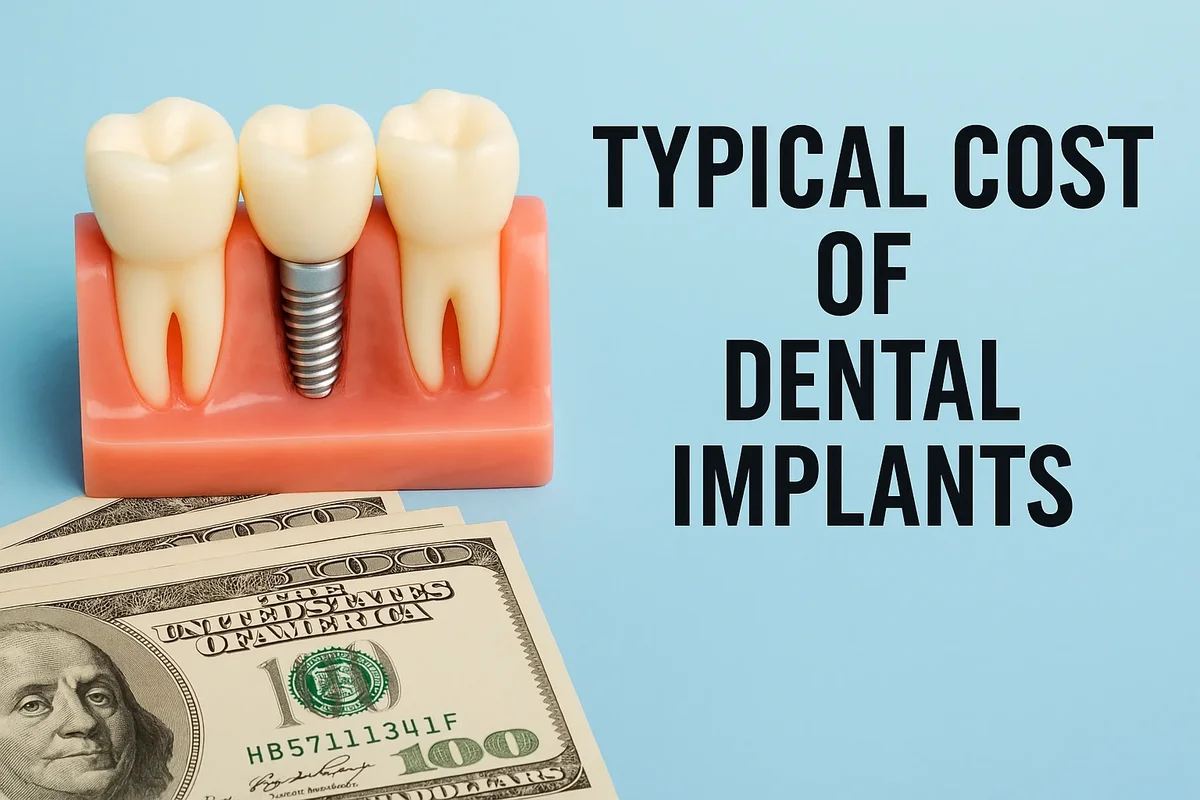
How to Reduce the Typical Cost of Dental Implants Without Compromising Quality
Many patients searching for ways to lower the typical cost of dental implants worry that choosing a more affordable option might result in poorer quality or shorter implant lifespan. Fortunately, there are numerous strategies to reduce implant treatment costs without sacrificing safety, functionality, or aesthetics. The key is to understand which elements of implant care are essential—and which cost-saving methods still meet the standards of modern implant dentistry. This section provides an in-depth, practical guide to minimizing expenses while ensuring that your treatment remains durable, predictable, and aligned with long-term oral health goals.
Cost reduction should never come at the expense of clinical quality. Poorly planned or cheaply executed implant treatments can lead to complications, infections, bone loss, or implant failure—all of which result in more expensive corrective procedures later. Instead, the goal is to find ethical, proven ways to bring the typical cost of dental implants within reach while still prioritizing safety and professional expertise. With smart planning, strategic clinic selection, and transparent budgeting, high-quality implants can become far more accessible than many patients expect.
Choose Experienced Dentists Who Provide Transparent Pricing
One of the most effective ways to reduce overall treatment cost is to choose a dentist who offers transparent, bundled pricing and has extensive experience in implant dentistry. Experienced clinicians often complete procedures more efficiently, reduce the need for repeat treatments, and use technology that minimizes complications. A skilled dentist may sometimes charge a higher upfront fee, but the long-term savings created by predictable outcomes and fewer appointments significantly reduce the total expense.
Benefits of Transparent Pricing
- Clear understanding of every cost involved
- Fewer unexpected charges during treatment
- Better ability to compare clinics fairly
- More accurate budgeting and financial planning
Because hidden fees can dramatically inflate the typical cost of dental implants, working with a clinic that provides complete, honest pricing is one of the smartest ways to keep your investment manageable.
Consider Dental Tourism for High-Quality, Lower-Cost Treatment
Dental tourism has become one of the most popular cost-saving strategies worldwide. Countries like Turkey, Hungary, Mexico, and Thailand offer exceptional implant expertise at a much lower cost compared to Western Europe, the US, or Canada. These countries have advanced dental clinics using premium implant brands, digital technologies, and internationally accredited dentists.
Why Dental Tourism Reduces Costs
- Lower clinical operating expenses
- Reduced labor and material costs
- Competitive healthcare markets
- Government-supported medical tourism programs
The typical cost of dental implants in these regions is significantly lower, yet the quality of care often matches or exceeds that of high-cost countries. This option is especially beneficial for patients needing multiple implants or full-mouth restorations.
Choose Mid-Range Implant Brands Instead of Premium Systems
Premium implant brands like Nobel Biocare or Straumann are excellent but not always necessary. Mid-range brands such as Osstem, Dentium, MegaGen, or MIS offer outstanding clinical performance at more affordable prices. These brands meet international standards, have strong research support, and are widely trusted by experienced implantologists.
Advantages of Choosing Mid-Range Brands
- Lower implant hardware cost
- High success rates similar to premium brands
- Reliable long-term outcomes
- Broader availability of compatible prosthetic components
Choosing a mid-range brand can significantly reduce the typical cost of dental implants while still ensuring excellent durability and function.
Use Flexible Payment Plans or Financing to Spread Out Costs
Even when implant treatment is essential, paying the full amount upfront may be challenging. Many clinics offer 0% interest financing, extended payment plans, or in-house installment programs. These make implants more financially accessible by allowing patients to spread costs over time.
Common Financing Options
- 0% interest short-term plans
- Low-interest long-term plans
- Third-party medical financing services
- Clinic-managed installment arrangements
While financing doesn’t reduce the actual price, it reduces financial strain and allows patients to undergo treatment without delaying essential care—keeping the typical cost of dental implants manageable.
Avoid Unnecessary Procedures Through Accurate Diagnosis
Some clinics may recommend additional procedures that are not medically required for successful implant placement. A second opinion is often valuable to confirm whether bone grafting, sinus lifting, or gum grafting is truly necessary. While many supportive procedures are essential, careful diagnostic evaluation helps avoid extra costs.
How to Avoid Over-Treatment
- Request a 3D CBCT scan to verify bone volume
- Ask for a clear explanation of each recommended procedure
- Compare treatment plans from two different implant specialists
Accurate diagnosis prevents overspending and ensures that the typical cost of dental implants reflects the true needs of your oral condition.
Take Advantage of Clinic Promotions and Package Pricing
Many clinics offer seasonal discounts, implant package deals, or multi-implant savings. Package pricing is especially beneficial because it combines the implant post, abutment, crown, imaging, and follow-up care into a single affordable rate.
Common Types of Package Deals
- Single implant bundle
- Two-implant discount
- Full-mouth implant package
- All-on-4® or All-on-6® special pricing
These deals can significantly reduce the typical cost of dental implants without lowering quality, making them an ideal option for budget-conscious patients.
Get a Personalized Treatment Plan
The most reliable way to reduce costs while maintaining high standards is to undergo a personalized treatment assessment. A tailored plan ensures that you only pay for the procedures you truly need.
You can request a customized evaluation and cost-saving recommendations using the
Redent Klinik Contact Page. Our specialists help patients optimize the typical cost of dental implants through ethical, effective, patient-centered planning.
With the right strategies, implants become not only affordable but also the most valuable long-term solution for restoring oral health, comfort, and confidence—without compromising quality at any stage.