
A uni dental clinic represents a modern, patient-centered approach to oral health, offering advanced treatments, academic-level expertise, and a standard of care that consistently aligns with global dental guidelines. Whether a patient seeks preventive dentistry, cosmetic smile enhancements, or complex surgical procedures, a well-equipped uni dental clinic provides access to highly trained professionals supported by university-level research and innovation. In this comprehensive guide, you will find everything you need to understand how these clinics work, why they are becoming increasingly popular, and how they help you achieve long-term oral health. 😊
Most patients searching for a uni dental clinic want assurance of safety, expertise, and transparent communication. University-associated dental clinics are known for combining academic precision with real-world clinical experience, making them an excellent choice for individuals who prioritize quality and reliability. These clinics typically employ professors, dental specialists, and postgraduate doctors who perform treatments using the latest technologies. Because of this academic structure, patients gain access to evidence-based treatment plans rather than outdated or overly commercial approaches.
One of the standout advantages of a uni dental clinic is the integration of research-driven dentistry into everyday practice. Unlike standard clinics, these facilities continuously update their treatment protocols based on the latest medical literature, ensuring patients receive up-to-date care backed by solid scientific evidence. They follow internationally recognized standards such as those set by the
American Dental Association, which increases the overall reliability and quality of the procedures performed. This adherence to global guidelines reassures patients that their treatments—from routine fillings to dental implants—meet strict professional requirements.
In a uni dental clinic, patient experience is also a top priority. From the moment you walk in, the environment is typically designed to reduce anxiety. Friendly staff greet you, help with paperwork, and ensure that even first-time visitors feel comfortable. Clinics with university affiliations also tend to invest heavily in sterilization systems, digital charting, and advanced imaging technologies such as 3D scanners and panoramic X-rays. These tools not only enhance the accuracy of diagnoses but also improve comfort during treatment. Modern dentistry aims to eliminate unnecessary discomfort, and university-based clinics take this mission seriously by implementing state-of-the-art equipment.
People often wonder whether treatments at a uni dental clinic are more affordable or more expensive than those in private practices. In many cases, university clinics offer competitive pricing because they are partially supported by academic institutions and research programs. This makes them an appealing option for patients seeking high-quality dental care without paying excessive fees. For individuals who want detailed price information or treatment-specific guidance, contacting the clinic directly is always the safest step. Patients can also reach out through options such as the
Redent Klinik Contact Page
to inquire about treatment processes, appointments, or cost estimates.
Another essential benefit of choosing a uni dental clinic is the multidisciplinary approach. Since these clinics typically have various departments—orthodontics, periodontics, prosthodontics, oral surgery, and pediatric dentistry—patients can receive all necessary treatments under one roof. This avoids the inconvenience of visiting multiple clinics for different specialists. Instead, experts collaborate internally to create a unified, personalized treatment plan tailored to each patient’s needs.
The keyword “uni dental clinic” also aligns closely with related concepts such as “university dental center” or “academic dental care,” which share the same philosophy: to deliver science-based, ethical, and consistent oral healthcare. These semantically related terms help broaden the understanding of why academic clinics are trusted worldwide. Patients searching for high standards and clinically proven techniques usually gravitate toward such facilities.
In summary, choosing a uni dental clinic offers multiple advantages: academic expertise, advanced technology, evidence-based procedures, affordable high-quality care, and a patient-centered environment that enhances trust and comfort. Whether you are considering routine cleaning, whitening, orthodontics, implants, or reconstructive dentistry, a university-affiliated clinic provides a level of reassurance rarely matched by standard dental offices. This combination of innovation, professionalism, and compassionate care makes uni dental clinics one of the most reliable options for achieving lifelong oral health. 🌟
Why Choosing a Uni Dental Clinic Improves Long-Term Oral Health
Selecting a uni dental clinic for your oral care offers long-term benefits that extend far beyond routine checkups. These clinics are built on a foundation of university-level research, clinical expertise, and evidence-based methodologies that ensure patients receive consistently high-quality treatment. Because the academic environment supports continuous learning and innovation, every patient benefits from techniques that are current, scientifically validated, and tailored to long-term oral health. In this section, we’ll explore in detail why choosing a uni dental clinic creates a strong foundation for lifelong dental wellness. 😄
The Academic Advantage: Expertise Backed by Research
One of the main reasons a uni dental clinic stands out is its academic structure. Dentists working in these clinics often include professors, specialists, postgraduate students, and researchers who stay continuously updated through conferences, seminars, and published studies. Because of this professional environment, treatment decisions are guided not by outdated methods but by the latest findings in dental science.
For example, issues such as periodontitis, enamel erosion, and implant success rates are constantly evolving fields. A university-maintained environment allows dentists to apply newly validated procedures directly to patient care. This connection to research significantly increases treatment success rates and reduces the risk of complications. Patients who choose an academic dental center—or as some refer to it, an “academic dental care facility,” a semantically related phrase—gain access to cutting-edge knowledge that typical clinics may not adopt for years.
Enhanced Diagnostic Accuracy Through Modern Technology
Another reason long-term oral health thrives in a uni dental clinic is the extensive use of advanced diagnostic technologies. Academic dentistry programs often invest heavily in tools that enhance precision, making early detection of problems much easier. These technologies include:
- 3D cone-beam CT scanning for implant planning and surgical accuracy
- Intraoral cameras for detecting micro-cracks and early decay
- Panoramic digital X-rays for comprehensive evaluation
- Digital impressions that eliminate the discomfort of traditional molds
By catching issues early, a uni dental clinic dramatically reduces the risk of invasive procedures later. This early-intervention advantage is one of the biggest contributors to long-term oral health. The sooner a dentist identifies gum disease, enamel loss, or bite misalignment, the easier it is to treat the issue without complications.
Comprehensive Multidisciplinary Care Under One Roof
Long-term oral health requires more than a single type of treatment. What makes a uni dental clinic exceptional is the presence of multiple specialties all working together. Patients don’t need to visit different clinics for orthodontics, prosthodontics, pediatric dentistry, or periodontics—everything is available in one coordinated system. This ensures consistency, reduces miscommunication, and leads to more structured long-term treatment plans.
When specialists collaborate internally, your dental records, X-rays, and treatment history remain unified. This continuity of care allows for better monitoring of conditions such as jaw development, gum stability, implant integration, and long-term bite function. Every stage—from diagnosis to treatment follow-up—is handled systematically, which significantly improves results.
Example of Multidisciplinary Coordination
Imagine a patient with missing teeth, misalignment, and early gum disease. In a standard clinic, this might require visiting three or more specialists separately. But in a university-based facility:
- The periodontist ensures gum health is restored first.
- The implant specialist evaluates bone structure and places implants.
- The orthodontist corrects alignment around the implants.
- The prosthodontist completes the final restoration.
This integrated workflow is the reason uni dental clinic systems routinely achieve higher long-term success rates compared to isolated practices.
Patient Safety and Sterilization Standards
University-affiliated clinics follow strict sterilization and disinfection protocols aligned with international organizations such as the
American Dental Association. These standards help prevent cross-contamination and ensure a clean, controlled environment for every patient. This is especially important for those undergoing surgical procedures such as wisdom tooth extraction or implant placement.
A uni dental clinic typically invests in high-grade sterilization equipment, including autoclaves, sealed instrument pouches, and medical-grade disinfectants. Staff members are also trained regularly to maintain compliance with infection control guidelines. Strong hygiene protocols are one of the most influential factors in long-term oral health preservation.
Focus on Preventive Dentistry for Lifelong Results
Long-term dental wellness begins with prevention. A uni dental clinic emphasizes preventive care not as a secondary service but as a core philosophy. Patients are educated about oral hygiene habits, nutritional factors, and lifestyle influences like bruxism or tobacco use. Regular checkups at university clinics often include more detailed evaluations because academic dentists are trained to look for subtle changes that others may overlook.
These preventive efforts help reduce:
- Tooth decay
- Gingivitis and gum disease
- Enamel thinning
- Jaw joint issues
- Future need for extensive restorative procedures
Preventive dentistry is one of the strongest long-term benefits patients receive at these clinics, ensuring stable oral health for years.
Patient-Centered Care and Follow-Up Support
Another reason long-term results are stronger at a uni dental clinic is the emphasis on follow-up visits and patient education. University clinics take time to explain treatment options, demonstrate brushing and flossing techniques, and provide personalized care plans. Because these settings involve training future dentists, communication tends to be thorough, and each step is carefully documented.
Patients seeking clarification or additional support can also reach out through helpful resources such as the
Redent Klinik Contact Page, ensuring that no question goes unanswered.
Overall, choosing a uni dental clinic is one of the most reliable decisions for patients who want structured, scientifically supported, and long-term dental care. With advanced technology, multidisciplinary cooperation, preventive strategies, and a strong research foundation, these clinics provide an unmatched environment for achieving and maintaining lifelong oral health. 🌟
Advanced Dental Technologies Used in a Modern Uni Dental Clinic
A modern uni dental clinic stands out not only for its academic expertise but also for its advanced technological infrastructure designed to elevate patient comfort, diagnostic precision, and treatment success rates. Today’s dental technology has progressed far beyond traditional tools, integrating digital systems, 3D imaging, and minimally invasive techniques that support long-term oral health. In this comprehensive section, you will discover how a uni dental clinic combines innovation, research, and academic excellence to deliver world-class dentistry. 😄
Digital Imaging: Accurate Diagnoses with Minimal Radiation
One of the biggest technological advantages of a uni dental clinic is its reliance on digital imaging systems. Unlike traditional X-rays, digital radiography reduces radiation exposure by up to 90%, making the process safer and more comfortable for the patient. Moreover, digital images can be magnified, enhanced, and viewed instantly, allowing dentists to identify issues such as early-stage decay, bone loss, and jaw alignment problems with exceptional accuracy.
Among the most commonly used technologies are:
- Digital periapical X-rays – ideal for detecting hidden decay, root infections, and fractures.
- Panoramic radiographs – a full-mouth overview for evaluating bone structure and wisdom teeth.
- Cephalometric X-rays – used in orthodontics to observe jaw development.
This efficient digital workflow helps a uni dental clinic develop precise, personalized treatment plans quickly and efficiently.
3D Cone-Beam CT (CBCT) Scanning for Precision Dentistry
One of the hallmarks of a top-tier uni dental clinic is the use of 3D Cone-Beam Computed Tomography. CBCT technology provides a three-dimensional view of the patient’s bone anatomy and dental structures with remarkable precision. This is especially important for procedures requiring accuracy such as dental implants, oral surgeries, orthodontic assessments, and evaluation of jaw disorders.
Why CBCT Matters
CBCT imaging allows clinicians to measure bone density, visualize nerve pathways, and map out surgical guides before performing an implant or extraction. This reduces risks, shortens treatment time, and increases the success rate of complex procedures. Patients benefit from improved safety and predictable outcomes—one of the biggest advantages of choosing an academic dental care environment, often referred to as a “university dental center,” which is another LSI phrase related to uni dental clinic.
Intraoral Scanners and Digital Impressions
Gone are the days of messy, uncomfortable impression materials. A uni dental clinic typically uses advanced intraoral scanners to create fast and highly accurate digital impressions. These handheld devices capture detailed 3D images of the teeth and gums, which are then used for:
- Crowns, veneers, and bridges
- Orthodontic aligners
- Implant restorations
- Custom mouthguards and nightguards
The result is a more pleasant experience for patients and a more precise fit for restorations. Digital impressions also allow laboratory technicians to produce prosthetics with improved precision through CAD/CAM milling technologies.
Laser Dentistry for Minimally Invasive Treatment
Many uni dental clinic facilities incorporate dental lasers for soft tissue and hard tissue procedures. Dental lasers offer numerous benefits:
- Less bleeding and swelling
- Reduced need for anesthesia
- Faster healing times
- Minimal discomfort during procedures
Lasers are effective for gum contouring, treating periodontal pockets, removing decay, and even whitening procedures. Their precision helps preserve healthy tissue while targeting only the affected areas, making them ideal for patients seeking minimally invasive solutions.
CAD/CAM Technology: Same-Day Restorations
CAD/CAM (Computer-Aided Design/Computer-Aided Manufacturing) systems allow for the creation of crowns, veneers, inlays, and onlays in a single visit. A uni dental clinic equipped with CAD/CAM technology can digitally design a restoration that fits the patient’s tooth perfectly and mill it on-site for same-day placement.
This eliminates the need for temporary crowns, multiple appointments, and lengthy waiting periods. The materials used are high-strength ceramics that provide both durability and aesthetic appeal.
Microscope-Assisted Dentistry for High Precision
Another significant advantage of a uni dental clinic is the use of dental microscopes. These devices magnify the treatment area up to 20–25 times, allowing dentists to perform intricate procedures such as root canal therapy with exceptional accuracy.
Benefits of Microscopic Dentistry
- Improved visibility of root canals
- Higher success rates for endodontic treatments
- More conservative tooth preservation
- Enhanced precision during restorative work
Microscope-assisted treatments lead to better long-term outcomes, especially for procedures involving complex anatomy or previously treated teeth.
Digital Smile Design (DSD) for Aesthetic Excellence
Cosmetic dentistry plays a significant role in modern oral care, and Digital Smile Design is an essential tool used in sophisticated clinics. A uni dental clinic can digitally map the patient’s facial features and smile dynamics to create a customized aesthetic treatment plan.
This allows patients to preview how veneers, whitening, bonding, or orthodontics will improve their smile. The digital preview ensures complete transparency and enhances patient satisfaction by aligning expectations with achievable outcomes.
Enhanced Sterilization Systems and Safety Protocols
Advanced technology in a uni dental clinic is not limited to diagnostics and treatment tools. Sterilization equipment, disposable barriers, sealed instrument cassettes, and high-grade disinfectants all ensure patient safety. These clinics follow international standards set by bodies like the
American Dental Association, maintaining exceptional hygiene protocols.
Patients can also easily reach out to discuss safety measures, treatment options, or appointment details through the
Redent Klinik Contact Page, ensuring a smooth communication flow.
In summary, a uni dental clinic integrates state-of-the-art technology, academic expertise, and evidence-based practices to deliver unparalleled dental care. These advanced tools not only enhance comfort and accuracy but also ensure long-term oral health and exceptional treatment outcomes. 🌟
Most Popular Treatments Offered at a Uni Dental Clinic
A modern uni dental clinic provides a wide range of dental treatments designed to support comprehensive oral health, enhance aesthetics, and ensure long-term function. Because these clinics operate within an academic environment, treatments are performed using evidence-based techniques and advanced technologies, making the experience safer, more predictable, and more comfortable for patients. In this extensive section, we will explore the most sought-after dental procedures offered at a uni dental clinic and analyze why they consistently deliver superior outcomes. 😄
Preventive Dentistry: The Foundation of Lifelong Oral Health
Preventive dentistry is at the core of every uni dental clinic, ensuring that patients receive early detection, routine care, and personalized recommendations to keep their smiles healthy. Preventive services typically include:
- Professional dental cleanings to remove plaque and tartar buildup
- Fluoride treatments to strengthen tooth enamel
- Fissure sealants to prevent cavities in children and adults
- Comprehensive oral examinations for early detection of dental issues
Preventive care offered at a uni dental clinic is especially thorough because academic dentists are trained to analyze even minor signs of decay, gum inflammation, or structural changes. These early-stage evaluations help patients avoid complex restorations later in life.
Restorative Dentistry: Repairing and Strengthening Teeth
Restorative dentistry encompasses treatments that repair damaged or decayed teeth. A uni dental clinic typically uses modern materials that mimic natural tooth structure, providing both functional durability and aesthetic appeal.
Common Restorative Procedures
- Tooth-colored fillings made from composite resin
- Inlays and onlays crafted using digital impressions
- Crowns designed and milled with CAD/CAM technology
- Bonding treatments for minor fractures and cosmetic repairs
Academic dental centers—sometimes referred to as “university dental centers,” one of the LSI terms related to uni dental clinic—often conduct research on new materials, ensuring restorations remain strong and compatible with natural teeth.
Cosmetic Dentistry: Enhancing Smile Aesthetics
Cosmetic treatments are among the most popular services at a uni dental clinic, helping patients achieve confident, radiant smiles. These clinics utilize digital smile design tools, high-quality materials, and advanced whitening systems to deliver predictable aesthetic outcomes.
Top Cosmetic Treatments
- Veneers – Ultra-thin porcelain shells used to reshape teeth
- Teeth whitening – Professional bleaching systems for brighter smiles
- Composite bonding – Quick solutions for chips, cracks, and gaps
- Gum contouring – Laser-enhanced reshaping for balanced aesthetics
Digital tools enable patients to preview results before treatment, creating a stronger connection between expectations and final outcomes.
Dental Implant Treatments: Permanent Tooth Replacement
One of the most advanced treatments offered at a uni dental clinic is dental implant therapy. Implants provide a permanent solution for missing teeth and are known for their durability, strength, and natural appearance.
Implant Services Often Include:
- CBCT-guided implant planning for precise placement
- Bone grafting and sinus lifting for patients with bone loss
- Implant-supported crowns and bridges
- Full-arch restorations using systems like All-on-4
University settings ensure implant treatments are performed using up-to-date research, reducing failures and improving long-term stability.
Orthodontics: Straightening Teeth for Health and Aesthetics
Orthodontic care at a uni dental clinic is not just about aesthetics—it is also essential for oral function and long-term dental health. Patients can choose from traditional braces or modern clear aligners depending on their needs.
Popular Orthodontic Options
- Metal or ceramic braces for complex alignment issues
- Clear aligners for discreet, removable correction
- Lingual braces hidden on the backside of the teeth
Orthodontists in academic clinics also work closely with periodontists and oral surgeons for cases requiring interdisciplinary care.
Periodontal Therapy: Professional Gum Care
Gum disease affects millions of people, and a uni dental clinic provides specialized care to prevent progression and protect long-term health. Treatments include:
- Scaling and root planing for deep cleaning
- Laser periodontal therapy
- Gum graft procedures for recession
Because gum health directly affects systemic health, academic clinics approach periodontal therapy with a research-backed, holistic perspective.
Pediatric Dentistry: Gentle Care for Children
A uni dental clinic also has departments specializing in children’s oral health. Pediatric dentists provide gentle, child-friendly treatments such as fluoride therapy, sealants, orthodontic evaluations, and cavity prevention education.
These clinics emphasize anxiety-free experiences to build positive lifelong dental habits.
Oral Surgery: Advanced Procedures Performed Safely
Oral surgery departments in university-based clinics handle both simple and complex procedures using advanced surgical protocols.
Common Surgical Procedures
- Wisdom tooth extraction
- Bone reconstruction
- Apicoectomy for persistent root canal infections
- Oral lesion evaluation and biopsy
Sterile environments and CBCT-guided surgery reduce risks and accelerate recovery.
Emergency Dentistry: Immediate Relief and Stabilization
A uni dental clinic typically offers urgent care for emergencies such as severe pain, fractures, bleeding, or infections. Academic clinics respond quickly and use advanced diagnostic tools to provide fast relief.
If patients need to contact specialists or schedule emergency appointments, they can do so through the
Redent Klinik Contact Page.
In summary, a uni dental clinic delivers a wide spectrum of treatments—from preventive care to advanced surgery—supported by research, technology, and interdisciplinary expertise. This combination ensures exceptional outcomes, long-term oral stability, and high patient satisfaction. 🌟
How to Select the Best Uni Dental Clinic for Your Needs
Choosing the right uni dental clinic is one of the most important decisions for your long-term oral health. With so many clinics offering a variety of dental services, understanding how to evaluate them properly ensures you receive safe, effective, and evidence-based care. Because a uni dental clinic operates within an academic framework, the selection process involves more than just convenience—it requires examining the clinic’s expertise, technology, patient care philosophy, and treatment options. In this detailed guide, you will learn the essential criteria to help you confidently choose the ideal clinic for your needs. 😄
Evaluate the Academic Credentials and Professional Team
One of the primary reasons people choose a uni dental clinic is the high level of expertise offered by academically affiliated dentists. These clinics typically employ professors, dental specialists, postgraduate students, and researchers who are actively involved in academic study. Their ongoing exposure to scientific research ensures their treatment decisions rely on the latest dental advancements. Always review:
- Professional qualifications of dentists and specialists
- Academic titles such as professor, associate professor, or lecturer
- Research involvement within dental fields
- Specialization departments such as orthodontics, periodontics, or oral surgery
A uni dental clinic with a strong academic background guarantees higher precision, updated protocols, and a greater emphasis on patient safety.
Assess the Clinic’s Technology and Diagnostic Tools
Modern dental care depends heavily on reliable diagnostic technology. When selecting a uni dental clinic, examine whether the facility uses advanced systems such as:
- CBCT 3D imaging for implants and surgical planning
- Digital X-rays with low radiation
- Intraoral scanners for accurate impressions
- Dental lasers for minimally invasive treatments
- CAD/CAM systems for same-day restorations
These technologies not only improve treatment accuracy but also enhance patient comfort. A technologically advanced uni dental clinic ensures earlier diagnosis, precise planning, and faster recovery.
Review the Range of Available Dental Specialties
A top-performing uni dental clinic typically houses multiple departments under one roof, providing comprehensive care. This multidisciplinary collaboration is especially beneficial for complex cases requiring coordinated treatment. When evaluating a clinic, confirm that they offer:
- General and preventive dentistry
- Orthodontics
- Periodontics (gum treatments)
- Prosthodontics (crowns, bridges, dentures)
- Implantology
- Oral and maxillofacial surgery
- Pediatric dentistry
A clinic offering multiple specialties increases continuity of care and provides patients with coordinated treatment plans designed by specialists who collaborate internally.
Examine Sterilization and Safety Standards
A crucial part of selecting a uni dental clinic is verifying their compliance with global health and safety standards. Clinics associated with academic institutions typically follow stringent sterilization protocols administered by trained infection-control teams. Look for:
- Autoclave sterilization certification
- Disposable barriers and instrument packaging
- Regular staff training in disinfection practices
- ADA-aligned protocols based on guidelines from the
American Dental Association
These measures significantly reduce contamination risks and ensure safe, hygienic environments for every patient.
Consider Patient Reviews and Treatment Success Rates
Trusted patient reviews provide invaluable insight into a uni dental clinic. Academic clinics often maintain transparent case studies, research-backed statistics, and documented success rates—especially for procedures like implants, orthodontics, and cosmetic treatments.
Important Review Factors Include:
- Quality of communication and patient comfort
- Treatment outcomes and before/after comparisons
- Waiting times and appointment flexibility
- Kindness and professionalism of staff
Reviews mentioning the clinic’s academic structure, research involvement, or advanced tools suggest higher reliability and accountability.
Analyze Treatment Costs with Transparency
While a uni dental clinic may offer competitive pricing due to academic support, it is still important to evaluate treatment fees, financing plans, and the clarity of their pricing structure. Many clinics provide cost breakdowns upon request.
For personalized guidance or treatment estimates, patients may use the
Redent Klinik Contact Page
to receive detailed information directly from the clinic.
Accessibility, Location, and Appointment Convenience
The ideal uni dental clinic should be easily accessible, offer flexible hours, and provide emergency support when needed. Academic clinics often have structured appointment systems, ensuring minimal waiting and organized patient flow.
Key Accessibility Factors:
- Location and transportation convenience
- Parking availability
- Online appointment scheduling
- Emergency service availability
These elements significantly improve the overall patient experience and ensure continuity of care.
Evaluate Communication and Patient Education
A hallmark of a reputable uni dental clinic is strong communication. Academic clinicians typically spend more time explaining diagnosis, treatment options, and long-term care strategies. Patient education enhances treatment compliance, reduces anxiety, and empowers individuals to maintain lifelong oral health.
In summary, selecting the best uni dental clinic involves evaluating academic expertise, advanced technology, comprehensive specialties, safety protocols, and strong communication standards. With the right clinic, patients benefit from superior treatment outcomes, comfortable experiences, and long-term oral health stability. 🌟
Benefits of Preventive Dentistry at a Uni Dental Clinic
Preventive dentistry is the backbone of long-term oral wellness, and choosing a uni dental clinic for these services provides patients with exceptional accuracy, early diagnosis, and academically guided treatment protocols. Unlike typical clinics, a university-affiliated dental center integrates research-based knowledge, advanced technologies, and multiple specialties to create preventive strategies uniquely tailored to each patient. This proactive approach doesn’t just protect teeth—it enhances overall health, reduces treatment expenses, and ensures long-lasting oral stability. 😄
The Core Philosophy of Preventive Dentistry
At the heart of a uni dental clinic lies a philosophy of early detection and intervention. Preventive dentistry is focused on identifying risks before they evolve into major dental problems. Because these clinics operate within an academic framework, the preventive protocols used are always based on the latest scientific research, clinical trials, and global health guidelines. This ensures that patients receive the most reliable, proven, and effective care possible.
Preventive dentistry aims to minimize:
- Tooth decay (caries)
- Gingivitis and periodontal disease
- Enamel erosion
- Jaw alignment issues
- Tooth loss
- Need for invasive or surgical procedures later
This scientific, early-detection mindset is why preventive dentistry at a uni dental clinic is superior to traditional approaches.
Comprehensive Dental Examinations
A major advantage of preventive care at a uni dental clinic is the thoroughness of dental examinations. These exams are more detailed than typical checkups because university dentists are trained to identify even subtle changes in oral health.
Examination Techniques Include:
- Digital X-rays to detect hidden decay and bone irregularities
- Intraoral cameras for detailed visualization
- Periodontal charting for early gum disease detection
- Occlusal assessments to analyze bite alignment
Because clinicians work in an academic environment, they are encouraged to approach every case with a research-driven mindset, ensuring no detail is overlooked.
Professional Dental Cleanings for Long-Term Protection
Professional cleanings, also known as prophylaxis, are essential for maintaining a healthy mouth. A uni dental clinic provides advanced cleaning services performed by experienced hygienists and supervised by dental specialists. These cleanings remove stubborn plaque, calcified tartar, and stains that brushing cannot eliminate.
Benefits of Professional Cleanings:
- Reduced risk of gum inflammation
- Improved breath freshness
- Stronger enamel protection
- Lower likelihood of developing cavities
- Better appearance and overall smile health
Regular cleanings also allow clinicians to monitor changes in the patient’s oral condition and identify potential concerns early.
Fluoride Treatments for Enamel Strengthening
Fluoride therapy is a critical component of preventive dentistry at a uni dental clinic. These treatments help strengthen enamel, making teeth more resistant to decay. They are particularly beneficial for children, individuals experiencing dry mouth, and patients with a higher risk of cavities.
Fluoride treatments used in academic clinics are clinically tested, safe, and effective. Dentists apply fluoride varnish, gel, or foam during routine visits to give teeth long-lasting protection.
Dental Sealants for Cavity Prevention
Sealants are thin coatings applied to the grooves of molars to prevent food particles and bacteria from settling. A high-quality uni dental clinic applies sealants using advanced bonding materials, ensuring they remain durable and effective.
Sealants are especially beneficial for children and teenagers but are also effective for adults with deep tooth grooves.
Gum Disease Prevention Through Periodontal Care
Preventing gum disease is one of the strongest long-term benefits of choosing a uni dental clinic. These clinics offer comprehensive periodontal evaluations, early treatments, and personalized hygiene strategies.
- Scaling and root planing for deep cleaning beneath the gumline
- Laser periodontal therapy for minimally invasive treatment
- Regular periodontal maintenance visits for ongoing monitoring
Healthy gums are crucial not only for oral health but also for systemic wellness. Studies have linked gum disease to heart issues, diabetes, and inflammation—further emphasizing the importance of early prevention.
Personalized Oral Hygiene Education
A uni dental clinic prioritizes patient education because preventive dentistry relies on daily habits practiced at home. Clinicians take the time to teach proper brushing, flossing, and nutritional strategies to prevent enamel damage and gum disease.
Personalized Education Often Covers:
- Correct brushing techniques
- Flossing methods tailored to individual needs
- Choosing the right toothpaste and dental tools
- Dietary advice to reduce cavity risk
Patients who understand their oral health are more likely to maintain strong teeth for life.
Preventive Orthodontic Evaluations
Early orthodontic assessments conducted at a uni dental clinic help identify bite problems in children before they worsen. These evaluations detect issues like crowding, crossbite, or jaw development problems.
Preventive orthodontics can reduce the need for extensive braces later in life and support proper jaw alignment.
Advanced Screening for Oral Cancer
Oral cancer screening is an essential preventive service, especially for adults. A uni dental clinic uses advanced tools such as VELscope or fluorescence technology to detect abnormalities early.
Early detection significantly increases treatment success rates and improves long-term outcomes.
Convenient Communication for Preventive Support
Patients who need support, clarification, or follow-ups can easily reach out through the
Redent Klinik Contact Page.
Consistent communication ensures that preventive strategies are carried out correctly and effectively.
In summary, preventive dentistry at a uni dental clinic offers unmatched advantages: early detection, academic expertise, advanced tools, thorough examinations, and long-term protection. These proactive measures ensure healthier smiles, fewer complex treatments, and greater overall well-being. 🌟
Cosmetic Dentistry Options Available at a Uni Dental Clinic
A modern uni dental clinic offers some of the most advanced and scientifically backed cosmetic dentistry options available today. Because these clinics operate within an academic environment, every cosmetic procedure is supported by research, taught by specialists, and performed with meticulous precision. Cosmetic dentistry is not only about enhancing appearance—it also improves oral function, boosts self-confidence, and contributes to long-term dental health. In this comprehensive section, you will discover the most popular cosmetic treatments, how they are performed, and why receiving them at a uni dental clinic ensures superior results. 😄
The Role of Cosmetic Dentistry in Modern Oral Care
Cosmetic dentistry at a uni dental clinic goes far beyond creating a visually pleasing smile. It helps restore damaged teeth, promote proper bite alignment, reduce premature aging signs around the mouth, and improve the overall balance of facial features. Academic clinics incorporate aesthetic principles, digital planning, and minimally invasive techniques into every treatment, providing natural-looking results that also support oral health.
Cosmetic dentistry is especially beneficial for patients who struggle with staining, chipped teeth, alignment issues, enamel wear, or aesthetic gaps. Since treatment plans in university clinics are handled by multidisciplinary teams, patients receive a full evaluation for functional and structural needs—not just appearance.
Teeth Whitening: Safe and Professional Brightening
One of the most requested cosmetic treatments at a uni dental clinic is professional teeth whitening. Unlike over-the-counter options, clinical whitening uses evidence-based bleaching agents that deliver fast, safe, and predictable results without harming the enamel.
Types of Whitening Available:
- In-office bleaching: Immediate brightening using high-strength gels and LED activation.
- Custom take-home trays: Personalized long-term whitening with monitored results.
- Deep bleaching techniques: Used for intrinsic stains or stubborn discoloration.
Academic clinics carefully evaluate the cause of staining before recommending a whitening method, ensuring that the treatment is both safe and effective.
Porcelain Veneers for a Complete Smile Transformation
Porcelain veneers are one of the most transformative cosmetic treatments available at a uni dental clinic. Veneers are ultra-thin ceramic shells bonded to the front surface of teeth to correct shape, color, and alignment issues.
Veneers Correct Problems Such As:
- Severe discoloration
- Chipped or broken teeth
- Gaps between teeth
- Slight misalignment
- Uneven tooth size or shape
Because university-based clinics incorporate Digital Smile Design (DSD) and high-tech scanning systems, patients are able to preview their new smile before treatment begins. This ensures accurate planning and predictable cosmetic outcomes.
Composite Bonding for Quick Cosmetic Enhancements
A uni dental clinic offers composite bonding as a minimally invasive solution for correcting minor imperfections. This procedure uses high-quality resin that is sculpted directly onto the tooth to improve appearance.
Bonding Is Ideal For:
- Small chips or cracks
- Mild discoloration
- Gaps between teeth
- Minor reshaping
Since bonding requires little to no enamel removal, it is a conservative and cost-effective cosmetic option. Academic clinics ensure the materials used are durable, stain-resistant, and closely matched to natural tooth color.
Gum Contouring and Smile Reshaping
Cosmetic dentistry also involves enhancing the harmony between teeth and gums. Many patients visit a uni dental clinic for gum contouring to correct a “gummy smile” or uneven gumline. Laser technology enables smooth and painless tissue reshaping with minimal recovery.
Reshaping the gums improves symmetry, boosts confidence, and enhances the overall impact of veneers or bonding.
Clear Aligners and Orthodontic Aesthetics
Clear aligners have become a major part of cosmetic dentistry, and a uni dental clinic is the ideal place to begin treatment due to its advanced diagnostic capabilities and experienced orthodontists. Aligners straighten teeth discreetly without metal brackets.
Benefits of Clear Aligners:
- Nearly invisible appearance
- Removable design for easy cleaning
- Comfortable and safe for gums
- Predictable movement using digital planning
Many patients choose aligners as part of a larger cosmetic plan that includes whitening or veneers.
Smile Makeovers: Comprehensive Aesthetic Transformations
A uni dental clinic offers complete smile makeover programs that combine multiple treatments into one coordinated plan. These programs address both cosmetic desires and functional needs, ensuring long-term stability and natural appearance.
A Smile Makeover May Include:
- Veneers or crowns
- Orthodontics
- Whitening
- Gum contouring
- Bonding or implants
Digital modeling and interdisciplinary planning allow university clinics to design smiles that enhance facial structure, symmetry, and self-confidence.
Implant-Supported Cosmetic Solutions
Implants also play a role in cosmetic dentistry. A uni dental clinic offers implant-supported crowns and bridges that restore missing teeth with beautiful, natural-looking aesthetics. Because implants preserve jawbone structure, they improve facial balance and prevent premature aging.
Professional Guidance and Patient Communication
Patients can easily connect with specialists for cosmetic consultations through the
Redent Klinik Contact Page.
Proper communication ensures treatment plans match patient expectations and lifestyle.
In summary, choosing a uni dental clinic for cosmetic dentistry guarantees advanced planning, high-quality materials, interdisciplinary expertise, and stunning results that last. Every smile transformation is guided by evidence-based care, modern technology, and the highest academic standards. 🌟
Advanced Technology Used in a Uni Dental Clinic
An advanced uni dental clinic stands out not only for its academic expertise but also for its commitment to using the latest dental technologies. These high-precision tools significantly improve diagnostic accuracy, enhance treatment outcomes, reduce patient discomfort, and shorten recovery times. In today’s world, dental technology evolves rapidly, and university-based clinics are at the forefront of research, innovation, and clinical adaptation. This means patients benefit from world-class equipment, evidence-based protocols, and precision-driven results. 😄
Because a uni dental clinic operates within an educational and research-focused environment, every new technological advancement is carefully evaluated, tested, and optimized before being applied clinically. This ensures that patients receive safe, scientifically supported, and highly effective dental care. From digital imaging to AI-supported planning tools, advanced sterilization, guided surgery, and innovative treatment systems, the technological backbone of these clinics is designed to elevate the overall patient experience.
Digital Imaging Systems for Accurate Diagnosis
One of the most important benefits of receiving care at a uni dental clinic is access to advanced digital imaging technologies. These systems allow dentists to visualize internal structures with extraordinary detail, enabling faster and more accurate diagnoses compared to traditional X-rays.
Core Digital Imaging Technologies Include:
- 3D Cone Beam Computed Tomography (CBCT) – Used for implant planning, jawbone measurement, and evaluating impacted teeth.
- Digital panoramic X-rays – Show the entire mouth structure in one comprehensive image.
- Intraoral scanners – Capture detailed digital impressions without messy materials.
- Fluorescent caries detection systems – Identify early decay that cannot be seen with the naked eye.
Digital imaging at a uni dental clinic ensures faster results, minimal radiation exposure, and more precise treatment planning.
AI-Powered Diagnostics and Treatment Planning
Artificial intelligence (AI) is transforming dentistry, and a uni dental clinic is often among the earliest adopters of such innovations. AI-assisted software analyzes imaging data, predicts potential issues, and helps clinicians create precise, customized treatment plans.
AI Enhances Dental Care By:
- Detecting cavities earlier than human observation alone
- Predicting gum disease progression
- Evaluating bite alignment digitally
- Assisting in orthodontic movement simulations
By combining AI tools with academic expertise, treatment accuracy increases dramatically, offering patients the best possible outcomes.
Laser Dentistry for Minimally Invasive Care
A uni dental clinic often incorporates advanced laser systems to improve precision and reduce discomfort for procedures involving soft tissues and sometimes enamel. Laser dentistry is known for being minimally invasive and promoting faster healing.
Common Uses for Dental Lasers:
- Gum reshaping and contouring
- Treating periodontal pockets
- Removing soft tissue lesions
- Disinfection during root canal therapy
Laser dentistry reduces bleeding, swelling, and pain, making procedures more comfortable and less stressful for patients.
Digital Smile Design (DSD) for Predictable Cosmetic Results
Cosmetic dentistry at a uni dental clinic is supported by Digital Smile Design, a technology that allows clinicians to preview aesthetic changes before treatment begins. With this tool, the patient can see a simulated outcome on a digital model, ensuring predictable and satisfying results.
DSD Enhances Procedures Such As:
- Veneers
- Crowns
- Clear aligner orthodontics
- Gum reshaping
This technology bridges communication between patient and clinician, reducing misunderstandings and enhancing final smile results.
Guided Implant Surgery Tools
Implant placement is one of the most technologically sophisticated treatments offered at a uni dental clinic. Guided surgery uses digital planning and 3D-printed surgical guides to ensure perfect implant positioning.
Benefits of Guided Implant Surgery:
- Greater accuracy and safety
- Predictable bone integration
- Less invasiveness and faster healing
- Reduced risk of complications
This method is especially valuable for patients with low bone density or complex anatomical structures.
CAD/CAM Technology for Same-Day Restorations
Computer-Aided Design and Computer-Aided Manufacturing (CAD/CAM) systems allow a uni dental clinic to design and produce crowns, bridges, and veneers within a single visit. This dramatically reduces the need for temporary restorations.
Advantages of CAD/CAM Restorations:
- Extremely precise fit
- Durable ceramic materials
- Natural aesthetic appearance
- Time efficiency for patients
This technology enhances both comfort and treatment reliability.
Infection Control and Sterilization Technology
A modern uni dental clinic uses advanced sterilization methods to ensure patient safety. University clinics typically exceed standard hygiene protocols due to strict academic oversight.
Hygiene Technologies Often Include:
- Autoclave sterilization with advanced monitoring
- HEPA-filtered air purification
- Contactless digital check-in systems
- Medical-grade cleaning equipment
These added layers of safety help create a clean, secure, and stress-free environment for every patient.
Communication and Follow-Up Support
Patients benefiting from advanced technology can easily contact dental professionals for clarifications or scheduling through the
Redent Klinik Contact Page.
Efficient communication ensures that treatment plans are followed correctly and that patients receive ongoing support.
In summary, the technologies used in a uni dental clinic elevate the standard of oral healthcare by combining precision, innovation, and academic excellence. These tools ensure faster diagnosis, safer treatments, and beautifully predictable results—making university-based clinics leaders in modern dentistry. 🌟
How to Choose the Best Uni Dental Clinic for Your Needs
Choosing the right uni dental clinic is one of the most important decisions you can make for your oral health. University-affiliated clinics provide a high level of academic expertise, modern technology, and a patient-centered experience, but not all clinics offer the same services or quality standards. Understanding what to look for can ensure you receive safe, effective, and long-lasting dental care. In this comprehensive guide, we will explore all the factors you should consider—from qualifications and technology to specialization, pricing transparency, communication, and long-term support. 😊
A uni dental clinic stands out for its evidence-based approach and multidisciplinary structure, but choosing the best clinic still requires careful evaluation. Patients should focus on educational credentials, cleanliness, treatment options, modern tools, and how well the clinic communicates with its patients. Making an informed decision now can protect your oral health for years to come and prevent unnecessary stress or complications.
Evaluate the Academic Qualifications of the Dental Team
One of the strongest advantages of a uni dental clinic is that the dentists are typically professors, specialists, or postgraduate doctors. However, not every clinic has the same team composition, so it’s important to look at the educational background and credentials of the practitioners.
Key Questions to Consider:
- Are the dentists faculty members or experienced specialists?
- Does the clinic have postgraduate residents supervised by professors?
- Are the clinicians involved in research and scientific publications?
- Do team members participate in international dental conferences?
Clinicians with strong academic involvement are more likely to stay informed about the latest dental techniques, global guidelines, and technological innovations.
Assess the Range of Services Offered
Different patients have different needs, so the ideal uni dental clinic should offer a full spectrum of dental specialties. University clinics often provide multiple departments under the same roof, but availability varies by institution.
Common Departments to Look For:
- General dentistry
- Orthodontics
- Periodontics
- Prosthodontics
- Oral and maxillofacial surgery
- Endodontics
- Pediatric dentistry
A clinic with multiple specialists ensures continuity of care, accurate diagnoses, and personalized treatment plans. Complex cases especially benefit from multidisciplinary collaboration.
Check for Modern Technology and Diagnostic Tools
Technology plays a crucial role in the accuracy and success of dental treatments. A well-equipped uni dental clinic should use modern diagnostic devices, treatment planning software, and innovative surgical tools. These technologies not only improve precision but also enhance comfort, minimize invasiveness, and shorten recovery times.
Essential Technologies May Include:
- 3D CBCT imaging
- Intraoral digital scanners
- AI-supported diagnostics
- Laser treatment systems
- CAD/CAM restorations
- Digital Smile Design
Well-maintained and advanced equipment reflects the clinic’s commitment to high standards of care.
Evaluate Hygiene Standards and Sterilization Protocols
Cleanliness and sterilization are non-negotiable in any dental clinic. A uni dental clinic typically follows academic hygiene standards, but it is still important to observe the environment personally.
Things to Observe During Your Visit:
- Are instruments packaged and sterilized properly?
- Is the clinic visibly clean and organized?
- Do staff members follow infection control protocols?
- Are patient rooms sanitized between appointments?
Strict hygiene reduces the risk of infection and ensures a safer treatment experience.
Consider Patient Reviews and Testimonials
A uni dental clinic may have excellent academic credentials, but real patient experiences provide practical insights into service quality. Reviews often highlight communication style, waiting times, staff friendliness, pain management, and overall satisfaction.
Positive reviews are often a strong indicator of consistent, trustworthy care.
Analyze Transparency in Pricing and Treatment Planning
Financial clarity is essential. While university clinics sometimes offer competitive pricing, a trustworthy uni dental clinic should always provide transparent cost breakdowns. Treatment plans must be explained clearly, including expected outcomes, alternatives, and required follow-up visits.
Look For Clinics That Provide:
- Written treatment plans
- Clear explanations of all costs
- Payment options or financing solutions
- No hidden fees
University clinics typically emphasize ethical, evidence-based care, ensuring treatments are necessary—not profit-driven.
Evaluate Communication and Support Systems
A reliable uni dental clinic should make communication easy and responsive. Whether you need pre-treatment guidance or aftercare instructions, support should be accessible and professional.
Patients who want direct contact can conveniently reach out through the
Redent Klinik Contact Page.
Efficient communication builds trust, reduces anxiety, and ensures a smooth treatment journey.
Look for Long-Term Treatment Continuity
Long-term oral health requires consistent follow-up, and a uni dental clinic should provide continuity between appointments. Clinics that track patient records digitally offer seamless monitoring of progress, treatment history, and future needs.
Continuity Ensures:
- Accurate long-term evaluation
- Fewer dental emergencies
- Better preventive care
- Personalized treatment improvements over time
A clinic committed to long-term patient relationships delivers higher quality care overall.
Confirm Accessibility and Appointment Convenience
The best uni dental clinic should offer convenient appointment slots, reasonable waiting times, and easy accessibility. Whether you are a student, parent, or professional, the clinic’s logistics should fit comfortably into your lifestyle.
In summary, choosing the right uni dental clinic requires evaluating academic expertise, technological capabilities, hygiene standards, service range, communication quality, and patient satisfaction. By taking the time to assess these factors, you can ensure a safe, effective, and positive dental care experience that supports your oral health for years to come. 🌟
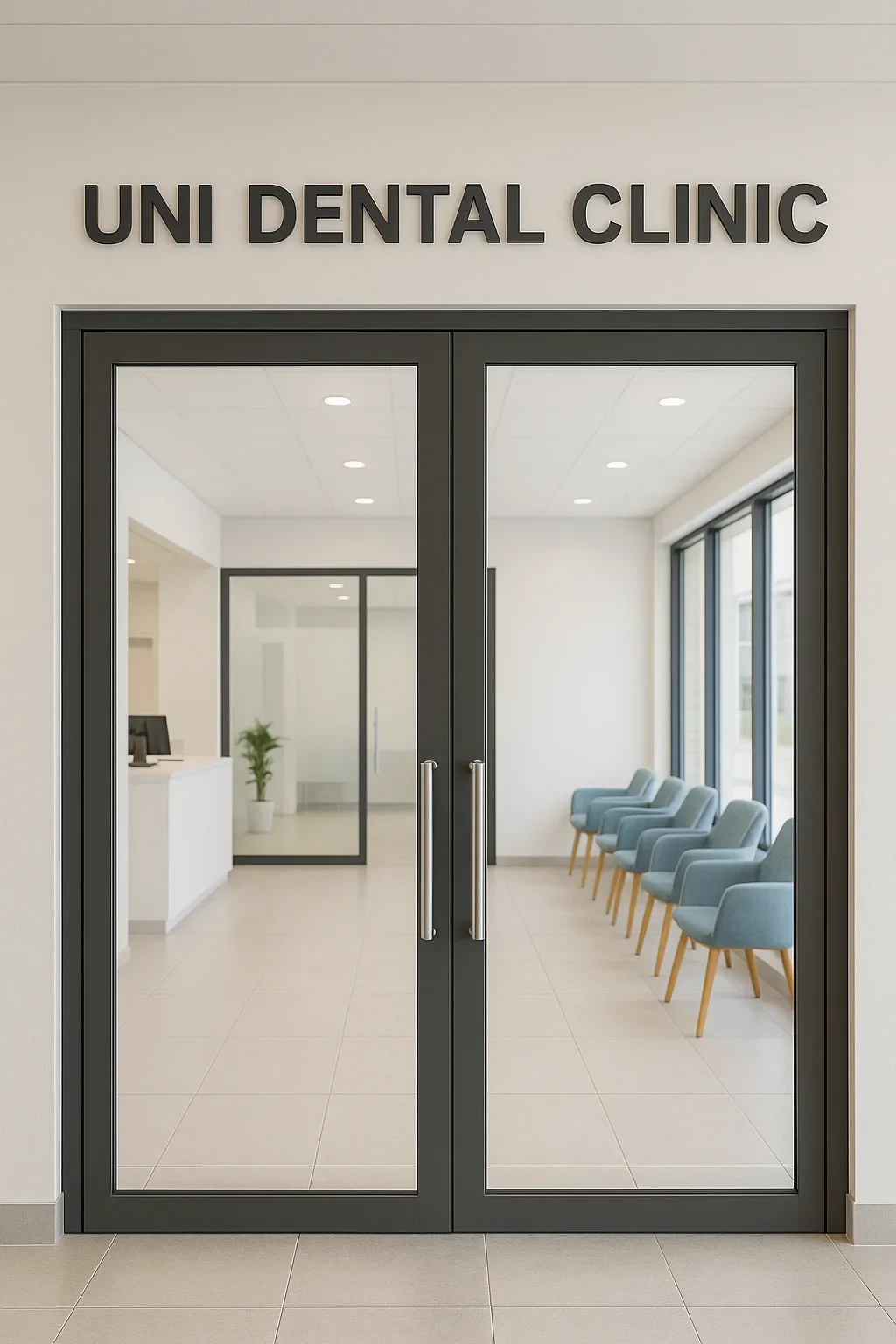
Common Questions About Visiting a Uni Dental Clinic
Patients often have many questions when considering treatment at a uni dental clinic. These clinics offer exceptional quality, academic expertise, and advanced technology—but understanding how they operate can help patients feel even more confident and prepared. In this comprehensive section, we address the most common concerns and curiosities people have before scheduling their appointment. Each answer is designed to be clear, detailed, and genuinely helpful so that you can make well-informed decisions about your oral health care. 😊
Because a uni dental clinic is part of a university system, many patients wonder what makes it different from a private clinic, what to expect in terms of pricing, how appointments work, and whether the care they receive is as reliable as they hope. This FAQ-style guide breaks down the essentials and provides deep insights into what makes university-based clinics unique and trustworthy.
Are Uni Dental Clinics Safe and Reliable?
Yes—safety and reliability are among the strongest advantages of a uni dental clinic. These clinics operate under strict academic supervision, meaning that every procedure must follow evidence-based protocols, international guidelines, and institutional standards. Patients benefit from the presence of experienced professors, specialists, and postgraduate doctors who perform treatments with precision.
Why Safety Standards Are Higher:
- Every procedure is monitored by experienced academic supervisors.
- Clinicians are trained in the latest global protocols.
- Advanced sterilization and infection control systems are mandatory.
- Research-driven treatment plans ensure safer outcomes.
This structure ensures reliable, consistent, and high-quality care for both routine and complex dental procedures.
Is Treatment at a Uni Dental Clinic Affordable?
Many patients are pleasantly surprised to learn that a uni dental clinic often offers competitive or even reduced pricing compared to private clinics. This is because university dental systems may receive institutional support, academic funding, or equipment grants that help lower overall costs for patients.
Factors That Influence Pricing:
- Type of procedure (simple, cosmetic, or surgical)
- Materials used (composite, ceramic, zirconia, etc.)
- Specialist involvement
- Technology required (CBCT, CAD/CAM, lasers)
Patients seeking precise price details can always contact the clinic directly through the
Redent Klinik Contact Page
to request clear guidance and personalized cost information.
Do Students Perform the Treatments?
This is one of the most common concerns when evaluating a uni dental clinic. While students may participate in some procedures, all treatments are closely supervised by licensed dentists, professors, or specialists. In more complex procedures, senior clinicians or specialists typically perform the treatment directly.
How Supervision Works:
- Students handle only basic, low-risk tasks under direct supervision.
- Specialists oversee every step to ensure precision and safety.
- Advanced or surgical treatments are usually performed by faculty-level clinicians.
This collaborative approach benefits patients by combining academic guidance with fresh, detail-focused clinical execution.
What Should I Expect During My First Visit?
Your first appointment at a uni dental clinic typically involves a detailed examination and a personalized treatment plan. Because university clinics emphasize accuracy, the initial visit is more comprehensive than in most private clinics.
Your First Visit Usually Includes:
- Full medical and dental history evaluation
- Digital X-rays or 3D imaging if needed
- Periodontal (gum) assessment
- Bite analysis and jaw joint evaluation
- Discussion of patient concerns and goals
- Creation of a customized treatment plan
This process ensures that your oral health is evaluated from every angle before any treatment begins.
How Long Do Appointments Take?
The duration of appointments at a uni dental clinic depends on the complexity of the treatment. Preventive visits may take 30–45 minutes, whereas cosmetic or surgical procedures can last longer due to thorough academic evaluation and precision.
Typical Appointment Times:
- Routine cleaning: 30–45 minutes
- Composite fillings: 45–60 minutes
- Root canal: 60–90 minutes
- Implant planning: 45 minutes
- Implant surgery: 60–90 minutes
Because accuracy is critical in academic settings, clinicians take the necessary time to ensure optimal results.
Do Uni Dental Clinics Use the Latest Technology?
Absolutely. A uni dental clinic is often among the first institutions to adopt new technologies due to research programs, academic funding, and collaborations with medical equipment developers.
Common Advanced Technologies Include:
- 3D CBCT imaging
- Laser dentistry
- Digital Smile Design
- CAD/CAM same-day crowns
- AI-supported diagnostics
- Intraoral digital scanning
These technologies enhance comfort, precision, and long-term treatment success.
Are Treatment Plans Individualized?
Yes—one of the greatest advantages of a uni dental clinic is highly personalized treatment planning. Each case is examined by multiple experts, allowing for a comprehensive and structured evaluation.
Benefits of Personalized Plans:
- More accurate diagnoses
- Treatments tailored to patient goals
- Better long-term stability
- Improved cosmetic and functional outcomes
This collaborative approach is especially beneficial for patients with complex or multidisciplinary needs.
How Do I Know If a Uni Dental Clinic Is Right for Me?
A uni dental clinic is ideal for patients seeking evidence-based care, advanced technology, ethical treatment planning, and affordable pricing without compromising quality. If you value academic standards and long-term oral health, choosing such a clinic can be one of the best decisions for your dental care journey.
In summary, visiting a uni dental clinic provides an exceptional combination of advanced technology, academic expertise, patient-centered care, and long-term reliability. Whether you need preventive care, cosmetic enhancements, or complex treatment, university-affiliated clinics offer unmatched value and precision. 🌟