
Upper arch dental implants have become one of the most advanced and reliable solutions for patients who
have lost many or all of their teeth in the upper jaw. If you are researching this treatment, you are
likely looking for a permanent, stable, and natural-looking option that restores your smile, confidence,
and chewing ability. In this comprehensive guide, you will learn how upper arch dental implants work,
why they are preferred over traditional dentures, what to expect during the procedure, and how they can
positively transform your oral health for the long term. 😄
In modern dentistry, upper arch dental implants are considered a gold-standard method for full-arch
restoration, offering superior support, improved aesthetics, and long-term functionality. These implants
replace missing teeth by anchoring into the jawbone, allowing your dentist to attach a fixed prosthesis
that feels and functions like natural teeth. Unlike removable dentures that may shift or loosen over time,
upper arch dental implants provide exceptional stability—even when speaking, laughing, or eating tougher
foods. This treatment is widely supported by leading authorities such as the
American Dental Association,
which recognizes dental implants as a safe and clinically proven method for tooth replacement.
A common reason patients choose upper arch dental implants is the psychological and emotional relief they
provide. Many people feel embarrassed or self-conscious about missing or unstable upper teeth. A fixed
implant-supported arch restores not only oral function but also overall confidence. With today’s digital
planning technologies and minimally invasive protocols, the process has become more predictable,
quicker, and more comfortable. This makes upper arch dental implants an ideal choice for individuals
seeking a long-lasting solution that mimics the natural mechanics of real teeth.
Another major benefit is the prevention of bone loss. After tooth loss, the jawbone naturally begins to
deteriorate due to the absence of stimulation from chewing. Upper arch dental implants act like artificial
tooth roots, encouraging bone regeneration and preventing long-term collapse of facial structure. This not
only helps maintain aesthetics—such as cheek support and lip fullness—but also improves overall oral
stability. Without this support, patients often experience sagging facial features, reduced bite strength,
and difficulty wearing dentures comfortably.
Upper arch dental implants also offer a huge advantage in oral hygiene. Unlike dentures that require
special cleaning routines, implant-supported restorations can be cleaned much like natural teeth. Brushing,
flossing, and regular dental checkups are usually all that is needed to maintain a healthy and functional
upper arch. This convenience encourages better long-term oral care and reduces the risk of future
complications. If you want to reach out to a dentist directly for an assessment, you can visit our
Redent Klinik Contact Page
to schedule a consultation.
When learning about upper arch dental implants, it’s important to understand that every treatment plan is
customized. Factors such as bone density, gum health, medical history, and bite alignment all play a role
in determining the number of implants needed and the type of prosthesis that will be attached. Some
patients benefit from All-on-4 or All-on-6 systems, which use fewer implants to support the full upper
arch. Others may require additional procedures such as sinus lifts or bone grafts to ensure proper
stability. These personalized treatment plans ensure a high success rate and natural, long-lasting results.
Patients also appreciate the improved functionality they gain with upper arch dental implants. Being able
to eat comfortably, speak clearly, and laugh freely makes an enormous difference in quality of life. Many
patients describe the outcome as life-changing, noting that implant-supported restorations feel
significantly more secure compared to removable dentures. Additionally, with advancements in zirconia and
titanium prosthetics, the aesthetics of full-arch implant restorations are now incredibly lifelike.
From a long-term perspective, upper arch dental implants are considered one of the most economical and
durable tooth replacement solutions available. Although the initial investment may be higher than
traditional dentures, the stability, longevity, and reduced maintenance costs often save patients money
over time. Because upper arch dental implants do not require routine relining, adhesives, or frequent
replacements, the lifetime value is significantly greater. Many people also find the emotional and
functional benefits priceless, making this treatment a popular choice worldwide.
Whether you are missing a few teeth or require a full upper arch reconstruction, upper arch dental implants
provide a strong, beautiful, and dependable solution. Their ability to restore natural function, support
bone health, and enhance appearance makes them one of the most transformative dental treatments available
today. In the following sections, we will explore each aspect of the treatment process in detail, helping
you understand what to expect from start to finish.
What Are Upper Arch Dental Implants and How Do They Work?
Upper arch dental implants are a modern, highly specialized solution designed for patients who have lost most or all of their teeth in the upper jaw. Unlike removable dentures, which rest on the gums and may shift during daily activities, upper arch dental implants integrate directly into the jawbone to create a permanent, stable foundation for a natural-looking prosthetic arch. This approach not only restores function but also improves aesthetics, long-term oral health, and overall confidence. Because the implants act like artificial tooth roots, they help preserve jawbone density and maintain facial structure—crucial benefits that dentures alone cannot provide. 😄
The upper jaw presents unique anatomical challenges compared to the lower jaw. For instance, the presence of the maxillary sinuses often limits available bone for implant placement. This is why upper arch dental implants involve advanced planning, precise imaging techniques, and occasionally bone augmentation procedures. However, with modern digital dentistry and 3D imaging, dentists can now assess the upper arch with exceptional accuracy and tailor a treatment plan that ensures safety, comfort, and long-term success. In cases of severe tooth loss, upper arch dental implants are often the most comprehensive and durable restorative method available.
The Structure and Components of Upper Arch Implant Systems
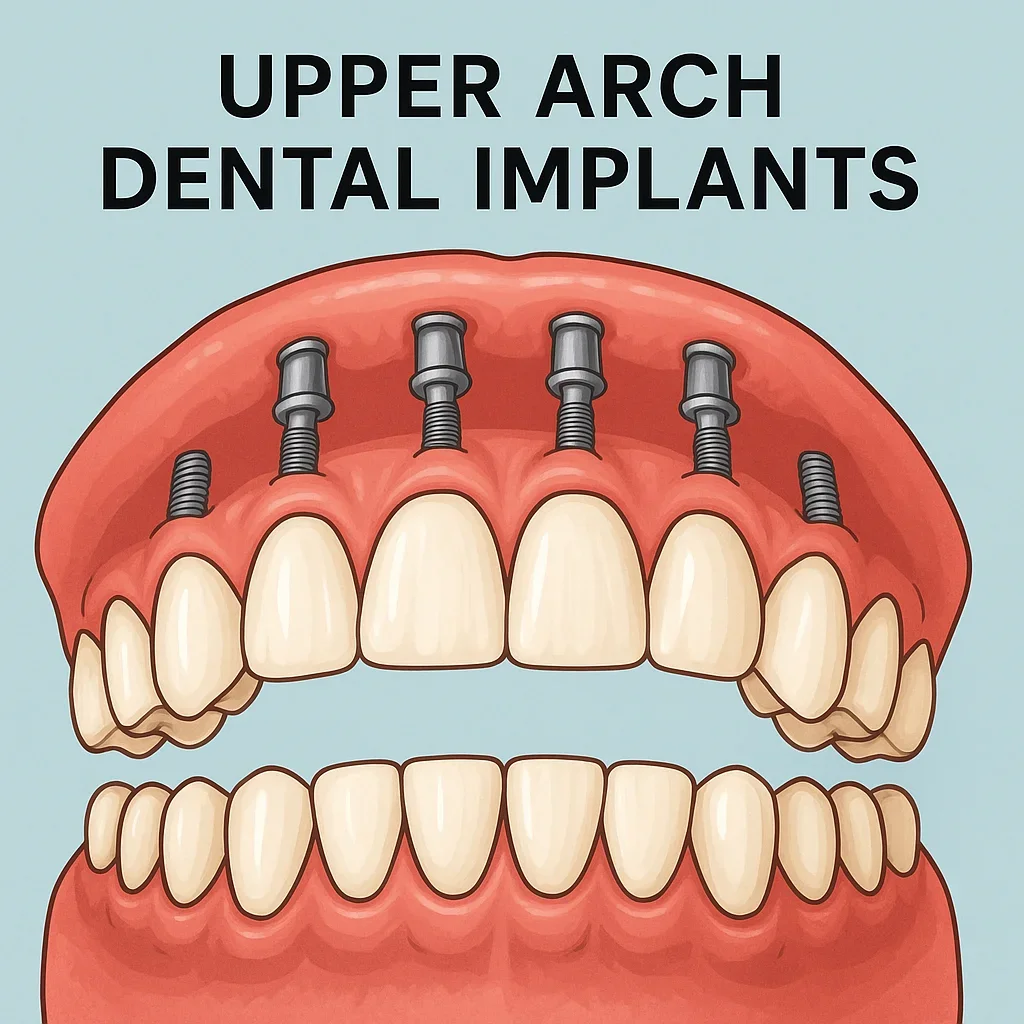
Upper arch dental implants consist of three primary components: the implant fixture, the abutment, and the prosthetic arch. The fixture is a titanium or zirconia post surgically placed into the upper jawbone. This fixture undergoes a biological bonding process known as osseointegration, where the bone naturally fuses to the implant’s surface, creating a secure anchor. The abutment connects the fixture to the final prosthesis, serving as a supportive pillar. Finally, the arch prosthesis—crafted from materials such as zirconia or high-strength acrylic—restores the full row of upper teeth with exceptional durability and aesthetic realism.
Osseointegration is a crucial part of the process. This natural bonding ensures the stability of upper arch dental implants and helps prevent bone resorption, which occurs when teeth are missing for an extended period. Patients commonly report that implant-supported restorations feel just like natural teeth, allowing them to eat, speak, and smile with confidence. The ability of implants to act like real tooth roots is among the key reasons they are considered the gold standard for full-arch replacement in dentistry today.
How Upper Arch Dental Implants Function in the Mouth
Once the implants are fully integrated into the jawbone, they function as stable anchors for the prosthetic arch. Unlike removable dentures—which rely on suction and adhesives—upper arch dental implants remain firmly in place during daily activities. This allows patients to enjoy improved chewing force, better pronunciation, and enhanced comfort. Additionally, the stability offered by implants reduces irritation to the gums and eliminates the common embarrassment associated with denture slippage.
A full arch typically requires four to eight implants, depending on bone density and the chosen treatment method. Systems such as All-on-4, All-on-6, and zygomatic implants may be used depending on the patient’s anatomical needs. These treatment variations allow dentists to bypass weak or resorbed bone, ensuring a stable restoration even for patients previously told they were not candidates for implants.
Digital Planning and Precision Implant Placement
Modern dentistry relies heavily on digital planning to maximize the success of upper arch dental implants. Dentists use 3D cone-beam CT scans to map out the patient’s bone structure, identify sinus boundaries, measure bone density, and pinpoint ideal implant positions. This planning phase is essential for ensuring that the implants are placed at the correct angles and depths to provide optimal support for the upper arch prosthesis. Surgical guides are often printed using digital modeling to enhance placement precision further.
Advanced imaging also allows dentists to analyze the strength of various regions in the upper jaw. This is especially important because the bone in the upper arch is typically softer than in the lower arch. With proper planning, dentists can strategically position implants in areas where bone density is healthier, reducing the need for bone grafting and increasing long-term success rates.
The Role of Osseointegration in Treatment Success
Osseointegration is the biological process through which upper arch dental implants fuse with the surrounding jawbone. This process typically takes several months and is essential for the stability and longevity of the restoration. During this time, the bone cells grow and attach to the implant surface, forming a rigid and durable bond. When osseointegration is successful, the implants can support strong biting forces similar to those of natural teeth.
Several factors contribute to successful osseointegration, including overall health, gum quality, and adherence to post-operative care instructions. Smoking, uncontrolled diabetes, or poor oral hygiene may slow healing, but with proper care and regular dental monitoring, most patients achieve excellent outcomes. The long-term success rate for upper arch dental implants is exceptionally high, making them one of the most reliable treatments available for full-arch restoration.
Why Patients Prefer Upper Arch Implant Restorations Over Dentures
One of the most significant advantages of upper arch dental implants is the superior comfort they provide. While dentures may slip or cause sore spots, implant-supported prostheses remain securely anchored, allowing patients to eat, smile, and speak naturally. This eliminates fear of embarrassment during social activities. Additionally, because the implants preserve bone and provide facial support, patients often appear more youthful compared to those wearing removable dentures.
Another benefit is long-term cost-effectiveness. Although the initial investment may be higher, the durability and stability of upper arch dental implants reduce the need for replacements and relining procedures. Many patients also find that the emotional and psychological benefits—such as renewed confidence and improved quality of life—make the treatment invaluable.
For personalized guidance, you may contact a dental professional through our
Redent Klinik Contact Page.
For scientific and clinical information about implant safety and standards, you may also refer to the
American Dental Association,
which provides detailed resources on implant dentistry and restorative care.
Benefits of Full Upper Arch Implant Solutions for Long-Term Oral Health
Full upper arch dental implants have become one of the most transformative treatments in modern dentistry, offering long-term stability, aesthetic excellence, and improved oral function for patients who are missing most or all of their upper teeth. Unlike removable dentures—which often slip, irritate the gums, and require adhesives—upper arch dental implants provide a fixed, secure foundation that feels remarkably similar to natural teeth. This treatment not only enhances daily comfort but also contributes significantly to long-term oral health and facial structure preservation. 😄
Upper arch dental implants are designed to address the complex anatomy of the upper jaw, providing durable solutions even for patients who have experienced severe bone loss or long-term denture wear. Through advanced surgical techniques and high-strength prosthetic materials, the full upper arch restoration process results in a highly functional and aesthetically pleasing smile. Below, we explore the major benefits that make this treatment one of the most recommended options for individuals seeking permanent tooth replacement.
Enhanced Chewing Power and Eating Comfort
One of the most immediate benefits of upper arch dental implants is the remarkable improvement in chewing ability. Removable dentures can move or fall out when a patient tries to eat harder foods, forcing them to avoid certain meals. With implant-supported restorations, however, the prosthesis is anchored firmly into the jawbone, allowing patients to bite and chew with confidence. This stability resembles the performance of natural teeth, improving digestion and allowing patients to enjoy a wider variety of foods without fear of embarrassment.
Enhanced chewing function also contributes to better nutrition. Many people with traditional dentures struggle to eat high-fiber, nutrient-rich foods such as nuts, apples, and vegetables due to instability or discomfort. Upper arch dental implants restore the ability to eat these foods comfortably, promoting better long-term health and improved overall well-being.
Aesthetic Improvement and Boosted Self-Confidence
A full upper arch restoration does more than replace teeth—it revitalizes the appearance of the entire smile. Because upper arch dental implants support a customized prosthesis, dentists can design the final arch to match the patient’s facial structure, lip support, and aesthetic preferences. Whether the patient wants a Hollywood-bright smile or a subtle, natural look, the design options are highly flexible.
Patients who previously struggled with gaps, missing teeth, or ill-fitting dentures often experience a dramatic boost in confidence after receiving upper arch dental implants. The secure fit and realistic appearance eliminate social anxiety related to speaking, laughing, or eating. This emotional benefit is frequently described by patients as life-changing, helping them feel more youthful and self-assured.
Preservation of Jawbone and Prevention of Facial Collapse
A major long-term benefit of upper arch dental implants is the preservation of jawbone density. When teeth are missing, the upper jaw does not receive the stimulation needed to maintain bone strength. This leads to bone shrinkage—a process called resorption—which can cause sunken cheeks, premature aging, and difficulty wearing dentures.
Because implants act like artificial tooth roots, they stimulate the bone each time a person chews. This stimulation prevents bone deterioration and helps maintain natural facial contours. As a result, patients who receive upper arch dental implants often look younger and avoid the sagging or hollow appearance commonly seen in long-term denture wearers.
Long-Term Impact on Facial Structure
The upper jaw plays a central role in supporting the mid-face region. When bone is lost, the distance between the nose and chin becomes shorter, creating a collapsed appearance. By preserving bone volume, upper arch dental implants maintain the proper vertical dimension of the face, ensuring balanced proportions and a healthier, more vibrant look.
Improved Speech and Pronunciation
Removable dentures often interfere with speech because they can shift or create clicking sounds. This instability may cause difficulty pronouncing certain words or maintaining clear articulation. Upper arch dental implants eliminate these issues by providing a fixed, immovable structure that mimics natural teeth.
Patients commonly report that their speech becomes clearer almost immediately after receiving a fixed implant-supported prosthesis. This improvement occurs because the upper arch plays a significant role in tongue placement, airflow, and resonance during speech. Having a stable, properly aligned set of teeth contributes to natural pronunciation and better communication.
Superior Comfort Compared to Traditional Dentures
Comfort is one of the most appreciated benefits of upper arch dental implants. Traditional dentures rest on the soft tissues of the gums, which can lead to irritation, soreness, or pressure points. Over time, bone loss worsens denture instability, increasing discomfort.
In contrast, implant-supported restorations transfer bite force directly to the jawbone through the implants, reducing gum irritation and enhancing comfort. Because the prosthesis is firmly attached, patients experience a natural feel that eliminates many of the inconveniences associated with removable dentures.
Long-Term Cost Efficiency and Durability
Although the initial cost of upper arch dental implants may be higher than traditional dentures, the long-term value is significantly greater. Removable dentures require ongoing maintenance, including relining, adjustments, adhesives, and occasional replacement. These cumulative costs often surpass the investment required for implant-supported restorations.
Upper arch dental implants, on the other hand, are designed for decades of use. With proper care, high-quality materials such as titanium and zirconia offer exceptional longevity. The reduced need for repairs makes this option cost-effective in the long run. Many clinics also provide warranties or long-term guarantees for implant prosthetics, emphasizing their reliability and durability.
Better Oral Hygiene and Reduced Risk of Gum Disease
Another important benefit is improved oral hygiene. Implant-supported prosthetics do not require messy adhesives or complex soaking solutions. Instead, patients maintain their oral health through regular brushing, flossing, and professional cleanings—similar to natural teeth.
Because upper arch dental implants reduce gum irritation and provide a healthier environment for the soft tissues, the risk of gum disease and oral infections decreases significantly. This contributes to long-term oral stability and enhances overall systemic health.
For personalized treatment planning or professional advice, you may reach out through the
Redent Klinik Contact Page.
For scientific guidelines supporting implant dentistry, you may visit the
American Dental Association.
Step-by-Step Process of Getting Upper Arch Dental Implants
The journey to receiving upper arch dental implants involves a series of well-planned steps designed to ensure safety, precision, and long-term success. Because the upper jaw has unique anatomical features—such as softer bone density and the presence of the maxillary sinuses—the treatment process requires careful evaluation and advanced diagnostic techniques. Understanding each stage helps patients feel confident and fully prepared for their transformation. Below is a comprehensive, detailed breakdown of every step involved in the process of obtaining upper arch dental implants. 😄
Initial Consultation and Comprehensive Diagnostic Evaluation
The first step begins with an in-depth consultation with an implant specialist. During this visit, the dentist evaluates your oral health, medical history, and suitability for upper arch dental implants. A clinical examination alone is not enough; therefore, dentists use advanced diagnostic tools such as digital X-rays and cone-beam computed tomography (CBCT) scans. These high-resolution images allow precise evaluation of bone density, sinus positioning, gum health, and the overall structure of the upper arch.
The CBCT scan is especially valuable because it provides a 3D map of the bone, giving the dentist a clear understanding of areas with strong support and regions that may require additional preparation. Patients with long-term tooth loss may have bone resorption, making upper arch dental implants slightly more complex, but still highly achievable with the right planning. Based on these findings, your dentist customizes a treatment plan tailored to your individual needs and anatomical structure.
Digital Smile Design and Pre-Treatment Planning
Modern dentistry often incorporates Digital Smile Design (DSD), a technique that allows patients to visualize their new smile before treatment begins. Using digital modeling software, the dentist can design the ideal shape, size, and alignment of the future teeth. This ensures that the prosthesis supported by upper arch dental implants fits harmoniously with the patient’s facial structure and aesthetic preferences.
Pre-treatment planning also includes determining the exact number of implants needed. While some patients benefit from All-on-4 systems, others may require All-on-6 or even All-on-8 configurations depending on bone quality. The goal is to optimize stability while minimizing surgical complexity. This individualized approach is one of the biggest advantages of upper arch dental implants.
Preparation Procedures: Extractions, Bone Grafting, and Sinus Lift
Not every patient is immediately ready for implant placement. If damaged, decayed, or failing teeth are still present, they must be extracted to allow proper healing and implant positioning. This step can sometimes occur on the same day as implant placement, depending on bone quality and clinical conditions.
Patients with insufficient bone height in the upper jaw may require bone grafting. This procedure reinforces weakened areas, creating a stronger foundation for upper arch dental implants. In cases where the maxillary sinus is too close to the oral cavity, a sinus lift may be necessary. This involves gently raising the sinus membrane and placing graft material beneath it, adding volume to support future implants.
While these preparatory steps add time to the overall treatment process, they significantly enhance long-term success rates. They also ensure a stable, secure environment for the implants, reducing the risk of complications such as implant mobility or failure.
Surgical Placement of Implants
Once the upper arch is fully prepared, the surgical phase of implant placement begins. Using precise measurements and surgical guides from the digital planning stage, the dentist inserts the implant fixtures into the predetermined bone sites. These fixtures act as artificial tooth roots and are carefully positioned at angles that maximize stability while preserving bone structure.
Local anesthesia ensures the procedure is comfortable, and many clinics offer sedation for patients who prefer a more relaxed experience. The surgery typically takes between one and two hours, depending on the number of implants being placed. Post-operative discomfort is usually mild and manageable with over-the-counter medications.
Immediate Loading and Temporary Prosthesis
In many cases, patients receive a temporary prosthesis on the same day as surgery. This immediate loading technique allows patients to leave the clinic with a functional and aesthetic temporary upper arch while the implants heal. However, this temporary arch is designed for light use; patients are instructed to avoid hard foods during the healing period.
Osseointegration: The Biological Fusion Stage
Osseointegration is the critical healing stage during which the implants fuse with the upper jawbone. This natural biological process typically takes three to six months, depending on overall health, bone density, and adherence to post-operative guidelines. During this period, the stability of upper arch dental implants increases progressively, ultimately allowing them to support a permanent prosthesis.
Patients must follow strict oral hygiene instructions to prevent infection and gum inflammation. Regular dental checkups during this time allow the clinician to monitor healing progress and ensure the implants are integrating correctly. Smoking and uncontrolled systemic conditions such as diabetes may delay healing, so lifestyle adjustments may be recommended.
Final Prosthesis: Designing and Attaching the Permanent Upper Arch
After osseointegration is complete, the temporary prosthesis is replaced with a custom-designed permanent arch. This prosthesis is crafted from advanced materials such as zirconia or titanium-reinforced acrylic, offering exceptional durability and lifelike aesthetics. Dentists take detailed impressions or digital scans to ensure the new teeth fit perfectly and harmoniously with the patient’s bite and facial features.
Once attached to the implants, the final upper arch provides the full functionality, appearance, and comfort patients expect from upper arch dental implants. Patients often describe this moment as life-changing due to the dramatic improvement in confidence, chewing ability, and overall quality of life.
Post-Treatment Care and Long-Term Maintenance
The final stage involves learning how to maintain your implant-supported upper arch. Fortunately, caring for upper arch dental implants is similar to caring for natural teeth. Daily brushing, flossing, professional cleanings, and routine checkups help protect the implants and surrounding tissues. With proper maintenance, upper arch implants can last decades or even a lifetime.
Patients can also contact their dental provider for ongoing support through the
Redent Klinik Contact Page.
For official clinical standards and implant safety guidelines, refer to the
American Dental Association.
Bone Quality, Sinus Lift Needs, and Implant Stability in the Upper Arch
The success of upper arch dental implants is closely tied to several important anatomical and biological factors, including the quality of the jawbone, the height and density of available bone beneath the sinus cavity, and the stability of each implant at the time of placement. Because the upper jaw naturally differs from the lower jaw in structure and bone composition, dentists must evaluate these factors thoroughly before designing a treatment plan. Understanding how bone density, sinus lift procedures, and stability interact helps patients appreciate why upper arch dental implants require precision, advanced planning, and individualized clinical strategies. 😄
While many patients assume that implants simply replace missing teeth, the reality is far more complex. The upper arch contains delicate anatomical structures, such as the maxillary sinuses, which can limit the vertical height available for implant placement. Additionally, the bone in the upper arch tends to be softer and more porous, making it more susceptible to resorption after tooth loss. These factors can influence the type of implants selected, the number needed, and whether preparatory procedures like bone grafts or sinus lifts are required. However, advancements in implant dentistry now allow patients with even severe bone loss to benefit from upper arch dental implants through specialized techniques such as zygomatic implant placement and lateral wall sinus augmentation.
Understanding Bone Quality in the Upper Jaw
Bone density is a crucial factor in determining whether upper arch dental implants can be placed immediately or require preparatory procedures. In general, bone in the upper jaw has lower density compared to the mandible, meaning it offers slightly less resistance during implant insertion. This is not a limitation but rather a clinical consideration that influences surgical planning.
When teeth are missing for an extended period, the bone begins to shrink due to a lack of stimulation. This process—known as resorption—can significantly reduce the height and width of the ridge. Fortunately, dental implants help reverse this process by stimulating bone growth through osseointegration. But before this can happen, sufficient bone must be present to anchor the implants securely.
Factors That Affect Bone Quality
- Length of time teeth have been missing
- History of periodontal disease
- Tobacco use or systemic health conditions
- Previous denture wear and pressure-induced bone loss
- Genetic bone structure characteristics
In many cases, even patients with compromised bone can receive upper arch dental implants thanks to modern grafting materials and minimally invasive surgical methods.
Maxillary Sinus Anatomy and the Need for Sinus Lift Surgery
One of the most defining anatomical features of the upper arch is the presence of the maxillary sinuses—air-filled cavities located above the upper molars and premolars. When the bone below these sinuses is too thin, placing standard-length implants becomes difficult without risking sinus perforation. This is where sinus lift procedures play a crucial role in preparing the upper jaw for implants.
A sinus lift, also known as sinus augmentation, increases the vertical bone height by gently elevating the sinus membrane and inserting bone graft material beneath it. This newly placed bone integrates with the natural bone over several months, creating a stronger foundation for upper arch dental implants. With this enhanced support, implants gain the stability required for long-term function and success.
Types of Sinus Lift Procedures
- Lateral Window Sinus Lift: Used when significant bone height is missing; provides maximum access for larger graft volumes.
- Crestal Sinus Elevation: A less invasive technique suitable for mild to moderate bone deficiencies.
- Balloon Sinus Lift: A gentle, modern method involving hydraulic expansion of the sinus membrane.
These techniques enable dentists to restore the essential bone height needed, ensuring that upper arch dental implants remain stable, functional, and durable.
Implant Stability: Primary and Secondary Stability Explained
Implant stability is one of the most important predictors of success. Upper arch dental implants rely on both primary and secondary stability to maintain long-term performance. Primary stability refers to the mechanical grip of the implant immediately after placement. Secondary stability develops over time as osseointegration occurs.
Because the upper jaw often has softer bone, achieving strong primary stability may require angled implant placement or the use of longer implants such as zygomatic implants. Specialized implant surfaces, which accelerate bone formation, also improve stability during early healing. Once the bone grows and integrates with the implant surface, secondary stability becomes the dominant factor, allowing the prosthesis to withstand strong functional forces.
Methods Used to Enhance Implant Stability
- Using tapered implants for stronger mechanical engagement
- Increasing implant length when bone height allows
- Choosing wider implants to maximize surface contact
- Using angled implants to bypass sinus cavities and weaker bone regions
- Employing roughened implant surfaces to speed osseointegration
Patients with severe bone deficiencies may benefit from zygomatic implants, which anchor into the dense zygomatic bone (cheekbone) rather than the maxilla. This eliminates the need for sinus lifts in many cases and provides exceptional stability for upper arch dental implants.
Modern Technologies Used to Improve Outcomes
Digital dentistry has dramatically improved the precision and predictability of full arch implant treatments. Using cone-beam CT scans, dentists can identify the exact location of nerves, sinuses, and bone densities. Computer-guided surgery allows implants to be placed with millimeter accuracy, reducing surgical time and enhancing safety.
These technologies also enable dentists to simulate various outcomes and select the optimal implant size, angle, and position to ensure long-lasting results. Because upper arch dental implants rely heavily on bone quality and implant stability, these digital tools significantly improve treatment success rates.
Long-Term Effects on Oral Health and Facial Structure
Stable implants not only restore chewing ability—they also stimulate bone, preventing the collapse of the upper jaw and the mid-face region. Over time, patients notice improved facial symmetry and a more youthful appearance because the implants preserve bone volume and support natural facial contours.
For personalized guidance or to book an evaluation, feel free to visit our
Redent Klinik Contact Page.
Additionally, for clinical guidelines related to implant dentistry, consult the
American Dental Association.
Comparing Upper Arch Dental Implants to Traditional Dentures
When evaluating long-term tooth replacement options, many patients begin by comparing upper arch dental implants with traditional dentures. Although dentures have been used for decades and offer a non-surgical solution, modern implant-supported restorations provide far greater stability, functionality, and comfort. Understanding the differences between these two approaches is essential for anyone considering a full upper arch restoration. This section explores each aspect in detail—chewing power, aesthetics, oral health, comfort, maintenance, durability, and cost-effectiveness—to show why upper arch dental implants have become the gold standard in restorative dentistry. 😄
Upper arch dental implants function like artificial tooth roots anchored securely into the jawbone, allowing a fixed prosthetic arch to remain stable during all daily activities. Traditional dentures, on the other hand, sit on the gums and rely on suction or adhesives to stay in place. These structural differences profoundly influence how both solutions perform in real-life situations, especially in eating, speaking, and long-term oral health maintenance.
Chewing Efficiency and Eating Experience
One of the most noticeable differences between upper arch dental implants and traditional dentures lies in chewing ability. Dentures often slip or rock during meals, particularly when biting into harder foods. This instability restricts the types of foods denture wearers can comfortably enjoy. Many patients gradually shift toward softer diets, which may affect nutritional intake.
Upper arch dental implants, however, provide a level of chewing power that is significantly closer to natural teeth. Because the implants are anchored directly into the bone, bite force is transferred through the jaw rather than through soft tissues. This allows patients to eat confidently—even crunchy, chewy, or fibrous foods. Over time, this improved chewing function enhances digestion and overall nutritional health.
Realistic Functional Comparison
- Implants: Allow strong bite force, stable chewing, and unrestricted diet.
- Dentures: Limited bite force, risk of slipping, dietary restrictions.
For patients who prioritize eating comfort and nutritional freedom, upper arch dental implants offer a major advantage.
Aesthetics and Smile Appearance
Traditional dentures can appear bulky or artificial if not designed precisely. Over time, as the gums and bone shrink, dentures may no longer fit properly, leading to a sunken facial appearance or sagging lips. This can make individuals look older than they are. Additionally, denture acrylic may discolor or wear down, affecting the appearance of the smile.
Upper arch dental implants support a custom-designed prosthesis crafted from advanced materials such as zirconia. These materials mimic the translucency, texture, and shine of natural teeth. Because implants help preserve bone density, they also maintain proper facial contours, preventing premature aging. Many patients report feeling dramatically more confident in both personal and professional settings after transitioning from dentures to upper arch dental implants.
The Facial Structure Advantage
- Implants: Preserve bone, prevent facial collapse, maintain youthful appearance.
- Dentures: Accelerate bone resorption, can cause sunken cheeks.
Stability, Comfort, and Daily Confidence
Dentures rest directly on the gum tissues, which can cause irritation, sore spots, and discomfort—especially during extended use. Many patients struggle with unstable dentures that shift during speech or laughing, creating anxiety in social situations.
Upper arch dental implants eliminate these issues by providing a fixed, immovable foundation. The prosthesis does not press against the gums, which significantly reduces irritation. Whether speaking at a meeting or laughing with friends, patients experience unmatched confidence knowing their teeth will not slip or click.
Stability Comparison Summary
- Implants: Fixed, stable, no adhesives, no movement.
- Dentures: May loosen, require adhesives, can slip unexpectedly.
Impact on Bone Health and Long-Term Oral Function
One of the most significant disadvantages of dentures is that they do not stimulate the jawbone. Without the pressure and function of natural teeth, the bone gradually deteriorates. This bone loss contributes to poor denture fit, facial sagging, and reduced oral function.
Upper arch dental implants actively stimulate bone through chewing forces, preventing resorption and maintaining structural integrity. This unique benefit helps sustain facial aesthetics, oral stability, and long-term oral health. Patients who choose implants often avoid the cascade of complications associated with long-term denture use.
Maintenance and Hygiene Differences
Traditional dentures require daily removal, soaking, brushing, and occasional adhesive cleanup. Over time, maintenance becomes tedious for many patients. Poor denture hygiene can lead to infections, fungal growth, and unpleasant odors.
Upper arch dental implants require no more maintenance than natural teeth. Patients simply brush, floss, and attend regular checkups. There is no need for adhesives or soaking solutions, making hygiene more convenient and more effective. This simplicity motivates patients to maintain healthier routines.
Longevity, Durability, and Cost Comparison
While dentures may have a lower upfront cost, they require periodic relining, rebasing, or replacement due to bone shrinkage and material wear. These ongoing costs accumulate significantly over the years.
Upper arch dental implants, however, offer superior durability. The implant fixtures can last decades, and high-quality prosthetic arches provide long-term strength with minimal maintenance. When evaluated over a lifetime, upper arch dental implants often prove to be the more economical solution despite a higher initial investment.
Long-Term Value Overview
- Implants: Long-lasting, low maintenance, fewer replacements.
- Dentures: Frequent adjustments, periodic replacements, higher lifetime cost.
For professional guidance on choosing the best treatment, visit our
Redent Klinik Contact Page.
For trusted implant guidelines, refer to the
American Dental Association.
Healing Timeline, Aftercare, and Recovery Expectations
The healing process after receiving upper arch dental implants is a crucial stage that determines the long-term success of the treatment. Because upper arch dental implants rely on a biological bonding process called osseointegration, proper aftercare and realistic recovery expectations are essential. Understanding what happens during each phase—from the first 24 hours to the full healing period—helps patients feel confident, prepared, and fully informed about their implant journey. This section explores the healing timeline in detail, including early recovery, soft-tissue healing, bone integration, and the transition to a permanent prosthesis. 😄
While the timeline may vary depending on bone quality, overall health, and whether procedures such as sinus lifts or bone grafts were performed, most patients experience a smooth recovery with minimal discomfort. With proper guidance and good oral hygiene, upper arch dental implants can heal predictably, providing a strong foundation for a long-lasting smile. Let’s examine each stage closely.
The First 24–72 Hours After Surgery
Immediately after upper arch dental implants are placed, patients typically experience mild swelling, slight bleeding, and minor discomfort. These symptoms are normal and usually peak within the first 48 hours. Dentists recommend using cold compresses, avoiding vigorous activities, and consuming soft foods to promote early healing. Pain is generally mild, as implant placement is far less invasive than many expect. Over-the-counter medications usually keep discomfort well controlled.
Patients are advised not to rinse forcefully, brush directly over the surgical site, or smoke during the first days, as these actions may interfere with the delicate early healing process. A temporary prosthesis may be provided on the same day of surgery, especially if the treatment involves immediate loading. This temporary arch is meant mainly for aesthetics and gentle use, not heavy chewing.
Common Early Symptoms
- Slight gum tenderness
- Light bleeding or oozing
- Mild facial swelling
- Minor jaw stiffness
These symptoms generally diminish quickly when postoperative instructions are followed strictly.
Soft Tissue Healing: The First 2–4 Weeks
During the next phase, the gum tissues around the upper arch dental implants begin to heal and stabilize. The stitches—if non-dissolvable—are typically removed in about one week. Swelling subsides fully, and patients begin to feel more comfortable eating, speaking, and performing daily activities. By this stage, the implant sites are protected by the gums, reducing the risk of infection.
Maintaining gentle oral hygiene is extremely important. Patients are usually advised to use a soft-bristle toothbrush, antimicrobial mouth rinses, and to avoid touching the surgical site directly. While soft foods are still recommended, most patients can gradually transition to a more varied diet, as long as they avoid hard or crunchy foods that place unnecessary pressure on upper arch dental implants.
Osseointegration Phase: 3–6 Months
Osseointegration is the critical biological process in which the jawbone fuses to the implant surface. This is what ultimately provides the strength and longevity of upper arch dental implants. Although patients feel significantly better within a few weeks, the internal bone healing continues quietly beneath the gums for several months.
Several factors influence the speed and quality of osseointegration, including bone density, gum health, and adherence to aftercare instructions. Smokers or patients with uncontrolled diabetes may require longer healing periods. Routine follow-up visits during this phase ensure the implants are integrating properly and remain free of complications.
Key Factors Supporting Osseointegration
- Excellent oral hygiene
- Stable, non-irritated gums around the implants
- Controlled pressure on the temporary prosthesis
- Avoidance of smoking and alcohol
- Consistent checkup appointments
By the end of the osseointegration phase, the implants reach full mechanical and biological stability, making them ready to support the final prosthesis.
Transitioning to the Permanent Upper Arch Prosthesis
Once the dentist confirms that osseointegration is complete, the next stage begins: creating and placing the permanent upper arch prosthesis. This process involves taking accurate impressions or digital scans to design a customized, highly durable restoration made of zirconia or reinforced acrylic. The final prosthesis is crafted to mimic natural teeth in shape, brightness, and alignment while complementing the patient’s facial structure.
The dentist will attach the prosthesis to the upper arch dental implants using high-strength abutments. Once secured, the patient experiences full functionality—enhanced chewing, improved speech, stable aesthetics, and a confident smile. This moment is often described as life-changing.
Long-Term Aftercare and Daily Maintenance
Even after full healing, patients must maintain excellent oral hygiene to preserve their implants for decades. Daily brushing, flossing, and professional cleanings play a central role in preventing peri-implant inflammation—a condition similar to gum disease that can affect implant health. Fortunately, upper arch dental implants are easy to care for because they do not require adhesives, removal, or soaking.
Patients should also avoid habits such as teeth grinding or chewing ice, as these can damage the prosthesis over time. Dentists may recommend wearing a night guard if bruxism is suspected.
Long-Term Maintenance Checklist
- Brush twice daily using a soft toothbrush
- Floss around implants or use interdental brushes
- Attend professional cleanings every 6 months
- Limit hard foods to prevent prosthesis wear
- Avoid smoking to protect bone health
Potential Complications and How to Prevent Them
Although upper arch dental implants have excellent success rates, minor complications can occur if aftercare guidelines are not followed. Infection, gum inflammation, or temporary discomfort may arise, but these issues are typically easy to manage when addressed early. More serious complications—such as failed osseointegration—are rare but may result from poor bone quality, improper maintenance, or untreated medical conditions.
Regular dental checkups are the key to early detection and prevention. Your dentist can monitor the health of both the implants and the surrounding tissues, ensuring long-term stability and function.
For further assistance or to schedule a consultation, visit our
Redent Klinik Contact Page.
For scientific resources on implant recovery and safety, refer to the
American Dental Association.
Common Problems, Risks, and How to Avoid Implant Failure
While upper arch dental implants have one of the highest success rates in modern dentistry—often exceeding 95%—it is still important to understand the potential problems and risks that may arise during or after treatment. The upper jaw has unique anatomical characteristics, such as softer bone density and proximity to the sinus cavities, which make proper planning and aftercare essential. By learning about the most common complications and proactive ways to prevent implant failure, patients can confidently protect their investment and enjoy long-term stability, comfort, and functionality. 😄
Although complications are rare, they can occur due to a combination of biological, mechanical, and lifestyle factors. These include peri-implant inflammation, insufficient bone support, sinus-related issues, implant overload, infection, and improper oral hygiene. Fortunately, most risks associated with upper arch dental implants can be minimized through meticulous planning, experienced surgical technique, and patient cooperation during the healing process.
Biological Risks: Gum and Bone Complications
One of the most important biological risks involves peri-implant mucositis, a reversible inflammation of the gum tissue surrounding the implants. When left untreated, this condition can progress to peri-implantitis, which affects the underlying bone and threatens implant stability. Patients with a history of periodontal disease may be more susceptible and should receive additional monitoring.
Because upper arch bone is naturally softer than lower arch bone, inadequate bone density can also pose a challenge. If the implants are not adequately supported, they may become unstable over time. This is why dentists perform detailed imaging and sometimes recommend bone grafting or sinus lift procedures before placing upper arch dental implants.
How to Minimize Biological Risks
- Maintain strict oral hygiene with brushing and flossing
- Use antimicrobial rinses during early healing
- Avoid smoking, which significantly increases implant failure risk
- Attend regular dental checkups and cleanings
- Follow all post-operative instructions carefully
By following these guidelines, patients greatly reduce the likelihood of infections or bone-related complications.
Mechanical Risks: Stress, Pressure, and Prosthetic Issues
Mechanical complications occur when excessive force is applied to the implants or when the prosthetic arch is not properly adjusted. Because upper arch dental implants support a full row of teeth, balanced bite alignment is essential. If the bite is uneven, certain implants may experience excessive pressure, leading to micro-movement that interferes with osseointegration.
Other mechanical issues include loose abutments, worn prosthetic screws, or fractured prosthetic materials. While rare, these problems generally result from clenching, grinding, or using the teeth to bite non-food objects. Patients who suffer from bruxism often require a custom night guard to protect the upper arch restoration.
Techniques to Prevent Mechanical Stress
- Complete a thorough bite analysis before placing the final prosthesis
- Ensure the prosthesis is made from durable materials like zirconia
- Wear a night guard if bruxism is suspected
- Avoid chewing ice, pens, or other hard objects
- Schedule periodic assessments to ensure screws and abutments remain stable
Mechanical failures are almost always preventable with proper care and professional maintenance.
Sinus-Related Risks: Upper Jaw Anatomy Considerations
The placement of upper arch dental implants often requires careful evaluation of the maxillary sinuses. If implants are placed too close to the sinus membrane, or if bone height is insufficient, complications such as sinus perforation or sinusitis may occur. These issues can be avoided through accurate imaging, proper implant selection, and sinus lift procedures when needed.
Modern techniques such as CBCT imaging and digital surgical guides allow dentists to determine exactly how much bone is available and whether sinus augmentation is necessary. When performed correctly, sinus lifts significantly reduce complications and create a stable foundation for the implants.
Reducing Sinus-Related Risks
- Receive a 3D CBCT scan before treatment
- Follow your dentist’s recommendation for a sinus lift if bone height is insufficient
- Avoid forceful nose blowing during early healing
- Notify your dentist immediately if you experience sinus pressure or unusual discomfort
With these precautionary steps, sinus-related complications become extremely rare.
Infection Risks: Preventable but Important to Understand
Infection is one of the most common preventable issues affecting upper arch dental implants. The early healing stages require consistent cleaning and care, as bacteria can accumulate around the surgical site if hygiene practices are inadequate. Signs of infection include swelling, redness, pain, or foul odor around the implant area.
Patients can avoid infection by following oral hygiene instructions, taking prescribed antibiotics (if recommended), and avoiding habits such as smoking. Alcohol consumption should also be limited during healing.
Risk Factors Linked to Patient Lifestyle and Health Conditions
Certain medical conditions can increase the risks associated with upper arch dental implants. These include uncontrolled diabetes, autoimmune disorders, and chronic inflammatory diseases. Smoking is another major risk factor because it reduces blood flow to the gums and slows healing. Patients with bruxism may also experience implant overload if the condition is left untreated.
However, even patients with risk factors can achieve excellent results when these conditions are managed properly before surgery. Regular communication with the dentist is essential for monitoring progress and adjusting care plans as needed.
How to Ensure Long-Term Success and Avoid Implant Failure
The long-term success of upper arch dental implants depends on a combination of professional expertise and patient responsibility. Dentists use highly advanced diagnostic tools and surgical protocols to minimize risks, but patients must maintain healthy habits to protect the implants for a lifetime.
Long-Term Success Guidelines
- Brush and floss daily to prevent inflammation
- Limit alcohol and avoid smoking entirely
- Attend routine dental visits every six months
- Wear a protective night guard if recommended
- Report any discomfort or changes immediately
Following these habits keeps the surrounding gum tissue healthy and ensures the implants remain firmly integrated.
If you would like professional guidance or an evaluation, feel free to reach out through our
Redent Klinik Contact Page.
For clinical implant standards and scientific recommendations, you may also consult the
American Dental Association.
Who Is the Ideal Candidate for Upper Arch Dental Implants?
Selecting the right candidate for upper arch dental implants is essential for achieving long-term success, comfort, and stability. This treatment has transformed the lives of many individuals who previously struggled with missing teeth, unstable dentures, or severe bone loss in the upper jaw. However, not everyone may be an immediate candidate without proper preparation. A series of clinical, anatomical, and lifestyle factors must be evaluated to determine eligibility. Understanding these criteria helps patients make informed decisions and improves the likelihood of predictable, successful outcomes. 😄
Upper arch dental implants are suitable for many individuals who desire a permanent, reliable alternative to traditional dentures. Ideally, candidates should have healthy gums, adequate bone support (or willingness to undergo bone augmentation procedures), good systemic health, and a commitment to oral hygiene. Below, we explore the essential characteristics of a strong candidate and highlight important considerations that help determine suitability.
Patients with Multiple or Complete Upper Tooth Loss
Upper arch dental implants are designed primarily for individuals who have lost several or all of their teeth in the upper jaw. Whether tooth loss results from periodontal disease, decay, aging, trauma, or genetics, implants provide a stable and long-lasting replacement option. Patients with only a few remaining upper teeth often choose to have them removed and replaced with a full implant-supported arch to ensure uniform aesthetics and function.
This restoration is especially beneficial for patients who are dissatisfied with removable dentures or who cannot tolerate the discomfort associated with gum-based prosthetics. Because implants eliminate the need for adhesives and offer secure bite force, they provide unparalleled confidence and convenience.
Candidate Profile: Suitable for Patients Who
- Struggle with loose or uncomfortable upper dentures
- Have experienced long-term tooth loss
- Prefer a stable, permanent solution
- Desire a natural-looking smile and restored facial support
Bone Density and Jaw Structure Requirements
A key component of determining eligibility for upper arch dental implants is evaluating bone quality. Adequate bone height and density are necessary to support the implants and ensure successful osseointegration. Because the upper jaw naturally has softer, more porous bone than the lower jaw, some patients may require bone grafting or sinus lift procedures to create a stable foundation.
Patients with severe bone loss are not automatically excluded from receiving upper arch dental implants. Modern advancements—such as zygomatic implants, pterygoid implants, and lateral sinus augmentation—allow individuals with limited bone volume to enjoy the benefits of full-arch implant restorations. A cone-beam CT scan is typically performed to determine whether sufficient bone exists or if augmentation is required.
Bone Assessment Criteria
- Bone height beneath the sinus cavity
- Bone width along the upper arch ridge
- Density and quality of the existing bone
- Presence of sinus expansion or bone resorption
General Health and Medical Considerations
Beyond oral health, a patient’s overall medical condition plays a major role in determining their suitability for upper arch dental implants. While most individuals can safely undergo implant treatment, specific medical conditions may require additional precautions or stabilization before surgery.
Diabetes, autoimmune disorders, osteoporosis, and chronic inflammatory conditions can influence healing speed and bone integration. However, with proper management, many individuals with these conditions successfully receive upper arch dental implants. The dentist and physician may collaborate to ensure medical stability prior to the procedure.
Medical Conditions That Require Evaluation
- Uncontrolled diabetes (should be stabilized before surgery)
- Bone disorders such as osteoporosis
- Autoimmune diseases requiring immunosuppressive therapy
- Bleeding disorders
- Chronic sinus issues affecting the upper jaw
Most patients with controllable medical conditions can still pursue implants as long as they commit to consistent follow-up and proper care.
Lifestyle Considerations: Habits that Affect Implant Success
Certain lifestyle habits can significantly impact the success rate of upper arch dental implants. Smoking, for example, is one of the leading risk factors for implant failure. It impairs blood flow to the gums and slows the healing process, making it more difficult for the implants to integrate properly. Heavy alcohol consumption may also interfere with bone healing.
Good oral hygiene is essential for maintaining implant health. Candidates should demonstrate a willingness to follow brushing, flossing, and professional cleaning recommendations. Patients who grind their teeth may require a night guard to prevent excessive force on the implant-supported prosthesis.
Positive Lifestyle Traits of Ideal Candidates
- Non-smokers or individuals willing to quit smoking
- Commitment to daily oral hygiene practices
- Moderate alcohol consumption
- Regular dental checkups
- Willingness to follow all aftercare instructions
Expectations, Desires, and Personal Goals
Beyond clinical factors, a patient’s personal goals play a significant role in determining candidacy. Upper arch dental implants offer transformative improvements in chewing efficiency, smile aesthetics, overall comfort, and self-confidence. Ideal candidates are those who prioritize stability, long-term health, and a natural-feeling restoration over removable dentures.
Patients should also have realistic expectations regarding the timeline involved. Full-arch implant treatment may span several months due to osseointegration and the creation of a custom prosthesis. Those seeking a quick, permanent, and high-functioning solution often find upper arch dental implants the perfect match.
Not Ideal Candidates Without Additional Treatment
Some individuals may not qualify for upper arch dental implants initially but can become candidates after specific procedures or lifestyle changes. Severe gum disease, uncontrolled medical conditions, or extremely low bone density may require preliminary treatment. These preparatory steps—such as bone grafting, sinus augmentation, periodontal therapy, or smoking cessation—can dramatically improve implant success rates.
With modern technology and advanced surgical techniques, very few patients are permanently excluded. Almost everyone can achieve a successful outcome with the right treatment plan.
If you are unsure whether you are a suitable candidate, you can schedule an evaluation through our
Redent Klinik Contact Page.
For official clinical standards about implant dentistry, you may also consult the
American Dental Association.
Realistic Expectations: Function, Aesthetics, and Daily Life After Upper Arch Implants
Understanding what to expect after receiving upper arch dental implants is essential for long-term satisfaction. While the transformation is often dramatic—improving chewing strength, restoring facial symmetry, and providing a natural-looking smile—patients must have a realistic understanding of how upper arch dental implants function in daily life. This comprehensive overview explains the functional benefits, aesthetic expectations, lifestyle adjustments, emotional changes, and long-term maintenance responsibilities associated with full arch restorations. 😄
Most patients adapt quickly to implant-supported arches and enjoy a level of comfort and stability that surpasses traditional dentures. However, it is important to remember that although upper arch dental implants closely mimic natural teeth, they still require care, monitoring, and proper hygiene. By understanding what daily life is like after the procedure, patients can enjoy predictable results and decades of healthy, confident smiles.
Functional Expectations After Treatment
Functionality is one of the most celebrated benefits of upper arch dental implants. Because the implants act like artificial tooth roots, they transfer bite force to the jawbone rather than to soft tissues. This creates a secure, stable chewing platform. Most patients report a significant improvement in their ability to chew, speak, and enjoy a wider variety of foods once the healing period is complete.
It is important to understand that full functionality is achieved gradually. Initial chewing with the temporary prosthesis should be gentle, focusing on soft foods. Once the permanent arch is placed, patients can resume eating firmer foods without worry. Over time, most people forget they even have implants because the restored upper arch feels so natural.
Functional Improvements to Expect
- Enhanced bite strength compared to dentures
- Stability during speaking, laughing, eating, and public activities
- No slipping, clicking, or movement
- Improved digestion thanks to more efficient chewing
These benefits dramatically improve quality of life and daily comfort.
Aesthetic Expectations: Smile Appearance and Facial Structure
A major reason patients choose upper arch dental implants is the dramatic aesthetic transformation they provide. Traditional dentures can look bulky or artificial, but implant-supported prosthetics are custom-designed to match the patient’s facial proportions and desired smile style.
Because implants stimulate bone and prevent resorption, they help maintain natural facial contours. This prevents sagging cheeks, wrinkling around the mouth, and premature aging. Many individuals look noticeably younger after treatment.
Aesthetic Benefits of Upper Arch Dental Implants
- Natural-looking tooth shape, size, and color
- Improved lip support and facial volume
- No denture flanges or bulky acrylic
- A smile that remains stable for years
Patients can choose a natural appearance or a more glamorous style depending on their goals, making upper arch dental implants one of the most versatile cosmetic solutions in dentistry.
Daily Life Adjustments: Eating, Speaking, and Social Comfort
Most patients adapt quickly to their new upper arch, especially once the permanent prosthesis is placed. Speaking feels more natural because the teeth remain firmly in place, unlike dentures that can shift or create unwanted clicking sounds. The fear of embarrassment in social situations disappears almost immediately.
Eating becomes easier and more enjoyable, though it is important to introduce harder foods gradually after final healing. Patients often express excitement about being able to eat foods they had avoided for years due to denture instability.
Daily Lifestyle Changes to Expect
- No need for denture adhesives
- More confidence in social and professional environments
- Improved speech clarity
- Ability to enjoy a wider range of foods
The improvement in daily comfort and self-esteem is often described as life-changing.
Emotional and Psychological Impact
Many individuals underestimate the emotional effects of tooth loss until they experience the relief provided by upper arch dental implants. A stable smile restores confidence, reduces anxiety, and allows people to laugh freely without fear of dentures slipping. The psychological transformation is profound, especially for those who have struggled with removable prosthetics for many years.
Patients often describe a renewed sense of youthfulness, attractiveness, and overall well-being. For many, the ability to smile openly in photos or socialize without hesitation becomes a joyous part of their daily life again.
Long-Term Maintenance and Responsibility
Although implant-supported prosthetics are highly durable, they require long-term care similar to natural teeth. Daily hygiene routines—brushing, flossing, and cleaning under the prosthesis—help prevent inflammation around the implants. Regular dental checkups are essential to monitor gum health and ensure the prosthesis remains properly aligned.
Patients should understand that although upper arch dental implants function like natural teeth, they are not entirely “maintenance-free.” Good habits are key to ensuring the implants last for decades.
Maintenance Expectations
- Brush twice daily with a soft-bristled toothbrush
- Use interdental brushes or water flossers
- Avoid chewing extremely hard items like ice
- Attend professional cleanings every 6 months
- Wear a night guard if recommended
Following these simple guidelines dramatically reduces the risk of complications and keeps the implants functioning perfectly.
Understanding Limitations and Realistic Boundaries
While upper arch dental implants offer exceptional strength and stability, they are not indestructible. Extremely hard foods, teeth grinding, and lack of oral hygiene can shorten their lifespan. Patients should also be aware that adjustments may be needed over time due to natural changes in the mouth or prosthetic wear.
Realistic expectations help patients appreciate the balance between powerful functionality and responsible care. With proper maintenance, the prosthesis and implants can last for decades, offering an excellent return on investment.
For personalized guidance or an evaluation of your expectations, feel free to visit the
Redent Klinik Contact Page.
For evidence-based guidelines and professional implant standards, refer to the
American Dental Association.