
Over the last decade, vaping has been widely marketed as a safer alternative to traditional smoking. While many people focus on lung health, far fewer consider what vaping may be doing to their mouth. Dentists around the world are now seeing a clear rise in vaping and gum problems, especially among younger adults who may have never smoked cigarettes before. Understanding how vaping affects your gums is essential for protecting your long-term oral health and preventing irreversible damage. 🦷
Vaping and gum problems occur because e-cigarettes deliver nicotine and other chemicals directly to the delicate tissues of the mouth. Unlike natural air, vapor contains substances that reduce blood flow, alter saliva production, and weaken the immune response in the gums. These changes create the perfect environment for harmful bacteria to thrive, increasing the risk of inflammation, infection, and gum disease.
One of the most dangerous aspects of vaping and gum problems is that early symptoms are often subtle. Many people believe their gums are healthy because they don’t experience pain. However, nicotine can mask warning signs by reducing bleeding and inflammation, making gum disease harder to detect. This means that by the time symptoms become obvious, significant damage may already have occurred.
Research shows that vaping and gum problems are closely linked to reduced oxygen levels in gum tissues. Healthy gums rely on proper blood circulation to repair themselves and fight bacteria. When nicotine constricts blood vessels, the gums receive less oxygen and nutrients, slowing healing and increasing vulnerability to infections such as gingivitis and periodontitis. This process is similar to what happens with traditional smoking, but vaping introduces additional chemical irritants that further stress oral tissues.
Another overlooked factor in vaping and gum problems is dry mouth, also known as xerostomia. Many vape liquids contain propylene glycol, which absorbs moisture. Reduced saliva is a serious issue because saliva plays a critical role in neutralizing acids, washing away bacteria, and protecting gum tissue. Without adequate saliva, plaque builds up faster along the gum line, accelerating gum inflammation and decay.
From a clinical perspective, dentists increasingly report that patients experiencing vaping and gum problems show early gum recession. This exposes the tooth roots, making teeth more sensitive and increasing the risk of cavities and tooth loss. Gum recession caused by vaping is particularly concerning because damaged gum tissue does not naturally grow back, often requiring surgical intervention to restore function and aesthetics.
It’s important to understand that vaping and gum problems do not only affect heavy or long-term users. Even occasional vaping can disrupt the natural balance of oral bacteria. Flavored vape liquids, especially sweet or acidic ones, feed harmful bacteria and contribute to plaque formation. Over time, this imbalance can shift the mouth from a healthy state into chronic inflammation.
Authoritative organizations such as the American Dental Association have emphasized that vaping is not harmless to oral health. Dental professionals are encouraged to screen patients for vaping habits and educate them about the increased risks of gum disease and oral infections. This growing body of evidence confirms that vaping and gum problems are a real and preventable health issue.
If you are concerned about vaping and gum problems, early intervention is key. Professional dental evaluations can detect subtle signs of gum disease before serious damage occurs. If you vape and notice symptoms such as gum tenderness, bad breath, sensitivity, or receding gums, it’s important to seek professional advice as soon as possible. You can schedule a consultation through the Redent Klinik Contact Page to receive expert guidance tailored to your oral health needs.
In summary, vaping and gum problems represent a significant and growing oral health concern. Vaping affects blood flow, saliva production, immune response, and bacterial balance in the mouth, all of which play vital roles in gum health. While vaping may seem less harmful than smoking, its impact on the gums can be just as serious if left unaddressed. Understanding these risks empowers you to make informed decisions, protect your smile, and maintain healthy gums for years to come. 😊
How Vaping Affects Gum Health and Oral Tissues
Understanding how vaping impacts the mouth is essential to fully grasp why vaping and gum problems are becoming increasingly common. The gums and surrounding oral tissues are highly sensitive and depend on a delicate balance of blood flow, saliva, and healthy bacteria. Vaping disrupts this balance in several harmful ways, often without immediate pain or obvious symptoms. 😬
When someone vapes, the aerosol produced by e-cigarettes comes into direct contact with the gums, tongue, cheeks, and teeth. Unlike normal air, this vapor carries nicotine, flavoring agents, heavy metals, and chemical solvents. Over time, repeated exposure leads to cellular stress, inflammation, and weakened defense mechanisms, all of which contribute to vaping and gum problems.
Reduced Blood Flow to the Gums
One of the primary ways vaping harms gum health is through nicotine-induced vasoconstriction. Nicotine causes blood vessels to narrow, reducing circulation to the gums. Healthy gums rely on a strong blood supply to deliver oxygen and nutrients while removing toxins. When this supply is compromised, the gums become fragile and slow to heal, creating a major risk factor for vaping and gum problems.
Reduced blood flow also masks common warning signs of gum disease. Many vapers experience less bleeding during brushing or flossing, which may falsely suggest healthy gums. In reality, this reduced bleeding is often a sign of impaired circulation, allowing gum disease to progress silently beneath the surface.
Chemical Irritation and Inflammation
The vapor from e-cigarettes contains chemical compounds such as propylene glycol, vegetable glycerin, and various flavoring agents. These substances can irritate the soft tissues of the mouth, leading to chronic inflammation. Persistent inflammation weakens the gum barrier, making it easier for bacteria to invade and trigger infections associated with vaping and gum problems.
Some flavoring chemicals, especially cinnamon and menthol-based flavors, have been shown to be particularly harsh on oral tissues. They can damage gum cells directly, increasing sensitivity, redness, and swelling. Over time, repeated irritation can accelerate the development of gingivitis and periodontal disease.
Impact on the Oral Microbiome
A healthy mouth contains a balanced community of beneficial and harmful bacteria. Vaping disrupts this balance by promoting the growth of pathogenic bacteria while suppressing protective strains. This microbial imbalance, known as dysbiosis, is a key driver behind vaping and gum problems and is strongly associated with gum inflammation, bad breath, and plaque accumulation.
Once harmful bacteria dominate, they release toxins that damage gum tissue and bone. Without proper intervention, this process can advance from mild gum irritation to severe periodontal disease, significantly increasing the risk of tooth loss.
Dry Mouth and Saliva Reduction
Another major contributor to vaping and gum problems is dry mouth. Many vape liquids absorb moisture and reduce saliva production. Saliva plays a vital role in oral health by neutralizing acids, washing away food particles, and controlling bacterial growth. When saliva levels drop, plaque builds up more quickly along the gum line.
Chronic dry mouth also increases gum sensitivity and makes tissues more prone to cracking and infection. Without sufficient saliva, even good oral hygiene habits may not be enough to prevent gum disease in people who vape regularly.
Delayed Healing and Weakened Immune Response
The gums are constantly exposed to minor injuries from chewing, brushing, and dental procedures. Normally, these tissues heal quickly. However, vaping interferes with the body’s natural healing process by impairing immune cell function. This delayed healing response is another key reason vaping and gum problems tend to worsen over time.
In practical terms, this means that vapers may experience prolonged gum soreness, slower recovery after dental cleanings, and a higher risk of post-treatment infections. Even routine dental procedures can become more complicated when gum health is compromised by vaping.
Dental professionals and organizations such as the American Dental Association continue to emphasize that vaping is not safe for oral tissues. Clinical observations consistently show higher rates of gum inflammation and tissue damage in people who vape compared to non-users.
If you suspect that vaping may be affecting your gum health, early evaluation is critical. Addressing vaping and gum problems early can help prevent permanent damage such as gum recession and bone loss. Professional dental guidance can also help you develop strategies to protect your gums while working toward better oral health. For personalized care and expert advice, you can reach out through the Redent Klinik Contact Page.
In conclusion, vaping affects gum health through reduced blood flow, chemical irritation, dry mouth, bacterial imbalance, and impaired healing. Together, these factors explain why vaping and gum problems are increasingly recognized as a serious oral health concern. Understanding these mechanisms empowers you to take proactive steps to protect your gums before irreversible damage occurs. 🦷
The Science Behind Vaping and Gum Problems
To truly understand why vaping and gum problems are becoming more common, it is important to look at the science behind how vaping interacts with oral biology. The gums are living tissues that constantly respond to changes in their environment. When exposed to vape aerosols, these tissues undergo measurable biological and chemical changes that increase the risk of inflammation, infection, and long-term damage. 🔬
Unlike traditional cigarette smoke, vaping produces an aerosol made from heated liquids containing nicotine, solvents, flavorings, and trace metals. While this aerosol may appear less harsh, scientific studies show that it still triggers harmful cellular responses. These responses explain why vaping and gum problems can develop even in people who have never smoked cigarettes.
Cellular Damage Caused by Vape Aerosols
At the cellular level, vaping interferes with the normal function of gum cells, known as gingival fibroblasts and epithelial cells. These cells are responsible for maintaining the structure and integrity of the gums. Laboratory studies demonstrate that exposure to vape aerosol reduces cell viability and increases oxidative stress, a condition where harmful free radicals damage tissues.
This oxidative stress weakens the gum barrier, making it easier for bacteria to penetrate deeper layers of tissue. As a result, the gums become more susceptible to infection and chronic inflammation, both hallmarks of vaping and gum problems. Over time, repeated exposure compounds this damage, accelerating the progression of gum disease.
Inflammatory Response and Immune Disruption
Healthy gums rely on a balanced immune response to control bacteria without excessive inflammation. Vaping disrupts this balance by altering cytokine production. Cytokines are signaling molecules that regulate inflammation and immune defense. Research indicates that vaping increases pro-inflammatory cytokines while suppressing protective immune responses.
This imbalance leads to persistent low-grade inflammation, which is a critical factor in vaping and gum problems. Chronic inflammation slowly destroys gum tissue and the bone supporting the teeth. Because this process is gradual, many people remain unaware of the damage until significant symptoms appear.
Nicotine’s Role in Immune Suppression
Nicotine plays a central role in the science of vaping and gum problems. Beyond reducing blood flow, nicotine impairs white blood cell function. These immune cells are essential for fighting oral bacteria and repairing tissue damage. When their activity is suppressed, infections become more difficult to control.
This immune suppression explains why vapers often experience more severe gum infections and slower recovery after dental treatments. Even minor gum irritation can escalate into more serious periodontal issues when the immune system is compromised.
Changes in Oral Bacteria Composition
The mouth hosts hundreds of bacterial species that exist in a delicate balance. Scientific analysis shows that vaping alters this balance by favoring harmful bacteria associated with gum disease. These bacteria produce toxins and enzymes that degrade gum tissue and bone.
This bacterial shift is a key scientific explanation for vaping and gum problems. Once harmful bacteria dominate, they create an environment that perpetuates inflammation and tissue destruction. Good oral hygiene alone may not fully counteract this effect if vaping continues.
Effects on Collagen and Tissue Regeneration
Collagen is a structural protein essential for healthy gums. Vaping has been shown to interfere with collagen production and repair. When collagen synthesis is disrupted, gums lose their firmness and resilience, making them more prone to recession and injury.
This impaired regeneration contributes to the long-term nature of vaping and gum problems. Unlike temporary irritation, collagen damage leads to lasting changes in gum architecture. Once gum tissue recedes, it does not naturally regenerate, often requiring surgical intervention.
Scientific Consensus on Oral Health Risks
Major dental and medical organizations increasingly recognize the scientific evidence linking vaping to oral health damage. The American Dental Association has highlighted concerns about vaping’s impact on gum tissues, immune response, and bacterial balance. This consensus reinforces that vaping and gum problems are not anecdotal but biologically grounded.
Clinical studies continue to emerge, showing higher rates of gum inflammation, periodontal disease, and tissue damage among people who vape. These findings align with what dentists observe in everyday practice, further validating the scientific mechanisms behind the condition.
If you are experiencing symptoms associated with vaping and gum problems, understanding the science can be a powerful motivator for change. Addressing the root causes early can help prevent irreversible damage and improve overall oral health outcomes.
In summary, the science behind vaping and gum problems involves cellular damage, immune disruption, bacterial imbalance, and impaired tissue repair. These interconnected mechanisms explain why vaping poses a serious risk to gum health. By recognizing these biological effects, individuals can make informed decisions to protect their gums and maintain a healthier smile for the future. 🧠
Common Gum Problems Linked to Vaping
As vaping becomes more widespread, dental professionals are identifying a clear pattern of oral health issues associated with its use. Among the most concerning are vaping and gum problems, which can range from mild irritation to severe periodontal disease. These conditions often develop gradually, making them easy to ignore until significant damage has already occurred. Understanding the most common gum problems linked to vaping can help users recognize early warning signs and take timely action. 🦷
What makes vaping and gum problems particularly dangerous is their silent progression. Nicotine and other chemicals can suppress pain and bleeding, giving a false sense of oral health while disease advances beneath the surface. This section breaks down the most frequently observed gum issues related to vaping and explains how each one develops.
Gingivitis Caused by Vaping
Gingivitis is often the first stage of vaping and gum problems. It is characterized by inflammation of the gums caused by plaque buildup along the gum line. Vaping contributes to gingivitis by reducing saliva, disrupting healthy oral bacteria, and irritating gum tissues with chemical aerosols.
Common symptoms include redness, swelling, tenderness, and occasional bleeding during brushing or flossing. However, because nicotine restricts blood flow, bleeding may be minimal or absent, delaying diagnosis. Without treatment, vaping-related gingivitis can progress to more serious forms of gum disease.
Periodontitis and Advanced Gum Disease
When gingivitis is left untreated, it can evolve into periodontitis, a severe and irreversible form of gum disease. Periodontitis is one of the most serious outcomes of chronic vaping and gum problems. At this stage, inflammation spreads below the gum line, damaging connective tissue and the bone that supports the teeth.
Vaping accelerates this process by weakening the immune system and promoting harmful bacteria. As periodontal pockets deepen, bacteria become harder to remove, leading to ongoing infection, gum recession, and eventually tooth loss if left unmanaged.
Bone Loss and Tooth Instability
One of the most alarming consequences of advanced vaping and gum problems is alveolar bone loss. This bone anchors the teeth in place, and once it deteriorates, teeth may loosen or shift. Bone loss is permanent and often requires complex dental treatments to manage.
Dental implants and other restorative options may also be less successful in individuals who vape, as impaired healing and continued inflammation compromise treatment outcomes.
Gum Recession Linked to Vaping
Gum recession is another common condition associated with vaping and gum problems. As gum tissue weakens and pulls away from the teeth, the roots become exposed. This can lead to increased sensitivity, higher risk of root decay, and aesthetic concerns.
Vaping-related gum recession is particularly concerning because gum tissue does not naturally regenerate. Once recession occurs, treatment options are limited to surgical procedures such as gum grafting, which can be costly and invasive.
Persistent Gum Infections and Abscesses
Chronic gum infections are frequently observed in individuals experiencing long-term vaping and gum problems. Reduced immune response and bacterial imbalance make it easier for infections to take hold. In some cases, painful abscesses may form, requiring urgent dental care.
These infections can spread beyond the gums, affecting surrounding tissues and even entering the bloodstream in severe cases. This highlights that vaping-related gum disease is not just an oral issue but a potential systemic health concern.
Delayed Healing After Dental Procedures
Another overlooked aspect of vaping and gum problems is delayed healing following dental treatments. Whether it’s a professional cleaning, tooth extraction, or periodontal therapy, vaping interferes with the body’s natural repair mechanisms.
Patients who vape often experience prolonged soreness, increased risk of infection, and slower tissue regeneration. This can complicate treatment plans and reduce the overall success of dental interventions.
Clinical Observations and Professional Consensus
Dental professionals worldwide report higher rates of gum disease among patients who vape compared to non-users. Organizations such as the American Dental Association continue to raise awareness about the oral health risks associated with vaping, including its strong connection to gum disease.
If you recognize symptoms of vaping and gum problems—such as persistent bad breath, gum tenderness, recession, or loose teeth—early professional evaluation is essential. Timely intervention can slow disease progression and help preserve both gum tissue and bone.
In summary, the most common gum problems linked to vaping include gingivitis, periodontitis, gum recession, infections, and delayed healing. Together, these conditions illustrate how vaping and gum problems can escalate from mild irritation to serious oral health damage. Awareness and early action are the most effective tools for protecting your gums and maintaining a healthy smile. 😊
Early Warning Signs of Vaping and Gum Problems
One of the most challenging aspects of vaping and gum problems is that they often begin quietly. Many people who vape assume their gums are healthy because they do not experience sharp pain or obvious bleeding. Unfortunately, vaping can mask early symptoms, allowing gum disease to progress unnoticed. Learning to recognize the early warning signs is essential for preventing long-term oral damage. 🚨
Early detection of vaping and gum problems can make the difference between simple preventive care and complex dental treatments. The gums are highly responsive tissues, and even subtle changes can signal underlying issues. Paying attention to these signals allows for timely intervention and better oral health outcomes.
Subtle Gum Inflammation and Color Changes
One of the first indicators of vaping and gum problems is a change in gum color. Healthy gums are typically pale pink and firm. In vapers, gums may appear redder, darker, or slightly swollen due to chronic low-level inflammation caused by chemical exposure.
Because nicotine reduces blood flow, this inflammation may not always be dramatic. The gums can look only mildly irritated while deeper tissue damage is already occurring. This makes visual self-checks important, especially for individuals who vape regularly.
Reduced or Absent Gum Bleeding
Ironically, a lack of bleeding can be an early sign of vaping and gum problems. In non-smokers, inflamed gums often bleed during brushing or flossing. Nicotine constricts blood vessels, which may reduce bleeding even when gum disease is present.
This absence of bleeding can create a false sense of security, leading people to believe their gums are healthy. Dentists consider this masking effect one of the most dangerous aspects of vaping-related gum disease.
Persistent Bad Breath (Halitosis)
Chronic bad breath is a common early symptom of vaping and gum problems. Vaping alters the oral microbiome, allowing odor-producing bacteria to thrive. Dry mouth further worsens this issue by reducing saliva’s natural cleansing action.
If bad breath persists despite regular brushing and mouthwash use, it may indicate gum inflammation or infection beneath the gum line. This is a strong signal to seek professional evaluation.
Metallic or Unusual Taste
Some individuals experiencing vaping and gum problems report a persistent metallic or unpleasant taste in the mouth. This can result from bacterial toxins, chemical residue from vape aerosols, or early tissue breakdown.
Changes in taste should never be ignored, as they often accompany bacterial imbalance and gum inflammation.
Gum Sensitivity and Tenderness
Increased gum sensitivity is another early warning sign of vaping and gum problems. Gums may feel sore when brushing, flossing, or eating certain foods. This tenderness reflects underlying inflammation and weakened gum tissue.
Unlike tooth sensitivity, gum sensitivity often presents as a dull ache or soreness rather than sharp pain. Many vapers dismiss this discomfort, assuming it is temporary, when it may actually signal early gum disease.
Early Gum Recession
Gum recession can begin subtly in people affected by vaping and gum problems. You may notice that teeth appear slightly longer or that the gum line looks uneven. Even minor recession exposes sensitive root surfaces and increases the risk of decay.
Early recession is often painless, making it easy to overlook. However, once gum tissue recedes, it does not grow back naturally. Early identification is critical to slowing progression.
Increased Plaque and Tartar Buildup
Vaping contributes to dry mouth and bacterial imbalance, both of which accelerate plaque formation. Excessive plaque and tartar buildup along the gum line is a strong indicator of developing vaping and gum problems.
If you notice that your teeth feel rough shortly after cleaning or that plaque accumulates quickly, vaping may be playing a role. This buildup fuels inflammation and increases the risk of gum disease.
Professional Dental Indicators
Dentists are often the first to detect early vaping and gum problems during routine exams. Signs such as shallow periodontal pockets, mild bone changes on X-rays, or subtle tissue inflammation may not be obvious to patients but are clinically significant.
Organizations like the American Dental Association encourage dental professionals to ask patients about vaping habits and monitor gum health closely. This proactive approach helps catch problems before they become severe.
If you recognize any of these early signs of vaping and gum problems, prompt professional care is essential. Early treatment may involve deep cleaning, lifestyle counseling, and improved oral hygiene strategies. For expert evaluation and personalized guidance, you can schedule a consultation through the Redent Klinik Contact Page.
In conclusion, early warning signs of vaping and gum problems include subtle inflammation, reduced bleeding, bad breath, sensitivity, recession, and increased plaque buildup. Because vaping can mask symptoms, awareness is your strongest defense. Recognizing these signals early allows you to protect your gums, preserve your teeth, and maintain long-term oral health. 🦷
Vaping vs. Smoking: Which Is Worse for Your Gums?
A common question among patients and dental professionals alike is whether vaping is truly safer than smoking when it comes to oral health. While vaping is often promoted as a less harmful alternative, growing evidence shows that both habits significantly damage gum tissue. Understanding the similarities and differences helps clarify why vaping and gum problems deserve just as much attention as smoking-related gum disease. 🔍
Both vaping and smoking introduce harmful substances into the mouth, but they do so in different ways. Cigarette smoke contains thousands of combustion byproducts, while vape aerosol delivers concentrated nicotine and chemical solvents directly to the gums. These differences influence how gum disease develops, but the end result—chronic inflammation and tissue damage—can be remarkably similar.
Nicotine Exposure: A Shared Risk Factor
Nicotine is one of the strongest contributors to both smoking-related gum disease and vaping and gum problems. Regardless of the delivery method, nicotine constricts blood vessels, reducing oxygen and nutrient flow to the gums. This impairs healing, weakens immune defenses, and allows harmful bacteria to thrive.
Many vape products deliver nicotine levels equal to or higher than traditional cigarettes. Because vaping often feels smoother, users may inhale more frequently, leading to prolonged nicotine exposure. This sustained exposure intensifies the risk of gum disease and makes vaping and gum problems comparable in severity to those seen in smokers.
Chemical Differences and Tissue Irritation
Cigarette smoke contains tar and carbon monoxide, which are well-known for damaging oral tissues. Vaping eliminates combustion, but it introduces a different set of chemical irritants, including propylene glycol, vegetable glycerin, flavorings, and trace metals.
These substances can still irritate the gums and alter cellular function. In fact, some studies suggest that certain vape flavorings are particularly toxic to gum cells. This explains why vaping and gum problems can develop rapidly, even in individuals who have never smoked.
Heat and Dehydration Effects
Another difference lies in temperature and moisture. Cigarette smoke is hot and drying, while vape aerosol is cooler but highly dehydrating due to its chemical composition. Both reduce saliva, but vaping’s moisture-absorbing solvents can cause persistent dry mouth.
Dry mouth increases plaque accumulation and bacterial growth, intensifying vaping and gum problems. Without saliva’s protective effects, gums become more vulnerable to infection and inflammation.
Symptom Masking and Disease Progression
Smoking has long been known to mask gum disease symptoms, particularly bleeding. Vaping shares this effect due to nicotine’s impact on blood flow. As a result, both habits allow gum disease to progress silently.
This symptom masking is especially dangerous with vaping and gum problems because many users are younger and less likely to seek regular dental care. By the time symptoms appear, significant tissue and bone damage may already be present.
Healing and Treatment Outcomes
Both smoking and vaping negatively affect healing after dental treatments. However, emerging evidence suggests that vaping and gum problems can be just as disruptive to recovery as smoking. Impaired immune response and reduced blood supply delay tissue repair and increase infection risk.
Patients who vape may experience slower healing after cleanings, gum therapy, or oral surgery. This can compromise treatment success and lead to recurring gum disease if vaping continues.
Long-Term Gum Health Risks Compared
From a long-term perspective, smoking has a well-documented history of causing severe periodontal disease and tooth loss. Vaping is newer, but early research and clinical observations indicate similar trends. Dentists are increasingly diagnosing advanced vaping and gum problems in patients with relatively short vaping histories.
Organizations like the American Dental Association emphasize that vaping should not be considered harmless to oral health. While it may reduce exposure to certain toxins found in cigarette smoke, it still poses significant risks to the gums and supporting bone.
Which Is Worse for Your Gums?
The question of whether vaping or smoking is worse does not have a simple answer. Smoking exposes the gums to a wider range of toxins, but vaping delivers concentrated nicotine and chemical irritants in a way that can be equally damaging. In practical terms, both habits significantly increase the risk of gum disease.
What matters most is that vaping and gum problems are real, progressive, and preventable. Switching from smoking to vaping may reduce certain risks, but it does not eliminate the threat to gum health. Complete cessation of nicotine use remains the most effective way to protect your gums.
If you are concerned about how vaping or smoking is affecting your gums, professional guidance can make a meaningful difference. Early assessment allows for targeted prevention strategies and personalized care. You can seek expert advice and evaluation through the Redent Klinik Contact Page.
In summary, both vaping and smoking pose serious risks to gum health. While their mechanisms differ, the outcomes—chronic inflammation, infection, and tissue loss—are strikingly similar. Recognizing that vaping and gum problems can be just as harmful as smoking-related gum disease empowers individuals to make informed choices and prioritize long-term oral health. 🦷
Long-Term Consequences of Vaping and Gum Problems
While early symptoms of gum disease may seem mild, the long-term consequences of vaping and gum problems can be severe and life-altering. What often begins as subtle inflammation can progress into chronic conditions that permanently damage the gums, teeth, and supporting bone. Understanding these long-term effects is essential for anyone who vapes and wants to protect their oral and overall health. ⏳
The danger of vaping and gum problems lies in their cumulative nature. Each vaping session exposes gum tissues to nicotine and chemical irritants, reinforcing inflammation and weakening natural defense mechanisms. Over months and years, this repeated exposure leads to progressive tissue breakdown that becomes increasingly difficult to reverse.
Chronic Periodontal Disease
One of the most serious long-term outcomes of vaping and gum problems is chronic periodontal disease. Unlike gingivitis, which is reversible with proper care, periodontitis causes permanent damage to the gums and bone. Persistent inflammation destroys connective tissue, deepens periodontal pockets, and allows bacteria to thrive beyond the reach of routine oral hygiene.
As periodontal disease advances, gums pull away from the teeth, exposing roots and destabilizing the tooth structure. This process often occurs silently, especially in vapers, due to nicotine’s symptom-masking effects. By the time pain or mobility appears, extensive damage may already be present.
Progressive Bone Loss in the Jaw
Jawbone loss is a critical and irreversible consequence of advanced vaping and gum problems. The alveolar bone supports the teeth, and chronic inflammation gradually erodes this foundation. Bone loss not only leads to tooth instability but also affects facial structure over time.
Once bone is lost, it cannot regenerate naturally. Advanced dental procedures such as bone grafting may be required to restore function, but outcomes are often less predictable in individuals who continue to vape.
Impact on Dental Implants and Restorations
Long-term vaping and gum problems also compromise the success of dental implants, bridges, and other restorations. Healthy gums and bone are essential for implant stability. Vaping-related inflammation and impaired healing significantly increase the risk of implant failure.
Patients who vape may face higher treatment costs, longer recovery times, and lower success rates compared to non-users. This makes prevention and early intervention especially important.
Increased Risk of Tooth Loss
Tooth loss is one of the most visible and distressing outcomes of untreated vaping and gum problems. As gum disease progresses and bone support diminishes, teeth may loosen and eventually fall out or require extraction.
Tooth loss affects more than appearance. It impacts chewing efficiency, speech, and self-confidence. It can also lead to shifting of remaining teeth, further complicating oral health and increasing the need for complex dental treatments.
Persistent Infections and Systemic Health Risks
Chronic gum infections associated with vaping and gum problems do not stay confined to the mouth. Oral bacteria and inflammatory markers can enter the bloodstream, contributing to systemic inflammation. Research increasingly links severe gum disease to conditions such as cardiovascular disease and diabetes.
Vaping-related immune suppression further increases the risk of recurring infections. These infections may require repeated antibiotic use, which carries its own risks and complications.
Aesthetic and Quality-of-Life Impact
Beyond medical concerns, the long-term aesthetic effects of vaping and gum problems can significantly impact quality of life. Gum recession exposes tooth roots, creating an uneven smile and making teeth appear longer or discolored.
Chronic bad breath, visible inflammation, and missing teeth can affect social interactions and self-esteem. Many individuals report feeling embarrassed or anxious about their appearance, highlighting the emotional toll of advanced gum disease.
Financial and Treatment Burden Over Time
The financial consequences of long-term vaping and gum problems can be substantial. Preventive care is relatively affordable, but advanced periodontal treatment, surgery, implants, and restorative work can become costly over time.
Because vaping impairs healing, treatments may need to be repeated or extended, further increasing costs. Early prevention and lifestyle changes are far more cost-effective than managing advanced disease.
Professional Consensus on Long-Term Risks
Dental professionals and organizations such as the American Dental Association continue to warn about the long-term oral health risks associated with vaping. Clinical evidence increasingly confirms that vaping and gum problems are not temporary issues but progressive conditions with lasting consequences.
If you are concerned about the long-term effects of vaping on your gums, early professional guidance is essential. Addressing issues before irreversible damage occurs can preserve both oral health and quality of life. Expert evaluation and personalized care are available through the Redent Klinik Contact Page.
In summary, the long-term consequences of vaping and gum problems include chronic periodontal disease, bone loss, tooth loss, systemic health risks, aesthetic concerns, and increased financial burden. These outcomes highlight the importance of early awareness, preventive care, and informed lifestyle choices. Protecting your gums today can prevent serious complications tomorrow. 🦷
Can Vaping Cause Gum Recession and Tooth Loss?
One of the most alarming questions surrounding modern oral health trends is whether vaping can directly lead to permanent damage such as gum recession and tooth loss. Based on current clinical evidence and dental observations, the answer is clear: vaping and gum problems can indeed progress to gum recession and, in severe cases, eventual tooth loss. Understanding how and why this happens is essential for prevention and early intervention. ⚠️
Gum recession and tooth loss do not happen overnight. They are the result of ongoing inflammation, bacterial imbalance, and impaired healing—all of which are strongly associated with vaping and gum problems. While vaping may appear less harmful than smoking, its long-term impact on gum tissue can be equally destructive.
How Gum Recession Develops in Vapers
Gum recession occurs when the gum tissue surrounding the teeth pulls away, exposing the tooth roots. In people affected by vaping and gum problems, this process is accelerated by reduced blood flow, chemical irritation, and chronic inflammation.
Nicotine constricts blood vessels, depriving the gums of oxygen and nutrients needed to maintain healthy tissue. Over time, weakened gum tissue becomes more susceptible to bacterial invasion and mechanical stress from brushing or chewing. As inflammation persists, the gums slowly recede, often without pain.
Why Recession Often Goes Unnoticed
A critical danger of vaping and gum problems is that gum recession frequently develops silently. Because nicotine reduces bleeding and discomfort, many vapers do not realize their gums are receding until tooth sensitivity or aesthetic changes become obvious.
By the time patients notice longer-looking teeth or exposed roots, significant tissue loss has often already occurred, limiting treatment options.
Exposed Tooth Roots and Increased Sensitivity
As gum recession progresses, tooth roots become exposed. Unlike enamel, root surfaces are not designed to withstand oral bacteria and temperature changes. This makes sensitivity a common symptom of advanced vaping and gum problems.
Exposed roots are also more prone to decay, as they lack the protective enamel layer. Root cavities can progress rapidly and are more difficult to treat, increasing the risk of further complications.
From Gum Recession to Tooth Loss
While gum recession itself does not directly cause tooth loss, it is a major stepping stone toward it. In the context of vaping and gum problems, recession is often accompanied by ongoing periodontal infection. As bacteria penetrate deeper below the gum line, they begin to destroy the bone that supports the teeth.
This bone loss reduces tooth stability. Over time, teeth may loosen, shift, or become painful during chewing. In advanced cases, extraction becomes necessary to prevent infection from spreading.
Bone Loss as the Hidden Factor
The most dangerous aspect of vaping and gum problems is bone loss occurring beneath the gum line. Jawbone deterioration is painless in its early stages and often detected only through dental X-rays.
Once bone loss reaches a critical level, saving the affected teeth becomes extremely difficult. Bone loss is permanent and significantly increases the likelihood of tooth loss, even with aggressive treatment.
Impact on Smile and Facial Structure
Tooth loss caused by vaping and gum problems affects more than oral function. Missing teeth can lead to changes in facial structure, such as sunken cheeks and premature aging. These changes can have a profound psychological and social impact.
Replacing missing teeth often requires complex procedures like implants or bridges, which depend on healthy gums and bone—conditions often compromised in long-term vapers.
Challenges in Treating Recession and Tooth Loss
Treating advanced vaping and gum problems is more challenging than treating gum disease in non-users. Impaired blood flow and immune response slow healing and reduce treatment success rates.
Gum grafting procedures may be required to cover exposed roots, while bone grafting may be necessary before tooth replacement. Continued vaping significantly reduces the effectiveness of these treatments.
Professional Dental Perspective
Dental professionals increasingly recognize gum recession and tooth loss as serious outcomes of prolonged vaping. The American Dental Association advises patients that vaping is not risk-free and can contribute to progressive periodontal damage.
Dentists often recommend lifestyle changes alongside clinical treatment to address vaping and gum problems. Without reducing or eliminating vaping, even the best dental care may provide only temporary improvement.
Prevention and Early Action
The good news is that early-stage vaping and gum problems can often be managed before irreversible damage occurs. Regular dental checkups, improved oral hygiene, and early intervention play a critical role in preventing gum recession and tooth loss.
If you are experiencing sensitivity, receding gums, or concerns about tooth stability, professional evaluation is essential. Personalized guidance and preventive care are available through the Redent Klinik Contact Page.
In conclusion, vaping and gum problems can and do lead to gum recession and tooth loss when left untreated. These outcomes are driven by chronic inflammation, bacterial imbalance, and bone loss. Recognizing the risks early empowers individuals to take action, protect their gums, and preserve their natural teeth for the long term. 🦷
How to Protect Your Gums If You Vape
Although the safest option for oral health is to stop vaping altogether, many people continue to vape and want to know how to reduce the damage. The good news is that proactive care can significantly lower the risk of vaping and gum problems. Protecting your gums requires a combination of professional dental care, improved daily habits, and awareness of how vaping affects your mouth. 🛡️
Because vaping and gum problems often develop silently, prevention and early management are especially important. Small, consistent actions can slow disease progression and help preserve gum tissue and bone for the long term.
Prioritize Excellent Daily Oral Hygiene
The foundation of preventing vaping and gum problems is meticulous oral hygiene. Vaping increases plaque buildup and bacterial imbalance, making thorough cleaning more important than ever.
You should brush at least twice daily using a soft-bristled toothbrush and fluoride toothpaste. Gentle brushing along the gum line removes plaque without causing further irritation. Aggressive brushing can worsen gum recession, especially in people already experiencing vaping-related gum sensitivity.
Flossing and Interdental Cleaning
Flossing is critical in preventing vaping and gum problems because plaque often accumulates between teeth where toothbrushes cannot reach. Daily flossing or the use of interdental brushes helps disrupt bacterial colonies that contribute to inflammation and periodontal disease.
For individuals with early gum issues, water flossers can be a helpful addition, gently flushing bacteria from periodontal pockets.
Manage Dry Mouth Effectively
Dry mouth is a major contributor to vaping and gum problems. Since saliva protects the gums by neutralizing acids and controlling bacteria, maintaining moisture is essential.
Drink water frequently throughout the day, especially after vaping. Sugar-free gum or lozenges can stimulate saliva production. Alcohol-based mouthwashes should be avoided, as they can worsen dryness and irritation.
Choose Oral Care Products Wisely
Using the right oral care products can make a meaningful difference in managing vaping and gum problems. Antibacterial mouth rinses recommended by dental professionals can help control harmful bacteria without excessively drying the mouth.
Desensitizing toothpaste may be helpful if gum recession has already exposed tooth roots. Products containing fluoride strengthen enamel and root surfaces, reducing the risk of decay.
Schedule Regular Professional Dental Cleanings
Professional care is one of the most effective ways to control vaping and gum problems. Regular dental cleanings remove hardened plaque (tartar) that cannot be eliminated at home. These cleanings also allow dentists to detect early signs of gum disease before irreversible damage occurs.
Many vapers benefit from more frequent cleanings, such as every three to four months, depending on gum health. Your dentist can recommend an appropriate schedule based on your risk level.
Periodontal Monitoring and Early Treatment
Dentists monitor gum health by measuring periodontal pocket depths and assessing inflammation. Early treatment of vaping and gum problems may involve deep cleaning procedures that remove bacteria below the gum line.
When addressed early, these interventions can significantly slow disease progression and help preserve gum tissue.
Reduce Nicotine Exposure When Possible
Nicotine is a primary driver of vaping and gum problems. Reducing nicotine concentration or frequency of use can improve blood flow to the gums and enhance healing.
While gradual reduction is not risk-free, it may lessen the severity of gum damage compared to high, sustained nicotine exposure. Complete cessation offers the greatest benefit for gum health.
Pay Attention to Early Warning Signs
Being alert to changes in your gums is essential in managing vaping and gum problems. Signs such as tenderness, bad breath, sensitivity, or subtle gum recession should never be ignored.
Early professional evaluation allows for timely intervention and prevents minor issues from becoming severe periodontal disease.
Follow Professional and Evidence-Based Guidance
Trusted organizations like the American Dental Association emphasize that vaping is not harmless to oral health. Following evidence-based dental advice helps ensure that preventive strategies are both safe and effective.
Dentists can provide personalized recommendations based on your vaping habits, gum condition, and overall oral health.
Seek Personalized Dental Support
If you are concerned about vaping and gum problems, personalized care is crucial. Every patient’s risk level and gum response to vaping are different. Professional assessment helps tailor prevention and treatment strategies to your specific needs.
You can receive expert guidance, comprehensive evaluation, and preventive care by contacting the dental team through the Redent Klinik Contact Page.
In conclusion, protecting your gums while vaping requires consistent oral hygiene, moisture management, professional care, and awareness of early symptoms. While vaping increases the risk of gum disease, proactive measures can significantly reduce the severity of vaping and gum problems. Taking action today helps preserve your gums, teeth, and smile for the future. 🦷
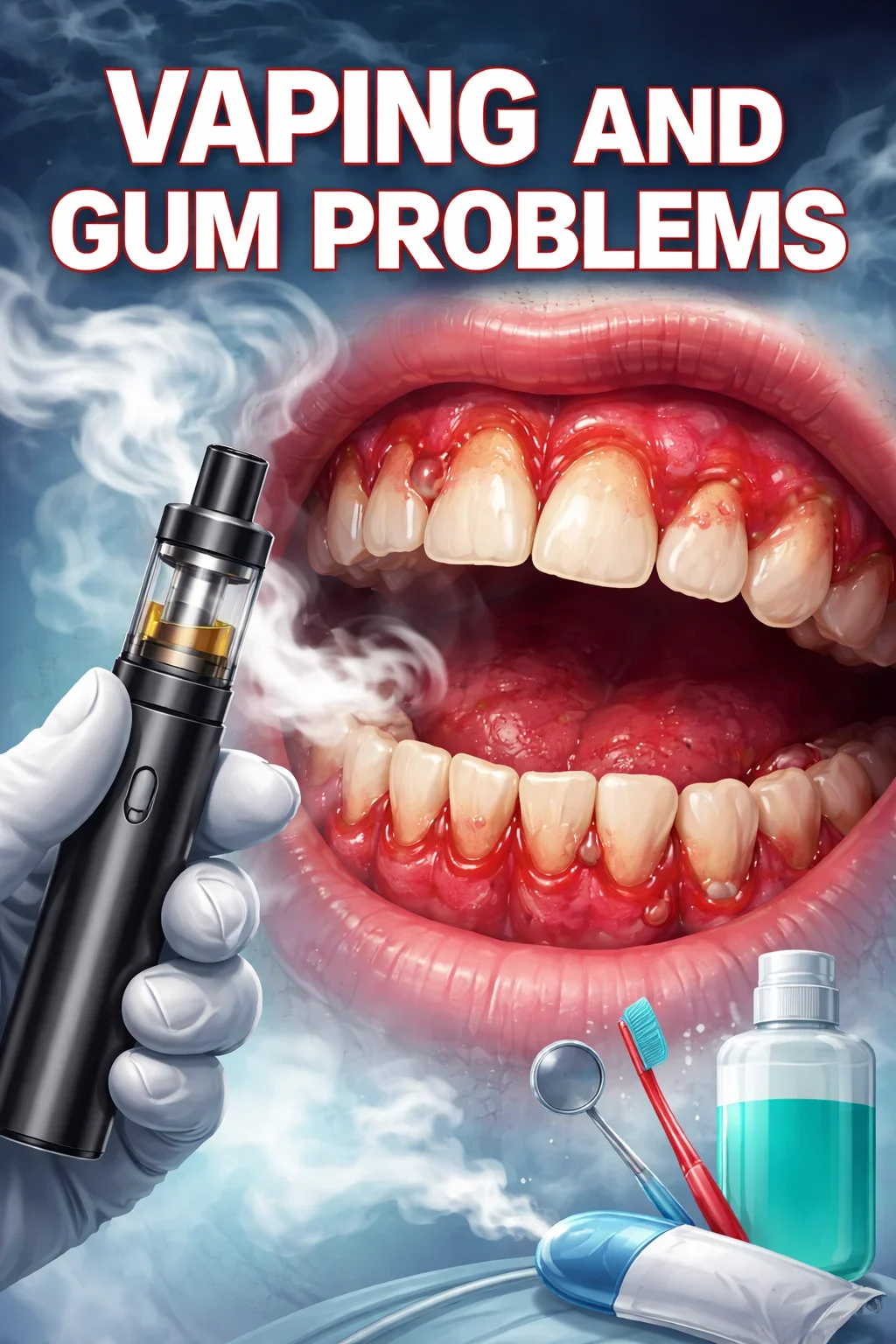
When to See a Dentist for Vaping and Gum Problems
Knowing when to seek professional dental care is critical for preventing minor issues from turning into serious oral health conditions. Because vaping and gum problems often develop quietly, many people wait too long before seeing a dentist. By the time pain or visible damage appears, gum disease may already be advanced. Understanding the right time to consult a dental professional can protect your gums, teeth, and overall health. 🦷
Unlike cavities, gum disease linked to vaping and gum problems does not always cause immediate discomfort. Nicotine’s ability to mask inflammation means that warning signs are often subtle. This makes proactive dental visits especially important for people who vape regularly.
Early Symptoms That Require Dental Evaluation
You should consider seeing a dentist as soon as you notice early signs of vaping and gum problems. These may include gum tenderness, persistent bad breath, mild swelling, or changes in gum color. Even if these symptoms seem minor, they often indicate underlying inflammation or bacterial imbalance.
Another early signal is increased tooth sensitivity, especially near the gum line. Sensitivity may suggest gum recession or root exposure caused by vaping-related tissue damage. Addressing these issues early can prevent permanent gum loss.
Changes That Should Never Be Ignored
Certain symptoms of vaping and gum problems require prompt professional attention. These include visible gum recession, loose teeth, pus around the gum line, or persistent soreness that does not improve with home care.
If your gums bleed occasionally, even if the bleeding is minimal, it is still a reason to consult a dentist. Bleeding patterns can be altered by nicotine, so any change from your normal baseline should be taken seriously.
Bad Breath That Does Not Improve
Chronic bad breath is a common but often underestimated sign of vaping and gum problems. If brushing, flossing, and mouthwash do not resolve the issue, it may indicate bacterial infection below the gum line.
Persistent halitosis often accompanies periodontal disease and requires professional treatment to eliminate the underlying cause.
Routine Checkups for People Who Vape
Even in the absence of symptoms, people who vape should schedule regular dental checkups. Preventive care is one of the most effective strategies for managing vaping and gum problems. Dentists can detect subtle changes that are not visible or painful yet.
During routine visits, dentists measure periodontal pocket depths, assess gum inflammation, and evaluate bone levels using imaging when necessary. These assessments help identify early disease and guide timely intervention.
After Dental Procedures or Treatments
If you vape and have recently undergone a dental procedure, such as a deep cleaning, extraction, or gum therapy, close follow-up is essential. Healing may be slower due to vaping and gum problems, increasing the risk of complications.
Signs such as prolonged pain, swelling, or delayed healing after treatment should prompt an immediate dental visit. Early management can prevent infection and improve treatment outcomes.
Advanced Symptoms That Require Urgent Care
Severe symptoms of vaping and gum problems require urgent dental evaluation. These include significant gum swelling, abscess formation, severe pain, or sudden tooth mobility.
Infections associated with advanced gum disease can spread to surrounding tissues and, in rare cases, enter the bloodstream. Prompt treatment is essential to prevent serious health complications.
Professional Guidance and Risk Assessment
Dentists play a vital role in assessing individual risk for vaping and gum problems. Factors such as frequency of vaping, nicotine concentration, oral hygiene habits, and genetic predisposition all influence disease progression.
Based on this assessment, dental professionals can recommend personalized prevention and treatment plans, including more frequent cleanings or targeted periodontal therapy.
Evidence-Based Dental Recommendations
Leading organizations like the American Dental Association emphasize that vaping is not harmless to oral health and advise regular dental monitoring for people who vape. Their guidance underscores the importance of early detection and preventive care.
Following evidence-based recommendations ensures that vaping and gum problems are addressed using proven, safe, and effective strategies.
Taking the First Step Toward Professional Care
If you are unsure whether your symptoms warrant a dental visit, it is always better to err on the side of caution. Early evaluation of vaping and gum problems can save time, money, and discomfort in the long run.
You can receive expert assessment, preventive care, and personalized guidance by scheduling a consultation through the Redent Klinik Contact Page. Professional support helps you make informed decisions about your oral health and vaping habits.
In conclusion, knowing when to see a dentist for vaping and gum problems is essential for protecting your gums and teeth. Early symptoms, routine checkups, post-treatment concerns, and advanced warning signs all warrant professional attention. Proactive dental care is the most effective way to prevent irreversible damage and maintain a healthy, confident smile for years to come. 😊