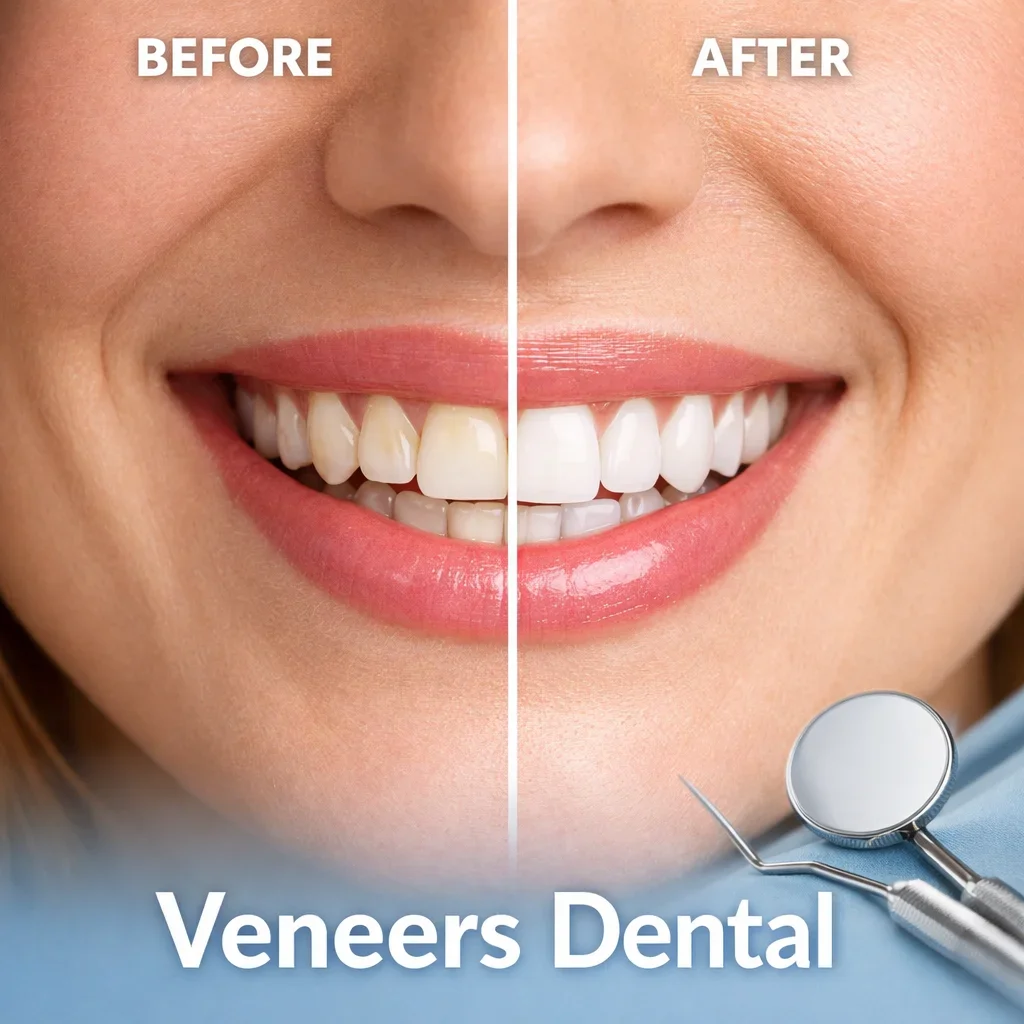
Veneers Dental: The Complete Guide to a Perfect Smile

veneers dental

A confident smile can transform not only your appearance but also your self-esteem, social life, and even professional opportunities. One of the most popular cosmetic solutions for achieving a flawless smile is veneers dental treatment. If you are searching for a long-lasting, natural-looking solution to chipped, stained, misaligned, or uneven teeth, understanding how veneers dental works is the first step toward making an informed decision. 😊

Veneers dental refers to ultra-thin, custom-made shells designed to cover the front surface of teeth. These shells are typically made from porcelain or composite resin and are bonded permanently to improve the color, shape, size, or length of teeth. Unlike temporary cosmetic fixes, veneers dental provides a durable and highly aesthetic solution that blends seamlessly with your natural smile.

Many patients choose veneers dental when whitening treatments are no longer effective or when structural imperfections cannot be corrected with orthodontics alone. Whether you are dealing with intrinsic discoloration, worn enamel, small gaps, or minor alignment issues, veneers dental can dramatically enhance your overall dental aesthetics without requiring extensive surgery.

From a clinical perspective, veneers dental is considered a minimally invasive cosmetic dentistry procedure. Only a small amount of enamel—usually less than a millimeter—is removed from the tooth surface before bonding the veneer. This ensures a natural fit and prevents bulky results. Because of this conservative approach, veneers dental is often preferred over full crowns when the tooth structure is mostly healthy.

One of the main reasons veneers dental has gained worldwide popularity is its ability to deliver immediate, visible results. In most cases, patients can achieve a complete smile transformation within just two or three appointments. After a consultation and smile design planning phase, impressions are taken, and custom veneers are fabricated in a dental laboratory. Once ready, they are carefully bonded using advanced adhesive techniques to ensure long-term stability.

It is important to understand that veneers dental is not just about aesthetics—it also offers functional improvements. By covering weakened enamel and protecting worn tooth surfaces, veneers dental can enhance bite function and reduce sensitivity in certain cases. However, it is not a replacement for restorative treatments when severe decay or gum disease is present. A comprehensive examination is always necessary before proceeding.

According to the American Dental Association, cosmetic dental treatments should always be performed after ensuring optimal oral health. This means cavities, gum inflammation, and bite problems must be addressed before starting veneers dental treatment. A healthy foundation ensures long-lasting and predictable results.

Patients often wonder whether veneers dental looks artificial. Modern dental veneers are carefully color-matched and shaped according to facial symmetry, lip line, and individual preferences. Digital smile design technologies now allow patients to preview their expected outcome before treatment begins. This personalized approach ensures that veneers dental enhances natural beauty rather than creating an exaggerated look.

Another advantage of veneers dental is stain resistance—especially with porcelain materials. Unlike natural enamel, porcelain veneers resist coffee, tea, and wine stains more effectively. This means your smile can remain bright for years with proper care. Routine brushing, flossing, and professional cleanings are essential to maintain the health of both your veneers and underlying teeth.

However, veneers dental is a permanent commitment. Because enamel removal is irreversible, patients should be confident in their decision before starting treatment. While veneers dental can last 10–15 years or even longer with proper maintenance, they may eventually require replacement due to normal wear.

In summary, veneers dental is a highly effective cosmetic dentistry solution designed to correct discoloration, minor misalignment, gaps, chips, and worn teeth. It combines artistic precision with clinical expertise to deliver a balanced, symmetrical, and radiant smile. If you are considering veneers dental, consulting an experienced cosmetic dentist is essential to evaluate your oral health, aesthetic goals, and long-term expectations.

Your smile is one of your most powerful assets—and veneers dental could be the solution that helps you unlock its full potential. 😁

What Is Veneers Dental Treatment?

Understanding veneers dental treatment begins with recognizing its purpose in modern cosmetic dentistry. Veneers dental is a minimally invasive procedure designed to enhance the appearance of teeth by covering imperfections on the front surface. These ultra-thin shells are custom-crafted to match the patient’s natural tooth color and facial symmetry, creating a brighter and more harmonious smile. For individuals seeking long-term aesthetic improvement without extensive surgical intervention, veneers dental has become one of the most trusted solutions worldwide. 😊

At its core, veneers dental is about transformation. Whether teeth are stained, chipped, uneven, worn down, or slightly misaligned, veneers dental provides a cosmetic enhancement that looks natural and feels comfortable. Unlike whitening treatments that only address color, veneers dental corrects multiple concerns simultaneously, making it a comprehensive smile makeover option.

The Purpose of Veneers Dental in Cosmetic Dentistry

The main objective of veneers dental is to improve dental aesthetics while preserving as much natural tooth structure as possible. In cosmetic dentistry, treatment options range from simple bonding to full crowns. Veneers dental stands out because it strikes a balance between conservative preparation and dramatic results. Only a thin layer of enamel is gently removed before bonding the veneer, allowing for a secure and long-lasting fit.

Patients commonly choose veneers dental for the following reasons:

  • Severe tooth discoloration resistant to whitening
  • Chipped or cracked teeth
  • Gaps between teeth
  • Minor misalignment or irregular shape
  • Worn or shortened teeth

Because veneers dental addresses both shape and shade, it offers a more complete cosmetic correction compared to surface-level treatments.

Materials Used in Veneers Dental

There are two primary materials used in veneers dental treatment: porcelain and composite resin. Each material has distinct characteristics that influence durability, aesthetics, and cost.

Porcelain Veneers Dental

Porcelain veneers dental is widely regarded as the gold standard. Porcelain mimics the light-reflecting properties of natural enamel, creating a lifelike appearance. It is highly resistant to staining and typically lasts 10–15 years or longer with proper care. Because porcelain veneers dental are fabricated in a laboratory, they require at least two visits for completion.

Composite Veneers Dental

Composite veneers dental is applied directly to the teeth in a single visit. While more affordable and less time-consuming, composite material may not last as long as porcelain. However, it remains a valuable option for patients seeking immediate cosmetic improvement at a lower cost.

How Veneers Dental Works

The veneers dental process begins with a consultation and smile assessment. The dentist evaluates oral health, bite alignment, and aesthetic goals. Digital imaging or mock-ups may be used to preview expected results. After planning, a minimal amount of enamel is reshaped to create space for veneers dental placement.

Impressions are taken to ensure a precise fit. Once the custom veneers dental are ready, they are bonded using strong dental adhesives and cured with a special light. The result is a seamless integration between veneer and natural tooth.

Because veneers dental is permanently bonded, it becomes a stable part of your smile. With proper maintenance, including daily brushing and flossing, veneers dental can maintain its brilliance for many years.

Who Should Consider Veneers Dental?

Ideal candidates for veneers dental are individuals with healthy gums and sufficient enamel. While veneers dental corrects aesthetic concerns, it does not treat active decay or gum disease. Patients must complete necessary restorative treatments before beginning veneers dental.

Those seeking a dramatic improvement without orthodontic treatment often find veneers dental especially appealing. In some cases, minor alignment issues can be visually corrected through veneers dental without the need for braces.

Advantages Over Other Cosmetic Procedures

Compared to crowns, veneers dental preserves more natural tooth structure. Unlike whitening, veneers dental provides long-term color stability. And compared to orthodontics, veneers dental can offer faster aesthetic improvement for mild spacing or alignment concerns.

Additionally, veneers dental is customizable. Shape, size, and color can be tailored to complement facial proportions and personal preferences. This personalization ensures a smile that looks authentic rather than artificial.

In conclusion, veneers dental treatment is a sophisticated cosmetic dentistry solution designed to improve both the appearance and confidence of patients. By combining artistic precision with advanced dental materials, veneers dental delivers predictable, natural-looking results. For individuals seeking a reliable and long-lasting smile transformation, veneers dental remains one of the most effective and popular options in modern dentistry. 😁

Types of Veneers Dental Options: Porcelain vs Composite

When considering veneers dental treatment, one of the most important decisions involves choosing the right material. The two primary types of veneers dental options are porcelain and composite resin. While both aim to enhance aesthetics and restore confidence, they differ significantly in durability, appearance, cost, and treatment time. Understanding these differences helps patients select the most suitable veneers dental solution based on their goals and budget. 😊

Both types of veneers dental are designed to improve tooth color, shape, and alignment, but their clinical properties and long-term performance vary. A thorough consultation allows your dentist to recommend the most appropriate veneers dental option tailored to your smile design.

Porcelain Veneers Dental: Premium Aesthetic Performance

Porcelain veneers dental is widely recognized as the gold standard in cosmetic dentistry. Crafted in a dental laboratory from high-quality ceramic materials, porcelain veneers dental closely mimic the translucency and light-reflecting properties of natural enamel. This makes them virtually indistinguishable from real teeth when properly placed.

Advantages of Porcelain Veneers Dental

  • Exceptional aesthetics: Porcelain veneers dental offer superior translucency and depth.
  • Stain resistance: Highly resistant to coffee, tea, and wine discoloration.
  • Durability: Typically lasts 10–15 years or longer with proper care.
  • Color stability: Maintains brightness over time.

Because porcelain veneers dental are fabricated in a laboratory, the process usually requires two or more visits. During the first appointment, a small amount of enamel is reshaped. Temporary veneers may be placed while custom porcelain veneers dental are being crafted. At the final visit, they are bonded securely to the teeth.

Considerations for Porcelain Veneers Dental

While porcelain veneers dental offers excellent results, it generally costs more than composite alternatives. The laboratory fabrication and advanced materials contribute to the higher price point. However, many patients find the long-term durability and aesthetic superiority worth the investment.

Composite Veneers Dental: Affordable and Immediate

Composite veneers dental is made from tooth-colored resin applied directly to the tooth surface. Unlike porcelain veneers dental, composite veneers dental can often be completed in a single appointment. The dentist sculpts and shapes the material directly on the tooth before hardening it with a curing light.

Advantages of Composite Veneers Dental

  • Lower cost: More budget-friendly compared to porcelain veneers dental.
  • Faster treatment: Often completed in one visit.
  • Minimally invasive: May require less enamel removal.
  • Easy repair: Chips can often be repaired without full replacement.

Composite veneers dental is an excellent option for minor cosmetic corrections or for patients seeking a temporary enhancement before committing to porcelain veneers dental.

Limitations of Composite Veneers Dental

Although composite veneers dental offers convenience, it is generally less durable than porcelain veneers dental. Staining may occur over time, and lifespan typically ranges from 5 to 7 years with proper maintenance. Regular polishing and good oral hygiene are essential to maintain their appearance.

Cost Comparison of Veneers Dental Options

Cost is often a deciding factor when choosing veneers dental. While prices vary by country and clinic, the following general estimates apply:

  • Porcelain veneers dental: $900 – $2,500 per tooth (USA average)
  • Composite veneers dental: $250 – $1,500 per tooth (USA average)

International clinics may offer veneers dental treatment at more competitive rates. However, quality, materials, and dentist expertise should always be prioritized over price alone.

Which Veneers Dental Option Is Right for You?

The ideal veneers dental choice depends on several factors, including aesthetic expectations, budget, long-term goals, and oral health condition. Patients seeking a long-lasting, highly natural look often prefer porcelain veneers dental. Those looking for a quicker, more affordable solution may opt for composite veneers dental.

It is also important to consider lifestyle factors. If you frequently consume staining beverages or desire a long-term cosmetic transformation, porcelain veneers dental may provide better satisfaction. On the other hand, if you want a reversible or short-term enhancement, composite veneers dental can be a practical solution.

Ultimately, both porcelain and composite veneers dental offer effective smile improvement when performed by an experienced cosmetic dentist. A detailed smile assessment, combined with digital imaging, can help visualize expected outcomes before committing to veneers dental treatment.

Choosing between porcelain and composite veneers dental is not just about cost—it is about achieving a confident, natural-looking smile that aligns with your expectations. By understanding the strengths and limitations of each veneers dental type, you can make an informed decision and enjoy a beautiful, long-lasting smile transformation. 😁

Who Is an Ideal Candidate for Veneers Dental?

Choosing veneers dental treatment is an exciting step toward achieving a confident and radiant smile. However, not everyone is automatically an ideal candidate for veneers dental. A thorough evaluation by a qualified cosmetic dentist is essential to determine whether veneers dental is the right solution based on oral health, aesthetic goals, and long-term expectations. Understanding candidacy criteria helps patients make informed decisions and ensures successful, long-lasting results. 😊

In general, veneers dental is best suited for individuals who want to improve the appearance of their teeth rather than correct major structural or functional problems. While veneers dental can address multiple cosmetic concerns simultaneously, it requires a healthy oral foundation before treatment begins.

Primary Cosmetic Concerns Treated with Veneers Dental

Patients who benefit most from veneers dental typically present with one or more of the following aesthetic concerns:

  • Severe tooth discoloration resistant to whitening
  • Chipped or cracked enamel
  • Minor gaps between teeth
  • Slightly misaligned or uneven teeth
  • Worn-down tooth edges
  • Irregular tooth shape or size

Because veneers dental covers the front surface of teeth, it effectively masks imperfections and creates a symmetrical, balanced smile. Individuals seeking a comprehensive smile makeover often find veneers dental to be a highly satisfying solution.

Oral Health Requirements for Veneers Dental

Healthy teeth and gums are essential before proceeding with veneers dental. Since veneers dental is primarily cosmetic, it does not treat active decay or gum disease. Any cavities, infections, or periodontal issues must be addressed first.

Healthy Enamel Structure

Veneers dental requires a thin layer of enamel removal to ensure proper bonding and natural contours. Therefore, patients must have sufficient enamel thickness. If enamel erosion is too advanced, alternative restorative treatments such as crowns may be recommended instead of veneers dental.

Stable Gum Health

Gum inflammation or periodontal disease can compromise veneers dental outcomes. Healthy gums provide a stable frame for veneers dental and help maintain aesthetic harmony around the gumline. Proper oral hygiene and professional cleaning are critical before treatment begins.

Patients with Realistic Expectations

An ideal candidate for veneers dental understands both the benefits and limitations of the procedure. Veneers dental offers dramatic cosmetic improvements, but it does not replace orthodontic treatment for severe alignment issues or restorative solutions for advanced tooth damage.

Patients should also recognize that veneers dental is a long-term commitment. Since enamel removal is irreversible, future maintenance or replacement will be necessary over time. With proper care, veneers dental can last 10–15 years or longer, but they are not considered permanent for life.

Lifestyle Considerations

Lifestyle habits play a significant role in determining suitability for veneers dental. Patients who grind or clench their teeth (bruxism) may require a protective night guard to prevent damage. Excessive biting on hard objects, such as ice or pens, can also shorten the lifespan of veneers dental.

Additionally, individuals who smoke should understand that while porcelain veneers dental resist staining, surrounding natural teeth may discolor, potentially affecting overall smile uniformity.

When Veneers Dental May Not Be Recommended

Although veneers dental is versatile, it may not be appropriate in certain cases:

  • Severe tooth decay or structural weakness
  • Advanced gum disease
  • Extensive enamel loss
  • Severe misalignment requiring orthodontics

In such situations, alternative treatments like orthodontic braces, crowns, implants, or periodontal therapy may be necessary before considering veneers dental.

Psychological and Confidence Factors

Many ideal veneers dental candidates are individuals who feel self-conscious about their smiles. Aesthetic dentistry can significantly improve confidence and social comfort. When patients pursue veneers dental for positive self-improvement rather than unrealistic perfection, satisfaction rates are generally very high.

Modern digital smile design tools allow patients to preview their potential veneers dental results before treatment begins. This helps align expectations and ensures that the final outcome matches the patient’s vision.

Age Considerations

Veneers dental is typically recommended for adults whose teeth and jaw structure are fully developed. Younger patients may need to wait until growth is complete before considering veneers dental. However, there is no upper age limit as long as oral health is stable.

Ultimately, the best candidate for veneers dental is someone with healthy teeth, realistic expectations, and a desire for long-term aesthetic improvement. A personalized consultation will evaluate enamel condition, gum health, bite alignment, and cosmetic goals to determine if veneers dental is the most appropriate solution.

When carefully selected and professionally performed, veneers dental can transform not just a smile—but a person’s confidence and quality of life. 😁

The Step-by-Step Veneers Dental Procedure Explained

Understanding the complete veneers dental procedure helps patients feel confident and prepared before beginning treatment. While veneers dental is considered minimally invasive, it involves careful planning, precision, and artistic design to achieve natural-looking results. From consultation to final bonding, each step of veneers dental is designed to ensure durability, comfort, and aesthetic excellence. 😊

Initial Consultation and Smile Assessment

The veneers dental journey begins with a comprehensive consultation. During this appointment, the dentist evaluates oral health, discusses aesthetic concerns, and determines whether veneers dental is the right solution. X-rays and digital scans may be taken to assess enamel thickness, gum condition, and bite alignment.

At this stage, patients can express their expectations regarding tooth shape, shade, and smile design. Modern cosmetic dentistry often uses digital smile design software to preview how veneers dental will look before treatment even begins. This visualization ensures that both patient and dentist share the same aesthetic vision.

Treatment Planning and Custom Design

Once candidacy is confirmed, a personalized veneers dental treatment plan is created. The dentist carefully analyzes facial symmetry, lip line, and tooth proportions to design veneers dental that complement the patient’s natural features.

Shade Selection

Selecting the right color is crucial in veneers dental treatment. The goal is to achieve brightness without creating an artificial appearance. Dentists use professional shade guides to match veneers dental to natural teeth or slightly enhance overall whiteness for a refreshed smile.

Tooth Preparation

To prepare for veneers dental placement, a thin layer of enamel—typically 0.3 to 0.7 millimeters—is gently removed from the front surface of each treated tooth. This minimal reduction ensures that veneers dental fits seamlessly without adding bulk.

Local anesthesia may be used to enhance comfort during this step. Because veneers dental is conservative compared to crowns, most of the natural tooth structure remains intact.

Impressions and Temporary Veneers

After tooth preparation, precise impressions or digital scans are taken. These impressions are sent to a dental laboratory where custom veneers dental are fabricated from porcelain or composite materials.

In many cases, temporary veneers dental are placed to protect the prepared teeth while the final restorations are being created. Temporary veneers dental also allow patients to test the appearance and feel before permanent bonding.

Laboratory Fabrication Process

For porcelain veneers dental, skilled dental technicians craft each veneer individually. The ceramic material is layered and shaped to replicate the translucency and texture of natural enamel. This meticulous process ensures that veneers dental looks realistic and harmonious with surrounding teeth.

The fabrication phase typically takes one to two weeks, depending on the complexity of the case.

Final Placement and Bonding

Once the custom veneers dental are ready, the patient returns for final placement. The dentist first checks fit, color, and alignment. Adjustments are made if necessary to ensure optimal aesthetics and bite comfort.

Etching and Adhesive Application

The tooth surface is gently etched to create a micro-textured surface for strong bonding. A specialized dental adhesive is applied before positioning the veneers dental precisely on each tooth.

Light Curing and Final Adjustments

A curing light is used to harden the bonding agent, permanently securing the veneers dental in place. After bonding, the dentist makes minor adjustments to refine bite alignment and polish the surface for a natural shine.

Post-Procedure Care and Follow-Up

After veneers dental placement, patients can immediately enjoy their enhanced smile. Mild sensitivity may occur temporarily, but it typically resolves within a few days.

Maintaining veneers dental requires proper oral hygiene, including daily brushing with a non-abrasive toothpaste and regular flossing. Routine dental check-ups are essential to monitor the condition of veneers dental and surrounding tissues.

Patients who grind their teeth may be advised to wear a night guard to protect veneers dental from excessive pressure. Avoiding habits such as biting hard objects also helps extend the lifespan of veneers dental.

How Long the Veneers Dental Process Takes

In most cases, the complete veneers dental procedure takes two to three visits over a few weeks. Composite veneers dental may sometimes be completed in a single appointment, while porcelain veneers dental requires laboratory fabrication.

The timeline may vary depending on the number of teeth treated and the complexity of the smile design. However, compared to orthodontic treatment, veneers dental offers relatively fast cosmetic transformation.

In summary, the veneers dental procedure is a carefully structured process that combines clinical precision with aesthetic artistry. From consultation to bonding, each stage ensures that veneers dental delivers natural-looking, durable, and confidence-boosting results. When performed by an experienced cosmetic dentist, veneers dental provides a predictable and transformative smile enhancement that can last for many years. 😁

Benefits of Veneers Dental for Smile Makeovers

A smile makeover can dramatically enhance both appearance and confidence, and veneers dental is one of the most effective tools in modern cosmetic dentistry to achieve that transformation. Whether someone struggles with discoloration, uneven teeth, or small gaps, veneers dental offers a versatile and reliable solution. By combining aesthetic precision with functional improvement, veneers dental delivers results that often exceed patient expectations. 😊

The popularity of veneers dental continues to grow because it addresses multiple cosmetic concerns simultaneously. Instead of undergoing several different procedures, patients can often achieve their desired outcome through a single, well-planned veneers dental treatment. Let’s explore the major benefits that make veneers dental such a powerful option for smile makeovers.

Instant Aesthetic Transformation

One of the most significant advantages of veneers dental is the immediate visual improvement it provides. Unlike orthodontic treatments that may take months or years, veneers dental can transform a smile within just a few appointments. Once bonded, veneers dental instantly improves tooth color, symmetry, and alignment.

This rapid transformation makes veneers dental especially attractive for patients preparing for important life events such as weddings, career changes, or public appearances. The ability to achieve a flawless smile in a short timeframe is one of the defining benefits of veneers dental.

Natural and Lifelike Appearance

Modern veneers dental materials, particularly porcelain, replicate the translucency and light-reflecting properties of natural enamel. Skilled cosmetic dentists carefully design veneers dental to match facial proportions and lip contours, ensuring a harmonious result.

Customized Shape and Size

Each veneers dental restoration is custom-crafted. Dentists adjust the length, width, and contour of veneers dental to correct asymmetry and create balance. This personalized approach prevents the overly artificial look sometimes associated with older cosmetic techniques.

Color Stability

Porcelain veneers dental is highly resistant to staining. Unlike natural enamel, which may discolor over time due to coffee or tea, veneers dental maintains its brightness for years with proper care.

Minimally Invasive Procedure

Compared to full crowns, veneers dental requires only minimal enamel removal. This conservative approach preserves much of the natural tooth structure while still delivering dramatic cosmetic improvement. Because veneers dental focuses primarily on the front surface of the teeth, the underlying tooth remains largely intact.

This minimally invasive nature is a key reason why veneers dental is often preferred for aesthetic enhancements when the teeth are structurally healthy.

Durability and Longevity

With proper oral hygiene and regular dental visits, veneers dental can last 10–15 years or even longer. Porcelain veneers dental, in particular, is known for its strength and resistance to wear. Although not indestructible, veneers dental can withstand normal chewing forces and daily use.

Patients who follow aftercare guidelines—such as avoiding biting hard objects and wearing a night guard if necessary—can significantly extend the lifespan of veneers dental.

Improved Self-Confidence

Beyond physical improvements, veneers dental often has a profound psychological impact. Many patients report increased confidence in social interactions, professional environments, and photographs. A symmetrical, bright smile achieved through veneers dental can positively influence self-esteem and overall well-being.

Confidence plays a major role in communication and personal presentation. By eliminating cosmetic concerns, veneers dental empowers individuals to smile freely without hesitation.

Versatility in Treating Multiple Issues

Another major benefit of veneers dental is its versatility. It can address several concerns at once, including:

  • Stubborn discoloration
  • Chipped or cracked teeth
  • Small gaps between teeth
  • Mild misalignment
  • Worn enamel

Instead of undergoing separate whitening, bonding, and minor orthodontic procedures, patients can achieve comprehensive results with veneers dental.

Low Maintenance Requirements

Caring for veneers dental is simple and similar to caring for natural teeth. Daily brushing, flossing, and routine professional cleanings are sufficient to maintain both oral health and the appearance of veneers dental.

Because porcelain veneers dental resists stains, patients do not need frequent whitening treatments. This makes veneers dental a convenient long-term aesthetic solution.

Predictable and Customizable Results

Digital smile design technology allows patients to preview their expected veneers dental results before treatment begins. This predictability reduces uncertainty and increases satisfaction. Dentists can fine-tune veneers dental color, translucency, and contour to match the patient’s vision precisely.

In summary, veneers dental provides a comprehensive range of benefits for individuals seeking a complete smile makeover. From immediate aesthetic enhancement and durability to improved confidence and minimal invasiveness, veneers dental stands out as one of the most effective cosmetic dentistry treatments available today. When carefully planned and professionally executed, veneers dental offers long-lasting, natural-looking results that can transform not only a smile—but a person’s quality of life. 😁

Veneers Dental Cost Breakdown and Price Factors

One of the most frequently asked questions about veneers dental treatment is related to cost. While the aesthetic benefits of veneers dental are widely recognized, understanding the financial investment helps patients plan realistically and confidently. The price of veneers dental can vary significantly depending on several factors, including material choice, dentist expertise, geographic location, and the number of teeth treated. 💰

Because veneers dental is considered a cosmetic procedure in most cases, it is typically not fully covered by standard dental insurance plans. However, the long-term value of veneers dental often justifies the investment for patients seeking durable, high-impact smile enhancement.

Average Cost of Veneers Dental Per Tooth

The cost of veneers dental treatment is generally calculated per tooth. Below is a typical price range in the United States:

  • Porcelain veneers dental: $900 – $2,500 per tooth
  • Composite veneers dental: $250 – $1,500 per tooth

In countries with advanced dental tourism industries, veneers dental may be available at lower rates while maintaining high-quality standards. However, it is essential to evaluate the clinic’s reputation, materials used, and the dentist’s experience before making a decision based solely on price.

Factors That Influence Veneers Dental Pricing

The total investment for veneers dental depends on multiple variables. Understanding these factors helps clarify why prices differ from clinic to clinic.

1. Type of Material Used

Porcelain veneers dental generally costs more than composite veneers dental because of laboratory fabrication and superior durability. Porcelain veneers dental also offers greater stain resistance and a more natural appearance, which contributes to its higher price.

2. Number of Teeth Treated

Some patients require veneers dental for only one or two teeth, while others opt for a complete smile makeover involving 6–10 teeth. The more veneers dental placed, the higher the total cost. However, many clinics offer package pricing for multiple teeth, reducing the per-tooth expense.

3. Dentist’s Expertise and Location

The experience and specialization of the cosmetic dentist significantly affect veneers dental pricing. Highly trained specialists with advanced smile design skills may charge more due to their expertise. Additionally, veneers dental in metropolitan areas often costs more than in smaller cities due to overhead expenses.

4. Technology and Laboratory Quality

Clinics that use advanced digital smile design software and high-end dental laboratories may have higher veneers dental fees. However, this investment often results in more precise fit, improved aesthetics, and longer-lasting outcomes.

Full Smile Makeover Cost Example

To better understand veneers dental costs, consider a patient receiving 8 porcelain veneers dental:

  • Average cost per porcelain veneer: $1,500
  • Total for 8 teeth: $12,000

For composite veneers dental, the same 8 teeth might range between $4,000 and $8,000, depending on clinic standards and location.

Are Veneers Dental Worth the Investment?

When evaluating veneers dental cost, it is important to consider longevity and aesthetic impact. Porcelain veneers dental can last 10–15 years or longer with proper care. Spread over a decade, the annual cost becomes more reasonable compared to repeated cosmetic treatments.

Additionally, veneers dental offers psychological benefits. Improved self-confidence and professional presentation can have long-term personal and career advantages, which many patients view as invaluable.

Financing Options for Veneers Dental

Many clinics offer flexible payment plans to make veneers dental more accessible. Options may include:

  • Monthly installment plans
  • Medical credit financing
  • Partial insurance contribution (if restorative components are involved)

Patients should discuss payment structures during consultation to understand available options for veneers dental treatment.

Hidden Costs to Consider

While the primary veneers dental cost is usually quoted upfront, patients should also consider potential additional expenses:

  • Initial consultation and diagnostic imaging
  • Temporary veneers dental (if required)
  • Night guard for bruxism protection
  • Future maintenance or replacement

Transparent communication with the clinic ensures there are no unexpected surprises regarding veneers dental pricing.

Comparing Veneers Dental to Other Cosmetic Treatments

Compared to orthodontics, implants, or full crowns, veneers dental often provides a balanced solution in terms of cost and speed of results. While not the cheapest cosmetic option, veneers dental offers comprehensive aesthetic improvement in a relatively short timeframe.

In conclusion, veneers dental cost varies based on material, expertise, location, and case complexity. While the investment may seem significant, the long-lasting results, durability, and confidence boost make veneers dental a valuable cosmetic dentistry solution for many patients. By understanding pricing factors and financing options, individuals can make informed decisions and move forward confidently toward their ideal smile. 😁

How Long Do Veneers Dental Restorations Last?

One of the most important considerations before choosing veneers dental treatment is understanding its longevity. Patients often ask how long veneers dental restorations truly last and what factors influence their lifespan. While veneers dental is not permanent in the sense of lasting a lifetime, it is considered a long-term cosmetic solution when properly maintained. With the right care, veneers dental can provide beautiful and durable results for many years. 😊

The lifespan of veneers dental depends largely on the material used, oral hygiene habits, bite forces, and professional follow-up care. In general, porcelain veneers dental lasts longer than composite veneers dental, but both options can remain functional and aesthetic with proper maintenance.

Average Lifespan of Veneers Dental

Clinical studies and long-term observations provide useful insight into how long veneers dental typically lasts:

  • Porcelain veneers dental: 10–15 years on average, often longer with excellent care
  • Composite veneers dental: 5–7 years on average

Some patients report porcelain veneers dental lasting 20 years or more, especially when oral hygiene and bite stability are well managed. However, natural wear and tear over time may eventually require replacement.

Factors That Affect Veneers Dental Longevity

The durability of veneers dental is influenced by several key factors. Understanding these helps patients protect their investment and extend the lifespan of their restorations.

1. Material Quality

Porcelain veneers dental is generally more resistant to staining and chipping compared to composite veneers dental. High-quality laboratory fabrication also plays a major role in ensuring long-term stability. The stronger the material and bonding technique, the longer veneers dental is likely to last.

2. Oral Hygiene Habits

Although veneers dental itself cannot decay, the underlying natural tooth structure can. Poor oral hygiene can lead to cavities at the margins of veneers dental, compromising their stability. Daily brushing, flossing, and regular dental cleanings are essential to maintain veneers dental health.

3. Bite and Grinding Habits

Teeth grinding (bruxism) is one of the most common threats to veneers dental longevity. Excessive pressure can cause chipping or debonding. Patients who grind their teeth are often advised to wear a protective night guard to safeguard veneers dental during sleep.

4. Lifestyle Choices

Habits such as biting ice, chewing hard candies, or opening packages with teeth can shorten the lifespan of veneers dental. Smoking may also discolor surrounding natural teeth, affecting overall smile harmony even if porcelain veneers dental remains stain-resistant.

Maintenance and Aftercare for Veneers Dental

Proper maintenance is essential to maximize veneers dental durability. Fortunately, caring for veneers dental is similar to caring for natural teeth.

  • Brush twice daily with a non-abrasive toothpaste
  • Floss daily to protect gum health
  • Schedule professional cleanings every six months
  • Avoid using teeth as tools
  • Wear a night guard if recommended

Routine dental visits allow early detection of minor issues before they become major problems. Small adjustments or polishing can help preserve veneers dental appearance and function.

Signs That Veneers Dental May Need Replacement

Even high-quality veneers dental may eventually require replacement due to natural aging or wear. Common signs include:

  • Chipping or cracking
  • Discoloration at the margins
  • Loose or debonded veneers
  • Gum recession affecting appearance

If any of these signs occur, prompt consultation ensures timely repair or replacement of veneers dental to maintain both aesthetics and oral health.

Comparing Veneers Dental Longevity to Other Treatments

Compared to dental bonding, veneers dental generally lasts significantly longer. While crowns may offer similar durability, they require more extensive tooth reduction. Veneers dental strikes a balance between conservative preparation and long-lasting results, making it a preferred choice for cosmetic improvements.

It is important to remember that veneers dental longevity also depends on patient commitment. Those who maintain excellent oral hygiene and attend regular check-ups often experience extended lifespan beyond average expectations.

Long-Term Value of Veneers Dental

Although veneers dental may eventually require replacement, the long-lasting aesthetic improvement and confidence boost provide substantial long-term value. When considering the years of enhanced smile appearance, veneers dental remains one of the most durable cosmetic dentistry options available.

In summary, veneers dental restorations typically last between 5 and 15 years depending on material and care. Porcelain veneers dental offers superior durability, while composite veneers dental provides a more affordable but shorter-term solution. With responsible maintenance, professional monitoring, and healthy lifestyle habits, veneers dental can maintain its beauty and function for many years—allowing patients to enjoy a confident, radiant smile long into the future. 😁

Risks, Limitations, and Aftercare of Veneers Dental

While veneers dental treatment is widely recognized for its transformative aesthetic benefits, it is equally important to understand its potential risks, limitations, and long-term care requirements. Like any dental procedure, veneers dental must be approached with realistic expectations and proper planning. When performed by an experienced cosmetic dentist and followed by responsible aftercare, veneers dental is considered safe and highly predictable. However, informed patients achieve the best long-term satisfaction. 😊

Understanding the Limitations of Veneers Dental

Although veneers dental is versatile, it is not a universal solution for every dental issue. Veneers dental primarily addresses cosmetic concerns such as discoloration, minor misalignment, small gaps, and chipped teeth. It does not correct severe bite problems, significant tooth decay, or advanced gum disease.

Not a Substitute for Orthodontics

For patients with severe crowding or major alignment issues, orthodontic treatment may be required before considering veneers dental. Attempting to mask significant misalignment with veneers dental alone can compromise both function and durability.

Irreversible Enamel Removal

One important limitation of veneers dental is that the procedure requires removal of a thin layer of enamel. Because enamel does not regenerate, veneers dental is considered irreversible. Once enamel is reduced, future maintenance or replacement of veneers dental will always be necessary.

Potential Risks of Veneers Dental

When performed correctly, veneers dental has a high success rate. However, certain risks may occur, especially if proper case selection or technique is not followed.

Tooth Sensitivity

Some patients experience temporary sensitivity after veneers dental placement. This is usually mild and subsides within days or weeks. Proper bonding techniques and careful enamel preparation help minimize this risk.

Chipping or Cracking

Although porcelain veneers dental is strong, it is not indestructible. Excessive biting force, trauma, or grinding can cause chipping. Patients who clench or grind their teeth should use a protective night guard to preserve veneers dental integrity.

Bonding Failure

In rare cases, veneers dental may loosen or debond due to improper adhesion or excessive pressure. Prompt dental evaluation can often resolve this issue without full replacement.

Gum Health and Veneers Dental

Healthy gums are essential for long-term veneers dental success. Poor oral hygiene can lead to gum inflammation around veneers dental margins, potentially affecting aesthetics and stability. Regular professional cleanings and daily flossing help maintain optimal gum health.

Aftercare Guidelines for Veneers Dental

Proper aftercare significantly extends the lifespan of veneers dental. Fortunately, maintenance is straightforward and similar to caring for natural teeth.

Daily Oral Hygiene Routine

  • Brush twice daily using a soft-bristled toothbrush
  • Use non-abrasive toothpaste to protect veneers dental surfaces
  • Floss daily to prevent gum inflammation

Good hygiene prevents decay in the natural tooth beneath veneers dental and maintains gum health.

Avoid Harmful Habits

Patients should avoid biting hard objects such as ice, pens, or fingernails. Using teeth as tools can damage veneers dental. Limiting excessive pressure preserves structural integrity.

Protective Night Guard

If bruxism is present, wearing a night guard protects veneers dental from excessive grinding forces. This simple preventive measure can significantly extend veneers dental longevity.

Regular Professional Monitoring

Routine dental check-ups every six months allow early detection of any issues related to veneers dental. Dentists can polish the surface, check bite alignment, and ensure margins remain sealed. Preventive monitoring is key to maintaining long-term results.

Long-Term Maintenance and Replacement

Even with excellent care, veneers dental may eventually require replacement due to natural wear or aging. Porcelain veneers dental typically lasts longer than composite veneers dental, but both may need renewal over time. Planning for future replacement is part of understanding veneers dental as a long-term commitment.

Balancing Benefits and Risks

Despite its limitations, veneers dental remains one of the most effective cosmetic dentistry procedures available. The risks are relatively low when patients are properly screened and follow aftercare recommendations. The aesthetic improvement, confidence boost, and durability often outweigh potential drawbacks for suitable candidates.

In conclusion, veneers dental offers remarkable smile enhancement, but it requires informed decision-making and responsible maintenance. By understanding risks, respecting limitations, and committing to proper aftercare, patients can enjoy the full benefits of veneers dental for many years. With professional guidance and consistent oral hygiene, veneers dental continues to be a safe, reliable, and life-changing cosmetic solution. 😁

veneers dental

Choosing the Right Clinic for Veneers Dental Treatment

Selecting the right clinic for veneers dental treatment is one of the most important decisions in your smile transformation journey. Even the highest-quality veneers dental materials cannot compensate for poor planning or lack of expertise. Because veneers dental is both a clinical and artistic procedure, the skill of the dentist and the standards of the clinic directly influence the final result. A carefully chosen clinic ensures that veneers dental not only looks beautiful but also functions comfortably and lasts for many years. 😊

Patients often focus primarily on cost when researching veneers dental, but expertise, technology, and patient care standards are equally critical. A well-qualified clinic will prioritize diagnosis, customization, and long-term follow-up rather than rushing through veneers dental placement.

Check the Dentist’s Experience in Veneers Dental

The first and most crucial factor is the dentist’s experience with veneers dental. Cosmetic dentistry requires advanced training beyond general dental procedures. Dentists who frequently perform veneers dental treatments typically demonstrate greater precision in smile design, enamel preparation, and bonding techniques.

Before-and-After Portfolio

Reputable clinics proudly present before-and-after photos of previous veneers dental cases. Reviewing these examples allows you to evaluate the dentist’s aesthetic style and consistency. Look for natural-looking results that complement facial features rather than overly white or artificial smiles.

Specialized Cosmetic Training

Ask whether the dentist has completed advanced training in aesthetic dentistry or smile design. Continuing education ensures that veneers dental procedures follow the latest scientific standards and bonding technologies.

Technology and Materials Used

Modern technology significantly improves the precision and predictability of veneers dental treatment. Clinics that invest in advanced equipment often deliver superior outcomes.

Digital Smile Design

Digital smile design software allows patients to preview their veneers dental results before treatment begins. This technology improves communication between patient and dentist, ensuring expectations are aligned.

High-Quality Laboratory Collaboration

For porcelain veneers dental, collaboration with an experienced dental laboratory is essential. The craftsmanship of the technician determines how natural veneers dental appears. High-quality ceramics mimic enamel translucency and ensure long-term durability.

Personalized Consultation Process

A trustworthy clinic will never rush the veneers dental consultation. A comprehensive assessment should include:

  • Full oral examination
  • X-rays or digital scans
  • Bite analysis
  • Discussion of aesthetic goals
  • Explanation of risks and limitations

Transparent communication during consultation builds trust and ensures that veneers dental is truly appropriate for your oral health condition.

Hygiene and Clinical Standards

Infection control and sterilization standards are critical in any dental procedure, including veneers dental. Clinics that follow strict hygiene protocols reduce the risk of complications and promote patient safety.

According to the American Dental Association, maintaining professional clinical standards is essential for both cosmetic and restorative dental procedures. Ensuring that your chosen clinic adheres to recognized guidelines adds another layer of security to your veneers dental treatment.

Transparent Pricing and Treatment Planning

Clear pricing policies are a sign of professionalism. A reliable clinic will provide a detailed breakdown of veneers dental costs, including consultation, temporary veneers (if needed), laboratory fees, and follow-up visits.

If you are considering treatment abroad or comparing options, communication is key. Clinics that provide comprehensive information and patient support demonstrate commitment to high-quality veneers dental care.

For personalized consultation and professional guidance, you may visit the Redent Klinik Contact Page to learn more about available veneers dental treatment options.

Patient Reviews and Testimonials

Online reviews and testimonials offer valuable insight into patient satisfaction with veneers dental treatment. Consistent positive feedback regarding professionalism, results, and follow-up care indicates a reliable clinic.

Aftercare and Long-Term Support

The relationship between patient and clinic does not end after veneers dental placement. Ongoing support, regular check-ups, and maintenance advice are essential to maximize veneers dental longevity.

Follow-Up Appointments

Professional clinics schedule follow-up visits to monitor veneers dental fit and gum health. Early detection of minor issues prevents major complications.

Emergency Support

In rare cases where veneers dental requires adjustment or repair, responsive patient support ensures timely solutions.

Balancing Quality and Investment

While affordability matters, choosing veneers dental based solely on low price can compromise long-term satisfaction. High-quality materials, skilled craftsmanship, and advanced technology contribute to predictable results. Investing in a reputable clinic often reduces the need for early replacement or corrective procedures.

In conclusion, choosing the right clinic for veneers dental treatment involves evaluating expertise, technology, hygiene standards, transparency, and patient support. A carefully selected clinic ensures that veneers dental enhances both aesthetics and oral health safely and effectively. By prioritizing quality and professionalism, you can confidently begin your veneers dental journey and enjoy a radiant, long-lasting smile. 😁