
In today’s fast-moving healthcare environment, communication is no longer just about answering phone calls. For a modern clinic, especially a dental practice, communication directly affects patient satisfaction, appointment efficiency, and even revenue. This is where voip for dental office solutions come into play. VoIP, which stands for Voice over Internet Protocol, allows dental offices to make and receive calls using an internet connection instead of traditional landlines. While this may sound technical, the real-world benefits are practical, measurable, and highly impactful for daily dental operations 😊.
Voip for dental office systems convert voice signals into digital data and transmit them securely over the internet. Unlike old phone systems that rely on physical lines and fixed hardware, VoIP offers flexibility, scalability, and smart features designed for busy healthcare environments. For dental clinics handling dozens of patient calls daily—appointment scheduling, treatment inquiries, follow-ups, and emergency calls—this technology creates a smoother, more professional communication flow.
At its core, voip for dental office technology works through cloud-based infrastructure. Calls can be answered on desk phones, mobile devices, or computers, allowing staff to stay connected even when working remotely or moving between treatment rooms. This is especially valuable for dental clinics that aim to reduce missed calls and improve response times. A missed call could mean a lost patient, and VoIP helps prevent that problem effectively 📞.
One of the most important aspects of voip for dental office systems is call routing. Instead of patients being placed on long holds or transferred incorrectly, calls can be intelligently routed to the right department or staff member. For example, new patient inquiries can be directed to the front desk, while existing patients calling about post-treatment concerns can reach clinical staff faster. This improves patient trust and reduces frustration.
Another key benefit of voip for dental office solutions is integration with dental practice management software. Many VoIP systems can sync with appointment scheduling tools, patient databases, and CRM platforms. This allows staff to see caller information instantly, greet patients by name, and access appointment details without switching systems. The result is a more personalized and professional experience that patients truly appreciate 🦷.
From a cost perspective, voip for dental office systems are often more affordable than traditional phone lines. Since calls use the internet, long-distance and international calling costs are significantly reduced. Clinics with international patients or multiple locations can benefit greatly from these savings. Additionally, VoIP systems typically operate on predictable monthly plans, making budgeting easier for dental practice owners.
Reliability is another area where voip for dental office technology excels. Modern providers offer high uptime, call quality optimization, and failover options. In case of internet issues, calls can automatically be forwarded to mobile phones or alternative locations. This ensures that patient communication remains uninterrupted, even during technical problems, which is crucial in healthcare settings.
Security is a common concern among dental professionals, and rightly so. A well-designed voip for dental office solution uses encryption, secure data centers, and compliance-ready configurations to protect sensitive patient information. When combined with best practices and reputable providers, VoIP can align with healthcare data protection standards supported by organizations like the American Dental Association.
Patient engagement also improves significantly with voip for dental office platforms. Features such as voicemail-to-email, call recordings for quality control, automated appointment reminders, and after-hours call handling help clinics stay responsive without overwhelming staff. These tools create a more organized workflow and allow dental teams to focus on patient care rather than phone management 😊.
Ultimately, voip for dental office technology is not just a phone system—it is a communication strategy. It supports growth, improves efficiency, and enhances the patient experience from the very first call. For dental clinics aiming to appear modern, reliable, and patient-focused, adopting VoIP is no longer optional but a strategic necessity.
If you would like to learn more about how advanced communication systems can support patient engagement and appointment coordination, feel free to reach out through the Redent Klinik Contact Page. Choosing the right communication tools today can define the success of your dental practice tomorrow 🚀.
What Is VoIP for Dental Office and How Does It Work?
To fully understand why voip for dental office solutions have become essential in modern dentistry, it is important to first understand what VoIP actually is and how it functions in a clinical environment. VoIP, or Voice over Internet Protocol, is a technology that allows voice calls to be made using a broadband internet connection instead of a traditional telephone line. For a dental office, this means clearer calls, smarter call handling, and far greater flexibility compared to outdated phone systems 😊.
In a traditional setup, phone calls rely on physical copper lines and fixed hardware. With voip for dental office systems, voice signals are converted into digital packets and transmitted securely over the internet. These packets are then reassembled on the receiving end, allowing real-time conversations with excellent sound quality. This process happens in milliseconds, making the experience seamless for both staff and patients.
Core Components of a VoIP for Dental Office System
A professional voip for dental office setup typically includes several core components working together. First, there is the VoIP service provider, which manages call routing, hosting, and connectivity. Second, there are endpoints such as desk phones, softphones on computers, or mobile apps used by dental staff. Finally, a stable internet connection ensures consistent call quality.
Unlike traditional systems, voip for dental office platforms are usually cloud-based. This means there is no bulky hardware to maintain on-site. Updates, security patches, and feature upgrades are handled automatically by the provider. For dental clinics, this reduces IT maintenance costs and minimizes downtime, allowing staff to focus on patient care rather than technical issues 🦷.
How Calls Flow in a Dental Office Using VoIP
When a patient calls a clinic using voip for dental office technology, the call is instantly routed through the internet to the clinic’s VoIP system. Intelligent call routing rules then determine where the call should go. For example, new patient calls can be directed to reception, while existing patients can reach specific departments or team members.
This intelligent routing is one of the strongest advantages of voip for dental office systems. Instead of missed calls or endless transfers, patients are guided quickly and efficiently. This improves first impressions and reduces frustration, which is critical in healthcare communication.
Advanced Call Handling Features Explained
Modern voip for dental office platforms include advanced call handling tools that go far beyond simple dialing and receiving calls. Features such as auto-attendants allow clinics to create professional voice menus that operate 24/7. Even outside office hours, patients can leave messages, hear emergency instructions, or schedule callbacks.
Another powerful feature is voicemail-to-email. With voip for dental office systems, voicemail messages are automatically sent to staff inboxes as audio files or transcriptions. This ensures that no patient inquiry is overlooked and follow-ups happen faster. For busy dental teams, this dramatically improves response efficiency 😊.
Integration with Dental Practice Management Software
One of the most transformative aspects of voip for dental office solutions is their ability to integrate with existing dental software. When a patient calls, the system can instantly display their name, appointment history, and notes on the screen. This allows staff to greet patients personally and address their needs without delay.
This integration also supports appointment reminders, follow-up calls, and call analytics. With voip for dental office analytics, clinics can track call volumes, peak hours, missed calls, and response times. These insights help optimize staffing and improve patient communication strategies over time.
Why Internet-Based Calling Is Reliable for Dental Clinics
A common misconception is that internet-based calling is unreliable. In reality, modern voip for dental office systems are designed with redundancy and failover options. If the primary internet connection fails, calls can be automatically forwarded to mobile phones or alternative locations. This ensures continuous availability, which is crucial for patient trust and emergency situations.
Additionally, VoIP providers prioritize call traffic to maintain high audio quality. With proper configuration, voip for dental office calls are often clearer and more stable than traditional phone calls, even during busy clinic hours 📞.
In summary, voip for dental office technology works by combining cloud-based communication, intelligent call routing, and seamless software integration into one powerful system. It replaces outdated phone infrastructure with a flexible, scalable, and patient-focused solution. For dental practices aiming to modernize operations and improve communication efficiency, understanding how VoIP works is the first step toward long-term success 🚀.
Why Modern Dental Clinics Are Switching to VoIP Systems
The dental industry has evolved rapidly over the last decade, and communication technology has played a major role in that transformation. More clinics are realizing that traditional phone systems no longer meet the demands of modern patient care. This is why voip for dental office solutions are becoming the preferred choice for forward-thinking dental practices. From improved efficiency to better patient satisfaction, the reasons behind this shift are both practical and strategic 😊.
At its core, voip for dental office technology aligns perfectly with how dental clinics operate today. Dental teams handle high call volumes, appointment changes, emergency inquiries, and patient follow-ups daily. VoIP systems are designed to manage these interactions intelligently, helping clinics operate more smoothly while reducing stress on administrative staff.
Improved Efficiency and Workflow Optimization
One of the primary reasons clinics adopt voip for dental office systems is efficiency. Traditional phone systems often create bottlenecks—missed calls, long hold times, and limited call routing options. VoIP eliminates these issues by offering automated call distribution, call queues, and smart forwarding.
With voip for dental office platforms, front desk teams can handle multiple calls simultaneously without confusion. Calls can be prioritized based on urgency, ensuring that emergency dental cases receive immediate attention. This optimized workflow allows staff to spend less time managing phones and more time assisting patients in person 🦷.
Reduced Missed Calls and Lost Appointments
Missed calls often translate into lost revenue for dental clinics. Patients who cannot reach a clinic may simply call another provider. Voip for dental office systems drastically reduce this risk by offering call forwarding, voicemail-to-email, and mobile accessibility. Even if staff are temporarily unavailable, patient inquiries are captured and addressed promptly.
This reliability helps dental clinics maintain a professional image and ensures that no patient feels ignored or undervalued.
Enhanced Patient Experience and Satisfaction
Patient expectations have changed significantly. Today’s patients expect quick responses, clear communication, and personalized service. Voip for dental office solutions help clinics meet these expectations effortlessly. Features such as caller ID with patient records, call history tracking, and automated appointment reminders create a seamless communication experience.
When patients call and are greeted by name or assisted without repeating information, their confidence in the clinic increases. This level of personalization is difficult to achieve with traditional phone systems but is standard with voip for dental office technology 😊.
Consistency Across Multiple Locations
Many dental practices now operate multiple branches or satellite clinics. Managing communication across locations can be challenging with traditional systems. Voip for dental office platforms solve this problem by unifying all locations under a single communication network.
Calls can be routed seamlessly between branches, and staff can collaborate easily regardless of physical location. This creates a consistent patient experience and simplifies administrative management.
Cost Efficiency and Predictable Expenses
Another major factor driving the adoption of voip for dental office systems is cost efficiency. Traditional phone systems often involve high installation costs, expensive hardware, and unpredictable maintenance fees. VoIP operates on a subscription-based model with clear monthly pricing.
Additionally, long-distance and international calls are significantly cheaper with voip for dental office solutions. Clinics that serve international patients or communicate frequently with labs and suppliers benefit from substantial cost savings over time 💰.
Scalability for Growing Dental Practices
Dental clinics grow, hire new staff, and expand services. Traditional phone systems struggle to adapt to these changes quickly. In contrast, voip for dental office platforms are highly scalable. Adding a new line, user, or feature often takes just minutes and does not require physical installation.
This flexibility ensures that communication infrastructure never becomes a barrier to growth. Whether a clinic adds new treatment rooms or opens a new location, voip for dental office systems scale effortlessly alongside the practice.
Support for Remote and Hybrid Work Models
Modern dental practices increasingly rely on remote administrative support, marketing teams, or off-site billing services. Voip for dental office technology supports this shift by allowing staff to answer calls securely from anywhere using mobile or desktop applications.
This capability ensures uninterrupted communication, even when team members are not physically present in the clinic. It also provides greater flexibility for staffing and emergency coverage 📞.
In conclusion, dental clinics are switching to voip for dental office systems because they offer efficiency, reliability, cost savings, and superior patient experiences. As patient expectations rise and clinics seek smarter ways to operate, VoIP has become an essential tool for sustainable growth and professional excellence 🚀.
Key Features Every VoIP for Dental Office Solution Must Have
Choosing the right voip for dental office system is not just about replacing a traditional phone line. It is about selecting a communication platform that actively supports daily workflows, patient satisfaction, and long-term growth. Not all VoIP systems are created equal, and dental clinics have very specific needs that generic business phone systems may not fully address. Understanding the essential features of a high-quality voip for dental office solution helps clinic owners make informed, future-proof decisions 😊.
Intelligent Call Routing and Auto-Attendant
One of the most critical features of voip for dental office technology is intelligent call routing. Dental offices receive different types of calls throughout the day: new patient inquiries, appointment confirmations, emergency situations, insurance questions, and post-treatment follow-ups. A well-designed VoIP system automatically routes calls to the correct person or department.
An auto-attendant acts as a virtual receptionist, greeting callers professionally and offering menu options such as “Press 1 to schedule an appointment” or “Press 2 for existing patients.” With voip for dental office systems, this feature operates 24/7, ensuring patients always feel acknowledged—even outside normal business hours 🦷.
Emergency Call Prioritization
Dental emergencies require immediate attention. Advanced voip for dental office platforms allow clinics to prioritize urgent calls, ensuring they are answered faster than routine inquiries. This feature can be life-changing for patient outcomes and significantly improves trust in the clinic.
Voicemail-to-Email and Call Transcriptions
Missed calls are inevitable in busy dental environments, but missed messages should never happen. A core feature of voip for dental office systems is voicemail-to-email functionality. When a patient leaves a message, it is instantly sent to staff via email as an audio file or written transcription.
This ensures that no patient concern goes unnoticed and allows staff to respond promptly. Call transcriptions also help reduce misunderstandings and create clear communication records, which is especially valuable in healthcare settings 😊.
Integration with Dental Practice Management Software
Seamless integration is what truly elevates voip for dental office solutions beyond basic calling. When VoIP systems integrate with dental practice management software, staff can instantly see patient information when a call comes in. This includes appointment history, notes, and treatment plans.
This integration saves time, reduces errors, and creates a more personalized patient experience. Instead of asking repetitive questions, staff can address patient needs efficiently and professionally from the first moment of contact.
Automated Appointment Reminders
Missed appointments are costly for dental clinics. Many voip for dental office platforms include automated reminder features via calls or messages. These reminders reduce no-shows and help keep schedules full without adding administrative workload.
Call Recording and Quality Monitoring
Call recording is another essential feature of voip for dental office systems. Recorded calls can be used for staff training, quality assurance, and dispute resolution. Monitoring real interactions helps clinics improve communication skills and maintain consistent service standards.
For compliance and transparency, reputable VoIP systems allow clinics to notify callers about recordings and store them securely according to healthcare data protection guidelines 📞.
Mobile and Remote Access Capabilities
Modern dental practices often rely on flexible work arrangements. Voip for dental office solutions allow staff to answer calls from mobile devices or laptops while displaying the clinic’s official number. This ensures continuity of communication even when staff are working remotely or moving between locations.
Remote access also supports after-hours coverage and emergency call handling without requiring staff to remain physically present at the clinic.
Scalability and Easy Expansion
As dental practices grow, communication needs change. A strong voip for dental office system must be scalable. Adding new users, phone numbers, or features should be quick and cost-effective.
Unlike traditional systems that require new hardware installations, VoIP systems allow instant scaling through software updates. This ensures the communication system grows seamlessly alongside the clinic 🚀.
Analytics and Performance Reporting
Data-driven decision-making is increasingly important in healthcare. Voip for dental office platforms provide detailed analytics such as call volumes, peak call times, missed calls, and average response times.
These insights help clinic managers optimize staffing, improve patient response rates, and identify communication gaps. Over time, this leads to better operational efficiency and higher patient satisfaction.
In summary, the right voip for dental office solution must go beyond basic calling. Intelligent routing, integration, automation, security, and scalability are not optional features—they are essential tools for modern dental clinics. By choosing a system with these capabilities, dental practices can enhance communication, strengthen patient relationships, and position themselves for sustainable success in an increasingly competitive healthcare landscape 🦷.
How VoIP Improves Patient Experience in a Dental Office
Patient experience is one of the most decisive factors in the success of a dental practice. From the first phone call to post-treatment follow-ups, every interaction shapes how patients perceive a clinic. This is where voip for dental office systems make a measurable difference. Unlike traditional phone systems, VoIP technology is designed to create smoother, faster, and more personalized communication, which directly translates into higher patient satisfaction 😊.
In a dental office, communication is not just administrative—it is part of patient care. Missed calls, long wait times, and unclear information can quickly erode trust. By implementing voip for dental office solutions, clinics can transform how patients interact with their practice, making communication feel effortless and professional from start to finish.
Faster Call Response and Reduced Waiting Times
One of the most noticeable benefits of voip for dental office technology is faster call handling. VoIP systems support multiple simultaneous calls, intelligent call queues, and call forwarding. This means patients spend less time waiting on hold and are more likely to reach the right person on their first attempt.
For patients experiencing discomfort or dental emergencies, fast response times are critical. Voip for dental office platforms help clinics respond quickly, reducing anxiety and reinforcing the perception that the clinic genuinely cares about patient well-being 🦷.
Smart Call Queues with Estimated Wait Times
Advanced voip for dental office systems can inform callers of their position in the queue or estimated wait time. This transparency reduces frustration and reassures patients that their call is being handled efficiently, rather than ignored.
Personalized Communication Through Caller Identification
Patients appreciate being recognized. With voip for dental office integration, incoming calls can automatically display patient names, appointment details, and notes. This allows front desk staff to greet patients personally and address their concerns without repetitive questioning.
This personalized approach creates a welcoming atmosphere and builds trust. Patients feel valued when staff already understand their situation, which strengthens long-term relationships and encourages loyalty 😊.
Clearer Communication and Call Quality
Call clarity plays a surprisingly important role in patient experience. Poor audio quality can lead to misunderstandings, missed appointment details, or frustration. Modern voip for dental office systems use high-definition audio and call optimization technologies to ensure clear conversations.
Clear communication is especially important when discussing treatment instructions, appointment schedules, or post-procedure care. By using voip for dental office solutions, clinics reduce the risk of miscommunication and enhance overall care quality 📞.
After-Hours Support and Availability
Dental issues do not always occur during office hours. One major advantage of voip for dental office systems is their ability to manage calls outside normal business hours. Auto-attendants, voicemail-to-email, and call forwarding ensure that patients can always leave messages or receive guidance.
This level of availability reassures patients and demonstrates professionalism. Even if immediate assistance is not possible, knowing that the clinic is reachable improves patient confidence and satisfaction.
Emergency Instructions and Call Routing
Some voip for dental office platforms allow clinics to provide recorded emergency instructions or route urgent calls to on-call staff. This ensures patients receive appropriate guidance during critical situations, which significantly enhances trust in the clinic.
Automated Appointment Reminders and Follow-Ups
Missed appointments are inconvenient for both patients and clinics. Voip for dental office systems often include automated appointment reminders via calls or messages. These reminders help patients stay organized and reduce no-shows.
Follow-up calls after treatments can also be automated or scheduled efficiently. This proactive communication shows patients that the clinic cares about their recovery and comfort, further improving the overall experience 😊.
Consistent Experience Across All Touchpoints
Consistency is key to a positive patient journey. Whether a patient calls the clinic, speaks with staff remotely, or receives a voicemail, voip for dental office systems ensure a unified and professional communication experience.
For clinics with multiple locations or hybrid teams, VoIP ensures that patients receive the same level of service regardless of who answers the phone or where they are located.
In conclusion, voip for dental office technology enhances patient experience by improving speed, clarity, personalization, and availability. It transforms communication from a potential pain point into a competitive advantage. By investing in VoIP, dental clinics not only improve operational efficiency but also build stronger, more trusting relationships with their patients—an essential foundation for long-term success 🚀.
VoIP vs Traditional Phone Systems for Dental Practices
When evaluating communication tools, dental clinic owners often face a critical decision: continue using a traditional phone system or transition to voip for dental office technology. While traditional landlines were once the standard, they struggle to meet the demands of modern dental practices. Comparing these two systems side by side clearly shows why so many clinics are moving toward VoIP-based solutions 😊.
Both systems serve the same basic purpose—handling patient calls—but the way they operate, scale, and support patient experience is vastly different. Understanding these differences helps dental professionals choose a system that supports growth, efficiency, and long-term success.
Infrastructure and Technology Differences
Traditional phone systems rely on physical copper lines and on-site hardware. Expanding or modifying these systems often requires technician visits, new wiring, and additional equipment. In contrast, voip for dental office systems operate over the internet using cloud-based infrastructure.
This difference alone makes voip for dental office far more flexible. Adding new users, phone numbers, or features can often be done instantly through an online dashboard, without physical installation. For growing dental practices, this flexibility is invaluable 🦷.
Call Handling and Feature Comparison
Traditional phone systems typically offer basic features such as call waiting, voicemail, and call transfer. While functional, these features are limited and lack automation. Voip for dental office platforms, on the other hand, are designed with advanced call management tools.
VoIP systems support auto-attendants, intelligent call routing, voicemail-to-email, call recording, analytics, and mobile access. These features significantly improve how dental offices manage high call volumes and patient inquiries throughout the day.
Impact on Front Desk Efficiency
With traditional systems, front desk staff often struggle to juggle multiple calls, leading to long hold times and missed opportunities. Voip for dental office solutions allow multiple calls to be handled simultaneously and routed efficiently, reducing stress and improving workflow.
Cost Structure and Long-Term Value
Cost is a major factor when comparing traditional systems with voip for dental office technology. Traditional phone systems often involve high upfront installation costs, expensive hardware, and ongoing maintenance fees. Repairs and upgrades can be costly and disruptive.
Voip for dental office systems typically operate on predictable monthly subscription plans. These plans often include updates, maintenance, and advanced features at no extra cost. Over time, this pricing model is more transparent and budget-friendly for dental clinics 💰.
Scalability and Practice Growth
Dental practices evolve—new staff are hired, services expand, and sometimes additional locations are opened. Traditional phone systems struggle to scale quickly. Each expansion requires additional hardware and setup.
Voip for dental office systems scale effortlessly. Adding a new staff member or location is often as simple as creating a new user account. This scalability ensures communication infrastructure never becomes a growth limitation 🚀.
Mobility and Remote Accessibility
Traditional phone systems tie staff to physical desks. This limitation is increasingly incompatible with modern dental workflows. Voip for dental office platforms allow staff to answer calls from mobile devices or computers while displaying the clinic’s official number.
This mobility supports remote administrative work, after-hours call handling, and emergency coverage. Patients receive consistent communication regardless of where staff are located 📞.
Reliability and Business Continuity
Many assume traditional phone systems are more reliable, but this is no longer true. Physical lines are vulnerable to outages, weather damage, and infrastructure failures. Voip for dental office systems use redundant cloud infrastructure and failover options.
If internet connectivity is disrupted, calls can automatically forward to mobile devices or alternative locations. This ensures uninterrupted patient communication and protects the clinic’s reputation.
Patient Experience Comparison
From the patient’s perspective, the difference between traditional systems and voip for dental office technology is significant. Faster responses, clearer audio, personalized greetings, and after-hours availability create a more professional and reassuring experience.
Traditional systems often feel outdated and impersonal, while VoIP-powered communication reflects a modern, patient-centered dental practice.
In summary, while traditional phone systems may still function, they no longer align with the needs of modern dental clinics. Voip for dental office solutions offer superior flexibility, advanced features, cost efficiency, and improved patient experience. For dental practices aiming to stay competitive, responsive, and scalable, VoIP is clearly the smarter communication choice 🦷.
Cost Breakdown and Pricing of VoIP for Dental Office Systems
Understanding the true cost of communication technology is essential for dental clinic owners who want to invest wisely. One of the most common questions about voip for dental office solutions is how pricing works and whether it is truly more cost-effective than traditional phone systems. The short answer is yes—but the real value lies not just in lower costs, but in what those costs include 😊.
Unlike traditional phone systems with hidden fees and rigid pricing structures, voip for dental office systems are transparent, scalable, and predictable. This makes financial planning easier while giving clinics access to advanced features that would otherwise require expensive add-ons.
Initial Setup Costs Explained
One major advantage of voip for dental office systems is the low initial setup cost. Traditional phone systems often require on-site hardware, wiring, and professional installation. These expenses can add up quickly, especially for larger clinics.
In contrast, most voip for dental office providers use cloud-based platforms. Setup typically involves configuring software and connecting compatible devices such as IP phones or headsets. Many clinics can even use existing computers and mobile devices, reducing upfront investment significantly 🦷.
Hardware Costs (Optional but Flexible)
While hardware is optional, some dental offices choose to use dedicated VoIP desk phones. These typically range from $50 to $200 per device, depending on features such as touchscreens or programmable keys. Importantly, clinics can add hardware gradually rather than all at once.
Monthly Subscription Pricing
The core cost of voip for dental office systems usually comes in the form of monthly subscriptions. Pricing varies by provider and feature set, but most dental-focused VoIP services fall within a predictable range.
- Basic Plans: $20–$30 per user/month
- Advanced Plans (with integrations & analytics): $30–$50 per user/month
- Enterprise-Level Dental Solutions: $50–$70 per user/month
These plans often include unlimited calling, voicemail, call routing, mobile apps, and system updates. Compared to traditional systems, where each feature may cost extra, voip for dental office pricing offers exceptional value 💰.
Hidden Costs You Avoid with VoIP
One of the biggest financial benefits of voip for dental office systems is the elimination of hidden costs. Traditional phone systems often involve maintenance contracts, repair fees, long-distance charges, and upgrade expenses.
With VoIP, software updates, security patches, and feature enhancements are typically included in the subscription. There is no need for costly technician visits or hardware replacements every few years. This predictable cost structure protects clinics from unexpected expenses.
Cost Savings from Call Management Efficiency
Beyond direct pricing, voip for dental office systems create indirect savings by improving operational efficiency. Fewer missed calls mean fewer lost appointments. Automated reminders reduce no-shows. Intelligent routing minimizes staff time spent handling calls inefficiently.
Over time, these efficiency gains translate into higher appointment utilization and increased revenue—without increasing staffing costs 📞.
Reduced Long-Distance and International Call Costs
Dental clinics that communicate with international patients, labs, or suppliers benefit greatly from voip for dental office technology. Internet-based calling dramatically reduces long-distance charges, which can otherwise accumulate unnoticed with traditional systems.
Scalability Without Financial Penalties
As dental practices grow, communication needs expand. Traditional phone systems often require costly upgrades to add new lines or locations. Voip for dental office systems scale effortlessly.
Adding a new staff member usually means adding one subscription—no hardware overhaul required. This scalability ensures that clinics only pay for what they use, avoiding overinvestment while supporting growth 🚀.
Return on Investment for Dental Clinics
When evaluating voip for dental office pricing, it is important to consider return on investment rather than just monthly fees. Improved patient satisfaction, reduced missed calls, streamlined workflows, and enhanced professionalism all contribute to long-term financial benefits.
Many dental clinics report that VoIP systems pay for themselves within months through improved appointment management and reduced operational friction.
In conclusion, voip for dental office systems offer a transparent, scalable, and cost-effective pricing model that aligns perfectly with modern dental practice needs. By replacing outdated phone infrastructure with a flexible VoIP solution, dental clinics gain not only financial savings but also operational advantages that support sustainable growth and patient-centered care 🦷.
Security, HIPAA Compliance, and Data Protection in Dental VoIP
Security and patient data protection are non-negotiable priorities in healthcare, especially for dental practices that handle sensitive personal and medical information daily. When clinics consider adopting voip for dental office systems, one of the most common and valid concerns is whether internet-based calling is secure enough. The good news is that modern VoIP technology, when properly implemented, can meet and even exceed the security standards required in dental healthcare environments 😊.
A well-designed voip for dental office solution is built with multiple layers of protection to safeguard voice data, call recordings, and patient-related communication. Understanding how these systems handle security and compliance helps dental professionals make confident, informed decisions.
Why Security Matters in VoIP for Dental Office Systems
Dental clinics regularly discuss appointment details, treatment plans, insurance information, and patient identities over the phone. Any communication system must ensure that this information is protected from unauthorized access. Voip for dental office platforms are specifically designed to address these risks through encryption, authentication, and secure data handling.
Unlike older phone systems that rely on physical lines, VoIP uses digital transmission. While this introduces new risks, it also enables advanced security measures that traditional systems simply cannot offer 🦷.
Encryption and Secure Call Transmission
One of the most important security features of voip for dental office systems is encryption. Encryption ensures that voice data is converted into unreadable code during transmission, protecting it from interception.
Most reputable VoIP providers use protocols such as Secure Real-Time Transport Protocol (SRTP) and Transport Layer Security (TLS). These technologies ensure that calls, voicemails, and call recordings remain confidential and tamper-proof 📞.
End-to-End Protection Explained
With end-to-end encryption, voip for dental office communication is protected from the moment a call is placed until it reaches the recipient. Even if data packets were intercepted, they would be useless without decryption keys.
HIPAA Compliance and VoIP for Dental Office
In the United States, dental practices must comply with HIPAA regulations, which govern how patient information is handled and protected. A properly configured voip for dental office system can support HIPAA compliance by implementing administrative, physical, and technical safeguards.
Many VoIP providers offer HIPAA-ready services and are willing to sign Business Associate Agreements (BAAs). This is a critical requirement for dental clinics, as it ensures that the VoIP provider shares responsibility for protecting patient data.
Access Controls and User Permissions
Voip for dental office platforms allow clinics to control who has access to call logs, recordings, and voicemails. Role-based permissions ensure that only authorized staff members can view or manage sensitive information, reducing the risk of internal data breaches.
Secure Voicemail and Call Recording Storage
Voicemail and call recordings are often stored digitally, making secure storage essential. Voip for dental office systems typically store this data in encrypted cloud environments with strict access controls.
This approach is often safer than on-premise storage, which can be vulnerable to theft, damage, or mismanagement. Cloud providers invest heavily in physical and digital security, offering dental clinics enterprise-level protection without the complexity 😊.
Protection Against Common VoIP Threats
Like any internet-based system, voip for dental office solutions must be protected against threats such as unauthorized access, phishing, and denial-of-service attacks. Reputable VoIP providers implement firewalls, intrusion detection systems, and continuous monitoring to mitigate these risks.
Regular software updates and security patches are also critical. With cloud-based VoIP, these updates are applied automatically, ensuring that clinics are always protected against the latest threats without manual intervention.
Best Practices for Dental Clinics Using VoIP
While VoIP providers handle much of the security, dental clinics also play an important role. Strong passwords, multi-factor authentication, staff training, and secure internet connections are essential components of a safe voip for dental office environment.
Clinics should also establish clear policies for handling call recordings and patient information, ensuring that communication practices align with regulatory requirements.
Trust, Compliance, and Patient Confidence
Patients trust dental clinics with sensitive information, and secure communication reinforces that trust. By investing in a compliant and secure voip for dental office system, clinics demonstrate professionalism, responsibility, and commitment to patient privacy.
In summary, security and compliance are not weaknesses of VoIP—they are strengths when implemented correctly. Voip for dental office solutions offer advanced encryption, access controls, HIPAA-ready configurations, and reliable data protection. For dental clinics that prioritize patient trust and regulatory compliance, VoIP provides a secure foundation for modern communication 🚀.
How to Choose the Best VoIP Provider for a Dental Office
Selecting the right voip for dental office provider is a strategic decision that can directly affect patient satisfaction, staff efficiency, and long-term growth. With many providers offering VoIP services, dental clinics must look beyond generic business solutions and focus on platforms that understand healthcare-specific communication needs. A thoughtful selection process ensures that the chosen voip for dental office system truly supports daily operations rather than creating new challenges 😊.
The ideal provider should combine reliability, security, dental-focused features, and responsive support. Below are the key factors every dental practice should evaluate before making a final decision.
Industry Experience and Dental-Specific Expertise
Not all VoIP providers are equally suited for healthcare environments. When evaluating voip for dental office options, it is crucial to choose a provider with experience serving dental or medical practices. These providers understand appointment-heavy workflows, emergency call handling, and patient confidentiality requirements.
A dental-aware voip for dental office provider is more likely to offer features such as appointment reminders, patient caller ID integration, and HIPAA-ready configurations 🦷.
Reliability, Uptime, and Call Quality
Communication downtime is not acceptable in a dental clinic. Patients expect to reach their provider when they need care or information. A reliable voip for dental office provider should guarantee high uptime—typically 99.9% or higher.
Call quality is equally important. Look for providers that offer high-definition audio, call quality monitoring, and redundancy systems. These features ensure clear communication even during peak hours or temporary network issues 📞.
Failover and Business Continuity Options
A strong voip for dental office provider includes failover solutions such as automatic call forwarding to mobile devices if internet connectivity is disrupted. This protects patient access and maintains trust during unexpected outages.
Security Standards and Compliance Support
Security should be a top priority when choosing a voip for dental office provider. Ensure the provider supports encryption, access controls, secure voicemail storage, and compliance-ready configurations.
For U.S.-based clinics, confirm that the provider can support HIPAA compliance and is willing to sign a Business Associate Agreement (BAA). This demonstrates a serious commitment to patient data protection and regulatory responsibility.
Integration with Existing Dental Software
A major advantage of voip for dental office systems is integration. The best providers offer seamless compatibility with dental practice management software, CRMs, and scheduling tools.
These integrations allow staff to see patient information instantly during calls, streamline workflows, and reduce manual data entry. Over time, this leads to improved efficiency and a more personalized patient experience 😊.
Ease of Use and Staff Adoption
Even the most powerful voip for dental office system is ineffective if staff find it difficult to use. A good provider offers intuitive interfaces, simple call controls, and clear dashboards.
Look for providers that include onboarding support, training resources, and user-friendly mobile apps. Easy adoption minimizes disruption and ensures staff can take full advantage of the system from day one.
Customer Support and Service Responsiveness
When communication issues arise, fast support is essential. A reliable voip for dental office provider offers responsive customer service through multiple channels such as phone, chat, and email.
Ideally, support should be available during clinic hours or even 24/7. Providers with dedicated healthcare support teams are especially valuable for dental practices that cannot afford prolonged communication issues.
Transparent Pricing and Scalability
Pricing should be clear, predictable, and scalable. A trustworthy voip for dental office provider offers transparent pricing with no hidden fees. As your practice grows, adding users or features should be simple and affordable.
Scalability ensures that the communication system grows alongside the clinic, supporting new staff members, additional locations, or expanded services without major upgrades 🚀.
Reputation, Reviews, and Long-Term Stability
Finally, research the provider’s reputation. Reviews from other dental clinics, case studies, and long-term market presence all provide insight into reliability and service quality.
A well-established voip for dental office provider with positive healthcare-focused feedback is more likely to offer consistent service and ongoing innovation.
In conclusion, choosing the best voip for dental office provider requires careful evaluation of experience, reliability, security, integration, usability, support, and pricing. By selecting a provider that aligns with dental-specific needs, clinics can build a communication system that enhances patient trust, improves efficiency, and supports sustainable growth for years to come 🦷.
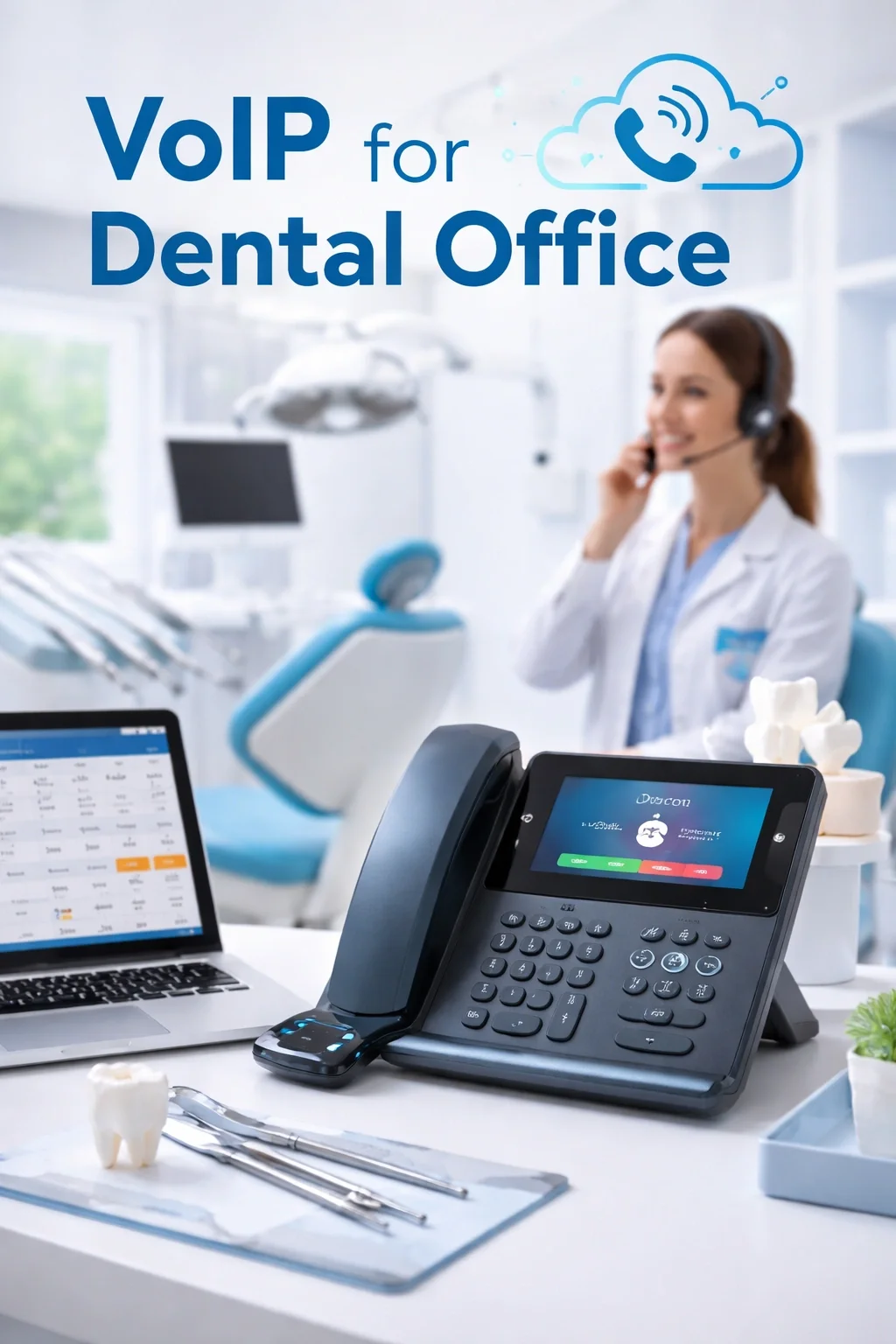
Future Trends of VoIP Technology in Dental Offices
The future of dental communication is closely tied to digital transformation, and voip for dental office technology is at the center of this evolution. As patient expectations rise and dental practices adopt more advanced tools, VoIP systems are evolving far beyond simple calling solutions. Understanding upcoming trends helps dental clinics prepare for long-term success, remain competitive, and continue delivering excellent patient experiences 😊.
Modern voip for dental office platforms are increasingly intelligent, data-driven, and patient-centric. These innovations are shaping how dental practices communicate internally and externally, making communication faster, smarter, and more personalized than ever before.
Artificial Intelligence and Smart Call Management
One of the most significant trends in voip for dental office systems is the integration of artificial intelligence (AI). AI-powered call routing can analyze caller behavior, keywords, and call history to route patients to the most appropriate staff member automatically.
In the near future, AI-driven voip for dental office platforms will be able to recognize whether a caller is a new patient, an emergency case, or a returning patient with an upcoming appointment. This level of automation reduces wait times and improves patient satisfaction 🦷.
Voice Assistants and Conversational IVR
Traditional phone menus are being replaced by conversational voice assistants. Future voip for dental office systems will allow patients to speak naturally, saying things like “I need to book an appointment” or “I have a dental emergency.” The system will respond intelligently, guiding patients without rigid menu options.
Deeper Integration with Dental Software Ecosystems
Integration will continue to be a defining trend for voip for dental office technology. VoIP systems will become even more tightly connected with dental practice management software, electronic health records, and billing systems.
This means that phone interactions will automatically update patient records, log communication history, and trigger follow-up actions. Such seamless integration reduces manual work and improves accuracy across the clinic’s operations 😊.
Omnichannel Communication for Dental Practices
Future voip for dental office solutions will not be limited to voice calls. Omnichannel communication—combining voice, text, email, and messaging platforms—will become standard. Patients increasingly prefer to communicate through multiple channels, and VoIP systems are adapting to meet this demand.
Dental clinics will be able to manage all patient interactions from a single interface, ensuring consistent communication regardless of the channel used 📞.
Advanced Analytics and Predictive Insights
Data analytics is another major trend shaping voip for dental office technology. Future platforms will provide deeper insights into patient behavior, call patterns, and communication efficiency.
Predictive analytics will help clinics anticipate peak call times, staffing needs, and patient demand. This allows for proactive planning and improved resource allocation, ultimately enhancing patient experience and operational efficiency.
Enhanced Security and Compliance Automation
As cybersecurity threats evolve, voip for dental office systems will continue to advance their security capabilities. Automated compliance checks, real-time threat detection, and enhanced encryption protocols will become standard features.
Future VoIP platforms will actively monitor for suspicious activity and enforce security policies automatically, reducing the risk of data breaches while simplifying compliance management for dental clinics 🔒.
Cloud-Native and Fully Mobile Dental Communication
Cloud-native design will remain a cornerstone of voip for dental office innovation. Fully mobile VoIP platforms will allow dental teams to manage communication from anywhere without sacrificing security or professionalism.
This trend supports flexible staffing models, remote administrative work, and multi-location practices, ensuring continuity of care and communication regardless of physical location 🚀.
Patient-Centric Communication Experiences
The future of voip for dental office technology is deeply patient-centric. Systems will focus on reducing friction, increasing personalization, and making communication as convenient as possible for patients.
From personalized greetings to proactive follow-ups and intelligent reminders, VoIP will continue to enhance how patients perceive and interact with dental clinics.
In conclusion, the future of voip for dental office systems is intelligent, integrated, secure, and patient-focused. Dental clinics that embrace these trends will be better positioned to meet evolving patient expectations, improve efficiency, and maintain a competitive edge in an increasingly digital healthcare landscape. Investing in future-ready VoIP technology today ensures that dental practices are prepared for the communication challenges of tomorrow 🦷.