
Oral health remains one of the most overlooked healthcare needs in many parts of the world. Millions of children and adults continue to live with untreated tooth decay, gum disease, infections, and chronic pain because they cannot access proper dental care. This is where a volunteer dentist plays a life-changing role. A volunteer dentist provides dental treatment, preventive care, oral health education, and emotional support to communities that may otherwise never receive professional dental services. Whether working locally in underserved neighborhoods or traveling internationally for humanitarian missions, a volunteer dentist helps improve both oral health and overall quality of life. 🌍🦷
The role of a volunteer dentist extends far beyond performing dental procedures. These professionals often become educators, mentors, healthcare advocates, and trusted members of the communities they serve. In many rural areas and low-income regions, patients may wait years before seeing a dental professional. A volunteer dentist can identify infections early, prevent tooth loss, reduce pain, and educate families about oral hygiene practices that can protect future generations.
Many dental professionals choose to become a volunteer dentist because they want to give back to society while using their expertise in meaningful ways. Volunteer programs exist in schools, community health clinics, disaster relief projects, refugee camps, mobile dental units, and international outreach missions. Some volunteer dentists dedicate only a few days each year to humanitarian work, while others spend months abroad supporting nonprofit healthcare organizations.
One of the most important aspects of being a volunteer dentist is improving access to preventive care. Preventive dentistry can dramatically reduce severe oral health problems before they become dangerous or expensive to treat. Services commonly provided by a volunteer dentist include:
- Dental examinations and screenings
- Tooth extractions
- Dental fillings
- Professional cleanings
- Emergency dental treatment
- Oral cancer screenings
- Fluoride applications
- Patient education about brushing and flossing
Many people assume that a volunteer dentist only works internationally, but there is also significant need within local communities. In many cities, uninsured families struggle to afford basic dental treatment. Community clinics and nonprofit organizations frequently rely on volunteer dentists to support free dental care events. These programs help individuals who cannot access traditional dental services because of financial limitations, transportation issues, or lack of insurance.
The experience of working as a volunteer dentist can also improve professional development. Dentists often encounter a wide variety of oral health conditions and treatment challenges during volunteer missions. This exposure helps strengthen clinical skills, communication abilities, and problem-solving techniques. Volunteer work can also improve empathy and cultural awareness, which are valuable qualities in modern dentistry. 😊
International volunteer dentistry programs are especially popular among dentists who enjoy travel and humanitarian work. Some organizations send a volunteer dentist to developing countries where access to oral healthcare is extremely limited. During these missions, dentists may work in temporary clinics, schools, churches, or mobile treatment units. Portable dental equipment is often used to deliver care in remote areas.
Costs associated with becoming a volunteer dentist vary depending on the organization and destination. Some nonprofit programs cover housing, transportation, and meals, while others require volunteers to pay for travel expenses themselves. Typical costs may include:
- International airfare: $500–$2,000
- Travel insurance: $50–$300
- Vaccinations and medical preparation: $100–$600
- Volunteer program fees: $300–$3,000
- Portable dental supplies and instruments: $200–$1,500
Before joining a mission, every volunteer dentist should carefully research the organization involved. Ethical volunteer programs focus on sustainable healthcare, patient safety, and long-term community support rather than short-term publicity. Trusted organizations often collaborate with local healthcare providers to ensure continuity of care after volunteers leave.
Dental students can also participate in supervised outreach opportunities before becoming licensed professionals. These experiences help future dentists understand the importance of community dentistry and public health. Many universities encourage students to join humanitarian projects to strengthen their practical skills and social responsibility.
Technology has also expanded opportunities for the modern volunteer dentist. Teledentistry allows dental professionals to provide remote consultations, oral health guidance, and educational support to underserved regions. While in-person treatment remains essential, virtual dental support can help communities maintain better oral health awareness between volunteer missions.
Organizations such as the American Dental Association support professional development and ethical standards within dentistry. Volunteer dentists often use these educational resources to stay informed about best practices, infection control, and patient care standards during outreach work.
Patients seeking advanced dental treatment, smile restoration, or international dental solutions can also learn more through the Redent Klinik Contact Page. Access to professional guidance is an important part of maintaining long-term oral health and preventing severe dental complications.
A volunteer dentist does far more than repair teeth. These professionals restore confidence, relieve pain, improve nutrition, and help patients regain dignity through compassionate dental care. For many underserved patients, a volunteer dentist represents hope, kindness, and the first opportunity to smile without discomfort in years. ❤️
The growing demand for volunteer dental services demonstrates how essential oral healthcare truly is. As more dental professionals participate in humanitarian programs, communities around the world gain greater access to education, preventive treatment, and life-changing dental care. Becoming a volunteer dentist is not only a professional contribution to healthcare but also a powerful commitment to humanity and global wellness.
Why Becoming a Volunteer Dentist Changes Lives
Choosing to become a volunteer dentist is one of the most meaningful decisions a dental professional can make. Around the world, millions of people suffer from untreated oral health conditions that negatively affect their nutrition, confidence, speech, and overall well-being. A volunteer dentist helps bridge this healthcare gap by providing critical dental services to underserved communities that often lack access to professional oral care. 🌍🦷
In many regions, dental care is considered a luxury rather than a necessity. Families may prioritize food, housing, and transportation over oral healthcare because they simply cannot afford dental treatment. As a result, preventable conditions such as cavities, gum disease, dental abscesses, and tooth infections become severe health problems. A volunteer dentist provides relief to patients who may have lived in pain for years.
The Humanitarian Impact of a Volunteer Dentist
The work performed by a volunteer dentist goes beyond routine dental procedures. Volunteer dental professionals help restore dignity, confidence, and quality of life. A patient who receives treatment from a volunteer dentist may finally be able to eat without pain, smile confidently in public, or return to work and school with improved self-esteem.
Humanitarian dentistry focuses on both treatment and prevention. A volunteer dentist often teaches patients how to properly brush and floss, explains the importance of oral hygiene, and educates parents about protecting children’s teeth from an early age. These educational efforts can reduce future dental problems and improve long-term community health.
Communities Most Supported by Volunteer Dentists
A volunteer dentist may provide care in many different environments, including:
- Low-income urban communities
- Remote rural villages
- Refugee camps
- Disaster relief centers
- Mobile dental clinics
- Schools and orphanages
- Community health centers
- Nursing homes and elderly care facilities
These populations often experience significant barriers to dental care. Some patients live hours away from the nearest clinic, while others may lack transportation, insurance, or awareness about oral health. A volunteer dentist helps make dental care accessible where it is needed most.
Emotional Rewards of Becoming a Volunteer Dentist
Many dental professionals describe volunteering as one of the most emotionally rewarding experiences of their careers. A volunteer dentist frequently witnesses immediate improvements in a patient’s comfort and happiness. Removing a painful infected tooth or restoring damaged teeth can dramatically change someone’s daily life.
Volunteer dentistry also creates strong emotional connections between healthcare providers and local communities. Patients often express gratitude that goes far beyond words. For many volunteer dentists, these experiences provide a renewed sense of purpose and motivation within their profession. 😊
In addition, volunteering helps dentists reconnect with the core mission of healthcare: helping people regardless of financial status. A volunteer dentist often works in environments where compassion, communication, and empathy are just as important as technical dental skills.
Professional Growth Through Volunteer Dentistry
Working as a volunteer dentist also contributes to professional development. Volunteer environments often require dentists to adapt quickly, think creatively, and manage challenging clinical situations with limited resources.
For example, a volunteer dentist may need to perform procedures using portable dental units, temporary treatment spaces, or minimal support staff. These experiences strengthen problem-solving abilities and increase clinical confidence.
Clinical Skills Commonly Strengthened
- Emergency dental care
- Tooth extraction techniques
- Infection management
- Pediatric dentistry
- Patient communication
- Cross-cultural healthcare communication
- Preventive dentistry education
- Team collaboration during outreach programs
Many volunteer dentists also develop stronger leadership skills by organizing treatment schedules, mentoring dental students, or coordinating with nonprofit organizations.
How a Volunteer Dentist Supports Global Health
Oral health is directly connected to overall health. Untreated dental infections can contribute to serious medical conditions, including cardiovascular disease, diabetes complications, respiratory infections, and nutritional deficiencies. A volunteer dentist plays an important role in reducing these health risks.
By treating infections and educating patients about prevention, volunteer dentists help reduce the burden on healthcare systems. In some underserved regions, oral infections can become life-threatening because patients cannot access timely treatment. Volunteer dental missions can prevent these emergencies before they become severe.
Organizations such as the American Dental Association continue promoting ethical dental standards, professional education, and global oral health awareness. Many volunteer dentists use these resources to improve patient safety and treatment quality during humanitarian missions.
Challenges Faced by a Volunteer Dentist
Although the experience is rewarding, a volunteer dentist may also face challenges during outreach work. These can include language barriers, limited dental equipment, unpredictable working conditions, and emotionally difficult cases involving severe untreated disease.
International volunteer programs may also require travel preparation, vaccinations, licensing approvals, and cultural adaptation. However, most volunteer dentists believe the positive impact on patients makes these challenges worthwhile.
Typical expenses for a volunteer dentist participating in international missions may include:
- Airfare: $600–$2,500
- Travel insurance: $50–$350
- Program registration fees: $500–$4,000
- Dental supply donations: $200–$1,000
- Vaccinations and health screenings: $150–$700
The Lasting Legacy of a Volunteer Dentist
The influence of a volunteer dentist often continues long after the mission ends. Patients may continue practicing improved oral hygiene, parents may educate their children about preventive care, and communities may become more aware of the importance of dental health.
Some volunteer dentists also help train local healthcare workers, creating sustainable improvements within the community. This long-term educational approach can reduce oral health problems for future generations.
Patients seeking professional dental guidance and international dental solutions can also visit the Redent Klinik Contact Page for additional support and treatment information.
Ultimately, a volunteer dentist changes lives not only through dental procedures but also through compassion, education, and human connection. Whether serving locally or internationally, volunteer dentists make a lasting contribution to public health and help create healthier smiles across the world. ❤️
Top Skills Every Volunteer Dentist Should Develop
A successful volunteer dentist needs far more than technical dental knowledge. Volunteer dentistry often places professionals in challenging environments where adaptability, communication, empathy, and problem-solving become just as important as clinical expertise. Whether serving in a rural community clinic, an international humanitarian mission, or a mobile dental outreach program, a volunteer dentist must develop a unique combination of professional and interpersonal skills to provide safe, effective, and compassionate care. 🦷🌍
Many underserved communities face serious oral health issues caused by limited access to treatment, poor nutrition, lack of preventive education, and financial hardship. Because of this, a volunteer dentist may encounter severe infections, advanced gum disease, untreated tooth decay, and emergency dental situations on a daily basis. Being prepared for these challenges requires strong clinical ability as well as emotional resilience.
Clinical Skills Required for a Volunteer Dentist
The foundation of every volunteer dentist is strong clinical competence. Volunteer programs often involve high patient volumes and limited treatment time, making efficiency and precision extremely important.
Essential Dental Procedures
A volunteer dentist should feel confident performing a wide range of dental treatments, including:
- Dental examinations and oral assessments
- Emergency tooth extractions
- Basic restorative dentistry
- Dental cleanings and preventive care
- Treatment of dental infections
- Pediatric dental procedures
- Pain management and emergency relief
- Oral hygiene instruction
Because volunteer settings sometimes lack advanced dental equipment, a volunteer dentist must also learn how to work efficiently with portable instruments and temporary treatment stations. Flexibility becomes critical when resources are limited.
Communication Skills for a Volunteer Dentist
Communication is one of the most valuable abilities a volunteer dentist can develop. Many volunteer programs involve working with patients from different cultural, educational, and linguistic backgrounds. Explaining dental conditions clearly and compassionately helps patients feel comfortable and understood.
In some communities, patients may have fear or anxiety about dental treatment because they have never visited a dental clinic before. A volunteer dentist must know how to reduce stress, build trust, and create a calm environment for treatment. 😊
Important Communication Techniques
- Using simple and understandable language
- Listening carefully to patient concerns
- Showing empathy and patience
- Explaining procedures step-by-step
- Respecting cultural traditions and beliefs
- Encouraging preventive oral hygiene habits
Strong communication also improves treatment success because patients are more likely to follow oral health recommendations after the mission ends.
Adaptability and Problem-Solving Abilities
A volunteer dentist frequently works in unpredictable situations. Some volunteer clinics may experience electricity shortages, supply limitations, weather challenges, or transportation difficulties. Dentists who can adapt quickly are more effective during outreach missions.
Problem-solving becomes especially important when resources are limited. For example, a volunteer dentist may need to prioritize emergency cases, organize treatment schedules efficiently, or modify treatment plans based on available equipment.
Volunteer dentistry also requires emotional adaptability. Some patients arrive with severe oral disease or chronic pain that has been untreated for years. A volunteer dentist must remain calm, compassionate, and professional even in emotionally difficult situations.
Leadership Skills in Volunteer Dentistry
Leadership is another important quality for a volunteer dentist. Volunteer programs often involve teamwork between dentists, dental hygienists, assistants, translators, students, and nonprofit coordinators. Strong leadership helps ensure that patient care remains organized and efficient.
Leadership Responsibilities
- Managing patient flow during outreach events
- Coordinating with local healthcare providers
- Training dental students or volunteers
- Ensuring infection control standards
- Supervising treatment priorities
- Maintaining ethical patient care practices
In larger humanitarian missions, a volunteer dentist may also help organize supply distribution, treatment documentation, and emergency response planning.
Cultural Awareness and Compassion
Cultural awareness is essential for every volunteer dentist. Oral health beliefs and healthcare expectations differ widely between communities. Some patients may rely on traditional remedies, while others may have limited understanding of preventive dentistry.
A compassionate volunteer dentist respects local customs while gently educating patients about modern oral healthcare practices. Building trust within the community helps improve patient cooperation and long-term oral health outcomes.
Compassion is especially important when treating vulnerable populations such as children, elderly patients, refugees, or individuals with disabilities. A caring volunteer dentist creates a supportive environment that helps patients feel safe and respected. ❤️
Time Management and Efficiency
Volunteer dental programs often treat large numbers of patients in short periods of time. As a result, a volunteer dentist must develop strong time management skills.
Efficient treatment planning allows volunteer teams to help more patients while maintaining high standards of care. Dentists must balance speed with safety and ensure that each patient receives proper attention.
Strategies for Efficient Volunteer Dentistry
- Prioritizing urgent cases first
- Preparing instruments in advance
- Using streamlined treatment workflows
- Educating patients while performing examinations
- Collaborating effectively with assistants and translators
Good organization also reduces stress for both patients and healthcare teams during busy outreach missions.
Continuing Education for a Volunteer Dentist
The best volunteer dentists continue improving their knowledge through ongoing education and professional training. Organizations such as the American Dental Association provide valuable educational resources related to infection control, ethics, public health, and clinical dentistry.
Continuing education helps a volunteer dentist stay informed about modern dental techniques, patient safety standards, and global oral health trends. Many humanitarian organizations also offer specialized training programs for dentists participating in international outreach work.
Patients interested in advanced dental treatment and international oral healthcare services can also explore the Redent Klinik Contact Page for professional support and consultation options.
The Long-Term Value of Volunteer Dentistry Skills
The skills developed through volunteer dentistry benefit professionals throughout their entire careers. A volunteer dentist often becomes more adaptable, empathetic, and confident after working in humanitarian environments. These experiences strengthen both clinical expertise and human connection.
Volunteer dentistry also reminds healthcare professionals of the true purpose of dentistry: relieving pain, restoring health, and improving lives. By combining technical ability with compassion and leadership, a volunteer dentist creates meaningful change for individuals and communities around the world. 🌎🦷
How a Volunteer Dentist Supports Underserved Communities
Access to proper oral healthcare remains a major challenge in many parts of the world. Millions of people suffer from untreated cavities, severe gum disease, dental infections, and chronic oral pain simply because they cannot reach or afford professional dental services. A volunteer dentist plays a critical role in helping underserved communities receive the treatment, education, and preventive care they desperately need. Through humanitarian outreach, community clinics, mobile dental programs, and nonprofit healthcare missions, a volunteer dentist improves both oral health and overall quality of life for vulnerable populations. 🌍🦷
Underserved communities may include low-income families, rural populations, refugees, elderly individuals, homeless patients, and people living in disaster-affected regions. These groups often face serious barriers to dental treatment, including financial hardship, transportation problems, lack of dental insurance, or limited awareness about oral hygiene. A volunteer dentist helps remove these barriers by bringing essential dental care directly to the people who need it most.
Why Underserved Communities Need a Volunteer Dentist
Oral health problems can become extremely severe when left untreated. In many underserved areas, patients wait years before seeing a dental professional. During this time, minor cavities may develop into infections, abscesses, tooth loss, and chronic pain. A volunteer dentist provides early intervention that can prevent serious complications and improve long-term health outcomes.
Many underserved patients also struggle with embarrassment or emotional distress caused by poor oral health. Missing teeth, visible decay, and bad breath can negatively affect confidence, employment opportunities, social interactions, and mental well-being. A volunteer dentist not only restores oral function but also helps patients regain dignity and self-esteem. 😊
Common Oral Health Problems in Underserved Communities
- Untreated tooth decay
- Advanced gum disease
- Oral infections and abscesses
- Tooth loss
- Poor oral hygiene education
- Limited access to preventive care
- Pediatric dental neglect
- Nutrition-related dental problems
A volunteer dentist often treats patients who have never previously received professional dental care. Because of this, volunteer programs are essential for reducing preventable oral health complications.
Providing Emergency Dental Treatment
One of the most important responsibilities of a volunteer dentist is providing emergency dental care. Severe tooth pain and oral infections can interfere with eating, sleeping, working, and attending school. In some cases, untreated dental infections can become life-threatening if bacteria spread throughout the body.
Volunteer dental missions frequently focus on urgent procedures such as:
- Emergency tooth extractions
- Drainage of dental abscesses
- Pain management
- Temporary restorative treatment
- Treatment of oral infections
- Trauma care for damaged teeth
For many patients, the arrival of a volunteer dentist provides the first opportunity to receive immediate relief from severe pain after months or even years of suffering.
Preventive Education by a Volunteer Dentist
In addition to treatment, a volunteer dentist focuses heavily on prevention and education. Preventive dentistry helps communities reduce future oral health problems and encourages healthier habits for children and adults alike.
Educational Topics Commonly Taught
- Proper brushing techniques
- Correct flossing methods
- The importance of fluoride
- Healthy dietary choices
- How sugar affects teeth
- The dangers of tobacco use
- How to identify early signs of dental disease
Children especially benefit from preventive education programs. A volunteer dentist may visit schools to teach oral hygiene habits and provide dental screenings for students who otherwise would not have access to care.
These educational efforts can create long-term improvements within entire communities. When families understand the importance of oral hygiene, future generations are more likely to maintain healthier smiles and avoid preventable dental disease. ❤️
Mobile Clinics and Community Outreach
Many underserved areas lack permanent dental facilities. To solve this problem, a volunteer dentist may work through mobile dental clinics that travel directly to communities in need. Mobile units can provide treatment in remote villages, schools, shelters, refugee camps, and community centers.
Portable dental equipment allows volunteer dentists to deliver care outside traditional clinical settings. This flexibility is extremely important in rural regions where transportation infrastructure may be limited.
Advantages of Mobile Volunteer Dentistry
- Improved access for isolated populations
- Reduced transportation barriers
- Faster treatment for emergency cases
- Community-wide preventive education
- Flexible outreach scheduling
A volunteer dentist working in a mobile clinic often collaborates closely with local healthcare workers to identify patients most in need of urgent treatment.
Supporting Public Health Through Volunteer Dentistry
Oral health is closely connected to overall health. Severe dental infections can contribute to serious medical conditions such as heart disease, diabetes complications, respiratory infections, and poor nutrition. By improving oral health access, a volunteer dentist supports broader public health goals within underserved populations.
Volunteer dentists also help reduce pressure on overcrowded hospitals and emergency rooms by treating preventable dental conditions before they become severe emergencies. In many low-resource communities, volunteer dental programs are essential components of humanitarian healthcare systems.
Organizations such as the American Dental Association continue promoting public oral health awareness, ethical patient care, and professional dental standards that support humanitarian outreach efforts.
Costs and Resources for Volunteer Dental Outreach
Community outreach programs often depend on donations, nonprofit funding, and volunteer support. A volunteer dentist may contribute time, equipment, or financial assistance to help underserved communities receive care.
- Portable dental chair: $300–$2,000
- Basic extraction instruments: $150–$800
- Disposable dental supplies: $100–$500 per mission
- Mobile clinic transportation costs: $500–$5,000
- Community dental education materials: $50–$300
Patients searching for professional dental treatment options and advanced oral healthcare services can also explore the Redent Klinik Contact Page for consultation and support.
The Lasting Impact of a Volunteer Dentist
The impact of a volunteer dentist extends far beyond a single treatment session. Volunteer dentists improve comfort, confidence, nutrition, and long-term health outcomes for people who may otherwise never receive professional dental care.
By supporting underserved communities through education, emergency treatment, and preventive dentistry, a volunteer dentist creates lasting positive change. These humanitarian efforts strengthen communities, improve public health, and remind the world that access to oral healthcare should never depend solely on financial circumstances. 🌎🦷
Volunteer Dentist Programs for Students and Professionals
Volunteer dentistry programs provide valuable opportunities for both experienced dental professionals and future dentists who want to improve oral healthcare access in underserved communities. A volunteer dentist may participate in local outreach clinics, humanitarian missions, nonprofit healthcare projects, school dental initiatives, or international public health programs. These experiences allow dental professionals to use their skills to help vulnerable populations while also gaining personal and professional growth. 🌍🦷
Today, many organizations actively recruit a volunteer dentist to support communities struggling with limited access to oral healthcare. These programs vary in size, duration, location, and treatment focus. Some missions last only a weekend, while others continue for several months in remote regions or developing countries.
Volunteer dentistry programs are also increasingly popular among dental students who want practical clinical experience before graduation. Under supervision, students can develop communication skills, strengthen clinical confidence, and better understand the importance of preventive dentistry and humanitarian healthcare.
Types of Volunteer Dentist Programs
There are many different opportunities available for a volunteer dentist. Programs may focus on emergency treatment, preventive care, oral health education, pediatric dentistry, or community outreach.
Common Volunteer Dentistry Programs
- Free community dental clinics
- International humanitarian missions
- School-based oral health programs
- Mobile dental outreach units
- Disaster relief dental services
- Refugee and migrant healthcare programs
- Public health awareness campaigns
- Rural dental outreach initiatives
Each type of program allows a volunteer dentist to address different oral health needs while serving unique patient populations.
Volunteer Dentist Opportunities for Dental Students
Dental students often begin volunteer work during their education. Student outreach programs allow future dentists to understand the social impact of oral healthcare and gain valuable hands-on experience under licensed supervision.
A student participating alongside a volunteer dentist may assist with patient screenings, oral hygiene instruction, sterilization procedures, and preventive treatments. These experiences help students improve both technical skills and patient communication abilities.
Benefits for Dental Students
- Improved clinical confidence
- Experience with diverse patient populations
- Exposure to public health dentistry
- Enhanced communication skills
- Stronger teamwork abilities
- Greater understanding of humanitarian healthcare
Many dental schools encourage volunteer participation because it teaches future dentists the importance of community service and ethical patient care. Some universities even partner with nonprofit organizations to organize supervised volunteer missions abroad.
For students considering public health or nonprofit dentistry careers, volunteering can provide valuable networking opportunities and practical insight into community-based oral healthcare systems. 😊
Professional Volunteer Dentist Programs
Licensed dental professionals often participate in volunteer programs to contribute their expertise to communities in need. An experienced volunteer dentist may work independently or through nonprofit organizations that coordinate humanitarian dental missions.
Professional volunteer programs can range from local weekend outreach events to large-scale international missions involving multidisciplinary healthcare teams. In some cases, volunteer dentists travel to countries where dental care infrastructure is extremely limited.
Services Commonly Provided by a Volunteer Dentist
- Emergency tooth extractions
- Dental fillings and restorations
- Professional cleanings
- Oral infection treatment
- Pediatric dental care
- Preventive fluoride applications
- Oral cancer screenings
- Community oral health education
Many professional volunteer dentists also help train local healthcare providers to improve long-term oral health support within underserved communities.
International Volunteer Dentist Missions
International humanitarian missions are among the most recognized forms of volunteer dentistry. A volunteer dentist participating in these programs may travel to remote villages, underserved urban areas, refugee camps, or disaster recovery regions.
International programs often require adaptability because working conditions can differ greatly from modern dental clinics. Volunteer dentists may use portable dental chairs, temporary treatment spaces, and limited resources while still maintaining patient safety and infection control standards.
Common Challenges During International Missions
- Language barriers
- Limited dental equipment
- Transportation difficulties
- High patient demand
- Cultural differences
- Extreme weather conditions
Despite these challenges, many volunteer dentists describe international outreach work as one of the most rewarding experiences of their careers. Helping patients who have never previously received professional dental treatment can create a lasting emotional impact. ❤️
Costs Associated With Volunteer Dentistry Programs
Participating as a volunteer dentist may involve certain financial responsibilities depending on the organization and location. Some nonprofit programs fully sponsor volunteers, while others require participants to cover travel and accommodation costs.
- International airfare: $500–$2,500
- Volunteer program fees: $300–$4,000
- Travel insurance: $50–$350
- Vaccinations and medical preparation: $150–$700
- Portable dental supply costs: $200–$1,500
- Accommodation and meals: $20–$150 per day
Some organizations provide fundraising assistance or tax-deductible donation options to help volunteer dentists participate in outreach missions.
How to Choose the Right Volunteer Dentist Program
Selecting the right program is extremely important for every volunteer dentist. Ethical volunteer organizations prioritize patient safety, sustainability, and long-term community support rather than short-term publicity.
Important Factors to Consider
- Program reputation and transparency
- Licensing and legal requirements
- Patient safety standards
- Availability of local healthcare partnerships
- Cultural sensitivity and ethical practices
- Clear treatment protocols and supervision
Organizations such as the American Dental Association provide valuable guidance regarding ethical dental care, continuing education, and professional standards that can help volunteer dentists prepare for outreach work.
Patients interested in advanced oral healthcare services and international dental treatment options may also visit the Redent Klinik Contact Page for professional consultation and support.
The Lasting Value of Volunteer Dentist Programs
A volunteer dentist contributes far more than clinical treatment. Volunteer programs strengthen communities, improve public health awareness, and inspire future generations of dental professionals to prioritize compassionate healthcare.
For students, volunteer dentistry builds confidence, empathy, and practical experience. For professionals, it offers an opportunity to use years of training to make a meaningful humanitarian impact. Regardless of the location or duration of service, every volunteer dentist helps create healthier smiles and stronger communities around the world. 🌎🦷
Essential Equipment Used by a Volunteer Dentist
A volunteer dentist often works in environments that differ significantly from traditional dental clinics. Humanitarian missions, mobile outreach units, rural healthcare centers, and disaster relief programs may have limited infrastructure, electricity, or sterilization systems. Because of these challenges, proper equipment preparation is essential for delivering safe and effective dental treatment. A volunteer dentist must carefully select portable, durable, and practical tools that allow high-quality patient care even in difficult conditions. 🦷🌍
The equipment used by a volunteer dentist depends on the type of mission, patient population, available resources, and treatment goals. Some outreach programs focus mainly on preventive education and screenings, while others perform emergency extractions, restorative procedures, and infection management.
Proper planning is critical because volunteer dental missions often take place in remote areas where replacement supplies may not be easily available. A well-prepared volunteer dentist can improve efficiency, maintain infection control standards, and treat more patients successfully.
Basic Clinical Equipment for a Volunteer Dentist
Every volunteer dentist requires a core set of clinical instruments for routine examinations and common dental procedures. Portable and lightweight equipment is especially valuable for international outreach programs and mobile clinics.
Essential Diagnostic Instruments
- Dental mirrors
- Explorers and probes
- Periodontal instruments
- Dental tweezers
- Portable LED examination lights
- Headlamps for visibility
These tools allow a volunteer dentist to perform oral examinations, identify cavities, evaluate gum health, and diagnose infections even in temporary treatment environments.
Portable lighting systems are particularly important because some outreach locations may have unreliable electricity. Battery-powered headlamps and rechargeable LED units help volunteer dentists maintain visibility during procedures. 😊
Extraction and Surgical Instruments
Emergency extractions are among the most common procedures performed by a volunteer dentist. Many underserved patients seek treatment only after severe pain or infection develops, making extraction equipment essential during humanitarian missions.
Common Extraction Equipment
- Extraction forceps
- Dental elevators
- Surgical curettes
- Scalpels and surgical blades
- Needle holders and suturing kits
- Hemostatic materials
- Sterile gauze and cotton rolls
A volunteer dentist must also maintain strict infection control procedures when performing oral surgery. Portable sterilization systems and disposable surgical supplies are extremely important for patient safety.
Portable Dental Units
Many humanitarian programs rely on portable dental units to create temporary treatment clinics. A volunteer dentist may work in schools, churches, community centers, refugee camps, or mobile healthcare vehicles where permanent dental infrastructure does not exist.
Features of Portable Dental Units
- Compact portable design
- Integrated suction systems
- Portable air compressors
- Water delivery systems
- Handpiece connections
- Lightweight transportation cases
These portable systems allow a volunteer dentist to perform procedures efficiently while maintaining patient comfort and treatment quality. Some advanced portable units can support restorative dentistry, polishing, and ultrasonic scaling.
The cost of portable dental units can vary significantly depending on quality and functionality:
- Basic portable dental unit: $800–$2,500
- Advanced mobile treatment system: $3,000–$10,000
- Portable compressor: $300–$1,500
- Battery-powered suction system: $200–$1,200
Infection Control Equipment for a Volunteer Dentist
Maintaining proper infection control is one of the highest priorities for every volunteer dentist. Outreach programs may operate in locations with limited sanitation resources, increasing the importance of sterilization and protective equipment.
Critical Infection Control Supplies
- Disposable gloves
- Face masks and respirators
- Protective eyewear
- Disposable gowns
- Surface disinfectants
- Autoclaves or portable sterilizers
- Sharps disposal containers
- Hand sanitizers and hygiene products
A volunteer dentist must ensure that all reusable instruments are properly sterilized between patients. Portable autoclaves are often used during larger outreach missions to maintain safe treatment standards.
Organizations such as the American Dental Association provide valuable infection control guidelines and patient safety recommendations that support volunteer dental programs worldwide.
Restorative and Preventive Dentistry Supplies
Many volunteer missions aim to preserve teeth whenever possible rather than relying only on extractions. A volunteer dentist often carries restorative materials and preventive supplies to support long-term oral health improvement.
Common Restorative Materials
- Dental filling materials
- Glass ionomer cement
- Temporary restorative compounds
- Bonding agents
- Portable curing lights
- Fluoride varnish
- Sealant materials
Preventive dentistry is especially important in underserved communities because regular follow-up care may not always be available. A volunteer dentist often combines treatment with oral hygiene education to reduce future dental disease.
Educational Tools Used by a Volunteer Dentist
Patient education is a major part of humanitarian dentistry. A volunteer dentist frequently teaches children and adults about proper oral hygiene habits, nutrition, and preventive care techniques.
Educational Materials Commonly Used
- Toothbrushes and toothpaste
- Dental floss samples
- Educational posters
- Demonstration dental models
- Children’s oral hygiene booklets
- Multilingual instruction materials
Educational outreach creates lasting benefits because communities learn how to prevent oral disease after volunteer missions are completed. ❤️
Transportation and Logistics Challenges
Transporting equipment safely is another important responsibility for a volunteer dentist. International missions often involve air travel, difficult road conditions, and customs regulations for medical supplies.
Durable storage systems help protect instruments during travel and reduce the risk of equipment damage. Volunteer dentists must also organize supplies carefully to ensure efficient workflow during patient treatment.
- Protective transport cases: $100–$800
- Portable sterilization units: $500–$3,000
- Rechargeable battery systems: $150–$1,000
- Disposable supply kits per mission: $300–$2,000
The Importance of Proper Equipment Preparation
A well-equipped volunteer dentist can significantly improve the quality and safety of humanitarian dental care. Reliable instruments, portable technology, and proper infection control systems allow volunteer dentists to treat patients effectively even in challenging environments.
Patients seeking advanced dental care and professional oral health consultation may also visit the Redent Klinik Contact Page for additional support and treatment information.
Ultimately, the equipment used by a volunteer dentist supports more than clinical treatment. It enables healthcare access, improves patient comfort, and allows dental professionals to provide compassionate care to communities that need it most. Through careful preparation and modern portable technology, volunteer dentists continue transforming oral healthcare around the world. 🌎🦷
Travel, Housing, and Costs for a Volunteer Dentist
Participating in humanitarian dental outreach requires careful planning, especially when international travel is involved. A volunteer dentist must prepare not only for clinical responsibilities but also for transportation, accommodation, safety, legal requirements, and financial considerations. Whether joining a short-term outreach mission or a long-term humanitarian project, understanding the travel and housing process is essential for a successful volunteer dentistry experience. 🌍✈️🦷
Volunteer dental programs operate in many different regions around the world, including rural villages, developing countries, disaster recovery zones, refugee camps, and underserved urban communities. Because working conditions vary significantly, a volunteer dentist should research each destination carefully before departure.
Planning ahead allows volunteer dentists to focus more effectively on patient care once they arrive. Proper preparation also reduces stress and improves safety during the mission.
Travel Preparation for a Volunteer Dentist
Before beginning a humanitarian mission, a volunteer dentist should organize all travel documentation, medical requirements, and professional credentials. Some countries require temporary healthcare permits or verification of dental licenses before volunteers can legally provide treatment.
Important Travel Documents
- Valid passport
- Travel visa if required
- Dental license documentation
- Volunteer organization approval forms
- Travel insurance certificates
- Vaccination records
- Emergency contact information
A volunteer dentist should also prepare copies of important documents in case of emergencies or travel complications.
Many humanitarian organizations provide logistical support, but some volunteer dentists independently arrange transportation and accommodations. Understanding the program structure beforehand is extremely important. 😊
Vaccinations and Health Precautions
Health preparation is another critical responsibility for a volunteer dentist. Certain countries may require vaccinations or preventive medications depending on regional health risks.
Common Medical Preparations
- Hepatitis vaccinations
- Tetanus boosters
- Typhoid vaccinations
- Malaria prevention medication
- Travel health consultations
- Personal medical kits
A volunteer dentist should also research local healthcare infrastructure and emergency medical services before traveling. Maintaining personal health is essential for providing consistent patient care during outreach missions.
Housing Options for a Volunteer Dentist
Housing conditions for a volunteer dentist vary greatly depending on the mission location and program budget. Some organizations provide comfortable accommodations, while others offer basic shared housing near treatment sites.
Common Housing Arrangements
- Volunteer guesthouses
- Hotels or hostels
- Community centers
- Shared dormitory housing
- Local family homestays
- Temporary mission camps
In rural or remote areas, accommodations may be simple and limited. A volunteer dentist should prepare mentally and physically for varying living conditions, especially during humanitarian missions in developing regions.
Some volunteer dentists prefer staying with local host families because this allows deeper cultural understanding and stronger community relationships. Living within the local environment can also improve communication and trust with patients. ❤️
Transportation During Volunteer Missions
Transportation logistics can significantly affect the daily work of a volunteer dentist. Outreach programs may require travel between villages, schools, clinics, and mobile treatment units.
Transportation Methods Commonly Used
- Volunteer organization vehicles
- Mobile dental trucks
- Public transportation
- Small boats in remote coastal regions
- Motorcycles or bicycles
- Walking in isolated communities
Some volunteer missions operate in regions with poor road conditions or limited infrastructure. A volunteer dentist should remain flexible and prepared for transportation delays or weather-related challenges.
Financial Costs for a Volunteer Dentist
The total cost of participating as a volunteer dentist depends on destination, mission duration, and program structure. Some nonprofit organizations fully sponsor volunteers, while others require partial or complete financial contribution from participants.
- Round-trip international airfare: $500–$2,500
- Travel insurance: $50–$400
- Volunteer program registration: $300–$4,500
- Accommodation costs: $20–$150 per night
- Vaccinations and medical preparation: $150–$800
- Meals and daily expenses: $10–$80 per day
- Portable dental supply donations: $200–$2,000
A volunteer dentist should also budget for emergency expenses, transportation changes, and replacement equipment if needed during the mission.
Fundraising and Financial Support
Many volunteer dentists use fundraising campaigns or nonprofit grants to help cover outreach expenses. Some dental organizations provide scholarships or sponsorship programs for humanitarian dental work.
Common Sources of Financial Support
- Dental association grants
- University outreach funding
- Corporate sponsorships
- Community fundraising events
- Tax-deductible charitable donations
- Nonprofit volunteer assistance programs
Fundraising not only helps reduce financial pressure but also increases awareness about the importance of global oral healthcare access.
Safety and Cultural Awareness for a Volunteer Dentist
Safety preparation is essential for every volunteer dentist. Before traveling, dentists should research political stability, weather conditions, cultural customs, and local healthcare systems.
Important Safety Recommendations
- Follow local travel advisories
- Maintain secure communication methods
- Carry emergency medical contacts
- Respect local traditions and customs
- Avoid unnecessary travel risks
- Stay informed about regional conditions
Cultural awareness also improves patient trust and communication. A compassionate volunteer dentist respects local beliefs while promoting evidence-based oral healthcare practices.
Organizations such as the American Dental Association provide professional guidance regarding ethical dentistry, patient safety, and continuing education resources that support volunteer dental work worldwide.
Balancing Comfort and Humanitarian Service
Although travel and housing conditions may not always be luxurious, many volunteer dentists believe the experience is deeply rewarding. A volunteer dentist often gains valuable perspective, personal growth, and emotional fulfillment while helping underserved communities.
The opportunity to relieve pain, restore smiles, and improve public health often outweighs the physical challenges associated with humanitarian missions. Many volunteer dentists return home with stronger empathy, improved clinical adaptability, and a renewed appreciation for the impact of dentistry on human lives. 🌎🦷
Patients interested in professional oral healthcare solutions and international dental treatment services can also explore the Redent Klinik Contact Page for consultation and support.
Ultimately, proper travel planning, safe accommodations, and responsible financial preparation allow a volunteer dentist to focus fully on patient care and humanitarian service. By understanding these practical aspects of outreach work, volunteer dentists can create a more organized, effective, and meaningful impact within communities around the world.
How Volunteer Dentist Missions Improve Oral Health Education
One of the most valuable contributions made by a volunteer dentist is improving oral health education within underserved communities. While emergency treatment and pain relief are essential, long-term oral health improvement depends heavily on prevention and patient awareness. Volunteer dental missions help communities understand how daily habits, nutrition, hygiene routines, and early treatment can protect teeth and gums for life. Through education, a volunteer dentist creates sustainable health improvements that continue long after the mission itself has ended. 🌍🦷
Many communities around the world have limited access to dental information and preventive care resources. In some regions, children and adults may never have learned proper brushing techniques or understood the importance of regular oral hygiene. A volunteer dentist helps close this educational gap by teaching patients how to care for their teeth effectively and prevent future oral health problems.
Education is especially important because many dental diseases are preventable. Tooth decay, gum disease, and oral infections often develop gradually over time. With proper guidance, communities can significantly reduce these conditions through simple daily habits.
The Importance of Oral Health Education
A volunteer dentist understands that treatment alone cannot solve global oral health problems. Without preventive education, patients may continue experiencing repeated dental issues after volunteer missions end.
Oral health education teaches patients how to maintain healthy teeth and gums independently. This reduces the need for emergency dental treatment and improves overall quality of life.
Key Benefits of Oral Health Education
- Reduced risk of cavities and infections
- Improved long-term oral hygiene habits
- Lower healthcare costs for families
- Better nutrition and eating habits
- Improved self-confidence and social comfort
- Reduced fear of dental treatment
By focusing on prevention, a volunteer dentist helps communities build healthier futures instead of only addressing existing dental problems.
Teaching Proper Brushing and Flossing Techniques
One of the first lessons taught by a volunteer dentist is correct brushing and flossing technique. Many patients brush incorrectly or inconsistently, which allows plaque and bacteria to accumulate around teeth and gums.
Topics Commonly Taught During Hygiene Education
- Brushing twice daily
- Using fluoride toothpaste
- Choosing the correct toothbrush
- Cleaning between teeth with floss
- Replacing toothbrushes regularly
- Avoiding aggressive brushing
A volunteer dentist often uses educational models, posters, and demonstrations to make oral hygiene instructions easier to understand. Children especially benefit from interactive educational activities that make brushing fun and memorable. 😊
Providing toothbrushes, toothpaste, and floss during outreach missions also encourages families to continue practicing healthy habits after the program ends.
Nutrition Education From a Volunteer Dentist
Diet plays a major role in oral health. A volunteer dentist frequently educates communities about how sugar consumption, acidic beverages, and poor nutrition contribute to dental disease.
In many underserved areas, processed foods and sugary drinks are increasingly common because they are inexpensive and widely available. Unfortunately, these products significantly increase the risk of cavities and gum problems.
Nutrition Topics Commonly Discussed
- How sugar affects tooth enamel
- The importance of drinking water
- Foods that support healthy teeth
- Reducing sugary snacks and beverages
- Healthy eating habits for children
- The relationship between nutrition and gum health
A volunteer dentist helps families understand that oral health is closely connected to overall health. Improved nutrition not only protects teeth but also supports stronger immune systems and better long-term wellness.
Oral Health Education for Children
Children are one of the primary focus groups for many volunteer dental programs. A volunteer dentist often visits schools and community centers to provide oral hygiene lessons for students.
Teaching children early creates lifelong habits that can dramatically reduce future dental disease. Educational activities may include games, demonstrations, songs, and interactive presentations designed to make oral health fun and engaging. ❤️
School-Based Volunteer Dentistry Activities
- Dental screenings for students
- Fluoride application programs
- Toothbrushing demonstrations
- Educational storytelling and games
- Distribution of oral hygiene kits
- Parent education sessions
A volunteer dentist may also teach teachers and parents how to support children’s oral hygiene routines at home.
Reducing Fear Through Education
Many underserved patients experience fear or anxiety related to dental treatment, especially if they have never visited a dental clinic before. A volunteer dentist helps reduce fear by explaining procedures clearly and creating positive dental experiences.
When patients understand what causes dental problems and how treatment works, they are more likely to seek preventive care in the future. Building trust through communication is one of the most important educational roles of a volunteer dentist.
Ways a Volunteer Dentist Builds Trust
- Using simple, clear explanations
- Answering patient questions patiently
- Demonstrating procedures before treatment
- Providing emotional reassurance
- Respecting cultural beliefs and traditions
These communication skills improve cooperation and encourage communities to view dentistry as an important part of healthcare rather than something to fear.
Community-Wide Public Health Impact
Educational outreach by a volunteer dentist benefits entire communities, not just individual patients. As oral health awareness increases, communities often experience reductions in untreated infections, tooth loss, and preventable dental emergencies.
Volunteer dentists may also collaborate with local healthcare providers and teachers to create sustainable educational programs that continue after the mission is completed.
Organizations such as the American Dental Association provide professional educational resources, public health guidelines, and preventive dentistry information that support volunteer outreach programs worldwide.
Costs of Educational Outreach Programs
Educational volunteer programs often require supplies and teaching materials. A volunteer dentist may work with nonprofit organizations to secure funding and donations for oral health education initiatives.
- Toothbrush and toothpaste kits: $1–$5 per patient
- Educational posters and materials: $50–$500
- Portable teaching models: $50–$300
- School outreach transportation: $100–$1,000
- Fluoride varnish supplies: $50–$400
Patients interested in professional oral healthcare services and advanced dental treatment options can also visit the Redent Klinik Contact Page for consultation and support.
The Lasting Educational Legacy of a Volunteer Dentist
The educational work of a volunteer dentist creates long-lasting improvements in community health. While clinical procedures provide immediate relief, prevention and education offer sustainable protection against future oral disease.
By teaching healthy habits, reducing fear, and promoting preventive care, volunteer dentists empower communities to take control of their oral health. These educational efforts improve confidence, reduce pain, strengthen public health, and help future generations maintain healthier smiles. 🌎🦷
Challenges a Volunteer Dentist May Face Abroad
Working internationally as a volunteer dentist can be one of the most rewarding experiences in healthcare, but it also comes with significant challenges. Humanitarian dental missions often take place in underserved regions where healthcare infrastructure, transportation systems, and dental resources are limited. A volunteer dentist must adapt to unfamiliar environments, cultural differences, logistical complications, and demanding clinical conditions while continuing to provide safe and compassionate patient care. 🌍🦷
Although volunteer dentistry creates life-changing benefits for communities, dental professionals should understand the practical and emotional difficulties they may encounter before participating in outreach programs abroad. Proper preparation helps a volunteer dentist respond effectively to these situations and maintain high standards of patient care.
Limited Dental Equipment and Resources
One of the most common challenges faced by a volunteer dentist abroad is limited access to dental equipment and supplies. Unlike modern dental clinics with advanced technology and fully equipped treatment rooms, humanitarian missions may operate in temporary spaces with minimal infrastructure.
Common Equipment Limitations
- Limited sterilization systems
- Portable treatment units only
- Shortages of restorative materials
- Unstable electricity supply
- Limited access to clean water
- Insufficient lighting conditions
A volunteer dentist must often modify treatment plans based on available resources. For example, saving a severely damaged tooth may not always be possible if advanced restorative equipment is unavailable. In these cases, emergency extraction may become the safest option for pain relief and infection control.
Flexibility and problem-solving skills are essential because volunteer dentists frequently need to work efficiently under challenging clinical conditions. 😊
Language and Communication Barriers
Communication difficulties are another major challenge for a volunteer dentist working abroad. Patients may speak languages unfamiliar to the dental team, making it difficult to explain procedures, discuss symptoms, or provide oral hygiene education.
Communication Challenges in Volunteer Dentistry
- Difficulty understanding patient pain descriptions
- Challenges explaining treatment procedures
- Limited access to professional translators
- Cultural misunderstandings
- Low literacy levels in some communities
To overcome these issues, many volunteer dentists work closely with local interpreters, healthcare workers, or bilingual volunteers. Visual demonstrations, educational models, and simple communication techniques can also help improve patient understanding.
A compassionate volunteer dentist learns to communicate patiently and respectfully even when language differences exist.
Cultural Differences and Patient Expectations
Cultural awareness is extremely important for every volunteer dentist. Different communities may have unique beliefs about healthcare, pain, oral hygiene, and medical treatment.
Some patients may rely on traditional remedies before seeking professional care, while others may fear dental treatment because they have never visited a clinic before. A volunteer dentist must respect cultural traditions while gently promoting evidence-based oral healthcare practices.
Examples of Cultural Challenges
- Different beliefs about tooth extraction
- Fear of dental instruments
- Limited understanding of preventive dentistry
- Gender-related healthcare preferences
- Religious customs affecting treatment schedules
Successful volunteer dentists approach these differences with empathy, patience, and professionalism. Building trust within the community improves cooperation and long-term oral health outcomes. ❤️
High Patient Volumes and Time Pressure
Many humanitarian outreach programs experience extremely high patient demand. A volunteer dentist may treat dozens or even hundreds of patients within a short period of time.
Large patient volumes can create physical and emotional stress for dental teams. Volunteer dentists often need to prioritize emergency cases while still maintaining treatment quality and patient safety.
Challenges Caused by High Patient Demand
- Long waiting times for patients
- Limited time per procedure
- Physical fatigue for dental teams
- Difficulty providing follow-up care
- Emotional stress from untreated disease severity
Strong organizational skills help a volunteer dentist manage busy outreach clinics effectively. Team coordination and efficient workflow planning are essential during large-scale missions.
Travel and Transportation Difficulties
Travel conditions abroad may also present significant obstacles for a volunteer dentist. Some remote communities are difficult to access because of poor roads, limited transportation infrastructure, or extreme weather conditions.
Common Transportation Challenges
- Long travel times between villages
- Unpredictable weather delays
- Transportation of fragile dental equipment
- Limited emergency medical access
- Customs restrictions for medical supplies
A volunteer dentist must remain adaptable and prepared for schedule changes or logistical complications during outreach work.
Emotional Challenges for a Volunteer Dentist
Humanitarian dentistry can also be emotionally demanding. A volunteer dentist may encounter severe untreated dental disease, poverty, malnutrition, and patients who have suffered chronic pain for years.
Some cases can be emotionally difficult because volunteer missions may not always have enough time or resources to fully address every patient’s needs. Witnessing preventable oral disease on a large scale can affect even experienced dental professionals.
Emotional Pressures in Volunteer Dentistry
- Treating severe untreated infections
- Seeing children in chronic pain
- Limited ability to provide long-term care
- Managing emotional exhaustion
- Balancing compassion with clinical efficiency
Support from fellow volunteers and proper mental preparation can help a volunteer dentist manage these emotional challenges while maintaining professional resilience.
Financial and Legal Challenges
International volunteer work may also involve financial and legal considerations. A volunteer dentist must ensure compliance with local healthcare regulations and licensing requirements before providing treatment abroad.
- Temporary dental licensing fees: $100–$1,000
- Travel insurance: $50–$400
- Vaccinations and health preparation: $150–$800
- Portable dental equipment transportation: $200–$2,000
- International airfare: $500–$2,500
Careful planning helps volunteer dentists avoid legal complications and unexpected financial difficulties during humanitarian missions.
Organizations such as the American Dental Association provide professional guidance regarding ethics, infection control, licensing awareness, and global healthcare standards that support international volunteer dentistry.
The Importance of Preparation and Adaptability
Despite these challenges, many dental professionals continue participating in humanitarian programs because the rewards are deeply meaningful. A volunteer dentist has the opportunity to relieve pain, restore confidence, and improve lives for people who may otherwise never receive dental treatment.
Patients interested in advanced dental care and international oral healthcare services can also visit the Redent Klinik Contact Page for professional consultation and support.
Ultimately, the challenges faced by a volunteer dentist abroad strengthen adaptability, compassion, leadership, and professional growth. Through dedication and preparation, volunteer dentists continue making a powerful humanitarian impact in communities around the world. 🌎🦷
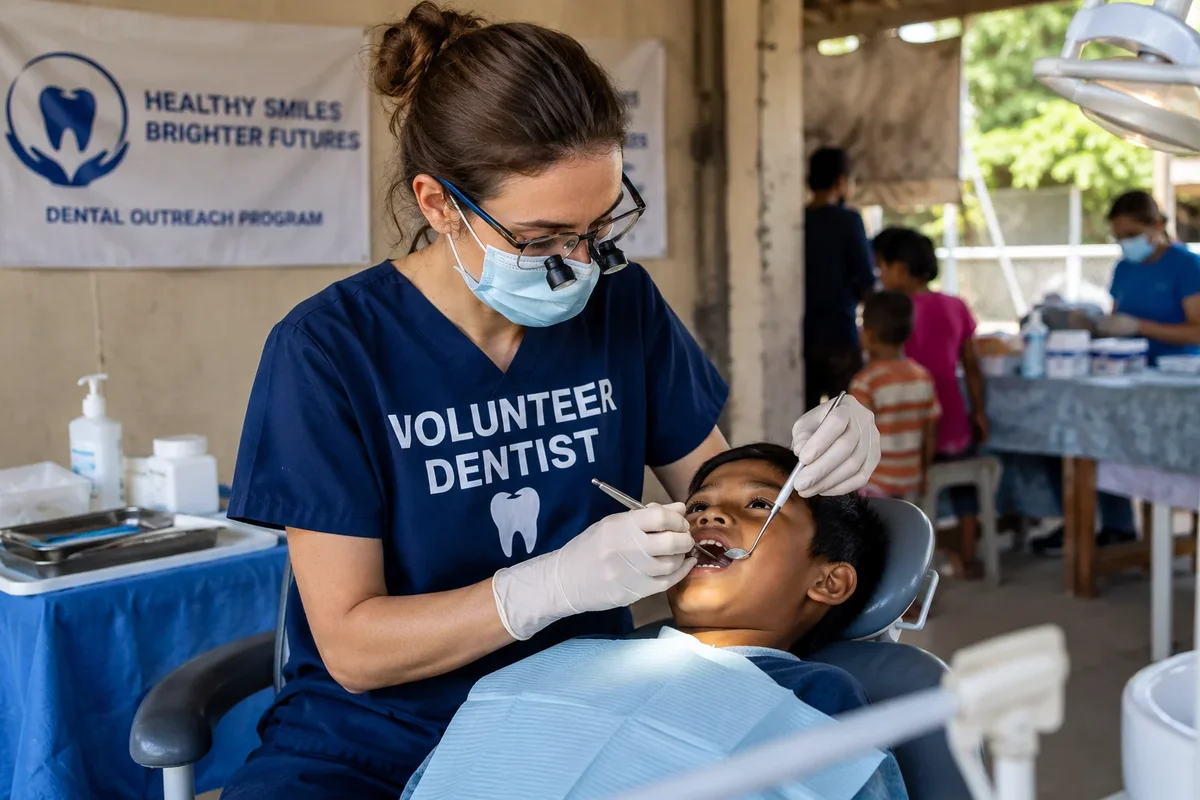
How to Choose the Best Volunteer Dentist Organization
Selecting the right humanitarian program is one of the most important decisions a volunteer dentist can make. Volunteer dentistry offers incredible opportunities to improve oral health access, support underserved communities, and gain meaningful professional experience. However, not all volunteer organizations operate with the same standards, ethics, or long-term goals. A volunteer dentist should carefully evaluate programs to ensure patient safety, sustainable community impact, and responsible healthcare practices. 🌍🦷
The best volunteer dentistry organizations focus on more than short-term treatment. They prioritize preventive education, local healthcare partnerships, cultural respect, and sustainable oral healthcare systems. Choosing the right organization allows a volunteer dentist to provide ethical and effective care while also gaining a rewarding humanitarian experience.
Before committing to a program, a volunteer dentist should research the organization’s mission, reputation, financial transparency, treatment protocols, and community relationships. Careful preparation helps avoid unethical programs that may unintentionally harm local healthcare systems or provide inadequate patient care.
Why Choosing the Right Volunteer Dentist Organization Matters
A volunteer dentist works directly with vulnerable populations who often have limited access to healthcare. Because these communities depend heavily on volunteer programs, ethical standards and patient safety must remain top priorities.
Well-organized programs create long-term benefits through education, preventive dentistry, and local healthcare collaboration. Poorly managed missions, however, may focus only on short-term publicity without providing sustainable patient support.
Benefits of Choosing a Reputable Organization
- Better patient safety standards
- Improved infection control protocols
- Clear legal and licensing guidance
- Stronger community partnerships
- Better logistical support for volunteers
- Long-term oral health impact
A responsible volunteer dentist understands that ethical humanitarian care requires more than good intentions. Proper organization and planning are essential for meaningful outreach work. 😊
Researching the Organization’s Reputation
The first step for a volunteer dentist is researching the reputation and history of the organization. Established programs usually provide detailed information about their mission, previous outreach projects, patient outcomes, and healthcare partnerships.
Questions Every Volunteer Dentist Should Ask
- How long has the organization operated?
- Does the program collaborate with local healthcare providers?
- What type of dental care is provided?
- Are volunteers properly supervised and trained?
- How are patient follow-up needs managed?
- Are there clear infection control protocols?
Reading reviews from previous volunteers can also help a volunteer dentist better understand the program’s strengths and weaknesses. Honest volunteer feedback often reveals important details about working conditions, patient care standards, and logistical organization.
Ethical Standards in Volunteer Dentistry
Ethics play a central role in humanitarian healthcare. A volunteer dentist should avoid organizations that prioritize marketing or tourism over patient welfare.
Ethical volunteer programs respect local healthcare systems rather than replacing them. The best organizations collaborate with local dentists, public health workers, and community leaders to create sustainable oral healthcare improvements.
Characteristics of Ethical Volunteer Programs
- Focus on sustainable healthcare solutions
- Respect local cultures and traditions
- Provide proper patient consent procedures
- Maintain professional infection control standards
- Support local dental professionals
- Emphasize preventive education and follow-up care
A volunteer dentist should also ensure that patient privacy and dignity are respected at all times. Ethical organizations avoid using vulnerable patients for promotional purposes without proper consent.
Licensing and Legal Requirements
Before participating in international outreach programs, a volunteer dentist must confirm legal eligibility to practice dentistry within the destination country.
Some countries require temporary licenses, registration documents, or government approval before volunteers can legally provide dental treatment. Reputable organizations usually assist volunteers with these legal requirements.
Important Legal Considerations
- Temporary dental licensing rules
- Professional liability coverage
- Travel insurance requirements
- Import regulations for dental equipment
- Vaccination and health documentation
Failure to follow legal procedures can create serious complications for both volunteers and patients. A responsible volunteer dentist always verifies licensing requirements before departure.
Training and Support for a Volunteer Dentist
Strong volunteer organizations provide orientation, safety guidance, and logistical support before the mission begins. A volunteer dentist should understand exactly what clinical responsibilities, housing arrangements, and working conditions to expect.
Helpful Support Services
- Pre-departure training sessions
- Cultural awareness education
- Emergency safety protocols
- Translation assistance
- On-site volunteer coordinators
- Clinical workflow organization
Programs that offer clear communication and structured preparation help volunteer dentists provide more effective patient care while reducing unnecessary stress during outreach missions. ❤️
Financial Transparency and Costs
A volunteer dentist should carefully review all program costs before committing financially. Ethical organizations clearly explain how volunteer fees are used and how resources support patient care.
- Volunteer registration fees: $300–$4,500
- International airfare: $500–$2,500
- Accommodation costs: $20–$150 per night
- Travel insurance: $50–$400
- Portable dental supply donations: $200–$2,000
- Vaccinations and health preparation: $150–$800
A volunteer dentist should avoid organizations that lack financial transparency or charge unusually high fees without clearly explaining how funds support healthcare programs.
Evaluating Community Impact
The best humanitarian organizations focus on creating long-term oral health improvements. A volunteer dentist should prioritize programs that support prevention, education, and local healthcare development.
Signs of Positive Community Impact
- Ongoing oral health education programs
- Partnerships with local clinics and schools
- Training for local healthcare providers
- Preventive dentistry initiatives
- Long-term patient follow-up systems
Programs that invest in sustainable public health strategies often create stronger and more lasting benefits for underserved communities.
Organizations such as the American Dental Association provide valuable professional guidance regarding ethical dentistry, public health standards, and humanitarian healthcare principles that support volunteer dentists worldwide.
Finding the Right Mission for Your Goals
Every volunteer dentist has different motivations, skills, and availability. Some dentists prefer short-term local outreach programs, while others seek international humanitarian missions in remote regions.
Choosing the right organization depends on factors such as clinical experience, language skills, travel preferences, treatment focus, and desired level of community involvement.
Patients interested in advanced dental treatment and international oral healthcare services can also explore the Redent Klinik Contact Page for professional consultation and support.
The Lasting Value of Ethical Volunteer Dentistry
A well-prepared volunteer dentist working with a responsible organization can create meaningful and lasting improvements in global oral health. Ethical volunteer programs strengthen communities, improve preventive care awareness, and support vulnerable populations through compassionate dentistry.
By carefully choosing the right organization, volunteer dentists ensure that their time, skills, and dedication truly benefit the communities they serve. Through ethical leadership, patient-centered care, and sustainable outreach efforts, volunteer dentists continue making a positive impact on oral healthcare around the world. 🌎🦷