
In every corner of the world, volunteer dentists play a crucial role in improving public health, alleviating pain, and restoring dignity through oral care. 🌍 Their work transcends dental clinics — it touches the very heart of humanity. These selfless professionals dedicate their time and skills to underserved populations, often traveling to remote regions where dental services are scarce or entirely absent. Whether they are providing free treatments in rural villages, mentoring young practitioners, or participating in humanitarian missions, their contribution leaves an enduring impact on individuals and communities alike.
In today’s world, oral health is deeply connected to overall well-being. Yet, millions still lack access to even basic dental care. Volunteer dentists bridge this gap, offering preventive education, emergency treatments, and life-changing interventions that restore confidence and smiles. 😁 Their services range from simple tooth extractions and cleanings to complex restorations and oral surgeries performed under difficult conditions. These acts of compassion help reduce infections, improve nutrition, and enhance quality of life — all while inspiring future generations of healthcare professionals to follow their example.
One of the most inspiring aspects of being a volunteer dentist is the ability to make a tangible difference in people’s lives. Imagine a child who has never visited a dentist, suffering from severe tooth decay that makes eating painful. A single dental visit can relieve years of discomfort and bring back the joy of smiling. Or consider an elderly person who regains their ability to chew properly after receiving dentures from a dental volunteer team. These small miracles accumulate, strengthening communities one smile at a time. ❤️
Organizations around the globe actively coordinate missions for volunteer dentists. From the American Dental Association to local dental outreach groups, there are countless opportunities for professionals to participate in mobile clinics, refugee aid programs, and oral health education initiatives. These projects not only provide essential care but also promote long-term dental awareness. By teaching local communities about brushing techniques, fluoride use, and diet choices, volunteers empower individuals to take control of their oral health even after the mission ends.
Another significant dimension of volunteer dentistry is its contribution to public health systems. In many low-income countries, the ratio of dentists to patients is alarmingly low. By supporting government health campaigns, volunteer dentists help reduce the burden of untreated oral diseases, which are among the most common chronic conditions worldwide. Their involvement in vaccination drives, hygiene promotion, and nutritional programs further strengthens their impact, proving that dental care is a vital component of holistic health initiatives. 🩺
Moreover, these volunteers gain invaluable professional and personal growth. Working in challenging environments enhances adaptability, problem-solving, and cross-cultural communication skills. Many report that their experiences with volunteer dentistry reignite their passion for the profession. It reminds them why they became dentists in the first place — to heal, to connect, and to give hope. 🌟 Beyond clinical expertise, the emotional reward of seeing a patient’s gratitude after a successful treatment is incomparable. This sense of fulfillment often motivates volunteers to return year after year, building long-term relationships with the communities they serve.
The ripple effects of volunteer dentists extend far beyond oral health. Improved dental hygiene reduces the risk of cardiovascular disease, diabetes complications, and infections. By addressing dental pain, volunteers enable children to attend school more regularly and adults to work productively. They indirectly support education, employment, and social stability — fundamental pillars of community development. For many underserved populations, these dental missions are not just healthcare events; they represent hope, compassion, and equality in action.
Even in developed countries, there is a growing need for volunteer dentists to support homeless populations, refugees, and low-income families. Urban outreach programs offer free clinics and education sessions to ensure that oral care is accessible to everyone, regardless of financial background. This inclusivity strengthens social bonds and reduces health disparities. Through collaboration with hospitals, NGOs, and local governments, volunteer dental initiatives demonstrate that true progress in healthcare requires empathy as much as expertise. 🦷
If you’re inspired by the idea of helping others, becoming a volunteer dentist might be one of the most rewarding paths you can take. It offers the chance to use your professional skills for a meaningful purpose while exploring new cultures and making lifelong memories. To learn how you can get involved or support international dental missions, reach out through the Redent Klinik Contact Page. Your compassion and expertise can help change lives — one smile at a time. 💙
Ultimately, volunteer dentists stand as true ambassadors of humanity. They remind us that a healthy smile is not a privilege, but a universal right. Their dedication proves that when skill meets compassion, transformation follows — not only in the lives they touch but also in their own hearts. As more professionals join this global movement, the dream of a world with equitable oral healthcare becomes closer to reality every day.
The Power of Volunteer Dentistry in Global Health
The impact of volunteer dentists on global health cannot be overstated. Across developing and developed nations alike, oral diseases remain among the most prevalent chronic conditions, yet they are often neglected in public health agendas. Millions of people suffer from untreated cavities, gum infections, and oral cancers simply because they lack access to dental professionals. In this vast gap, volunteer dentistry emerges as a beacon of hope — a movement that not only treats individuals but transforms entire communities. 🌍
Bridging the Global Dental Care Gap
According to global health reports, nearly 3.5 billion people experience oral diseases every year. In many low-income countries, the ratio of dentists to patients is less than 1 to 100,000 — a stark contrast to the ratios in wealthier regions. Volunteer dentists step into this gap, offering their expertise to populations that would otherwise go without care. They organize mobile clinics, provide emergency procedures, and even construct semi-permanent dental facilities in remote villages. These missions not only provide relief but also establish a sustainable model for future dental education and preventive care.
Programs such as those coordinated by the American Dental Association and global humanitarian networks have demonstrated the immense value of skilled dental volunteers. From Latin America to Africa, volunteer-driven initiatives deliver essential oral health services that governments cannot always afford to provide. By sharing techniques and teaching local practitioners, these dental missions empower communities to maintain long-term oral health improvements even after the volunteers return home.
Preventive Education: The First Line of Defense
While providing direct care is vital, one of the most enduring contributions of volunteer dentists is preventive education. Many oral diseases can be prevented through basic hygiene practices such as regular brushing, flossing, and dietary awareness. Volunteers conduct workshops for children and parents, teaching them how to take charge of their dental health. 🦷 Through colorful demonstrations and community-based training sessions, they spread essential knowledge about oral hygiene, reducing future disease risks.
Prevention is often more cost-effective and sustainable than treatment. By teaching communities how to prevent tooth decay and gum infections, volunteer dentists reduce the burden on local healthcare systems. Their initiatives align with the World Health Organization’s goal of integrating oral care into broader primary healthcare frameworks, making dental well-being a standard component of general health services.
Creating a Culture of Awareness
In areas where oral health has been neglected for generations, changing attitudes is just as important as providing treatments. Volunteer dentists use culturally sensitive communication strategies to make oral hygiene relatable and easy to adopt. They collaborate with community leaders, educators, and local health workers to ensure that oral care messages are shared in native languages and adapted to local customs. This inclusive approach fosters trust and encourages participation — vital for achieving lasting behavioral change. 💡
Humanitarian Dentistry: Beyond Clinical Work
For many volunteer dentists, humanitarian missions are about far more than performing dental procedures. They represent an opportunity to promote human dignity, equality, and compassion. These professionals often work under difficult conditions — limited resources, long hours, and challenging climates — yet their motivation comes from seeing the relief and gratitude of patients. By serving refugees, disaster survivors, and impoverished families, dental volunteers become part of a broader global health movement that prioritizes care for all, regardless of social or economic status.
Furthermore, the emotional impact of their work extends to the volunteers themselves. Many report that such missions rekindle their passion for dentistry, reminding them of the core humanitarian principles behind their profession. They learn adaptability, cultural humility, and the art of connecting with patients on a deeply personal level. The spirit of volunteer dentistry thus enriches both the giver and the receiver, building bridges of empathy across continents. 🌎
Partnerships That Strengthen Global Oral Health
Collaboration is key to the success of volunteer dentists. They frequently partner with international NGOs, universities, and ministries of health to implement large-scale outreach projects. These partnerships ensure that missions are aligned with national health priorities and that resources are utilized efficiently. In some cases, governments provide logistical support, medical supplies, or transportation to make dental missions possible. Such public-private cooperation amplifies the reach and sustainability of volunteer efforts, turning temporary initiatives into lasting solutions.
For example, in several African and Southeast Asian countries, partnerships between dental schools and foreign volunteer organizations have led to the establishment of permanent community dental centers. These facilities serve as hubs for local education, research, and continued care — a direct outcome of years of volunteer-driven collaboration. By focusing not just on treatment but on infrastructure, volunteer dentists create a legacy of oral health empowerment that benefits generations.
Integrating Dental Care with Broader Health Programs
Modern healthcare increasingly recognizes the link between oral health and systemic conditions like diabetes, cardiovascular disease, and pregnancy complications. Volunteer dental initiatives now often collaborate with medical professionals to offer integrated health screenings. During community missions, patients receive both dental and medical check-ups, ensuring holistic care. This approach underscores the importance of volunteer dentists within the broader framework of global health — they are not isolated practitioners but vital contributors to comprehensive wellness.
Economic and Social Benefits of Volunteer Dentistry
Beyond individual health, the work of volunteer dentists contributes to community development. Healthy teeth and gums improve nutrition, enhance self-esteem, and enable individuals to pursue education or employment opportunities. In regions where oral pain prevents people from eating properly or speaking confidently, dental care directly influences productivity and social integration. By restoring oral function and aesthetics, volunteers help individuals reclaim their place in society — an often-overlooked yet transformative aspect of humanitarian dentistry. 💪
In sum, the power of volunteer dentistry in global health lies in its ability to heal both bodies and hearts. Through clinical care, education, and cross-border cooperation, volunteer dentists prove that compassion and expertise can coexist beautifully. Their efforts not only fill medical gaps but also inspire systemic change — promoting a world where oral health is recognized as a human right, not a privilege. To learn more about joining such global missions or contributing to dental outreach projects, you can connect through the Redent Klinik Contact Page and explore pathways to make a lasting difference. 🌟
Why Volunteer Dentists Are Essential in Underserved Areas
Access to dental care is a fundamental aspect of public health, yet billions of people worldwide lack even the most basic oral health services. In underserved regions, where dental clinics are rare or non-existent, volunteer dentists play an irreplaceable role. They not only deliver essential treatments but also build sustainable systems that empower communities to maintain long-term oral health. 🌍 Their efforts directly combat the inequality that leaves many individuals suffering from preventable dental conditions, restoring both health and human dignity.
The Hidden Crisis of Oral Health Inequality
In many low-income and rural communities, oral health is often overshadowed by more immediate medical priorities like infectious diseases or malnutrition. Yet, untreated dental problems can lead to severe pain, infection, and systemic health complications. Without intervention, these issues escalate into chronic illnesses, affecting overall well-being, education, and economic productivity. Volunteer dentists bridge this critical gap by providing free or low-cost care to those who cannot otherwise afford it. Their services help prevent the spread of oral infections that, if left untreated, can impact the heart, lungs, and even pregnancy outcomes. 🦷
Furthermore, oral pain and tooth loss can lead to social stigma, poor nutrition, and psychological distress. In communities where access to dentistry is limited, volunteer dentists become a lifeline — alleviating pain, rebuilding confidence, and restoring smiles. Their intervention is not merely clinical; it is deeply humanitarian, focusing on dignity and hope.
Serving Where Resources Are Scarce
Many underserved regions face chronic shortages of dental professionals due to economic constraints, lack of infrastructure, and geographical isolation. In such environments, volunteer dentists become the only source of specialized care. They often work in improvised settings — from school buildings and church halls to mobile clinics and refugee camps. Despite the challenges of limited electricity, basic tools, and long working hours, their commitment remains unwavering.
These volunteers bring not only treatment but also training and mentorship to local healthcare workers. By teaching basic oral care techniques, sterilization methods, and patient management, they help build local capacity for self-sufficiency. This approach ensures that communities continue to benefit from improved oral health practices long after the volunteers depart.
Building Local Dental Infrastructure
A key aspect of sustainable outreach lies in helping communities develop their own dental systems. Volunteer dentists often collaborate with local NGOs, universities, and government health departments to establish permanent dental clinics or outreach programs. They assist in setting up supply chains for equipment, training local hygienists, and creating oral health education curricula tailored to cultural needs. These initiatives transform temporary missions into lasting public health improvements, ensuring that oral care is no longer a luxury but a permanent service. 💪
The Ripple Effect on Community Health
The work of volunteer dentists goes far beyond filling cavities and cleaning teeth. Oral health directly affects systemic health, and improving it has a ripple effect throughout entire communities. By reducing infection rates, improving nutrition, and preventing dental pain, these professionals enhance productivity and school attendance. Children with healthy teeth can eat better, sleep comfortably, and perform more effectively in class. Adults free from oral pain can work longer hours and support their families. Thus, dental volunteering becomes a powerful tool for socioeconomic development.
In addition, many volunteer dentists conduct research and data collection during missions, helping international health organizations identify patterns in dental disease prevalence. This data supports the creation of targeted policies and interventions for regions most in need. It highlights the indispensable role of volunteer-based dentistry not just in clinical work, but in shaping the future of global oral health strategy. 📊
Empowering Communities Through Education
Beyond immediate care, education is at the heart of every successful outreach effort. Volunteer dentists hold interactive sessions in schools and community centers, teaching proper brushing techniques, the importance of fluoride, and how to prevent tooth decay. In many areas, these lessons mark the first time residents have ever learned about oral hygiene. This knowledge empowers individuals to take ownership of their health, ensuring long-term improvement even without frequent dental visits.
Education also extends to local caregivers and teachers, who act as ongoing advocates for oral health. By establishing a network of community educators, volunteer dental teams create a self-sustaining model where the knowledge continues to spread. This emphasis on empowerment turns patients into partners in prevention, building a future where oral diseases are significantly reduced.
Special Focus on Vulnerable Populations
Children, elderly individuals, refugees, and people with disabilities are often the most vulnerable to oral diseases. For these populations, access to a volunteer dentist can be life-changing. Pediatric dental missions focus on early prevention, applying sealants and fluoride treatments that protect young teeth from decay. Meanwhile, elderly care missions address issues like dentures, gum disease, and oral cancer screening. These targeted approaches ensure that every group receives tailored care that meets their unique needs. ❤️
Collaboration and Innovation in Volunteer Dentistry
To reach remote and underserved populations, volunteer dentists are increasingly embracing innovative technologies. Portable dental units, solar-powered equipment, and tele-dentistry platforms make it possible to deliver care in areas without traditional infrastructure. Some organizations even use drones to transport medical supplies to isolated villages. These technological advancements, combined with human compassion, are redefining what is possible in global oral health outreach.
Collaboration with international bodies such as the American Dental Association ensures high standards of practice, safety, and ethics during these missions. Such partnerships also allow volunteers to share knowledge, access funding, and align their efforts with larger global health goals.
Joining the Mission to Create Health Equity
Every dentist, regardless of experience level, can contribute to the global movement for oral health equity. Whether by volunteering abroad or participating in local outreach initiatives, their expertise is a valuable asset. To explore upcoming programs or get involved with community missions, you can contact organizations like Redent Klinik, which connects professionals with meaningful humanitarian opportunities.
Ultimately, the presence of volunteer dentists in underserved areas transforms despair into hope. They bridge the divide between privilege and poverty, delivering not only care but compassion. Their dedication reminds the world that oral health is not a privilege reserved for the wealthy — it is a universal human right. As more professionals step forward, the dream of a world where every smile is healthy and pain-free comes closer to realization each day. 🌟
How Dental Volunteers Support Humanitarian Missions
All around the world, humanitarian efforts rely on the compassion and expertise of healthcare professionals — and among them, volunteer dentists hold a particularly vital role. Their mission goes far beyond performing dental procedures; they deliver hope, comfort, and healing to communities in crisis. From refugee camps and disaster zones to remote villages lacking medical infrastructure, these dedicated professionals represent the heart of global health solidarity. 🦷 Their involvement strengthens humanitarian missions, creating a bridge between emergency relief and long-term community development.
The Role of Volunteer Dentists in Humanitarian Aid
During natural disasters, wars, or refugee crises, dental health often receives little attention compared to urgent medical care. However, untreated oral infections can lead to life-threatening complications, especially in vulnerable populations already weakened by malnutrition or stress. Here, volunteer dentists step in as unsung heroes, addressing infections, pain, and trauma-related injuries that, if ignored, could escalate into systemic illness.
These dentists often work with international humanitarian organizations such as Médecins Sans Frontières, the Red Cross, or the American Dental Association’s outreach initiatives. They bring portable dental equipment to conflict zones, refugee settlements, and disaster-hit areas, setting up makeshift clinics where they can restore function and relieve pain. Their work is not limited to extractions or cleanings — it includes education, prevention, and psychological comfort, helping patients feel human again in the midst of chaos.
Emergency Response and Relief Dentistry
In the aftermath of a natural disaster like an earthquake or hurricane, volunteer dentists are often among the first responders. They treat patients suffering from dental fractures, infections, and trauma injuries caused by falling debris or poor sanitation. In these emergencies, pain relief becomes a critical part of the recovery process. When people are struggling to survive and rebuild, the ability to eat, speak, and smile again restores not only physical health but also emotional resilience. 🌍
Relief missions require adaptability and improvisation. Dentists work with limited electricity, makeshift lighting, and minimal sterilization tools. Their focus is on alleviating pain and preventing further health deterioration. By addressing oral infections promptly, they help reduce hospital admissions, freeing medical teams to handle other critical cases. These collaborative efforts showcase how dentistry integrates seamlessly into broader humanitarian healthcare frameworks.
Supporting Refugees and Displaced Populations
Refugee crises present one of the most complex challenges in humanitarian work. Displaced families often live for months or years in temporary camps with little access to healthcare. For many refugees, dental pain becomes a constant source of suffering. Volunteer dentists bring much-needed relief to these populations, providing emergency treatments and long-term oral hygiene education. They also work alongside psychologists and social workers to address trauma-related anxiety, especially in children who have endured war or displacement. 🕊️
These missions go beyond clinical service; they create spaces of trust and care. For a refugee who has lost everything, being treated with kindness and professionalism can help rebuild a sense of dignity. By volunteering their expertise, dental professionals contribute to both physical healing and emotional recovery, aligning perfectly with the humanitarian principle of restoring hope where it has been lost.
Women and Children: Prioritizing the Most Vulnerable
Women and children are disproportionately affected during humanitarian crises. Malnutrition, poor sanitation, and lack of access to dental hygiene products make them especially vulnerable to oral diseases. Volunteer dentists focus on preventive measures, teaching mothers and children how to care for their teeth using simple, locally available materials. They also provide fluoride treatments, sealants, and restorative care to prevent long-term complications. These interventions can drastically reduce disease rates in camp populations, improving overall quality of life.
Integrating Dentistry into Global Humanitarian Strategy
Historically, oral care has been overlooked in global humanitarian frameworks. However, growing evidence shows that dental health is integral to overall well-being. Chronic oral pain can impair nutrition, concentration, and immunity — all critical in crisis situations. As a result, international agencies now increasingly include dental missions as part of comprehensive health responses. Volunteer dentists collaborate with physicians, nurses, and nutritionists to ensure holistic treatment approaches that address both immediate and long-term needs.
For example, dental teams working in famine-affected regions often assist with oral assessments to identify signs of malnutrition. In post-conflict areas, they participate in trauma rehabilitation programs, helping reconstruct jaws or replace teeth lost during violence. Their role extends beyond treatment — it encompasses advocacy, research, and capacity-building to ensure sustainable access to oral care in vulnerable populations. 📈
Training Local Healthcare Workers for Sustainability
A cornerstone of effective humanitarian dentistry is empowering local healthcare workers. Rather than providing one-time aid, volunteer dentists train nurses, medical assistants, and teachers in basic oral health techniques. This “teach-to-fish” approach ensures continuity once the volunteers leave. By transferring knowledge, they help create a network of local caregivers capable of managing routine dental issues and promoting prevention within their communities.
In many developing regions, this collaborative model has transformed entire healthcare ecosystems. Once dependent on foreign assistance, communities now have trained personnel maintaining daily dental hygiene programs in schools and clinics. This is one of the greatest legacies of volunteer dentists — their willingness to share knowledge and empower others, rather than simply provide temporary relief. 💪
Innovations in Humanitarian Dental Missions
As technology evolves, humanitarian dentistry has adapted to become more efficient and far-reaching. Portable dental chairs, battery-powered drills, and digital X-rays now allow volunteer dentists to provide high-quality treatment even in remote regions. Some missions use tele-dentistry tools to consult with specialists abroad, improving diagnosis and patient outcomes. These innovations not only enhance efficiency but also inspire younger dental professionals to get involved, knowing their skills can be applied anywhere in the world.
How to Contribute or Get Involved
Becoming part of a humanitarian mission requires both skill and compassion. Dentists interested in volunteering can partner with international NGOs or clinics like Redent Klinik, which coordinate outreach programs in underserved regions. Preparation typically includes basic training in emergency care, infection control, and cultural sensitivity — ensuring volunteers can adapt to diverse and challenging environments.
In joining these missions, volunteer dentists experience a profound transformation. They witness firsthand the gratitude of patients whose lives they change with just a few hours of care. The work is demanding, but the rewards — emotional, professional, and spiritual — are immeasurable. Each restored smile becomes a testament to human kindness, proving that even in the darkest circumstances, compassion can shine through. 🌟
Ultimately, humanitarian dental missions embody the highest ideals of medicine: empathy, service, and equality. The tireless work of volunteer dentists demonstrates that oral health is not a luxury but a basic human right. Their commitment ensures that no matter how far, remote, or devastated a community may be, hope — and a healthy smile — is always within reach.
Top Organizations That Connect Volunteer Dentists Worldwide
Across the globe, a growing network of humanitarian organizations is mobilizing volunteer dentists to deliver care to those in need. 🌍 These organizations serve as vital bridges between dental professionals seeking to contribute their expertise and underserved communities in desperate need of oral health services. From large international foundations to small grassroots initiatives, they offer structured, safe, and impactful ways for volunteers to make a difference. This section explores the top global and regional organizations that connect dental professionals to meaningful volunteer missions and outlines how each contributes to improving global oral health.
1. The American Dental Association (ADA) Foundation
The American Dental Association (ADA) Foundation is one of the most prominent organizations supporting volunteer dentists. With a long-standing commitment to dental public health, the ADA facilitates both domestic and international volunteer programs. Their “Give Kids A Smile” initiative, for example, provides free oral healthcare to underserved children across the United States, while international outreach programs connect dentists to humanitarian projects around the world.
Through grants and educational support, the ADA Foundation empowers volunteer dentists to reach areas affected by poverty, disasters, or lack of infrastructure. They also partner with governments and NGOs to promote oral health education, preventive care, and capacity building. Dentists who participate in ADA missions benefit from well-organized logistics, ethical guidelines, and continuing education credits that reinforce professional growth. 🦷
2. Global Dental Relief (GDR)
Global Dental Relief (GDR) is another cornerstone of international dental volunteering. Founded in 2001, it organizes trips to countries such as Nepal, Guatemala, Kenya, and Cambodia, focusing on children’s oral health. Their mission model brings together volunteer dentists, hygienists, and non-medical helpers to create mobile dental clinics that can treat hundreds of patients in just a few days.
What makes GDR unique is its integration of travel, service, and sustainability. Volunteers not only provide direct dental care but also collaborate with local communities to ensure follow-up and preventive education. This hands-on approach gives professionals an immersive cultural experience while making a tangible difference in the lives of children who might otherwise never see a dentist. ✈️
Training and Accessibility
Before deployment, GDR offers detailed orientation sessions covering cross-cultural communication, fieldwork safety, and patient management in resource-limited environments. This ensures that volunteer dentists can perform effectively under diverse conditions while maintaining high ethical and clinical standards. Volunteers also have the opportunity to mentor local dental students, creating a ripple effect that continues long after the mission ends.
3. Dental Lifeline Network (DLN)
In the United States, the Dental Lifeline Network (DLN) operates an extraordinary model of volunteer care. It connects volunteer dentists with elderly, disabled, or medically fragile patients who cannot afford treatment. Through its “Donated Dental Services” program, thousands of professionals offer free, comprehensive care — often in their own offices — ensuring dignity and comfort for patients who have nowhere else to turn.
DLN’s impact extends across all 50 states, with over 15,000 participating dentists and 3,400 dental labs donating time, materials, and expertise. The model’s success demonstrates how volunteering can be both local and life-changing. Many patients regain their ability to eat, speak, and smile confidently, illustrating that even within developed countries, the work of volunteer dentists remains essential. 💙
4. International Medical Relief (IMR)
International Medical Relief organizes multidisciplinary healthcare missions, including dental teams. It provides opportunities for volunteer dentists to collaborate with physicians, nurses, and pharmacists in providing integrated medical and dental services to underserved populations. These missions take place in over 70 countries and often focus on rural and post-disaster regions.
IMR’s dental teams deliver care ranging from emergency extractions to preventive cleanings and patient education. They also play a crucial role in capacity building by training local clinicians. Volunteers receive guidance on cultural competence and sustainability, ensuring that each mission contributes to long-term health outcomes rather than short-term relief. 🌎
Impactful Collaboration
What distinguishes IMR is its holistic approach — integrating dentistry into broader community health programs. Volunteer dentists working with IMR not only restore smiles but also contribute to nutrition, mental health, and social wellness initiatives. This multidisciplinary model has proven highly effective in achieving lasting improvements in global public health.
5. Smiles for Everyone Foundation
True to its name, the Smiles for Everyone Foundation is dedicated to creating positive, lasting change through free dental care initiatives. This organization deploys volunteer dentists in both domestic and international missions, operating clinics in places such as Thailand, Laos, Ghana, and the U.S. It emphasizes community empowerment by working closely with local leaders and healthcare providers to establish self-sustaining programs.
Beyond clinical work, Smiles for Everyone also sponsors education campaigns that teach the importance of oral hygiene and preventive care. By engaging with communities long after the initial visit, they help maintain healthy habits and reduce disease recurrence. 🌟 Their “Smile Clinics” model has successfully treated tens of thousands of patients worldwide, exemplifying how organized volunteerism can make a global impact.
6. Operation Smile and Beyond Dentistry
Although best known for reconstructive surgeries, Operation Smile also engages volunteer dentists who play a vital role in pre- and post-operative care. These professionals prepare patients for surgery, manage oral infections, and contribute to the recovery process of children born with cleft lips and palates. Operation Smile’s commitment to comprehensive care ensures that children not only receive surgery but also the ongoing dental support needed for lifelong health.
Working under the umbrella of global surgical care, these dentists help transform lives both physically and emotionally. By addressing oral health issues holistically, Operation Smile demonstrates how dentistry integrates seamlessly into larger humanitarian frameworks.
7. How to Join a Dental Volunteer Organization
For professionals inspired to serve, joining one of these organizations is straightforward. Most require a valid dental license, proof of malpractice coverage, and a brief orientation or background check. Aspiring volunteer dentists can apply directly through organizational websites or contact facilitators like Redent Klinik to explore upcoming opportunities. It’s essential to choose missions that align with one’s skills, availability, and ethical values.
Volunteers often cover their own travel costs, but the personal and professional rewards are immense. They gain cultural insight, clinical experience, and the satisfaction of transforming lives through compassionate care. ✈️ Whether in a refugee camp or a remote mountain village, each act of service brings humanity closer to health equity.
Final Thoughts
The collective efforts of these global organizations and thousands of volunteer dentists have brought dental care to millions who would otherwise live in pain. Their work reminds us that dentistry is not just a science — it is a service to humanity. Through collaboration, education, and compassion, these initiatives continue to inspire new generations of dental professionals to pick up their instruments not only for profit, but for purpose. Every smile restored is a victory for global health and a testament to the power of giving back. 💖
Becoming a Volunteer Dentist: Skills, Training, and Certification
Choosing to join the global movement of volunteer dentists is one of the most fulfilling career decisions a dental professional can make. Beyond providing free dental services, this path allows practitioners to expand their expertise, develop leadership qualities, and contribute directly to improving global health equity. 🌍 However, to serve effectively and ethically in diverse environments, aspiring volunteers must possess specific skills, undergo relevant training, and ensure they have the necessary certifications and preparation for international service.
Essential Skills Every Volunteer Dentist Should Have
While technical proficiency in dentistry is a must, successful volunteer dentists require a much broader skill set to adapt to various cultural, environmental, and logistical challenges. Flexibility, empathy, and problem-solving skills are critical, as missions often take place in resource-limited settings where dental equipment, anesthesia, or electricity may be scarce. A calm, adaptable mindset enables volunteers to perform effectively under pressure while maintaining a compassionate bedside manner. 💪
Communication is another key element. Many patients served by dental missions speak different languages or come from cultures where dentistry is unfamiliar. The ability to use simple gestures, visuals, or translators can significantly enhance trust and comfort. Moreover, leadership and teamwork skills are vital since volunteer dentists frequently collaborate with physicians, nurses, educators, and local health workers in multidisciplinary teams. The best volunteers not only treat patients but also mentor, train, and inspire others in the field.
Clinical and Technical Expertise
Depending on the mission, volunteers may be required to perform basic procedures such as extractions, restorations, and cleanings, or advanced treatments including oral surgery and prosthodontics. Proficiency in sterilization techniques and infection control is especially important in field environments where clinical conditions differ from standard clinics. Additionally, volunteer dentists with knowledge of pediatric care, community dentistry, and emergency response are highly valued, as they can address a wide range of oral health needs.
Required Training and Preparation
Before participating in an overseas mission, volunteer dentists must complete proper training to ensure they are well-prepared for the challenges ahead. Many international organizations, such as the American Dental Association and Global Dental Relief, provide orientation sessions that cover safety, ethics, cross-cultural communication, and emergency protocols. These training programs are designed to prepare volunteers for conditions where resources are limited and self-reliance is crucial.
Training typically includes modules on field dentistry, which teaches techniques for improvising with minimal equipment and managing high patient volumes efficiently. For example, mobile dental units often operate on tight schedules, seeing hundreds of patients daily. Volunteers must learn to balance speed and accuracy while maintaining compassion. 🦷
Cross-Cultural Sensitivity and Ethical Conduct
One of the most important aspects of preparation is cultural sensitivity training. Volunteer dentists must approach every patient with respect, humility, and awareness of cultural differences. This means understanding local customs, religious beliefs, and community dynamics. Ethical conduct is equally crucial — maintaining professional standards, obtaining informed consent, and ensuring patient privacy are as important in remote villages as in modern clinics. By adhering to international dental ethics, volunteers safeguard both their patients and their professional reputation.
Licensing, Certification, and Documentation
To practice dentistry abroad, most countries require some form of verification or authorization, even for volunteers. Volunteer dentists must ensure that their home-country dental licenses are current and in good standing. Many missions request copies of degrees, professional registrations, and proof of malpractice insurance. Some organizations, especially those operating under government partnerships, help facilitate temporary licenses for visiting dental professionals.
In addition to professional credentials, volunteers are often required to obtain basic medical certifications, such as CPR and First Aid. These qualifications ensure that dental teams can respond to emergencies, from allergic reactions to cardiac events. Having updated vaccinations — including hepatitis B, tetanus, and rabies — is also essential before traveling to regions where infectious diseases are prevalent. 🌡️
Continuing Education and Global Health Training
Many volunteer dentists enhance their qualifications by taking continuing education (CE) courses related to global oral health, community dentistry, and disaster response. These programs, offered by universities and professional organizations, provide knowledge about epidemiology, preventive strategies, and international healthcare systems. Such training not only improves competence but also increases credibility when applying for mission placements or leadership roles within humanitarian organizations.
Practical Preparation: Logistics and Planning
Preparation for volunteering extends beyond training and certification — it also involves logistical readiness. Volunteer dentists must plan for travel, accommodation, and equipment needs. Most missions provide basic supplies, but many volunteers bring their own instruments, gloves, and portable kits to ensure efficiency in the field. They also learn how to pack essential items compactly for transport to rural areas or disaster zones.
Financial planning is another consideration. Although most organizations cover local logistics, volunteers often fund their own airfare and insurance. However, the personal investment yields invaluable professional experience and a chance to transform lives. Those interested in volunteering can seek sponsorship or collaborate with local dental associations for funding support.
Safety, Health, and Mental Preparedness
Serving in unfamiliar or challenging environments requires both physical and emotional resilience. Volunteer dentists should undergo basic health checks before departure and maintain a healthy lifestyle throughout their mission. Fatigue, stress, and exposure to harsh conditions can impact performance, so proper rest, hydration, and mental preparation are critical. Many organizations now include mental wellness briefings, acknowledging that volunteers may experience emotional strain after witnessing poverty or suffering firsthand.
Professional Benefits of Volunteering
While the primary goal of volunteering is service, the benefits to a dentist’s career are also profound. Volunteer dentists develop stronger clinical judgment, cultural intelligence, and leadership abilities. They gain exposure to unique medical cases and learn to improvise creatively with limited resources — skills that enhance their professional competence back home. Furthermore, such experiences reflect positively on resumes and can open doors to roles in public health, academia, and international aid. 🌟
Many volunteers also form lifelong friendships and professional networks with colleagues around the world. The shared mission of healing creates a sense of unity that transcends geography, culture, and language. This sense of belonging often inspires participants to continue volunteering or to integrate social responsibility into their everyday dental practice.
How to Begin Your Journey
For those ready to take the first step, organizations such as Redent Klinik can guide professionals toward appropriate volunteering programs. The process typically involves submitting credentials, attending an orientation, and choosing a destination that matches one’s interests and skills. With careful preparation, volunteer dentists can confidently join global missions, bringing smiles and relief to thousands of people who would otherwise live in pain.
Becoming a volunteer dentist is more than a professional milestone — it is a calling. It requires commitment, empathy, and courage, but the reward is immense: the opportunity to heal humanity, one patient at a time. Whether working in a busy city slum or a remote island clinic, every volunteer contributes to a world where dental care is accessible, equitable, and full of compassion. 💖
Life-Changing Stories from Volunteer Dentists Around the World
Behind every humanitarian mission lies a story of courage, compassion, and transformation. 🌍 For volunteer dentists, these stories are more than professional experiences—they are powerful testaments to how one act of service can change countless lives. From mountain villages in Nepal to refugee camps in Africa, dental volunteers have restored not only smiles but also hope, dignity, and confidence. In this section, we’ll explore some of the most inspiring real-world examples that illustrate the profound impact of volunteer dentistry across different cultures and continents.
Restoring Smiles in Remote Communities
In many remote regions of the world, dental care is a luxury that most people can only dream of. When volunteer dentists arrive, they often find patients who have lived in pain for years without relief. In the highlands of Peru, for example, a group of dental volunteers once set up a mobile clinic in a small farming village accessible only by foot. Within three days, they treated over 400 patients, many of whom had never seen a dentist before. The volunteers performed extractions, cleanings, and restorations using portable dental units powered by solar generators. ⚡
One story stands out—a 70-year-old woman who hadn’t been able to chew properly for a decade due to tooth decay. After a single session, she could finally eat without pain. Tears of gratitude streamed down her face as she thanked the volunteer dentists for giving her back a basic joy of life. This simple act of service reminded everyone on the team why they became healthcare professionals in the first place—to make a tangible difference in human lives.
Empowering Local Communities Through Education
Beyond treatment, volunteer missions often focus on empowering communities to maintain oral health. In rural Kenya, dental volunteers initiated a school-based oral hygiene program, teaching thousands of children proper brushing and nutrition habits. Within one year, rates of tooth decay dropped by 30%. The program’s success led local teachers to integrate oral hygiene into their health curriculum, creating a self-sustaining impact. 💪
This example highlights how volunteer dentists create change not just through direct care but through education and empowerment. By investing time in community education, they ensure that progress continues long after their departure.
Healing After Disaster: Dentistry in Crisis Zones
In the wake of natural disasters, such as earthquakes or hurricanes, dental problems are rarely the first concern—but they quickly become urgent. In 2010, after the devastating earthquake in Haiti, hundreds of volunteer dentists joined global medical teams to provide emergency relief. Many patients had oral injuries caused by falling debris or untreated infections worsened by the collapse of local healthcare systems.
One volunteer, Dr. Amanda Lopez, recalled performing dental surgeries in open-air tents under scorching sun. Supplies were limited, yet the team managed to perform hundreds of procedures daily. She said, “We didn’t have fancy equipment, but we had compassion and determination.” 💖 The experience not only changed the lives of patients but also deeply transformed the volunteers themselves, reinforcing their sense of purpose and humanity.
Supporting Refugees and the Displaced
Another striking example of impact comes from the Middle East, where volunteer dentists have provided essential care to refugees fleeing conflict. Many families arriving in camps suffer from severe dental neglect after years of displacement. Volunteer teams collaborate with humanitarian organizations to establish temporary dental clinics equipped to handle emergencies and preventive care.
One refugee mother described how her child’s chronic tooth pain had prevented him from sleeping or eating properly for months. After treatment, she expressed gratitude that went beyond words. “You didn’t just heal his teeth—you healed his smile,” she said. For volunteer dentists, such moments reaffirm that every patient treated is a victory over despair and hopelessness.
Bringing Joy to Children Through Volunteer Dentistry
Children often form the heart of dental outreach programs. In Cambodia, for instance, volunteer dentists working with Global Dental Relief transformed a schoolyard into a temporary clinic. They provided free checkups, cleanings, and fluoride treatments for hundreds of children. The volunteers used storytelling, songs, and colorful toothbrush demonstrations to make dental care fun and accessible. 🪥
For many of these children, it was their first encounter with a dentist. Their laughter and curiosity turned fear into excitement. Some of the volunteers later described the experience as “the most rewarding week” of their careers. Such missions remind us that dentistry, when guided by compassion, can bring happiness as well as health.
Volunteer Dentistry and Women’s Empowerment
In some cultures, women have limited access to healthcare, including dental services. Recognizing this gap, female-led teams of volunteer dentists have started women-centered outreach programs in South Asia and the Middle East. These initiatives provide both dental care and education, encouraging women to prioritize their own health and well-being. In Pakistan, for example, a dental mission focused on empowering mothers by teaching them how oral health affects family nutrition and children’s development. 🌸
These programs not only improve physical health but also foster confidence and independence. Empowered women often become community advocates for hygiene and preventive care, extending the mission’s impact to future generations.
Transformations That Inspire Generations
Every volunteer dentist who serves abroad or locally carries home powerful memories and lessons. Many report that volunteering reignited their passion for the profession, reminding them that dentistry is not just about technology or aesthetics—it’s about humanity. Some have gone on to establish their own foundations or clinics dedicated to serving marginalized groups, multiplying the ripple effect of kindness and compassion.
Patients, too, are profoundly changed. For someone who has endured years of pain, infection, or shame, a single dental visit can restore self-esteem and the ability to smile confidently. The gratitude expressed by these patients often leaves an emotional imprint on the hearts of the volunteers, motivating them to continue their mission.
Sharing Smiles, Building Global Solidarity
From Africa to Asia, Europe to the Americas, the stories of volunteer dentists share one unifying theme: healing through compassion. Their efforts demonstrate that healthcare is not just a service—it’s an act of solidarity. As dental professionals from around the world unite under a shared vision of equality and kindness, they redefine what it means to practice medicine with a heart. 🌟
For those inspired by these stories, opportunities abound to get involved through organizations like Redent Klinik and international associations dedicated to oral health outreach. Each mission, no matter how small, adds another chapter to the ongoing story of hope written by volunteer dentists. Together, they continue to prove that a single smile can indeed change the world — one patient, one village, and one act of kindness at a time. 💕
How Volunteer Dentistry Builds Empathy and Cultural Awareness
In an increasingly interconnected world, volunteer dentists stand out as ambassadors of empathy, understanding, and cultural exchange. 🌍 Beyond their technical expertise, their humanitarian work fosters bridges between nations, languages, and communities. Each mission exposes dental professionals to diverse social realities, deepening their appreciation for humanity’s shared struggles and triumphs. Through service, they not only improve oral health but also gain profound insight into compassion, resilience, and the importance of cultural respect. This symbiotic relationship between caregiver and community transforms both sides in lasting and meaningful ways.
The Emotional Core of Volunteer Dentistry
Every dentist who volunteers abroad or in underserved local communities experiences something beyond professional practice — a deep emotional awakening. Working with individuals who have limited access to care, volunteer dentists often witness extreme poverty, pain, and perseverance firsthand. In such environments, empathy becomes a natural response rather than a skill to be learned. Treating a patient who walks miles just to be seen, or a child who smiles despite pain, reshapes a dentist’s understanding of service and gratitude. ❤️
This emotional connection enriches the volunteer’s professional journey. It cultivates patience, humility, and emotional intelligence — qualities that can’t be taught in classrooms or clinics. Many report that after returning home, they listen to their patients more attentively, approach challenges with greater compassion, and appreciate the privilege of access to modern healthcare.
Learning Through Human Connection
At the heart of every successful mission lies the human bond formed between volunteer dentists and their patients. Even when language barriers exist, kindness, touch, and sincerity communicate more effectively than words. A smile exchanged during treatment can transcend cultural divides, reminding both the dentist and patient of their shared humanity. In this sense, dental missions become emotional classrooms, teaching empathy through action rather than theory.
Cultural Exchange: Dentistry as a Universal Language
Volunteering in different regions allows dentists to experience how culture shapes health beliefs, habits, and behaviors. For example, in certain rural communities, dental pain may be viewed as a natural part of aging rather than a treatable condition. Understanding such perspectives requires sensitivity and openness. Volunteer dentists learn to adapt their communication and treatment methods to align with local customs, ensuring that care is both respectful and effective. 🌸
In some cultures, touching a patient’s head might be considered inappropriate, while in others, making direct eye contact could be seen as disrespectful. By navigating these nuances, dental volunteers develop cross-cultural competence — a skill that not only enhances global missions but also improves their ability to treat diverse patients back home. This awareness fosters a deeper sense of global citizenship, encouraging dental professionals to view their work as a bridge between societies.
Collaborating with Local Health Workers
Cultural awareness grows stronger through collaboration. Volunteer dentists often work side by side with local health practitioners, translators, and community leaders who understand the cultural context intimately. These collaborations promote mutual respect and knowledge sharing. Dentists gain insights into traditional healing methods or local health beliefs, while community workers learn about modern preventive dentistry. This exchange of ideas strengthens both sides, creating a model of cooperative healthcare rather than one-sided charity.
Moreover, volunteers who return to the same region over multiple missions often build lifelong friendships with local colleagues. Such partnerships go beyond clinical work—they foster cultural appreciation, long-term mentorship, and trust. The result is a stronger, more sustainable relationship between the dental community and the people they serve. 💪
Empathy in Action: Transforming Professional Practice
The empathy cultivated through volunteerism has ripple effects that extend far beyond the field. Dentists who participate in humanitarian missions often return with renewed passion for their profession. They develop a deeper respect for patients’ emotional and social needs, recognizing that dental care is not just about treating teeth, but about restoring confidence, dignity, and self-worth. This mindset shift makes them more compassionate practitioners in every aspect of their work.
Patients treated by volunteer dentists in their home countries benefit from this change as well. Many volunteers integrate lessons learned abroad into their daily practice, adopting a more holistic approach to care. They are more likely to offer affordable services, participate in local outreach programs, or mentor younger professionals about the importance of empathy in healthcare.
Building Emotional Resilience
Working in challenging conditions — from refugee camps to remote villages — requires emotional strength. Volunteer dentists often encounter heartbreaking stories of neglect, poverty, and suffering. Yet, witnessing resilience and gratitude from those they serve strengthens their own emotional resilience. Instead of being overwhelmed by hardship, many volunteers find inspiration in the courage of their patients. This emotional endurance not only benefits them in their humanitarian work but also enhances their ability to cope with stress in high-pressure dental environments.
Cultural Awareness as a Foundation for Ethical Practice
Ethical volunteering requires more than good intentions. It demands cultural awareness, respect, and humility. Volunteer dentists must recognize the fine line between offering help and imposing foreign values. For instance, introducing Western dental practices without understanding local traditions can sometimes lead to mistrust. True empathy involves listening, learning, and collaborating with communities rather than “saving” them.
Responsible organizations train volunteers in cultural sensitivity, teaching them to adapt their care methods to local realities. This approach ensures that interventions are effective and welcomed. By integrating respect for local customs into their practice, volunteer dentists become true global ambassadors of ethical healthcare. 🌎
Stories of Cultural Connection
One inspiring example comes from a mission in Nepal, where volunteer dentists participated in a community festival to promote oral hygiene. Instead of traditional lectures, they used music, dance, and storytelling to engage villagers, respecting the community’s cultural expression. The event not only improved dental awareness but also fostered joy and unity. In another instance, dental volunteers in Morocco collaborated with local artisans to create murals depicting smiling faces and hygiene tips — blending art and medicine in a powerful cultural exchange.
The Transformative Power of Compassion
Ultimately, empathy and cultural understanding are the foundation of lasting humanitarian impact. The experiences gained by volunteer dentists go beyond technical skill; they shape character, purpose, and worldview. Each mission deepens their understanding that healthcare is a universal right — and kindness, its universal language. ✨
As more dental professionals engage in volunteer work, the collective consciousness of the profession evolves. Dentistry becomes not only a science of precision but also an art of empathy. Through every interaction, every smile restored, and every community served, volunteer dentists prove that compassion is the most transformative tool in global healthcare. Their journey builds a world not just of healthier teeth, but of deeper human connection and shared understanding. 🌟
For those inspired to begin their own journey toward empathy and cross-cultural service, organizations like Redent Klinik provide guidance and support for joining humanitarian dental missions. Every step taken with compassion strengthens the bridge between hearts — one patient, one culture, and one smile at a time. 💖
Impact of Volunteer Dentists on Children’s Oral Health
Across the world, millions of children suffer from preventable dental problems such as cavities, gum disease, and malnutrition-related oral issues. In many developing or underserved communities, access to dental care is either extremely limited or nonexistent. Here, volunteer dentists play a life-changing role. By bringing education, prevention, and treatment directly to children who need it most, they lay the foundation for lifelong oral and overall health. 🦷 Their contribution not only alleviates immediate pain but also empowers families, schools, and entire communities to prioritize dental hygiene from an early age.
Why Children’s Oral Health Matters
Good oral health is essential to every child’s development. It affects their ability to eat, speak, and concentrate in school. Yet, in many countries, dental diseases are among the most common childhood illnesses — even more prevalent than asthma. Without early intervention, tooth decay can cause infections, affect nutrition, and lead to absenteeism from school. Volunteer dentists provide essential early care that prevents such outcomes, ensuring that children can grow, learn, and smile confidently. 🌟
Children’s dental health also serves as a powerful indicator of community well-being. When a society invests in preventive dental programs, the ripple effects reach nutrition, education, and mental health. This is why volunteer dentists often focus their missions on pediatric populations — because a healthy child today means a healthier, more resilient society tomorrow.
Breaking the Cycle of Neglect
In low-income areas, parents often lack the financial means or knowledge to provide dental care for their children. Cavities that could be easily treated become chronic problems. Volunteer dentists break this cycle by offering free checkups, fillings, and extractions while teaching families about the importance of preventive care. These interventions help children avoid the lifelong consequences of poor oral health and teach parents how to sustain better hygiene habits at home.
Preventive Care: The Cornerstone of Pediatric Outreach
One of the most powerful strategies volunteer dentists use in their missions is preventive care. They know that simple practices like regular brushing, flossing, and dietary awareness can dramatically reduce the risk of cavities. To make these lessons engaging, volunteers often conduct interactive workshops in schools, using puppets, songs, and colorful demonstrations to teach oral hygiene. 🎨
For instance, a volunteer dental team in rural India introduced a “Brush for Bright Futures” campaign, providing toothbrushes and fluoride toothpaste to thousands of children. Within a year, dental caries among participants dropped by nearly 40%. This kind of impact illustrates how education can be just as powerful as treatment in transforming oral health outcomes. By equipping children with the knowledge and tools to care for their teeth, volunteer dentists create sustainable change that lasts generations.
Fluoride and Sealant Programs
Fluoride varnish applications and dental sealants are among the most effective preventive measures against tooth decay in children. Volunteer dentists frequently organize community days to apply these treatments in schools and clinics, reaching hundreds of children in a single event. These simple, painless procedures can prevent cavities for years. Combined with nutritional education — teaching families to limit sugar and processed food intake — they create a robust defense against future oral diseases. 💪
Restoring Confidence Through Care
For many children, dental problems are not only painful but also emotionally distressing. Missing or damaged teeth can lead to self-consciousness and bullying, affecting their confidence and social interactions. By restoring smiles, volunteer dentists do more than heal physical ailments — they rebuild self-esteem. 🌈
Take the example of a young boy in the Philippines who had suffered from severe tooth decay that discolored his front teeth. After receiving care from a group of dental volunteers, he returned to school with a radiant smile and renewed confidence. His teachers reported that his participation in class and social activities increased dramatically. Such stories underscore the deep emotional and psychological impact of dental volunteering on children’s lives.
Addressing Special Needs in Pediatric Dentistry
Children with disabilities or chronic illnesses often face even greater barriers to oral healthcare. Many volunteer dentists undergo special training to work with children who have autism, cerebral palsy, or other developmental conditions. These volunteers adapt their techniques to provide gentle, sensory-aware treatment in a supportive environment. By focusing on inclusion, they ensure that every child, regardless of ability, receives quality oral care and compassion. 💖
Collaborating with Schools and Communities
Successful pediatric dental missions rely on collaboration. Volunteer dentists partner with local schools, non-governmental organizations, and ministries of health to reach children effectively. They coordinate school dental screenings, distribute hygiene kits, and organize parent workshops to reinforce oral health education at home. This integrated approach ensures consistency — children learn in class, parents reinforce at home, and communities see tangible improvements in overall hygiene.
For instance, a collaboration between volunteer dentists and local teachers in Tanzania led to the creation of “Tooth Heroes Clubs,” where students became peer educators promoting oral hygiene in their communities. The program’s success not only improved dental health but also fostered leadership and civic responsibility among children. 🌍
Building Trust and Overcoming Fear
Many children associate dental visits with fear or pain, especially if they’ve never had access to gentle, patient-centered care. Volunteer dentists work hard to change that perception. They create a fun and friendly atmosphere in clinics, often decorating them with cartoons, balloons, and music. This positive experience helps children build trust in dental professionals and encourages them to seek care regularly in the future.
Long-Term Benefits and Global Impact
The long-term effects of pediatric dental missions extend far beyond immediate treatment. Children who receive care from volunteer dentists are more likely to maintain good oral hygiene habits into adulthood. They also become advocates for health within their families and communities, passing on valuable knowledge to younger siblings and friends. Over time, this creates a ripple effect — improving not just individual health outcomes but also strengthening public health infrastructure.
Furthermore, data collected by dental volunteers helps governments and global organizations identify regions with critical oral health disparities. This information guides the development of national oral health policies, preventive programs, and resource allocation. In this way, the work of volunteer dentists influences systemic change, making dental care more accessible and equitable across entire populations. 📊
Inspiring the Next Generation
Children who experience the kindness and generosity of volunteer dentists often grow up inspired to give back. Many later pursue careers in healthcare or public service, motivated by the compassion they witnessed firsthand. This cycle of empathy ensures that the mission of volunteer dentistry continues, passed from one generation to the next. ❤️
Ultimately, the work of volunteer dentists in pediatric care is about more than fixing teeth—it’s about transforming futures. By protecting children’s smiles, they protect their ability to learn, grow, and dream. Their dedication ensures that every child, no matter where they are born, can experience the simple yet profound joy of a healthy, pain-free smile. To explore how you can support or join child-focused dental missions, visit the Redent Klinik Contact Page and take your first step toward changing young lives around the world. 🌟
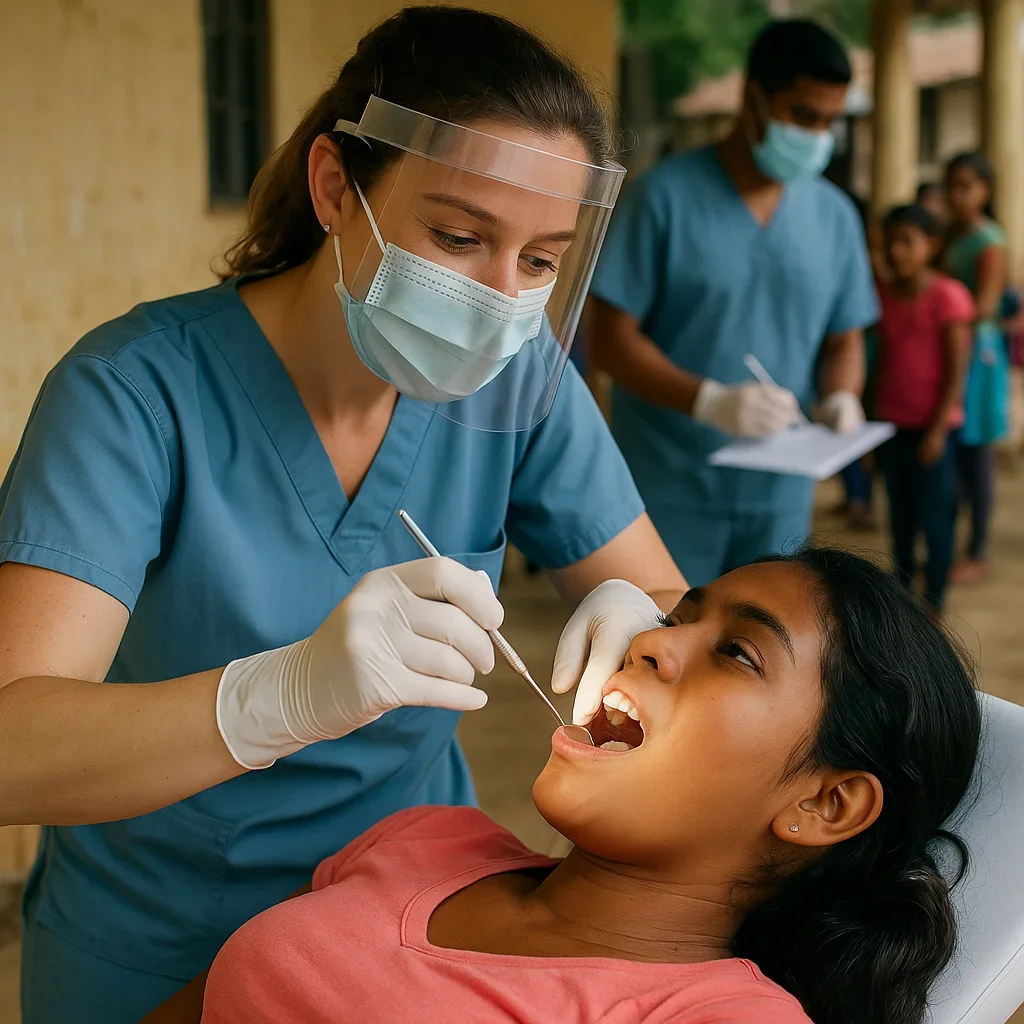
How to Join Volunteer Dental Programs and Make a Difference
Becoming part of the global network of volunteer dentists is not just about offering clinical expertise—it’s about joining a movement of compassion, education, and social change. 🌍 Whether you’re an experienced practitioner or a dental student eager to give back, there are countless opportunities to contribute your skills where they’re needed most. This guide explains step-by-step how to get involved in dental volunteering, from choosing the right program and preparing for missions, to creating long-term impact in underserved communities.
Finding the Right Volunteer Opportunity
The first step toward becoming a volunteer dentist is selecting a program that aligns with your professional skills, personal goals, and availability. Around the world, hundreds of reputable organizations coordinate dental missions—some local, others international. Each one offers unique opportunities: short-term outreach trips, year-long fellowships, or ongoing virtual mentorship programs. 🦷
Before committing, it’s important to research each organization carefully. Look for transparent missions, verified partnerships, and clear safety protocols. Reputable organizations such as the American Dental Association, Global Dental Relief, and Operation Smile maintain ethical standards and strong collaboration with local health authorities. Many regional NGOs also welcome international volunteers to strengthen local dental services and public education efforts.
Questions to Ask Before Joining
To ensure your participation has meaningful impact, ask the following before enrolling:
- Does the program have long-term partnerships with local clinics or governments?
- Are treatments provided sustainably, with follow-up care for patients?
- Is there transparency about how donations and volunteer fees are used?
- Does the organization train volunteers in cultural sensitivity and field safety?
Asking these questions helps volunteer dentists choose missions that prioritize community empowerment over short-term intervention. A sustainable approach ensures that the benefits of dental missions last well beyond the volunteers’ visit. 🌱
Preparing for Your Dental Mission
Once accepted into a program, thorough preparation is essential. Volunteer dentists must complete necessary vaccinations, acquire travel documents, and attend orientation or online briefings. These sessions often cover field logistics, emergency response, and communication strategies for working with diverse populations. Experienced volunteers also advise preparing both mentally and physically for demanding conditions such as long hours, limited facilities, or high patient volumes. 💪
It’s also important to prepare your dental instruments and supplies. Many missions provide basic tools, but volunteers often bring additional equipment like headlamps, sterilization wipes, portable suction units, and disposable gloves. Knowing how to improvise and maintain hygiene standards in non-traditional environments is part of what makes volunteer dentistry so rewarding and challenging.
Emotional and Cultural Readiness
Beyond logistics, mental preparation is crucial. Volunteer dentists frequently encounter severe dental conditions, emotional stories, and cultural differences. Developing empathy and adaptability ensures that your care is respectful and effective. Remember: the goal is not only to fix teeth but to build relationships and trust. Volunteers who approach their work with humility and open-mindedness leave the greatest impact on the communities they serve. 💖
Where You Can Volunteer as a Dentist
Dental volunteers are needed in every corner of the globe. Some of the most in-demand regions include:
- Africa: Programs in Kenya, Uganda, and Tanzania focus on school-based oral hygiene and emergency care.
- Asia: Initiatives in Nepal, Cambodia, and India combine clinical service with dental education.
- Latin America: Missions in Peru and Guatemala provide community outreach and fluoride programs.
- Local Outreach: Many countries have domestic missions serving refugees, homeless populations, and rural communities.
Even if international travel isn’t possible, volunteer dentists can contribute locally by partnering with public health departments, shelters, or free dental clinics. Every effort, no matter the scale, plays a vital role in improving access to oral care.
Virtual Volunteering and Mentorship
Technology has opened new ways to serve. Some organizations now offer virtual mentorship programs where volunteer dentists train or advise dental students and practitioners in developing countries via video calls. Others participate in online education campaigns that promote dental hygiene and nutrition awareness worldwide. These initiatives are especially impactful during global crises when travel is restricted.
Funding and Financial Considerations
While many dental missions are non-profit, there are costs associated with travel, accommodation, and supplies. Some organizations require volunteers to cover their own expenses, while others provide partial or full sponsorship. To make participation more accessible, volunteer dentists often raise funds through community donations, dental associations, or crowdfunding platforms. These campaigns not only finance missions but also raise awareness about global oral health challenges.
Additionally, some dental schools and professional organizations offer continuing education credits for volunteering. This means dentists can fulfill their learning requirements while making a real-world difference. 🎓
Safety, Ethics, and Sustainability
Responsible volunteering prioritizes both patient welfare and cultural respect. Ethical volunteer dentists adhere to international standards for consent, sterilization, and infection control. They ensure that all treatments are safe, necessary, and beneficial to the patient. Moreover, sustainable volunteering emphasizes collaboration with local dentists and health workers rather than creating dependency. 🩺
Volunteers should also be mindful of environmental sustainability—reducing waste, minimizing single-use plastics, and properly disposing of sharps and chemicals. By maintaining ethical and ecological standards, volunteer dentists protect both people and the planet.
Building Long-Term Impact
The true power of volunteer dentistry lies in continuity. Successful missions don’t end when the volunteers go home—they plant seeds of change that continue to grow. Many teams establish ongoing programs, train local practitioners, and donate equipment to ensure care continues year-round. Over time, this model transforms emergency outreach into self-sustaining healthcare systems. 🌱
In several African countries, volunteer dentists have trained local students who later became certified professionals serving their own communities. This ripple effect demonstrates how one act of service can multiply across generations. The most effective volunteers are those who view their missions not as one-time trips but as long-term partnerships rooted in education and collaboration.
Joining Through Trusted Organizations
For dental professionals ready to embark on this journey, starting with a reputable organization is key. Platforms like Global Dental Relief, Dental Mavericks, and Medical Teams International provide structured programs for volunteers. To explore regional opportunities, you can also connect with Redent Klinik, which supports community-based outreach programs and provides guidance for new volunteers.
The Reward Beyond Dentistry
For many volunteer dentists, the greatest reward is not professional recognition but personal fulfillment. Witnessing the gratitude of a child whose pain is relieved or a parent who can finally smile again creates a deep emotional connection. These experiences remind volunteers of the humanity that unites all people. ❤️
Ultimately, becoming a volunteer dentist is about choosing service over comfort, and purpose over profit. It’s about using your skills to make the world a little brighter—one patient and one smile at a time. Whether through a local initiative or an international mission, every dentist who chooses to volunteer helps build a healthier, kinder, and more compassionate world.
To take your first step toward joining a dental outreach or humanitarian mission, connect with established organizations or reach out directly through the Redent Klinik Contact Page. The journey begins with a single decision—to share your talent, your time, and your heart as part of the growing global community of volunteer dentists. 🌟