
When considering tooth replacement options, understanding the warranty on dental implants is one of the most important steps in making a confident decision. Dental implants are a long-term investment in your oral health, appearance, and overall quality of life. Because of this, many patients naturally want to know what guarantees or protections are included with their treatment. A clear and reliable warranty on dental implants not only provides peace of mind but also reflects the confidence of the dental clinic in the quality of their work.
In simple terms, a warranty on dental implants refers to a promise or guarantee offered by a dental clinic or implant manufacturer. This warranty typically ensures that if something goes wrong with the implant, certain parts of the treatment may be repaired or replaced under specific conditions. However, it is crucial to understand that not all warranties are the same, and the coverage can vary significantly depending on the clinic, materials used, and patient compliance with aftercare instructions.
🦷 Dental implants are designed to be durable and long-lasting, often functioning for decades when properly maintained. Because of their longevity, the warranty on dental implants becomes a key factor that distinguishes high-quality providers from less reliable ones. A strong warranty indicates that the clinic uses premium materials, follows strict clinical protocols, and prioritizes patient satisfaction.
There are generally two main components involved in a warranty on dental implants: the implant fixture (the titanium screw placed in the jawbone) and the prosthetic part (such as the crown, bridge, or denture attached to the implant). Many clinics offer separate warranty terms for each component. For example, the implant fixture may come with a long-term or even lifetime warranty, while the crown may have a shorter warranty period due to natural wear and tear.
Another important aspect to consider is that the warranty on dental implants often comes with conditions. These conditions typically include maintaining proper oral hygiene, attending regular dental check-ups, and avoiding harmful habits such as smoking or teeth grinding. If these conditions are not met, the warranty may become void. This is why dentists emphasize patient responsibility as part of the success of implant treatment.
💡 It is also worth noting that the warranty on dental implants may differ between local clinics and international dental tourism providers. Clinics that serve international patients often provide more comprehensive warranty packages to build trust and attract patients from abroad. For instance, some clinics offer extended warranties that cover both materials and workmanship, giving patients additional reassurance.
Patients should always request detailed documentation of the warranty on dental implants before starting treatment. This documentation should clearly outline what is covered, the duration of the warranty, and any conditions that must be followed. Transparency is key, and reputable clinics will always provide clear and written warranty terms.
If you are considering dental implants and want to ensure you receive a reliable warranty on dental implants, it is advisable to consult with experienced professionals. You can easily reach out for personalized guidance through the Redent Klinik Contact Page, where specialists can explain warranty options tailored to your needs.
Additionally, for broader information about dental standards and best practices, you can refer to the American Dental Association, which provides trusted guidance on dental treatments, including implants.
🔍 Ultimately, understanding the warranty on dental implants empowers you as a patient. It allows you to compare clinics more effectively, ask the right questions, and choose a provider that stands behind their work. A strong warranty is not just a marketing feature—it is a reflection of quality, accountability, and long-term commitment to patient care.
In conclusion, the warranty on dental implants is a crucial element of your treatment journey. By taking the time to fully understand it, you can ensure that your investment is protected and that your new smile will remain strong and beautiful for years to come. 😊
How Long Does a Warranty on Dental Implants Last?
One of the most common questions patients ask before undergoing implant treatment is how long the warranty on dental implants actually lasts. This is a crucial factor because dental implants are not a short-term solution—they are designed to serve as a long-term or even lifelong replacement for missing teeth. Understanding the duration of the warranty on dental implants helps patients make informed decisions and set realistic expectations about their investment.
Typical Duration of a Warranty on Dental Implants
In most modern dental clinics, the warranty on dental implants can vary significantly depending on the provider, materials used, and overall treatment quality. Generally, the implant fixture itself—the titanium post inserted into the jawbone—often comes with a long-term or lifetime warranty. This is because high-quality implant brands are designed to integrate permanently with the bone and rarely fail when placed correctly.
However, the prosthetic components, such as crowns or bridges attached to the implant, typically have a shorter warranty on dental implants. These parts are exposed to daily wear and tear from chewing and may need replacement over time. Most clinics offer warranties ranging from 2 to 10 years for these visible components.
Example Warranty Durations
Here is a general overview of what you might expect:
- Implant fixture: 10 years to lifetime warranty on dental implants
- Abutment (connector): 5 to 10 years
- Crown or prosthetic: 2 to 5 years
These durations are not universal, but they give a clear idea of how the warranty on dental implants is structured across different components.
Why Warranty Periods Differ Between Clinics
The length of a warranty on dental implants is not standardized, which means it can differ widely between clinics. Several factors influence these variations. Clinics that use premium implant brands and advanced technology are more confident in offering longer warranty periods. On the other hand, clinics using lower-cost materials may provide shorter coverage.
Additionally, the expertise of the dentist plays a major role. Experienced implant specialists who follow strict clinical protocols are more likely to offer an extended warranty on dental implants. This is because proper placement and planning significantly reduce the risk of complications.
🌍 In dental tourism destinations, including popular locations for international patients, clinics often provide extended warranty on dental implants packages to build trust. These warranties may include coverage for both materials and labor, which can be a major advantage for patients traveling abroad.
Conditions That Affect the Warranty Duration
It is important to understand that the warranty on dental implants is not unconditional. The duration and validity of the warranty depend heavily on patient behavior and aftercare. Most clinics require patients to follow specific guidelines to maintain their warranty on dental implants.
Key Conditions Include:
- Maintaining proper oral hygiene 🪥
- Attending regular dental check-ups (usually every 6 months)
- Avoiding smoking or reducing tobacco use
- Using protective devices if you grind your teeth (night guards)
If these conditions are not met, the warranty on dental implants may be voided, even if the issue is not directly caused by patient neglect. This highlights the importance of patient responsibility in ensuring long-term success.
Lifetime Warranty on Dental Implants: Is It Real?
Many clinics advertise a “lifetime warranty on dental implants,” which can sound very appealing. However, it is essential to read the fine print. In most cases, a lifetime warranty on dental implants applies only to the implant fixture and not to the prosthetic components.
Moreover, a lifetime warranty on dental implants is often conditional upon regular follow-ups at the same clinic. If a patient moves to another country or skips routine visits, the warranty may no longer be valid. Therefore, understanding the terms behind a lifetime warranty on dental implants is critical before committing to treatment.
How to Verify a Reliable Warranty
Before choosing a clinic, always ask for written documentation of the warranty on dental implants. A trustworthy provider will clearly outline the duration, coverage, and conditions. Transparency is a strong indicator of professionalism and quality.
If you are unsure about the details, consulting with a reliable clinic can help clarify everything. You can reach out directly through the Redent Klinik Contact Page to receive detailed information about your specific case and the available warranty on dental implants.
For additional guidelines on dental treatments and patient care standards, you can also refer to the American Dental Association, which provides trusted and up-to-date information.
✅ In conclusion, the duration of a warranty on dental implants can range from a few years to a lifetime, depending on multiple factors. By understanding these differences and carefully reviewing the terms, you can ensure that your dental implant investment is both secure and long-lasting. A well-defined warranty on dental implants is not just a benefit—it is a sign of quality, reliability, and professional care.
What Does a Warranty on Dental Implants Typically Cover?
Understanding exactly what is included in a warranty on dental implants is essential before starting treatment. While many patients assume that everything related to the implant is fully covered, the reality is more nuanced. A warranty on dental implants usually covers specific components and situations, and knowing these details can help you avoid unexpected costs or misunderstandings later.
🦷 Dental implants are composed of multiple parts, and the warranty on dental implants often treats each part differently. In most cases, the warranty is divided into coverage for the implant fixture, the prosthetic components, and sometimes the clinical work performed by the dentist.
Implant Fixture Coverage
The implant fixture, which is the titanium screw placed into the jawbone, is typically the most secure part of the warranty on dental implants. Since this component is designed to fuse with the bone through a process called osseointegration, it is expected to last for many years, often a lifetime.
Most reputable clinics and manufacturers offer a long-term or lifetime warranty on dental implants specifically for the implant fixture. This means that if the implant fails due to material defects or manufacturing issues, it will be replaced at no additional cost.
What Is Usually Covered for the Implant Fixture?
- Manufacturing defects in the implant material
- Early implant failure not related to patient negligence
- Structural issues with the titanium screw
However, even with a strong warranty on dental implants, failures caused by poor oral hygiene or trauma are typically excluded.
Prosthetic Components Coverage
The prosthetic part of the implant—such as the crown, bridge, or denture—is another key area covered under the warranty on dental implants. These components are visible in the mouth and are subject to daily wear and tear, which is why their warranty period is usually shorter.
Most clinics provide a warranty on dental implants for prosthetic components ranging from 2 to 5 years. This coverage generally includes defects in materials and workmanship, ensuring that the crown or bridge functions properly and maintains its appearance.
What Is Typically Covered for Prosthetics?
- Cracks or fractures in the dental crown
- Issues with the fit or alignment
- Material defects affecting aesthetics or durability
💡 It is important to note that cosmetic wear, such as minor discoloration over time, may not always be included in the warranty on dental implants.
Labor and Clinical Work Coverage
In addition to materials, some clinics include coverage for the dental procedure itself within the warranty on dental implants. This can be a significant advantage because it ensures that any necessary adjustments or corrections are handled without extra charges.
High-quality clinics often stand behind their work by offering a warranty on dental implants that includes:
- Free adjustments if the implant does not fit properly
- Correction of placement errors
- Follow-up procedures related to implant stability
This type of coverage reflects the clinic’s confidence in their expertise and commitment to patient satisfaction.
Situations Commonly Covered by Warranty
The warranty on dental implants is generally designed to protect patients from issues that are beyond their control. These include problems related to materials, manufacturing, or clinical execution.
Examples of Covered Situations
- Implant failure due to poor integration (not caused by patient habits)
- Defective implant components
- Mechanical failure of the prosthetic structure
However, it is always essential to review the specific terms of your warranty on dental implants, as coverage details can vary widely between providers.
Conditions That Must Be Met for Coverage
Even if a comprehensive warranty on dental implants is offered, it is usually conditional. Patients must follow certain guidelines to keep their warranty valid. These conditions are designed to ensure the long-term success of the implant.
Common Requirements Include:
- Regular dental check-ups every 6 months 🗓️
- Proper oral hygiene practices, including brushing and flossing
- Avoiding smoking or excessive alcohol consumption
- Using protective devices if recommended by the dentist
Failure to meet these requirements can void the warranty on dental implants, even if the issue appears unrelated.
Why Understanding Coverage Matters
Knowing what is included in your warranty on dental implants helps you plan for the future and avoid unexpected expenses. It also allows you to compare different clinics more effectively, ensuring that you choose a provider that offers both quality treatment and reliable protection.
If you are considering dental implants and want to learn more about what your warranty on dental implants will include, you can contact a trusted provider through the Redent Klinik Contact Page for personalized advice.
For additional information on dental implant standards and patient care, the American Dental Association is an excellent resource.
✅ In summary, a warranty on dental implants typically covers the implant fixture, prosthetic components, and sometimes the clinical work involved. By understanding exactly what is included, you can make a confident and informed decision, ensuring that your investment in dental health is well protected for years to come.
What Is Not Covered Under a Warranty on Dental Implants?
While a warranty on dental implants can provide valuable peace of mind, it is equally important to understand its limitations. Many patients assume that a warranty on dental implants covers every possible issue, but in reality, there are several exclusions. Knowing what is not included helps you avoid misunderstandings and ensures you take the necessary steps to protect your investment.
🦷 A warranty on dental implants is designed to cover problems related to manufacturing defects or clinical errors—not issues caused by external factors, lifestyle habits, or lack of maintenance. This distinction is critical when evaluating the true value of any implant warranty.
Patient Negligence and Poor Oral Hygiene
One of the most common exclusions in a warranty on dental implants is damage caused by poor oral hygiene. Dental implants require the same level of care as natural teeth. If plaque and bacteria accumulate around the implant, it can lead to peri-implantitis—a serious condition that may result in implant failure.
Examples of Negligence That Void Warranty
- عدم تنظيف الأسنان بشكل منتظم (translated: failing to brush and floss regularly)
- Skipping routine dental check-ups
- Ignoring early signs of gum inflammation or infection
If a dentist determines that implant failure occurred due to neglect, the warranty on dental implants will typically not apply. This is why maintaining excellent oral hygiene is essential for both your health and your warranty protection.
Damage from Trauma or Accidents
Another major exclusion in a warranty on dental implants involves physical damage caused by accidents or trauma. While implants are strong and durable, they are not indestructible. External forces can compromise both the implant and the prosthetic components.
Common Trauma-Related Exclusions
- Sports injuries without protective gear 🏀
- Car accidents or physical impacts
- Biting extremely hard objects like ice or hard candy
Since these incidents are beyond the control of the dental clinic, they are not covered under a standard warranty on dental implants.
Smoking and Lifestyle Habits
Lifestyle choices play a significant role in the success of dental implants. Smoking, excessive alcohol consumption, and poor dietary habits can all negatively affect healing and long-term stability. For this reason, many clinics include strict lifestyle conditions in their warranty on dental implants.
Habits That May Void Warranty
- Smoking during the healing period 🚬
- Chronic teeth grinding (bruxism) without protection
- Substance abuse or unhealthy lifestyle patterns
If these factors contribute to implant failure, the warranty on dental implants is usually voided. Some clinics may require patients to sign an agreement acknowledging these risks before treatment begins.
Natural Wear and Tear of Prosthetics
Although a warranty on dental implants may cover defects in prosthetic components, it generally does not cover normal wear and tear. Over time, crowns and bridges can experience minor damage due to daily use.
Examples of Non-Covered Wear
- Gradual discoloration of the crown
- Minor chips from everyday chewing
- Surface wear due to aging materials
These issues are considered normal and expected, and therefore are not included in most warranty on dental implants agreements.
Failure to Attend Follow-Up Appointments
Regular dental visits are a critical condition for maintaining a valid warranty on dental implants. Dentists need to monitor the implant’s condition and address any potential problems early.
Why Follow-Ups Matter
- Early detection of complications 🔍
- Professional cleaning to prevent infection
- Adjustment of prosthetics if needed
If a patient fails to attend scheduled check-ups, the warranty on dental implants may become invalid. Clinics rely on these visits to ensure the long-term success of the treatment.
Pre-Existing Health Conditions
Certain medical conditions can affect the success of dental implants. While a warranty on dental implants may cover many issues, complications arising from pre-existing conditions are often excluded.
Examples of Relevant Health Factors
- Uncontrolled diabetes
- Severe bone loss without proper treatment
- Immune system disorders
In such cases, the warranty on dental implants may not apply if the failure is linked to these underlying health issues.
Understanding the Fine Print
📄 Every warranty on dental implants comes with terms and conditions that must be carefully reviewed. These details explain exactly what is excluded and help you avoid surprises later. Reputable clinics will always provide a written agreement outlining all exclusions clearly.
If you want to fully understand your warranty on dental implants and ensure you meet all conditions, you can consult directly through the Redent Klinik Contact Page for personalized guidance.
For additional professional standards and patient care recommendations, the American Dental Association offers reliable and evidence-based information.
✅ In conclusion, while a warranty on dental implants provides important protection, it does not cover everything. By understanding what is excluded—such as negligence, trauma, lifestyle habits, and natural wear—you can take the necessary steps to maintain both your oral health and your warranty. Being informed is the key to ensuring long-term success and avoiding unnecessary complications. 😊
Types of Warranty on Dental Implants Explained
When evaluating your treatment options, understanding the different types of warranty on dental implants is essential. Not all warranties are structured the same way, and knowing the differences can help you choose a clinic that offers real value and long-term protection. A well-defined warranty on dental implants reflects both the quality of materials used and the confidence of the dental provider in their work.
🦷 In general, the warranty on dental implants can be categorized into several types based on coverage, duration, and responsibility. Each type offers a different level of protection, and patients should carefully review these options before making a decision.
Manufacturer Warranty on Dental Implants
The first and most common type of warranty on dental implants is the manufacturer warranty. This warranty is provided by the company that produces the implant system. Since high-quality implants are made from durable materials like titanium, manufacturers are often confident enough to offer long-term or even lifetime warranties.
What Does Manufacturer Warranty Cover?
- Defects in implant materials
- Structural failure of the implant fixture
- Manufacturing inconsistencies
It is important to understand that a manufacturer-based warranty on dental implants usually covers only the implant itself, not the surgical procedure or prosthetic components. This means additional costs may still apply if the implant needs to be replaced.
Clinic-Based Warranty on Dental Implants
Another important type is the clinic-based warranty on dental implants, which is provided directly by the dental clinic. This warranty often includes both the materials and the clinical work performed during the procedure.
High-quality clinics typically offer a comprehensive warranty on dental implants that covers:
- Implant placement procedures
- Prosthetic components like crowns and bridges
- Follow-up adjustments and corrections
💡 This type of warranty on dental implants is particularly valuable because it ensures that patients are protected not only against product defects but also against potential clinical issues.
Why Clinic Warranty Is Important
A clinic-based warranty on dental implants demonstrates the dentist’s confidence in their expertise. It also provides patients with a more comprehensive safety net, reducing the risk of unexpected expenses.
Full-Service Warranty on Dental Implants
Some clinics offer a full-service warranty on dental implants, which combines manufacturer and clinic coverage into one complete package. This is often considered the most comprehensive option available.
What Does Full-Service Warranty Include?
- Replacement of defective implants
- Coverage for prosthetic repairs or replacements
- Free or discounted re-treatment if needed
- Post-treatment maintenance support
🌍 This type of warranty on dental implants is especially popular among international patients, as it provides peace of mind even when traveling for treatment.
Conditional Warranty on Dental Implants
Many warranties are conditional, meaning the warranty on dental implants remains valid only if the patient follows specific guidelines. These conditions are designed to ensure the long-term success of the implant.
Common Conditions Include:
- Regular dental visits every 6 months 🗓️
- Maintaining proper oral hygiene
- Avoiding smoking or harmful habits
- Using protective devices if recommended
If these conditions are not met, the warranty on dental implants may be voided. This is why patient compliance is a critical part of implant success.
Limited vs. Extended Warranty on Dental Implants
Another way to categorize a warranty on dental implants is by its duration and scope. Some warranties are limited, while others are extended.
Limited Warranty
- Covers specific components only
- Shorter duration (2–5 years)
- May exclude labor or additional procedures
Extended Warranty
- Longer coverage period (up to lifetime)
- Includes more components and services
- Often requires strict compliance with conditions
Choosing between a limited and extended warranty on dental implants depends on your priorities and the level of protection you want.
Transferable Warranty on Dental Implants
In some rare cases, clinics offer a transferable warranty on dental implants. This means the warranty can still be honored even if the patient relocates or seeks care at another affiliated clinic.
While not very common, this type of warranty on dental implants is highly beneficial for international patients who may not always return to the same clinic.
Choosing the Right Warranty for Your Needs
🔍 Selecting the best warranty on dental implants requires careful evaluation of your personal needs, lifestyle, and long-term plans. A comprehensive warranty may cost more initially, but it can save significant expenses in the future.
If you want to explore the most suitable warranty on dental implants for your situation, you can contact a trusted clinic through the Redent Klinik Contact Page for detailed консультация and personalized advice.
For further information about dental standards and treatment guidelines, the American Dental Association is a reliable resource.
✅ In conclusion, there are multiple types of warranty on dental implants, including manufacturer, clinic-based, full-service, conditional, and extended warranties. Each type offers different levels of protection, and understanding these options allows you to make a confident, informed decision. A strong and well-structured warranty on dental implants is a clear indicator of quality, reliability, and long-term commitment to patient care. 😊
Factors That Affect Your Warranty on Dental Implants
When evaluating treatment options, many patients focus only on the duration of the warranty on dental implants, but understanding the factors that influence this warranty is equally important. The warranty on dental implants is not a fixed guarantee—it is shaped by multiple variables including patient habits, clinical expertise, materials used, and ongoing care. Knowing these factors allows you to actively protect your investment and ensure long-term success.
🦷 A warranty on dental implants is essentially a partnership between the patient and the dental provider. While the clinic provides high-quality treatment and materials, the patient must follow specific guidelines to maintain the validity of the warranty on dental implants.
Quality of Materials Used
The type and quality of materials used play a major role in determining the strength and duration of a warranty on dental implants. Premium implant brands are manufactured under strict standards and are backed by extensive research and clinical trials.
How Material Quality Impacts Warranty
- High-grade titanium implants are more durable and less likely to fail
- Reputable brands often include longer manufacturer-backed warranties
- Advanced surface technologies improve osseointegration success
Clinics that use top-tier materials are more confident in offering an extended warranty on dental implants, as the risk of complications is significantly reduced.
Experience and Skill of the Dentist
The expertise of the dental professional is one of the most critical factors affecting the warranty on dental implants. Implant placement is a highly specialized procedure that requires precision, planning, and experience.
Why Expertise Matters
- Accurate placement ensures proper integration with the jawbone
- Advanced planning reduces the risk of complications
- Experienced dentists can handle complex cases more effectively
💡 Clinics with highly skilled implant specialists are more likely to offer a reliable and longer warranty on dental implants, as they can confidently stand behind their work.
Patient’s Oral Hygiene Habits
Your daily oral care routine has a direct impact on the validity of your warranty on dental implants. Even the best implants can fail if proper hygiene is not maintained.
Essential Oral Care Practices
- Brushing twice daily with a soft-bristled toothbrush 🪥
- Flossing around the implant area
- Using antibacterial mouthwash when recommended
If poor oral hygiene leads to infection or implant failure, the warranty on dental implants will likely be voided. This is why dentists emphasize consistent and proper care.
Lifestyle Choices and Habits
Another important factor influencing the warranty on dental implants is the patient’s lifestyle. Certain habits can negatively affect healing and long-term implant stability.
Habits That Impact Warranty
- Smoking 🚬, which slows healing and increases failure risk
- Teeth grinding (bruxism), which puts excessive pressure on implants
- Poor diet lacking essential nutrients for bone health
Many clinics include these lifestyle factors in the conditions of the warranty on dental implants, making patient awareness essential.
Regular Dental Check-Ups
Routine dental visits are a key requirement for maintaining a valid warranty on dental implants. These check-ups allow dentists to monitor the condition of the implant and detect potential issues early.
Benefits of Regular Visits
- Early identification of complications 🔍
- Professional cleaning to prevent plaque buildup
- Adjustment of prosthetic components if needed
Skipping these appointments can result in the loss of your warranty on dental implants, even if the implant itself is still functioning.
Overall Health and Medical Conditions
Your general health also plays a significant role in the success of dental implants and the validity of the warranty on dental implants. Certain medical conditions can affect healing and bone integration.
Health Factors to Consider
- Diabetes (especially if uncontrolled)
- Osteoporosis or low bone density
- Immune system disorders
These conditions do not necessarily prevent implant treatment, but they may influence the terms of the warranty on dental implants.
Compliance with Clinic Guidelines
📄 Every clinic provides specific instructions that must be followed to maintain the warranty on dental implants. These guidelines are designed to ensure optimal results and long-term success.
Typical Requirements Include:
- Following post-surgical care instructions
- Using prescribed medications correctly
- Avoiding hard foods during the healing period
Failure to comply with these instructions can void the warranty on dental implants, making it essential to follow your dentist’s advice closely.
Choosing the Right Clinic Matters
🌍 The clinic you choose has a direct impact on the reliability of your warranty on dental implants. Clinics that prioritize quality, transparency, and patient care are more likely to offer strong and trustworthy warranties.
If you want to ensure that your warranty on dental implants is both reliable and comprehensive, you can consult professionals through the Redent Klinik Contact Page for personalized recommendations.
For additional guidance on dental health and implant care standards, the American Dental Association provides trusted information.
✅ In conclusion, the warranty on dental implants is influenced by multiple factors, including material quality, dentist expertise, patient habits, and overall health. By understanding and managing these variables, you can maximize the benefits of your warranty on dental implants and ensure a long-lasting, successful outcome. 😊
How to Maintain Your Warranty on Dental Implants
Receiving dental implants is a long-term investment, and maintaining your warranty on dental implants is just as important as the procedure itself. Many patients mistakenly believe that once the implant is placed, their responsibility ends. However, the truth is that the warranty on dental implants depends heavily on how well you care for your oral health and follow your dentist’s recommendations.
🦷 A warranty on dental implants is not automatic or unconditional—it requires ongoing commitment. By understanding and applying proper maintenance strategies, you can ensure that your warranty on dental implants remains valid and your implants function optimally for many years.
Maintain Excellent Oral Hygiene Daily
The most fundamental requirement for preserving your warranty on dental implants is maintaining excellent oral hygiene. Dental implants may not decay like natural teeth, but the surrounding gum tissue is still vulnerable to infection.
Essential Daily Care Routine
- Brush your teeth at least twice a day with a soft-bristled toothbrush 🪥
- Use floss or interdental brushes to clean around the implant
- Rinse with an antibacterial mouthwash if recommended
Neglecting oral hygiene can lead to peri-implantitis, a serious condition that can compromise the implant. If this occurs due to poor care, the warranty on dental implants will likely be voided.
Attend Regular Dental Check-Ups
Routine dental visits are a critical part of maintaining your warranty on dental implants. Most clinics require patients to attend check-ups every 6 months to ensure the implant remains in good condition.
Why Check-Ups Are Important
- Early detection of potential problems 🔍
- Professional cleaning to remove plaque buildup
- Monitoring the stability of the implant
Missing scheduled appointments is one of the most common reasons patients lose their warranty on dental implants. These visits are not optional—they are a requirement.
Follow Post-Treatment Instructions Carefully
After your implant procedure, your dentist will provide specific instructions. These guidelines are essential for healing and for keeping your warranty on dental implants intact.
Key Post-Surgical Instructions
- Avoid hard or chewy foods during the healing phase
- Take prescribed medications as directed
- Keep the surgical area clean and protected
Failure to follow these instructions can lead to complications, which may not be covered under your warranty on dental implants.
Avoid Harmful Habits
Your lifestyle choices play a major role in maintaining your warranty on dental implants. Certain habits can negatively affect the implant’s stability and longevity.
Habits to Avoid
- Smoking 🚬, which slows healing and increases infection risk
- Teeth grinding (bruxism) without protection
- Biting hard objects like ice or pens
These behaviors can cause damage that is typically excluded from the warranty on dental implants, making it essential to avoid them.
Use Protective Devices When Needed
If you have a habit of grinding your teeth or participate in contact sports, using protective devices is crucial for preserving your warranty on dental implants.
Recommended Protective Solutions
- Night guards to prevent grinding damage 🌙
- Mouthguards for sports activities
These devices help reduce stress on the implant and prevent damage that could void your warranty on dental implants.
Maintain a Healthy Lifestyle
Your overall health directly impacts the success of your implant and the validity of your warranty on dental implants. A balanced lifestyle supports healing and long-term stability.
Healthy Habits to Follow
- Eat a nutrient-rich diet 🥗
- Stay hydrated
- Manage chronic conditions like diabetes
Good general health helps ensure that your warranty on dental implants remains valid and your implant continues to function properly.
Keep Documentation and Follow Clinic Policies
📄 Another often overlooked aspect of maintaining your warranty on dental implants is keeping proper documentation. Clinics may require proof of regular visits and adherence to care instructions.
Important Documentation Tips
- Keep records of all dental visits
- Follow the clinic’s maintenance schedule
- Understand all warranty terms and conditions
Having proper documentation ensures that your warranty on dental implants can be honored if needed.
Work with a Trusted Dental Clinic
Choosing a reliable clinic is key to maintaining a strong warranty on dental implants. Professional clinics provide clear instructions and ongoing support to help you protect your investment.
If you need guidance on maintaining your warranty on dental implants, you can reach out through the Redent Klinik Contact Page for expert advice tailored to your situation.
For additional recommendations on oral health and implant care, the American Dental Association offers valuable and reliable information.
✅ In conclusion, maintaining your warranty on dental implants requires consistent care, regular check-ups, and responsible lifestyle choices. By following these guidelines, you not only protect your warranty but also ensure the long-term success of your dental implants. A well-maintained warranty on dental implants is your assurance of a healthy, confident smile for years to come. 😊
Comparing Warranty on Dental Implants Across Clinics
When planning your treatment, comparing the warranty on dental implants across different clinics is one of the smartest decisions you can make. Not all dental providers offer the same level of protection, and the differences can significantly impact both your long-term satisfaction and financial security. A well-structured warranty on dental implants reflects the clinic’s confidence in its materials, techniques, and patient care standards.
🦷 Many patients focus only on price when choosing a clinic, but the warranty on dental implants is equally important. A lower-cost treatment with a weak warranty may lead to higher expenses in the future if complications arise. Therefore, evaluating and comparing the warranty on dental implants should always be part of your decision-making process.
Key Differences in Warranty Coverage
The first thing to compare is what each warranty on dental implants actually covers. Some clinics offer limited warranties that only include the implant itself, while others provide comprehensive coverage that includes prosthetics and clinical procedures.
Coverage Variations Between Clinics
- Basic coverage: Implant fixture only
- Standard coverage: Implant + prosthetic components
- Comprehensive coverage: Implant, prosthetics, and clinical work
A more comprehensive warranty on dental implants offers greater peace of mind, as it reduces the risk of unexpected costs.
Differences in Warranty Duration
Another major factor to consider when comparing a warranty on dental implants is the duration. While some clinics offer short-term warranties, others provide extended or lifetime coverage.
Typical Duration Differences
- 2–5 years for prosthetic components
- 5–10 years for abutments
- Lifetime coverage for implant fixtures (in some cases)
📅 Clinics offering a longer warranty on dental implants are often more confident in their materials and expertise. However, always check the conditions attached to longer warranties.
Conditions and Requirements
Not all warranties are equal when it comes to conditions. The warranty on dental implants may come with specific requirements that must be followed to keep it valid.
Common Conditions to Compare
- Mandatory check-ups every 6 months
- Strict oral hygiene requirements 🪥
- Restrictions on smoking or certain habits
Some clinics have stricter conditions than others, which can affect how practical the warranty on dental implants is for your lifestyle.
Local Clinics vs. International Clinics
🌍 One of the most noticeable differences when comparing a warranty on dental implants is between local clinics and international dental tourism providers. Clinics that treat international patients often provide more extensive warranties to build trust and attract clients.
Advantages of International Clinics
- Extended or full-service warranty on dental implants
- Coverage for both materials and labor
- Additional support for follow-up treatments
However, it is important to consider travel logistics and whether the warranty on dental implants requires you to return to the same clinic for repairs.
Transparency and Documentation
A reliable warranty on dental implants should always be clearly documented. Transparency is a key indicator of a trustworthy clinic.
What to Look for in Documentation
- Written warranty terms 📄
- Clear explanation of coverage and exclusions
- Defined duration and conditions
If a clinic cannot provide clear documentation for the warranty on dental implants, it may be a red flag.
Cost vs. Warranty Value
💡 When comparing clinics, it is essential to balance cost with the value of the warranty on dental implants. A cheaper option may seem attractive initially, but a limited warranty could lead to higher costs later.
How to Evaluate Value
- Compare total treatment cost with warranty coverage
- Consider long-term savings from extended warranties
- Assess the clinic’s reputation and success rates
A strong warranty on dental implants can actually make a slightly more expensive clinic the better choice in the long run.
How to Choose the Best Option
🔍 To choose the best clinic, you should carefully evaluate all aspects of the warranty on dental implants. Look beyond marketing claims and focus on real coverage, conditions, and reliability.
If you want expert guidance in comparing options and selecting the most suitable warranty on dental implants, you can consult professionals through the Redent Klinik Contact Page.
For additional insights into dental care standards and implant procedures, the American Dental Association provides trustworthy information.
✅ In conclusion, comparing the warranty on dental implants across clinics is essential for making a smart and informed decision. By evaluating coverage, duration, conditions, and overall value, you can choose a provider that offers both high-quality treatment and reliable long-term protection. A well-chosen warranty on dental implants ensures peace of mind and a confident smile for years to come. 😊
Is a Lifetime Warranty on Dental Implants Really Worth It?
The idea of a lifetime warranty on dental implants is highly appealing to many patients. After all, dental implants are a significant investment, and the promise of lifelong protection sounds reassuring. However, it is important to understand whether a lifetime warranty on dental implants truly delivers value or if it comes with limitations that patients should carefully consider.
🦷 A lifetime warranty on dental implants can be a strong indicator of quality, but it is not always as straightforward as it seems. To determine whether it is worth it, you need to evaluate what is actually covered, the conditions involved, and how practical it is to maintain the warranty over time.
What Does a Lifetime Warranty on Dental Implants Usually Mean?
When clinics advertise a lifetime warranty on dental implants, they are typically referring to the implant fixture itself—the titanium screw placed in the jawbone. This component is designed to last for decades, which is why manufacturers often provide long-term guarantees.
Common Coverage in Lifetime Warranty
- Replacement of the implant fixture if it fails due to material defects
- Coverage for manufacturing issues
- Long-term structural integrity of the implant
However, a lifetime warranty on dental implants usually does not include prosthetic components such as crowns or bridges, which are subject to wear and may need replacement over time.
Hidden Conditions Behind Lifetime Warranties
One of the most important aspects to understand is that a lifetime warranty on dental implants is almost always conditional. Clinics set specific requirements that patients must follow to keep the warranty valid.
Typical Conditions Include:
- Regular dental check-ups every 6 months 🗓️
- Maintaining excellent oral hygiene
- Avoiding smoking or harmful habits
- Following all post-treatment instructions
If these conditions are not met, the lifetime warranty on dental implants may be voided. This means that the “lifetime” aspect depends heavily on patient compliance.
Advantages of a Lifetime Warranty on Dental Implants
Despite the conditions, a lifetime warranty on dental implants offers several benefits that can make it a valuable option for many patients.
Key Benefits
- Long-term peace of mind 😊
- Reduced financial risk in case of implant failure
- Confidence in the quality of materials and treatment
Clinics that offer a lifetime warranty on dental implants are often using high-quality materials and advanced techniques, which can increase the overall success rate of the procedure.
Potential Limitations to Consider
While a lifetime warranty on dental implants sounds ideal, it is not without its limitations. Understanding these drawbacks is essential before making a decision.
Common Limitations
- Coverage may be limited to the implant fixture only
- Patients may need to return to the same clinic for repairs
- Travel costs may not be included 🌍
- Strict conditions must be followed to maintain validity
These factors can affect how practical a lifetime warranty on dental implants is, especially for international patients.
Cost vs. Value Analysis
💡 A lifetime warranty on dental implants may sometimes come with a higher initial cost. However, this cost can be justified if it provides comprehensive coverage and reduces long-term risks.
How to Evaluate Value
- Compare the cost of treatment with and without the warranty
- Consider potential future expenses for repairs or replacements
- Assess the clinic’s reputation and success rate
In many cases, a strong warranty on dental implants can actually save money over time by preventing unexpected expenses.
Is It Worth It for Every Patient?
Not every patient needs a lifetime warranty on dental implants. The value depends on individual circumstances, including lifestyle, health, and long-term plans.
Who Benefits Most?
- Patients seeking long-term security
- Individuals investing in high-quality implant systems
- Those committed to maintaining proper oral hygiene
For these patients, a lifetime warranty on dental implants can be a worthwhile investment.
Making the Right Decision
🔍 Before choosing a lifetime warranty on dental implants, it is essential to carefully review all terms and conditions. Transparency and clear communication from the clinic are key indicators of reliability.
If you are considering whether a lifetime warranty on dental implants is right for you, you can consult experienced professionals through the Redent Klinik Contact Page for personalized advice.
For additional insights into dental implant standards and patient care, the American Dental Association provides trusted and up-to-date information.
✅ In conclusion, a lifetime warranty on dental implants can be highly valuable, but only if you fully understand its scope and conditions. By carefully evaluating the benefits and limitations, you can decide whether this type of warranty on dental implants aligns with your needs and expectations. A well-chosen warranty ensures not only protection but also confidence in your long-term dental health. 😊
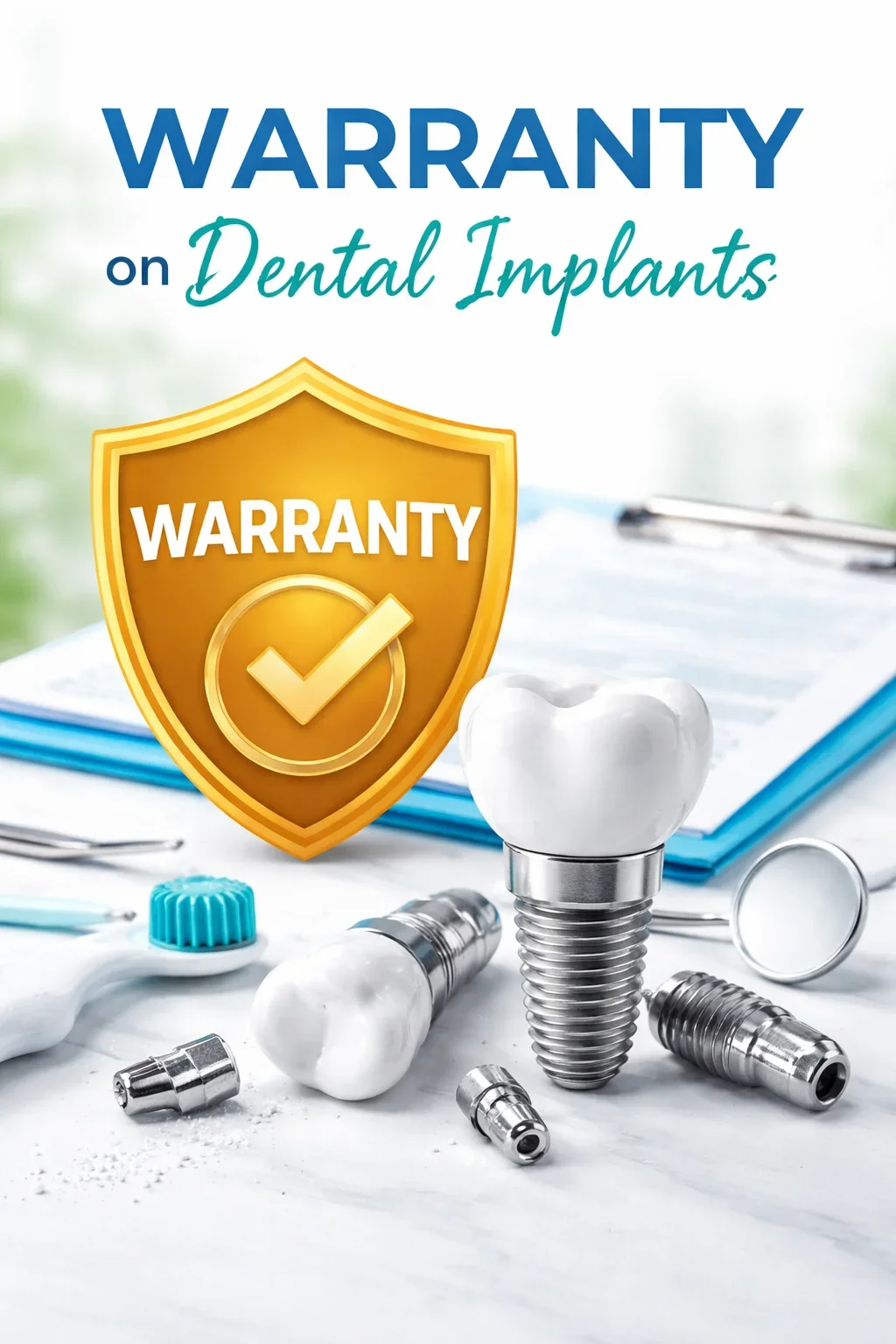
How to Choose the Best Warranty on Dental Implants for Your Needs
Choosing the right warranty on dental implants is one of the most critical steps in ensuring a successful and stress-free treatment experience. While many patients focus primarily on cost or aesthetics, the warranty on dental implants plays a major role in protecting your long-term investment. A carefully selected warranty can save you from unexpected expenses and provide lasting peace of mind.
🦷 With so many clinics offering different types of warranty on dental implants, it can be challenging to determine which option is truly the best. To make an informed decision, you need to evaluate several key factors, including coverage, duration, conditions, and the reputation of the clinic.
Understand What the Warranty on Dental Implants Covers
The first step in choosing the best warranty on dental implants is understanding exactly what is included. Not all warranties provide the same level of protection, and coverage can vary significantly between clinics.
Key Coverage Elements to Look For
- Implant fixture replacement in case of failure
- Coverage for prosthetic components such as crowns
- Inclusion of clinical work and adjustments
A comprehensive warranty on dental implants should ideally cover both materials and workmanship, ensuring full protection.
Evaluate the Duration of the Warranty
The length of the warranty on dental implants is another crucial factor. While longer warranties may seem more attractive, it is important to understand the conditions attached to them.
Typical Duration Options
- Short-term warranties (2–5 years)
- Mid-term warranties (5–10 years)
- Lifetime warranty on dental implants
📅 A longer warranty on dental implants can provide greater security, but only if the terms are realistic and achievable for the patient.
Check the Conditions and Requirements
Every warranty on dental implants comes with specific conditions that must be met. These requirements are designed to ensure the long-term success of the implant.
Common Conditions to Review
- Regular dental visits every 6 months 🗓️
- Strict oral hygiene practices
- Avoidance of smoking and harmful habits
If the conditions are too strict or unrealistic, the warranty on dental implants may not be as valuable as it appears.
Consider the Reputation of the Clinic
The reliability of a warranty on dental implants depends heavily on the reputation of the clinic offering it. A warranty is only as good as the provider behind it.
What to Look for in a Clinic
- Experienced implant specialists 👨⚕️
- Positive patient reviews and testimonials
- Transparent communication and documentation
A reputable clinic is more likely to honor its warranty on dental implants and provide high-quality care.
Compare Cost vs. Long-Term Value
💡 When choosing a warranty on dental implants, it is important to balance cost with value. A cheaper treatment may come with limited coverage, while a slightly higher investment could offer comprehensive protection.
How to Assess Value
- Compare total treatment cost with warranty coverage
- Consider potential future repair costs
- Evaluate the durability of materials used
A strong warranty on dental implants can reduce long-term expenses and provide better overall value.
Ask for Written Documentation
📄 Transparency is key when selecting a warranty on dental implants. Always request written documentation that clearly outlines the terms and conditions.
Important Details to Verify
- Coverage scope and exclusions
- Duration of the warranty
- Conditions required to maintain validity
A clear and detailed agreement ensures that your warranty on dental implants is reliable and enforceable.
Consider Your Personal Needs and Lifestyle
Every patient is different, and the best warranty on dental implants should align with your individual needs and lifestyle.
Factors to Consider
- Your oral hygiene habits
- Your ability to attend regular check-ups
- Your long-term location and travel plans 🌍
Choosing a warranty on dental implants that fits your lifestyle increases the likelihood that you will be able to maintain it.
Get Professional Guidance
🔍 If you are unsure which warranty on dental implants is best for you, consulting with experienced professionals can help you make the right decision.
You can receive personalized advice and detailed information through the Redent Klinik Contact Page, where experts can guide you based on your specific needs.
For additional information on dental implant care and standards, the American Dental Association is a trusted resource.
✅ In conclusion, choosing the best warranty on dental implants requires careful evaluation of coverage, duration, conditions, and clinic reputation. By taking the time to compare options and understand the details, you can ensure that your warranty on dental implants provides real protection and long-term value. A well-chosen warranty is not just a guarantee—it is a commitment to your oral health and confidence for years to come. 😊