
Maintaining excellent oral hygiene is one of the most important steps toward protecting your overall health. While daily brushing and flossing are essential habits, they cannot replace the deep cleaning provided by a washing teeth dentist. Many people assume that brushing twice a day is enough, but professional dental cleaning removes plaque, tartar, and bacteria that ordinary brushing simply cannot eliminate. Visiting a washing teeth dentist ensures your teeth and gums remain healthy, strong, and protected from long-term dental issues.
A washing teeth dentist appointment is commonly referred to as professional dental cleaning or dental prophylaxis. During this procedure, a dentist or dental hygienist carefully removes hardened plaque, known as tartar, from the teeth and gum line. Over time, plaque accumulates even with good brushing habits. Once it hardens into tartar, it cannot be removed with a toothbrush. Only a trained washing teeth dentist can safely remove these deposits using specialized dental tools.
Professional teeth cleaning does more than just make your smile look brighter. When you visit a washing teeth dentist, the process also helps prevent cavities, gum disease, and bad breath. Plaque contains harmful bacteria that can irritate the gums and lead to gingivitis. If left untreated, this inflammation may progress into periodontitis, a serious gum disease that can damage bone and cause tooth loss. Regular visits to a washing teeth dentist help prevent these complications before they develop.
Another key advantage of visiting a washing teeth dentist is early detection of dental problems. Dentists do not only wash your teeth; they also carefully examine your mouth for signs of cavities, gum inflammation, enamel wear, oral infections, or even early symptoms of oral cancer. Early diagnosis allows dentists to treat problems before they become severe, painful, and expensive.
Many people wonder whether professional cleaning is necessary if they brush regularly. The answer is yes. Even individuals who brush and floss carefully can miss areas between the teeth and along the gumline. Over time, bacteria in these areas form plaque. A washing teeth dentist uses specialized instruments such as ultrasonic scalers and dental curettes to remove plaque and tartar safely without damaging the enamel.
Professional cleaning performed by a washing teeth dentist also helps improve the appearance of your smile. Coffee, tea, wine, and certain foods can stain teeth over time. During a dental cleaning session, these stains are gently polished away, making teeth look brighter and smoother. While this procedure is not the same as teeth whitening, it can noticeably enhance the natural color of your teeth.
Dental professionals around the world recommend regular visits to a washing teeth dentist at least twice a year. This frequency helps maintain optimal oral health and ensures plaque buildup never reaches dangerous levels. However, some people may require more frequent visits. Patients with gum disease, smokers, or individuals with orthodontic appliances may need to see a washing teeth dentist every three to four months.
Another benefit of scheduling a washing teeth dentist appointment is improved confidence. Clean teeth feel smoother, look healthier, and contribute to fresher breath. Many patients notice a significant improvement in how their mouth feels immediately after a professional cleaning session. This positive experience often motivates people to maintain better oral hygiene habits at home.
According to the American Dental Association, regular dental visits and professional cleanings are essential for preventing serious oral health conditions. Dentists emphasize that preventive care is always easier and more affordable than treating advanced dental diseases.
If you are considering scheduling a professional dental cleaning, consulting a trusted clinic can make the process comfortable and stress-free. Patients who wish to learn more about dental cleaning procedures or book an appointment can visit the Redent Klinik Contact Page to speak with experienced dental professionals.
Ultimately, visiting a washing teeth dentist is one of the most effective ways to protect your smile. Professional dental cleaning supports long-term oral health, prevents disease, and keeps your teeth looking their best. By combining regular dental visits with proper brushing, flossing, and healthy lifestyle habits, you can maintain a strong and beautiful smile for years to come. A routine appointment with a washing teeth dentist is not just about aesthetics—it is an essential investment in your overall health and well-being.
What Is a Washing Teeth Dentist Procedure and Why It Matters
Many people think brushing and flossing at home are enough to maintain perfect oral health. While daily hygiene is extremely important, it cannot replace the benefits of a professional washing teeth dentist procedure. A washing teeth dentist appointment is designed to remove plaque, hardened tartar, bacteria, and stains that accumulate over time—even in people who brush carefully every day. This professional dental cleaning helps maintain healthy gums, protect enamel, and prevent serious dental diseases.
A washing teeth dentist procedure is typically performed by a dentist or dental hygienist using specialized dental instruments. These tools allow professionals to reach areas that toothbrushes and floss cannot easily access. Over time, plaque forms along the gumline and between teeth. If it is not removed regularly, it hardens into tartar (also called calculus), which can only be removed by a trained washing teeth dentist.
The purpose of visiting a washing teeth dentist is not only to make teeth look cleaner but also to prevent long-term oral health issues. Bacteria within plaque produce acids that damage tooth enamel and irritate gum tissue. Without regular cleaning by a washing teeth dentist, these bacteria can lead to cavities, gingivitis, and eventually periodontal disease.
Understanding Professional Dental Cleaning
Professional dental cleaning performed by a washing teeth dentist is often referred to as prophylaxis. This preventive procedure is essential because it removes harmful buildup that cannot be eliminated through regular brushing. Even individuals with excellent oral hygiene can develop plaque deposits in difficult-to-reach areas.
During a typical visit, a washing teeth dentist examines the mouth carefully before beginning the cleaning process. The dentist looks for signs of gum inflammation, tooth decay, or other oral health concerns. This evaluation ensures that the cleaning procedure is performed safely and that any dental issues are detected early.
Key Components of a Washing Teeth Dentist Appointment
A professional washing teeth dentist session usually involves several important steps:
- Initial oral examination: The dentist checks for cavities, gum disease, and other dental concerns.
- Plaque and tartar removal: Specialized tools remove hardened deposits from the tooth surface.
- Deep cleaning around the gumline: A washing teeth dentist carefully cleans areas where bacteria often accumulate.
- Professional polishing: Teeth are polished using a special paste that smooths enamel and removes surface stains.
- Fluoride treatment: In many cases, fluoride is applied to strengthen enamel and protect teeth.
Each of these steps is essential in maintaining healthy teeth and gums. By thoroughly cleaning the mouth, a washing teeth dentist helps eliminate harmful bacteria that could otherwise cause infection or decay.
Why Plaque and Tartar Removal Is Essential
Plaque is a sticky film of bacteria that constantly forms on teeth. If not removed, plaque gradually turns into tartar. Tartar is hard and firmly attached to the tooth surface, making it impossible to remove without professional dental instruments. A washing teeth dentist uses ultrasonic scalers and hand tools to gently remove these deposits.
Without regular visits to a washing teeth dentist, tartar buildup can irritate the gums and lead to gingivitis. Symptoms of gingivitis include red, swollen, or bleeding gums. If untreated, the condition may progress into periodontitis, a severe gum disease that can damage the bone supporting the teeth.
Regular cleaning performed by a washing teeth dentist significantly reduces the risk of these conditions. By removing plaque and tartar before they cause serious damage, dentists help maintain long-term oral health.
The Impact of Professional Cleaning on Overall Health
Oral health is closely connected to overall health. Studies show that gum disease may increase the risk of several systemic health conditions, including heart disease, diabetes complications, and respiratory infections. Visiting a washing teeth dentist regularly helps reduce harmful oral bacteria that could enter the bloodstream and affect other parts of the body.
A washing teeth dentist appointment also plays an important role in preventing bad breath. Persistent bad breath, also known as halitosis, is often caused by bacteria trapped between teeth or under the gumline. Professional cleaning removes these bacteria, resulting in fresher breath and a healthier mouth.
Benefits Beyond Oral Hygiene
Many patients notice several immediate benefits after visiting a washing teeth dentist:
- Teeth feel smoother and cleaner
- Surface stains are reduced
- Breath becomes fresher
- Gums appear healthier
- Early dental issues are detected
These benefits make professional cleaning an important part of preventive dental care. Dentists often recommend scheduling a washing teeth dentist appointment every six months. However, some individuals may require more frequent visits depending on their oral health condition.
Ultimately, a washing teeth dentist procedure is one of the most effective ways to maintain a healthy smile. Professional dental cleaning prevents disease, enhances the appearance of teeth, and supports overall well-being. When combined with daily brushing, flossing, and healthy habits, regular visits to a washing teeth dentist create a strong foundation for lifelong oral health.
How a Dentist Professionally Washes Teeth Step by Step
Many patients are curious about what actually happens during a professional dental cleaning appointment. Visiting a washing teeth dentist involves much more than simply brushing teeth with stronger tools. A professional cleaning follows a carefully structured process designed to remove harmful plaque, eliminate tartar, polish the teeth, and protect the gums. Understanding each step of a washing teeth dentist procedure can help patients feel more comfortable and confident about scheduling regular dental visits.
Professional dental cleaning is a preventive treatment that targets bacteria buildup, plaque accumulation, and tartar deposits that cannot be removed through normal brushing. When you visit a washing teeth dentist, trained dental professionals use specialized equipment and techniques to thoroughly clean every surface of the teeth. This process helps prevent cavities, gum disease, and bad breath while improving the appearance of your smile.
Step 1: Comprehensive Oral Examination
The first step in any washing teeth dentist appointment is a detailed oral examination. Before beginning the cleaning process, the dentist or dental hygienist carefully inspects the mouth, teeth, and gums. This evaluation helps identify early signs of dental issues such as cavities, gum inflammation, plaque buildup, enamel erosion, or oral infections.
During this stage, the washing teeth dentist may also use a small dental mirror to examine difficult-to-see areas inside the mouth. If significant gum disease or severe tartar buildup is detected, the dentist may recommend additional treatments such as scaling and root planing.
This examination ensures that the washing teeth dentist procedure is both safe and effective. It also allows dentists to detect oral health problems early, preventing more complex treatments in the future.
Step 2: Removing Plaque and Tartar
After the initial inspection, the next stage of the washing teeth dentist procedure involves removing plaque and tartar deposits from the teeth. Dental professionals use specialized instruments known as scalers to carefully scrape away hardened buildup.
Plaque is a sticky film of bacteria that forms on teeth throughout the day. If it is not removed through brushing and flossing, it gradually hardens into tartar. Tartar is much more difficult to remove and can only be eliminated by a washing teeth dentist.
Tools Used During Tartar Removal
Dental professionals typically use two types of tools during this stage:
- Ultrasonic scalers: These devices use vibrations and water spray to loosen and remove tartar.
- Manual scalers: Hand instruments that allow the washing teeth dentist to remove buildup precisely from tight spaces.
The amount of time spent removing plaque and tartar depends on how much buildup is present. Patients who visit a washing teeth dentist regularly often require less time during this stage because plaque accumulation is minimal.
Step 3: Deep Cleaning Between Teeth
Once the visible tartar has been removed, the washing teeth dentist focuses on cleaning areas between the teeth and around the gumline. These regions are common locations for bacteria buildup because they are difficult to reach with a toothbrush.
The dental hygienist may use dental floss or specialized cleaning tools to ensure all surfaces are thoroughly cleaned. This step is essential for preventing gum inflammation and maintaining healthy gum tissue. A professional washing teeth dentist cleaning ensures that plaque hidden between teeth is completely removed.
Step 4: Professional Tooth Polishing
After plaque and tartar removal, the washing teeth dentist performs professional polishing. This step uses a rotating dental tool and a slightly abrasive polishing paste to clean and smooth the tooth surface.
The polishing paste helps remove minor surface stains caused by foods, beverages, and tobacco. Coffee, tea, red wine, and certain foods can leave stains that gradually dull the appearance of teeth. During polishing, the washing teeth dentist gently removes these stains, making teeth appear brighter and smoother.
Professional polishing also helps reduce plaque buildup in the future. When the tooth surface becomes smoother, bacteria have fewer places to attach.
Step 5: Fluoride Treatment for Protection
The final stage of many washing teeth dentist appointments is fluoride treatment. Fluoride is a mineral that strengthens tooth enamel and helps prevent cavities. After cleaning, teeth are especially receptive to fluoride because plaque and tartar have been removed.
How Fluoride Treatment Works
Fluoride treatment performed by a washing teeth dentist usually involves applying a gel, foam, or varnish directly onto the teeth. The patient may be asked to bite down on a tray containing fluoride solution for a few minutes.
This protective coating helps strengthen enamel and provides additional protection against acid attacks from bacteria and food. Many dentists recommend fluoride treatment especially for patients who are prone to cavities.
Final Advice From Your Washing Teeth Dentist
Before the appointment ends, the washing teeth dentist often provides personalized advice about oral hygiene. This guidance may include recommendations on brushing techniques, flossing habits, diet changes, or dental products that can help improve oral health.
Regular visits to a washing teeth dentist are essential for maintaining a healthy smile. Most dental professionals recommend scheduling a cleaning appointment every six months. However, individuals with gum disease, orthodontic appliances, or heavy plaque buildup may need more frequent visits.
By following this step-by-step process, a washing teeth dentist ensures that teeth remain clean, gums stay healthy, and dental problems are prevented before they develop. When combined with good daily oral hygiene practices, professional dental cleaning plays a crucial role in preserving long-term oral health and keeping your smile bright and confident.
Top Benefits of Visiting a Washing Teeth Dentist Regularly
Many people underestimate the importance of regular dental cleaning, assuming that brushing and flossing at home are sufficient. While daily oral hygiene is essential, it cannot fully replace the benefits of visiting a washing teeth dentist. Professional dental cleaning provides deep plaque removal, protects gums, prevents cavities, and improves the appearance of your smile. Regular appointments with a washing teeth dentist are one of the most effective ways to maintain long-term oral health and prevent serious dental problems.
When plaque and bacteria accumulate on teeth over time, they can lead to tooth decay, gum inflammation, and unpleasant breath. A washing teeth dentist removes these harmful deposits using specialized tools and techniques that are far more effective than normal brushing. By scheduling consistent visits with a washing teeth dentist, patients can protect their teeth, strengthen their gums, and avoid complex dental procedures in the future.
Preventing Cavities and Tooth Decay
One of the biggest benefits of visiting a washing teeth dentist regularly is preventing cavities. Plaque is a sticky film filled with bacteria that constantly forms on teeth. These bacteria produce acids that gradually weaken enamel and create small holes known as cavities.
Even with good brushing habits, plaque can accumulate in areas that are difficult to reach, such as between teeth and near the gumline. A washing teeth dentist removes this buildup before it causes damage to the tooth structure. Professional cleaning helps maintain strong enamel and reduces the risk of decay.
Why Professional Plaque Removal Is Important
- Prevents bacteria from damaging tooth enamel
- Reduces the risk of cavities and tooth infections
- Eliminates plaque in hard-to-reach areas
- Protects long-term tooth health
Without regular visits to a washing teeth dentist, plaque can quickly harden into tartar. Once tartar forms, it cannot be removed by brushing alone and must be treated professionally.
Reducing the Risk of Gum Disease
Gum disease is one of the most common oral health problems worldwide. It begins with mild gum inflammation known as gingivitis and can progress to a serious condition called periodontitis if left untreated. Regular visits to a washing teeth dentist help prevent this progression.
Plaque and tartar buildup along the gumline irritate gum tissue and create inflammation. A washing teeth dentist removes these irritants, allowing the gums to heal and remain healthy. When plaque is removed regularly, the risk of bleeding gums, gum recession, and bone loss is significantly reduced.
Patients who visit a washing teeth dentist every six months typically maintain stronger gum health compared to those who skip dental cleanings.
Achieving a Brighter and Cleaner Smile
Another major advantage of visiting a washing teeth dentist is improved appearance. Many foods and beverages can stain teeth over time. Coffee, tea, wine, berries, and tobacco products can leave visible discoloration on enamel.
During a professional cleaning, the washing teeth dentist removes surface stains and polishes the teeth. This process restores the natural brightness of your smile and makes teeth appear smoother and healthier.
Cosmetic Benefits of Professional Dental Cleaning
- Removes stains caused by food and beverages
- Improves the natural brightness of teeth
- Creates a smoother enamel surface
- Enhances confidence when smiling
While professional cleaning is not the same as teeth whitening, the improvement in brightness after visiting a washing teeth dentist can still be noticeable.
Preventing Bad Breath
Persistent bad breath, also known as halitosis, is often caused by bacteria trapped between teeth or beneath the gumline. These bacteria release unpleasant odors that brushing alone may not eliminate.
A washing teeth dentist thoroughly cleans these hidden areas and removes odor-causing bacteria. After a professional cleaning, many patients immediately notice fresher breath and a cleaner feeling in their mouth.
Maintaining regular visits to a washing teeth dentist helps prevent the bacteria buildup that leads to chronic bad breath.
Early Detection of Dental Problems
Another important advantage of visiting a washing teeth dentist regularly is early diagnosis of dental issues. During cleaning appointments, dentists carefully examine the mouth for signs of cavities, gum disease, oral infections, and other conditions.
Detecting problems early allows dentists to provide simple treatments before the condition becomes severe. For example, a small cavity identified during a washing teeth dentist visit can be treated quickly with a minor filling instead of requiring more extensive procedures later.
Early detection also helps identify signs of oral cancer or other serious health concerns. Routine checkups with a washing teeth dentist play a crucial role in maintaining both oral and overall health.
Supporting Overall Health
Oral health is closely connected to overall health. Research suggests that bacteria associated with gum disease may contribute to systemic conditions such as heart disease, diabetes complications, and respiratory infections.
By removing harmful bacteria and plaque, a washing teeth dentist helps reduce the risk of these health issues. Maintaining good oral hygiene through professional cleaning supports not only your teeth but also your entire body.
In addition, patients who prioritize regular visits to a washing teeth dentist often develop better oral care habits at home. Dentists provide guidance on brushing techniques, flossing routines, and dietary choices that promote healthier teeth and gums.
Ultimately, scheduling routine appointments with a washing teeth dentist is one of the most valuable preventive measures you can take for your health. Professional dental cleaning protects teeth, strengthens gums, improves appearance, and helps detect problems early. Combined with daily brushing and flossing, regular visits to a washing teeth dentist create the foundation for a healthy, confident smile that lasts a lifetime.
How Often Should You Schedule a Washing Teeth Dentist Appointment?
One of the most common questions patients ask is how often they should visit a washing teeth dentist. While many people believe that once a year is enough, dental professionals typically recommend more frequent visits. Regular appointments with a washing teeth dentist help maintain oral hygiene, remove plaque buildup, and prevent gum disease before it becomes serious. Understanding the ideal frequency for visiting a washing teeth dentist can significantly improve long-term dental health.
The general recommendation from most dental professionals is to schedule a washing teeth dentist appointment every six months. This twice-a-year schedule allows dentists to remove plaque and tartar before they accumulate to dangerous levels. However, the ideal timing may vary depending on your oral health condition, lifestyle habits, and risk factors. A washing teeth dentist evaluates each patient individually and may suggest more frequent visits if necessary.
The Standard Recommendation for Dental Cleaning
For most healthy adults, visiting a washing teeth dentist every six months provides excellent preventive care. During these routine visits, dentists remove plaque and tartar buildup, polish teeth, and check for early signs of dental issues. Regular appointments with a washing teeth dentist also allow dental professionals to monitor changes in gum health and detect cavities early.
Even individuals who brush and floss carefully can develop plaque in areas that are difficult to reach. A washing teeth dentist uses specialized tools to remove this buildup safely and effectively. When plaque remains on teeth for extended periods, it can harden into tartar, which cannot be removed without professional dental instruments.
Why Six-Month Dental Visits Are Important
- Prevents plaque from turning into tartar
- Reduces the risk of cavities
- Helps maintain healthy gums
- Allows early detection of dental problems
- Keeps teeth polished and stain-free
Regular six-month appointments with a washing teeth dentist create a preventive care routine that keeps oral health stable over time.
Patients Who May Need More Frequent Visits
While six months is the general guideline, some patients require more frequent visits to a washing teeth dentist. Individuals who are at higher risk of dental disease may need professional cleanings every three or four months.
A washing teeth dentist may recommend more frequent appointments if a patient has gum disease, heavy plaque buildup, or a history of frequent cavities. Regular monitoring allows dentists to prevent these conditions from worsening.
Common Risk Factors That Require More Frequent Cleanings
- Existing gum disease or gingivitis
- Smoking or tobacco use
- Diabetes or certain medical conditions
- Orthodontic appliances like braces
- Weak immune system
- Frequent plaque or tartar buildup
Patients with these risk factors benefit greatly from regular visits to a washing teeth dentist. Professional cleaning removes bacteria that could otherwise worsen oral health conditions.
Children and Teenagers: Cleaning Frequency
Children and teenagers should also visit a washing teeth dentist regularly. Young patients are especially vulnerable to cavities due to developing oral hygiene habits and dietary choices that may include sugary snacks.
A washing teeth dentist helps children maintain healthy teeth by removing plaque and providing guidance on brushing techniques. Preventive dental visits also allow dentists to monitor tooth development and detect alignment issues early.
Parents should schedule dental cleaning appointments with a washing teeth dentist for their children at least twice a year, unless the dentist recommends a different schedule.
Lifestyle Factors That Influence Cleaning Frequency
Several lifestyle habits can affect how often someone should visit a washing teeth dentist. Diet, smoking, stress, and oral hygiene routines all play a role in determining plaque buildup and gum health.
For example, individuals who consume large amounts of sugary foods or acidic beverages may develop plaque more quickly. A washing teeth dentist can recommend a personalized cleaning schedule based on these lifestyle factors.
Habits That May Require More Frequent Dental Visits
- Drinking coffee, tea, or red wine frequently
- Smoking or using tobacco products
- Poor brushing or flossing habits
- High sugar consumption
- Chronic dry mouth
If any of these habits apply, visiting a washing teeth dentist more frequently can help prevent staining, plaque buildup, and gum inflammation.
Signs You Should Schedule a Washing Teeth Dentist Appointment Soon
Even if you follow a regular cleaning schedule, certain symptoms may indicate the need to visit a washing teeth dentist sooner than expected. Recognizing these warning signs can help prevent dental problems from becoming severe.
Patients should schedule a washing teeth dentist appointment if they notice persistent bad breath, bleeding gums, tooth sensitivity, or visible plaque buildup. These symptoms often indicate bacteria accumulation that requires professional cleaning.
Ignoring these warning signs can allow dental problems to progress. A timely visit to a washing teeth dentist helps resolve these issues before they lead to more serious complications.
The Long-Term Benefits of Regular Dental Cleaning
Maintaining a consistent schedule with a washing teeth dentist offers numerous long-term advantages. Regular professional cleaning reduces the risk of gum disease, cavities, and tooth loss. It also helps maintain a brighter smile and fresher breath.
In addition, dentists provide valuable advice during cleaning appointments. A washing teeth dentist can recommend improved brushing techniques, dietary changes, and dental care products tailored to each patient’s needs.
Ultimately, visiting a washing teeth dentist regularly is one of the most effective ways to protect your oral health. Preventive care is always easier and more affordable than treating advanced dental disease. By scheduling professional cleanings consistently, patients can enjoy healthier teeth, stronger gums, and a confident smile for years to come.
Difference Between Home Brushing and Washing Teeth Dentist Cleaning
Daily brushing is one of the most important habits for maintaining oral hygiene, but it is not a complete replacement for professional dental care. Many people believe that brushing and flossing regularly can prevent all dental problems. While these habits are essential, they cannot remove every trace of plaque, bacteria, and tartar that forms in the mouth. This is where a washing teeth dentist plays a critical role. Professional cleaning performed by a washing teeth dentist goes far beyond what a toothbrush can achieve at home.
Understanding the difference between home brushing and professional cleaning by a washing teeth dentist helps patients appreciate why both are necessary. Home care protects teeth daily, while professional dental cleaning eliminates buildup that develops gradually over time. Combining these two approaches ensures optimal oral health.
What Home Brushing Can Do for Your Teeth
Brushing your teeth at home removes food particles, plaque, and bacteria from the surface of the teeth. Most dentists recommend brushing at least twice a day using fluoride toothpaste. Proper brushing helps maintain enamel strength and prevents plaque from accumulating too quickly.
However, even when brushing carefully, certain areas remain difficult to reach. Plaque can collect between teeth, around the gumline, and in tight corners of the mouth. These areas often require the expertise of a washing teeth dentist to be fully cleaned.
Benefits of Daily Brushing
- Removes fresh plaque and bacteria
- Prevents food debris from remaining on teeth
- Helps maintain fresh breath
- Protects enamel with fluoride toothpaste
- Supports overall oral hygiene
Although these benefits are significant, brushing alone cannot remove hardened tartar. Once plaque becomes tartar, only a washing teeth dentist can safely eliminate it.
What a Washing Teeth Dentist Cleaning Can Do
A washing teeth dentist performs professional dental cleaning using specialized equipment designed to remove stubborn plaque and tartar. These tools reach deep into areas that ordinary toothbrushes cannot access.
When plaque remains on teeth for extended periods, it hardens into tartar. Tartar is rough and strongly attached to tooth surfaces, making it impossible to remove through normal brushing. A washing teeth dentist uses instruments such as ultrasonic scalers and dental curettes to remove these deposits.
Professional cleaning also involves polishing teeth and sometimes applying fluoride treatment. These steps protect enamel and help reduce the risk of cavities. Regular visits to a washing teeth dentist ensure that tartar buildup does not lead to gum disease or tooth decay.
Advantages of Professional Dental Cleaning
- Removes hardened tartar buildup
- Cleans areas below the gumline
- Polishes teeth to remove surface stains
- Detects early dental problems
- Strengthens enamel with fluoride treatments
These procedures cannot be replicated at home, which is why visiting a washing teeth dentist regularly is essential.
Why Brushing Alone Is Not Enough
Many patients believe that brushing thoroughly eliminates the need for professional cleaning. In reality, plaque forms continuously in the mouth. Even people with excellent oral hygiene habits may develop plaque deposits in hard-to-reach areas.
A washing teeth dentist has the training and equipment necessary to remove these hidden deposits. Without regular professional cleaning, plaque can gradually turn into tartar, leading to gum irritation and tooth decay.
Gum disease often begins silently. Patients may not notice early symptoms until the condition becomes severe. Regular visits to a washing teeth dentist help identify these problems early and prevent them from progressing.
Surface Cleaning vs Deep Cleaning
Home brushing primarily focuses on surface cleaning. A toothbrush removes plaque from the visible parts of the teeth but cannot clean deeply along the gumline or between teeth.
In contrast, a washing teeth dentist performs deep cleaning using professional instruments. These tools allow dentists to remove plaque and tartar from areas beneath the gumline where bacteria often accumulate.
Areas Where Professional Cleaning Is More Effective
- Between tightly spaced teeth
- Under the gumline
- Around dental restorations such as crowns or implants
- Behind molars and wisdom teeth
Because these areas are difficult to clean with a toothbrush alone, regular visits to a washing teeth dentist are necessary for complete oral hygiene.
Combining Home Care With Professional Cleaning
The best oral health results come from combining daily brushing with regular visits to a washing teeth dentist. Brushing and flossing prevent plaque from accumulating too quickly, while professional cleaning removes buildup that develops over time.
Most dental professionals recommend brushing twice daily, flossing once per day, and scheduling appointments with a washing teeth dentist every six months. This balanced routine keeps teeth clean, gums healthy, and dental problems under control.
Patients who follow this approach often experience fewer cavities, healthier gums, and fresher breath. A washing teeth dentist also provides personalized advice on brushing techniques and oral care products that may improve daily hygiene habits.
The Long-Term Impact on Oral Health
Neglecting professional dental cleaning can lead to serious oral health complications. Tartar buildup can cause gum disease, which may eventually lead to tooth loss if untreated. Regular visits to a washing teeth dentist prevent these conditions by removing plaque and bacteria before they cause damage.
Professional cleaning also improves the appearance of teeth by removing stains caused by coffee, tea, tobacco, and certain foods. Many patients notice their teeth look brighter and feel smoother after visiting a washing teeth dentist.
Ultimately, brushing at home and professional cleaning by a washing teeth dentist are equally important parts of maintaining oral health. Daily brushing protects teeth from immediate plaque buildup, while professional cleaning ensures that deeper deposits are removed. Together, they create a complete dental care routine that keeps your smile healthy, strong, and confident for years to come.
Signs You Need a Washing Teeth Dentist Visit Immediately
Many people wait until they feel pain before visiting a dental clinic. However, oral health problems often develop gradually and silently. Recognizing early warning signs can help prevent serious complications. A timely visit to a washing teeth dentist can remove plaque, treat gum irritation, and stop dental problems from progressing. When certain symptoms appear, scheduling an appointment with a washing teeth dentist should become a priority rather than something to delay.
Professional dental cleaning is designed to remove harmful plaque, tartar, and bacteria before they damage teeth and gums. If these substances remain on teeth for too long, they can cause gum disease, cavities, and persistent bad breath. A washing teeth dentist uses specialized dental instruments to thoroughly clean teeth and restore healthy oral conditions. Understanding the signs that indicate the need for a washing teeth dentist visit can protect both your smile and overall health.
Persistent Bad Breath That Does Not Improve
Occasional bad breath is common and may occur after eating certain foods. However, chronic bad breath that does not disappear after brushing or mouthwash often indicates bacterial buildup in the mouth. This condition is known as halitosis.
Bacteria trapped between teeth, along the gumline, or beneath tartar deposits can produce unpleasant odors. A washing teeth dentist can remove these bacteria through professional cleaning. During the procedure, plaque and tartar are eliminated, leaving the mouth significantly fresher.
Common Causes of Persistent Bad Breath
- Plaque accumulation between teeth
- Tartar buildup along the gumline
- Gum infections
- Food particles trapped in dental spaces
- Poor oral hygiene habits
If bad breath continues despite brushing regularly, visiting a washing teeth dentist can help identify the source of the problem and eliminate the bacteria responsible.
Bleeding or Swollen Gums
Healthy gums should not bleed during brushing or flossing. If your gums bleed frequently, it may be an early sign of gingivitis, which is the first stage of gum disease. Gingivitis occurs when plaque accumulates along the gumline and irritates the gum tissue.
A washing teeth dentist removes plaque and tartar deposits that cause gum inflammation. Once the bacteria are removed, the gums often begin to heal and return to a healthier state. Ignoring bleeding gums can allow gingivitis to develop into periodontitis, a more severe form of gum disease.
Symptoms That Indicate Gum Problems
- Red or swollen gums
- Bleeding during brushing
- Gum tenderness
- Receding gumline
- Loose teeth in severe cases
If you notice any of these symptoms, scheduling an appointment with a washing teeth dentist as soon as possible can prevent further gum damage.
Visible Tartar or Yellow Deposits on Teeth
Another clear sign that you need a washing teeth dentist appointment is visible tartar buildup. Tartar appears as yellow or brown deposits along the gumline or between teeth. Unlike plaque, tartar cannot be removed by brushing or flossing.
When tartar accumulates, it creates rough surfaces on teeth that allow bacteria to attach easily. This increases the risk of cavities and gum disease. A washing teeth dentist uses professional scaling instruments to safely remove tartar without damaging the tooth enamel.
Patients who notice visible deposits on their teeth should not attempt to scrape them away themselves. Only a trained washing teeth dentist has the proper tools to remove tartar safely.
Tooth Sensitivity or Discomfort
Sensitivity to hot, cold, or sweet foods may indicate plaque accumulation near the gumline or exposed tooth roots. While sensitivity can have several causes, one common reason is the presence of tartar that irritates the gums.
A washing teeth dentist can remove the buildup that contributes to sensitivity. In many cases, patients experience noticeable relief after professional cleaning because the gums become healthier and less inflamed.
Triggers of Tooth Sensitivity
- Cold beverages
- Hot drinks
- Sweet foods
- Acidic foods
If sensitivity suddenly appears or becomes more intense, visiting a washing teeth dentist allows the dentist to determine the cause and provide appropriate treatment.
Teeth That Feel Rough or Dirty
Another indicator that you may need a washing teeth dentist visit is the feeling that your teeth are rough even after brushing. When plaque accumulates and begins to harden into tartar, the surface of teeth becomes uneven.
Professional dental polishing performed by a washing teeth dentist smooths the enamel surface. After cleaning, teeth often feel noticeably smoother and cleaner, making it harder for plaque to attach again.
It Has Been More Than Six Months Since Your Last Cleaning
Even if you do not experience obvious symptoms, it is still important to visit a washing teeth dentist regularly. Dental professionals generally recommend professional cleaning every six months to maintain optimal oral health.
Plaque begins forming on teeth within hours after brushing. Over time, it gradually hardens into tartar. Without regular cleaning from a washing teeth dentist, this buildup can lead to cavities and gum disease.
Routine visits allow dentists to remove plaque before it causes damage. A washing teeth dentist can also detect early signs of dental problems during these appointments, helping patients avoid complex treatments later.
Why Immediate Attention Matters
Ignoring warning signs such as bad breath, bleeding gums, or tartar buildup can allow dental problems to worsen. A washing teeth dentist provides preventive care that keeps teeth and gums healthy before more serious issues develop.
Regular professional cleaning reduces the risk of tooth decay, gum disease, and other oral health conditions. It also improves the appearance of teeth and helps maintain fresh breath.
Ultimately, recognizing the signs that indicate the need for a washing teeth dentist visit can make a significant difference in long-term oral health. Prompt dental care ensures that plaque and bacteria are removed before they cause lasting damage. By scheduling appointments with a washing teeth dentist whenever these symptoms appear, patients can maintain healthier teeth, stronger gums, and a confident smile.
Cost of Washing Teeth Dentist Services Around the World
The cost of visiting a washing teeth dentist can vary significantly depending on several factors such as location, clinic reputation, technology used, and the overall oral health condition of the patient. Professional dental cleaning is considered preventive care, and investing in regular visits to a washing teeth dentist can help avoid more expensive treatments later, such as fillings, root canals, or gum disease therapy.
Many patients search online to understand how much a washing teeth dentist appointment might cost before scheduling a visit. While prices differ between countries and clinics, professional dental cleaning is generally affordable compared to other dental procedures. Knowing the typical price ranges can help patients plan their dental care more confidently.
Average Washing Teeth Dentist Costs by Country
The price of a professional cleaning with a washing teeth dentist varies widely depending on the country and the dental care system. In countries where dental services are mostly private, the cost may be higher than in regions where insurance or government healthcare programs cover preventive treatments.
Typical Price Ranges for Professional Dental Cleaning
- United States: $75 – $200 per visit
- United Kingdom: £40 – £120 depending on clinic and treatment type
- Canada: CAD $100 – $250 depending on plaque buildup
- Australia: AUD $150 – $300
- Turkey: $40 – $120 depending on clinic and technology
- Germany: €80 – €150 for professional cleaning
These estimates reflect the cost of a standard cleaning appointment with a washing teeth dentist. If additional treatments are required, such as deep cleaning or periodontal therapy, the price may increase.
In many countries, dental insurance partially or fully covers preventive visits with a washing teeth dentist. Patients should check their insurance plans to see whether routine cleanings are included.
Factors That Influence the Cost of a Washing Teeth Dentist Visit
The price of professional cleaning at a washing teeth dentist clinic depends on several factors. Some patients require longer cleaning sessions due to plaque buildup, gum inflammation, or tartar accumulation. These conditions may increase the overall cost.
Key Factors Affecting Dental Cleaning Prices
- Amount of tartar buildup: Heavy plaque requires longer cleaning sessions.
- Clinic location: Urban clinics often charge higher prices than smaller towns.
- Technology used: Advanced ultrasonic equipment may affect pricing.
- Experience of the dentist: Highly specialized dentists may charge more.
- Additional treatments: Fluoride treatments or deep cleaning may increase cost.
A washing teeth dentist may also recommend additional procedures if gum disease or cavities are detected during the examination. These treatments are separate from the standard cleaning fee.
Standard Cleaning vs Deep Cleaning Costs
Most patients visiting a washing teeth dentist only need standard professional cleaning. However, individuals with gum disease or severe tartar buildup may require a deeper procedure called scaling and root planing.
Scaling and root planing involves cleaning below the gumline to remove bacteria that cause gum infection. Because this treatment is more complex, the cost is typically higher than a routine washing teeth dentist appointment.
Typical Cost Differences
- Standard washing teeth dentist cleaning: $75 – $200
- Deep cleaning (scaling and root planing): $300 – $1000 depending on severity
Although deep cleaning costs more, it is often necessary for preventing serious gum disease and protecting the bone supporting the teeth.
Why Professional Cleaning Is a Smart Investment
Some patients avoid visiting a washing teeth dentist because they worry about the cost. However, skipping preventive dental care can lead to far more expensive treatments later. Cavities, infections, and gum disease treatments can cost hundreds or even thousands of dollars.
Regular visits to a washing teeth dentist help detect problems early before they become severe. Preventive cleaning removes plaque and bacteria that could otherwise cause tooth decay or gum disease.
By scheduling routine appointments with a washing teeth dentist, patients can save money in the long term while maintaining healthier teeth and gums.
Additional Services Often Included in Dental Cleaning
During a washing teeth dentist appointment, the cost may include more than just plaque removal. Many clinics provide a complete oral health evaluation during the same visit.
Common Services Included in a Cleaning Appointment
- Dental examination and oral health assessment
- Plaque and tartar removal
- Professional polishing
- Gum health evaluation
- Advice on oral hygiene habits
Some clinics also include fluoride treatment or dental X-rays as part of the appointment, though these services may require additional fees depending on the clinic.
How to Save Money on Washing Teeth Dentist Visits
Patients who want to reduce the cost of visiting a washing teeth dentist can consider several strategies. Preventive dental care is usually much cheaper than treating advanced dental problems.
Ways to Reduce Dental Cleaning Costs
- Schedule regular preventive appointments
- Maintain strong brushing and flossing habits
- Use dental insurance if available
- Choose clinics offering preventive care packages
- Visit dental schools that offer reduced-cost services
By taking these steps, patients can maintain their oral health without worrying about high dental expenses.
The Value of Preventive Dental Care
Ultimately, visiting a washing teeth dentist regularly is one of the best investments you can make for your oral health. Professional cleaning helps prevent cavities, protects gum health, and keeps teeth looking bright and healthy.
Even though the cost of a washing teeth dentist appointment may vary depending on location and treatment needs, preventive dental care is far more affordable than treating advanced dental disease. By scheduling routine cleaning appointments and maintaining good oral hygiene at home, patients can protect their smiles while avoiding unnecessary dental expenses.
Regular visits to a washing teeth dentist ensure that plaque and tartar are removed before they cause damage. With consistent preventive care, patients can enjoy healthier teeth, fresher breath, and greater confidence in their smiles for years to come.
Tips to Maintain Results After a Washing Teeth Dentist Cleaning
After visiting a washing teeth dentist, many patients notice that their teeth feel smoother, their breath is fresher, and their smile looks brighter. However, the results of a professional cleaning do not last forever unless proper oral hygiene habits are maintained at home. A washing teeth dentist removes plaque, tartar, and stains, but daily habits determine how long these results remain. Understanding how to protect the benefits of a washing teeth dentist visit is essential for maintaining healthy teeth and gums.
Maintaining the results of a washing teeth dentist cleaning requires a combination of consistent home care, healthy dietary choices, and regular dental visits. When patients follow the right habits, plaque buildup slows down significantly, reducing the risk of cavities and gum disease. Dentists often provide personalized guidance after a washing teeth dentist appointment to help patients protect their newly cleaned teeth.
Brush Your Teeth Properly Every Day
The most important habit after visiting a washing teeth dentist is brushing your teeth correctly. Dentists recommend brushing at least twice a day using fluoride toothpaste and a soft-bristled toothbrush. Proper brushing removes plaque before it hardens into tartar.
After a washing teeth dentist cleaning, the surface of the teeth becomes smoother. This makes it harder for bacteria to attach, but plaque can still develop if brushing habits are neglected. Maintaining consistent brushing helps preserve the results achieved by the washing teeth dentist.
Recommended Brushing Technique
- Brush for at least two minutes each time
- Use gentle circular motions rather than aggressive scrubbing
- Focus on the gumline where plaque tends to accumulate
- Brush all tooth surfaces, including the back molars
- Replace your toothbrush every three months
Following these techniques ensures that the benefits of your washing teeth dentist cleaning last longer.
Floss Daily to Remove Hidden Plaque
Even the best toothbrush cannot reach every area of the mouth. Flossing is essential for cleaning the spaces between teeth where plaque often accumulates. After a washing teeth dentist cleaning, flossing helps prevent bacteria from rebuilding in these hidden areas.
Dental floss removes food particles and plaque from tight spaces that brushing alone cannot reach. When patients skip flossing, plaque may quickly form again despite visiting a washing teeth dentist. Incorporating flossing into your daily routine helps maintain healthy gums and clean teeth.
Benefits of Daily Flossing
- Removes plaque between teeth
- Reduces the risk of gum inflammation
- Prevents cavities in tight spaces
- Supports fresh breath
- Maintains the results of a washing teeth dentist cleaning
Many dentists emphasize that flossing is just as important as brushing when protecting oral health after a washing teeth dentist appointment.
Choose Foods That Support Oral Health
Diet plays a major role in maintaining the results of a washing teeth dentist cleaning. Certain foods promote strong teeth and gums, while others increase plaque buildup and tooth decay.
Sugary snacks and acidic beverages can weaken enamel and feed harmful bacteria. After visiting a washing teeth dentist, reducing sugar consumption can help preserve the cleanliness of the teeth.
Tooth-Friendly Foods
- Crunchy vegetables such as carrots and celery
- Dairy products rich in calcium
- Leafy greens like spinach and kale
- Nuts and seeds
- Water instead of sugary beverages
Eating these foods regularly supports the benefits of your washing teeth dentist visit and strengthens enamel.
Avoid Habits That Cause Staining
Professional cleaning performed by a washing teeth dentist removes many surface stains. However, certain habits can cause stains to return quickly if precautions are not taken.
Dark beverages such as coffee, tea, and red wine can discolor teeth over time. Smoking and tobacco use also contribute to yellowing and plaque buildup. After a washing teeth dentist cleaning, minimizing these habits helps maintain a brighter smile.
Habits That Can Stain Teeth
- Drinking large amounts of coffee or tea
- Smoking or chewing tobacco
- Frequent consumption of soda
- Poor oral hygiene habits
Reducing these habits helps preserve the polished appearance achieved during a washing teeth dentist cleaning.
Use Mouthwash for Additional Protection
Antibacterial mouthwash can provide an extra layer of protection after visiting a washing teeth dentist. Mouthwash helps reduce bacteria that brushing and flossing may miss. It also freshens breath and supports gum health.
Many dentists recommend alcohol-free mouthwash after a washing teeth dentist appointment to prevent irritation while maintaining oral hygiene.
Stay Hydrated Throughout the Day
Drinking enough water helps maintain the results of a washing teeth dentist cleaning by washing away food particles and bacteria. Saliva plays an important role in neutralizing acids and protecting enamel.
When the mouth becomes dry, bacteria multiply more easily. Staying hydrated ensures that saliva continues to protect teeth after a washing teeth dentist visit.
Schedule Regular Follow-Up Visits
No matter how carefully you brush and floss, plaque will gradually accumulate over time. That is why dental professionals recommend returning to a washing teeth dentist every six months for professional cleaning.
Routine appointments allow dentists to remove plaque buildup before it turns into tartar. They also help detect early signs of cavities or gum disease. Regular visits to a washing teeth dentist ensure that your teeth remain healthy and strong.
Patients who maintain consistent dental visits often experience fewer oral health problems. Preventive care from a washing teeth dentist is one of the most effective ways to protect your smile long-term.
Creating a Long-Term Oral Care Routine
Maintaining the results of a washing teeth dentist cleaning requires commitment to daily oral hygiene and healthy lifestyle choices. By brushing twice daily, flossing regularly, eating tooth-friendly foods, and avoiding staining habits, patients can preserve the cleanliness and brightness of their teeth.
Professional dental cleaning is only the beginning of a healthy oral care routine. A washing teeth dentist removes harmful plaque and tartar, but patients must continue caring for their teeth at home. When these habits are combined with regular dental visits, they create a powerful foundation for long-lasting oral health.
Ultimately, protecting the results of a washing teeth dentist cleaning is about consistency. Good oral hygiene habits, balanced nutrition, and routine dental appointments work together to keep teeth healthy, gums strong, and smiles confident for years to come.
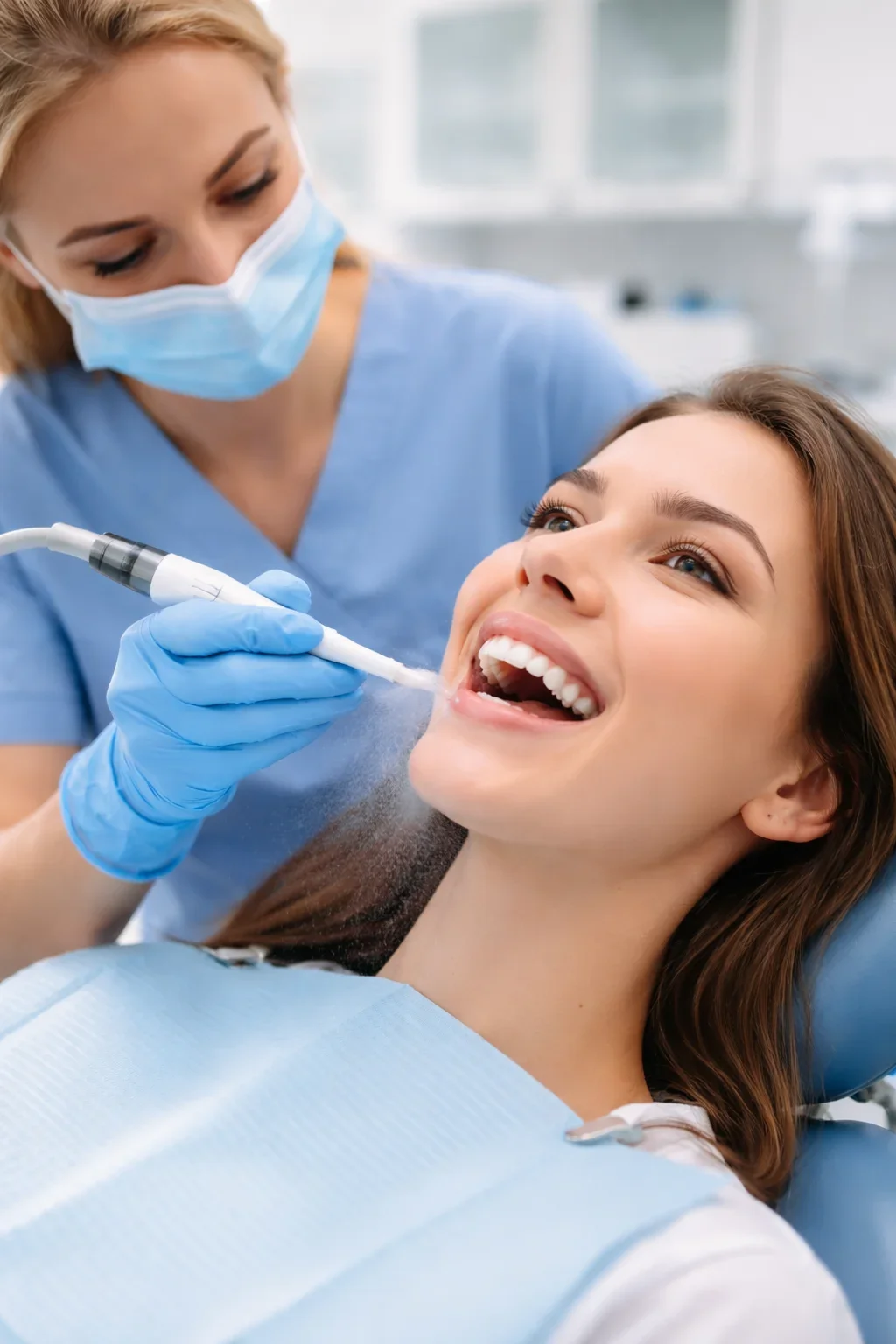
Choosing the Best Washing Teeth Dentist for Your Oral Health
Selecting the right washing teeth dentist is an important step toward maintaining healthy teeth and gums. While professional dental cleaning is a routine procedure, the quality of care, expertise of the dentist, and comfort of the clinic environment can significantly influence the overall experience. A skilled washing teeth dentist not only removes plaque and tartar effectively but also helps patients understand how to protect their oral health long term.
Many patients search online for a reliable washing teeth dentist when they begin experiencing symptoms such as plaque buildup, gum sensitivity, or bad breath. However, choosing a dentist should not only depend on convenience or price. Factors such as professional credentials, clinic technology, patient reviews, and preventive care philosophy should also be considered when selecting the best washing teeth dentist for your needs.
Check Qualifications and Professional Experience
The first step in choosing a trustworthy washing teeth dentist is verifying professional qualifications. A licensed dentist should have completed accredited dental education and continue updating their knowledge through ongoing training. Professional experience ensures that the washing teeth dentist can perform cleanings safely and identify potential oral health problems early.
Experienced dentists are often better at recognizing early signs of gum disease, cavities, or enamel damage. During a washing teeth dentist appointment, these professionals examine the entire mouth and provide preventive advice that supports long-term dental health.
Important Credentials to Look For
- Accredited dental degree and license
- Membership in professional dental organizations
- Continuing education certifications
- Experience in preventive and cosmetic dentistry
Choosing a washing teeth dentist with strong credentials ensures that your teeth are cleaned safely and thoroughly.
Evaluate Clinic Hygiene and Technology
Another important factor when selecting a washing teeth dentist is the quality of the dental clinic. Modern clinics often use advanced equipment such as ultrasonic scalers, digital imaging systems, and ergonomic dental chairs that improve patient comfort.
Advanced tools allow a washing teeth dentist to remove plaque and tartar more effectively while minimizing discomfort. Clinics that prioritize sterilization protocols and hygiene standards also reduce the risk of infections and ensure a safe dental experience.
Modern Dental Technologies to Look For
- Ultrasonic plaque and tartar removal devices
- Digital dental X-ray systems
- High-quality dental sterilization equipment
- Comfortable patient chairs and lighting systems
Clinics equipped with modern technology enable a washing teeth dentist to perform professional cleaning more efficiently and comfortably.
Read Patient Reviews and Testimonials
Patient reviews can provide valuable insights when choosing a washing teeth dentist. Online feedback often highlights the quality of service, the professionalism of the staff, and the overall patient experience.
Positive reviews usually indicate that patients feel comfortable with the washing teeth dentist and trust the clinic’s treatment methods. Reviews may also mention how effectively the dentist communicates oral health advice and addresses patient concerns.
When researching a washing teeth dentist, it is helpful to read both positive and negative reviews to gain a balanced understanding of the clinic’s reputation.
Look for Preventive Dental Care Philosophy
A high-quality washing teeth dentist focuses on preventive care rather than only treating problems after they occur. Preventive dentistry includes regular cleanings, early detection of cavities, and patient education on proper oral hygiene.
During a cleaning appointment, a preventive-focused washing teeth dentist will explain how plaque forms, demonstrate proper brushing techniques, and recommend lifestyle changes that improve oral health. This approach helps patients avoid complex treatments in the future.
Key Preventive Services to Expect
- Professional plaque and tartar removal
- Comprehensive oral health examinations
- Personalized brushing and flossing guidance
- Fluoride treatments for enamel protection
A washing teeth dentist who prioritizes prevention helps patients maintain healthy teeth for years to come.
Comfort and Communication Matter
Many patients feel nervous about dental visits, especially if they have had negative experiences in the past. Choosing a washing teeth dentist who communicates clearly and provides reassurance can make dental appointments much more comfortable.
Good communication allows patients to ask questions about the cleaning process and understand how to improve their oral hygiene routine. A compassionate washing teeth dentist will take the time to explain each step of the procedure and ensure the patient feels relaxed throughout the visit.
Accessibility and Appointment Availability
Convenience also plays a role when selecting a washing teeth dentist. Regular dental visits are easier to maintain when the clinic location is accessible and appointment scheduling is flexible.
Some clinics offer evening or weekend appointments, making it easier for busy individuals to maintain their dental cleaning schedule. When patients can easily visit a washing teeth dentist, they are more likely to keep regular appointments and maintain good oral health.
Building a Long-Term Relationship with Your Dentist
Choosing the right washing teeth dentist is not only about one appointment—it is about building a long-term relationship with a trusted dental professional. Consistent dental visits allow the dentist to monitor changes in oral health and provide personalized recommendations.
Over time, a familiar washing teeth dentist becomes more aware of your dental history, risk factors, and oral hygiene habits. This knowledge helps them provide more accurate care and preventive guidance.
Patients who maintain long-term relationships with their washing teeth dentist often experience fewer dental emergencies and better overall oral health.
Final Thoughts on Choosing a Washing Teeth Dentist
Finding the right washing teeth dentist is one of the most important decisions you can make for your oral health. Professional dental cleaning removes plaque and tartar, protects the gums, and keeps your smile bright. However, the expertise and approach of the dentist greatly influence the effectiveness of these treatments.
By considering professional credentials, clinic technology, patient reviews, preventive philosophy, and communication style, patients can confidently choose a reliable washing teeth dentist. Regular visits combined with good daily oral hygiene create the foundation for strong teeth, healthy gums, and long-lasting dental health.
Ultimately, partnering with a trusted washing teeth dentist allows you to maintain a confident smile and prevent dental problems before they develop. Preventive care and professional cleaning are key elements of lifelong oral wellness.