
Thinking about getting braces? You’re not alone! Millions of people around the world decide to wear braces every year to achieve a healthier, straighter, and more confident smile 😁. Braces are no longer just for teenagers; adults are also joining the journey toward perfectly aligned teeth. Whether you’re motivated by cosmetic reasons or health concerns, understanding what it means to wear braces is the first step to success.
This comprehensive guide will walk you through everything you need to know before you wear braces—from how they work, what to expect during treatment, the types available, and how they can dramatically improve both your oral health and overall confidence. By the end, you’ll feel informed, prepared, and ready to take your first step toward your dream smile!
Understanding What It Means to Wear Braces
When you wear braces, you’re beginning a process that gradually shifts your teeth into better alignment. Braces use constant, gentle pressure to move your teeth and reshape the surrounding bone structure. Over time, this results in a straight, balanced smile and improved bite function. The goal isn’t just aesthetics—straight teeth are easier to clean and maintain, reducing your risk of cavities, gum disease, and premature tooth wear.
Most orthodontic treatments last between 12 and 24 months, depending on the complexity of your case. During this period, your orthodontist will make regular adjustments to ensure your teeth are moving correctly. Although the treatment requires patience, the reward—a confident, radiant smile—is worth it! 🌟
Why People Choose to Wear Braces
There are many reasons people decide to wear braces. For some, it’s about achieving a more beautiful smile; for others, it’s a matter of improving oral health and functionality. Misaligned teeth can cause chewing difficulties, speech problems, and even jaw pain. Orthodontic treatment helps fix these issues by aligning your bite and reducing unnecessary strain on your jaw muscles.
Additionally, braces can help prevent long-term dental complications. For example, crooked or crowded teeth can trap food particles, leading to plaque buildup and gum inflammation. By correcting alignment, you make oral hygiene easier and more effective. Plus, studies show that people who wear braces often experience a boost in self-esteem and confidence once their treatment is complete.
Modern Orthodontics: More Options, Less Discomfort
In the past, braces were known for being bulky and uncomfortable. However, modern orthodontic advancements have revolutionized the experience of those who wear braces. Today, you can choose from several types—traditional metal braces, ceramic braces, lingual braces (placed behind the teeth), and clear aligners like Invisalign. Each option offers unique advantages depending on your goals and lifestyle.
For example, ceramic braces are less visible and perfect for adults seeking discreet treatment, while clear aligners offer the flexibility to remove them when eating or brushing. If you’re unsure which type suits you best, consult your orthodontist or reach out to our experts via the Redent Klinik Contact Page. They’ll help you select the most effective and comfortable choice for your unique dental needs.
What to Expect When You Start to Wear Braces
Starting your journey to wear braces involves a few steps. First, your orthodontist will perform a full dental examination, including X-rays and digital scans, to assess your teeth and jaw alignment. Based on this, they’ll create a customized treatment plan tailored to your needs. Once your braces are placed, you might experience slight soreness or pressure for a few days—this is normal as your teeth begin adjusting.
It’s also important to follow your orthodontist’s care instructions carefully. Regular check-ups every 4–8 weeks are essential for monitoring progress and making necessary adjustments. Maintaining excellent oral hygiene during treatment is critical; brushing after every meal and using floss threaders or interdental brushes will keep your braces clean and your teeth healthy.
Emotional and Lifestyle Adjustments
When you first wear braces, you may feel a mix of excitement and anxiety. Some foods—like hard candies, gum, and popcorn—will be off-limits to prevent damage. But don’t worry! There are plenty of delicious, braces-friendly meals to enjoy, such as soft fruits, yogurt, pasta, and smoothies 🥤. Speaking clearly might also take a few days of practice, especially with new hardware in your mouth, but you’ll quickly adapt.
Emotionally, it’s common to feel self-conscious about your appearance at first. Remember, braces are a sign that you care about your health and future smile. You’ll soon get compliments from friends and family noticing your commitment to improving your teeth!
Long-Term Benefits of Wearing Braces
The benefits of choosing to wear braces extend far beyond looks. Properly aligned teeth improve your bite, reduce jaw tension, and prevent uneven wear on enamel. Straight teeth also make it easier to brush and floss effectively, lowering your risk of cavities and gum disease. Orthodontic treatment can even enhance facial symmetry and improve speech clarity.
According to the American Dental Association, well-aligned teeth play a crucial role in maintaining overall oral health and reducing long-term dental expenses. By investing in braces now, you’re making a smart decision that benefits both your confidence and health for years to come.
Conclusion
Choosing to wear braces is a life-changing decision that brings both short-term adjustments and lifelong rewards. From the moment you start your orthodontic journey, you’ll be taking proactive steps toward achieving a healthy, balanced, and confident smile. Understanding what to expect, maintaining proper care, and following professional advice will make your experience smooth and successful. If you’re ready to take the next step, don’t hesitate to reach out to an orthodontic expert and start your transformation today! 🌈
1. Why You Should Wear Braces: Health and Aesthetic Benefits
When you decide to wear braces, you’re not only enhancing the look of your smile but also improving your overall oral health. Braces play a vital role in correcting dental misalignments such as crooked teeth, gaps, overbites, underbites, and crossbites. These conditions, if left untreated, can lead to severe oral complications over time. Understanding the health and aesthetic benefits of braces will help you appreciate how this orthodontic treatment contributes to both your appearance and long-term well-being. 😁
The Health Reasons to Wear Braces
Many people think of braces purely as a cosmetic solution, but the health benefits are just as important. When you wear braces, they gently move your teeth into optimal alignment, which helps balance your bite. Misaligned teeth often cause uneven pressure on certain teeth, leading to enamel erosion, jaw discomfort, and even chronic headaches. Braces help distribute the biting force evenly, reducing stress on the jaw joints and muscles.
Proper alignment also makes it easier to maintain good oral hygiene. Crooked or crowded teeth can create hidden spaces where food particles get trapped, increasing the risk of cavities and gum disease. By straightening your teeth, braces eliminate those hard-to-reach areas, allowing better access when brushing and flossing. According to the American Dental Association, maintaining straight teeth can significantly reduce periodontal problems and tooth decay in the long run.
Improving Bite and Jaw Function
One of the lesser-known advantages of choosing to wear braces is how they correct your bite. A misaligned bite, also known as malocclusion, can cause difficulties in chewing, speaking, and even breathing. Braces guide the teeth and jaw into their proper position, ensuring your upper and lower teeth fit together naturally. This reduces unnecessary wear and tear on teeth and helps prevent conditions like temporomandibular joint disorder (TMJ).
When your teeth meet correctly, your digestion improves too. Chewing efficiency is enhanced, allowing food to break down more effectively before entering the stomach. It’s fascinating how something as simple as choosing to wear braces can have such wide-reaching effects on your overall health! 🌿
The Aesthetic Reasons to Wear Braces
While health improvements are the foundation, there’s no denying that one of the top reasons people wear braces is to enhance their appearance. A beautiful smile is often the first thing people notice, and it can leave a lasting impression in both personal and professional settings. Braces transform crooked, crowded, or uneven teeth into a harmonious and symmetrical smile, boosting your confidence and self-image.
In a world where social interactions and digital presence are essential, having a confident smile can make a big difference. Many patients report feeling happier, more approachable, and even more successful after completing their orthodontic journey. When you wear braces, you’re investing not just in straight teeth—but in the way you feel about yourself every day. 🌟
Psychological Impact and Self-Confidence Boost
Wearing braces often comes with an emotional transformation. Initially, you might feel self-conscious, especially if you’re an adult starting treatment. However, as your teeth gradually straighten, your self-esteem begins to soar. Studies in dental psychology have shown that people who wear braces and complete their treatment experience significant improvements in self-perception and mental well-being.
This newfound confidence often extends beyond aesthetics—it positively impacts social behavior, communication, and even professional growth. When you smile freely without hesitation, you radiate positivity and confidence, qualities that attract others and enhance personal connections.
Preventing Future Dental Problems
Another reason to wear braces early on is prevention. Orthodontic treatment corrects alignment issues before they worsen, saving you from expensive procedures later. For example, severe malocclusion can lead to tooth fractures, gum recession, and bone loss if untreated. Braces align the teeth and support the jawbone structure, ensuring stability and balance across your bite.
Children and teenagers who start orthodontic care early often experience faster and easier results because their jawbones are still developing. However, it’s never too late to wear braces—modern options make treatment discreet and comfortable for adults as well. In fact, adult orthodontics is one of the fastest-growing trends in dentistry today.
Speech Improvement and Breathing Benefits
Few realize that misaligned teeth can also affect speech and breathing. Overbites or underbites can cause speech impediments such as lisps or unclear pronunciation. When you wear braces, correcting your bite and alignment helps improve articulation and airflow. This not only enhances clarity when speaking but can also promote better breathing patterns, especially during sleep.
Better Long-Term Dental Stability
Braces do more than just straighten teeth—they create lasting stability. Once your treatment is complete, your teeth are positioned in a way that minimizes movement and relapse. Orthodontists often recommend retainers post-treatment to maintain these results. The long-term stability that comes from choosing to wear braces is an investment in lifelong dental health and beauty.
Moreover, well-aligned teeth experience less mechanical stress and are less prone to damage from biting or grinding. Straight teeth also help balance facial symmetry, giving you a more youthful and harmonious look. Every small adjustment made by your braces brings you closer to the perfect smile you’ve always wanted! 😄
Conclusion: A Smile Worth Every Effort
To wear braces is to commit to a journey of transformation—physically, emotionally, and aesthetically. Beyond improving your looks, braces enhance your oral health, protect your teeth from long-term damage, and boost your confidence in ways that can change your life. Whether you’re considering treatment for yourself or a loved one, the decision to wear braces is one of the most rewarding investments you can make for your future.
When you’re ready to take that step, don’t hesitate to reach out to your orthodontist or contact us directly through the Redent Klinik Contact Page. Our expert team is ready to help you start your journey toward a healthier, more beautiful smile that will last a lifetime! ✨
2. Different Types of Braces: Which One Is Right for You?
When you decide to wear braces, one of the most important steps is choosing the right type. Today, orthodontic technology offers several advanced options that fit various needs, preferences, and budgets. Whether you’re concerned about visibility, comfort, or treatment time, understanding the differences among these types will help you make an informed decision. Each style of braces comes with its unique benefits—and knowing which one suits your lifestyle will make your orthodontic journey smoother and more enjoyable 😁.
Traditional Metal Braces
Traditional metal braces are the most common and time-tested option for those who wear braces. Made of high-grade stainless steel, they use brackets, archwires, and elastic bands to gradually move the teeth into proper alignment. They are ideal for complex cases such as severe crowding, spacing, or bite issues.
Modern metal braces are much smaller, lighter, and more comfortable than those used decades ago. They’re also more efficient—orthodontists can fine-tune your treatment more precisely using advanced wire technology. For children and teenagers, the colorful rubber bands make wearing braces fun and personalized. 🎨
Advantages of Metal Braces
- Highly effective for even the most complex orthodontic problems
- More affordable than other options
- Faster results in certain cases compared to clear aligners
- Durable and resistant to damage
Although metal braces are more visible, they remain the go-to choice for patients who want a reliable and proven way to achieve a perfect smile.
Ceramic Braces
Ceramic braces are similar to metal braces in design but are made from clear or tooth-colored materials. This makes them a great choice for people who want to wear braces discreetly without compromising on effectiveness. The brackets blend naturally with your teeth, making them less noticeable, especially from a distance.
However, ceramic braces require more care since the brackets can stain if not cleaned properly. Using fluoride toothpaste, avoiding dark-colored foods and beverages, and maintaining good oral hygiene will help keep them clear. Ceramic braces are slightly more fragile than metal ones, but for adults who value aesthetics, they’re a fantastic choice.
Best For:
- Adults and older teens who prefer less visible braces
- Moderate alignment issues
- People with professional or public-facing roles
When you wear braces of this type, you enjoy the perfect balance between beauty and performance—subtle yet effective correction without the metallic look.
Lingual Braces (Hidden Braces)
For those who want to wear braces without anyone noticing, lingual braces are the ultimate solution. These braces are attached to the back (lingual side) of the teeth, making them completely invisible from the front. They work similarly to traditional braces but require a higher degree of customization since they’re individually fitted to each tooth.
Lingual braces are perfect for professionals, actors, or anyone who values discretion. However, they might take a few weeks to get used to, as the tongue may initially feel some irritation. Despite this, patients often adapt quickly and appreciate the invisible design.
Pros and Cons of Lingual Braces
- Pros: Completely invisible, effective for complex alignment issues, customized to each tooth.
- Cons: Slightly more expensive, may affect speech temporarily, harder to clean.
Choosing to wear braces behind your teeth gives you the advantage of a discreet treatment while achieving equally stunning results.
Clear Aligners (Invisalign and Similar Systems)
Clear aligners are one of the most modern ways to wear braces—except they’re not technically “braces.” Instead of brackets and wires, they use transparent, removable trays made of smooth plastic to shift your teeth into position gradually. Every two weeks, you replace your aligners with a new set to continue progress. 🦷
Clear aligners are popular among adults and teens who want flexibility and comfort. Since they’re removable, you can take them out to eat, brush, or attend special events. However, commitment is essential—you must wear them for at least 20–22 hours a day for effective results.
Benefits of Clear Aligners
- Nearly invisible appearance
- No food restrictions (you can remove them when eating)
- Comfortable and easy to clean
- Less frequent orthodontic visits
The main downside is that clear aligners may not be suitable for severe bite issues. Yet for mild to moderate misalignments, they provide an excellent, convenient way to wear braces invisibly while maintaining your lifestyle.
Self-Ligating Braces
Self-ligating braces are an advanced alternative to traditional braces. Instead of elastic bands, they use special clips or sliding mechanisms to hold the wire in place. This design reduces friction, allows teeth to move more freely, and can shorten treatment time. For those who want to wear braces with less discomfort and fewer visits, self-ligating systems are a great option.
They come in both metal and ceramic versions, offering a more hygienic and comfortable orthodontic experience. Because they collect less plaque, they’re ideal for patients concerned about gum health during treatment.
Why Choose Self-Ligating Braces?
- Faster adjustments and shorter treatment duration
- Less friction and discomfort
- Fewer visits to the orthodontist
- Cleaner design—easier to brush and maintain
Factors to Consider When Choosing the Right Type
Before deciding which kind of braces to wear, consider these key factors:
- Severity of alignment issues: Complex cases often need traditional or self-ligating braces.
- Budget: Metal braces are typically the most affordable, while lingual and clear aligners cost more.
- Aesthetic preference: If you want a nearly invisible solution, ceramic or clear aligners are best.
- Lifestyle: Removable aligners require discipline; fixed braces are more hands-free.
- Age and occupation: Adults in professional settings may prefer subtle options.
Consulting a Professional
To make the best decision about which type of braces to choose, consult a qualified orthodontist. Every smile is unique, and your treatment should be personalized. You can schedule an appointment through the Redent Klinik Contact Page to get a professional evaluation and receive tailored advice on which system will bring out your best smile.
Conclusion
Whether you choose metal, ceramic, lingual, or clear aligners, the key is to wear braces consistently and follow your orthodontist’s guidance. Each type offers its own path to achieving beautifully aligned teeth, improved confidence, and lifelong oral health. By understanding your options and making an informed choice, you’re one step closer to the radiant, straight smile you’ve always dreamed of! 🌟
3. How to Prepare for Your First Orthodontic Appointment
Deciding to wear braces is an exciting step toward a healthier, more confident smile 😁. However, before your orthodontic journey officially begins, proper preparation for your first appointment is essential. Knowing what to expect, what to bring, and how to mentally and physically prepare will help ensure your experience is stress-free and productive. This guide covers every detail you need to know before sitting in that orthodontic chair for the first time.
Understanding the Purpose of Your First Visit
Your initial orthodontic appointment is more than just a consultation—it’s the foundation of your treatment plan. During this visit, your orthodontist will assess your teeth, gums, and jaw alignment to determine the best strategy to help you wear braces successfully. This evaluation helps identify any existing oral health issues that may need attention before braces can be applied, such as cavities, gum disease, or impacted teeth.
Most orthodontists will also take photographs, X-rays, and sometimes 3D digital scans of your mouth. These records are crucial for developing a personalized plan that ensures your treatment is as efficient and comfortable as possible. You’ll also have the chance to discuss your goals—whether you’re focusing on cosmetic improvement, functional bite correction, or both.
Tip:
Prepare a list of questions before your appointment. Common topics include how long you’ll need to wear braces, the estimated cost, and what kind of braces are most suitable for your needs. Writing these questions down ensures you don’t forget anything important during your consultation.
What to Do Before the Appointment
Preparation starts even before you arrive at the clinic. Taking a few simple steps beforehand will help make your first visit smooth and efficient.
1. Maintain Excellent Oral Hygiene
Before your orthodontist examines your mouth, make sure your teeth and gums are clean and healthy. Brush thoroughly, floss, and rinse with an antibacterial mouthwash. If you already have dental issues like cavities or gingivitis, it’s best to get them treated first. Healthy gums are crucial when you plan to wear braces since orthodontic treatment places gentle pressure on the teeth and supporting tissues.
2. Gather Your Dental History
Bring any relevant dental records, including recent X-rays, previous orthodontic reports, or notes from your dentist. These details help your orthodontist understand your oral history and identify potential challenges in your treatment plan. It’s especially important if you’ve had extractions, root canals, or cosmetic procedures in the past.
3. Be Ready to Discuss Lifestyle and Expectations
Your orthodontist will ask about your lifestyle, eating habits, and daily routines. This helps them recommend the most appropriate type of braces for you. For instance, if you’re an athlete or musician, certain types of braces may be more comfortable. Being honest about your habits helps the specialist customize a plan that fits your life seamlessly while you wear braces.
During the Orthodontic Consultation
Once your evaluation begins, expect your orthodontist to perform a full dental examination. This may include checking the alignment of your bite (how your upper and lower teeth meet), spacing issues, and jaw movement. The orthodontist will explain the findings and present multiple treatment options, ranging from traditional metal braces to clear aligners, depending on your needs and preferences.
You’ll also receive an overview of what the process will look like once you start to wear braces—how long it will take, what changes to expect, and how to take care of your oral hygiene during treatment. Most orthodontists provide visual models or digital simulations that show how your teeth will gradually move over time. Seeing this projection is both motivating and reassuring! 🌟
Financial and Insurance Discussion
Orthodontic treatment is an investment in your health and confidence. During your first visit, the clinic will typically discuss the total cost of treatment and available payment plans. If you have dental insurance, bring your insurance information so the staff can help verify coverage and determine how much your plan will contribute toward the cost of your braces. Knowing your financial options upfront helps you plan accordingly.
Emotional Preparation: Overcoming Anxiety
It’s natural to feel nervous before starting a major dental procedure, especially if you’ve never had orthodontic treatment before. However, today’s orthodontic technology makes the experience much more comfortable than it used to be. Remind yourself that deciding to wear braces is a positive step toward self-improvement. Many people feel nervous at first but quickly adapt once they realize how gentle the process truly is.
Some patients find it helpful to bring a friend or family member for support during the first visit. Having someone with you can make you feel more relaxed and confident as you discuss your treatment options.
Visualization Technique
Imagine your future smile—straight, radiant, and full of confidence. Visualization helps reduce anxiety and keeps you focused on your long-term goal. Every time you feel nervous, remember that each adjustment and appointment brings you closer to that perfect smile you’ve always wanted.
What Happens After the First Appointment
Once your evaluation is complete and you decide to move forward, your orthodontist will schedule the next appointment for brace placement or aligner fitting. Depending on your treatment plan, you might need to return for spacers, impressions, or additional X-rays before your braces are installed. At this point, you’ll receive a detailed guide on what to eat, how to brush, and how to handle the first few days after you wear braces for the first time.
It’s also a good idea to schedule your future adjustment appointments in advance to stay consistent with your treatment timeline. Regular follow-ups are key to achieving the best results in the shortest possible time.
When to Contact Your Orthodontist
If you experience discomfort, loose brackets, or poking wires after your first fitting, don’t hesitate to contact your orthodontist. Early intervention prevents complications and keeps your treatment on track. Many clinics, like Redent Klinik Contact Page, offer easy appointment scheduling or emergency consultations to address urgent issues quickly.
Conclusion: Confidence Starts with Preparation
Your decision to wear braces marks the beginning of a rewarding transformation. By preparing for your first orthodontic appointment—both mentally and practically—you ensure a smoother, more comfortable experience. Take the time to understand the process, ask questions, and follow your orthodontist’s advice carefully. With the right preparation and mindset, you’ll be well on your way to a stunning smile that not only enhances your appearance but also boosts your health and confidence for years to come. 🌈
4. What Happens During the Braces Fitting Process?
When you decide to wear braces, one of the biggest questions that comes to mind is, “What actually happens during the fitting process?” Understanding every step helps reduce anxiety and gives you a sense of control over your orthodontic journey. The fitting process, also known as the “bonding appointment,” is the first major step toward achieving your dream smile 😁. In this detailed guide, we’ll walk you through each phase—from cleaning and preparation to the actual application and adjustment—so you’ll know exactly what to expect when you wear braces for the first time.
Preparing Your Teeth for Braces
Before your orthodontist begins attaching anything, your teeth must be completely clean and dry. This ensures that the brackets stick properly and stay firmly in place throughout treatment. The hygienist or orthodontic assistant will first polish your teeth to remove any plaque or residue. Next, your teeth are air-dried, and a conditioning solution is applied to create a slightly rough surface for better adhesion.
This step doesn’t hurt at all but may feel a bit unusual. You might notice a mild taste from the conditioning gel, which is completely harmless. Once your teeth are prepped, you’re ready for the exciting part—the actual process of getting braces placed!
Tip:
Eat a good meal before your appointment since you might feel slight tenderness afterward. Once you wear braces, you’ll need to stick to soft foods for a few days, especially while adjusting to your new bite alignment.
Step-by-Step Braces Application Process
The entire fitting procedure typically takes about 1 to 2 hours, depending on the type of braces you’re getting. Your orthodontist will carefully go through each step to ensure precision and comfort. Here’s what usually happens:
1. Applying the Bonding Agent
The orthodontist starts by applying a special dental adhesive to each tooth. This bonding agent is what holds the brackets in place. Each bracket is positioned carefully to achieve the correct alignment for your treatment plan. Once in position, a curing light (a blue LED light) is used to harden the adhesive instantly. At this stage, you officially begin to wear braces—even though there are still a few steps left before the process is complete.
2. Attaching the Archwire
After all brackets are securely bonded, the orthodontist threads an archwire through them. The archwire acts as the “track” that guides your teeth into the right position over time. Elastic bands or small clips (depending on the brace type) are then used to hold the wire in place. The wire exerts gentle, consistent pressure to gradually move your teeth into alignment.
This step is crucial because it determines how your braces will work to shift your teeth. You’ll immediately feel that something new is happening in your mouth, but it shouldn’t be painful. The pressure simply signals that your orthodontic treatment is underway.
3. Placing Elastic Ligatures (Rubber Bands)
In traditional braces, small colored rubber bands, called ligatures, are placed around each bracket to hold the wire firmly. These bands come in many colors, allowing you to personalize your look—popular among younger patients! Adults who wear braces often choose clear or neutral-colored ligatures for a more subtle appearance.
4. Checking Fit and Comfort
Once everything is in place, your orthodontist will make final adjustments to ensure that your bite feels comfortable. They’ll check how your teeth come together when you close your mouth and confirm that the wires are positioned properly. You may be given wax to apply over any bracket or wire that irritates your cheeks or lips during the first few days.
After the fitting, you’ll receive detailed instructions on how to clean your braces, what foods to avoid, and how to handle mild discomfort. Your journey to a straight and healthy smile officially begins at this point 🎉.
What to Expect After the Fitting
For most patients who wear braces for the first time, it’s normal to feel mild pressure or tightness for the first 2–5 days. This is your teeth responding to the initial adjustment. You might also notice sensitivity when biting or chewing. Eating soft foods—like soups, mashed potatoes, smoothies, or yogurt—will help you transition comfortably.
It’s important not to panic if your mouth feels strange or if you experience a bit of soreness. Your gums, cheeks, and lips simply need time to adapt to the new structure in your mouth. Within a week, you’ll feel much more comfortable and barely notice the braces anymore.
Dealing with Initial Discomfort
If your braces cause minor irritation, use orthodontic wax (provided by your orthodontist) to cover sharp edges. Over-the-counter pain relievers can help with temporary soreness. Drinking cold water or sucking on ice chips can also provide soothing relief. Remember, every patient who decides to wear braces goes through this brief adjustment period—it’s a completely normal part of the process.
How Orthodontists Ensure Perfect Alignment
Your orthodontist uses precision measurements and digital imaging tools to make sure your braces are applied in the most optimal way possible. Each bracket is placed at a specific angle to create precise tooth movement. The archwires are custom-shaped for your individual needs, ensuring that every time you wear braces, your teeth move predictably and efficiently toward their final position.
Modern technology, such as 3D scanning and computer-aided design, has made this process faster and more accurate. That’s why it’s crucial to choose a skilled orthodontic team that uses advanced tools—like the specialists at Redent Klinik Contact Page—to ensure your treatment is efficient and effective from the very start.
Adjustments During the Fitting Process
Sometimes, during the initial appointment, small adjustments are made to ensure even pressure distribution across your teeth. Your orthodontist might replace a wire or reposition a bracket slightly to improve accuracy. This attention to detail is essential for long-term results and minimizes the need for major corrections later on.
Importance of Following Instructions
After you begin to wear braces, your orthodontist will emphasize following their care instructions carefully. Avoid hard, sticky, or crunchy foods that can break brackets or bend wires. Brush and floss after every meal using specialized tools like interdental brushes and floss threaders to keep your braces clean. Regular visits every 4–8 weeks will ensure steady progress and timely adjustments.
Emotional Experience: The First Look
Seeing yourself in the mirror for the first time after you wear braces can be both exciting and surprising. Some patients feel self-conscious, while others are thrilled to begin their transformation. Remember that braces are temporary but the results last a lifetime. Each bracket, wire, and adjustment brings you closer to a smile that will boost your confidence for years to come 🌟.
Conclusion: A Milestone in Your Smile Journey
The day you get your braces fitted marks a major milestone in your orthodontic journey. From cleaning and bonding to final adjustments, every step is carefully designed to ensure your comfort and success. While the first few days of wearing braces may feel strange, you’ll quickly adapt and start to notice subtle changes in your teeth alignment. Embrace the process with patience, care, and positivity—because every day you wear braces, you’re one step closer to achieving your perfect smile! 🦷
5. Daily Care Tips for When You Wear Braces 🪥
Once you begin to wear braces, daily care becomes one of the most important factors in achieving a beautiful, healthy smile. Proper hygiene and consistent maintenance will not only speed up your orthodontic progress but also help you avoid common problems such as stains, cavities, and gum inflammation. While braces are designed to correct your teeth alignment, their success largely depends on how well you care for them every single day. This section provides a complete, detailed guide to maintaining your braces and oral health with expert-level precision and practical tips you can apply immediately.
Why Proper Care Matters
When you wear braces, food particles and plaque can easily get trapped around the brackets and wires. Without careful cleaning, this buildup can lead to tooth decay, gum disease, and even bad breath. Furthermore, neglecting your oral hygiene can cause white spots (demineralization marks) that remain on your teeth even after your braces are removed. Consistent care ensures that your teeth not only straighten properly but also stay healthy, shiny, and strong throughout your treatment.
Understanding the Challenge
Braces create additional surfaces and small spaces where bacteria can thrive. While a standard brushing routine might have been enough before, you now need a more detailed and disciplined approach. Don’t worry—once you establish a rhythm, taking care of your braces becomes second nature. The key is consistency and using the right tools.
Brushing Techniques for Braces
Brushing your teeth effectively is essential when you wear braces. Orthodontists recommend brushing after every meal to remove food particles before they harden into plaque. Here’s how to do it properly:
- Use a soft-bristled toothbrush: Choose one with a compact head to reach around brackets and wires easily.
- Angle your brush correctly: Hold the brush at a 45-degree angle to the gum line and gently clean the top and bottom of each bracket.
- Brush for at least 2 minutes: Spend time cleaning every tooth surface, including the front, back, and chewing areas.
- Don’t forget your tongue and gums: Bacteria can build up anywhere, so brush your tongue and gently massage your gums to maintain circulation.
If you’re using an electric toothbrush, even better—many orthodontists recommend models with orthodontic brush heads designed to clean around brackets efficiently. Remember to replace your toothbrush every 3 months or sooner if the bristles appear worn out, as worn bristles won’t clean effectively when you wear braces.
Flossing with Braces: Step-by-Step
Flossing can be tricky when you wear braces, but it’s crucial for keeping your gums healthy. Since the wires block direct access between teeth, you’ll need special tools to make the process easier:
Floss Threaders
These small plastic loops help guide floss under the wire. Insert the threader under the archwire, pull the floss through, and gently slide it between your teeth. Repeat this for each tooth gap. It takes time initially, but with practice, it becomes quick and efficient.
Orthodontic Floss or Water Flosser
Many patients who wear braces find water flossers (like Waterpik®) extremely helpful. These devices use a stream of water to remove plaque and food debris around brackets, wires, and gums. They’re fast, comfortable, and ideal for people with sensitive gums. You can also use orthodontic waxed floss designed to glide smoothly without shredding.
Using Interdental Brushes and Proxabrushes
Interdental brushes are small, cone-shaped brushes that reach areas a regular toothbrush can’t. They’re perfect for cleaning between brackets and under wires. Gently insert the brush in these spaces and move it back and forth to remove plaque and leftover food. Make sure to rinse the brush after each use. These tiny tools make daily cleaning faster and more effective for anyone who wear braces.
Mouthwash and Rinsing Habits
Adding an antibacterial mouthwash to your routine helps kill bacteria and prevent gum inflammation. Choose a fluoride-based rinse to strengthen enamel and reduce the risk of cavities. Swish it around your mouth for at least 30 seconds every night before bed. Avoid mouthwashes with high alcohol content—they can cause dryness and irritation when you wear braces.
DIY Rinse Option
If you prefer a natural approach, a simple saltwater rinse can help soothe irritation and disinfect your mouth. Mix one teaspoon of salt in a cup of warm water and swish gently for 30 seconds. This is especially useful during the first few weeks when your braces are new and your mouth feels sensitive.
Dietary Guidelines for Braces Care
When you wear braces, diet plays a big role in keeping your treatment on track. Certain foods can damage brackets or bend wires, leading to delays and discomfort. Follow these dietary tips for optimal care:
- Avoid hard and sticky foods: Popcorn, nuts, caramel, and chewing gum can easily break your braces.
- Cut fruits and vegetables into small pieces: This prevents strain on your braces when chewing.
- Stay away from sugary snacks and sodas: These increase the risk of plaque buildup and staining.
- Eat soft foods when sore: Mashed potatoes, soups, pasta, and smoothies are gentle on your teeth after adjustments.
Bonus Tip:
Always rinse your mouth with water after eating, especially if you can’t brush immediately. This quick step helps wash away debris and reduces plaque formation when you wear braces.
Regular Orthodontic Check-Ups
Routine visits to your orthodontist are essential for monitoring progress and ensuring your braces remain in perfect condition. Typically, appointments are scheduled every 4 to 8 weeks. During these visits, your orthodontist may tighten wires, replace ligatures, and check for any issues. Skipping appointments can delay your treatment, so consistency is key.
If you experience discomfort, loose brackets, or broken wires between visits, don’t wait until your next scheduled check-up. Contact your orthodontist immediately through the Redent Klinik Contact Page to get it fixed. Prompt attention prevents further complications and keeps your treatment on schedule.
Handling Emergencies and Common Issues
It’s not uncommon to experience minor issues while you wear braces. A bracket may come loose, or a wire might poke your cheek. Orthodontic wax is your best friend for these situations—apply it to the affected area to minimize irritation. If something breaks, avoid trying to fix it yourself and seek professional help as soon as possible.
Conclusion: Consistency Creates the Perfect Smile
Taking care of your teeth while you wear braces is all about commitment and consistency. By maintaining excellent oral hygiene, following dietary recommendations, and attending regular check-ups, you’ll ensure that your treatment stays on track and your smile stays healthy. Remember, every bit of effort you put in today pays off when those braces come off, revealing straight, gleaming teeth that you’ll be proud to show off for a lifetime! 🌟
6. Common Problems and How to Solve Them Quickly
When you begin to wear braces, it’s perfectly normal to encounter minor challenges along the way. Orthodontic treatment involves gradual adjustments to your teeth and jaw, so your mouth will need time to adapt. While most experiences are smooth, occasional discomfort, loose brackets, or poking wires can occur. The good news? Nearly every issue has a simple and effective solution. By understanding these common problems and how to manage them correctly, you’ll keep your treatment on track and your smile journey stress-free 😁.
Initial Soreness and Tooth Sensitivity
During the first few days after you start to wear braces, it’s common to feel mild soreness or tightness. This sensation occurs because your teeth are beginning to move and adjust to the pressure from the brackets and wires. The discomfort typically lasts only three to five days and gradually subsides as your mouth adapts.
How to Relieve Soreness
- Eat soft foods such as yogurt, mashed potatoes, smoothies, and soups to avoid pressure on your teeth.
- Rinse your mouth with warm salt water (1 teaspoon of salt in a cup of water) to soothe your gums and reduce inflammation.
- Apply orthodontic wax to areas that feel irritated, such as the inside of your cheeks or lips.
- Use over-the-counter pain relief, such as ibuprofen or acetaminophen, if the soreness becomes uncomfortable (consult your orthodontist first).
Remember, slight soreness means your braces are working—it’s a positive sign that your teeth are beginning to align!
Loose Brackets or Bands
Occasionally, a bracket or band may come loose, especially if you bite into hard foods or chew something sticky. When you wear braces, these components are held in place with a special adhesive, but eating popcorn, nuts, or hard candies can weaken the bond. If this happens, don’t panic; it’s a common occurrence and easy to fix.
What to Do if a Bracket Comes Loose
- Contact your orthodontist immediately through the Redent Klinik Contact Page to schedule a repair appointment.
- If the bracket is still attached to the wire, leave it in place to avoid swallowing it.
- Use orthodontic wax to cover the loose bracket and prevent it from rubbing against your cheeks or gums.
- Avoid pulling or twisting the wire yourself—it’s best to let a professional fix it.
Keeping up with regular check-ups helps ensure that minor issues like this don’t interrupt your overall treatment progress.
Broken or Poking Wires
Broken or protruding wires can happen when you accidentally bite into something hard or tug on your braces while cleaning. When you wear braces, these thin wires guide your teeth into position, so it’s crucial they stay intact and comfortable. If a wire starts poking your cheek or gums, it can cause irritation or even small sores.
Quick Fixes for Wire Problems
- Use the eraser end of a pencil to gently push the wire back into place if possible.
- If that doesn’t work, cover the end of the wire with orthodontic wax to prevent irritation.
- Trim the wire with sterilized nail clippers only if instructed by your orthodontist and it’s causing significant discomfort.
- Schedule a follow-up appointment as soon as possible to have the wire professionally adjusted.
Keeping orthodontic wax with you at all times is a lifesaver—it’s soft, safe, and easy to apply when these minor issues occur.
Gum Inflammation and Irritation
When you wear braces, your gums may become slightly swollen or irritated, especially during the early weeks of treatment. This happens because your mouth is adjusting to the new hardware, and plaque can accumulate more easily around brackets. Maintaining excellent oral hygiene is key to preventing inflammation.
How to Reduce Gum Irritation
- Brush your teeth gently but thoroughly after every meal using a soft-bristled or orthodontic toothbrush.
- Floss daily with floss threaders or a water flosser to remove debris under the wires.
- Use an antibacterial mouthwash or a saltwater rinse to keep your gums clean and healthy.
- Massage your gums with your fingertip or a soft toothbrush to improve circulation and reduce swelling.
If your gums remain swollen despite good hygiene, consult your orthodontist. Sometimes, slight adjustments or a professional cleaning may be needed to resolve the issue.
Difficulty Eating Certain Foods
Adapting your diet is one of the first adjustments you’ll make when you wear braces. Some foods can damage your brackets or get stuck between wires, leading to discomfort or breakage. To avoid unnecessary problems, it’s best to modify how you eat rather than what you eat entirely.
Foods to Avoid
- Hard snacks such as nuts, popcorn, and ice
- Sticky candies like caramel, gum, and taffy
- Crunchy items like apples or carrots (cut them into small pieces instead)
- Chewy bread or pizza crusts that can loosen brackets
Focus on soft foods like pasta, steamed vegetables, smoothies, and scrambled eggs during the first few days after adjustments. These are gentle on your braces and still delicious! 🍝
Speech and Chewing Adjustments
Some people find that speaking feels different when they first wear braces. This is completely normal and temporary. The presence of brackets and wires changes how your tongue moves against your teeth. Reading aloud or practicing pronunciation exercises for a few minutes daily helps your mouth adapt quickly.
Chewing also requires a short learning period. Cut your food into smaller bites, chew slowly, and avoid rushing meals. Within a week or two, both speaking and eating will feel completely natural again.
Dealing with Stained Teeth and Bad Breath
Because braces create more surfaces where food can stick, staining and bad breath can develop if you’re not careful. When you wear braces, maintaining strict oral hygiene becomes even more crucial.
Prevention and Remedies
- Brush after every meal using fluoride toothpaste and an interdental brush.
- Rinse daily with mouthwash to kill bacteria and freshen breath.
- Avoid dark-colored beverages like coffee, tea, and soda that stain enamel.
- Use a water flosser for deep cleaning between braces and gumlines.
Consistent cleaning and regular dental visits will help you avoid discoloration and keep your mouth feeling fresh throughout your treatment.
When to Contact Your Orthodontist
Even with the best care, unexpected issues can arise while you wear braces. You should contact your orthodontist immediately if you experience:
- Severe or prolonged pain
- Broken wires that you can’t fix temporarily
- Swollen or bleeding gums that don’t improve after cleaning
- Brackets or bands that detach completely
Quick action prevents further damage and ensures your treatment stays on schedule. At clinics like Redent Klinik Contact Page, professionals can often fix these problems quickly and comfortably.
Conclusion: Small Problems, Easy Fixes
Every patient who chooses to wear braces experiences a few challenges, but with the right knowledge, these issues are easy to handle. Soreness fades, loose brackets can be repaired, and irritation is temporary. The key is to stay calm, maintain good hygiene, and follow your orthodontist’s advice. Remember, each small problem you solve brings you one step closer to your perfect smile. Keep your focus on the result—a confident, healthy, and beautifully aligned smile that’s worth every bit of effort! 🌟
7. What Foods to Eat and Avoid While Wearing Braces 🍎
When you start to wear braces, your diet plays a significant role in your treatment’s success. The food you choose can either support your orthodontic journey or cause unnecessary complications. Braces are designed to gradually shift your teeth into alignment, but eating the wrong foods can damage brackets, bend wires, and delay your progress. The good news? You don’t have to give up delicious meals—you just need to make smarter choices. In this detailed guide, we’ll explore the best foods to eat, which ones to avoid, and how to maintain a balanced, braces-friendly diet that keeps your teeth and gums healthy throughout treatment.
Why Your Diet Matters When You Wear Braces
When you wear braces, your teeth and gums are more sensitive than usual. Hard, sticky, and crunchy foods can put excess pressure on your orthodontic equipment, potentially causing brackets to loosen or wires to snap. Soft and nutrient-rich foods, on the other hand, protect your braces while giving your body the vitamins and minerals it needs for optimal dental health. Maintaining the right diet helps ensure your braces work effectively, reduces discomfort, and prevents unnecessary visits to the orthodontist.
The Science Behind Food Restrictions
Braces apply consistent pressure to move your teeth slowly into alignment. Hard foods can resist this pressure, causing strain on the brackets and wires. Sticky or chewy foods, such as caramel and chewing gum, can cling to braces and are difficult to remove, leading to plaque buildup and potential cavities. Therefore, orthodontists strongly advise being mindful of what you eat once you begin to wear braces.
Foods You Should Eat
Luckily, there are plenty of delicious options that are both safe for your braces and beneficial for your health. These foods are soft, easy to chew, and packed with nutrients that support strong teeth and gums.
Soft Fruits and Vegetables
- Bananas, berries, oranges, and mangoes are great because they’re rich in vitamins and easy to chew.
- Cooked vegetables like carrots, spinach, peas, and broccoli are gentle on braces while supplying essential minerals.
- Mashed potatoes and avocado are excellent choices that provide fiber and energy without putting pressure on your brackets.
Cutting fruits and veggies into small pieces helps prevent strain on your teeth. This way, you can still enjoy your favorite produce even when you wear braces.
Dairy and Protein Sources
- Yogurt and milk are rich in calcium, which strengthens tooth enamel.
- Soft cheeses like mozzarella and cottage cheese offer protein and phosphorus for gum health.
- Eggs, fish, and tofu are gentle on teeth and provide the protein necessary for tissue repair.
Dairy products and lean proteins are especially valuable during the first few weeks after getting your braces since they’re filling and easy to consume when your mouth feels sore.
Carbohydrates and Comfort Foods
- Soft pasta, rice, and noodles are great meal bases that don’t irritate your braces.
- Soups, stews, and creamy casseroles are perfect comfort foods for sore days.
- Soft breads, pancakes, and muffins (without nuts or crusty edges) can satisfy your carb cravings safely.
These foods are easy to chew, making them ideal for those early days when you’ve just started to wear braces and your teeth feel tender.
Foods to Avoid While Wearing Braces
Orthodontists often provide a “do-not-eat” list to prevent avoidable damage. Even one broken bracket can extend your treatment time and increase costs. Below are the top categories of foods you should avoid to protect your braces and teeth.
Hard and Crunchy Foods
- Popcorn, hard candies, and ice cubes can easily break brackets or bend wires.
- Raw vegetables like carrots or apples should be sliced thinly or cooked before eating.
- Crusty bread and hard pizza crust can loosen brackets and cause pain.
Hard foods can exert force that’s too strong for braces to handle safely. Always opt for softer versions or prepare them in bite-sized pieces if you must eat them.
Sticky and Chewy Foods
- Caramel, chewing gum, taffy, and gummy candies can get tangled in wires.
- Sticky rice or toffee can pull brackets off teeth or loosen bands.
- Energy bars with nuts or dried fruit often stick to metal components.
Sticky foods are the number one culprit behind broken braces. If you wear braces, avoid these to keep your appliances clean and intact.
Sugary and Acidic Foods
- Soda, energy drinks, and sweetened juices can cause enamel erosion and stains around brackets.
- Excessive sweets increase the risk of cavities and gum inflammation.
- Tomato-based sauces and citrus fruits, while healthy, should be eaten in moderation to prevent enamel damage.
When you wear braces, plaque can form more easily, and sugars create an acidic environment that accelerates decay. Limiting sugary foods and rinsing after acidic meals helps protect your teeth.
Meal Planning Tips for Braces Wearers
Planning your meals makes it easier to maintain a balanced diet and avoid damaging your braces accidentally. Here are some tips to follow:
- Plan ahead: Cook meals that are soft, nutritious, and easy to reheat—like soups, pasta, and steamed vegetables.
- Cut food into smaller pieces: Smaller bites are less likely to put stress on your brackets.
- Drink plenty of water: It washes away food debris and helps prevent plaque buildup.
- Use orthodontic-friendly utensils: A spoon can be safer than biting into certain foods directly.
Snack Ideas for People Who Wear Braces
- Soft smoothies with yogurt and fruits 🍓
- Oatmeal with honey and cinnamon
- Cheese cubes and soft crackers
- Banana bread or applesauce
These snacks are both safe and satisfying, giving you variety without risking your braces. They also keep your energy up between meals while promoting healthy teeth and gums.
How to Handle Eating Out
When you wear braces, dining out requires a bit of mindfulness. Opt for menu items that are soft and easy to chew. Dishes like pasta, risotto, scrambled eggs, or steamed fish are great choices. Avoid crunchy salads, crusty sandwiches, or foods that require biting directly into them. Always carry a small travel toothbrush or mouthwash so you can clean your braces after meals to prevent staining and trapped food particles.
Maintaining Oral Hygiene After Eating
Keeping your braces clean after every meal is crucial to avoid plaque buildup. Brush gently with a soft-bristled toothbrush, paying attention to the spaces between brackets and wires. Use interdental brushes or a water flosser to remove trapped food. A fluoride mouth rinse helps strengthen enamel and keeps your mouth fresh. These habits ensure that your teeth stay healthy while you wear braces.
Conclusion: Smart Eating for a Smooth Journey
Learning what to eat and what to avoid when you wear braces is one of the most important aspects of successful orthodontic treatment. A mindful, braces-friendly diet prevents damage, reduces discomfort, and keeps your teeth healthy and strong. With time, making the right food choices becomes second nature, and every meal brings you closer to your dream smile. So, embrace these smart eating habits—your future self will thank you with a confident, radiant grin! 🌟
8. How Long You Need to Wear Braces: Duration, Stages, and Expectations ⏳
One of the most common questions people ask when they decide to wear braces is, “How long will it take to get my perfect smile?” The answer varies for each person because no two orthodontic cases are exactly alike. Treatment time depends on factors such as the severity of misalignment, the type of braces you choose, your age, and how well you follow your orthodontist’s instructions. In this comprehensive guide, we’ll break down every stage of the treatment process, average timelines, and what you can do to ensure your braces work efficiently and effectively.
Understanding the Average Duration of Treatment
Most patients who wear braces will need them for 18 to 24 months, but treatment can range from as little as 6 months for minor corrections to over 3 years for complex orthodontic issues. Each phase of your treatment serves a specific purpose, and your orthodontist will monitor progress at regular intervals to make necessary adjustments.
The key thing to remember is that braces work gradually to move your teeth into proper alignment. This slow and steady process ensures long-term stability and minimizes discomfort. Trying to rush orthodontic treatment can harm your teeth and gums, so patience truly pays off!
The Stages of Braces Treatment
When you wear braces, your orthodontic journey happens in several distinct phases. Each stage has its own purpose and timeline. Let’s explore them in detail so you know what to expect at every step of your treatment.
Stage 1: Alignment and Leveling (Months 1–6)
This initial stage focuses on aligning your teeth and correcting crowding or spacing. The first few months after you start to wear braces are about creating a uniform arch shape. During this phase, your orthodontist uses light wires that apply gentle pressure to guide your teeth into position. You might notice visible changes in just a few weeks—a great motivator to keep you excited about your progress!
Stage 2: Bite Correction (Months 6–12)
Once your teeth begin to line up properly, the focus shifts to correcting your bite (the way your upper and lower teeth fit together). If you have an overbite, underbite, crossbite, or open bite, your orthodontist will adjust the tension in your wires or add elastic bands to guide your jaw alignment. This stage is crucial because a proper bite not only improves aesthetics but also enhances chewing efficiency and prevents future jaw pain.
Stage 3: Closing Spaces and Fine-Tuning (Months 12–20)
At this point, the braces are fine-tuning your smile. The orthodontist makes micro-adjustments to close any remaining gaps and perfect tooth angles. You’ll likely wear braces with slightly thicker or stiffer wires during this phase to achieve precise movements. It’s also when you begin to see your final results taking shape—your smile will look straighter and more balanced than ever before!
Stage 4: Finishing and Detailing (Months 20–24)
This final phase focuses on perfecting your tooth positions and bite to achieve an ideal smile. Even tiny imperfections are corrected using minor wire adjustments. Your orthodontist might also use finishing elastics to refine your bite relationship. You’ll notice your teeth fitting together comfortably and your smile appearing more symmetrical. By this point, you’re almost ready to have your braces removed—a moment worth celebrating 🎉!
Factors That Influence How Long You Wear Braces
While the stages provide a general idea, several factors can affect how long you’ll need to wear braces. Understanding these helps you manage expectations and maintain consistent progress.
1. Type of Braces
- Traditional metal braces: Typically take 18–24 months but are very effective for complex cases.
- Ceramic braces: Blend with tooth color but may require slightly longer treatment times.
- Lingual braces: Placed behind teeth; effective but may take more precision adjustments.
- Clear aligners (Invisalign®): Suitable for mild to moderate corrections; average treatment time is 12–18 months.
2. Severity of the Misalignment
Patients with severe crowding, large gaps, or jaw misalignment will typically need to wear braces longer than those with minor cosmetic issues. Complex cases require more gradual adjustments to ensure the health and stability of your teeth and gums.
3. Age of the Patient
Younger patients often complete treatment faster because their bones and tissues are still developing, making teeth easier to move. Adults can still achieve excellent results, but the process may take a bit longer since bone density increases with age.
4. Oral Hygiene and Compliance
Consistent care and cooperation directly affect how long you need to wear braces. Poor oral hygiene can lead to plaque buildup, gum disease, and even treatment delays. Missing orthodontic appointments or not wearing elastics as instructed also extends the total treatment time.
5. Biological Response and Genetics
Every person’s body reacts differently to orthodontic movement. Some people’s teeth move quickly, while others need more time. Your bone density, gum health, and biological response play a big role in determining your timeline.
How to Shorten Braces Time Safely
Although you can’t completely control how long you’ll need to wear braces, certain habits can help speed things up safely:
- Maintain excellent oral hygiene to prevent delays from dental problems.
- Follow your orthodontist’s instructions carefully, especially regarding rubber bands or retainers.
- Avoid foods that can damage braces and require repair appointments.
- Keep up with all your adjustment visits—missing even one can set back progress by weeks.
Some modern orthodontic technologies, like high-frequency vibration devices and self-ligating brackets, are designed to reduce treatment time by improving tooth movement efficiency. Discuss these options with your orthodontist if you’re eager to shorten your timeline.
Retainers: The Final Step After Braces
Once your treatment is complete and your braces are removed, you’ll enter the retention phase. This stage is crucial to maintaining your results. You’ll likely receive custom retainers to wear—either full-time initially or at night over time. Retainers hold your teeth in their new positions as the surrounding bone and gum tissue stabilize.
Skipping this phase can lead to relapse, meaning your teeth could slowly move back to their previous positions. After spending months or years to wear braces, it’s essential to protect your investment by following your orthodontist’s instructions about retainer use.
Emotional Journey: Staying Motivated During Treatment
It’s easy to feel impatient or self-conscious while you wear braces, but remember: every adjustment brings you closer to your dream smile. Celebrate small milestones along the way—like your first noticeable improvement or your final wire change. Take photos to track your progress and remind yourself how far you’ve come. Confidence and patience are just as important as daily care when it comes to successful orthodontic treatment!
Conclusion: The Reward Is Worth the Wait
The duration of time you need to wear braces depends on many factors, but what truly matters is the outcome—a perfectly aligned, healthy, and radiant smile that lasts a lifetime. While 18 to 24 months may seem long, the transformation you’ll experience is well worth it. By maintaining excellent oral hygiene, attending every appointment, and following your orthodontist’s advice, you’ll complete your journey smoothly and efficiently. And when those braces finally come off, you’ll realize every moment was an investment in confidence, beauty, and lifelong dental health 🌟.
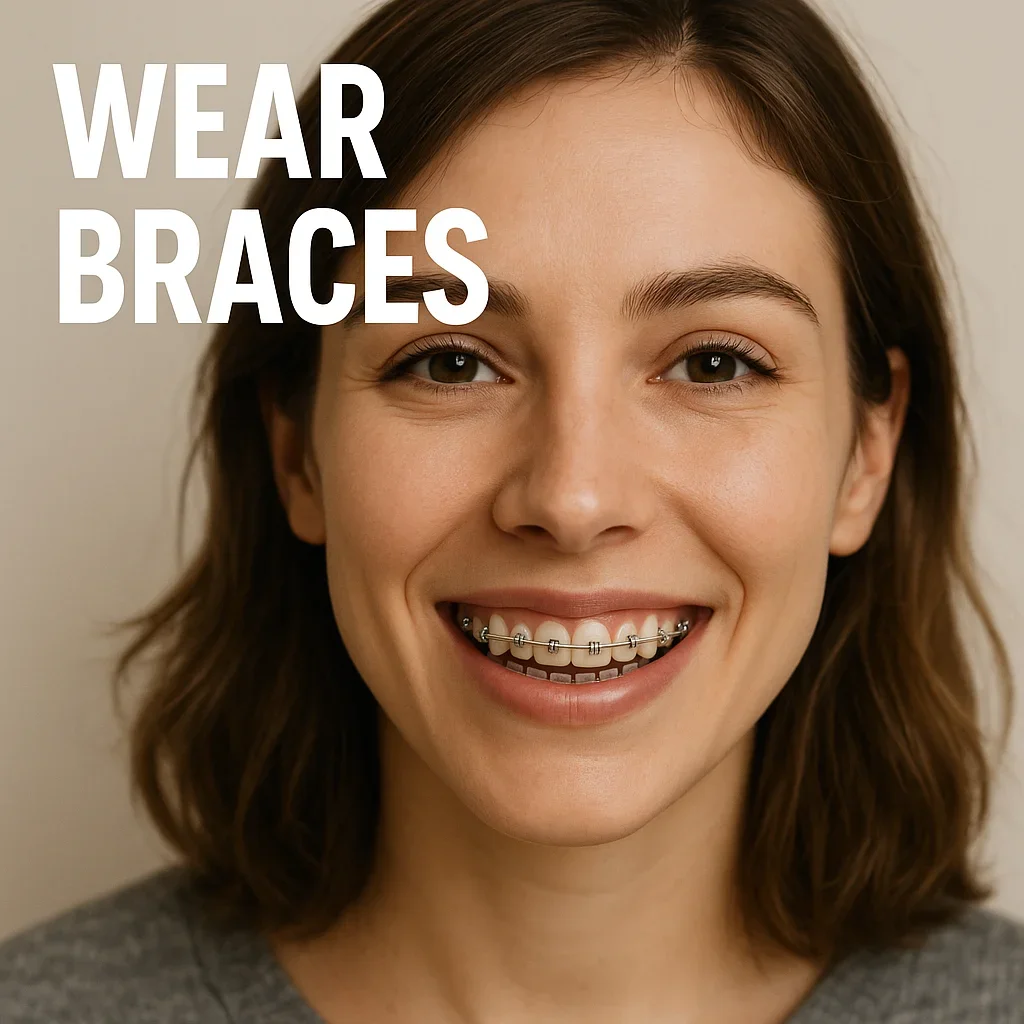
9. Life After Braces: Retainers, Smile Maintenance, and Long-Term Care 😁
After months or even years of commitment, the day finally arrives — your braces are coming off! 🎉 While the excitement of seeing your new smile is unforgettable, the journey doesn’t end when you stop having to wear braces. In fact, the post-braces phase is just as important to maintain your results. Retainers, oral hygiene, and long-term maintenance play a vital role in ensuring that your teeth remain beautifully aligned for life. This guide will help you understand what happens after your braces are removed, how to care for your teeth, and how to preserve that perfect smile you worked so hard for.
The Importance of Retainers After Braces
Once you stop needing to wear braces, your teeth are still in a transitional state. The bone and tissues surrounding them need time to stabilize in their new positions. Without retainers, your teeth have a natural tendency to shift back toward their original alignment — a phenomenon known as “relapse.” Retainers are the key to preventing this and ensuring your new smile lasts a lifetime.
Types of Retainers
There are several types of retainers, and your orthodontist will recommend the best option for your case. Each has unique benefits and maintenance requirements:
- Hawley Retainer: A classic design made of acrylic and metal wire, allowing easy adjustments. It’s removable and durable.
- Essix Retainer (Clear Retainer): Made from transparent plastic, it’s discreet and looks similar to Invisalign aligners. Best for aesthetic-conscious patients.
- Fixed or Bonded Retainer: A thin wire bonded behind your teeth, providing continuous retention without daily removal.
Regardless of type, consistent use is crucial after you wear braces. Retainers hold your teeth firmly in their new positions while your jawbone and gums adapt to the new alignment.
How Long You Need to Wear Retainers
The length of retainer use varies depending on individual cases. Most orthodontists recommend full-time wear (around 22 hours daily) for the first 3–6 months after braces removal. After that, you can switch to nighttime wear indefinitely. Some patients might need to wear retainers long-term or even for life to prevent minor shifting.
Think of retainers as an insurance policy for your smile — after spending months to wear braces, it makes sense to protect your investment with consistent use.
Signs You’re Not Wearing Retainers Enough
- Your teeth start to feel tight or look slightly misaligned when you insert your retainer.
- The retainer no longer fits comfortably or requires extra force to put in.
- You notice visible gaps or crowding forming again.
If you experience these signs, contact your orthodontist immediately. Early intervention can prevent the need for re-treatment.
Maintaining Good Oral Hygiene After Braces
When you wear braces, cleaning your teeth can be challenging, but once they’re removed, your oral care routine becomes much easier. However, this doesn’t mean you can relax! To keep your teeth bright and healthy, consistency is key.
Daily Oral Care Routine
- Brush twice a day: Use fluoride toothpaste and a soft-bristled toothbrush to keep enamel strong.
- Floss daily: Remove plaque between teeth to prevent gum disease and decay.
- Use mouthwash: A fluoride or antibacterial rinse helps protect against cavities and maintain fresh breath.
- Clean your retainer: If removable, soak it in a gentle retainer cleaner or rinse with cool water after meals.
Remember, your teeth may feel slightly more sensitive immediately after you stop wearing braces. Avoid overly hard or sticky foods during the first week to prevent discomfort.
Dealing with Tooth Sensitivity and Gum Care
It’s common to experience mild sensitivity when your braces are first removed. This happens because your enamel and gums are adjusting to new conditions. To minimize discomfort:
- Use toothpaste designed for sensitive teeth.
- Avoid very hot or cold beverages during the first few days.
- Massage your gums gently with a toothbrush to improve circulation.
Regular dental check-ups ensure your teeth and gums remain in top condition after your wear braces phase is complete. Professional cleaning removes plaque buildup and keeps your smile shining bright.
Professional Whitening and Cosmetic Enhancements
Many patients choose to get professional teeth whitening after they stop having to wear braces. Braces can leave slight discoloration due to trapped plaque, and whitening treatments help restore a uniform color across your smile. Your orthodontist may recommend waiting a few weeks before whitening to allow enamel to rehydrate.
Other Cosmetic Treatments
- Dental bonding: Smooths out small chips or uneven edges.
- Veneers: Ideal for enhancing the overall symmetry and brightness of your smile.
- Gum contouring: Helps reshape gum lines for a balanced appearance.
Cosmetic procedures are completely optional but can be a wonderful way to celebrate your post-braces transformation and boost your confidence even further!
Common Mistakes to Avoid After Braces
Even after your braces come off, bad habits can quickly undo your results. Avoid the following mistakes to protect your investment:
- Skipping your retainer routine — the fastest way for teeth to shift.
- Chewing on hard objects like pens or ice cubes.
- Neglecting oral hygiene or skipping dental check-ups.
- Grinding your teeth at night (ask about a nightguard if this is an issue).
Your orthodontist will provide specific aftercare guidelines, and following them ensures your teeth remain beautifully aligned long after you wear braces.
Regular Dental Visits: Your Long-Term Smile Insurance
Seeing your dentist every 6 months for a cleaning and check-up helps prevent cavities, gum disease, and early signs of tooth movement. During these visits, your dentist can also assess your retainer and adjust it if needed. Routine professional monitoring ensures your teeth remain perfectly straight and healthy over the years.
For any post-treatment questions or issues, reaching out to trusted professionals—like the team at Redent Klinik Contact Page—is the best way to ensure long-term success and comfort.
Emotional Benefits: Confidence Beyond the Smile
The transformation that comes after you wear braces isn’t just physical—it’s emotional too. Many patients report feeling more confident, smiling more often, and even speaking more clearly. A straighter smile can enhance your self-image and improve how you interact with others socially and professionally. It’s not just about aesthetics—it’s about feeling empowered by your new, confident self!
Conclusion: Your New Smile Is Just the Beginning
The day you stop having to wear braces marks the start of a new chapter—a lifetime of confident smiles and healthy habits. By wearing your retainers consistently, maintaining excellent oral hygiene, and visiting your dentist regularly, you’ll protect your investment for years to come. The effort you’ve put in has paid off: your teeth are straighter, your bite is balanced, and your confidence shines through every grin. Remember, a perfect smile isn’t just made by braces—it’s maintained by you! 🌟