
The concept of a web dentist has rapidly transformed how patients access oral healthcare in the digital age. Instead of waiting weeks for an appointment or rearranging a busy schedule, patients can now connect with a licensed dental professional online from the comfort of their home. A web dentist provides virtual consultations, preventive advice, treatment planning, and follow-up care through secure video platforms and digital communication tools. This approach blends modern technology with professional dental expertise, making oral health services more accessible, efficient, and patient-centered.
In simple terms, a web dentist is a qualified dental professional who offers remote dental consultations and guidance using online platforms. Through high-quality video calls, photo assessments, digital X-rays (when available), and secure messaging systems, patients can receive expert recommendations without physically visiting a clinic. While a web dentist does not replace emergency surgical procedures or complex in-clinic treatments, this innovative model is ideal for initial evaluations, second opinions, cosmetic consultations, orthodontic monitoring, and post-treatment follow-ups.
Modern patients value speed, convenience, and transparency. A web dentist addresses these needs by reducing travel time, minimizing waiting room exposure, and offering flexible scheduling options. Whether someone lives in a rural area with limited dental access or simply prefers the efficiency of online healthcare, a web dentist can provide timely support. In many cases, patients can upload photos of their teeth, describe their symptoms, and receive professional feedback within hours. This quick access to care can prevent minor issues from becoming serious dental problems.
Another major advantage of a web dentist is personalized guidance. During an online consultation, the dentist reviews the patient’s medical history, current symptoms, and lifestyle factors before suggesting next steps. For example, patients experiencing tooth sensitivity, gum inflammation, or mild pain can receive immediate advice on whether the issue requires urgent in-person care or can be managed temporarily with home-based solutions. This clarity reduces anxiety and empowers patients to make informed decisions about their oral health.
The rise of telehealth has also increased trust in virtual healthcare services. Organizations such as the American Dental Association recognize the growing importance of teledentistry and provide guidelines to ensure ethical and professional standards are maintained. A reputable web dentist follows strict privacy protocols, uses secure communication systems, and complies with licensing regulations in their practicing region. This ensures that patient data remains protected and that all advice is clinically sound.
For dental clinics, integrating web dentist services enhances patient engagement and continuity of care. Clinics can use online consultations as a first step before scheduling in-office procedures. Patients who need advanced treatment, such as implants, aligners, or restorative work, can first discuss their goals with a web dentist to determine eligibility and create a customized plan. If you are considering professional guidance or wish to schedule a consultation, you can easily reach out through the Redent Klinik Contact Page for further assistance.
From a technological perspective, a web dentist relies on secure video conferencing software, encrypted patient portals, digital record systems, and sometimes AI-assisted diagnostic tools. These tools improve accuracy and streamline communication. In orthodontic cases, patients wearing aligners can periodically send photos for progress evaluation. The web dentist reviews tooth movement, checks alignment, and advises whether adjustments are necessary. This reduces unnecessary clinic visits while maintaining effective treatment monitoring.
Accessibility is another reason why the web dentist model continues to expand worldwide 🌍. Busy professionals, parents with young children, elderly patients with mobility challenges, and individuals living abroad can all benefit from this flexible care model. By removing geographical barriers, a web dentist creates equal opportunities for professional dental advice regardless of location.
Importantly, a web dentist supports preventive dentistry. Early detection and timely advice significantly reduce the risk of severe dental complications. Through virtual check-ins, patients can discuss oral hygiene routines, dietary habits, and risk factors. The web dentist may recommend professional cleaning intervals, fluoride treatments, or lifestyle adjustments to protect long-term oral health. Prevention not only improves patient outcomes but also lowers overall healthcare costs.
As healthcare becomes increasingly digital, the web dentist stands at the forefront of innovation in dentistry. By combining professional expertise with advanced communication technologies, this model delivers convenience without compromising quality. While in-clinic treatments remain essential for hands-on procedures, the web dentist offers a powerful complementary service that enhances patient experience, improves access, and modernizes traditional dental care. 🦷✨
What Is a Web Dentist and How Does It Work?
A web dentist is a licensed dental professional who provides consultations, guidance, and certain follow-up services through secure online platforms rather than traditional in-office visits. The idea behind a web dentist is simple: combine professional dental expertise with digital technology to deliver accessible, convenient, and efficient oral healthcare. Instead of traveling to a clinic for every question or minor concern, patients can connect with a web dentist through video calls, secure messaging, or digital image sharing systems.
The growing demand for digital healthcare has accelerated the adoption of the web dentist model. Patients today expect faster communication, flexible scheduling, and transparency in treatment planning. A web dentist fulfills these expectations while maintaining professional standards and patient safety. Although complex procedures still require physical appointments, many initial evaluations and follow-ups can be effectively managed online.
The Core Function of a Web Dentist
The primary role of a web dentist is to evaluate dental concerns remotely and provide expert recommendations. This may include reviewing patient-submitted photos of teeth and gums, assessing symptoms through detailed discussions, and analyzing digital X-rays when available. By gathering this information, a web dentist can determine whether the issue requires urgent in-person care or can be managed conservatively.
For example, if a patient experiences mild tooth sensitivity, a web dentist can ask targeted questions about diet, brushing habits, and recent dental work. Based on the answers, the web dentist may recommend desensitizing toothpaste, dietary adjustments, or a professional cleaning appointment. This early guidance helps prevent complications and reduces unnecessary clinic visits.
Step-by-Step: How a Web Dentist Consultation Works
Understanding the process makes patients feel more confident about choosing a web dentist. Here is how a typical online consultation unfolds:
1️⃣ Appointment Booking: The patient schedules a virtual session through a clinic website or online portal. Many web dentist platforms offer flexible time slots, including evenings.
2️⃣ Medical History Review: Before the consultation, the patient completes a digital health form. The web dentist reviews this information to understand overall health conditions, medications, and dental history.
3️⃣ Live Video Consultation: During the session, the web dentist discusses symptoms, visually examines the oral cavity through the camera, and requests close-up images if needed.
4️⃣ Assessment and Recommendations: After evaluation, the web dentist explains findings, outlines possible causes, and suggests treatment options or next steps.
5️⃣ Follow-Up Plan: If necessary, the web dentist schedules a follow-up session or refers the patient for in-office treatment.
Technology Behind the Web Dentist Model
The effectiveness of a web dentist depends on secure and advanced digital tools. Most web dentist platforms use encrypted video conferencing systems to protect patient privacy. Additionally, secure cloud-based record systems allow the web dentist to store consultation notes and review past assessments efficiently.
High-resolution smartphone cameras also play a key role. Patients can send detailed images of specific problem areas, enabling the web dentist to make more accurate evaluations. In orthodontic monitoring cases, patients undergoing aligner treatment may periodically upload photos for progress checks. The web dentist reviews tooth movement and confirms whether the treatment is progressing as expected.
Conditions a Web Dentist Can Address
A web dentist is suitable for a wide range of non-emergency dental concerns. These include:
- Tooth sensitivity and mild pain
- Gum inflammation or early gingivitis
- Broken or chipped teeth (initial assessment)
- Orthodontic progress monitoring
- Cosmetic consultation (whitening, veneers, smile design)
- Second opinions before major procedures
However, a web dentist will always advise immediate in-person care for severe infections, uncontrolled bleeding, trauma, or intense pain. Patient safety remains the top priority.
Advantages of Choosing a Web Dentist
One of the biggest benefits of a web dentist is accessibility 🌍. Individuals living in remote areas or those with mobility challenges can receive professional advice without long travel times. Parents can consult a web dentist for their child’s dental concerns without disrupting school schedules. Busy professionals can connect during lunch breaks or after work hours.
Another advantage is cost efficiency. While pricing varies depending on region and service type, a web dentist consultation typically ranges between $40 and $100 in the United States for an initial virtual visit. Follow-up sessions may be lower in cost. Compared to traditional in-office exams that may range from $80 to $200, the web dentist model often provides a more affordable first step.
Is a Web Dentist Reliable?
Reliability depends on choosing a licensed and reputable web dentist. Patients should verify credentials, read reviews, and ensure that the platform follows recognized professional guidelines. Reputable organizations such as the American Dental Association provide standards that help maintain quality and ethical practice in digital dentistry.
When implemented correctly, a web dentist enhances continuity of care rather than replacing traditional dentistry. It allows patients to maintain communication, receive preventive advice, and monitor ongoing treatments efficiently.
In summary, a web dentist represents a modern, patient-focused approach to oral healthcare. By combining professional expertise with secure digital communication, the web dentist model improves convenience, reduces unnecessary clinic visits, and supports early intervention. As technology continues to evolve, the web dentist will likely become an integral component of comprehensive dental care systems worldwide. 🦷✨
Top 7 Benefits of Using a Web Dentist for Modern Patients
The rise of digital healthcare has completely changed how patients approach oral care, and the web dentist model is at the center of this transformation. Modern patients are looking for speed, convenience, affordability, and transparency. A web dentist offers all of these advantages while maintaining professional clinical standards. Whether someone needs quick advice, a second opinion, or ongoing monitoring, a web dentist creates a flexible bridge between traditional dental clinics and today’s connected world. Below are the top seven benefits that explain why more people are choosing a web dentist for their dental needs.
1️⃣ Convenience Without Compromising Professional Care
One of the most obvious advantages of a web dentist is convenience. Instead of commuting, waiting in traffic, and sitting in a crowded waiting room, patients can consult a web dentist directly from home or work. This is especially helpful for individuals with busy schedules, parents managing childcare, or professionals who cannot easily take time off. Despite being online, a web dentist still follows structured clinical assessment protocols to ensure accurate guidance.
Patients can book appointments during flexible hours, sometimes even outside regular clinic times. This accessibility improves treatment compliance and encourages patients to seek advice earlier rather than postponing care.
2️⃣ Faster Access to Expert Advice
Traditional dental appointments may require waiting days or even weeks. A web dentist significantly reduces this delay. Many platforms allow same-day or next-day virtual consultations. This fast access can be crucial when a patient experiences discomfort, gum irritation, or concerns about a cosmetic issue.
Early intervention matters in dentistry. When a web dentist evaluates symptoms quickly, minor problems such as early gingivitis or mild sensitivity can be managed before they escalate into more complex conditions.
3️⃣ Cost-Effective Initial Consultations
Affordability is another major benefit of choosing a web dentist. In many regions, a virtual consultation costs between $40 and $100, depending on the provider and complexity of the case. In contrast, a traditional in-office exam may range from $80 to $200, excluding additional diagnostic procedures.
Estimated Cost Comparison
- Web dentist virtual consultation: $40–$100
- Traditional in-office exam: $80–$200
- Emergency in-office visit: $150–$300+
By starting with a web dentist, patients can determine whether an in-person procedure is necessary, potentially avoiding unnecessary costs.
4️⃣ Ideal for Second Opinions
Dental treatments such as implants, orthodontics, or cosmetic restorations can represent significant investments. A web dentist provides an excellent opportunity to obtain a second opinion before committing to a treatment plan. Patients can share X-rays, clinical photos, and previous reports securely.
This added layer of professional input builds confidence and ensures informed decision-making. Transparency and patient empowerment are key strengths of the web dentist model.
5️⃣ Continuous Monitoring for Orthodontic and Cosmetic Cases
Patients undergoing aligner therapy or cosmetic smile transformations benefit greatly from a web dentist. Instead of frequent in-clinic visits, progress can be monitored remotely. Patients upload high-resolution images at scheduled intervals, and the web dentist evaluates alignment progress or healing status.
This remote monitoring maintains treatment efficiency while reducing travel frequency. It also allows quicker adjustments if progress is slower than expected.
6️⃣ Increased Access for Rural and Mobility-Limited Patients
Geographical barriers often limit dental access. A web dentist eliminates these challenges 🌍. Patients living in rural areas or regions with limited dental services can receive professional evaluations without long-distance travel. Similarly, elderly individuals or patients with mobility issues benefit significantly from this model.
By removing location as a barrier, the web dentist promotes healthcare equality and expands preventive dental services to underserved communities.
7️⃣ Enhanced Preventive Care and Education
Preventive dentistry is one of the most powerful tools in oral healthcare. A web dentist emphasizes early detection and lifestyle guidance. Patients can discuss brushing techniques, flossing habits, diet, and risk factors during virtual check-ins.
For example, someone experiencing mild gum bleeding can consult a web dentist for immediate advice on improving oral hygiene techniques. The web dentist may recommend specific products, schedule a cleaning appointment, or suggest further evaluation if necessary. This proactive approach reduces the risk of advanced periodontal disease.
Additional Advantages of the Web Dentist Model
Beyond the main benefits, a web dentist also enhances patient communication. Secure messaging systems allow follow-up questions after the consultation. Digital documentation ensures that all recommendations are recorded for future reference.
Professional organizations such as the American Dental Association provide guidelines to maintain ethical standards in virtual dental care. This reinforces the legitimacy and reliability of web dentist services.
Additionally, clinics that integrate a web dentist option often improve patient engagement and retention. If patients need further assistance, they can easily schedule in-person care or contact a clinic directly through resources like the Redent Klinik Contact Page.
Why Modern Patients Prefer a Web Dentist
Today’s healthcare consumers value transparency, speed, and personalization. A web dentist aligns perfectly with these expectations. Patients feel more in control of their treatment decisions, benefit from quicker communication, and reduce logistical stress associated with traditional appointments.
Importantly, a web dentist does not replace hands-on clinical procedures but complements them. By handling consultations, monitoring, and preventive discussions online, the web dentist enhances efficiency while maintaining high standards of care.
In conclusion, the web dentist model offers seven powerful benefits: convenience, speed, cost savings, second opinions, remote monitoring, expanded access, and stronger preventive care. As digital dentistry continues to evolve, the web dentist will remain an essential component of modern, patient-centered oral healthcare. 🦷✨
Web Dentist vs Traditional Dental Visits: Key Differences
As digital healthcare continues to expand, many patients wonder whether choosing a web dentist is truly comparable to visiting a physical dental clinic. While both approaches aim to protect and improve oral health, the experience, process, and scope of care differ significantly. Understanding these differences helps patients make informed decisions about when to consult a web dentist and when an in-person appointment is necessary. Both models have strengths, and in many cases, they complement rather than compete with each other.
Accessibility and Convenience
The most noticeable difference between a web dentist and a traditional dental visit is accessibility. A web dentist allows patients to connect from anywhere using a smartphone, tablet, or computer. There is no need to commute, find parking, or wait in a reception area. This level of flexibility is especially valuable for busy professionals, parents, elderly individuals, and patients living in rural areas.
Traditional dental visits, on the other hand, require physical presence at the clinic. While this ensures direct clinical examination and hands-on treatment, it may involve scheduling delays and travel time. For non-urgent consultations, many patients now prefer starting with a web dentist to save time and reduce logistical stress. 😊
Scope of Services
A web dentist primarily focuses on consultations, preventive advice, treatment planning, and follow-up monitoring. Through secure video calls and digital photo assessments, the web dentist evaluates symptoms, discusses concerns, and recommends next steps. This is ideal for:
- Initial assessments of mild dental pain
- Gum inflammation or early periodontal concerns
- Orthodontic progress monitoring
- Cosmetic dentistry consultations
- Second opinions before major procedures
However, a web dentist cannot physically perform procedures such as fillings, extractions, implant placements, or deep cleanings. Traditional dental visits are essential for hands-on treatments, radiographs taken on-site, and emergency interventions.
When In-Person Visits Are Necessary
Although a web dentist can provide valuable guidance, certain conditions always require physical examination. These include:
- Severe dental infections
- Uncontrolled bleeding
- Dental trauma or fractures
- Advanced periodontal disease requiring deep scaling
- Surgical procedures
In such cases, the web dentist will immediately refer the patient for in-office care.
Diagnostic Accuracy and Technology
Traditional dental visits offer the advantage of direct tactile examination and immediate access to in-office imaging systems. Dentists can perform percussion tests, measure pocket depths, and take high-resolution X-rays during the appointment.
A web dentist, by contrast, relies on patient-provided images, live video observation, and existing digital records. While modern smartphone cameras are highly advanced, remote evaluation may sometimes be limited compared to in-person diagnostic tools. That said, many cases—especially minor or follow-up evaluations—can still be accurately assessed by a web dentist.
Professional guidelines from the American Dental Association emphasize maintaining clinical standards in teledentistry, ensuring that a web dentist operates within safe and ethical boundaries.
Cost Differences
Another important factor when comparing a web dentist with traditional visits is cost. Virtual consultations are typically more affordable because they do not require clinical chair time or facility overhead expenses.
Typical Price Ranges
- Web dentist consultation: $40–$100
- Traditional exam with X-rays: $100–$250
- Emergency in-office visit: $150–$300+
For patients seeking general advice or clarification, starting with a web dentist can be a cost-effective first step. If further treatment is needed, they can then schedule an in-office visit.
Patient Experience and Comfort
Many individuals experience dental anxiety. A web dentist provides a less intimidating environment by allowing patients to speak from their own home. This relaxed setting often encourages open communication and detailed discussion of concerns.
Traditional clinics, while professionally equipped, may trigger anxiety for some patients due to clinical sounds, instruments, or past experiences. In such cases, consulting a web dentist first can build trust and reduce fear before attending an in-person appointment.
Continuity of Care
One of the strongest advantages of integrating a web dentist into dental practice is improved continuity of care. After a procedure, patients can schedule online follow-ups to discuss healing progress, sensitivity, or post-treatment instructions. This reduces unnecessary travel while maintaining professional supervision.
Clinics that combine both models often provide a more comprehensive patient journey. If you need personalized guidance or wish to arrange either an online or in-person consultation, you can visit the Redent Klinik Contact Page for further support.
Which Option Is Better?
The question is not whether a web dentist is better than a traditional dentist, but rather when each option is most appropriate. A web dentist excels in convenience, preventive discussions, second opinions, and follow-ups. Traditional visits remain essential for procedures, diagnostics requiring specialized tools, and emergencies.
In modern dentistry, the two approaches work hand in hand. A web dentist enhances efficiency and accessibility, while in-office care ensures comprehensive hands-on treatment. Together, they create a flexible, patient-centered system that meets the needs of today’s digital world. 🦷✨
Online Dental Consultations: What to Expect from a Web Dentist
An online consultation with a web dentist is designed to be simple, structured, and clinically effective. Many patients are curious about how a remote appointment actually works and whether it provides real value. The truth is that a web dentist follows a systematic evaluation process similar to a traditional appointment—except it is delivered through secure digital technology. Understanding what to expect helps patients feel confident, prepared, and comfortable before booking their first session.
Before the Appointment: Preparation Matters
The experience with a web dentist begins even before the live consultation. After scheduling the appointment, patients typically receive instructions on how to prepare. Preparation often includes completing a digital medical history form, listing current medications, and describing symptoms in detail.
Patients are also encouraged to take clear photographs of their teeth and gums using a smartphone with good lighting. These images allow the web dentist to perform a more detailed visual assessment during the session. In some cases, patients may upload previous dental X-rays or treatment plans for review.
Tips for Better Virtual Results
- Use natural light or a bright lamp when taking oral photos
- Clean the camera lens for clearer images
- Rinse your mouth before the consultation
- Prepare a list of questions in advance
By preparing properly, patients help the web dentist provide more accurate recommendations.
During the Consultation: A Structured Evaluation
When the appointment begins, the web dentist conducts a structured discussion. This typically includes reviewing symptoms, understanding pain intensity, discussing lifestyle habits, and examining visible areas through video or uploaded photos. Although the web dentist cannot physically examine the teeth, careful questioning and visual assessment allow for reliable preliminary evaluations.
For example, if a patient reports gum bleeding, the web dentist may ask about brushing technique, flossing frequency, smoking habits, and recent dental cleanings. By combining visual cues with patient history, the web dentist can determine whether the condition suggests mild gingivitis or requires urgent periodontal care.
Communication is a major advantage of working with a web dentist. Patients often feel more relaxed speaking from home, which encourages open discussion and detailed explanations. 😊
Diagnosis and Professional Recommendations
After gathering sufficient information, the web dentist provides a professional opinion. This may include:
- Identifying likely causes of discomfort
- Recommending temporary home-care solutions
- Prescribing medication when legally permitted
- Advising whether in-person treatment is required
- Outlining cosmetic or restorative options
It is important to understand that a web dentist offers clinical guidance but does not replace necessary hands-on procedures. If symptoms indicate infection, trauma, or structural damage, the web dentist will refer the patient to a local clinic immediately.
Clear Treatment Planning
One of the strongest advantages of a web dentist is transparency in treatment planning. During cosmetic consultations—such as teeth whitening, veneers, or aligner therapy—the web dentist explains realistic outcomes, timelines, and estimated costs.
Typical virtual consultation pricing ranges from $40 to $100, depending on region and provider. If advanced procedures are needed, the web dentist may provide a cost estimate and suggest scheduling a clinic visit for further diagnostics.
After the Consultation: Follow-Up and Monitoring
The relationship with a web dentist does not end when the video call finishes. Most platforms provide secure messaging systems where patients can ask follow-up questions. Digital records of recommendations are usually available for future reference.
For orthodontic patients using aligners, the web dentist may schedule periodic online check-ins. Patients upload updated photos, and the web dentist evaluates alignment progress. This remote monitoring reduces unnecessary clinic visits while maintaining professional oversight.
Privacy and Professional Standards
Patients often ask whether a web dentist is safe and legitimate. Reputable providers use encrypted communication platforms and comply with regional licensing requirements. Professional organizations such as the American Dental Association provide guidance to ensure ethical and clinical standards in digital dentistry.
Before choosing a web dentist, patients should verify credentials, read reviews, and confirm that the service follows recognized privacy regulations. This ensures both data protection and quality care.
When to Choose a Web Dentist Consultation
A web dentist consultation is ideal for:
- Initial evaluation of mild symptoms
- Cosmetic treatment inquiries
- Second opinions
- Post-treatment follow-up
- Oral hygiene and preventive guidance
However, emergency situations such as severe swelling, uncontrolled bleeding, or intense pain require immediate in-person care.
If you are considering professional guidance or want to schedule an online evaluation, you can reach out through the Redent Klinik Contact Page to explore available options.
The Overall Experience
Ultimately, an appointment with a web dentist is efficient, informative, and patient-focused. It combines professional expertise with modern digital convenience. While it does not replace essential clinical procedures, it significantly enhances access to preventive care and expert advice.
As digital healthcare continues to evolve, the web dentist model will likely become a standard component of comprehensive dental services. For many patients, it represents a smarter, more flexible way to maintain oral health in today’s fast-paced world. 🦷✨
Is a Web Dentist Safe and Legally Approved?
As digital healthcare services continue to expand, one of the most common questions patients ask is whether a web dentist is truly safe and legally approved. Trust is essential in healthcare, especially when consultations happen remotely. The reassuring answer is that a web dentist operates under the same professional standards, licensing requirements, and ethical obligations as a traditional in-office dentist. However, safety and legality depend on choosing a qualified provider who follows recognized regulations and clinical guidelines.
Professional Licensing and Legal Framework
A legitimate web dentist must hold an active dental license in the region or country where they provide services. Licensing ensures that the web dentist has completed accredited dental education, passed national or regional board examinations, and meets continuing education requirements. Telehealth regulations in many countries now include teledentistry within their legal framework, allowing a web dentist to provide remote consultations while adhering to professional standards.
In the United States, dental professionals offering virtual care must comply with state dental board regulations. These rules define what services a web dentist can legally provide remotely and when an in-person visit is required. Similar regulatory structures exist in Europe, Canada, and other developed healthcare systems.
Why Licensing Matters
- Ensures clinical competence and formal training
- Protects patients through regulatory oversight
- Allows accountability in case of malpractice
- Guarantees adherence to professional ethics
Patients should always verify that the web dentist clearly displays licensing information and professional credentials.
Patient Privacy and Data Protection
Safety is not only about clinical accuracy but also about protecting sensitive health information. A reputable web dentist uses encrypted communication platforms and secure digital record systems. In many countries, healthcare providers must comply with strict privacy laws. For example, U.S.-based web dentist platforms must follow HIPAA regulations to protect patient data.
Secure systems prevent unauthorized access to medical history, images, and consultation records. Before booking an appointment, patients should confirm that the web dentist uses encrypted video calls and secure patient portals.
Clinical Safety Standards
Professional organizations such as the American Dental Association provide ethical guidelines and recommendations for teledentistry practices. These guidelines ensure that a web dentist follows evidence-based practices and maintains the same standard of care expected in a physical clinic.
A responsible web dentist will never attempt to diagnose conditions beyond what can be safely assessed remotely. If symptoms suggest infection, trauma, or structural damage requiring hands-on evaluation, the web dentist will immediately recommend in-person treatment. This commitment to patient safety is central to ethical digital dentistry.
Clear Scope of Practice
A web dentist typically provides:
- Initial evaluations and symptom assessments
- Preventive advice and oral hygiene guidance
- Second opinions
- Orthodontic progress monitoring
- Post-treatment follow-up discussions
However, procedures such as extractions, fillings, implants, or deep periodontal therapy must always be performed in a clinical setting. Understanding this distinction ensures safe and appropriate care.
Risk Management and Ethical Responsibility
A trustworthy web dentist follows structured consultation protocols. This includes reviewing medical history, documenting findings, and maintaining detailed records. Clear documentation protects both patient and provider.
Ethical responsibility also means transparency. A web dentist must clearly explain limitations of virtual consultations and avoid making unrealistic promises. If additional diagnostics are required, the web dentist should provide a referral or recommend scheduling an in-office appointment.
Are There Any Risks?
Like any healthcare model, the web dentist approach has limitations. Remote consultations rely on visual assessments and patient-reported symptoms. Without physical examination tools, subtle findings may occasionally go undetected. However, this risk is minimized when patients provide high-quality images and detailed information.
Choosing a licensed and experienced web dentist significantly reduces potential risks. Reading patient reviews and verifying credentials further enhances safety.
Insurance and Legal Recognition
In many regions, insurance providers now recognize teledentistry services. Coverage policies vary, but virtual consultations with a web dentist are increasingly reimbursable under preventive or diagnostic benefits. This growing recognition reflects the legitimacy of the web dentist model.
Legal recognition also means that a web dentist can issue prescriptions (when appropriate and legally permitted), provide documented treatment recommendations, and maintain official patient records.
How Patients Can Ensure Safety
Before selecting a web dentist, patients should:
- Verify licensing and credentials
- Confirm secure communication platforms
- Read reviews and testimonials
- Ensure transparent pricing
- Understand when in-person care is necessary
If you are considering a professional consultation and want reliable guidance, you can contact a qualified team through the Redent Klinik Contact Page to explore safe options.
Final Verdict on Safety
When provided by licensed professionals using secure technology, a web dentist is both safe and legally approved in many healthcare systems. The key lies in proper regulation, adherence to ethical standards, and clear communication about limitations. Rather than replacing traditional dentistry, the web dentist enhances access, improves preventive care, and supports ongoing monitoring in a secure and professional manner.
As telehealth continues to evolve, regulatory frameworks will further strengthen digital dental services. For modern patients seeking convenience without sacrificing safety, the web dentist represents a reliable and legally recognized extension of professional oral healthcare. 🦷✨
Costs and Pricing: How Affordable Is a Web Dentist?
One of the most important factors patients consider before booking an appointment is cost. As digital healthcare becomes more common, many people wonder whether a web dentist is truly affordable compared to traditional dental visits. The short answer is yes — in many situations, consulting a web dentist can significantly reduce initial expenses while still providing professional guidance. However, pricing depends on the type of service, the provider’s location, and the complexity of the dental concern.
A web dentist typically offers virtual consultations, second opinions, treatment planning discussions, and follow-up monitoring. Because these services do not require physical chair time, clinical equipment use, or on-site staff support, overhead costs are lower. This cost efficiency often translates into more accessible pricing for patients.
Average Cost of a Web Dentist Consultation
The typical price for a web dentist consultation in the United States ranges between $40 and $100 for a standard 15–30 minute virtual visit. In some regions, introductory consultations may even be offered at discounted rates or as part of a comprehensive treatment package.
Estimated Pricing Overview
- Basic web dentist consultation: $40–$100
- Extended consultation or cosmetic planning session: $80–$150
- Orthodontic remote monitoring session: $30–$80
- Second opinion review with document analysis: $60–$120
Compared to traditional in-office exams, which often range from $100 to $250 (including X-rays), the web dentist model offers a more affordable entry point for professional advice.
Why a Web Dentist Can Reduce Overall Costs
Consulting a web dentist can prevent unnecessary in-office visits. For example, a patient experiencing mild tooth sensitivity may worry about a serious problem. After a virtual evaluation, the web dentist might determine that the issue is related to enamel erosion or aggressive brushing. In this case, professional advice and product recommendations could resolve the issue without requiring immediate clinical intervention.
This early assessment prevents over-treatment and helps patients allocate their budget wisely. Additionally, patients can obtain a second opinion from a web dentist before committing to major procedures such as implants or orthodontics, ensuring financial decisions are well-informed.
Insurance Coverage and Reimbursement
Insurance policies increasingly recognize teledentistry services. In the United States, many providers now reimburse virtual consultations with a web dentist, especially when classified under diagnostic or preventive care. Coverage varies depending on the plan, so patients should confirm with their insurance provider before booking.
Professional guidelines from the American Dental Association have contributed to the standardization and acceptance of teledentistry services, making insurance reimbursement more common.
Cost Comparison: Web Dentist vs Traditional Visit
Understanding the financial differences helps clarify the value of a web dentist. Below is a simplified comparison:
Virtual vs In-Office Costs
- Web dentist consultation: $40–$100
- Traditional exam (without treatment): $100–$200
- Emergency in-office visit: $150–$300+
- Cosmetic consultation in-office: $100–$250
While procedures such as fillings, implants, or deep cleanings cannot be performed by a web dentist, the virtual model reduces unnecessary preliminary costs. Many patients appreciate the opportunity to clarify their situation before investing in more expensive treatments.
Are There Hidden Fees?
Reputable web dentist services maintain transparent pricing structures. Before confirming an appointment, patients should review the provider’s fee schedule. Clear communication about costs prevents misunderstandings.
Some web dentist platforms may bundle services, offering packages that include an initial virtual consultation followed by discounted in-clinic treatment. This hybrid model enhances value while maintaining cost clarity.
Long-Term Financial Benefits
Beyond immediate consultation savings, a web dentist contributes to long-term financial health. Preventive guidance reduces the risk of advanced dental conditions, which are often expensive to treat. Early detection of gum inflammation, minor cavities, or orthodontic misalignment prevents more complex procedures in the future.
Additionally, remote monitoring for orthodontic patients reduces the frequency of in-office visits, lowering travel expenses and time-related costs. Over months or years of treatment, these savings can be significant.
When a Web Dentist Is the Smart Financial Choice
A web dentist is particularly cost-effective in the following situations:
- Seeking clarification about mild symptoms
- Requesting a cosmetic treatment overview
- Obtaining a second opinion before surgery
- Monitoring ongoing orthodontic treatment
- Discussing preventive oral care strategies
If you would like personalized pricing details or wish to explore consultation options, you can contact the clinic directly through the Redent Klinik Contact Page.
Final Thoughts on Affordability
The web dentist model provides a practical balance between affordability and professional care. While it does not replace essential in-clinic procedures, it offers a cost-effective first step for evaluation, guidance, and treatment planning. Patients benefit from lower consultation fees, reduced travel costs, and improved preventive care.
As digital dentistry continues to evolve, pricing structures may become even more competitive. For many individuals, choosing a web dentist represents not only convenience but also a financially smart approach to maintaining oral health. 🦷✨
Who Should Use a Web Dentist? Ideal Patient Profiles
The growing popularity of digital healthcare has made many people curious about whether a web dentist is suitable for their specific needs. While a web dentist is not a replacement for emergency surgery or complex hands-on procedures, it is an excellent solution for a wide range of patients. Understanding who benefits most from a web dentist helps individuals make informed decisions and choose the right type of dental care at the right time.
In reality, a web dentist serves diverse patient groups. From busy professionals to orthodontic patients, many individuals can take advantage of virtual consultations, preventive guidance, and remote monitoring. Let’s explore the ideal patient profiles that benefit most from working with a web dentist.
Busy Professionals with Limited Time
One of the primary groups who benefit from a web dentist is working professionals with demanding schedules. Many people delay dental visits simply because they cannot take time off work. A web dentist offers flexible appointment options, often including evening sessions. This allows patients to consult a dental professional without sacrificing productivity.
For example, a patient experiencing mild tooth sensitivity can connect with a web dentist during a lunch break. Instead of postponing care for weeks, they receive immediate professional advice and a clear action plan.
Parents Seeking Advice for Their Children
Parents often have questions about their child’s oral development, teething concerns, or orthodontic needs. A web dentist provides quick reassurance and guidance without requiring children to miss school unnecessarily.
Common Pediatric Concerns Addressed by a Web Dentist
- Thumb sucking effects
- Delayed tooth eruption
- Mild gum inflammation
- Orthodontic consultation for braces or aligners
A web dentist can evaluate photos and determine whether an in-person pediatric dental visit is necessary or if preventive advice is sufficient.
Orthodontic and Aligner Patients
Patients undergoing orthodontic treatment are among the ideal candidates for a web dentist. Remote monitoring has become increasingly common in aligner therapy. Instead of frequent clinic visits, patients can upload progress photos for review.
The web dentist evaluates tooth movement and ensures that the treatment plan is progressing correctly. If adjustments are needed, the web dentist provides guidance promptly. This saves time and improves treatment efficiency. 😊
Individuals Living in Rural or Remote Areas
Access to dental care is not equal everywhere. People living in rural communities may need to travel long distances for a routine consultation. A web dentist eliminates geographical barriers by providing professional guidance online.
While in-office treatment may still be necessary for procedures, initial evaluations and second opinions can easily be handled by a web dentist. This reduces travel costs and improves healthcare accessibility.
Patients Seeking a Second Opinion
Major dental treatments such as implants, veneers, or complex restorative work involve financial and medical considerations. A web dentist is an excellent resource for obtaining a second opinion before committing to a treatment plan.
Patients can securely share X-rays, reports, and photos. The web dentist reviews the case and offers an independent professional assessment. This added layer of reassurance increases confidence and transparency.
People with Dental Anxiety
Dental anxiety is common. Some individuals avoid clinics due to fear of procedures or past negative experiences. A web dentist provides a comfortable starting point. Speaking with a professional from home helps build trust and reduces stress.
Once patients feel informed and reassured, they are more likely to schedule necessary in-person treatments.
Preventive Care-Focused Individuals
Preventive dentistry plays a crucial role in long-term oral health. Patients who prioritize prevention can use a web dentist for regular check-ins and oral hygiene advice.
Preventive Topics Commonly Discussed
- Proper brushing techniques
- Flossing habits
- Dietary impact on enamel
- Early signs of gum disease
Professional organizations such as the American Dental Association emphasize the importance of preventive care. A web dentist supports this approach by encouraging early detection and education.
Who May Not Be Ideal for a Web Dentist?
Although a web dentist is highly beneficial for many patients, certain cases require immediate in-person attention. Severe infections, uncontrolled bleeding, trauma, and advanced periodontal disease cannot be managed remotely. In these situations, the web dentist will refer the patient to a clinic promptly.
Combining Virtual and In-Clinic Care
The most effective approach is often a hybrid model. A web dentist provides consultation and planning, while in-clinic visits handle procedures. This integrated system improves efficiency and ensures comprehensive care.
If you are unsure whether a web dentist consultation is right for you, professional guidance is available. You can reach out through the Redent Klinik Contact Page to explore both virtual and in-person options.
Final Perspective
A web dentist is ideal for busy individuals, parents, orthodontic patients, rural residents, preventive care enthusiasts, and those seeking second opinions. While not a substitute for emergency procedures, the web dentist model expands access, improves convenience, and supports informed decision-making.
As digital healthcare continues to evolve, the web dentist will remain an essential component of modern, patient-centered dentistry. 🦷✨
How to Choose the Best Web Dentist for Your Needs
As digital dentistry continues to grow, patients are faced with an important decision: how to select the right web dentist among many available options. Choosing a web dentist is not simply about booking the first online appointment you find. It requires evaluating qualifications, technology standards, communication quality, pricing transparency, and overall professionalism. Since a web dentist becomes your trusted advisor in remote oral healthcare, making an informed choice ensures safety, effectiveness, and long-term satisfaction.
A web dentist should provide the same level of professionalism and ethical responsibility as a traditional in-office dentist. The convenience of online care must never compromise clinical standards. Below, you will find a comprehensive guide to selecting the best web dentist for your individual needs.
Verify Licensing and Professional Credentials
The first and most critical step when selecting a web dentist is verifying professional credentials. A legitimate web dentist must hold an active dental license in the region where services are provided. Licensing ensures that the web dentist has completed accredited dental education and meets regulatory requirements.
What to Check:
- Dental degree from an accredited institution
- Active license number displayed on the website
- Membership in recognized dental organizations
- Continuing education participation
Professional organizations such as the American Dental Association provide guidelines and standards that many reputable web dentist providers follow. Checking for adherence to such standards adds an extra layer of trust.
Evaluate Technology and Security Standards
A high-quality web dentist relies on secure digital infrastructure. Since consultations involve sharing personal health information, encryption and privacy protection are essential. Before booking an appointment, confirm that the web dentist platform uses secure video conferencing tools and encrypted patient portals.
Look for clear privacy policies and compliance with healthcare data regulations (such as HIPAA in the United States). A responsible web dentist will openly explain how patient data is stored and protected.
Assess Communication Style and Transparency
Effective communication is one of the most important qualities of a web dentist. During a virtual consultation, the dentist should listen carefully, ask detailed questions, and provide clear explanations. A web dentist should never rush through the session or provide vague advice.
Transparency also applies to treatment planning. If further in-office procedures are required, the web dentist should explain why they are necessary and provide realistic expectations regarding outcomes and timelines.
Review Pricing Structure and Cost Transparency
Affordability matters, but so does clarity. A reliable web dentist provides transparent pricing before confirming the appointment. Typical virtual consultation costs range between $40 and $100, depending on location and session length.
Questions to Ask About Pricing:
- Is the consultation fee fixed or variable?
- Are follow-up sessions discounted?
- Is there a refund policy if technical issues occur?
- Are additional services clearly itemized?
A trustworthy web dentist will answer these questions openly and provide written confirmation of fees.
Check Patient Reviews and Testimonials
Online reviews offer valuable insight into patient experiences with a web dentist. Look for consistent feedback regarding professionalism, responsiveness, and clarity of communication. Positive testimonials often highlight the web dentist’s ability to provide reassurance, accurate assessments, and helpful guidance.
While no provider is perfect, repeated complaints about poor communication or unclear pricing may indicate potential concerns.
Understand the Scope of Services Offered
Not all web dentist services are identical. Some focus primarily on cosmetic consultations, while others specialize in orthodontic monitoring or preventive care. Ensure the web dentist you select offers services aligned with your needs.
Common Services Provided by a Web Dentist:
- Initial symptom evaluation
- Second opinions
- Cosmetic dentistry consultations
- Orthodontic progress checks
- Post-treatment follow-up
If you anticipate requiring in-office procedures, choose a web dentist affiliated with a physical clinic to ensure continuity of care.
Consider Accessibility and Scheduling Flexibility
One of the main advantages of a web dentist is flexible scheduling. Evaluate appointment availability and response time. Some web dentist platforms offer same-day consultations, while others require advanced booking.
Quick response times can be especially valuable when dealing with discomfort or uncertainty about dental symptoms.
Integration with In-Clinic Care
The best web dentist services often operate within a hybrid care model. This means the web dentist can seamlessly transition patients to in-office treatment if necessary. Integrated care ensures that treatment plans remain consistent and well-documented.
If you are considering a consultation and want a balanced digital and clinical approach, you can explore professional options through the Redent Klinik Contact Page.
Final Checklist Before Booking
Before confirming your appointment with a web dentist, review this checklist:
- Verified professional license
- Secure communication platform
- Transparent pricing
- Positive patient feedback
- Clear explanation of service scope
- Option for in-person referral if needed
Choosing the right web dentist ensures a safe, efficient, and patient-centered experience. When selected carefully, a web dentist becomes a valuable partner in maintaining long-term oral health. 🦷✨
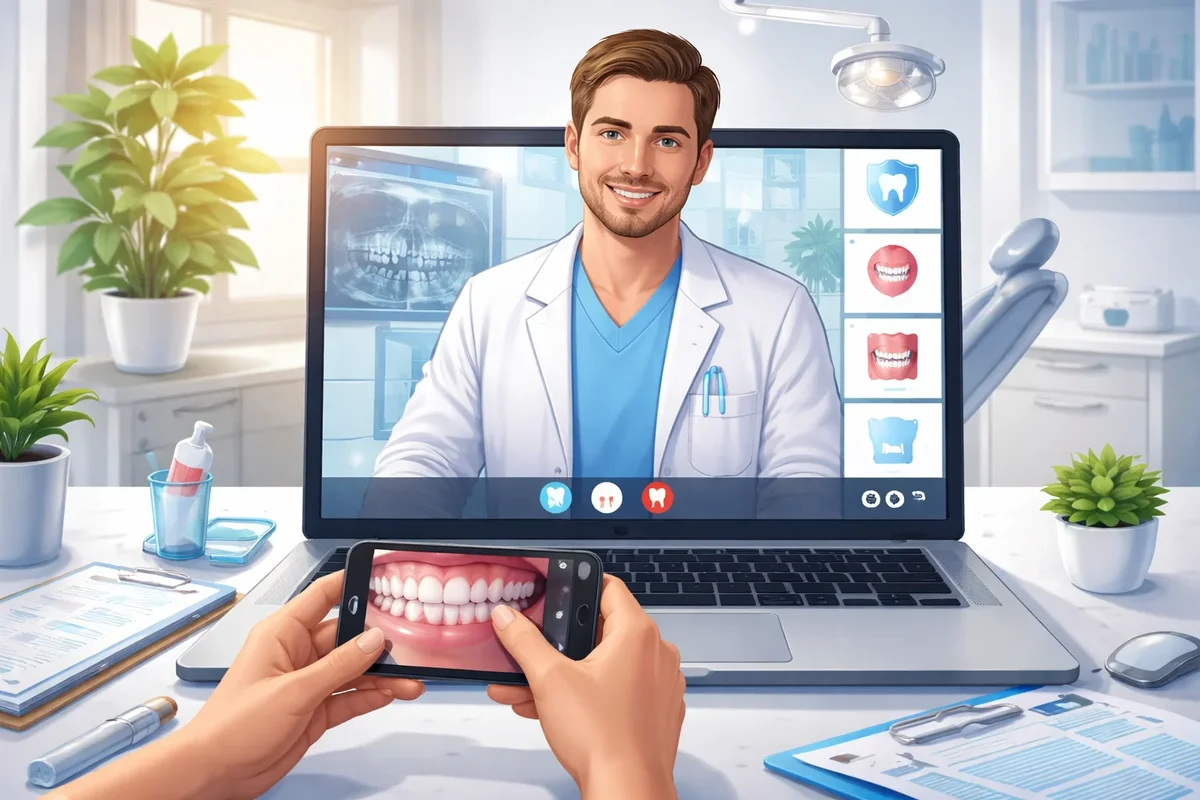
The Future of Digital Dentistry and the Role of the Web Dentist
The rapid evolution of healthcare technology is reshaping every medical field, and dentistry is no exception. The web dentist is no longer just a temporary innovation introduced for convenience — it is becoming a permanent pillar of modern oral healthcare. As artificial intelligence, digital imaging, cloud-based patient records, and remote monitoring tools continue to improve, the role of the web dentist will expand even further. Understanding the future of digital dentistry helps patients and clinics prepare for a more connected, efficient, and patient-centered system.
How Technology Is Transforming the Web Dentist Model
Technology is the foundation of the web dentist concept. High-resolution smartphone cameras, encrypted video platforms, and secure patient portals have already made virtual consultations reliable. However, future advancements will elevate the web dentist experience even more.
Artificial Intelligence and Diagnostic Support
AI-powered software is being integrated into dental imaging systems. In the near future, a web dentist may use AI tools to analyze uploaded photos or X-rays with enhanced precision. These systems can highlight early signs of cavities, gum recession, or enamel wear. While the web dentist remains responsible for the final diagnosis, AI assistance increases efficiency and accuracy.
This combination of human expertise and digital intelligence ensures that a web dentist delivers clinically sound and data-supported recommendations.
Expanded Remote Monitoring Capabilities
Orthodontics has already demonstrated how effective remote monitoring can be. A web dentist can track tooth alignment progress through periodic photo submissions. As wearable dental technology and smart oral devices evolve, real-time data may become available.
Imagine smart toothbrushes that collect brushing pattern data and transmit reports to your web dentist. This information could allow a web dentist to provide highly personalized oral hygiene recommendations. Preventive dentistry will become even more proactive and data-driven. 😊
Improved Access to Global Dental Expertise
The web dentist model breaks geographical barriers. In the future, patients may access highly specialized dental professionals from different regions without international travel. For example, a patient seeking advanced cosmetic consultation could connect with an experienced web dentist who specializes in smile design.
This global accessibility encourages knowledge exchange and improves overall patient care standards worldwide.
Integration with Traditional Clinical Care
The future of dentistry is not about replacing clinics but integrating services. A web dentist will increasingly function as the first point of contact in a hybrid care model. Initial assessments, preventive discussions, and follow-up consultations will happen online, while hands-on procedures will take place in fully equipped clinics.
This seamless integration enhances efficiency. Clinics can prioritize complex procedures while routine evaluations are managed by the web dentist remotely. If you are interested in exploring this hybrid model, you can contact professionals directly through the Redent Klinik Contact Page for further guidance.
Regulatory Evolution and Professional Standards
As the web dentist model grows, regulatory frameworks are also evolving. Professional organizations such as the American Dental Association continue to refine guidelines for teledentistry to ensure safety, ethical compliance, and patient protection.
Future policies will likely standardize reimbursement systems, cross-border licensing agreements, and telehealth best practices. These advancements will further legitimize the web dentist as a recognized and regulated component of healthcare.
Enhanced Patient Education and Preventive Focus
The future role of a web dentist will extend beyond diagnosis and consultation. Digital platforms allow continuous patient education through video tutorials, personalized oral hygiene plans, and preventive reminders. A web dentist can schedule periodic virtual check-ins to ensure patients maintain healthy habits.
Preventive care reduces long-term treatment costs and improves overall health outcomes. By maintaining ongoing communication, the web dentist supports a proactive rather than reactive approach to oral health.
Cost Efficiency and Value-Based Care
Healthcare systems worldwide are moving toward value-based care models. The web dentist fits naturally within this approach. By reducing unnecessary in-office visits, preventing complications early, and supporting efficient monitoring, the web dentist contributes to cost-effective care delivery.
As digital platforms scale and technology becomes more affordable, consultation fees may become even more competitive. This ensures broader accessibility without compromising professional standards.
Challenges and Opportunities Ahead
While the web dentist model holds tremendous potential, challenges remain. Technology access disparities, digital literacy gaps, and regulatory differences across countries can limit implementation. However, ongoing innovation and policy development are steadily addressing these issues.
The opportunity lies in balancing convenience with clinical excellence. A web dentist must always prioritize patient safety and ethical responsibility while embracing technological tools.
The Long-Term Vision for the Web Dentist
Looking ahead, the web dentist will likely become a routine part of dental care worldwide. Patients may begin their dental journey online, receive preventive guidance regularly, and only attend clinics for necessary procedures. This patient-centered model improves efficiency, reduces anxiety, and strengthens continuity of care.
Ultimately, the web dentist represents the intersection of healthcare expertise and digital innovation. By combining secure technology, professional licensing, preventive education, and integrated clinical pathways, the web dentist is shaping the future of dentistry. 🦷✨
As digital healthcare continues to expand, embracing the web dentist model ensures that oral care remains accessible, modern, and aligned with the needs of today’s patients.