
In today’s digital-first world, websites for orthodontists are no longer optional—they are a core part of patient acquisition, trust-building, and long-term clinic growth. When potential patients search online for orthodontic care, your website is often the first impression they form about your expertise, professionalism, and credibility. A well-structured orthodontic website does much more than display contact information; it actively educates, reassures, and converts visitors into booked appointments 😊.
From a health-focused SEO perspective, websites for orthodontists must satisfy both user intent and Google’s quality guidelines. Patients typically search with questions like “Do I need braces?”, “How long does orthodontic treatment take?”, or “Which orthodontist should I trust?” Your website should clearly answer these questions while guiding users smoothly toward taking action. This balance between medical accuracy and user-friendly communication is what separates high-performing orthodontic websites from generic dental pages.
One of the primary purposes of websites for orthodontists is to establish authority. Orthodontics is a specialized field, and patients want reassurance that they are choosing a qualified professional. By publishing detailed treatment explanations, before-and-after visuals, and educational blog content, orthodontic websites can position clinics as trusted experts. Referencing reputable organizations such as the
American Dental Association further strengthens credibility and aligns your site with recognized dental standards.
Another crucial role of websites for orthodontists is patient conversion. A visitor should never feel confused about what to do next. Clear calls to action, intuitive navigation, and visible contact options help turn curiosity into commitment. Whether the goal is booking a consultation or requesting more information, your website should guide users naturally. For example, placing a contextual link to a clinic’s contact section—such as the
Redent Klinik Contact Page—makes it easy for users to take the next step without friction.
From an SEO standpoint, websites for orthodontists must also meet technical and content-based expectations. Google prioritizes sites that load quickly, work seamlessly on mobile devices, and provide original, medically accurate content. Orthodontic websites that focus only on visuals but neglect educational depth often struggle to rank. In contrast, content-rich orthodontist websites that explain procedures, risks, benefits, and patient journeys tend to perform significantly better in search results 📈.
User trust is another cornerstone of effective websites for orthodontists. Health decisions are deeply personal, and patients need to feel safe. Elements such as real patient testimonials, professional photography, transparent treatment explanations, and clearly stated qualifications all contribute to trust. Even subtle details—like consistent branding, clean layouts, and readable fonts—play a psychological role in making visitors feel comfortable and confident.
It is also important to understand that websites for orthodontists are not static assets. They should evolve alongside technology, patient expectations, and search engine algorithms. Regular updates, fresh blog content, and ongoing SEO optimization help maintain visibility and relevance. Clinics that treat their orthodontic clinic websites as living platforms rather than one-time projects tend to achieve stronger long-term results.
Finally, modern websites for orthodontists must serve both informational and emotional needs. Patients are not just looking for technical facts; they want reassurance, clarity, and empathy. Explaining orthodontic treatments in simple language, addressing common fears, and highlighting patient success stories can dramatically improve engagement and conversion rates. This human-centered approach, combined with strong SEO foundations, is what truly defines successful orthodontist web design.
In summary, websites for orthodontists function as digital clinics—open 24/7, educating patients, building trust, and generating appointments. When designed with user experience, medical accuracy, and search visibility in mind, they become one of the most powerful growth tools an orthodontic practice can have. 🦷✨
Why Websites for Orthodontists Matter in Modern Patient Care
In the digital age, websites for orthodontists have become an essential extension of patient care rather than just a marketing tool. Before a patient ever walks into a clinic, they interact with the orthodontist’s website—often multiple times. This means your website directly influences patient expectations, trust levels, and even treatment decisions. Modern patient care begins online, and orthodontic practices that understand this gain a significant advantage 🦷.
Patients Start Their Orthodontic Journey Online
Today’s patients are proactive. They research symptoms, compare providers, and read reviews long before making contact. Websites for orthodontists act as the first consultation, answering fundamental questions such as treatment options, duration, and suitability. When a website provides clear, medically accurate explanations, patients feel more confident and informed before their first appointment.
Orthodontic clinic websites that fail to deliver this information often lose potential patients to competitors who invest in education-focused content. In contrast, informative orthodontist websites help patients self-educate, which leads to more productive in-person consultations and higher satisfaction rates.
Digital Trust Is Part of Patient Care
Trust is central to healthcare, and websites for orthodontists play a critical role in building that trust digitally. A clean design, professional language, and transparent information signal competence and care. Patients subconsciously judge credibility based on how well an orthodontic website is structured and maintained.
Professional Design Reflects Clinical Standards
An outdated or confusing website can raise doubts about a clinic’s professionalism. On the other hand, well-designed orthodontic websites reflect attention to detail and high clinical standards. Clear navigation, readable text, and consistent branding reassure visitors that the same level of care extends into the clinic environment.
Educational Content Reduces Anxiety
Many patients—especially parents of young orthodontic patients—experience anxiety about treatments. Websites for orthodontists that explain procedures step by step, address common fears, and outline what to expect before and after treatment help reduce this anxiety. This educational role directly improves patient well-being and aligns with modern, patient-centered care principles 😊.
Improved Communication Outside the Clinic
One often overlooked benefit of websites for orthodontists is improved communication beyond clinic hours. Patients can revisit treatment instructions, appointment policies, and post-treatment care guidelines at any time. This reduces misunderstandings, minimizes unnecessary phone calls, and enhances overall care quality.
Orthodontic clinic websites can also provide FAQs, downloadable guides, and blog posts that reinforce instructions given during appointments. This continuity of care supports better treatment outcomes and strengthens the patient–provider relationship.
Accessibility and Inclusivity in Orthodontic Care
Modern patient care also means accessibility. Websites for orthodontists allow practices to serve a broader audience by offering clear language, readable layouts, and mobile-friendly access. Patients with busy schedules, language barriers, or mobility challenges rely heavily on online resources to make informed decisions.
By optimizing orthodontist websites for mobile devices and ensuring fast loading times, clinics make their services more inclusive. This accessibility directly impacts patient satisfaction and reflects a commitment to modern healthcare values.
Supporting Ethical and Transparent Care
Transparency is increasingly important in healthcare. Websites for orthodontists provide an ethical platform to explain treatment philosophies, outline risks and benefits, and reference trusted authorities like the
American Dental Association. This openness empowers patients to make informed choices and reinforces ethical practice standards.
Additionally, linking to clear contact options—such as the
Redent Klinik Contact Page—ensures patients know exactly how to reach the clinic with questions or concerns, further strengthening communication and trust.
Modern Care Requires Digital Excellence
In summary, websites for orthodontists are deeply intertwined with modern patient care. They educate, reassure, communicate, and support patients long before and after clinical visits. Orthodontic websites that prioritize user experience, clarity, and medical accuracy contribute directly to better patient outcomes and stronger long-term relationships.
As patient expectations continue to evolve, orthodontic practices that view their websites as an integral part of care—not just promotion—will stand out as leaders in both digital presence and clinical excellence 🌟.
Essential Features Every Orthodontic Website Must Have
To truly perform well in both patient engagement and search engine rankings, websites for orthodontists must be built with a clear set of essential features. A visually appealing design alone is not enough. Orthodontic websites need to combine usability, medical accuracy, trust signals, and SEO-friendly structure to meet modern expectations. When these elements work together, orthodontist websites become powerful digital tools that attract, educate, and convert visitors into loyal patients 😊.
Clear and Structured Navigation
One of the most critical features of websites for orthodontists is intuitive navigation. Visitors should immediately understand where they are and how to find the information they need. Clear menu labels such as “Treatments,” “About the Orthodontist,” “Before & After,” and “Contact” help users move confidently through the site.
Well-structured orthodontic clinic websites reduce bounce rates and improve session duration—both important behavioral signals for SEO. When users can quickly find answers, Google interprets the site as high-quality and relevant.
Logical Page Hierarchy
Successful websites for orthodontists follow a logical hierarchy using proper heading structures. Main service pages should be supported by detailed subpages that explain specific treatments such as braces, clear aligners, or retainers. This structure improves both readability and search engine crawlability.
Comprehensive Treatment Pages
Patients expect detailed explanations before committing to orthodontic care. Websites for orthodontists should include in-depth treatment pages that explain how procedures work, who they are suitable for, expected timelines, and possible outcomes. This type of content satisfies user intent and builds trust.
High-quality orthodontist websites avoid vague descriptions. Instead, they use clear language to explain complex procedures, making the information accessible to patients of all ages and backgrounds. Including diagrams or visuals can further enhance understanding 🦷.
Medically Accurate and Updated Content
Accuracy is non-negotiable. Websites for orthodontists must reflect current clinical standards and best practices. Referencing authoritative sources such as the
American Dental Association reinforces credibility and reassures patients that the information is reliable.
Strong Calls to Action (CTAs)
Another essential feature of websites for orthodontists is clear and strategically placed calls to action. Visitors should never wonder what to do next. Whether it’s booking a consultation, requesting information, or contacting the clinic, CTAs should be visible and persuasive without being aggressive.
For example, linking users directly to a clinic’s contact section—such as the
Redent Klinik Contact Page—simplifies the patient journey and increases conversion rates.
Mobile Responsiveness and Speed
A large percentage of users browse websites for orthodontists on mobile devices. Mobile responsiveness is no longer optional—it is a ranking factor. Orthodontic websites must adapt seamlessly to different screen sizes while maintaining readability and functionality.
Fast loading times are equally important. Slow orthodontist websites frustrate users and negatively impact SEO performance. Optimized images, clean code, and reliable hosting contribute to a smooth experience 🚀.
Trust-Building Elements
Trust signals are a cornerstone of effective websites for orthodontists. Since orthodontic treatment involves long-term commitment, patients need reassurance before making contact.
Patient Testimonials and Reviews
Displaying authentic patient testimonials helps humanize orthodontic websites. Real experiences reassure visitors that others have achieved positive results. When used ethically and honestly, testimonials can significantly influence decision-making.
Professional Credentials and Team Information
Successful websites for orthodontists clearly display professional credentials, certifications, and team information. Introducing the orthodontist and staff with photos and biographies helps build familiarity and confidence even before the first visit.
SEO-Friendly Technical Structure
Behind the scenes, websites for orthodontists must be technically sound. Clean URLs, optimized meta titles, proper schema markup, and internal linking all support better indexing and ranking. Rank Math SEO compatibility ensures that orthodontic websites meet modern optimization standards without technical complexity.
When all these essential features are implemented correctly, orthodontist websites become more than online brochures. They function as reliable, patient-centered platforms that support education, trust, and growth. In a competitive digital landscape, websites for orthodontists that prioritize functionality and user needs consistently outperform those that do not 🌟.
SEO Strategies That Help Orthodontist Websites Rank Higher
To compete effectively in today’s crowded digital health space, websites for orthodontists must be built on strong, ethical SEO foundations. Search engine optimization is not about shortcuts or keyword stuffing—it is about aligning high-quality content with real patient intent. When SEO is implemented correctly, orthodontic websites attract qualified visitors who are actively searching for orthodontic care, leading to higher engagement and better conversion rates 📈.
Understanding Search Intent in Orthodontic SEO
One of the most important SEO principles for websites for orthodontists is understanding search intent. Patients may search with informational intent (“What are clear aligners?”), navigational intent (“Orthodontist near me”), or transactional intent (“Book orthodontic consultation”). A high-ranking orthodontic website addresses all three intent types in a structured and user-friendly way.
By creating dedicated pages and blog content that answer specific patient questions, orthodontist websites signal relevance to Google. This relevance increases visibility for both short-tail and long-tail search queries related to orthodontic treatments.
On-Page SEO Best Practices for Orthodontic Websites
On-page SEO forms the backbone of high-performing websites for orthodontists. This includes optimizing titles, headings, URLs, and content structure so that search engines can clearly understand what each page is about.
Optimized Headings and Content Structure
Using a clear heading hierarchy helps both users and search engines. Websites for orthodontists should use one main H1 per page, followed by logically organized H2, H3, and H4 headings. This structure improves readability and allows Google to better interpret page topics.
Content should be comprehensive but easy to understand. Explaining orthodontic procedures in plain language increases dwell time, which is a positive SEO signal 😊.
Strategic Keyword Placement
The keyword websites for orthodontists should appear naturally in titles, headings, and body content without disrupting readability. Over-optimization harms trust and rankings. Instead, combining the main keyword with semantically related phrases such as “orthodontic clinic websites” or “orthodontist web design” strengthens topical relevance while keeping the text natural.
Content Depth and Medical Authority
Google places strong emphasis on expertise, experience, authoritativeness, and trustworthiness (E-E-A-T), especially for health-related topics. Websites for orthodontists must demonstrate medical authority through detailed, accurate, and up-to-date content.
Long-form articles, treatment guides, and FAQs help establish orthodontic websites as reliable educational resources. Referencing trusted organizations such as the
American Dental Association reinforces medical credibility and aligns content with recognized professional standards.
Internal Linking for Better SEO Performance
Internal linking is a powerful yet often underused SEO strategy for websites for orthodontists. Linking related pages helps distribute authority across the site and improves crawlability. It also enhances user experience by guiding visitors to relevant information.
For example, linking treatment pages to contact pages—such as the
Redent Klinik Contact Page—creates a clear path from education to action. This structure supports both SEO and conversions.
Technical SEO Foundations
Behind every successful website for orthodontists is a solid technical SEO framework. This includes fast loading speeds, mobile responsiveness, clean code, and secure HTTPS connections. Google prioritizes sites that provide a smooth and secure user experience.
Mobile-First Optimization
Most patients browse orthodontic websites on mobile devices. Google’s mobile-first indexing means that websites for orthodontists must perform exceptionally well on smartphones and tablets. Responsive design, readable text, and touch-friendly navigation are essential.
Page Speed and Core Web Vitals
Slow-loading orthodontist websites lose users and rankings. Optimizing images, minimizing scripts, and using reliable hosting improves Core Web Vitals scores. These technical improvements directly influence SEO performance and user satisfaction 🚀.
Local SEO for Orthodontic Practices
Since orthodontic care is location-based, local SEO is critical for websites for orthodontists. Optimizing Google Business Profiles, embedding location-specific content, and ensuring consistent name, address, and phone number (NAP) information across platforms improves visibility in local search results.
Local content helps orthodontist websites appear in map listings and “near me” searches, which often convert at higher rates than generic traffic.
Long-Term SEO Success Through Consistency
SEO is not a one-time effort. Websites for orthodontists that consistently publish high-quality content, update existing pages, and monitor performance tend to achieve stable, long-term rankings. Rank Math SEO compatibility makes it easier to maintain optimization without technical overload.
In conclusion, effective SEO strategies transform websites for orthodontists into high-visibility, patient-focused platforms. By combining technical excellence, authoritative content, and user-centered design, orthodontic websites can rank higher, attract better traffic, and grow sustainably in an increasingly competitive digital healthcare landscape 🌟.
Content Marketing Ideas for High-Performing Orthodontic Websites
Content marketing is one of the most effective growth engines for websites for orthodontists. While design and technical SEO lay the foundation, content is what attracts, educates, and converts patients over time. High-performing orthodontic websites do not rely on generic descriptions; instead, they publish strategic, patient-focused content that answers real questions and builds long-term trust 😊.
Educational Blog Content That Solves Patient Problems
At the core of successful websites for orthodontists is educational content. Patients are actively searching for answers about orthodontic treatments, timelines, comfort, and outcomes. Blog articles that clearly explain these topics help orthodontic websites rank for informational queries while positioning the clinic as a trusted authority.
Examples of effective blog topics include treatment comparisons, explanations of orthodontic appliances, and guidance for parents. When orthodontist websites consistently publish well-researched, easy-to-understand articles, they capture users early in their decision-making process and keep them engaged.
Explaining Complex Treatments in Simple Language
Orthodontics can be intimidating for many patients. Websites for orthodontists should break down complex procedures into simple, reassuring explanations. Avoid overly technical language and focus on clarity. This approach not only improves user experience but also aligns with Google’s preference for helpful, user-first content.
Before-and-After Storytelling Content
Storytelling is a powerful content strategy for websites for orthodontists. Before-and-after stories allow potential patients to visualize outcomes and emotionally connect with real experiences. Rather than simply displaying images, orthodontic websites can include short narratives explaining the patient’s journey, challenges, and results.
This type of content humanizes orthodontic care and increases time spent on the site—an important engagement signal for SEO.
Ethical Use of Visual Content
When using before-and-after examples on websites for orthodontists, ethical considerations are essential. Always ensure patient consent and avoid unrealistic promises. Transparency builds credibility and protects the clinic’s reputation.
FAQ Pages That Capture Long-Tail Searches
Frequently asked questions are a goldmine for websites for orthodontists. Patients often search with very specific concerns, such as treatment duration, comfort, or maintenance. Well-structured FAQ pages help orthodontist websites rank for long-tail keywords while directly addressing patient doubts.
FAQs also reduce repetitive inquiries, allowing clinics to focus more on patient care. Organized, clear answers improve user satisfaction and support conversion goals.
Video and Visual Content for Better Engagement
Modern websites for orthodontists benefit greatly from multimedia content. Short educational videos, animations, and infographics make complex topics easier to understand and more engaging. Video content also keeps users on the page longer, which positively impacts SEO metrics 🎥.
Orthodontic websites can use videos to introduce the orthodontist, explain treatments, or walk patients through the consultation process. These visuals create familiarity and reduce hesitation before booking an appointment.
Local Content That Builds Community Connection
Because orthodontic care is location-based, websites for orthodontists should include locally relevant content. Blog posts about community events, school partnerships, or local health initiatives help orthodontic websites connect with nearby audiences and strengthen local SEO.
Local content signals relevance to search engines and reinforces the clinic’s role within the community.
Authority-Building Content with Trusted References
High-performing websites for orthodontists demonstrate authority by referencing credible organizations and guidelines. Linking to trusted sources such as the
American Dental Association supports medical accuracy and reinforces trust with both users and search engines.
This approach aligns with Google’s expectations for health-related content and strengthens the overall credibility of orthodontist websites.
Content That Guides Users Toward Action
Every piece of content on websites for orthodontists should have a clear purpose. While education is essential, content should also guide users toward the next step—whether that is booking a consultation or asking a question.
Strategically placed internal links, such as directing readers to the
Redent Klinik Contact Page, help convert informed visitors into real patients. This seamless transition from content to action is what makes orthodontic websites truly effective.
Consistency and Long-Term Content Planning
Content marketing success does not happen overnight. Websites for orthodontists that publish consistently and update existing content tend to outperform competitors in the long run. A clear editorial plan ensures that orthodontic websites remain fresh, relevant, and aligned with patient needs.
In conclusion, strategic content marketing transforms websites for orthodontists into powerful educational and conversion platforms. By focusing on patient-centered topics, ethical storytelling, multimedia engagement, and authoritative references, orthodontic websites can achieve stronger SEO performance, higher trust, and sustainable growth 🌟.
Mobile Optimization and Speed for Orthodontist Websites
In an era where most online searches happen on smartphones, websites for orthodontists must be fully optimized for mobile use and fast performance. Mobile optimization and site speed are no longer technical extras—they are essential components of patient experience and search engine visibility. Orthodontic websites that fail to load quickly or display properly on mobile devices risk losing both users and rankings 📱⚡.
Why Mobile Optimization Is Critical for Orthodontic Websites
Google uses mobile-first indexing, which means it primarily evaluates the mobile version of a site when determining rankings. For websites for orthodontists, this makes mobile optimization a top priority. If your orthodontic website performs poorly on mobile, it will struggle to rank well—even if the desktop version looks perfect.
Patients often search for orthodontic care while on the go. A slow or poorly optimized orthodontist website creates frustration and increases bounce rates. In contrast, mobile-friendly orthodontic websites make it easy for users to read content, browse treatments, and contact the clinic with just a few taps.
Responsive Design for All Screen Sizes
Successful websites for orthodontists use responsive design, meaning the layout automatically adjusts to different screen sizes. Text remains readable, images scale correctly, and navigation stays intuitive whether the user is on a phone, tablet, or desktop.
Responsive orthodontic websites improve accessibility and create a consistent experience across devices—an important trust factor for healthcare-related sites.
Page Speed as a Ranking and Conversion Factor
Speed directly impacts both SEO and user behavior. Websites for orthodontists that load slowly tend to lose visitors before content is even seen. Google recognizes this and favors faster orthodontic websites in search results.
From a patient’s perspective, speed equals professionalism. A fast-loading orthodontist website suggests efficiency and reliability, while delays can subconsciously raise doubts about service quality 🚀.
Optimizing Images and Media
Images are essential for websites for orthodontists, especially for showcasing smiles, clinics, and staff. However, unoptimized images are one of the main causes of slow load times. Compressing images, using modern formats, and properly sizing visuals help orthodontic websites load faster without sacrificing quality.
Reducing Unnecessary Scripts
Clean code is another key speed factor. High-performing websites for orthodontists avoid excessive plugins, animations, and third-party scripts that slow down performance. A streamlined technical setup improves Core Web Vitals, which Google uses as ranking signals.
User Experience and Touch-Friendly Design
Mobile optimization is not just about layout—it is about usability. Websites for orthodontists should be designed with touch interaction in mind. Buttons must be easy to tap, forms should be simple to complete, and menus should be intuitive.
Orthodontic websites that prioritize mobile usability reduce friction and increase the likelihood that users will take action, such as requesting an appointment.
Local Mobile Searches and Immediate Action
Many mobile searches for orthodontic care are local and urgent. Websites for orthodontists must support quick actions like calling the clinic, viewing directions, or submitting a contact form. Mobile-friendly contact sections improve conversion rates significantly.
Providing a smooth path to communication—such as linking directly to the
Redent Klinik Contact Page—ensures that interested users can act immediately without frustration.
Technical Performance and Trust
Technical excellence supports trust. Websites for orthodontists that load quickly, function smoothly, and remain stable during navigation create a sense of reliability. For healthcare websites, this perceived reliability is especially important.
Combining speed optimization with secure HTTPS connections and up-to-date infrastructure reassures users that their data is safe and the clinic is professional.
Aligning Speed Optimization with SEO Standards
Fast and mobile-optimized websites for orthodontists align naturally with SEO best practices. Google rewards sites that prioritize user experience, especially in health-related niches. Monitoring performance metrics and making continuous improvements helps orthodontic websites maintain strong rankings over time.
Referencing trusted healthcare authorities such as the
American Dental Association alongside optimized technical performance strengthens both credibility and SEO alignment.
Long-Term Benefits of Mobile and Speed Optimization
In the long term, websites for orthodontists that invest in mobile optimization and speed enjoy lower bounce rates, higher engagement, and better conversion performance. These benefits compound over time, making technical optimization one of the highest-ROI investments an orthodontic practice can make.
In conclusion, mobile optimization and speed are foundational to the success of websites for orthodontists. By delivering fast, responsive, and user-friendly experiences across all devices, orthodontic websites meet modern patient expectations, improve SEO performance, and support sustainable digital growth 🌟.
How Trust Signals Improve Conversions on Orthodontic Websites
Trust is one of the most decisive factors influencing patient behavior, and websites for orthodontists must be intentionally designed to build and reinforce that trust. Orthodontic treatment often involves long-term commitment, repeated visits, and significant personal investment. As a result, patients carefully evaluate whether a clinic feels reliable, transparent, and professional before making contact. Strong trust signals on orthodontic websites directly impact conversion rates by reducing hesitation and increasing confidence 😊.
The Psychology of Trust in Healthcare Decisions
Healthcare decisions are emotionally driven as much as they are logical. Websites for orthodontists must address both aspects. Patients want reassurance that they are choosing qualified professionals who genuinely care about outcomes. When orthodontic websites fail to convey trust, users often leave—even if the services themselves are excellent.
Trust signals act as psychological shortcuts. They help users quickly answer the question: “Is this orthodontist safe and credible?” The more clearly a website answers that question, the more likely visitors are to convert.
Professional Credentials and Transparency
One of the strongest trust signals on websites for orthodontists is transparency about qualifications and experience. Patients expect to see who will be treating them and why that person is qualified.
Visible Credentials and Certifications
Displaying academic background, certifications, and professional memberships reassures users that the orthodontist meets recognized standards. Orthodontic websites that reference professional bodies such as the
American Dental Association strengthen credibility and align with best practices in healthcare communication.
Meet-the-Team Pages
Human connection matters. Websites for orthodontists that introduce the orthodontist and staff with photos and short biographies feel more approachable. Patients are far more likely to trust a clinic when they can see real people behind the practice.
Patient Testimonials and Social Proof
Social proof is a powerful conversion driver for websites for orthodontists. Seeing that other patients have had positive experiences helps reduce uncertainty and fear. Testimonials create emotional validation that factual information alone cannot provide.
Authentic Reviews Over Marketing Claims
Effective orthodontic websites use genuine patient feedback rather than exaggerated marketing language. Honest testimonials—written in natural language—feel relatable and believable. Overly polished or unrealistic claims can actually reduce trust.
Ethical Presentation of Results
Before-and-after examples must be presented responsibly. Websites for orthodontists should avoid guaranteeing outcomes and instead focus on showcasing real improvement stories with appropriate context. Ethical transparency reinforces long-term trust.
Clear Communication and Honest Expectations
Trust grows when expectations are managed properly. Websites for orthodontists that clearly explain treatment processes, timelines, and patient responsibilities help prevent misunderstandings. This clarity reduces anxiety and sets the foundation for positive patient relationships.
Using simple language instead of medical jargon makes orthodontic websites more accessible and inclusive. Patients feel respected when information is presented in a way they can easily understand 🦷.
Security, Privacy, and Technical Reliability
Modern patients are increasingly aware of data privacy. Websites for orthodontists must demonstrate technical trustworthiness through secure HTTPS connections, clear privacy policies, and stable performance.
A secure, well-maintained orthodontic website signals professionalism and respect for patient data. Technical reliability also contributes to SEO performance and overall user confidence.
Clear Paths to Human Contact
Even with excellent content, patients want to know that real support is available. Websites for orthodontists should make it easy to reach the clinic without friction.
Providing a visible and intuitive contact option—such as linking directly to the
Redent Klinik Contact Page—reassures users that help is readily available. This accessibility often makes the difference between browsing and booking.
Consistency Across Design and Messaging
Consistency builds subconscious trust. Websites for orthodontists that maintain uniform design, tone, and messaging across all pages feel organized and professional. Inconsistent visuals or conflicting information can create doubt.
High-performing orthodontic websites align their branding, content style, and messaging with their in-clinic experience. This alignment reassures patients that what they see online reflects what they will experience in person.
Trust Signals as Conversion Multipliers
Ultimately, trust signals act as conversion multipliers on websites for orthodontists. Even small improvements—such as clearer credentials, better testimonials, or improved transparency—can significantly increase inquiry rates.
In conclusion, websites for orthodontists that prioritize trust are far more effective at converting visitors into patients. By combining transparency, social proof, security, and human connection, orthodontic websites reduce hesitation, build confidence, and support long-term patient relationships 🌟.
Common Mistakes to Avoid When Building Websites for Orthodontists
Even well-intentioned clinics can undermine their digital success by making avoidable errors during development. Websites for orthodontists operate in a highly competitive, trust-sensitive healthcare environment, which means small mistakes can have a large negative impact on visibility, credibility, and conversions. Understanding these common pitfalls helps orthodontic practices build stronger, more effective online platforms that truly support patient care and growth ⚠️.
Focusing on Design While Ignoring Strategy
One of the most frequent mistakes in websites for orthodontists is prioritizing visual design over strategy. While a modern appearance is important, design alone does not attract qualified traffic or convert visitors. Orthodontic websites that look attractive but lack clear messaging, structured content, or SEO foundations often fail to perform.
A successful orthodontist website starts with clear goals: educating patients, building trust, and driving consultations. Design should support these goals, not replace them.
Poor Content Quality or Thin Pages
Another major issue with websites for orthodontists is publishing thin, generic, or duplicated content. Short pages with vague descriptions do not satisfy patient intent and are unlikely to rank well in Google, especially in a health-related niche.
Lack of Educational Depth
Patients expect detailed explanations. Websites for orthodontists that fail to explain treatments, processes, and expectations leave users confused and uncertain. This not only harms SEO but also weakens trust.
Overuse of Marketing Language
Excessive promotional language without substance is another common mistake. Orthodontic websites should prioritize clarity and accuracy over sales-heavy wording. Google and users both prefer helpful, informative content over exaggerated claims 😊.
Ignoring Mobile Users
Many underperforming websites for orthodontists still treat mobile optimization as an afterthought. This is a critical error. A site that looks good on desktop but is difficult to use on a smartphone will lose a significant portion of potential patients.
Mobile-first design is essential, especially since many patients search for orthodontic services on their phones during busy schedules.
Slow Loading Times and Technical Neglect
Speed issues are another frequent problem with websites for orthodontists. Large images, unnecessary scripts, and outdated plugins can dramatically slow down performance. Slow orthodontic websites frustrate users and are penalized by search engines.
Technical neglect also includes broken links, outdated software, and lack of security updates—all of which damage trust and SEO.
Weak or Confusing Calls to Action
Even informative websites for orthodontists can fail if users are not guided toward action. Missing, unclear, or poorly placed calls to action leave visitors unsure of what to do next.
Orthodontic websites should clearly encourage users to book a consultation, request information, or make contact. Providing a simple, visible path—such as linking to the
Redent Klinik Contact Page—helps convert interest into engagement.
Lack of Trust Signals
Trust is essential in healthcare, yet many websites for orthodontists overlook this factor. Missing credentials, no team information, or absence of testimonials can make a clinic seem less credible, even if it offers excellent care.
Not Referencing Authoritative Sources
Failing to reference trusted organizations weakens perceived authority. Orthodontic websites that align with recognized institutions such as the
American Dental Association demonstrate professionalism and adherence to accepted standards.
Inconsistent Branding and Messaging
Inconsistency is another common issue in websites for orthodontists. Mismatched colors, fonts, tone, or messaging across pages can create confusion and reduce trust. Patients expect a cohesive experience that reflects professionalism and organization.
Consistency across orthodontic websites reassures users that the clinic is reliable and well-managed.
Neglecting SEO Fundamentals
Many clinics build websites for orthodontists without a clear SEO plan. Missing meta titles, poor heading structure, and lack of internal linking make it harder for search engines to understand and rank the site.
SEO is especially important in orthodontics due to local competition. Orthodontist websites that ignore optimization often remain invisible despite offering high-quality services.
Failing to Update and Maintain the Website
Finally, treating websites for orthodontists as one-time projects is a serious mistake. Outdated content, old photos, and inactive blogs signal neglect. Patients may question whether the clinic is still active or up to date with modern practices.
Regular updates, content refreshes, and technical maintenance keep orthodontic websites relevant, trustworthy, and competitive.
Learning From Mistakes to Build Better Orthodontic Websites
In conclusion, avoiding these common mistakes allows websites for orthodontists to reach their full potential. By focusing on strategy, content quality, mobile usability, trust, and ongoing optimization, orthodontic websites can become powerful assets that support both patient care and sustainable growth 🌟.
Choosing the Right Platform and Tools for Orthodontic Websites
Selecting the right technical foundation is one of the most strategic decisions when building websites for orthodontists. The platform and tools you choose directly influence site performance, security, scalability, SEO compatibility, and long-term maintenance. Many orthodontic practices struggle online not because of poor services, but because their website infrastructure limits growth and visibility. A well-chosen platform empowers orthodontic websites to evolve alongside patient expectations and search engine requirements 🚀.
Why Platform Choice Matters for Orthodontic Practices
Unlike simple business websites, websites for orthodontists operate in a health-focused environment where trust, accuracy, and usability are critical. The platform must support structured content, fast loading times, mobile responsiveness, and SEO optimization. A poor platform choice can result in slow performance, security vulnerabilities, and limited customization.
Orthodontic websites should be viewed as long-term digital assets. Choosing a flexible and widely supported platform ensures that future updates, content expansion, and SEO improvements can be implemented without costly rebuilds.
Content Management Systems (CMS) for Orthodontic Websites
Most successful websites for orthodontists are built on a content management system (CMS). A CMS allows non-technical users to update content, publish blog posts, and manage pages without coding knowledge. This is especially important for clinics that plan to use content marketing as part of their SEO strategy.
WordPress as a Preferred Choice
WordPress is one of the most widely used platforms for websites for orthodontists, and for good reason. It offers flexibility, strong SEO capabilities, and a vast ecosystem of themes and plugins. With proper configuration, WordPress-based orthodontic websites can achieve excellent performance, security, and scalability.
SEO plugins such as Rank Math integrate seamlessly with WordPress, allowing orthodontic websites to optimize meta titles, schema, and internal linking efficiently. This makes WordPress especially suitable for clinics aiming to rank competitively in search results.
Website Builders vs. Custom Development
Some clinics consider drag-and-drop website builders for websites for orthodontists. While these tools can be quick to launch, they often come with limitations in SEO control, performance optimization, and customization.
Limitations of All-in-One Builders
Website builders may restrict access to advanced SEO settings, clean code structure, and hosting optimization. For orthodontic websites competing in local and national search results, these limitations can hinder growth over time.
Benefits of Custom or Semi-Custom Solutions
Custom-built or well-configured CMS-based websites for orthodontists provide greater control over design, speed, and SEO. While the initial investment may be higher, the long-term benefits often outweigh the costs through improved rankings and conversions.
Essential Tools That Support Orthodontic Websites
Beyond the core platform, supporting tools play a vital role in the success of websites for orthodontists. These tools enhance functionality, security, and patient experience.
SEO and Analytics Tools
SEO tools help orthodontic websites monitor performance, identify opportunities, and maintain compliance with best practices. Rank Math simplifies on-page optimization, while analytics tools provide insights into user behavior and content effectiveness.
Security and Backup Solutions
Healthcare-related websites for orthodontists must prioritize security. SSL certificates, regular backups, and security monitoring protect patient data and maintain trust. A secure website also contributes positively to SEO and user confidence.
Hosting and Performance Considerations
Even the best platform cannot compensate for poor hosting. Websites for orthodontists require reliable, fast hosting to ensure consistent performance. Downtime or slow response times can damage both reputation and search rankings.
Quality hosting supports faster page loads, improved Core Web Vitals, and better user experience—key factors for both patients and Google.
Integration With Patient Communication and Contact Systems
Modern websites for orthodontists should integrate smoothly with contact forms, appointment requests, and communication tools. These integrations streamline patient inquiries and improve operational efficiency.
Ensuring that users can easily reach the clinic—such as through a clear link to the
Redent Klinik Contact Page—is essential for conversion optimization.
Compliance, Accuracy, and Authority
Platform and tool choices should also support compliance with healthcare communication standards. Websites for orthodontists must present accurate, ethical information and reference trusted authorities like the
American Dental Association. This alignment strengthens credibility and supports long-term SEO success.
Scalability and Future Growth
As practices grow, websites for orthodontists should be able to scale effortlessly. Adding new services, publishing more content, or expanding into multilingual SEO should not require a complete redesign. Scalable platforms and tools protect your investment and support future marketing strategies.
Making the Right Decision for Long-Term Success
In conclusion, choosing the right platform and tools is foundational to the effectiveness of websites for orthodontists. A flexible CMS, reliable hosting, strong SEO tools, and secure infrastructure work together to create a website that performs well today and adapts tomorrow.
Orthodontic websites built on the right technical foundation are easier to manage, rank higher in search results, and provide better experiences for patients. When platform decisions are made strategically, websites for orthodontists become powerful, long-term assets that support trust, growth, and clinical excellence 🌟.
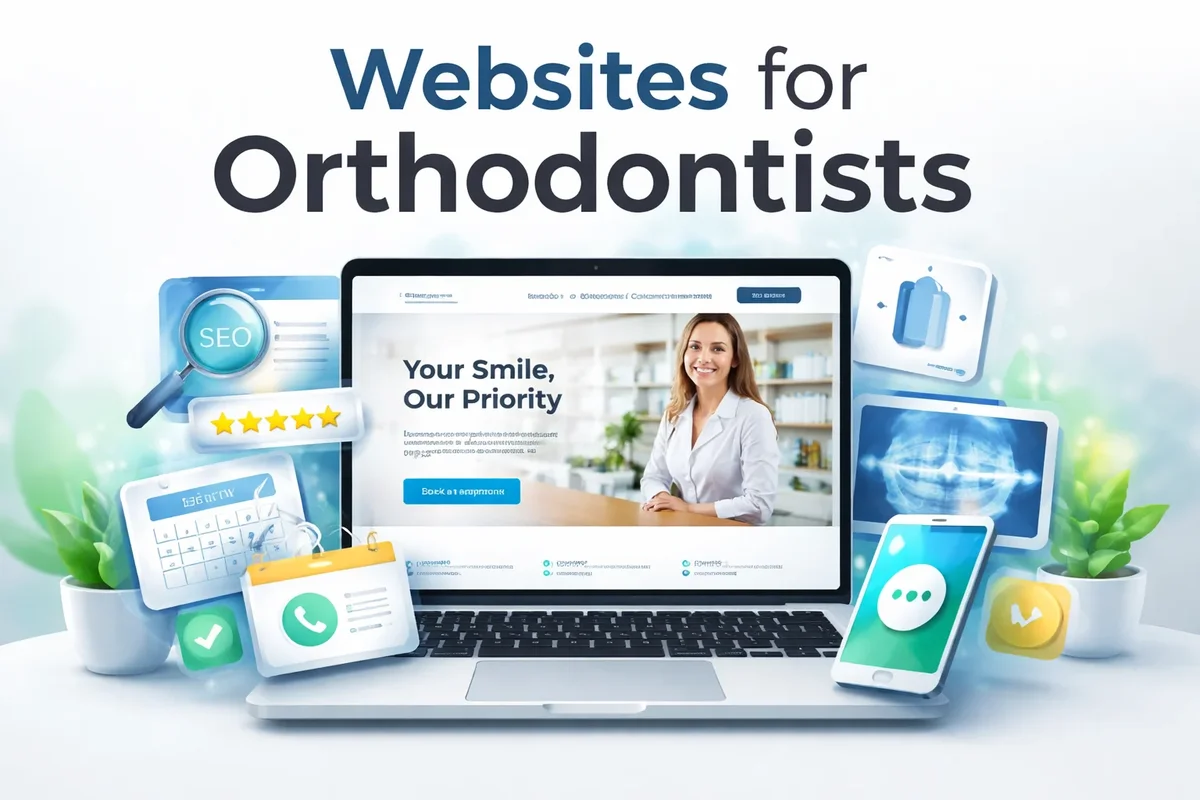
Future Trends and Measuring Success for Orthodontic Websites
As digital healthcare continues to evolve, websites for orthodontists must adapt to new technologies, changing patient expectations, and updated search engine standards. Building a strong website is not the final step—measuring performance and preparing for future trends are what ensure long-term success. Orthodontic websites that continuously improve based on data and innovation consistently outperform competitors in both visibility and patient acquisition 📊.
Emerging Trends Shaping Orthodontic Websites
The future of websites for orthodontists is closely tied to personalization, automation, and enhanced user experience. Patients increasingly expect digital interactions to feel intuitive and tailored to their needs.
AI-Powered Personalization
Personalization is becoming a key differentiator for websites for orthodontists. AI-driven tools can help display relevant content based on user behavior, such as suggesting specific treatment pages or blog articles. This tailored experience increases engagement and helps patients feel understood rather than marketed to.
Voice Search and Conversational Queries
With the rise of voice assistants, orthodontic websites must adapt to conversational search patterns. Websites for orthodontists that include natural-language FAQs and clear, concise answers are better positioned to capture voice search traffic. This trend reinforces the importance of user-friendly, question-focused content.
Data-Driven Optimization and Analytics
Measuring performance is essential for improving websites for orthodontists. Without data, it is impossible to know what works and what needs adjustment. Analytics tools provide insight into how users interact with orthodontic websites and where improvements can be made.
Key Metrics That Matter
Successful orthodontic websites track metrics such as organic traffic, bounce rate, time on page, and conversion rates. These indicators reveal whether websites for orthodontists are effectively meeting patient needs and guiding users toward action.
Tracking Conversion Paths
Understanding how users move through orthodontic websites is crucial. Tracking paths from informational content to contact actions helps identify bottlenecks. Clear links to consultation requests—such as directing users to the
Redent Klinik Contact Page—allow clinics to measure how content supports real patient inquiries.
SEO Performance Monitoring Over Time
SEO is dynamic, and websites for orthodontists must be monitored regularly to maintain rankings. Algorithm updates, new competitors, and changing user behavior can all affect visibility.
Regular content audits, keyword performance checks, and technical reviews ensure that orthodontic websites remain aligned with best practices. Referencing authoritative organizations like the
American Dental Association continues to support credibility and compliance with health-related content standards.
Continuous Content Improvement
High-performing websites for orthodontists treat content as an evolving asset. Updating older blog posts, expanding treatment pages, and refining explanations based on patient feedback keeps orthodontic websites relevant and competitive.
Refreshing content also signals to search engines that the website is active and up to date, which positively influences rankings.
User Feedback as a Growth Tool
Patient feedback provides valuable insight into how websites for orthodontists are perceived. Comments, inquiries, and common questions reveal gaps in content or usability. Listening to users allows orthodontic websites to improve clarity and effectiveness.
Simple improvements—such as clearer explanations or more visible contact options—often lead to measurable increases in conversions.
Scalability and Long-Term Digital Strategy
As practices grow, websites for orthodontists should support expansion. This may include adding new services, targeting additional locations, or developing multilingual content. A scalable website structure makes these transitions smooth and cost-effective.
Future-ready orthodontic websites are built with flexibility in mind, allowing clinics to adapt without sacrificing performance or SEO value.
Aligning Technology With Patient-Centered Care
Technology should always support patient care, not replace it. Websites for orthodontists that balance innovation with empathy create the strongest digital presence. Tools and trends must enhance clarity, trust, and accessibility rather than overwhelm users.
Defining Long-Term Success for Orthodontic Websites
Ultimately, success for websites for orthodontists is measured by more than rankings. It is reflected in informed patients, smoother consultations, and stronger long-term relationships. SEO performance, user engagement, and patient satisfaction all work together to define effectiveness.
In conclusion, future-focused websites for orthodontists combine data-driven optimization, emerging technology, and patient-centered design. By continuously measuring performance and adapting to change, orthodontic websites remain visible, trustworthy, and effective in an evolving digital healthcare landscape 🌟.