
When people think about visiting a dentist, they often focus only on treating cavities, cleaning teeth, or fixing dental problems. However, the concept of a wellbeing dentist goes far beyond traditional dental care. A wellbeing dentist understands that oral health is deeply connected to overall physical health, mental wellness, confidence, and quality of life. Rather than simply treating symptoms, a wellbeing dentist takes a comprehensive approach that supports both oral and general wellbeing.
Modern healthcare research continues to show that the condition of your mouth can affect many areas of your body. Gum disease has been associated with heart disease, diabetes, respiratory conditions, and chronic inflammation. Because of these connections, a wellbeing dentist focuses on prevention, education, and personalized care to help patients maintain healthy smiles and healthier lives. 😊
The role of a wellbeing dentist includes identifying potential oral health concerns before they become serious problems. Through regular examinations, professional cleanings, and preventive treatments, patients can avoid painful conditions and expensive procedures in the future. A wellbeing dentist aims to preserve natural teeth whenever possible while promoting habits that support lifelong oral health.
Another important aspect of a wellbeing dentist is patient comfort. Many individuals experience anxiety or fear when visiting a dental clinic. A patient-centered approach helps reduce stress through clear communication, gentle treatment techniques, and a welcoming environment. Feeling comfortable during appointments encourages people to maintain regular dental visits, which ultimately contributes to better long-term health outcomes.
Confidence is another major benefit associated with visiting a wellbeing dentist. A healthy smile can significantly influence self-esteem, social interactions, and professional opportunities. When patients feel confident about their teeth, they are more likely to smile freely, engage socially, and maintain a positive self-image. Cosmetic treatments, preventive care, and restorative procedures offered by a wellbeing dentist can all contribute to improved confidence and emotional wellbeing.
Nutrition also plays a vital role in oral health. A wellbeing dentist often educates patients about dietary choices that support strong teeth and healthy gums. Foods rich in calcium, phosphorus, vitamins, and antioxidants can strengthen enamel and reduce the risk of gum disease. At the same time, limiting sugary foods and acidic beverages helps protect the mouth from decay and erosion.
Technology has transformed modern dentistry, allowing a wellbeing dentist to provide more accurate diagnoses and comfortable treatments. Digital imaging, intraoral scanners, laser dentistry, and advanced treatment planning tools help improve patient experiences while enhancing clinical outcomes. These innovations allow a wellbeing dentist to identify issues early and create customized treatment plans that address each patient’s unique needs.
Preventive care remains one of the most important pillars of wellbeing-focused dentistry. Regular checkups enable a wellbeing dentist to monitor oral health, remove plaque buildup, assess gum health, and detect early signs of disease. Prevention not only protects the teeth and gums but also reduces the likelihood of complex procedures later. Patients who follow preventive recommendations often enjoy healthier smiles for many years.
A wellbeing dentist may also collaborate with other healthcare professionals when necessary. Because oral health can influence overall health, integrated care approaches are becoming increasingly valuable. For example, patients with diabetes, cardiovascular conditions, or sleep disorders may benefit from coordinated treatment strategies that address both oral and systemic health concerns.
Education is another key component of the wellbeing dentist philosophy. Patients who understand proper brushing techniques, flossing habits, dietary choices, and preventive measures are better equipped to maintain excellent oral health. A wellbeing dentist empowers patients with practical knowledge that supports healthy decisions every day.
Families can particularly benefit from a wellbeing dentist approach because preventive care begins early in life. Teaching children positive oral hygiene habits helps establish lifelong routines that reduce the risk of future dental problems. Parents who work with a wellbeing dentist often receive valuable guidance regarding children’s oral development, nutrition, and preventive treatments.
Choosing a wellbeing dentist means selecting a professional who views dental care as part of a larger health journey. Instead of focusing solely on treating existing problems, a wellbeing dentist prioritizes prevention, patient education, comfort, and long-term wellness. This holistic dental care model supports healthier teeth, healthier gums, and a healthier lifestyle overall.
If you are looking for personalized dental care that focuses on both oral health and overall wellness, consider consulting a wellbeing dentist who takes a comprehensive approach to patient care. You can learn more or schedule a consultation through the Redent Klinik Contact Page. For additional oral health resources and professional recommendations, visit the American Dental Association.
Ultimately, a wellbeing dentist is more than a dental professional. They serve as a partner in maintaining oral health, supporting overall wellness, and helping patients achieve confident, healthy smiles that contribute positively to every aspect of life. From preventive care and patient education to advanced treatments and compassionate support, the value of a wellbeing dentist extends far beyond the dental chair. 🌟
What Is a Wellbeing Dentist and Why Does It Matter?
A wellbeing dentist is a dental professional who focuses not only on the health of your teeth and gums but also on how oral health affects your overall physical, emotional, and mental wellbeing. Traditional dentistry often centers on diagnosing and treating dental problems. In contrast, a wellbeing dentist takes a broader and more patient-centered approach that emphasizes prevention, education, comfort, and long-term health outcomes.
Today, healthcare professionals increasingly recognize the strong connection between oral health and overall wellness. The mouth is not isolated from the rest of the body. Infections, inflammation, and untreated dental conditions can affect systemic health in ways many people do not realize. This is why the role of a wellbeing dentist has become more important than ever. By focusing on total health rather than isolated dental issues, a wellbeing dentist helps patients achieve a healthier and more balanced lifestyle. 😊
Understanding the Philosophy Behind a Wellbeing Dentist
The primary goal of a wellbeing dentist is prevention. Rather than waiting for cavities, gum disease, or tooth loss to develop, this approach focuses on identifying risks early and implementing strategies that protect oral health for years to come.
A wellbeing dentist understands that every patient is unique. Factors such as age, lifestyle, nutrition, stress levels, medical history, and oral hygiene habits all influence dental health. Because of this, treatment plans are often personalized to meet the specific needs of each individual.
This patient-centered philosophy also includes clear communication. A wellbeing dentist spends time educating patients about their oral health status, explaining treatment options, and helping them make informed decisions. Patients become active participants in maintaining their own health rather than simply receiving treatment when problems occur.
The Connection Between Oral Health and Whole-Body Health
One of the reasons a wellbeing dentist matters is the growing evidence linking oral health to overall health. Poor oral hygiene and untreated gum disease can contribute to inflammation throughout the body.
Research has identified associations between oral health problems and conditions such as:
- Heart disease
- Diabetes
- Respiratory infections
- Pregnancy complications
- Chronic inflammatory conditions
- Reduced immune system efficiency
A wellbeing dentist monitors these potential risks and may encourage patients to seek additional medical evaluation when necessary. This holistic perspective helps improve both oral and systemic health outcomes.
Why Gum Health Is Especially Important
Healthy gums are one of the foundations of a healthy body. Gum disease often begins silently, causing little discomfort in its early stages. However, untreated gum inflammation can progress and eventually affect the structures supporting the teeth.
A wellbeing dentist pays close attention to gum health because healthy gums contribute to overall wellness. Regular examinations and professional cleanings allow potential problems to be detected before significant damage occurs.
How a Wellbeing Dentist Supports Mental and Emotional Wellness
Oral health is closely linked to confidence and emotional wellbeing. Many people feel self-conscious about stained, damaged, missing, or misaligned teeth. These concerns can affect social interactions, workplace confidence, and overall self-esteem.
A wellbeing dentist understands the emotional impact of dental health. By helping patients improve their smiles through preventive, restorative, or cosmetic treatments, they often help improve confidence and quality of life as well.
In addition, dental anxiety affects millions of people worldwide. Fear of treatment can prevent patients from seeking necessary care, leading to worsening oral health conditions. A wellbeing dentist works to create a calm, welcoming environment where patients feel comfortable discussing concerns and receiving treatment without unnecessary stress.
Reducing Dental Anxiety Through Patient-Centered Care
Modern wellbeing-focused dentistry often includes:
- Gentle treatment approaches
- Comfort-focused clinical environments
- Clear explanations of procedures
- Personalized treatment planning
- Supportive communication
These strategies help patients feel more relaxed and encourage consistent dental attendance.
The Preventive Focus of a Wellbeing Dentist
Preventive care remains one of the most valuable aspects of visiting a wellbeing dentist. Preventing disease is typically easier, less expensive, and less invasive than treating advanced conditions.
Preventive services commonly recommended by a wellbeing dentist include:
- Routine dental examinations
- Professional cleanings
- Oral cancer screenings
- Digital diagnostic imaging
- Fluoride applications
- Personalized oral hygiene education
- Dietary guidance for oral health
By maintaining regular appointments, patients can often avoid more extensive procedures in the future.
How Modern Technology Supports Wellbeing Dentistry
Advancements in dental technology have significantly improved patient experiences. A wellbeing dentist frequently utilizes modern tools that enhance diagnostic accuracy and treatment comfort.
Examples include:
- Digital X-rays with reduced radiation exposure
- Intraoral cameras for detailed examinations
- 3D imaging technology
- Laser-assisted procedures
- Digital impressions for improved comfort
These innovations allow a wellbeing dentist to provide efficient, precise, and patient-friendly care while supporting long-term oral health goals.
Why Choosing a Wellbeing Dentist Can Make a Difference
Many patients only visit a dental clinic when they experience pain or discomfort. Unfortunately, waiting until symptoms appear often means a problem has already progressed. A wellbeing dentist encourages a proactive approach that focuses on prevention, education, and comprehensive care.
Whether you are seeking routine maintenance, cosmetic improvements, restorative treatment, or guidance on maintaining excellent oral health, a wellbeing dentist can help create a personalized plan that supports your overall wellness.
Patients looking for professional guidance can contact specialists through the Redent Klinik Contact Page. Additional oral health information and professional resources are available through the American Dental Association.
Ultimately, the value of a wellbeing dentist extends beyond healthy teeth. By supporting preventive care, emotional comfort, patient education, and whole-body health, a wellbeing dentist plays an essential role in helping individuals achieve long-term wellness, confidence, and a healthier quality of life. 🌟
How a Wellbeing Dentist Supports Your Overall Health
Many people view dental care as something separate from their general healthcare routine. However, modern research continues to demonstrate that oral health and overall health are closely connected. This is one of the main reasons why a wellbeing dentist plays such an important role in maintaining long-term wellness. Rather than focusing solely on teeth and gums, a wellbeing dentist understands how oral health influences the entire body and works proactively to support both dental and systemic health.
A wellbeing dentist takes a comprehensive approach that considers lifestyle habits, nutrition, medical history, stress levels, and preventive care strategies. By identifying oral health issues early and helping patients adopt healthier habits, a wellbeing dentist contributes to improved quality of life and better overall health outcomes. 😊
The Link Between Oral Health and Physical Health
The mouth serves as one of the primary gateways to the body. Bacteria naturally exist within the oral environment, but when oral hygiene is neglected, harmful bacteria can multiply and contribute to infections, inflammation, and disease.
A wellbeing dentist recognizes that oral inflammation does not always remain confined to the mouth. Research has linked poor oral health to numerous systemic conditions. This is why routine dental examinations and preventive care are essential components of a healthy lifestyle.
When patients visit a wellbeing dentist regularly, potential issues such as gum disease, tooth decay, infections, and oral lesions can be detected before they become more serious. Early intervention often helps reduce complications and supports overall wellness.
Conditions Associated With Poor Oral Health
A wellbeing dentist often educates patients about the potential health risks associated with untreated oral disease. Studies have identified associations between oral health problems and:
- Cardiovascular disease
- High blood pressure
- Diabetes complications
- Respiratory infections
- Chronic inflammation
- Pregnancy-related complications
- Weakened immune function
Although oral disease does not directly cause all of these conditions, maintaining excellent oral health may help reduce certain risk factors and contribute to better overall wellbeing.
How a Wellbeing Dentist Helps Prevent Chronic Disease
One of the most valuable contributions of a wellbeing dentist is disease prevention. Preventive dentistry aims to stop problems before they require extensive treatment. By monitoring oral tissues, gums, teeth, and bite function, a wellbeing dentist can identify warning signs that may otherwise go unnoticed.
Preventive care commonly includes:
- Routine examinations
- Professional dental cleanings
- Oral cancer screenings
- Digital imaging assessments
- Gum health evaluations
- Preventive fluoride treatments
- Personalized oral hygiene instruction
Patients who maintain regular appointments with a wellbeing dentist often experience fewer dental emergencies and better long-term oral health outcomes.
The Importance of Healthy Gums for Overall Wellness
Healthy gums are a key focus area for every wellbeing dentist. Gum disease is one of the most common oral health conditions worldwide, and it frequently develops without causing significant pain in its early stages.
When gum inflammation persists, bacteria and inflammatory compounds may enter the bloodstream. For this reason, a wellbeing dentist places significant emphasis on preventing, diagnosing, and managing periodontal disease.
Common signs that a wellbeing dentist may evaluate include:
- Bleeding gums
- Persistent bad breath
- Gum recession
- Tooth mobility
- Swollen gum tissues
- Sensitivity around the gumline
Addressing these symptoms early often leads to better treatment outcomes and improved oral health stability.
Why Prevention Is Better Than Treatment
A wellbeing dentist understands that preventing disease is generally more comfortable, less invasive, and more affordable than treating advanced conditions. Simple preventive measures performed consistently can help preserve natural teeth for decades.
Examples include proper brushing techniques, daily flossing, healthy nutrition, tobacco avoidance, and regular professional care. These habits form the foundation of a proactive wellbeing-focused dental strategy.
The Role of Nutrition in Wellbeing Dentistry
Nutrition is another important area addressed by a wellbeing dentist. The foods and beverages consumed daily directly affect oral health.
A balanced diet supports strong enamel, healthy gums, and optimal immune function. Nutrients commonly recommended by a wellbeing dentist include:
- Calcium for strong teeth and bones
- Vitamin D for calcium absorption
- Vitamin C for gum health
- Phosphorus for enamel support
- Antioxidants for tissue protection
At the same time, limiting excessive sugar consumption helps reduce the risk of cavities and bacterial growth within the mouth.
How a Wellbeing Dentist Supports Better Sleep and Comfort
Many people are surprised to learn that a wellbeing dentist may also contribute to improved sleep quality. Certain oral conditions can affect breathing patterns during sleep and contribute to issues such as snoring or sleep-disordered breathing.
During routine evaluations, a wellbeing dentist may identify signs that warrant further assessment. In some cases, collaboration with medical professionals allows for a more comprehensive approach to patient care.
Improved sleep quality can positively affect energy levels, concentration, mood, immune function, and overall health.
Mental Wellbeing and Confidence Benefits
A healthy smile often influences emotional wellness. Many patients feel more confident when their teeth appear healthy and attractive. A wellbeing dentist recognizes that oral health affects social interactions, self-esteem, and psychological wellbeing.
By addressing dental concerns and helping patients maintain healthy smiles, a wellbeing dentist supports confidence and overall life satisfaction. This patient-focused approach extends beyond clinical treatment and considers the individual’s broader wellbeing goals.
A Holistic Approach to Long-Term Health
The philosophy of a wellbeing dentist centers on treating the patient as a whole person rather than focusing solely on isolated dental problems. This holistic approach combines preventive care, patient education, modern technology, healthy lifestyle guidance, and personalized treatment planning.
Whether the goal is preventing disease, improving gum health, enhancing confidence, or supporting overall wellness, a wellbeing dentist serves as an important partner in maintaining lifelong health.
Individuals seeking personalized dental care and wellness-focused treatment can learn more through the Redent Klinik Contact Page. Additional evidence-based oral health resources are available from the American Dental Association.
Ultimately, the value of a wellbeing dentist extends far beyond routine dental procedures. By promoting prevention, supporting healthy habits, monitoring oral-systemic connections, and helping patients maintain confident smiles, a wellbeing dentist contributes meaningfully to long-term physical, emotional, and overall wellbeing. 🌟
The Connection Between Oral Health and Mental Wellbeing
The relationship between oral health and mental wellbeing is far stronger than many people realize. While most people associate dental care with preventing cavities and maintaining healthy gums, oral health can also influence confidence, emotional stability, social interactions, and overall quality of life. A wellbeing dentist understands these important connections and works to support not only the physical health of patients but also their psychological and emotional wellbeing.
Modern healthcare increasingly recognizes that mental and physical health are interconnected. The condition of a person’s teeth and smile can affect self-esteem, communication, professional opportunities, and daily social experiences. Likewise, mental health challenges such as anxiety, depression, and chronic stress can negatively impact oral health habits and increase the risk of dental problems. This two-way relationship is one of the key reasons why a wellbeing dentist takes a holistic approach to patient care. 😊
How Oral Health Influences Self-Confidence
A person’s smile is often one of the first things others notice. Healthy teeth can contribute to positive self-image, while visible dental problems may lead to embarrassment or reduced confidence. A wellbeing dentist recognizes that improving oral health can have a meaningful impact on how patients feel about themselves.
Common dental concerns that may affect confidence include:
- Discolored teeth
- Missing teeth
- Broken or chipped teeth
- Crooked teeth
- Persistent bad breath
- Gum recession
- Visible decay
Many individuals become reluctant to smile, speak, or participate in social situations because of these concerns. A wellbeing dentist helps patients address these issues through preventive, restorative, and cosmetic treatments that improve both oral health and appearance.
The Psychological Benefits of a Healthy Smile
When patients feel comfortable with their smiles, they often experience improvements in confidence and social engagement. A wellbeing dentist understands that these benefits extend beyond appearance alone.
Improved smile confidence may contribute to:
- Greater self-esteem
- More positive social interactions
- Enhanced professional confidence
- Reduced self-consciousness
- Improved overall quality of life
By helping patients achieve healthy smiles, a wellbeing dentist often supports emotional wellbeing in meaningful ways.
The Impact of Mental Health on Oral Health
Mental wellbeing can directly influence oral health habits. Individuals experiencing chronic stress, anxiety, or depression may find it more difficult to maintain consistent oral hygiene routines. As a result, dental problems can develop or worsen over time.
A wellbeing dentist understands that mental health challenges can contribute to:
- Infrequent brushing and flossing
- Missed dental appointments
- Poor dietary choices
- Increased tobacco use
- Higher consumption of sugary foods
- Reduced motivation for self-care
Rather than judging patients for these difficulties, a wellbeing dentist focuses on providing supportive care, practical guidance, and personalized solutions that help individuals improve their oral health gradually.
Stress and Its Effects on the Mouth
Stress can have surprisingly significant effects on oral health. A wellbeing dentist often observes dental symptoms that may be linked to chronic stress and tension.
These may include:
- Teeth grinding (bruxism)
- Jaw pain and muscle tension
- Temporomandibular joint discomfort
- Gum inflammation
- Mouth ulcers
- Dry mouth symptoms
By identifying these signs early, a wellbeing dentist can recommend strategies that help protect oral health while addressing contributing factors.
Dental Anxiety and the Role of a Wellbeing Dentist
Dental anxiety is one of the most common barriers preventing people from seeking necessary care. Millions of individuals postpone appointments because they fear pain, discomfort, or negative experiences.
A wellbeing dentist recognizes the importance of creating a calm and supportive environment where patients feel safe. This patient-centered approach often includes:
- Clear communication before procedures
- Gentle treatment techniques
- Personalized treatment planning
- Respect for patient concerns
- Comfort-focused clinic environments
- Encouragement and emotional support
Reducing anxiety helps patients maintain regular dental visits, which improves both oral health and overall wellbeing.
How Social Wellbeing Relates to Oral Health
Social interactions play a major role in emotional wellness. People who feel uncomfortable about their smiles may avoid social situations, photographs, presentations, or public speaking opportunities.
A wellbeing dentist understands that oral health affects daily life far beyond the dental chair. When patients feel confident about their appearance and oral health, they often become more engaged in social and professional activities.
This improved confidence can positively influence:
- Personal relationships
- Career opportunities
- Social participation
- Communication skills
- General life satisfaction
These benefits demonstrate why the work of a wellbeing dentist extends beyond simply treating dental conditions.
The Importance of Long-Term Emotional Support
A wellbeing dentist builds relationships with patients based on trust, education, and ongoing support. This approach encourages individuals to view oral healthcare as part of their overall self-care routine rather than something to avoid until problems arise.
Patients who feel supported are often more motivated to maintain healthy habits, attend regular checkups, and take an active role in protecting their oral health.
The Holistic Approach of a Wellbeing Dentist
The philosophy of a wellbeing dentist acknowledges that oral health, physical health, and mental wellbeing are deeply interconnected. By focusing on prevention, patient comfort, education, and emotional support, a wellbeing dentist helps individuals achieve better health outcomes in multiple areas of life.
Whether addressing dental anxiety, improving smile confidence, treating oral health conditions, or promoting healthier daily habits, a wellbeing dentist contributes to both physical and psychological wellbeing.
Patients seeking personalized dental care can contact professionals through the Redent Klinik Contact Page. Additional information about maintaining excellent oral health can be found through the American Dental Association.
Ultimately, the connection between oral health and mental wellbeing should never be underestimated. A wellbeing dentist understands that a healthy smile can improve confidence, reduce stress, strengthen social connections, and contribute to a happier, healthier life. By addressing both the physical and emotional aspects of oral care, a wellbeing dentist helps patients enjoy lasting wellness and improved quality of life. 🌟
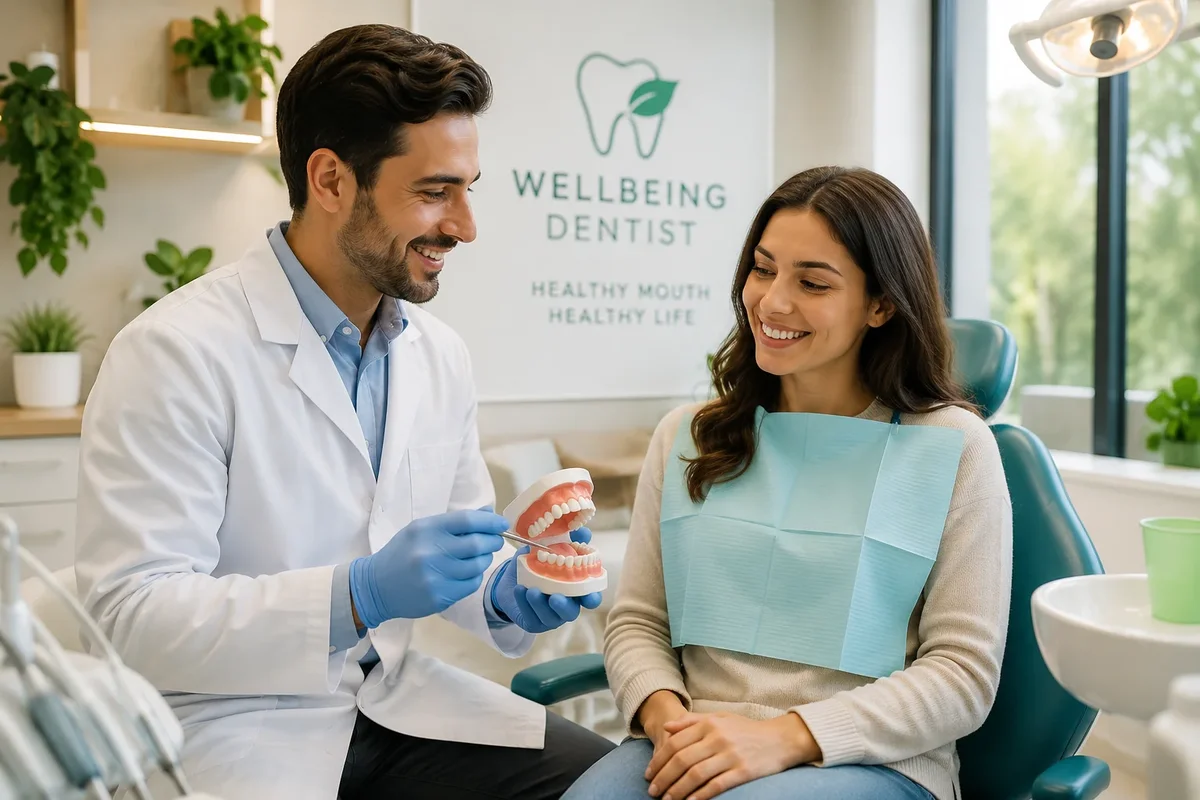
Preventive Care Strategies Used by a Wellbeing Dentist
Prevention is one of the most important foundations of modern dental care. Rather than waiting for dental problems to develop and require extensive treatment, a wellbeing dentist focuses on protecting oral health before issues arise. This proactive approach helps patients maintain healthy teeth, strong gums, and overall wellness throughout their lives. A wellbeing dentist understands that prevention is often more comfortable, more affordable, and more effective than treating advanced dental conditions.
The preventive philosophy embraced by a wellbeing dentist goes beyond simply avoiding cavities. It involves educating patients, promoting healthy lifestyle habits, identifying risk factors, and monitoring oral health regularly. By taking these steps, a wellbeing dentist helps reduce the likelihood of tooth loss, gum disease, oral infections, and other complications that can negatively affect overall health. 😊
Why Preventive Dentistry Matters
Many dental conditions develop gradually and may not cause noticeable symptoms during their early stages. Cavities, gum disease, enamel erosion, and oral infections often progress silently. A wellbeing dentist aims to detect these issues as early as possible when treatment is simpler and outcomes are generally more favorable.
Preventive care offers several important advantages:
- Reduced risk of serious dental problems
- Lower long-term treatment costs
- Improved oral health stability
- Better overall health outcomes
- Preservation of natural teeth
- Enhanced quality of life
Because oral health influences overall wellbeing, preventive care provided by a wellbeing dentist contributes to both dental and general health.
The Long-Term Value of Prevention
A wellbeing dentist views prevention as an investment in future health. Small preventive actions performed consistently can significantly reduce the likelihood of major dental treatments later in life.
For example, routine cleanings and examinations can identify plaque buildup, early decay, and gum inflammation before they become serious concerns. These simple preventive visits often save patients considerable time, discomfort, and expense in the future.
Regular Dental Examinations
Routine checkups are one of the most effective preventive strategies used by a wellbeing dentist. During these appointments, the dentist evaluates the teeth, gums, bite, jaw function, and soft tissues of the mouth.
A comprehensive examination performed by a wellbeing dentist may include:
- Assessment of tooth decay
- Evaluation of gum health
- Screening for oral cancer
- Review of oral hygiene habits
- Monitoring of previous dental work
- Assessment of bite alignment
- Evaluation of potential risk factors
Regular monitoring allows a wellbeing dentist to identify changes early and recommend appropriate interventions when necessary.
Professional Dental Cleanings
Even individuals who brush and floss consistently can benefit from professional cleanings. A wellbeing dentist understands that plaque and tartar can accumulate in areas that are difficult to clean at home.
Professional cleanings help:
- Remove plaque buildup
- Eliminate hardened tartar deposits
- Reduce gum inflammation
- Improve oral freshness
- Lower the risk of periodontal disease
- Support healthier gums
These cleanings form an essential component of preventive care and contribute significantly to long-term oral health.
Gum Disease Prevention
One of the primary goals of a wellbeing dentist is preventing periodontal disease. Gum disease remains one of the leading causes of tooth loss among adults worldwide.
By combining professional cleanings with personalized oral hygiene education, a wellbeing dentist helps patients protect their gums and maintain healthy supporting structures around the teeth.
Patient Education and Oral Hygiene Guidance
Education is a critical preventive strategy used by a wellbeing dentist. Patients who understand how to care for their teeth and gums are more likely to maintain healthy habits consistently.
A wellbeing dentist may provide guidance on:
- Proper brushing techniques
- Correct flossing methods
- Use of interdental cleaning tools
- Selection of oral hygiene products
- Dietary habits that support oral health
- Managing dry mouth symptoms
This personalized education empowers patients to take an active role in maintaining their oral health.
Nutritional Counseling and Lifestyle Recommendations
A wellbeing dentist understands that oral health is influenced by daily lifestyle choices. Nutrition, hydration, smoking habits, alcohol consumption, and stress management all play important roles.
Preventive recommendations often include:
- Reducing sugar intake
- Limiting acidic beverages
- Increasing water consumption
- Consuming calcium-rich foods
- Eating vitamin-rich fruits and vegetables
- Avoiding tobacco products
These lifestyle adjustments help support stronger teeth, healthier gums, and improved overall wellness.
The Role of Healthy Nutrition
A wellbeing dentist frequently discusses the impact of nutrition on oral health. Balanced diets provide essential nutrients that strengthen enamel, support gum tissue, and contribute to immune system function.
Healthy dietary habits can significantly reduce the risk of cavities and periodontal disease while supporting long-term wellbeing.
Advanced Preventive Technologies
Modern dental technology has enhanced preventive care significantly. A wellbeing dentist may use advanced diagnostic tools that improve the ability to identify potential problems before symptoms become noticeable.
Common technologies include:
- Digital radiography
- Intraoral cameras
- 3D imaging systems
- Laser diagnostic tools
- Digital oral health assessments
These technologies enable a wellbeing dentist to provide more accurate evaluations and personalized treatment recommendations.
Creating a Personalized Prevention Plan
Every patient has unique oral health needs. Factors such as age, medical history, lifestyle habits, and genetic predispositions influence risk levels. A wellbeing dentist develops customized prevention plans designed to address these individual factors.
Personalized plans may include specific hygiene recommendations, adjusted recall schedules, dietary guidance, and targeted preventive treatments. This individualized approach helps maximize long-term success.
Patients interested in preventive dental care and long-term oral wellness can learn more through the Redent Klinik Contact Page. Additional educational resources are available through the American Dental Association.
Ultimately, preventive care remains one of the most powerful tools available to a wellbeing dentist. Through regular examinations, professional cleanings, patient education, healthy lifestyle guidance, and modern diagnostic technologies, a wellbeing dentist helps patients maintain healthy smiles and reduce the risk of future dental complications. By focusing on prevention rather than reaction, a wellbeing dentist supports long-term oral health, overall wellness, and a higher quality of life. 🌟
Signs You Should Visit a Wellbeing Dentist Soon
Many dental problems develop gradually and may not cause immediate pain or discomfort. As a result, people often delay seeking professional care until symptoms become severe. A wellbeing dentist emphasizes the importance of recognizing early warning signs and addressing concerns before they progress into more complex conditions. Understanding when to schedule an appointment can help protect your oral health, improve overall wellbeing, and prevent costly treatments in the future.
A wellbeing dentist focuses on prevention and early intervention because many oral health issues can be managed more effectively when detected in their initial stages. By paying attention to changes in your teeth, gums, and overall oral health, you can take proactive steps that support long-term wellness. 😊
Persistent Tooth Pain or Sensitivity
One of the most obvious reasons to visit a wellbeing dentist is persistent tooth pain. While occasional mild sensitivity may not always indicate a serious problem, ongoing discomfort should never be ignored.
Tooth pain can result from several causes, including:
- Dental decay
- Cracked or fractured teeth
- Gum recession
- Dental infections
- Worn enamel
- Damaged restorations
A wellbeing dentist can identify the underlying cause and recommend appropriate treatment before the condition worsens.
Temperature Sensitivity That Persists
If your teeth react strongly to hot drinks, cold foods, or sweet beverages, it may indicate an underlying issue. A wellbeing dentist can evaluate whether sensitivity is related to enamel wear, gum recession, cavities, or other concerns that require professional attention.
Bleeding or Swollen Gums
Healthy gums should not bleed during brushing or flossing. If you notice blood regularly, it may be an early sign of gum disease. A wellbeing dentist considers gum health one of the most important indicators of overall oral wellness.
Warning signs include:
- Bleeding during brushing
- Red or swollen gums
- Persistent tenderness
- Gum recession
- Changes in gum appearance
Early-stage gum disease can often be managed effectively when treated promptly by a wellbeing dentist.
Why Gum Health Should Never Be Ignored
Untreated gum disease may eventually affect the structures supporting the teeth. A wellbeing dentist monitors gum health closely because healthy gums contribute significantly to both oral and overall wellbeing.
Regular examinations allow potential periodontal issues to be detected before significant damage occurs.
Persistent Bad Breath
Occasional bad breath is common, especially after consuming certain foods. However, chronic bad breath that persists despite brushing and mouthwash use may indicate an underlying oral health issue.
A wellbeing dentist often investigates causes such as:
- Gum disease
- Dental infections
- Plaque accumulation
- Dry mouth
- Poor oral hygiene habits
- Decaying teeth
Addressing the source of persistent bad breath can improve both oral health and self-confidence.
Loose Teeth or Changes in Bite Alignment
Adult teeth should remain stable and secure. If you notice movement, shifting, or changes in how your teeth fit together, you should schedule an appointment with a wellbeing dentist as soon as possible.
These symptoms may be associated with:
- Advanced gum disease
- Bone loss
- Trauma
- Teeth grinding
- Underlying oral health conditions
A wellbeing dentist can assess the situation and develop a treatment plan designed to preserve oral function and health.
Jaw Discomfort and Clicking Sounds
Jaw pain, tension, and clicking noises during chewing may indicate problems involving the temporomandibular joint. A wellbeing dentist can evaluate these symptoms and determine whether further treatment or monitoring is necessary.
Visible Changes in Your Teeth
Changes in tooth appearance often signal underlying concerns. A wellbeing dentist encourages patients to pay attention to visible signs that may require professional evaluation.
These changes may include:
- Dark spots on teeth
- White demineralization areas
- Cracks or chips
- Excessive wear
- Discoloration
- Changes in tooth shape
Early diagnosis allows a wellbeing dentist to provide conservative treatment options before more extensive procedures become necessary.
Dry Mouth and Oral Discomfort
Saliva plays a vital role in protecting oral tissues and maintaining a healthy balance within the mouth. Persistent dry mouth may increase the risk of cavities, gum disease, and oral infections.
A wellbeing dentist may investigate contributing factors such as:
- Medication side effects
- Medical conditions
- Dehydration
- Lifestyle habits
- Stress-related factors
Addressing dry mouth early helps maintain a healthier oral environment.
Mouth Sores That Do Not Heal
Occasional mouth ulcers are common, but any sore that persists for more than two weeks should be evaluated by a wellbeing dentist. Early assessment helps rule out potentially serious conditions and ensures appropriate management.
Long Gaps Between Dental Visits
Even if you are not experiencing obvious symptoms, regular examinations remain essential. A wellbeing dentist understands that many oral health issues develop silently and may not become noticeable until significant damage has occurred.
If it has been more than six to twelve months since your last examination, scheduling an appointment with a wellbeing dentist can help ensure that your oral health remains on track.
How a Wellbeing Dentist Detects Problems Early
One of the greatest benefits of visiting a wellbeing dentist regularly is the ability to identify concerns before they become serious. Routine assessments may include:
- Comprehensive oral examinations
- Digital imaging
- Gum health evaluations
- Oral cancer screenings
- Bite assessments
- Professional cleanings
These preventive measures allow a wellbeing dentist to monitor changes and recommend appropriate interventions as needed.
Patients seeking professional guidance and personalized preventive care can connect with specialists through the Redent Klinik Contact Page. Additional oral health information can be found through the American Dental Association.
Recognizing the early signs of oral health problems is one of the most effective ways to protect your smile and overall wellbeing. Whether you are experiencing pain, bleeding gums, bad breath, sensitivity, or simply have not visited a clinic recently, a wellbeing dentist can help identify concerns early and provide personalized recommendations. Through regular care, education, and preventive strategies, a wellbeing dentist supports healthier teeth, healthier gums, and a healthier future. 🌟
Modern Technologies That Enhance Patient Wellbeing
Technology has transformed virtually every aspect of healthcare, and dentistry is no exception. Today, a wellbeing dentist can utilize advanced technologies that improve diagnostic accuracy, treatment precision, patient comfort, and overall clinical outcomes. These innovations allow dental professionals to provide more personalized care while reducing discomfort and enhancing the patient experience.
The modern philosophy of a wellbeing dentist extends beyond simply treating oral health problems. It focuses on creating efficient, minimally invasive, and patient-centered solutions that support both oral and overall wellbeing. By integrating advanced technologies into daily practice, a wellbeing dentist can help patients receive higher-quality care with greater convenience and confidence. 😊
Why Technology Matters in Wellbeing Dentistry
Traditional dental methods remain effective, but modern technologies often provide additional advantages that improve both diagnosis and treatment. A wellbeing dentist uses these tools to identify problems earlier, develop more accurate treatment plans, and improve patient comfort throughout the care process.
Some of the primary benefits include:
- Earlier detection of oral health issues
- Improved treatment precision
- Enhanced patient comfort
- Reduced treatment times
- More predictable outcomes
- Improved communication and education
By embracing innovation, a wellbeing dentist can deliver care that supports long-term oral health and a more positive patient experience.
The Shift Toward Patient-Centered Care
Modern technology allows a wellbeing dentist to focus more closely on individual patient needs. Personalized treatment planning, digital visualization, and minimally invasive techniques all contribute to a healthcare experience that feels more comfortable and supportive.
Digital X-Rays and Advanced Imaging
One of the most significant advancements used by a wellbeing dentist is digital radiography. Compared to traditional film-based X-rays, digital systems provide highly detailed images while improving efficiency.
Digital imaging offers several advantages:
- High-quality diagnostic images
- Immediate image availability
- Enhanced diagnostic accuracy
- Simplified image storage and sharing
- Improved treatment planning
A wellbeing dentist can use these detailed images to detect issues such as cavities, bone loss, impacted teeth, infections, and other conditions at earlier stages.
Three-Dimensional Imaging
Advanced 3D imaging systems provide a comprehensive view of oral structures. A wellbeing dentist may utilize these technologies when planning complex treatments involving implants, oral surgery, or orthodontics.
The ability to visualize structures in three dimensions enhances safety, precision, and predictability throughout the treatment process.
Intraoral Cameras for Better Patient Understanding
Patient education plays a major role in the philosophy of a wellbeing dentist. Intraoral cameras allow patients to view detailed images of their own teeth and gums on a monitor during appointments.
This technology helps patients:
- Understand oral health conditions
- Visualize treatment needs
- Participate in decision-making
- Monitor progress over time
- Develop greater awareness of oral health
A wellbeing dentist uses these visual tools to improve communication and empower patients with knowledge about their oral health.
Digital Impressions and Improved Comfort
Traditional dental impressions can sometimes be uncomfortable, especially for patients with sensitive gag reflexes. A wellbeing dentist may utilize digital scanning technology to create highly accurate virtual impressions of the teeth and oral structures.
Benefits of digital impressions include:
- Enhanced patient comfort
- Improved accuracy
- Faster treatment workflows
- Reduced need for retakes
- Better fitting restorations
This technology improves both patient satisfaction and treatment outcomes.
Precision Restorative Dentistry
Digital impression systems allow a wellbeing dentist to design restorations with exceptional accuracy. Crowns, bridges, aligners, and other appliances can often be fabricated more precisely than with traditional methods.
Laser Dentistry and Minimally Invasive Care
Laser technology has introduced new possibilities for comfortable and efficient treatment. A wellbeing dentist may use lasers for certain soft tissue and hard tissue procedures.
Potential benefits include:
- Reduced discomfort
- Improved precision
- Minimal tissue trauma
- Faster healing
- Reduced bleeding during procedures
Although lasers are not appropriate for every situation, they can enhance patient comfort when suitable.
Artificial Intelligence and Modern Diagnostics
Emerging technologies are helping a wellbeing dentist analyze diagnostic information more efficiently. Artificial intelligence tools can assist in identifying patterns that may indicate early disease or treatment needs.
While professional judgment remains essential, these systems provide valuable support that may improve diagnostic accuracy and consistency.
Early Detection and Prevention
A key goal of a wellbeing dentist is preventing problems before they become serious. Technologies that enhance early detection align perfectly with this preventive philosophy.
Earlier diagnosis often means simpler treatment, lower costs, and better long-term outcomes for patients.
How Technology Reduces Dental Anxiety
Many individuals experience anxiety when visiting a dental clinic. Modern innovations can help create a more comfortable experience. A wellbeing dentist often incorporates technology that minimizes discomfort and improves patient confidence.
Examples include:
- More precise diagnostics
- Less invasive procedures
- Shorter treatment times
- Improved patient education
- Enhanced communication
When patients better understand their treatment and experience greater comfort, they are often more willing to maintain regular dental care.
The Future of Wellbeing Dentistry
The future of dentistry will likely continue to focus on personalized, preventive, and technology-driven care. A wellbeing dentist remains committed to adopting innovations that improve patient experiences while supporting long-term oral health.
As technology advances, patients can expect even more precise diagnostics, improved comfort, enhanced preventive strategies, and increasingly individualized treatment plans.
Patients interested in modern, patient-focused dental care can learn more through the Redent Klinik Contact Page. Additional information about dental technologies and oral health standards can be found through the American Dental Association.
Ultimately, technology serves as a powerful tool that helps a wellbeing dentist deliver exceptional care. From digital imaging and intraoral cameras to laser dentistry and advanced diagnostics, these innovations support healthier smiles, greater comfort, and improved overall wellbeing. By combining clinical expertise with modern technology, a wellbeing dentist creates a more effective, patient-centered approach to oral healthcare that benefits individuals for years to come. 🌟
Creating a Stress-Free Dental Experience for Patients
For many people, visiting a dental clinic can be a source of anxiety. Some patients worry about discomfort, while others feel nervous due to previous negative experiences or fear of the unknown. A wellbeing dentist understands that emotional comfort is an essential part of high-quality dental care. Beyond treating teeth and gums, a wellbeing dentist focuses on creating a supportive, welcoming, and stress-free environment that encourages patients to seek regular care without fear.
Reducing stress during dental visits is not simply about improving comfort. Anxiety can prevent people from attending appointments, which may allow minor oral health problems to develop into serious conditions. A wellbeing dentist aims to eliminate barriers that discourage patients from maintaining their oral health. Through compassionate communication, personalized treatment approaches, and patient-centered care, a wellbeing dentist helps individuals feel more confident and relaxed throughout every stage of treatment. 😊
Understanding Dental Anxiety
Dental anxiety is extremely common and affects people of all ages. Some individuals experience mild nervousness before appointments, while others may avoid dental care entirely because of fear.
A wellbeing dentist recognizes that anxiety can arise from various factors, including:
- Previous negative dental experiences
- Fear of pain or discomfort
- Concerns about treatment outcomes
- Embarrassment regarding oral health conditions
- Sensitivity to dental sounds or smells
- Fear of injections or procedures
Rather than dismissing these concerns, a wellbeing dentist works closely with patients to understand their fears and develop strategies that promote comfort and trust.
Why Addressing Anxiety Matters
Untreated dental anxiety often leads to delayed appointments and neglected oral health. A wellbeing dentist understands that helping patients feel comfortable can significantly improve long-term oral health outcomes.
Patients who experience less anxiety are generally more likely to attend routine examinations, follow preventive recommendations, and seek treatment before problems become severe.
The Importance of Communication
Clear communication is one of the most effective tools used by a wellbeing dentist. Patients often feel more relaxed when they understand what to expect during their appointments.
A wellbeing dentist typically takes time to:
- Explain procedures in simple language
- Answer questions thoroughly
- Discuss treatment options openly
- Review potential outcomes
- Address specific concerns
- Encourage patient participation
When patients feel informed and involved, they often experience greater confidence and reduced stress throughout the treatment process.
Building Trust Through Transparency
Trust is a cornerstone of wellbeing-focused dentistry. A wellbeing dentist prioritizes honesty and transparency when discussing oral health conditions and treatment recommendations.
This collaborative approach helps patients feel respected and supported rather than pressured into decisions they may not fully understand.
Creating a Comfortable Clinical Environment
The physical environment of a dental clinic can significantly influence patient comfort. A wellbeing dentist often considers every aspect of the patient experience, from the waiting area to the treatment room.
Comfort-focused environments may include:
- Welcoming reception areas
- Calm and organized treatment spaces
- Friendly staff interactions
- Comfortable seating
- Reduced noise levels
- Patient-centered service practices
These seemingly small details can make a meaningful difference in reducing stress and promoting positive experiences.
Personalized Treatment Planning
Every patient has unique concerns, health goals, and comfort preferences. A wellbeing dentist recognizes that individualized care is essential for creating a stress-free experience.
Personalized treatment planning may involve:
- Adjusting appointment lengths
- Scheduling breaks during procedures
- Prioritizing patient comfort concerns
- Creating gradual treatment plans
- Providing additional explanations when needed
By tailoring care to individual needs, a wellbeing dentist helps patients feel more in control of their treatment journey.
The Value of Patient Empowerment
A wellbeing dentist encourages patients to participate actively in their care decisions. Empowerment reduces feelings of helplessness and promotes greater confidence during appointments.
Patients who understand their options and feel involved in planning often report more positive experiences overall.
How Modern Technology Reduces Stress
Advances in dental technology have significantly improved patient comfort. A wellbeing dentist frequently uses modern tools that reduce discomfort and enhance treatment efficiency.
Examples include:
- Digital imaging systems
- Intraoral scanners
- Laser-assisted procedures
- Minimally invasive techniques
- Advanced diagnostic technologies
These innovations often result in shorter appointments, greater accuracy, and improved patient experiences.
The Role of Preventive Care in Reducing Anxiety
One of the most effective ways to minimize dental stress is through prevention. A wellbeing dentist emphasizes regular checkups and cleanings because preventive care helps reduce the likelihood of complex treatments later.
Patients who maintain routine visits often benefit from:
- Earlier detection of problems
- Less invasive treatments
- Lower treatment costs
- Greater familiarity with the dental environment
- Improved confidence during appointments
This proactive approach supports both oral health and emotional wellbeing.
Consistency Builds Confidence
Regular visits help establish trust between patients and their wellbeing dentist. Familiarity with the dental team and treatment process often reduces anxiety over time.
As confidence grows, many patients find dental appointments become a routine part of their healthcare rather than a source of stress.
The Long-Term Benefits of a Stress-Free Approach
A wellbeing dentist understands that emotional comfort contributes directly to better oral health outcomes. Patients who feel relaxed and supported are more likely to maintain preventive care habits, follow treatment recommendations, and seek help when concerns arise.
This patient-centered philosophy creates a positive cycle in which improved experiences lead to greater engagement, healthier habits, and better long-term results.
Patients interested in personalized and comfort-focused dental care can connect with professionals through the Redent Klinik Contact Page. Additional information about patient-centered oral healthcare is available through the American Dental Association.
Ultimately, creating a stress-free dental experience is one of the defining characteristics of a wellbeing dentist. Through compassionate communication, comfortable environments, modern technologies, personalized treatment planning, and preventive care strategies, a wellbeing dentist helps patients overcome anxiety and build positive relationships with oral healthcare. This holistic approach not only improves comfort during appointments but also supports lifelong oral health and overall wellbeing. 🌟
Daily Habits Recommended by a Wellbeing Dentist
Maintaining excellent oral health requires much more than occasional dental visits. While professional care is important, the habits practiced every day have the greatest influence on long-term oral wellness. A wellbeing dentist focuses heavily on preventive care and patient education because daily routines play a crucial role in protecting teeth, gums, and overall health. By following the recommendations of a wellbeing dentist, individuals can significantly reduce their risk of dental problems while supporting their general wellbeing.
The philosophy of a wellbeing dentist emphasizes consistency rather than perfection. Small healthy habits performed regularly often produce better results than occasional intensive efforts. Daily oral care routines, balanced nutrition, hydration, and lifestyle choices all contribute to maintaining a healthy smile for years to come. 😊
Brushing Teeth Properly Every Day
One of the most fundamental recommendations from a wellbeing dentist is brushing teeth thoroughly at least twice each day. Brushing helps remove plaque, food particles, and bacteria that accumulate on tooth surfaces throughout the day.
A wellbeing dentist typically recommends:
- Brushing for at least two minutes
- Using a soft-bristled toothbrush
- Cleaning all tooth surfaces carefully
- Replacing toothbrushes regularly
- Using fluoride-containing toothpaste when appropriate
Consistent brushing helps prevent cavities, gum disease, and bad breath while supporting long-term oral health.
Common Brushing Mistakes to Avoid
A wellbeing dentist often sees patients who brush regularly but still experience dental issues because of incorrect technique.
Common mistakes include:
- Brushing too aggressively
- Brushing for too short a time
- Neglecting gumline areas
- Using worn toothbrushes
- Skipping nighttime brushing
Correcting these habits can greatly improve oral hygiene effectiveness.
Daily Flossing and Interdental Cleaning
A wellbeing dentist understands that brushing alone cannot adequately clean the spaces between teeth. Food particles and plaque often accumulate in these areas, increasing the risk of cavities and gum inflammation.
Daily flossing helps:
- Remove plaque between teeth
- Reduce gum irritation
- Lower cavity risk
- Support healthier gums
- Improve oral freshness
Many patients notice significant improvements in gum health after consistently following interdental cleaning recommendations from a wellbeing dentist.
Maintaining a Balanced Diet
Nutrition plays a major role in oral health. A wellbeing dentist frequently educates patients about how dietary choices influence the condition of teeth and gums.
Foods that support oral health often include:
- Dairy products rich in calcium
- Leafy green vegetables
- Fresh fruits
- Lean proteins
- Nuts and seeds
- Whole grains
These foods provide essential nutrients that help strengthen enamel, support gum tissue, and contribute to overall wellbeing.
Limiting Sugar Consumption
A wellbeing dentist commonly advises reducing the frequency of sugary snacks and beverages. Oral bacteria use sugars as a food source, producing acids that can damage enamel and contribute to cavity formation.
Limiting sugar exposure throughout the day helps maintain a healthier oral environment and reduces the risk of dental decay.
Staying Properly Hydrated
Hydration is another important recommendation from a wellbeing dentist. Water supports saliva production, which plays a vital role in protecting oral tissues.
Saliva helps:
- Neutralize acids
- Wash away food debris
- Support enamel health
- Reduce bacterial accumulation
- Maintain oral comfort
A wellbeing dentist often encourages patients to choose water over sugary drinks whenever possible.
Avoiding Tobacco Products
Tobacco use can have serious consequences for oral health. A wellbeing dentist strongly recommends avoiding smoking and other tobacco products due to their association with numerous oral health concerns.
Potential effects include:
- Gum disease
- Delayed healing
- Tooth discoloration
- Persistent bad breath
- Increased oral cancer risk
- Compromised immune response
Eliminating tobacco use is one of the most beneficial lifestyle changes patients can make for both oral and overall health.
The Benefits of Healthy Lifestyle Choices
A wellbeing dentist recognizes that oral health reflects broader lifestyle habits. Exercise, stress management, proper sleep, and balanced nutrition all contribute to maintaining a healthier body and a healthier mouth.
These positive habits often work together to support long-term wellbeing.
Scheduling Regular Dental Checkups
Even the best home care routine should be supported by professional evaluations. A wellbeing dentist recommends regular examinations and cleanings to identify potential issues before they become serious.
Routine visits allow a wellbeing dentist to:
- Monitor oral health changes
- Remove plaque and tartar
- Assess gum health
- Screen for oral diseases
- Provide personalized recommendations
These appointments form a critical component of preventive care.
Managing Stress for Better Oral Health
Stress can negatively affect oral health in several ways. A wellbeing dentist often observes stress-related habits such as teeth grinding, jaw clenching, and neglect of oral hygiene routines.
Healthy stress management techniques may include:
- Regular exercise
- Relaxation practices
- Adequate sleep
- Mindfulness activities
- Balanced daily routines
Managing stress effectively supports both emotional wellbeing and oral health stability.
Building Lifelong Healthy Habits
The ultimate goal of a wellbeing dentist is helping patients establish sustainable routines that support lifelong oral wellness. Consistency matters far more than occasional intensive efforts.
Patients who maintain healthy daily habits often experience fewer dental problems, lower treatment needs, and improved overall quality of life.
Individuals interested in preventive care and personalized oral health guidance can learn more through the Redent Klinik Contact Page. Additional educational resources are available through the American Dental Association.
Ultimately, daily habits form the foundation of excellent oral health. By following the recommendations of a wellbeing dentist, including proper brushing, flossing, balanced nutrition, hydration, stress management, and routine dental visits, patients can enjoy healthier teeth, healthier gums, and improved overall wellbeing. The guidance provided by a wellbeing dentist empowers individuals to take control of their oral health and build habits that support a confident, healthy smile for life. 🌟
Choosing the Right Wellbeing Dentist for Long-Term Care
Selecting the right dental professional is one of the most important decisions you can make for your oral health and overall wellbeing. While many clinics provide routine dental services, a wellbeing dentist offers a more comprehensive and patient-centered approach that focuses on prevention, education, comfort, and long-term wellness. Choosing a wellbeing dentist who aligns with your needs can help you maintain healthier teeth, healthier gums, and greater confidence throughout every stage of life.
A strong relationship with a wellbeing dentist goes beyond occasional treatments. It involves ongoing collaboration, trust, and personalized guidance designed to support lifelong oral health. Because oral health is closely connected to overall physical and emotional wellbeing, selecting the right provider can have lasting benefits that extend far beyond the dental chair. 😊
What Makes a Wellbeing Dentist Different?
A wellbeing dentist takes a holistic view of patient care. Rather than focusing exclusively on treating existing dental problems, a wellbeing dentist emphasizes prevention, education, and personalized treatment planning.
Key characteristics often include:
- Strong focus on preventive care
- Patient-centered communication
- Comprehensive oral health evaluations
- Emphasis on long-term wellness
- Comfort-focused treatment approaches
- Commitment to ongoing patient education
These qualities help patients feel supported while encouraging proactive management of oral health.
The Importance of a Holistic Perspective
A wellbeing dentist understands that oral health is closely linked to nutrition, stress levels, sleep quality, lifestyle habits, and overall medical health. This broader perspective allows for more comprehensive care and better long-term outcomes.
Patients often benefit from recommendations that address not only dental concerns but also habits that influence total wellbeing.
Evaluating Professional Qualifications and Experience
One of the first steps when selecting a wellbeing dentist is reviewing their professional qualifications and clinical experience. While credentials alone do not guarantee an exceptional patient experience, they provide valuable insight into a dentist’s training and commitment to professional development.
Patients may wish to consider:
- Educational background
- Continuing education activities
- Professional memberships
- Areas of clinical expertise
- Experience with preventive dentistry
- Commitment to evidence-based care
A dedicated wellbeing dentist often remains current with advances in dental science and patient care practices.
Assessing Communication and Patient Support
Effective communication is one of the most important qualities of a wellbeing dentist. Patients should feel comfortable asking questions, discussing concerns, and participating in treatment decisions.
A patient-focused wellbeing dentist typically:
- Listens carefully to patient concerns
- Provides clear explanations
- Discusses treatment options openly
- Encourages informed decision-making
- Creates realistic treatment plans
- Respects patient preferences
Strong communication helps build trust and creates a more positive healthcare experience.
Why Trust Matters in Long-Term Care
Long-term oral health often depends on consistency. A wellbeing dentist who establishes trust can help patients feel more comfortable attending regular appointments and following preventive recommendations.
This relationship supports better continuity of care and more effective management of oral health over time.
Considering Technology and Modern Treatment Approaches
Many patients value clinics that incorporate advanced technology into their care. A wellbeing dentist often utilizes modern diagnostic and treatment tools to improve patient comfort and treatment accuracy.
Examples may include:
- Digital imaging systems
- Intraoral cameras
- Digital impression technology
- Advanced preventive diagnostics
- Laser-assisted procedures
- Comprehensive treatment planning software
These technologies can contribute to more efficient, comfortable, and predictable treatment experiences.
Evaluating the Clinic Environment
The atmosphere of a dental clinic can significantly affect patient comfort. A wellbeing dentist recognizes that a welcoming environment contributes to reduced anxiety and improved patient experiences.
Patients may wish to observe:
- Cleanliness and organization
- Professionalism of staff
- Patient-centered service practices
- Comfort of waiting areas
- Overall clinic atmosphere
A positive environment often reflects a commitment to patient wellbeing and quality care.
Supporting Patients With Dental Anxiety
A wellbeing dentist understands that many individuals experience anxiety about dental visits. Clinics that prioritize comfort, communication, and emotional support often create better experiences for nervous patients.
These efforts can help patients maintain regular care and avoid delaying treatment.
The Value of Preventive Care Philosophy
One of the most important factors when choosing a wellbeing dentist is their commitment to prevention. Preventive care helps reduce the risk of future dental problems while supporting long-term health.
A prevention-focused wellbeing dentist commonly emphasizes:
- Routine examinations
- Professional cleanings
- Patient education
- Nutritional guidance
- Oral hygiene instruction
- Early disease detection
This proactive approach often results in healthier smiles and fewer invasive treatments over time.
Building a Lifelong Partnership With a Wellbeing Dentist
Choosing a wellbeing dentist is not simply about finding someone to perform occasional procedures. It is about establishing a long-term partnership focused on maintaining health and wellness.
A trusted wellbeing dentist becomes familiar with your oral health history, risk factors, goals, and preferences. This knowledge allows for increasingly personalized care as the relationship develops.
Over time, patients often benefit from:
- Consistent preventive care
- Early detection of changes
- Personalized recommendations
- Improved treatment planning
- Greater confidence in healthcare decisions
This continuity of care contributes significantly to long-term oral health success.
Making the Final Decision
When selecting a wellbeing dentist, it is important to consider qualifications, communication style, preventive philosophy, patient comfort, and overall approach to care. The ideal choice is often a professional who values both clinical excellence and patient wellbeing.
Patients interested in personalized, prevention-focused dental care can connect with specialists through the Redent Klinik Contact Page. Additional oral health information and professional resources are available through the American Dental Association.
Ultimately, choosing the right wellbeing dentist can have a profound impact on your long-term health. Through preventive care, personalized treatment planning, modern technologies, compassionate communication, and ongoing support, a wellbeing dentist helps patients maintain healthy smiles and healthier lives. By establishing a trusted partnership with a wellbeing dentist, individuals can enjoy greater confidence, improved oral health, and enhanced overall wellbeing for many years to come. 🌟