Wellbeing Dentistry: A Complete Guide to Holistic Oral Health

wellbeing dentistry

Wellbeing dentistry is transforming the way patients think about oral care by shifting the focus from simply treating teeth to supporting the overall health, comfort, and lifestyle of the individual. Unlike conventional dental approaches that often concentrate only on diagnosing and fixing problems, wellbeing dentistry takes a broader, patient-centered view. It recognizes that your oral health is deeply connected to your physical, emotional, and even mental wellbeing. This modern philosophy combines advanced dental science with a holistic perspective to create a more balanced and personalized care experience.

At its core, wellbeing dentistry emphasizes prevention, minimally invasive treatments, and the use of biocompatible materials that are safe for the body. This approach not only protects your teeth and gums but also ensures that dental procedures do not negatively impact your overall health. Patients who choose wellbeing dentistry often report feeling more relaxed, informed, and in control of their treatment journey, which is an essential part of achieving long-term oral health success. 😊

One of the most important aspects of wellbeing dentistry is its focus on the connection between oral health and systemic health. Scientific research continues to show links between dental issues and conditions such as heart disease, diabetes, and chronic inflammation. By addressing oral health problems early and comprehensively, wellbeing dentistry helps reduce these risks and supports better overall health outcomes. This makes wellbeing dentistry not just about having a beautiful smile, but also about maintaining a healthier body.

Another key element of wellbeing dentistry is patient comfort and stress reduction. Dental anxiety is a common concern for many individuals, often preventing them from seeking necessary care. Wellbeing dentistry addresses this by creating a calming environment, using gentle techniques, and sometimes incorporating relaxation methods such as guided breathing or sedation options when needed. This approach ensures that patients feel safe and comfortable during every visit, making it easier to maintain regular dental check-ups.

Wellbeing dentistry also places a strong emphasis on education and prevention. Instead of waiting for problems to develop, dentists guide patients on how to maintain optimal oral hygiene at home. This includes personalized advice on brushing techniques, dietary habits, and lifestyle choices that can affect oral health. By empowering patients with knowledge, wellbeing dentistry encourages proactive care and reduces the need for complex treatments in the future.

In addition to preventive care, wellbeing dentistry integrates advanced technologies and modern treatment methods. Digital imaging, laser dentistry, and minimally invasive procedures are commonly used to enhance accuracy and comfort. These innovations not only improve treatment outcomes but also reduce recovery times, allowing patients to return to their daily routines more quickly. This blend of technology and holistic care is what sets wellbeing dentistry apart from traditional practices.

Aesthetic considerations are also an important part of wellbeing dentistry. A healthy smile contributes significantly to self-confidence and emotional wellbeing. Treatments such as teeth whitening, orthodontics, and cosmetic restorations are designed to enhance the natural appearance of teeth while maintaining their health and function. In wellbeing dentistry, aesthetics are never prioritized at the expense of health; instead, both are carefully balanced to achieve the best possible results.

Furthermore, wellbeing dentistry often incorporates principles of holistic dentistry, which focuses on treating the whole person rather than just the symptoms. This may include evaluating lifestyle factors, nutrition, and stress levels that could influence oral health. By addressing these underlying factors, wellbeing dentistry provides a more comprehensive and sustainable approach to care.

Choosing wellbeing dentistry means investing in a long-term partnership with your dental provider. It is about building trust, understanding your unique needs, and receiving care that aligns with your overall health goals. Whether you are seeking preventive care, restorative treatments, or cosmetic improvements, wellbeing dentistry offers a balanced and thoughtful approach that prioritizes your wellbeing at every step.

In summary, wellbeing dentistry is more than just a dental trend—it is a complete philosophy that integrates oral health with overall wellness. By focusing on prevention, patient comfort, advanced technology, and holistic care, wellbeing dentistry provides a comprehensive solution for maintaining a healthy smile and a healthier life. If you are looking for a more personalized and health-conscious approach to dental care, wellbeing dentistry may be the ideal choice for you. 🦷✨

What Is Wellbeing Dentistry and Why It Matters

Wellbeing dentistry is a modern, patient-centered approach that goes far beyond traditional dental care by focusing on the complete health and comfort of the individual. Instead of treating dental problems in isolation, wellbeing dentistry considers how oral health is connected to the entire body, including physical, emotional, and even psychological wellbeing. This comprehensive philosophy ensures that every treatment supports not only a healthier smile but also a better quality of life. 😊

Understanding the Core Concept of Wellbeing Dentistry

At its foundation, wellbeing dentistry is built on the principle that oral health plays a crucial role in overall wellness. The mouth is often referred to as the gateway to the body, and issues such as gum disease, infections, or chronic inflammation can have a direct impact on systemic health. Wellbeing dentistry addresses these concerns proactively, aiming to prevent complications before they develop into more serious conditions.

Unlike conventional dentistry, which often focuses on treating symptoms, wellbeing dentistry emphasizes prevention, education, and minimally invasive care. Dentists practicing wellbeing dentistry take the time to understand each patient’s lifestyle, habits, and health history. This personalized approach allows for tailored treatment plans that align with the patient’s overall wellbeing goals.

Holistic Perspective in Wellbeing Dentistry

One of the defining features of wellbeing dentistry is its holistic perspective. This means that dental professionals consider factors such as diet, stress levels, sleep patterns, and general health when evaluating oral conditions. For example, stress can lead to teeth grinding (bruxism), while poor nutrition can weaken enamel and increase the risk of cavities. By addressing these underlying causes, wellbeing dentistry provides more sustainable and effective solutions.

Why Wellbeing Dentistry Matters in Today’s World

In today’s fast-paced lifestyle, many individuals neglect their oral health due to stress, busy schedules, or dental anxiety. Wellbeing dentistry plays a vital role in changing this pattern by making dental care more accessible, comfortable, and patient-friendly. The focus on comfort and relaxation helps reduce fear, encouraging more people to seek regular dental check-ups and maintain consistent oral hygiene.

Additionally, wellbeing dentistry is essential because it bridges the gap between oral health and general health. Studies have shown that conditions like gum disease are linked to heart disease, diabetes, and respiratory issues. By integrating preventive care and early intervention, wellbeing dentistry helps reduce these risks and promotes overall health stability.

Connection Between Oral Health and Systemic Health

The importance of wellbeing dentistry becomes even clearer when considering the strong connection between the mouth and the rest of the body. Bacteria from untreated dental infections can enter the bloodstream and contribute to inflammation in other areas. Wellbeing dentistry focuses on eliminating these risks through early diagnosis, proper hygiene practices, and safe treatment methods.

Key Principles That Define Wellbeing Dentistry

Wellbeing dentistry is guided by several core principles that distinguish it from traditional approaches:

  • Prevention First: Emphasis on regular check-ups, cleanings, and early detection of issues.
  • Minimally Invasive Treatments: Preserving as much natural tooth structure as possible.
  • Biocompatible Materials: Using safe, non-toxic materials that are compatible with the body.
  • Patient Comfort: Creating a stress-free environment with gentle techniques.
  • Education and Empowerment: Helping patients understand and manage their oral health effectively.

These principles ensure that wellbeing dentistry not only treats existing problems but also prevents future complications, making it a proactive and sustainable approach to dental care.

Emotional and Psychological Benefits of Wellbeing Dentistry

Another reason wellbeing dentistry matters is its positive impact on mental and emotional health. Many people experience anxiety or fear when visiting the dentist, which can lead to delayed treatments and worsening conditions. Wellbeing dentistry addresses this issue by prioritizing patient comfort and communication.

Calming clinic environments, compassionate staff, and personalized care plans help patients feel more at ease. When patients are relaxed, they are more likely to follow through with treatments and maintain regular dental visits. This not only improves oral health but also boosts confidence and reduces stress associated with dental care. ✨

Building Trust Through Wellbeing Dentistry

Trust is a fundamental aspect of wellbeing dentistry. Dentists take the time to explain procedures, discuss options, and involve patients in decision-making. This collaborative approach builds confidence and ensures that patients feel respected and understood throughout their treatment journey.

The Long-Term Value of Wellbeing Dentistry

Choosing wellbeing dentistry is an investment in long-term health. By focusing on prevention and early intervention, patients can avoid complex and costly procedures in the future. Regular monitoring and personalized care plans help maintain optimal oral health over time.

Furthermore, wellbeing dentistry supports a healthier lifestyle by encouraging better habits such as proper nutrition, effective oral hygiene routines, and stress management. These benefits extend beyond the dental chair, contributing to improved overall wellbeing and a higher quality of life.

In conclusion, wellbeing dentistry is a comprehensive and forward-thinking approach that prioritizes the health, comfort, and happiness of the patient. By integrating advanced dental techniques with a holistic perspective, wellbeing dentistry ensures that oral care becomes an essential part of overall wellness. For anyone seeking a more balanced and health-focused approach to dental care, wellbeing dentistry offers a truly transformative experience. 🦷🌿

Key Benefits of Wellbeing Dentistry for Overall Health

Wellbeing dentistry offers a wide range of benefits that extend far beyond maintaining a clean and attractive smile. This advanced approach focuses on the complete health of the individual, ensuring that oral care contributes positively to physical, emotional, and even mental wellbeing. By integrating modern dental science with a holistic philosophy, wellbeing dentistry helps patients achieve long-term health outcomes while enjoying a more comfortable and personalized dental experience. 😊

Improved Physical Health Through Wellbeing Dentistry

One of the most significant advantages of wellbeing dentistry is its direct impact on physical health. The mouth is closely connected to the rest of the body, and untreated oral issues can lead to serious systemic conditions. Wellbeing dentistry prioritizes early detection and prevention, reducing the risk of infections, inflammation, and chronic diseases.

Reducing the Risk of Systemic Diseases

Research has shown that poor oral health is linked to conditions such as heart disease, diabetes, and respiratory infections. Wellbeing dentistry addresses these risks by maintaining healthy gums and preventing bacterial buildup. By managing oral health effectively, wellbeing dentistry supports overall body health and reduces the likelihood of complications.

Stronger Immune System Support

Chronic oral infections can weaken the immune system over time. Wellbeing dentistry focuses on eliminating these issues early, allowing the body to function more efficiently. A healthy mouth contributes to a stronger immune response, helping the body fight off illnesses more effectively.

Enhanced Mental and Emotional Wellbeing

Wellbeing dentistry also plays a crucial role in improving mental and emotional health. Dental anxiety is a common concern that prevents many individuals from seeking care. By creating a calm and supportive environment, wellbeing dentistry helps patients feel more relaxed and confident during their visits.

Reducing Dental Anxiety

Modern wellbeing dentistry practices often include relaxation techniques, gentle treatment methods, and clear communication. These elements help reduce fear and create a positive dental experience. Patients who feel comfortable are more likely to maintain regular check-ups, leading to better oral health outcomes.

Boosting Self-Confidence

A healthy and attractive smile has a significant impact on self-esteem. Wellbeing dentistry focuses on both function and aesthetics, ensuring that patients feel confident in their appearance. Whether through preventive care or cosmetic improvements, wellbeing dentistry helps individuals achieve a smile they are proud of. ✨

Minimally Invasive and Safer Treatments

Another key benefit of wellbeing dentistry is its emphasis on minimally invasive procedures. This approach aims to preserve as much natural tooth structure as possible while delivering effective results. Patients experience less discomfort, faster recovery times, and improved long-term outcomes.

Use of Biocompatible Materials

Wellbeing dentistry prioritizes the use of materials that are safe and compatible with the human body. This reduces the risk of allergic reactions or adverse effects. By choosing non-toxic and durable materials, wellbeing dentistry ensures that treatments support overall health rather than compromise it.

Advanced Technology Integration

Digital imaging, laser treatments, and precision tools are commonly used in wellbeing dentistry. These technologies enhance accuracy and reduce the need for invasive procedures. Patients benefit from more efficient treatments and improved comfort throughout the process.

Preventive Focus for Long-Term Health

Prevention is a cornerstone of wellbeing dentistry. Instead of waiting for problems to arise, this approach emphasizes regular check-ups, professional cleanings, and patient education. By identifying issues early, wellbeing dentistry helps avoid complex and costly treatments in the future.

Personalized Oral Care Plans

Each patient is unique, and wellbeing dentistry reflects this by offering customized care plans. Dentists assess individual needs, lifestyle factors, and health conditions to create tailored strategies. This personalized approach ensures that patients receive the most effective care for their specific situation.

Education and Lifestyle Guidance

Wellbeing dentistry goes beyond clinical treatments by educating patients on proper oral hygiene and healthy habits. Guidance on diet, stress management, and daily routines helps maintain optimal oral health. Patients become active participants in their care, leading to better long-term results.

Holistic Approach to Total Wellness

One of the defining features of wellbeing dentistry is its holistic approach. This means considering the entire body and lifestyle when planning treatments. Factors such as nutrition, stress levels, and sleep patterns are taken into account to ensure comprehensive care.

Addressing Root Causes

Instead of simply treating symptoms, wellbeing dentistry focuses on identifying and addressing the underlying causes of oral health issues. For example, teeth grinding may be linked to stress, while gum disease may be influenced by diet. By targeting these root causes, wellbeing dentistry provides more sustainable solutions.

Supporting Overall Lifestyle Improvement

Wellbeing dentistry encourages healthier lifestyle choices that benefit both oral and general health. Patients often adopt better habits, such as improved nutrition and stress management, as part of their treatment journey. This holistic approach leads to a higher quality of life and long-lasting wellbeing. 🌿

Long-Term Cost Efficiency of Wellbeing Dentistry

While some may assume that wellbeing dentistry is more expensive, it often proves to be cost-effective in the long run. Preventive care and early intervention reduce the need for complex procedures, saving both time and money.

Fewer Emergency Treatments

By maintaining regular check-ups and addressing issues early, wellbeing dentistry minimizes the risk of dental emergencies. This reduces unexpected expenses and ensures a more predictable care routine.

Durable and Sustainable Results

Treatments in wellbeing dentistry are designed to last longer and provide stable outcomes. High-quality materials and advanced techniques contribute to durability, reducing the need for frequent replacements or repairs.

In conclusion, wellbeing dentistry offers a comprehensive range of benefits that support both oral and overall health. From improved physical wellbeing and enhanced emotional comfort to preventive care and long-term cost savings, this approach represents a modern and effective way to maintain a healthy smile. By choosing wellbeing dentistry, patients invest in a balanced, sustainable, and health-focused dental experience that goes far beyond traditional care. 🦷💚

How Wellbeing Dentistry Improves Mental and Emotional Wellness

Wellbeing dentistry is not only about maintaining healthy teeth and gums; it also plays a powerful role in supporting mental and emotional wellness. Many people underestimate how closely oral health is connected to psychological wellbeing, yet the link is undeniable. Pain, discomfort, or dissatisfaction with one’s smile can significantly affect confidence, social interactions, and overall happiness. Wellbeing dentistry addresses these concerns by creating a more compassionate, patient-focused experience that prioritizes both emotional comfort and physical health. 😊

The Psychological Impact of Oral Health

Oral health problems can have a direct effect on how individuals feel about themselves. Issues such as discolored teeth, bad breath, or missing teeth may lead to embarrassment and reduced self-esteem. Wellbeing dentistry recognizes this connection and focuses on restoring not just dental health but also confidence and emotional balance.

Self-Confidence and Social Interaction

A healthy, attractive smile can transform the way a person interacts with others. Patients who undergo wellbeing dentistry treatments often report feeling more confident in social and professional environments. Whether speaking, laughing, or smiling in public, the positive effects of wellbeing dentistry can enhance overall quality of life.

Reducing Feelings of Shame or Anxiety

Many individuals feel ashamed of their dental condition, especially if they have avoided the dentist for years. Wellbeing dentistry creates a non-judgmental environment where patients feel safe and respected. This supportive approach helps reduce negative emotions and encourages individuals to take control of their oral health journey.

Managing Dental Anxiety Through Wellbeing Dentistry

Dental anxiety is one of the most common barriers preventing people from seeking care. Fear of pain, past negative experiences, or even the sound of dental tools can trigger stress. Wellbeing dentistry addresses this issue by prioritizing comfort, communication, and gentle care techniques.

Creating a Calm and Relaxing Environment

Clinics that practice wellbeing dentistry often design their spaces to be soothing and welcoming. Soft lighting, calming music, and friendly staff all contribute to a stress-free atmosphere. These elements help patients feel more relaxed even before treatment begins.

Gentle Techniques and Sedation Options

Wellbeing dentistry uses advanced, minimally invasive techniques that reduce discomfort during procedures. In some cases, sedation options may be offered to help patients remain calm. This ensures that even complex treatments can be completed without unnecessary stress or fear.

Emotional Support and Patient-Centered Care

A key principle of wellbeing dentistry is treating patients as individuals rather than just cases. This means listening to their concerns, understanding their fears, and involving them in decision-making. This personalized approach fosters trust and emotional security.

Open Communication Builds Trust

In wellbeing dentistry, dentists take the time to explain procedures in detail and answer questions. This transparency helps patients feel more in control and reduces uncertainty. When patients understand what to expect, their anxiety levels decrease significantly.

Empathy and Compassion in Practice

Empathy is at the heart of wellbeing dentistry. Dental professionals are trained to recognize signs of stress and respond with compassion. This human-centered approach makes patients feel valued and respected, improving their overall experience. 💚

The Role of Wellbeing Dentistry in Stress Reduction

Chronic stress can negatively affect both oral and general health. It can lead to habits such as teeth grinding, jaw clenching, or neglecting oral hygiene. Wellbeing dentistry helps identify these patterns and offers solutions to manage them effectively.

Addressing Stress-Related Oral Conditions

Conditions like bruxism (teeth grinding) are often linked to stress. Wellbeing dentistry provides treatments such as custom night guards and relaxation strategies to protect teeth and reduce tension. By addressing the root cause, patients experience both physical relief and emotional improvement.

Encouraging Healthy Lifestyle Habits

Wellbeing dentistry often includes guidance on lifestyle changes that can reduce stress. Recommendations may include better sleep routines, balanced nutrition, and mindfulness practices. These habits not only improve oral health but also enhance overall wellbeing.

Boosting Long-Term Emotional Wellbeing

The benefits of wellbeing dentistry extend far beyond the dental chair. By improving oral health and reducing anxiety, patients experience lasting emotional benefits. Regular visits become less intimidating, and maintaining oral hygiene becomes a positive habit rather than a stressful obligation.

Building Positive Dental Experiences

When patients have comfortable and successful dental visits, their perception of dentistry changes. Wellbeing dentistry helps replace fear with confidence, making future appointments easier and more manageable.

Improved Quality of Life

Ultimately, wellbeing dentistry contributes to a better quality of life. A healthy smile, reduced stress, and increased confidence all play a role in overall happiness. Patients feel more empowered to engage in daily activities and social interactions without hesitation. ✨

In conclusion, wellbeing dentistry is a powerful approach that supports both mental and emotional wellness. By addressing dental anxiety, improving self-confidence, and promoting a compassionate care environment, wellbeing dentistry transforms the patient experience. It ensures that oral health care is not only effective but also emotionally supportive, making it an essential part of a balanced and healthy lifestyle. 🦷🌿

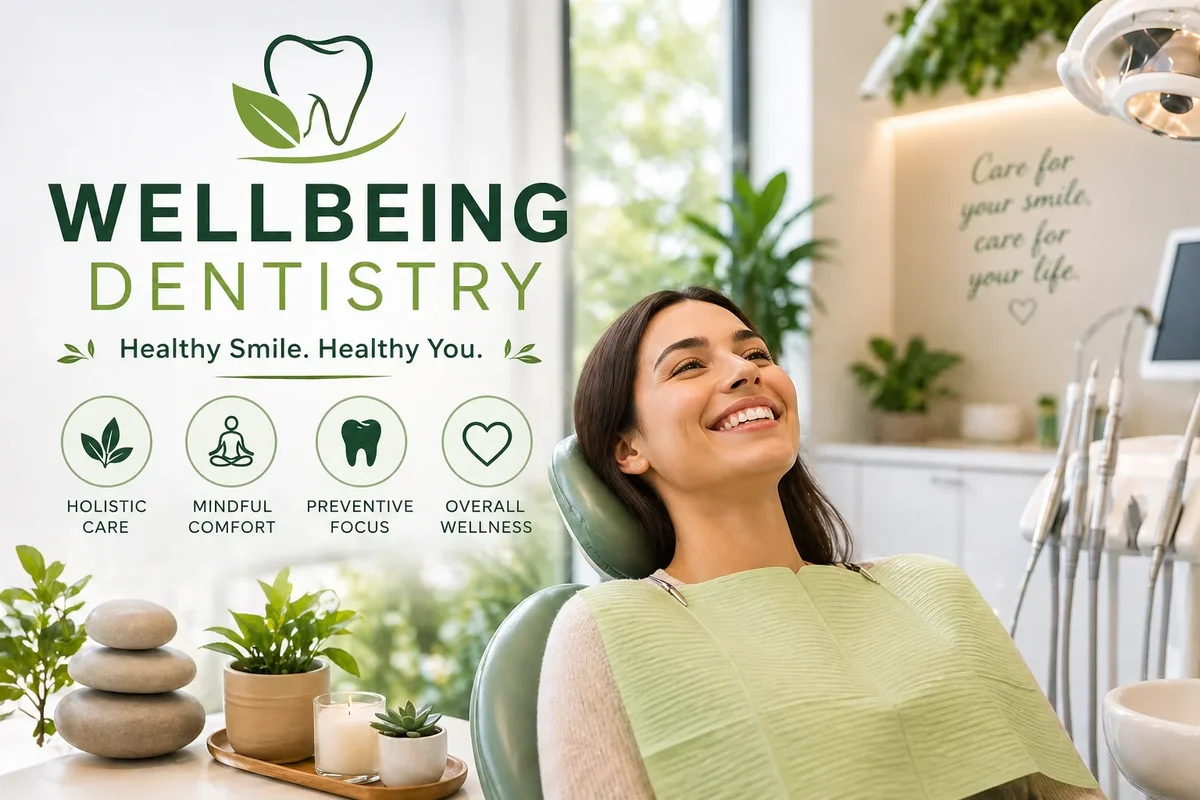
Common Treatments Used in Wellbeing Dentistry

Wellbeing dentistry includes a wide range of treatments designed not only to improve oral health but also to support overall wellbeing. Unlike traditional dentistry, which often focuses solely on fixing problems, wellbeing dentistry emphasizes prevention, comfort, and long-term health outcomes. These treatments are carefully selected to be minimally invasive, biocompatible, and aligned with the patient’s lifestyle and overall health goals. By combining modern technology with a holistic approach, wellbeing dentistry ensures that every procedure contributes to a healthier and more balanced life. 😊

Preventive Treatments in Wellbeing Dentistry

Prevention is the foundation of wellbeing dentistry. By identifying and addressing potential issues early, patients can avoid more complex and costly procedures in the future. Preventive care also plays a crucial role in maintaining overall health, as it reduces the risk of infections and systemic complications.

Professional Dental Cleanings

Regular professional cleanings are essential in wellbeing dentistry. These sessions remove plaque and tartar buildup that cannot be eliminated through regular brushing and flossing. Cleanings help prevent gum disease, cavities, and bad breath, while also supporting overall oral hygiene.

Comprehensive Oral Examinations

Wellbeing dentistry includes detailed oral examinations that assess not only teeth and gums but also the jaw, bite alignment, and oral tissues. Early detection of issues such as decay, gum disease, or oral cancer ensures timely intervention and better outcomes.

Minimally Invasive Restorative Treatments

When treatment is necessary, wellbeing dentistry prioritizes minimally invasive methods that preserve natural tooth structure. These approaches reduce discomfort, promote faster healing, and maintain the integrity of the teeth.

Tooth-Colored Fillings

Instead of traditional metal fillings, wellbeing dentistry uses tooth-colored composite materials that blend naturally with the teeth. These fillings are not only aesthetically pleasing but also free from potentially harmful substances, making them a safer choice for patients.

Inlays and Onlays

For moderate tooth damage, inlays and onlays provide a conservative alternative to crowns. Wellbeing dentistry uses these restorations to strengthen teeth while preserving as much natural structure as possible. They are durable, functional, and designed to match the natural appearance of the teeth.

Holistic and Biocompatible Treatments

A key aspect of wellbeing dentistry is the use of materials and techniques that are compatible with the body. This reduces the risk of allergic reactions and supports overall health.

Metal-Free Restorations

Wellbeing dentistry often avoids the use of metals, opting instead for ceramic or composite materials. These alternatives are biocompatible, aesthetically pleasing, and less likely to cause sensitivities or adverse reactions.

Safe Removal of Old Fillings

For patients with existing metal fillings, wellbeing dentistry offers safe removal procedures. Special techniques are used to minimize exposure to harmful particles during the process, ensuring patient safety and comfort.

Advanced Cosmetic Treatments

Wellbeing dentistry recognizes the importance of a beautiful smile in boosting confidence and emotional wellbeing. Cosmetic treatments are designed to enhance appearance while maintaining optimal oral health.

Teeth Whitening

Professional teeth whitening is a popular treatment in wellbeing dentistry. It safely removes stains and discoloration, resulting in a brighter smile. Unlike over-the-counter products, professional whitening provides more effective and long-lasting results.

Clear Aligners

Wellbeing dentistry often includes orthodontic solutions such as clear aligners. These devices gradually straighten teeth without the discomfort and visibility of traditional braces. They are convenient, discreet, and effective for improving both function and aesthetics.

Stress-Reducing and Comfort-Focused Treatments

Patient comfort is a top priority in wellbeing dentistry. Treatments are designed to minimize stress and create a positive dental experience.

Laser Dentistry

Laser technology is widely used in wellbeing dentistry for procedures such as gum treatment and cavity removal. It reduces pain, minimizes bleeding, and speeds up recovery, making treatments more comfortable for patients.

Sedation Options

For patients with dental anxiety, wellbeing dentistry offers sedation techniques to help them relax during procedures. This ensures that even complex treatments can be completed without fear or discomfort.

Functional and Lifestyle-Based Treatments

Wellbeing dentistry also addresses functional issues that can affect daily life and overall health. These treatments focus on improving comfort, function, and long-term wellbeing.

Night Guards for Teeth Grinding

Stress and lifestyle factors can lead to teeth grinding, which damages enamel and causes jaw pain. Wellbeing dentistry provides custom night guards to protect teeth and reduce discomfort.

Bite Alignment Therapy

Proper bite alignment is essential for oral health. Wellbeing dentistry includes treatments that correct misalignment, reducing strain on the jaw and preventing long-term complications.

Cost Overview of Common Treatments

While costs can vary depending on location and complexity, the following estimates provide a general idea of common wellbeing dentistry treatments:

  • Professional Cleaning: $80 – $200
  • Tooth-Colored Filling: $150 – $400 per tooth
  • Teeth Whitening: $300 – $800
  • Clear Aligners: $3,000 – $6,000
  • Night Guard: $200 – $600

These treatments, when part of a wellbeing dentistry plan, often provide long-term value by preventing more expensive procedures in the future.

Why These Treatments Matter in Wellbeing Dentistry

The treatments used in wellbeing dentistry are carefully chosen to support both oral and overall health. By focusing on prevention, safety, and patient comfort, wellbeing dentistry ensures that each procedure contributes to long-term wellbeing. Patients benefit from improved oral health, enhanced confidence, and a more positive dental experience.

In conclusion, wellbeing dentistry offers a comprehensive range of treatments that go beyond traditional care. From preventive cleanings and minimally invasive restorations to advanced cosmetic and stress-reducing procedures, wellbeing dentistry provides a balanced approach to oral health. By choosing wellbeing dentistry, patients invest in a healthier smile and a healthier life. 🦷✨

Wellbeing Dentistry vs Traditional Dentistry: Key Differences

Understanding the difference between wellbeing dentistry and traditional dentistry is essential for anyone looking to make informed decisions about their oral health. While both approaches aim to maintain healthy teeth and gums, their philosophies, treatment methods, and patient experiences differ significantly. Wellbeing dentistry focuses on the whole person, integrating oral care with overall health and lifestyle, whereas traditional dentistry primarily concentrates on diagnosing and treating dental problems as they arise. This distinction makes wellbeing dentistry a more comprehensive and patient-centered approach. 😊

Philosophical Approach to Care

The most fundamental difference lies in the philosophy behind each practice. Traditional dentistry is often reactive, meaning it focuses on treating issues such as cavities, gum disease, or infections after they develop. In contrast, wellbeing dentistry is proactive and preventive, aiming to stop problems before they occur while also enhancing overall wellness.

Reactive vs Preventive Focus

Traditional dentistry typically addresses symptoms and immediate concerns, such as filling cavities or extracting damaged teeth. Wellbeing dentistry, however, emphasizes regular check-ups, early detection, and lifestyle guidance to prevent these issues from developing in the first place. This preventive mindset helps patients maintain healthier smiles over the long term.

Whole-Body Perspective

Wellbeing dentistry considers how oral health affects the entire body. It recognizes the connection between dental issues and systemic conditions like heart disease and diabetes. Traditional dentistry may not always take these broader health factors into account, focusing instead on localized treatment.

Treatment Methods and Techniques

Another key difference between wellbeing dentistry and traditional dentistry lies in the techniques and materials used during treatment. Wellbeing dentistry prioritizes minimally invasive procedures and biocompatible materials, while traditional dentistry may rely on more conventional methods.

Minimally Invasive Procedures

Wellbeing dentistry aims to preserve as much natural tooth structure as possible. Techniques such as laser dentistry and conservative restorations reduce the need for extensive drilling or removal of healthy tissue. Traditional dentistry, on the other hand, may involve more invasive procedures depending on the condition being treated.

Use of Biocompatible Materials

Wellbeing dentistry often uses metal-free, non-toxic materials that are compatible with the body. This reduces the risk of allergic reactions and supports overall health. Traditional dentistry may still use materials that, while effective, do not always prioritize biocompatibility.

Patient Experience and Comfort

One of the most noticeable differences for patients is the overall experience during dental visits. Wellbeing dentistry places a strong emphasis on comfort, relaxation, and emotional support, بينما traditional dentistry may focus more on efficiency and clinical outcomes.

Stress-Free Environment

Clinics practicing wellbeing dentistry often create calming environments with soothing designs, gentle lighting, and friendly staff. This helps reduce anxiety and makes patients feel more at ease. Traditional dental clinics may not always prioritize these elements to the same extent.

Personalized Care Plans

Wellbeing dentistry involves tailoring treatment plans to each patient’s unique needs, preferences, and lifestyle. Dentists take time to understand the individual and involve them in decision-making. Traditional dentistry may follow more standardized treatment protocols.

Focus on Mental and Emotional Wellbeing

Wellbeing dentistry recognizes the importance of mental and emotional health in dental care. It addresses dental anxiety and aims to create positive experiences for patients. Traditional dentistry may not always incorporate these aspects into its approach.

Managing Dental Anxiety

Wellbeing dentistry uses techniques such as gentle communication, sedation options, and relaxation methods to help patients feel comfortable. This is particularly beneficial for those with a fear of dental procedures.

Building Long-Term Trust

By focusing on empathy and communication, wellbeing dentistry builds strong relationships between patients and dental professionals. This trust encourages regular visits and better oral health maintenance over time. 💚

Long-Term Health Outcomes

The long-term benefits of wellbeing dentistry often surpass those of traditional dentistry due to its preventive and holistic nature. By addressing root causes and promoting healthy habits, wellbeing dentistry supports sustainable oral and overall health.

Reduced Need for Complex Treatments

Because wellbeing dentistry focuses on prevention, patients are less likely to require extensive procedures in the future. Early intervention helps maintain healthy teeth and gums, reducing the risk of complications.

Improved Overall Wellness

Wellbeing dentistry contributes to better overall health by addressing the connection between oral and systemic conditions. Patients benefit from a more balanced approach that supports their entire body, not just their teeth.

Cost Considerations and Value

While some may assume that wellbeing dentistry is more expensive, it often provides greater value over time. Preventive care and minimally invasive treatments can reduce long-term costs by avoiding major procedures.

Short-Term vs Long-Term Costs

Traditional dentistry may appear more affordable initially, especially for basic treatments. However, repeated procedures and untreated issues can lead to higher costs in the long run. Wellbeing dentistry focuses on long-term savings through prevention and durable solutions.

Investment in Health

Choosing wellbeing dentistry is an investment in both oral and overall health. The benefits of improved wellbeing, reduced stress, and better health outcomes often outweigh the initial costs.

Which Approach Is Right for You?

The choice between wellbeing dentistry and traditional dentistry depends on individual preferences, health goals, and priorities. For those seeking a more comprehensive, patient-centered approach, wellbeing dentistry offers a modern and effective solution.

Patients who value prevention, comfort, and a holistic perspective are likely to benefit most from wellbeing dentistry. It provides a balanced approach that supports long-term health and enhances quality of life. ✨

In conclusion, while traditional dentistry remains effective for treating specific dental issues, wellbeing dentistry offers a more advanced and holistic approach. By focusing on prevention, patient comfort, and overall wellness, wellbeing dentistry represents the future of dental care. Choosing wellbeing dentistry means prioritizing not just your smile, but your entire wellbeing. 🦷🌿

Who Should Consider Wellbeing Dentistry?

Wellbeing dentistry is designed to benefit a wide range of individuals, from those seeking preventive care to patients dealing with complex oral health challenges. Unlike traditional approaches that may focus only on treating specific dental issues, wellbeing dentistry considers the whole person—making it suitable for anyone who values long-term health, comfort, and a personalized care experience. Understanding who should consider wellbeing dentistry can help you determine whether this holistic approach aligns with your health goals and lifestyle. 😊

Individuals Focused on Preventive Health

People who prioritize prevention and long-term health are ideal candidates for wellbeing dentistry. This approach emphasizes early detection, routine care, and lifestyle guidance to prevent dental problems before they arise.

Health-Conscious Individuals

Those who already invest in their overall wellness—through nutrition, exercise, and regular medical check-ups—often find that wellbeing dentistry complements their lifestyle. By integrating oral care into a broader health strategy, wellbeing dentistry helps maintain balance and supports overall wellbeing.

Patients Seeking Long-Term Solutions

Rather than repeatedly treating the same issues, wellbeing dentistry focuses on identifying root causes and providing sustainable solutions. This makes it especially appealing for individuals who want lasting results rather than temporary fixes.

People with Dental Anxiety or Fear

Dental anxiety is one of the most common reasons people avoid visiting the dentist. Wellbeing dentistry addresses this challenge by creating a calm, supportive, and patient-centered environment.

Patients with Past Negative Experiences

Individuals who have had uncomfortable or traumatic dental visits in the past can greatly benefit from wellbeing dentistry. The emphasis on gentle techniques and clear communication helps rebuild trust and confidence.

Those Seeking a Stress-Free Experience

Wellbeing dentistry prioritizes comfort through soothing clinic environments, friendly staff, and advanced pain-reduction techniques. This makes dental visits less intimidating and more manageable for anxious patients. 💚

Patients with Chronic Health Conditions

People with underlying health conditions often require a more comprehensive approach to dental care. Wellbeing dentistry takes into account the connection between oral health and systemic health, making it particularly beneficial for these individuals.

Managing Conditions Like Diabetes and Heart Disease

Oral health plays a significant role in managing chronic conditions. For example, gum disease can worsen diabetes control, while oral infections may impact heart health. Wellbeing dentistry focuses on maintaining a healthy mouth to support overall medical treatment.

Customized Care for Medical Needs

Wellbeing dentistry involves personalized treatment plans that consider medical history, medications, and lifestyle factors. This ensures that dental care is safe, effective, and aligned with the patient’s overall health requirements.

Individuals Interested in Holistic and Natural Care

Many people prefer healthcare approaches that minimize the use of chemicals and invasive procedures. Wellbeing dentistry aligns with these preferences by using biocompatible materials and conservative treatment methods.

Preference for Metal-Free Treatments

Patients who wish to avoid metal restorations often choose wellbeing dentistry. Ceramic and composite materials provide safe, durable, and aesthetically pleasing alternatives.

Focus on Natural Healing

Wellbeing dentistry supports the body’s natural healing processes by reducing unnecessary interventions and promoting healthy habits. This approach appeals to individuals who value natural and balanced care methods.

People Seeking Cosmetic and Confidence Improvements

A healthy smile can significantly impact self-confidence and social interactions. Wellbeing dentistry combines functional and aesthetic treatments to help patients achieve a smile they feel proud of.

Enhancing Smile Aesthetics

Treatments such as teeth whitening, aligners, and minimally invasive restorations are commonly used in wellbeing dentistry. These procedures improve the appearance of teeth while maintaining their health and integrity.

Boosting Self-Esteem

Patients who feel confident about their smile often experience improved self-esteem and better social interactions. Wellbeing dentistry supports this by addressing both health and appearance in a balanced way. ✨

Families and Children

Wellbeing dentistry is not limited to adults; it is also highly beneficial for children and families. Early exposure to positive dental experiences can shape lifelong oral health habits.

Gentle Care for Children

Children benefit from the gentle and supportive approach of wellbeing dentistry. Friendly environments and patient-centered care help reduce fear and encourage regular visits from a young age.

Family-Oriented Preventive Care

Families can adopt preventive strategies together, making oral health a shared priority. Wellbeing dentistry provides education and guidance that benefit all age groups.

Busy Professionals and Lifestyle-Focused Individuals

Modern lifestyles often leave little time for repeated dental visits or complex treatments. Wellbeing dentistry offers efficient, long-term solutions that fit into busy schedules.

Time-Efficient Treatments

By focusing on prevention and minimally invasive procedures, wellbeing dentistry reduces the need for multiple appointments. This is ideal for individuals with demanding routines.

Integration with Daily Life

Wellbeing dentistry provides practical advice on maintaining oral health within everyday life. From diet recommendations to stress management, patients receive guidance that fits their lifestyle.

When to Consider Switching to Wellbeing Dentistry

If you are looking for a more personalized, comfortable, and health-focused approach to dental care, it may be time to consider wellbeing dentistry. Signs that this approach could benefit you include frequent dental issues, anxiety about dental visits, or a desire for more holistic care.

Additionally, if you value prevention, long-term health, and a supportive patient experience, wellbeing dentistry offers a modern solution that aligns with these priorities.

In conclusion, wellbeing dentistry is suitable for a diverse range of individuals, from health-conscious patients and anxious visitors to families and those with chronic conditions. Its holistic and patient-centered approach ensures that everyone can benefit from improved oral health and overall wellbeing. By choosing wellbeing dentistry, you take a proactive step toward a healthier, more confident, and balanced life. 🦷🌿

How to Choose the Right Wellbeing Dentistry Clinic

Choosing the right clinic for wellbeing dentistry is one of the most important decisions you can make for your long-term oral and overall health. Since wellbeing dentistry focuses on a holistic, patient-centered approach, not every dental clinic will provide the same level of care, philosophy, or experience. Selecting a clinic that truly understands and applies the principles of wellbeing dentistry ensures that you receive treatments that are safe, effective, and aligned with your personal health goals. 😊

Evaluate the Clinic’s Approach to Wellbeing Dentistry

The first step in choosing the right clinic is understanding how they define and practice wellbeing dentistry. Some clinics may use the term as a marketing concept, while others genuinely integrate holistic care into every aspect of their services.

Look for a Holistic Philosophy

A true wellbeing dentistry clinic will focus on the connection between oral health and overall wellness. This includes considering lifestyle, nutrition, stress levels, and medical history when planning treatments. Ask whether the clinic provides personalized care plans and preventive strategies rather than just reactive treatments.

Check Their Preventive Focus

Wellbeing dentistry should emphasize prevention over cure. Clinics that prioritize regular check-ups, patient education, and early diagnosis are more likely to help you maintain long-term oral health and avoid complex procedures.

Assess Qualifications and Experience

Experience and expertise play a crucial role in ensuring high-quality care. A clinic specializing in wellbeing dentistry should have trained professionals who understand both advanced dental techniques and holistic health principles.

Professional Certifications

Check whether the dentists are affiliated with reputable organizations such as the American Dental Association. Membership in recognized institutions indicates a commitment to professional standards and ongoing education.

Specialized Training in Wellbeing Dentistry

Not all dentists are trained in wellbeing dentistry. Look for practitioners who have additional education in holistic or biocompatible dental practices. This ensures they are equipped to provide safe and effective treatments aligned with wellbeing dentistry principles.

Review Technology and Treatment Options

Modern technology is an essential part of wellbeing dentistry. Advanced tools improve accuracy, reduce discomfort, and enhance overall treatment outcomes.

Use of Advanced Equipment

Clinics practicing wellbeing dentistry often use digital imaging, laser dentistry, and minimally invasive tools. These technologies allow for precise diagnosis and treatment while minimizing pain and recovery time.

Availability of Biocompatible Materials

A key feature of wellbeing dentistry is the use of safe, non-toxic materials. Ask whether the clinic offers metal-free restorations and biocompatible options that support overall health.

Consider Patient Comfort and Environment

The environment of the clinic plays a significant role in your overall experience. Wellbeing dentistry prioritizes patient comfort, making visits less stressful and more enjoyable.

Relaxing Atmosphere

Look for clinics that create a calming environment with comfortable seating, soothing lighting, and friendly staff. These elements are essential in reducing anxiety and promoting a positive experience.

Communication and Empathy

Wellbeing dentistry is built on trust and communication. Choose a clinic where the dental team listens to your concerns, explains procedures clearly, and involves you in decision-making. This patient-centered approach ensures you feel respected and confident in your care. 💚

Check Reviews and Patient Feedback

Patient reviews provide valuable insight into the quality of care offered by a clinic. They can help you understand what to expect from your wellbeing dentistry experience.

Online Testimonials

Look for reviews on trusted platforms to see how other patients describe their experiences. Positive feedback about comfort, professionalism, and results is a strong indicator of a reliable clinic.

Before-and-After Results

Some clinics showcase treatment results to demonstrate their expertise. Reviewing these examples can help you assess the quality of their work and determine whether it meets your expectations.

Evaluate Cost Transparency and Value

Cost is an important factor when choosing a wellbeing dentistry clinic. While this approach may sometimes involve higher initial costs, it often provides better long-term value.

Clear Pricing Structure

A trustworthy clinic will provide transparent pricing and explain the costs of treatments in advance. This helps you make informed decisions without unexpected expenses.

Long-Term Investment

Wellbeing dentistry focuses on prevention and durable solutions, which can reduce the need for costly procedures in the future. Consider the long-term benefits rather than just the immediate price.

Location and Accessibility

Convenience is another important factor when selecting a clinic for wellbeing dentistry. Regular visits are essential for maintaining oral health, so accessibility matters.

Proximity to Your Home or Workplace

Choosing a nearby clinic makes it easier to attend appointments consistently. This is particularly important for preventive care and follow-up visits.

Flexible Scheduling Options

Many wellbeing dentistry clinics offer flexible appointment times to accommodate busy lifestyles. This ensures that you can prioritize your oral health without disrupting your daily routine.

Personalized Consultation and First Visit

Your first visit to a wellbeing dentistry clinic is an opportunity to evaluate whether it meets your expectations. Pay attention to how the team interacts with you and how thoroughly they assess your needs.

Comprehensive Initial Assessment

A good clinic will conduct a detailed evaluation, including medical history, lifestyle factors, and oral health condition. This ensures that your treatment plan is tailored to your unique needs.

Comfort Level and Trust

Trust your instincts during your first visit. If you feel comfortable, respected, and well-informed, it is a strong sign that the clinic is a good fit for your wellbeing dentistry journey. ✨

Take the Next Step Toward Better Oral Health

Choosing the right clinic is a crucial step in experiencing the full benefits of wellbeing dentistry. By carefully evaluating factors such as philosophy, expertise, technology, and patient care, you can find a provider that aligns with your goals.

If you are ready to explore a professional and patient-focused approach, you can reach out through the Redent Klinik Contact Page to begin your journey toward better oral health.

In conclusion, selecting the right clinic for wellbeing dentistry requires careful consideration, but the rewards are significant. With the right provider, you can enjoy a comfortable, personalized, and holistic dental experience that supports your long-term health and wellbeing. 🦷🌿

Costs and Value of Wellbeing Dentistry Treatments

Understanding the costs and overall value of wellbeing dentistry treatments is essential for making informed decisions about your oral health. While some patients initially focus only on price, it is important to recognize that wellbeing dentistry offers long-term benefits that go far beyond short-term savings. By emphasizing prevention, minimally invasive care, and holistic health, wellbeing dentistry often delivers greater value over time compared to traditional dental approaches. 😊

What Influences the Cost of Wellbeing Dentistry?

The cost of wellbeing dentistry treatments can vary depending on several factors, including the complexity of the procedure, the materials used, and the expertise of the dental professional. Because wellbeing dentistry often incorporates advanced technology and biocompatible materials, initial costs may sometimes be slightly higher than conventional treatments.

Type of Treatment

Preventive treatments such as cleanings and examinations are generally more affordable, while restorative or cosmetic procedures may involve higher costs. However, wellbeing dentistry aims to reduce the need for complex treatments by focusing on early intervention.

Materials and Technology

Wellbeing dentistry uses high-quality, biocompatible materials that are safe for the body. These materials may cost more than traditional options, but they provide better durability and reduce the risk of complications, making them a worthwhile investment.

Average Costs of Common Wellbeing Dentistry Treatments

Although prices can vary by location and clinic, the following estimates provide a general overview of typical wellbeing dentistry costs:

These treatments, when part of a wellbeing dentistry plan, are designed to provide long-lasting results and minimize the need for repeated procedures.

Short-Term Costs vs Long-Term Savings

One of the most important aspects of wellbeing dentistry is its focus on long-term value. While initial costs may seem higher, the preventive approach often leads to significant savings over time.

Reduced Need for Major Procedures

By addressing issues early, wellbeing dentistry helps prevent severe dental problems that require expensive treatments such as root canals, implants, or surgeries. Regular check-ups and preventive care reduce the likelihood of emergencies.

Durable and Reliable Results

Wellbeing dentistry uses advanced techniques and materials that are designed to last longer. This reduces the frequency of repairs or replacements, saving both time and money in the long run.

Value Beyond Financial Cost

The true value of wellbeing dentistry extends beyond financial considerations. It includes improvements in health, comfort, and overall quality of life.

Improved Overall Health

By maintaining optimal oral health, wellbeing dentistry supports the prevention of systemic conditions such as heart disease and diabetes. This can lead to lower medical expenses and better long-term health outcomes.

Enhanced Comfort and Experience

Wellbeing dentistry prioritizes patient comfort through gentle techniques and stress-free environments. This reduces anxiety and makes dental visits more enjoyable, encouraging regular care and better oral hygiene habits. 💚

Insurance and Payment Options

Many patients wonder whether wellbeing dentistry treatments are covered by insurance. Coverage can vary depending on the provider and the type of treatment.

Insurance Coverage

Preventive services such as cleanings and examinations are often covered by dental insurance plans. However, some holistic or cosmetic treatments in wellbeing dentistry may not be fully covered.

Flexible Payment Plans

Many clinics offer payment plans or financing options to make wellbeing dentistry more accessible. This allows patients to spread the cost over time while still receiving high-quality care.

Comparing Wellbeing Dentistry to Traditional Costs

When comparing costs, it is important to consider the overall approach rather than just individual procedures. Traditional dentistry may appear more affordable initially, but repeated treatments and lack of preventive care can lead to higher expenses over time.

Preventive vs Reactive Spending

Wellbeing dentistry focuses on preventing problems, which reduces the need for costly interventions. Traditional dentistry often involves reactive spending, where patients pay for treatments after issues have developed.

Quality vs Quantity of Treatments

Wellbeing dentistry emphasizes high-quality, long-lasting solutions. This reduces the number of treatments needed over a lifetime, providing better value for patients.

Is Wellbeing Dentistry Worth the Investment?

For many patients, the answer is yes. Wellbeing dentistry offers a comprehensive approach that combines health, comfort, and long-term savings. By investing in preventive care and high-quality treatments, patients can enjoy better oral health and avoid costly complications in the future.

Additionally, the benefits of improved confidence, reduced anxiety, and enhanced overall wellbeing make wellbeing dentistry a valuable choice for those seeking a balanced and health-focused lifestyle. ✨

Making an Informed Decision

Before starting any treatment, it is important to discuss costs and options with your dentist. A reputable wellbeing dentistry clinic will provide clear explanations and help you choose the best plan for your needs and budget.

In conclusion, while wellbeing dentistry may involve higher initial costs, it offers significant long-term value through prevention, durability, and improved health outcomes. By choosing wellbeing dentistry, you are not just paying for treatments—you are investing in a healthier, more comfortable, and more confident future. 🦷🌿

wellbeing dentistry

Future Trends in Wellbeing Dentistry and Holistic Care

The future of wellbeing dentistry is evolving rapidly as technology, patient expectations, and healthcare philosophies continue to advance. What once was considered an alternative approach is now becoming a central part of modern dental care. Wellbeing dentistry is expected to play a key role in shaping the future of oral health by combining innovation, personalization, and holistic wellness principles. As more patients seek comprehensive care that supports both their oral and overall health, wellbeing dentistry continues to grow in importance. 😊

Integration of Advanced Digital Technologies

Technology is transforming the way wellbeing dentistry is practiced. Digital tools are improving diagnosis, treatment accuracy, and patient experience, making dental care more efficient and comfortable.

Artificial Intelligence in Diagnosis

Artificial intelligence (AI) is becoming increasingly important in wellbeing dentistry. AI-powered systems can analyze dental images, detect early signs of disease, and assist dentists in creating precise treatment plans. This allows for earlier intervention and more effective preventive care.

3D Imaging and Printing

Wellbeing dentistry is benefiting from advancements in 3D imaging and printing technologies. These tools enable dentists to create customized restorations, aligners, and implants with high precision. Patients receive faster treatments with better-fitting results, enhancing both comfort and outcomes.

Personalized and Preventive Care Models

The future of wellbeing dentistry will focus even more on personalized care. Each patient’s treatment plan will be tailored based on their genetics, lifestyle, and health history.

Data-Driven Treatment Plans

Wellbeing dentistry will increasingly rely on data from wearable devices, health apps, and medical records. This information helps dentists understand patient habits and risks, allowing for more accurate and preventive care strategies.

Early Detection and Prevention

Preventive care will remain a cornerstone of wellbeing dentistry. Advanced screening tools will detect issues such as gum disease or oral cancer at earlier stages, improving treatment success and reducing the need for invasive procedures.

Growth of Holistic and Natural Approaches

As awareness of overall health increases, more patients are seeking natural and holistic treatment options. Wellbeing dentistry is expected to expand its focus on these approaches.

Biocompatible and Sustainable Materials

Future developments in wellbeing dentistry will include the use of even more advanced biocompatible materials. These materials will be safer, more durable, and environmentally friendly, aligning with the growing demand for sustainable healthcare solutions.

Integration with Nutrition and Lifestyle Coaching

Wellbeing dentistry will increasingly incorporate guidance on nutrition, stress management, and lifestyle habits. Dentists may work alongside nutritionists and wellness experts to provide a comprehensive care plan that supports overall health.

Enhanced Patient Experience and Comfort

Patient experience will continue to be a major focus in wellbeing dentistry. Clinics will adopt new methods to make dental visits more comfortable and enjoyable.

Virtual Consultations

Tele-dentistry is becoming more common in wellbeing dentistry. Virtual consultations allow patients to receive advice, follow-ups, and initial assessments without visiting the clinic, saving time and increasing accessibility.

Stress-Free Treatment Environments

Future clinics will further enhance their environments with advanced relaxation techniques, such as virtual reality (VR) experiences and personalized comfort settings. These innovations help reduce anxiety and improve patient satisfaction. 💚

Interdisciplinary Healthcare Collaboration

Wellbeing dentistry will increasingly collaborate with other healthcare fields to provide integrated care. This approach recognizes the strong connection between oral health and overall health.

Collaboration with Medical Professionals

Dentists practicing wellbeing dentistry may work closely with doctors, nutritionists, and mental health professionals. This ensures that patients receive comprehensive care that addresses all aspects of their wellbeing.

Holistic Treatment Plans

By combining expertise from different fields, wellbeing dentistry can offer treatment plans that consider the patient’s entire health profile. This leads to more effective and sustainable outcomes.

Focus on Sustainability and Eco-Friendly Practices

Environmental awareness is influencing the future of healthcare, including wellbeing dentistry. Clinics are adopting eco-friendly practices to reduce their environmental impact.

Green Dental Clinics

Wellbeing dentistry clinics are beginning to use energy-efficient equipment, reduce waste, and choose sustainable materials. These efforts contribute to a healthier environment while maintaining high standards of care.

Eco-Conscious Patient Choices

Patients are also becoming more aware of sustainability. Wellbeing dentistry supports this by offering environmentally friendly treatment options and educating patients on sustainable oral care practices.

Expanding Access to Wellbeing Dentistry

As demand grows, wellbeing dentistry is becoming more accessible to a wider audience. Innovations in technology and healthcare delivery are making it easier for patients to benefit from this approach.

Affordable Care Models

Future developments may include more flexible pricing and insurance options, making wellbeing dentistry available to more people. Preventive care models can also reduce overall costs by minimizing the need for expensive treatments.

Global Adoption

Wellbeing dentistry is gaining popularity worldwide. As more clinics adopt this approach, patients across different regions will have access to holistic dental care.

The Role of Education and Awareness

Education will play a crucial role in the future of wellbeing dentistry. Both patients and professionals will need to understand the benefits and principles of this approach.

Patient Education

Wellbeing dentistry will continue to empower patients with knowledge about oral health and its connection to overall wellbeing. This encourages proactive care and healthier lifestyle choices.

Professional Training

Dental professionals will receive more training in holistic and preventive care methods. This ensures that wellbeing dentistry continues to evolve and maintain high standards of practice. ✨

In conclusion, the future of wellbeing dentistry is bright and full of innovation. By combining advanced technology, personalized care, and holistic principles, wellbeing dentistry is set to redefine the way we approach oral health. As this field continues to grow, patients can expect more effective, comfortable, and comprehensive care that supports their overall wellbeing. Choosing wellbeing dentistry today means embracing a forward-thinking approach that will continue to evolve and improve in the years to come. 🦷🌿

Disclosure: this page may contain affiliate links. We may earn a commission if you use them, at no extra cost to you.

Previous
Next