
Modern patients are looking for more than basic dental cleanings and cavity treatments. Today, many people want a dental experience that supports their overall health, emotional comfort, and long-term wellness. This is where wellness dentistry becomes extremely important. Rather than focusing only on teeth and gums, wellness dentistry takes a whole-body approach to oral care. It combines preventive care, advanced technology, patient comfort, and biocompatible materials to create healthier smiles and healthier lives. 😊
Wellness dentistry is designed to improve both oral health and total body wellness. Dentists who practice wellness dentistry understand that the mouth is closely connected to the rest of the body. Problems such as gum disease, infections, inflammation, and poor oral hygiene may increase the risk of serious health conditions including heart disease, diabetes, respiratory illness, and immune system complications. Because of this connection, wellness dentistry focuses on prevention, early diagnosis, and minimally invasive treatment options.
One of the main goals of wellness dentistry is helping patients maintain strong oral health naturally and safely. Traditional dentistry often focuses only on repairing problems after they occur, but wellness dentistry emphasizes prevention and patient education. Dentists encourage regular checkups, proper nutrition, stress management, healthy lifestyle habits, and personalized treatment plans. This proactive philosophy helps patients avoid serious dental complications in the future.
Another major advantage of wellness dentistry is the use of biocompatible and non-toxic dental materials whenever possible. Many patients today are concerned about chemicals, metals, and substances placed inside the mouth. In wellness dentistry, dentists carefully select materials that are safer, more natural, and better tolerated by the body. For example, mercury-free fillings, ceramic restorations, and BPA-free products are commonly used in modern holistic dental care. This approach gives patients greater confidence in their treatment choices.
People who struggle with dental anxiety also benefit greatly from wellness dentistry. Fear of dental visits is very common and often prevents individuals from receiving necessary treatment. Wellness-focused dental clinics usually create calming environments with relaxing music, gentle communication, advanced pain management techniques, and patient-centered care. Some practices even offer aromatherapy, sedation dentistry, meditation support, or spa-like experiences to reduce stress levels. As a result, wellness dentistry helps patients feel safer and more comfortable during appointments.
Technology also plays an important role in wellness dentistry. Modern digital imaging systems, laser dentistry, intraoral scanners, and minimally invasive techniques allow dentists to diagnose and treat problems more accurately. These technologies often reduce discomfort, healing time, and recovery periods. Patients appreciate how wellness dentistry combines innovation with compassionate care to create better overall experiences.
Nutrition is another essential part of wellness dentistry. Many people do not realize that diet strongly affects oral health. Sugary foods, acidic beverages, nutrient deficiencies, and dehydration can increase the risk of tooth decay and gum disease. Dentists who practice wellness dentistry often educate patients about healthy eating habits that support stronger teeth and gums. Foods rich in calcium, phosphorus, vitamin D, magnesium, and antioxidants can help maintain excellent oral health naturally.
Preventive care is the foundation of wellness dentistry. Regular professional cleanings, oral cancer screenings, periodontal evaluations, and early cavity detection help identify issues before they become severe. Preventive dentistry reduces the need for expensive and invasive procedures later. In many clinics, preventive programs are customized according to the patient’s age, health history, and personal risk factors. This personalized approach makes wellness dentistry highly effective for long-term oral health management.
Many people are surprised to learn that sleep quality can also be connected to wellness dentistry. Some dentists evaluate patients for sleep apnea, teeth grinding, jaw tension, and airway problems. These conditions may negatively affect both oral health and overall wellness. By addressing these issues early, wellness dentistry helps improve sleep quality, breathing, energy levels, and daily comfort.
Cosmetic treatments are also available within wellness dentistry. Patients can improve the appearance of their smiles while still prioritizing safe and healthy treatment methods. Procedures such as teeth whitening, ceramic veneers, Invisalign aligners, and smile makeovers are often performed using minimally invasive techniques and biocompatible materials. This allows patients to achieve beautiful results without compromising overall wellness.
Costs for wellness dentistry treatments may vary depending on the procedure, location, and clinic experience. Preventive checkups may range from $80 to $250, while mercury-free fillings can cost between $150 and $400 per tooth. Ceramic crowns may range from $800 to $2,000. Advanced holistic treatments or smile makeover procedures can cost significantly more depending on complexity. However, many patients believe the investment is worthwhile because wellness dentistry focuses on long-term health benefits rather than short-term solutions.
If you are searching for a modern and patient-centered approach to oral care, wellness dentistry may be the ideal choice for you. By combining preventive dentistry, holistic principles, advanced technology, and personalized care, this approach helps patients achieve healthier smiles and improved quality of life. Whether you want safer dental materials, anxiety-free appointments, or better long-term oral health, wellness dentistry offers comprehensive solutions for every stage of life. 🌿
Patients interested in learning more about treatment options and personalized dental care can visit the Redent Klinik Contact Page for professional support and consultation. In addition, trusted oral health resources are available through the American Dental Association, which provides educational information about modern dentistry and preventive care.
What Is Wellness Dentistry and Why Is It Important?
Wellness dentistry is a modern approach to oral healthcare that focuses not only on treating teeth and gums but also on improving the patient’s total physical and emotional well-being. Unlike traditional dental care, which often centers on fixing problems after they occur, wellness dentistry emphasizes prevention, education, natural treatment options, and whole-body health. This philosophy recognizes that oral health is deeply connected to overall wellness and that problems inside the mouth can influence many other systems in the body. 🌿
Today, more patients are becoming aware of the relationship between oral hygiene and general health conditions such as heart disease, diabetes, inflammation, respiratory infections, and immune system disorders. Because of these growing concerns, wellness dentistry has become increasingly popular among individuals who want safer, healthier, and more personalized dental care. Patients are no longer looking only for cosmetic improvements; they also want treatments that support long-term wellness and quality of life.
The Main Philosophy Behind Wellness Dentistry
The core philosophy of wellness dentistry is prevention and balance. Dentists practicing this approach aim to identify oral problems early and treat them in the least invasive way possible. Rather than waiting for severe cavities, gum disease, or infections to develop, wellness dentistry encourages regular monitoring and proactive care. This reduces the need for extensive procedures while helping patients maintain healthier smiles naturally.
Another important aspect of wellness dentistry is patient education. Dentists spend time teaching patients about proper oral hygiene, nutrition, hydration, stress reduction, and healthy lifestyle habits. By understanding how daily habits affect oral health, patients can make smarter decisions that support both dental wellness and total body health.
Whole-Body Health Connection
One reason why wellness dentistry is considered so important is the strong connection between the mouth and the rest of the body. Research has shown that chronic gum inflammation may increase the risk of cardiovascular disease, stroke, diabetes complications, and even pregnancy-related issues. Oral bacteria can travel through the bloodstream and contribute to systemic inflammation. This is why maintaining healthy gums and teeth is essential for overall health.
In wellness dentistry, dentists evaluate more than just cavities. They also pay attention to jaw alignment, sleep quality, stress-related grinding, airway health, nutritional deficiencies, and immune system function. This broader perspective allows dentists to provide more complete and personalized care.
How Wellness Dentistry Differs From Traditional Dentistry
Traditional dentistry primarily focuses on diagnosing and repairing dental issues such as cavities, broken teeth, and gum infections. While these treatments are important, wellness dentistry goes a step further by considering the long-term impact of treatment choices on the patient’s body and lifestyle.
For example, many wellness dentistry clinics prefer using mercury-free fillings and biocompatible materials. Patients who are sensitive to certain metals or chemicals often appreciate these safer alternatives. Holistic dental practices may also use advanced technologies such as digital X-rays, laser dentistry, and minimally invasive procedures that reduce discomfort and healing time.
Another difference is the patient experience. Many wellness dentistry clinics create calming environments designed to reduce stress and anxiety. Comfortable seating, relaxing music, aromatherapy, and gentle communication techniques help patients feel more relaxed during visits. This patient-centered approach makes dental appointments far less intimidating.
Preventive Care in Wellness Dentistry
Prevention is one of the most valuable components of wellness dentistry. Preventive care helps patients avoid painful and expensive dental problems later in life. Common preventive services include:
- Professional dental cleanings
- Oral cancer screenings
- Periodontal evaluations
- Fluoride treatments
- Digital diagnostics
- Bite analysis
- Sleep apnea assessments
- Nutritional counseling
By focusing heavily on prevention, wellness dentistry supports healthier teeth and gums while reducing the need for major restorative procedures.
The Role of Nutrition and Lifestyle
Nutrition plays a major role in wellness dentistry. Foods rich in vitamins and minerals help strengthen enamel, support gum tissue, and improve immune function. Dentists often encourage patients to reduce sugar intake, avoid acidic beverages, stay hydrated, and eat foods high in calcium and vitamin D.
Stress management is also important because chronic stress may lead to teeth grinding, jaw pain, inflammation, and weakened immune responses. Many wellness dentistry professionals educate patients about mindfulness techniques, better sleep habits, and relaxation methods that can improve both oral and overall wellness.
Benefits of Choosing Wellness Dentistry
Patients who choose wellness dentistry often report numerous benefits beyond healthier teeth. Some of the most common advantages include:
- Reduced dental anxiety 😊
- Improved gum health
- Better long-term oral hygiene habits
- Minimally invasive treatment options
- Safer and more natural dental materials
- Early detection of oral health problems
- Enhanced comfort during procedures
- Support for total body wellness
Because wellness dentistry focuses on the whole person rather than isolated symptoms, many patients feel more involved and empowered in their healthcare decisions.
Costs and Value of Wellness Dentistry
The cost of wellness dentistry depends on the clinic, treatment complexity, and technology used. Preventive checkups may cost between $80 and $250, while biocompatible fillings may range from $150 to $400 per tooth. Laser gum treatments and advanced cosmetic procedures can cost more depending on the patient’s needs.
Although some treatments may initially seem more expensive, many patients view wellness dentistry as a valuable long-term investment. Preventive care and minimally invasive approaches can reduce the need for complex restorative work later, potentially lowering overall dental costs over time.
Patients interested in personalized oral healthcare and modern holistic treatments can explore additional support through the Redent Klinik Contact Page. Reliable educational information about oral health and preventive care is also available from the American Dental Association.
Ultimately, wellness dentistry represents a healthier and more patient-focused future for modern dental care. By combining advanced technology, preventive strategies, whole-body awareness, and compassionate treatment, this approach helps individuals achieve stronger smiles, greater comfort, and improved overall wellness for years to come. ✨
Top Benefits of Choosing Wellness Dentistry for Your Smile
Choosing wellness dentistry offers far more than routine dental treatment. This modern approach to oral healthcare focuses on improving the patient’s total well-being while protecting the teeth, gums, jaw, and overall health. Many people today are searching for dental solutions that are safer, more personalized, and less invasive. Because of this growing demand, wellness dentistry has become one of the most trusted approaches for patients who want long-term oral health combined with greater comfort and natural care. 😊
Unlike traditional dental care that mainly focuses on treating symptoms after they appear, wellness dentistry emphasizes prevention, whole-body wellness, and patient education. Dentists who follow this philosophy understand that oral health is deeply connected to the immune system, cardiovascular health, digestion, sleep quality, and emotional well-being. This comprehensive perspective allows patients to experience benefits that extend far beyond their smiles.
Improved Long-Term Oral Health
One of the biggest advantages of wellness dentistry is its strong focus on prevention. Preventive care helps reduce the risk of cavities, gum disease, enamel erosion, and oral infections before they become serious problems. Instead of waiting until extensive restorative work becomes necessary, wellness dentistry encourages regular cleanings, early diagnostics, personalized hygiene plans, and healthy lifestyle habits.
Patients who consistently follow preventive care recommendations often maintain stronger teeth and healthier gums throughout their lives. Regular dental evaluations allow dentists to identify small issues before they become painful or expensive. This preventive approach saves time, reduces discomfort, and lowers long-term treatment costs.
Early Detection Saves Smiles
In wellness dentistry, advanced digital technology helps dentists detect oral health problems earlier than ever before. Digital X-rays, intraoral scanners, and laser diagnostic tools improve accuracy while reducing patient discomfort. Early detection allows for minimally invasive treatment options and better outcomes.
For example, a small cavity identified early may only require a simple filling. If left untreated, the same problem could later require a root canal or extraction. This proactive approach is one of the reasons many patients choose wellness dentistry over traditional reactive dental care.
Safer and More Biocompatible Materials
Another major benefit of wellness dentistry is the use of safer and more biocompatible dental materials. Many patients today are concerned about substances placed inside their mouths, especially metals and chemicals that may affect long-term health. Holistic dental practices often prioritize mercury-free fillings, BPA-free products, ceramic restorations, and non-toxic alternatives whenever possible.
Biocompatible materials are designed to work more naturally with the body while reducing the risk of sensitivities or allergic reactions. This patient-focused approach helps individuals feel more confident and comfortable about their dental treatments.
Natural-Looking Cosmetic Results
Modern wellness dentistry also focuses heavily on aesthetics. Ceramic crowns, tooth-colored fillings, and minimally invasive veneers provide highly natural-looking results. Patients can improve their smiles without sacrificing comfort or oral health.
Many cosmetic procedures within wellness dentistry are designed to preserve as much natural tooth structure as possible. This conservative philosophy supports stronger teeth while still delivering beautiful cosmetic outcomes.
Reduced Dental Anxiety and Stress
Fear of dental treatment is one of the most common reasons people avoid appointments. Fortunately, wellness dentistry places strong emphasis on patient comfort and emotional well-being. Wellness-focused dental clinics often create relaxing environments with calming music, gentle lighting, aromatherapy, and compassionate communication.
Many clinics also offer sedation dentistry, noise-reducing technology, and minimally invasive procedures to reduce discomfort during treatment. Patients who previously avoided dental care due to fear often discover that wellness dentistry provides a far more comfortable and stress-free experience.
Comfort-Focused Dental Experiences
Comfort is a central part of wellness dentistry. Dentists spend more time understanding patient concerns, explaining procedures clearly, and developing personalized treatment plans. This approach helps patients feel more involved and less anxious during appointments.
For individuals with dental trauma or severe anxiety, this compassionate style of care can completely change how they feel about visiting the dentist. Feeling safe and supported encourages patients to maintain regular appointments and better oral hygiene habits.
Support for Total Body Wellness
One of the most unique advantages of wellness dentistry is its focus on whole-body health. Oral inflammation and gum disease have been linked to serious medical conditions including heart disease, diabetes, respiratory infections, and immune system problems. Dentists who practice wellness dentistry understand these connections and aim to reduce oral inflammation before it negatively impacts the body.
Some wellness-focused dental clinics also evaluate sleep apnea, airway function, jaw tension, and teeth grinding. Addressing these conditions can improve sleep quality, breathing, energy levels, and overall health.
The Oral-Systemic Health Connection
Scientific research continues to confirm the relationship between oral health and systemic health. Chronic gum disease may contribute to increased inflammation throughout the body, potentially affecting cardiovascular function and metabolic health. Because of this connection, wellness dentistry is becoming increasingly important in preventive healthcare.
By maintaining healthy gums and controlling oral bacteria, patients may reduce inflammation and improve overall wellness. This whole-body perspective is one of the defining features of wellness dentistry.
Personalized and Patient-Centered Care
Every patient has unique needs, health conditions, and treatment goals. Wellness dentistry recognizes these differences and creates highly individualized care plans. Dentists often review medical history, nutritional habits, lifestyle factors, and emotional concerns before recommending treatment.
This personalized approach helps patients receive care that aligns with their overall wellness goals rather than relying on a one-size-fits-all treatment strategy.
Education and Empowerment
Education is another major component of wellness dentistry. Dentists encourage patients to take an active role in their oral health by learning proper brushing techniques, understanding dietary impacts, and improving daily habits. Patients who feel educated and informed are more likely to maintain long-term oral health success.
Costs and Long-Term Value
The cost of wellness dentistry depends on the treatment type, clinic location, and technology used. Preventive visits may cost between $80 and $250, while ceramic restorations and biocompatible treatments can range from several hundred to several thousand dollars depending on complexity.
Although some procedures may initially seem more expensive, many patients believe wellness dentistry provides greater long-term value because preventive care reduces the need for major restorative procedures later. Investing in early treatment and healthier habits often lowers future dental expenses significantly.
Patients interested in personalized care and advanced holistic treatment options can visit the Redent Klinik Contact Page for professional guidance and consultation. Additional oral health education and trusted resources are available through the American Dental Association.
Overall, wellness dentistry offers a healthier, safer, and more compassionate approach to modern oral healthcare. From preventive care and anxiety reduction to biocompatible materials and total body wellness support, this philosophy continues to transform how patients experience dentistry. ✨
How Wellness Dentistry Supports Total Body Health
Many people think oral health only affects the teeth and gums, but modern research shows that the condition of the mouth can significantly influence the entire body. This connection is one of the main reasons why wellness dentistry has become increasingly important in modern healthcare. Unlike traditional approaches that focus only on treating dental symptoms, wellness dentistry recognizes that oral health and overall wellness are deeply connected. By reducing inflammation, preventing infections, improving sleep quality, and supporting healthy lifestyle habits, wellness dentistry helps patients achieve better total-body health. 🌿
The human mouth contains millions of bacteria. While many bacteria are harmless, harmful bacteria can multiply when oral hygiene is neglected. Gum disease, infections, and chronic inflammation may allow bacteria to enter the bloodstream and affect other organs in the body. Dentists who practice wellness dentistry understand these risks and focus heavily on prevention, early diagnosis, and minimally invasive care.
The Connection Between Oral Health and Systemic Health
One of the key principles of wellness dentistry is understanding the oral-systemic connection. Scientific studies have shown that poor oral health may contribute to numerous medical conditions including cardiovascular disease, diabetes, respiratory infections, arthritis complications, and weakened immune function.
For example, chronic gum disease causes inflammation that may spread throughout the body. Inflammation is linked to many serious health conditions and can negatively affect blood vessels, organs, and immune responses. This is why maintaining healthy gums is considered essential in wellness dentistry.
Heart Disease and Wellness Dentistry
Research suggests that individuals with advanced periodontal disease may have a higher risk of heart disease and stroke. Harmful oral bacteria can enter the bloodstream and contribute to inflammation inside blood vessels. This may increase the risk of cardiovascular complications over time.
Because of these findings, wellness dentistry places major importance on preventing gum infections and reducing inflammation. Routine cleanings, periodontal therapy, and improved oral hygiene habits can support healthier cardiovascular function while protecting the teeth and gums.
How Wellness Dentistry Supports the Immune System
The immune system constantly works to protect the body from harmful bacteria and infections. Chronic oral infections can place extra stress on the immune system, making it harder for the body to function efficiently. Wellness dentistry helps reduce this burden by preventing oral infections before they become severe.
Patients with strong oral hygiene habits often experience fewer inflammatory problems throughout the body. In many cases, maintaining healthy gums can improve immune response and overall wellness.
Reducing Chronic Inflammation
Inflammation is one of the body’s natural defense mechanisms, but long-term inflammation can become harmful. Gum disease is one of the most common causes of chronic oral inflammation. If left untreated, inflammation may spread and negatively affect other body systems.
Through preventive care and personalized treatment plans, wellness dentistry helps minimize chronic inflammation and supports healthier long-term outcomes. Regular periodontal evaluations and professional cleanings are essential components of this process.
Wellness Dentistry and Diabetes Management
There is a strong two-way relationship between diabetes and oral health. Patients with uncontrolled diabetes are more likely to develop gum disease, infections, and delayed healing. At the same time, severe gum disease may make it more difficult to control blood sugar levels.
Because of this connection, wellness dentistry plays an important role in supporting diabetic patients. Dentists often work closely with patients to improve oral hygiene, reduce inflammation, and monitor periodontal health regularly.
Preventive Care for Diabetic Patients
Preventive dental visits are especially important for individuals with diabetes. In wellness dentistry, dentists may recommend more frequent cleanings and periodontal maintenance appointments to reduce infection risks. Personalized oral care plans can help diabetic patients maintain healthier gums and improve overall wellness.
Sleep Quality and Wellness Dentistry
Another important aspect of wellness dentistry is the connection between oral health and sleep quality. Many dental professionals now evaluate patients for conditions such as sleep apnea, teeth grinding, airway obstruction, and jaw tension.
Sleep apnea is a serious condition that causes interrupted breathing during sleep. It may contribute to fatigue, headaches, high blood pressure, heart disease, and reduced quality of life. Dentists trained in wellness dentistry may identify signs of airway problems and recommend oral appliances or referrals for further treatment.
Teeth Grinding and Stress
Stress-related teeth grinding, also known as bruxism, can damage teeth, strain jaw muscles, and cause chronic pain. Wellness-focused dentists often evaluate emotional and lifestyle factors that may contribute to grinding behaviors.
In wellness dentistry, treatment may include night guards, bite adjustments, stress management strategies, and relaxation techniques to improve both oral comfort and emotional well-being.
The Importance of Nutrition in Wellness Dentistry
Nutrition strongly influences oral health and total-body wellness. Poor dietary habits can weaken tooth enamel, increase inflammation, and contribute to gum disease. Dentists practicing wellness dentistry often educate patients about healthier eating habits that support both oral and systemic health.
Foods rich in calcium, vitamin D, magnesium, antioxidants, and phosphorus help strengthen teeth and gums naturally. Hydration is also important because saliva protects the mouth by neutralizing acids and reducing harmful bacteria.
Healthy Foods for Stronger Teeth
Patients interested in improving oral health through wellness dentistry are often encouraged to consume:
- Leafy green vegetables
- Dairy products rich in calcium
- Nuts and seeds
- Crunchy fruits and vegetables
- Foods high in vitamin C
- Water instead of sugary beverages
These dietary habits can improve oral health naturally while supporting better overall wellness.
Mental and Emotional Benefits of Wellness Dentistry
Oral health problems often affect self-confidence, emotional comfort, and social interactions. Missing teeth, chronic pain, gum disease, or bad breath can negatively impact mental health and quality of life. Wellness dentistry recognizes these emotional factors and focuses on compassionate patient care.
Many wellness-focused clinics create calm and relaxing environments to reduce dental anxiety. Patients who feel comfortable during appointments are more likely to maintain regular dental care and better long-term oral health habits.
Confidence Through Healthy Smiles
A healthy smile can significantly improve confidence and emotional wellness. Cosmetic procedures within wellness dentistry often prioritize natural-looking and minimally invasive treatments that improve appearance while protecting oral health.
Patients interested in personalized care and whole-body dental wellness can learn more through the Redent Klinik Contact Page. Additional trusted oral health resources and educational materials are also available from the American Dental Association.
Ultimately, wellness dentistry offers a comprehensive healthcare approach that supports not only healthy teeth and gums but also stronger immunity, improved sleep, reduced inflammation, emotional comfort, and better overall quality of life. As more research continues to confirm the connection between oral health and systemic wellness, wellness dentistry is becoming an essential part of preventive healthcare for modern patients. ✨
Natural and Biocompatible Treatments in Wellness Dentistry
One of the most important principles of wellness dentistry is using treatment methods and materials that work safely and naturally with the human body. Modern patients are becoming increasingly aware of what enters their bodies, including the substances used during dental procedures. Because of this growing awareness, wellness dentistry focuses heavily on biocompatible materials, minimally invasive procedures, and holistic treatment approaches that support long-term oral and overall health. 🌿
Traditional dentistry has successfully restored millions of smiles, but many patients now seek alternatives that prioritize both effectiveness and wellness. In wellness dentistry, dentists carefully consider how dental materials may affect the body, immune system, and long-term health. This patient-centered philosophy has made holistic dental care increasingly popular among individuals looking for safer and more personalized treatment options.
What Are Biocompatible Dental Materials?
Biocompatible materials are substances designed to function harmoniously with the body while minimizing irritation, allergic reactions, or toxicity concerns. In wellness dentistry, dentists select materials that are durable, aesthetically pleasing, and less likely to negatively affect the patient’s health.
Many wellness-focused dental clinics avoid using certain metals or materials that some patients may consider controversial or undesirable. Instead, they often recommend ceramic restorations, composite fillings, BPA-free products, and mercury-free alternatives whenever appropriate.
Why Material Choice Matters
The mouth is one of the most absorbent environments in the body. Materials placed inside the mouth remain there for many years and interact continuously with saliva, food, and soft tissues. This is why wellness dentistry places strong emphasis on selecting materials that are both functional and safe.
Patients with sensitivities, autoimmune conditions, or allergies often appreciate the careful attention given to material selection in wellness dentistry. Personalized treatment planning helps reduce the risk of adverse reactions while improving long-term comfort and oral health outcomes.
Mercury-Free Fillings in Wellness Dentistry
One of the most widely discussed topics in wellness dentistry is the use of mercury-free fillings. Traditional silver amalgam fillings contain a mixture of metals including mercury. While many dental organizations consider amalgam fillings generally safe, some patients prefer alternative materials for personal health reasons.
As a result, many wellness dentistry clinics use tooth-colored composite fillings instead of amalgam. Composite materials bond directly to the tooth structure and create a more natural appearance. These fillings also preserve more healthy tooth structure compared to traditional metal fillings.
Benefits of Composite Fillings
Composite fillings provide several advantages within wellness dentistry:
- Natural tooth-colored appearance 😊
- Less removal of healthy tooth structure
- Strong bonding support
- Metal-free restoration options
- Reduced temperature sensitivity
- Improved cosmetic results
Depending on the size and location of the cavity, composite fillings may cost between $150 and $400 per tooth. Many patients believe the aesthetic and wellness benefits justify the investment.
Ceramic Crowns and Restorations
Ceramic restorations are another important component of wellness dentistry. Ceramic crowns, veneers, and bridges are highly popular because they closely resemble natural teeth while remaining metal-free and biocompatible.
Unlike traditional metal-based crowns, ceramic restorations offer exceptional aesthetics and reduced risk of metal sensitivities. Modern ceramic materials are also extremely durable and can last many years with proper care.
Advantages of Ceramic Restorations
Patients who choose ceramic restorations within wellness dentistry often experience several important benefits:
- Natural translucency similar to real teeth
- No visible dark metal lines
- Excellent gum tissue compatibility
- Reduced allergic concerns
- Long-lasting durability
- Improved cosmetic appearance
Ceramic crowns typically range from $800 to $2,000 depending on complexity, laboratory quality, and clinic location.
Minimally Invasive Procedures
Another defining feature of wellness dentistry is the focus on minimally invasive care. Rather than removing large amounts of tooth structure unnecessarily, dentists aim to preserve as much healthy tissue as possible.
Advanced technology allows dentists to diagnose and treat problems earlier, which often means smaller restorations and less aggressive procedures. This conservative approach supports stronger natural teeth and faster recovery times.
Laser Dentistry in Wellness Dentistry
Laser technology is commonly used in wellness dentistry because it offers precise and gentle treatment options. Dental lasers may be used for gum treatments, cavity removal, soft tissue procedures, and bacterial reduction.
Many patients prefer laser dentistry because it can reduce bleeding, swelling, discomfort, and healing time. In some cases, laser procedures may even eliminate the need for traditional drills or sutures.
Biological Tooth Extractions and Healing
When tooth extraction becomes necessary, wellness dentistry often emphasizes biological healing methods and careful surgical protocols. Dentists may use advanced cleaning techniques, ozone therapy, platelet-rich fibrin (PRF), or bone preservation procedures to support natural healing.
The goal is not simply removing the tooth but also protecting surrounding tissues, minimizing inflammation, and encouraging healthier recovery.
Holistic Healing Support
Some wellness dentistry clinics also provide nutritional guidance and wellness recommendations to support healing after dental surgery. Patients may receive advice regarding hydration, anti-inflammatory foods, vitamins, and oral hygiene techniques that improve recovery outcomes.
This whole-body perspective is one reason why many patients feel that wellness dentistry provides a more personalized and compassionate treatment experience.
Airway-Focused and Functional Dentistry
Modern wellness dentistry also evaluates how oral structures affect breathing, sleep quality, and jaw function. Dentists may assess bite alignment, airway restrictions, sleep apnea symptoms, and jaw tension as part of a comprehensive wellness evaluation.
Proper airway function is essential for healthy sleep, oxygen flow, and overall energy levels. By identifying these issues early, wellness dentistry can help improve both oral health and daily quality of life.
Custom Oral Appliances
Patients with teeth grinding or sleep apnea may benefit from custom oral appliances designed within wellness dentistry. These devices can reduce nighttime grinding, improve airflow, and support more comfortable sleep patterns.
The Emotional Benefits of Wellness Dentistry
Many patients feel more confident and relaxed when they know their dentist prioritizes safe materials and minimally invasive care. This emotional comfort is an important part of wellness dentistry. Patients often report reduced anxiety and greater trust in their treatment plans.
Wellness-focused clinics typically create calm environments with patient-centered communication, helping individuals feel supported throughout the treatment process.
Patients interested in personalized holistic treatment options and modern biocompatible care can visit the Redent Klinik Contact Page for professional consultation and support. Additional educational resources about oral healthcare and treatment standards are available through the American Dental Association.
Ultimately, wellness dentistry offers a safer, more natural, and highly personalized approach to oral healthcare. Through biocompatible materials, minimally invasive techniques, advanced technology, and whole-body awareness, patients can achieve healthier smiles while supporting their long-term wellness goals. ✨
Wellness Dentistry for Anxiety-Free Dental Visits
Dental anxiety affects millions of people around the world and is one of the biggest reasons patients avoid routine oral care. Fear of pain, unpleasant past experiences, loud dental tools, or feelings of helplessness can cause individuals to postpone treatment for years. Unfortunately, delaying dental care often leads to more serious oral health problems that require complex procedures later. This is why wellness dentistry has become increasingly valuable for patients seeking a calmer, more supportive, and anxiety-free dental experience. 😊
Unlike traditional dental environments that may feel cold or intimidating, wellness dentistry focuses heavily on emotional comfort, patient trust, and personalized care. Wellness-focused dental clinics aim to create relaxing experiences that reduce fear while helping patients feel safe and respected. By combining modern technology, compassionate communication, minimally invasive procedures, and soothing clinic environments, wellness dentistry transforms how people experience dental treatment.
Understanding Dental Anxiety
Dental anxiety can affect people of all ages. Some individuals experience mild nervousness before appointments, while others develop severe dental phobia that prevents them from visiting the dentist entirely. Common causes of dental fear include:
- Fear of pain
- Past traumatic dental experiences
- Embarrassment about oral health
- Fear of needles or drills
- Loss of control during procedures
- Sensitivity to sounds or smells
- General anxiety disorders
In wellness dentistry, dentists recognize that emotional well-being is just as important as physical oral health. Instead of dismissing patient fears, they take time to listen, explain procedures carefully, and develop personalized treatment approaches.
The Emotional Impact of Avoiding Dental Care
When dental anxiety prevents regular visits, oral health often declines over time. Cavities may worsen, gum disease can progress, and infections may become severe. Many patients also experience emotional consequences such as embarrassment, reduced confidence, and social discomfort.
Because of this connection between emotional wellness and oral health, wellness dentistry aims to create positive dental experiences that encourage long-term preventive care and healthier habits.
Creating a Calm and Relaxing Environment
One of the biggest differences in wellness dentistry is the clinic atmosphere. Wellness-focused dental offices are often designed to feel more relaxing and welcoming than traditional clinical environments. Patients may notice soft lighting, calming colors, relaxing music, aromatherapy, comfortable seating, and friendly staff interactions.
These small details can significantly reduce stress levels before treatment even begins. Many patients who previously feared dental visits report feeling more comfortable in a wellness dentistry environment.
Sensory-Friendly Dental Spaces
Some wellness dentistry clinics also provide sensory-friendly accommodations for highly anxious patients or individuals with sensory sensitivities. Noise-canceling headphones, weighted blankets, stress balls, and private treatment rooms may help patients feel calmer during procedures.
Reducing environmental stressors allows patients to remain more relaxed and cooperative throughout treatment, improving both comfort and treatment efficiency.
Gentle Communication and Patient Trust
Communication is a major component of wellness dentistry. Dentists and staff understand that anxious patients often need reassurance and clear explanations before treatment begins. Rather than rushing through appointments, wellness-focused dentists spend time discussing patient concerns, answering questions, and reviewing treatment options carefully.
This patient-centered communication style helps individuals feel more informed and in control. Building trust is essential for reducing fear and creating positive long-term dental experiences.
Empowering Patients Through Education
Education is another important aspect of wellness dentistry. Patients who understand their procedures and treatment goals often feel less fearful because they know what to expect. Dentists may use visual aids, digital scans, or step-by-step explanations to improve patient understanding.
Empowering patients with knowledge reduces uncertainty and increases confidence during appointments.
Minimally Invasive Procedures in Wellness Dentistry
Modern wellness dentistry strongly emphasizes minimally invasive treatment methods. Advanced technology allows dentists to diagnose and treat oral problems earlier, often reducing the need for painful or extensive procedures.
Digital imaging, laser dentistry, and modern restorative techniques can minimize discomfort while improving healing times. Patients who previously feared traditional drills or surgical procedures often appreciate the gentler approach provided by wellness dentistry.
Laser Dentistry for Comfort
Laser technology is widely used in wellness dentistry because it offers precise treatment with reduced bleeding, swelling, and discomfort. Dental lasers may be used for gum therapy, cavity removal, bacterial reduction, and soft tissue procedures.
Many laser treatments require less anesthesia and involve faster recovery compared to traditional methods. This can significantly reduce anxiety for nervous patients.
Sedation Options in Wellness Dentistry
For patients with moderate or severe dental anxiety, wellness dentistry may include sedation options that help create a more relaxed experience. Sedation methods vary depending on the patient’s needs and the complexity of treatment.
Common sedation options include:
- Nitrous oxide (laughing gas)
- Oral conscious sedation
- IV sedation
- Relaxation techniques and guided breathing
These options allow anxious patients to receive necessary treatment while remaining calm and comfortable.
Costs of Sedation Dentistry
Sedation costs within wellness dentistry vary depending on the type of sedation used. Nitrous oxide may cost between $50 and $150 per visit, while oral sedation may range from $150 to $500. IV sedation procedures may cost $500 to $1,500 depending on treatment duration and complexity.
Many patients consider sedation worthwhile because it allows them to complete important dental procedures without overwhelming fear.
Building Long-Term Confidence Through Wellness Dentistry
One of the greatest benefits of wellness dentistry is helping patients rebuild confidence in dental care. Positive experiences encourage individuals to maintain regular appointments, improve oral hygiene habits, and seek treatment earlier when problems arise.
Patients who overcome dental anxiety often experience dramatic improvements in both oral health and emotional well-being. Feeling comfortable at the dentist can reduce stress, improve self-esteem, and support healthier long-term habits.
Children and Family Wellness Dentistry
Children can also benefit greatly from wellness dentistry. Early positive dental experiences help prevent fear later in life. Gentle pediatric care, family-friendly environments, and educational support help children develop healthy oral hygiene habits with confidence.
Parents often appreciate wellness-focused clinics because they prioritize patience, comfort, and emotional support for younger patients.
The Role of Personalized Care
Every patient experiences anxiety differently, which is why personalized care is essential in wellness dentistry. Dentists tailor treatment plans according to individual fears, sensitivities, and comfort levels.
Some patients may benefit from shorter appointments, while others prefer detailed explanations or sedation options. This customized approach helps patients feel respected and supported throughout the treatment process.
Patients interested in anxiety-free dental care and personalized treatment options can learn more through the Redent Klinik Contact Page. Additional educational resources about oral healthcare and patient safety are available from the American Dental Association.
Ultimately, wellness dentistry offers a compassionate and modern solution for patients struggling with dental anxiety. By combining gentle communication, minimally invasive technology, calming environments, and personalized care, this approach helps individuals receive the treatment they need while feeling safe, respected, and comfortable. ✨
Preventive Care Strategies Used in Wellness Dentistry
Preventive care is one of the most important foundations of wellness dentistry. Instead of waiting until serious dental problems appear, this modern approach focuses on stopping oral diseases before they begin. Prevention not only protects the teeth and gums but also supports total-body wellness by reducing inflammation, infections, and long-term health risks. Patients who follow preventive strategies within wellness dentistry often experience healthier smiles, lower treatment costs, and improved quality of life. 🌿
Traditional dental care frequently focuses on repairing damage after it occurs, such as filling cavities or treating advanced gum disease. While restorative treatment remains important, wellness dentistry emphasizes proactive care that helps patients avoid these issues in the first place. Through regular checkups, personalized hygiene routines, nutritional support, and early diagnostics, wellness-focused dental care creates long-term oral health stability.
Why Prevention Is Essential in Wellness Dentistry
Oral health problems often develop slowly and silently. Cavities, gum disease, enamel erosion, and oral infections may progress for months or even years before causing noticeable pain. This is why preventive care is such a critical part of wellness dentistry.
By identifying issues early, dentists can provide smaller, less invasive, and more affordable treatments. Preventive care also helps reduce emotional stress because patients are less likely to require emergency procedures or complex surgeries later.
The Financial Benefits of Prevention
Preventive care within wellness dentistry can significantly lower long-term dental costs. A professional cleaning and examination may cost between $80 and $250, while treating advanced decay or gum disease can cost thousands of dollars.
For example, a small cavity treated early with a filling may cost a few hundred dollars. If ignored, that same tooth could later require a root canal, crown, or extraction. This is why wellness dentistry strongly encourages regular preventive appointments.
Professional Dental Cleanings
Routine dental cleanings are one of the most essential preventive services in wellness dentistry. Even patients with excellent brushing habits can develop plaque and tartar buildup over time. Professional cleanings remove hardened deposits that cannot be eliminated through home care alone.
Regular cleanings help reduce the risk of cavities, gum disease, bad breath, and oral infections. Wellness-focused dentists often recommend cleanings every six months, although some patients with higher risk factors may require more frequent visits.
Periodontal Maintenance
Patients with gum disease often benefit from specialized periodontal maintenance programs within wellness dentistry. These appointments focus on reducing inflammation, controlling harmful bacteria, and protecting the supporting structures around the teeth.
Healthy gums are extremely important because periodontal disease has been linked to heart disease, diabetes complications, and systemic inflammation. Preventing gum disease is therefore a major priority in wellness dentistry.
Early Diagnostic Technology
Advanced technology plays a major role in preventive care within wellness dentistry. Modern diagnostic tools help dentists identify oral health problems earlier and more accurately than traditional methods.
Digital X-rays, intraoral cameras, laser cavity detection systems, and 3D imaging technologies allow dentists to examine teeth, gums, and jaw structures in greater detail. Early detection improves treatment outcomes while minimizing discomfort.
Benefits of Digital Dentistry
Digital technologies used in wellness dentistry provide numerous advantages:
- Reduced radiation exposure
- Faster diagnosis
- Improved treatment planning
- More comfortable patient experiences
- Earlier detection of decay and infections
- Enhanced communication with patients 😊
These technologies support the preventive philosophy of wellness dentistry by helping dentists intervene before problems become severe.
Personalized Oral Hygiene Plans
Every patient has different oral health needs, habits, and risk factors. This is why wellness dentistry focuses heavily on personalized preventive care plans. Dentists evaluate lifestyle factors, diet, stress levels, medical conditions, and home care habits before making recommendations.
Some patients may need special toothpaste for sensitivity, while others may require custom night guards for teeth grinding or advanced gum care products. Personalized care helps patients achieve better long-term results.
Daily Oral Hygiene Recommendations
Patients practicing wellness dentistry are often encouraged to follow consistent daily habits such as:
- Brushing twice daily with fluoride toothpaste
- Flossing every day
- Using alcohol-free mouthwash
- Staying hydrated
- Reducing sugary snacks and beverages
- Replacing toothbrushes regularly
These simple preventive habits can dramatically improve oral health and reduce future dental complications.
Nutrition and Preventive Wellness Dentistry
Nutrition is another major preventive component of wellness dentistry. The foods people consume directly affect enamel strength, gum health, saliva production, and inflammation levels.
Diets high in sugar and acidic foods may increase the risk of tooth decay and erosion, while nutrient-rich foods support healthier teeth and gums. Dentists practicing wellness dentistry often educate patients about making healthier dietary choices.
Foods That Support Oral Health
Common recommendations in wellness dentistry include foods rich in:
- Calcium
- Vitamin D
- Phosphorus
- Magnesium
- Vitamin C
- Antioxidants
Leafy greens, dairy products, nuts, fish, crunchy vegetables, and water-rich fruits all help support preventive oral care naturally.
Preventing Teeth Grinding and Jaw Problems
Stress and sleep disorders can negatively affect oral health. Many patients unknowingly grind their teeth at night, leading to enamel wear, jaw pain, headaches, and muscle tension. Wellness dentistry often includes evaluations for bruxism and temporomandibular joint (TMJ) disorders.
Preventive treatment may involve custom night guards, bite adjustments, stress reduction strategies, and airway evaluations. Addressing these issues early helps prevent long-term dental damage.
Sleep and Airway Health
Some wellness-focused dentists also evaluate airway function and sleep apnea symptoms. Poor sleep quality may contribute to fatigue, inflammation, cardiovascular issues, and reduced immune function. By identifying these conditions early, wellness dentistry supports both oral health and total-body wellness.
Oral Cancer Screenings
Preventive care within wellness dentistry also includes routine oral cancer screenings. Dentists examine the mouth, tongue, gums, and surrounding tissues for abnormal changes that may require further evaluation.
Early detection is extremely important because oral cancer treatment is often more successful when identified in its early stages. Routine screenings are fast, painless, and potentially life-saving.
The Importance of Regular Checkups
Regular dental examinations remain one of the most effective preventive tools in wellness dentistry. Consistent monitoring allows dentists to track changes over time and address concerns before they become severe.
Patients interested in preventive oral healthcare and personalized treatment planning can explore professional support through the Redent Klinik Contact Page. Additional educational information about oral hygiene and preventive care is also available from the American Dental Association.
Ultimately, preventive care strategies within wellness dentistry help patients protect their smiles, reduce long-term dental costs, avoid invasive procedures, and improve total-body wellness. Through personalized care, advanced technology, healthy lifestyle habits, and early intervention, this approach creates stronger and healthier smiles for the future. ✨
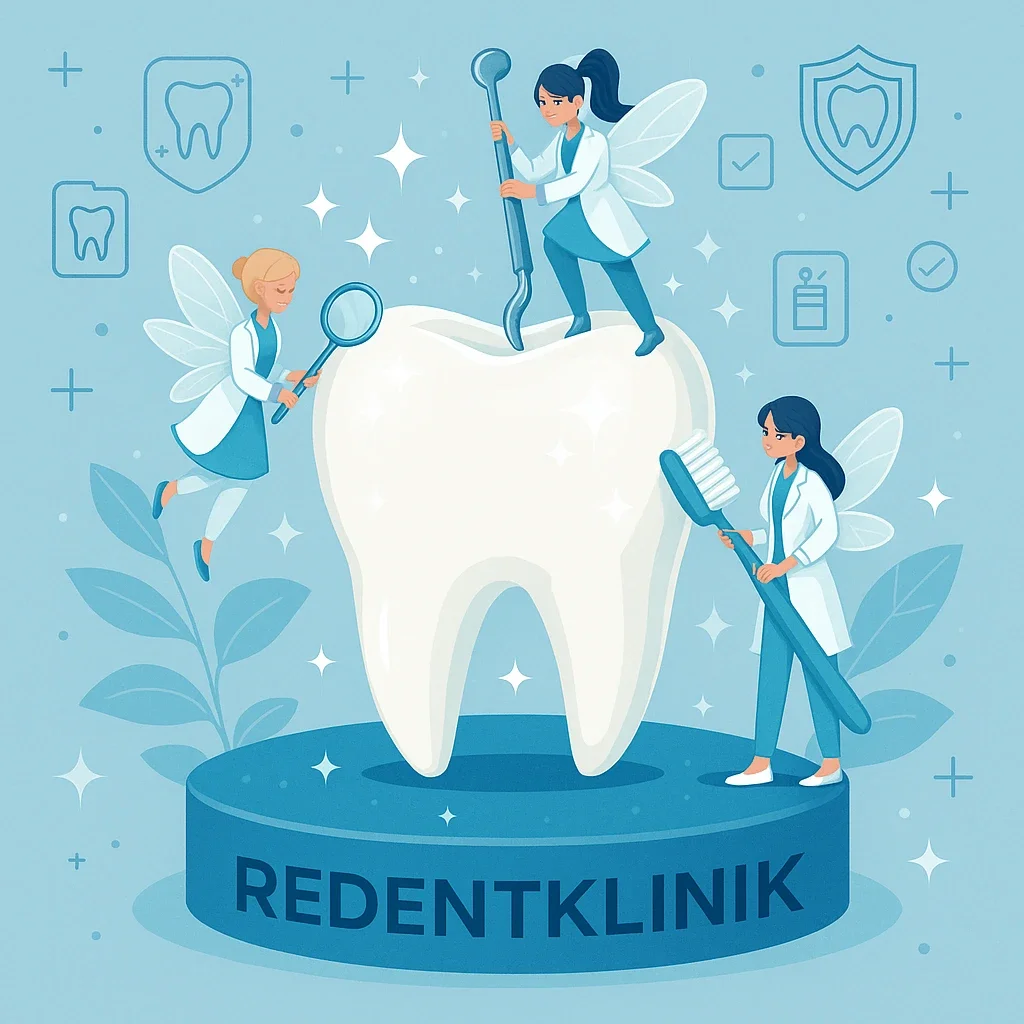
The Role of Nutrition in Wellness Dentistry
Nutrition plays a critical role in maintaining strong teeth, healthy gums, and overall wellness. In fact, one of the most important foundations of wellness dentistry is understanding how dietary choices directly affect oral health. While many people focus only on brushing and flossing, the foods and beverages consumed every day can either strengthen or damage the mouth over time. This is why wellness dentistry places major emphasis on nutrition as part of a complete preventive oral healthcare strategy. 🥗
The mouth is often considered a reflection of overall health. Nutritional deficiencies, poor eating habits, dehydration, and excessive sugar consumption can all contribute to cavities, gum disease, inflammation, bad breath, and enamel erosion. Dentists who practice wellness dentistry educate patients about healthier dietary habits that support not only oral health but also total-body wellness.
Why Nutrition Matters in Wellness Dentistry
Teeth and gums require essential vitamins and minerals to remain healthy and strong. Without proper nutrition, the body may struggle to fight infections, repair tissues, and maintain healthy saliva production. In wellness dentistry, nutrition is viewed as an important preventive tool that helps reduce the risk of oral diseases naturally.
For example, diets high in sugar and acidic foods may feed harmful bacteria inside the mouth. These bacteria produce acids that attack enamel and increase the likelihood of cavities. Over time, poor nutrition may also contribute to gum inflammation and weakened immune function.
The Mouth-Body Connection
One reason nutrition is so important in wellness dentistry is because oral health is closely connected to overall wellness. Chronic inflammation caused by poor oral hygiene and unhealthy diets may contribute to conditions such as diabetes, cardiovascular disease, and immune system complications.
By improving nutrition and reducing inflammatory foods, patients can support healthier gums, stronger teeth, and better overall health simultaneously.
Foods That Strengthen Teeth and Gums
Many foods naturally support oral health by providing minerals and nutrients that strengthen enamel and protect gum tissue. Dentists practicing wellness dentistry often encourage patients to eat nutrient-dense foods that promote healthier smiles.
Calcium is one of the most important minerals for strong teeth because it supports enamel and bone structure. Vitamin D helps the body absorb calcium more effectively, while phosphorus and magnesium also contribute to healthy tooth mineralization.
Best Foods for Oral Health
Patients following wellness dentistry recommendations are often encouraged to include:
- Dairy products rich in calcium
- Leafy green vegetables
- Crunchy fruits and vegetables
- Nuts and seeds
- Fatty fish containing vitamin D
- Eggs and lean proteins
- Water-rich foods
Crunchy vegetables such as carrots and celery can also help stimulate saliva production and naturally clean tooth surfaces while chewing.
The Importance of Saliva in Wellness Dentistry
Saliva is one of the body’s most important natural defenses against tooth decay and oral infections. In wellness dentistry, maintaining healthy saliva flow is considered essential for oral health protection.
Saliva helps neutralize acids, wash away food particles, and reduce harmful bacteria inside the mouth. Dehydration, certain medications, stress, and poor nutrition may reduce saliva production and increase cavity risk.
Hydration and Oral Health
Drinking enough water is strongly encouraged in wellness dentistry. Proper hydration supports saliva production and helps maintain a healthier oral environment. Water also helps rinse away sugars and acids after meals.
Patients are often advised to limit sugary sodas, energy drinks, and acidic beverages because they can weaken enamel and contribute to tooth sensitivity over time.
Sugar and Its Impact on Oral Health
One of the biggest nutritional concerns in wellness dentistry is excessive sugar consumption. Harmful bacteria inside the mouth feed on sugar and produce acids that attack tooth enamel. Frequent sugar exposure significantly increases the risk of cavities and gum disease.
Sticky candies, sugary snacks, sweetened beverages, and processed foods are especially harmful because they remain on the teeth longer and encourage bacterial growth.
Hidden Sugars in Everyday Foods
Many patients are surprised to discover how much hidden sugar exists in common foods. Sweetened coffee drinks, flavored yogurts, breakfast cereals, sauces, sports drinks, and processed snacks often contain large amounts of sugar.
In wellness dentistry, patients are encouraged to read nutrition labels carefully and reduce unnecessary sugar intake whenever possible.
Anti-Inflammatory Nutrition in Wellness Dentistry
Inflammation is closely connected to oral health problems, especially gum disease. Dentists practicing wellness dentistry often recommend anti-inflammatory foods that support healthier gums and stronger immune function.
Foods rich in antioxidants and omega-3 fatty acids may help reduce inflammation naturally while improving healing and tissue repair.
Anti-Inflammatory Foods for Healthy Gums
Some of the most beneficial anti-inflammatory foods recommended in wellness dentistry include:
- Blueberries and berries
- Salmon and fatty fish
- Olive oil
- Spinach and kale
- Green tea 🍵
- Turmeric and ginger
- Avocados
These foods may help reduce gum inflammation while supporting better total-body wellness.
Nutrition and Children’s Oral Health
Healthy eating habits are especially important during childhood because developing teeth require proper nutrition for strong growth. In wellness dentistry, dentists often educate parents about reducing sugary snacks and encouraging healthier alternatives.
Frequent juice consumption, sugary snacks, and prolonged bottle feeding can increase the risk of early childhood cavities. Preventive nutritional guidance helps children develop healthier oral habits that may benefit them for life.
Healthy Snack Alternatives
Instead of processed sugary snacks, wellness dentistry often encourages healthier choices such as:
- Cheese cubes
- Apple slices
- Plain yogurt
- Raw vegetables
- Nuts and seeds
- Fresh berries
These snacks provide important nutrients while reducing cavity risk.
The Role of Supplements in Wellness Dentistry
Some patients may struggle to obtain enough nutrients through diet alone. In certain cases, dentists practicing wellness dentistry may recommend supplements to support oral health and healing.
Common supplements may include calcium, vitamin D, magnesium, omega-3 fatty acids, or probiotics depending on the patient’s individual needs and medical history.
Personalized Nutritional Recommendations
One of the strengths of wellness dentistry is personalized care. Dentists may evaluate dietary habits, lifestyle factors, and oral health risks before recommending specific nutritional changes or supplements.
This individualized approach helps patients make realistic and sustainable improvements that support long-term wellness.
Patients interested in personalized oral healthcare and nutritional guidance can explore professional support through the Redent Klinik Contact Page. Additional educational information about oral health and preventive nutrition is available from the American Dental Association.
Ultimately, nutrition is one of the most powerful preventive tools used in wellness dentistry. By choosing healthier foods, reducing sugar intake, staying hydrated, and supporting the body with essential nutrients, patients can strengthen their teeth, protect their gums, reduce inflammation, and improve total-body wellness naturally. ✨