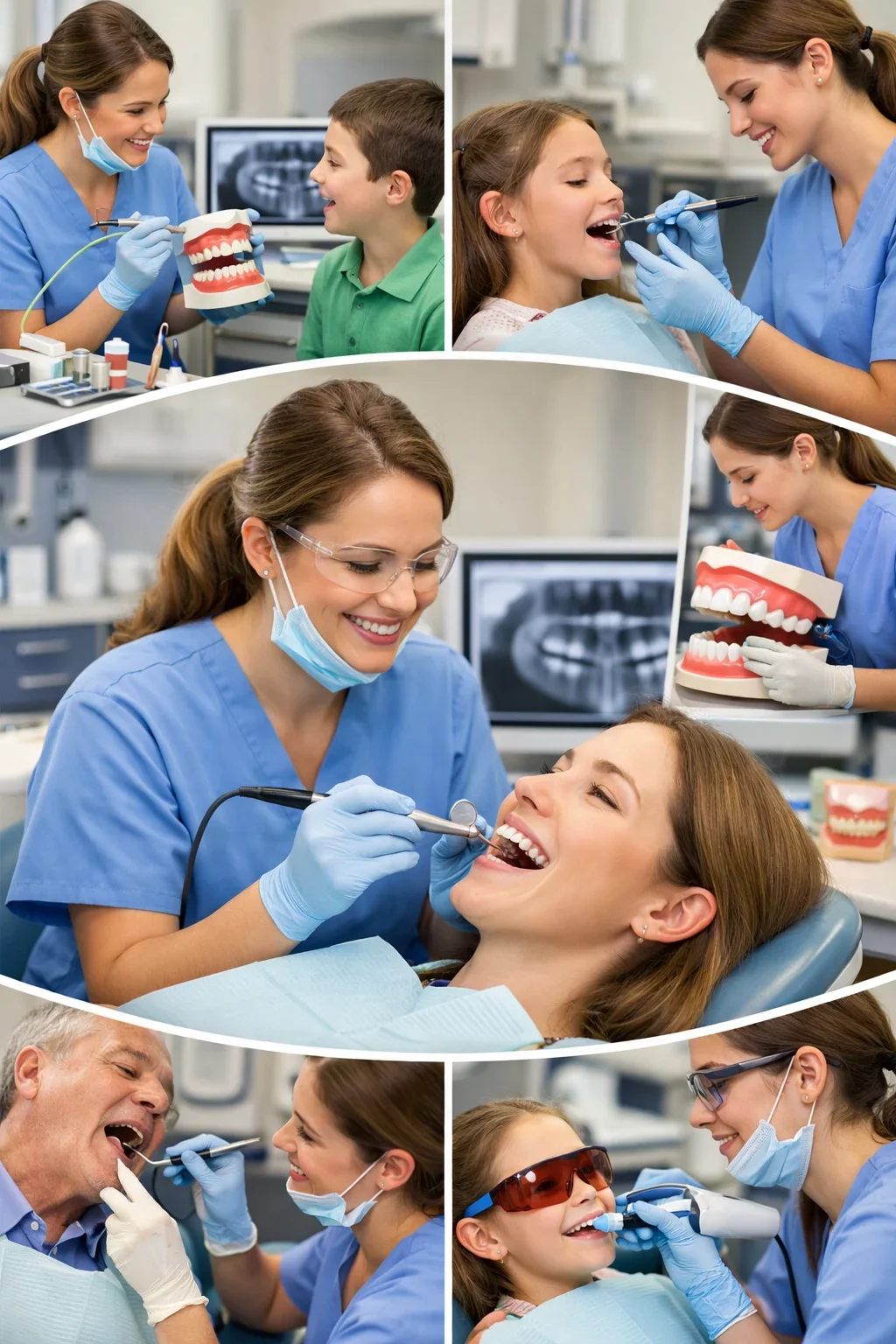
Many people visit the dentist regularly but still wonder: what do dental hygienist do during a dental appointment? Dental hygienists play a crucial role in maintaining oral health and preventing serious dental problems. They are highly trained oral healthcare professionals who work alongside dentists to provide preventive care, education, and early detection of oral diseases.
If you have ever had your teeth professionally cleaned, received oral hygiene instructions, or had dental X-rays taken, you have likely interacted with a dental hygienist. Understanding what do dental hygienist do can help patients appreciate the importance of preventive dental care and feel more confident during dental visits.
Dental hygienists focus primarily on prevention. Their goal is to help patients maintain healthy teeth and gums while identifying potential issues before they become serious. Because of their expertise in preventive care, dental hygienists are often the first line of defense against common dental conditions such as cavities, gum disease, and plaque buildup.
One of the most important responsibilities when discussing what do dental hygienist do is performing professional teeth cleanings. During routine dental visits, hygienists remove plaque, tartar, and stains from the teeth using specialized instruments. Plaque is a sticky film of bacteria that forms on teeth, and if not removed properly, it can harden into tartar and lead to gum disease. Professional cleaning helps maintain oral hygiene and keeps your smile healthy and bright. ✨
Another key aspect of what do dental hygienist do involves evaluating the overall condition of a patient’s oral health. Dental hygienists examine the gums, teeth, tongue, and mouth to identify early signs of problems. This includes checking for gum inflammation, cavities, oral infections, or even symptoms of oral cancer. Early detection is critical because many oral health problems develop slowly and may not cause pain at first.
Dental hygienists are also responsible for educating patients about proper oral hygiene practices. Patient education is a major part of what do dental hygienist do because good dental habits at home can significantly reduce the risk of dental diseases. Hygienists demonstrate correct brushing and flossing techniques, recommend suitable oral care products, and provide personalized advice based on a patient’s specific dental needs.
In addition, dental hygienists often take dental X-rays to help dentists diagnose hidden issues that cannot be seen during a visual examination. X-rays reveal problems such as cavities between teeth, bone loss, impacted teeth, or infections below the gumline. These diagnostic tools are an important component of what do dental hygienist do, helping ensure patients receive accurate and timely treatment.
Dental hygienists also perform preventive treatments that protect teeth and gums. For example, they may apply fluoride treatments to strengthen tooth enamel and reduce the risk of cavities. Fluoride is especially beneficial for children and patients who are more prone to tooth decay. Understanding what do dental hygienist do highlights how these preventive measures can significantly improve long-term oral health.
Another essential role within what do dental hygienist do includes assisting in the management of gum disease. Gum disease, also known as periodontal disease, affects millions of people worldwide. Hygienists perform deep cleanings known as scaling and root planing to remove bacteria and tartar from beneath the gumline. This treatment helps reduce inflammation and prevent further damage to the gums and supporting bone structures.
Beyond clinical procedures, dental hygienists also help patients feel comfortable and relaxed during dental visits. Many individuals experience anxiety when visiting the dentist, and hygienists often act as the first point of contact. Their friendly communication and gentle care can make dental appointments much more positive experiences. 😊
Another important perspective when considering what do dental hygienist do is their role in promoting overall health. Research has shown strong links between oral health and systemic conditions such as heart disease, diabetes, and respiratory infections. By helping patients maintain healthy gums and teeth, dental hygienists contribute to improved overall wellbeing.
Patients who want to maintain excellent oral health should schedule regular dental cleanings and check-ups. During these visits, hygienists monitor changes in oral health and provide preventive treatments that keep problems from developing. If you ever have concerns about your oral health or want to schedule a dental visit, you can reach out through the Redent Klinik Contact Page.
Professional dental organizations also emphasize the importance of preventive care provided by hygienists. According to the American Dental Association, routine dental visits and hygiene treatments are essential for maintaining healthy teeth and gums throughout life.
In summary, understanding what do dental hygienist do reveals how important these professionals are in modern dentistry. Their responsibilities include teeth cleaning, oral examinations, disease prevention, patient education, diagnostic support, and periodontal care. Dental hygienists not only help maintain beautiful smiles but also play a vital role in protecting long-term health.
For patients who want healthier teeth, fresher breath, and stronger gums, regular visits with a dental hygienist are one of the most effective steps they can take. The work of these dedicated professionals ensures that dental problems are detected early, treated properly, and prevented whenever possible.
1. What Do Dental Hygienist Do During Routine Dental Visits?
When patients arrive for a routine dental appointment, many immediately ask themselves or search online: what do dental hygienist do during a standard dental visit? Dental hygienists are essential members of the dental care team, and routine appointments are where much of their preventive work happens. Their responsibilities go far beyond simple teeth cleaning. Understanding what do dental hygienist do during these visits can help patients feel more comfortable, informed, and motivated to maintain their oral health.
Routine dental visits typically occur every six months for most patients, although some individuals may need more frequent care depending on their oral health condition. During these visits, dental hygienists perform several important tasks that support the dentist’s diagnosis and help prevent dental diseases before they start.
Initial Patient Assessment and Medical History Review
The first step in understanding what do dental hygienist do during routine dental visits is the patient assessment. Before any cleaning or treatment begins, the hygienist reviews the patient’s medical and dental history. This step is critical because many medical conditions, medications, and lifestyle factors can influence oral health.
Dental hygienists may ask questions such as:
- Have you experienced tooth sensitivity or pain recently?
- Are your gums bleeding when brushing or flossing?
- Have there been changes in your medications or medical conditions?
- Do you experience dry mouth or bad breath?
This information helps hygienists tailor their approach to the patient’s needs. Reviewing medical history is an important part of what do dental hygienist do because conditions like diabetes, heart disease, or pregnancy can affect oral health and influence treatment decisions.
Oral Examination and Gum Health Evaluation
Another major responsibility related to what do dental hygienist do during routine visits is performing a detailed oral examination. Before cleaning begins, the hygienist carefully examines the teeth, gums, and surrounding tissues to identify potential issues.
This examination includes checking for:
- Signs of gum inflammation
- Plaque and tartar buildup
- Receding gums
- Early tooth decay
- Abnormal lesions in the mouth
Dental hygienists often measure the depth of gum pockets around each tooth using a small dental instrument called a periodontal probe. Healthy gum pockets typically measure between 1 and 3 millimeters. Deeper pockets may indicate gum disease.
By identifying problems early, hygienists help prevent more serious complications. This diagnostic step is a key component of what do dental hygienist do because early detection greatly improves treatment outcomes.
Why Gum Health Checks Are Important
Monitoring gum health is essential because periodontal disease is one of the most common oral health problems worldwide. In many cases, gum disease develops slowly and without pain, making regular evaluations extremely important.
When discussing what do dental hygienist do, gum health monitoring is one of the most valuable preventive services they provide. Detecting gum disease early allows patients to receive treatment before bone loss or tooth loss occurs.
Professional Teeth Cleaning Procedure
Perhaps the most recognized part of what do dental hygienist do during routine dental visits is professional teeth cleaning. This process, also known as dental prophylaxis, removes plaque, tartar, and stains that cannot be eliminated through regular brushing and flossing at home.
The cleaning process generally involves several steps:
- Scaling to remove hardened tartar deposits
- Polishing the teeth to remove stains
- Flossing between teeth
- Rinsing to remove debris
Special dental instruments allow hygienists to remove tartar from areas that toothbrushes cannot reach. This is an essential aspect of what do dental hygienist do, because tartar buildup contributes to cavities and gum disease if left untreated.
Modern Cleaning Technologies
Many dental clinics now use advanced technologies such as ultrasonic scalers. These devices use vibration and water to remove tartar more efficiently and comfortably. Ultrasonic tools help hygienists perform their duties faster while maintaining patient comfort.
Modern equipment continues to expand what what do dental hygienist do in preventive dentistry, making treatments safer and more effective.
Patient Education and Oral Hygiene Advice
A large part of what do dental hygienist do during routine visits involves educating patients about proper oral hygiene. Even the best professional cleaning cannot replace daily oral care at home.
Dental hygienists often demonstrate:
- Correct brushing techniques
- Proper flossing methods
- Use of interdental brushes
- Selection of appropriate toothpaste and mouthwash
Education is particularly important for children, orthodontic patients, and individuals with gum disease. Personalized advice helps patients develop habits that protect their oral health between dental visits.
Preventive Treatments During Routine Visits
Preventive treatments are another example of what do dental hygienist do during routine appointments. Depending on the patient’s risk of tooth decay, hygienists may apply fluoride treatments or dental sealants.
Fluoride strengthens tooth enamel and reduces the risk of cavities. Dental sealants are protective coatings applied to the chewing surfaces of molars to prevent bacteria from accumulating in deep grooves.
These treatments are particularly beneficial for children and teenagers but may also help adults with high cavity risk.
Preparing the Patient for the Dentist’s Examination
Finally, after completing their work, hygienists prepare the patient for the dentist’s examination. The dentist reviews the hygienist’s findings and performs additional diagnostic checks if necessary.
This collaborative approach highlights another important aspect of what do dental hygienist do. They work closely with dentists to ensure patients receive comprehensive dental care.
By the time the dentist enters the room, the hygienist has already gathered essential information about the patient’s oral health. This teamwork helps dental practices operate efficiently while ensuring high-quality care.
In summary, understanding what do dental hygienist do during routine dental visits reveals how comprehensive their role truly is. From medical history reviews and oral examinations to professional cleaning and patient education, dental hygienists are central to preventive dentistry. Their work ensures that dental problems are detected early, treated properly, and prevented whenever possible.
2. Teeth Cleaning Explained: A Core Duty of Dental Hygienists
One of the most recognized responsibilities people associate with dental hygienists is professional teeth cleaning. When patients ask what do dental hygienist do during dental appointments, professional cleaning is usually the first service that comes to mind. However, teeth cleaning performed by a dental hygienist is far more detailed and medically important than a simple cosmetic procedure. It is a preventive treatment designed to protect teeth, gums, and overall oral health.
Professional dental cleaning removes plaque, tartar, and stains that cannot be eliminated through daily brushing and flossing alone. Even individuals who maintain excellent oral hygiene at home may still develop tartar buildup over time. Understanding what do dental hygienist do during professional cleanings helps patients appreciate how this treatment prevents cavities, gum disease, and other oral health problems.
The Purpose of Professional Dental Cleaning
Before explaining the steps of the cleaning process, it is important to understand why it is necessary. One of the key answers to the question what do dental hygienist do involves protecting the mouth from bacterial buildup.
Plaque is a sticky layer of bacteria that forms continuously on teeth. If plaque is not removed regularly, it hardens into tartar (also known as calculus). Tartar cannot be removed with a toothbrush or floss. Only trained dental professionals can safely remove these hardened deposits.
When tartar accumulates along the gumline, it irritates the gums and can eventually lead to periodontal disease. Therefore, removing plaque and tartar is one of the most important aspects of what do dental hygienist do during preventive dental care.
Step-by-Step Process of Professional Teeth Cleaning
Professional teeth cleaning involves several carefully performed steps. Each step contributes to maintaining a healthy oral environment and preventing dental disease. Understanding this process gives patients a clearer view of what do dental hygienist do during a routine dental appointment.
Step 1: Examination of the Mouth
Before starting the cleaning procedure, dental hygienists conduct a quick visual examination of the patient’s mouth. Using a small mirror and specialized dental instruments, they check for:
- Signs of gum inflammation
- Plaque and tartar buildup
- Areas of tooth sensitivity
- Early signs of cavities
- Gum recession
This examination helps hygienists determine the most appropriate cleaning technique. It also provides the dentist with important diagnostic information. This assessment stage is an important part of what do dental hygienist do before performing any treatment.
Step 2: Removing Plaque and Tartar (Scaling)
The next stage of the cleaning process is scaling. During scaling, dental hygienists use specialized dental instruments called scalers to remove plaque and hardened tartar from the tooth surfaces and around the gumline.
Scaling requires precision and training. Hygienists carefully work around each tooth to ensure deposits are completely removed without damaging the enamel. This stage is one of the most important parts of what do dental hygienist do because tartar buildup is a major cause of gum disease.
In many modern dental clinics, ultrasonic scalers are also used. These devices use vibration and water spray to break apart tartar deposits efficiently while improving patient comfort.
Step 3: Tooth Polishing
After scaling is complete, the hygienist polishes the teeth using a rotating polishing tool and a mildly abrasive polishing paste. Tooth polishing removes surface stains caused by foods, beverages, and smoking.
This step also smooths the tooth surfaces, making it harder for plaque to accumulate again. Polishing is another example of what do dental hygienist do to improve both oral health and the appearance of a patient’s smile.
Step 4: Professional Flossing
Even patients who floss regularly benefit from professional flossing during dental cleanings. Dental hygienists carefully floss between each tooth to remove any remaining debris or polishing paste.
This step allows hygienists to check for tight spaces between teeth, areas prone to plaque buildup, and potential gum sensitivity. Professional flossing helps complete the cleaning process and demonstrates once again what do dental hygienist do to ensure thorough oral hygiene.
Benefits of Professional Teeth Cleaning
Understanding the benefits of dental cleaning provides deeper insight into what do dental hygienist do to maintain oral health. Regular professional cleanings offer numerous advantages:
- Prevention of gum disease
- Reduction of tooth decay risk
- Removal of stubborn plaque and tartar
- Fresher breath
- Improved appearance of teeth
- Early detection of dental problems
By removing harmful bacteria and deposits, dental hygienists help maintain a balanced oral environment. Their preventive work significantly reduces the likelihood of complex dental treatments later.
How Often Should Teeth Cleaning Be Done?
Most dental professionals recommend professional cleaning every six months. However, patients with certain conditions such as gum disease, heavy plaque buildup, or orthodontic appliances may require more frequent visits.
This schedule highlights another key aspect of what do dental hygienist do: ongoing monitoring of oral health. Regular cleanings allow hygienists to track changes in the mouth and identify early warning signs of dental problems.
The Role of Hygienists in Preventive Dentistry
Professional teeth cleaning is a fundamental part of preventive dentistry. Preventive dentistry focuses on stopping dental problems before they develop into serious conditions.
Through professional cleaning, dental hygienists remove bacteria that cause tooth decay and gum disease. This preventive approach explains why the question what do dental hygienist do is closely linked with maintaining long-term oral health.
When patients attend regular cleaning appointments, they significantly reduce their risk of dental complications such as infections, bone loss, and tooth loss.
Why Professional Cleaning Is Essential for Overall Health
Oral health is closely connected to overall health. Research shows links between gum disease and conditions such as heart disease, diabetes, and respiratory infections.
By controlling plaque and bacteria through professional cleaning, dental hygienists help protect both oral and systemic health. This connection further illustrates the broader importance of what do dental hygienist do within modern healthcare.
In summary, professional teeth cleaning is a central responsibility of dental hygienists. Through examination, scaling, polishing, and preventive care, hygienists ensure patients maintain healthy teeth and gums. Their work not only improves smiles but also helps prevent serious dental and medical conditions.
3. Oral Health Assessments and Early Disease Detection
One of the most critical responsibilities behind the question what do dental hygienist do involves conducting thorough oral health assessments and identifying early signs of dental disease. Dental hygienists are often the first professionals to carefully examine the mouth during a dental appointment. Their training allows them to recognize subtle warning signs that patients may not notice on their own.
Early detection is essential in dentistry because many oral health conditions begin silently. Cavities, gum disease, oral infections, and even oral cancer can develop without immediate pain or visible symptoms. Understanding what do dental hygienist do during oral assessments helps explain why regular dental visits are so important for long-term health.
Comprehensive Oral Examination
Before any cleaning or treatment begins, dental hygienists perform a systematic oral examination. This examination allows them to assess the overall condition of the patient’s teeth, gums, tongue, and oral tissues. When patients ask what do dental hygienist do during these evaluations, the answer involves a detailed and structured assessment process.
During the oral examination, hygienists check for several indicators of dental health, including:
- Plaque and tartar accumulation
- Tooth discoloration or enamel wear
- Gum redness or swelling
- Gum recession
- Signs of cavities
- Unusual lesions or tissue changes
This evaluation helps hygienists determine whether preventive care alone is sufficient or if further treatment from a dentist may be required. The assessment stage is a vital example of what do dental hygienist do to support early diagnosis.
Monitoring Gum Health and Periodontal Screening
Another major part of what do dental hygienist do during oral health assessments involves evaluating the condition of the gums. Gum health is extremely important because periodontal disease is one of the most common oral health conditions worldwide.
Dental hygienists measure the depth of the gum pockets surrounding each tooth using a small measuring instrument called a periodontal probe. Healthy gums typically form pockets that measure between 1 and 3 millimeters. When pockets become deeper, it may indicate the presence of gum disease.
During periodontal screening, hygienists look for several signs of gum disease:
- Bleeding gums
- Inflammation or swelling
- Receding gum tissue
- Bone loss around teeth
- Pocket depth changes
Identifying these signs early is a fundamental component of what do dental hygienist do. Early-stage gum disease, known as gingivitis, can often be reversed with professional care and improved oral hygiene habits.
Why Early Gum Disease Detection Matters
Many patients do not realize they have gum disease until it reaches an advanced stage. Periodontal disease can eventually lead to tooth mobility and tooth loss if left untreated. Because of this risk, monitoring gum health is a key responsibility when discussing what do dental hygienist do during routine dental care.
Early detection allows dental professionals to provide timely treatment that prevents permanent damage to the gums and bone structures supporting the teeth.
Detecting Tooth Decay in Its Early Stages
Dental hygienists also help identify early signs of tooth decay. While dentists typically diagnose and treat cavities, hygienists often notice suspicious areas during their initial examination.
During this stage of what do dental hygienist do, hygienists carefully examine tooth surfaces for changes such as:
- White spots indicating enamel demineralization
- Dark discolorations
- Soft areas on enamel
- Visible pits or grooves
Detecting decay early can prevent the need for more complex dental procedures later. In many cases, small areas of early decay can be reversed through improved oral hygiene and fluoride treatments.
Screening for Oral Cancer
An often overlooked but extremely important part of what do dental hygienist do involves screening for oral cancer. During oral examinations, hygienists inspect the soft tissues of the mouth for abnormal changes that could indicate cancer or precancerous conditions.
Areas commonly examined include:
- The tongue
- The inside of the cheeks
- The roof and floor of the mouth
- The throat area
- The lips and surrounding tissues
Hygienists look for unusual sores, lumps, discoloration, or tissue thickening. If any suspicious changes are found, they immediately alert the dentist for further evaluation.
This screening is a powerful example of what do dental hygienist do to protect patient health beyond routine dental cleaning. Early detection significantly increases the success rate of oral cancer treatment.
Identifying Signs of Other Oral Health Conditions
In addition to cavities and gum disease, dental hygienists also monitor for other oral health conditions that may affect the mouth. These may include:
- Teeth grinding (bruxism)
- Jaw alignment issues
- Dry mouth symptoms
- Oral infections
- Damage caused by acid erosion
Recognizing these conditions is another example of what do dental hygienist do to support comprehensive dental care. By identifying risk factors early, hygienists help dentists develop treatment plans that prevent future complications.
Link Between Oral Health and Overall Health
Dental hygienists are also trained to recognize signs that oral conditions may be linked to broader health issues. For example, certain gum conditions may be associated with diabetes or cardiovascular disease.
Because oral tissues can reveal clues about overall health, this diagnostic awareness expands the scope of what do dental hygienist do beyond traditional dental care.
Patient Communication and Documentation
Another important part of oral health assessments involves documenting findings and communicating with both patients and dentists. Dental hygienists carefully record any abnormalities they observe and share their observations with the dentist.
Explaining these findings to patients is also an essential part of what do dental hygienist do. Patients often appreciate clear explanations about their oral health status and recommendations for improving their dental hygiene routine.
By educating patients and keeping accurate records, hygienists help ensure continuity of care during future visits.
Why Regular Oral Assessments Are Essential
Routine oral health assessments are one of the most valuable services dental hygienists provide. Many serious dental problems begin with minor symptoms that are easy to miss without professional evaluation.
Understanding what do dental hygienist do during these assessments highlights the importance of preventive dental visits. By detecting problems early, hygienists help patients avoid complex treatments and maintain healthier smiles.
Regular dental examinations combined with professional cleaning create a strong defense against cavities, gum disease, and other oral health issues.
In conclusion, oral health assessments and early disease detection represent a critical part of what do dental hygienist do. Through careful examinations, periodontal evaluations, cancer screenings, and patient education, dental hygienists play a key role in protecting both oral and overall health.
4. Preventive Dental Care and Patient Education
When patients search online for what do dental hygienist do, one of the most important answers involves preventive dental care and patient education. While treatments such as cleaning and examinations are essential, prevention is truly the foundation of modern dentistry. Dental hygienists play a leading role in helping patients avoid oral health problems before they develop.
Preventive dentistry focuses on maintaining healthy teeth and gums while reducing the risk of conditions like cavities, gum disease, enamel erosion, and oral infections. A large portion of what do dental hygienist do involves teaching patients how to care for their teeth properly between dental visits. This educational role helps individuals maintain long-term oral health and reduces the need for more complex dental procedures later.
The Importance of Preventive Dentistry
Preventive care is essential because many dental diseases develop gradually and often without noticeable symptoms in the early stages. Dental hygienists help patients recognize potential risks and develop habits that protect their oral health.
Understanding what do dental hygienist do in preventive dentistry highlights their focus on stopping problems before they begin. Preventive care provided by hygienists helps reduce:
- Tooth decay
- Gum disease
- Bad breath (halitosis)
- Tooth loss
- Costly dental treatments
By providing preventive guidance, dental hygienists empower patients to take control of their oral health.
Teaching Proper Brushing Techniques
One of the most practical aspects of what do dental hygienist do is educating patients on how to brush their teeth effectively. Although brushing seems simple, many people do not use the correct technique or brush for an adequate amount of time.
Dental hygienists demonstrate proper brushing techniques, which generally include:
- Using a soft-bristled toothbrush
- Holding the brush at a 45-degree angle to the gums
- Brushing gently in small circular motions
- Cleaning all surfaces of the teeth
- Brushing for at least two minutes
They may also recommend electric toothbrushes for patients who struggle with manual brushing. Teaching effective brushing habits is a core component of what do dental hygienist do to help patients maintain strong teeth and healthy gums.
Common Brushing Mistakes Hygienists Help Correct
Dental hygienists frequently observe brushing habits that may harm oral health. Some common mistakes they address include:
- Brushing too aggressively
- Using hard-bristled toothbrushes
- Skipping gumline cleaning
- Not brushing long enough
- Ignoring the tongue during oral hygiene
Correcting these habits is another important example of what do dental hygienist do during dental appointments.
Teaching Effective Flossing Techniques
Flossing is another critical component of preventive dental care. Many patients either floss incorrectly or skip flossing entirely. Dental hygienists help patients understand why flossing is necessary and how to perform it properly.
Flossing removes plaque and food particles from areas that toothbrushes cannot reach, particularly between teeth and beneath the gumline. When explaining what do dental hygienist do, flossing instruction is one of the most valuable educational services they provide.
Dental hygienists often demonstrate proper flossing by guiding patients through these steps:
- Using about 18 inches of dental floss
- Wrapping the floss around the middle fingers
- Sliding the floss gently between teeth
- Curving the floss around each tooth in a C-shape
- Cleaning below the gumline carefully
These instructions help patients prevent plaque buildup and gum inflammation.
Recommending Oral Care Products
Another important part of what do dental hygienist do involves recommending appropriate oral care products tailored to individual patient needs. Not all dental products are suitable for every patient, and hygienists help people choose the best options for their oral health.
Recommendations may include:
- Fluoride toothpaste for cavity prevention
- Desensitizing toothpaste for tooth sensitivity
- Antibacterial mouthwash for gum health
- Interdental brushes for tight spaces
- Water flossers for patients with braces or implants
By recommending the right products, dental hygienists help patients improve their daily oral hygiene routines.
Diet and Lifestyle Guidance
Preventive dental care extends beyond brushing and flossing. Another important element of what do dental hygienist do involves discussing dietary habits and lifestyle choices that affect oral health.
Dental hygienists often educate patients about how diet impacts teeth and gums. Foods and drinks high in sugar can increase the risk of cavities, while acidic beverages may weaken tooth enamel.
Patients may receive advice such as:
- Limiting sugary snacks and drinks
- Drinking more water
- Eating crunchy fruits and vegetables
- Avoiding frequent acidic beverages
- Reducing tobacco use
These lifestyle adjustments play a major role in preventing oral health problems.
Hydration and Saliva Production
Dental hygienists also educate patients about the importance of saliva in maintaining oral health. Saliva helps neutralize acids and wash away food particles.
Patients who experience dry mouth may be at greater risk for cavities. Discussing these concerns is another example of what do dental hygienist do to support overall dental wellness.
Motivating Patients to Maintain Oral Health
One of the most valuable aspects of preventive care is motivation. Dental hygienists often serve as coaches who encourage patients to adopt better oral hygiene habits.
They celebrate improvements in oral health and help patients develop realistic goals for maintaining their teeth and gums. This supportive relationship helps patients stay consistent with daily oral hygiene practices.
Encouragement and positive reinforcement are subtle but powerful elements of what do dental hygienist do to promote healthier lifestyles.
Preventive Care for Different Age Groups
Dental hygienists also adjust preventive education depending on the patient’s age and dental condition. For example:
- Children receive guidance on cavity prevention and brushing habits
- Teenagers with braces receive specialized cleaning advice
- Adults receive education about gum disease prevention
- Older adults may receive advice for dry mouth or dental restorations
Tailoring advice to each patient is another example of the personalized care behind what do dental hygienist do in daily practice.
Why Patient Education Is Essential
Professional dental treatments are important, but daily oral hygiene habits determine long-term oral health. Dental hygienists bridge the gap between professional dental care and home care routines.
Understanding what do dental hygienist do in patient education reveals how vital their role is in preventing dental disease. Through education, demonstrations, and personalized guidance, hygienists empower patients to maintain healthy smiles throughout their lives.
In conclusion, preventive dental care and patient education are central responsibilities of dental hygienists. By teaching proper brushing and flossing techniques, recommending oral care products, discussing dietary habits, and motivating patients to maintain good hygiene practices, hygienists help create the foundation for lifelong oral health.
5. Dental X-Rays and Diagnostic Support
Another essential aspect of the question what do dental hygienist do involves dental X-rays and diagnostic support. While professional cleaning and preventive care are often the most visible parts of a dental visit, diagnostic procedures play a critical role in identifying hidden dental problems. Dental hygienists are trained to take dental radiographs (X-rays), which allow dentists to see conditions that cannot be detected during a visual examination alone.
Dental X-rays provide detailed images of the teeth, jawbone, and surrounding tissues. These images help dental professionals detect cavities between teeth, bone loss caused by gum disease, infections beneath the gums, and developmental abnormalities. Understanding what do dental hygienist do in diagnostic imaging highlights how important their role is in modern dentistry.
Why Dental X-Rays Are Important
Dental X-rays are an essential diagnostic tool because many dental problems begin in areas that are difficult to see. For example, cavities often develop between teeth where toothbrush bristles cannot reach. Gum disease may also cause bone loss below the gumline, which is not visible during routine oral examinations.
When patients ask what do dental hygienist do during diagnostic procedures, the answer often includes capturing precise X-ray images that help dentists diagnose these hidden issues early.
Early detection through dental X-rays helps prevent serious complications such as:
- Advanced tooth decay
- Periodontal bone loss
- Dental abscesses
- Impacted teeth
- Jawbone abnormalities
By identifying these conditions early, dental hygienists help ensure patients receive timely and effective treatment.
Types of Dental X-Rays Dental Hygienists Take
There are several types of dental X-rays used in dentistry. A key component of what do dental hygienist do involves selecting the appropriate type of radiograph based on the patient’s dental needs.
Bitewing X-Rays
Bitewing X-rays are one of the most common dental radiographs taken during routine dental visits. These X-rays show the upper and lower teeth in a specific section of the mouth.
Dental hygienists use bitewing X-rays to detect:
- Cavities between teeth
- Tartar buildup below the gumline
- Early signs of bone loss
Bitewing radiographs are a routine part of what do dental hygienist do during regular dental check-ups.
Periapical X-Rays
Periapical X-rays provide detailed images of the entire tooth, including the root and surrounding bone. These images are useful for detecting infections, abscesses, and root problems.
Taking these diagnostic images is another important example of what do dental hygienist do when assisting dentists in identifying deeper dental issues.
Panoramic X-Rays
Panoramic X-rays capture a broad view of the entire mouth, including the teeth, jawbone, and surrounding structures. Although dentists often review these images, dental hygienists may assist in preparing the patient and positioning them correctly for the scan.
This technology allows dental teams to evaluate:
- Impacted wisdom teeth
- Jawbone abnormalities
- Temporomandibular joint (TMJ) conditions
- Development of permanent teeth in children
These imaging procedures demonstrate another dimension of what do dental hygienist do in supporting diagnostic dentistry.
The Process of Taking Dental X-Rays
Dental hygienists follow a precise process when taking dental radiographs. Their training ensures that images are captured safely and accurately.
The general process includes several steps:
- Placing a protective lead apron on the patient
- Positioning the X-ray sensor or film in the mouth
- Aligning the X-ray machine for accurate imaging
- Capturing the image quickly and safely
- Reviewing the image for clarity and accuracy
This careful procedure ensures that the dentist receives high-quality images for diagnosis. Performing these steps safely is a critical part of what do dental hygienist do during dental visits.
Ensuring Patient Safety During X-Rays
Radiation safety is an important responsibility when discussing what do dental hygienist do in diagnostic imaging. Dental hygienists are trained to minimize radiation exposure while still capturing clear diagnostic images.
Modern dental X-ray technology uses extremely low levels of radiation. Additionally, hygienists follow strict safety guidelines, including:
- Using lead aprons and thyroid collars
- Taking X-rays only when necessary
- Using digital radiography to reduce radiation exposure
- Following proper positioning techniques
These precautions ensure that dental X-rays remain safe for patients of all ages.
Advantages of Digital Dental X-Rays
Many dental clinics now use digital radiography instead of traditional film X-rays. Digital systems produce high-resolution images instantly and expose patients to significantly less radiation.
Digital imaging enhances what what do dental hygienist do by improving diagnostic accuracy and efficiency. Dentists can enlarge or enhance digital images to detect problems more easily.
How Dental Hygienists Assist Dentists With Diagnosis
Dental hygienists do not diagnose dental conditions independently, but they play an important role in assisting dentists with diagnostic evaluations. After taking X-rays, hygienists organize and prepare the images for the dentist to review.
This collaborative effort demonstrates another aspect of what do dental hygienist do within the dental team. Hygienists provide valuable information that helps dentists identify dental issues and create treatment plans.
Because hygienists often spend more time with patients during appointments, they may also notice symptoms or concerns that patients share during conversation. These insights can provide additional context for the dentist’s evaluation.
Monitoring Dental Changes Over Time
Dental X-rays also allow dental professionals to monitor changes in a patient’s oral health over time. By comparing images from previous visits, dentists and hygienists can track developments such as:
- Progression of cavities
- Bone density changes
- Tooth eruption patterns
- Healing after dental treatments
Monitoring these changes is another way what do dental hygienist do contributes to long-term oral health management.
Diagnostic Imaging and Preventive Dentistry
Dental X-rays are closely connected to preventive dentistry. Identifying problems early allows dental teams to treat them before they become severe.
For example, detecting a small cavity early may allow for a simple filling rather than a root canal treatment later. This preventive approach illustrates how diagnostic imaging expands the impact of what do dental hygienist do beyond routine cleaning.
By supporting early diagnosis, dental hygienists help patients maintain healthier teeth and avoid complex dental procedures.
Conclusion
Dental X-rays and diagnostic support represent a vital part of modern dental care. From positioning patients for radiographs to ensuring radiation safety and assisting dentists with diagnostic information, dental hygienists play an important role in the diagnostic process.
Understanding what do dental hygienist do in dental imaging helps patients recognize how these professionals contribute to early disease detection and comprehensive dental care. Their expertise in capturing accurate images allows dentists to diagnose conditions that would otherwise remain hidden.
Through careful imaging techniques and collaboration with dentists, dental hygienists help ensure that patients receive accurate diagnoses and effective treatment plans that protect their oral health for years to come.
6. Gum Disease Treatment and Periodontal Maintenance
Another essential answer to the question what do dental hygienist do involves treating and managing gum disease. Gum disease, also known as periodontal disease, is one of the most common oral health conditions worldwide. Without proper treatment, it can lead to serious complications such as bone loss, tooth mobility, and even tooth loss. Dental hygienists play a central role in preventing, detecting, and managing this condition.
Understanding what do dental hygienist do in periodontal care reveals how critical their role is in protecting long-term oral health. Through deep cleaning procedures, ongoing periodontal maintenance, and patient education, dental hygienists help patients control gum disease and maintain healthy gums.
Understanding Gum Disease
Before exploring treatment methods, it is important to understand how gum disease develops. Gum disease occurs when plaque bacteria accumulate around the gumline. If plaque is not removed regularly through proper oral hygiene and professional cleanings, it hardens into tartar and irritates the gum tissue.
There are two main stages of gum disease:
- Gingivitis – the early stage, characterized by redness, swelling, and bleeding gums
- Periodontitis – an advanced stage where infection spreads below the gumline and damages bone
When patients ask what do dental hygienist do regarding gum disease, the answer includes identifying these stages early and performing treatments that stop the disease from progressing.
Early Detection of Periodontal Problems
Dental hygienists are often the first professionals to identify signs of gum disease during routine dental visits. Early detection is extremely important because gingivitis can usually be reversed if treated promptly.
During examinations, hygienists check for:
- Bleeding gums during probing
- Gum swelling or redness
- Receding gum tissue
- Deep periodontal pockets
- Plaque and tartar buildup
This diagnostic step highlights an important aspect of what do dental hygienist do. By recognizing symptoms early, hygienists help prevent the disease from advancing into severe periodontal damage.
Scaling and Root Planing (Deep Cleaning)
One of the most important periodontal treatments performed by dental hygienists is scaling and root planing. This procedure is often referred to as deep cleaning and is a key part of what do dental hygienist do when treating gum disease.
Scaling removes plaque and tartar from both the tooth surface and below the gumline. Root planing smooths the root surfaces of teeth, making it more difficult for bacteria to accumulate again.
This procedure helps:
- Reduce bacterial infection
- Allow gums to reattach to the teeth
- Decrease gum inflammation
- Prevent further bone loss
Deep cleaning may require local anesthesia to ensure patient comfort. It is usually completed over multiple appointments depending on the severity of the disease.
Ultrasonic Instruments in Periodontal Treatment
Modern dental clinics often use ultrasonic scalers during deep cleaning procedures. These instruments use high-frequency vibrations combined with water irrigation to break apart tartar deposits.
Using advanced tools improves efficiency and comfort, expanding the effectiveness of what do dental hygienist do in periodontal therapy.
Periodontal Maintenance Appointments
After initial treatment, patients with gum disease require regular periodontal maintenance visits. These visits are different from routine cleanings and are specifically designed to control bacterial buildup below the gumline.
Periodontal maintenance is another important example of what do dental hygienist do to protect patients with a history of gum disease.
During these appointments, dental hygienists:
- Remove bacterial plaque and tartar from deep pockets
- Monitor gum pocket depth
- Evaluate gum tissue health
- Provide targeted cleaning around affected areas
Patients with periodontal disease often require maintenance every three to four months instead of the standard six-month cleaning schedule.
Monitoring Gum Health Over Time
Long-term monitoring is a crucial part of what do dental hygienist do when managing periodontal conditions. Hygienists track changes in gum pocket depth, gum tissue condition, and bone levels around teeth.
Comparing measurements over time allows dental professionals to determine whether treatment is working or if additional care is needed.
For example, improvements may include:
- Reduced gum pocket depth
- Less gum bleeding
- Improved gum attachment
- Reduced inflammation
If signs of disease progression appear, the dentist may recommend additional treatment.
Importance of Early Intervention
Early intervention plays a major role in periodontal care. Treating gum disease before it causes significant bone loss greatly improves long-term outcomes.
This preventive approach is another key component of what do dental hygienist do in modern dentistry.
Educating Patients About Gum Disease Prevention
Education is also an important part of periodontal care. Dental hygienists teach patients how to maintain healthy gums between visits.
When explaining what do dental hygienist do, patient education is one of the most powerful tools for preventing gum disease recurrence.
Hygienists may recommend:
- Improved brushing techniques
- Daily flossing or interdental cleaning
- Use of antimicrobial mouthwash
- Regular dental check-ups
- Lifestyle adjustments such as quitting smoking
Smoking is a particularly important risk factor for gum disease. Dental hygienists often educate patients about the impact of tobacco on gum health and healing.
Connection Between Gum Disease and Overall Health
Modern research has revealed strong links between periodontal disease and systemic health conditions. Studies have shown associations between gum disease and:
- Heart disease
- Diabetes
- Respiratory infections
- Pregnancy complications
By controlling gum disease, dental hygienists contribute not only to oral health but also to overall health. This broader health impact highlights the importance of what do dental hygienist do in preventive healthcare.
Why Periodontal Care Is Essential
Without proper treatment, gum disease can gradually destroy the structures that support the teeth. This may eventually result in tooth loss and complex dental treatments.
Through scaling, root planing, periodontal maintenance, and patient education, dental hygienists help patients preserve their natural teeth.
Understanding what do dental hygienist do in periodontal therapy demonstrates how vital their role is in maintaining long-term oral health.
In conclusion, gum disease treatment and periodontal maintenance represent a major part of dental hygiene practice. Dental hygienists help detect early symptoms, perform deep cleaning procedures, monitor gum health, and educate patients on prevention strategies. Their work plays a crucial role in protecting both oral health and overall well-being.
7. Fluoride Treatments and Protective Dental Sealants
Another important responsibility often included in the question what do dental hygienist do involves applying preventive treatments such as fluoride and dental sealants. These procedures are designed to strengthen teeth, prevent cavities, and protect vulnerable areas of the mouth from bacterial damage. Dental hygienists frequently perform these treatments as part of routine preventive care, especially for children, teenagers, and patients who are at higher risk for tooth decay.
Preventive dentistry focuses on stopping dental problems before they begin. When examining what do dental hygienist do in daily clinical practice, preventive treatments like fluoride applications and sealants play a major role in reducing the likelihood of cavities and maintaining long-term oral health.
What Is Fluoride and Why Is It Important?
Fluoride is a naturally occurring mineral that strengthens tooth enamel and helps protect teeth from decay. Tooth enamel is the hard outer layer of the tooth, but it can weaken over time due to acids produced by bacteria in the mouth.
Dental hygienists apply fluoride treatments to help remineralize weakened enamel. This preventive service is one of the key examples of what do dental hygienist do to protect teeth from cavity formation.
Fluoride treatments help by:
- Strengthening tooth enamel
- Reducing the risk of cavities
- Reversing early stages of tooth decay
- Protecting sensitive teeth
Patients of all ages can benefit from fluoride treatments, but they are especially valuable for children whose teeth are still developing.
How Fluoride Treatments Are Applied
The process of applying fluoride is quick, painless, and highly effective. Understanding how this procedure works helps patients better appreciate what do dental hygienist do during preventive dental visits.
Fluoride may be applied in several forms, including:
- Fluoride varnish
- Fluoride foam
- Fluoride gel
- Fluoride rinse
During the treatment, the hygienist carefully applies fluoride to the surfaces of the teeth. The procedure typically takes only a few minutes.
Patients are usually advised to avoid eating or drinking for about 30 minutes after treatment to allow the fluoride to fully absorb into the enamel. This preventive step illustrates another important aspect of what do dental hygienist do in protecting oral health.
Who Benefits Most From Fluoride Treatments?
While fluoride is beneficial for many patients, certain individuals may benefit more than others. Dental hygienists often recommend fluoride treatments for:
- Children and teenagers
- Patients with frequent cavities
- Individuals with dry mouth
- Patients with orthodontic appliances
- People with weakened enamel
By identifying patients who need additional protection, dental hygienists further demonstrate what do dental hygienist do in preventive care.
Dental Sealants: An Additional Layer of Protection
In addition to fluoride treatments, dental hygienists may also apply dental sealants. Sealants are thin protective coatings placed on the chewing surfaces of back teeth, particularly molars.
Molars contain deep grooves and pits that can easily trap food particles and bacteria. These areas are difficult to clean thoroughly with a toothbrush. Applying sealants is another example of what do dental hygienist do to protect teeth from cavities.
Sealants act as a barrier that prevents plaque and bacteria from settling in these vulnerable areas.
How Dental Sealants Are Applied
The sealant procedure is simple, painless, and usually completed in just a few minutes per tooth. The process typically includes the following steps:
- Cleaning the tooth surface
- Applying a special solution to prepare the enamel
- Rinsing and drying the tooth
- Applying the liquid sealant material
- Hardening the sealant using a curing light
This protective coating forms a smooth barrier over the grooves of the tooth. The procedure is a clear example of what do dental hygienist do to reduce cavity risk in preventive dentistry.
How Long Do Dental Sealants Last?
Dental sealants can last several years with proper care. During routine dental visits, hygienists examine the sealants to ensure they remain intact.
If a sealant becomes worn or damaged, the hygienist or dentist may reapply it to maintain protection. Monitoring sealant condition is another aspect of what do dental hygienist do during preventive care appointments.
Fluoride vs. Sealants: What Is the Difference?
Although both fluoride and sealants help prevent cavities, they work in different ways.
- Fluoride strengthens the enamel and helps repair early tooth damage.
- Sealants physically protect vulnerable tooth surfaces from bacteria.
Dental hygienists may recommend one or both treatments depending on the patient’s dental health and cavity risk. This decision-making process is another important example of what do dental hygienist do when developing preventive care strategies.
Preventive Treatments for Children
Children are particularly vulnerable to cavities because their newly erupted teeth may be more susceptible to decay. Dental hygienists frequently provide fluoride treatments and sealants for young patients to protect their developing teeth.
Parents often ask dentists and hygienists about preventive options for their children. In these situations, explaining what do dental hygienist do helps families understand how preventive dentistry supports lifelong oral health.
Applying sealants to children’s molars shortly after they erupt can significantly reduce the risk of cavities.
Preventive Treatments for Adults
Although sealants are most commonly applied to children, adults can also benefit from preventive treatments. Adults with deep grooves in their molars or those who experience frequent cavities may benefit from sealants.
Similarly, fluoride treatments can help adults with enamel erosion, dry mouth, or increased cavity risk. Providing personalized recommendations is another example of what do dental hygienist do to improve oral health outcomes.
The Role of Preventive Dentistry in Long-Term Oral Health
Preventive treatments significantly reduce the likelihood of future dental problems. By strengthening enamel and protecting vulnerable tooth surfaces, fluoride and sealants help patients maintain healthy teeth for many years.
This preventive approach demonstrates the broader importance of what do dental hygienist do in maintaining oral health. Rather than simply treating problems after they occur, dental hygienists work to prevent them from developing in the first place.
Conclusion
Fluoride treatments and dental sealants are essential preventive services provided by dental hygienists. These procedures strengthen tooth enamel, protect vulnerable areas, and reduce the risk of cavities.
Understanding what do dental hygienist do in preventive treatments highlights the valuable role these professionals play in maintaining oral health. By applying fluoride, placing sealants, and educating patients about cavity prevention, dental hygienists help ensure healthier smiles and fewer dental problems in the future.
8. Collaboration With Dentists for Comprehensive Dental Care
A crucial part of understanding what do dental hygienist do involves recognizing how closely they work with dentists and other dental professionals. Dentistry is a team-based healthcare field, and dental hygienists play a key role in ensuring that patients receive comprehensive and coordinated care. While dentists diagnose conditions and perform complex procedures, dental hygienists focus on preventive care, patient monitoring, and providing essential clinical information that supports treatment planning.
When patients ask what do dental hygienist do, the answer often includes collaboration. Hygienists act as an important bridge between the patient and the dentist. Because they often spend more time with patients during appointments, they gather valuable information about symptoms, oral hygiene habits, and concerns that can help guide dental treatment.
The Dental Team Approach
Modern dental clinics operate through a coordinated team approach. Each professional has specific responsibilities that contribute to patient care. Understanding what do dental hygienist do within this team structure highlights how important their role is in maintaining efficient and high-quality dental services.
The typical dental care team includes:
- Dentists
- Dental hygienists
- Dental assistants
- Administrative staff
Dental hygienists work directly with dentists by performing examinations, preventive treatments, and patient education. Their observations help dentists make accurate diagnoses and determine appropriate treatment plans.
Providing Critical Clinical Information
One of the most important contributions related to what do dental hygienist do involves collecting clinical information during dental appointments. Hygienists examine the mouth carefully and document their findings for the dentist to review.
This information may include:
- Gum pocket measurements
- Plaque and tartar buildup levels
- Signs of gum inflammation
- Patient-reported symptoms
- Changes in oral health since the last visit
By gathering this data, dental hygienists provide dentists with a detailed overview of the patient’s oral health condition. This collaboration ensures that treatment decisions are based on accurate and comprehensive information.
Why Accurate Documentation Matters
Accurate documentation is essential in dentistry. Dental hygienists carefully record their findings in patient charts so that dentists can review them before conducting their examination.
This process demonstrates another aspect of what do dental hygienist do in professional practice. Detailed records allow dental teams to monitor changes in oral health over time and evaluate the effectiveness of previous treatments.
Preparing Patients for the Dentist’s Examination
Another important responsibility related to what do dental hygienist do involves preparing patients for the dentist’s examination. After performing cleanings, assessments, and preventive treatments, hygienists provide the dentist with a summary of their observations.
This summary may include information about:
- Areas of concern within the mouth
- Possible signs of tooth decay
- Gum disease indicators
- Patient complaints or discomfort
- Changes in oral hygiene habits
Once the dentist enters the examination room, they review this information and conduct a more detailed diagnostic evaluation. The hygienist’s initial assessment helps guide the dentist’s focus during the examination.
Assisting in Treatment Planning
Dental hygienists also contribute to treatment planning discussions. While the dentist determines the final treatment strategy, hygienists often provide insights based on their close interaction with patients.
For example, when discussing what do dental hygienist do in treatment planning, their role may include:
- Explaining oral hygiene needs
- Identifying periodontal risk factors
- Discussing preventive care strategies
- Recommending maintenance schedules
Because hygienists frequently develop strong relationships with patients, they can also help ensure patients understand and feel comfortable with their treatment plans.
Communicating Treatment Recommendations
Clear communication is essential for successful dental care. Dental hygienists often help explain treatment recommendations in simple terms that patients can understand.
This communication role is another example of what do dental hygienist do to improve patient experiences and encourage treatment acceptance.
Supporting Complex Dental Procedures
Although dental hygienists primarily focus on preventive care, they may also support dentists during certain clinical procedures. This support ensures treatments run smoothly and efficiently.
Examples of how hygienists assist dentists include:
- Preparing treatment areas
- Reviewing patient medical history
- Providing patient comfort during procedures
- Offering post-treatment care instructions
These tasks demonstrate another aspect of what do dental hygienist do within the dental team environment.
Improving Patient Communication and Trust
Dental hygienists often develop strong relationships with patients because they spend more time interacting with them during appointments. Patients may feel more comfortable discussing concerns or asking questions with hygienists.
This relationship-building aspect of what do dental hygienist do is extremely valuable for dental practices. When patients trust their dental team, they are more likely to follow treatment recommendations and maintain regular dental visits.
Hygienists often act as educators and advocates for patient health, encouraging individuals to prioritize preventive care and good oral hygiene habits.
Reducing Dental Anxiety
Many patients experience anxiety when visiting the dentist. Dental hygienists frequently help reduce this anxiety by creating a calm and supportive environment.
Providing reassurance and explaining procedures clearly is another meaningful part of what do dental hygienist do to improve patient comfort during dental visits.
Enhancing Efficiency in Dental Clinics
Dental hygienists also contribute significantly to the efficiency of dental clinics. By handling preventive care procedures, examinations, and patient education, they allow dentists to focus on more complex treatments.
This division of responsibilities improves workflow and ensures patients receive timely care. It also highlights the broader importance of what do dental hygienist do within dental practice operations.
Efficient teamwork ultimately benefits both patients and dental professionals by improving appointment scheduling, treatment delivery, and patient satisfaction.
The Importance of Team-Based Dentistry
Team-based dentistry is essential for delivering high-quality oral healthcare. Dental hygienists, dentists, and assistants all contribute their expertise to ensure patients receive the best possible care.
Understanding what do dental hygienist do within this collaborative environment demonstrates how vital their role is in maintaining patient health. Hygienists help dentists detect problems early, monitor oral health, and support preventive care strategies.
This partnership ensures patients benefit from comprehensive dental services that address both immediate concerns and long-term oral health goals.
Conclusion
Collaboration between dental hygienists and dentists is fundamental to modern dental care. Through careful assessments, documentation, patient education, and clinical support, hygienists provide valuable contributions that enhance treatment outcomes.
Understanding what do dental hygienist do within the dental team highlights the importance of teamwork in dentistry. By working closely with dentists and other professionals, dental hygienists help deliver efficient, preventive, and patient-centered care that supports healthy smiles for years to come.
9. How Dental Hygienists Improve Long-Term Oral Health
When people ask what do dental hygienist do, they often think about teeth cleaning or routine dental visits. However, the impact of dental hygienists extends far beyond a single appointment. Dental hygienists play a critical role in helping patients maintain healthy teeth and gums for many years. Through preventive care, early disease detection, patient education, and continuous monitoring, they contribute significantly to long-term oral health.
Understanding what do dental hygienist do over the long term reveals how their work supports not only dental health but also overall wellness. Dental hygienists help patients build habits and follow preventive strategies that protect their smiles throughout their lives.
The Foundation of Preventive Oral Health
Preventive care is the cornerstone of dentistry. One of the most important answers to the question what do dental hygienist do involves preventing dental problems before they develop. Preventive dentistry helps reduce the risk of cavities, gum disease, and other oral health complications.
Dental hygienists support preventive care through several essential activities:
- Professional teeth cleanings
- Oral health assessments
- Fluoride treatments
- Dental sealants
- Patient education
These services work together to create a protective barrier against dental disease. By maintaining a consistent preventive care routine, patients can avoid many complex and expensive dental treatments.
Monitoring Changes in Oral Health
Another major component of what do dental hygienist do involves monitoring the condition of the mouth over time. Regular dental visits allow hygienists to track changes in teeth, gums, and oral tissues.
During each appointment, dental hygienists compare current findings with previous records. This monitoring process allows them to detect small changes that might indicate developing problems.
Examples of changes hygienists monitor include:
- New plaque or tartar buildup
- Changes in gum pocket depth
- Early signs of tooth decay
- Tooth wear or enamel erosion
- Shifts in bite alignment
This long-term monitoring is an important example of what do dental hygienist do to protect patients from developing serious oral health conditions.
Why Consistent Monitoring Matters
Many oral health issues progress slowly. Cavities, gum disease, and bone loss can develop gradually without causing noticeable symptoms in the early stages.
Regular dental visits allow hygienists to identify these issues early. Detecting problems at an early stage often means simpler treatments and better outcomes for patients.
Encouraging Healthy Oral Hygiene Habits
Another vital aspect of what do dental hygienist do involves helping patients develop and maintain effective oral hygiene habits. Daily brushing, flossing, and proper oral care routines play a major role in preventing dental disease.
Dental hygienists guide patients in building strong hygiene habits by:
- Demonstrating correct brushing techniques
- Teaching proper flossing methods
- Recommending appropriate dental products
- Addressing patient-specific concerns
Patients often improve their oral hygiene when they receive personalized guidance. This educational role highlights how important what do dental hygienist do is for maintaining long-term dental health.
Reducing the Risk of Tooth Loss
Tooth loss is often the result of untreated gum disease or severe tooth decay. Dental hygienists help prevent tooth loss by addressing these problems early and educating patients about risk factors.
Preventive treatments and periodontal care are key parts of what do dental hygienist do to preserve natural teeth. When patients receive regular professional care, they significantly reduce their chances of losing teeth due to infection or bone damage.
Maintaining natural teeth not only improves oral health but also supports proper chewing, speech, and overall facial structure.
Protecting the Supporting Structures of Teeth
The gums and bone structures that support teeth are essential for long-term oral health. Dental hygienists carefully monitor these tissues during dental visits.
By managing plaque buildup and controlling gum inflammation, hygienists help protect the structures that hold teeth in place. This preventive approach reflects another important dimension of what do dental hygienist do.
Promoting Overall Health Through Oral Care
Oral health is closely connected to general health. Numerous studies have shown links between gum disease and systemic conditions such as heart disease, diabetes, and respiratory infections.
Because of these connections, understanding what do dental hygienist do also means recognizing their role in supporting overall health. By helping patients maintain healthy gums and reducing oral bacteria, dental hygienists contribute to better general wellness.
For example, reducing gum inflammation may lower the risk of bacteria entering the bloodstream and affecting other parts of the body.
Building Long-Term Patient Relationships
Dental hygienists often see patients regularly over many years. This ongoing relationship allows them to understand each patient’s oral health history and provide personalized care.
Developing strong relationships with patients is another meaningful aspect of what do dental hygienist do. Patients often feel more comfortable discussing concerns with hygienists because of the consistent contact they have during appointments.
This trust helps patients stay motivated to follow oral hygiene recommendations and attend regular dental visits.
Helping Patients Maintain Confidence in Their Smile
Healthy teeth and gums contribute to a confident smile. Dental hygienists help patients maintain this confidence by keeping teeth clean, preventing stains, and addressing oral health concerns early.
When patients feel confident about their smiles, they are more likely to maintain good oral hygiene and continue regular dental care. This positive cycle reinforces the importance of what do dental hygienist do in maintaining long-term oral health.
The Psychological Benefits of Good Oral Health
Oral health also influences emotional well-being. People with healthy smiles often experience improved self-esteem and social confidence.
By supporting dental health, hygienists indirectly contribute to patients’ quality of life. This broader impact further demonstrates the importance of what do dental hygienist do beyond basic dental procedures.
The Long-Term Impact of Regular Dental Hygiene Care
Consistent visits to a dental hygienist can dramatically improve long-term oral health outcomes. Patients who receive regular preventive care typically experience fewer cavities, less gum disease, and fewer complex dental treatments.
Over time, preventive dental care can save patients significant time, discomfort, and expense. This long-term benefit clearly illustrates the value of what do dental hygienist do within the dental healthcare system.
Conclusion
Dental hygienists play a vital role in protecting long-term oral health. Through preventive care, monitoring changes in oral health, patient education, and collaboration with dentists, they help patients maintain healthy smiles throughout their lives.
Understanding what do dental hygienist do shows that their work goes far beyond routine cleaning. Dental hygienists help prevent disease, preserve natural teeth, and support overall health. Their dedication to preventive care ensures that patients enjoy stronger teeth, healthier gums, and greater confidence in their smiles for many years.